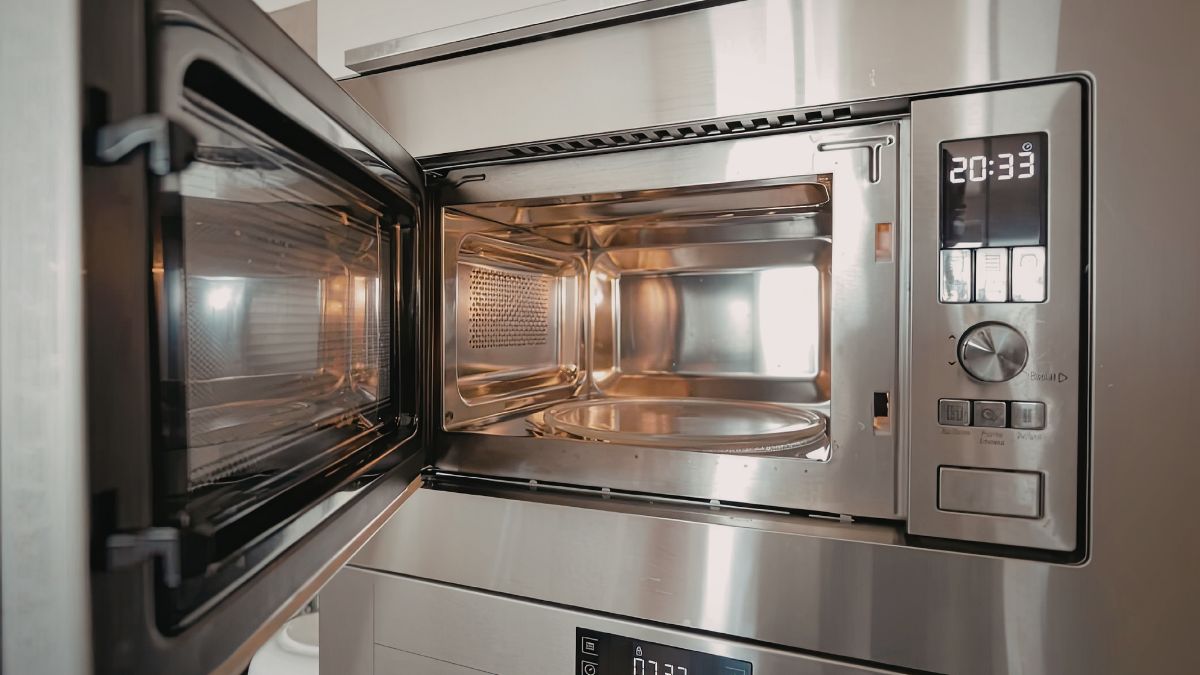
Microwave ovens have become essential kitchen appliances, but many common household items should never be placed inside them. Certain materials, coatings, and substances create dangerous reactions when exposed to microwave radiation that can cause fires or explosions. Understanding which items pose risks helps prevent accidents and protects your kitchen and home from damage. Many people unknowingly place hazardous items in their microwaves without realizing the potential dangers. Here are thirty things you should never microwave to keep your kitchen safe.
Metal Utensils
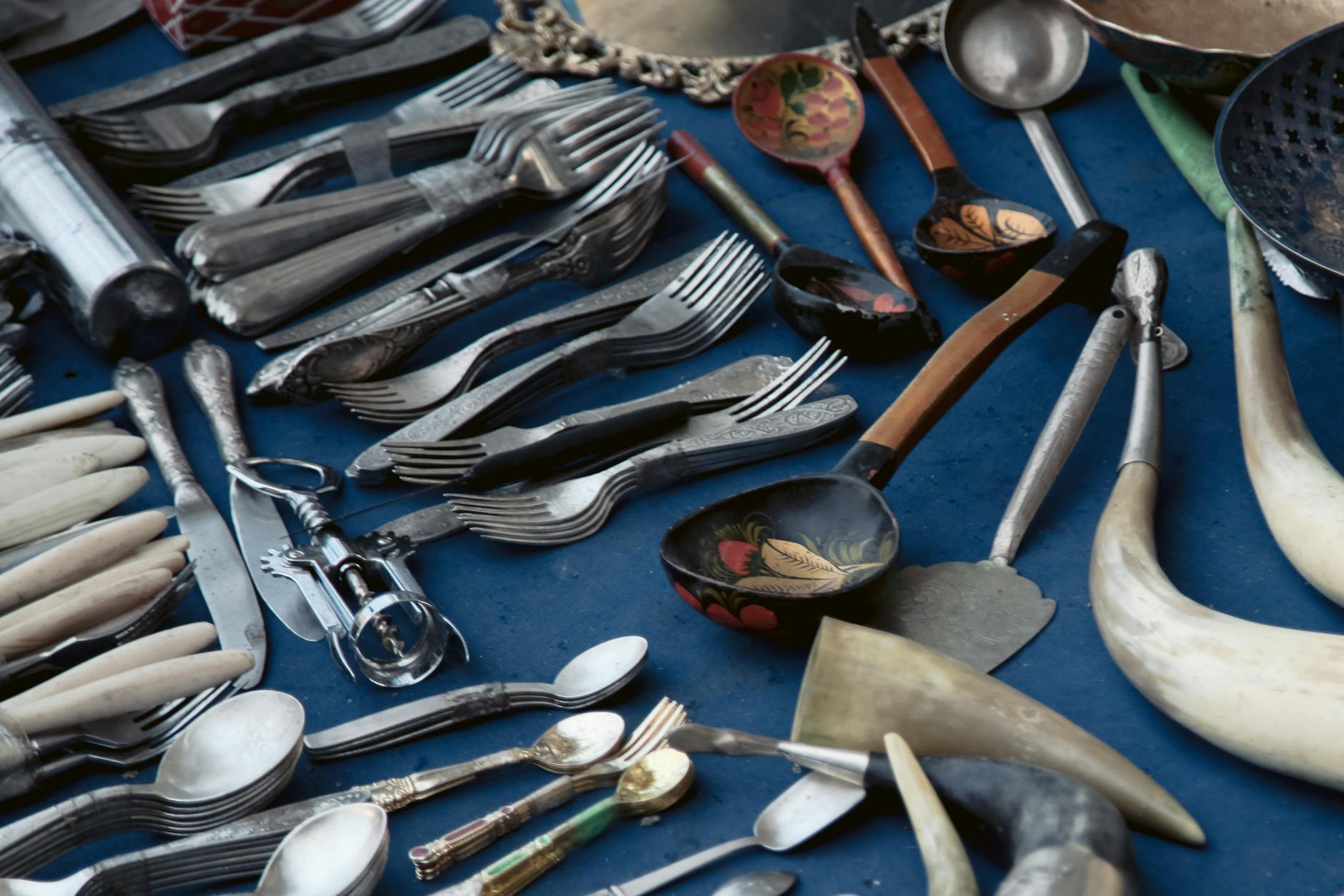
Metal forks, spoons, and knives create electrical arcs when placed in the microwave because they conduct electromagnetic radiation. These arcs generate intense heat that can ignite nearby food or microwave interior components, causing fires. Even small pieces of metal foil or metal-trimmed dishes create dangerous sparking inside the microwave chamber. The metal’s surface provides pathways for electrical current that build rapidly and violently. Always transfer food to microwave-safe ceramic or glass containers before heating.
Aluminum Foil
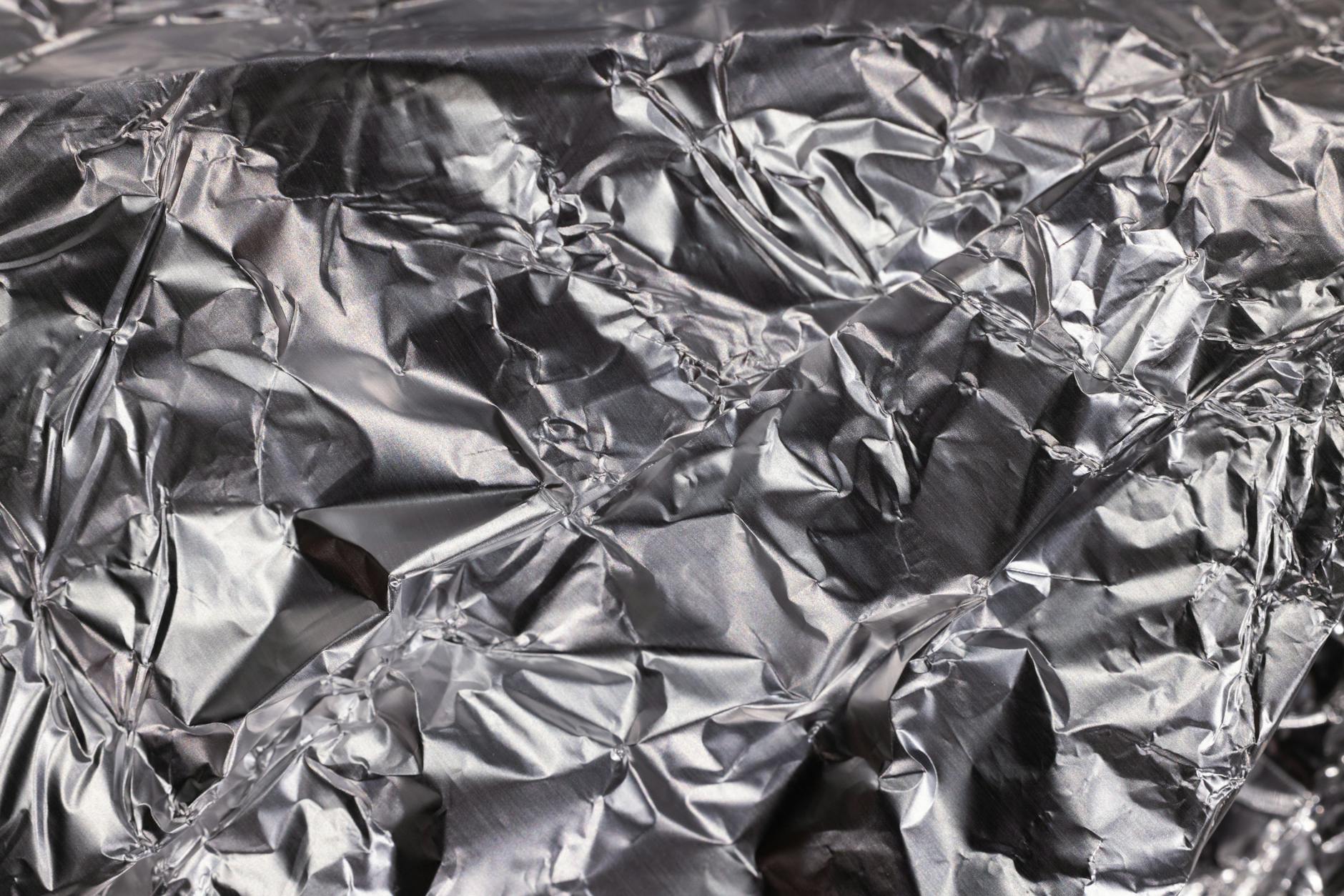
Aluminum foil reflects microwave radiation instead of allowing it to pass through to your food. This reflection creates electrical arcing between the foil and the microwave walls, generating sparks and potential fires. Even small pieces of foil accidentally left on takeout containers can ignite when microwaved. The thin metal conducts electricity intensely, creating dangerous heat concentrations quickly. Remove all foil before microwaving and use only microwave-safe coverings instead.
Styrofoam Containers
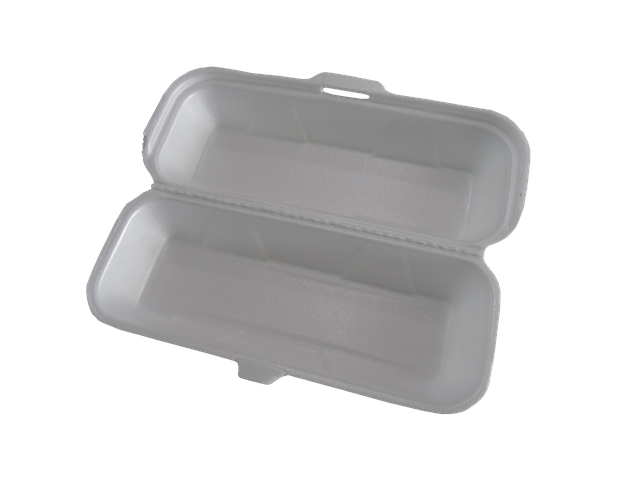
Styrofoam melts and breaks down when exposed to microwave heat, releasing toxic chemicals into your food. The material was never designed to withstand the intense heat generated inside microwaves. Melting styrofoam produces harmful fumes that contaminate food and the microwave interior. Some styrofoam containers ignite when exposed to extreme microwave temperatures. Always transfer food from foam containers to proper microwave-safe dishware before heating.
Plastic Bags
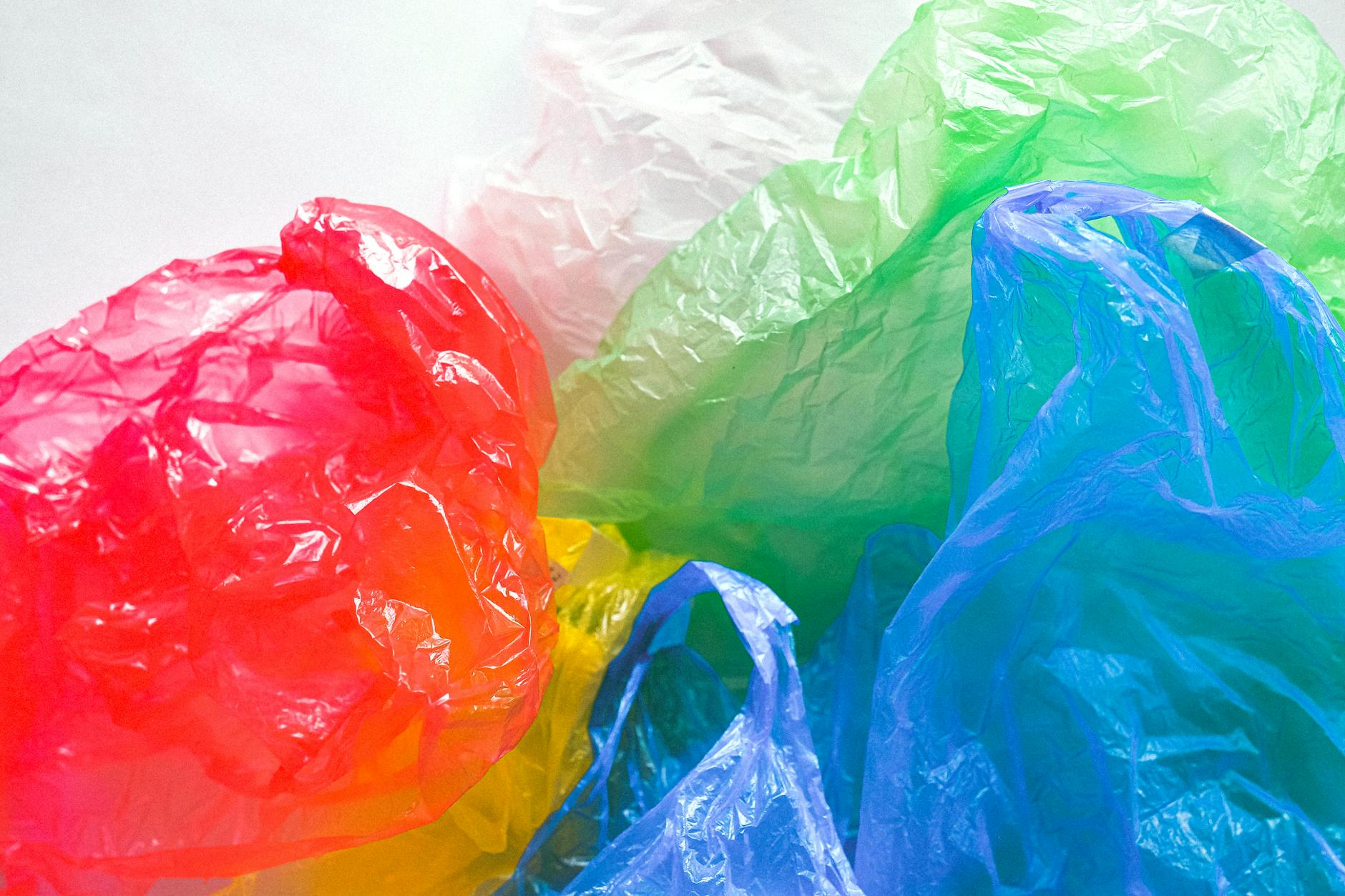
Standard plastic bags melt rapidly when exposed to microwave radiation, releasing toxic chemicals and potentially catching fire. The thin plastic cannot withstand the heat, and melting material can drip onto heating elements. Heated plastic releases BPA and other chemicals that leach into food, posing health risks. Some plastic bags contain dyes and coatings that ignite when exposed to high microwave temperatures. Use glass or ceramic containers with proper venting instead of plastic bags for microwave cooking.
Non-Microwave-Safe Plastics
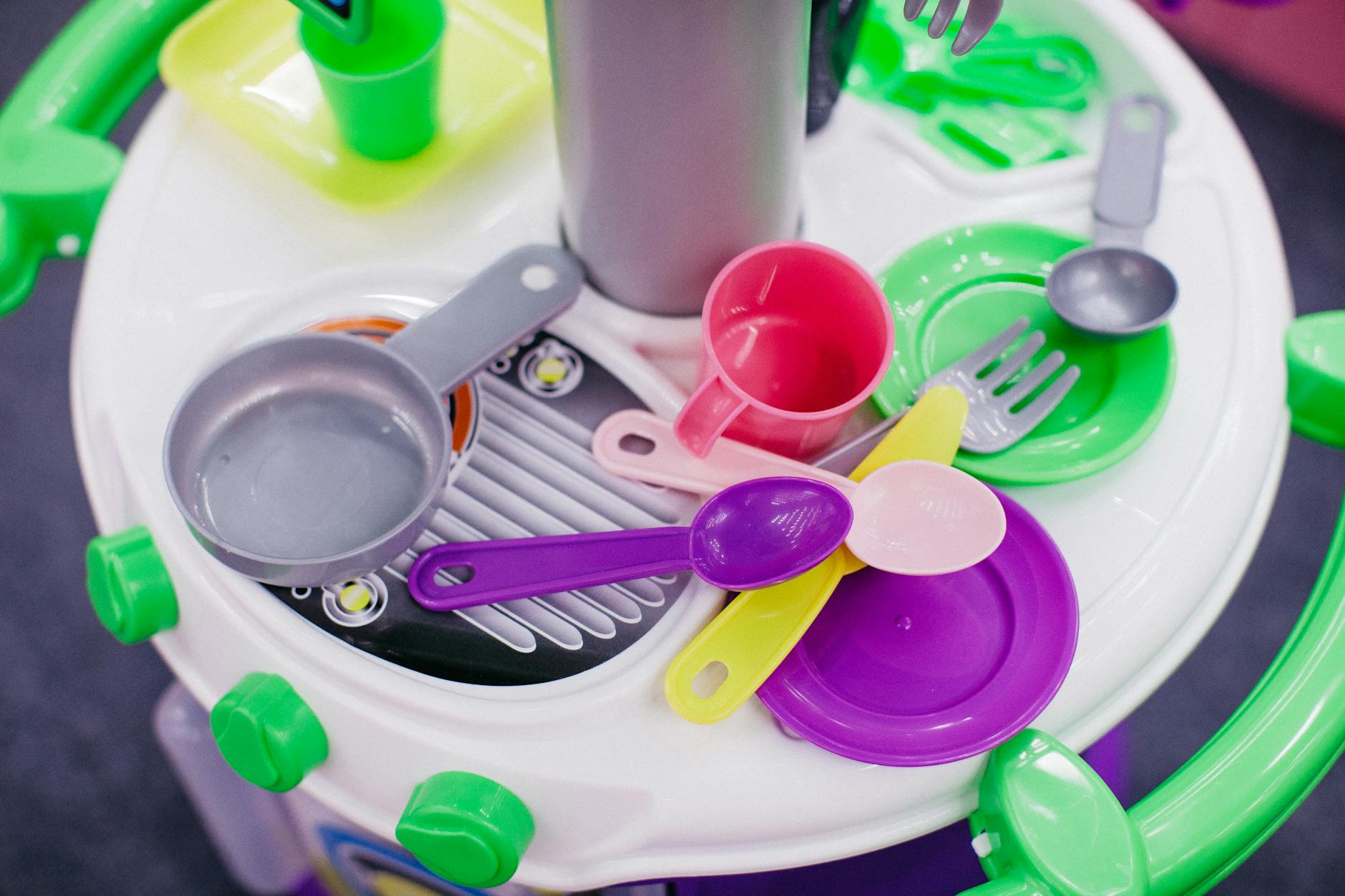
Many plastic containers labeled for food storage are not designed to withstand microwave heat. These plastics melt, warp, and release harmful chemicals when exposed to radiation, contaminating your food. Some plastics ignite when exposed to sustained microwave temperatures in concentrated areas. The plastic coating on some containers burns rather than melts, creating actual fire hazards. Always check for microwave-safe labeling before using any plastic container in your microwave.
Certain Ceramics with Metallic Paint
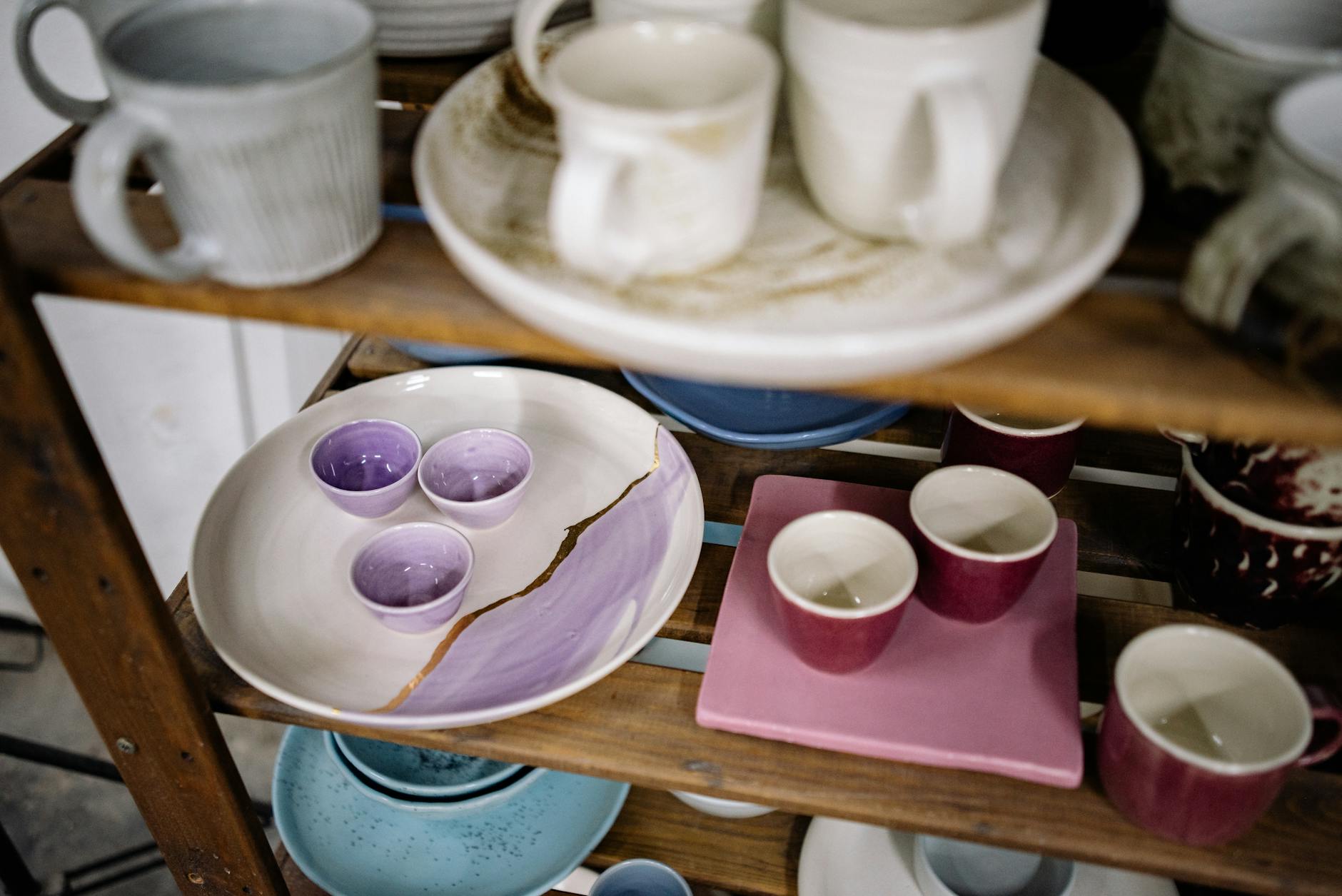
Decorative ceramics with metallic glazes or paint containing gold, silver, or platinum create arcing like metal utensils do. These metallic particles conduct microwave radiation and generate sparks that ignite surrounding materials. Vintage dishes and decorative plates often have metallic trim that creates fire hazards in the microwave. Even small amounts of metallic paint on ceramic surfaces cause dangerous electrical arcing. Use only plain ceramics without decorative coatings or metallic finishes for microwave use.
Eggs in the Shell
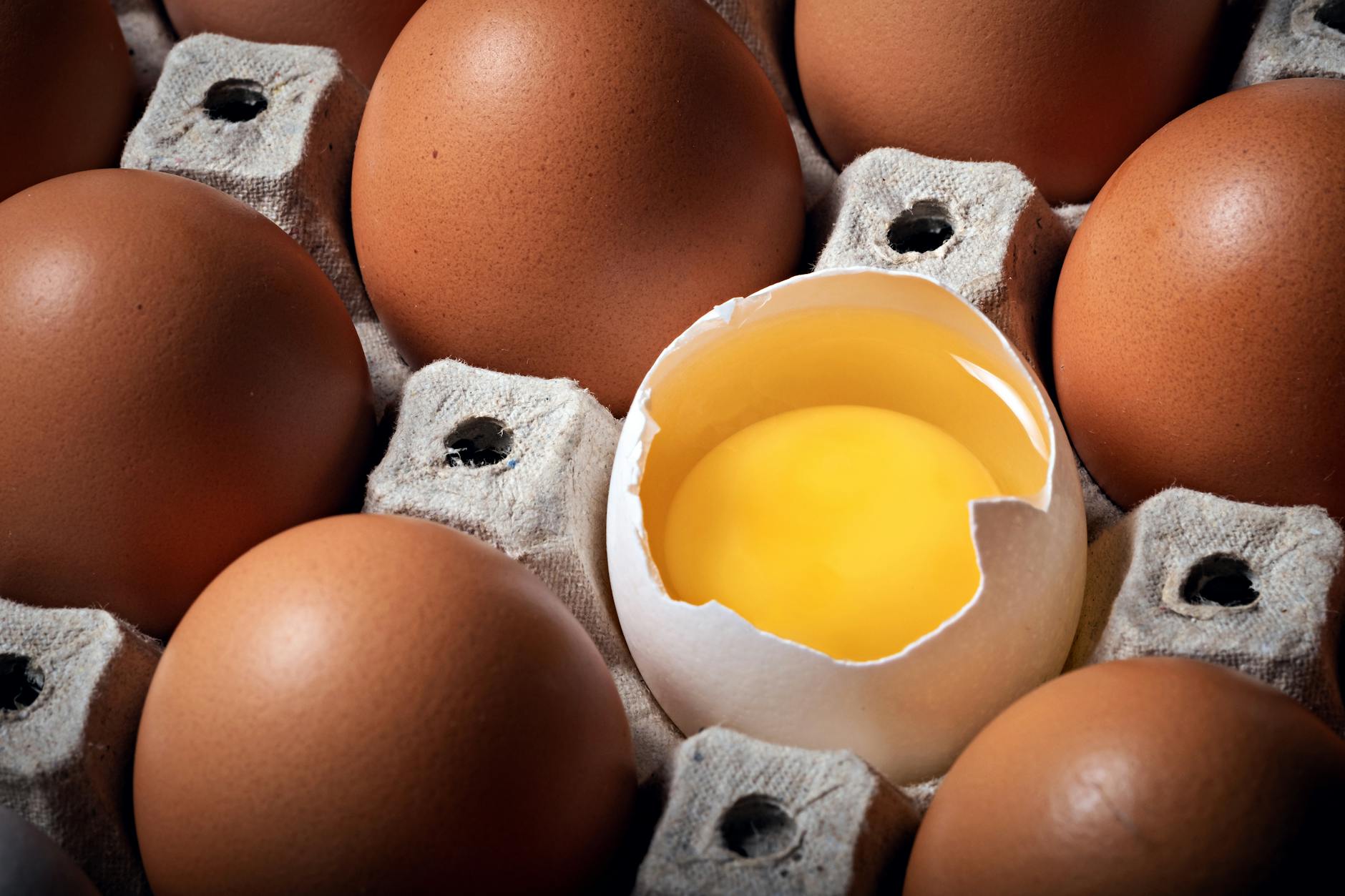
Whole eggs in their shells explode violently inside the microwave because steam builds pressure inside the sealed shell. The rapid heating creates internal pressure that ruptures the shell explosively, scattering hot egg and shell fragments throughout the microwave. This explosion can cause burns and significant mess inside your appliance. Piercing the shell before microwaving does not adequately prevent this dangerous reaction. Always crack eggs into a bowl and pierce the yolk before microwave heating.
Sealed Containers
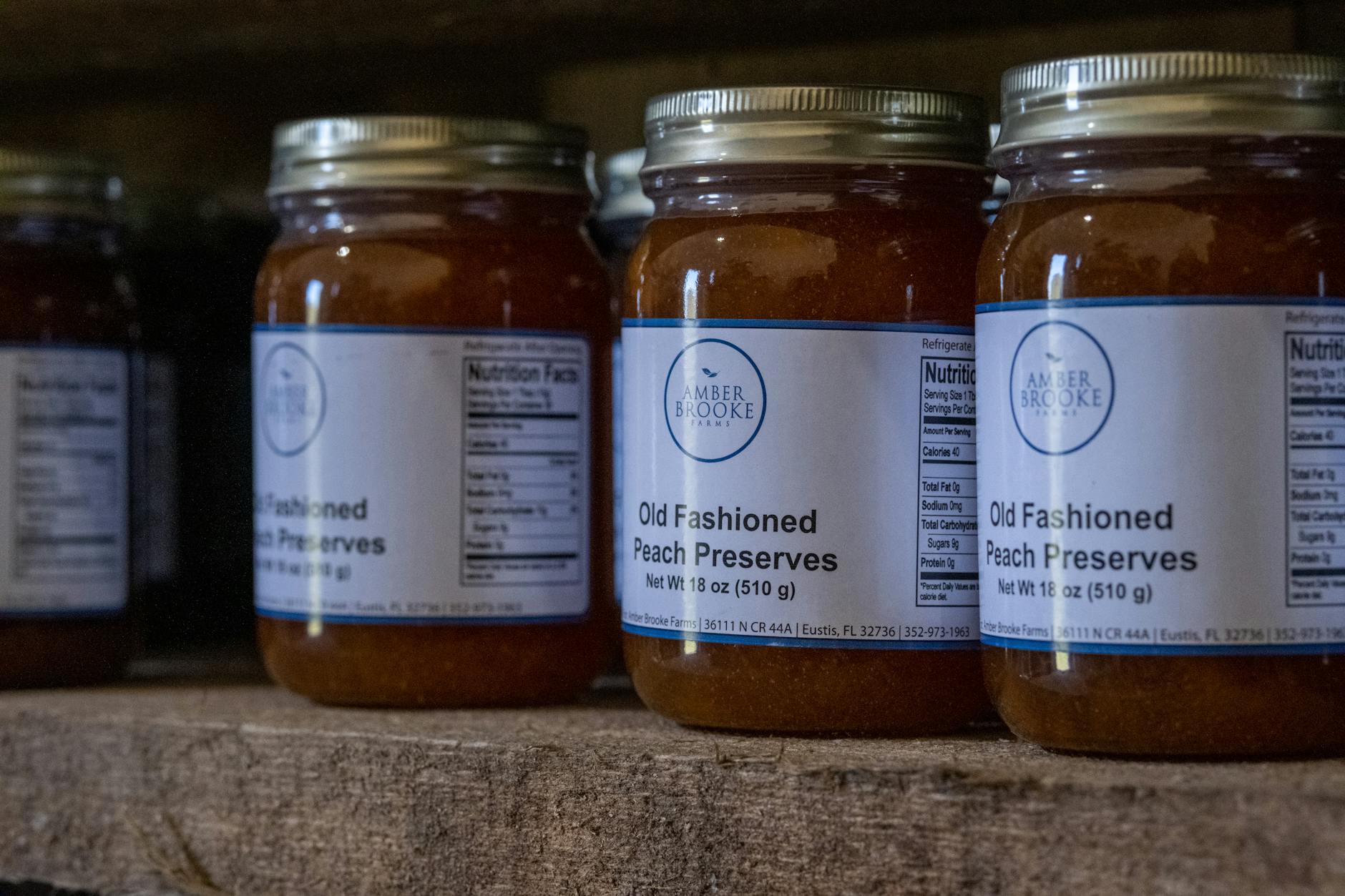
Any sealed or tightly closed container traps steam inside, building dangerous pressure that can explode violently. The expanding steam has nowhere to escape, forcing the container to rupture or explode. This includes jar lids, plastic wrap covering bowls tightly, and any fully enclosed containers. The sudden explosion scatters hot contents throughout the microwave and can cause serious burns. Always vent containers by leaving lids off or creating small openings for steam to escape.
Certain Paper Products
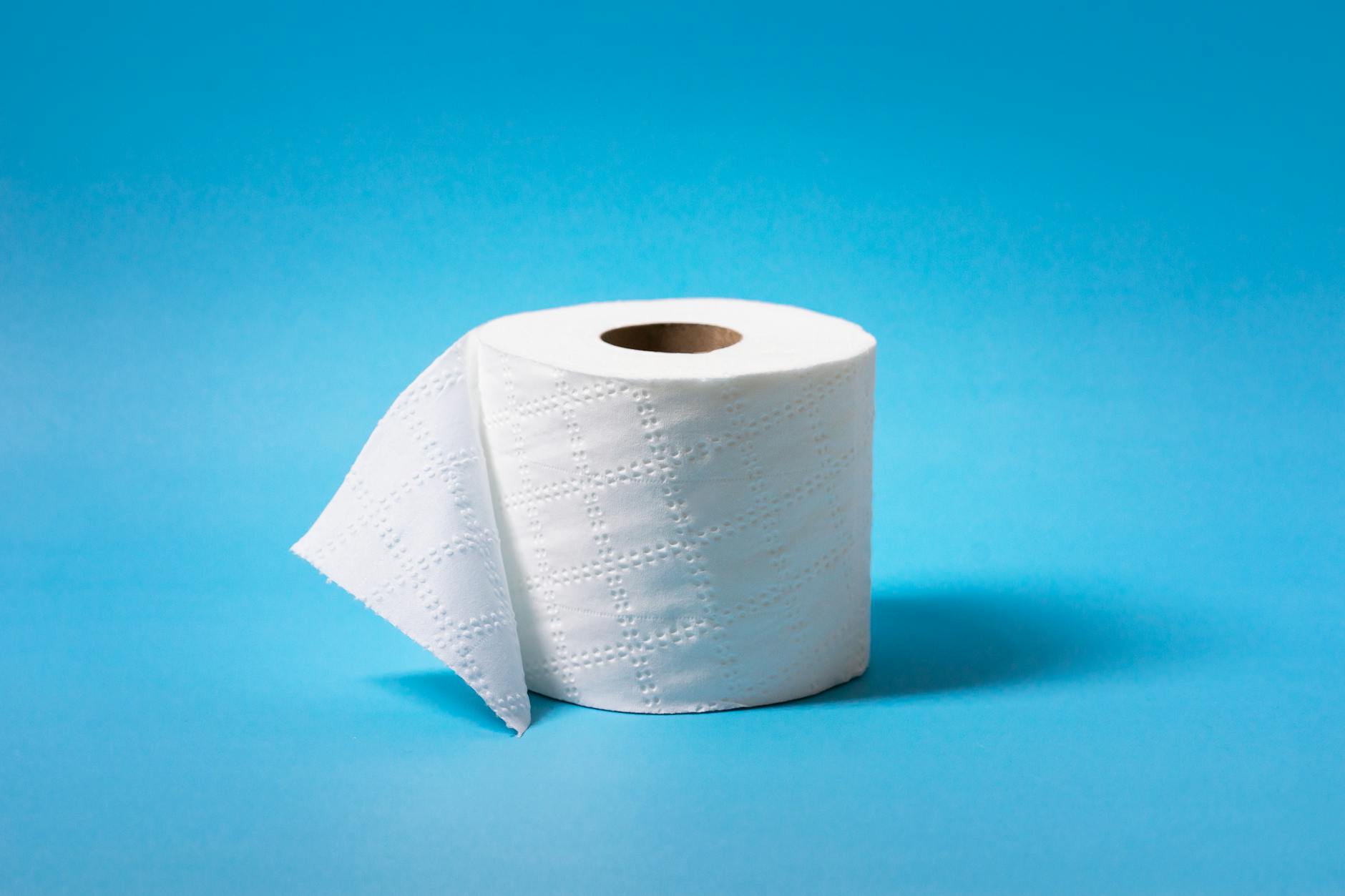
Some paper towels, napkins, and bags contain chemicals or dyes that ignite when exposed to microwave heat. Recycled paper products may contain contaminants that react dangerously to microwave radiation. Bleached paper products can release toxic fumes when heated in the microwave. Some paper items absorb moisture and create conditions for ignition at high temperatures. Use only microwave-safe paper products designed specifically for heat exposure and food contact.
Chili Peppers and Hot Peppers
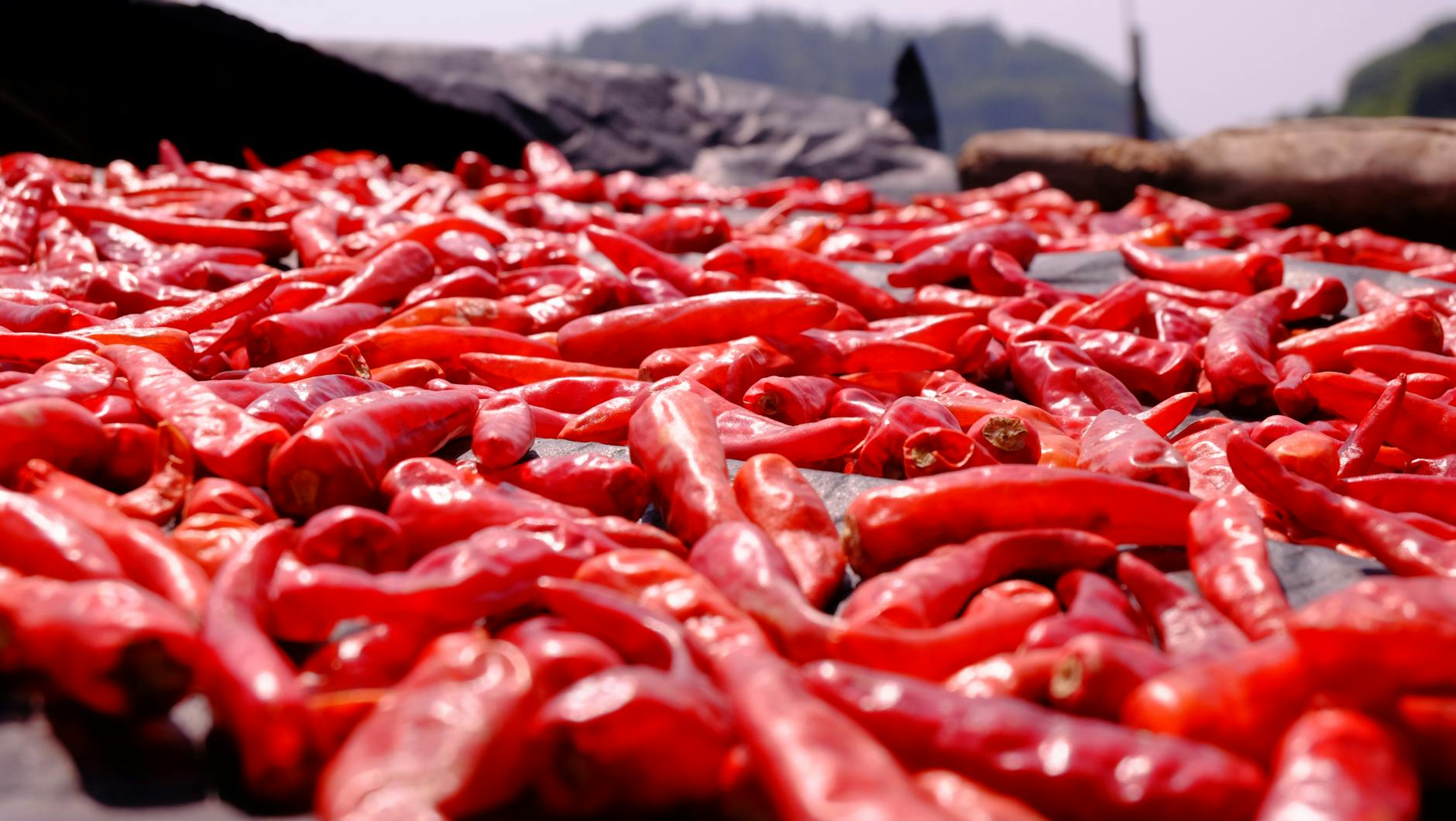
Heating whole or cut hot peppers releases capsaicin vapors that become concentrated and irritating when contained in the microwave. These vapors create a burning sensation in eyes and respiratory system for anyone in the kitchen. Some particularly spicy pepper varieties can produce vapors that actually cause irritation similar to tear gas. The intense heat of the microwave amplifies capsaicin release dramatically. Microwave hot peppers only when necessary and ensure proper ventilation throughout the process.
Leftover Takeout Metal Containers
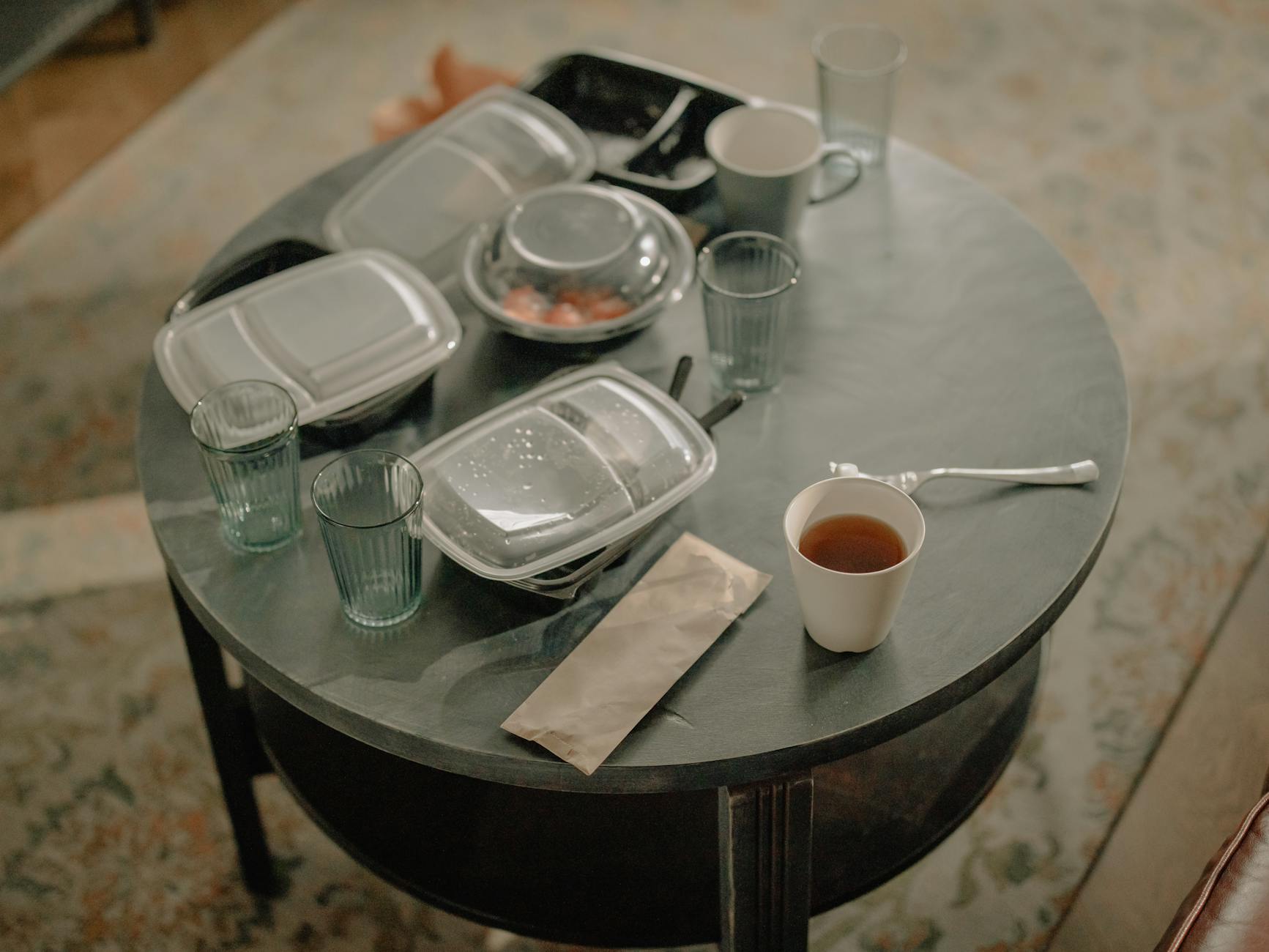
Many restaurants use metal containers or boxes with metal handles and clasps for packaging takeout food. These metal components create dangerous arcing and sparking when the container enters the microwave. The metal attracts and reflects microwave radiation intensely, generating electrical arcs rapidly. Even briefly microwaving food still in these containers creates fire risks. Always transfer all takeout food to ceramic or glass dishes before microwave heating.
Certain Glazed Pottery
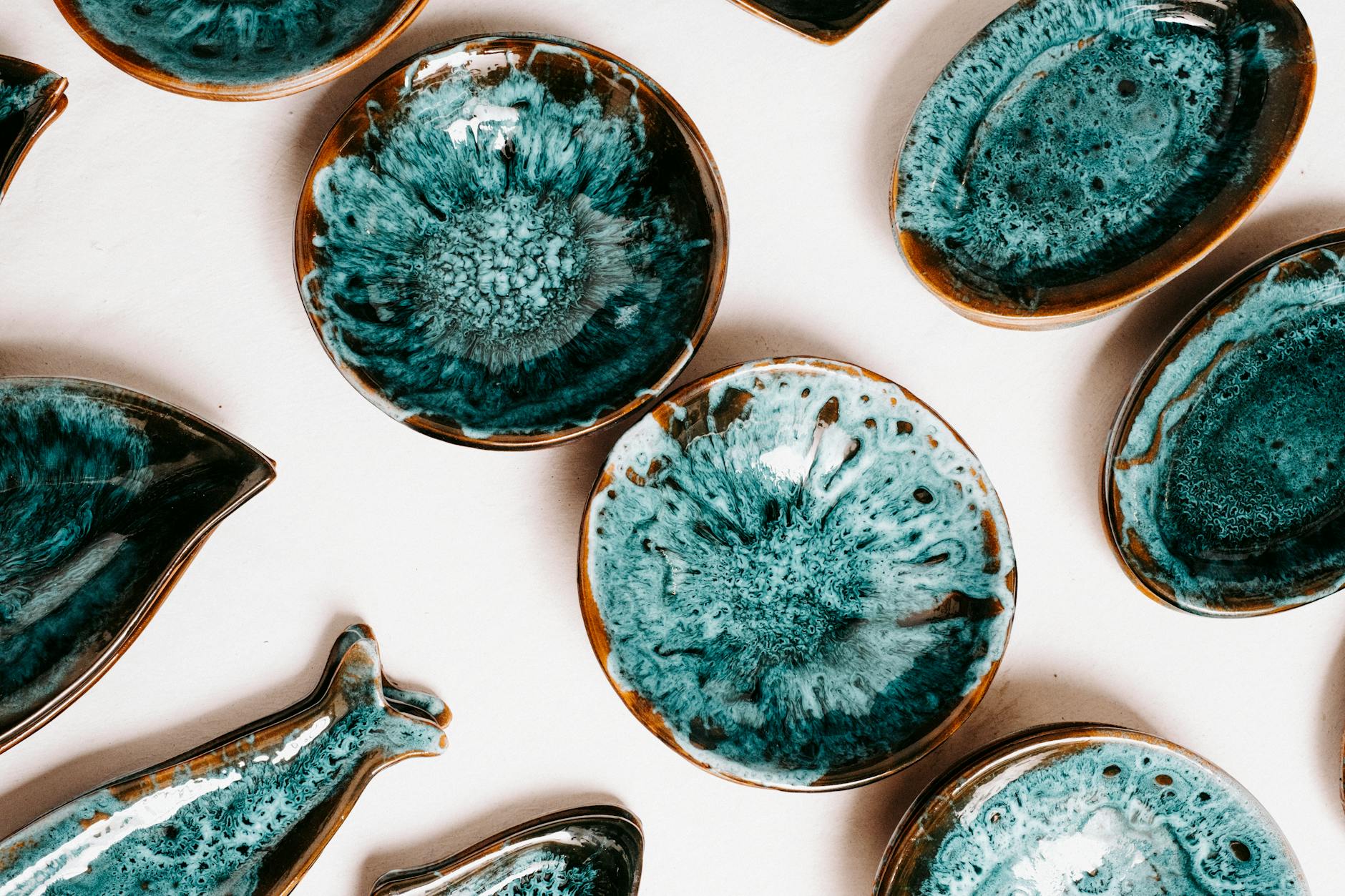
Some glazes used on handmade or imported pottery contain lead or cadmium that leaches into food when heated. The microwave’s heat accelerates the chemical migration from pottery to food dramatically. Lead exposure causes serious health issues, particularly in children and pregnant women. Pottery without proper food-safe certification should never be used for microwaving. Stick to pottery specifically labeled as microwave-safe and food-safe by the manufacturer.
Metal-Trimmed Glassware
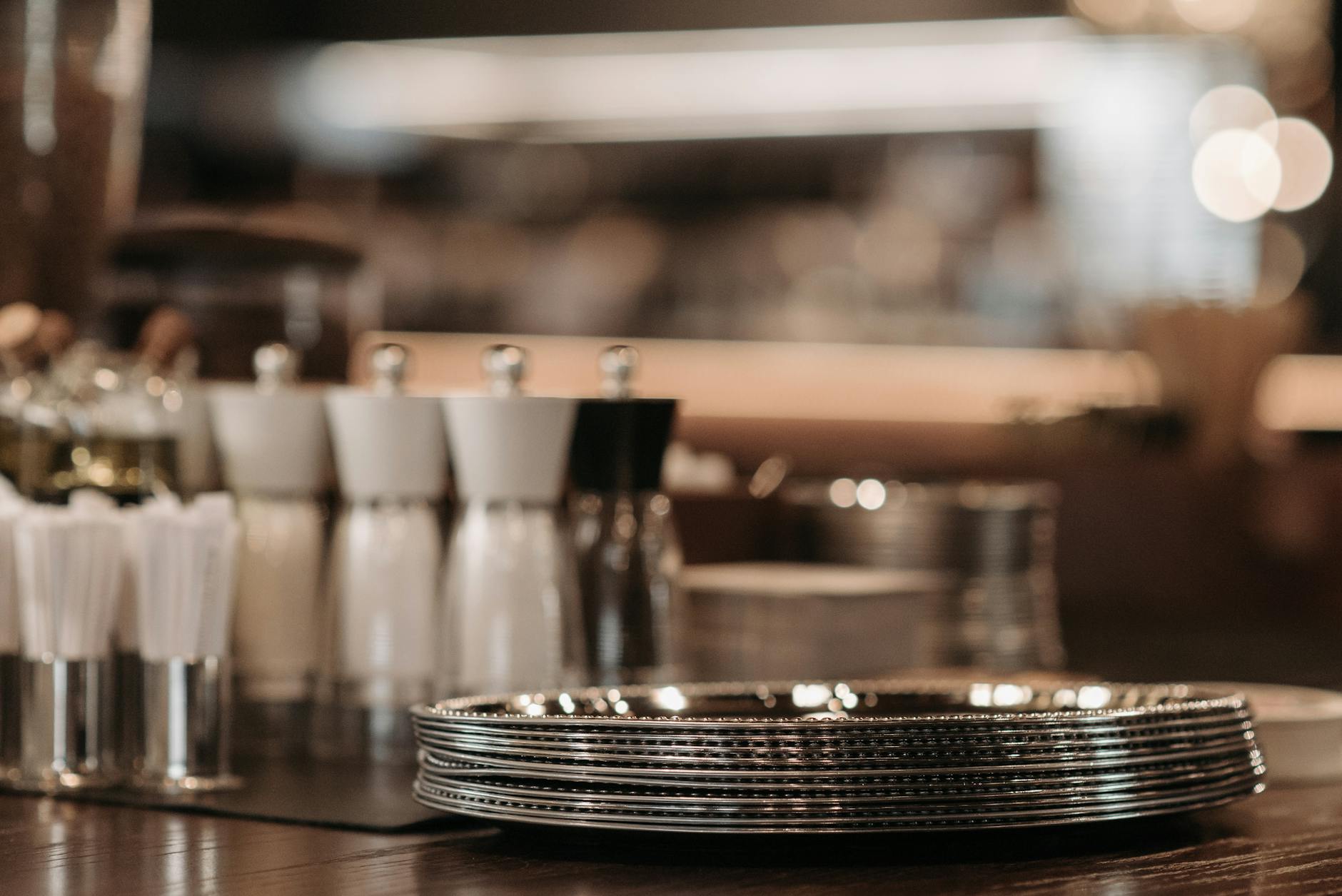
Glasses and plates with metallic decorative trim around the edges create the same arcing hazard as other metal items. These decorative metal bands conduct microwave radiation and generate dangerous sparks. The beautiful metallic designs make these items attractive but completely unsafe for microwave use. Sparking occurs rapidly even with brief microwave exposure. Always use plain glassware without any metallic trim or decoration for microwave heating.
Certain Canned Foods
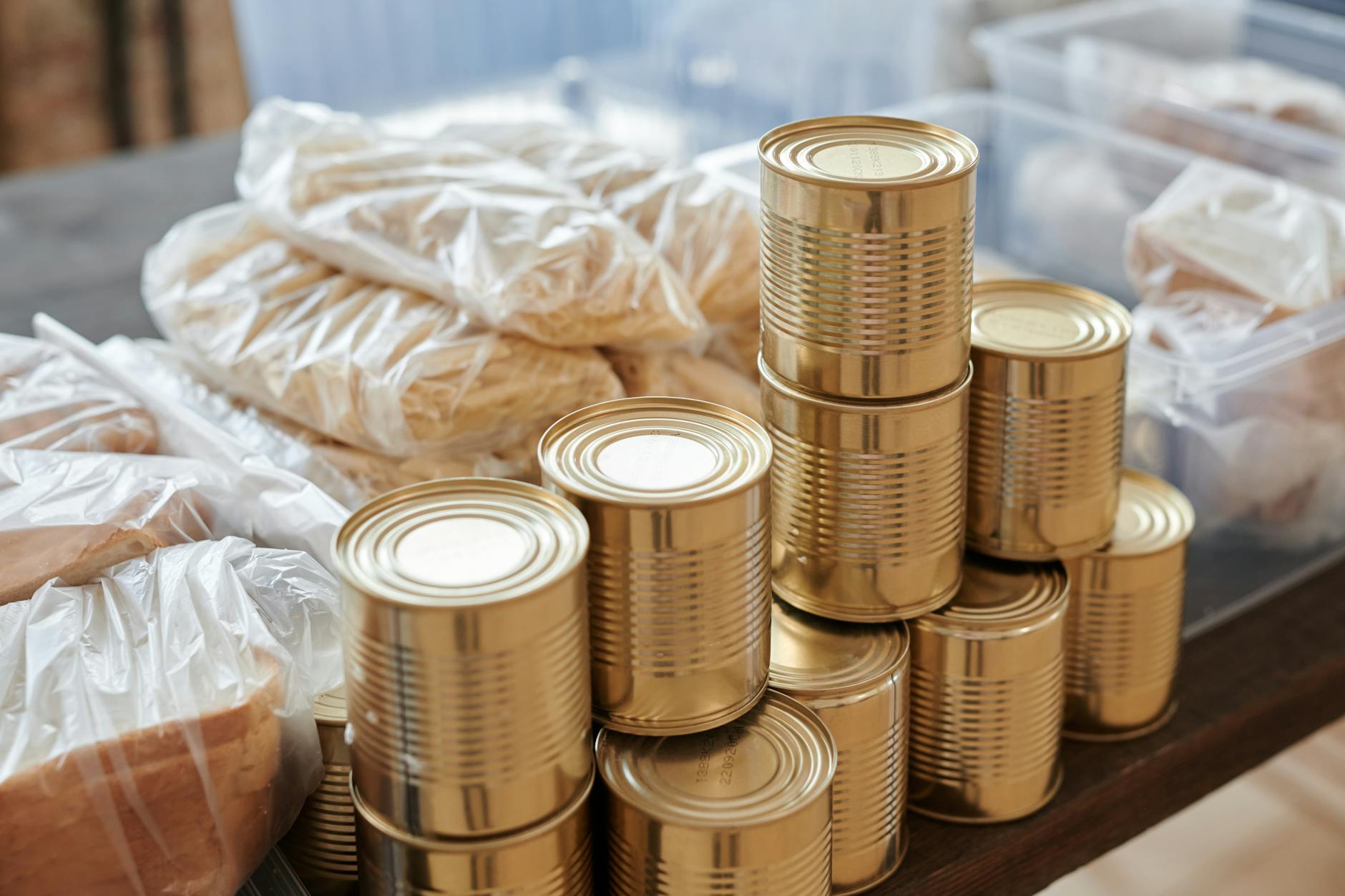
Canned foods still in their metal cans create extreme fire hazards when microwaved because the entire container is conductive metal. The metal can reflects radiation and creates intense arcing and sparking throughout the microwave. This generates extremely hot spots that ignite food or the microwave interior rapidly. Some cans contain linings that leach chemicals when heated in the microwave. Always remove food from cans and transfer it to microwave-safe containers before heating.
Plastic Wrap
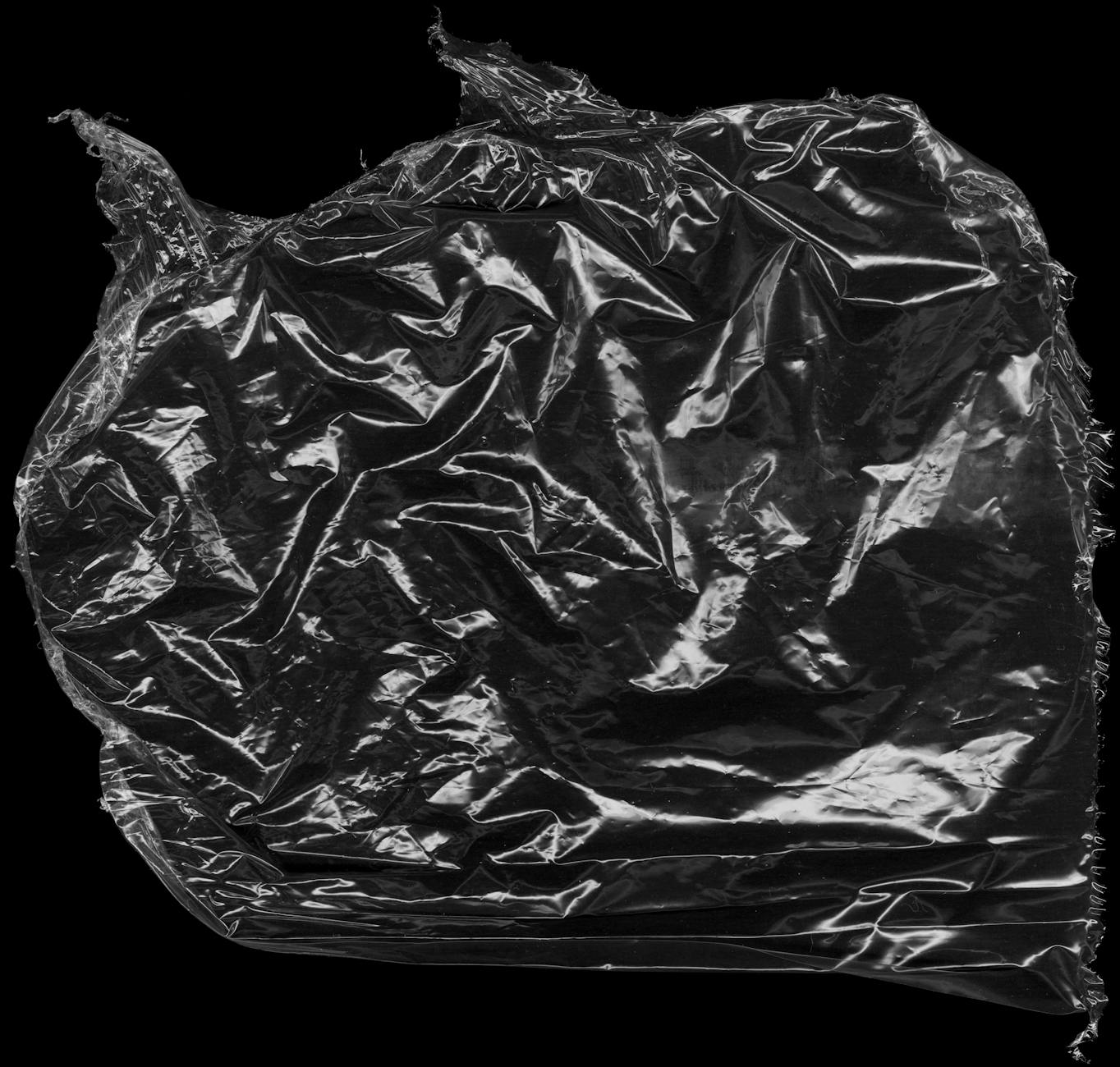
Standard plastic wrap melts when exposed to microwave heat and can contaminate food with toxic chemicals. The plastic adheres to heating food and melts directly into meals, creating serious health hazards. Some plastic wraps ignite rather than melt when exposed to sustained high microwave temperatures. The heated plastic releases BPA and phthalates that leach into food. Use microwave-safe lids or paper towels designed for microwave use instead of plastic wrap.
Certain Spices in Sealed Containers
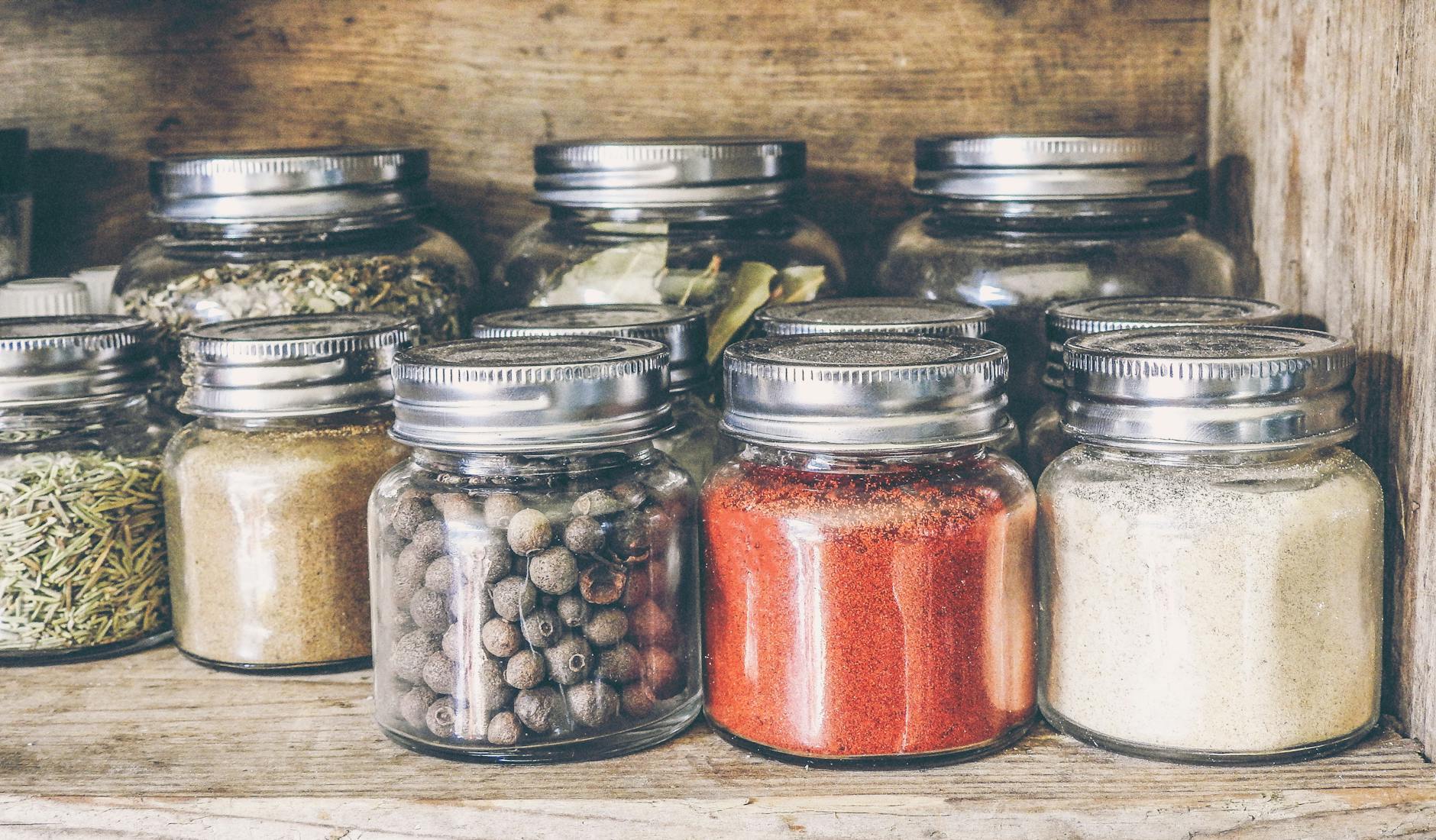
Some spice containers with plastic lids and metal springs ignite or explode when heated sealed in the microwave. The container traps steam and heat, building pressure that ruptures violently. Plastic components melt into the spices, making them inedible and potentially toxic. Metal springs and bands conduct and concentrate microwave radiation dangerously. Remove spices from their containers and place them in microwave-safe dishes before heating.
Certain Nuts and Seeds
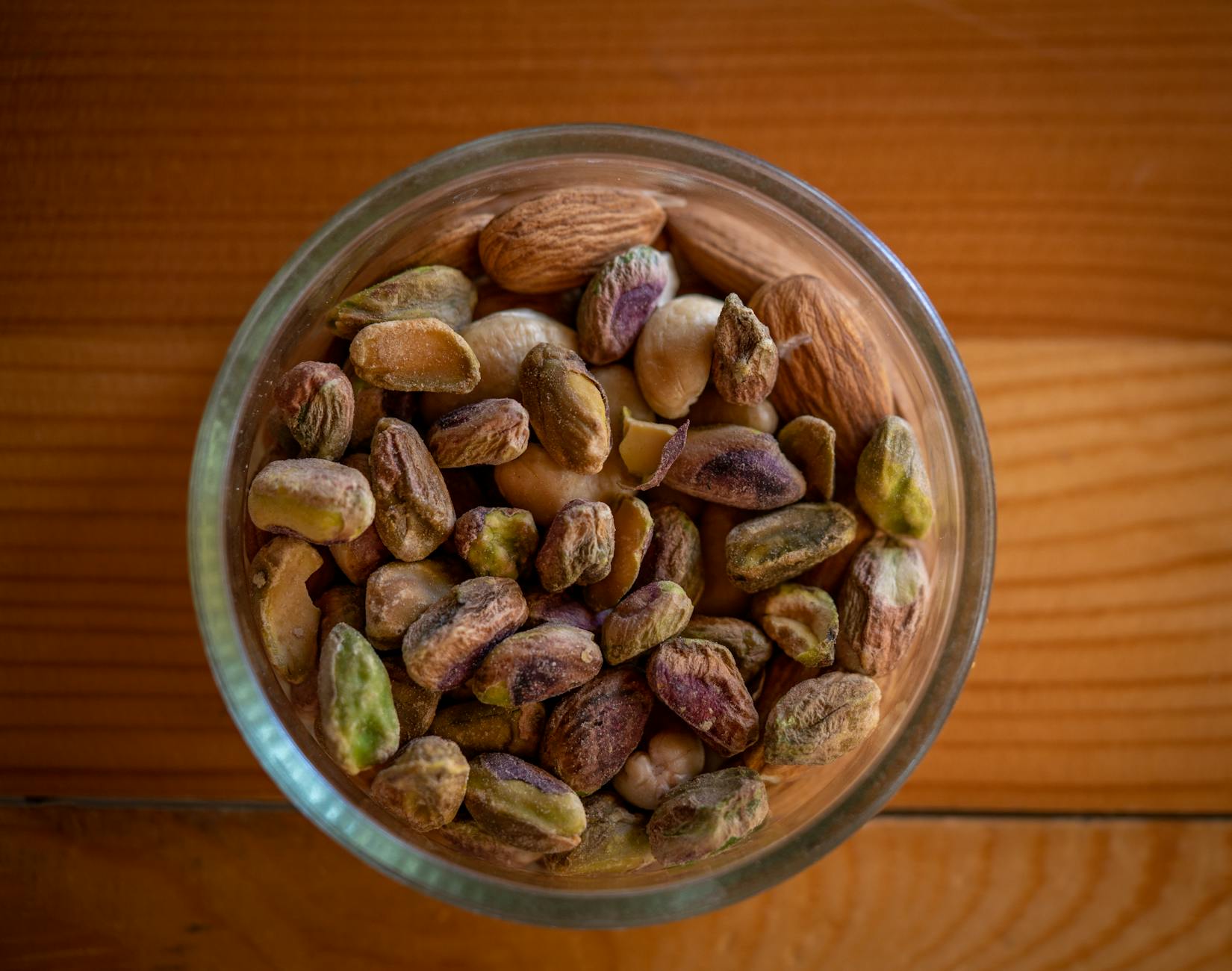
Some nuts and seeds with high oil content smoke or ignite when exposed to intense microwave heat. Concentrated oils in nuts reach ignition points rapidly when subjected to microwave radiation. Peanuts, certain seeds, and oily nuts can actually catch fire inside the microwave. The oils oxidize and spontaneously ignite at high temperatures in the microwave’s enclosed space. Microwave nuts and seeds only briefly and with careful monitoring to prevent combustion.
Most Plasticware
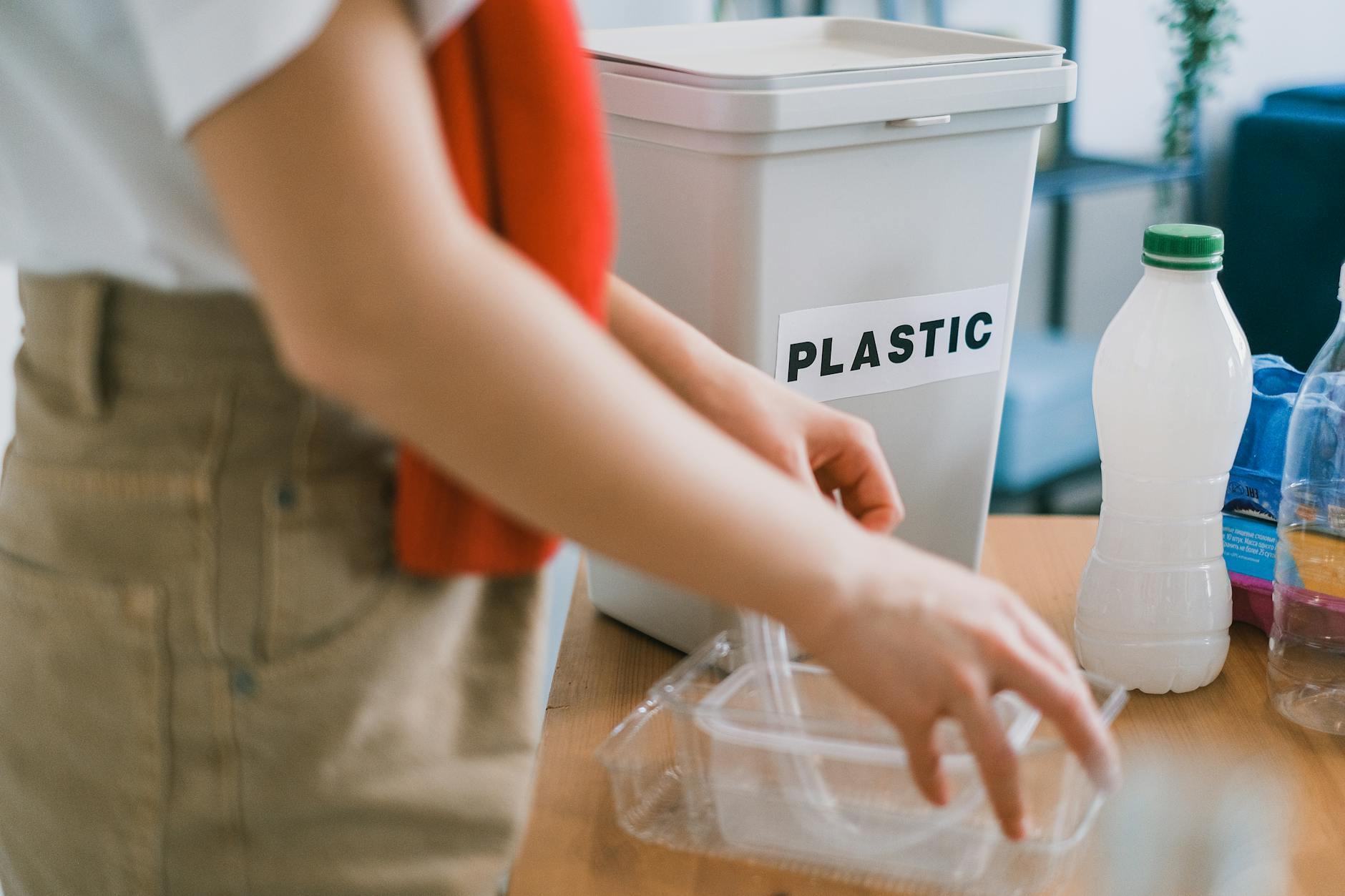
Generic plastic dishes, bowls, and containers not specifically labeled microwave-safe melt, warp, or ignite when microwaved. The microwave’s heat exposure exceeds the plastic’s melting point, causing structural failure and chemical release. Some plasticware actually catches fire rather than melting when temperatures reach dangerous levels. Melted plastic contaminates food with toxic chemicals and can damage the microwave interior. Always verify microwave-safe labeling before using any plastic item in your microwave.
Certain Oils and Fats
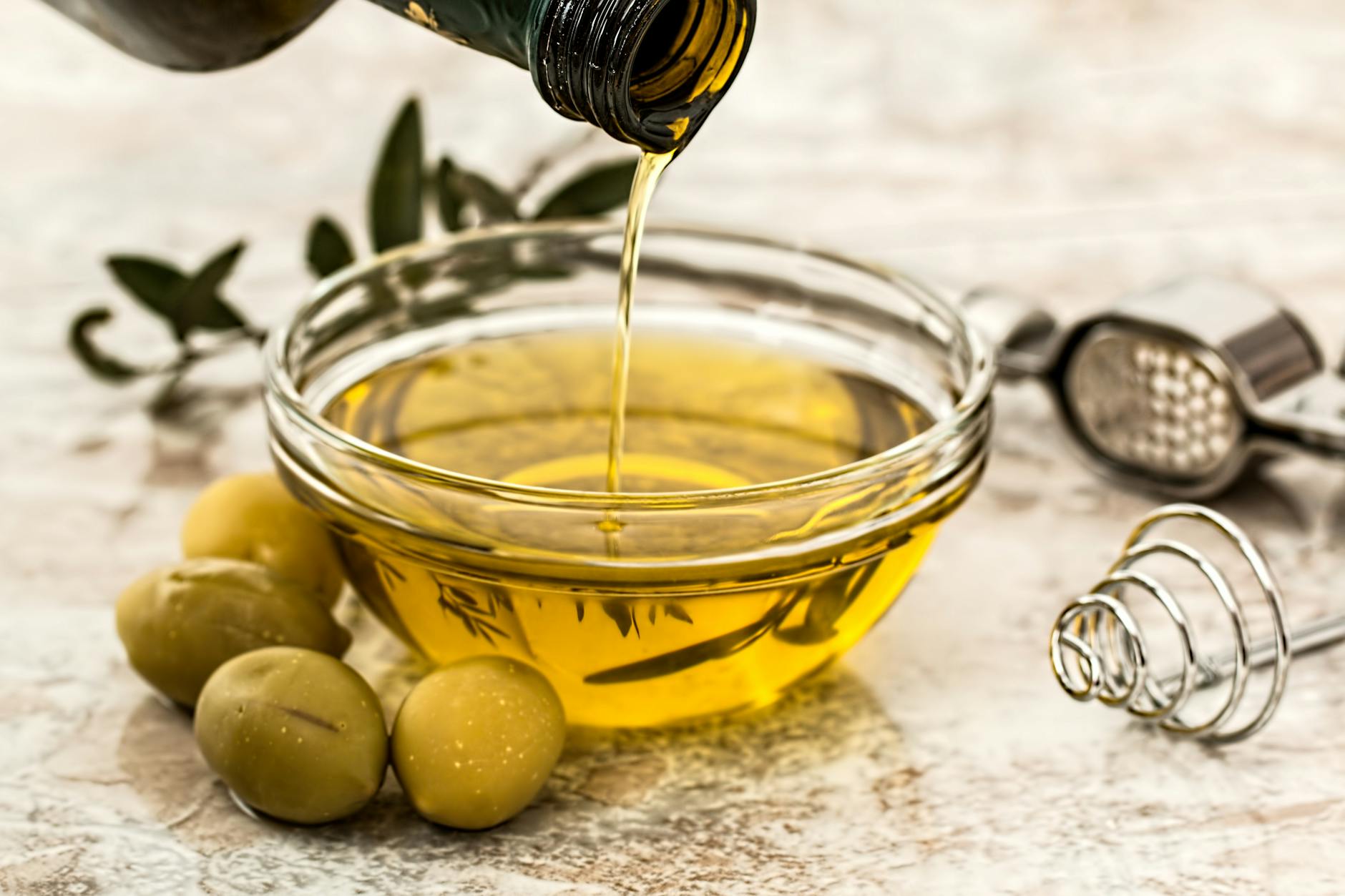
Oils and fats can superheat beyond their smoke points in the microwave, reaching dangerous temperatures that cause ignition. The enclosed space prevents the normal cooling and ventilation that occurs with stovetop cooking. Concentrated heat from the microwave causes oils to reach flashpoints rapidly and unpredictably. Some oils ignite spontaneously when overheated in the microwave’s intense radiation field. Heat oils on the stovetop where you can monitor temperature and ventilation properly.
Butter in Sealed Containers
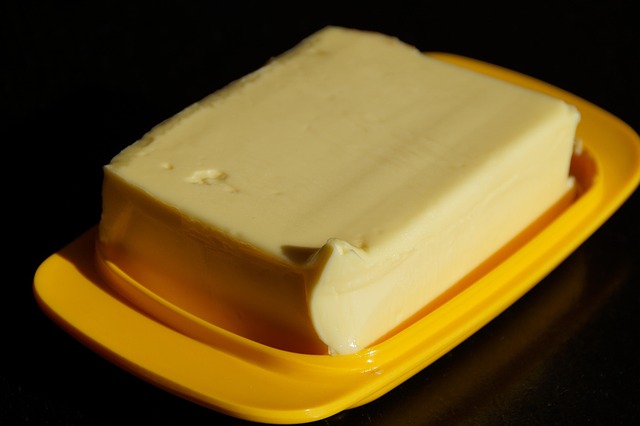
Butter sealed in a container explodes when microwaved because the water content turns to steam that builds pressure. The expanding steam ruptures the container violently, scattering hot butter throughout the microwave. Even loosely covered butter can splatter dangerously when the water content heats rapidly. The melting butter releases flammable vapors that can ignite in the microwave’s heat. Melt butter in a microwave-safe dish without a sealed lid to allow steam to escape.
Certain Adhesive-Sealed Containers
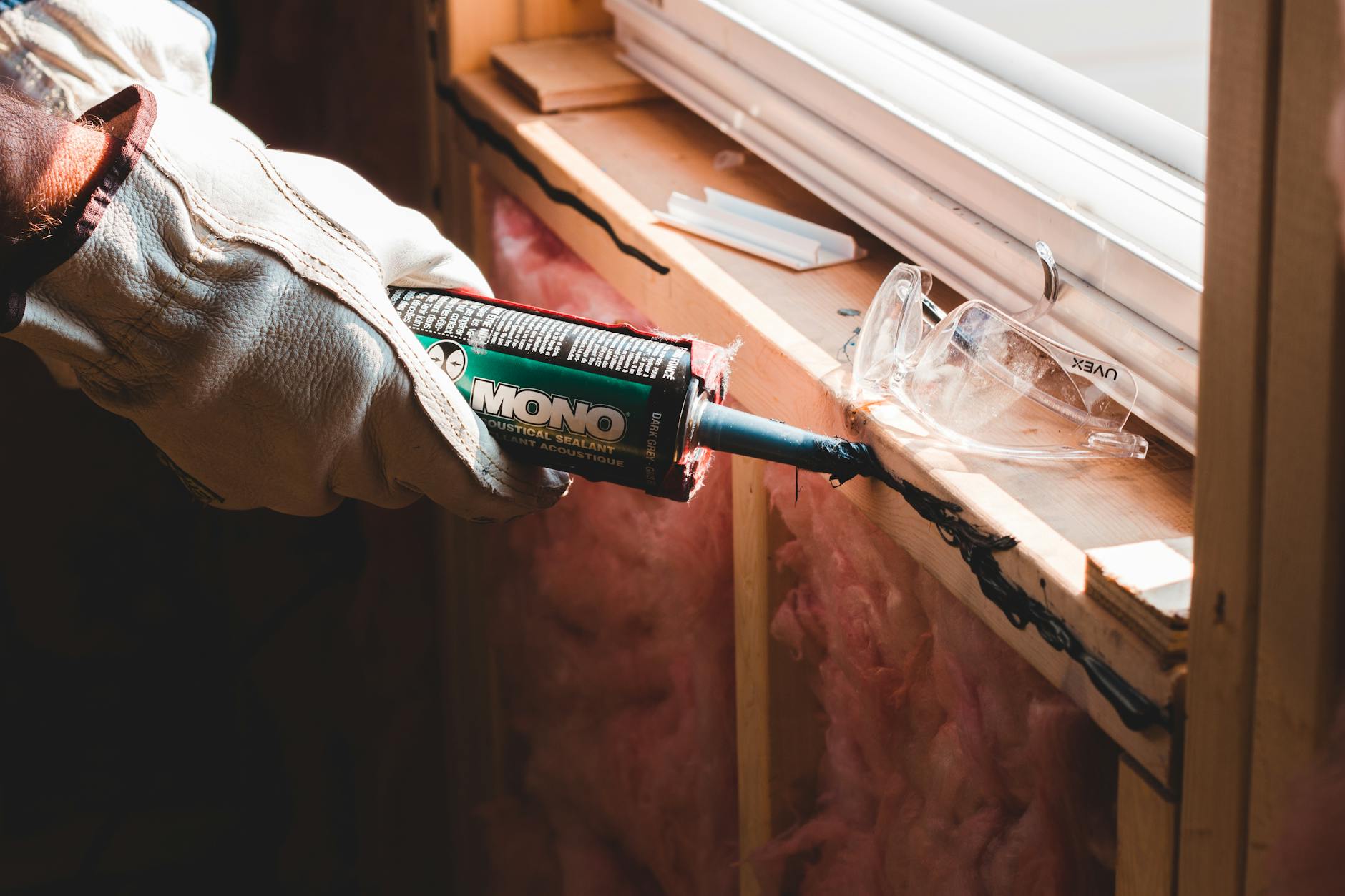
Containers held together with heat-sensitive adhesives melt and release toxic fumes when placed in the microwave. The adhesive breaks down under microwave heat, releasing chemicals into food and the appliance. Some adhesives ignite when exposed to intense heat, creating fire hazards. Decomposing adhesives produce toxic fumes that contaminate food and the microwave interior. Use only containers designed to withstand microwave temperatures with permanent, heat-safe sealing.
Certain Paper-Lined Food Containers
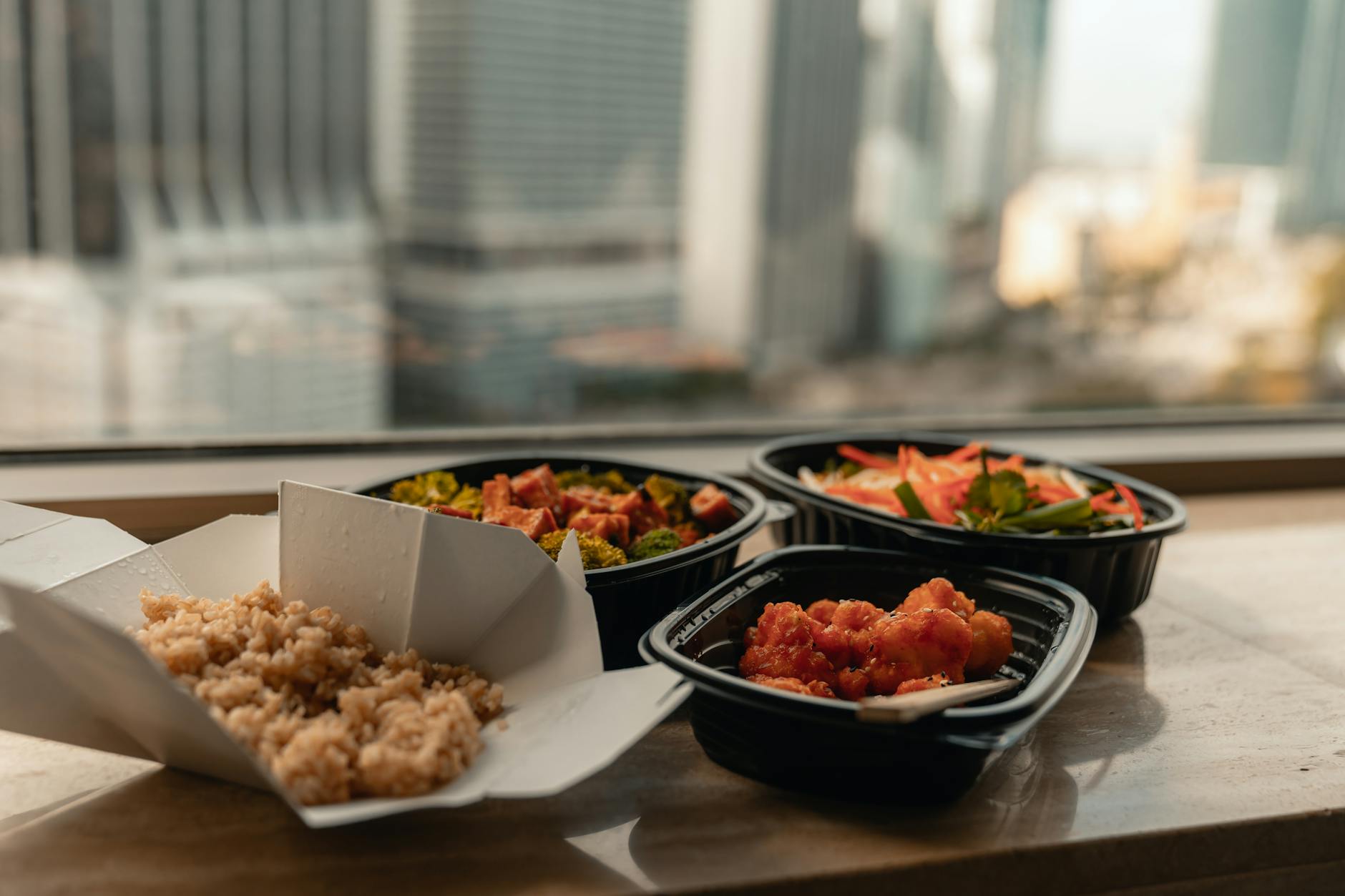
Takeout containers with plastic or wax-based linings melt when microwaved and release harmful chemicals into food. The plastic lining never designed for microwave heat deteriorates rapidly and contaminates meals. Some linings ignite when exposed to the microwave’s concentrated heat. The melting materials drip onto heating elements and create fire hazards. Transfer all takeout food to ceramic or glass containers before microwaving.
Anything with Spray Coatings
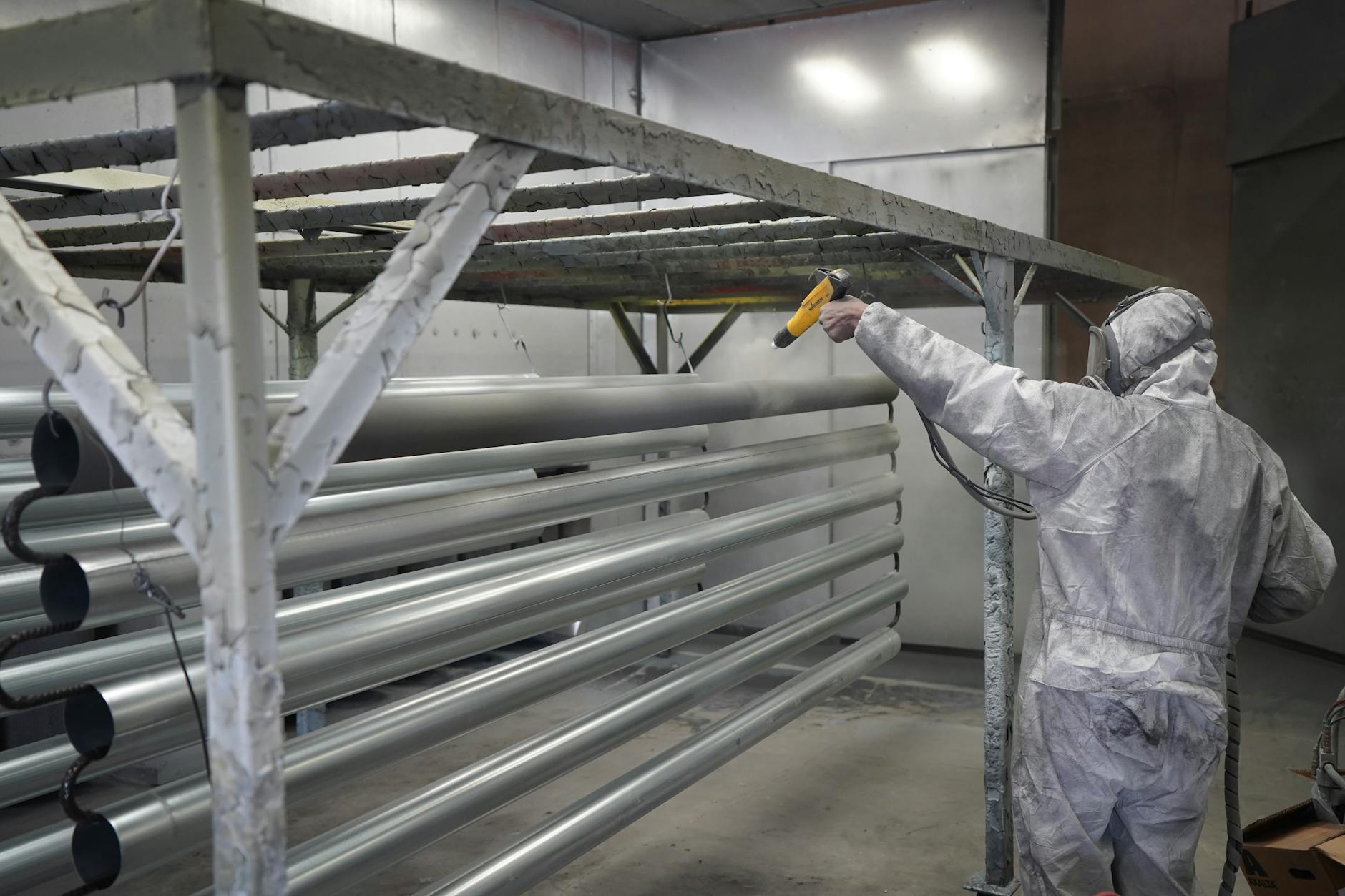
Non-stick spray coatings, Teflon, and similar nonstick surfaces break down when exposed to microwave heat. These coatings were designed for stovetop use and cannot withstand microwave radiation safely. Heated nonstick coatings release toxic fumes that contaminate food and the microwave. Some spray coatings ignite when subjected to the microwave’s intense focused heat. Use only containers designed specifically for microwave heating without specialty coatings.
Certain Frozen Meals in Original Packaging
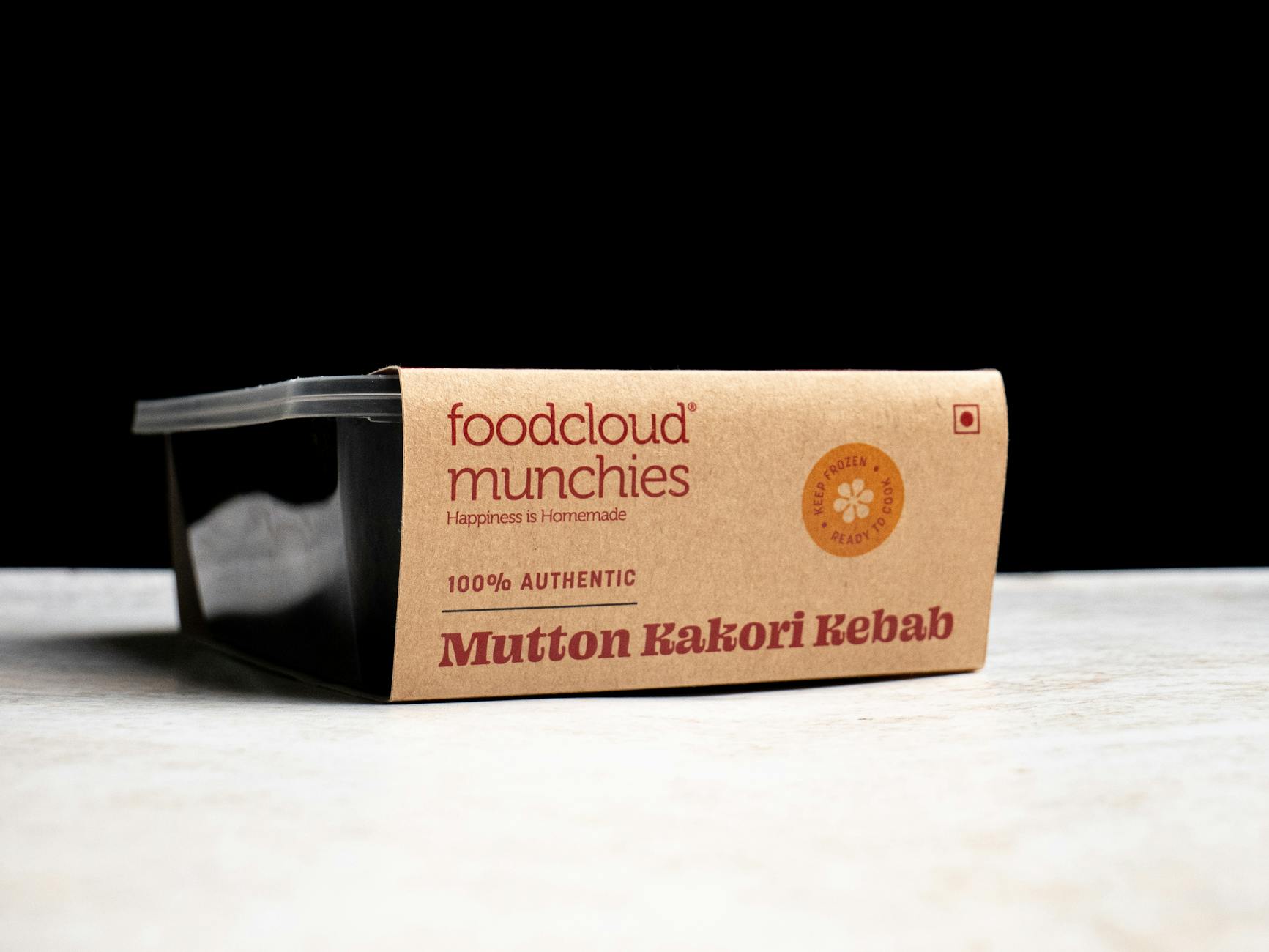
Some frozen dinner trays contain materials that ignite or melt dangerously when microwaved. Metal components, plastic bases, and adhesives in the original packaging create fire hazards. Many frozen meals require transfer to microwave-safe dishes for safe heating. The original packaging was designed for oven reheating and contains materials unsafe for microwave use. Follow package directions and transfer meals to appropriate containers when microwave heating is necessary.
Dry Beans and Legumes
Dried beans in sealed containers can explode when microwaved with water because steam builds intense pressure. The sealed container traps expanding steam that ruptures violently and scatters hot beans throughout the microwave. Even partially sealed containers allow dangerous pressure to build rapidly. The sudden explosion sends boiling water and beans everywhere, creating serious burn hazards. Soak and cook dried beans on the stovetop where steam can escape safely.
Certain Cheeses
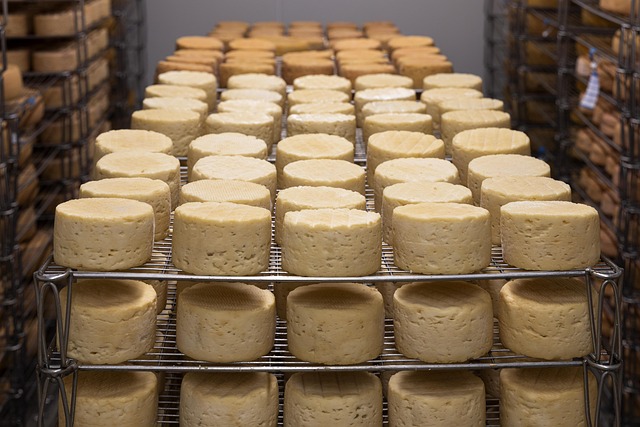
Some aged and hard cheeses with high fat content smoke or ignite when exposed to intense microwave heat. The concentrated fats reach ignition temperatures rapidly in the microwave’s focused radiation field. Soft cheeses melt explosively when the trapped moisture turns to steam. Certain specialty cheeses with unusual compositions create dangerous reactions when microwaved. Melt cheeses on the stovetop over low heat to prevent ignition and ensure even melting.
Certain Sauces in Sealed Jars
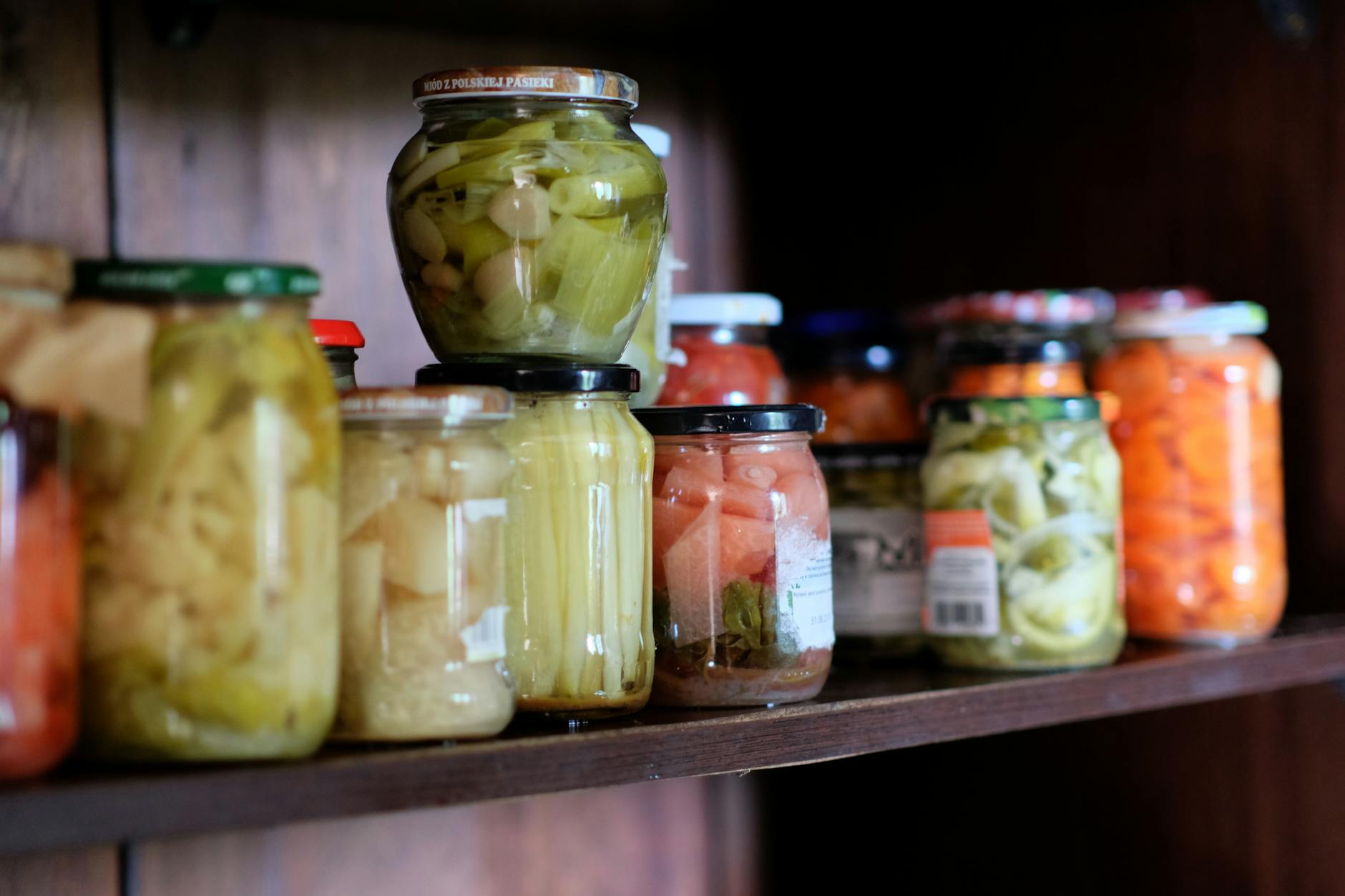
Sauces and condiments sealed in glass jars build dangerous pressure when microwaved because steam has nowhere to escape. The glass can rupture explosively from internal pressure, sending hot sauce and glass shards everywhere. Metal jar lids create arcing hazards even when the jar itself remains intact. The rapid heating of sauces creates boiling that builds pressure faster than in open containers. Always transfer sauces to open microwave-safe dishes before heating in the microwave.
Certain Vegetables with Dense Structures
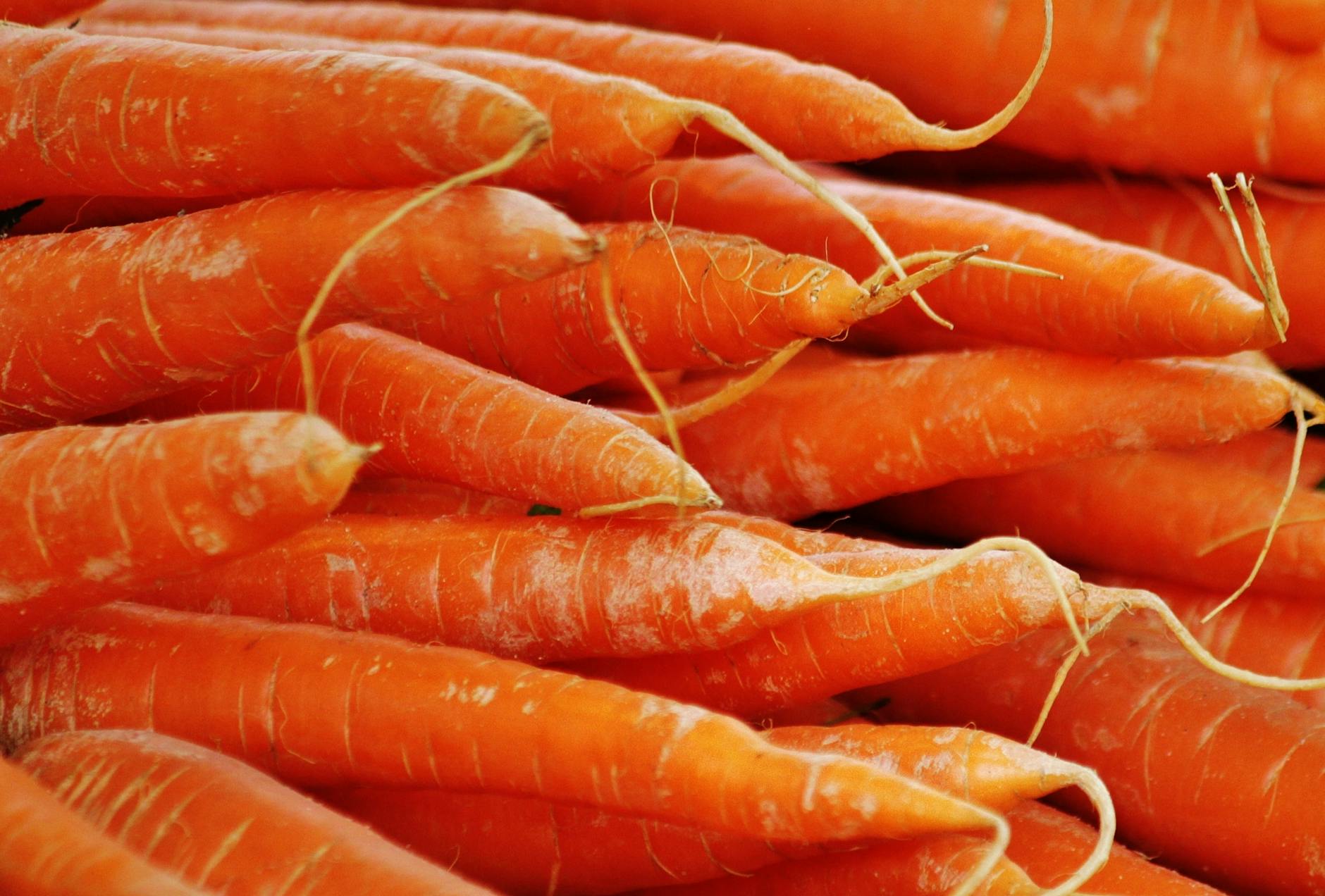
Whole carrots, potatoes, and dense vegetables can explode violently inside the microwave from internal steam pressure. The thick exterior acts like a sealed container, trapping steam that builds pressure until the vegetable ruptures. This sudden explosion scatters hot pieces throughout the microwave and creates dangerous burns. Even piercing the exterior does not always prevent these explosive reactions. Cut dense vegetables into small pieces and microwave in open containers to allow steam release.
Certain Packaged Snacks
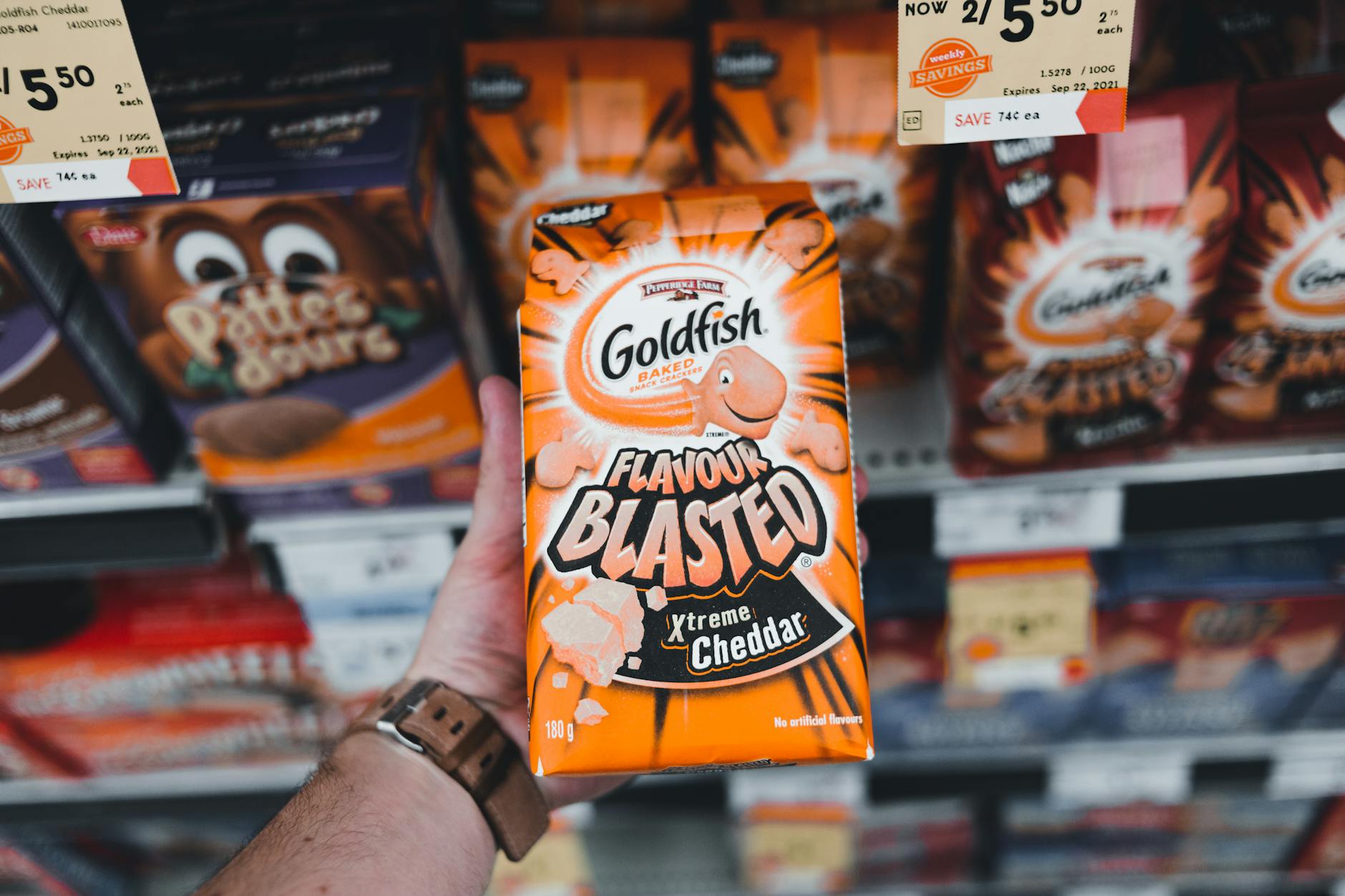
Some packaged snacks in plastic bags ignite or explode when microwaved because the bag traps heat and steam. The plastic melts and ignites, potentially igniting the snacks inside. Metal twist-ties and heat-sealed seams concentrate microwave radiation dangerously. Some snack bags contain materials that become flammable when overheated. Remove snacks from packaging and place them in microwave-safe dishes before heating.
Anything with Glue or Sealant
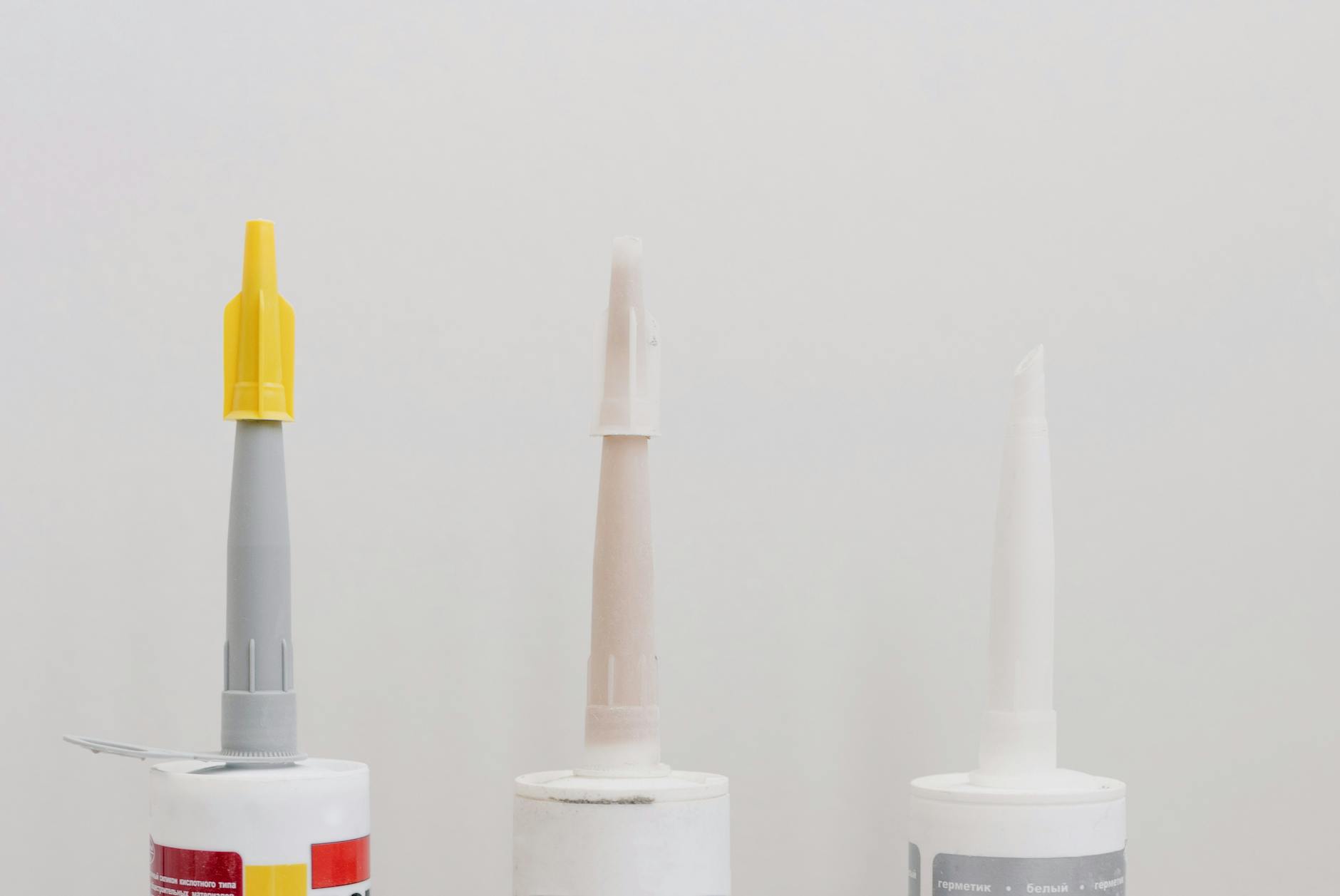
Items containing adhesives, glues, or sealants release toxic fumes and potentially ignite when microwaved. The heat breaks down chemical bonds in adhesives, releasing volatile compounds. Some adhesives ignite at the temperatures reached in microwaves, creating fire hazards. Toxic fumes from decomposing glues contaminate food and the microwave interior. Never microwave anything held together with adhesive or sealant of any kind.
What items have you accidentally discovered were unsafe to microwave while learning through experience in the comments.




