
A resume is often the first and only impression a hiring manager will ever have of a candidate, and even small errors can immediately disqualify an otherwise strong applicant. In a competitive job market where recruiters spend just seconds scanning each document, anything that disrupts clarity or professionalism can send a resume straight to the rejection pile. Understanding the most damaging mistakes is the first step toward crafting a document that actually opens doors.
Generic Objective Statement

An outdated objective statement at the top of a resume signals a lack of effort and self-awareness to modern hiring managers. Recruiters are not interested in what a candidate hopes to gain from a role but rather what value they bring to the organization. A professional summary that highlights specific strengths and relevant experience is far more effective and immediately engaging. Generic phrases like “seeking a challenging position” contribute nothing and waste valuable space. Replacing this section with a targeted summary tailored to the role makes an immediate and positive difference.
Spelling Errors

Even a single spelling mistake on a resume can cause a recruiter to question a candidate’s attention to detail and professionalism. Hiring managers often interpret these errors as a sign that the applicant did not take the application process seriously. Spell-check tools alone are not sufficient because they will not catch correctly spelled words used in the wrong context. Having a trusted colleague or professional proofreader review the document before submission is a widely recommended practice. Errors that slip through can permanently damage credibility before a candidate ever speaks to anyone.
Wrong File Format

Submitting a resume in an incompatible file format can prevent hiring managers from opening or reading the document altogether. Many applicant tracking systems and email clients struggle to render certain file types correctly, resulting in garbled text or missing formatting. Unless a job posting specifically requests otherwise, a PDF is the safest and most universally accepted format for resume submissions. A document that cannot be opened offers zero chance of advancing in the hiring process. Always confirming file compatibility before hitting send is a simple step that many candidates overlook.
Missing Keywords

Modern hiring processes frequently rely on applicant tracking systems that automatically scan resumes for specific keywords before a human ever sees them. A resume that lacks the terminology used in the job description will often be filtered out before reaching a recruiter’s desk. Carefully reviewing the job posting and naturally incorporating relevant skills and phrases throughout the resume is essential for passing this initial screening. Overstuffing a document with keywords without context is equally problematic and can read as inauthentic. Strategic and natural use of industry language dramatically improves the chances of a resume moving forward.
Inappropriate Email Address

A casual or unprofessional email address immediately undermines the credibility of an otherwise strong resume. Addresses that include nicknames, humor, or irrelevant numbers from a decade ago signal a lack of professional awareness. A simple combination of first and last name is the standard and most widely accepted format for professional correspondence. Creating a dedicated email address solely for job applications takes only minutes and makes a measurable difference in first impressions. Hiring managers notice these details even when candidates assume they go unnoticed.
Unexplained Employment Gaps

Leaving large gaps in employment history without any context raises immediate questions in the minds of recruiters and hiring managers. Whether the time was spent caregiving, freelancing, studying, or addressing personal matters, providing a brief and honest explanation prevents unnecessary speculation. Gaps that appear without context can suggest instability or disengagement from the professional world. Many candidates choose to address these periods in a cover letter or simply list relevant activities undertaken during that time. Transparency handled with confidence consistently reads better than silence.
Responsibilities Without Results

Listing job duties without measurable outcomes gives recruiters very little insight into a candidate’s actual impact and performance. Hiring managers are far more interested in what was accomplished than in a generic description of daily tasks. Quantifying achievements with specific figures such as percentages, revenue numbers, or team sizes transforms a flat resume into a compelling record of contribution. A bullet point that reads “increased sales by 40 percent” carries significantly more weight than “responsible for sales.” Shifting the focus from responsibilities to results is one of the most impactful improvements any resume can undergo.
Wrong Resume Length

Submitting a resume that is too long or too short for the level of experience being presented is a common and costly mistake. Entry-level candidates who submit a three-page document often appear to lack editorial judgment, while seasoned professionals who squeeze decades of experience onto a single page may appear to be hiding gaps. For most professionals with under ten years of experience, a single well-organized page remains the widely accepted standard. Senior candidates with extensive and relevant history may reasonably extend to two pages when the content genuinely warrants it. Every line on the page should earn its place through direct relevance to the role being pursued.
Outdated Information

Including outdated skills, expired certifications, or positions from decades ago clutters a resume and distracts from the most relevant and recent experience. Technology and industry expectations evolve quickly, and listing obsolete software or irrelevant early-career roles can make a candidate appear out of touch. Most career advisors recommend focusing on the last ten to fifteen years of professional experience for the majority of roles. Certifications and technical skills should reflect current proficiency rather than historical exposure. Regularly auditing and refreshing resume content keeps a candidate’s application competitive and current.
One-Size-Fits-All Resume
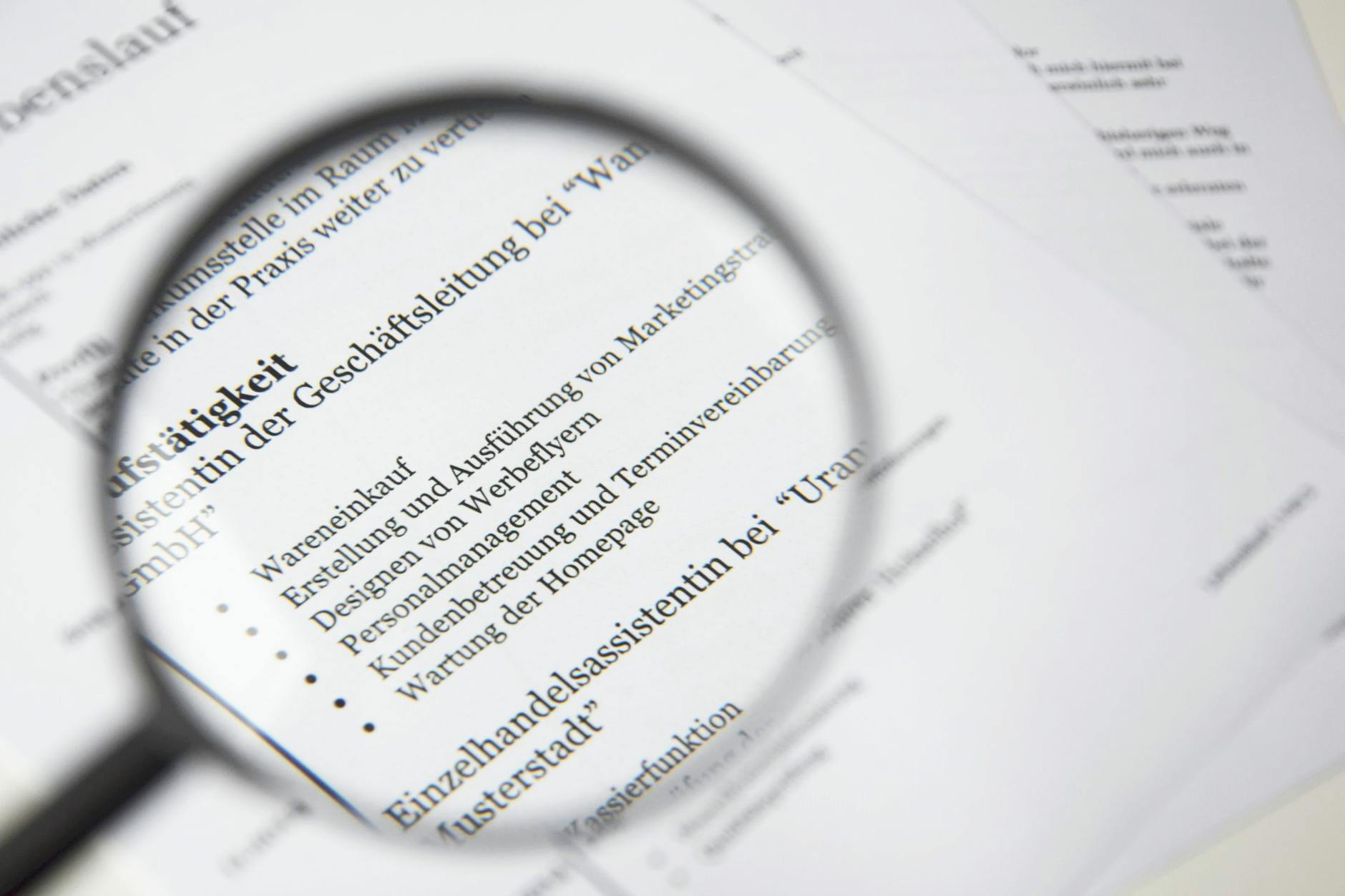
Sending an identical resume to every employer regardless of the role or industry is one of the most prevalent and damaging habits among job seekers. Each position has its own unique requirements and culture, and a resume that speaks directly to those specifics consistently outperforms a generic version. Tailoring the professional summary, skills section, and key accomplishments to align with the priorities of each individual job posting demonstrates genuine interest and preparation. Hiring managers can immediately tell when a resume has been thoughtfully customized versus hastily submitted. Taking the time to adjust the document for each application is a significant competitive advantage.
Poor Formatting

A cluttered or visually inconsistent resume makes it difficult for recruiters to quickly identify the most important information. Inconsistent font sizes, misaligned bullet points, excessive bolding, and crowded margins all contribute to a document that feels chaotic and unprofessional. Clean and consistent formatting with clear visual hierarchy allows a reader’s eye to move naturally through the content. Many design elements that look impressive in other contexts actually hinder readability on a resume and may also confuse applicant tracking systems. Simplicity and consistency are the hallmarks of a well-formatted professional document.
Lying or Exaggerating

Inflating job titles, fabricating credentials, or overstating responsibilities on a resume is a serious professional and in some cases legal risk. Background checks, reference calls, and skill assessments during the interview process are specifically designed to verify the information candidates provide. Discrepancies discovered during or after the hiring process almost always result in immediate disqualification or termination of employment. Even minor exaggerations can unravel under targeted questioning in an interview setting. Presenting genuine experience with confidence and context is always the more effective and sustainable strategy.
Ignoring the Cover Letter

Treating the cover letter as an optional or secondary component of an application is a mistake that many candidates make in competitive hiring environments. A well-crafted cover letter provides the narrative context that a resume cannot and allows a candidate to directly address why they are the right fit for a specific role. When a job posting requests a cover letter, omitting it signals a disregard for instructions that hiring managers take seriously. Even when a cover letter is listed as optional, submitting one demonstrates initiative and genuine interest in the opportunity. This document should complement rather than simply repeat the content of the resume.
Unprofessional Social Media Links

Including links to social media profiles that contain unprofessional content or that are unrelated to professional identity can seriously damage an application. Many hiring managers will search for candidates online regardless, but directing them to an unsuitable profile accelerates that negative impression. A LinkedIn profile that is incomplete, outdated, or inconsistent with the resume raises additional red flags. When including online profiles, only links that are polished, current, and professionally presented should be shared. A strong and cohesive online presence reinforces the credibility established by a well-crafted resume.
Wrong Contact Information

Listing an outdated phone number, incorrect email address, or former city of residence can make it impossible for a recruiter to reach a candidate even after a positive review of their application. This mistake is particularly frustrating because it means the resume itself may have been strong enough to earn a callback that never comes. Carefully verifying that all contact details are current and accurate before each submission is a basic but essential step. Including a LinkedIn URL or professional portfolio link when applicable also gives recruiters additional ways to connect. A resume that cannot be responded to offers no opportunity regardless of how impressive its content may be.
What resume mistakes have you encountered or corrected on your own job search journey? Share your experiences in the comments.




