Garages are often treated as convenient storage spaces for items we use occasionally or no longer need, but many common garage contents pose serious explosion and fire hazards. The combination of heat, friction, moisture, and chemical reactions can turn everyday products into dangerous projectiles or sources of intense fires in ways homeowners rarely consider. Items stored improperly or in proximity to certain conditions create explosive situations that develop silently until a spark or temperature change triggers catastrophic results. Understanding which garage items carry explosion risks helps you reorganize your space and protect your family, home, and neighbors from preventable disasters. The following items require careful storage practices or should be removed from your garage entirely to eliminate explosion dangers.
Propane Tanks
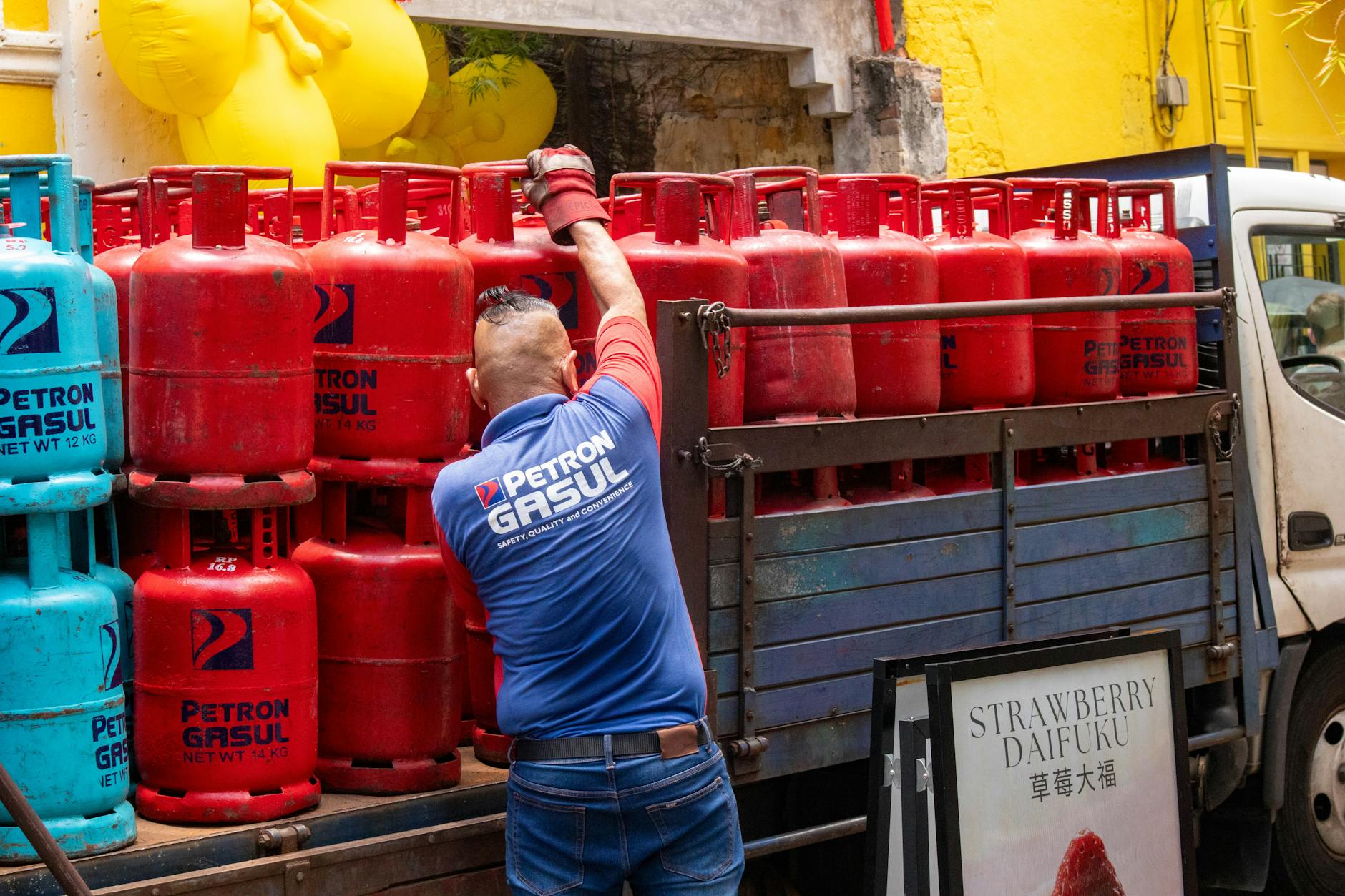
Propane tanks stored in garages can rupture or leak when exposed to temperature fluctuations, physical damage, or corrosion that compromises the tank’s structural integrity. If a propane tank develops a leak near a heat source like a water heater or furnace, the escaping propane gas can ignite explosively. Propane tanks should never be stored in enclosed spaces like garages because they require proper ventilation to prevent dangerous gas accumulation. Even a small dent or damage to a propane tank’s exterior can create internal weaknesses that lead to sudden rupture and explosion. Storing propane tanks outdoors on a secure rack away from your home is the only safe option for this highly flammable fuel source.
Gasoline

Gasoline stored in garages evaporates readily, creating explosive fumes that accumulate in enclosed spaces and ignite from the smallest spark or flame. A single static shock or the pilot light from a water heater can ignite gasoline vapors in concentrations that create massive explosions capable of destroying entire homes. Gasoline containers corrode over time, developing pinhole leaks that spray fuel into your garage environment where ignition sources are abundant. Storing gasoline in a garage violates fire codes in most jurisdictions and poses explosion risks that far exceed any convenience of having fuel nearby. Gasoline must be stored in approved metal containers in well-ventilated outdoor sheds away from ignition sources and residential structures.
Paint and Paint Thinner

Paint and paint thinner contain volatile organic compounds that produce explosive fumes, especially when stored in warm garages where temperature fluctuations accelerate evaporation. Improperly sealed paint cans leak solvent vapors that accumulate in garage air and can ignite from electrical sparks, furnace pilots, or even static electricity. The combination of paint fumes with other chemicals in a garage creates unpredictable chemical reactions that increase explosion risks beyond what individual products pose. Paint thinners are particularly dangerous because they evaporate quickly and produce heavier-than-air vapors that settle near the floor where ignition sources often exist. Paint products should be stored in fireproof cabinets in detached sheds or garages that are separate from living spaces.
Fertilizers with Nitrates

Fertilizers containing ammonium nitrate or similar compounds can detonate when exposed to heat, friction, or contamination with flammable materials stored nearby. Nitrate-based fertilizers become increasingly unstable in warm environments like garages exposed to summer heat that can reach dangerous temperatures. If fertilizer spills mix with oil, gasoline, or other fuels commonly stored in garages, the combination creates an explosive mixture prone to detonation. Some fertilizer products absorb moisture and become sensitive to vibration or impact, meaning a dropped tool or slight movement could trigger an explosion. Bulk fertilizers should be stored in cool, dry outdoor structures away from fuel sources and ignition hazards.
Compressed Air Canisters
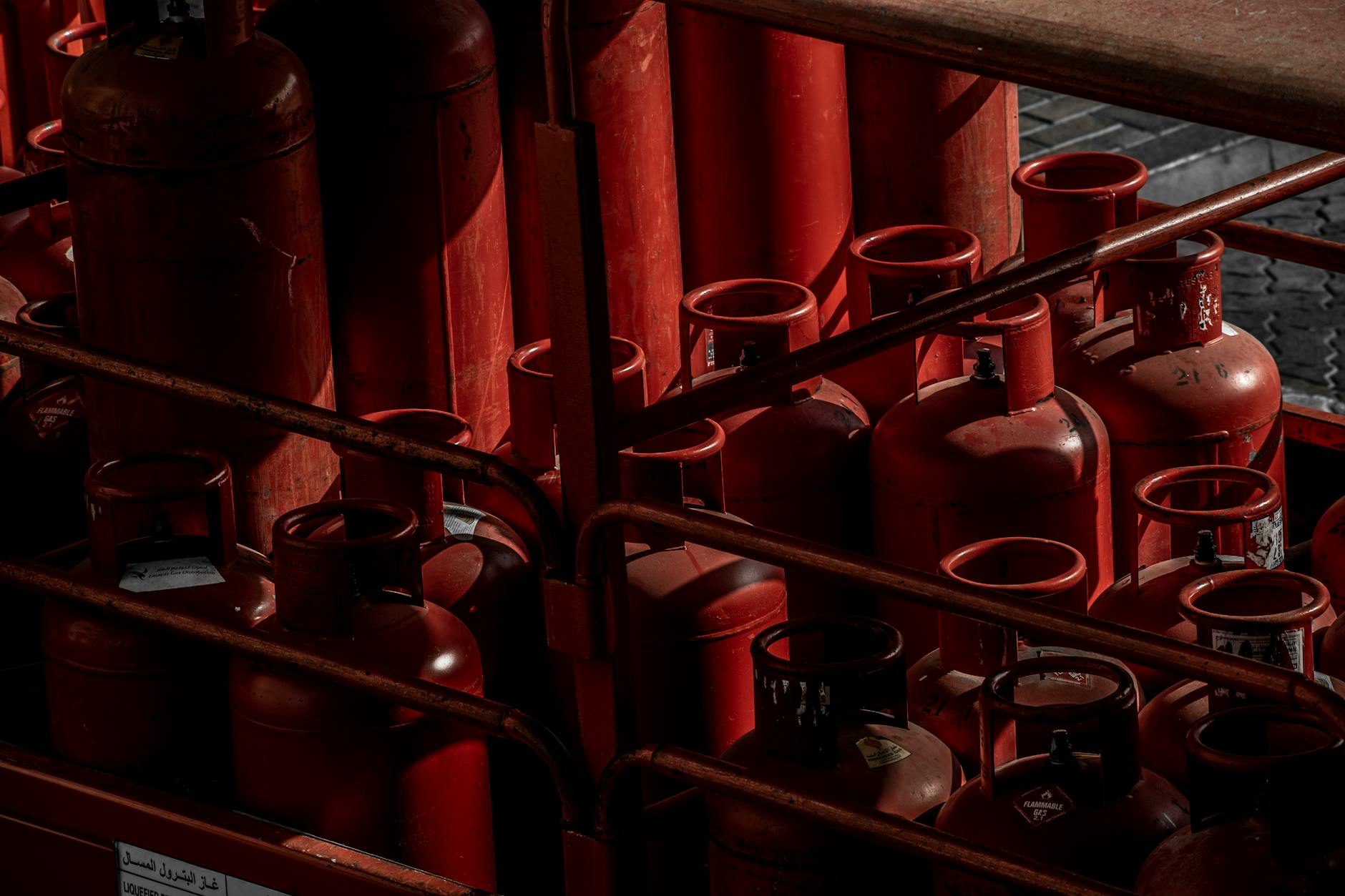
Pressurized air canisters stored in hot garages can rupture if internal pressure exceeds the container’s structural limits due to temperature increases. A ruptured compressed air canister releases gas explosively, creating a projectile effect that turns the canister itself into a dangerous weapon. If multiple canisters are stored together and one ruptures, the shock wave can rupture nearby containers in a chain reaction of escalating explosions. Compressed air canisters are often forgotten in garages for years, corroding on the inside and becoming increasingly unstable and prone to sudden failure. These canisters should be stored in climate-controlled spaces away from temperature extremes or discarded properly through hazardous waste facilities.
Lithium-Ion Batteries
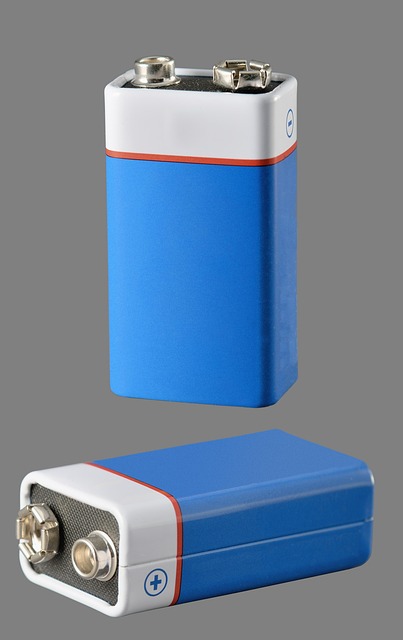
Lithium-ion batteries stored in garages can spontaneously catch fire or explode if damaged, overcharged, or exposed to extreme temperatures. Internal short circuits in lithium batteries generate intense heat rapidly, igniting flammable electrolyte inside the battery cell in reactions that produce explosions. Batteries stored near heat sources or in direct sunlight in a garage warm up to dangerous temperatures that trigger thermal runaway and uncontrollable chemical reactions. Even brand-new batteries have occasional manufacturing defects that remain dormant until temperature or pressure changes trigger sudden failure. Lithium-ion batteries from tools, electronics, and devices should be stored in fireproof containers in climate-controlled environments away from other combustibles.
Fireworks and Explosives

Fireworks stored in garages are explosive devices that detonate if exposed to heat, static electricity, or even vibration from nearby activity. The combination of fireworks with other garage contents like electrical tools or heating equipment increases the likelihood of accidental ignition. Fireworks age unpredictably in garages, and old fireworks become increasingly unstable and prone to spontaneous combustion as their chemical composition degrades. Even sparklers and small consumer fireworks contain explosive compounds that accumulate in dangerous quantities when stored together in garages. All fireworks should be stored in approved facilities designed for explosives, or discarded through proper hazardous waste programs rather than kept in homes.
Chlorine and Pool Chemicals

Chlorine stored in garages can generate dangerous chemical reactions if accidentally mixed with other common garage products like acids or ammonia-based cleaners. Chlorine releases toxic gas when exposed to moisture, and humid garage environments accelerate this dangerous release that can cause explosions if other reactive chemicals are nearby. Chlorine containers degrade in heat and sunlight, developing leaks that spread toxic fumes throughout enclosed garage spaces where families may be working or playing. If chlorine accidentally contacts fuel or other oxidizable materials stored in the same space, violent chemical reactions and explosions result. Pool chemicals should be stored in separate, well-ventilated spaces away from garages and residential areas.
Ammunition

Ammunition stored in garages can detonate if exposed to extreme heat, impact, or flame from fires and explosions originating from other sources nearby. Cartridges and bullets contain explosive primer compounds that ignite under pressure or heat, and when many are stored together, one igniting can trigger a chain reaction. Garages provide poor ammunition storage because they lack climate control and expose stored rounds to temperature fluctuations that weaken components over time. If a garage fire starts from any source, ammunition stored there will cook off and explode, spreading burning fragments throughout the fire and creating secondary explosions. Ammunition should be stored in fireproof safes or ammunition-specific storage boxes in cool, dry locations away from heat sources.
Batteries of All Types
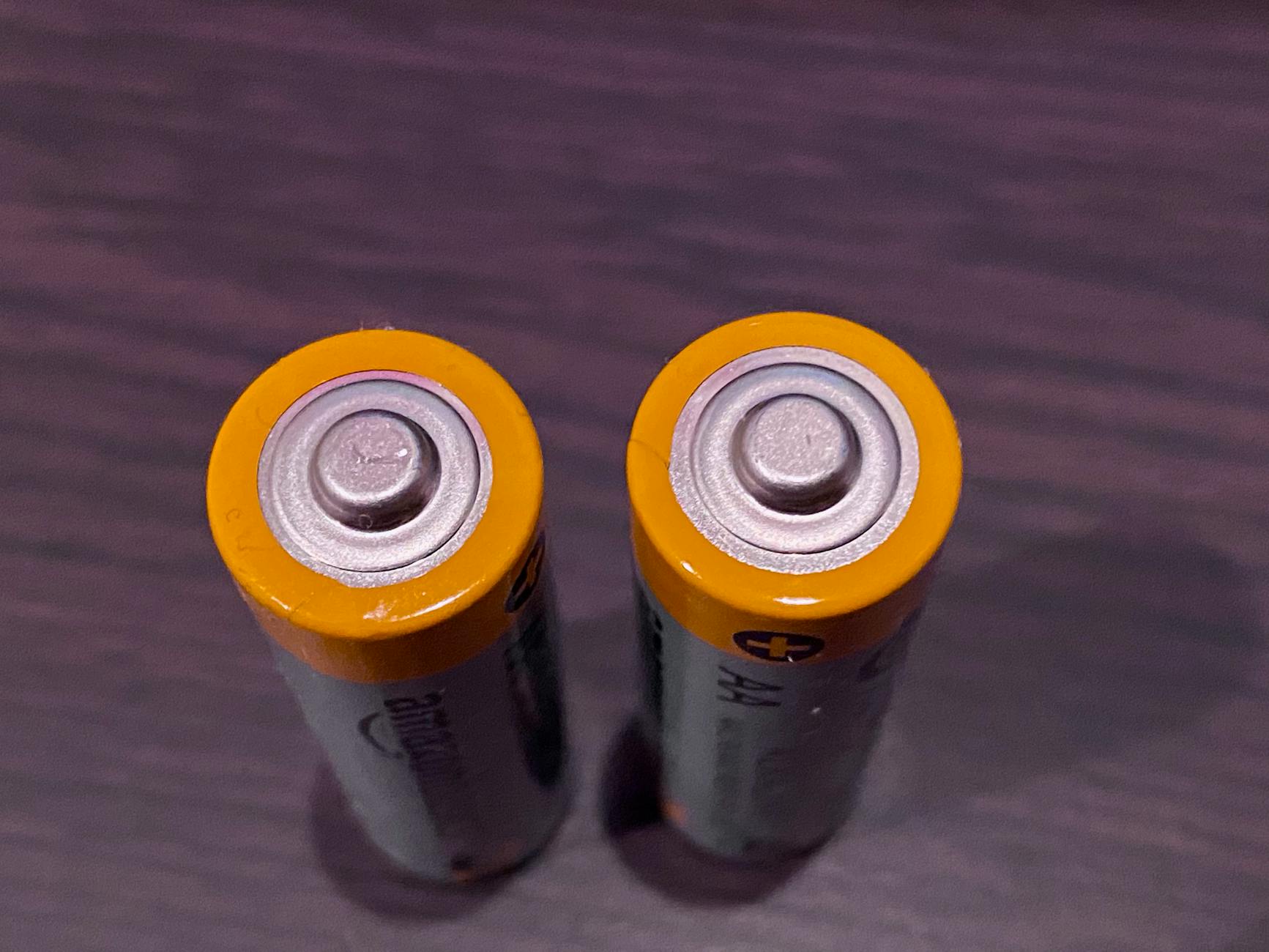
Multiple battery types stored together in warm garages can leak, corrode, and create chemical reactions between different battery chemistries that generate heat and gases. Alkaline batteries mixed with rechargeable batteries or lithium batteries in warm environments create unpredictable chemical interactions and potential explosions. Battery acid leakage from old batteries corrodes nearby metal objects and can contact other chemicals, creating reactions that produce flammable gases and heat. If batteries short circuit through contact with conductive materials in a garage, the resulting heat and electrical discharge can ignite surrounding materials. Batteries should be stored separately by type in fireproof containers in climate-controlled spaces away from heat and moisture.
WD-40 and Aerosol Lubricants

Aerosol cans stored in hot garages can rupture if internal pressure exceeds container limits due to temperature increases and evaporation of volatile propellants. A ruptured aerosol can releases pressurized contents explosively, and if multiple cans rupture in sequence, chain reactions create dangerous explosions. The propellant inside aerosol lubricants is flammable and, when released as a mist in garage air, creates an explosive atmosphere prone to ignition from sparks or heat. Aerosol cans corrode from moisture exposure and become increasingly unstable over time, developing pinhole leaks that release flammable propellants. Aerosol products should be stored in fireproof cabinets in ventilated spaces away from temperature extremes and ignition sources.
Pesticides and Herbicides

Pesticides containing organic phosphates or other volatile compounds stored in garages release toxic fumes that accumulate in enclosed spaces and become explosive mixtures. Many pesticides are incompatible with other chemicals commonly stored in garages, and accidental mixing creates violent reactions and explosions. Pesticide containers deteriorate in extreme garage temperatures, developing leaks that spread toxic chemicals onto floors where they may contact other reactive substances. If pesticides spill onto electrical equipment or near ignition sources in a garage, dangerous chemical reactions and fires result. Pesticides should be stored in their original containers in separate outdoor storage structures away from residential areas and ignition sources.
Solvents and Degreasers
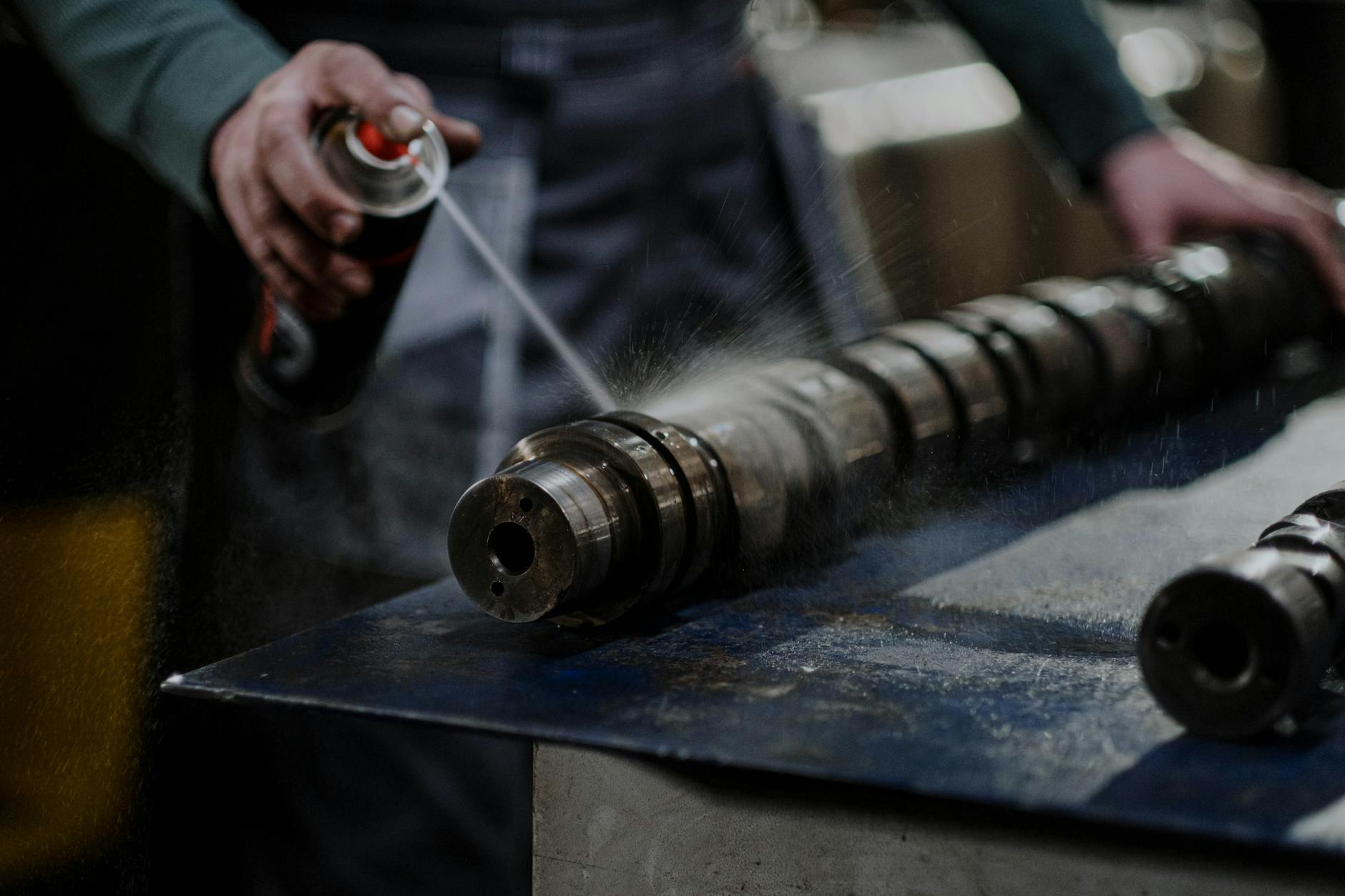
Solvent products like acetone, toluene, and other industrial degreasers produce highly flammable vapors that accumulate in garage air and create explosive atmospheres. A single spark from electrical equipment, tools, or static electricity can ignite solvent vapors in concentrations strong enough to explode. Solvent vapors are denser than air and settle near garage floors where furnace pilots, electrical outlets, and other ignition sources exist. Containers of solvents corrode and leak over time, especially in damp garage environments where moisture accelerates container deterioration. Solvents must be stored in fireproof cabinets in detached structures with proper ventilation and away from all ignition sources.
Oil-Soaked Rags
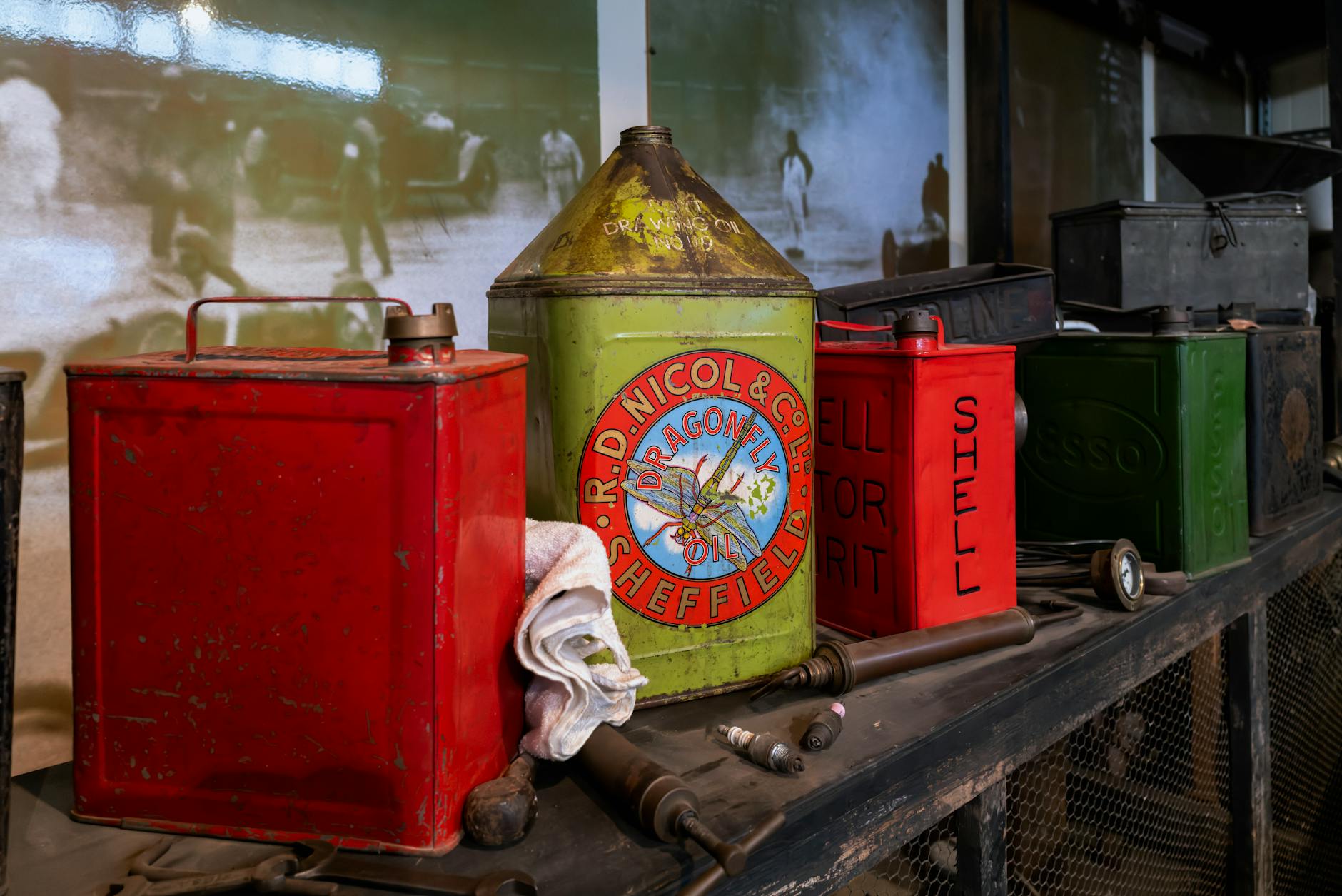
Rags saturated with linseed oil, tung oil, or similar drying oils can spontaneously combust when stored in warm, enclosed garage spaces without proper ventilation. The oxidation process in oily rags generates heat internally, and in confined spaces without air circulation, this heat accumulates until ignition temperatures are reached. Many garage fires originate from oily rags stored carelessly in piles or containers where heat cannot dissipate and airflow cannot prevent spontaneous ignition. Even rags from routine garage cleanup and maintenance pose serious explosion and fire risks if left in garages rather than disposed of properly. Oily rags should be stored in metal containers with tight-fitting lids or disposed of immediately after use to prevent spontaneous combustion.
Jump Starter Batteries
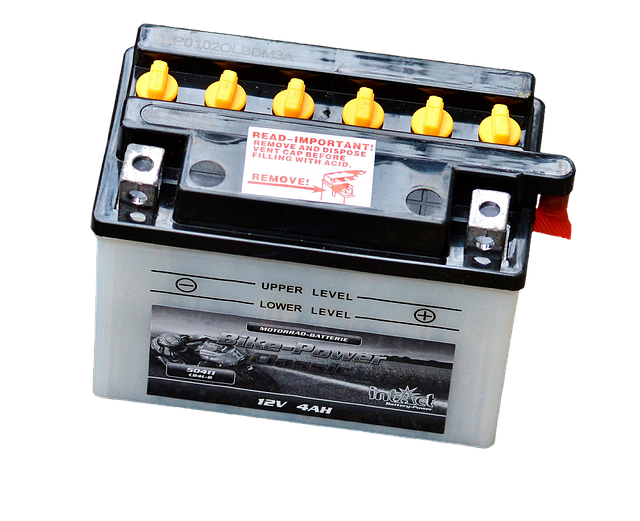
Portable jump starter batteries stored in garages can develop internal faults that cause sudden thermal runaway and explosions when exposed to heat or physical shock. These high-amperage batteries concentrate enormous energy in small packages, and manufacturing defects or damage create situations where this energy releases explosively. Garages expose jump starters to temperature extremes that stress battery internals and increase the likelihood of sudden failure and explosion. If a jump starter battery develops a short circuit in a garage near other flammable materials, the resulting fire and explosion can spread rapidly. Jump starters should be stored in fireproof containers in climate-controlled spaces and checked regularly for signs of damage or deterioration.
Car Batteries
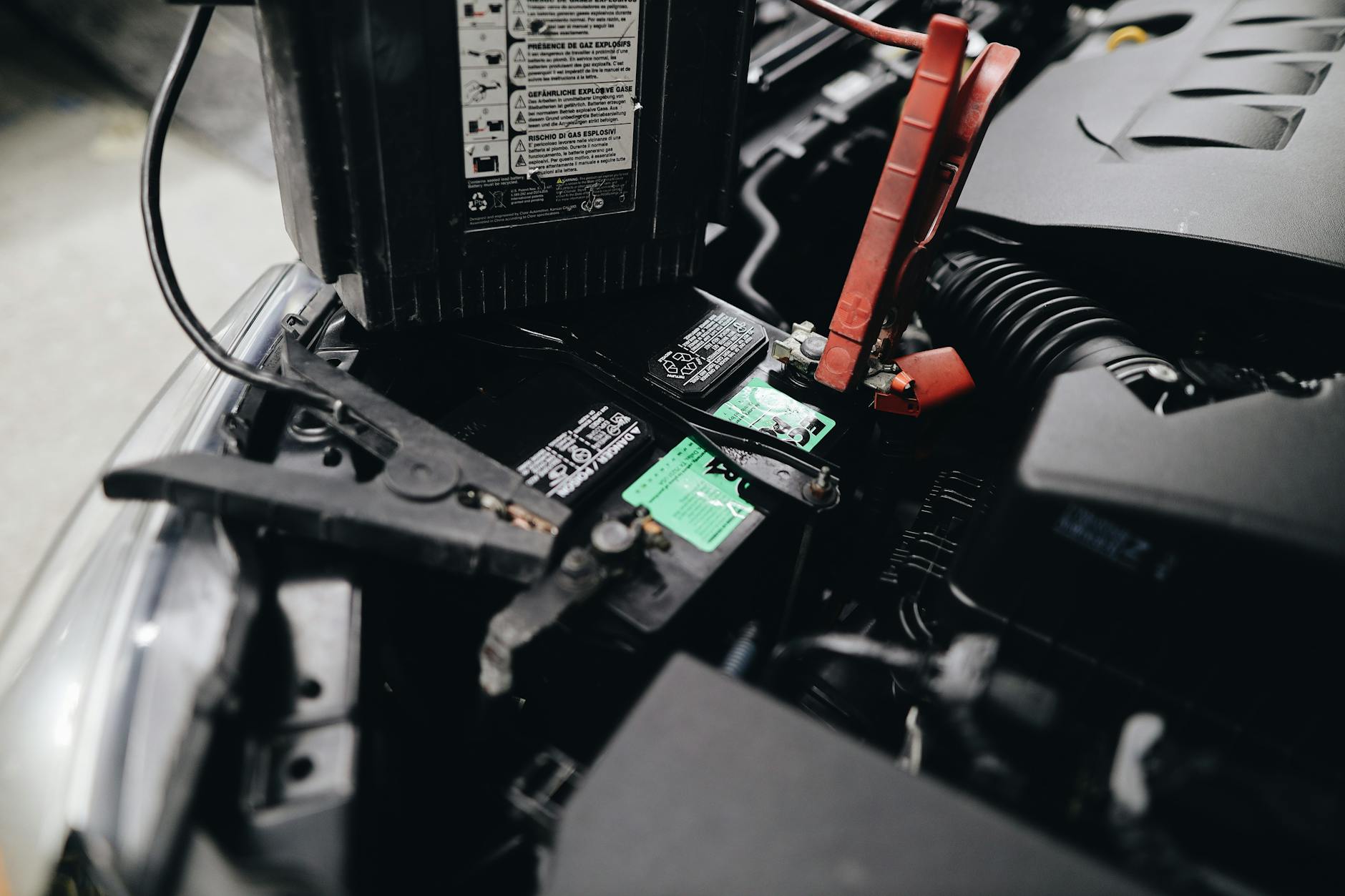
Batteries stored in garages produce hydrogen gas during charging cycles, and this highly explosive gas accumulates in enclosed spaces without proper ventilation. A single spark from electrical equipment or static electricity can ignite hydrogen gas accumulation and create explosions that rupture battery casings and release sulfuric acid. Damaged or corroded car batteries leak acid that can contact other materials and create dangerous chemical reactions or fires when mixed with incompatible substances. If a car battery short circuits through contact with metal tools or other conductive objects, the resulting heat and electrical discharge creates sparks that ignite garage fumes. Car batteries should be stored on non-conductive surfaces away from other chemicals and should never be stored in enclosed garage spaces.
Oxidizing Agents and Bleach

Bleach and other oxidizing agents stored in garages can trigger violent chemical reactions if accidentally mixed with ammonia, acids, or other common garage cleaners. Oxidizing agents accelerate the combustion of flammable materials, and when stored near fuel, paint, or solvents, they increase explosion risks dramatically. Containers of bleach and oxidizers deteriorate in moisture-rich garage environments, developing leaks that allow chemicals to mix and react unpredictably. If bleach or oxidizers contact fuel or other combustible materials stored nearby, the resulting reaction generates tremendous heat and gases that cause explosions. Oxidizing agents must be stored in separate, well-sealed containers in ventilated outdoor structures away from all other chemicals and combustible materials.
Magnesium and Reactive Metals

Small quantities of magnesium shavings, filings, or powder from metalworking projects stored in garages pose serious explosion risks when exposed to heat or moisture. Magnesium ignites spontaneously at relatively low temperatures and burns intensely at extreme heat that cannot be extinguished with water. If magnesium particles mix with other materials in a garage or contact moisture from humidity or spills, spontaneous ignition and explosions result. Welding flux and other metal-working materials containing reactive compounds should never be stored in garages alongside other combustibles. Reactive metals should be stored in sealed, moisture-proof containers in separate outdoor structures away from all heat sources and ignition hazards.
Extension Cords and Electrical Hazards

Damaged extension cords stored in dusty garages alongside combustible materials pose fire and explosion risks when plugged in and overloaded with tools or equipment. Frayed or damaged cord insulation exposes live electrical conductors that spark and ignite dust, fumes, or flammable materials in garage air. Multiple extension cords running through garages create tripping hazards that cause people to pull on cords, damaging insulation and creating electrical arcs. If electrical equipment shorts out in a garage filled with fuel vapors or paint fumes, the resulting spark ignites explosive mixtures. Extension cords should be properly maintained and inspected regularly, and electrical equipment should never run in garages where volatile substances are stored.
Unsealed Paint Cans
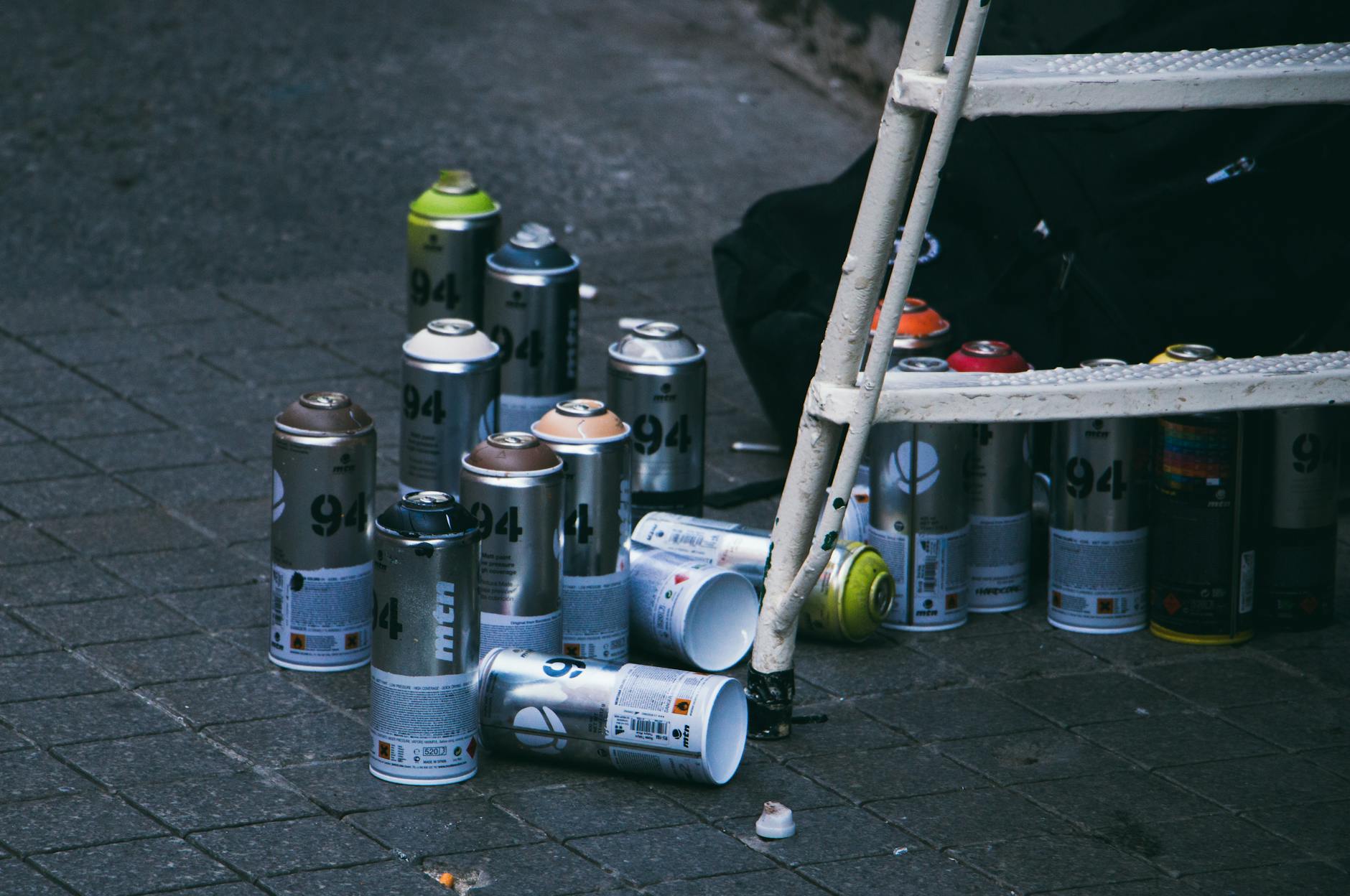
Old paint cans with improperly sealed lids stored in garages release volatile organic compound vapors continuously as their contents evaporate and thicken over time. Unsealed or partially sealed paint cans allow vapors to accumulate in garage air, creating explosive atmospheres when combined with other volatile products. The combination of evaporating paint, paint thinner, and other solvents in a closed garage creates chemical mixtures that become increasingly unstable and explosive. If unsealed paint cans are stacked or stored inefficiently, fumes cannot escape upward naturally and instead accumulate at dangerous levels. All paint products must be stored in tightly sealed containers in ventilated spaces away from heat sources and ignition hazards.
What garage items do you currently store unsafely, and are there explosion hazards in your space that you’re planning to address in the comments?




