
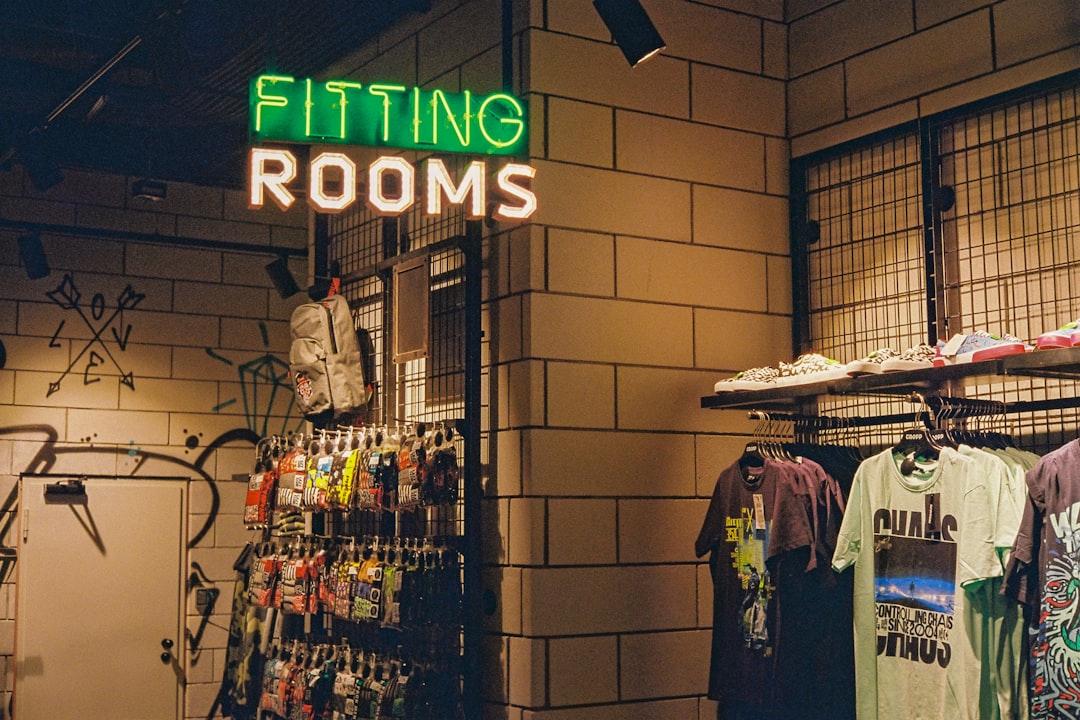
Fitting rooms serve as private spaces where shoppers try on clothes and make purchasing decisions, but many customers leave behind items and messes that create awkward situations for retail staff. The things people abandon in fitting rooms reveal intimate details about their bodies, habits, and personal hygiene that employees must handle without judgment or complaint. Retail workers encounter these situations daily but rarely receive appreciation or understanding from customers who don’t consider the impact of their behavior. Understanding what frustrates fitting room attendants helps you shop more respectfully and makes their difficult jobs slightly more tolerable. The following items and situations represent the most common and embarrassing things customers leave behind that retail workers genuinely hate dealing with.
Used Underwear
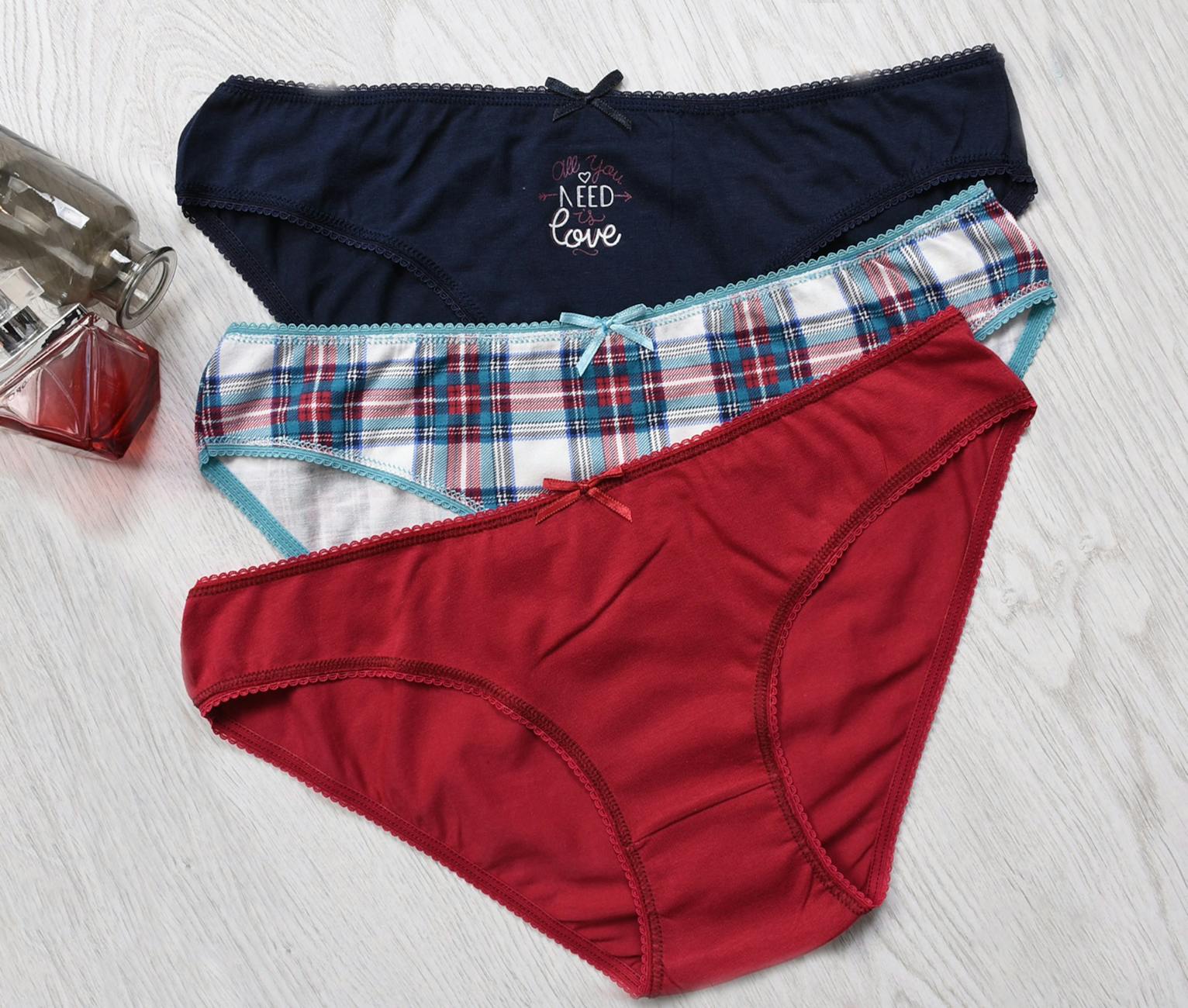
Customers occasionally leave soiled or used underwear in fitting rooms, forcing retail workers to handle intimate garments that should have been disposed of at home. Finding worn underwear in a fitting room creates an intensely uncomfortable situation for staff who must remove it using gloves while maintaining composure. This behavior violates basic hygiene standards and suggests customers view fitting rooms as personal bathrooms rather than shared retail spaces. Retail workers question whether they should report this behavior to management or simply dispose of the items discreetly to avoid embarrassing conversations. There is no acceptable reason to leave used underwear in a fitting room, and doing so creates lasting disgust and resentment among staff members.
Bloody Items of Clothing
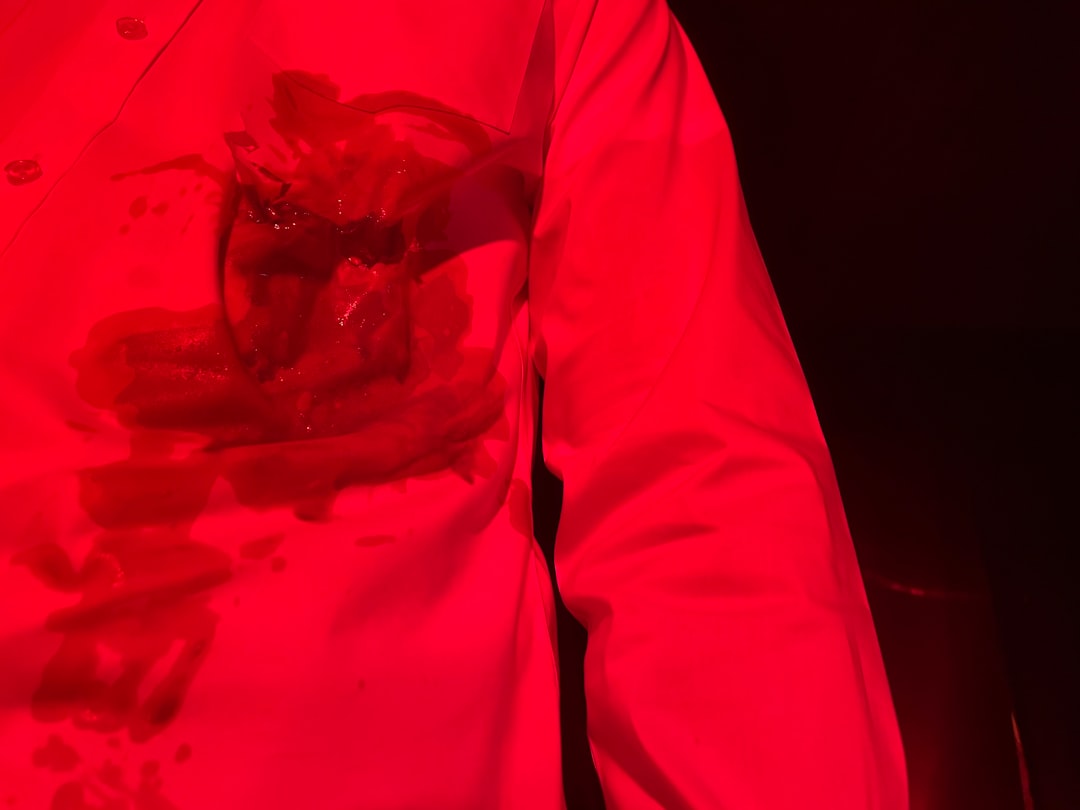
Female customers sometimes leave clothing with menstrual blood stains in fitting rooms, forcing workers to deal with biohazard materials without proper warning or equipment. Retail staff are not trained to handle potentially infectious materials and have no way to know if blood comes from a medical condition requiring special precautions. Finding bloody clothing creates emotional distress for workers who must decide whether to dispose of it or return it to the sales floor, knowing a customer will need to claim it. This situation forces workers into uncomfortable conversations with customers about bodily functions in front of other shoppers. Customers should rinse bloody clothing at home or dispose of it privately rather than leaving it for retail workers to manage.
Breast Forms and Prosthetics
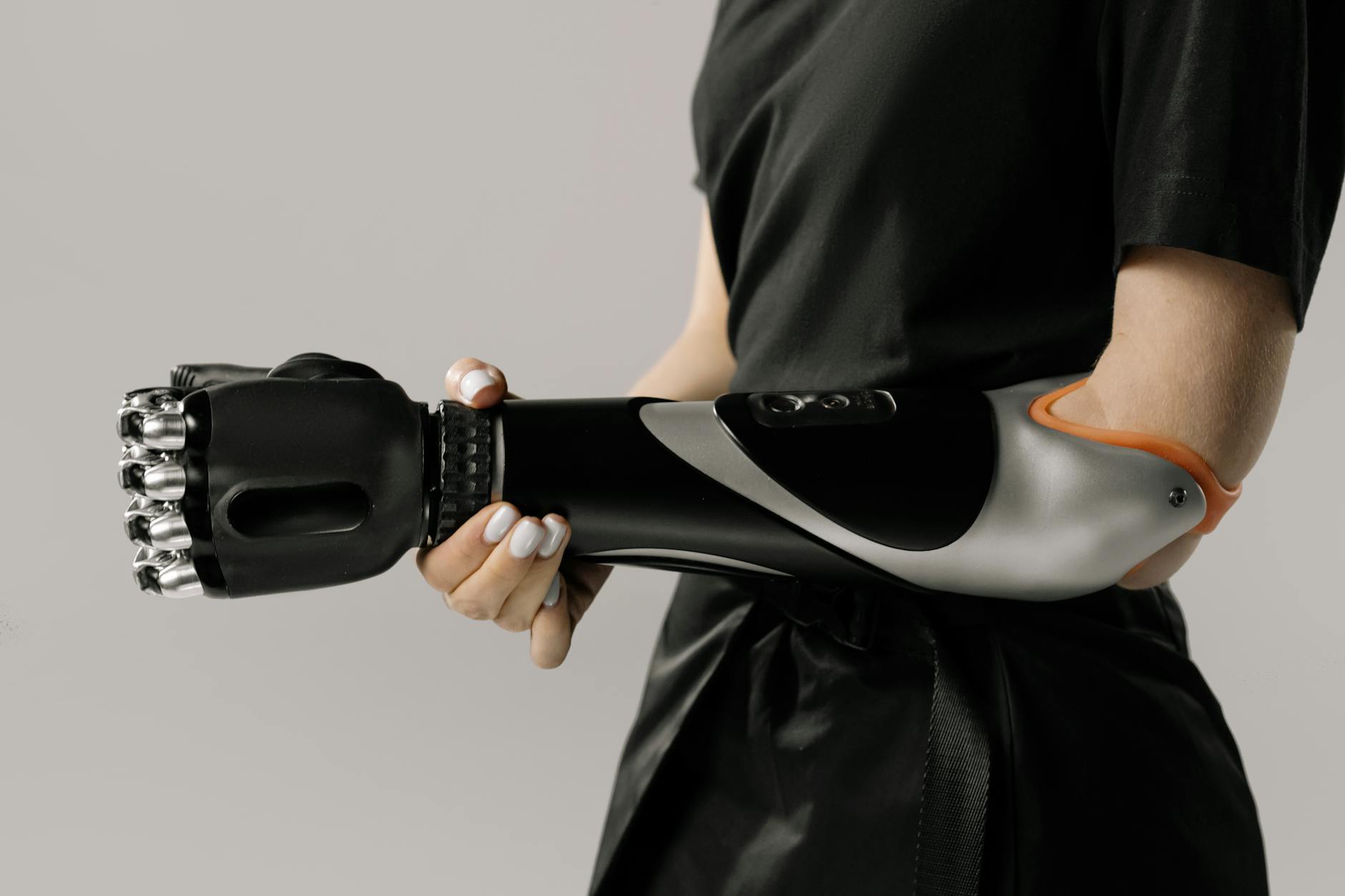
Customers removing breast forms or other body prosthetics in fitting rooms sometimes leave them behind, creating confusion and embarrassment for workers unsure how to handle such intimate items. Finding prosthetics creates ethical dilemmas about whether workers should attempt to return them to customers or discard them. Retail staff feel uncomfortable holding or transporting such personal items and worry about offending customers if they mention finding them. This situation highlights how fitting rooms expose people’s most personal insecurities and medical needs in ways that create secondary embarrassment for workers. Customers should secure personal medical devices before leaving fitting rooms or ask attendants for help locating lost items rather than abandoning them.
Excessive Hair in Dressing Stalls

Customers who shed significant amounts of hair in fitting rooms leave behind visible locks that workers must vacuum and clean repeatedly throughout their shifts. This is particularly common with customers who have long hair or are experiencing hair loss, and finding large quantities of hair creates sanitation concerns. Retail staff cannot help but notice and feel awkward about the hair they collect, creating secondary embarrassment about body image issues they’ve witnessed. Cleaning hair from fitting rooms takes time away from other tasks and requires workers to sanitize stalls between customers to prevent spread of lice or other conditions. Customers should brush or tie back their hair before trying on clothes to minimize shedding in shared spaces.
Perspiration Stains on Clothing
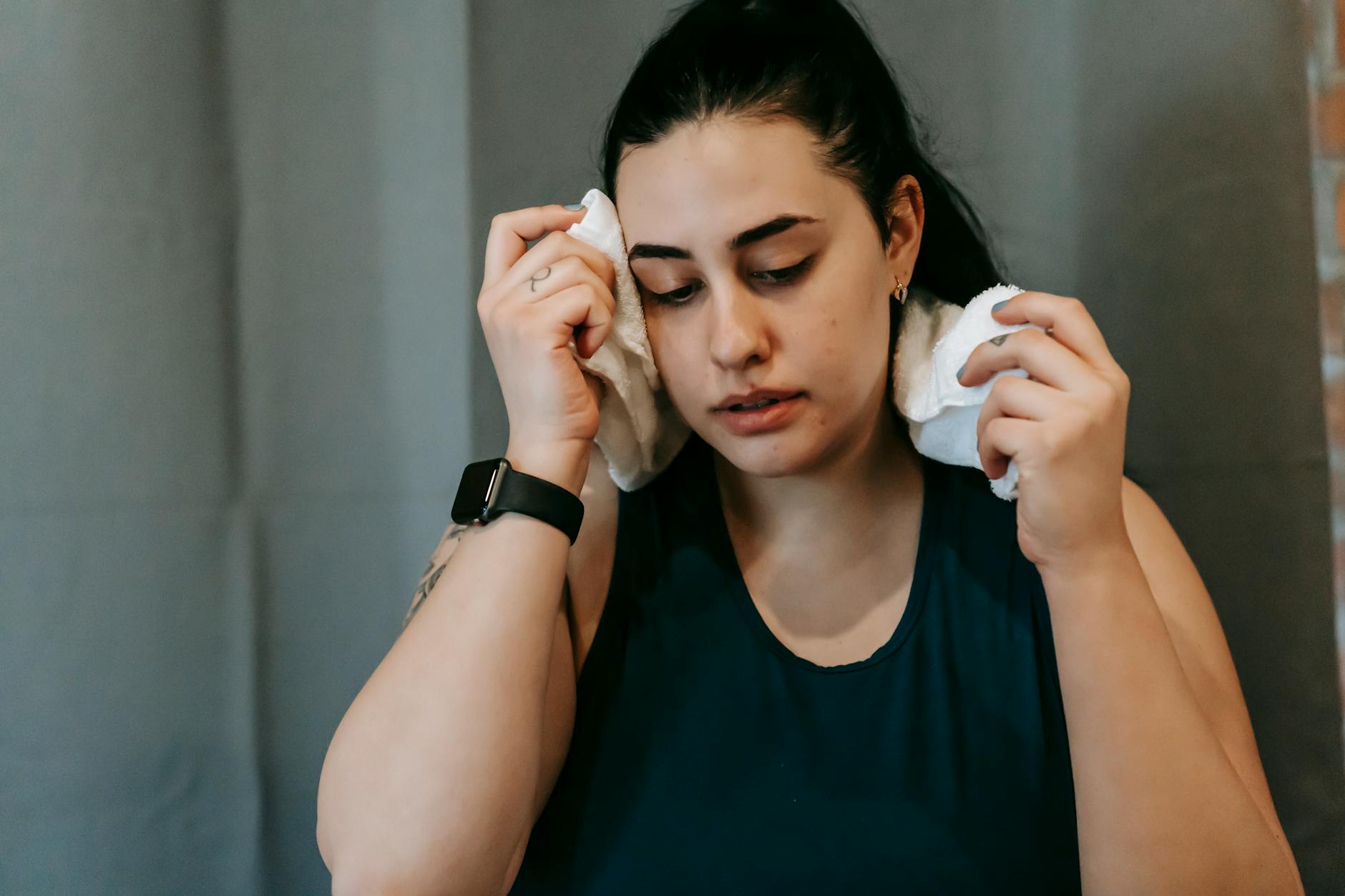
Customers try on clothes while perspiring heavily and then return items without mentioning sweat stains, forcing retail workers to decide whether items are sellable or must be discarded. Heavy sweat stains make clothing unsaleable, and workers must determine if a customer was unaware of sweating or intentionally tried to return damaged merchandise. This situation creates frustration because stores absorb losses on stained items and workers must clean fitting room benches repeatedly. Finding sweat stains raises hygiene concerns about whether customers bathed before trying on clothes and what bacteria or odors they may have left behind. Customers should check themselves for perspiration before trying on clothes or inform staff if they sweat heavily so items can be properly assessed.
Religious or Spiritual Items Left Behind

Customers sometimes remove religious jewelry, prayer shawls, or spiritual items while trying on clothes and leave them in fitting rooms, creating stress for workers unsure how to respectfully handle sacred objects. Workers feel anxious about returning these items and worry about offending customers by touching or storing religious materials. Finding religious items creates pressure to locate customers and return them promptly, as losing such items causes genuine spiritual distress to their owners. Retail staff feel uncomfortable transporting or storing religious objects and may worry about cultural appropriateness of their handling. Customers should keep religious items with them or ask attendants for a secure place to store them rather than leaving them unattended in fitting rooms.
Medication and Medical Supplies

Customers sometimes leave behind prescription medications, inhalers, or medical devices in fitting rooms when they undress or empty pockets before trying on clothes. Workers must decide whether to store medications safely or turn them over to management, creating liability concerns for the store. Finding medication raises questions about whether customers will realize they left it and suffer health consequences from being without essential drugs. Retail staff feel responsible for the health and safety implications of lost medications but lack proper procedures for handling such items. Customers should keep all medications and medical devices with them in fitting rooms or ask staff to secure them in a specific location.
Menstrual Products
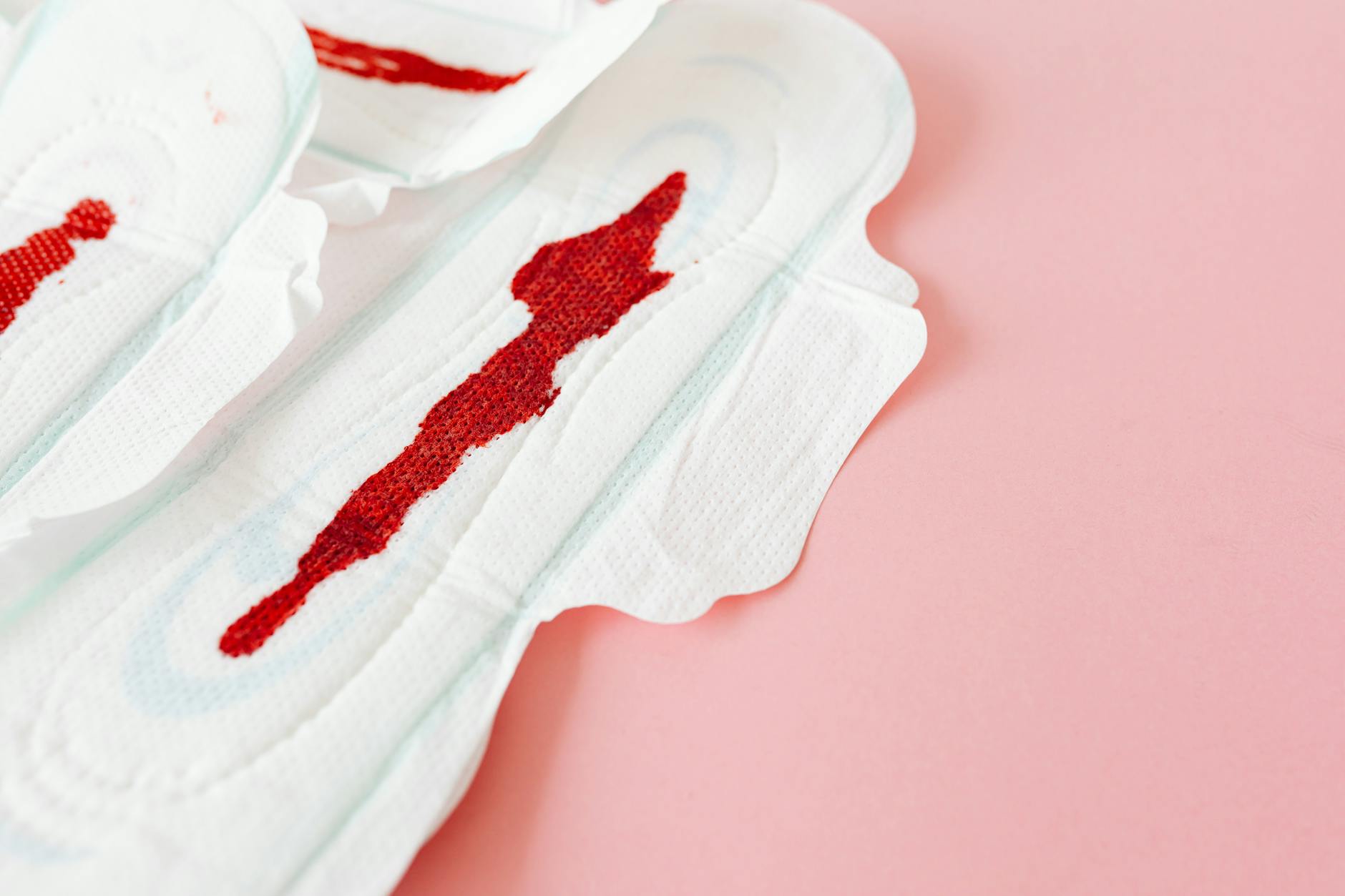
Customers sometimes dispose of menstrual pads or tampons in fitting room trash, creating unpleasant cleanup situations for retail workers who must handle biohazardous waste. Proper disposal requires workers to sanitize trash bins and sometimes replace them entirely to prevent odors and bacterial growth. Retail staff feel uncomfortable managing menstrual products and worry about health code violations or exposure to bloodborne pathogens. Finding menstrual products in fitting rooms is a normal biological reality, but it creates consistent disgust and resentment among workers who handle them daily. Customers should dispose of menstrual products in designated restroom facilities rather than fitting room trash whenever possible.
Chewed Gum
Customers sometimes leave chewed gum stuck under benches, on walls, or on clothing in fitting rooms, creating unsanitary conditions and wasted cleanup time for retail staff. Finding gum stuck to surfaces requires workers to scrape it off manually or use solvents, taking time away from other responsibilities. This behavior shows disrespect for retail spaces and the workers who maintain them, treating fitting rooms like public bathrooms or back alleys. Chewed gum can damage clothing fibers if it sticks to garments, making items unsaleable and creating financial losses for the store. Customers should dispose of gum in trash cans before entering fitting rooms and never chew gum while trying on clothes.
Phone Numbers and Personal Requests Written on Clothing
Customers sometimes write their phone numbers, business cards, or personal requests directly on clothing or fitting room walls, creating awkward situations for workers and other customers. Finding romantic advances or business solicitations written in fitting rooms feels invasive and creates uncomfortable interactions when workers attempt to notify customers. This behavior violates boundaries and makes both workers and other customers feel unsafe or uncomfortable in fitting rooms. Retail staff must report such incidents to management and may need to photograph evidence, escalating situations that started as minor annoyances. Customers should never write personal information or requests on merchandise or store property under any circumstances.
Bodily Waste and Accidents
Workers occasionally find evidence of urination, defecation, or other bodily waste in fitting rooms, creating biohazard situations that require professional cleanup and closure of stalls. Finding bodily waste raises serious health and safety concerns and may indicate customers experiencing medical emergencies or severe mental health crises. Retail staff lack training or equipment to handle such situations and experience significant emotional distress when encountering them. These incidents sometimes occur from customers with medical conditions or disabilities, creating tension between empathy and the need to maintain sanitary conditions. Customers who experience bodily accidents should immediately notify staff so areas can be properly cleaned and closed off from other customers.
Revealing Photos or Mirrors Used Inappropriately

Customers sometimes use fitting room mirrors to take inappropriate photos of themselves or other customers, violating privacy and creating security concerns for retail staff. Finding evidence of these activities makes workers question whether they failed to monitor fitting rooms adequately or prevent voyeurism. Retail staff feel complicit in violations of privacy and safety even though they had no knowledge of customer behavior. This situation requires workers to report incidents to management and may involve security footage review or police involvement. Customers should never take photos in fitting rooms regardless of intent, and workers should maintain vigilance to prevent such violations.
Stolen Security Tags Left Behind
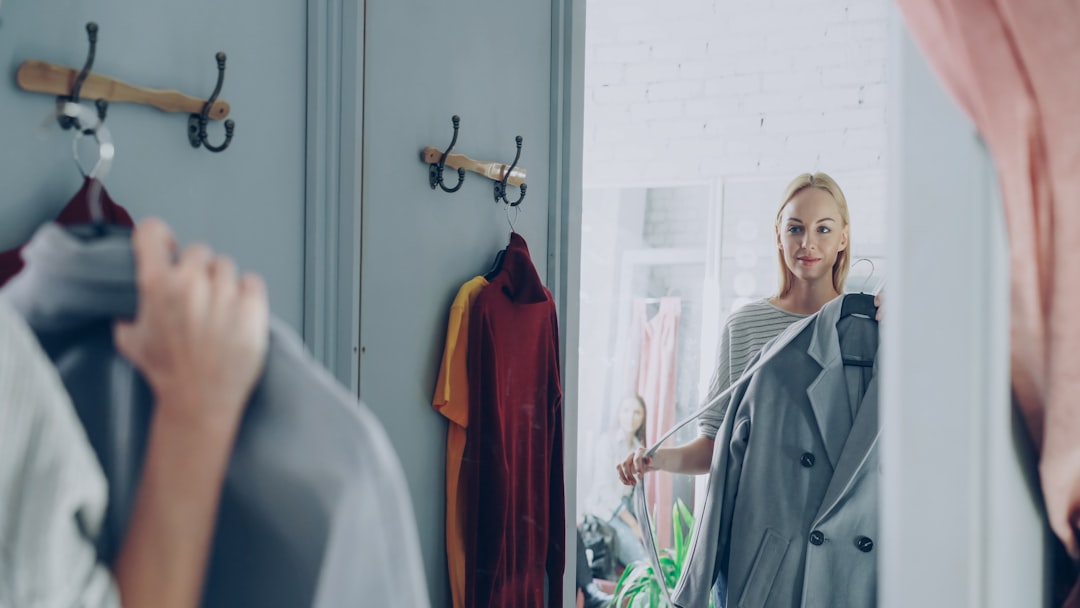
Customers sometimes leave behind security tags or alarm devices they’ve removed from merchandise in fitting rooms, indicating attempted theft or shoplifting. Finding removed tags creates liability for retail workers who must report the incident and potentially investigate what merchandise was stolen. Workers feel responsible for loss prevention even though customers often remove tags outside their view or knowledge. This situation creates tension and distrust between workers and customers and may result in increased security measures that inconvenience all shoppers. Customers should never attempt to remove security tags, and workers should investigate promptly when tags are discovered in fitting rooms.
Receipts and Personal Financial Documents

Customers sometimes leave behind receipts, credit card statements, or other financial documents in fitting rooms, exposing sensitive information that workers must handle carefully. Finding personal financial information creates discomfort for workers who may see banking details, purchase history, or other confidential data. Retail staff must decide whether to store documents for customers, destroy them, or turn them over to management, risking data privacy violations. This situation highlights how carelessly customers handle sensitive information and the secondary burden this creates for workers. Customers should check all pockets and belongings before leaving fitting rooms to avoid exposing their financial information.
Children’s Soiled Diapers
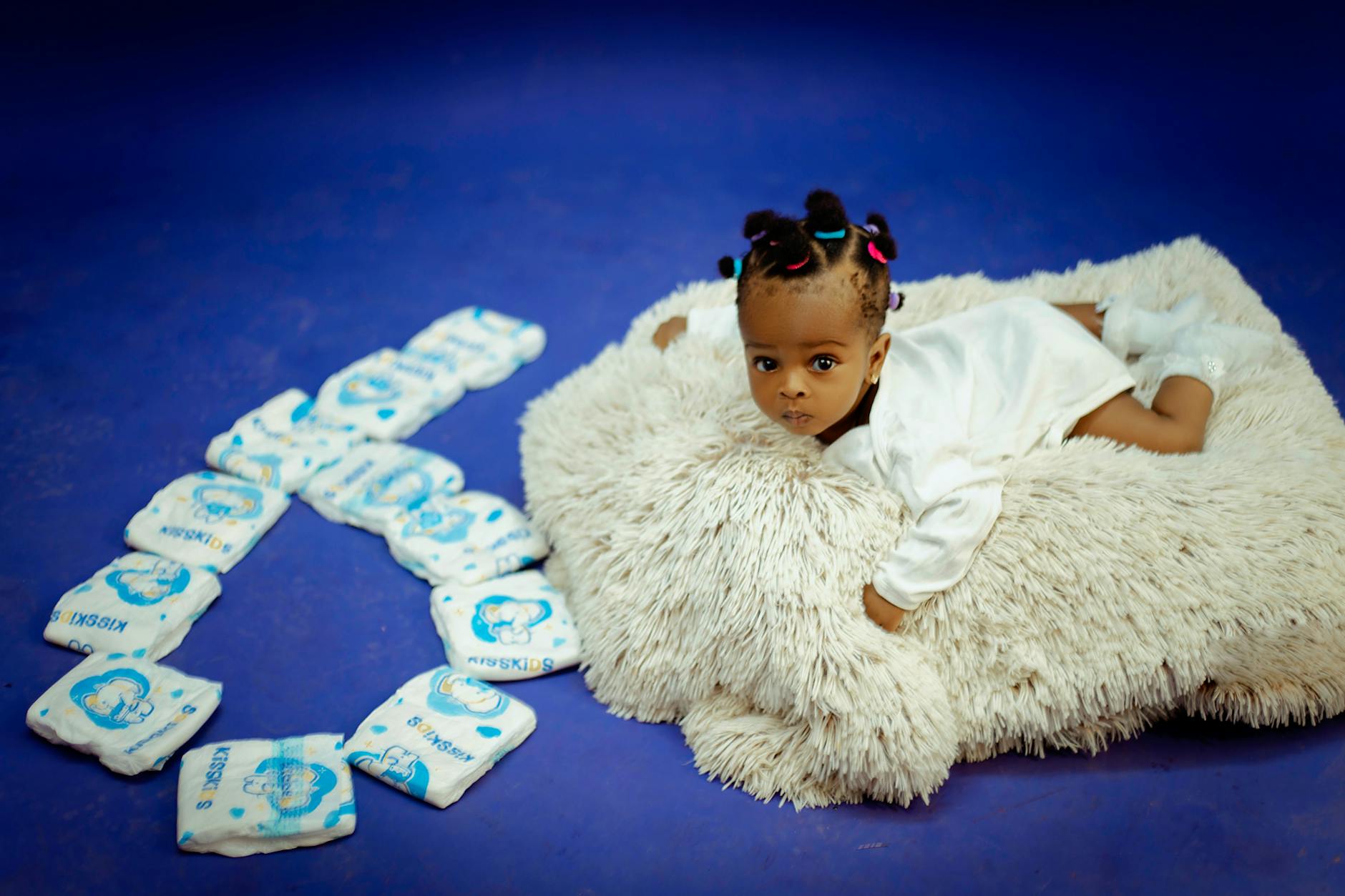
Parents sometimes dispose of soiled diapers in fitting room trash or leave them on benches, creating sanitation nightmares for retail workers without training in biohazard cleanup. Finding soiled diapers forces workers to contact management and sometimes close fitting rooms entirely for professional cleaning. Retail staff feel resentment toward parents who treat fitting rooms as personal changing areas rather than retail spaces shared with other customers. This situation raises questions about parenting judgment and creates lasting disgust that affects workers’ attitudes toward subsequent customers. Parents should use designated family restrooms with changing tables or dispose of diapers in trash bins outside fitting room areas.
Love Bites and Hickeys Visible on Customers
Workers sometimes observe customers with visible hickeys or love bites while trying on clothes, creating awkward moments and raising questions about fitting room activities. Finding evidence of intimate marking creates discomfort for workers who must maintain professionalism while processing what they’ve witnessed. This situation blurs lines between professional retail spaces and personal intimate activities, making workers feel like unwilling participants. Retail staff worry whether they should report suspicious activities or simply pretend not to notice. Customers should ensure they are fully clothed and presentable before entering fitting rooms and should never engage in intimate activities in retail spaces.
Condom Wrappers
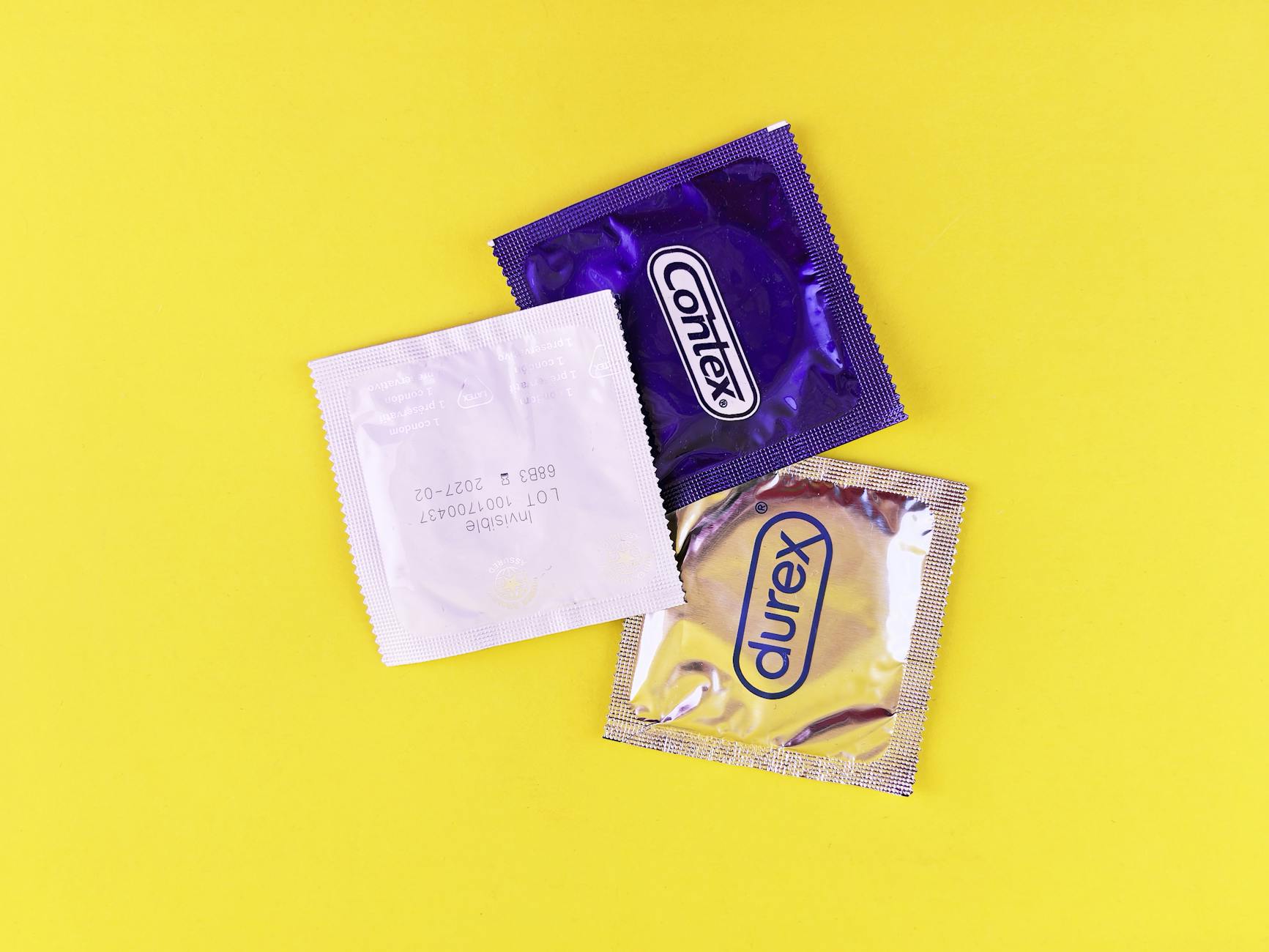
Retail workers sometimes find condom wrappers in fitting rooms, raising serious concerns about whether customers are using these spaces for sexual activity rather than trying on clothes. Finding condom wrappers creates urgent concerns about sanitation and whether fitting rooms have been used inappropriately with other customers present. Workers must report such findings to management and secure fitting rooms for immediate cleaning and investigation. This situation makes workers feel unsafe and creates concern that fitting room privacy is being exploited for purposes beyond shopping. Customers should never use fitting rooms for any activities beyond trying on clothes and must respect these spaces as shared retail environments.
Dentures or Dental Work
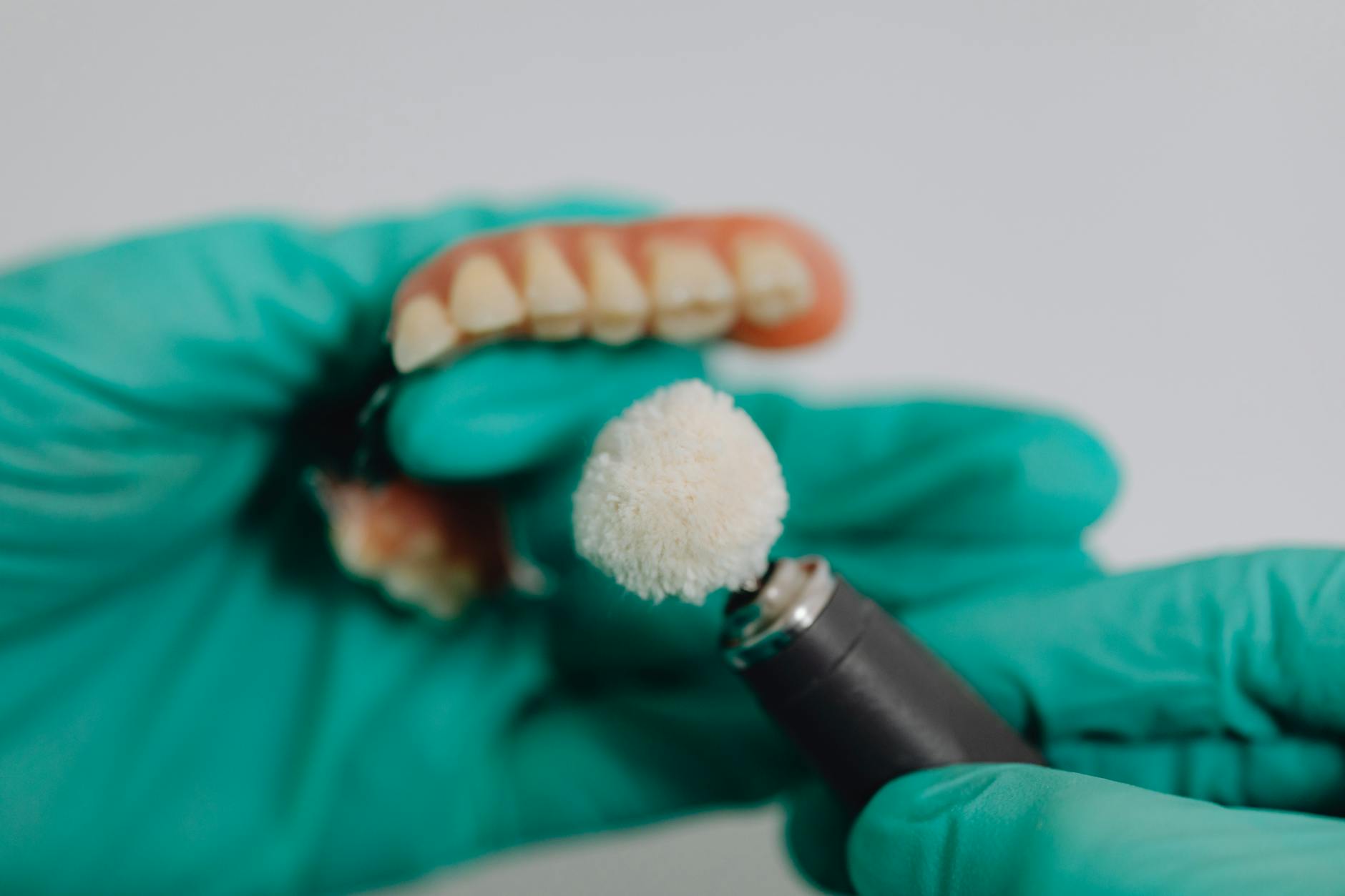
Customers occasionally remove dentures or orthodontic devices while trying on clothes and sometimes forget them in fitting rooms, creating unpleasant situations for workers. Finding dentures or dental work requires workers to handle intimate medical devices and determine whether to store them securely or attempt customer notification. Workers feel uncomfortable holding other people’s dental devices and worry about proper sanitation and storage procedures. Finding such items raises questions about whether customers undress completely in fitting rooms or handle themselves in ways that require removing dental work. Customers should keep dental devices with them at all times in fitting rooms or ask attendants for secure storage.
Excessive Perfume or Cologne Residue

Customers sometimes apply heavy perfume or cologne in fitting rooms before trying on clothes, leaving overwhelming scents that linger for hours and affect other shoppers. The strong fragrance residue requires workers to open windows or ventilate fitting rooms, disrupting store climate control and comfort. Some customers have fragrance sensitivities or allergies and experience health effects from the heavy residue left by previous shoppers. Retail staff feel frustrated that they must manage air quality issues caused by customer behavior and clean fabric items that absorb strong scents. Customers should avoid wearing or applying strong fragrances in fitting rooms and should check the store’s fragrance policy before dressing.
Evidence of Eating or Drinking

Customers sometimes bring food and beverages into fitting rooms and leave evidence of eating including crumbs, spills, and stains on benches and clothing. Finding food debris creates hygiene concerns and requires workers to sanitize fitting room surfaces more frequently than normal cleaning schedules. Retail staff worry about insect infestations or bacterial growth resulting from food residue left in enclosed fitting room spaces. This behavior shows disrespect for shared spaces and creates additional work for already overworked retail employees. Customers should consume food and beverages in designated eating areas and should never bring them into fitting rooms.
Excessive Cologne or Perfume Testing

Customers sometimes test fragrances directly in fitting rooms and leave residual scent on merchandise and surfaces that affects other customers and workers. The heavy fragrance buildup requires workers to air out stalls and sometimes sanitize merchandise before it can be resold. Some customers experience health effects or allergies triggered by fragrance exposure and blame retail workers for poor fitting room maintenance. Workers cannot control customer fragrance testing but must manage the consequences through additional cleanup and ventilation. Customers should test fragrances in designated areas and should never spray perfume or cologne directly in fitting rooms or on merchandise.
What frustrating things have you experienced while trying on clothes in fitting rooms, or what do you wish retail workers knew about your fitting room habits in the comments?




