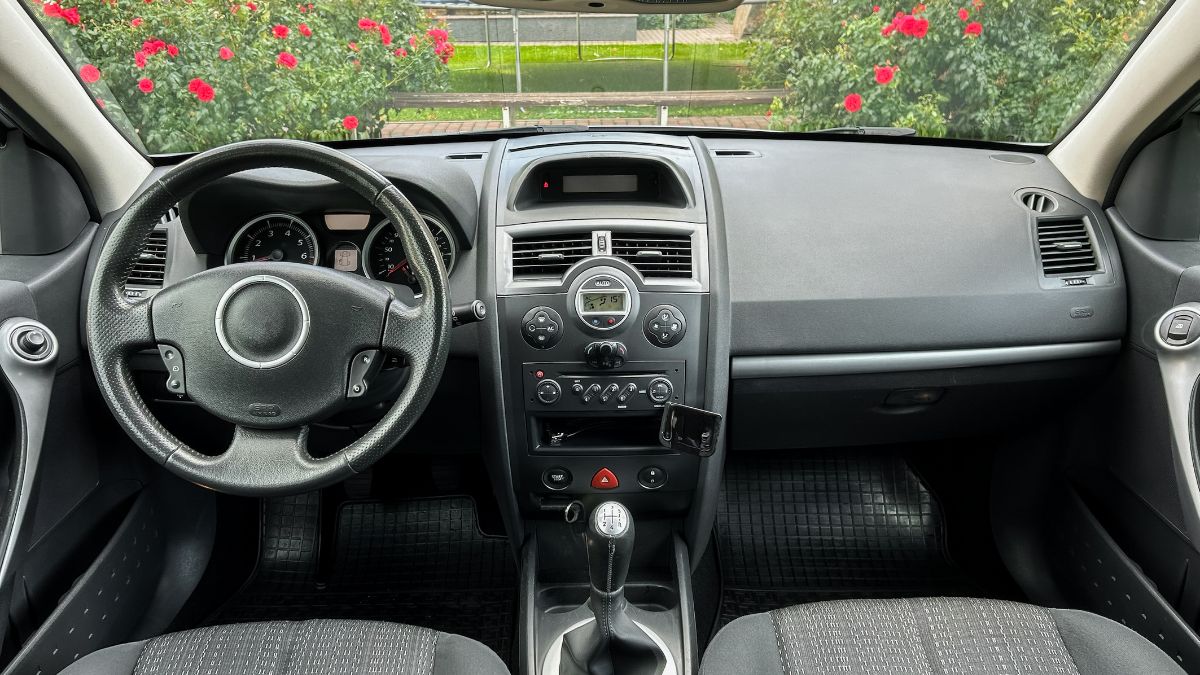
The inside of a car can quietly become a storage unit on wheels without anyone noticing until the clutter and risk have already accumulated. Some items seem harmless sitting in a glove compartment or back seat but carry real consequences related to safety theft liability or physical damage. A car is one of the most frequently broken into personal spaces people own making the contents inside a genuine security concern worth taking seriously. Rethinking what lives permanently in your vehicle is one of the simplest and most overlooked steps toward genuine everyday peace of mind.
Passport
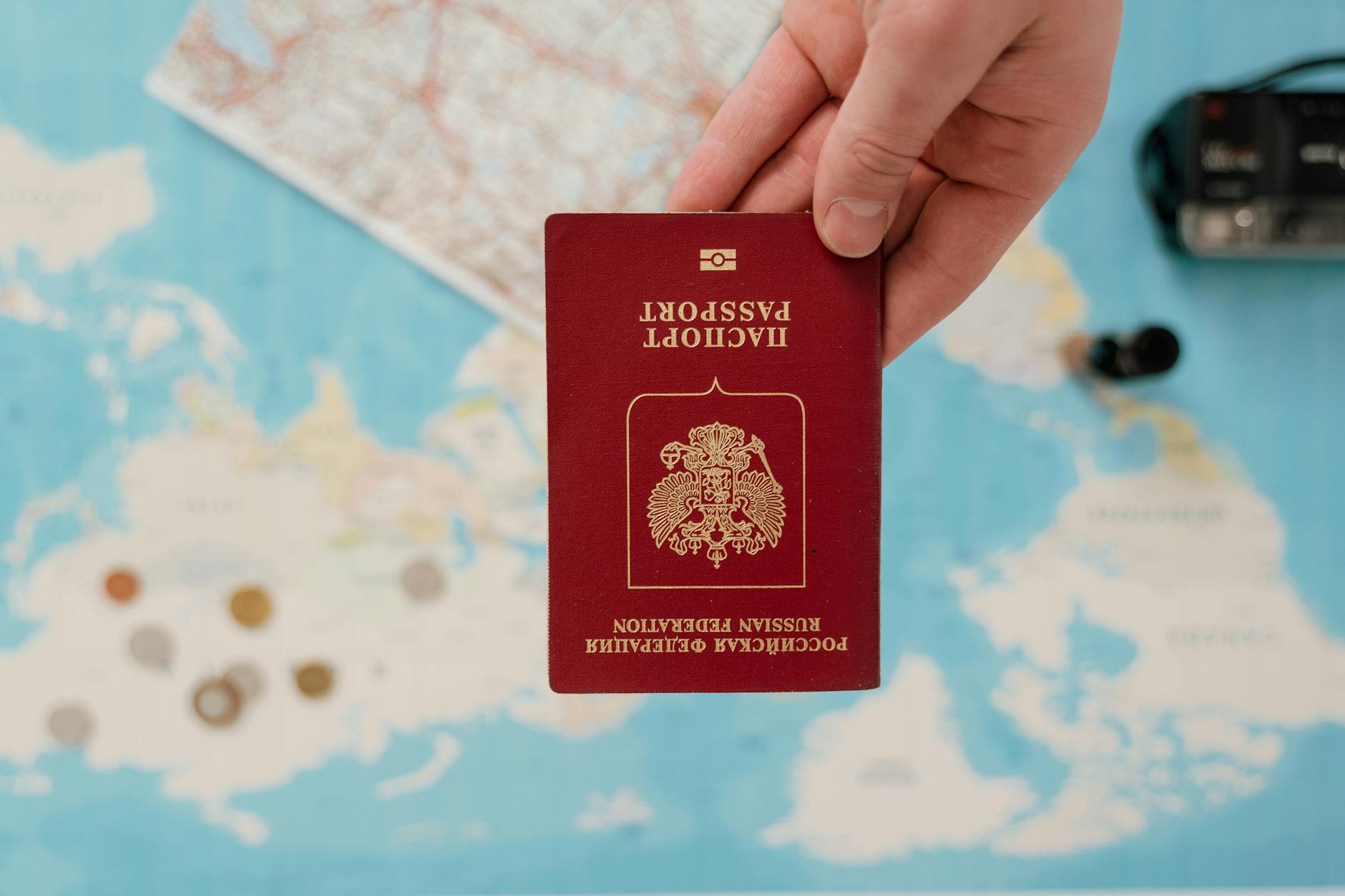
A passport left in a glove compartment or center console represents one of the most valuable identity theft opportunities a thief can encounter in a routine car break-in. Unlike a stolen credit card a compromised passport enables a range of fraudulent activities that can take years to fully resolve. The document is not needed for daily driving and storing it at home in a secure location eliminates the risk entirely with no practical inconvenience. Many identity theft cases that begin with vehicle break-ins are traced directly back to passports and identity documents left behind out of habit rather than necessity.
Spare Key

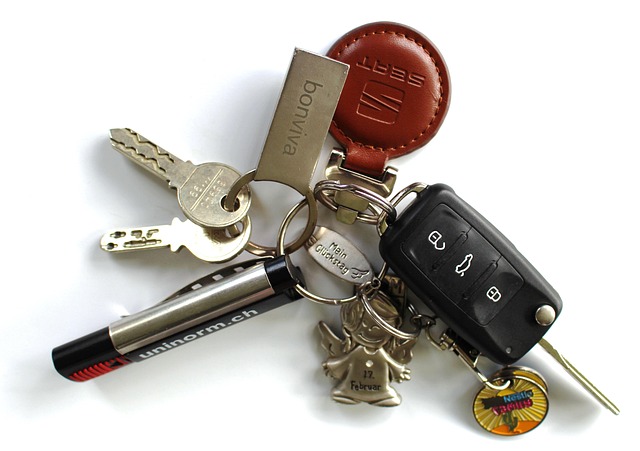
Keeping a spare car key hidden inside the vehicle itself is a practice that effectively nullifies the entire security system of the car. Thieves who break into vehicles are familiar with every common hiding spot including magnetic boxes under wheel wells sun visors and inside the center console. A spare key found during a break-in transforms a minor theft into a complete vehicle loss with no additional effort required from the perpetrator. Spare keys are far better stored with a trusted person at home or in a secure location that is entirely separate from the vehicle itself.
Prescription Medication

Prescription medications left in a car are subject to temperature extremes that can degrade their chemical composition and render them less effective or entirely inactive. Vehicles parked in sunlight can reach internal temperatures well above what pharmaceutical manufacturers specify as safe storage conditions for most common medications. Beyond degradation prescription bottles left visible in a car interior are a known target for opportunistic theft particularly for medications with street value. Carrying only the daily dose needed and storing the remainder at home protects both the medication’s integrity and the owner’s personal medical privacy.
Social Security Card
A Social Security card kept in a wallet stored in a car or placed loose in a glove compartment provides a thief with one of the most powerful tools available for committing identity fraud. Combined with a name and date of birth found on other documents in the same vehicle a Social Security number enables fraudulent loan applications tax filings and account openings. The card itself is rarely needed in daily life and financial institutions advise keeping it secured at home in a locked location rather than carrying it. Replacing a compromised Social Security number is a lengthy and bureaucratically complex process that causes disruption far beyond the initial theft event.
Checkbook

A physical checkbook left in a vehicle contains everything a fraudster needs to drain a bank account or create counterfeit checks including account and routing numbers and a sample of the owner’s signature. Banks may not cover losses resulting from check fraud when negligence in securing account information can be demonstrated. Unlike a debit card a checkbook cannot be remotely frozen or cancelled the moment it goes missing making the window of vulnerability much longer. Most banking needs are handled digitally today making the daily presence of a physical checkbook in a car an unnecessary and high-stakes risk.
Laptop

A laptop left on a car seat or in a bag in the trunk is one of the most commonly stolen items in vehicle break-ins across urban and suburban areas alike. Beyond the hardware replacement cost a stolen laptop may contain unencrypted personal files work documents passwords and financial records that represent a far greater loss than the device itself. Many insurance policies have specific sub-limits for electronics stolen from vehicles that fall well below the actual replacement value of a modern laptop. The few seconds it takes to bring a laptop indoors eliminate a category of risk that causes significant financial and personal disruption when it materializes.
Insurance Documents
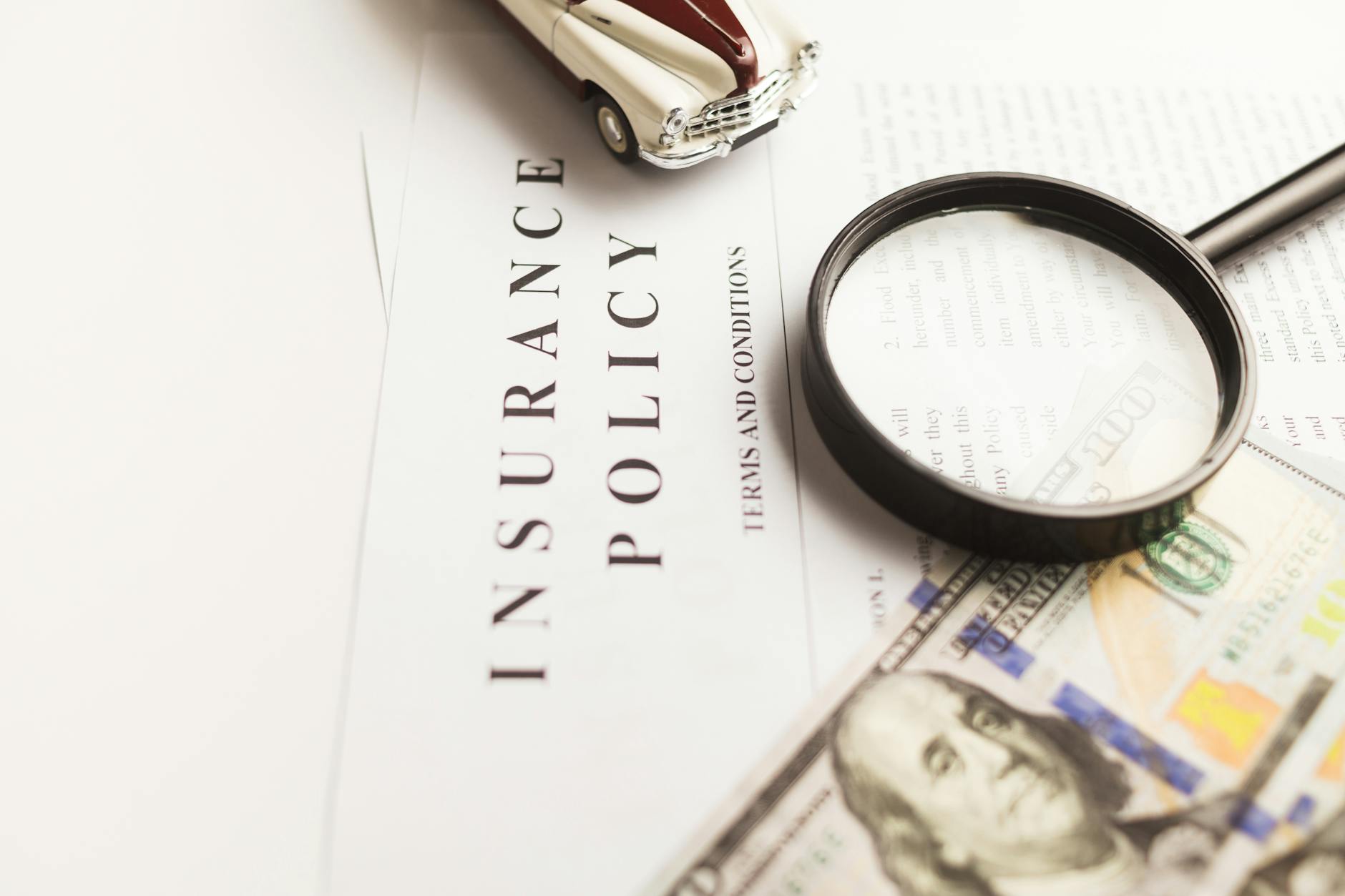
Full insurance documents including policy numbers personal details and insurer contact information left in a glove compartment provide thieves with personal data that can be exploited in insurance fraud schemes. While some proof of insurance must be kept in the vehicle most jurisdictions accept a digital copy displayed on a smartphone as valid documentation for traffic stops. Keeping only the minimum required proof of insurance in the car and storing full policy documents at home or in a secure digital format reduces the personal information available in the event of a break-in. Many drivers are unaware that the detailed paper documents in their glove compartment contain far more personal information than a basic insurance card requires.
Sunscreen

Aerosol sunscreen canisters left in a hot car represent a genuine physical danger as pressurized containers are not designed to withstand the extreme temperatures that vehicle interiors can reach on warm days. Consumer product safety organizations have documented cases of aerosol cans deforming leaking or rupturing after prolonged exposure to heat inside closed vehicles. Even non-aerosol sunscreen in squeeze bottles can separate degrade in efficacy and leak onto upholstery when subjected to repeated heating and cooling cycles. Keeping sunscreen in a bag that travels with the owner rather than living permanently in the car protects both the product and the vehicle interior.
Gym Bag
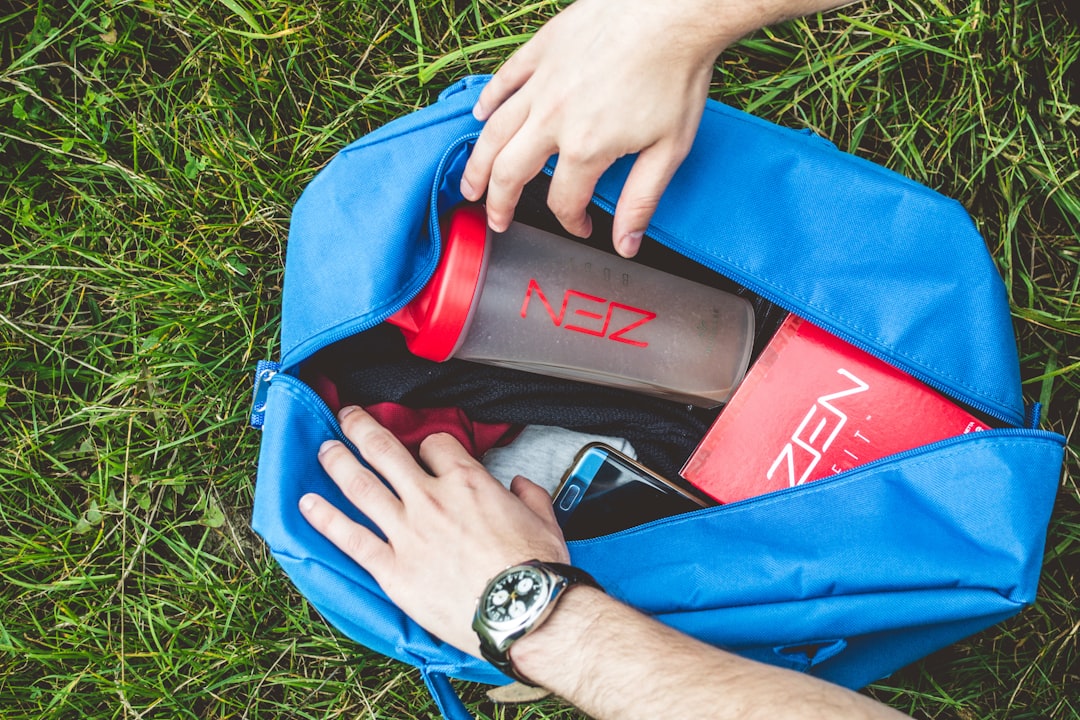
A gym bag left on the back seat or in the trunk broadcasts the presence of personal belongings to anyone looking through the window making the car a more attractive target for opportunistic break-ins. Beyond the theft risk damp workout clothing sealed in a bag inside a warm car creates conditions for mold and bacterial growth that generates persistent odors that are extremely difficult to eliminate from upholstery and carpet. Gym bags also tend to accumulate a secondary collection of items over time including headphones chargers and valuables that their owner forgets are inside. Bringing the bag indoors after every use is the only reliable way to manage both the security and hygiene consequences it creates.
Children’s Documents

Birth certificates immunization records and school identification documents for children kept in a car folder are frequently overlooked as theft targets but represent sensitive personal data for minors that can be exploited in ways parents rarely anticipate. A child’s personal details combined with their date of birth and other identifying documents can be used to establish fraudulent credit accounts that go undetected for years because children’s credit histories are rarely monitored. These documents are needed infrequently enough that retrieving them from secure home storage on the occasions they are required is far preferable to leaving them permanently in a vehicle. Many cases of child identity theft investigated by consumer protection agencies involve documents that were stolen in routine vehicle break-ins.
Portable GPS
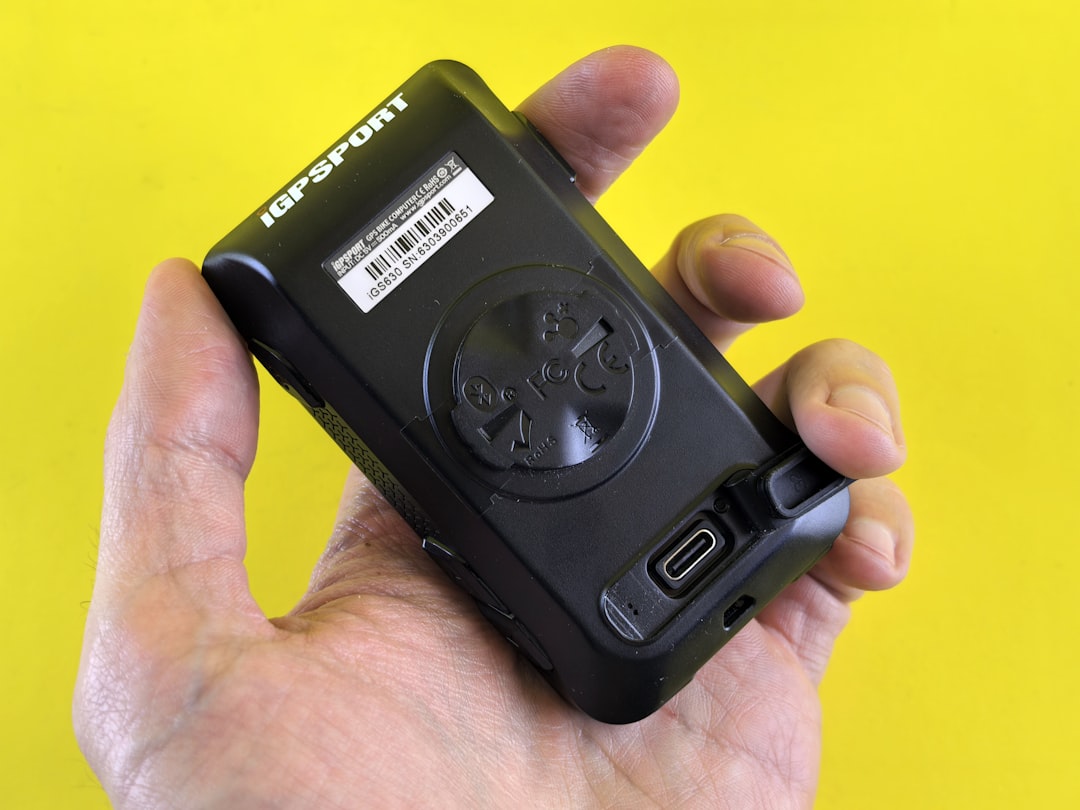
A mounted GPS device or its windshield suction cup left visible in a car is a well-documented signal to thieves that a device worth stealing was recently present even if the unit itself has been removed. The circular marks left by suction mounts on windshields are recognized widely enough in law enforcement communities that patrol officers use their presence as an indicator of likely vehicle break-ins in parking areas. Portable GPS units are also increasingly outdated as navigation technology but older models left in cars are still targeted because they retain resale value in secondary markets. Removing both the device and any visible mounting hardware eliminates one of the most recognizable invitations for opportunistic theft.
Wallet
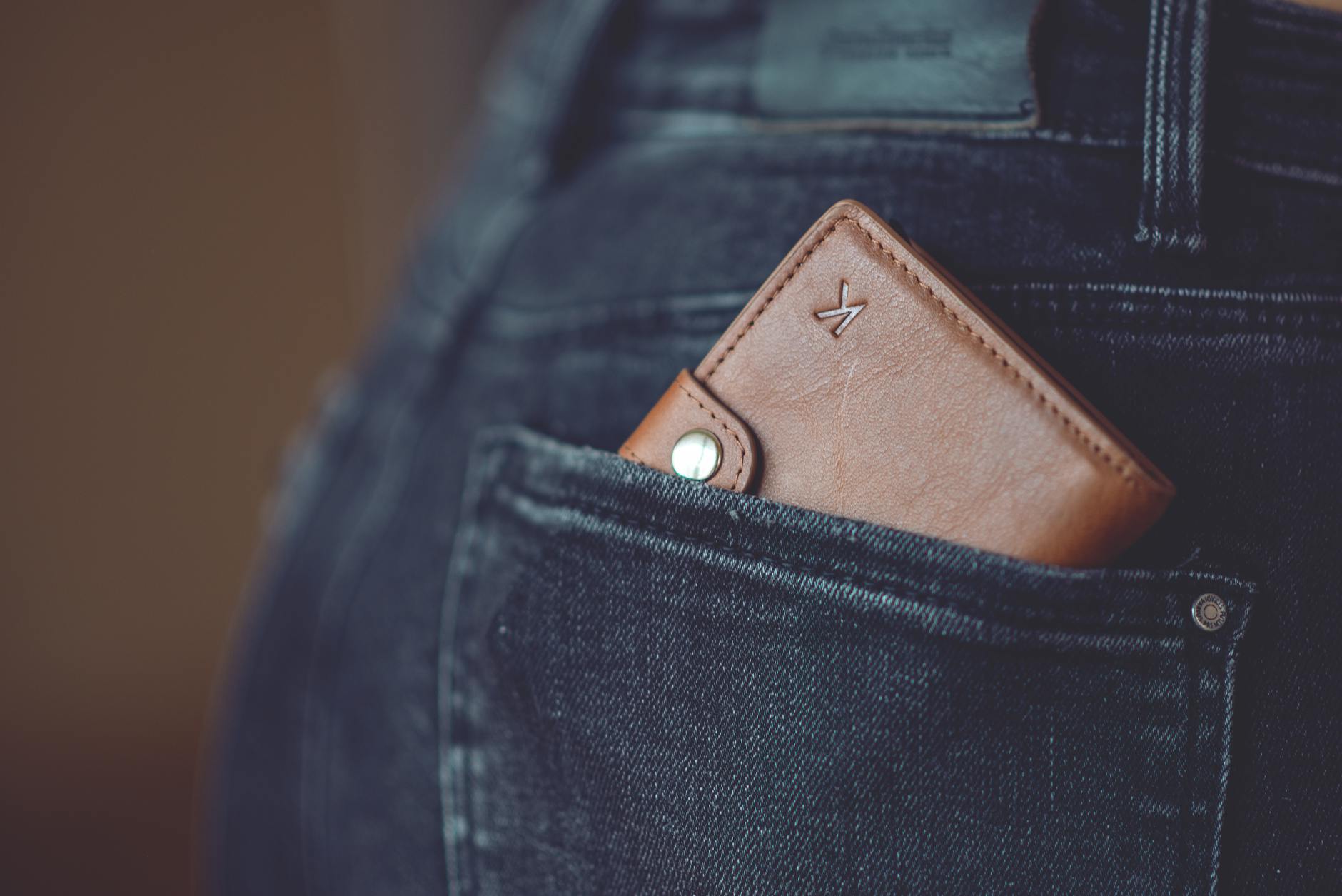
Leaving a wallet in a car even briefly while running an errand creates a vulnerability window that experienced car thieves are specifically practiced at exploiting in busy parking areas. A full wallet provides simultaneous access to payment cards identification loyalty cards and sometimes cash creating a multi-category fraud and theft scenario from a single item. The time required to cancel cards dispute fraudulent charges replace identification and restore normal financial access after a wallet theft routinely extends into days or weeks of administrative burden. Carrying a wallet on the person at all times or leaving it at home with only the necessary cards for a specific outing eliminates one of the most consequential categories of vehicle-related theft.
Garage Door Opener
A garage door opener clipped to a car visor combined with a registration document containing the home address creates a direct invitation for residential burglary that many car owners never consciously connect. A thief who breaks into a car and finds both items has the home address and the means to enter the attached garage without any additional effort or tools. Police departments in areas with high vehicle break-in rates consistently advise removing garage door openers from cars whenever they are parked away from home. Smartphone-based garage systems with app controls eliminate this risk entirely by replacing the physical clicker with a device that travels with the owner.
Expensive Sunglasses

Designer or prescription sunglasses left on a dashboard or in a door pocket are among the highest-frequency items reported stolen in vehicle break-ins because of their visibility and immediate resale value. Heat from direct sunlight focused through a windshield can also warp frames and degrade lens coatings on premium eyewear that is left on a dashboard for extended periods. The cost of replacing prescription sunglasses in particular often exceeds what many comprehensive insurance policies will reimburse per claim making prevention far more economical than replacement. A protective case kept in a bag or taken indoors is a habit that pays for itself the first time it prevents a break-in driven by a pair of visible glasses.
Cash

Physical cash stored in a car console cup holder or under a seat mat is immediately usable by a thief with no activation fraud reporting or account access required making it the most direct financial loss possible in a vehicle break-in. Unlike stolen payment cards cash cannot be cancelled disputed or reimbursed by a financial institution after it has been taken. Many people habitually store small amounts of cash in their vehicles for tolls parking or emergencies without considering that these amounts accumulate over time into a more significant sum. Cashless payment options and toll transponders linked to accounts have largely eliminated the practical need for physical cash to live permanently in a vehicle.
Work Badges

Corporate access badges or keycards left in a car allow anyone who steals them to potentially enter secured workplaces facilities or server rooms depending on the level of access programmed into the card. Many organizations require employees to immediately report lost or stolen access credentials but the gap between a vehicle break-in and the discovery of the theft can represent several hours of unauthorized access risk. Badge information can also be cloned using widely available RFID reader technology making a briefly stolen and returned badge just as dangerous as one that is permanently missing. Keeping work credentials on the person during working hours and stored securely at home during off-hours is a basic security protocol that surprisingly few employees follow consistently.
Lighter Fluid
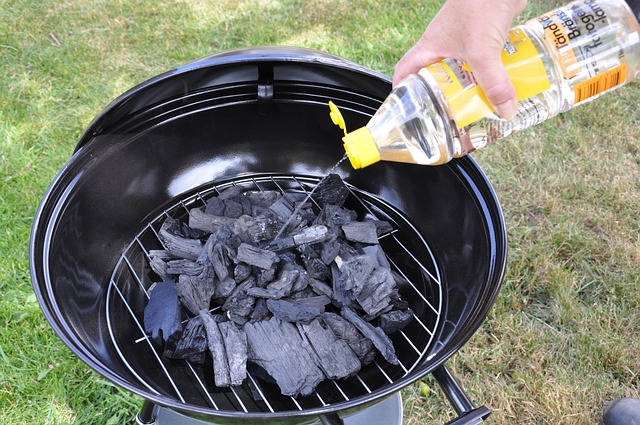
Lighter fluid and other flammable liquids stored in a car are subject to the same heat-related pressure risks as aerosol cans with the additional danger of combustibility in the event of a container failure. Vehicle interiors can reach temperatures that approach the flash point of certain flammable compounds on hot days in direct sunlight particularly when the container is stored against dark surfaces that absorb additional radiant heat. Beyond the fire risk flammable liquids that leak inside a vehicle create fumes that accumulate in the enclosed space and pose an inhalation hazard before any ignition event occurs. No practical convenience justifies storing combustible materials in a vehicle when the alternative is simply retrieving them from a home storage location when specifically needed.
Old Mail

Accumulated mail stored in a car door pocket or on the back seat contains a surprisingly rich collection of personal data including full name home address account numbers and sometimes financial statements that identity thieves find extremely useful. Opened envelopes left in a car are particularly valuable to thieves because they confirm the information is current and associated with an active account or service. Mail that piles up in a vehicle is also a visible indicator to potential thieves that the owner regularly leaves belongings in the car suggesting other items of value may be present. Shredding mail promptly at home and never using a vehicle as a secondary mailbox are practices that financial security professionals consistently recommend.
Reusable Water Bottles

Plastic reusable water bottles left in a hot car leach chemical compounds from their walls into any liquid remaining inside at a rate that increases significantly with temperature. Bottles with residual moisture that are sealed and left in a warm car become breeding grounds for mold and bacterial growth within days particularly if they were not fully dried before being stored. Beyond the health implications a collection of water bottles accumulating in the back seat contributes to the broader clutter pattern that makes a car feel chaotic and difficult to maintain. The habit of bringing water bottles indoors for cleaning and refilling is a simple practice with both health and organizational benefits that compound over time.
Chargers
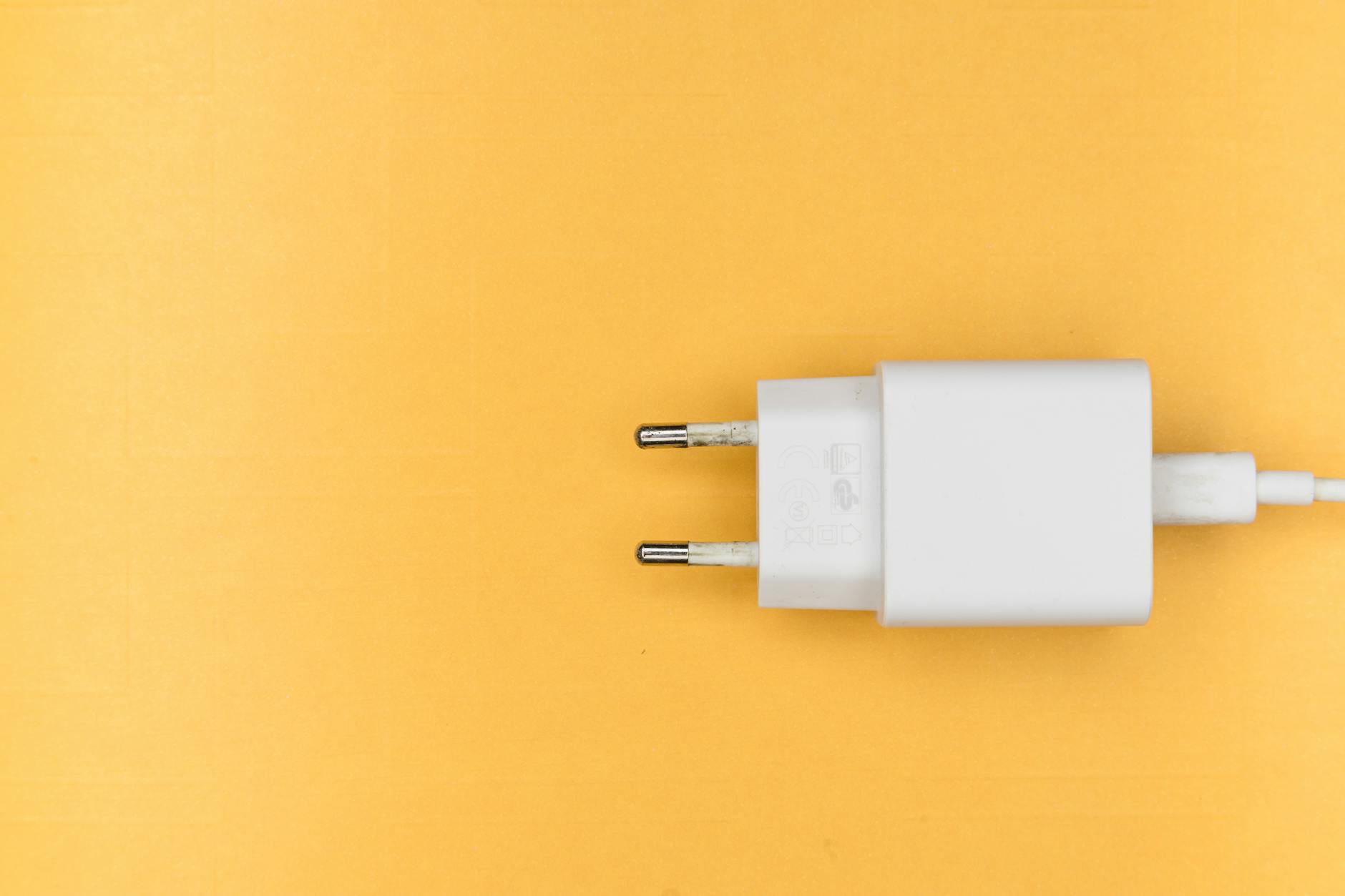
Charging cables and portable power banks left coiled on seats or plugged into car outlets are consistently among the top items targeted in smash-and-grab vehicle break-ins because of their high visibility and universal resale value. A broken window replacement typically costs far more than the combined value of the chargers taken making the true cost of the theft significantly higher than the items themselves represent. Power banks in particular carry their own heat-related safety risks when left in hot vehicles as lithium batteries are sensitive to temperature extremes that can accelerate degradation or in rare cases cause thermal events. Unplugging and taking chargers indoors as a matter of routine is one of the easiest habits to build with one of the most consistent returns in both security and equipment longevity.
Share the items you have removed from your car after learning the hard way and what prompted the change in the comments.




