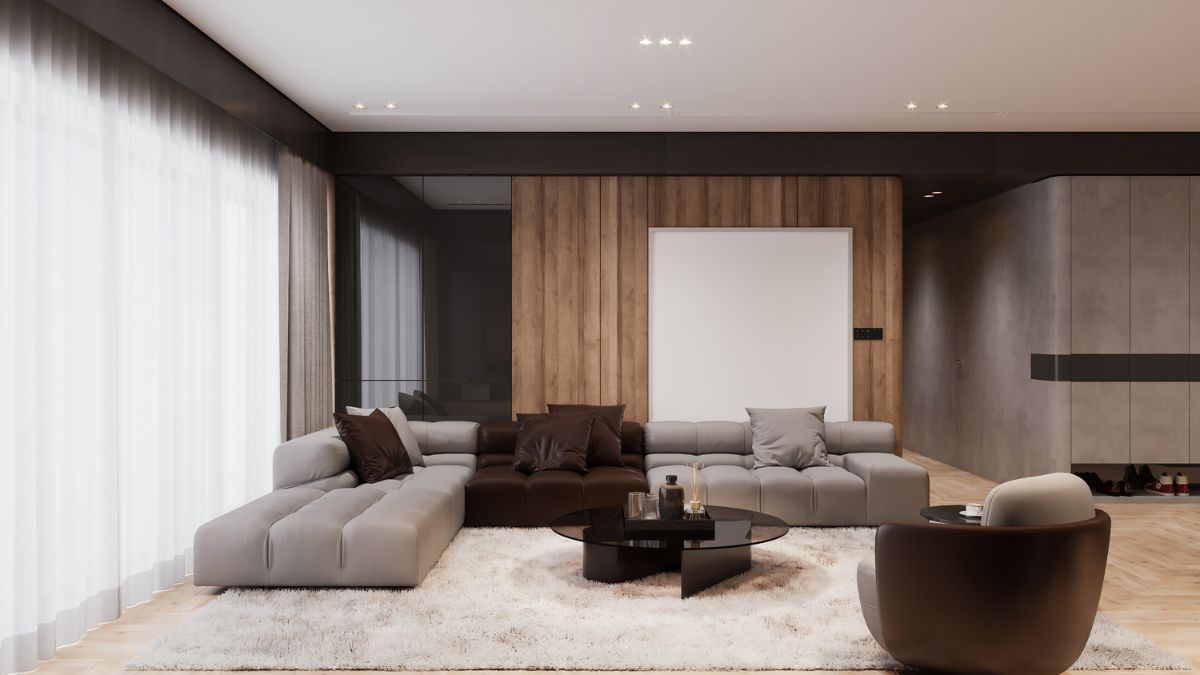
The living room is the most visited and most scrutinized space in any home, yet it is also the room most likely to accumulate objects that belong to a different era. Many of these items were once practical, stylish or even aspirational, and their gradual slide into obsolescence happens so slowly that most people simply stop seeing them. Design sensibilities shift, technology evolves and cultural habits change in ways that leave certain objects stranded in a space that has otherwise moved on. A living room that feels inexplicably tired often owes that feeling to a handful of quietly outdated objects hiding in plain sight. Here are 42 everyday living room objects that may be telling a story about the past rather than reflecting the present.
DVD Collection
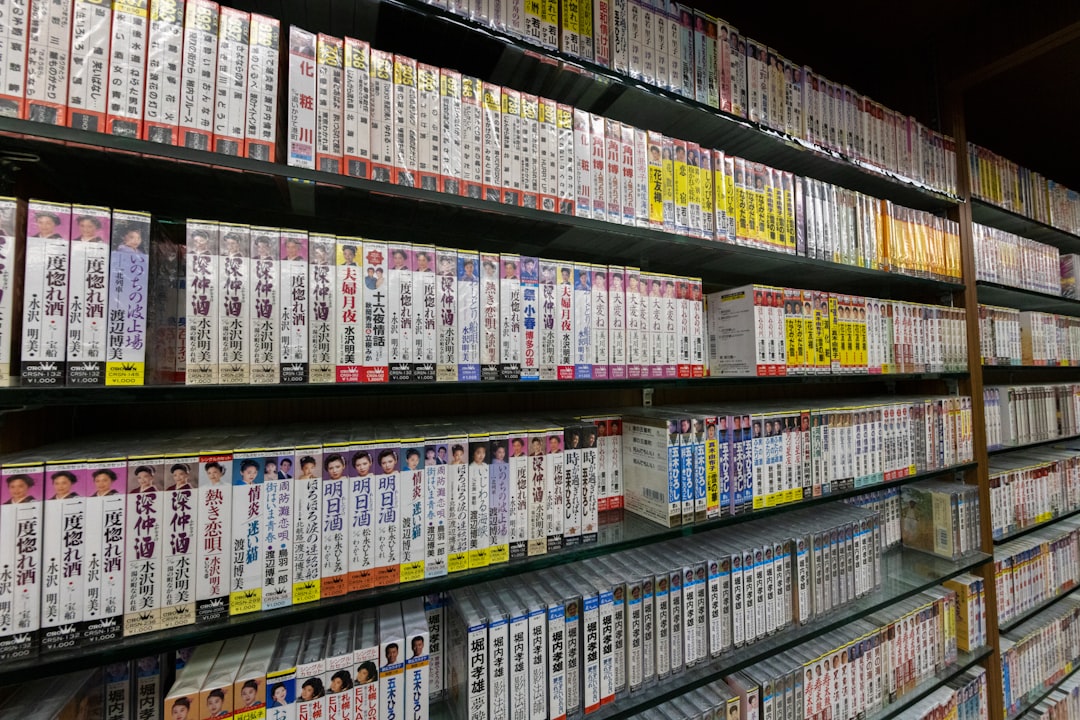
Physical DVD collections lining a shelf or stacked in a tower unit were once a mark of entertainment sophistication and cinematic taste. Streaming platforms now provide instant access to libraries that dwarf even the most ambitious personal collection, making the physical format largely redundant for home viewing. The cases themselves are bulky, prone to cracking and require significant shelf space that could serve a far more current purpose. Many households hold onto DVDs out of habit or mild sentimentality rather than any genuine ongoing use. Donating or storing them frees up visual and physical space in a way that immediately modernizes the room.
Bulky TV Unit
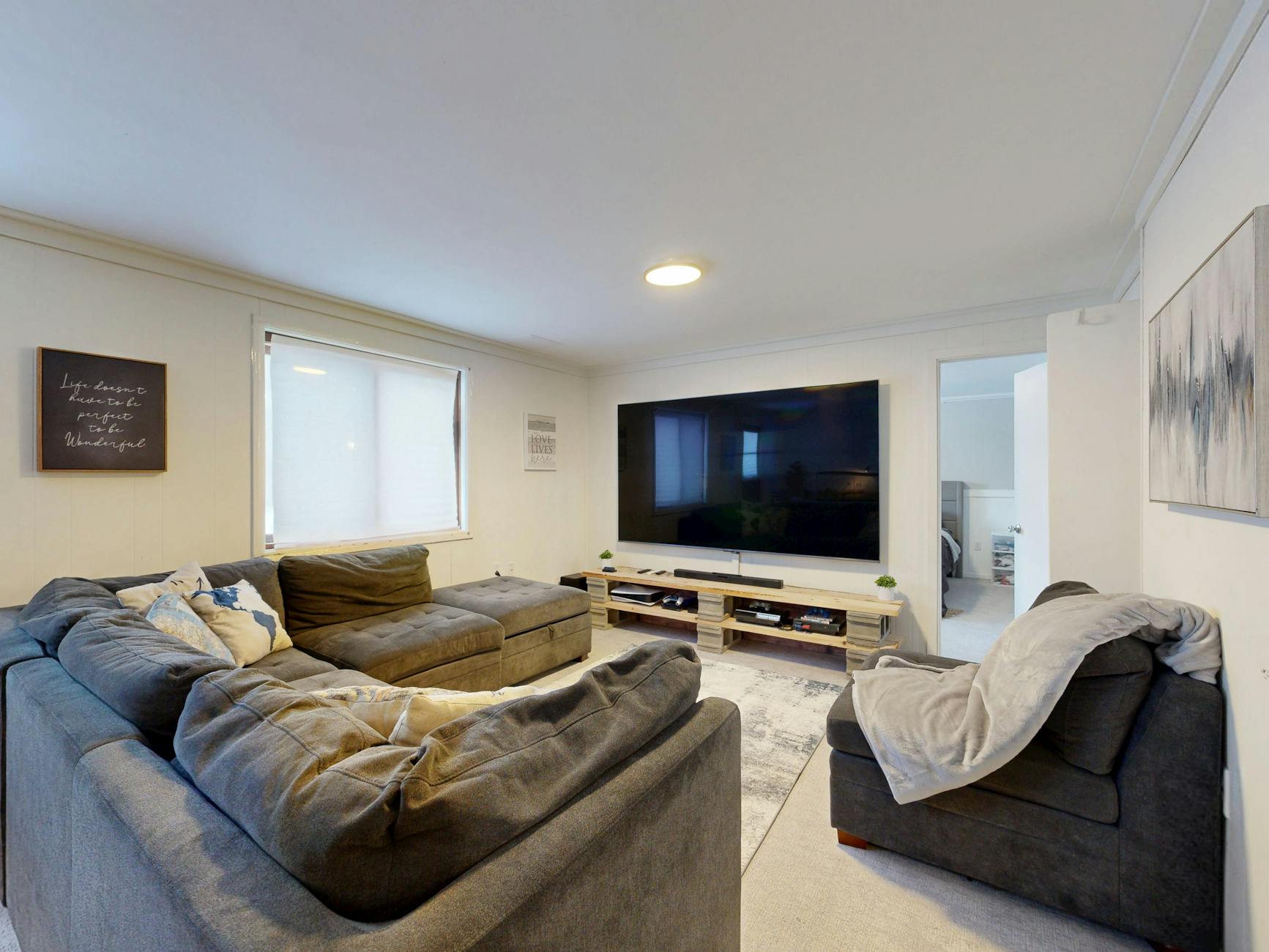
The oversized entertainment unit built to house a deep cathode ray tube television has not meaningfully evolved alongside the screens it was designed to hold. Modern flat and ultra-thin televisions mounted on walls or sitting on slim media consoles have made the hulking wooden cabinet a spatial anachronism. These units dominate floor space, block light and create visual weight that works against the cleaner aesthetic of contemporary living room design. Many households continue using them simply because replacing large furniture feels like a significant undertaking. The proportional mismatch between a slim modern screen and a massive surrounding unit is one of the clearest signals of a room caught between eras.
Landline Phone
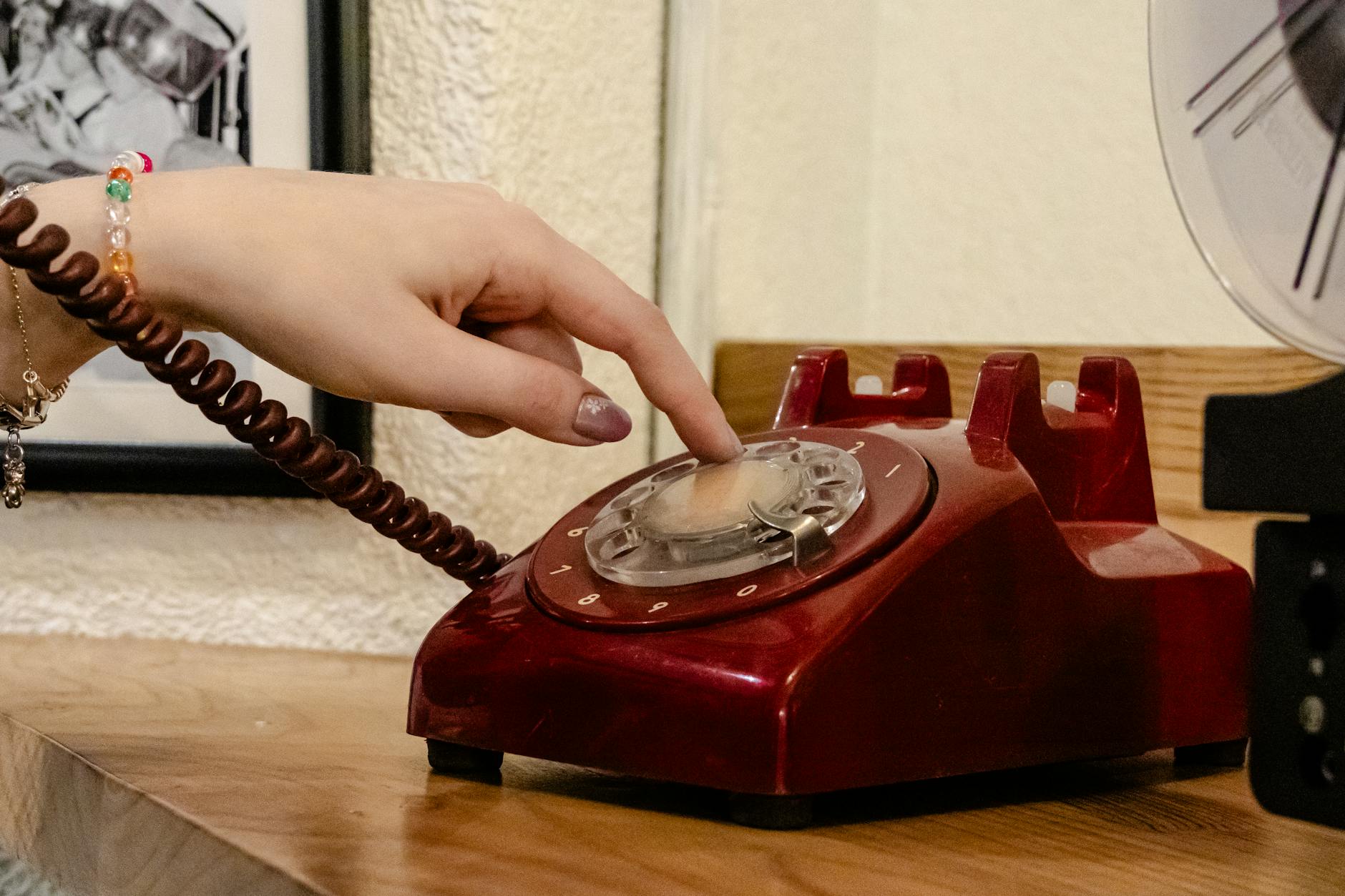
A landline telephone sitting on a side table or mounted near the living room entrance serves a communicative function that has been almost entirely absorbed by mobile devices. The physical presence of a corded or cordless landline phone signals a domestic infrastructure that most households have not genuinely depended on for over a decade. Dust accumulation on or around the base unit is a common indicator of how rarely the device is actually used. Retaining the landline subscription alongside the hardware represents both a financial and an aesthetic cost that many people continue paying without reassessment. Removing the phone and canceling the line is a straightforward modernization step with no meaningful loss of function.
Cable Box

A cable or satellite box sitting prominently beneath the television represents a legacy infrastructure that streaming technology has largely replaced in most developed media markets. The box itself is typically an unattractive piece of hardware that introduces visible cables, blinking lights and a second remote control into the living room environment. Cord-cutting trends have accelerated significantly, with streaming services now offering live sports, news and on-demand content that previously required a subscription hardware setup. Many households retain the box alongside streaming subscriptions, paying for overlapping services without reconsidering the overall setup. Transitioning fully to streaming-based viewing simplifies both the visual and financial landscape of the living room considerably.
Printed TV Guide
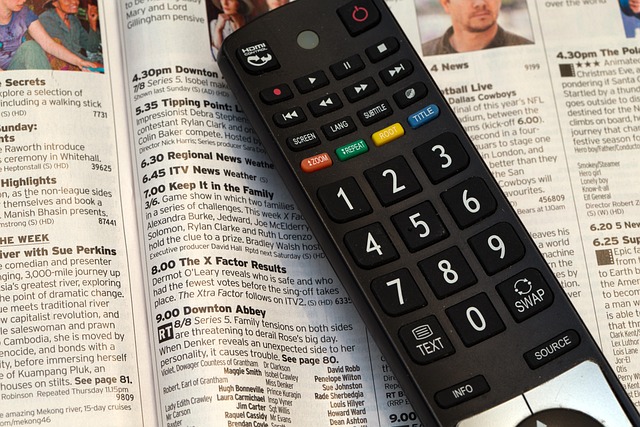
A printed television guide, whether a dedicated magazine or a newspaper supplement, is among the most conspicuously dated objects still found in living rooms where television remains a primary leisure activity. On-screen program guides, streaming interfaces and voice-activated search functions have replaced the need for printed schedules entirely. Finding a current TV guide in a living room today often indicates a household that has not reassessed its media habits in some time. The publication itself tends to accumulate with other periodicals on coffee tables, contributing to a general sense of clutter. Transitioning to on-screen scheduling tools removes both the object and the subscription cost that accompanies it.
Encyclopaedia Set

A full set of printed encyclopaedias arranged on a living room bookshelf was once among the most impressive signals of educational investment a household could display. The internet rendered this reference format obsolete in practical terms well over two decades ago, and the volumes have not been updated since their last print run. The books themselves are often in good physical condition precisely because they have not been consulted in years. Their continued presence on the shelf typically reflects a reluctance to discard a significant past purchase rather than any ongoing utility. Libraries, schools and digital archives are better-suited homes for these volumes than a contemporary living room.
VHS Tapes
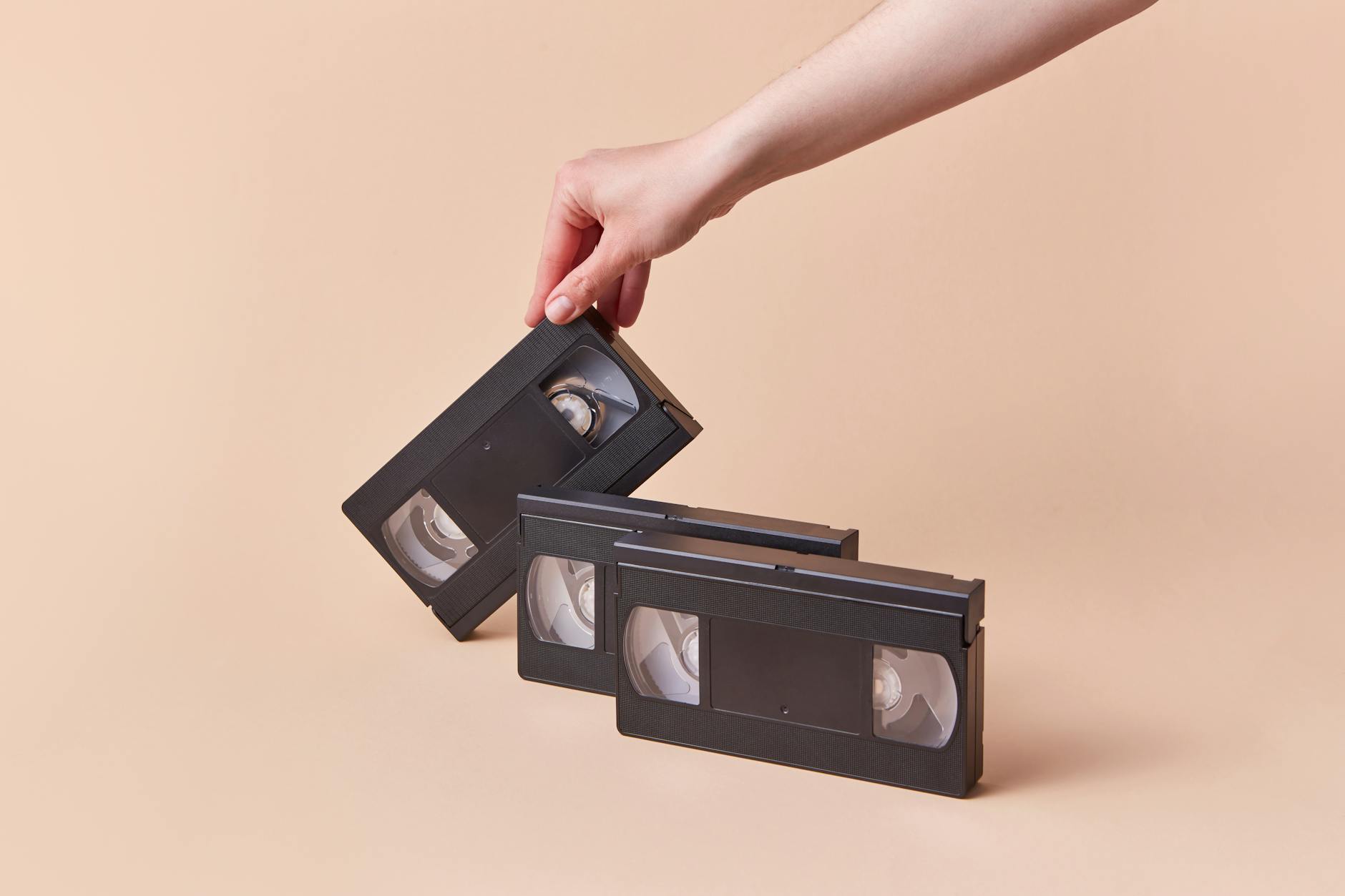
VHS cassette tapes stored in a living room cabinet or on an open shelf are among the most visually identifiable markers of a room that has not been updated since the late twentieth century. The format became commercially obsolete with the mainstream adoption of DVD and has since been further superseded by digital and streaming media. Many households retain tapes containing home recordings of genuine sentimental value, but these can and should be digitized rather than stored in bulky physical format. Commercially released films on VHS have no practical viewing value in a home without a functioning player. The space occupied by a VHS collection is better used by almost anything that belongs to the current decade.
Fax Machine
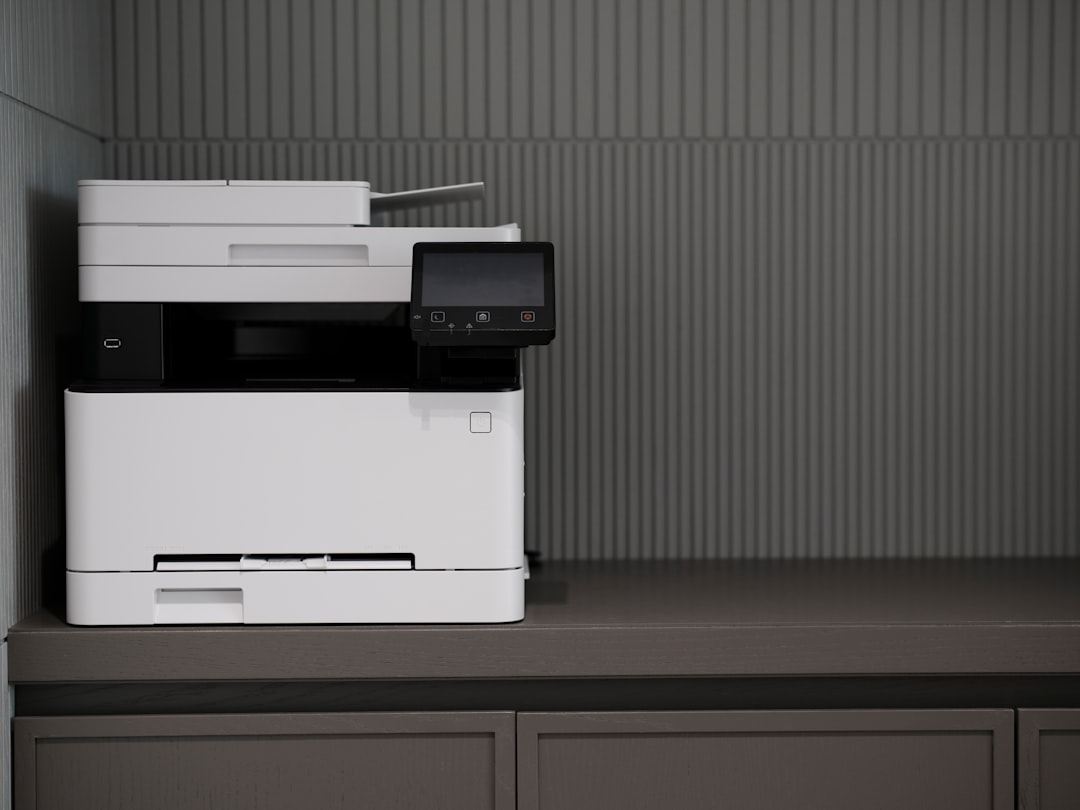
A fax machine in a living room, once considered a mark of professional efficiency for home-working households, now reads as a relic of pre-internet business communication. Digital document sharing, electronic signatures and email attachments have replaced every practical function the fax machine once performed. The device requires a dedicated phone line, occupies significant surface space and generates consumable costs for a service that almost no personal or professional contact still requests. Encountering a functioning fax machine in a domestic living room setting today is genuinely rare, yet some households retain the hardware long after discontinuing the service. Removing it and responsibly recycling the hardware is a straightforward and overdue step.
Tube Television
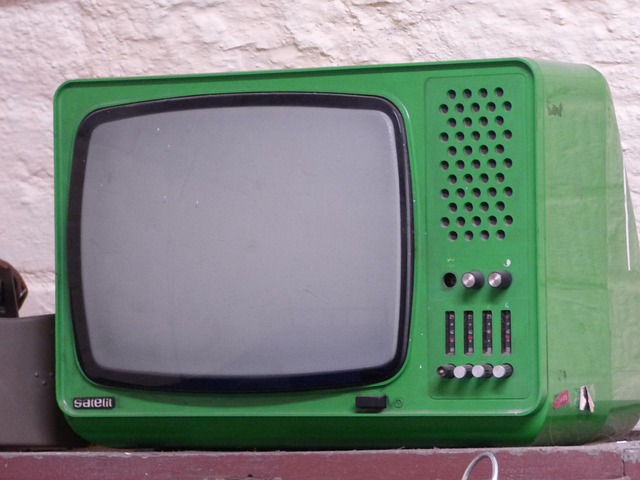
A cathode ray tube television still operating as a secondary or primary screen in a living room is one of the most immediately visible markers of outdated domestic technology. These sets are heavy, energy-inefficient, incapable of displaying high-definition content and physically incompatible with modern gaming consoles, streaming devices and sound systems. The picture quality difference between a tube television and any current flat-screen model is significant enough to be noticeable within seconds. Many households keep tube sets in secondary rooms on the reasoning that they still function, without accounting for energy consumption and connection limitations. Replacing a tube television with a flat-screen display updates both the aesthetic and the functional capability of the room immediately.
Printed Photo Albums

Large printed photo albums stored on living room shelves or coffee tables were once the primary vehicle for sharing and revisiting personal and family memories. Cloud storage, digital frames, social media archives and photo book services have absorbed this function with greater accessibility, searchability and preservation quality. The physical albums themselves are vulnerable to light damage, humidity and the physical wear of repeated handling. Very old albums containing irreplaceable photographs from earlier decades represent genuine archival value and warrant proper preservation, but recent albums printed in the digital era serve limited purpose in physical form. Digitizing and selectively reprinting meaningful images into compact, high-quality formats is a practical modernization.
CD Tower
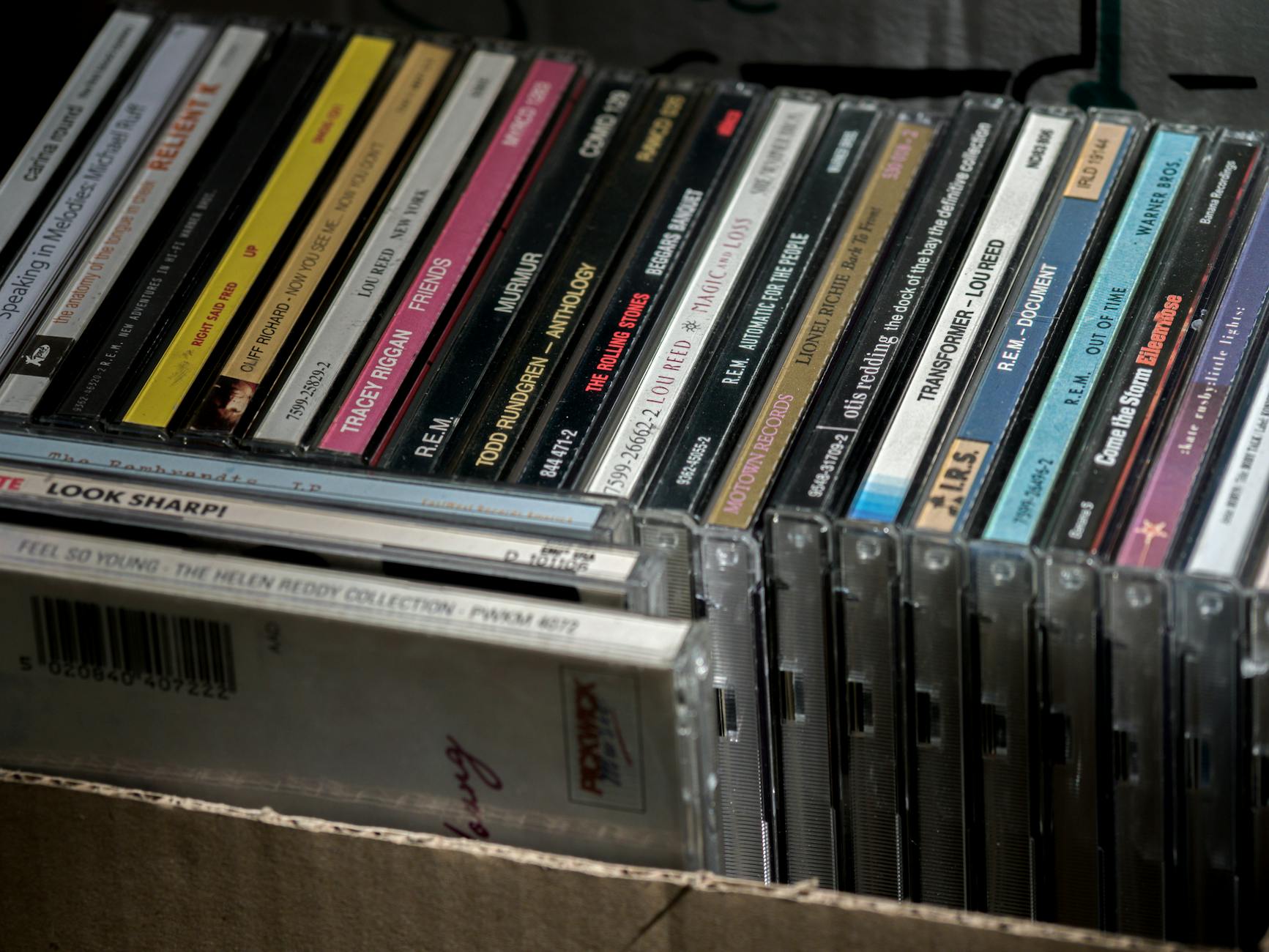
A floor-standing or tabletop CD tower holding dozens or hundreds of discs is a storage solution that has not reflected actual music consumption habits for most households in well over a decade. Music streaming platforms provide access to catalogues of hundreds of millions of tracks without requiring physical media, storage furniture or manual organization. The tower itself tends to be a visually dominant object that contributes both clutter and a strong nostalgic signal to the living room environment. Many of the CDs contained within were ripped to digital formats years ago and have not been played from the disc since. Donating the collection or storing it compactly in a different location modernizes the room while preserving the music in digital form.
Doily
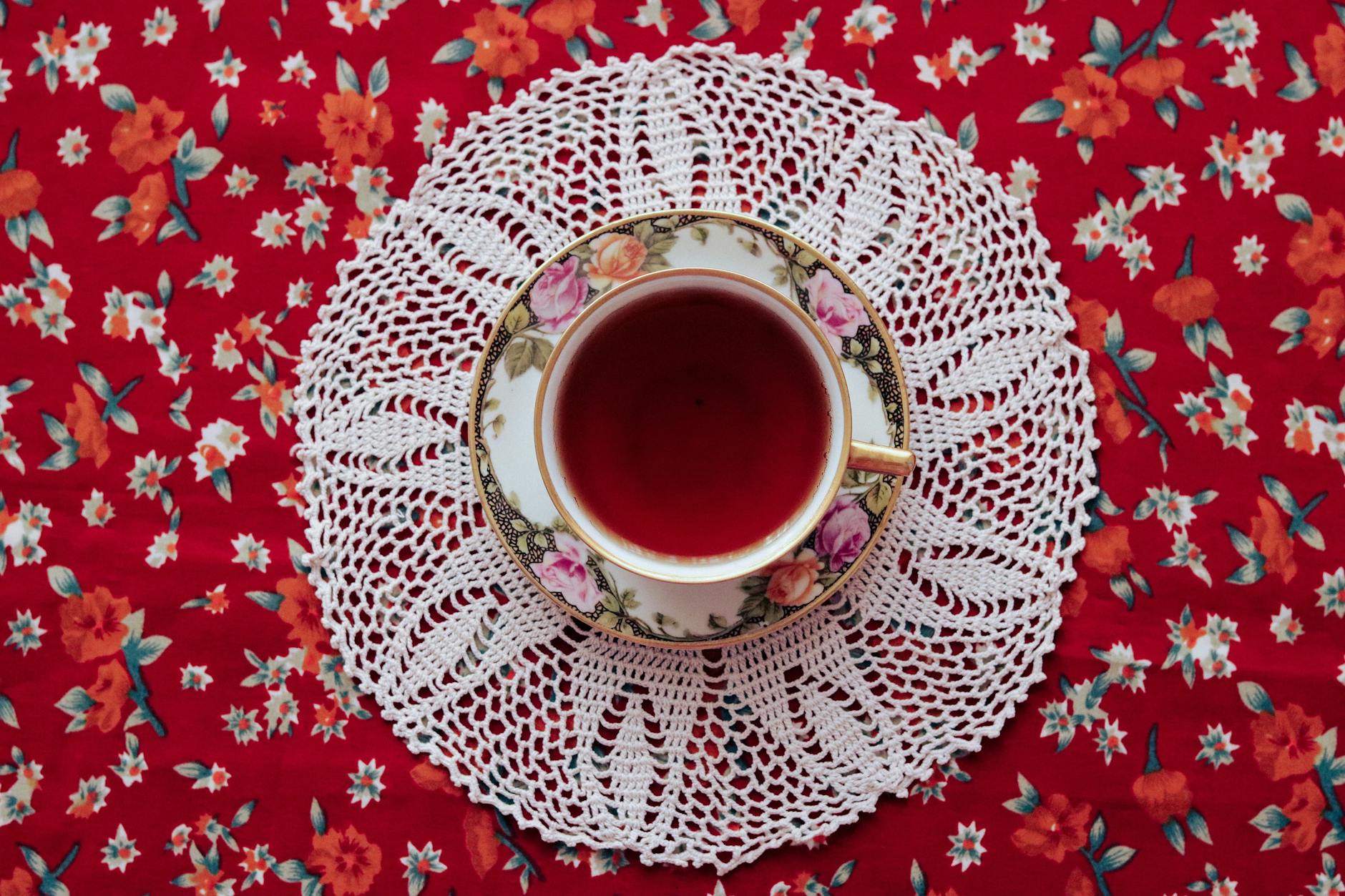
A crocheted or lace doily placed under a lamp, vase or ornament on a living room surface is a decorative textile that carries strong associations with a specific and now distant domestic aesthetic. The doily originated as a practical surface protector and evolved into a decorative element that reached peak popularity in mid-twentieth-century interiors. Contemporary interior design has moved decisively away from layered textile decoration of this kind in favor of cleaner, more minimal surface presentation. Finding doilies still in active decorative use in a living room today typically signals that the room’s aesthetic has not been reviewed for several decades. Replacing them with a simple tray, a single textural object or nothing at all immediately updates the surface composition.
Vertical Blinds
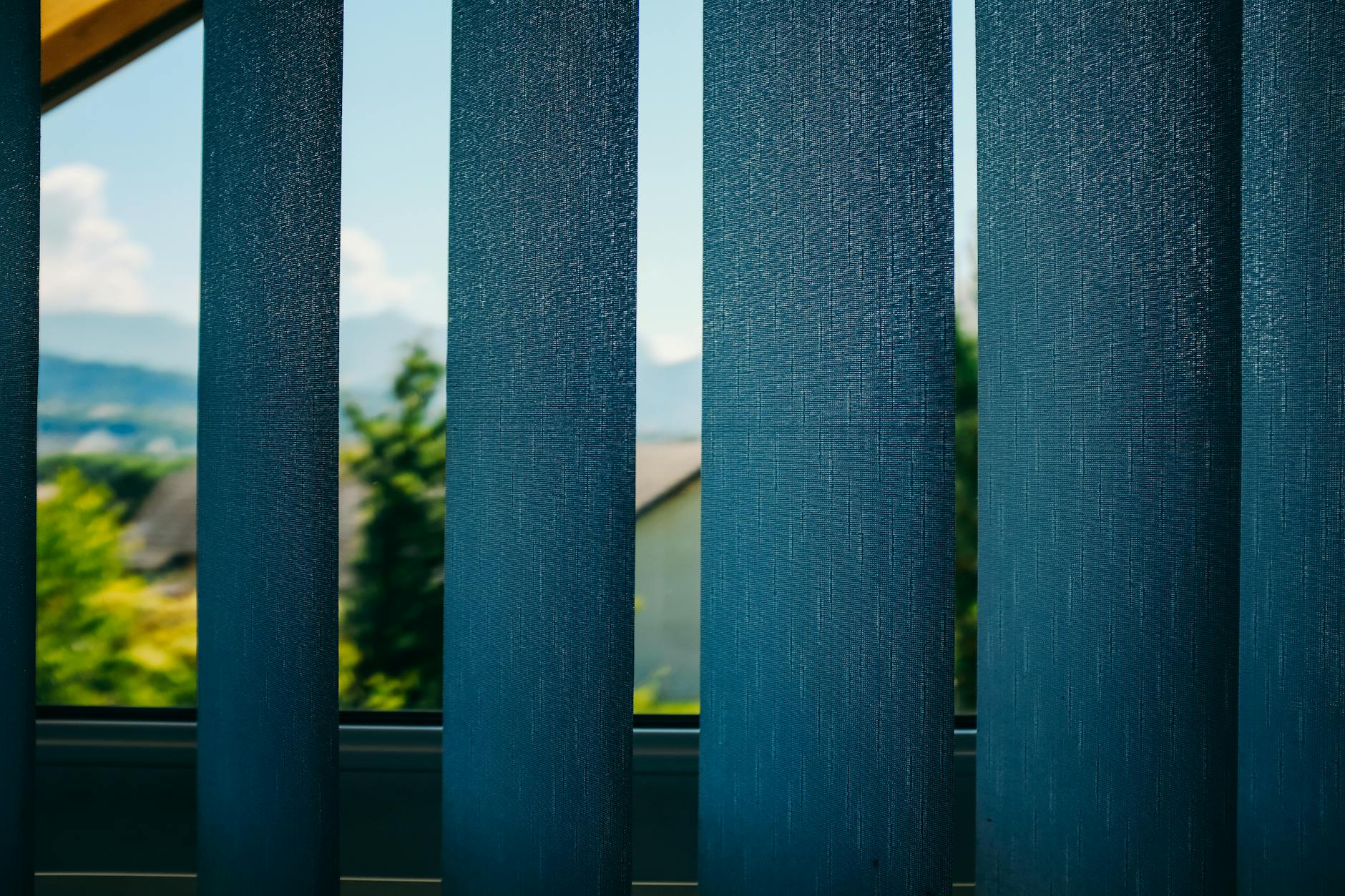
Vertical slatted blinds, particularly in beige, cream or white PVC, became a widespread window treatment choice for living rooms during the 1980s and 1990s and have remained largely unchanged in many homes since their original installation. Contemporary window treatment design favors Roman blinds, linen curtains, plantation shutters or a combination of sheer and blockout layers for both aesthetic and functional reasons. Vertical blinds produce a distinctive clattering sound, collect dust along each slat and create a visual effect that is strongly associated with commercial and rental property interiors rather than considered home design. Their continued presence in a living room is frequently due to cost avoidance rather than any positive aesthetic preference. Replacing them represents one of the highest-impact single changes available to a living room refresh.
Lace Curtains
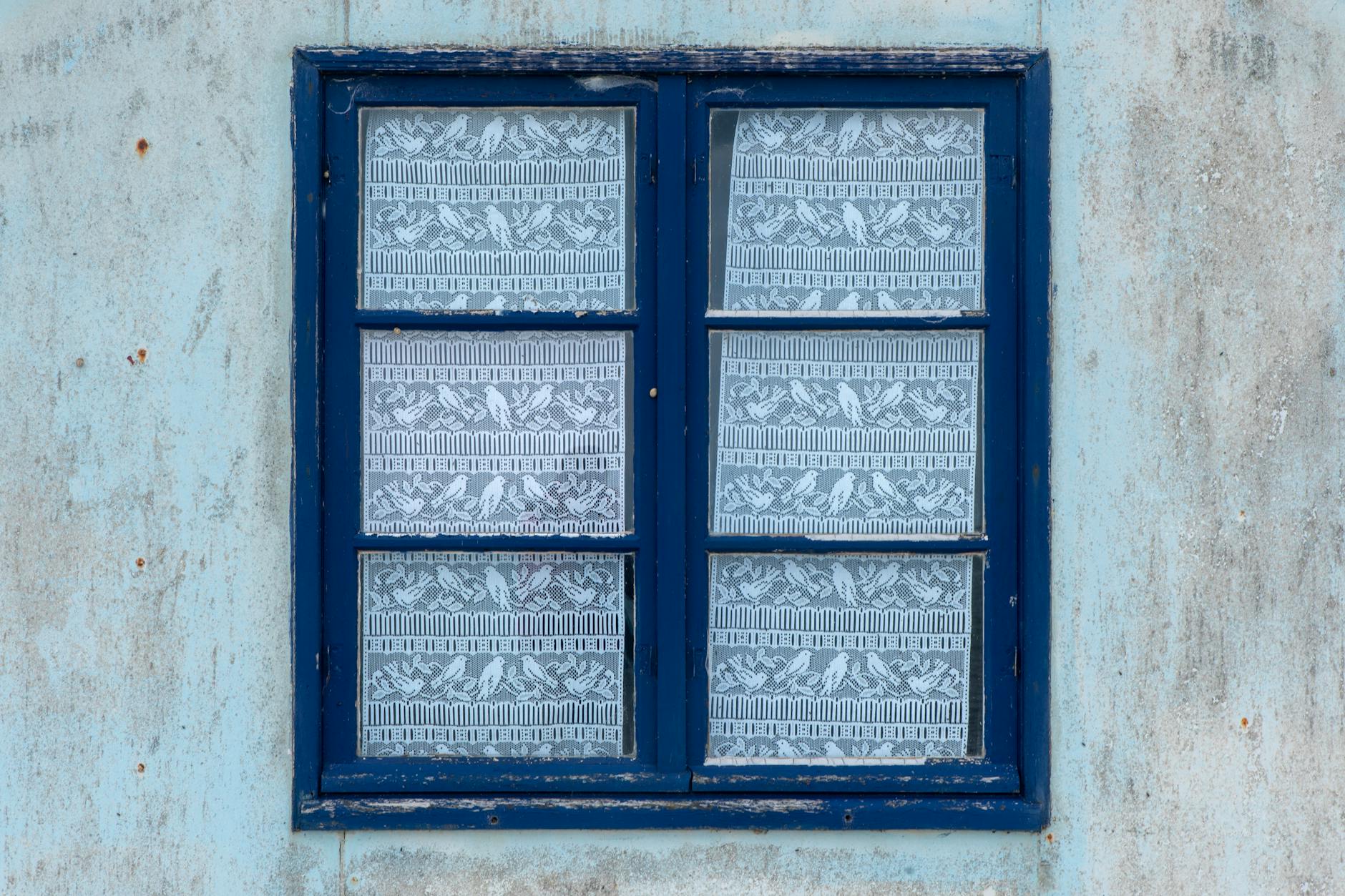
Net or lace curtains hanging in living room windows became a mainstream privacy solution in an era before alternative treatments and architectural approaches made them unnecessary in many contexts. The yellowing that often occurs in white lace curtains over time compounds the dated visual effect significantly. Contemporary privacy solutions including frosted window film, sheer linen panels and strategic planting outside windows achieve the same practical outcome with a far more current aesthetic. Lace curtains also filter natural light in a way that tends to give rooms a dimmer and more closed atmosphere than uncovered or sheered windows provide. Their removal is frequently transformative for both the light quality and the perceived modernity of the living room.
Tube Radio
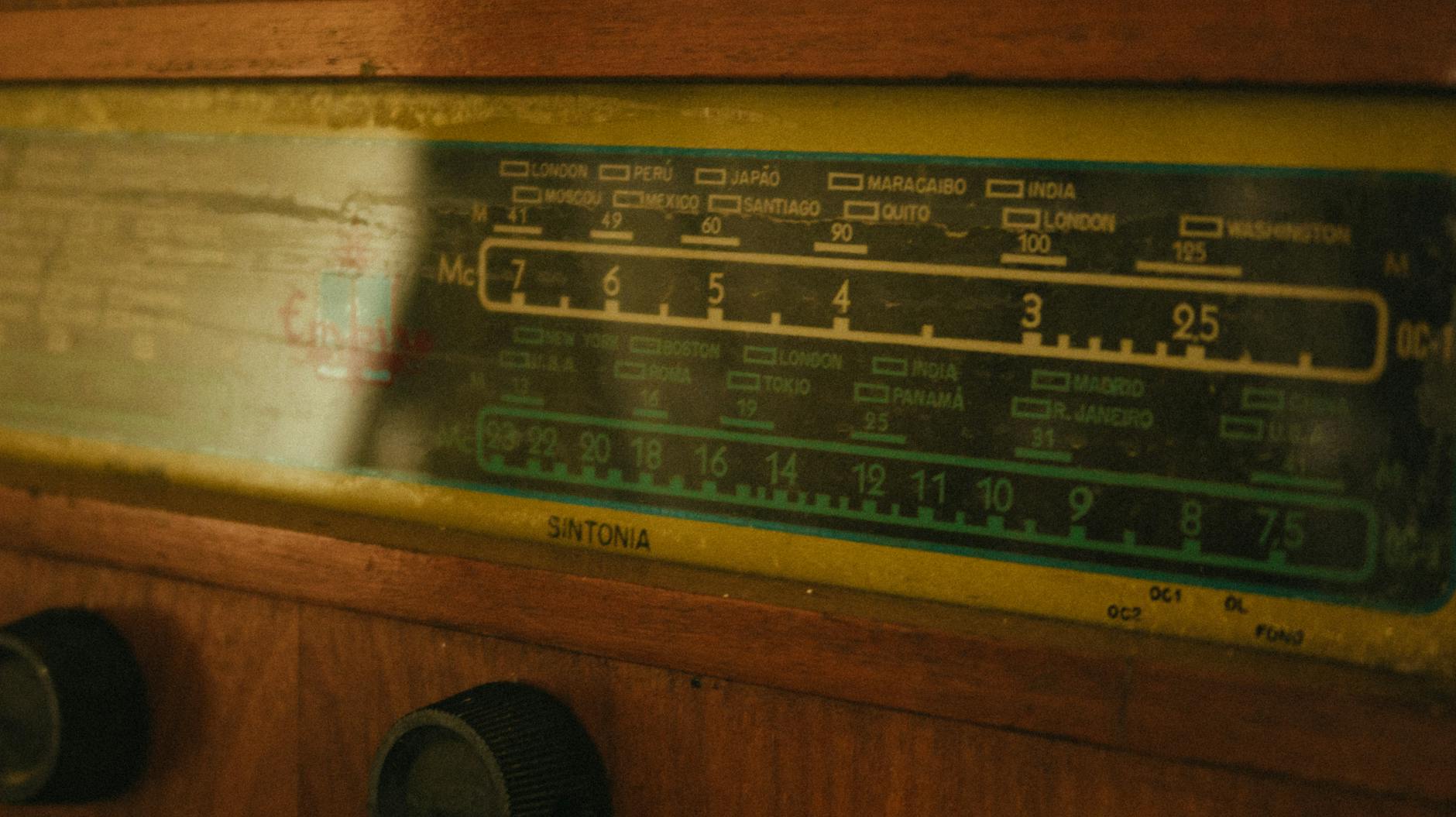
A vintage tube or transistor radio sitting on a living room shelf or cabinet as a functioning or decorative object occupies a category somewhere between genuine antique and unremarkable clutter. Radios that are genuinely old, beautiful or historically significant can serve as compelling decorative objects when styled deliberately. However, a mid-century plastic transistor radio or a basic analog tuner from the 1980s or 1990s typically adds neither aesthetic value nor functional utility to a contemporary living room. Smart speakers, digital radio applications and streaming platforms have made standalone radio hardware largely redundant for most listeners. Evaluating whether a radio in the living room is there by design or simply by default is a useful decluttering exercise.
Freestanding Ashtray

A freestanding pedestal ashtray in a living room carries a strong visual association with a domestic smoking culture that has largely receded from indoor home environments across much of the world. Even in households where smoking continues, the indoor living room ashtray has become significantly less common as social norms around indoor smoking have shifted. The object itself tends to be made of materials and in styles that reflect the manufacturing aesthetics of the mid-to-late twentieth century. Its presence in a non-smoking household almost always reflects a failure to reassess inherited or purchased items rather than any current need. Removing it clears both physical space and a visual association that most contemporary living room aesthetics actively avoid.
Wall Clock Collection
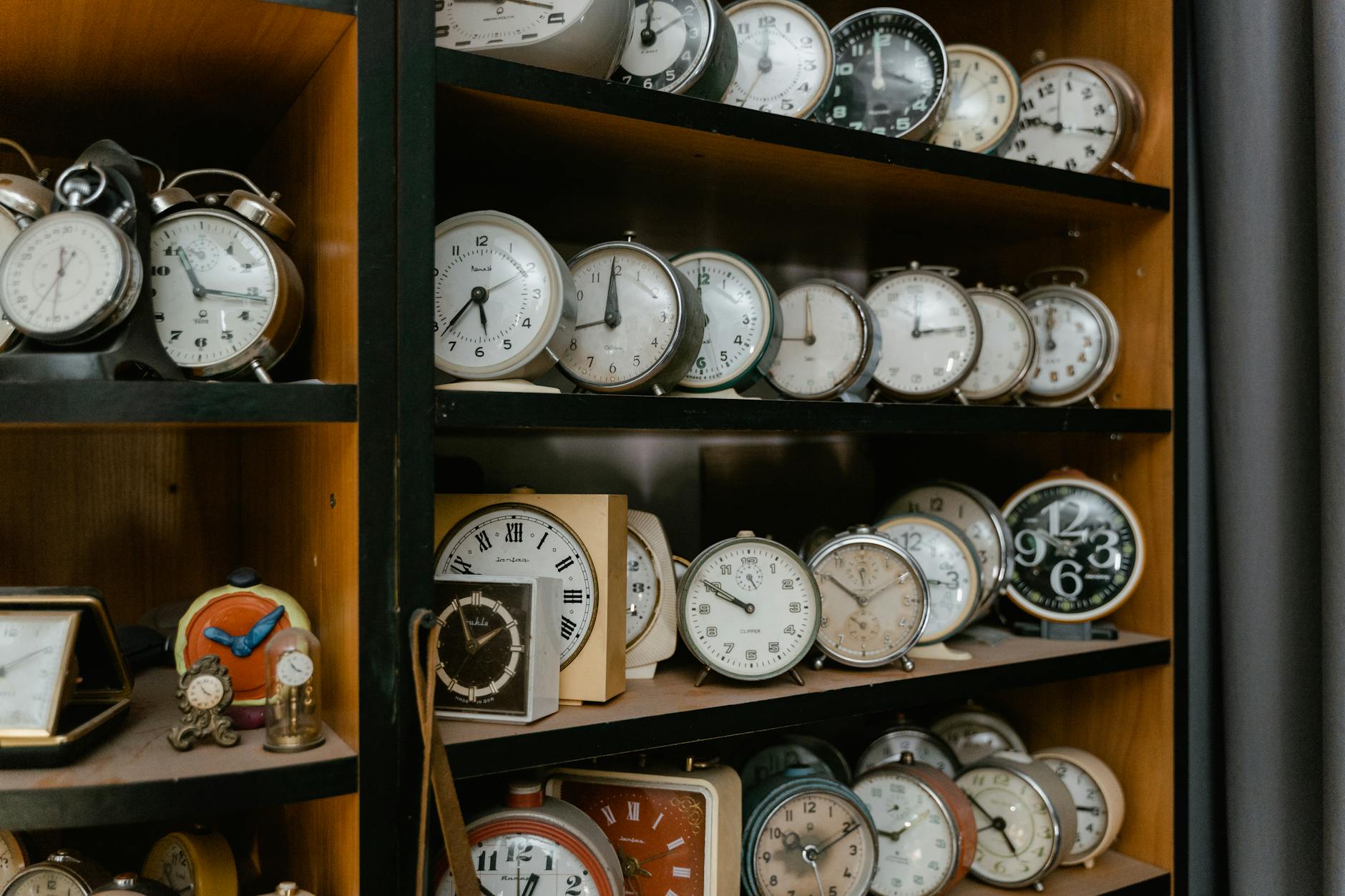
A wall displaying multiple clocks, whether as a deliberate collection or an accumulated result of gifts and impulse purchases, creates visual busyness that works against the cleaner wall compositions favored in current interior design. A single well-chosen wall clock remains a functional and potentially beautiful living room element. Multiple clocks on a single wall, however, quickly read as an unresolved accumulation rather than a curated display, particularly when the clocks vary significantly in size, style and era. The ticking of multiple mechanical clocks also contributes an ambient sound that many people find distracting once they become aware of it. Selecting one statement clock and storing or rehoming the rest simplifies both the visual and the acoustic environment.
Knick-Knack Shelf
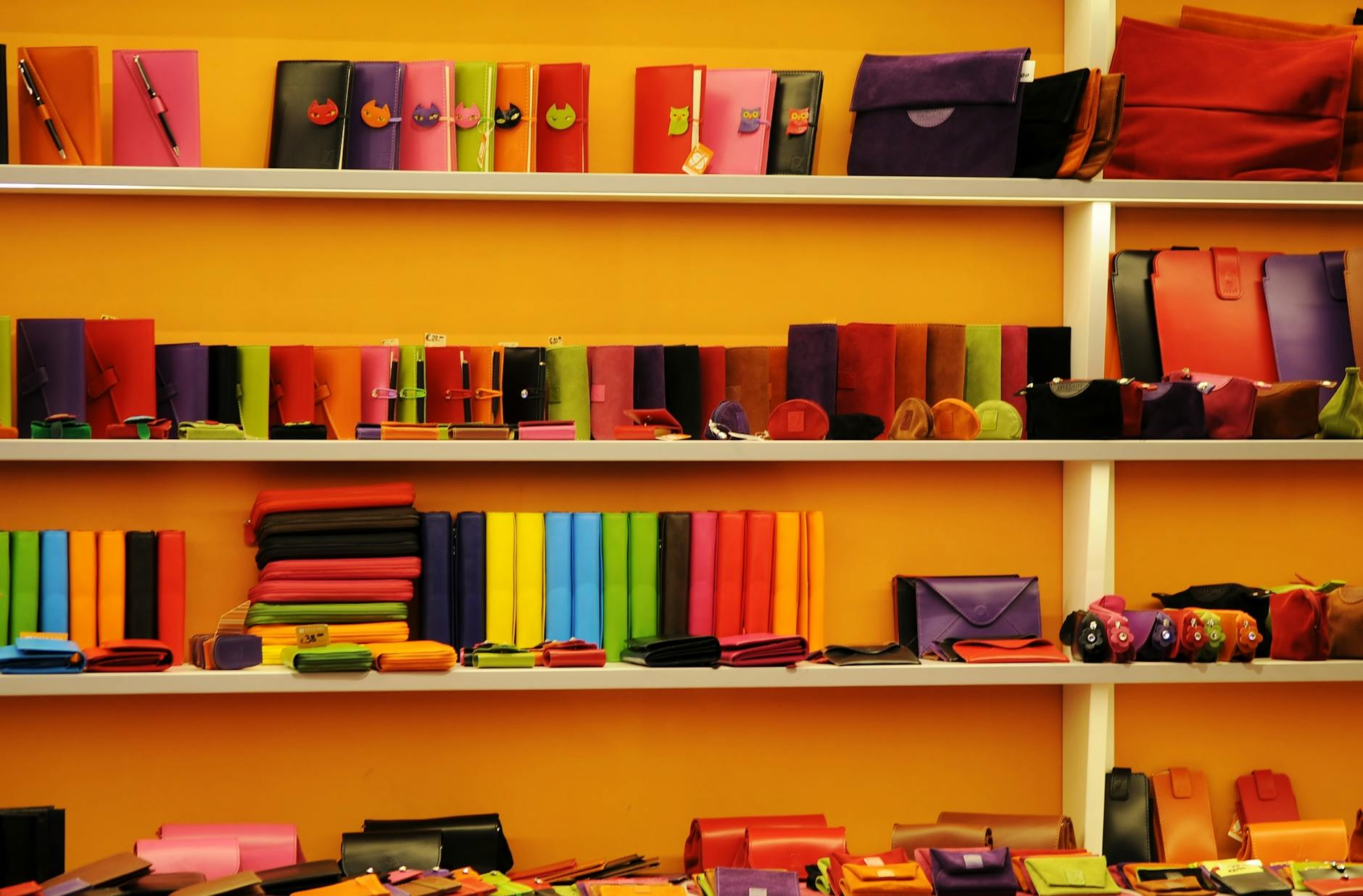
A dedicated shelf unit used to display a collection of small ceramic figurines, glass animals, souvenir miniatures or assorted ornamental objects is one of the most common sources of visual noise in an outdated living room. This type of display was a mainstream domestic decorating practice for much of the twentieth century and has been largely supplanted by more edited and intentional approaches to object display. Individual pieces within these collections may have genuine sentimental or even monetary value, but their cumulative presentation on a knick-knack shelf tends to read as undifferentiated clutter. Identifying the two or three most meaningful or visually strong pieces and displaying them individually, while storing or donating the rest, transforms the shelf into something intentional. Curated restraint is the quality that separates a collection from an accumulation.
Oversized Sofa Set
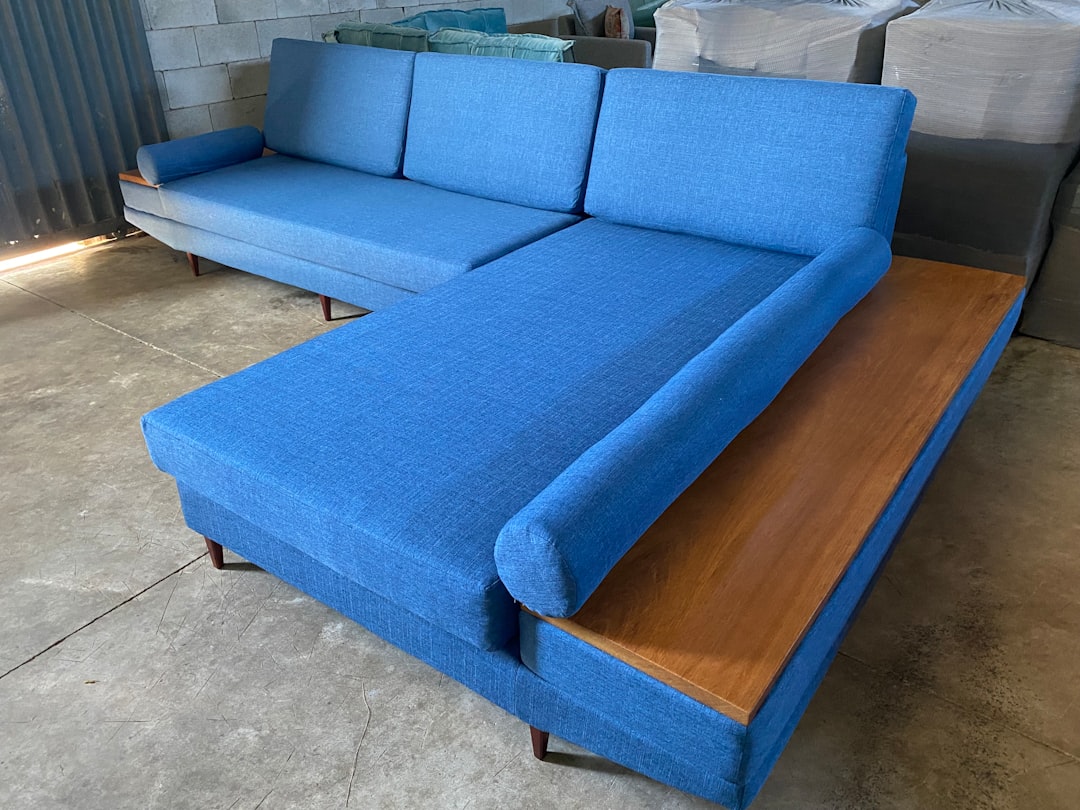
A three-piece sofa suite consisting of a matching three-seater, two-seater and armchair in coordinating upholstery was the default living room seating formula for several decades and remains in place in many homes long past its aesthetic relevance. Contemporary living room design favors flexible, mix-and-match seating arrangements that combine different forms, textures and scales rather than uniform matched sets. The matching suite, particularly in darker or heavily patterned upholstery, tends to dominate the room visually in a way that limits the flexibility of the space. These suites were often made to a robust standard that means they remain structurally sound long after their design moment has passed. Reupholstering key pieces, introducing contrasting accent chairs or gradually replacing elements of the suite with varied alternatives can modernize the seating plan significantly.
Patterned Carpet
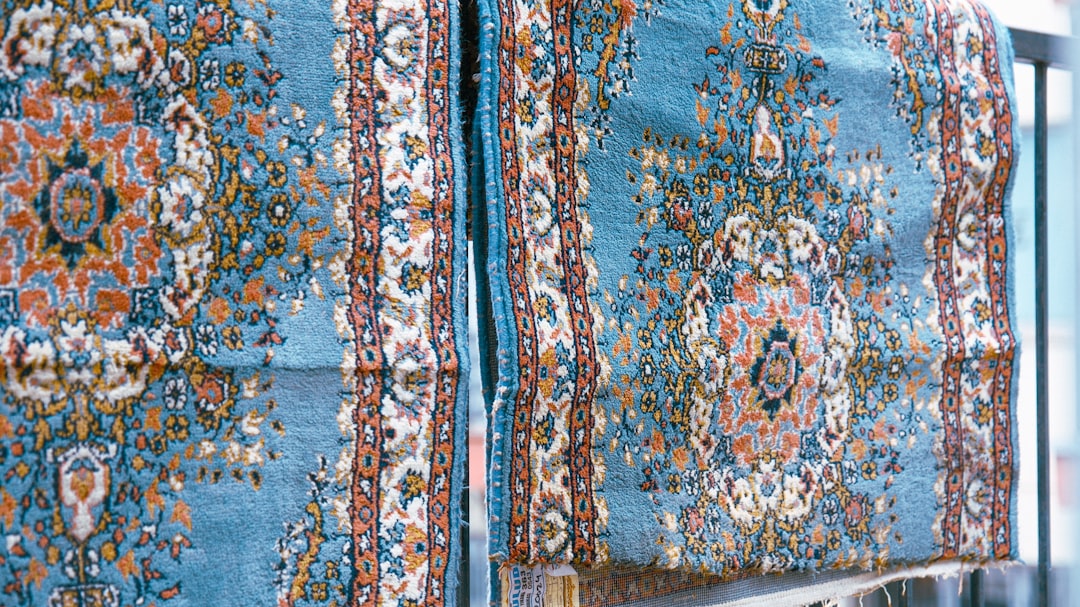
A wall-to-wall patterned carpet in floral, geometric or abstract designs was a central feature of living room interior design for much of the latter half of the twentieth century and has remained in place in many homes since its original installation. Contemporary flooring preferences have shifted decisively toward hard floors in wood, stone or engineered materials, with rugs used selectively to define zones and add texture. Patterned wall-to-wall carpet absorbs light, makes rooms feel smaller and presents significant challenges for updating the decorative scheme around it. Beyond aesthetics, carpet accumulates allergens, odors and general wear in ways that hard flooring does not. Replacing it with a hard floor and a well-chosen area rug is among the most transformative single investments available to a living room renovation.
Fake Fireplace

A non-functional decorative fireplace surround with a blocked or sealed opening, particularly one featuring a painted or plastic flame effect insert from an earlier decade, often reads as an unresolved design decision rather than a deliberate aesthetic choice. Original period fireplaces with architectural significance are an entirely different matter and typically add genuine character to a living room. However, a decorative insert featuring a simulated flame effect produced by the technology of the 1990s or early 2000s is significantly outdated in both visual quality and design language. Contemporary electric flame inserts have improved dramatically in realism and aesthetic range, making an old simulated effect immediately conspicuous by comparison. Updating the insert or converting the opening to a display niche are both viable modernization approaches.
Tasselled Lampshade

A fabric lampshade trimmed with a fringe or tassel border was a decorative lighting choice associated with a particular mode of domestic opulence that reached its peak in the late twentieth century. While maximalist and eclectic interior movements have seen some decorative revival in recent years, the specific aesthetic of the tasselled fabric drum or empire lampshade reads as dated in most contemporary living room contexts. Lampshades significantly affect the quality and warmth of light in a room, and an old fabric shade may also be subtly yellowed or discolored in ways that affect both appearance and light output. Replacing a lampshade is one of the lowest-cost and most immediate ways to update the atmosphere of a living room. Clean linen, paper or glass shades in current profiles make a disproportionate visual difference for minimal investment.
Wooden Room Divider
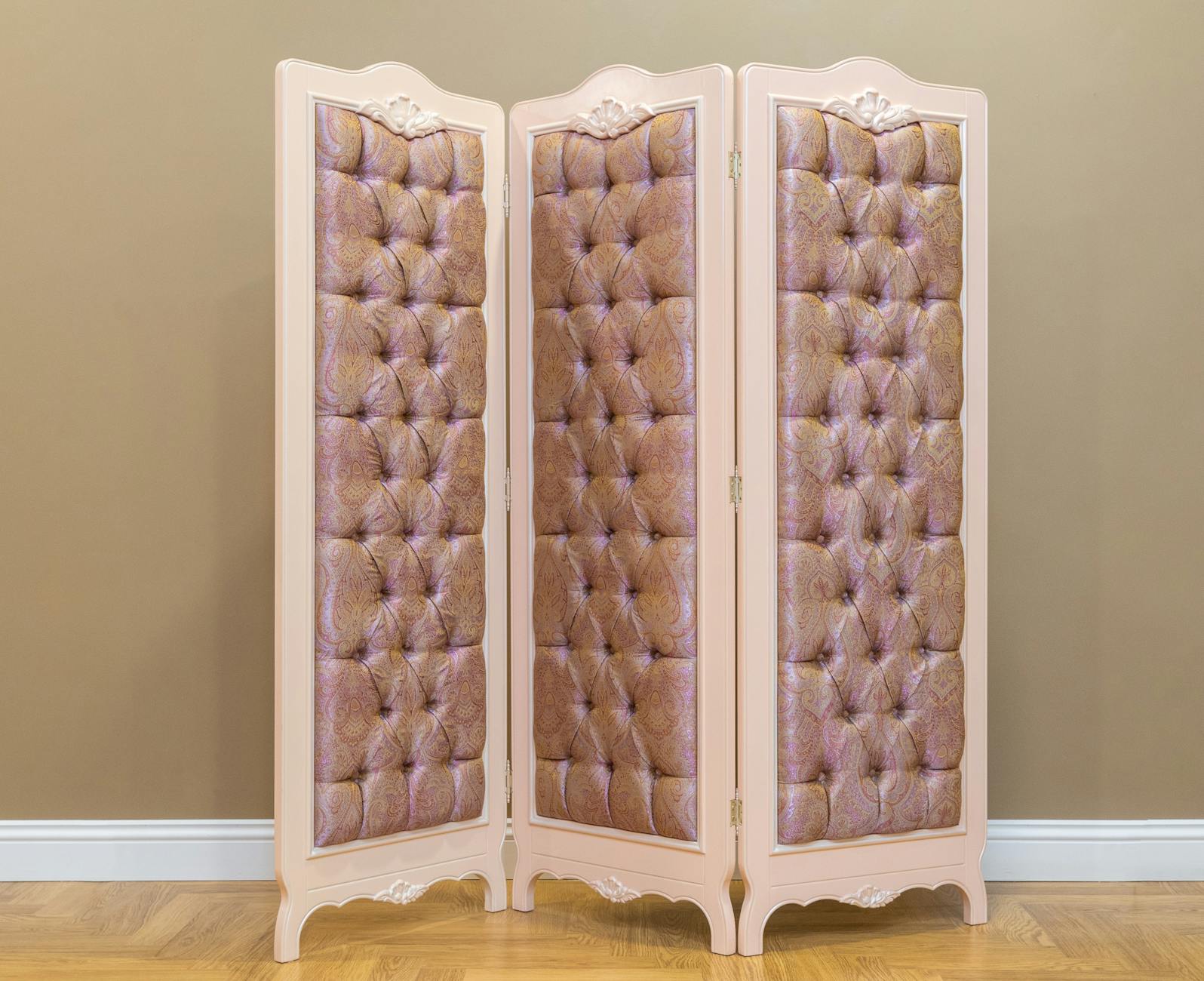
A freestanding slatted or paneled wooden room divider positioned in a living room to suggest or create a partial separation between zones became a popular interior feature in the 1970s and has a strong visual association with that era’s design language. Contemporary open-plan living favors furniture arrangement, rugs and lighting to define zones rather than physical barriers. The divider itself tends to collect dust along every slat, reduces natural light penetration and creates a visual heaviness that works against the airy aesthetic most current living room designs aim for. Genuinely mid-century pieces with design significance may warrant reassessment as potential collectibles rather than functioning room dividers. Removing one from a living room almost always reveals a more spacious and better-lit space beneath and behind it.
Novelty Remote Holder

A ceramic, plastic or fabric novelty container designed specifically to hold television remote controls and positioned on the coffee table or sofa arm represents a product category that addressed a domestic problem in the most literal and visually ungainly way possible. Remote control proliferation has actually increased alongside the novelty holder’s decline, but current solutions tend toward minimalist trays, furniture with integrated storage or simply reducing the number of remotes through universal or smart home integration. The novelty holder in particular, often shaped as a sofa, a boot or a character figure, ages quickly and tends to read as a gift item that was never reassessed after its initial placement. A simple shallow tray or small basket performs the same function with far greater visual neutrality. Smart home systems that consolidate control into a single device or phone app eliminate the problem entirely.
Heavy Drapes

Floor-to-ceiling heavy drapes in dark, richly patterned or heavily lined fabrics were a living room staple associated with formality, insulation and a decorating tradition that prioritized grandeur over light. Contemporary living room design strongly favors natural light as a primary design resource, and heavy drapes are among the most effective ways to reduce it. The visual weight of dark or densely patterned floor-length curtains makes rooms feel smaller, lower-ceilinged and more enclosed regardless of their actual dimensions. Replacing heavy drapes with lighter linen, cotton or sheer alternatives in neutral tones can transform the perceived size and atmosphere of a living room at relatively moderate cost. The combination of more light and less visual weight is one of the most consistently effective living room upgrades available.
Skirted Furniture

Upholstered furniture with full-length fabric skirts reaching the floor, particularly sofas and armchairs with gathered or pleated fabric bases, belongs to a decorating tradition that most contemporary furniture design has moved decisively away from. Current sofa and armchair design typically features visible legs in wood, metal or turned timber that elevate the piece visually, create a sense of floor space and allow for cleaning underneath. The skirted look tends to make furniture appear heavier, lower and more formal than exposed-leg equivalents, and the gathered or pleated fabric at the base ages and loses its shape over time. Replacing skirted pieces with leg-forward designs is a significant but high-impact investment. In the interim, a skilled upholsterer can sometimes remove a skirt and finish the base edge in a way that reveals or adds legs.
Potpourri Bowl

A bowl or basket of dried potpourri on a living room surface was once a mainstream approach to home fragrance and decorative display that has been almost entirely superseded by contemporary scenting methods. Candles, reed diffusers, room sprays and essential oil systems all provide more controllable, longer-lasting and more visually neutral fragrance solutions. Potpourri loses its scent over time while retaining its physical presence, meaning many bowls still found in living rooms are performing neither a decorative nor a fragrant function. The dried floral materials also accumulate dust and can become brittle and visually tired long before they are removed. Replacing a potpourri bowl with a quality candle or a single fresh stem in a bud vase updates both the scent and the visual composition of the surface.
Wicker Magazine Rack
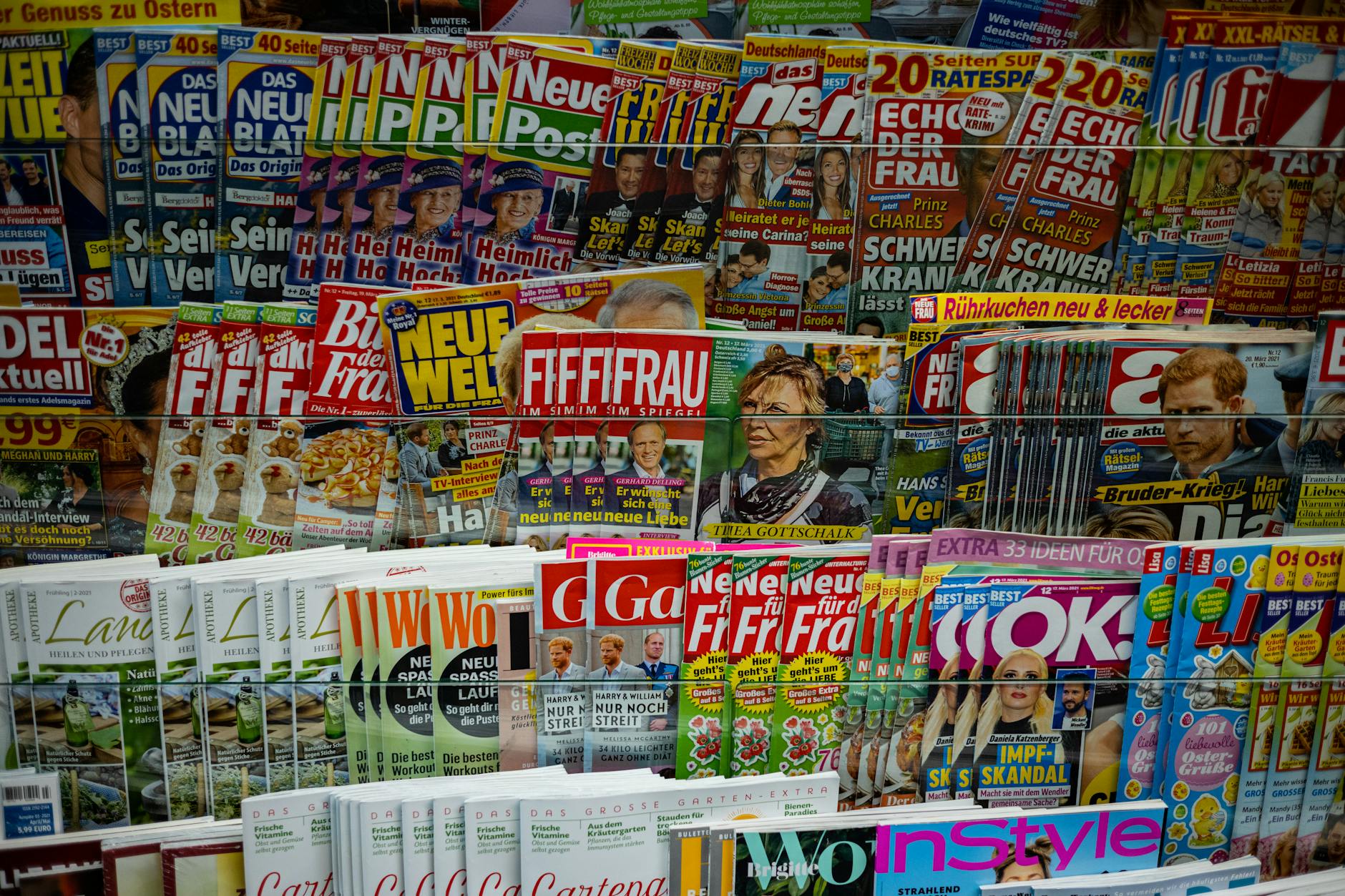
A freestanding wicker or rattan magazine rack positioned beside the sofa or armchair was a practical living room accessory that reached peak domestic popularity in the 1970s through 1990s. The physical magazine and newspaper consumption that made it a necessary piece of furniture has declined dramatically in the face of digital news and online reading. The wicker construction ages poorly under regular handling and in variable humidity, developing a frayed and discolored appearance over time. Even a structurally sound wicker rack reads as a strongly period-specific object that is difficult to integrate into a contemporary living room aesthetic. Replacing it with a simple side table drawer, a fabric basket or eliminating physical publications entirely are all viable modernization approaches.
Chintz Upholstery
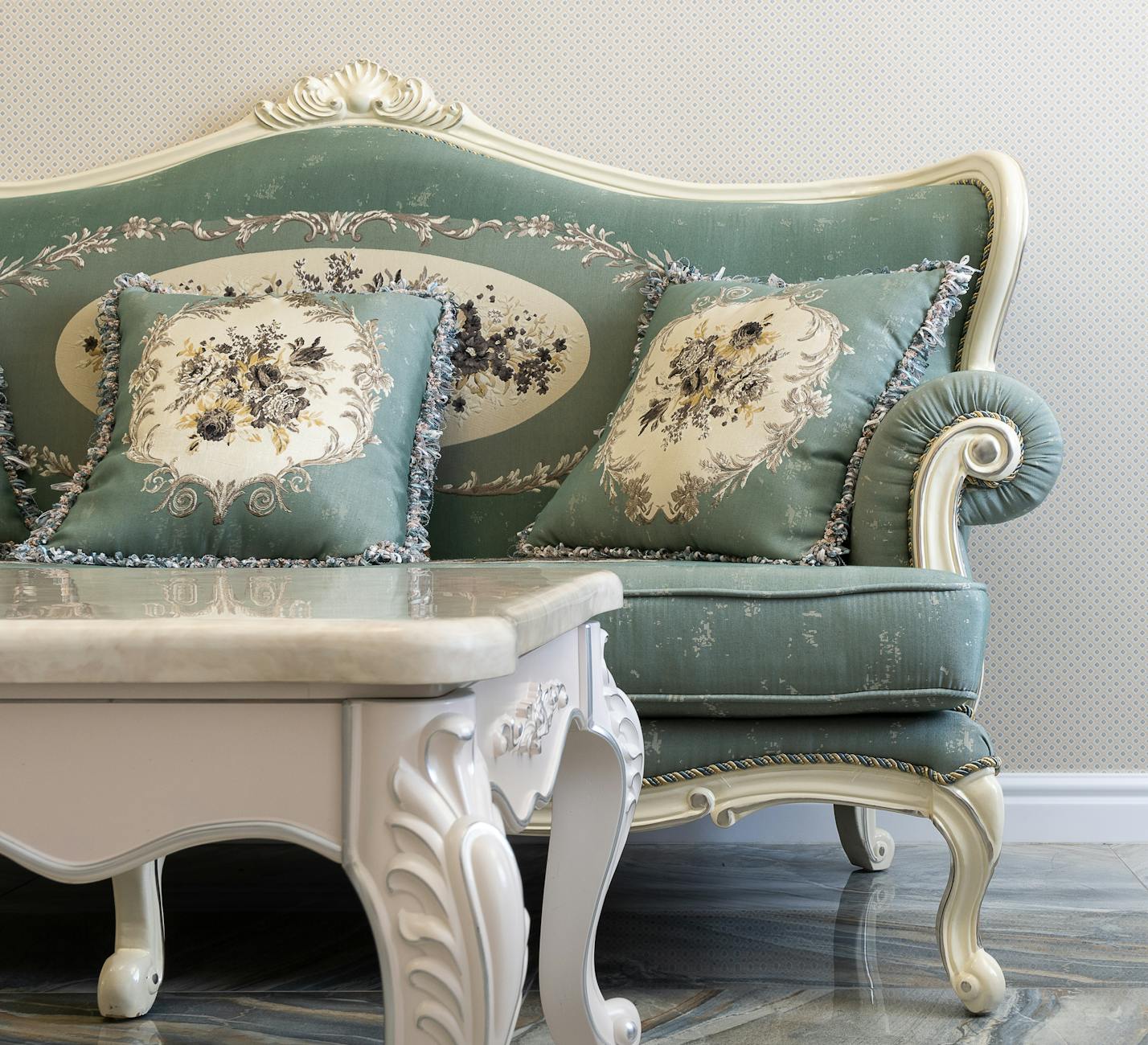
Chintz fabric featuring small or large-scale floral patterns in cotton or cotton-blend upholstery on sofas and armchairs was a dominant living room look through the 1980s and into the 1990s, strongly associated with a particular English country house aesthetic. Contemporary upholstery preferences have moved toward plain weaves, textured linens, boucles, velvets and leathers in neutral or deeply saturated single tones. The busyness of a chintz pattern makes it extremely difficult to introduce new textiles, artwork or decorative objects around it without creating visual conflict. Reupholstering a structurally sound chintz piece in a current fabric can be a cost-effective alternative to full replacement. The transformation achievable through reupholstery is often dramatic enough to make a piece look like a completely different object.
Inspirational Wall Plaque
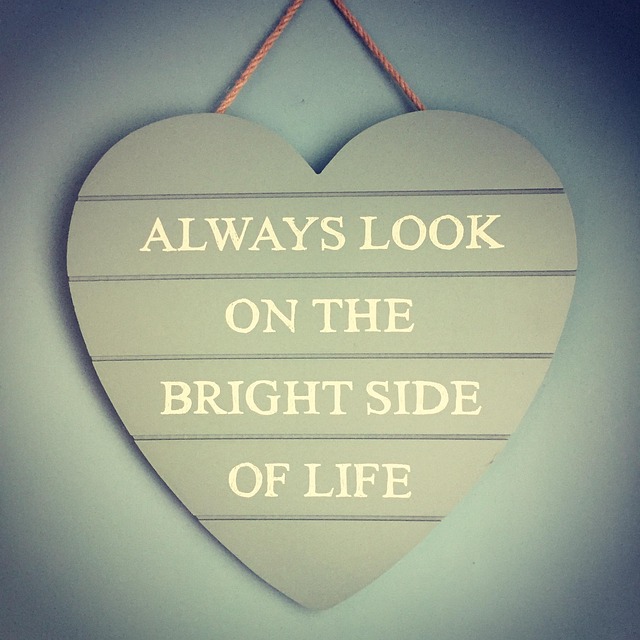
A wooden, ceramic or metal wall plaque bearing a printed or painted motivational phrase, family motto or decorative sentiment was a significant living room wall trend through the 2000s and early 2010s that has since faded considerably from contemporary interior design. Phrases such as “Live Laugh Love” or “Home is Where the Heart Is” became so ubiquitous during this period that they now read primarily as cultural shorthand for a specific and now-dated aesthetic moment. Wall space in the living room is better used by original artwork, mirrors, architectural molding, gallery arrangements of meaningful photographs or intentional empty space. The plaque’s decline does not reflect any change in the values it expresses but rather a saturation of the format that has made it impossible to encounter without irony. Replacing it with a piece of original or reproduction art instantly elevates the wall composition.
Bulky Speaker System
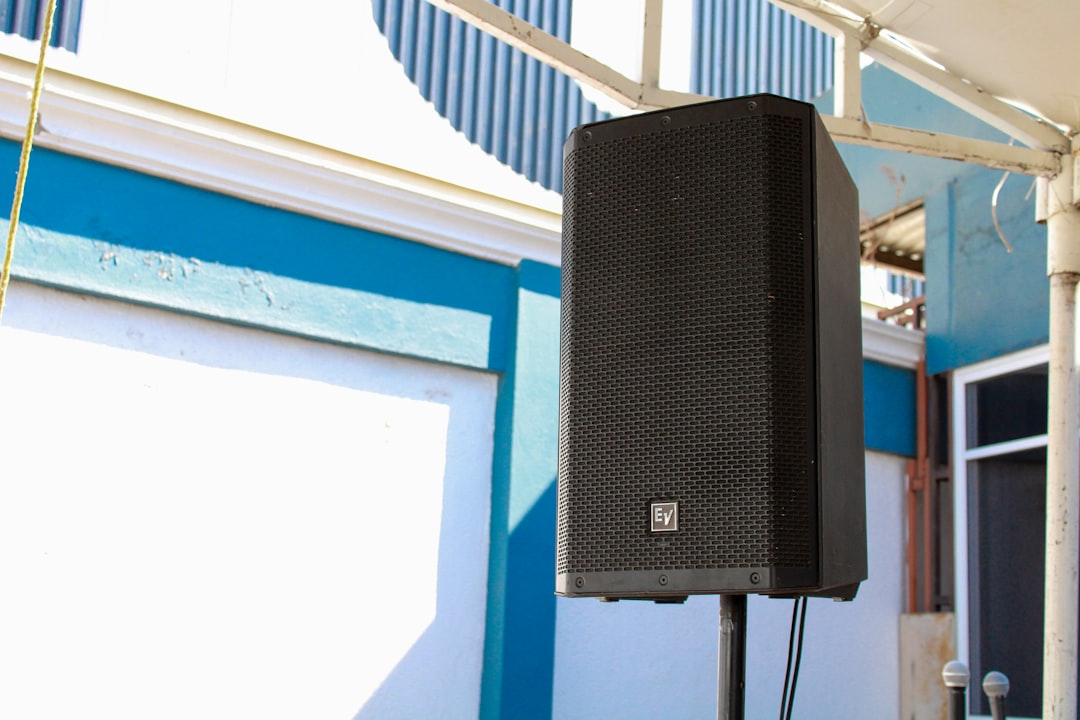
A large floor-standing or bookshelf speaker system connected to a separate amplifier and CD or record player via visible cabling was the gold standard of home audio during the late twentieth century and remains present in many living rooms where it was originally installed. Contemporary audio solutions including soundbars, wireless multi-room speakers and smart home audio systems deliver excellent sound quality in far more compact and visually neutral form factors. The cabling required by traditional hi-fi systems is a persistent source of visual clutter that contradicts the cleaner aesthetic of current living room design. Audiophiles who genuinely use and value their hi-fi systems represent a valid reason for retention. For the many households where the system sits largely unused, its removal frees significant floor space and visual weight.
Popcorn Ceiling
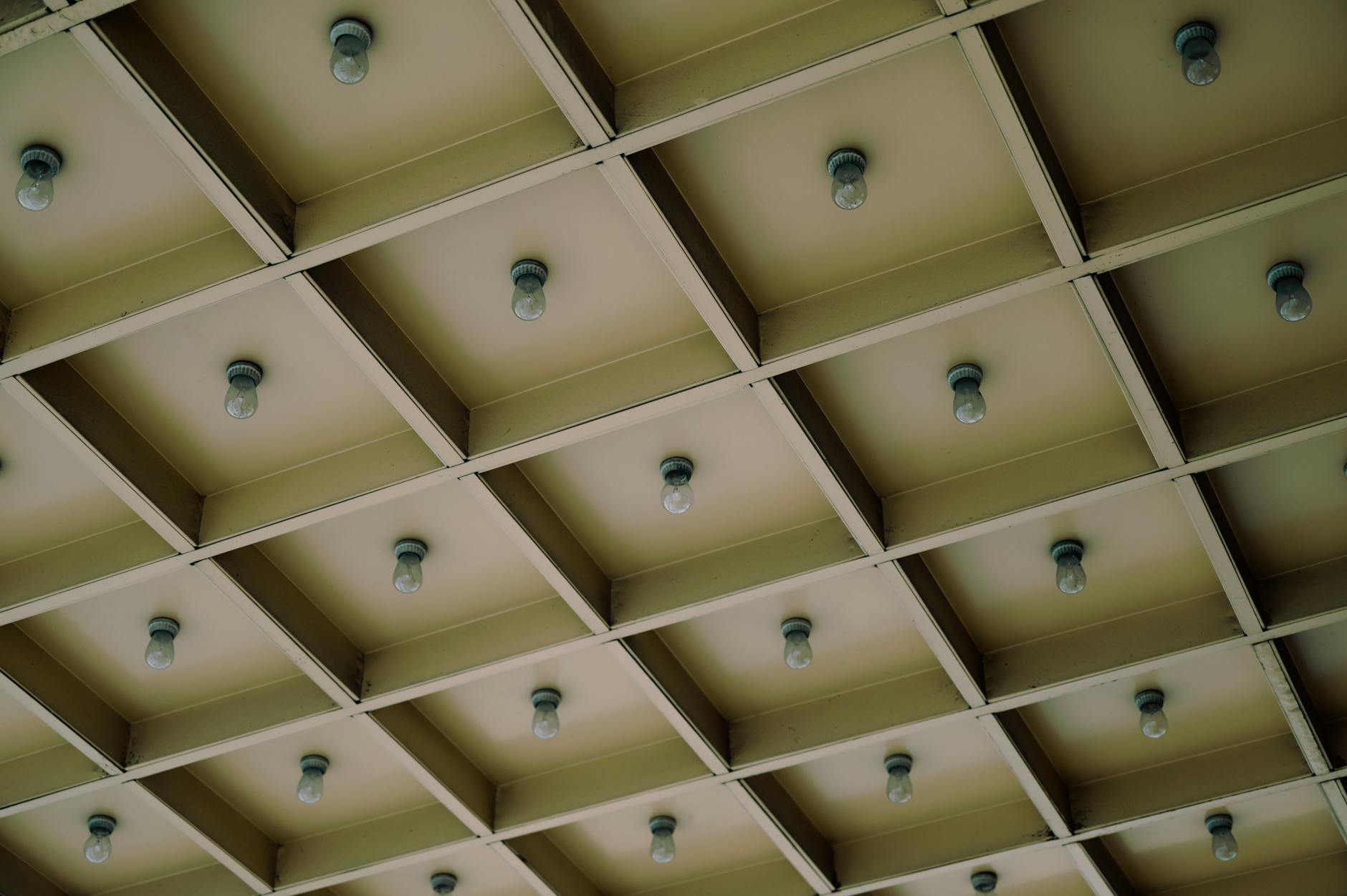
A textured popcorn or stippled ceiling above the living room is not a moveable object but is the kind of quietly dated overhead feature that significantly affects the perceived modernity of the entire space. This ceiling treatment was applied widely in residential construction from the 1950s through the 1980s for acoustic and cost reasons and has not been in fashionable use for decades. The rough texture accumulates dust, is difficult to clean, reduces light reflectivity and creates a visual ceiling that feels lower and heavier than a smooth surface. Skim coating or applying a smooth plaster finish over a popcorn ceiling is a skilled but relatively affordable renovation. The difference in the perceived quality and brightness of the living room after this change is consistently reported as transformative.
Brass Fixtures
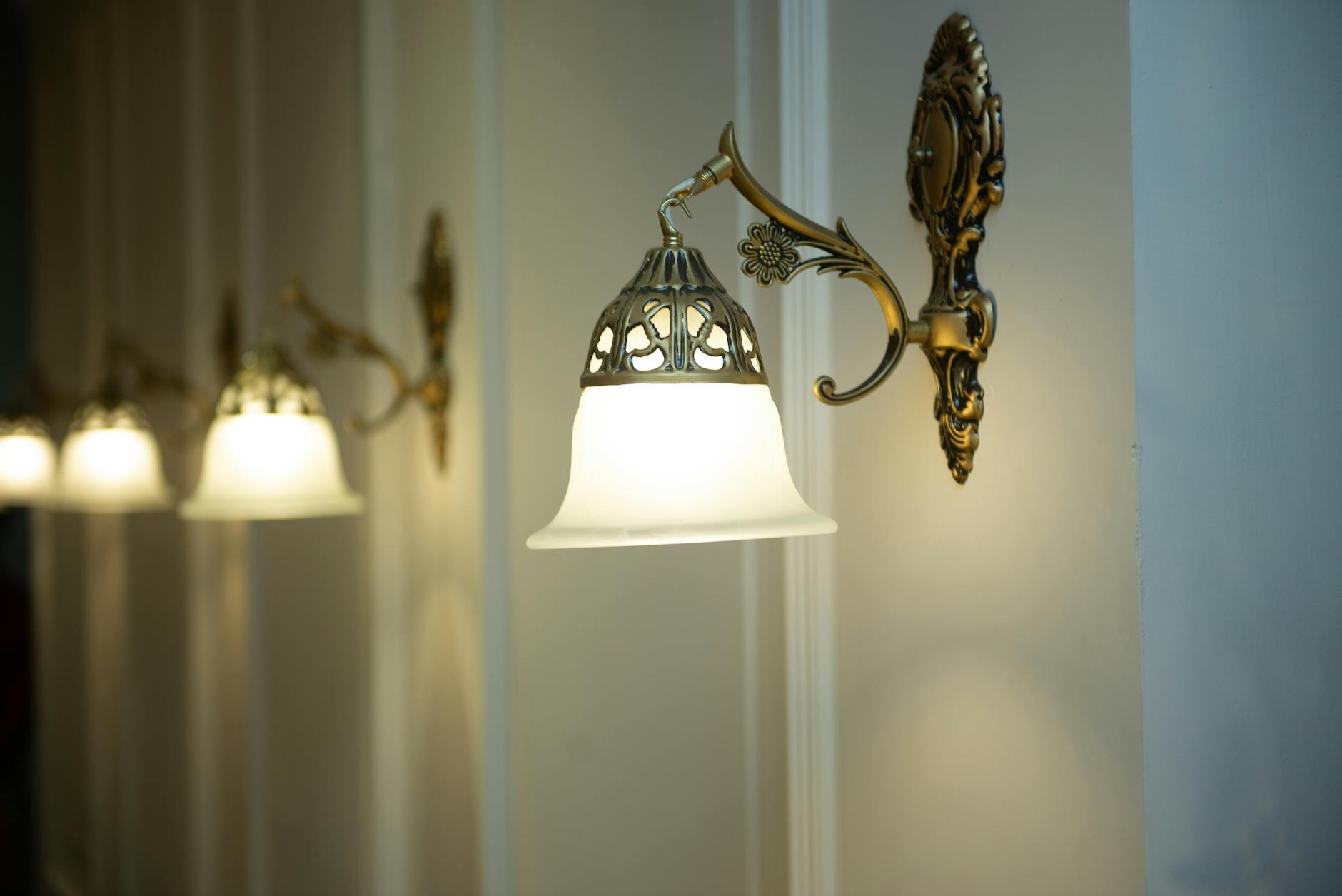
Brass-finished light fixtures, curtain poles, door hardware and decorative accessories accumulated in a living room over the 1980s and 1990s carry strong associations with that era’s particular expression of domestic luxury. The warm metallic tone of traditional lacquered brass has been largely superseded in interior design by brushed gold, satin brass, matte black, brushed nickel and antique bronze as the preferred metal finishes for living room hardware and fixtures. Unlacquered brass that has been allowed to tarnish unevenly presents an even more dated appearance than the original polished finish. Replacing brass curtain poles, light fittings and switch plates with a consistent contemporary metal finish is a relatively affordable way to update the material palette of a living room significantly. Consistency of metal finish across hardware and accessories is one of the markers of a considered and current interior.
Beaded Curtain

A beaded curtain hanging in a living room doorway or archway as a decorative or semi-functional room divider is strongly associated with a specific bohemian domestic aesthetic that peaked in the late 1960s and has recurred intermittently since without ever regaining mainstream relevance. The practical function of a beaded curtain is limited, as it provides neither thermal insulation nor meaningful visual privacy. The clicking sound produced by movement through or past the curtain becomes a persistent ambient noise that many inhabitants stop noticing consciously but which registers with visitors immediately. Contemporary approaches to open doorways favor a fully open plan, a solid door, a curtain in fabric or a simple architectural frame. Removing a beaded curtain typically makes the connecting spaces feel more coherent and the living room itself feel more intentional.
Smoked Glass Coffee Table

A smoked glass coffee table on a chrome or gilded metal frame was a living room centerpiece closely associated with the interior aesthetics of the late 1970s and 1980s. The combination of dark tinted glass and reflective metal creates a visual heaviness despite the physical lightness of the materials, and both elements carry strong period associations in combination. Contemporary coffee table design favors natural materials such as oak, marble, travertine and rattan, or clean architectural forms in powder-coated metal and clear glass. The smoked glass surface also shows fingerprints, watermarks and dust with greater visibility than most alternative materials, creating ongoing maintenance demands. Replacing it with a natural material alternative immediately updates the center of the room and the overall material palette around it.
Mirrored Wall Tiles

Mirrored wall tiles applied in a grid or mosaic pattern to a living room wall were a mainstream interior design feature associated with the specific aesthetic of 1970s and 1980s domestic spaces. The intention behind mirror tiles was to expand the perceived size of a room and add glamour, but the grid pattern of reflective squares produces a fragmented rather than expansive effect. Contemporary use of mirrors in living rooms favors large single-plane pieces, architectural shapes or strategically placed frames that create a specific optical effect without the visual noise of a tiled grid. Mirror tiles are also notoriously difficult to remove without damaging the wall surface behind them, which often prolongs their presence beyond any genuine design preference. Treating the wall as a future renovation priority and planning a replacement approach removes the inertia that keeps this feature in place.
Artificial Plant

A plastic or silk artificial plant or flower arrangement placed in a living room as a maintenance-free substitute for living greenery reads as a dated decorating compromise in most contemporary interior contexts. The quality of artificial plants has improved significantly in recent years, and high-end faux botanicals can be genuinely difficult to distinguish from living plants at normal viewing distances. However, low-to-mid-quality artificial arrangements from even a decade ago age visibly through fading, dust accumulation and the subtle plastic sheen that becomes more apparent over time. Contemporary interior design strongly favors living plants, which contribute humidity, air quality benefits and a genuine organic quality that no artificial product fully replicates. Replacing artificial arrangements with low-maintenance living plants such as pothos, snake plants or ZZ plants removes a dated element while adding genuine biological presence to the room.
Spindle Room Divider
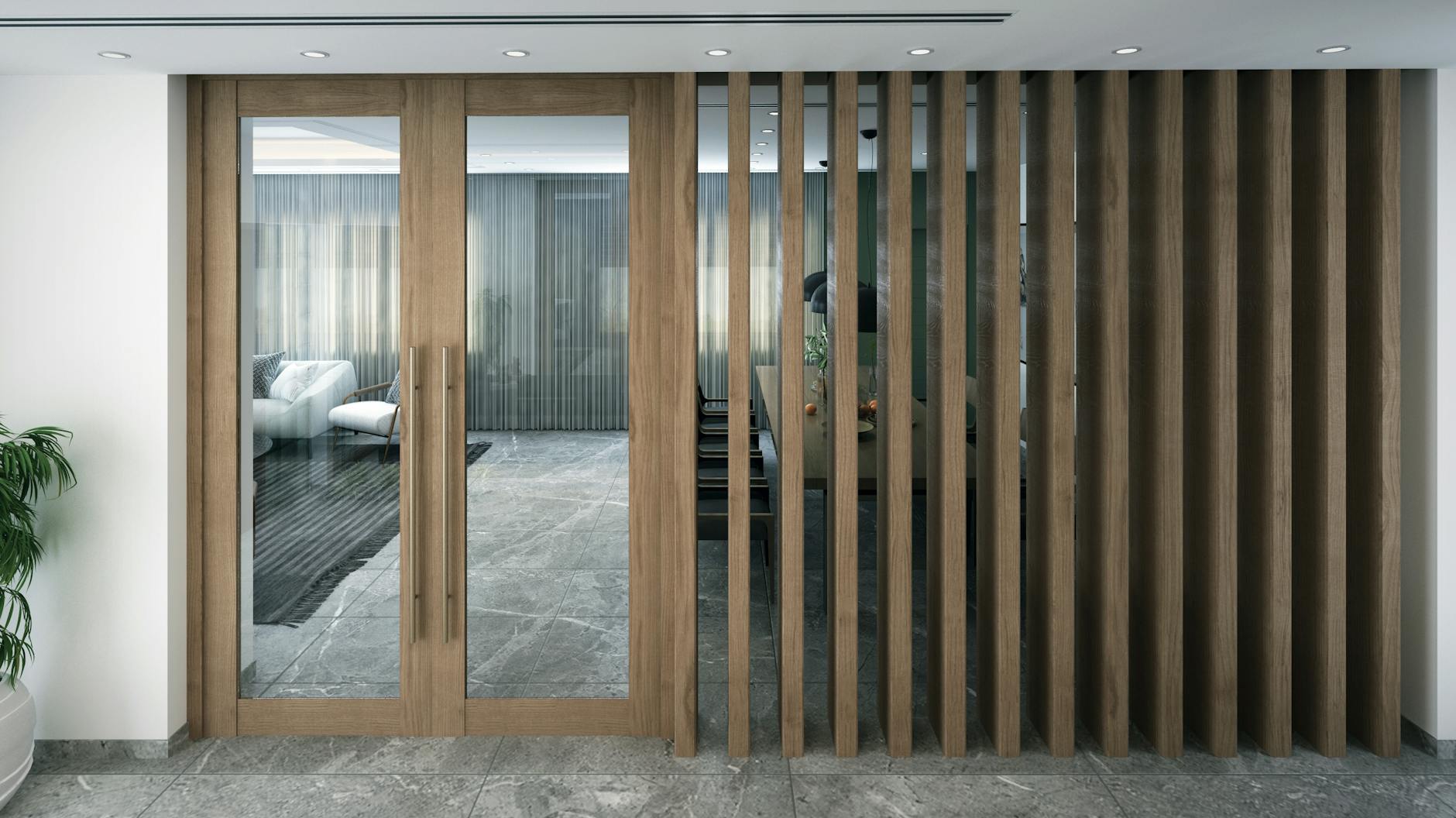
A turned wood spindle room divider or half-wall with dowel inserts separating the living room from an adjacent dining or hallway space is a feature closely associated with residential architecture and interior design of the 1970s. The spindle configuration was intended to maintain visual connection between spaces while providing a suggestion of structural separation. Contemporary open-plan design philosophy regards this kind of partial division as an obstruction rather than an asset, and most renovation guidance recommends removing rather than maintaining spindle dividers. The feature interrupts sightlines, fragments the floor plan and creates awkward transitional zones that serve neither space well. Where structural considerations allow, removing a spindle divider and opening the spaces to each other is consistently among the most impactful renovations available to a living room of this era.
Plastic Sofa Covers
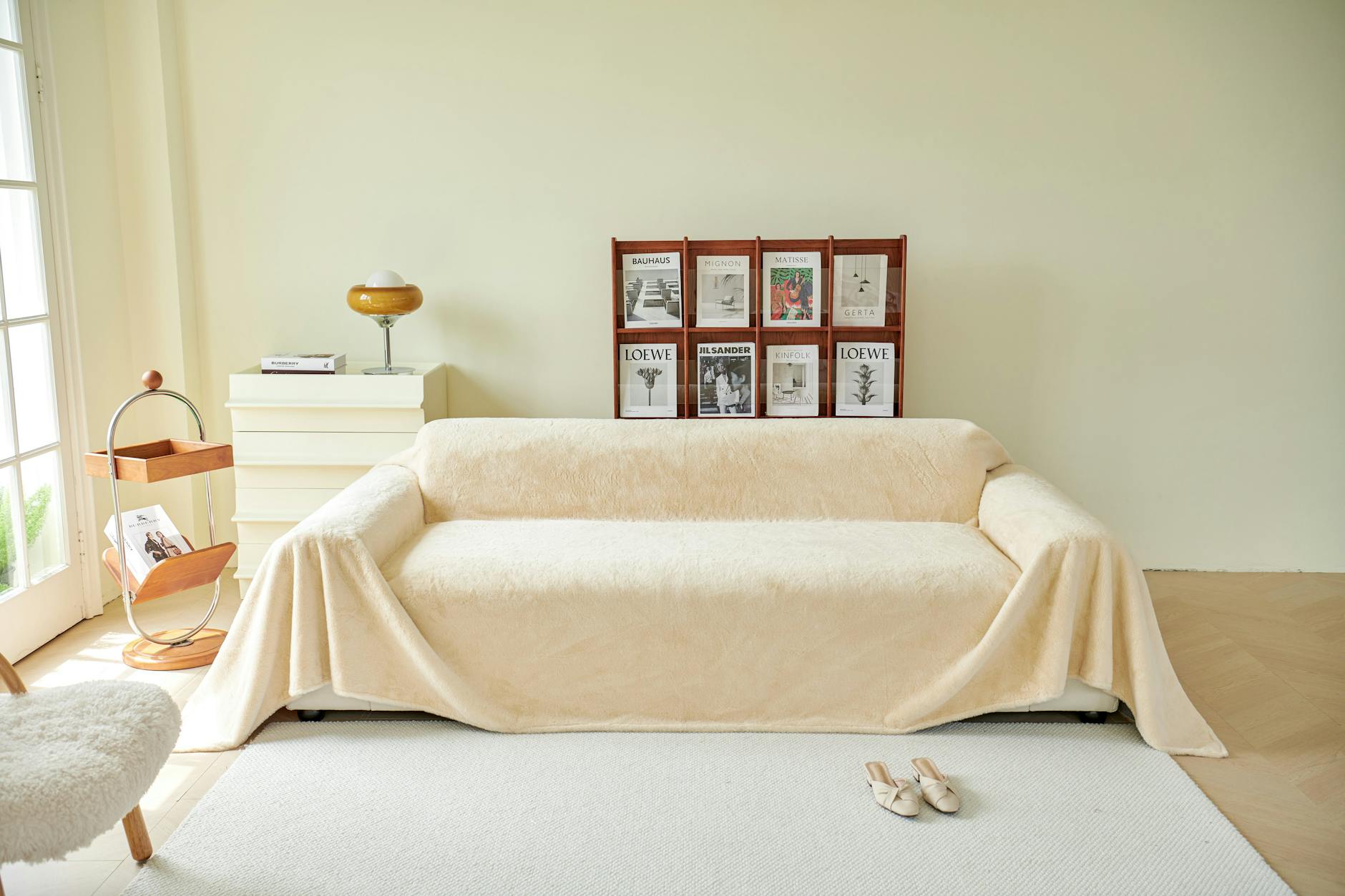
Clear plastic protective covers applied over upholstered living room furniture were a practical measure associated with a particular approach to domestic preservation that treated the living room as a space to be maintained rather than inhabited. The practice was most common from the mid-twentieth century through the 1980s, particularly in households where the formal sitting room was reserved for guests and special occasions. Beyond the visual incongruity of plastic-covered furniture in any contemporary interior context, the covers create discomfort in use, produce noise with movement and signal a set of domestic values around hospitality and use that most current households do not share. Even structurally perfect furniture covered in plastic reads as deeply inaccessible to guests and family alike. Removing plastic covers and allowing upholstery to be used and, if necessary, cleaned or eventually replaced is the baseline expectation of current living room culture.
Souvenir Plates
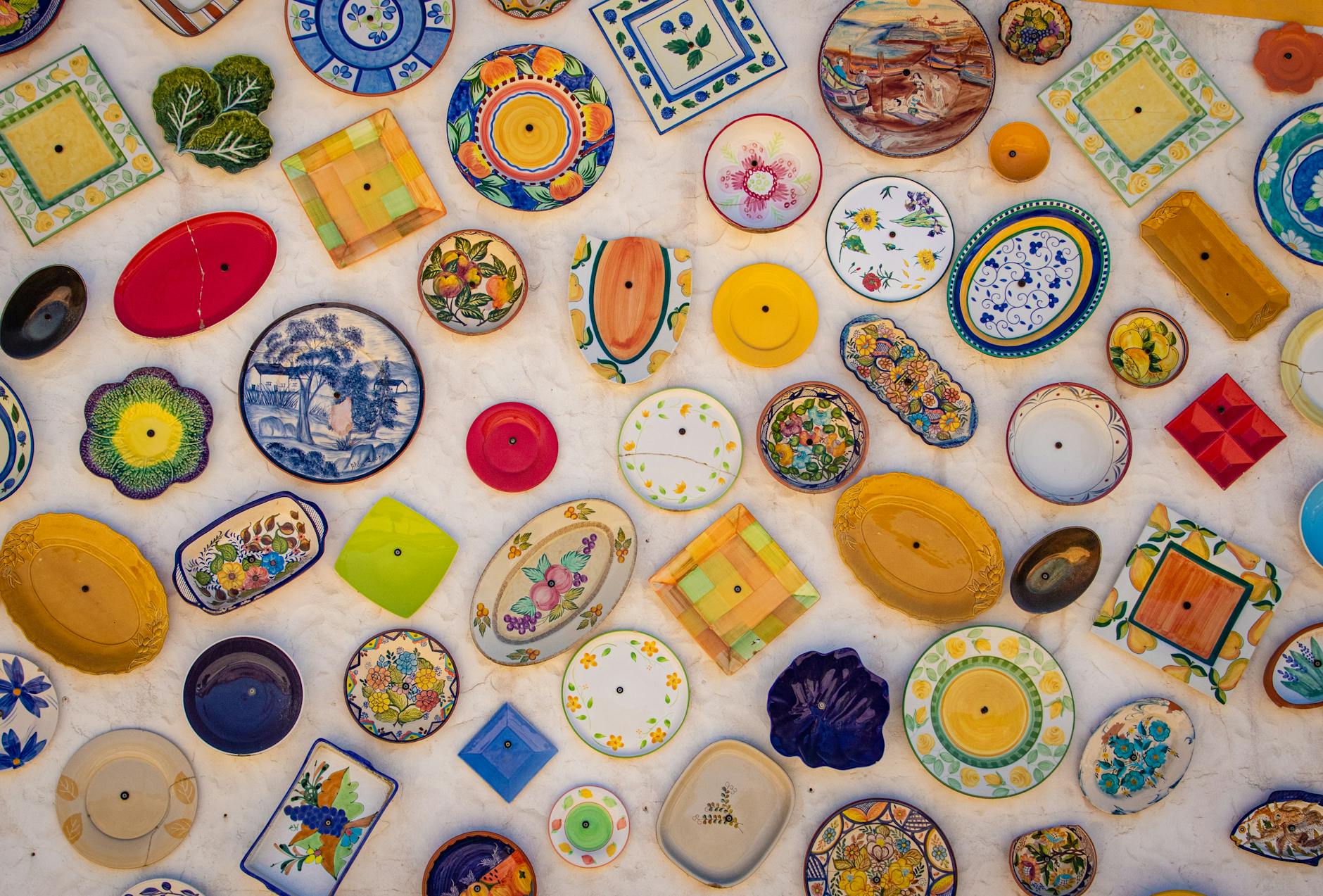
A display of decorative collector’s plates mounted on a living room wall or arranged on a purpose-built plate rail represents a collecting and display tradition that was actively marketed through home shopping channels and catalog retailers from the 1970s onward. Individual plates from this tradition typically carry images of pastoral landscapes, commemorative events, wildlife or idealized figurative scenes produced in a highly realistic illustrative style. While plate collecting retains an active community, its display as a primary living room wall treatment has moved well outside mainstream interior design conventions. The plate rail itself, if present, contributes a strong period association independent of the plates it holds. Storing the collection, donating it to specialist collectors or relocating it to a dedicated display context frees the living room wall for a more current visual approach.
Floral Wallpaper

A heavily patterned floral wallpaper in rich colors covering all four living room walls is one of the most immediately transformative and simultaneously one of the most dated interior treatments still encountered in older residential spaces. The all-over floral wallpaper trend was dominant through the 1970s and 1980s and is associated with a specific mode of comfortable domestic abundance that has not translated coherently into contemporary design language. Unlike some other period elements that are being reappraised through maximalist revival movements, the specific color palettes and scale of floral prints from this era tend to date the room very precisely. Removing wallpaper and replastering or applying a clean painted finish is a significant undertaking but one that fundamentally resets the visual character of the living room. A single feature wall or a more graphic, considered botanical print represents the contemporary equivalent for those who wish to retain a botanical aesthetic.
Lava Lamp

A lava lamp placed on a shelf, side table or entertainment unit as a decorative lighting object is strongly associated with two specific eras of domestic popular culture, the late 1960s and the early 1990s, in both cases as a marker of a particular countercultural or retro aesthetic sensibility. Outside of an explicitly vintage or retro-themed interior, a lava lamp in a living room typically reads as an unassessed holdover from an earlier period of the inhabitant’s life rather than a considered design choice. The light quality produced is negligible in practical terms, and the visual effect, while genuinely novel at its introduction, is now inseparable from its cultural associations. Replacing it with a sculptural object or a more current ambient lighting solution refreshes the surface without any loss of atmospheric warmth. Lava lamps retained as knowing decorative statements in deliberately eclectic interiors occupy a different category entirely.
What dated living room objects have you recently discovered and replaced in your own home? Share your experience in the comments.




