Many consumers turn to smoothies as a quick and convenient way to consume their daily serving of fruits and vegetables. The marketing around these blended beverages often suggests they are the ultimate health food for weight loss and energy. However, the nutritional reality is frequently quite different once you look past the vibrant colors and fresh imagery. A significant number of smoothies are loaded with added sweeteners, syrups, and fruit concentrates that rival the sugar content of a soda. Understanding the hidden ingredients in these popular drinks is essential for maintaining a balanced diet.
Classic Strawberry Banana

This ubiquitous flavor combination appears innocent enough on almost every smoothie menu. Most versions rely on fruit juice concentrates rather than whole fruit to achieve a consistent sweetness level. The addition of sweetened frozen yogurt often spikes the sugar content even further. A medium size can easily contain more sugar than a standard candy bar because of these additives. You are essentially drinking a dessert that masquerades as a nutritious breakfast option.
Bottled Green Machine

Prepackaged green smoothies are perhaps the biggest offenders in the healthy beverage market. Manufacturers mask the bitter taste of kale or spinach with massive amounts of apple or pineapple juice. The fiber is usually stripped away during the processing phase which allows the sugar to hit your bloodstream rapidly. A single bottle often contains multiple servings of fruit sugar without the satiating benefits of whole produce. Consumers drink the entire container thinking they are making a responsible vegetable choice.
Tropical Mango Madness
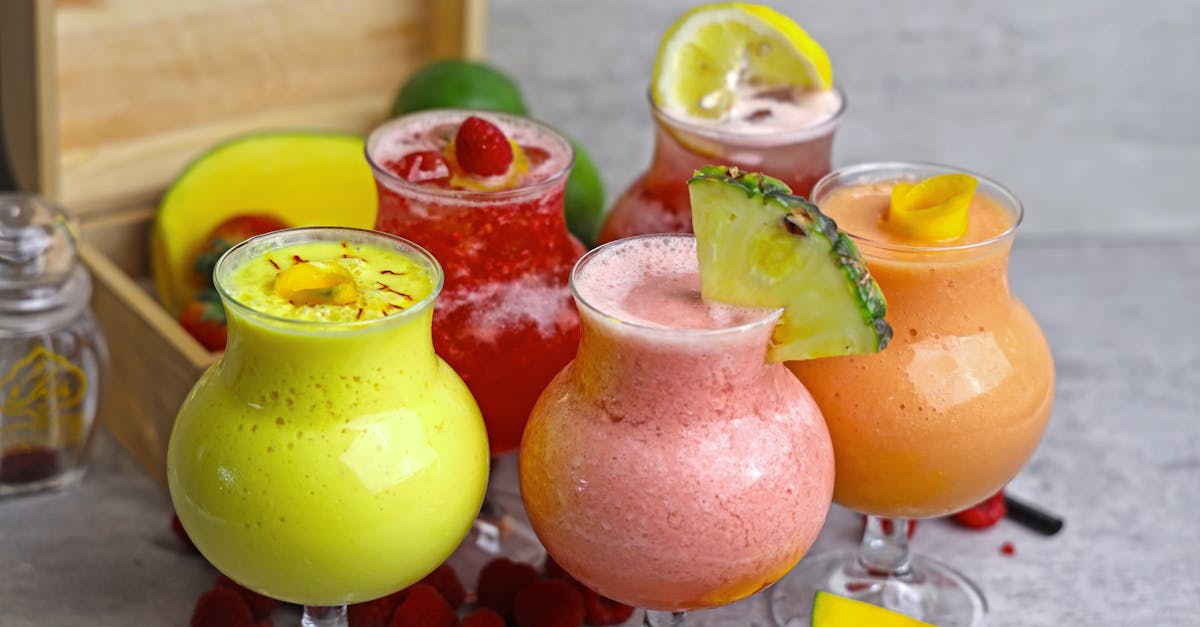
Tropical fruit blends are naturally higher in sugar because mangoes and pineapples are dense with fructose. Many smoothie shops amplify this sweetness by using mango nectar or syrup bases instead of water or plain milk. The drink might also include sweetened dried papaya which concentrates the sugar content significantly. Without a healthy fat or protein source to slow digestion this drink causes a rapid spike in insulin. It is essentially a thick fruit juice rather than a balanced meal replacement.
Acai Berry Bowls

Acai berries themselves are low in sugar and high in antioxidants. The problem arises because the tart berry pulp is almost always blended with large amounts of guarana syrup or apple juice. Toppings like honey and sweetened granola add even more carbohydrates to the final product. What starts as a superfood base transforms into a calorie-dense sugar bomb by the time it reaches the customer.
Peanut Butter Chocolate

This popular post-workout option frequently crosses the line into milkshake territory. Many establishments use processed chocolate syrup instead of unsweetened cocoa powder. The peanut butter used is often a sweetened variety that contains added icing sugar and hydrogenated oils. When combined with a banana and sweetened almond milk the sugar count skyrockets. It provides protein but comes with a heavy dose of unnecessary refined sweeteners.
Pumpkin Spice Blend

Seasonal pumpkin smoothies often mimic the flavor profile of a pie rather than a health drink. The base usually consists of pumpkin puree mixed with sweetened vanilla yogurt or ice cream. Maple syrup or brown sugar is frequently added to enhance the autumnal spice flavor. These drinks provide very little nutritional value beyond the small amount of Vitamin A in the pumpkin. They are effectively liquid desserts sold under the guise of a seasonal health treat.
Vanilla Chai Smoothie

Chai spices are delicious but the smoothie versions are typically made with pre-sweetened powders. These powders list cane sugar or honey granules as the first ingredient rather than actual tea or spices. The liquid base is often sweetened soy or vanilla almond milk which adds another layer of sugar. You might be consuming double the recommended daily intake of added sugar in one cup. Making this at home with brewed tea is the only way to control the sweetness.
Blueberry Muffin Smoothie

This drink attempts to replicate the taste of a baked good by using oats and sweeteners. Establishments often add maple syrup or agave to mimic the sweetness of a muffin. Dried blueberries are sometimes used instead of fresh ones which significantly increases the sugar concentration. Some recipes even include frozen yogurt to achieve a creamy texture similar to batter. The result is a breakfast drink that has more sugar than the pastry it is named after.
Pina Colada Protein

Coconut and pineapple is a classic pairing that brings a vacation vibe to your morning routine. The pineapple component is usually canned in heavy syrup or used as a concentrated juice. Sweetened coconut cream or milk adds saturated fat and even more sugar to the mix. Even with added protein powder this drink remains a high-glycemic choice. It is difficult to distinguish this smoothie from its alcoholic cocktail counterpart in terms of sugar content.
Peach Nectar Surprise
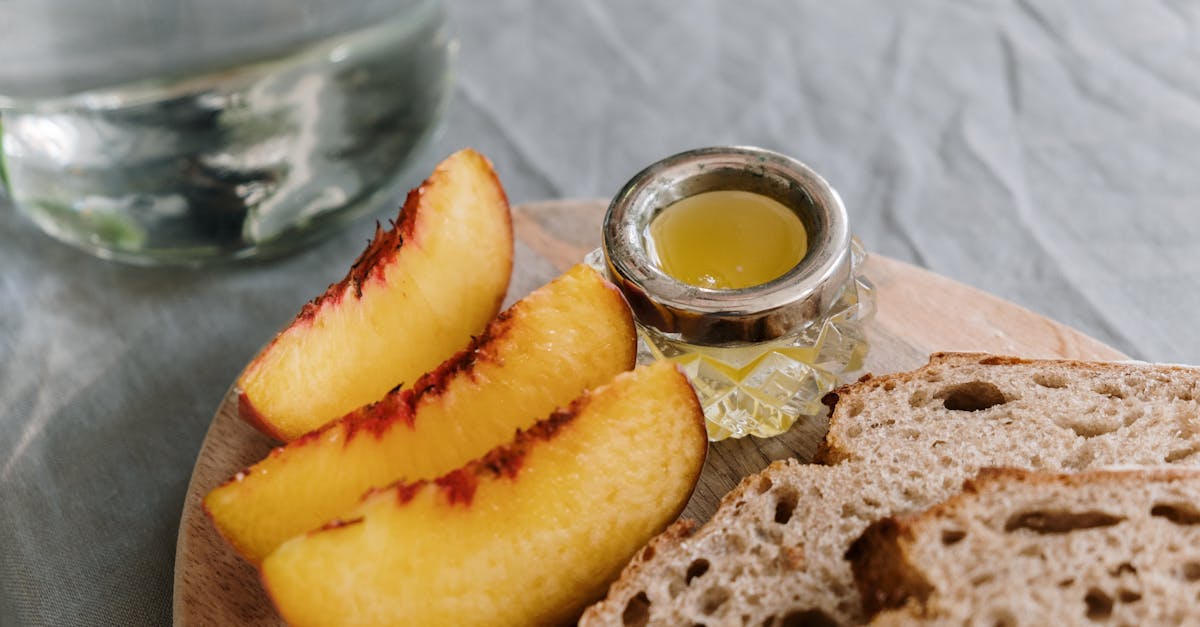
Peaches are a nutritious fruit but smoothie shops often rely on canned peaches or peach nectar. These ingredients are preserved in sugary syrups that dramatically alter the nutritional profile. The delicate flavor of the peach is often boosted with honey or white grape juice. A large serving can contain the sugar equivalent of three or four whole peaches without the fiber. This concentration of fructose can be difficult for the liver to process all at once.
Date and Almond Shake

Dates are a natural sweetener but they are extremely dense in sugar and calories. A smoothie that relies on multiple dates for sweetness can quickly become an energy bomb. The addition of almond butter is healthy but often comes in sweetened varieties. When blended with oat milk the carbohydrate load increases significantly. This drink is better suited for an endurance athlete than a casual snacker.
Caramel Apple Blend
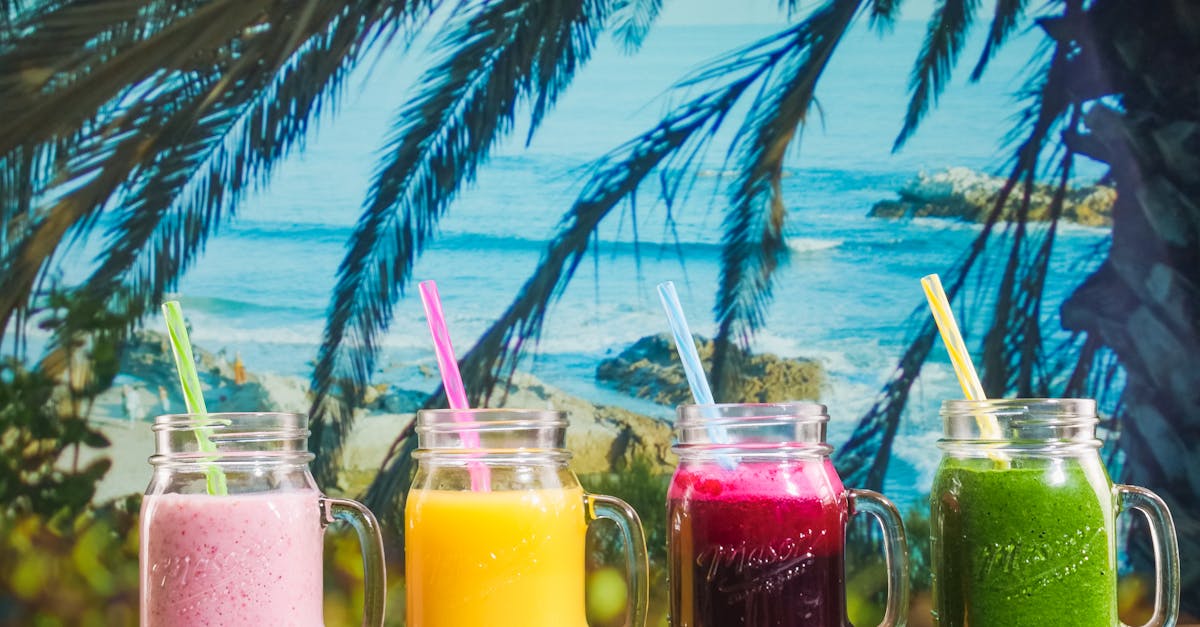
This smoothie flavor is designed to taste like a candy apple and succeeds by using excess sugar. Caramel sauce or syrup is drizzled throughout the drink and blended into the base. Apple juice concentrate serves as the primary liquid instead of water or milk. The result is a beverage that offers virtually no nutritional benefit aside from a small amount of Vitamin C. It is a treat that should be consumed sparingly rather than as a daily habit.
Sweetened Matcha Green Tea

Matcha powder has an earthy and bitter taste that many Western palates find challenging. To counteract this commercial mixes often contain more sugar than actual green tea powder. The drink is then blended with sweetened vanilla milk to mask the grassy flavor further. You lose the metabolic benefits of the green tea because of the overwhelming sugar load. A true matcha smoothie should taste vegetal rather than like a melted ice cream cone.
Orange Sherbet Sunrise

Many citrus smoothies use orange sherbet as the primary thickening agent. Sherbet is a frozen dessert containing sugar and milk solids rather than a health food. The orange juice used as the liquid base adds another source of concentrated fructose. This combination offers very little protein or fiber to slow down sugar absorption. It is basically a dessert item that is sold alongside genuine health foods.
Cookie Dough Protein

The name alone suggests that this smoothie is prioritizing flavor over nutrition. It typically relies on vanilla protein powder that is heavily sweetened with artificial or natural sugars. Some versions blend in actual cookie crumbs or chocolate chips for texture. The base is often sweetened cashew milk or oat milk to enhance the doughy flavor. It is a high-calorie shake that mimics eating raw batter.
Watermelon Agave Cooler
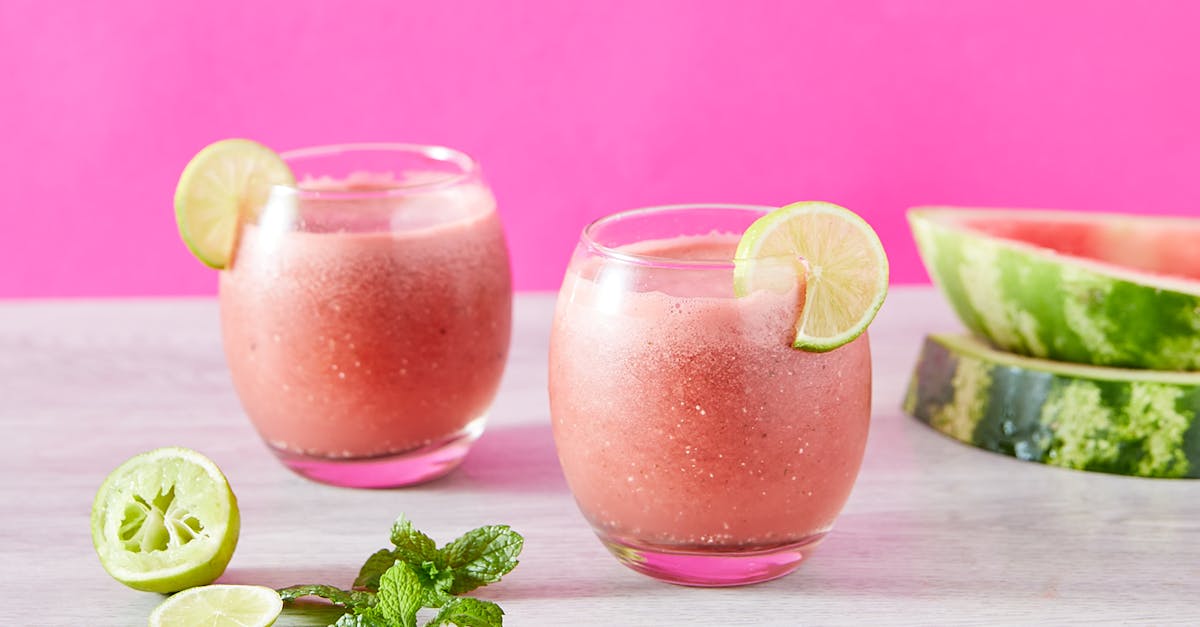
Watermelon is refreshing and hydrating but it has a very high glycemic index. Smoothie shops often add agave nectar to enhance the sweetness of the watery fruit. The lack of fiber in the blended melon causes blood sugar to spike rapidly. Agave is marketed as a healthy alternative but it is extremely high in fructose. This drink behaves more like sugar water in your body than a nutritious snack.
Fig and Honey

Figs are another dried fruit that pack a massive amount of sugar into a small package. Blending dried figs with honey creates a drink that is incredibly sticky and sweet. Yogurt is often added to balance the texture but it frequently contains added cane sugar. The caloric density of this smoothie is surprisingly high for its size. It provides energy but comes with a crash shortly after consumption.
Cherry Limeade Smoothie

This drink is often inspired by fast food beverages and uses similar ingredients. Maraschino cherries or jarred cherries in syrup are frequently used instead of fresh frozen tart cherries. Limeade concentrate or cordial provides the citrus flavor along with a heavy dose of high fructose corn syrup. The color is vibrant but the nutritional value is practically nonexistent. It serves as a sugary refreshment rather than a functional fuel source.
Maple Pecan Pie

This smoothie aims to replicate a rich dessert and uses maple syrup liberally to achieve that goal. Pecans provide healthy fats but they are often candied or roasted in sugar before blending. The liquid base is usually a creamy oat milk or sweetened almond milk. It is a dense and heavy drink that contains as much sugar as a slice of actual pie. Consuming this for breakfast sets a craving for sweets for the rest of the day.
Sweet Potato Pie

Cooked sweet potatoes are nutritious but this smoothie treats them like a dessert ingredient. Brown sugar or molasses is added to bring out the sweetness of the tuber. Marshmallow fluff or sweetened whipped cream is sometimes blended in or used as a topping. The spices cannot hide the fact that this is a high-carbohydrate treat. It is far too heavy and sugary to be considered a light snack.
Canned Fruit Cocktail

Cheaper smoothie establishments may rely on canned mixed fruit to keep costs low. This fruit is almost always preserved in light or heavy syrup which is poured right into the blender. The fruit itself has lost much of its nutritional integrity during the canning process. The resulting drink is incredibly sweet and lacks the fresh taste of real produce. You are drinking the syrup just as much as you are consuming the fruit.
Flavored Yogurt Base

The foundation of many smoothies is a scoop of vanilla or fruit-flavored yogurt. These yogurts can contain up to twenty grams of added sugar per serving before any fruit is added. This baseline sweetness makes the entire drink a sugar bomb regardless of other ingredients. Plain Greek yogurt is a tart alternative that is rarely used because customers prefer the sweeter taste. This hidden source of sugar is one of the most common pitfalls in smoothie making.
Dried Cranberry Blend

Cranberries are naturally very tart and unpalatable without sweetener. Smoothies featuring this berry almost always use dried cranberries that are infused with sugar and oil. Cranberry juice cocktail is often used as the liquid base which is sweetened with high fructose corn syrup. The antioxidant benefits are overshadowed by the sheer volume of sweetener required to make it drinkable. It is a deceivingly sugary choice for those seeking urinary tract health.
Chocolate Avocado

Avocado provides a creamy texture and healthy fats that make it great for smoothies. However, recipes often call for large amounts of maple syrup or dates to mask the vegetable flavor. Sweetened cocoa powder or chocolate chips are added to turn it into a pudding-like consistency. The healthy fats are accompanied by a significant sugar load in these dessert-style blends. It is a calorie-dense option that should be treated as a treat.
Grape Juice Blend

Grape juice is one of the highest sugar fruit juices available on the market. It is often used as a cheap filler base in berry smoothies to add bulk and sweetness. The dark color mimics more expensive berries like blueberries or blackberries. The sugar spike from grape juice is rapid and intense. It dilutes the nutritional value of any greens or proteins added to the blender.
Sweetened Almond Milk

Many people assume almond milk is always a low-sugar option. Smoothie shops frequently use the sweetened vanilla variety which contains significant added cane sugar. This raises the baseline sugar content of the smoothie before any fruit is introduced. Using unsweetened nut milk would drastically reduce the carbohydrate count. Consumers rarely ask which type of milk is being used in their drink.
Sports Drink Recovery

Some smoothies use commercial sports drinks as the liquid base to provide electrolytes. These beverages are colorful but consist mostly of water and refined sugar. Adding fruit to this base creates a carbohydrate load that is unnecessary for anyone but elite athletes. The artificial dyes and flavors also detract from the natural quality of the smoothie. It is a double dose of sugar that does not aid the average person’s recovery.
Jam Swirled

Swirling fruit preserves or jam into a smoothie is a quick way to add flavor and color. Even high-quality jams are primarily made of cooked sugar and fruit puree. This addition concentrates the sugar content far beyond what fresh fruit would provide. It creates a dessert-like aesthetic while compromising the nutritional profile. The result is a drink that tastes like the inside of a donut.
Hazelnut Spread

Chocolate hazelnut spreads are famous for being delicious but they are primarily sugar and palm oil. Adding a spoonful of this spread to a smoothie turns it into a confectionery item. The hazelnut content is minimal compared to the amount of refined sweetener involved. It pairs well with bananas but creates a sugar bomb of epic proportions. This is unequivocally a dessert rather than a breakfast beverage.
Condensed Milk

Some regional smoothie variations use sweetened condensed milk for a rich and creamy texture. This ingredient is milk that has been cooked down with large amounts of sugar until it becomes a thick syrup. It is commonly found in Vietnamese avocado smoothies or tropical shakes. A single tablespoon contains a shocking amount of sugar. It transforms a healthy fruit blend into a heavy custard drink.
Granola Crunch

Granola adds a nice texture but is often held together by honey, syrup, or brown sugar. Blending it into the smoothie or piling it on top adds a significant carbohydrate load. Many commercial granolas also contain dried fruit and chocolate chips. This turns a light smoothie into a meal that is higher in calories than a burger. The perceived crunch of health is actually a crunch of sugar.
Lemonade Base

Lemonade is a popular liquid base for refreshing summer smoothies. It is essentially sugar water with a splash of lemon juice and lacks nutritional substance. When blended with strawberries or raspberries it creates a very sweet and tart beverage. The acidity masks the high sugar content making it easy to consume quickly. It offers hydration but comes with a crash in energy levels later.
Sweetened Protein Powder

Not all protein powders are created equal when it comes to sugar content. Many brands use artificial sweeteners or significant amounts of cane sugar to improve taste. Low-quality powders often rely on maltodextrin which spikes blood sugar just like table sugar. Adding this to fruit creates a drink that is sweet from multiple sources. Reading the label on the protein tub is crucial for avoiding hidden sugars.
Mocha Java
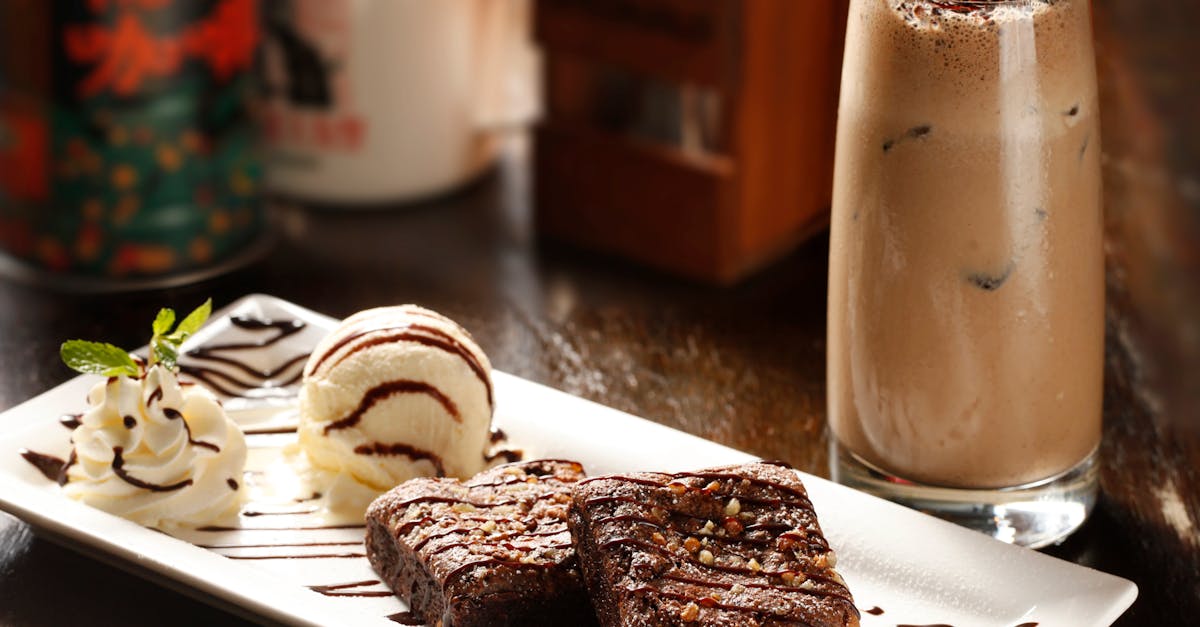
Coffee smoothies are a popular morning choice that combines caffeine with breakfast. They often use chocolate syrup and sweetened coffee base similar to a frappe. The addition of a banana does not negate the syrups and sugars used to flavor the coffee. Whipped cream is frequently added to top off the drink. It is a coffee shop indulgence that has very little to do with actual nutrition.
Agave Kale

Kale is the poster child for healthy smoothie ingredients. To make the fibrous green palatable shops often drown it in agave nectar and apple juice. The health halo of the kale leads consumers to ignore the sweetener required to mask the taste. You get the vitamins from the greens but they come packaged in a high-sugar vehicle. It is a compromise that often defeats the purpose of choosing a green drink.
Share your favorite low-sugar smoothie recipes or ingredient swaps in the comments.




