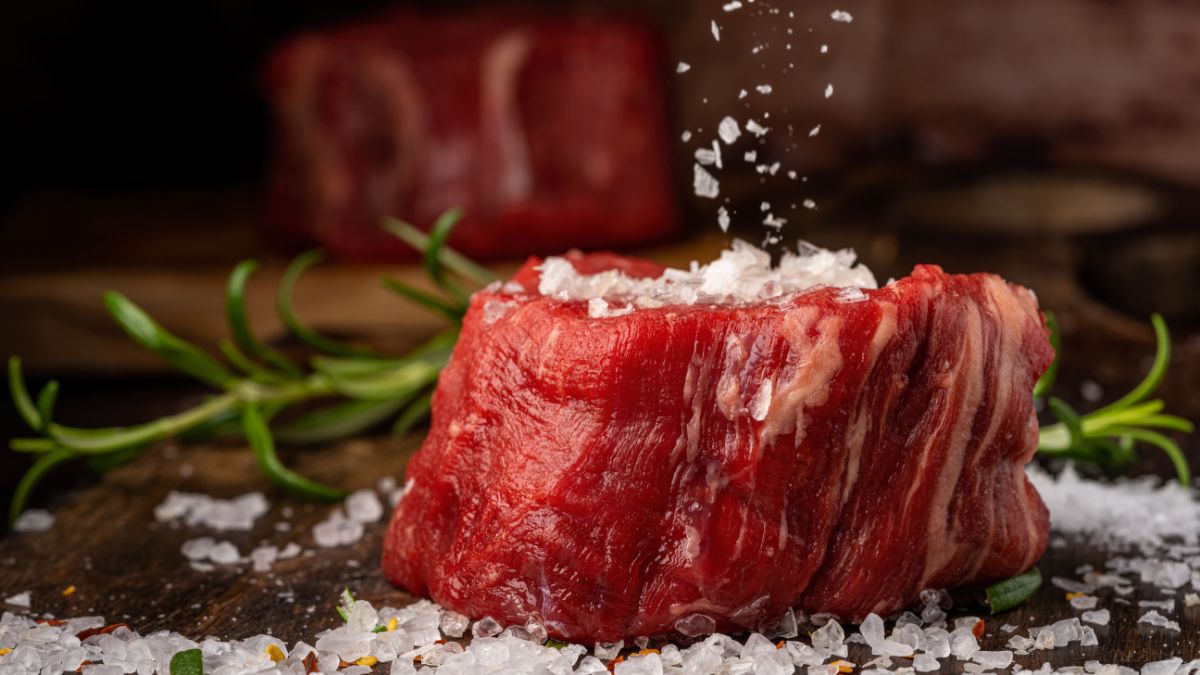
Most people consume far more sodium than their bodies actually need, and the effects on cardiovascular health are well documented. The average person takes in roughly 9 grams of salt per day, which translates to about 3,600 milligrams of sodium. That excess puts a quiet but consistent strain on the heart and arteries, and cutting back can make a meaningful difference, particularly for people who are already dealing with elevated blood pressure.
Sodium plays a legitimate and necessary role in keeping the body running. It helps maintain fluid balance, supports healthy nerve function, and assists muscle contractions. The problem is not sodium itself but rather the sheer volume most people consume without realizing it. When the kidneys cannot filter out surplus sodium quickly enough, it lingers in the bloodstream and draws water into the blood vessels, increasing blood volume and putting more pressure on arterial walls. Reducing how much salt you eat allows the kidneys to catch up, blood volume to normalize, and pressure to ease.
The science behind this is fairly straightforward. A 2021 review of existing research found that reducing sodium intake by 1,000 milligrams per day lowered systolic blood pressure by roughly 2.4 mmHg and diastolic pressure by around 1 mmHg. For people who already have hypertension, the improvements were even more pronounced. Those numbers may sound modest, but they add up significantly when maintained over months and years.
The cardiovascular stakes are also worth taking seriously. A 2025 study found that each additional 1,000 milligrams of sodium consumed daily was linked to a 4 percent higher risk of cardiovascular disease and a 6 percent greater risk of stroke. On the flip side, keeping sodium intake low was associated with a 17 percent reduced risk of death from heart disease, a 26 percent lower risk of dying from stroke-related causes, and a 12 percent decrease in all-cause mortality. These are not small figures.
It is also worth noting that not everyone responds to salt the same way. A condition called salt-sensitive blood pressure, sometimes abbreviated as SSBP, causes certain people to experience much more dramatic blood pressure changes when their sodium intake shifts. About 25 percent of the general population has this sensitivity, but that number climbs to over 50 percent among people with hypertension. Age, genetics, hormone regulation, and the presence of chronic illness can all influence how reactive someone’s blood pressure is to dietary sodium.
The American Heart Association recommends keeping sodium intake under 2,300 milligrams per day, roughly equivalent to one teaspoon of salt. That said, swinging too far in the other direction is not without consequence either. Consuming too little sodium can lead to low blood pressure, dizziness, fatigue, headaches, and muscle cramps, so the goal is balance rather than elimination.
For most Americans, the biggest source of sodium is not the salt shaker at the dinner table but rather processed and packaged foods. About 70 percent of dietary sodium comes from restaurant meals and manufactured products like deli meats, canned soups, and processed snacks. Reading nutrition labels carefully is one of the most effective tools available. A product labeled “reduced sodium” may still contain substantial amounts, just less than its standard counterpart. Aiming for products with less than 5 percent of the daily value per serving is a practical benchmark.
Cooking at home gives you direct control over what goes into your food, which is one of the simplest ways to bring sodium down. When using canned goods like beans or legumes, rinsing them under water before cooking can wash away a meaningful portion of added salt. Replacing habitual salting with herbs, citrus, garlic, or spices is an adjustment that most palates adapt to faster than expected. Taste buds are remarkably flexible, and many people find that foods they previously considered bland become satisfying once their sensitivity to salt recalibrates over several weeks.
It is also worth remembering that blood pressure is shaped by more than one habit. Diet-related changes like cutting sodium work best alongside regular physical activity, weight management, and a broader nutritional approach. The DASH diet, short for Dietary Approaches to Stop Hypertension, is specifically designed to address blood pressure through food choices and has a strong body of research behind it.
Salt was so valuable in ancient Rome that soldiers were sometimes paid with it, which is actually where the word “salary” comes from. The human tongue has dedicated salt receptors that are entirely separate from those for sweet, sour, bitter, and umami, which is part of why food can taste so flat when salt is removed abruptly rather than gradually. And despite salt’s reputation as purely a modern health villain, the body’s craving for it is evolutionary since sodium is essential for survival, and for most of human history, finding enough of it was genuinely difficult.
What are your thoughts on cutting back salt in your diet? Share in the comments.




