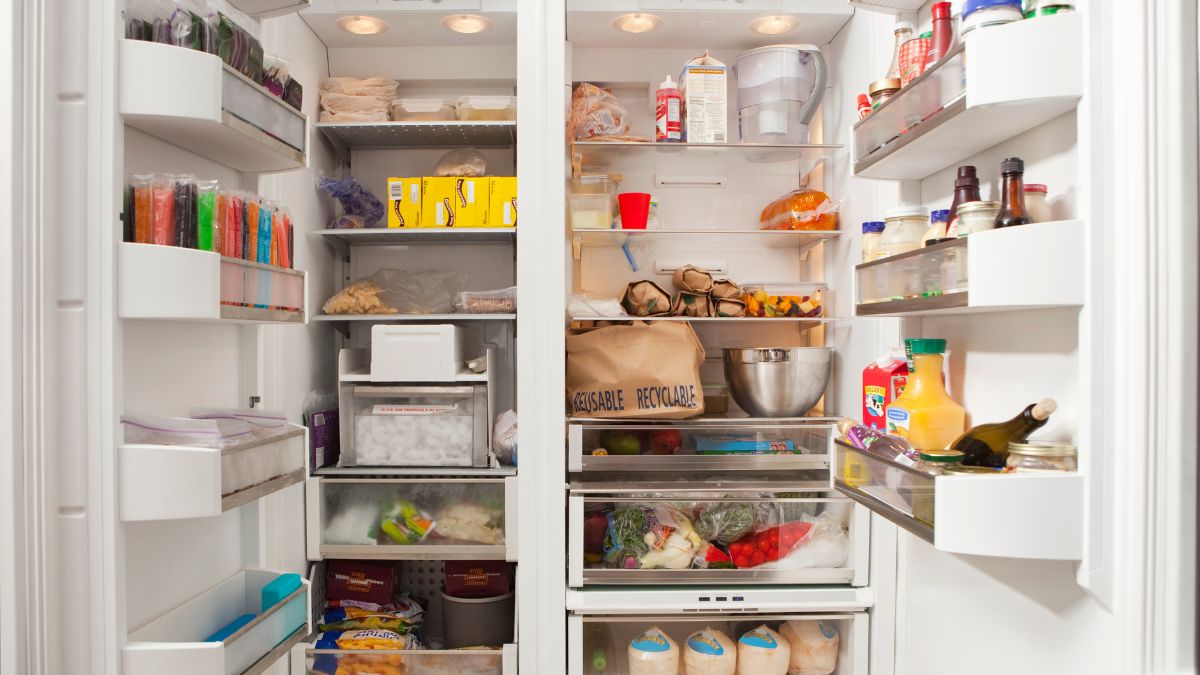
Chicken is one of the most versatile staples in any kitchen, and having a batch already cooked in the fridge feels like a small weekday miracle. Whether it was roasted on Sunday or simmered into a broth earlier in the week, leftover chicken is the unsung hero of quick lunches and last-minute dinners. But once it’s tucked away in the refrigerator, a very real question lingers: how long is it actually safe to eat?
According to Donald Schaffner, a food science professor at Rutgers University, properly cooked chicken stored at or below 40 degrees Fahrenheit carries no significant safety risks for a reasonable window of time. “Even cooked chicken will spoil over time, so the general recommendation for best quality is to use it within three to four days,” Schaffner explains. That guideline has become the most widely cited standard among food safety experts and is echoed by major health organizations across the country.
That said, the three-to-four-day window is not the absolute ceiling in every scenario. Ellen Shumaker, director of outreach for a food safety program at North Carolina State University, points out that ideal storage conditions can stretch that timeline a bit further. “In a properly chilled refrigerator, leftovers like cooked chicken can be safely kept for up to seven days,” she says. The distinction matters, because not every home refrigerator runs at a consistently safe temperature, and many people never think to check.
Temperature is ultimately the determining factor in how long your chicken stays safe and tasty. If your fridge tends to run warmer than 40 degrees Fahrenheit or you are not entirely sure how cold it actually gets, the more conservative three-to-four-day window is the smarter choice. Picking up a refrigerator thermometer is a simple and inexpensive way to know for certain whether your appliance is holding food at a safe temperature.
When it comes to spotting spoilage, your senses can help but are not completely reliable. Shumaker notes that the microorganisms responsible for spoilage typically create off-putting smells and flavors, but that is not always guaranteed. “They don’t cause food poisoning, but they do reduce quality and often make food unpalatable,” she says. If your leftover chicken smells sour or just a little off, feels slimy when you touch it, or has taken on a dull grayish color, the safest move is to throw it out without hesitation.
Proper storage technique also plays a meaningful role in how well cooked chicken holds up in the fridge. Schaffner advises keeping it in an airtight container, which prevents the meat from drying out and shields it from absorbing other odors in the refrigerator. Placing it on an upper shelf rather than near raw meats stored below also reduces the risk of cross-contamination, which is a more common kitchen hazard than most people realize.
When it is time to reheat, the rules are somewhat more flexible than many assume. Shumaker explains that if the chicken was thoroughly cooked from the start and has been kept below 41 degrees Fahrenheit for fewer than seven days, reaching a specific reheating temperature is not strictly necessary for the average healthy adult. However, she does recommend heating to an internal temperature of 165 degrees Fahrenheit for pregnant women, older adults, and anyone with a weakened immune system, and suggests using a kitchen thermometer to verify this. To keep reheated chicken from turning rubbery and dry, she recommends adding a splash of water to the dish and covering it during the reheating process to trap moisture.
Chickens have a distinctly efficient digestive system compared to most animals, processing food in as little as two and a half hours, which is part of why their meat has such a lean and consistent texture. The USDA estimates that Americans consume roughly 100 pounds of chicken per person each year, making it the most popular protein in the country by a wide margin. And if you have ever wondered why grocery store rotisserie chickens are always displayed hot under warming lamps, it is not just for presentation, as maintaining that temperature is what keeps them technically safe to eat for hours without refrigeration.
What is your strategy for using up leftover chicken before it goes bad? Share your go-to ideas in the comments!




