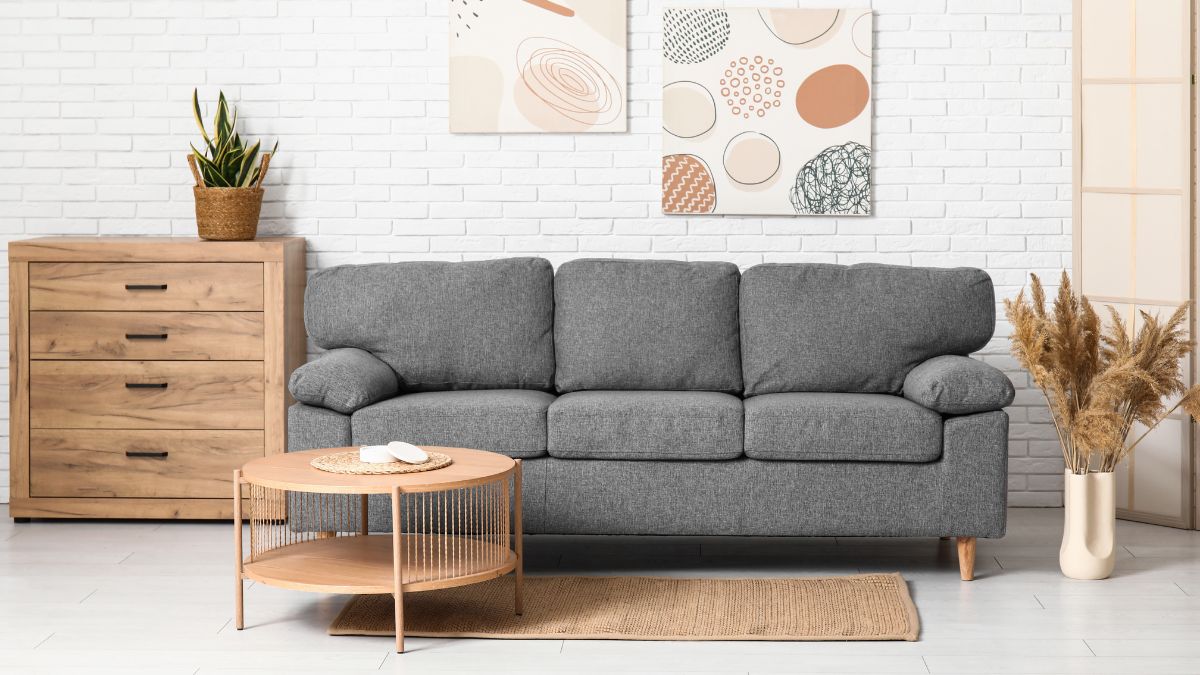
Every home tells a story through its furnishings, and certain pieces send the wrong message before a guest even sits down. Interior design trends shift constantly, but some furniture choices have a timeless reputation for undermining the look and feel of a space. From flimsy materials to outdated styling, the wrong piece can make even a well-lit and spacious room feel cluttered and careless. Understanding what to avoid is just as important as knowing what to embrace when curating a home with lasting appeal.
Velvet Wingback Chair
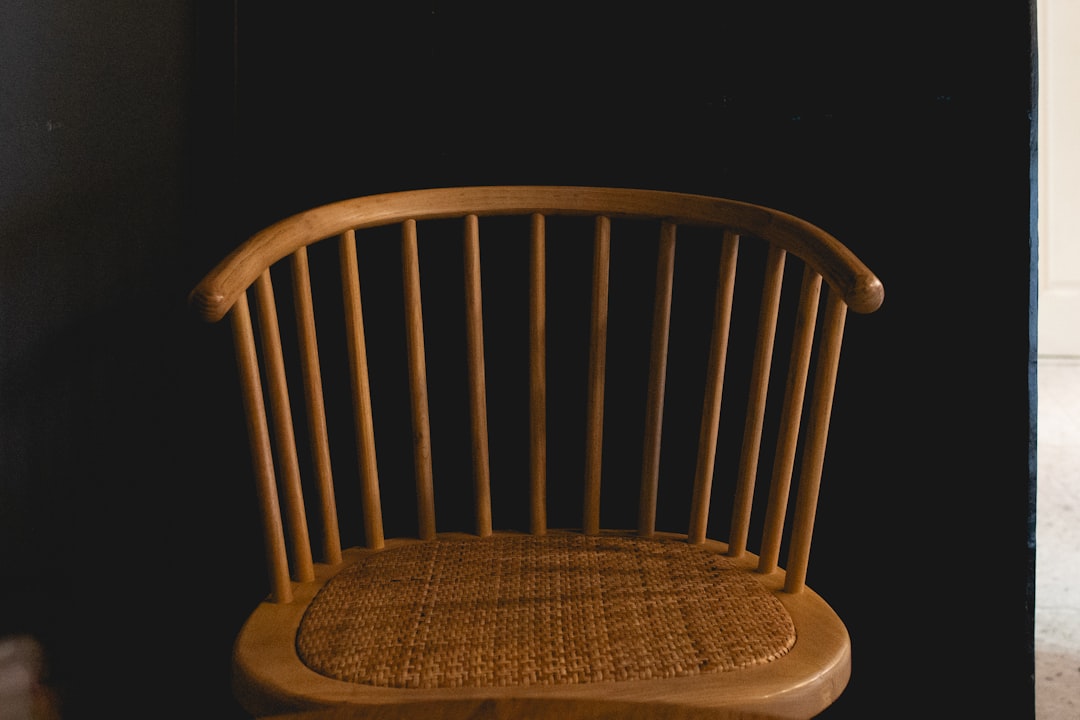
This style of chair became a fast-moving trend driven largely by budget homeware retailers flooding the market with low-cost versions. The fabric pills quickly and the foam padding compresses within months, giving the piece a visibly worn appearance long before its time. The exaggerated silhouette tends to overwhelm smaller living rooms and clashes with most existing furniture arrangements. Mass production has made this chair so ubiquitous that it now reads as a shortcut rather than a considered design choice. Its presence in a space often signals a reliance on trend-chasing over thoughtful curation.
Barnwood TV Console

Reclaimed wood styling had a genuine moment in interior design but the mass-produced barnwood television console has thoroughly exhausted its welcome. Most versions sold at accessible price points are not made from real reclaimed timber but rather printed laminate applied over particleboard. The dark knot patterns and grey-washed finish tend to clash with contemporary electronics and modern room palettes. The chunky proportions make spaces feel heavier and more dated than intended. This piece became so overproduced that it lost any sense of authenticity or character it once carried.
Acrylic Ghost Chair
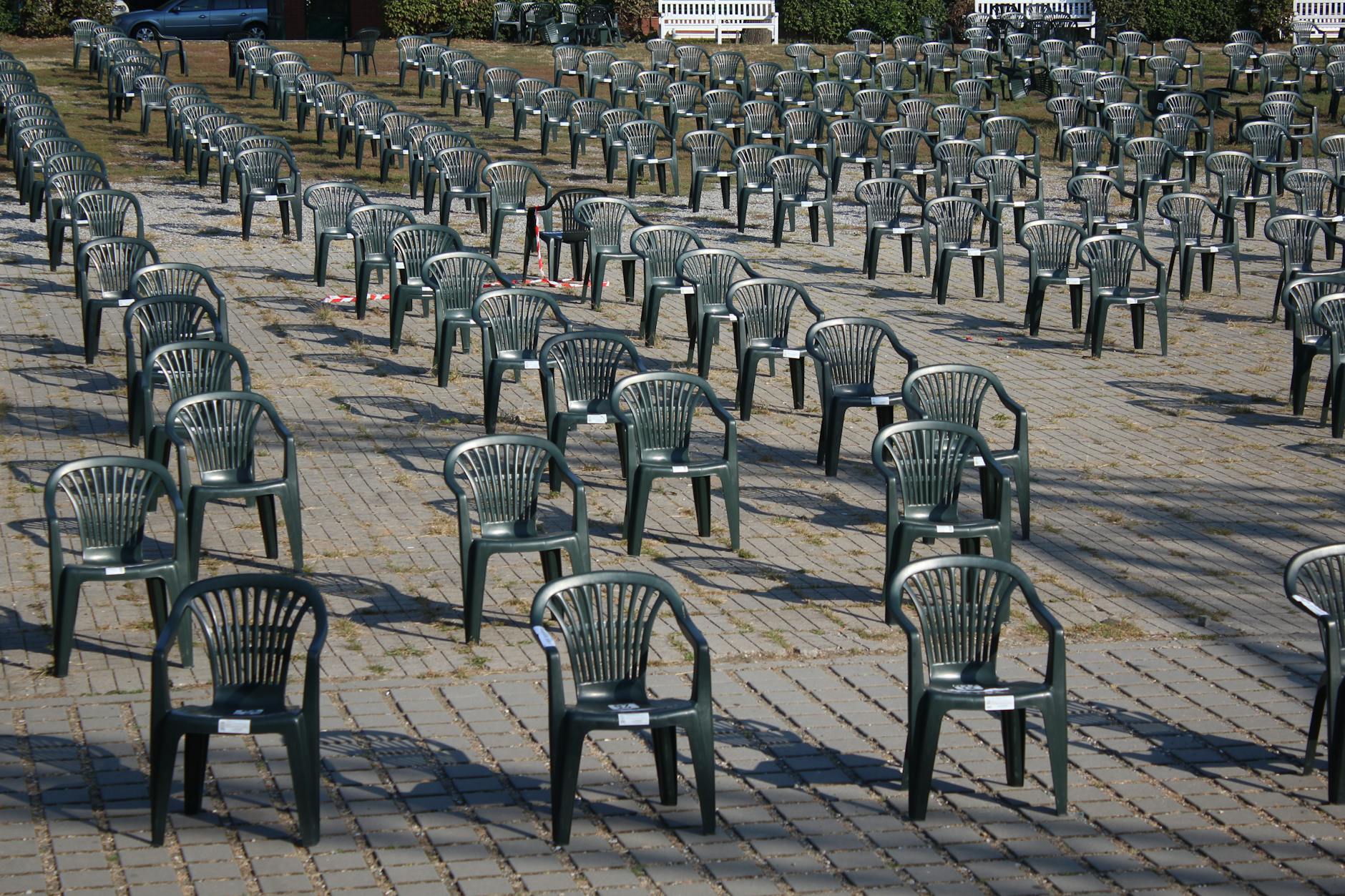
The transparent acrylic chair entered mainstream homes as a promise of visual lightness and modern sophistication. Most affordable versions scratch almost immediately and attract fingerprints and dust that become impossible to ignore in natural light. The material yellows over time and develops a hazy surface that makes the piece look neglected rather than sleek. Genuine versions from the original designers carry significant price tags that most homeowners are not prepared to meet. The widespread availability of cheap imitations has made this chair a reliable marker of budget decorating.
Mirrored Bedside Table
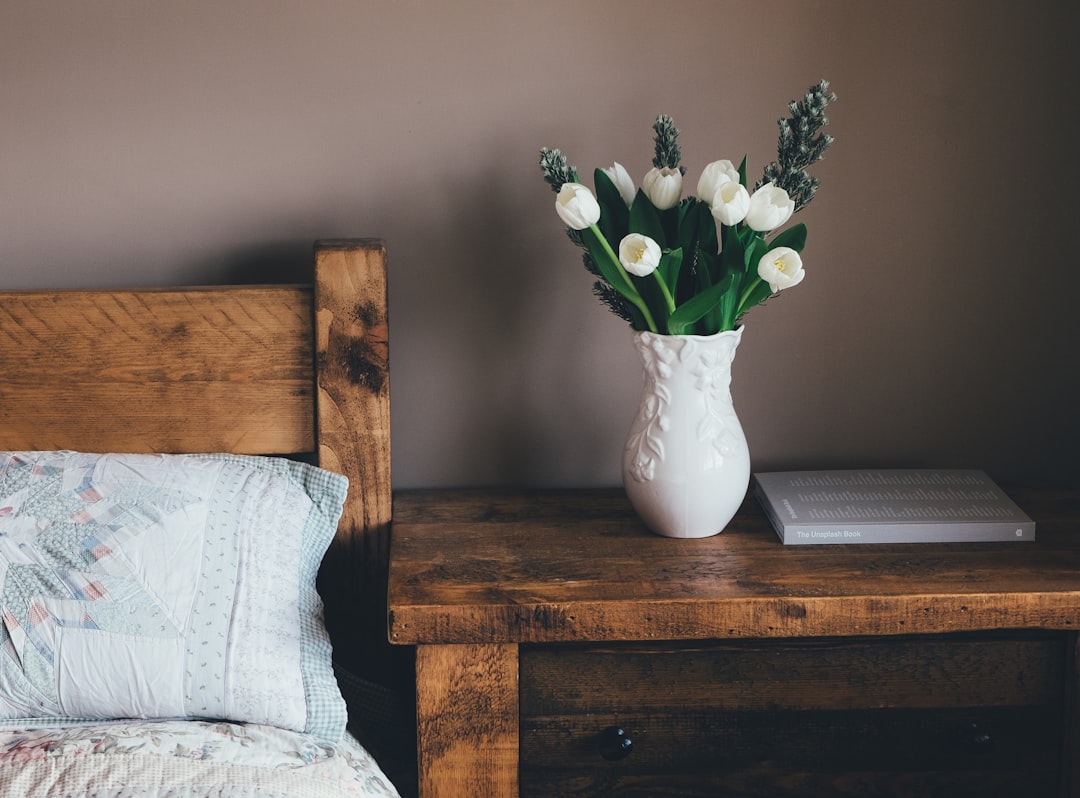
The mirrored bedside table became a staple of aspirational bedroom styling promoted heavily across home décor platforms. At lower price points the mirror panels are thin and prone to chipping along the edges with even careful handling. The reflective surfaces show every smudge and water ring immediately making the piece look perpetually unkempt. The glam aesthetic it aims for requires a very specific and cohesive room design to avoid looking mismatched. In most standard bedrooms it simply reads as an attempt to elevate a space that ends up looking more cluttered as a result.
Tufted Leather Ottoman
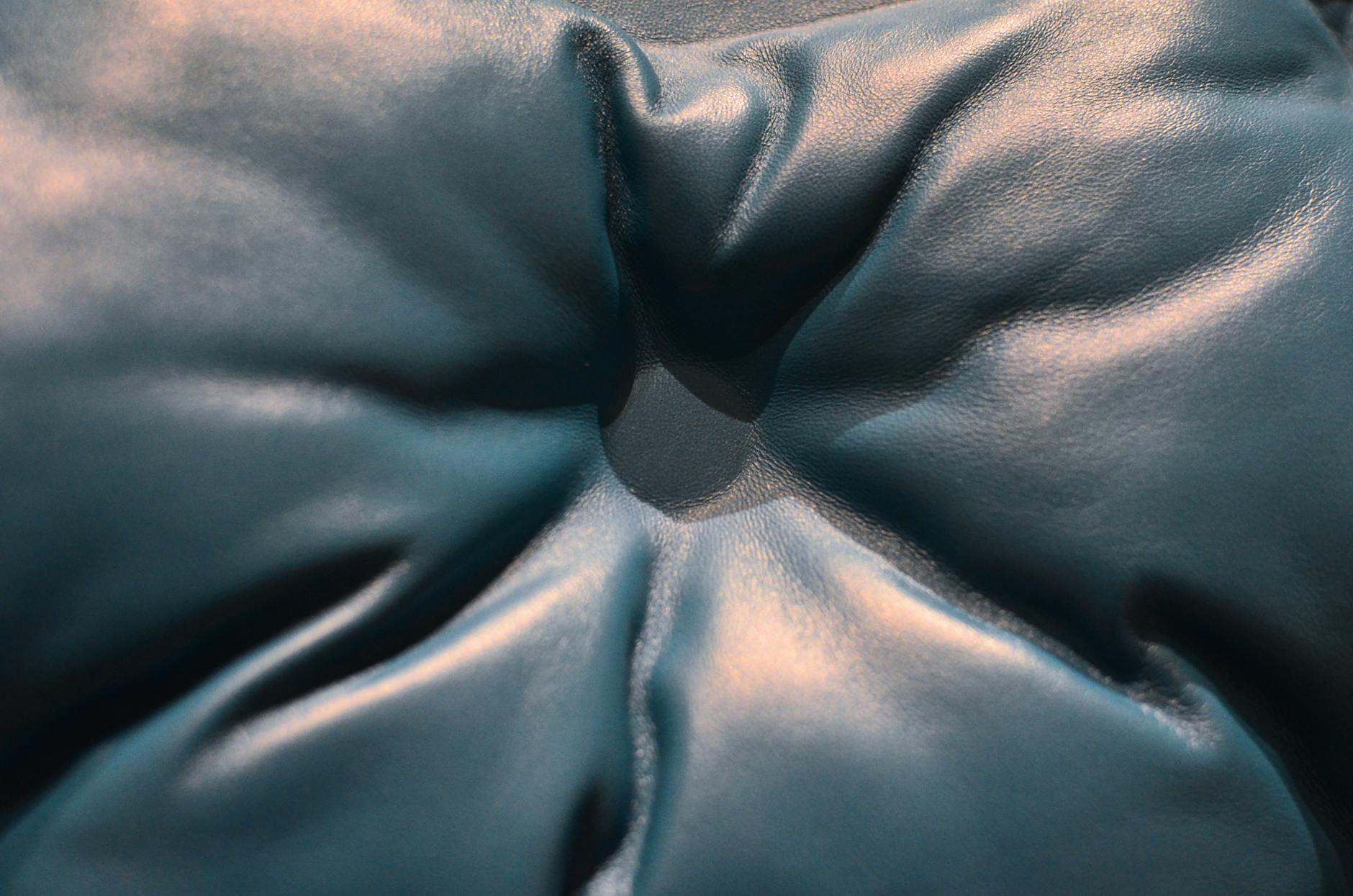
The oversized tufted leather ottoman positioned as a coffee table alternative became a signature of a particular era of home styling that has since passed. Faux leather versions crack and peel at pressure points within a relatively short time of regular use. The deep buttoning and nail head trim detailing requires the rest of the room to match its formality or the piece looks entirely out of place. Its size and visual weight make smaller living rooms feel consumed rather than anchored. The combination of imitation materials and an already dated silhouette makes it one of the harder pieces to rehabilitate with updated accessories.
Floating Wall Shelf
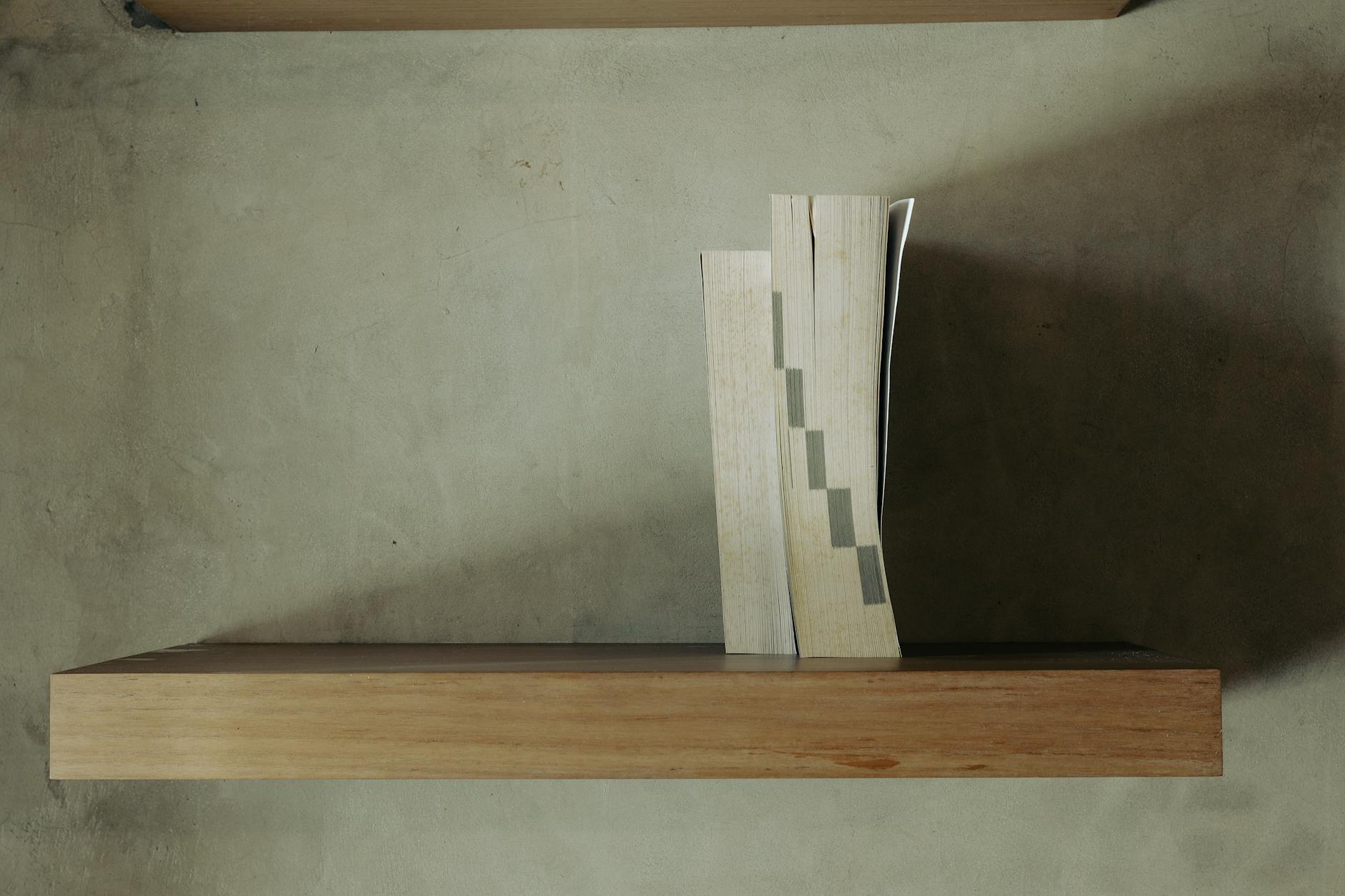
The minimalist floating shelf in its mass-produced form became one of the most overused elements in modern home decoration. Most budget versions rely on concealed bracket systems that fail to support meaningful weight and begin to droop visibly over time. The thin MDF construction has no real visual warmth or texture and reads as a placeholder rather than a genuine design element. When styled with the standard collection of small plants and candles it blends into the background of a million identical interiors. The ubiquity of this piece has stripped it of any personality it might once have contributed to a considered room design.
Wicker Egg Chair
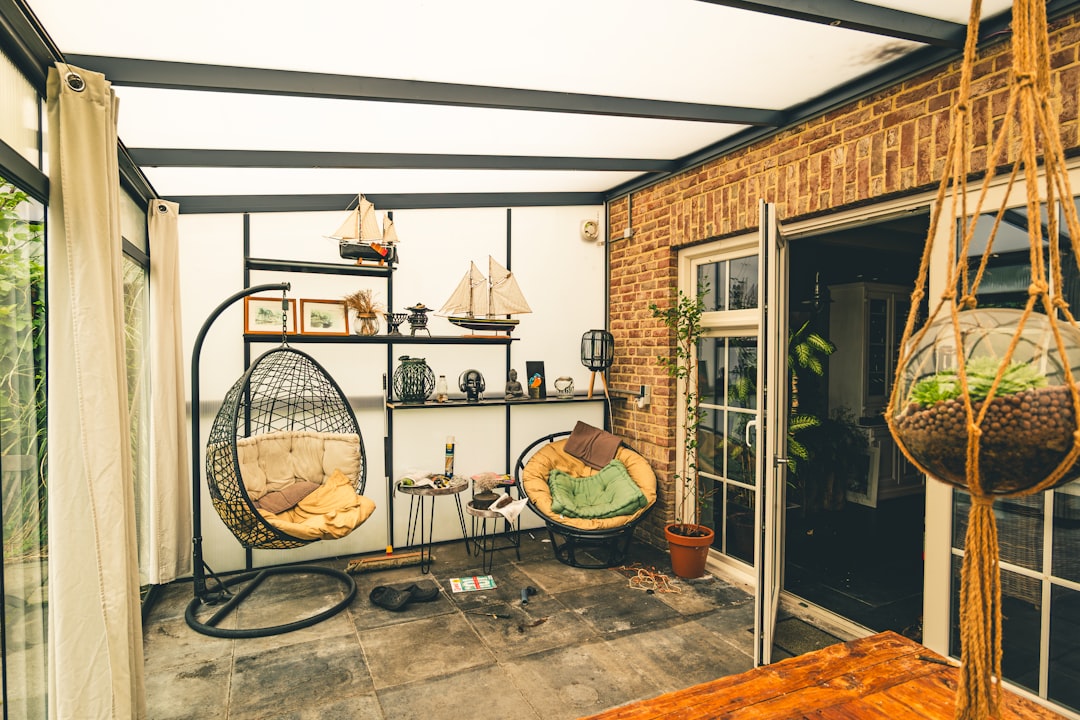
The hanging wicker egg chair surged in popularity through social media home accounts and quickly became one of the most recognisable trend pieces of recent years. Most consumer versions are made from synthetic rattan stretched over thin metal frames that wobble and creak under normal use. The hanging mechanism places structural demands on ceilings that many homes are not built to accommodate without professional installation. The oversized proportions tend to dominate a room and leave the space feeling themed rather than designed. Its rapid rise and equally rapid oversaturation have made it a reliable signal of decoration choices driven by algorithm rather than personal taste.
Ladder Bookshelf

The leaning ladder bookshelf offered an appealing combination of open storage and casual styling when it first appeared in mainstream retail. The narrow shelves and progressive sizing make it genuinely difficult to store anything of practical use without the piece looking chaotic. Most versions are constructed from hollow pine or engineered wood that bows under the weight of books and decorative objects. The leaning design requires a perfectly even wall and floor surface to sit without wobbling noticeably. Despite its simple appearance it rarely delivers the relaxed and curated effect it promises in product photography.
Rattan Headboard
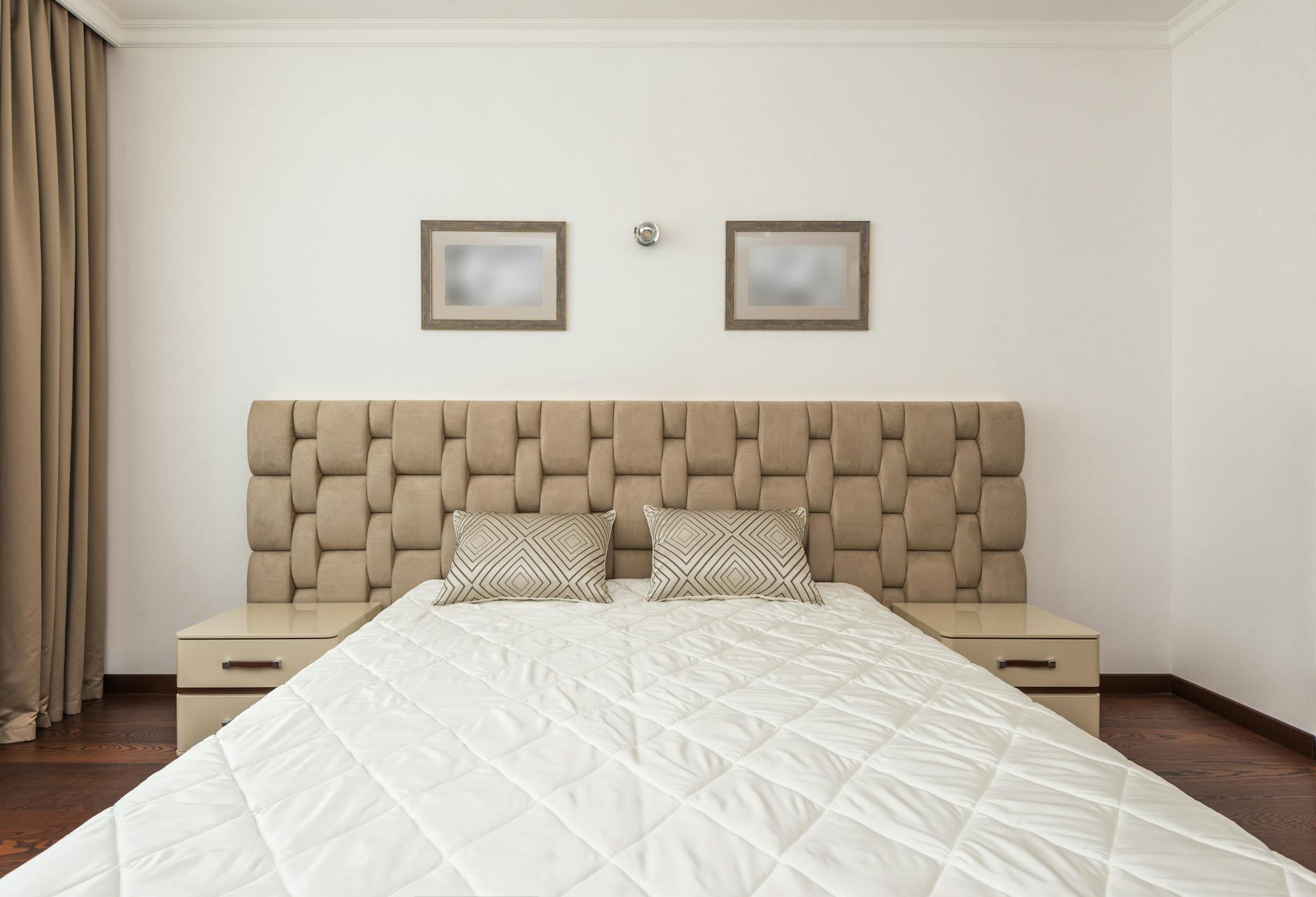
The rattan headboard arrived on the back of a broader natural materials trend that interior designers embraced with considerably more restraint than the retail market applied. Budget versions use thin weaves over hollow frames that produce a rattling sound with any movement in the bed. The natural fibre texture requires a very specific bedding palette and room colour scheme to look intentional rather than incidental. In most standard bedroom settings it creates a visual disconnect between the headboard and the rest of the furniture rather than a cohesive organic scheme. Overexposure across budget homeware ranges has made it difficult to use without the room feeling assembled from a single catalogue page.
Inflatable Sofa
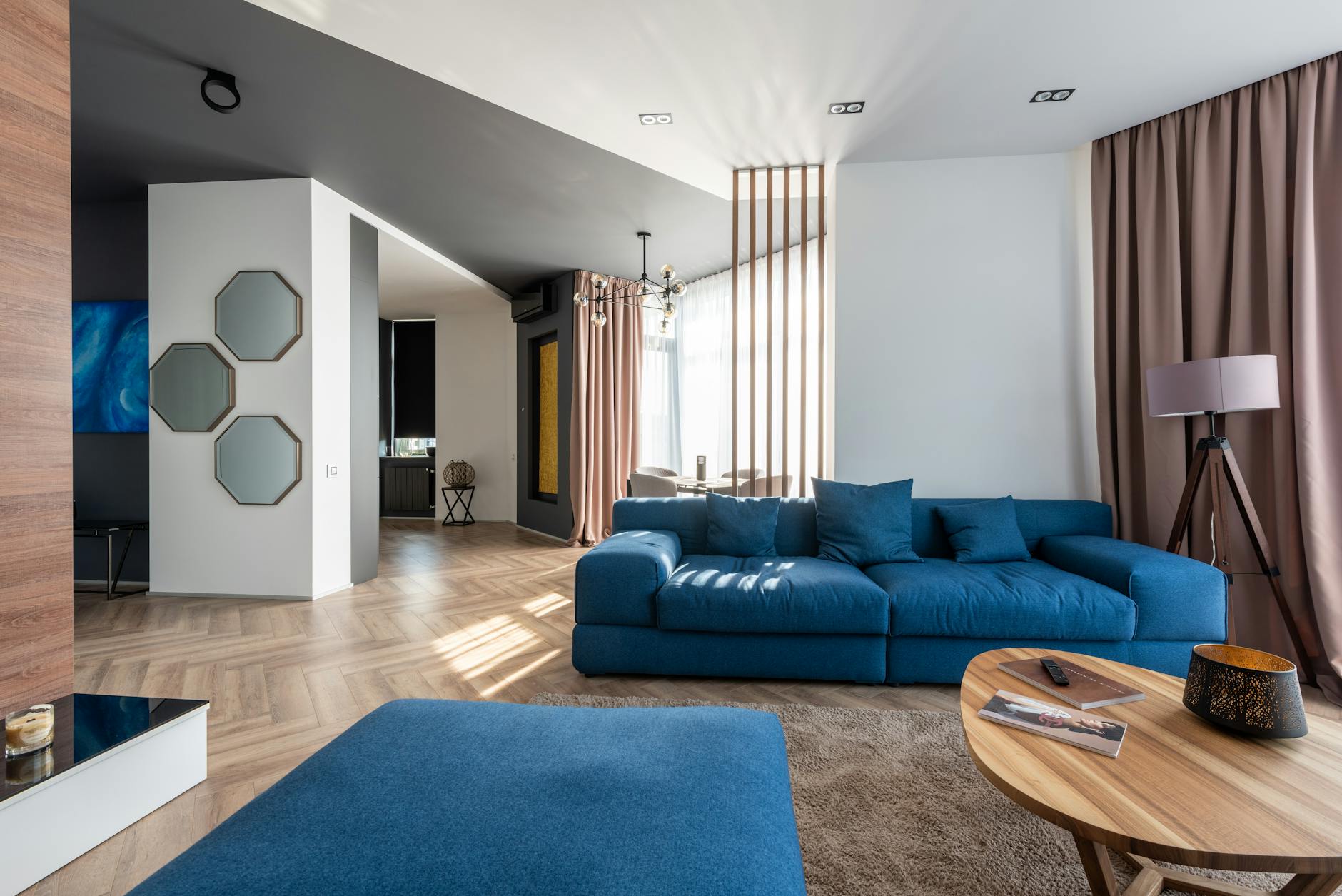
The inflatable sofa occupies a peculiar space between functional furniture and novelty item that never fully resolves in favour of either. The PVC construction reflects light in a way that immediately communicates its material regardless of the colour or shape chosen. Seating comfort diminishes quickly as air pressure shifts under the weight of regular use requiring constant reinflation to maintain form. The piece signals a temporary or transitional attitude toward the space it occupies making a room feel unsettled rather than lived in. No amount of considered styling around it is sufficient to integrate an inflatable sofa into a home that aims to feel permanent and put together.
Glass Dining Table
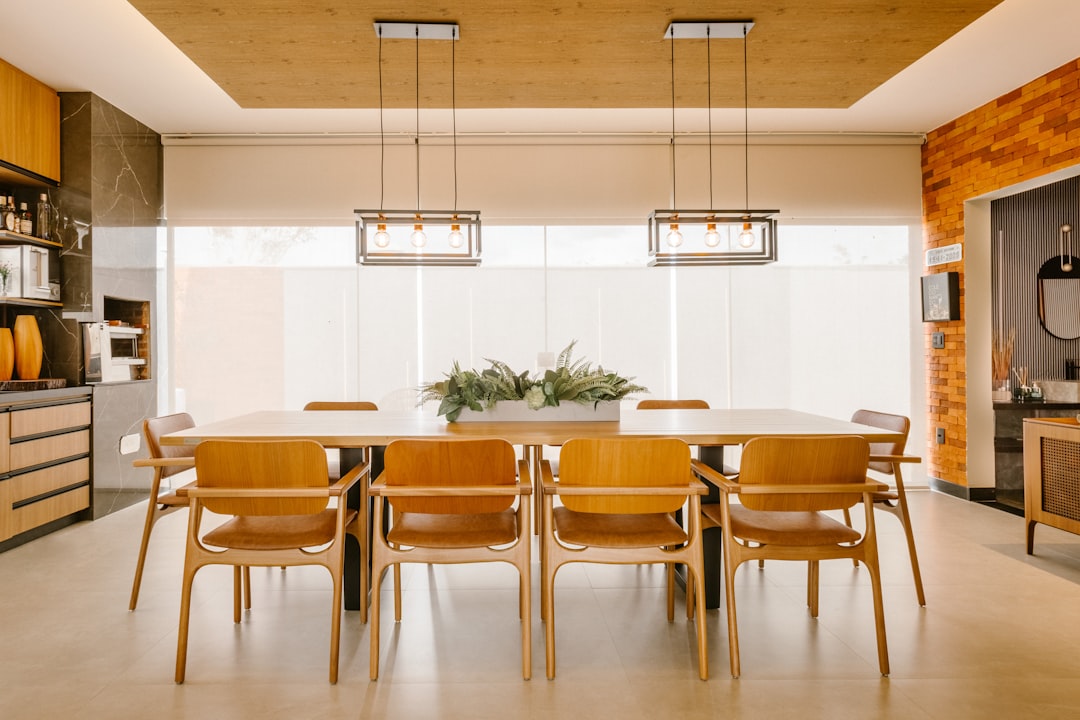
The clear glass dining table remains one of the most persistently popular choices despite its well-documented practical shortcomings in everyday home life. Every meal leaves behind a visible record of smudges and food marks that require immediate and thorough cleaning to keep the surface presentable. The transparency that makes the piece feel open and light in showroom conditions works against it in a functioning home by exposing table legs and chair structures to constant view. Cheaper versions use thinner glass panels that carry an audible and tactile fragility that makes daily use feel precarious. The combination of high maintenance requirements and visual clutter beneath the surface makes this table a reliable source of ongoing frustration.
Shag Rug
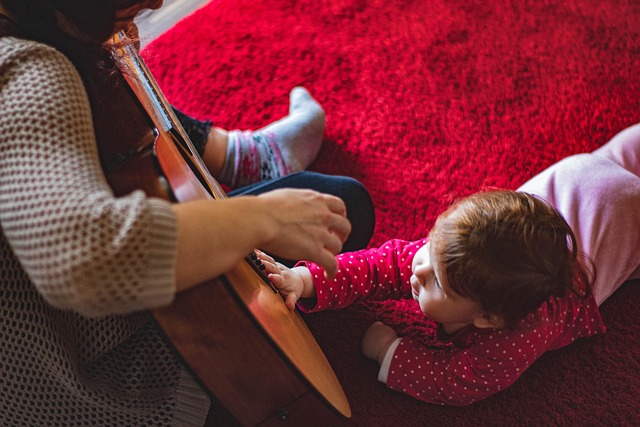
The high-pile shag rug presents an immediate sensory appeal that fades quickly when practical realities begin to assert themselves in daily home life. Debris and crumbs disappear into the long fibres and require specialised cleaning equipment to extract effectively. Foot traffic flattens the pile unevenly over time creating a patchy surface that is difficult to restore through regular vacuuming alone. The synthetic versions most commonly available at accessible price points carry a visual density that makes rooms feel smaller and harder to keep visually clean. The gap between how the rug looks on arrival and how it looks after six months of normal use is one of the more dramatic in all of home furnishing.
Cube Storage Unit
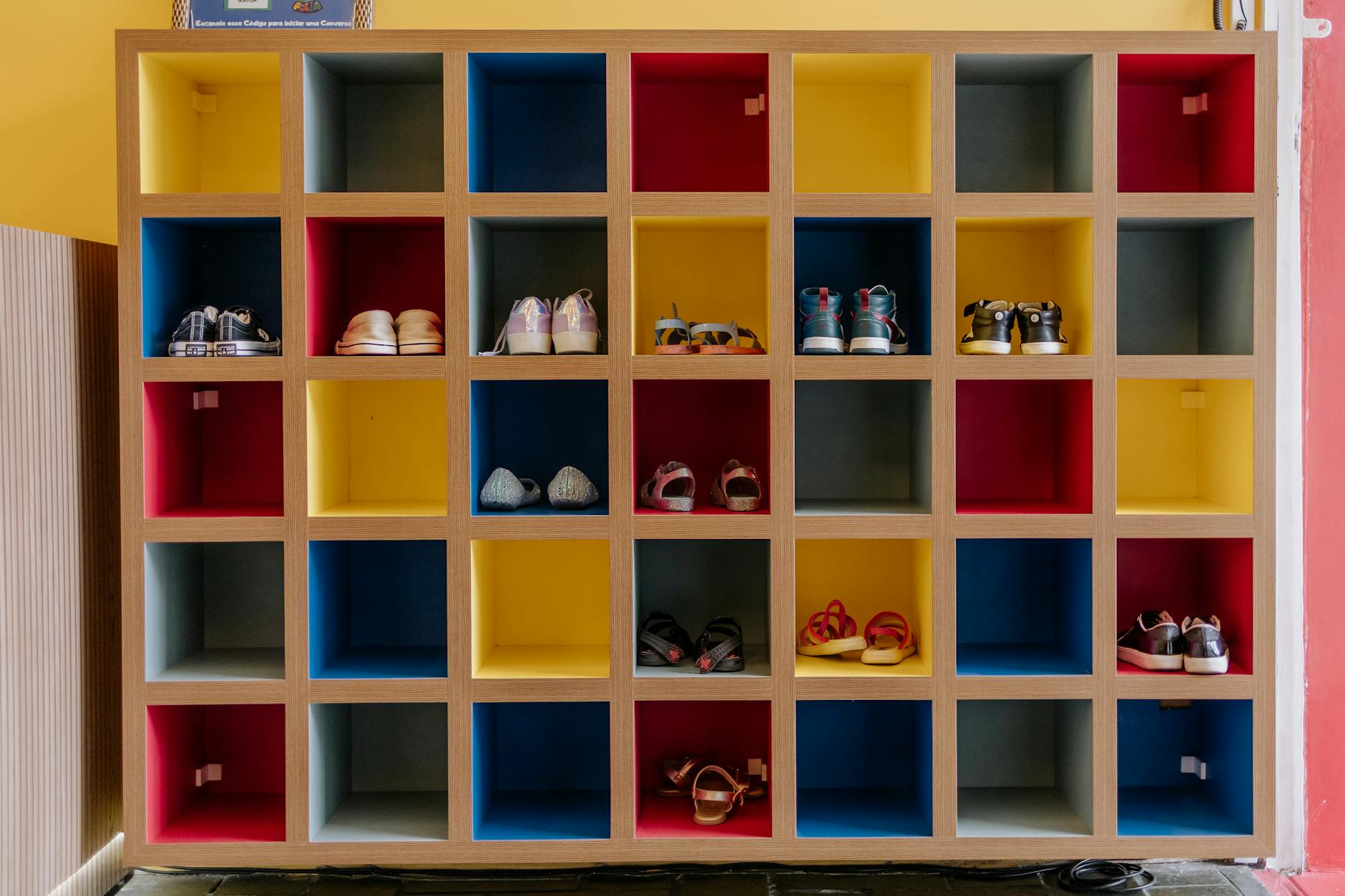
The modular cube storage unit has been a fixture of budget home organisation for decades and its limitations are now thoroughly understood by experienced home designers. The flat-pack construction relies on cam locks and wooden dowels that loosen over time causing visible sagging between the shelf panels. The rigid grid format offers no visual relief and tends to make a wall of storage look more institutional than domestic. Styling with fabric boxes or baskets rarely resolves the underlying visual heaviness of the structure itself. The piece communicates practicality without disguising it which in a living space reads as an absence of considered design rather than a virtue.
Neon Sign

The decorative neon sign moved from commercial and hospitality settings into domestic interiors with considerable enthusiasm across home décor media and retail. The novelty of the piece diminishes rapidly as the fixed phrase or image it displays offers no variation regardless of the mood or function of the room. LED versions produced to meet residential demand lack the warmth and depth of genuine glass tube neon making them look unconvincing in person. The coloured light cast across walls and ceilings creates a tonal shift that competes with all other lighting choices in the space. A room organised around a statement neon sign tends to feel decorated for photography rather than designed for living.
Papasan Chair
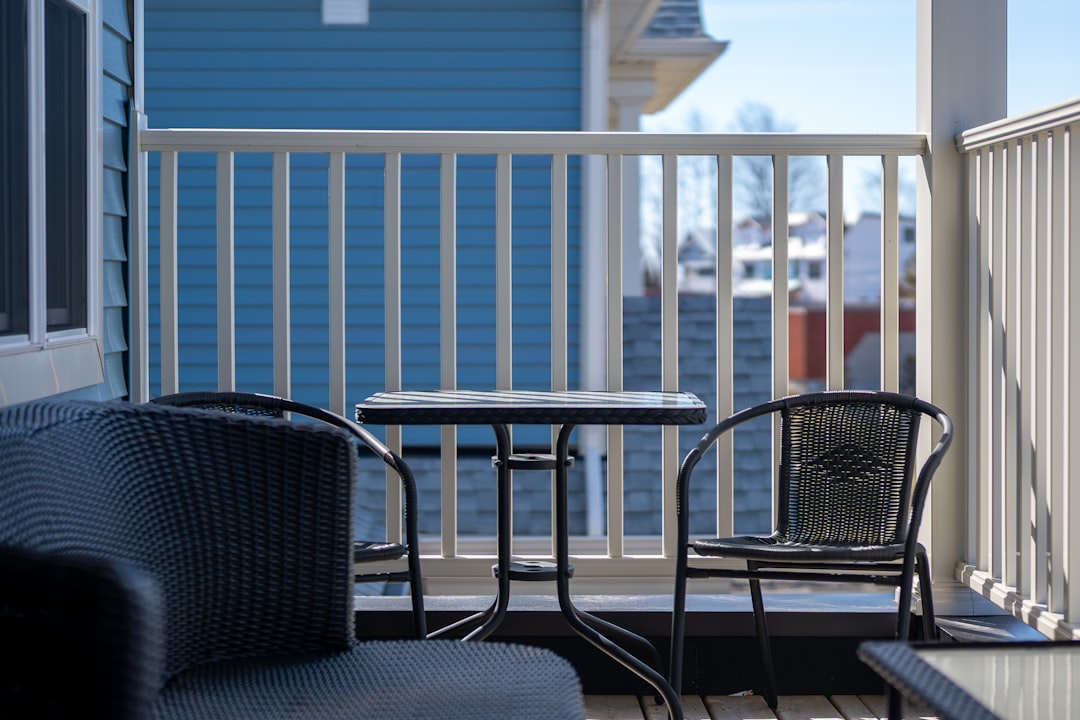
The papasan chair has existed on the periphery of mainstream home furnishing for several decades without ever fully resolving its central tension between visual softness and practical usability. The bowl-shaped seat provides no lateral support and makes sustained comfortable seating difficult for most body types. The rattan base construction in budget versions tends to creak and flex in ways that feel precarious despite the chair being structurally adequate. The large circular silhouette consumes floor space disproportionate to the actual seating area it provides. Its persistent presence in student accommodations and entry-level apartments has given it strong associations with transitional living rather than permanent and considered home design.
Barn Door
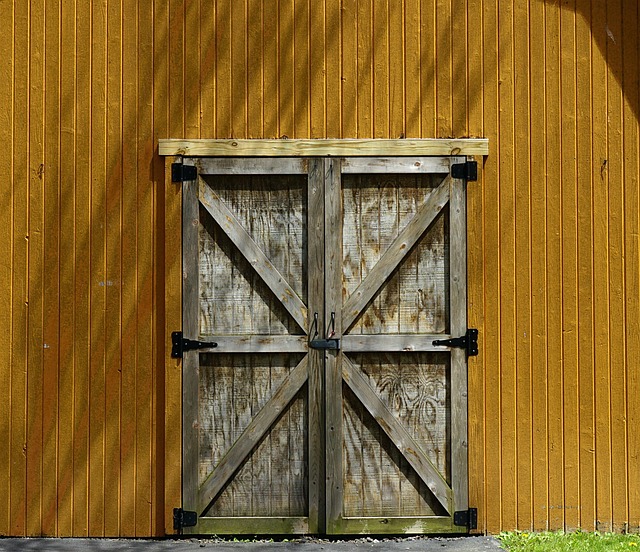
The sliding barn door entered residential interior design as a clever space-saving solution before retail saturation transformed it into one of the most reliable markers of a dated renovation. The hardware track system requires precise installation and misalignment is common in DIY applications resulting in doors that drag and skip along the rail. The aesthetic connects to a very specific farmhouse design language that clashes with most contemporary and urban interior palettes. Sound and light transmission through and around the door is significantly worse than a conventional hinged door making it a poor functional choice for rooms requiring privacy. The moment a design element becomes a standard offering in flat-pack home improvement retail it has typically passed the point of serving as a meaningful personal expression.
Wire Metal Chair
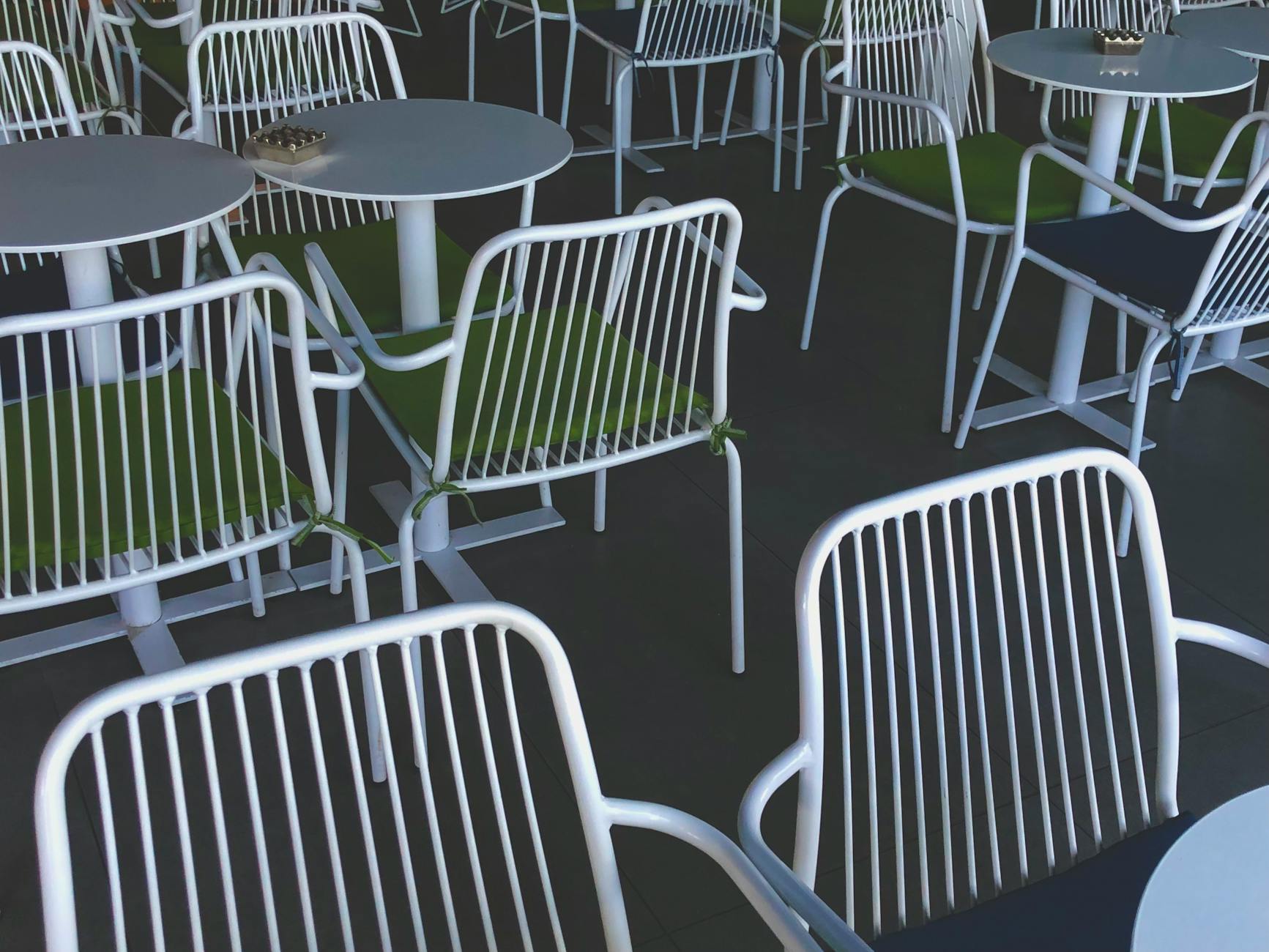
The powder-coated wire metal chair followed a trajectory from design gallery curio to mass-market ubiquity that stripped it of the considered edge it originally carried. The open wire construction that gives the piece its visual lightness also makes it genuinely uncomfortable for extended sitting without the addition of a separate cushion. Most budget versions use lightweight gauge wire that flexes noticeably under pressure and produces an unstable seating experience. The industrial aesthetic requires careful coordination with surrounding furniture to avoid the dining or workspace feeling unfinished. A table surrounded by wire metal chairs tends to feel assembled from individually purchased pieces rather than conceived as a coherent space.
Massage Chair
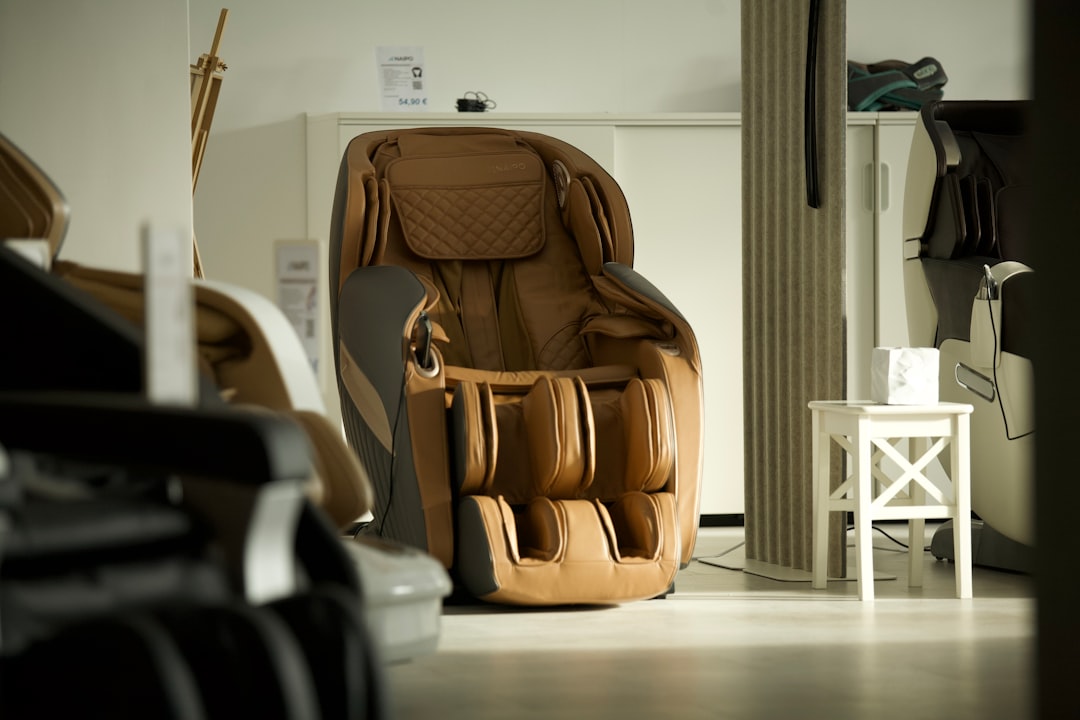
The full-size massage chair occupies more floor and visual space than almost any other single piece of furniture a domestic interior is likely to contain. The combination of moulded plastic panels and synthetic upholstery in standard consumer models creates a surface texture and colour palette that resists integration with any considered decorative scheme. The scale and mechanical complexity of the piece makes it the dominant visual element in any room it enters regardless of how the remaining furniture is arranged. Most owners report using the massage function far less frequently than anticipated once the novelty of the purchase recedes. The gap between the space and visual disruption the chair demands and the actual frequency of its use makes it one of the more difficult furniture investments to justify in a home designed to look as well as function well.
TV Bed Frame
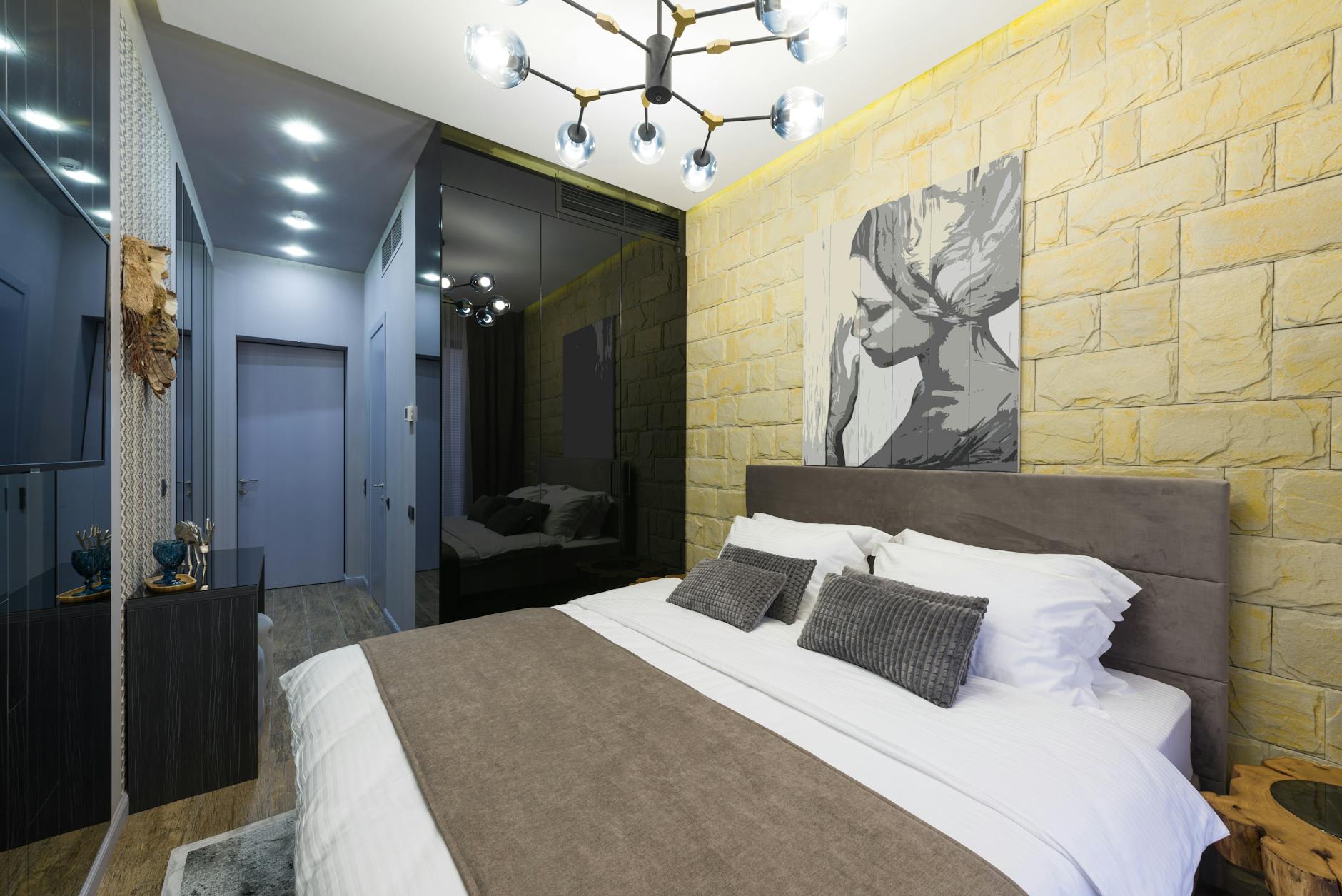
The television bed frame integrates a pop-up or fixed screen into the footboard structure as a solution to the question of where to place a bedroom television. The motorised mechanism introduces a point of mechanical complexity into the bedroom environment that is statistically likely to require servicing over the lifespan of the piece. The footboard television placement puts the screen at an angle and distance from the viewer that ergonomic guidance consistently identifies as suboptimal for comfortable extended viewing. The visual presence of the screen housing dominates the room during all waking hours regardless of whether the television is in use. The bed frame communicates a set of lifestyle priorities that most considered bedroom design deliberately works to avoid by separating the sleeping environment from media consumption.
Hammock Chair

The indoor hanging hammock chair introduces the aesthetic and physical vocabulary of outdoor leisure directly into a domestic living space. The installation requirements are significant as proper load-bearing fixings in a ceiling or wall stud are essential for safe use and are frequently underestimated during purchase. The swinging motion and lack of rigid back support make it unsuitable as a primary seating option for activities requiring stillness or focus. Cotton and fabric weave versions absorb odours and are difficult to launder regularly given the complexity of removing and reattaching the hanging hardware. The piece works effectively in a very specific bohemian or tropical interior language and reads as incongruous in any other domestic context.
Futon
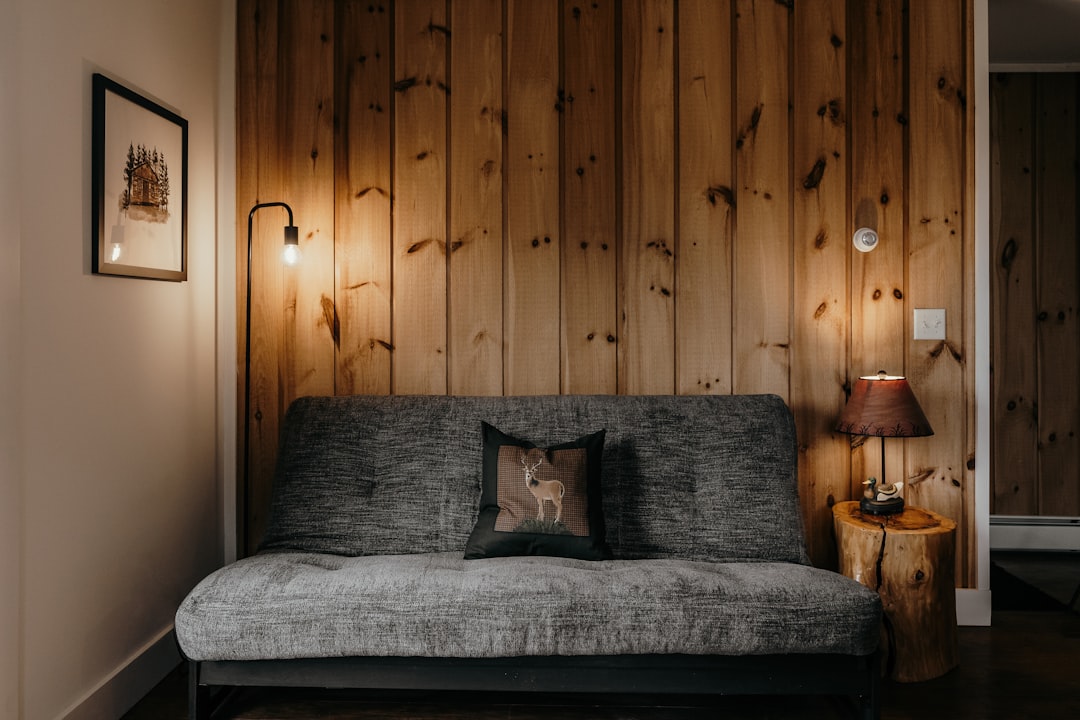
The futon exists in a permanent state of compromise between sofa and bed that satisfies the requirements of neither function with any particular distinction. The folding mechanism stiffens over time and the transition between configurations becomes an effortful process that discourages frequent adjustment. Standard mattress thickness in consumer futons is insufficient to provide the support expected from either a proper mattress or a well-padded sofa seat. The visual association with student accommodation and temporary living arrangements is strong enough that the piece carries those connotations into any space it enters. The futon communicates a practical limitation being managed rather than a deliberate and confident interior decision.
Bean Bag
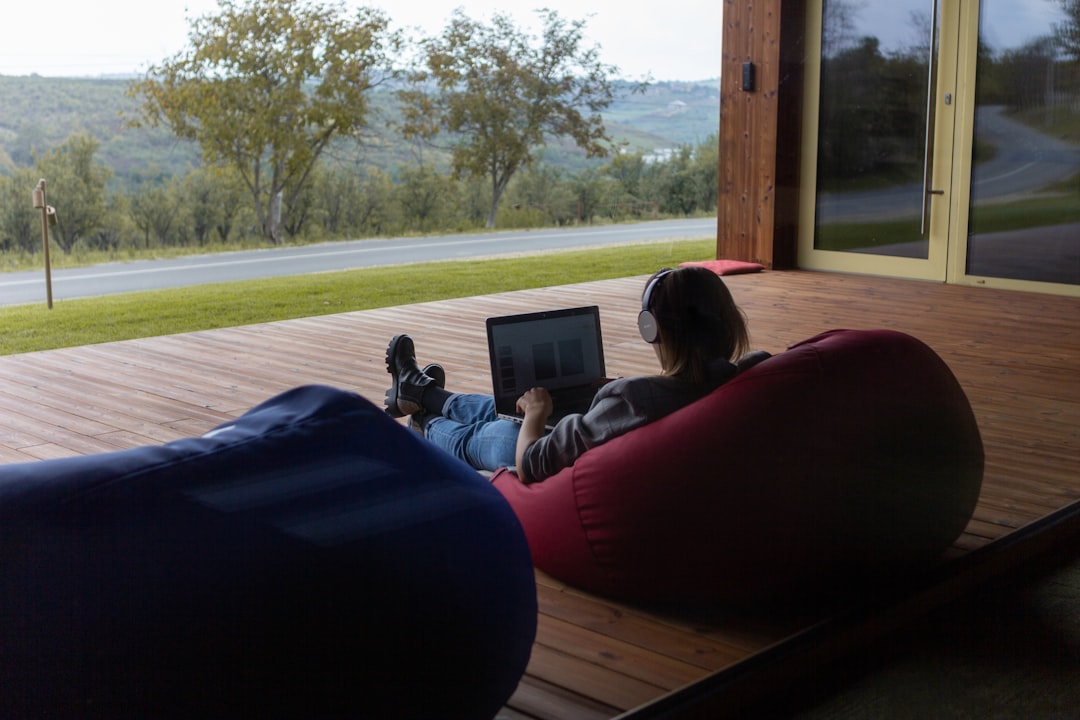
The oversized bean bag chair presents its appeal most convincingly in marketing contexts where lighting and staging suppress the practical concerns it generates in everyday home life. The outer fabric compresses and distorts with use creating an irregular surface shape that is difficult to restore to its original form without manual reshaping. Inner filling migrates over time and the polystyrene bead versions produce an audible crunching sound with any movement that becomes a persistent background feature of the room. Cleaning the outer cover requires complete disassembly which most users avoid resulting in a piece that accumulates significant wear between washes. The bean bag signals a deliberate informality that works in dedicated playrooms or media rooms but undermines the design intention of any space with broader domestic ambitions.
Tall Corner Shelf
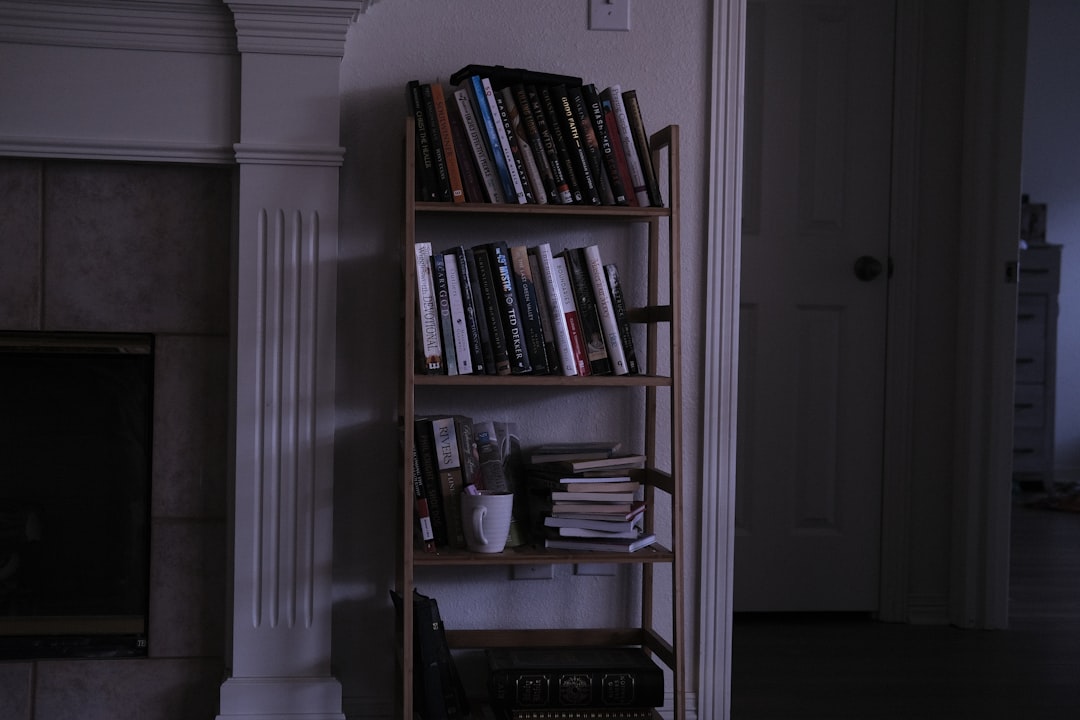
The tall freestanding corner shelf unit arrives as a solution to unused angular space but introduces a set of visual and structural complications that frequently outweigh its storage benefits. The narrow shelves and irregular depth created by the corner format make it genuinely difficult to display objects in a way that looks considered rather than crowded. Most consumer versions in the medium price range are not secured to the wall and carry a visible instability that makes them unsuitable in homes with children or high-traffic spaces. The vertical column of mixed objects that the unit tends to accumulate creates a visual anchor in the corner that draws the eye without rewarding it. Corner furniture as a category tends to highlight the awkwardness of the space it occupies rather than resolve it.
Loft Bed
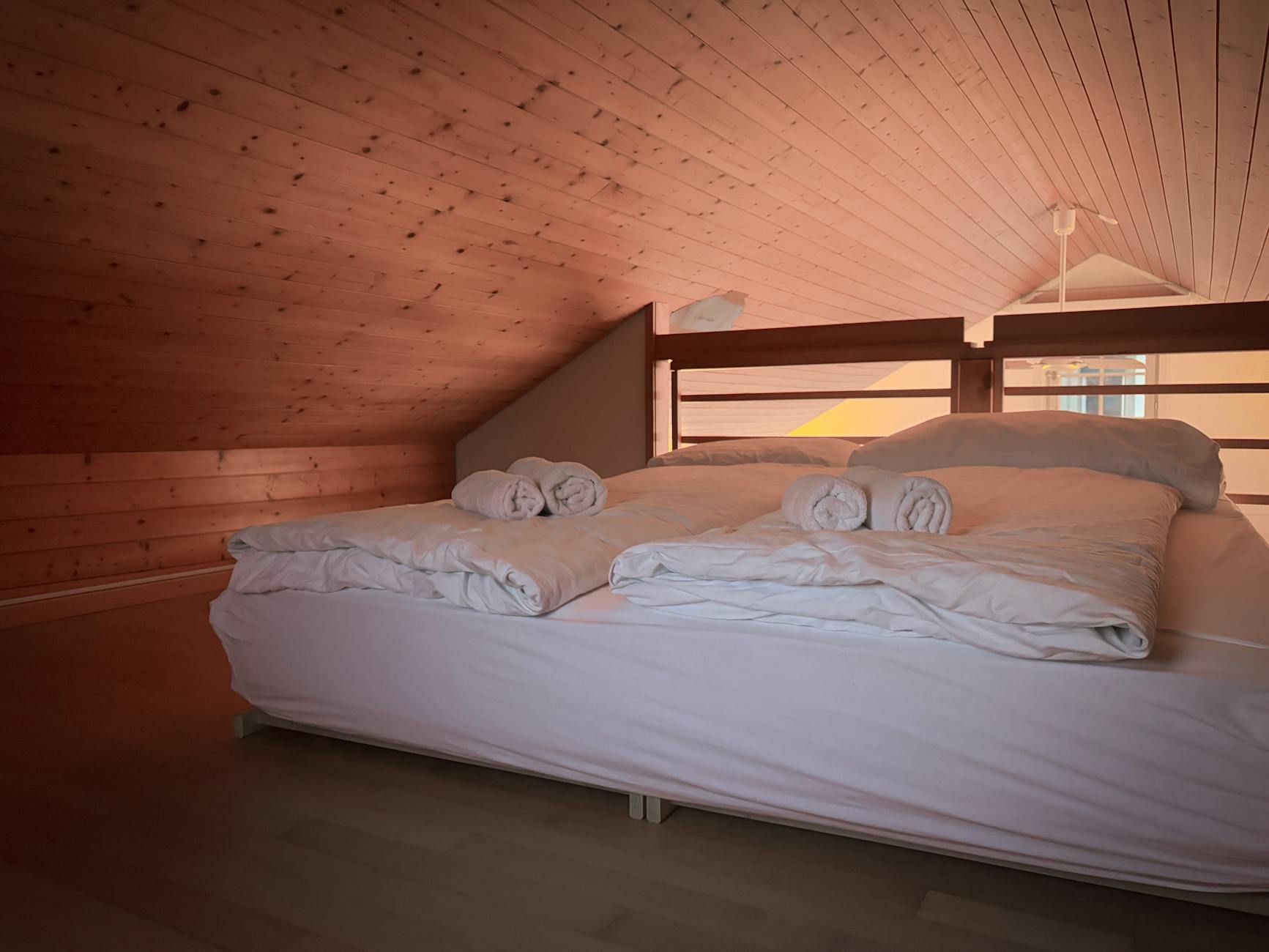
The adult loft bed carries its associations with childhood bedrooms and university dormitories into every domestic context it enters regardless of how the surrounding space is styled. Climbing in and out of a raised sleeping platform becomes a progressively less appealing physical requirement as users move through their adult years. The space beneath the sleeping platform is rarely deep enough to accommodate a full desk or seating area with comfortable headroom making the practical gain less significant than anticipated. Most consumer versions are made from pine or engineered wood that carries visible joins and brackets giving the piece an assembled and temporary quality. The loft bed communicates a space constraint being managed with ingenuity rather than a home that has been designed with intention and resources.
Upholstered Bed Frame
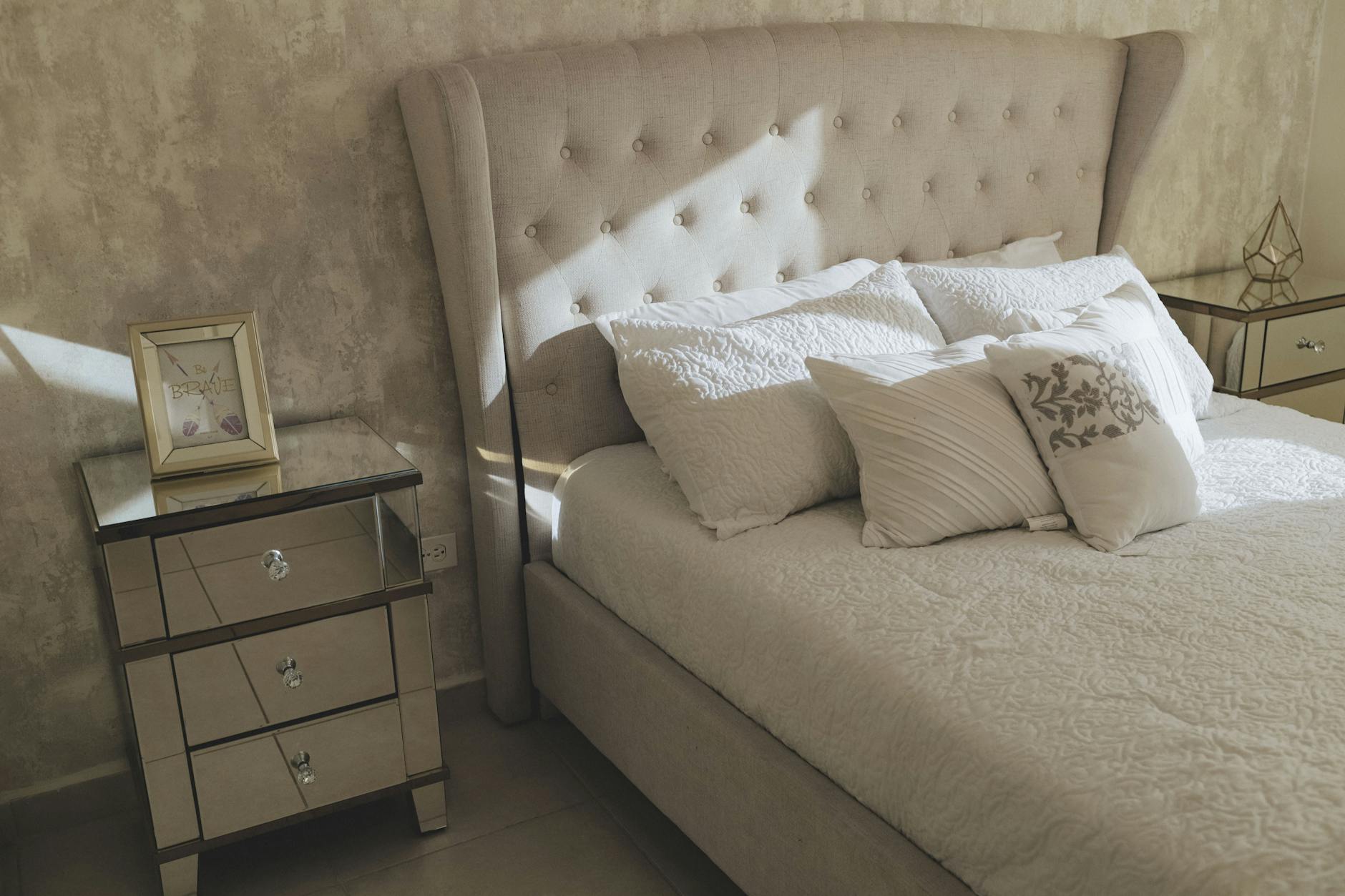
The fabric upholstered bed frame became one of the dominant bedroom furniture trends of the past decade and the market responded with an overwhelming volume of nearly identical products at accessible price points. Light coloured linen and velvet versions show every mark and shadow making the headboard a high-maintenance surface in a room where daily contact is unavoidable. The padded upholstery absorbs odours over time and cannot be spot cleaned effectively without leaving visible tide marks on the fabric. The tufted button detailing that most versions share has become so widespread that the style now carries a generic rather than aspirational quality. A bedroom centred on a budget upholstered frame tends to look assembled from a single online retailer page rather than curated over time with individual intention.
If any of these pieces have found their way into your home, share your experience in the comments.




