
First impressions are formed within seconds, and what you wear sends immediate signals to everyone around you. Certain wardrobe choices have a well-documented tendency to undermine credibility before a single word is spoken. These missteps are common, easy to make, and often entirely unintentional. Understanding them is the first step toward presenting a more polished and trustworthy image in any setting.
Overly Distressed Denim

Heavily ripped jeans have long been associated with casual weekend wear rather than environments that demand trust and competence. When worn in professional or semi-formal contexts they create a visual disconnect between the wearer and the expectations of those around them. Research in social perception consistently shows that visible clothing damage lowers assessments of reliability. The effect is amplified when the distressing appears artificial or factory-produced rather than naturally worn over time.
Novelty Ties
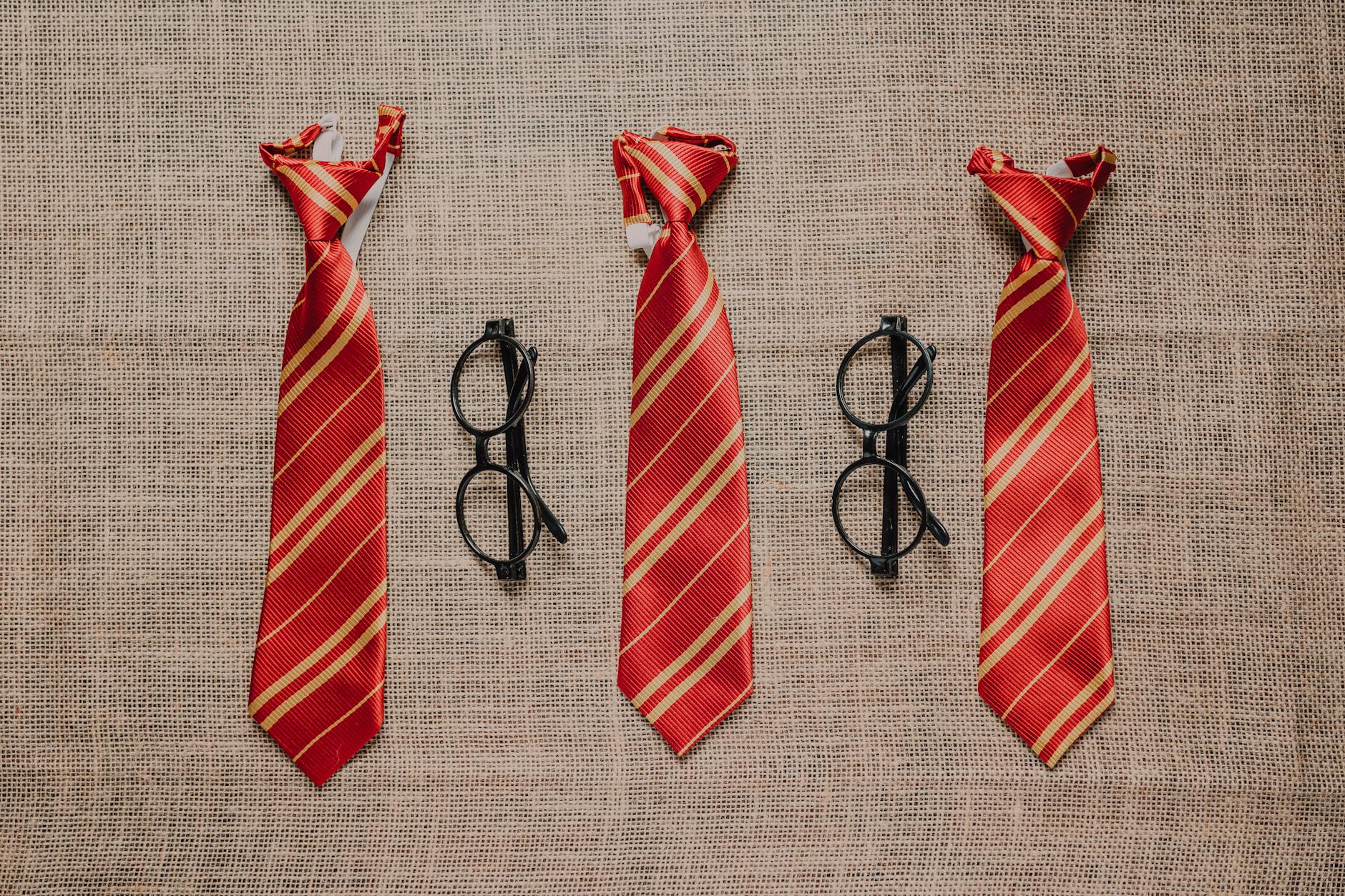
A tie featuring cartoon characters or loud novelty patterns immediately draws attention away from what the wearer is saying. In business and formal social settings neckwear functions as a signal of intention and seriousness toward the occasion. Novelty designs are widely interpreted as an unwillingness to meet baseline professional expectations. Studies in workplace psychology have found that unconventional accessories reduce perceived authority in first-encounter situations.
Visible Undergarments

Undergarments that are clearly visible through fabric or above waistbands consistently register as a lack of self-awareness in social psychology research. This includes visible bra straps in formal contexts and underwear waistbands rising above trouser lines. Observers across professional and social settings rate visible undergarments as one of the most immediate credibility-reducing wardrobe signals. The impression formed is one of carelessness rather than intentional style.
Ill-Fitting Suits

A suit that does not fit the body correctly communicates that either the wearer borrowed it or cannot distinguish between well-made and poorly-made clothing. Shoulders that extend beyond the natural shoulder line and sleeves that cover the hands are among the most commonly noted fit issues. Tailoring is widely understood among style professionals as the single most impactful factor in the credibility projected by formal clothing. An expensive suit worn poorly consistently scores lower in trust assessments than a modestly priced suit worn with a proper fit.
Logo Overload
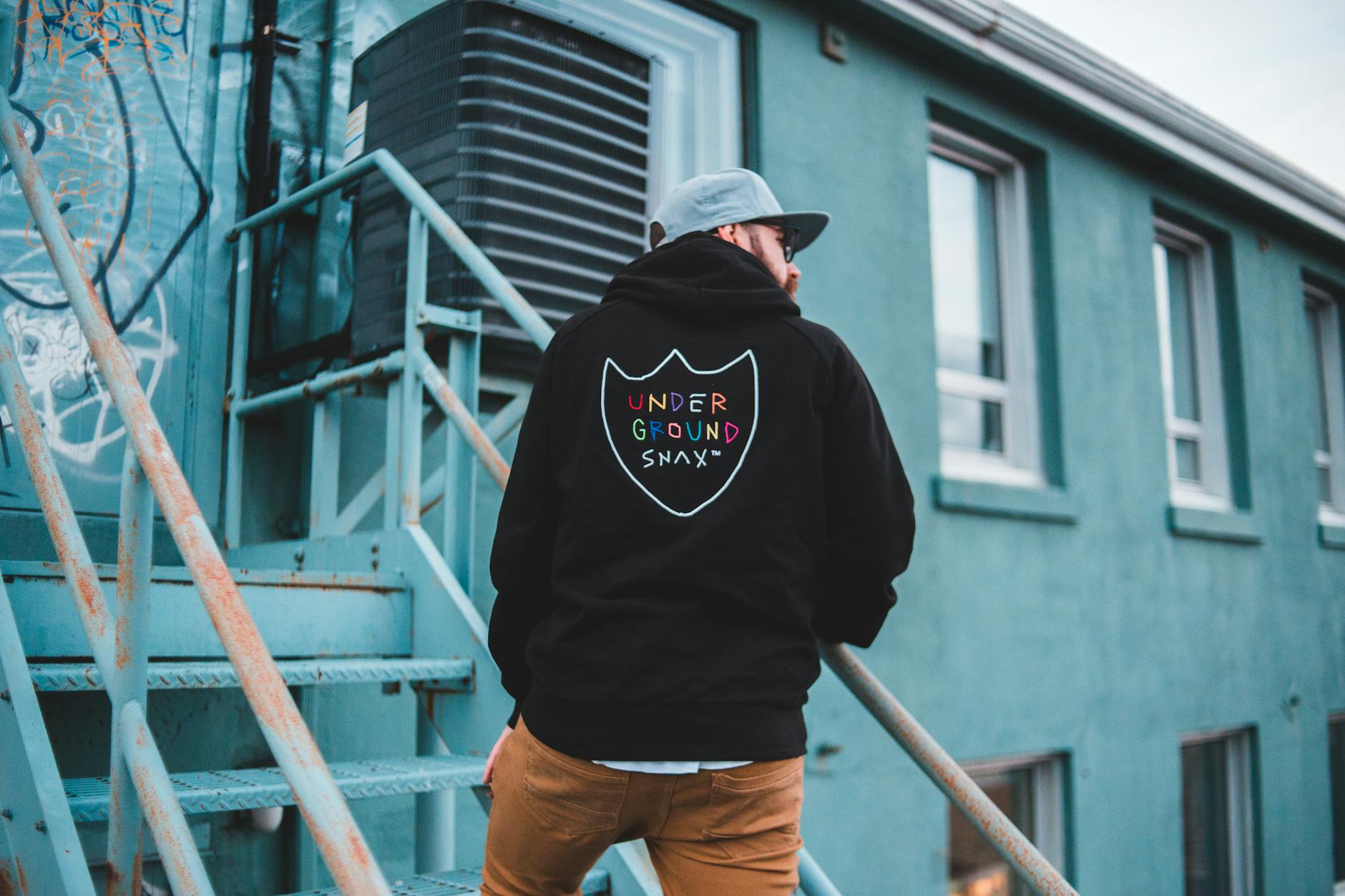
Wearing multiple pieces of heavily branded clothing at once shifts focus from the person to the labels they are displaying. This pattern is frequently interpreted as an attempt to signal status through external markers rather than earned confidence. Fashion researchers have noted that excessive visible branding correlates with lower perceived authenticity in professional contexts. Restraint in branding is consistently associated with greater personal credibility across cultures.
Wrinkled Shirts

A visibly wrinkled shirt is one of the fastest ways to signal disorganization before an interaction has even begun. The connection between pressed clothing and preparedness is deeply embedded in professional culture across industries. Wrinkles draw the eye and create a general impression of someone who did not allocate time or attention to their presentation. Even high-quality shirts lose much of their visual authority when worn without proper care.
Cheap Dress Shoes
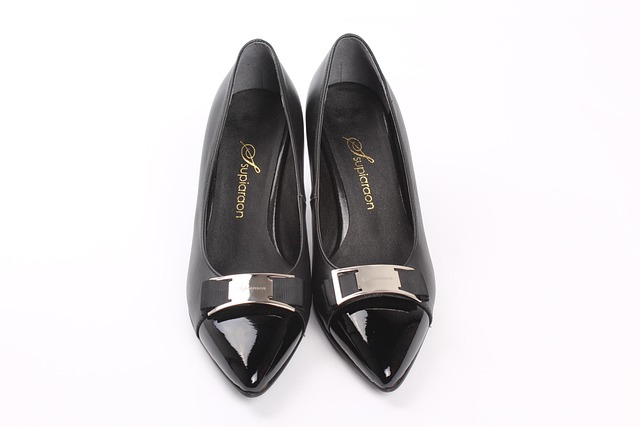
Footwear is one of the most observed details in professional settings according to multiple studies on impression formation. Shoes made from synthetic materials with visible stitching inconsistencies or poor sole construction are quickly identified by experienced observers. The disconnect between an otherwise presentable outfit and low-quality footwear creates an impression of incomplete attention to detail. Well-maintained leather or leather-look shoes at any price point consistently outperform poorly constructed alternatives in credibility assessments.
Stained Clothing
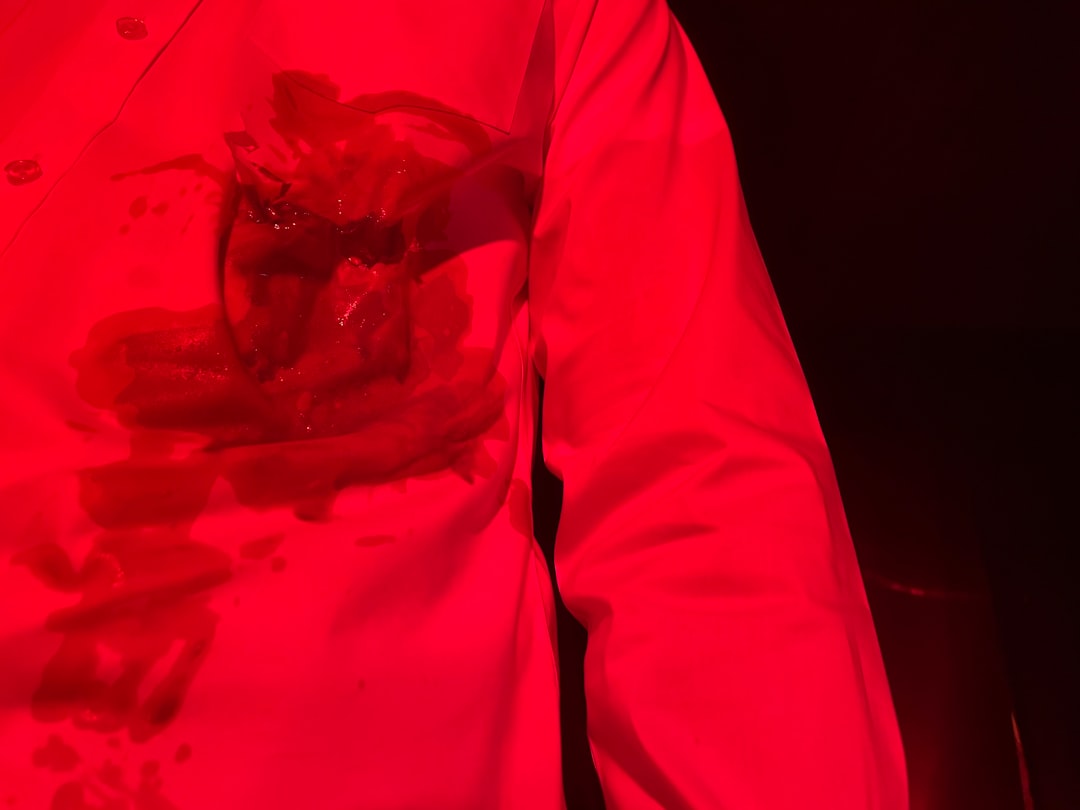
Visible stains on any garment send an immediate and powerful signal of inattention to personal presentation. Even a small mark in a visible location draws disproportionate focus and becomes the defining detail of an outfit. Research in social cognition shows that observable cleanliness issues are among the hardest first impression negatives to overcome. The assumption formed is not simply that the person had an accident but that they either did not notice or did not consider it worth addressing.
Overly Casual Footwear

Flip-flops and sliders worn in contexts that call for more structured footwear consistently undermine the wearer’s perceived seriousness. This applies in settings ranging from business casual environments to social occasions where a basic level of dress is implied. The informality of open footwear clashes with the expectations associated with adult professional life in most cultural contexts. Observers interpret this choice as either a misreading of the room or a deliberate rejection of shared standards.
Synthetic Fabrics
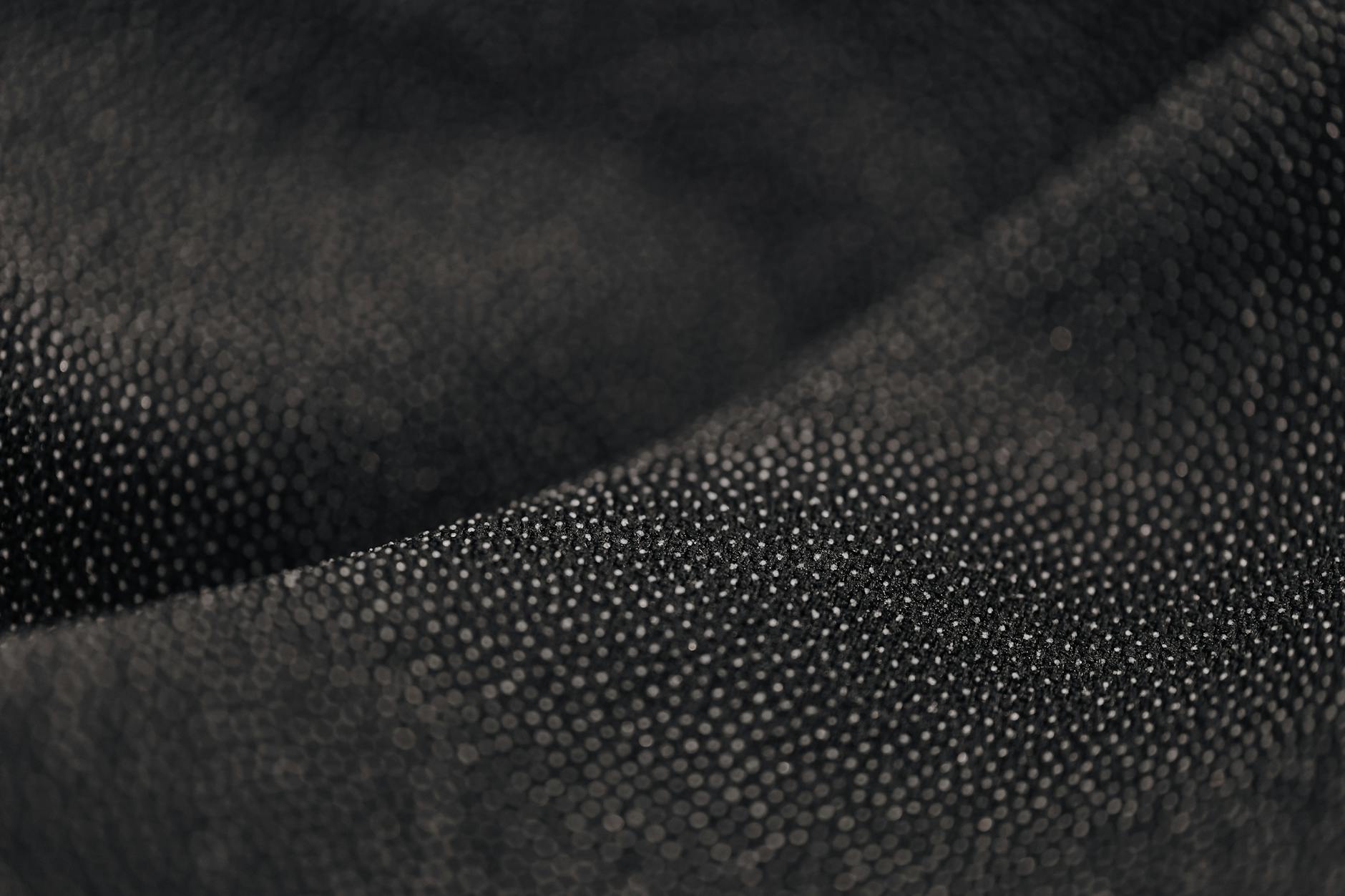
Clothing made from low-grade synthetic fabrics creates visual and tactile signals that are quickly registered by others. These materials tend to pill catch light unevenly and lose their shape after limited wear in ways that natural or high-quality blended fabrics do not. In environments where trust and competence are being evaluated fabric quality plays a measurable role in overall impression formation. Polyester blends worn in formal contexts are consistently rated lower in professionalism assessments than comparable natural fiber garments.
Cartoon Graphic Tees

Graphic t-shirts featuring cartoon imagery worn in anything beyond genuinely casual contexts create an immediate mismatch in perceived maturity. The brain processes visual information before verbal cues are absorbed which means a cartoon graphic registers before any other personal quality is communicated. Consumer research has shown that graphic tees featuring intellectual or artistic imagery fare somewhat better but still carry limitations in credibility contexts. The setting determines everything and misjudging that context is itself the credibility problem.
Mismatched Formality

Pairing items from significantly different formality registers creates visual confusion that undermines the overall impression of intentionality. A formal blazer worn over gym shorts or dress trousers paired with a hoodie are common examples of this mismatch. Style researchers describe this effect as creating cognitive dissonance in the observer who cannot quickly categorize the wearer. Outfits that sit clearly within a single formality level are consistently perceived as more trustworthy and self-aware.
Faded Black Clothing
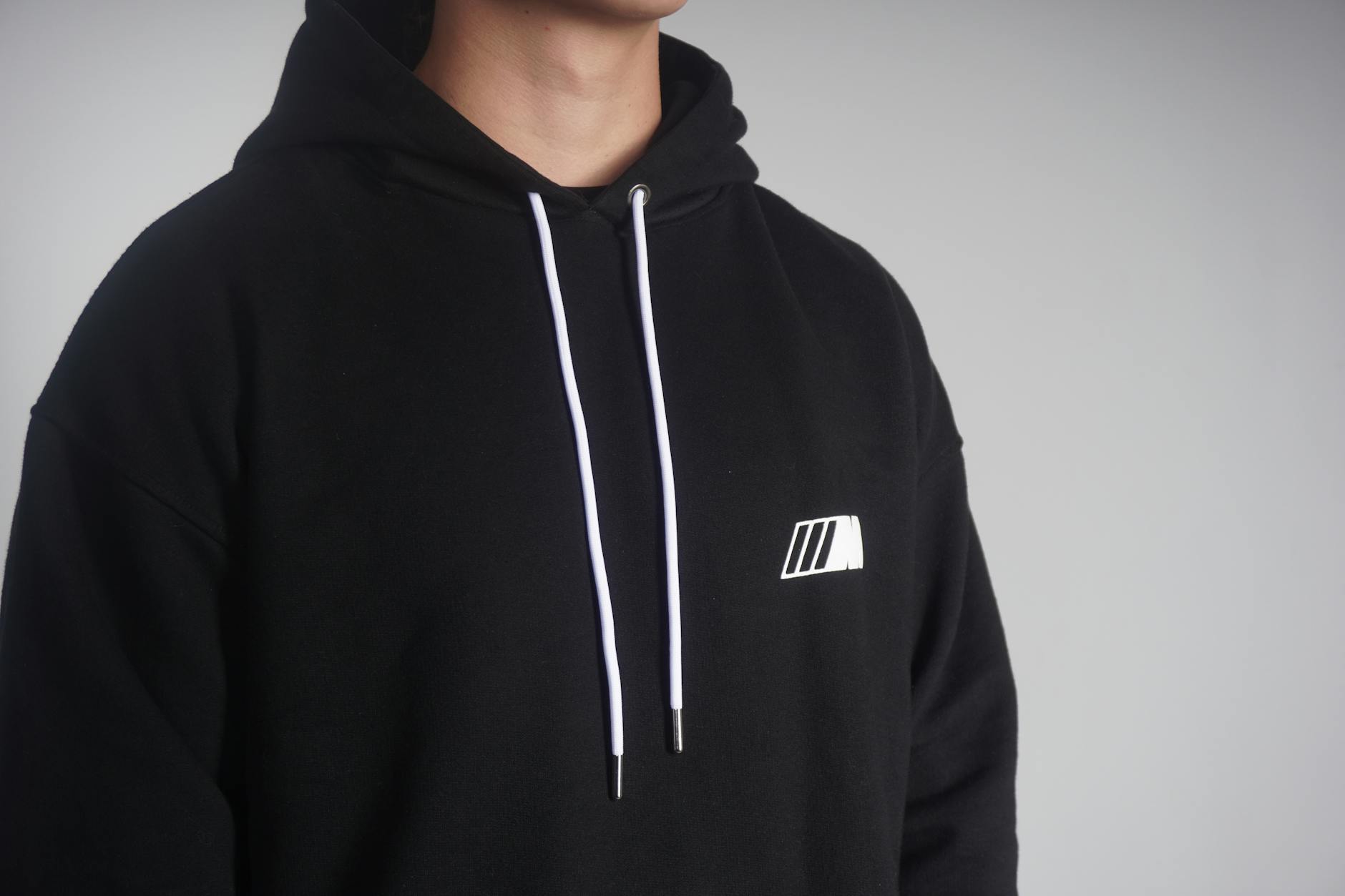
Black clothing that has faded to an uneven grey-brown tone is one of the most common signals of inattention to wardrobe maintenance. This is particularly noticeable under artificial lighting where the uneven fade becomes highly visible. The problem is compounded when faded black pieces are mixed with true black items in the same outfit creating an obvious inconsistency. Replacing or properly maintaining black garments is a basic wardrobe standard that has a measurable effect on overall presentation quality.
Excessive Accessories
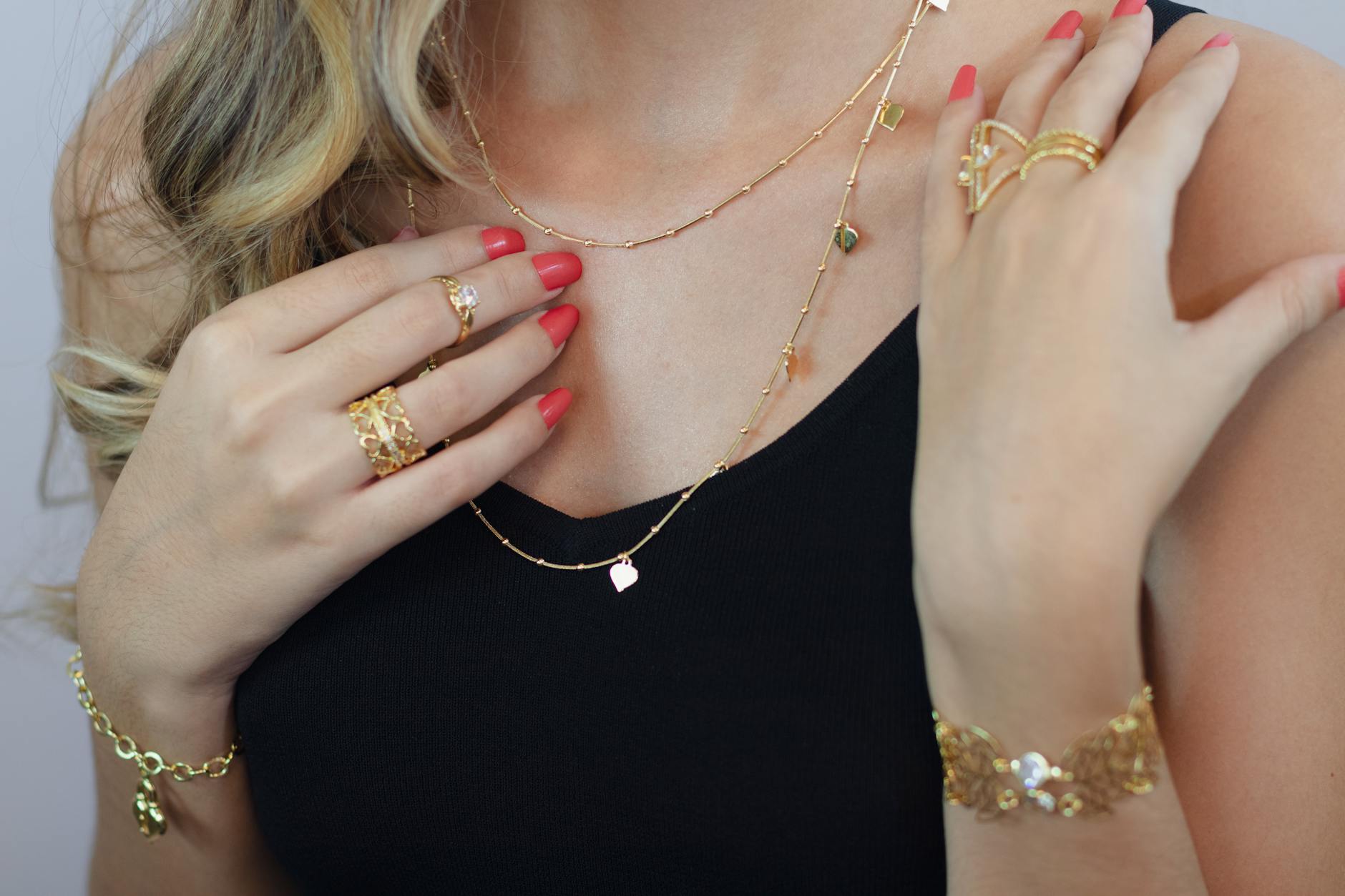
Wearing a large number of accessories simultaneously diffuses the visual impression of the outfit and creates a sense of overcrowding in the overall look. Multiple chunky rings heavy chain necklaces oversized watches and statement earrings worn together compete for attention. Consumer psychology research has noted that accessory restraint is consistently associated with perceived confidence and social calibration. The principle applied by most style professionals is that removing one item before leaving the house improves the overall effect.
Party Sunglasses

Novelty or costume-style sunglasses worn in everyday contexts immediately register as a failure to distinguish between appropriate settings. Heart-shaped frames oversized clown proportions and LED-lit styles all carry strong associations with fancy dress and performance. Eyewear is one of the most face-proximate accessories which means unusual choices there draw more attention than unusual choices elsewhere on the body. The social inference drawn is one of poor situational awareness regardless of the wearer’s actual abilities.
Unironed Linen

Linen is a fabric widely associated with warm-weather elegance and relaxed sophistication when worn correctly. However linen that has been left completely unattended produces deep structural creases that differ meaningfully from the light natural texture the fabric is known for. The difference between the effortless texture of quality linen and the collapsed look of fully wrinkled linen is immediately visible to observers. Wearing heavily creased linen in any context beyond a beach setting is consistently read as a failure of basic garment care.
Visible Sock Mismatch
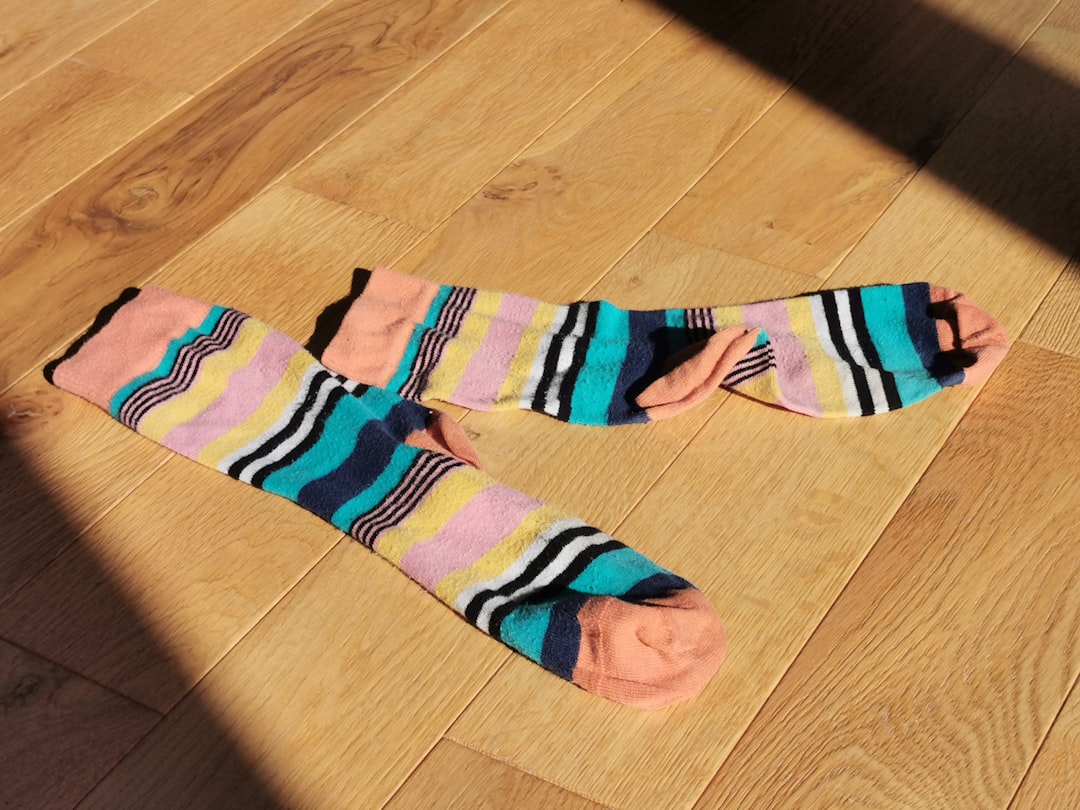
Mismatched socks that are visible above the shoe line in formal or professional contexts register as either absent-mindedness or a misjudged attempt at quirky personal branding. The intentional mismatched sock trend exists in casual and creative contexts but translates poorly to environments where trust is being established. Observers in professional settings have been shown to rate visible sock inconsistencies as a signal of reduced attention to detail. The item is small but its location at the base of the full outfit means it anchors the entire visual impression.
Costume Jewelry Excess
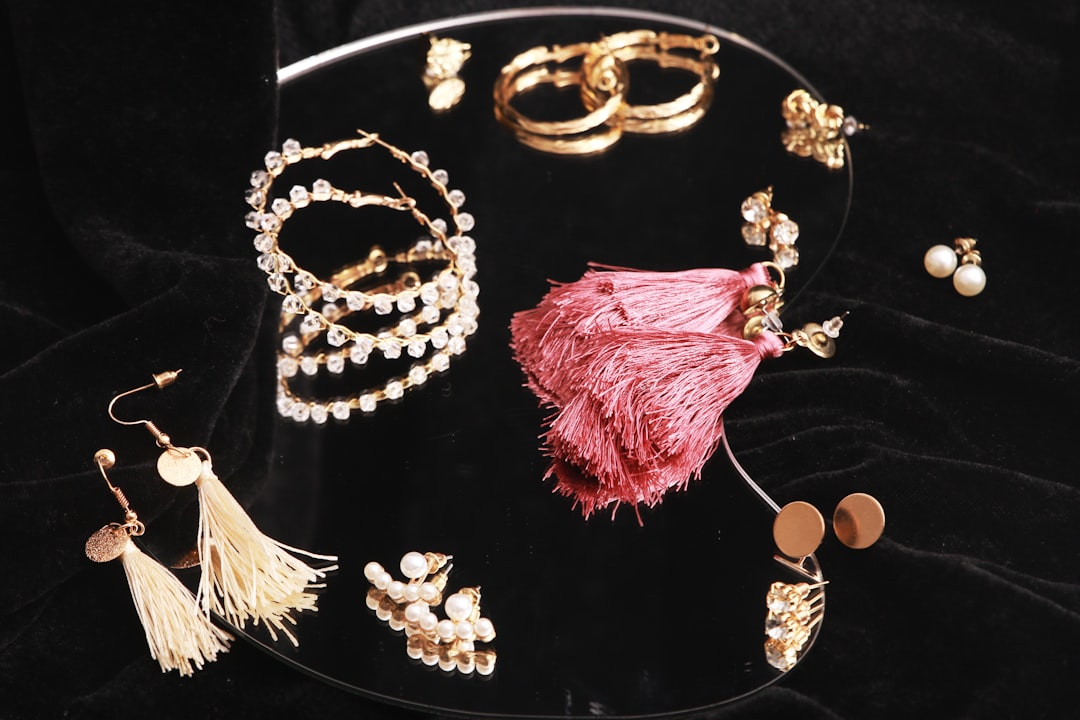
Large quantities of costume jewelry worn together in professional settings immediately reduce the perceived investment a person has made in their appearance. The visual signals of lightweight plastic or base metal construction are quickly processed by observers familiar with quality materials. This is not about cost but about the cumulative visual effect of many low-detail pieces worn simultaneously. A single well-chosen piece of modest jewelry consistently outperforms a collection of inexpensive items in credibility assessments.
Sheer Clothing

Garments that are unintentionally sheer due to fabric weight or wear create an immediate impression of poor planning or limited awareness of how clothing performs in different lighting. The issue arises most commonly with white or light-coloured shirts worn without appropriate underlayers. Observers in professional contexts identify sheerness as one of the more uncomfortable wardrobe miscalculations because it implies the wearer was not fully aware of how they appeared. The solution is straightforward and well-known which is why the misstep reads as an oversight rather than a stylistic choice.
Sports Jerseys
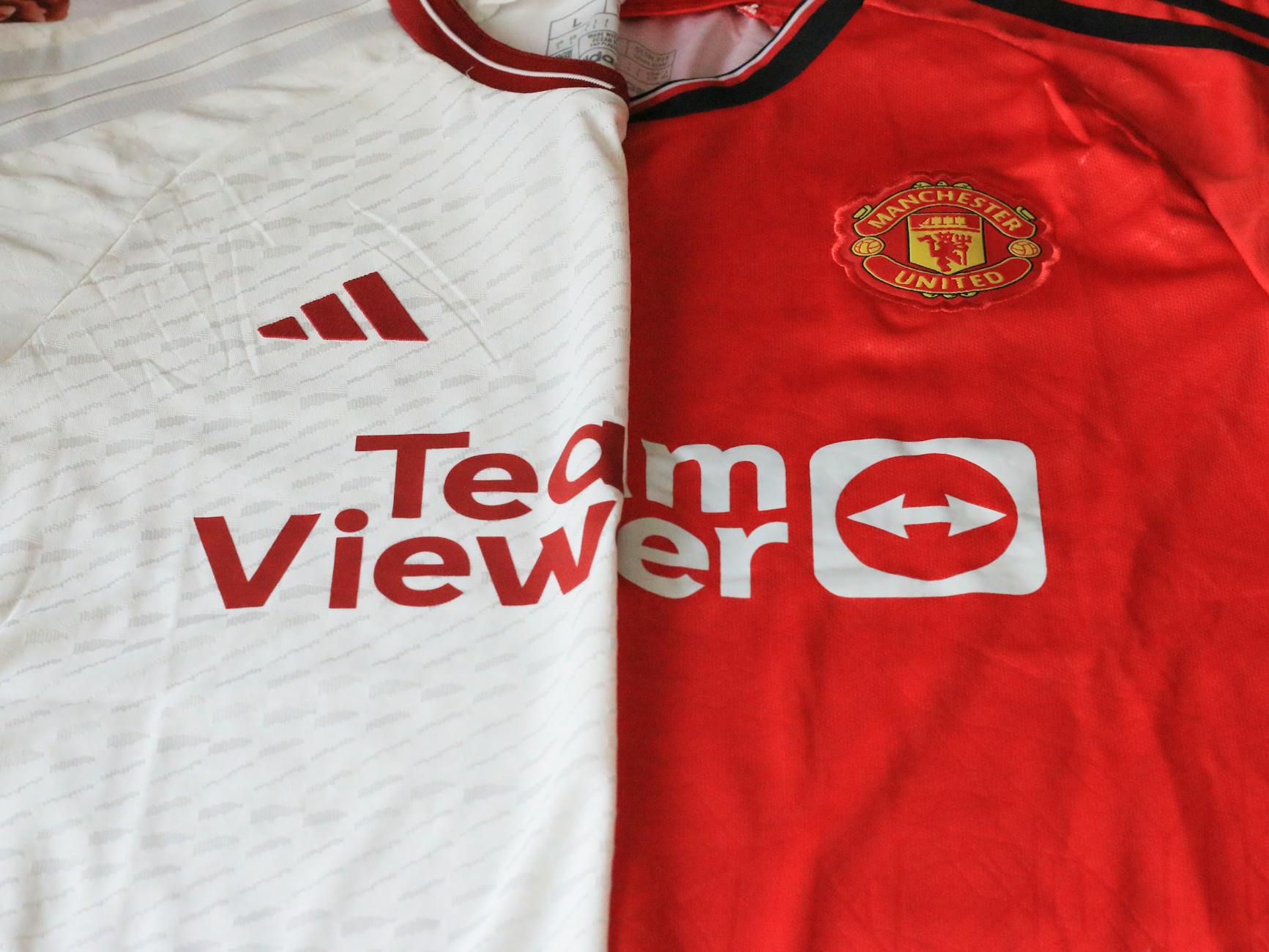
Wearing a sports jersey in non-sporting contexts places strong tribal and casual associations onto the wearer that are difficult to move past in impression formation. Outside of a stadium or a designated viewing event a jersey signals a priority toward fan identity over contextual awareness. Social perception research has shown that sports jerseys in non-sports contexts lower assessments of professional seriousness more than almost any other single casual garment. The item is not inherently problematic but context blindness in its use is a consistent credibility issue.
Pilling Knitwear
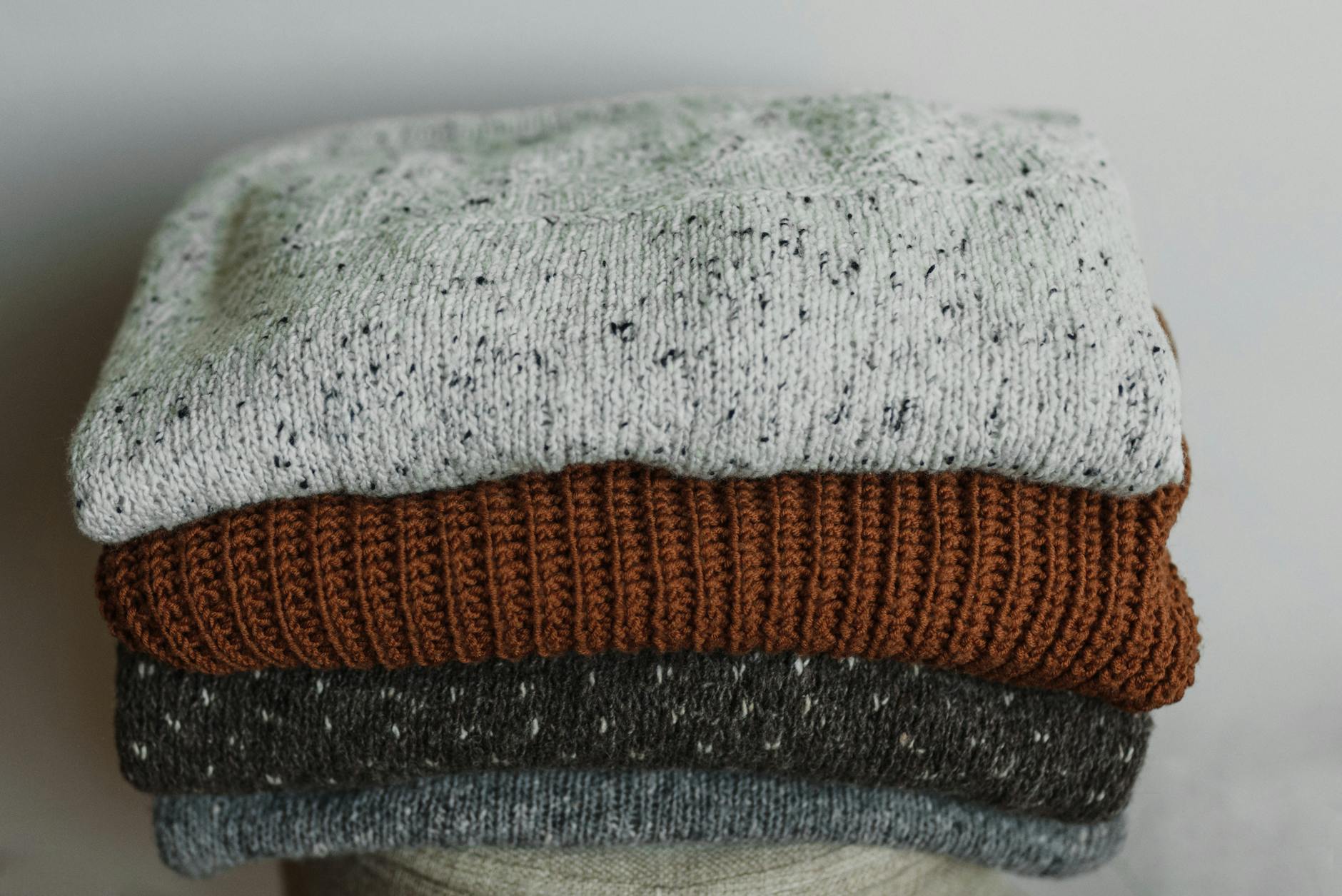
Knitwear that has developed visible pilling across high-friction areas communicates that the garment has been worn extensively without maintenance or replacement. Pilling is visible from a conversational distance and draws consistent attention in ways the wearer often does not register. Quality assessments of the overall outfit drop measurably when any visible pilling is present according to appearance research in consumer psychology. A fabric shaver is a widely available and inexpensive tool that eliminates this problem entirely yet the issue remains among the most common wardrobe credibility mistakes observed.
Aggressive Branding
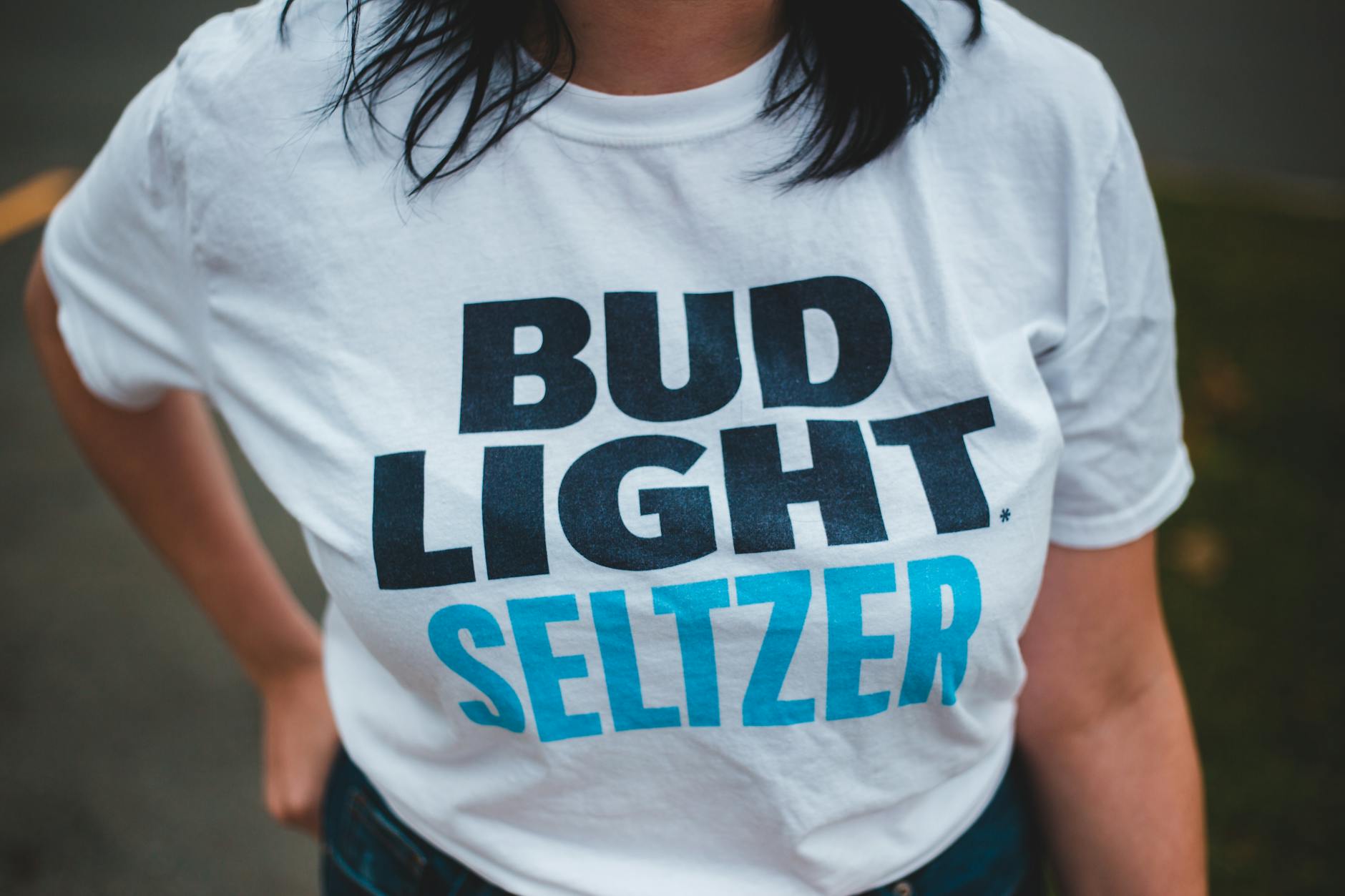
Clothing featuring large aggressive or confrontational branded graphics including skull imagery threatening slogans or dark symbolism in professional or social trust contexts creates immediate psychological distance. These visual signals activate associations unrelated to competence or reliability in the observer. The effect is not limited to edgy subculture graphics but extends to any imagery that registers as oppositional or anti-social. Wardrobe choices communicate values passively and continuously which makes the presence of aggressive imagery a persistent rather than momentary impression problem.
Very Long Ties

A tie that extends significantly below the trouser waistband is one of the most discussed fit errors in professional menswear. Correct tie length places the tip at or just above the belt buckle and deviations from this standard are immediately recognizable to experienced observers. The impression created is one of either unfamiliarity with basic dress standards or indifference to them. Both readings undermine the credibility that formal menswear is designed to convey.
Costume Hats

Novelty hats including oversized styles theatrical brims and costume-associated headwear worn outside of performance or themed contexts create a strong misalignment between the wearer and their environment. Hats carry substantial cultural coding and unusual styles communicate personality information before any other signal reaches the observer. Impression formation research consistently shows that headwear is among the most rapidly processed elements of a person’s appearance. In any context where credibility is being established unusual hat choices create barriers that require significant effort to overcome through other signals.
White After Labor Day

The white after Labor Day rule is a longstanding American style convention with roots in early twentieth century class signaling. While the rule has relaxed in many contemporary style contexts wearing stark white in late autumn and winter settings still draws attention in traditional or conservative professional environments. Observers familiar with the convention register its breach as either a lack of cultural awareness or a deliberate rejection of shared norms. In contexts where established social codes are valued the choice continues to carry real impression consequences.
Overly Tight Clothing

Clothing worn significantly tighter than conventional fit standards creates discomfort in observers and raises questions about the wearer’s calibration of social expectations. This applies across all garment types from shirts straining at the buttons to trousers that restrict natural movement. The visual impression is not one of confidence as is sometimes assumed but of a mismatch between the garment and the body it is covering. Appropriate fit is the most consistently cited factor in professional wardrobe credibility across every demographic studied.
Worn-Out Collars
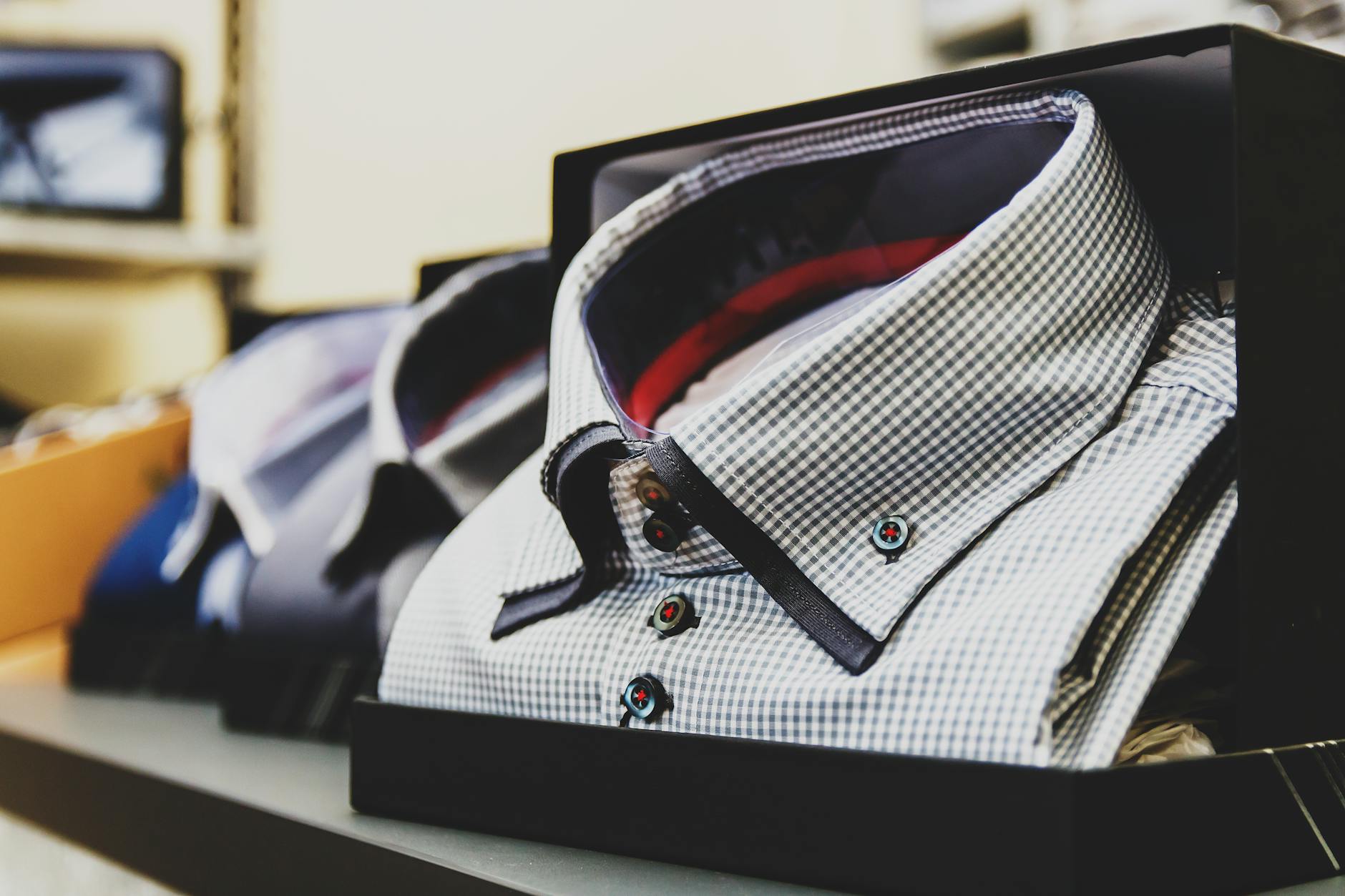
Shirt collars that have frayed or lost their structure are one of the most visible signs of an overextended garment. The collar sits at eye level during conversation which makes deterioration there more noticeable than wear elsewhere on the same garment. Observers consistently identify collar condition as a primary indicator of overall wardrobe investment and care. Replacing shirts at the point of collar deterioration rather than continuing to wear them is a basic wardrobe maintenance standard with a disproportionate effect on overall presentation.
Gym Wear Everywhere

Athletic wear worn in contexts that have no connection to exercise or athleisure culture signals an unwillingness to match the reasonable expectations of the environment. This is distinct from intentional athleisure styling which involves considered pairing of performance fabrics with structured pieces. Uncontextualized gym wear including compression leggings sweat-stained tops and worn training shoes reads as an absence of effort rather than a style statement. The impression formed is one of prioritizing personal comfort over any acknowledgment of shared social standards.
Visible Clothing Tags
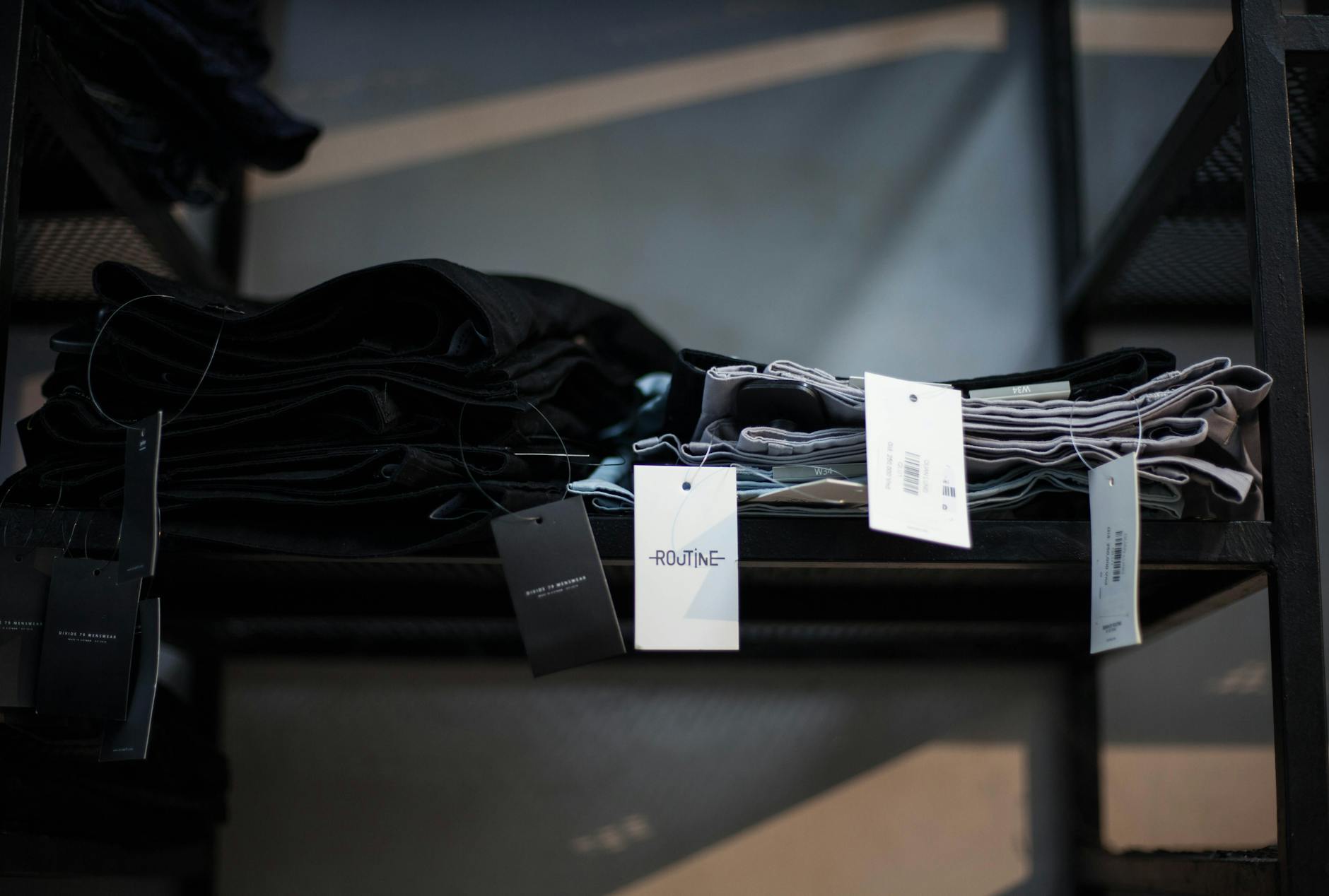
A clothing tag visible above the collar or through fabric is a small detail that consistently draws attention and creates an impression of dressing in a hurry. The issue is particularly pronounced with tags that extend above the neckline during movement catching the eye of conversation partners. Style professionals identify visible tags as one of the most easily preventable wardrobe credibility errors. The fix requires seconds but the absence of that fix reads as an absence of final-stage attention to presentation.
Clashing Prints

Wearing two or more competing prints simultaneously without intentional styling knowledge creates visual confusion that observers process as a lack of coordination skill. Random print mixing differs meaningfully from the deliberate pattern clashing practiced in fashion-forward contexts and the difference is immediately readable. The impression formed is not one of bold creativity but of dressing without a considered overall view. Print restraint is a foundational style principle that underpins professional and social credibility across virtually every cultural context studied.
Share your thoughts on which of these wardrobe mistakes you find most credibility-damaging in the comments.




