
Losing a job rarely happens without warning, and most people who look back on the experience realize the signs were there long before the conversation happened. The workplace sends quiet signals when something has shifted, and learning to read them can give you the time and clarity to make your next move with intention. From small changes in how colleagues interact with you to shifts in your workload and responsibilities, these thirty signs are worth paying close attention to. Awareness is the first step toward taking back control of your professional future.
Fewer Meetings

When you stop receiving invitations to meetings you once attended regularly, it is often a sign that decision-makers are moving on without you. Teams tend to exclude individuals who are no longer considered part of the inner circle or future plans. The absence from key discussions can also mean your input is no longer being factored into the direction of the department. This quiet removal from the loop is one of the earliest and most telling signals that something has changed.
Reduced Responsibilities

A sudden lightening of your workload without any explanation is rarely a positive development. When tasks you previously owned are quietly handed off to colleagues, it may indicate that leadership is preparing for your departure. This reassignment of work ensures continuity and reduces the disruption that would come from an abrupt exit. Pay attention to whether the shift is framed as support or simply happens without conversation.
No Eye Contact

When managers and colleagues begin avoiding direct eye contact with you, the discomfort often stems from something they know that you do not. This behavioral shift is an unconscious response to guilt, awkwardness, or the anticipation of an uncomfortable situation ahead. It can manifest in brief conversations, avoided hallway interactions, and a general sense that people are less present when speaking with you. The change in energy is subtle but consistent enough to notice over time.
Being Micromanaged

A sudden increase in oversight after a period of autonomy suggests that trust in your judgment may have eroded. When a manager begins checking every detail of your work or requiring frequent status updates without prior precedent, it often reflects concern about your performance or reliability. This shift can also indicate that leadership is building a paper trail in preparation for a formal process. The change in management style is worth taking seriously rather than dismissing as a temporary phase.
Excluded From Plans

When future projects, events, or planning conversations no longer seem to include you, it can indicate that your long-term presence is not part of the vision. Colleagues and managers instinctively stop looping in people they do not expect to be around when those plans come to fruition. You may notice that discussions about upcoming quarters or company initiatives happen around you rather than with you. This type of exclusion is one of the more pointed signals that your time at the organization may be limited.
Cold HR Interaction

A shift in how human resources interacts with you can be a meaningful indicator of what is happening behind the scenes. When HR representatives who were once warm and approachable become formal, brief, or evasive in their communication, it often means they are aware of a process that has been set in motion. Unusual requests for documentation or sudden reminders about policies can also signal that something is being prepared. HR’s role in termination processes means their behavior often changes before the news is delivered.
Performance Reviews Shift

If your performance reviews have taken a noticeably more critical tone after years of positive feedback, the change deserves careful attention. A sudden focus on shortcomings that were never previously raised can be part of a formal process designed to document issues before a termination. The framing of feedback may shift from constructive to corrective in a way that feels disproportionate to your actual output. Reading these reviews carefully and responding in writing is a wise step when this pattern emerges.
New Policies Targeting You

When new rules or procedural requirements seem to appear in ways that disproportionately affect your role or behavior, it may not be coincidence. Organizations sometimes introduce policy adjustments as a way of creating formal grounds for disciplinary action or dismissal. The policies may be broadly worded but applied in a way that places your specific habits or patterns under scrutiny. Noticing whether new rules align suspiciously with your work style is a useful exercise in reading the room.
Office Gossip Shifts

When the tone of office gossip changes and colleagues begin acting strangely around you or cutting conversations short when you approach, it may mean that information is circulating that has not yet reached you. People rarely maintain the same social comfort level when they know something significant about a colleague’s future at the company. You may find that invitations to social gatherings become less frequent or that certain groups become noticeably quieter in your presence. These social dynamics often reflect what is already known at higher levels of the organization.
Blocked Project Access

Losing access to files, platforms, systems, or shared drives without a clear technical reason is a significant red flag. Organizations typically begin the process of limiting access in anticipation of a departure to protect sensitive data and ensure a clean handover. If you find yourself locked out of tools you use regularly or no longer receive updates to shared documents, it warrants immediate attention. This kind of operational change is difficult to explain away as routine maintenance.
Less Praise

A noticeable drop in positive reinforcement from managers who previously acknowledged your contributions is worth monitoring. When recognition disappears entirely and good work begins to go unnoticed or unremarked upon, it can suggest that leadership has mentally moved on from investing in your development. Praise is one of the more subtle tools managers use to maintain engagement and motivation in valued employees. Its absence is equally communicative in the other direction.
Sudden Documentation Requests

Being asked to document your processes, hand off institutional knowledge, or write up detailed guides for work only you currently handle can be a preparation signal. While knowledge documentation has legitimate organizational value, an unusual urgency around capturing what you know specifically is often tied to transition planning. If requests to document your workflows come without a clear broader initiative, the timing is unlikely to be accidental. This kind of ask is frequently made in the weeks before a departure is formalized.
Reassigned Clients

When clients or accounts you have managed are quietly moved to other team members without a transparent reason, it may indicate a planned change in your role. Organizations typically prioritize client continuity and begin the transition process in advance to minimize disruption. A sudden reassignment can feel like a routine restructuring but often reflects a decision that has already been made internally. The manner in which this is communicated or avoided altogether is usually the clearest indicator of its meaning.
Manager Avoidance

When your direct manager begins canceling one-on-ones, taking longer to respond to messages, or becoming generally less available to you, it may reflect discomfort with a decision that is in process. Managers often struggle to maintain normal professional relationships with someone whose departure they are aware of or actively planning. The avoidance tends to be inconsistent rather than absolute, with brief and transactional interactions replacing the more engaged communication that existed previously. This shift in access is one of the more emotionally noticeable changes in the lead-up to a termination.
Skipped for Promotions

Being overlooked for a promotion or advancement opportunity you were previously considered for is a clear signal that your standing has changed. When colleagues with similar or less experience are elevated while your candidacy is passed over without explanation, the message is difficult to misread. Organizations rarely invest in the long-term development of employees they are planning to let go. The absence of a future-oriented conversation about your growth is equally significant as the promotion you did not receive.
Changed Office Location

Being moved to a less central workspace, a smaller desk, or a more isolated area of the office without a clear logistical reason can reflect a deliberate shift in how you are perceived within the organization. Physical placement in an office often mirrors social and professional standing, and a downgrade in location can signal a downgrade in status. This type of change is rarely explained honestly in the moment, making the timing and context especially important to consider. A move that coincides with other warning signs on this list carries more weight than one that stands alone.
Training Stopped

When access to professional development programs, workshops, conferences, or training opportunities is quietly removed from your path, it suggests that the organization no longer sees a return on that investment. Companies tend to develop employees they intend to keep and grow over time. If your manager stops mentioning development goals or steers conversations away from your career trajectory, the reason may be more immediate than professional stagnation. The halt in training is often one of the first budget-level decisions made when a termination is being considered.
Ignored Input

When your suggestions in meetings or via written communication begin to go unacknowledged or are consistently set aside without discussion, it often reflects a diminishing of your authority and perceived relevance. Teams tend to engage seriously with the ideas of colleagues they respect and intend to keep. A pattern of polite dismissal or outright silence in response to your contributions is meaningful data about how your voice is being received. If this contrasts sharply with how your ideas were previously welcomed, the change is worth noting.
Replaced on Projects

Being quietly substituted on a project you were leading or actively contributing to without a satisfying explanation signals a loss of confidence in your involvement. The replacement may be framed as a resource adjustment or a shift in priorities but often reflects a decision to transfer ownership before it officially needs to happen. When this occurs more than once in a short period, the pattern becomes difficult to attribute to coincidence. Project leadership is a form of organizational trust and its removal is rarely insignificant.
Short Responses

When a manager who once communicated at length begins responding to your messages with brief and impersonal replies, the change in communication style can reflect a deliberate pulling back. Short responses often indicate discomfort, reduced investment, or the careful management of a relationship that has become professionally complicated. The brevity may feel like efficiency but it tends to feel different in tone from normal professional conciseness. Over time this pattern of minimal engagement adds to a broader picture of cooling professional support.
Unusual Requests

Being asked to provide references, complete self-evaluations ahead of schedule, or submit information that falls outside of normal review cycles can indicate that a formal process has been initiated. These requests are often part of the documentation required before a termination can be processed through proper HR channels. While any single request may have an innocent explanation, a cluster of unusual administrative asks in a short window of time is more difficult to dismiss. Treating these requests with seriousness and responding carefully is always the wiser approach.
No Bonus Discussion

When bonus season arrives and your name is absent from the conversations or you receive a significantly reduced payout without explanation, it often reflects a decision that has already been made about your future. Compensation decisions are made in advance and the allocation process rarely includes people who are being prepared for exit. A sudden change in how your financial contributions are recognized or rewarded is a meaningful indicator of where you stand. The absence of any forward-looking compensation conversation is equally worth noting.
Rushed Onboarding Others

When a new hire is assigned to shadow you or learn your responsibilities with an urgency that feels disproportionate, it can mean that the organization is preparing for a transition. Onboarding someone into your specific role or workflow before there is an obvious need for that knowledge suggests that your departure may already be anticipated. The framing may be presented as cross-training or knowledge sharing but the focus on your particular responsibilities is a distinguishing factor. Pay attention to who is being trained and on exactly what tasks.
Increased Criticism

When feedback about your work shifts from balanced and constructive to predominantly critical, and the tone becomes more formal or documented than it once was, the change is worth taking seriously. Persistent criticism that focuses on issues previously considered minor or acceptable often forms part of a performance management process leading toward termination. The documentation of criticism is particularly significant because it creates the formal paper trail required for many legal dismissal processes. A sudden intensification of negative feedback after a long period of stability is rarely without purpose.
Lateral Interference

When peers begin taking on coordination or decision-making roles that were previously yours without any formal announcement of restructuring, it suggests that authority is quietly being redistributed away from you. This type of lateral interference is often a way of managing a transition before it is officially communicated. Colleagues may not be fully aware of why they are being given new responsibilities that overlap with yours. The gradual erosion of your decision-making territory is one of the quieter but more telling signs of a coming change.
Social Exclusion
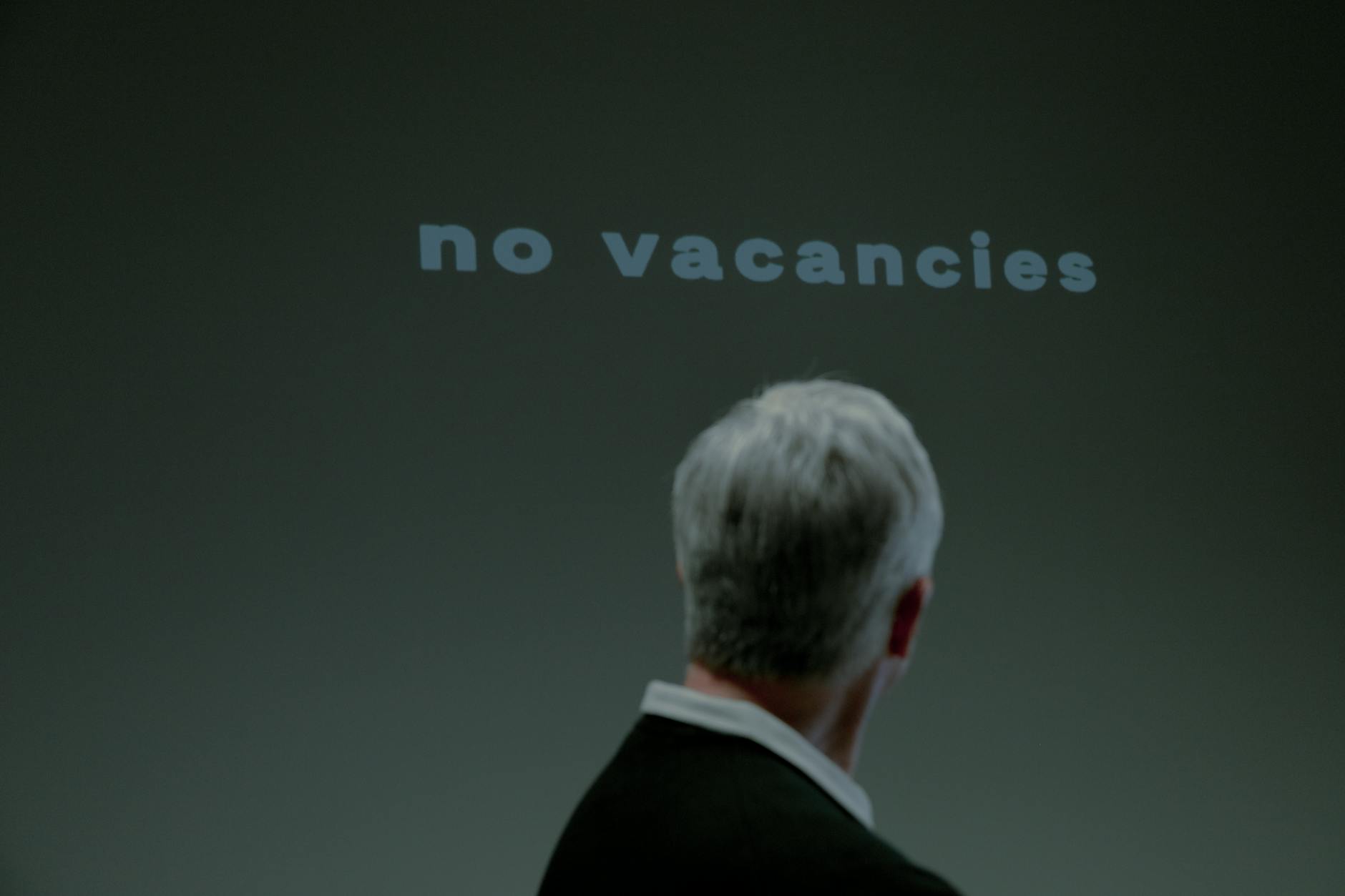
Being left out of team lunches, after-work gatherings, or informal social events that you were once naturally included in reflects a shift in how your colleagues relate to you on a personal level. Social exclusion is rarely deliberate cruelty and more often stems from the discomfort of knowing something you do not yet know. The awkwardness that surrounds a pending professional change tends to bleed into social dynamics in subtle but recognizable ways. When the warmth of team culture suddenly feels less available to you, it is worth paying attention to the broader context.
Contracts Not Renewed

When a contractor, freelancer, or project-based employee stops receiving renewal offers or notices a lack of communication about upcoming work, the signal is among the most direct on this list. Organizations that intend to continue a working relationship typically communicate that intention proactively and with reasonable lead time. Silence around contract renewal is itself a form of communication that deserves a direct and professional follow-up. The absence of a future-facing conversation in these arrangements is rarely accidental.
Locked Calendar Access

When access to shared calendars or scheduling tools is restricted or when you stop being added to upcoming events and planning sessions, it may indicate that you are being quietly removed from the operational flow. Calendar access is a functional tool but it also reflects who is considered part of the team’s ongoing work. Being excluded from scheduling visibility often happens incrementally rather than all at once. Noticing that your view into team activity has narrowed is a practical and specific warning sign.
Exit Interview Hints

When a manager or HR representative begins asking questions that feel more like an exit interview than a regular check-in, the framing of those questions can reveal a great deal. Inquiries about your career goals outside the company, your thoughts on team culture, or what you would change about your role can be exploratory in nature but sometimes precede a formal departure conversation. The line between a genuine development check-in and a soft exit interview is not always obvious in the moment. Trusting your instincts about the purpose of a conversation is a reasonable response when the tone feels unusual.
Delayed Feedback

When feedback on your work stops arriving in a timely or meaningful way and requests for guidance are met with vague or noncommittal responses, it can signal that your manager is no longer invested in your professional outcomes. Timely feedback is one of the most fundamental tools of active management and its disappearance reflects a withdrawal of engagement. The delay is rarely explained as a personal slight but consistently points to the same underlying shift in relationship and priority. Noticing that you are no longer receiving the managerial attention you once had is as informative as any direct conversation.
If any of these signs feel familiar, share your experience and thoughts in the comments.




