
Van life looks romantic from the outside, with open roads and freedom stretching in every direction. The reality, however, carries a long list of financial surprises that rarely make it into the highlight reels. Understanding the true cost of this lifestyle before committing can mean the difference between sustainable adventure and a stressful financial spiral. These are the hidden expenses that experienced van lifers wish someone had warned them about before they hit the road.
Van Conversion
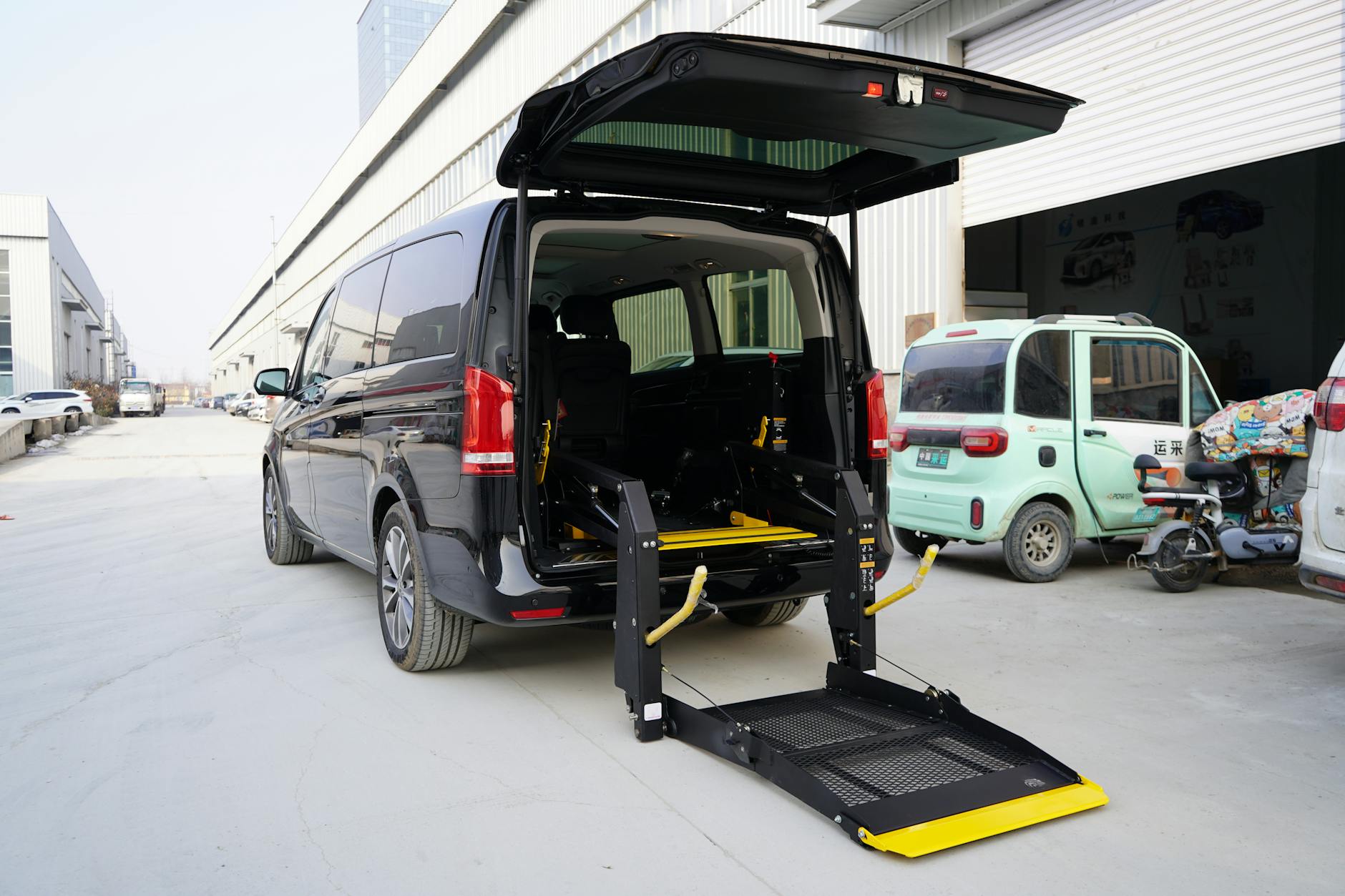
Transforming a raw cargo van into a livable space costs far more than most beginners anticipate. Insulation, flooring, bed framing, cabinetry, electrical systems, and ventilation fans each carry their own price tag that adds up quickly. Even a budget build using secondhand materials can easily run into several thousand dollars before the first night is spent inside. Those who hire professionals to complete the conversion can expect costs to climb dramatically higher than any initial estimate.
Roof Ventilation

A quality fan unit designed for van living is a non-negotiable expense that catches many newcomers off guard. Without proper airflow, condensation and heat buildup make sleeping inside uncomfortable or even dangerous during warmer months. Top-rated fan models with remote controls and rain sensors sit at a premium price point that budget-conscious beginners often overlook in early planning stages. Installation also requires cutting into the roof, which may need professional sealing to prevent costly leaks down the line.
Solar Setup

Off-grid power is one of the most appealing aspects of van life, but building a reliable solar system is a significant upfront investment. Panels, charge controllers, batteries, inverters, and all the necessary wiring collectively form an expense that surprises most first-timers. Lithium batteries, which are far superior to lead-acid alternatives for mobile living, come at a noticeably steep price. Undersizing the system to save money often leads to power shortages and the need for expensive upgrades later.
Electrical Wiring
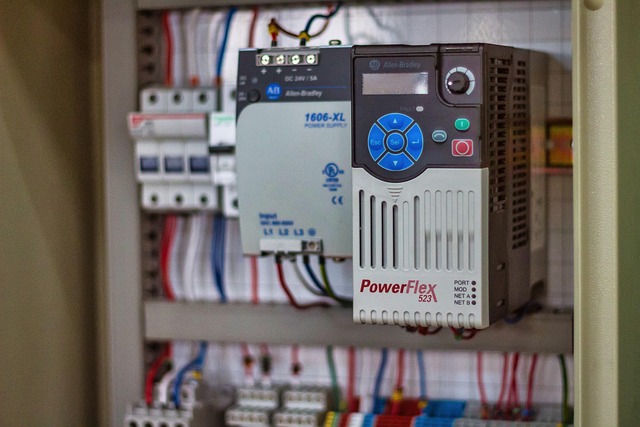
Even van lifers who purchase pre-made solar kits frequently underestimate the cost of proper electrical wiring and fusing throughout the build. Incorrect wiring is not only inefficient but poses a genuine fire risk, which means cutting corners here carries real consequences. Many builders end up hiring an electrician at least for the final inspection, adding a professional service fee to the overall budget. Specialty connectors, marine-grade wire, and proper fuse blocks all contribute costs that rarely appear in beginner budget breakdowns.
Propane System

Cooking and heating in a van typically relies on propane, and setting up a safe and functional system involves more expense than expected. A quality regulator, appropriate hoses, a carbon monoxide detector, and a properly ventilated stove are all required components. Refilling propane tanks is an ongoing cost that fluctuates with fuel prices and varies greatly depending on cooking habits and climate. In colder regions where heating is essential, propane consumption can become one of the largest recurring monthly expenses on the road.
Water System

A functional freshwater setup including a tank, pump, filter, and grey water management solution is a hidden cost that catches many van builders off guard. Even a simple system with a foot pump and collapsible tanks requires purchases that stretch a tight build budget. Those who want the comfort of a pressurized tap and filtered drinking water on demand will spend considerably more on components and installation. Ongoing costs include water filter replacements and the fees charged at paid water fill stations in certain regions.
Gym Membership

Without a fixed home address, access to showers becomes one of the most pressing daily challenges of van life. Many full-time van dwellers rely on gym memberships as their primary source of reliable hot showers and clean changing facilities. A national chain membership that offers access across multiple locations carries a monthly fee that becomes a permanent line item in the van life budget. In some areas, day passes are the only option, which can cost significantly more over time than a standard monthly plan.
Mail Forwarding

Maintaining a legal address and receiving mail while constantly moving requires a dedicated mail forwarding service. These services receive physical mail on behalf of the subscriber, scan documents, and forward packages to whatever location is most convenient at the time. Monthly subscription fees for reputable services vary but represent a cost that most people forget to factor into their pre-departure planning. Without this solution, managing government correspondence, banking documents, and legal paperwork becomes a genuine logistical challenge.
Vehicle Registration

Choosing a state to establish residency in as a van dweller involves careful consideration of vehicle registration costs, which vary enormously across the country. Some states charge flat fees while others calculate registration based on vehicle weight or value, making certain options far more expensive than others. Annual renewal fees, emissions testing requirements, and the cost of updating documents when circumstances change all add up over time. Many van lifers are surprised to discover that their large cargo van falls into a commercial vehicle category that triggers higher registration costs.
Insurance Premiums

Insuring a van that serves as both a vehicle and a primary residence is more complex and more expensive than standard auto insurance. Standard policies often do not cover vehicle contents or liability related to the dwelling aspects of the van. Specialty vehicle dwelling insurance or added riders to cover personal property, trip interruption, and full-time residency use carry notable additional costs. Shopping around for the right policy takes time and often reveals price differences that significantly impact the monthly budget.
Campsite Fees

Free camping exists but is not as abundant or accessible as van life content online tends to suggest. Paid campgrounds, state parks, and private sites with reliable amenities charge nightly fees that accumulate rapidly during extended travel. Popular destinations and peak seasons push campsite prices higher, and booking in advance often requires non-refundable deposits. Van lifers who want reliable access to hookups, showers, or simply a safe overnight spot frequently find camping costs rivaling what they once spent on rent.
Parking Violations

Urban van life comes with the ever-present risk of parking tickets, which can arrive unexpectedly and drain funds without warning. Many cities have strict overnight parking ordinances, and enforcement varies widely from neighborhood to neighborhood and season to season. Researching local regulations takes time and does not always provide clear answers, leading to costly trial-and-error experiences. Repeat violations in the same city can escalate to fines large enough to disrupt an otherwise carefully managed travel budget.
Mechanical Repairs
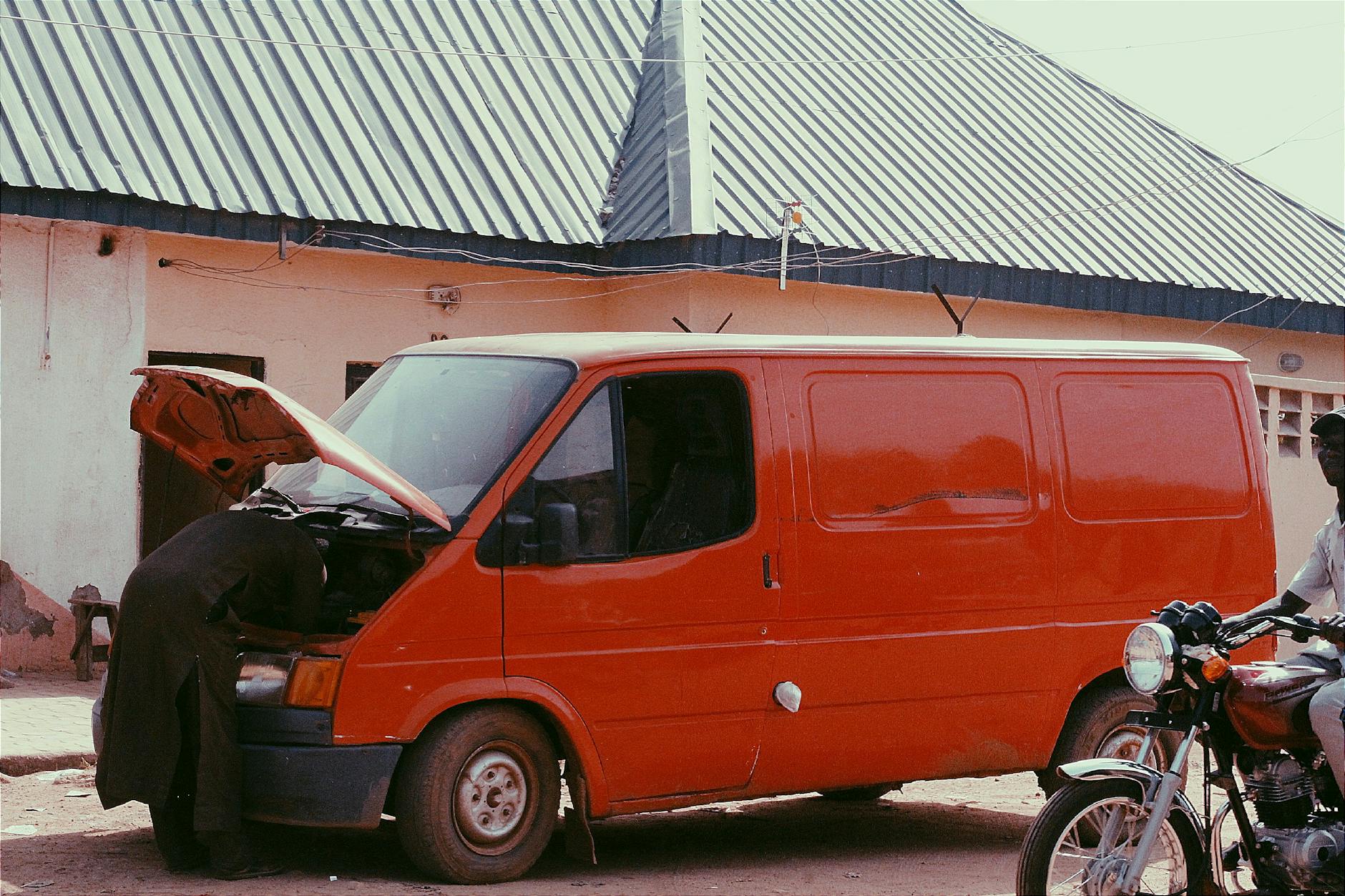
A van driven thousands of miles across varied terrain accumulates wear and tear at a pace that most new owners underestimate. Brake replacements, tire rotations, belt changes, and unexpected engine issues can arrive without warning and demand immediate attention. Labor costs at unfamiliar repair shops in new cities are difficult to compare or negotiate, and urgency often means accepting the first available quote. Maintaining a dedicated emergency mechanical fund is essential but represents a financial commitment that rarely appears in beginner van life budget guides.
Tire Replacement

Tires on a heavily loaded van wear faster than those on a standard passenger vehicle, and the cost of full-size cargo van tires is considerably higher than most people expect. A full set of quality tires for a full-size van can represent a significant one-time expense that appears without much warning. Driving habits, road surfaces, and load weight all influence how quickly tires degrade and how frequently replacement becomes necessary. Balancing, alignment, and disposal fees add further to the total cost of each tire change.
Oil Changes
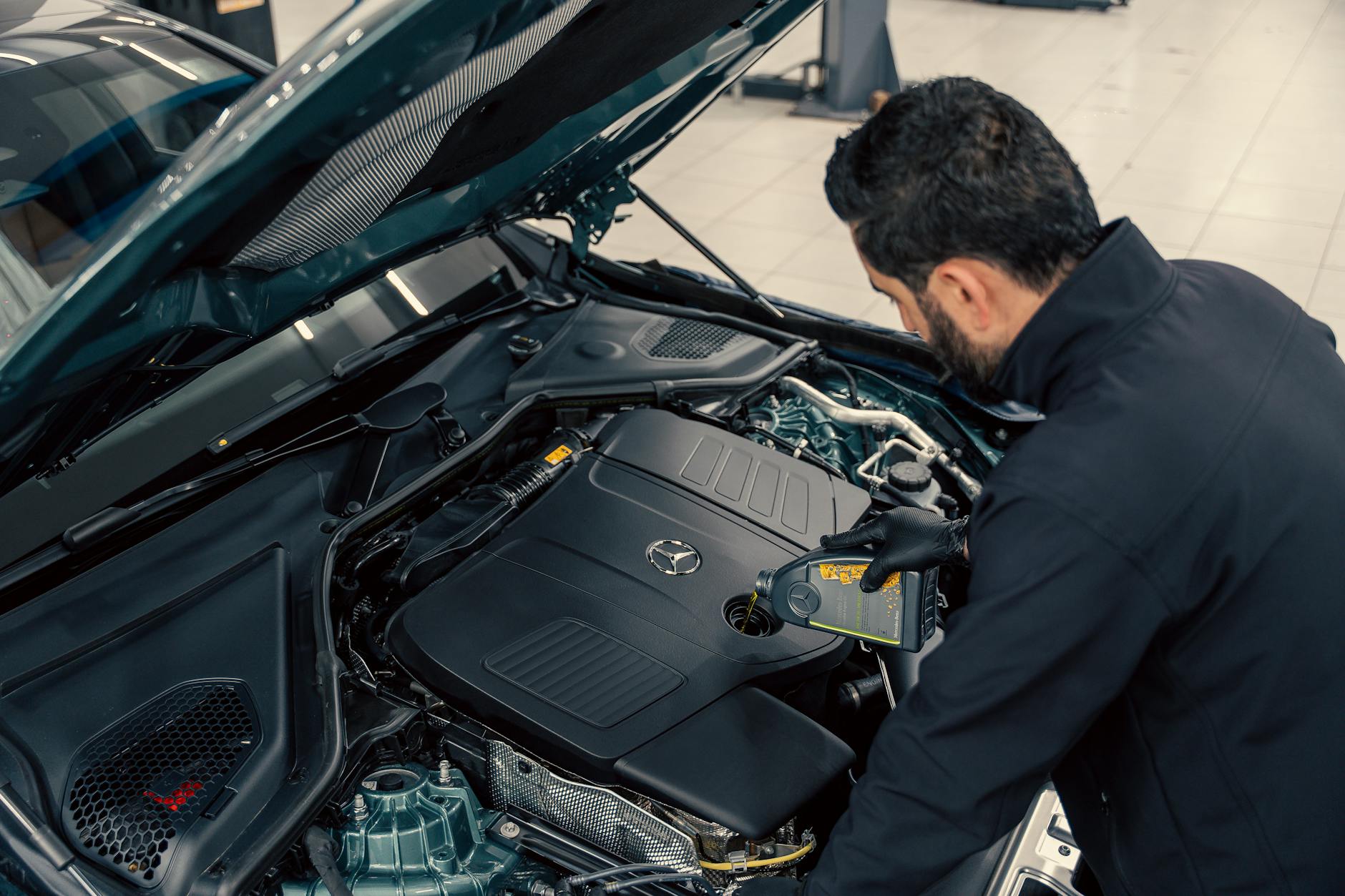
Regular oil changes are a non-negotiable maintenance cost that adds up faster on a vehicle driven daily across long distances. High-mileage driving means more frequent service intervals, and the cost of oil changes for larger van engines is higher than for standard passenger cars. Choosing a synthetic oil appropriate for the engine type is recommended but raises the per-change cost further. Over the course of a year of full-time travel, oil changes alone become a notable and recurring line item in the maintenance budget.
Internet Access

Remote work and navigation both depend on reliable internet access, which is far from free when living in a van. A dedicated mobile hotspot with a generous data plan is the most common solution, but monthly costs for sufficient high-speed data are substantial. In remote areas, even premium plans fail to deliver usable speeds, pushing van lifers toward purchasing additional signal boosters or antenna equipment. Some travelers maintain multiple carrier plans simultaneously to ensure coverage, doubling the monthly communications expense.
Cell Phone Plans

Beyond hotspot data, maintaining a cell phone plan that supports full-time travel across multiple regions is an ongoing cost that grows with usage. Unlimited talk, text, and data plans with deprioritization thresholds may throttle speeds during heavy network use periods in popular areas. International travel adds roaming charges or the need for local SIM cards, each carrying their own fees. The communication stack of a full-time van dweller can easily exceed what most people paid for utilities in a fixed home.
Storage Units
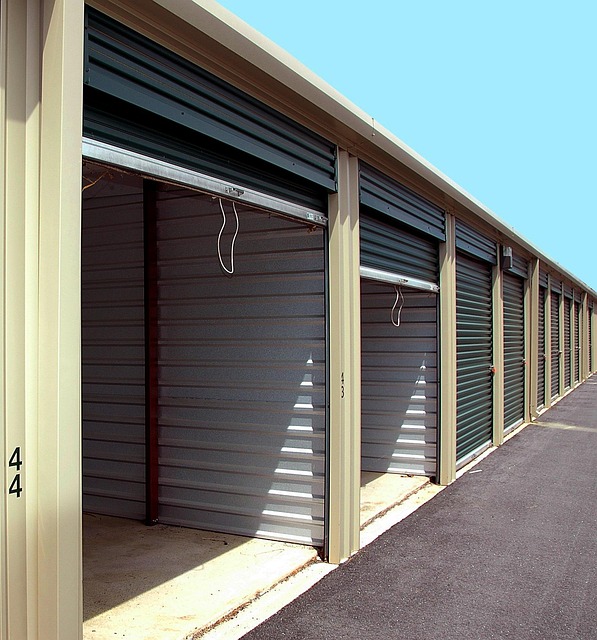
Many van lifers discover that they cannot part with all of their belongings before departure, leading to the rental of a storage unit that persists for months or even years. Monthly storage fees vary by location and unit size but represent a fixed expense that contradicts the freedom narrative of van life. Climate-controlled units required for sensitive items such as electronics or instruments carry premium pricing compared to standard options. The longer the road trip extends, the more this forgotten expense quietly accumulates in the background.
Health Insurance

Without employer-sponsored coverage, full-time van dwellers must secure independent health insurance, which is one of the most significant recurring costs in the lifestyle. Marketplace plans vary widely in monthly premium, deductible, and network coverage area, and not all plans provide convenient access to care while traveling across state lines. Dental and vision coverage typically require separate policies, each with their own monthly cost. A single unexpected medical visit without adequate coverage can erase months of careful financial planning in an instant.
Laundry Costs

Washing clothes on the road means relying on commercial laundromats, which charge per load and per dryer cycle. In tourist-heavy areas and city centers, laundromat prices are considerably higher than in residential neighborhoods, and finding a convenient location takes time. Van lifers who travel frequently may visit a laundromat weekly or more often, and the cumulative annual cost surprises those who had not accounted for it during planning. Travel-sized detergent, fabric softener, and quarters or card-loading fees add small but consistent costs to each visit.
Grocery Premiums

Without a full kitchen or large refrigeration, van lifers often purchase groceries in smaller quantities and more frequently than people in traditional housing. Buying smaller portions at convenience stores or tourist-area markets comes with a measurable price premium compared to bulk shopping at large grocery chains. Limited cold storage means fresh produce must be purchased often, and food waste from items that spoil before being used quietly increases the monthly food budget. Eating out to supplement the limitations of a small van kitchen also adds restaurant costs that are easy to underestimate.
Fuel Costs

Large cargo vans are not fuel-efficient vehicles, and the cost of powering hundreds or thousands of miles of travel each month is one of the most significant ongoing expenses of the lifestyle. Fuel prices vary dramatically by region and fluctuate with market conditions, making monthly budgeting for this expense particularly difficult. Driving habits, terrain, vehicle load, and engine condition all influence consumption rates. Van lifers who assumed that freedom of movement would be cheap frequently encounter fuel bills that rival or exceed what they once paid in rent.
Vehicle Depreciation

Every mile driven on a van used as a primary residence accelerates its depreciation in ways that many buyers fail to account for before purchase. A high-mileage van with evidence of interior conversion may be more difficult to resell and may fetch a lower price than anticipated when the lifestyle eventually ends. Modifications like roof vents and interior builds can appeal to buyers within the van life community but limit the pool of interested parties in the general used vehicle market. Accounting for depreciation as a real ongoing cost changes the financial math of van life significantly.
Entertainment Expenses

The assumption that life on the road provides unlimited free entertainment overlooks the many paid experiences that make travel meaningful and memorable. National park passes, guided tours, kayak rentals, ski lift tickets, and museum entrance fees are among the countless optional but tempting expenses that accumulate across a year of travel. The novelty of new destinations often encourages spending that a settled lifestyle would not trigger with the same frequency. Without a conscious entertainment budget, this category has a way of quietly becoming one of the largest monthly expenses for active van lifers.
VPN and Subscriptions

Working and streaming on the road requires a consistent stack of digital subscriptions that many van lifers maintain without tracking their total monthly cost. A VPN service for secure public Wi-Fi use, streaming platforms for entertainment, cloud storage for photo backups, and productivity software all carry monthly or annual fees. These costs existed before van life but feel more essential when the van is the only home base and digital tools replace many physical conveniences. Auditing and reducing the subscription stack is a commonly recommended step for van lifers trying to bring their actual living costs back in line with expectations.
If you are living van life or dreaming of making the leap, share your own surprising cost discoveries in the comments.




