
Meal timing has quietly become one of the most debated topics in modern nutrition science, with growing research suggesting that when you eat may matter just as much as what you eat. Leading nutritionists have long held certain scheduling principles close to their chest, applying them personally while hesitating to broadcast them widely for fear of oversimplifying complex dietary needs. These 26 rules cut through the noise to reveal the timing strategies that repeatedly appear in the private practices and personal habits of nutrition professionals. From fasting windows to pre-sleep eating, the findings may challenge everything you thought you knew about structuring your meals.
Late Night Eating

Research consistently shows that consuming calories in the hours just before sleep is associated with reduced fat oxidation and altered metabolic function. The body’s circadian rhythm governs digestive enzyme activity and insulin sensitivity, both of which decline significantly in the evening hours. Nutritionists often personally avoid eating within two to three hours of bedtime while acknowledging publicly that individual schedules vary. Studies tracking shift workers and late-night eaters repeatedly demonstrate connections between nighttime caloric intake and unfavorable body composition changes. The metabolic case against late eating is far stronger than most public dietary guidelines currently reflect.
Breakfast Skipping

A growing body of evidence suggests that delaying the first meal of the day can improve insulin sensitivity and support fat metabolism in many healthy adults. Many nutritionists who advocate for balanced breakfast in clinical settings personally practice forms of intermittent fasting that push their own first meal to mid-morning or later. The hormonal environment in a fasted morning state supports mental clarity and fat mobilization for a significant portion of the population. This does not apply universally and factors such as age, activity level and blood sugar regulation all influence individual outcomes. The professional hesitation to recommend breakfast skipping broadly stems from concern about vulnerable populations rather than lack of personal conviction.
Eating Windows

Time-restricted eating involves confining all daily calories to a specific window, typically between eight and twelve hours, and aligning that window with daylight hours where possible. Nutritionists who study circadian biology frequently structure their own eating between roughly nine in the morning and seven in the evening without publicly prescribing this pattern to general audiences. Research from metabolic studies indicates that eating in alignment with natural light cycles supports hormonal balance and digestive efficiency. The gut microbiome also appears to benefit from consistent overnight fasting periods, with diversity and function improving in subjects who maintain regular eating windows. This approach remains underrepresented in mainstream dietary advice despite compelling mechanistic evidence.
Pre-Workout Nutrition

The timing of food intake relative to exercise has a measurable impact on performance, recovery and body composition outcomes that many nutrition professionals apply carefully in their own routines. Consuming a moderate amount of protein and carbohydrates roughly sixty to ninety minutes before training is a practice favored privately by many sports nutrition specialists. The pre-exercise meal primes glycogen availability and initiates muscle protein synthesis pathways before mechanical stress even begins. Despite this, public recommendations often remain vague about exact timing due to the wide variation in individual digestion rates and exercise types. Precision in pre-workout nutrition timing is frequently reserved for elite athlete protocols rather than general public guidance.
Post-Workout Meals

The concept of an anabolic window following exercise has been both overstated and unfairly dismissed in different eras of nutrition research. Current understanding suggests that consuming protein within two hours after resistance training supports muscle repair and growth, a principle most serious nutrition practitioners apply consistently in their own lives. Pairing protein with a moderate carbohydrate source in this window helps restore glycogen and blunts cortisol elevation that follows intense training sessions. The urgency of this window is less critical for recreational exercisers than for athletes training multiple times per day or in a fasted state. Nutritionists tend to apply stricter post-workout timing to themselves than they typically communicate in general dietary advice.
Protein Distribution

Spreading protein intake evenly across meals throughout the day produces meaningfully better muscle protein synthesis outcomes than loading it into one or two large servings. Nutrition researchers who study amino acid kinetics consistently structure their own meals to include roughly twenty-five to forty grams of quality protein at each eating occasion. This even distribution keeps leucine levels elevated across the day, maintaining a signaling environment that supports lean tissue retention. Public dietary guidelines have been slow to move away from total daily protein targets toward this distribution-focused model despite substantial supporting evidence. The practical application requires planning but consistently appears in the personal dietary habits of professionals working in protein metabolism research.
Carbohydrate Timing
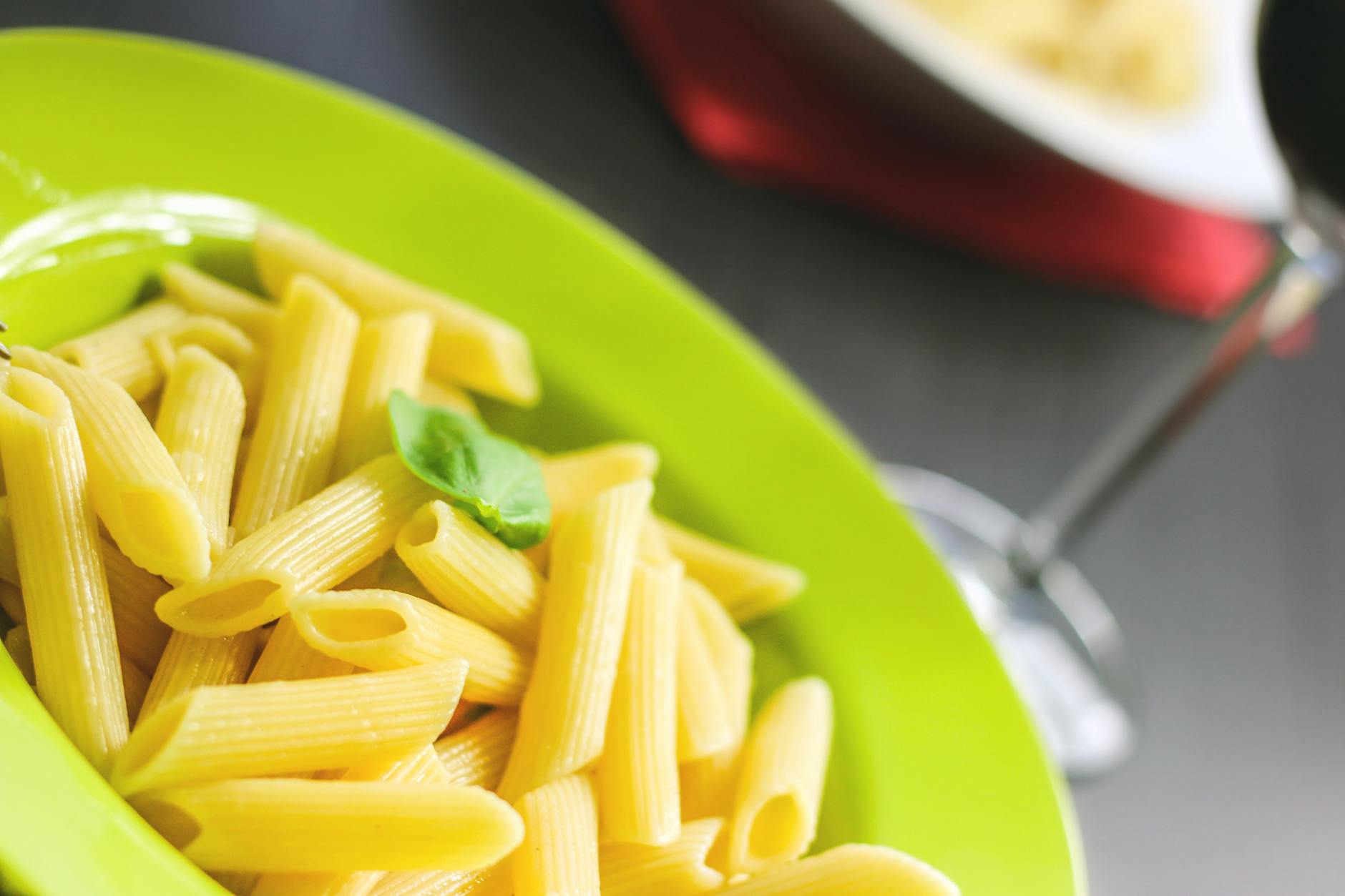
When carbohydrates are consumed relative to activity has a greater influence on body composition and energy than many general nutrition frameworks currently acknowledge. Nutritionists with backgrounds in metabolic health frequently concentrate carbohydrate intake around physical activity and reduce it during sedentary periods in their own eating patterns. Consuming the majority of daily carbohydrates in the hours surrounding exercise leverages insulin sensitivity and glycogen demand to partition those nutrients more favorably. Evening carbohydrate intake in the absence of prior exercise shows a different metabolic profile than the same foods consumed after an active afternoon. This targeted approach to carbohydrate timing rarely appears in broad public guidelines but is widely practiced among professionals in the field.
Intermittent Fasting

Structured periods of voluntary fasting followed by defined eating windows have accumulated a substantial evidence base spanning metabolic health, cellular repair processes and longevity markers. Many nutrition professionals incorporate some form of intermittent fasting into their own routines while expressing caution about recommending it broadly due to concerns about disordered eating triggers. The hormonal shifts that occur during fasting periods include elevated norepinephrine, reduced insulin and increased human growth hormone, all of which support fat mobilization and cellular maintenance. Research on time-restricted feeding in both human and animal models consistently shows improvements in blood glucose regulation and inflammatory markers. The gap between personal practice and public recommendation among nutritionists on this topic is notably wide.
Meal Frequency

The long-held belief that eating five to six small meals per day was metabolically superior to three structured meals has been substantially challenged by more recent research. Many nutritionists who once advised frequent eating have quietly shifted their own habits toward three deliberate meals without snacking in between, finding better appetite regulation and improved digestive rest. Constant eating patterns keep insulin elevated throughout the day and reduce the periods of metabolic flexibility that come with allowing insulin to return to baseline between meals. Digestive rest between structured meals also supports gut motility and allows the migrating motor complex to perform its housekeeping function in the intestinal tract. This shift in understanding has not yet been fully translated into mainstream public health messaging.
Caloric Front-Loading
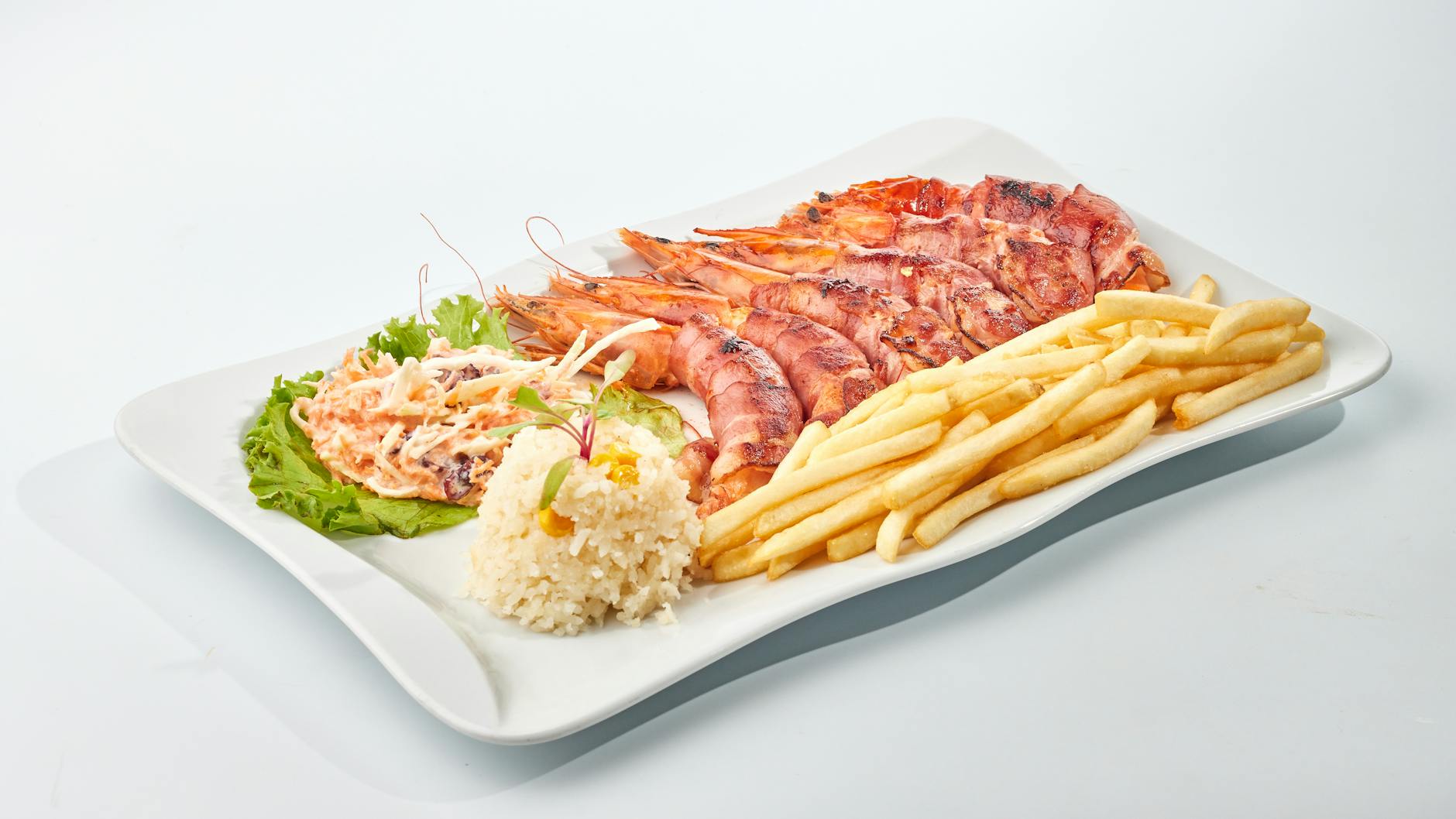
Distributing calories so that the largest and most nutrient-dense meals occur earlier in the day aligns with circadian patterns of insulin sensitivity and digestive enzyme activity. Nutritionists familiar with chronobiology frequently eat their most substantial meal at breakfast or lunch and keep evening intake light, even when public recommendations they produce remain less specific. Clinical trials comparing morning-heavy versus evening-heavy caloric distribution consistently favor the morning loading pattern for weight management and glycemic outcomes. The practical challenge for most working adults is that social and cultural eating patterns concentrate heavier meals in the evening, creating a mismatch with biological timing. Research in this area is among the most actionable yet least publicized findings in contemporary nutritional science.
Fasted Cardio
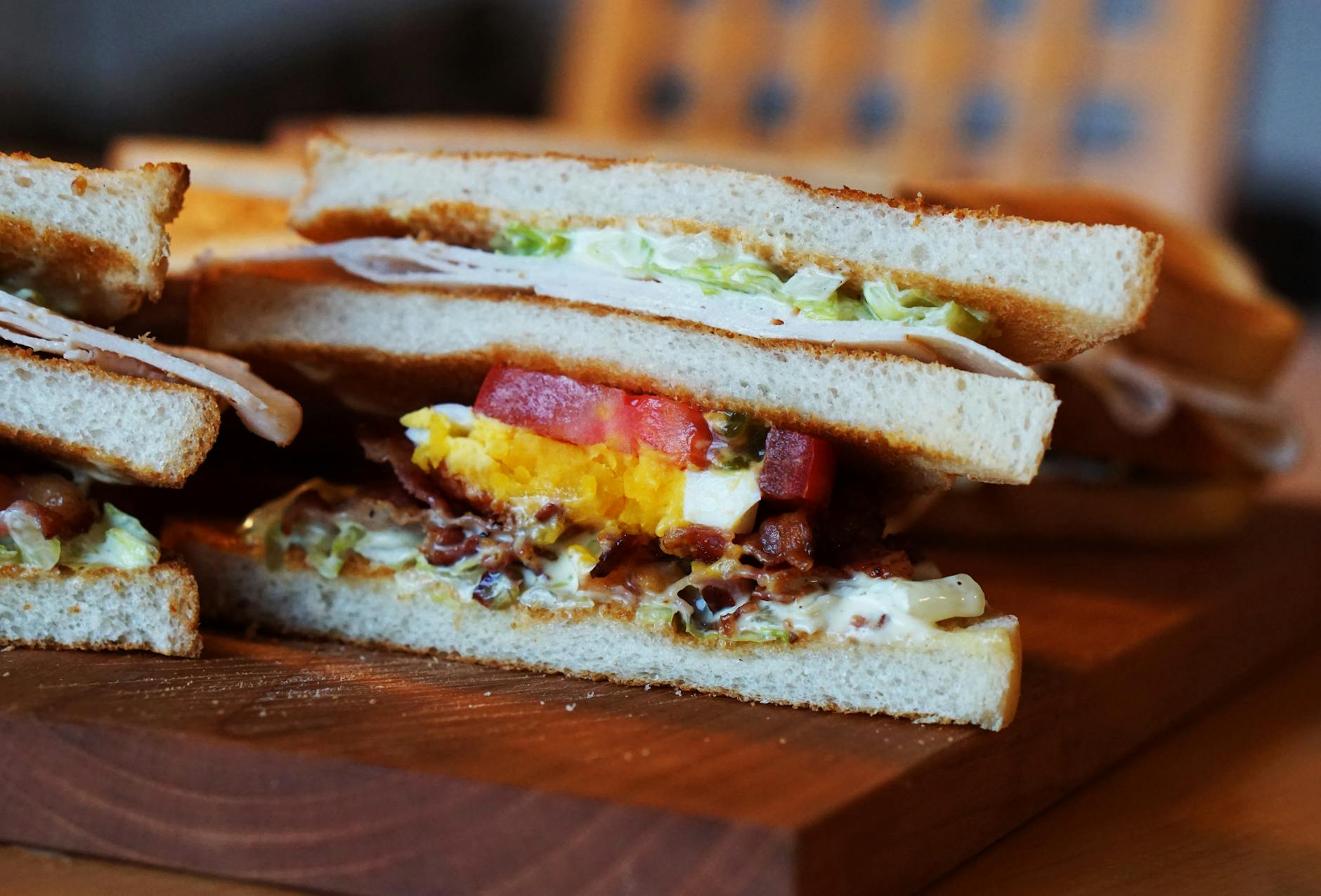
Performing aerobic exercise in a fasted state, typically before the first meal of the day, is a strategy that appears frequently in the personal routines of nutrition and fitness professionals. The physiological rationale centers on lower glycogen availability forcing a greater reliance on fat as a fuel source during moderate-intensity exercise. Research findings on fasted cardio are mixed when total daily fat oxidation is measured rather than oxidation during the session itself, which is why public recommendations remain cautious. However, many practitioners find that fasted morning movement improves mental clarity, appetite regulation and adherence to overall dietary targets in ways that go beyond pure fat-burning metrics. The practice tends to be recommended selectively in professional settings despite being personally common among those working in the field.
Hydration Timing

Drinking water strategically relative to meals influences digestion, appetite regulation and nutrient absorption in ways that are underrepresented in general hydration guidance. Many nutrition professionals begin the day with a substantial volume of water before consuming any food, a practice supported by research on overnight dehydration and its effect on morning metabolism. Consuming large volumes of water immediately before meals has been shown in clinical studies to reduce caloric intake at that meal, a mechanism some practitioners apply intentionally. Drinking very large amounts during meals can dilute digestive enzyme concentrations and slow gastric emptying in ways that affect digestive efficiency over time. Precise hydration timing is rarely emphasized in public dietary guidance despite being a consistent personal practice among nutrition specialists.
Coffee Timing

The timing of caffeine intake relative to the cortisol cycle has meaningful implications for energy regulation, adrenal function and caffeine tolerance that most coffee drinkers are unaware of. Cortisol naturally peaks in the first sixty to ninety minutes after waking, and consuming caffeine during this window is thought by some researchers to blunt natural cortisol production and accelerate tolerance development. Many nutrition and health professionals delay their first coffee until cortisol begins to decline, typically ninety minutes to two hours after rising. This practice is grounded in the work of neuroscientists studying adenosine and cortisol interactions rather than formal nutrition guidelines, yet it has spread widely among practitioners in adjacent fields. The practical effect on energy stability and afternoon energy crashes is frequently reported by those who adopt the delayed caffeine approach.
Fiber Timing

The sequence in which fiber-rich foods are consumed within a meal and across the day influences post-meal blood glucose response, satiety and gut microbiome activity in measurable ways. Research on food order within meals shows that consuming vegetables and fiber sources before protein and then carbohydrates results in significantly lower post-meal glucose spikes. Nutrition professionals who work with metabolic health patients often apply this sequencing personally while finding it difficult to include in simplified public-facing guidelines. Soluble fiber consumed earlier in the day also appears to influence appetite hormones in ways that carry forward into subsequent meals, contributing to reduced overall intake. The practical application of strategic fiber timing requires only a reorganization of food order rather than any change in the foods consumed.
Eating Speed

The rate at which food is consumed has a direct relationship with satiety signaling, caloric intake and digestive comfort that nutrition professionals consistently account for in their own eating habits. Satiety hormones including cholecystokinin and peptide YY take approximately fifteen to twenty minutes to reach the brain after eating begins, meaning that rapid consumption allows substantial overconsumption before fullness registers. Practitioners trained in appetite regulation and mindful eating frequently pace their meals deliberately, placing utensils down between bites and chewing thoroughly as non-negotiable personal habits. Clinical research on eating rate and body weight shows consistent associations between faster eating patterns and higher body mass index across diverse populations. This behavioral dimension of meal timing sits at the intersection of neuroscience and nutrition yet receives comparatively little emphasis in standard dietary guidance.
Grazing Behavior

Frequent unplanned eating episodes outside of structured meals create a pattern of chronic low-level insulin elevation that disrupts metabolic flexibility and appetite regulation over time. Nutritionists who study insulin dynamics and metabolic health are notably consistent in their personal avoidance of grazing behavior despite being publicly measured in their guidance on snacking. The gut also benefits from defined rest periods between eating episodes, as constant food availability interferes with the intestinal cleaning waves that require a fasted state to activate properly. Research on meal structure and metabolic outcomes shows that participants who consolidate intake into distinct meals without grazing maintain better glycemic control than those eating the same total calories across more frequent unstructured occasions. The professional consensus privately favoring structured eating over grazing is considerably stronger than public messaging typically suggests.
Alcohol Timing

When alcohol is consumed relative to meals and time of day significantly affects how it is metabolized and how it influences fat storage and sleep quality. Drinking on an empty stomach accelerates alcohol absorption and amplifies its impact on blood glucose dysregulation compared to consuming it alongside or after food. Nutritionists tend to be personally strategic about avoiding alcohol in the hours immediately before sleep due to its well-documented suppression of restorative sleep architecture, particularly slow-wave and REM stages. The calories from alcohol consumed close to sleep show particularly unfavorable partitioning outcomes compared to the same intake at other times of day in research on alcohol and body composition. Public messaging around alcohol tends to focus on quantity rather than timing, though timing considerations are frequently more actionable for individuals who choose to drink moderately.
Sleep-Aligned Eating

Structuring eating patterns to align with the body’s preparation for sleep involves reducing food intake as evening progresses and ensuring the digestive system has sufficient time to process the final meal. Core body temperature drops and melatonin begins rising in the hours before sleep, signaling a biological shift away from active metabolism and toward repair processes. Nutrition researchers who study chronobiology often finish eating at least three hours before their intended sleep time as a consistent personal practice. Research tracking metabolic rate and substrate utilization across the circadian cycle confirms that the body’s efficiency at processing and partitioning nutrients declines meaningfully in the hours before sleep. The alignment of food intake with circadian phase represents one of the most evidence-supported yet publicly underexplored dimensions of nutritional timing.
Stress Eating Windows

Cortisol elevation from psychological stress has a direct effect on food preferences, insulin response and fat storage patterns that make the timing of eating during stressful periods particularly significant. Eating during peak cortisol states driven by stress rather than the natural morning rise creates an environment of elevated insulin alongside elevated cortisol that research associates with preferential visceral fat accumulation. Nutrition professionals who work in psychoneuroimmunology and stress physiology often delay eating when acute stress is high until cortisol has had time to decline. The combination of stress-induced cortisol and rapidly absorbed carbohydrates is considered particularly problematic in professional circles, though public guidance rarely addresses the timing intersection of stress and eating directly. Awareness of this interaction is quietly common among practitioners while remaining largely absent from mainstream dietary education.
Hormonal Cycle Timing
Research into how the female hormonal cycle influences nutrient needs, appetite, insulin sensitivity and energy metabolism across its phases has generated a growing body of evidence that is slowly entering clinical nutrition practice. Estrogen and progesterone fluctuations across the menstrual cycle alter macronutrient preferences, metabolic rate and carbohydrate tolerance in ways that suggest cycle-aligned eating adjustments may support outcomes beyond what static dietary guidelines can offer. Nutrition professionals who specialize in women’s health increasingly apply phase-based timing principles in their own and their clients’ routines, concentrating different macronutrient ratios in follicular versus luteal phases. The luteal phase in particular is associated with higher metabolic rate, increased protein needs and greater carbohydrate sensitivity, all of which have timing and composition implications. This area of nutritional timing remains underrepresented in mainstream guidance despite a meaningful and growing clinical evidence base.

Gut Rest Periods

Allowing the gastrointestinal system defined periods of rest from food processing is a principle supported by research on the migrating motor complex and gut microbiome recovery that most digestive health practitioners apply personally. The migrating motor complex activates during fasting periods to sweep residual material through the intestines and maintain microbial balance, a process that requires approximately ninety minutes of fasted time to initiate. Nutrition and gastroenterology specialists who understand this mechanism tend to structure eating to allow substantial gaps between meals and avoid eating in the two hours before sleep to preserve overnight gut rest. Research on gut permeability and microbial diversity shows favorable outcomes associated with consistent overnight fasting periods of twelve hours or longer. The therapeutic value of digestive rest is well-established in clinical gastroenterology yet seldom communicated in general nutrition guidelines.
Insulin Sensitivity Windows

Insulin sensitivity follows a predictable circadian pattern that peaks in the morning and declines through the afternoon and evening, creating a natural window of metabolic advantage for carbohydrate and caloric intake earlier in the day. Nutrition professionals with clinical backgrounds in metabolic health frequently concentrate their most carbohydrate-heavy meals in the morning and early afternoon to take advantage of this hormonal environment. Research comparing identical meals consumed at different times of day consistently demonstrates superior glucose and insulin responses in morning versus evening conditions. The practical implication is that the same carbohydrate-rich food functions metabolically differently depending on when it is eaten, a finding with significant implications for dietary planning. Public dietary guidelines focus almost exclusively on food composition and quantity with minimal attention to the timing dimension that underlies these metabolic outcomes.
Night Eating Syndrome

Night eating syndrome involves a distinct pattern of delayed caloric intake with minimal appetite in the morning and significant food consumption after the evening meal that disrupts circadian alignment of metabolism and sleep. Clinical nutrition professionals distinguish between this recognized eating pattern and simple late-night snacking based on the proportion of daily calories consumed after dinner and its association with sleep disturbance and morning anorexia. Research on this pattern shows consistent associations with elevated cortisol at night, blunted melatonin response and altered appetite hormone signaling that compound over time. Practitioners who work in eating behavior and chronobiology are attentive to the timing dimension of this pattern in ways that general dietary frameworks do not fully capture. Addressing the timing structure of eating in this context is considered clinically as important as addressing the content of what is eaten.
Meal Sequencing
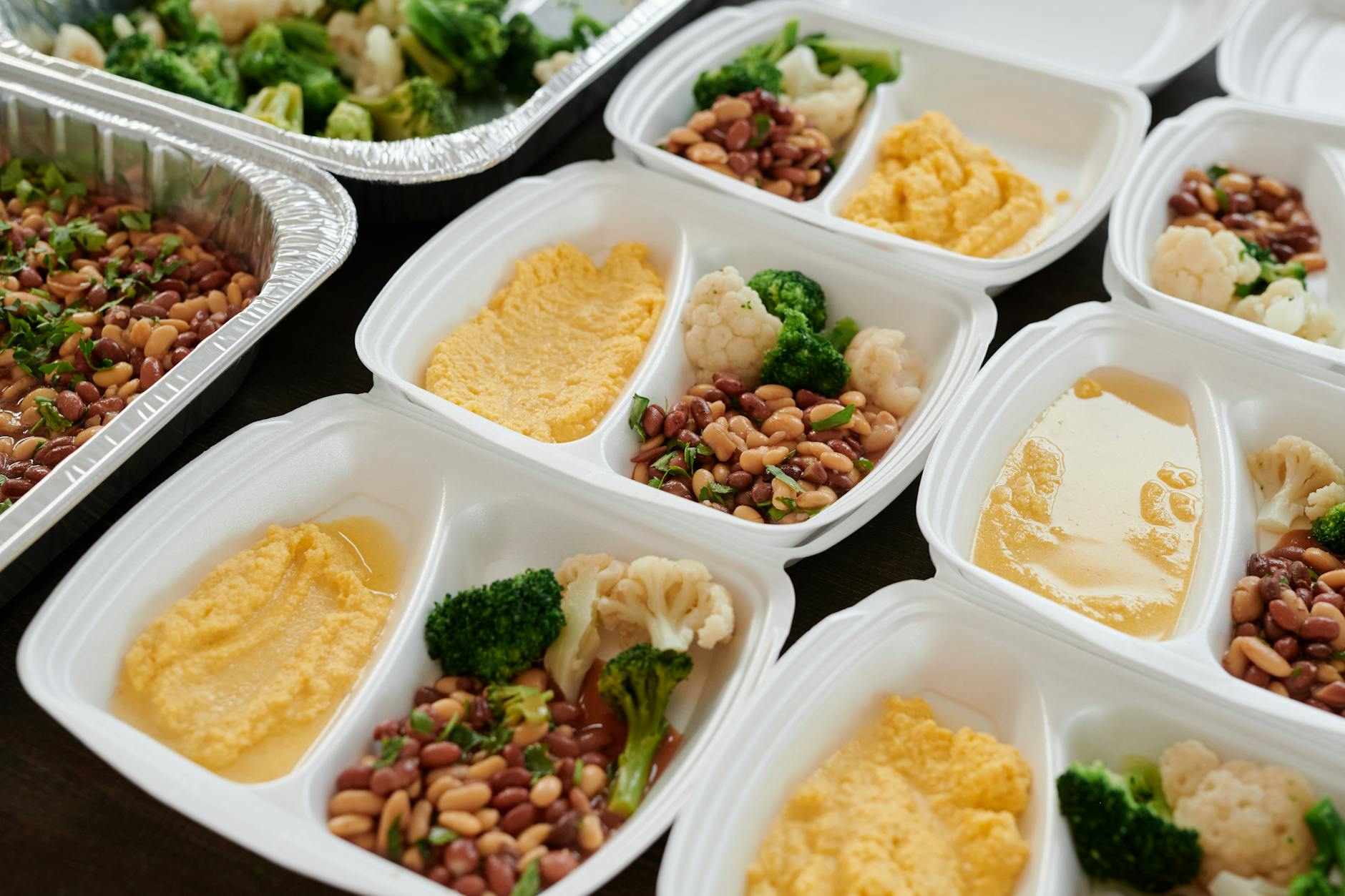
The order in which different macronutrients and food categories are consumed within a single meal has a demonstrable effect on post-meal blood glucose, insulin secretion and satiety that structured clinical research has repeatedly confirmed. Studies show that beginning a meal with vegetables and protein before introducing carbohydrates reduces the post-meal glucose peak by a substantial margin compared to eating in the conventional order of carbohydrates first. Nutrition professionals who specialize in glycemic management frequently organize their own meals to begin with fiber and protein, treating carbohydrates as a concluding component of the eating occasion. This sequencing effect works through multiple mechanisms including fiber coating the intestinal wall before glucose arrives and early protein stimulating incretin hormone release. The clinical utility of meal sequencing is high and the implementation cost is low, yet it rarely appears in public dietary guidance with the specificity required for practical application.
Thermal Food Timing

The temperature of foods and beverages consumed at different times of day interacts with the body’s own thermoregulatory processes in ways that influence digestion speed, metabolic rate and circadian signaling. Consuming warm foods and beverages in the morning supports digestive enzyme activation and aligns with the body’s rising core temperature at the start of the circadian day. Cold foods and beverages in the evening can interfere with the natural decline in core body temperature that signals sleep readiness to the brain. Research in chronobiology suggests that thermal cues from food and drink contribute to circadian entrainment alongside light exposure, a finding that has gained traction among sleep and nutrition researchers. The intersection of food temperature and timing is a practically accessible dimension of circadian nutrition that is rarely discussed outside of specialized research contexts.
Anti-Inflammatory Timing
The timing of anti-inflammatory foods and nutrients relative to exercise, sleep and stress events influences the degree to which their bioactive compounds can reduce systemic inflammation at its most relevant biological moments. Omega-3 fatty acids, polyphenols and certain plant compounds show varying absorption and efficacy profiles depending on the metabolic context in which they are consumed, with some demonstrating superior outcomes when taken alongside meals containing fat. Nutrition professionals who work in sports medicine and longevity medicine tend to be deliberate about consuming anti-inflammatory foods and supplements in the post-exercise window and in the evening when overnight repair processes amplify their effects. Research on curcumin, quercetin and EPA bioavailability shows meaningful timing-dependent variation that practitioners in functional nutrition apply in clinical and personal settings. The strategic timing of anti-inflammatory nutrition is a nuanced practice with a credible evidence base that remains largely outside the scope of general public dietary guidance.
Share your own meal timing habits or questions in the comments.




