
Flea markets are a treasure hunter’s paradise, but walking away with a great deal takes more than enthusiasm and a sharp eye. The art of negotiation has its own unwritten rules, and breaking them can cost you the item you want or leave you paying far more than necessary. Whether you are a seasoned browser or a curious first-timer, understanding what not to do is just as important as knowing the right moves. These are the most common haggling mistakes that stand between you and the bargain you came for.
Arriving Too Late
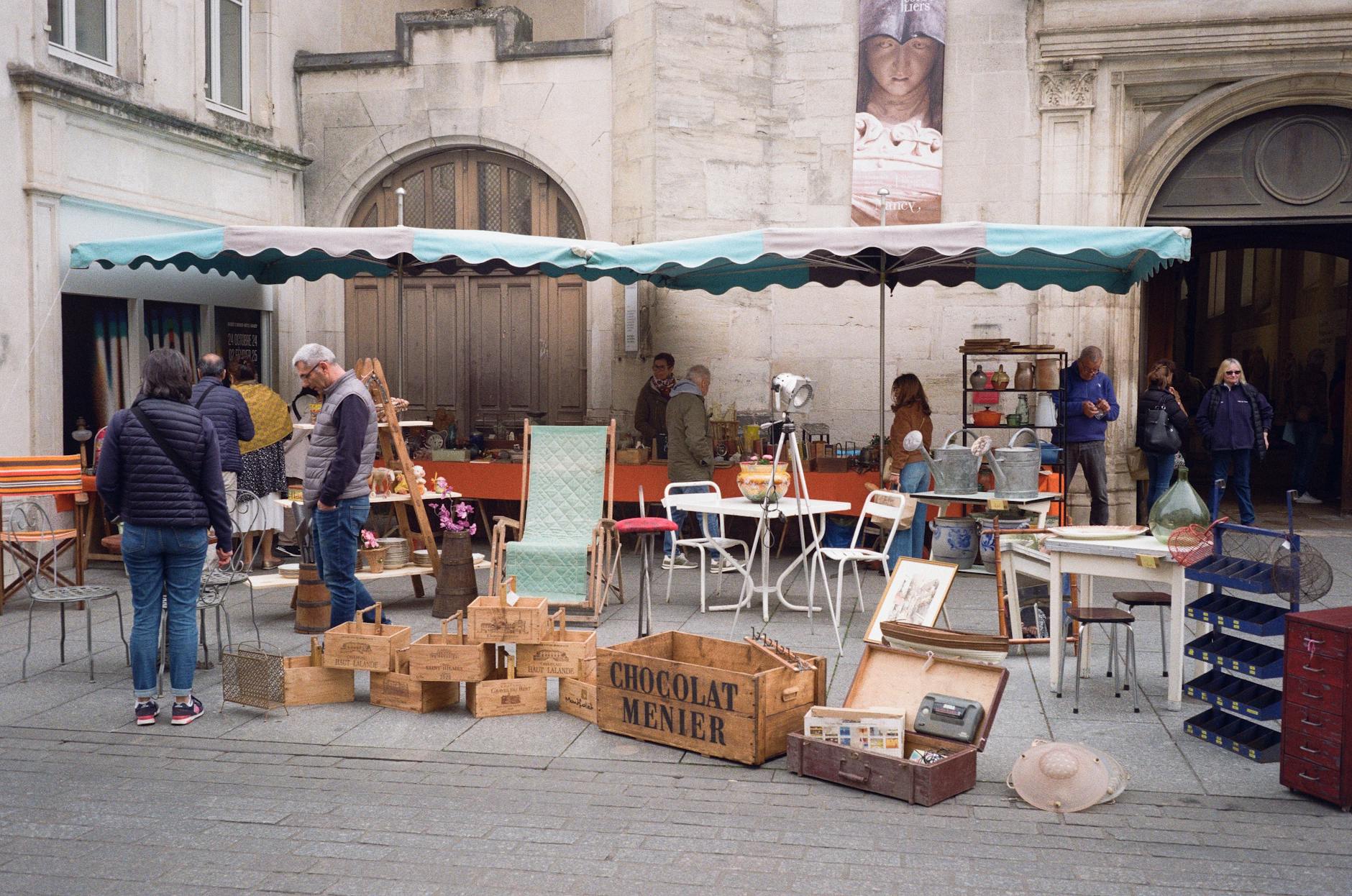
The best items at any flea market tend to disappear within the first hour of opening. Sellers are often more willing to negotiate early in the day when their energy is high and their expectations are fresh. Arriving late means competing for leftovers, which puts all the leverage in the seller’s hands. Early birds also have more time to browse multiple stalls before committing, giving them a clearer sense of fair pricing across the market.
Showing Too Much Excitement

Letting a seller see how much you love an item immediately weakens your negotiating position. When your eyes light up and your body language screams enthusiasm, the seller knows you are already sold and has little reason to lower the price. Experienced hagglers maintain a neutral expression and handle items with casual interest rather than visible longing. Keeping your emotions in check is one of the most effective tools you have at the bargaining table.
Not Doing Research
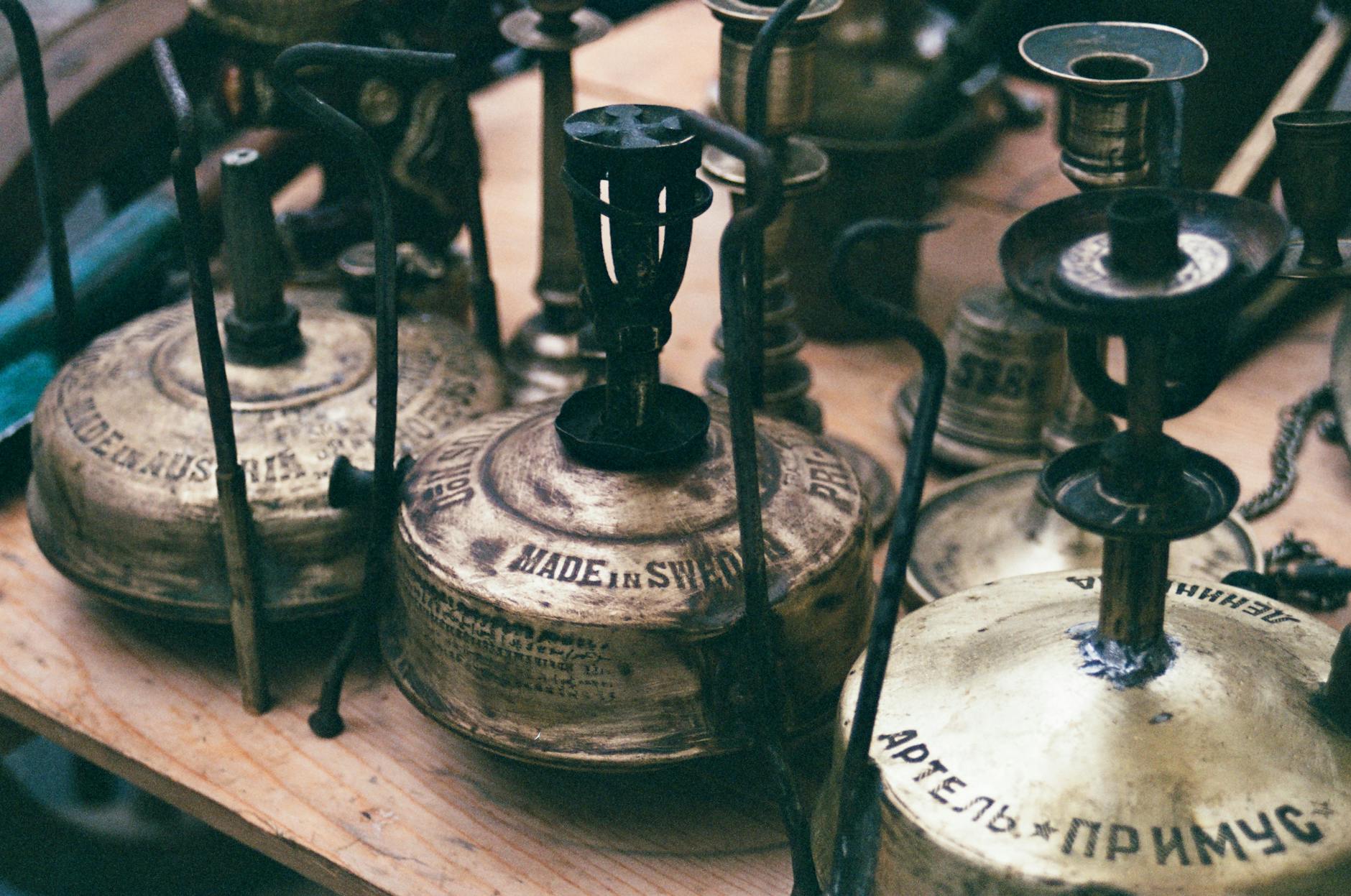
Walking into a flea market without any sense of what items are worth is a recipe for overpaying. Sellers price their goods based on their own knowledge and experience, and buyers who lack that same awareness are easy targets. A quick search before you go can give you a realistic benchmark for antiques, vintage clothing, collectibles, and furniture. Knowing the general market value of what you are looking for allows you to recognize a genuine deal and push back confidently when a price is too high.
Making the First Offer Too Low
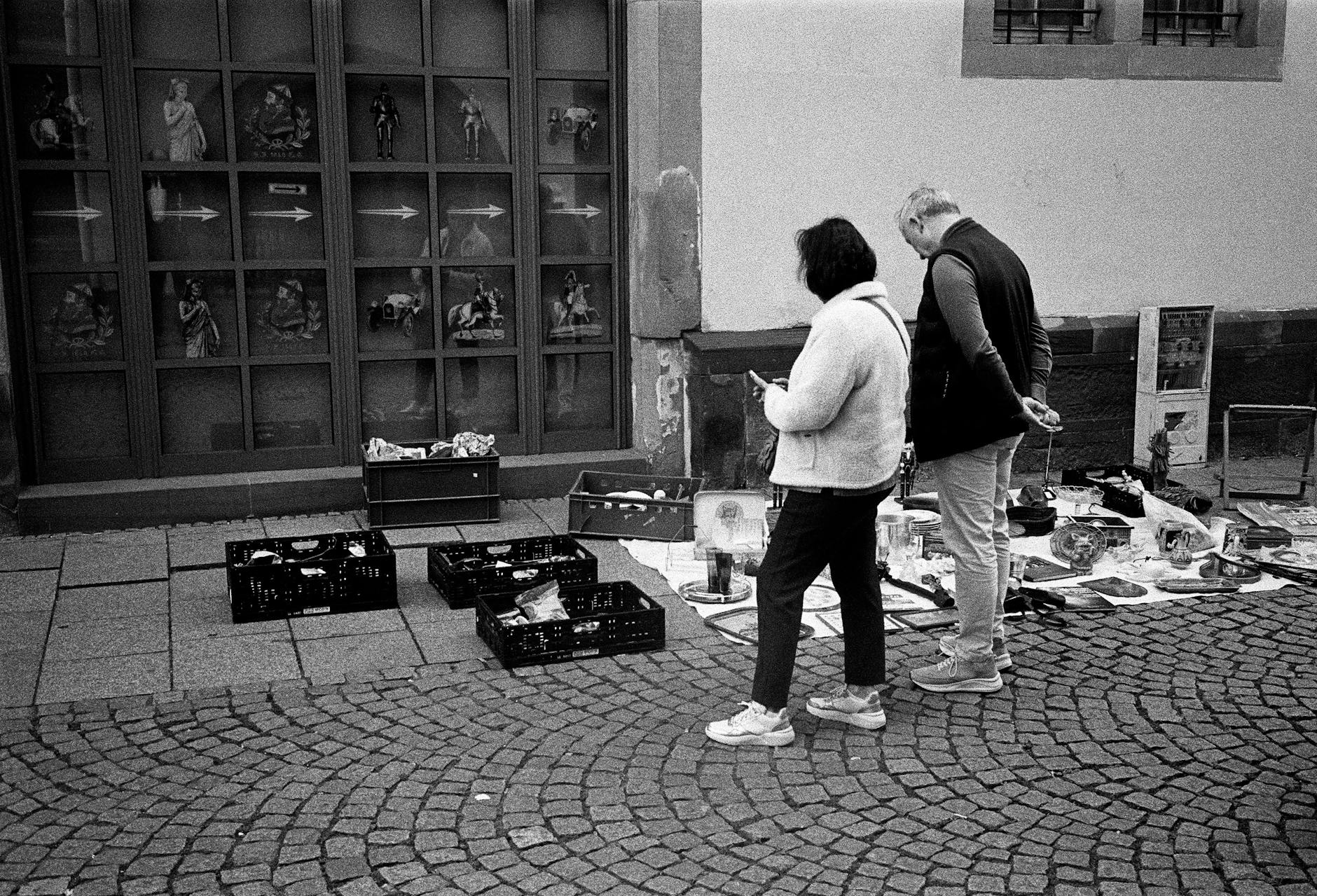
Opening with an insultingly low offer can end a negotiation before it begins. Many sellers take pride in their goods and will shut down entirely if they feel disrespected by an unrealistic bid. A more effective approach is to offer somewhere between fifteen and thirty percent below the asking price, leaving room for both parties to meet in the middle. The goal is to signal that you are a serious buyer while still creating space to negotiate downward from there.
Buying One Item at a Time
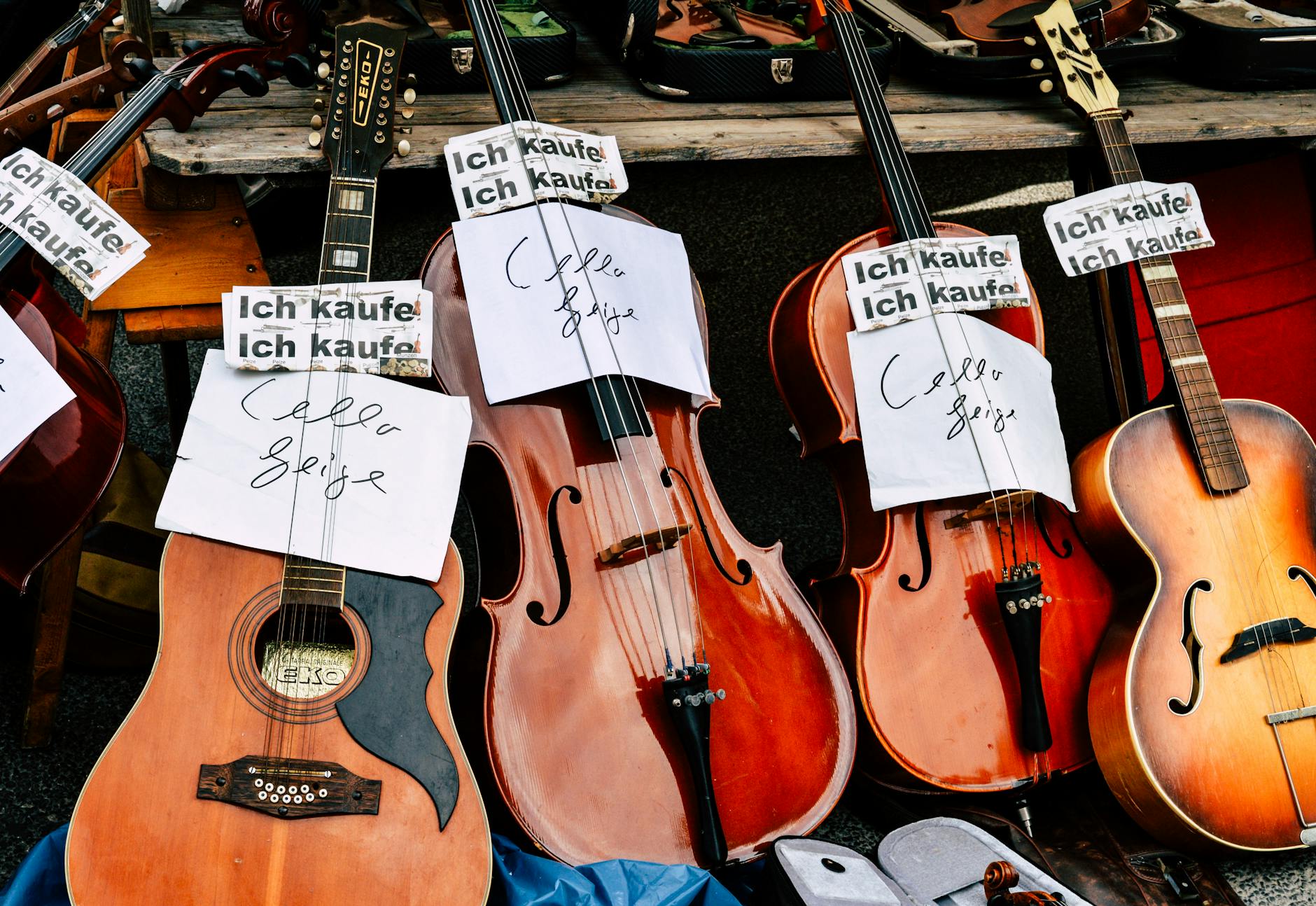
Focusing on a single item limits your bargaining power significantly. Sellers are far more willing to offer a discount when they see the opportunity to move multiple pieces in one transaction. Grouping several items together and asking for a bundle price gives the seller a stronger incentive to negotiate. This approach also saves time for both parties and often results in a better overall deal than negotiating each piece individually.
Carrying Visible Cash

Fanning out a thick stack of bills or reaching into an overstuffed wallet signals to sellers that money is not an obstacle for you. Cash transactions are standard at flea markets, but discretion matters when it comes to how much you visibly carry. Counting out exact change or appearing to stretch your budget creates a psychological advantage that can nudge a seller toward a lower price. Keep your money organized and out of sight until the moment of purchase.
Not Walking Away
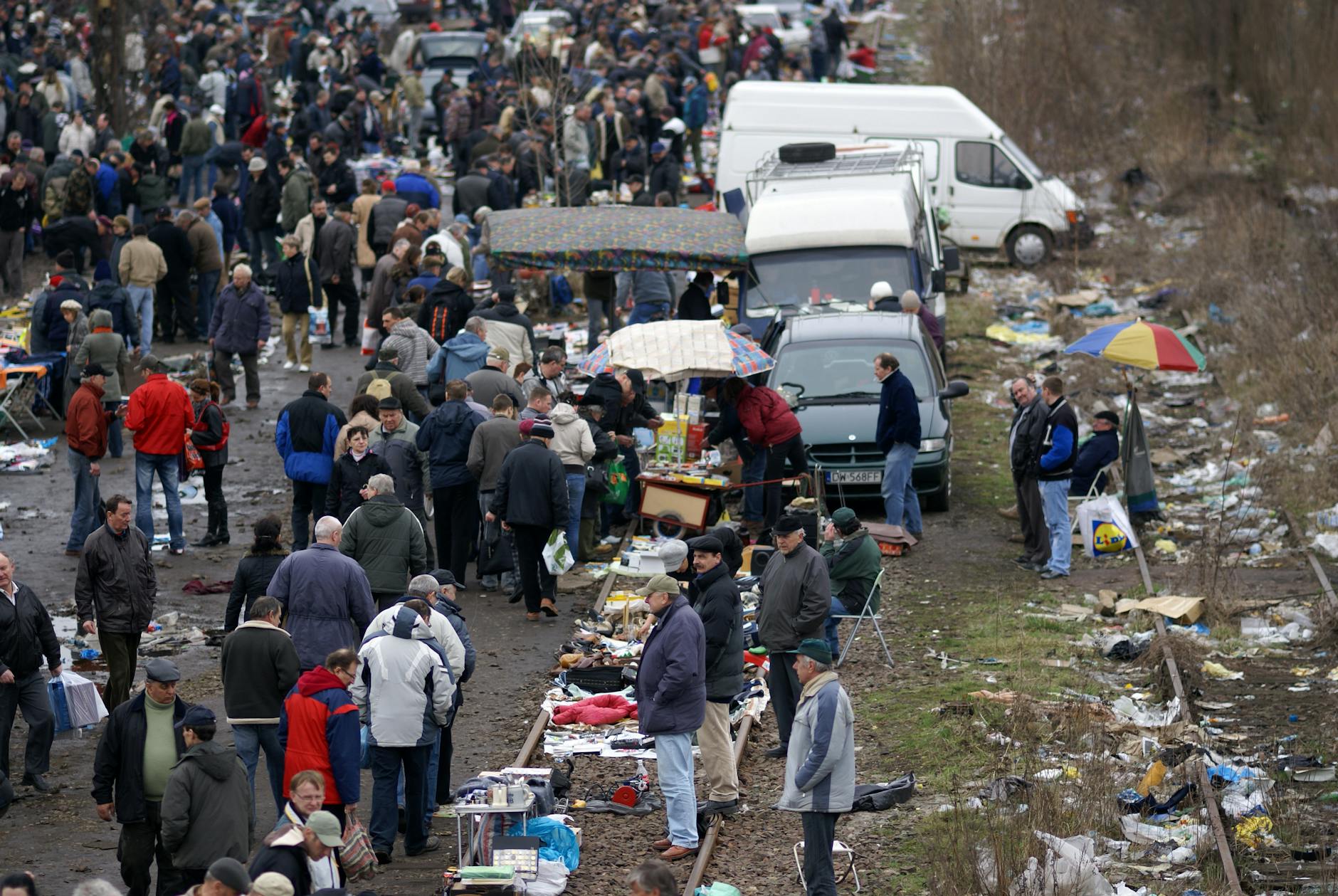
Failing to walk away when negotiations stall is one of the most costly mistakes a buyer can make. The act of turning to leave sends a clear message that your offer is final and that you are not desperate to close the deal. In many cases, a seller will call you back within a few steps and accept a price closer to what you originally suggested. If they do not, there is often another stall nearby with a similar item and a seller more open to negotiation.
Skipping Pleasantries
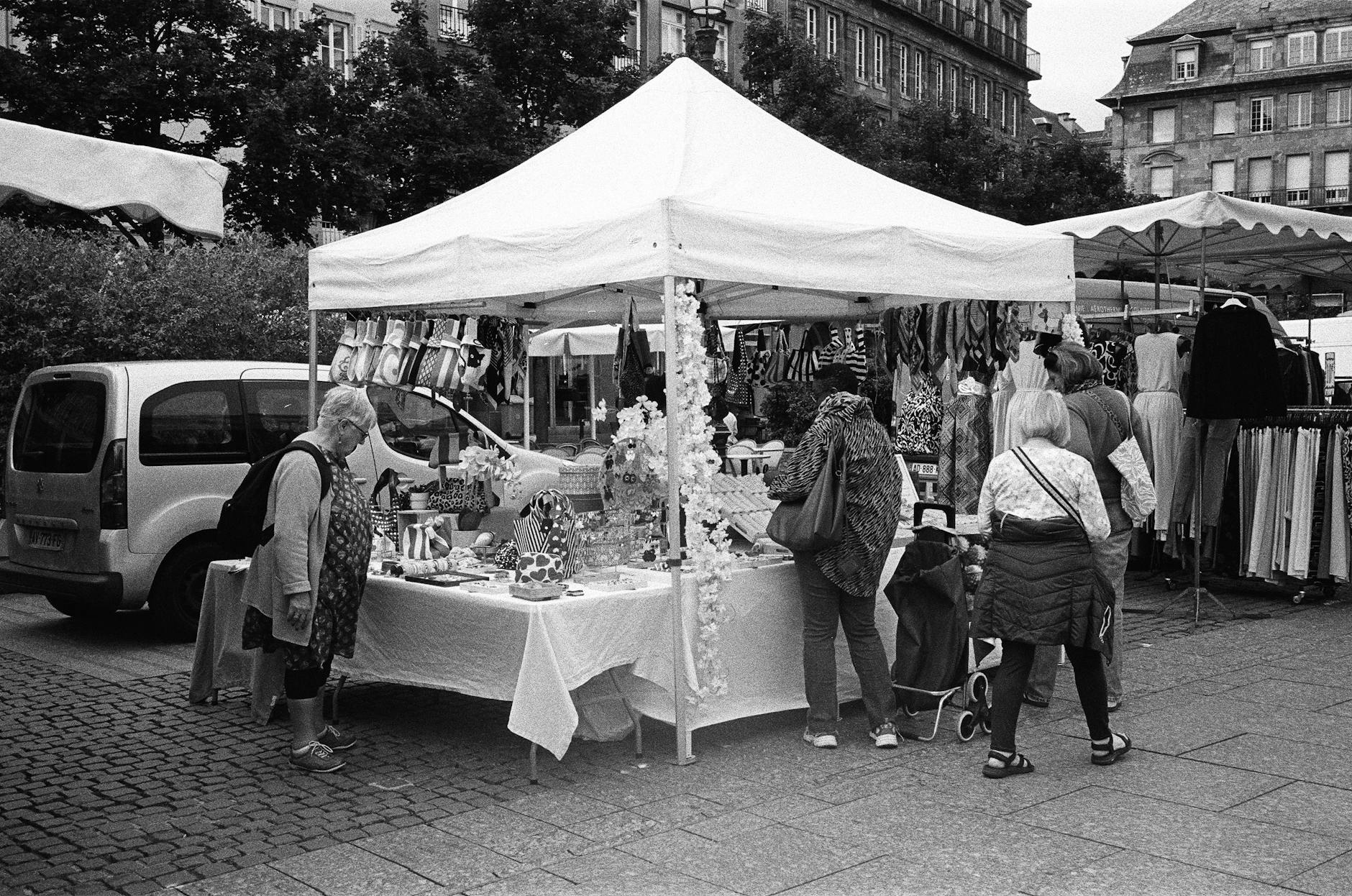
Launching straight into price negotiations without any friendly exchange puts sellers on the defensive immediately. Flea market vendors are people who often have a personal connection to the items they sell, and a brief warm conversation goes a long way toward building goodwill. Asking about the item’s history or complimenting the stall setup creates a more relaxed atmosphere where negotiation feels collaborative rather than adversarial. Sellers are simply more likely to offer a better price to someone they find personable and respectful.
Negotiating in a Rush
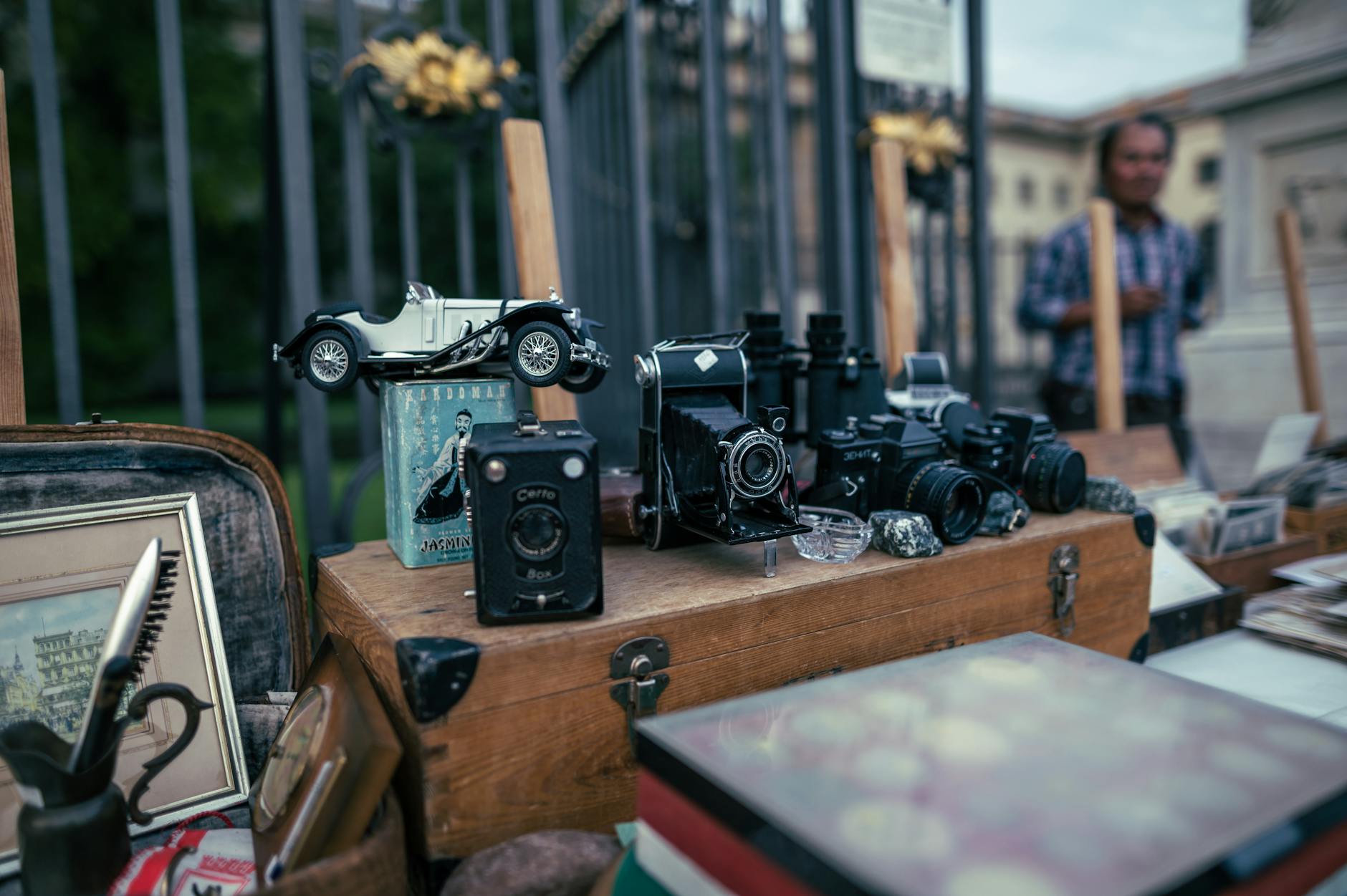
Trying to haggle quickly when you are pressed for time almost always works against you. Rushing signals desperation and removes the one tool that buyers rely on most which is patience. Sellers can sense when a buyer is in a hurry and will often hold firm on price knowing that time pressure may force the sale. Give yourself enough time at each stall to browse, ask questions, and let the conversation develop naturally before price ever comes up.
Ignoring Item Condition

Accepting an item’s asking price without carefully examining its condition is a mistake that experienced hagglers never make. Scratches, missing pieces, stains, or signs of repair are all legitimate reasons to request a lower price and sellers generally expect buyers to point these out. Tactfully drawing attention to flaws without being dismissive of the item frames the negotiation around facts rather than opinion. This approach is both fair and effective, and most sellers will adjust their price accordingly when presented with honest observations.
Using Round Numbers Only

Always countering with round figures like ten, twenty, or fifty dollars can make your offer feel arbitrary rather than considered. Specific numbers such as seventeen or thirty-three suggest that you have thought carefully about the item’s value and arrived at a precise figure. This psychological detail can lend credibility to your offer and make sellers take your bid more seriously. Oddly specific numbers also tend to anchor the conversation more effectively than round ones during back-and-forth negotiation.
Forgetting to Listen

Buyers who dominate the conversation and push hard without pausing to listen often miss valuable information that sellers volunteer naturally. A vendor might mention that they are trying to clear out their stall, that the item has been sitting unsold for weeks, or that they have flexibility on certain pieces. These cues are negotiating gold and they only emerge when you give the seller space to speak. Active listening is a quiet but powerful strategy that turns conversations into opportunities.
Focusing Only on Price
Fixating entirely on getting the lowest possible dollar amount can cause you to overlook other forms of value a seller might offer. Free delivery, a small gift thrown in, or a promise to hold an item while you continue browsing are all forms of added value that cost the seller little but benefit you significantly. Experienced hagglers think about the full transaction rather than just the sticker price. Broadening your definition of a good deal opens up more room for creative negotiation on both sides.
Negotiating in Front of Others

Trying to haggle while a crowd of people is watching or waiting nearby creates pressure that rarely works in the buyer’s favor. Sellers feel self-conscious about appearing to cave in front of an audience and are more likely to hold their position to protect their reputation. A more effective strategy is to wait until foot traffic around the stall is light or to speak with the seller in a slightly lower, more private tone. Giving the seller a sense of privacy in the exchange makes the whole process feel less like a performance and more like a genuine conversation.
Assuming All Prices Are Flexible
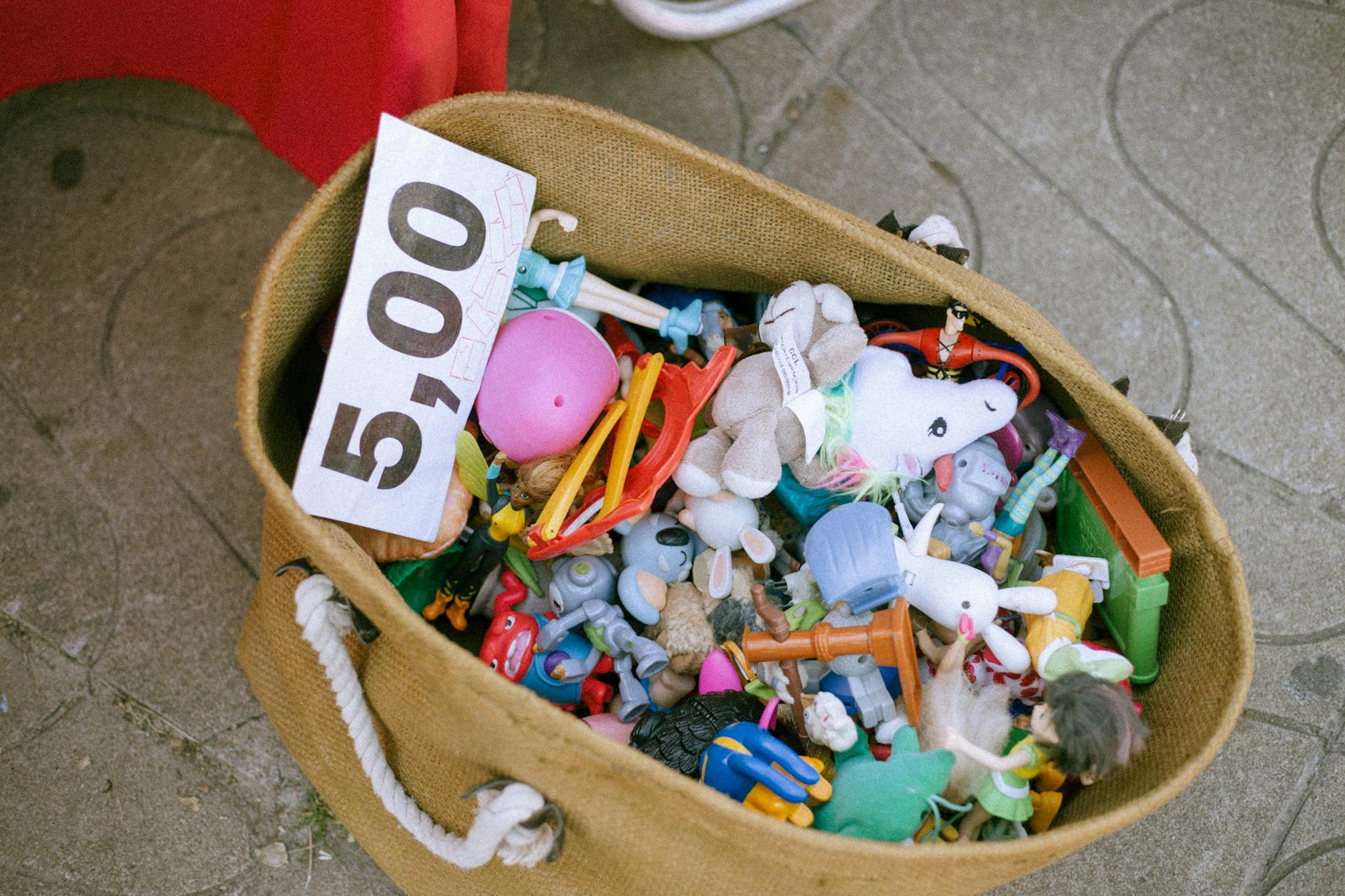
Not every seller at a flea market is open to negotiation on every item. Some vendors have firm prices based on what they paid for a piece or what they know it is genuinely worth, and pushing too hard in those cases wastes time and goodwill. Reading the seller’s body language and initial response to your first inquiry can tell you a great deal about how flexible they are willing to be. Knowing when to accept a fair price and move on is a skill just as valuable as knowing how to negotiate one.
Making It Personal
Criticizing an item harshly in order to justify a lower price is a tactic that tends to backfire at flea markets. Sellers frequently have an emotional attachment to their goods, particularly at vintage and antique stalls where items have histories. Pointing out flaws in a dismissive or derogatory way can offend the seller and end any chance of a deal. Framing your observations as practical rather than judgmental keeps the conversation productive and the seller engaged.
Not Having Small Bills

Showing up without small denomination bills can complicate the final stage of any negotiation. If you agree on a price of twelve dollars and all you have is a fifty, the seller may not have change and the deal can fall apart entirely. Carrying a variety of small bills also helps reinforce the impression that you are working within a limited budget. Practical preparation at this level reflects the mindset of someone who takes the bargaining process seriously.
Revisiting a Rejected Offer

Returning to a seller and repeating an offer they have already turned down rarely produces a different result and often creates friction. If a seller has declined your price once, the path forward is either to meet somewhere new or to move on entirely. Coming back with the exact same number signals that you were not listening and can come across as dismissive of the seller’s position. If you genuinely want the item, consider finding a new angle or a slightly adjusted figure rather than simply repeating yourself.
Talking Too Much
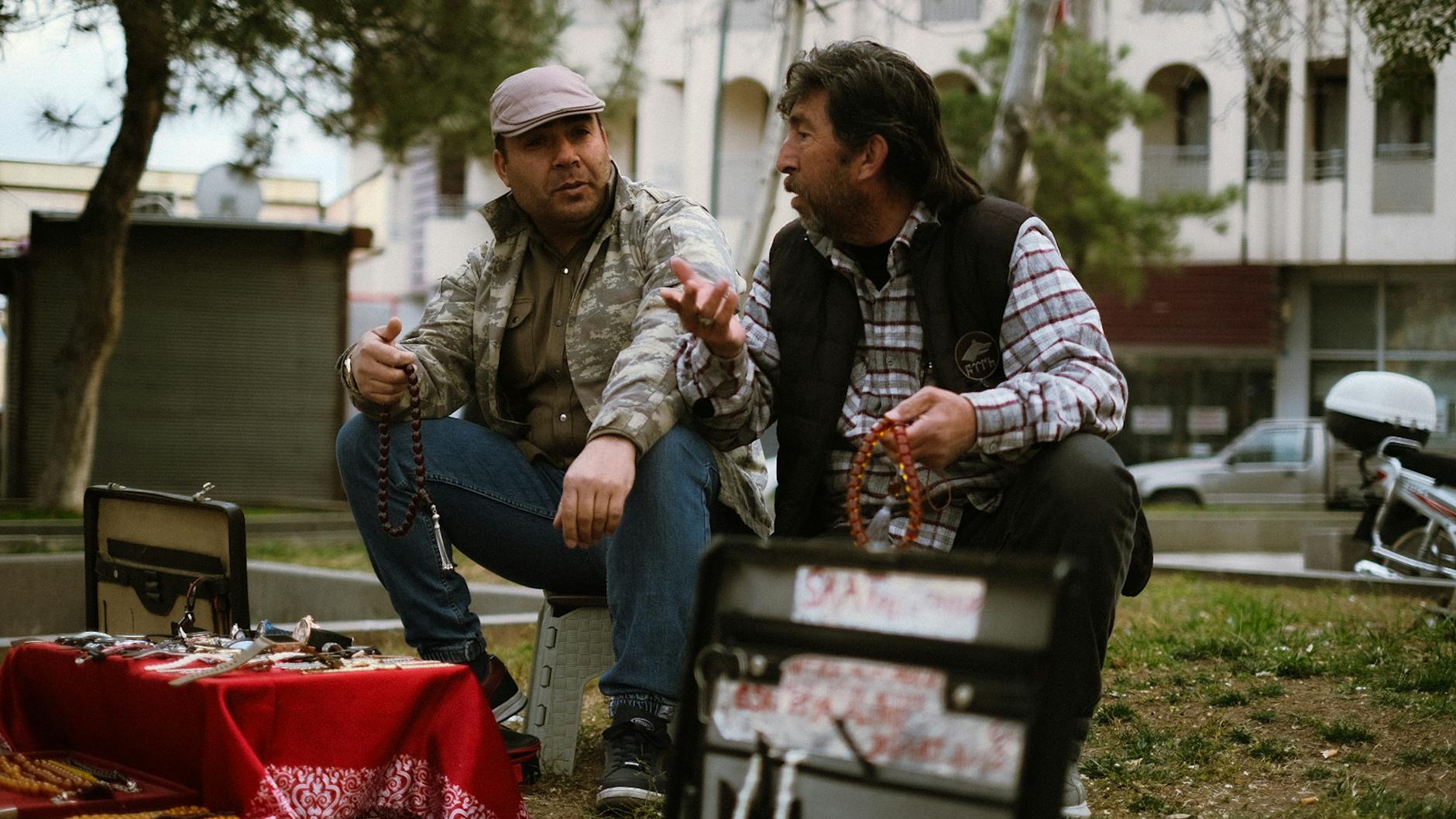
Overfilling the silence after making an offer is one of the most common and most damaging mistakes in any negotiation. Once you have named your price, the most powerful thing you can do is stop talking and let the seller respond. Buyers who nervously keep speaking tend to talk themselves into a worse deal by adding justifications, concessions, or second-guessing their own offer in real time. Silence is a negotiating tool and learning to sit comfortably in it gives you a significant advantage.
Leaving Without Asking

Perhaps the simplest mistake of all is walking away from an item you genuinely wanted without ever asking whether the price was negotiable. Many buyers talk themselves out of initiating a conversation because they fear rejection or feel awkward about asking. In reality, most flea market sellers expect to be asked and are not offended when a buyer makes a reasonable inquiry. A polite and confident question is all it takes to open the door, and the worst a seller can say is that the price is firm.
What haggling strategies have worked best for you at flea markets? Share your experiences in the comments.




