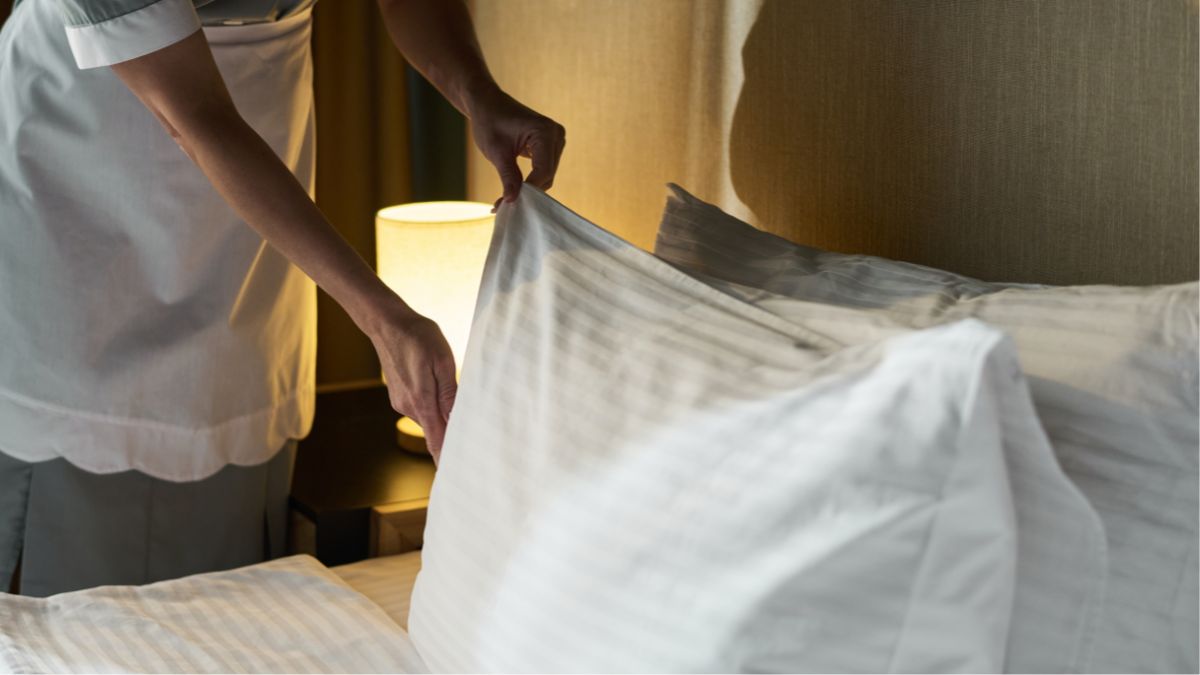
Hotel housekeepers develop a remarkably sharp instinct for reading a room the moment they step inside. Years of experience turning over hundreds of rooms train them to notice telling details within seconds of opening a door. What guests assume goes unnoticed is often the first thing a seasoned housekeeper clocks. These habits and patterns reveal far more about a guest than they might ever expect.
Wet Towels on the Bed
Leaving damp towels piled directly on the bedding is one of the most immediate red flags for any housekeeper entering a room. It signals not only disregard for the linens but also suggests the guest is unlikely to have organized much else throughout their stay. Wet towels left in this position can damage the mattress beneath and significantly increase the workload. Housekeepers are trained to assess moisture damage and often must take extra steps to air out the bedding. It is one of the first things their eyes go to before anything else in the room.
Minibar Chaos
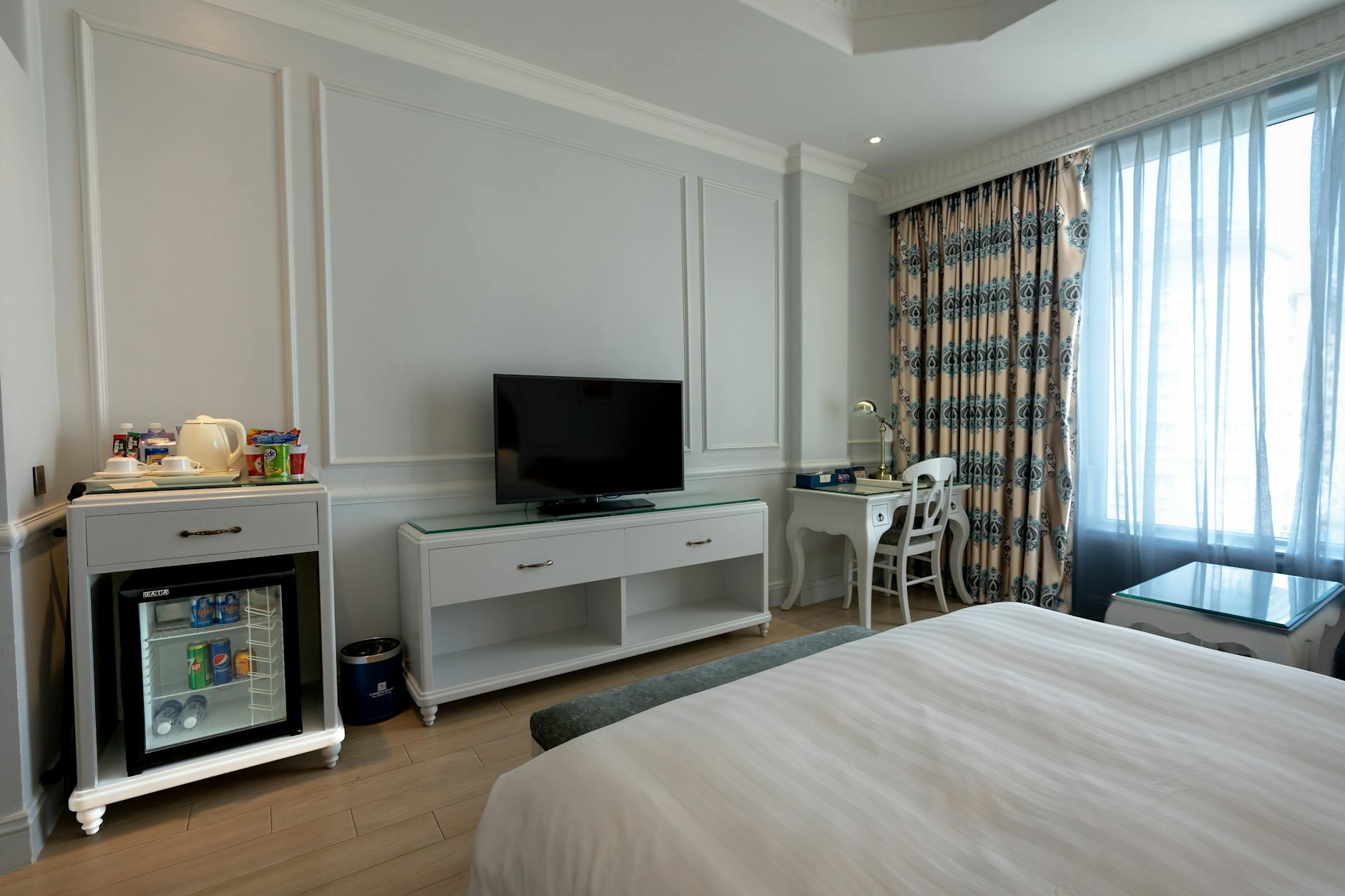
A raided minibar with wrappers left scattered across the counter and empty bottles tipped on their sides tells a clear story before a single drawer is opened. Housekeepers must carefully inventory every item and note what has been consumed for billing purposes, a task made considerably harder when packaging is strewn everywhere. Guests who leave the minibar area in disarray tend to have similarly chaotic habits throughout the rest of the room. Crumpled receipts and torn wrappers mixed in with the remaining items slow down the restocking process considerably. It sets an expectation for what the rest of the inspection will look like.
Bathroom Floor
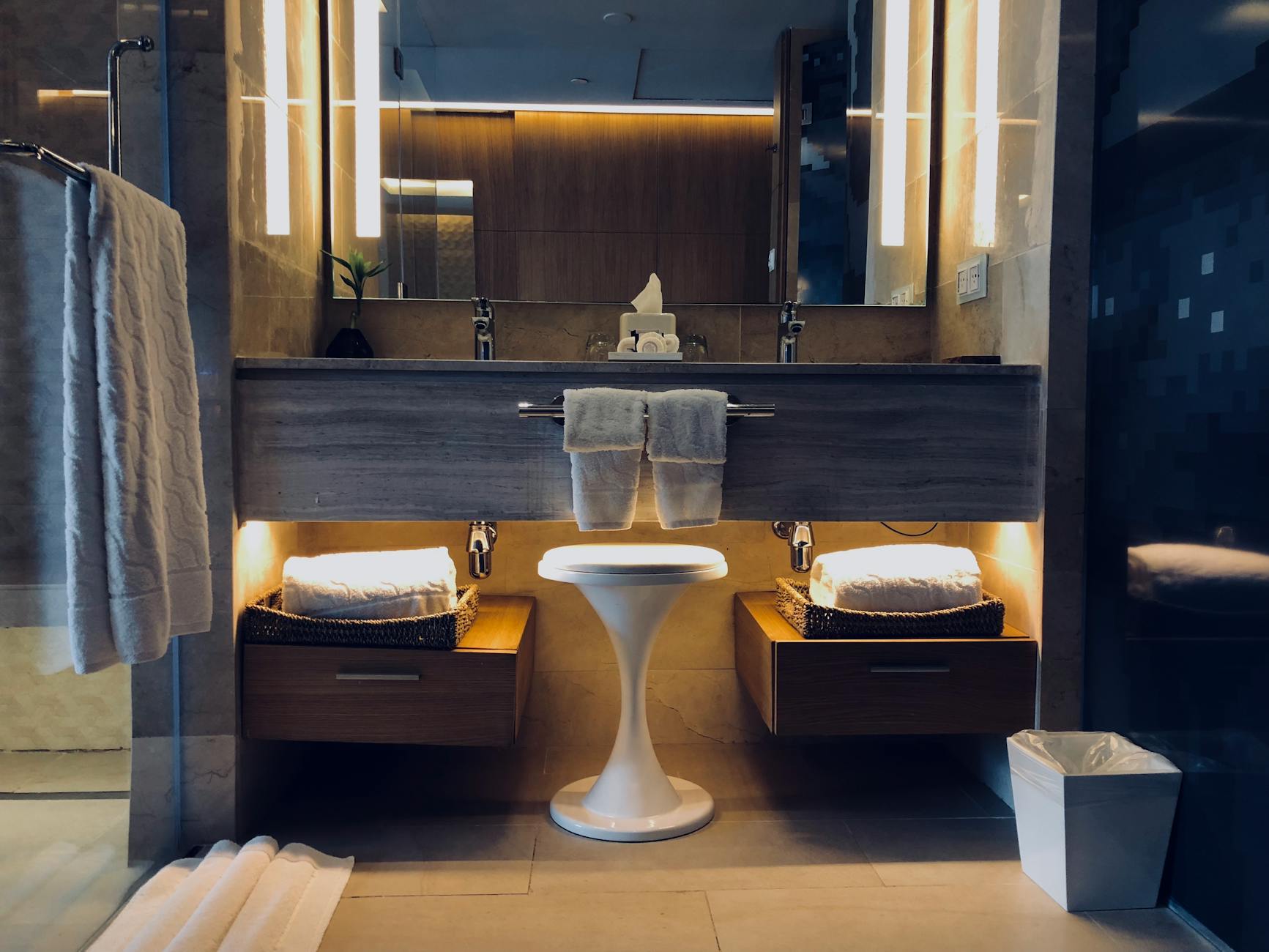
The state of the bathroom floor is often the single most reliable indicator of a guest’s overall tidiness. Hair, product residue, soaked bath mats and discarded packaging all accumulate quickly and are visible the instant the door swings open. A heavily soiled floor within the first night of a stay signals habits that will compound with each passing day. Housekeepers frequently mention that the bathroom tells the whole story of a guest’s relationship with shared or temporary spaces. Very little else in the room needs to be checked once that initial glance at the floor has been taken.
Open Luggage
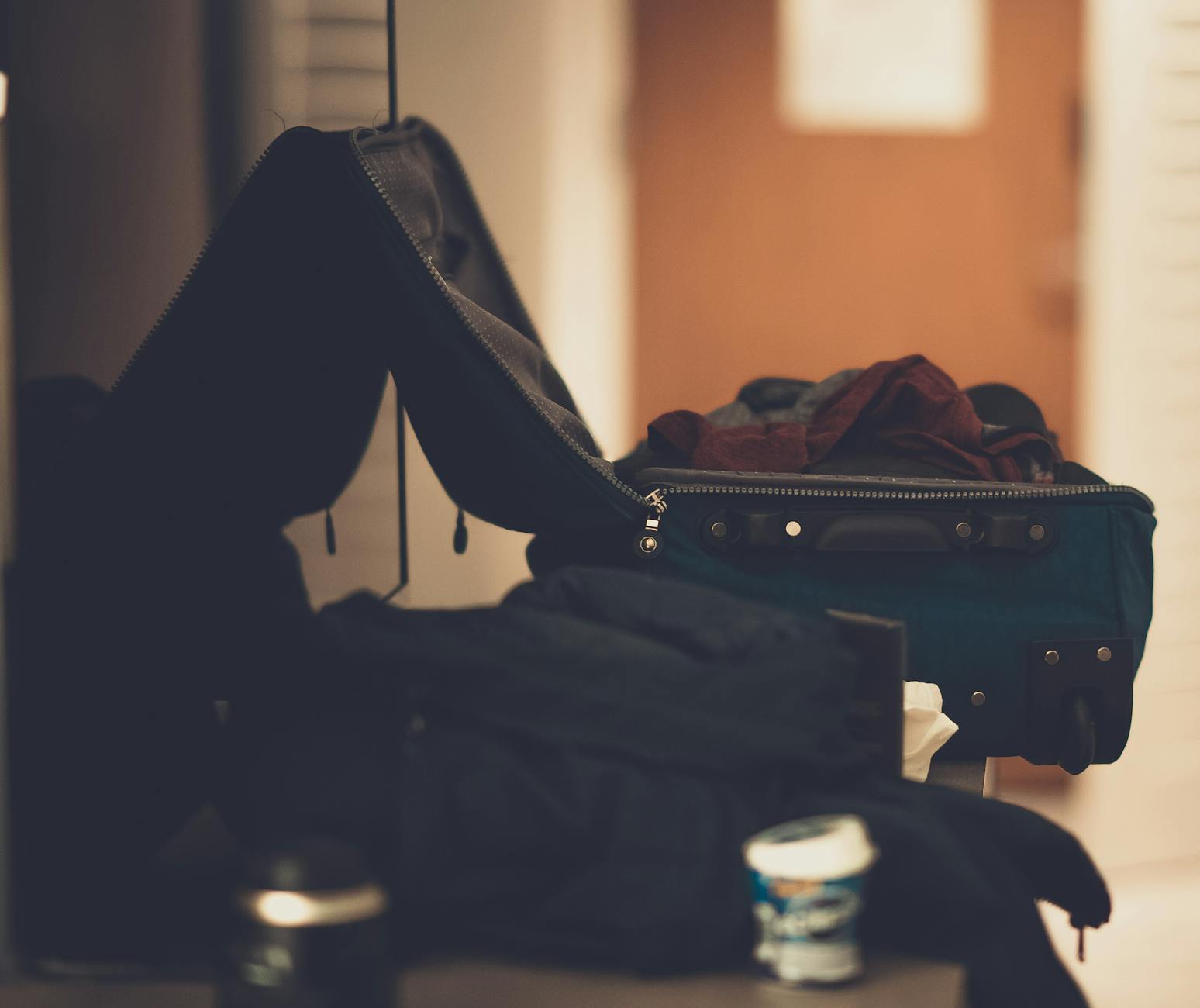
A suitcase thrown open in the middle of the floor with contents spilling out in every direction is a clear early signal for housekeeping staff. It often means clothing has migrated to chairs, windowsills and surfaces that need to be wiped down, making the cleaning process more involved. Staff must work around scattered belongings rather than being able to move efficiently through the space. An open and overflowing bag also suggests the guest has no system for containing their items during the stay. It slows down the entire room turn and is one of the most commonly noted signs among experienced housekeepers.
Food Leftovers
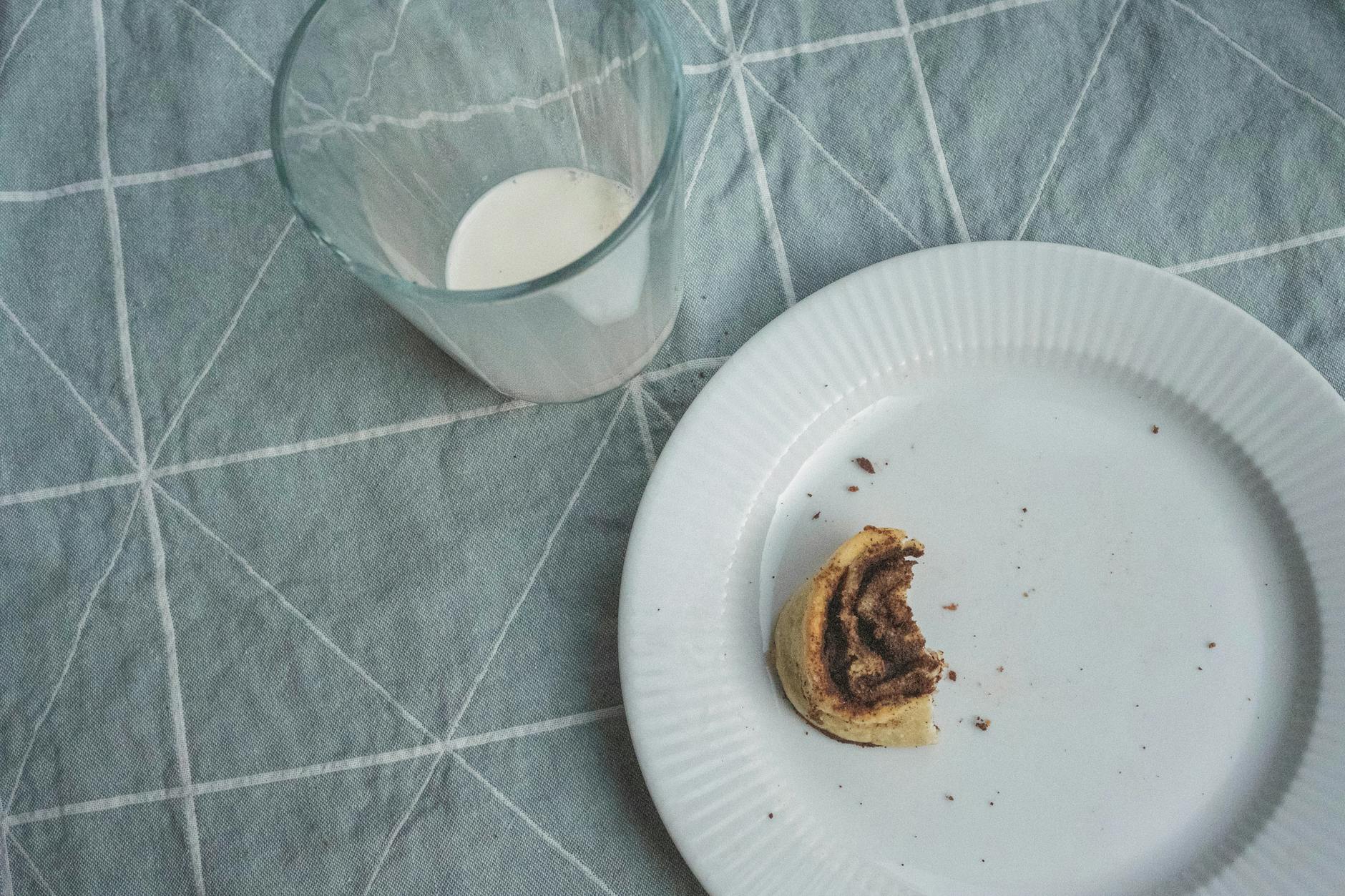
Takeaway containers, room service trays left on the floor and snack wrappers tucked into unexpected places are among the most telling signs of a messy guest. Food left out attracts pests and creates odors that require additional cleaning products and time to address properly. Housekeepers are trained to check under beds and behind furniture precisely because guests often push food waste out of their own sightline. A room with food debris scattered beyond the designated dining area requires a significantly longer cleaning window. It also puts additional pressure on the housekeeper to flag the room for a deeper inspection.
Sink Situation
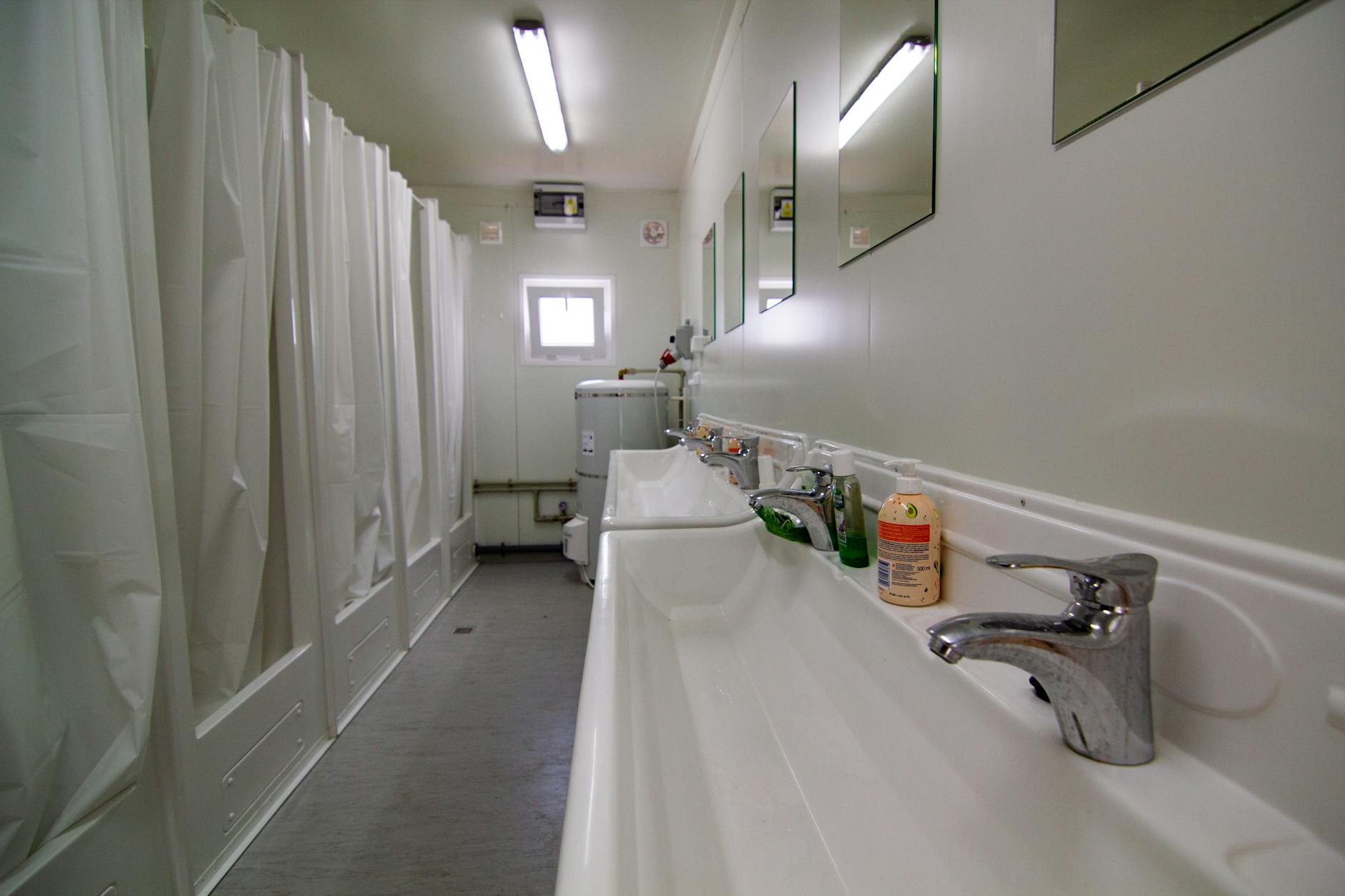
Toothpaste smeared across the basin, splashed water left to dry on the mirror and personal products left open and dripping are all noticed within moments of entering the bathroom. The sink area concentrates a surprising amount of information about how a guest manages their personal space. Product caps left off and lids unsealed often lead to spills that seep into grout and require additional scrubbing. A cluttered and stained sink basin means the housekeeper must budget extra time before moving on to the rest of the room. It is a detail guests rarely think about but one that housekeepers notice every single time.
Curtain and Blind State

Curtains yanked to one side and ripped partially from their tracks or blinds bent out of alignment are noticed immediately by experienced staff. Window treatments take significant effort to rehang or realign and are a source of frequent low-level damage in busy hotels. A room where these have been wrestled with suggests the guest engages roughly with shared fixtures throughout the space. Housekeepers use the state of the curtains as a quick gauge of how carefully the rest of the furnishings have been treated. It is a small detail that speaks to a broader pattern of how a guest interacts with the room around them.
Bed Jumping Evidence
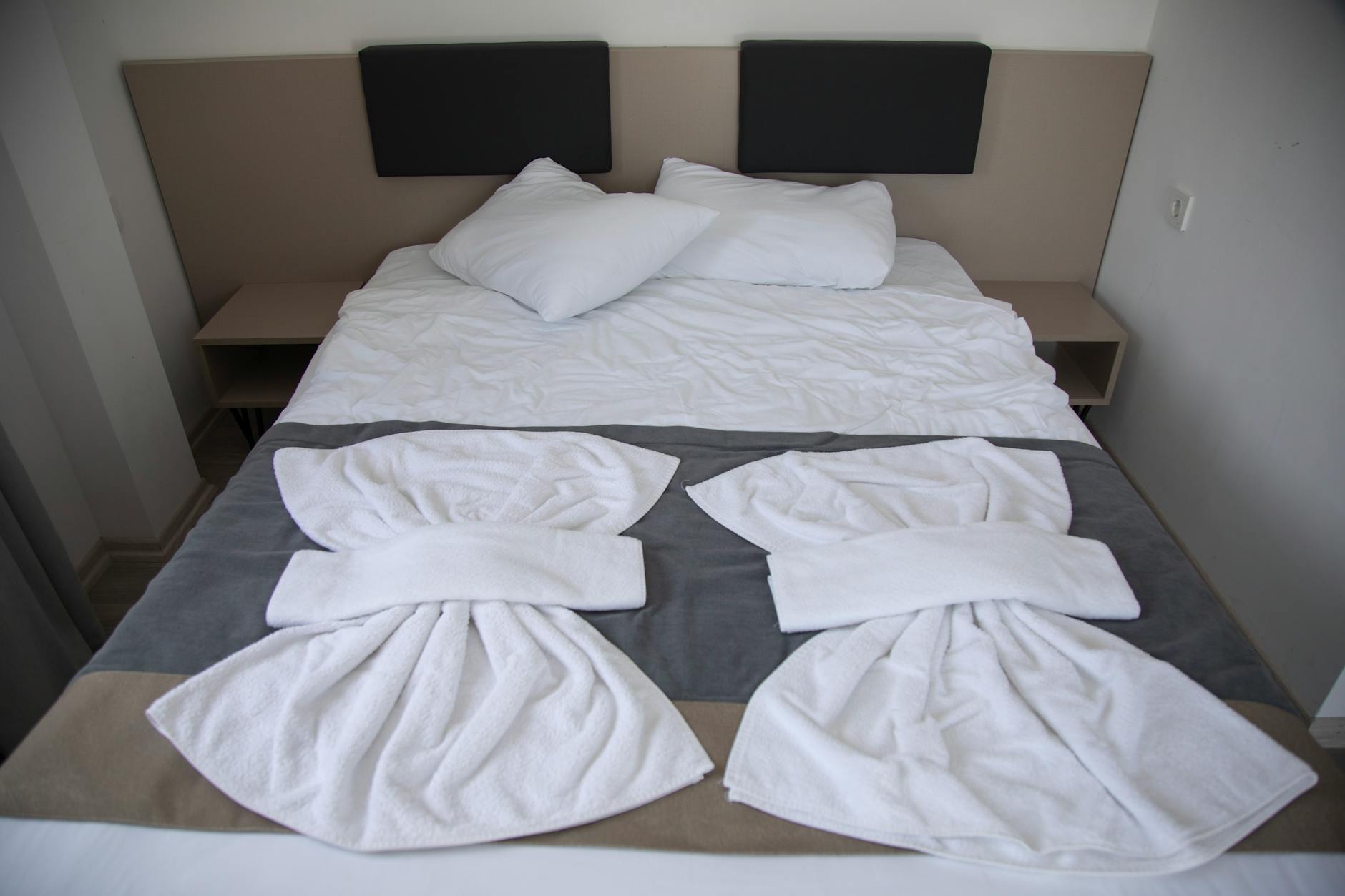
A mattress visibly shifted from its base, pillows compacted into unusual shapes and bed slats slightly displaced are all signs housekeepers recognize instantly. Guests who treat the bed as a recreational surface rather than just a sleeping space tend to create considerably more structural wear over a short stay. Straightening and realigning a mattress is a physical and time-consuming task that falls outside of the standard linen-change routine. Staff often note that a displaced mattress is a reliable predictor of wear and disorder elsewhere in the room. It is one of the more physically demanding surprises a housekeeper can encounter during a standard turnaround.
Garbage Bin Overflow
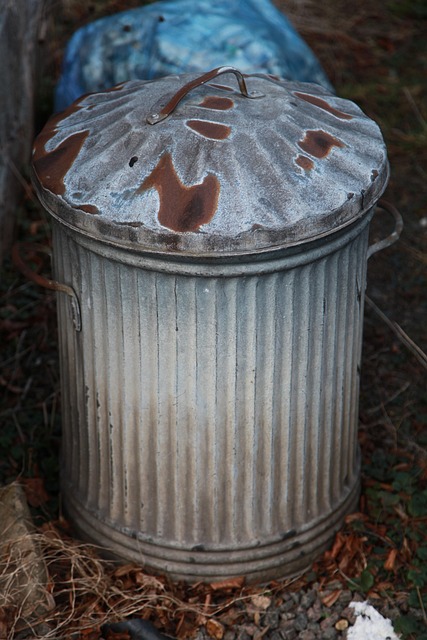
A bin that has been filled and overflowing within the first day or two of a stay signals a guest who is consuming heavily and disposing of little. When waste spills beyond the bin onto the surrounding floor, it creates additional cleanup that was not part of the standard room plan. Housekeepers are trained to check bin contents for items like half-eaten food that may have been buried beneath other waste. An overflowing bin frequently accompanies other forms of clutter throughout the room and confirms early assessments made at the door. It is a straightforward but telling detail that requires no further investigation.
Displaced Furniture
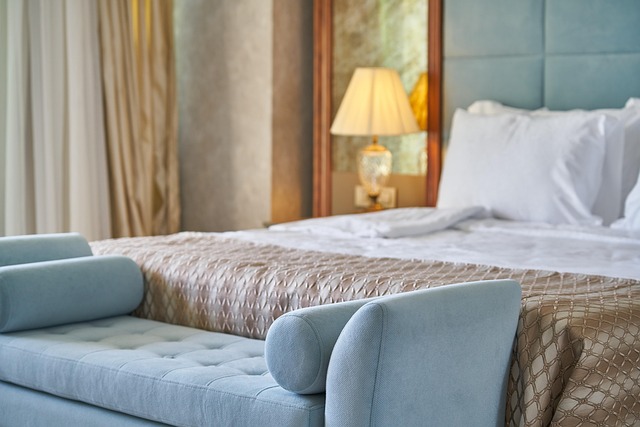
A desk chair pushed across the room, a side table moved away from the bed and lamps shifted to inconvenient positions all register immediately for housekeeping staff. Furniture displacement creates a visual disorder that makes the room feel more chaotic than it may actually be and slows down the cleaning circuit. Returning each piece to its designated position adds time to every visit and over a long stay can become a significant cumulative task. Staff note that guests who rearrange furniture rarely do so with any plan to return items before checkout. It is one of the more quietly time-consuming elements of a messy room turn.
Shower Drain
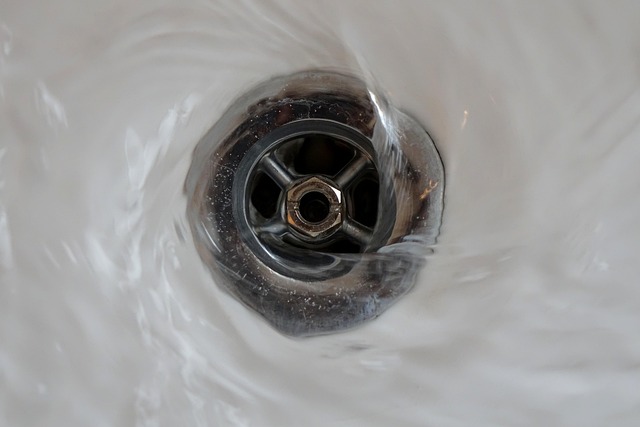
Hair collected around and in the shower drain is one of the most immediate and universally noted indicators among housekeeping professionals. A heavily blocked or surrounded drain within a short stay signals daily habits that compound quickly in a wet environment. Clearing and cleaning the drain area requires specific tools and adds meaningful time to the bathroom portion of the clean. Guests rarely consider this visible and unavoidable detail when they leave the shower running. Housekeepers across properties of every level consistently identify drain condition as a fast and accurate read on overall guest behavior.
Clothing on Fixtures
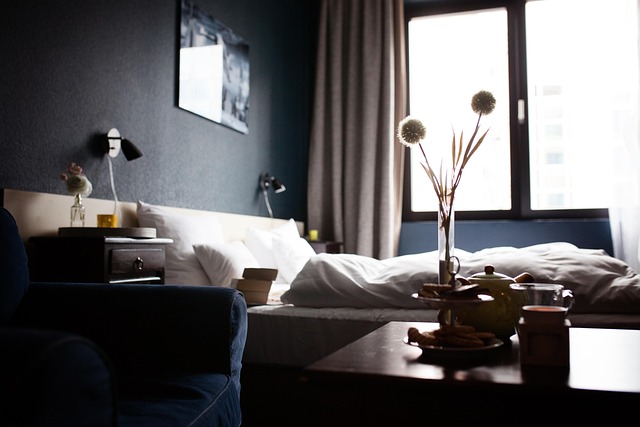
Socks draped over the television, shirts hung from smoke detectors and underwear looped around door handles are sights that register instantly and unforgettably. Using room fixtures as an informal wardrobe creates hygiene concerns and in some cases actual safety issues depending on what the item is covering. Housekeeping staff must remove and safely relocate these items before cleaning can begin, which disrupts the standard workflow significantly. The practice signals a guest who is prioritizing convenience entirely over awareness of shared space. It is one of the more striking things a housekeeper can walk into on a standard room visit.
Makeup Residue
Foundation smeared across the pillowcase, mascara on the white hand towels and powder residue coating the vanity surface are flagged immediately upon entry. Cosmetic stains require pre-treatment and are among the more stubborn marks housekeepers contend with during a busy shift. The vanity area in particular accumulates product buildup quickly when makeup is applied without any protective barrier beneath. Stained linens may need to be removed from rotation entirely depending on the severity of the transfer. It is one of the most common complaints raised by housekeeping staff across hotel categories worldwide.
Iron and Board Misuse
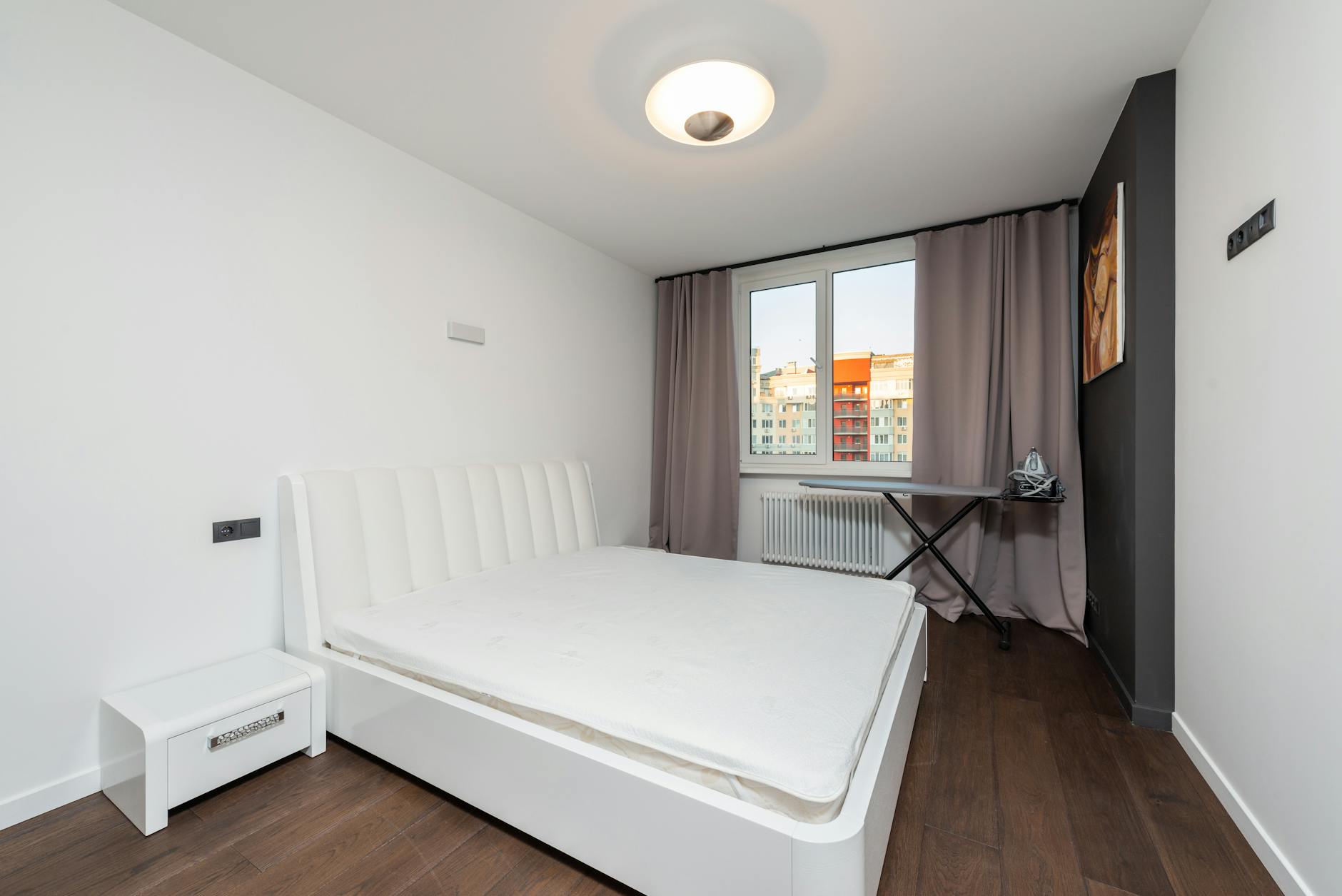
An iron left face-down on the board cover, a scorch mark on the board surface or a cord wrapped tightly around a hot iron tells a story of hasty and careless use. Housekeeping staff are required to inspect irons and boards for damage and must report anything that poses a safety risk before the room is turned over. A scorched or damaged board cover must be replaced, which draws on supplies designated for other tasks. Guests who leave irons in unsafe configurations create liability concerns beyond the simple cleaning inconvenience. It is one of the few areas where housekeeper observations can directly trigger a maintenance or safety report.
Balcony Situation

A balcony with cigarette butts stamped out on the railing, food scraps left on the outdoor table and furniture pulled to unusual angles is assessed almost as quickly as the interior. Outdoor spaces accumulate wind-scattered debris on top of guest-generated mess, making the combined cleanup effort more demanding. Residue left on railings or furniture surfaces can harden and stain if not addressed promptly, requiring specialized cleaning products. Housekeepers must also check for any items blown against the glass or tangled in furniture before they can begin restoring the space. A neglected balcony is often the final confirmation of an overall pattern that began the moment the room door opened.
Which of these habits surprised you most? Share your thoughts in the comments.




