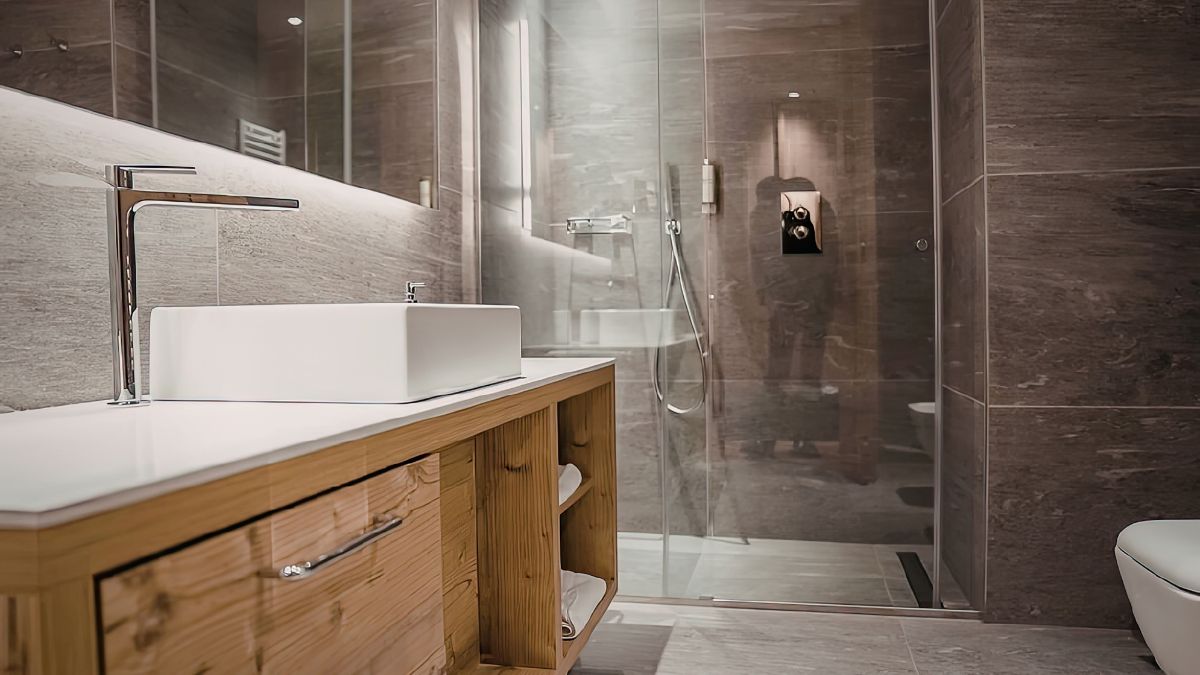
The bathroom cabinet seems like the obvious place to stash everything from medicine to makeup, but humidity, heat, and light can quietly degrade many common household items. Certain products lose their effectiveness or even become unsafe when exposed to the constant moisture cycle of a steamy bathroom. Rethinking where you store everyday essentials can protect your health, extend product life, and save you money in the long run. Small changes to your storage habits can make a surprisingly big difference across your home.
Aspirin

Aspirin and most over-the-counter medications are highly sensitive to moisture and temperature fluctuations. The steam from showers accelerates the chemical breakdown of active ingredients, reducing their effectiveness over time. A cool, dry location such as a bedroom drawer or kitchen cabinet is far better suited for medicine storage. The FDA and most pharmacists recommend keeping all medications away from bathrooms entirely.
Nail Polish
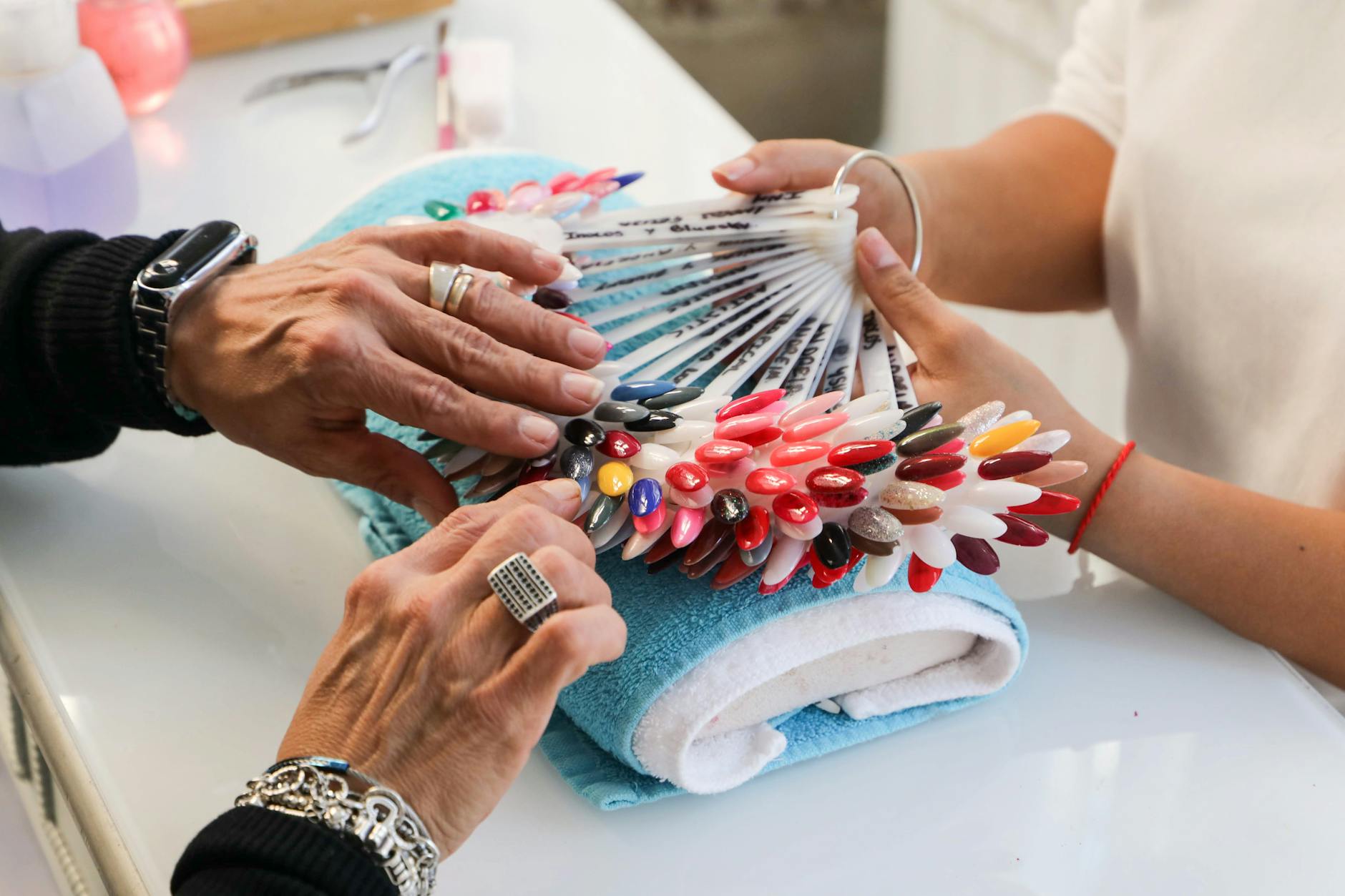
Nail polish is a temperature-sensitive product that separates, thickens, and becomes unusable when stored in warm and humid conditions. The pigments and bonding agents inside the bottle rely on stable temperatures to maintain their smooth consistency. A bedroom shelf or a dedicated beauty drawer in a cooler room preserves the formula far longer. Exposure to repeated heat cycles in a bathroom can cut the shelf life of nail polish significantly.
Perfume
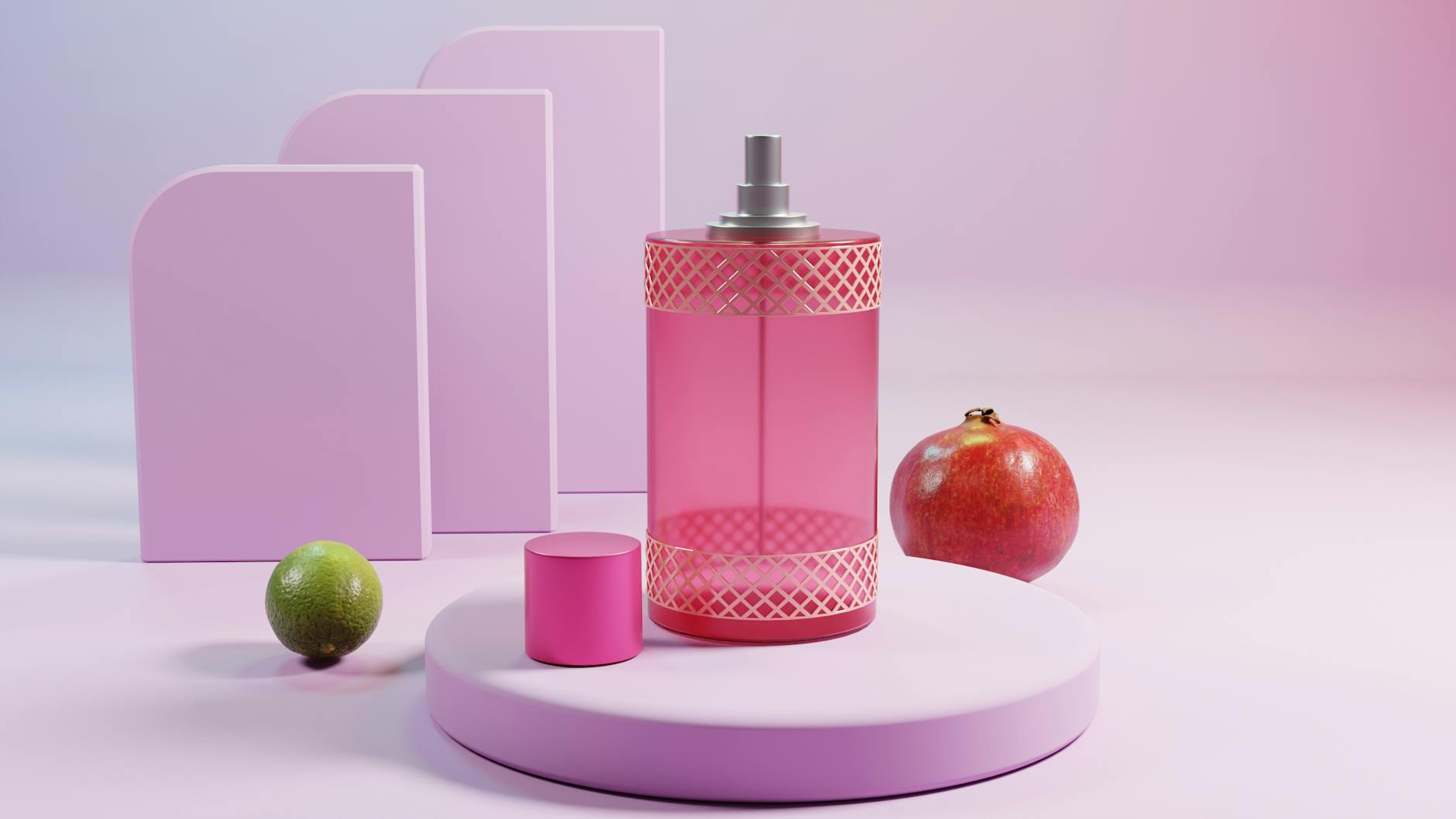
Fragrance molecules are among the most delicate compounds found in personal care products. Heat and humidity cause the top notes of a perfume to evaporate faster, altering the scent profile over time. Direct light from bathroom windows or vanity bulbs also degrades the aromatic compounds inside the bottle. Storing perfume in a cool and dark bedroom location preserves its intended scent for much longer.
Hydrogen Peroxide

Hydrogen peroxide breaks down into plain water when exposed to light and heat, rendering it completely ineffective as an antiseptic. Most bathroom environments accelerate this decomposition process considerably. The product should be stored in a cool and dark location to maintain its disinfecting properties. Once it stops bubbling on contact with a wound, it has already lost its active oxygen content.
Razor Blades
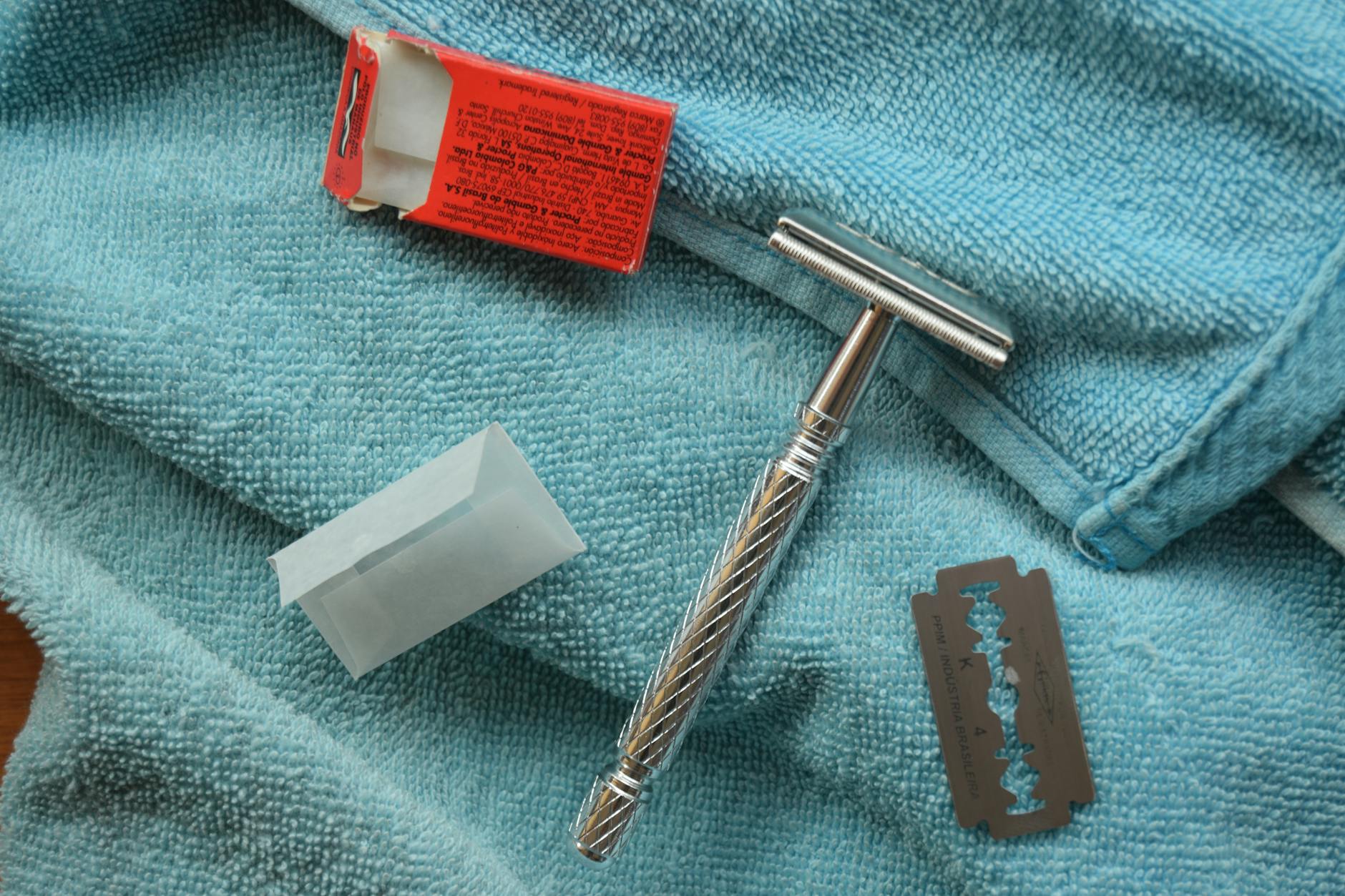
Moisture is the primary enemy of razor blade longevity, causing microscopic rust to form on the edges between uses. Storing razors inside a humid bathroom cabinet dramatically shortens the number of comfortable shaves each blade provides. Keeping them in a dry bedroom or storing them in a closed case outside the shower area preserves sharpness. Many dermatologists recommend wiping blades dry after each use before relocating them to a drier spot.
Vitamins

Fat-soluble vitamins such as A, D, E, and K are particularly vulnerable to heat and humidity degradation. Even water-soluble vitamins like C and B-complex lose potency faster when stored in warm and moist environments. Supplement manufacturers design their products to be stored in cool and dry conditions for maximum shelf life. A kitchen or bedroom cabinet away from heat sources is a much more suitable location for all supplements.
Sunscreen

Sunscreen formulas rely on precise chemical or mineral compositions that become unstable when repeatedly exposed to high temperatures. Heat degrades the UV-filtering agents, meaning a bathroom-stored sunscreen may no longer provide its labeled level of protection. Most dermatologists recommend storing sunscreen below 25 degrees Celsius to maintain its efficacy. Checking the expiry date and storage conditions on the packaging is a simple but important habit.
Makeup Brushes

Natural hair brushes absorb moisture from steamy bathroom air, which weakens the glue holding bristles to the handle over time. Synthetic brushes are slightly more resilient but still develop mold and bacteria growth in persistently humid environments. A brush roll kept in a bedroom or vanity area outside the bathroom maintains both hygiene and tool quality. Proper airflow and dry conditions are essential for keeping applicator brushes in good working order.
Linen
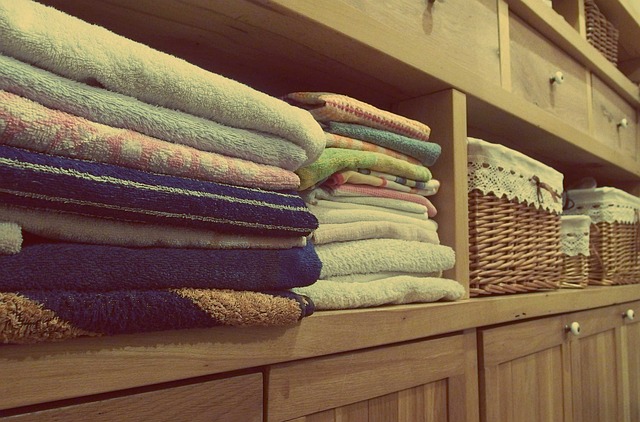
Extra towels and washcloths stored inside a closed bathroom cabinet are exposed to the highest concentration of humidity in the home. Fabrics that absorb ambient moisture develop a musty odor and become a breeding ground for mildew even before use. A linen closet in a hallway or bedroom provides the dry and ventilated conditions textiles need. Rotating towels regularly and storing only what is immediately needed in the bathroom is widely considered best practice.
Birth Control Pills

Hormonal medications including oral contraceptives are chemically sensitive to heat and moisture fluctuations. Storage in a bathroom cabinet can compromise the integrity of the active hormones inside each pill over time. Most pharmaceutical guidelines recommend storing contraceptives at room temperature in a consistently dry environment. A bedside table drawer or a dedicated storage box in a bedroom is a more reliable location.
Contact Lens Solution
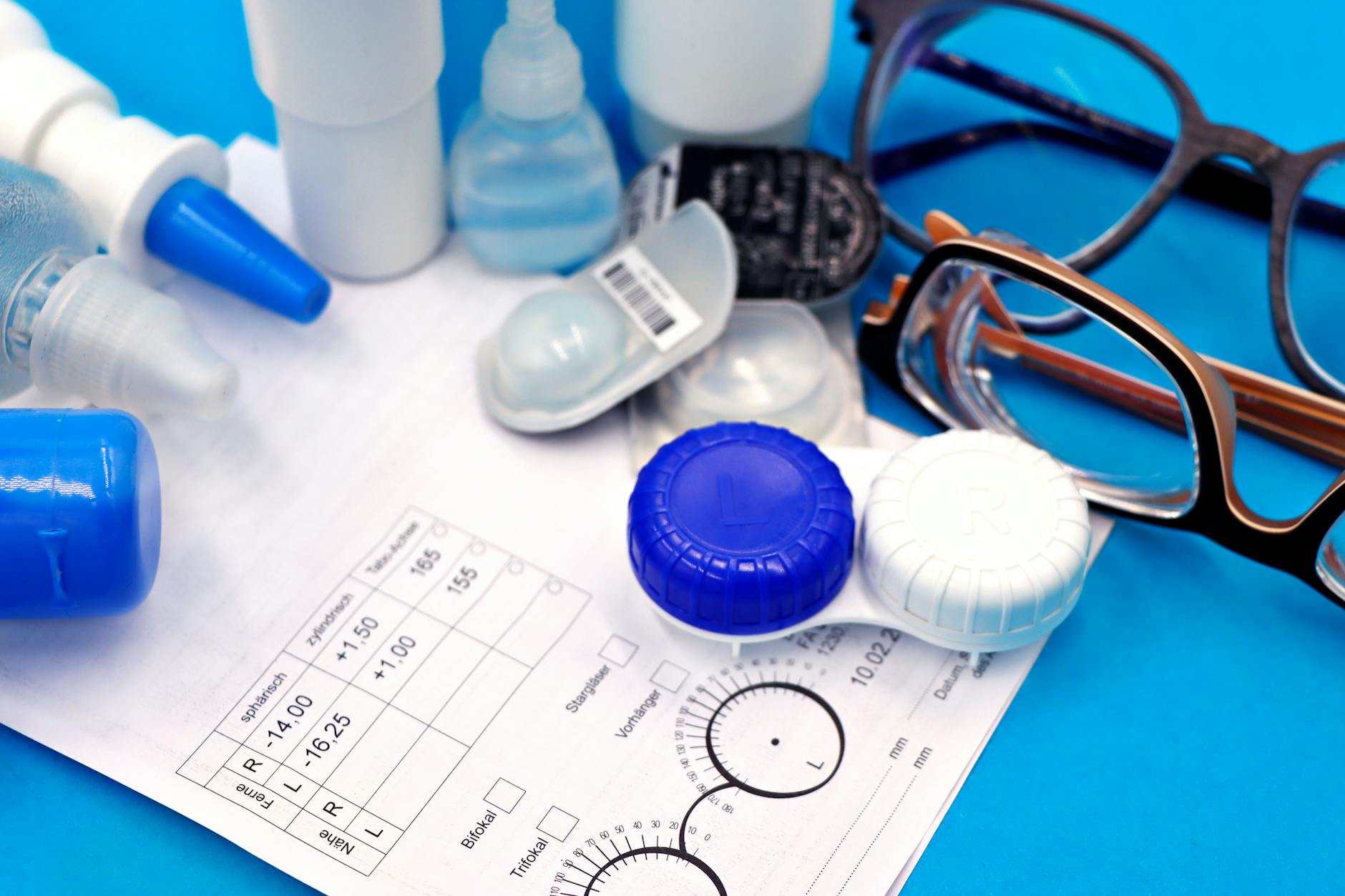
Contact lens solution has a carefully calibrated sterile formula that can be compromised by repeated temperature and humidity changes. Once the preservative system in the solution is destabilized, it may no longer adequately disinfect lenses. Storing solution in a bedroom or dry hallway cabinet ensures the product remains within its intended efficacy range. Lens care packaging typically specifies storage away from direct heat and moisture sources.
Reading Glasses

Repeated exposure to warm and humid air causes the frames of reading glasses to warp, particularly those made from acetate or certain plastics. Metal frames and hinges can also corrode over time in a persistently damp environment. A glasses case kept on a bedside table or in a bag keeps them in better structural condition. Optical retailers generally recommend dry and stable storage conditions for all eyewear.
Electronic Devices
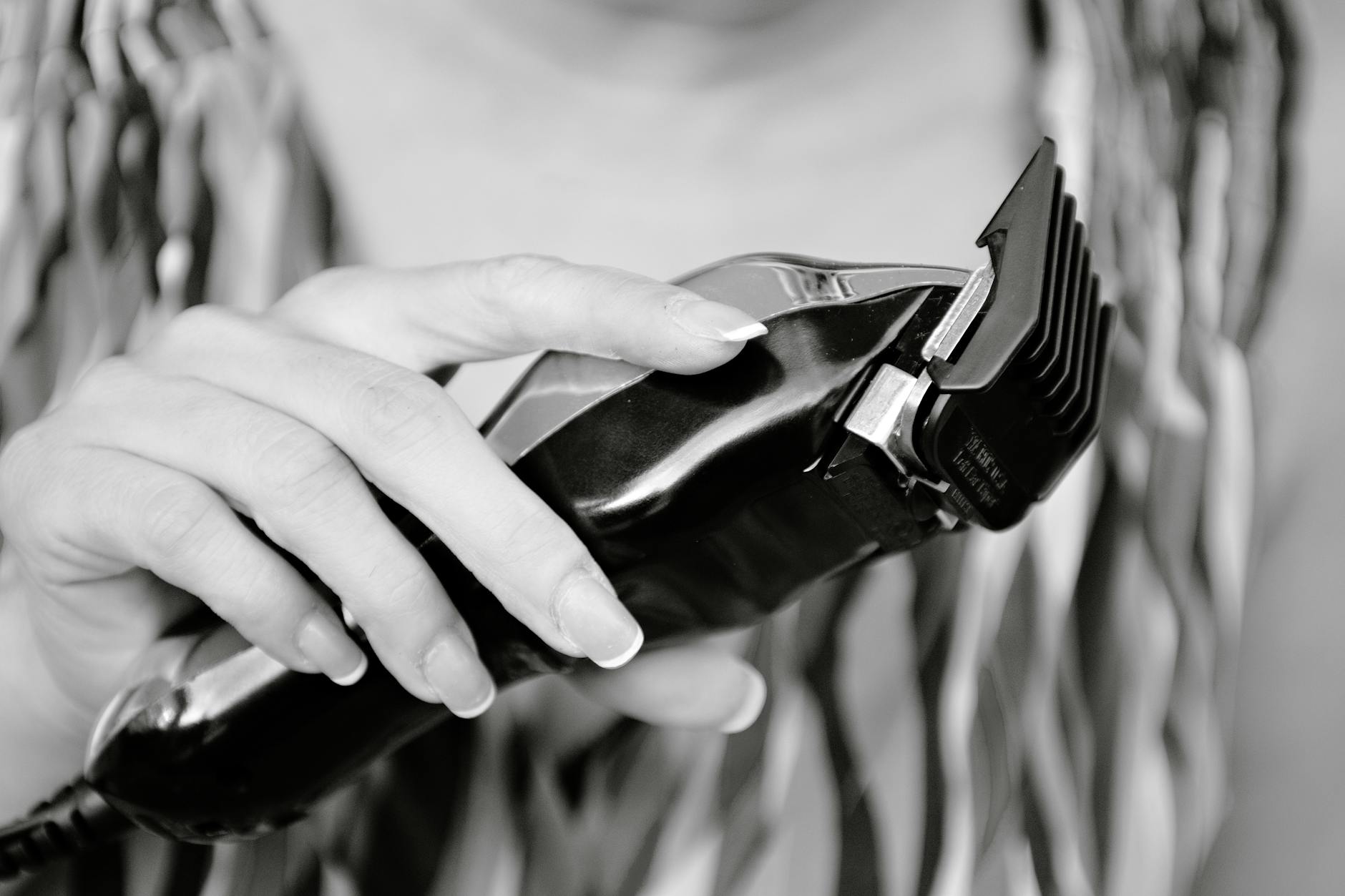
Devices such as electric toothbrush chargers, digital thermometers, and hair trimmers are all vulnerable to moisture ingress. Bathroom humidity can cause internal components to corrode, shortening the functional lifespan of the device. Even products marketed as water-resistant are not designed for constant exposure to a damp storage environment. Charging and storing these items in an adjacent room extends their reliability considerably.
Jewelry
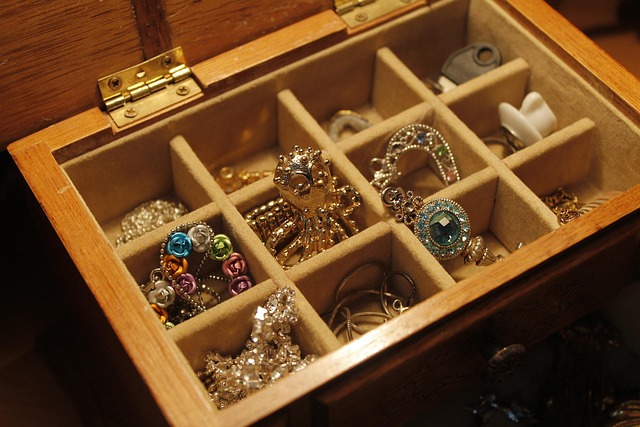
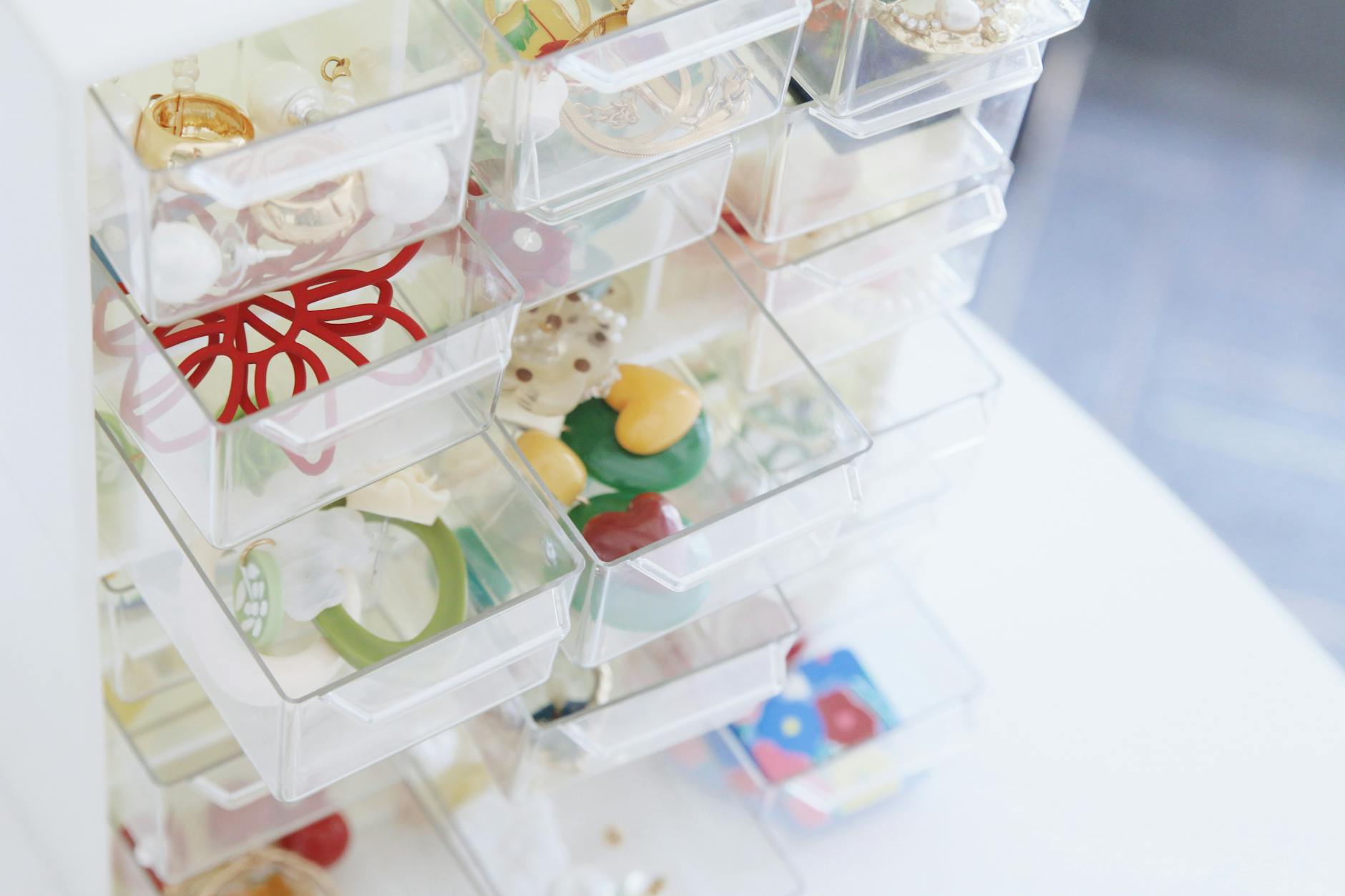
Metal jewelry exposed to humid bathroom air tarnishes and corrodes at a much faster rate than jewelry stored in dry conditions. Silver is particularly reactive to moisture and sulfur compounds present in personal care products. Removing jewelry before bathing and storing it in a bedroom jewelry box is the most protective approach. Gemstone settings can also weaken when adhesives and metal prongs are repeatedly exposed to moisture.
Cotton Swabs

Cotton swabs stored in an open container in the bathroom absorb airborne moisture and become a habitat for mold and bacteria over time. Even in a sealed container, consistent exposure to bathroom humidity can affect the cotton tip texture and sterility. A resealable container kept in a bedroom or dry vanity area is a better long-term storage solution. Unopened factory packaging provides the best protection and should be stored outside the bathroom until needed.
Dry Shampoo
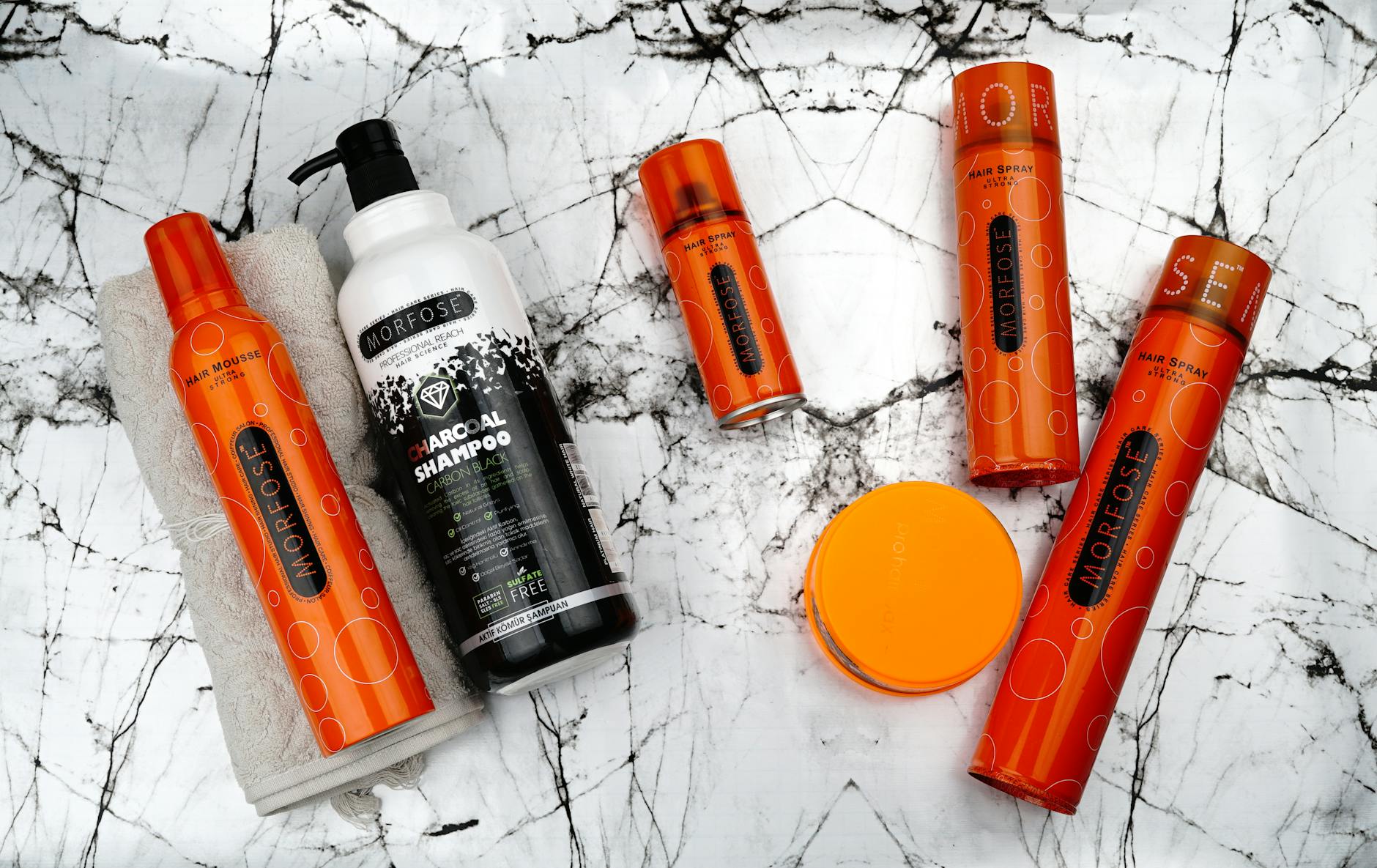
Aerosol dry shampoo canisters are pressurized products that become dangerous when stored in warm environments. Heat causes pressure to build inside the can, creating a risk of leakage or rupture over time. The starch and absorbent ingredients inside can also clump and lose effectiveness in humid conditions. A bedroom shelf or cool hallway closet is the appropriate storage location for all aerosol hair products.
Hair Extensions
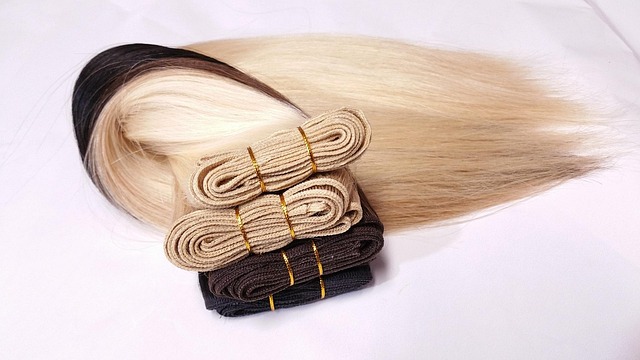
Human hair extensions and synthetic hairpieces are highly susceptible to humidity-induced frizz, tangling, and texture changes. The adhesives and weft stitching that hold extensions together can weaken when repeatedly exposed to moist air. Storing them flat in a sealed bag or a dedicated box in a cool bedroom environment preserves their condition. Professional stylists universally recommend dry and dust-free storage for all hair extension products.
Silk Accessories
Silk scrunchies, headbands, and pillowcases stored in a humid bathroom develop a dull texture and lose their smooth finish over time. Natural silk fibers are protein-based and particularly vulnerable to moisture-accelerated degradation. Storing silk items in a dry and cool bedroom environment maintains their soft texture and extends their useful life. Manufacturers of silk accessories consistently specify dry storage conditions on their care labels.
Face Masks

Sheet masks and clay masks have active ingredients including hyaluronic acid, vitamin C, and peptides that oxidize and degrade in warm and humid conditions. Bathroom storage accelerates this process, reducing the visible results of the product. A refrigerator or cool bedroom drawer is a far more effective storage environment for high-performance masks. Many dermatologists suggest refrigerated storage specifically for masks containing antioxidant ingredients.
Lip Balm
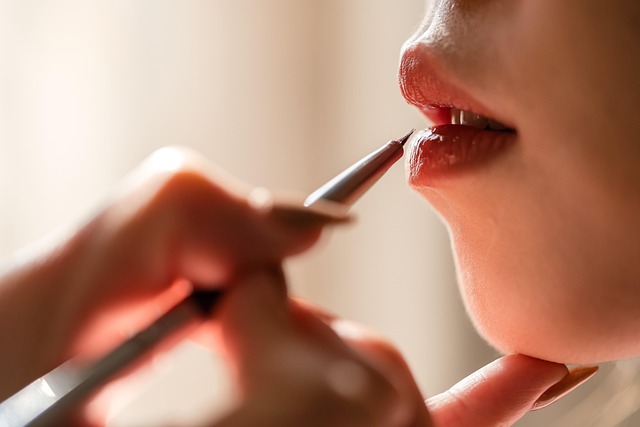
Lip balms formulated with natural waxes and oils can melt and resolidify repeatedly in a warm bathroom, altering the texture and efficacy of the product. Active ingredients such as SPF filters and healing agents are also degraded by consistent heat exposure. A bag, pocket, or bedside drawer provides a more stable temperature environment for lip care products. Melted and re-hardened lip balm can also harbor bacteria if the surface texture becomes uneven.
Tweezers
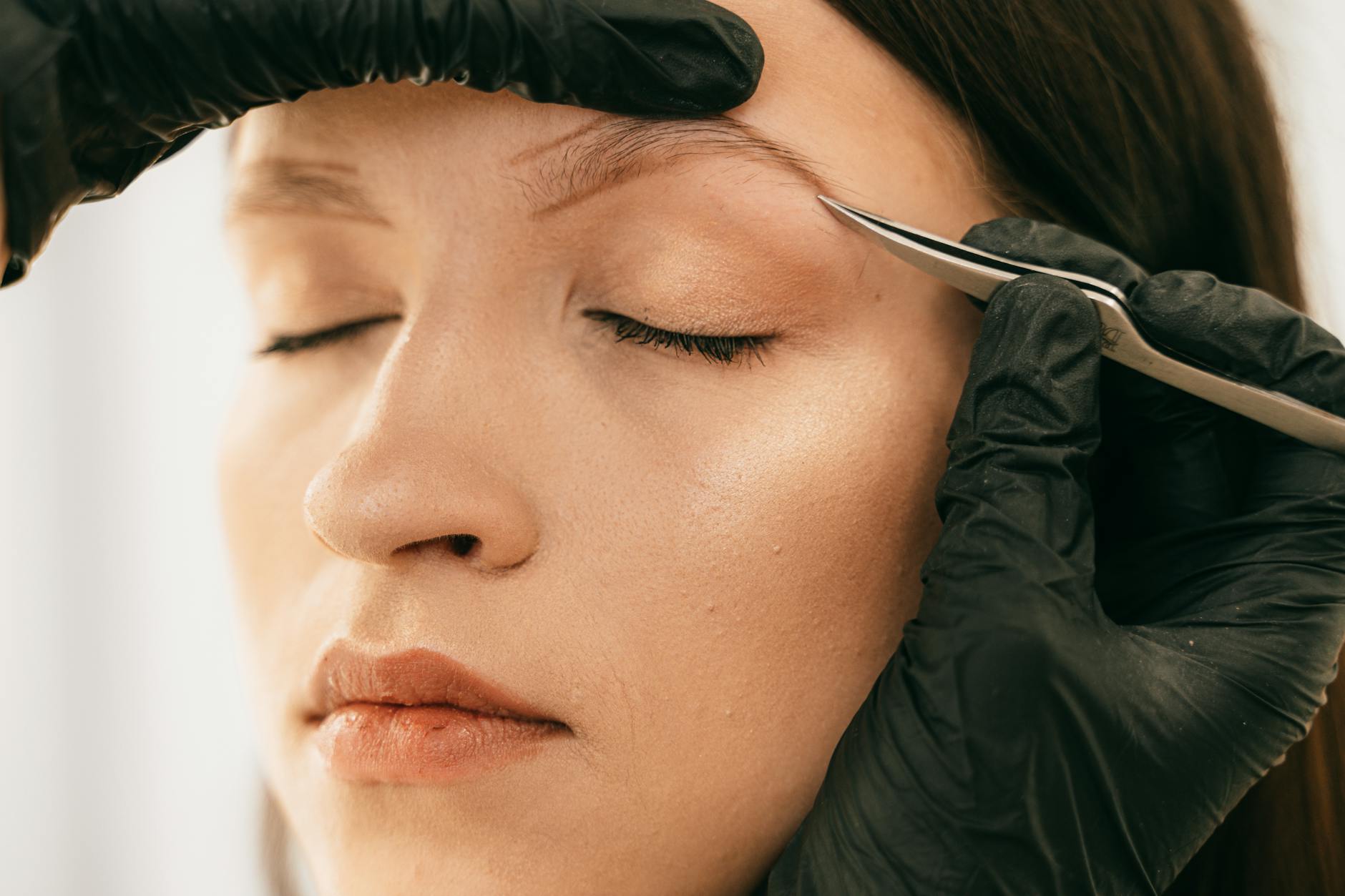
Metal tweezers stored in a damp environment develop microscopic rust and corrosion along the precision tips used for hair removal. Even stainless steel tools are not entirely immune to the effects of consistent humidity over time. A dry makeup bag or bedroom drawer keeps the tension and precision of the tips intact for longer. Sterilizing tweezers regularly is also easier and more effective when they have been stored in a clean and dry location.
Sleep Masks

Sleep masks made from silk, satin, or foam degrade more quickly in humid bathroom environments due to moisture absorption into the fabric and filling material. Bacteria and skin cells trapped in the fibers multiply faster in warm and damp conditions. A clean bag near the bed is both a more hygienic and more practical storage solution. Washing sleep masks regularly and storing them dry is a basic hygiene recommendation from most skincare professionals.
Collagen Supplements

Powdered and capsule collagen supplements are particularly sensitive to humidity, which causes clumping, degradation of peptides, and reduced bioavailability. Bathroom steam penetrates even loosely sealed containers and accelerates the breakdown of protein chains. A kitchen pantry or bedroom cabinet with consistent dry conditions is the appropriate place for collagen storage. Most supplement brands explicitly state on their labels that products must be kept away from heat and moisture.
Retinol Products

Retinol is one of the most light and heat-sensitive active ingredients used in skincare. Exposure to bathroom humidity and ambient light breaks down the vitamin A derivative, making it less effective at promoting cell turnover. Dark and cool bedroom storage in a closed cabinet or drawer is the preferred environment for all retinol-containing products. Many brands use opaque and airtight packaging specifically to protect the ingredient from environmental degradation.
Natural Deodorants
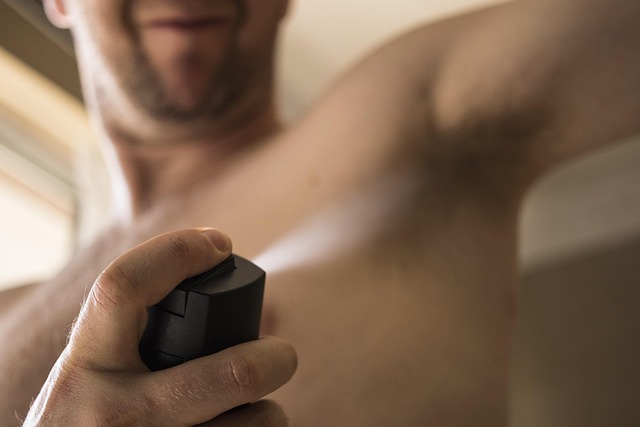
Natural deodorants formulated with coconut oil, shea butter, or beeswax melt and separate when stored in warm bathroom environments. Unlike conventional antiperspirants, natural formulas lack the chemical stabilizers that help them tolerate temperature fluctuations. A bedroom dresser or cool hallway shelf keeps the product at a consistent texture and effective application consistency. The efficacy of active ingredients such as baking soda and magnesium is also better preserved in stable temperature conditions.
Probiotics
Probiotic supplements contain live bacterial cultures that are extremely sensitive to heat and moisture. Bathroom storage conditions are among the worst possible environments for maintaining viable probiotic counts. Most probiotic manufacturers recommend refrigerated storage or at minimum a cool and dry cupboard to preserve potency. Consuming degraded probiotics provides little to no benefit as the live cultures are no longer active.
Prescription Medications

Prescription drugs are formulated to strict stability standards that assume storage in cool and dry conditions away from direct light. The bathroom environment violates these conditions consistently due to daily temperature and humidity spikes from showering. Most healthcare providers recommend a designated medication storage box kept in a bedroom or kitchen for all prescription items. Degraded medications can not only lose potency but in some cases produce harmful byproducts as active compounds break down.
Essential Oils

Essential oils are concentrated botanical extracts that oxidize rapidly when exposed to heat and fluctuating humidity. Oxidized oils not only lose their therapeutic and aromatic properties but can also cause skin sensitization reactions. Dark glass bottles stored in a cool bedroom drawer or dedicated aromatherapy box maintain potency and safety. Aromatherapy practitioners consistently recommend storage away from light, heat, and moisture for the entire lifespan of the product.
Share which of these storage swaps surprised you the most in the comments.




