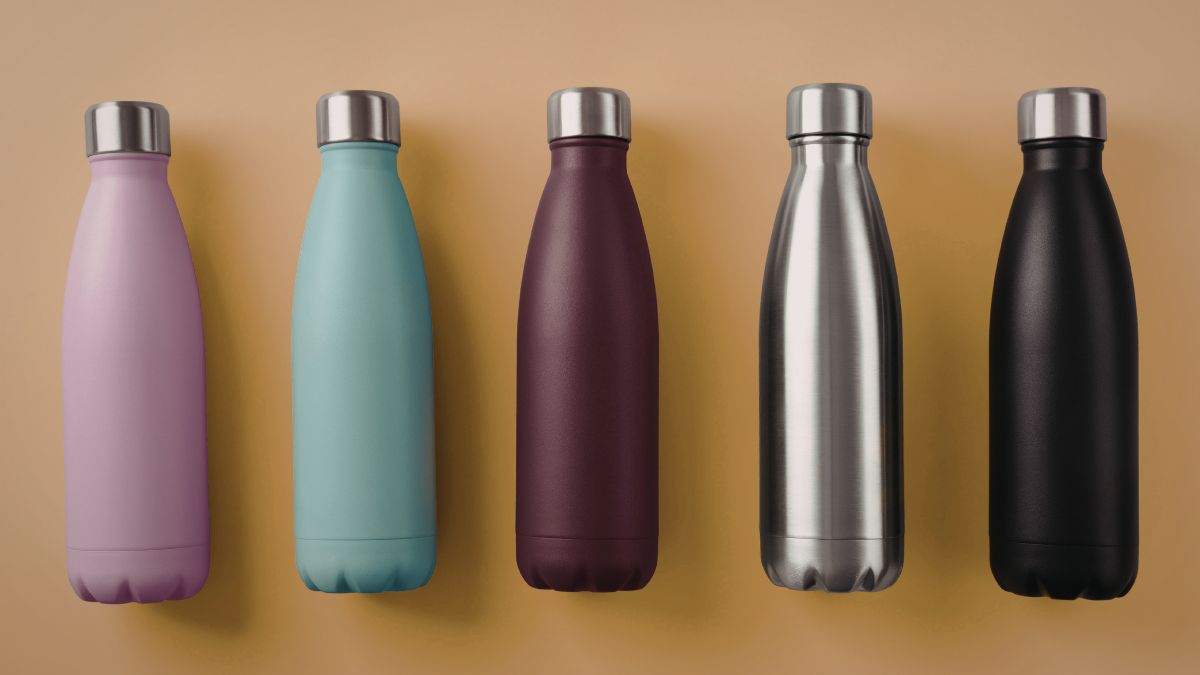
Things You Should Never Do With Your Reusable Water Bottle
Reusable water bottles have become an essential part of daily life for millions of people committed to reducing single-use plastic waste. However, many owners unknowingly develop habits that compromise hygiene, damage materials, or reduce the longevity of their bottles. Small oversights in cleaning and usage can lead to bacterial buildup, chemical leaching, and unpleasant odors that affect every sip. Understanding proper care and usage makes a genuine difference in both health outcomes and how long your bottle lasts. From dishwasher settings to beverage choices, here are 25 things you should never do with your reusable water bottle.
Hot Liquids
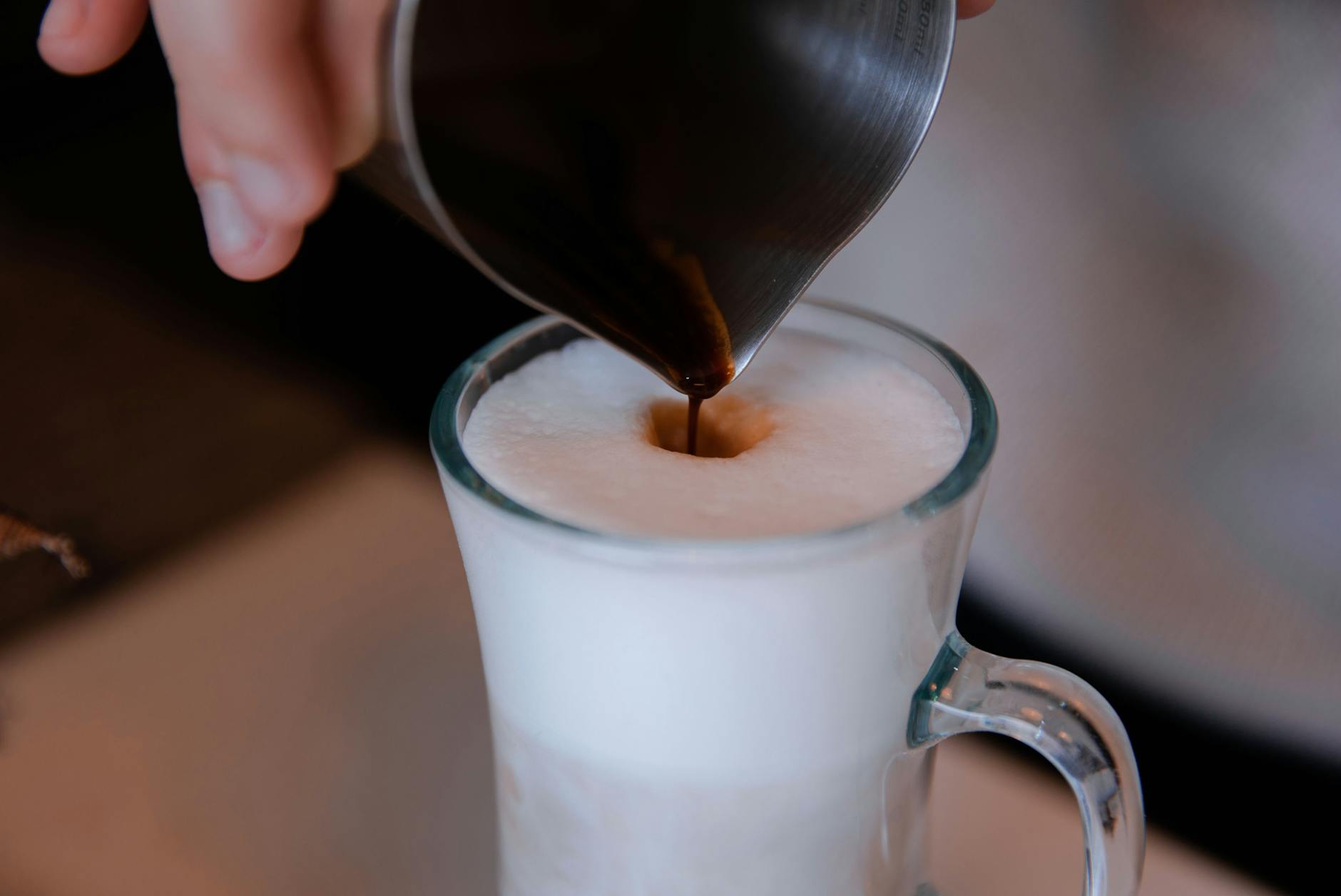
Pouring boiling or near-boiling liquids into a bottle not rated for high temperatures can warp plastic, degrade seals, and cause chemical compounds to leach into your drink. Many standard plastic bottles are manufactured only to handle cold or room-temperature contents. Even stainless steel bottles with rubber gaskets can experience seal deterioration when exposed to extreme heat repeatedly over time. Always check the manufacturer’s temperature ratings before adding any hot beverage. Using a bottle outside its designed range significantly shortens its functional lifespan.
Milk
Storing milk or milk-based drinks in a reusable bottle creates a breeding ground for harmful bacteria within hours of filling. Dairy residue clings to the interior surfaces and is notoriously difficult to rinse away completely with a standard wash. The protein and fat content in milk accelerates spoilage when the bottle is carried in a warm bag or left at room temperature. Even brief storage can leave behind odors that transfer to subsequent drinks. Bottles used for dairy require immediate and thorough cleaning after every single use.
Fruit Infusions
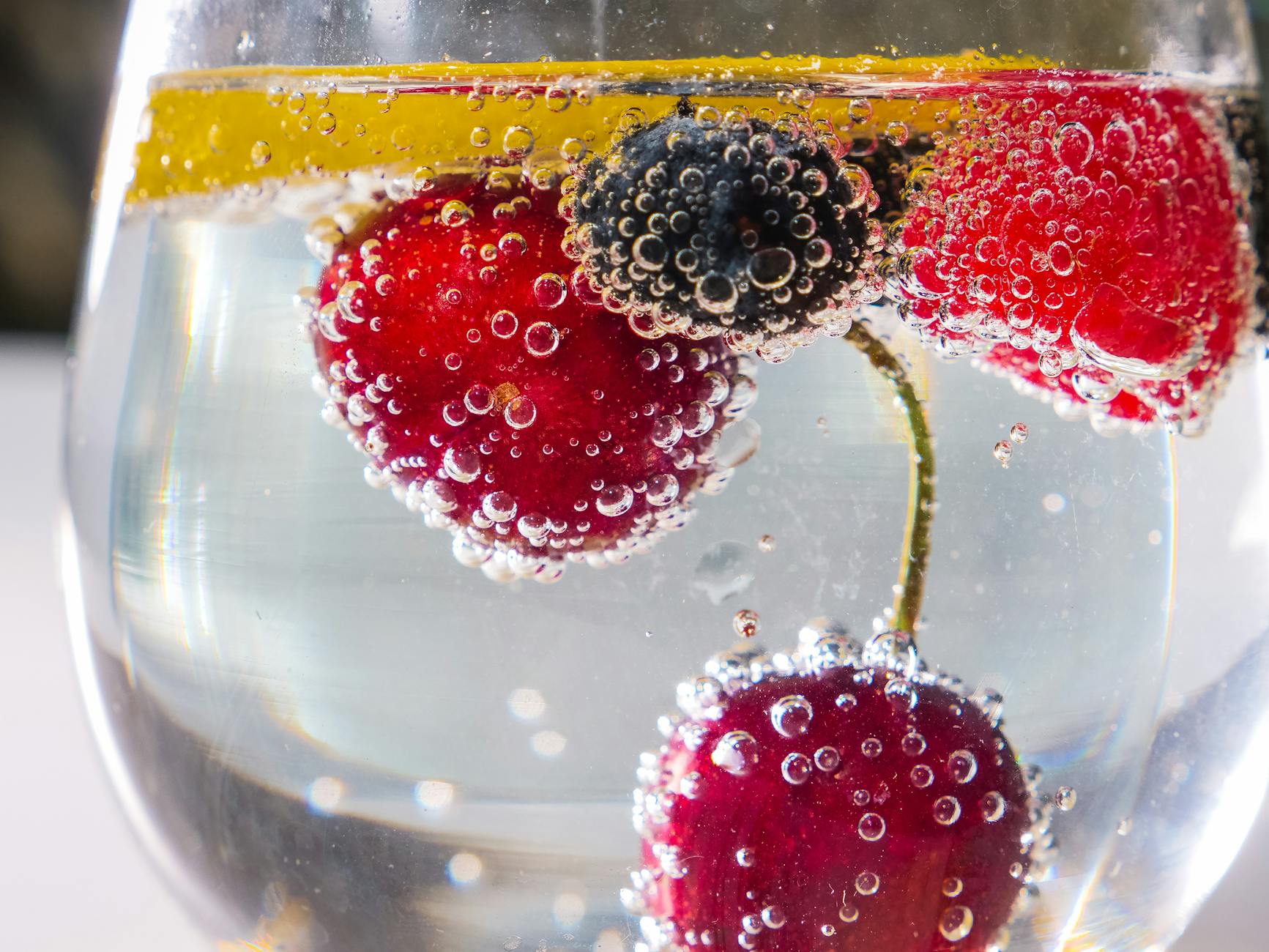
Leaving cut fruit inside a bottle for extended periods encourages rapid bacterial and mold growth in the warm, moist environment. Fruit sugars break down quickly and can ferment, creating unpleasant odors and potential digestive discomfort. Citrus fruits in particular can react with certain metal surfaces and contribute to corrosion over time. Infused water should be consumed within a few hours and never stored overnight in the bottle. Always remove fruit pieces and rinse the bottle promptly after enjoying an infused drink.
Bleach Cleaning
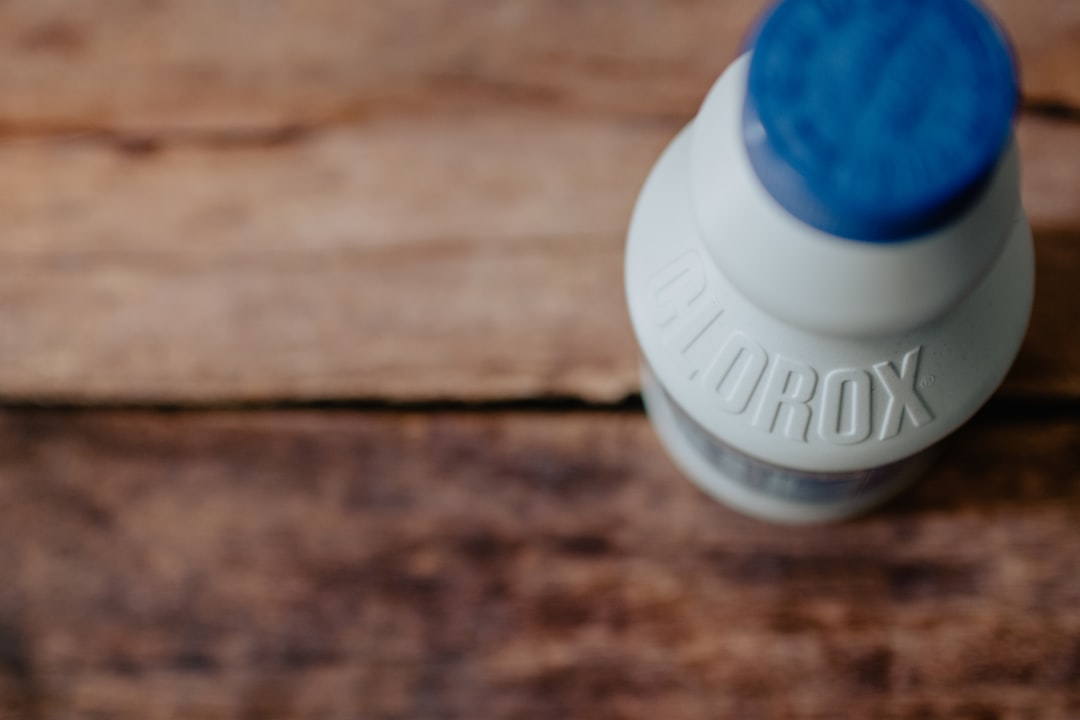
Using bleach or harsh chemical cleaners to sanitize a reusable bottle can degrade plastic polymers and strip protective coatings from metal interiors. Bleach residue is extremely difficult to rinse out completely and poses a genuine ingestion risk. Even diluted bleach solutions can compromise the integrity of rubber seals and gaskets over repeated use. Most manufacturers explicitly warn against using bleach in their care instructions for this reason. Mild dish soap and warm water remain the safest and most effective everyday cleaning solution.
Dishwasher Top Rack
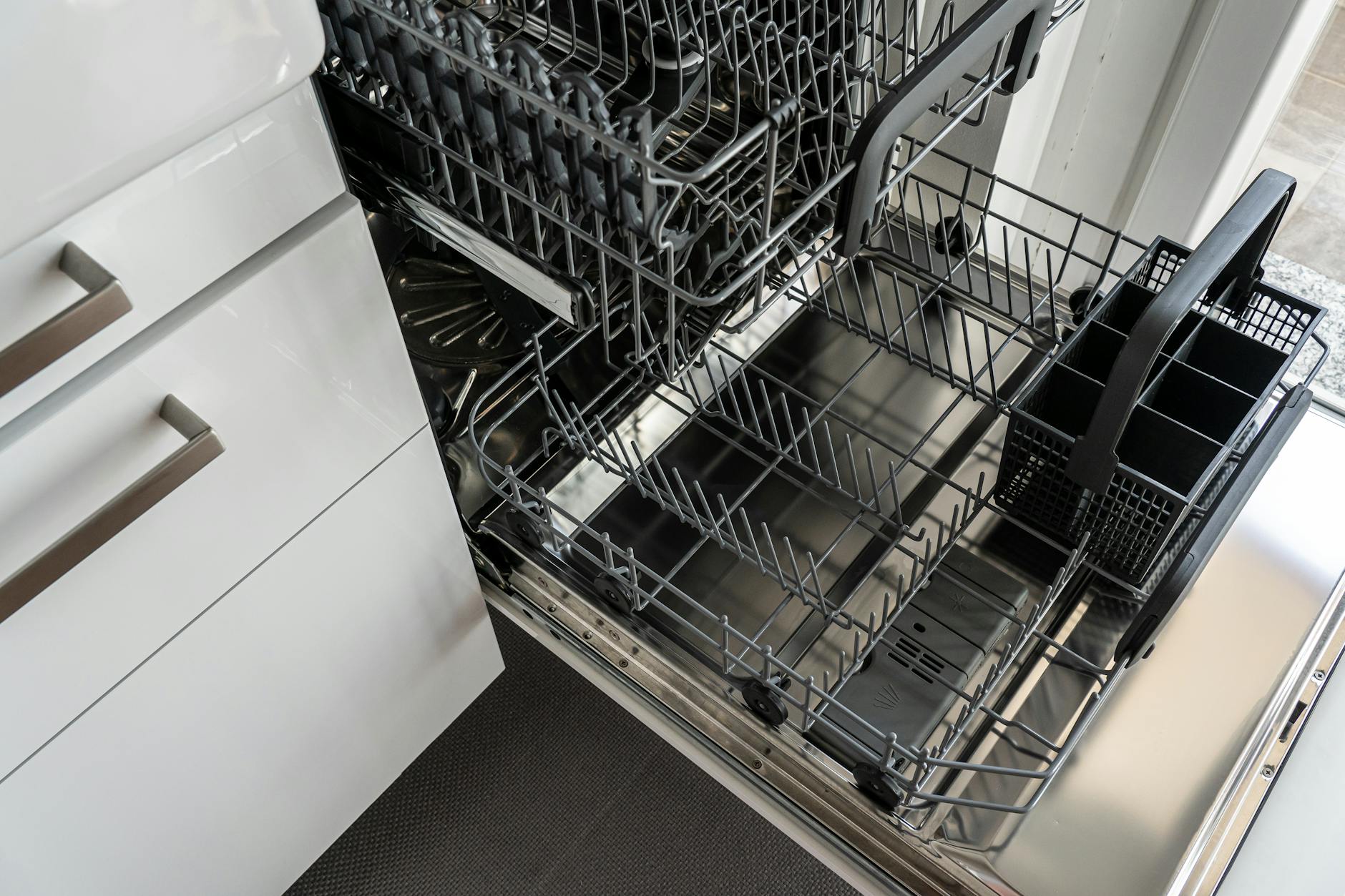
Placing a bottle on the bottom rack of a dishwasher exposes it to intense heat that most reusable bottles are not built to withstand. This level of heat can permanently warp lids, melt gaskets, and cause vacuum seals in insulated bottles to fail entirely. Once a vacuum seal is compromised, an insulated bottle loses its ability to maintain temperature effectively. Even bottles marketed as dishwasher-safe typically specify the top rack only to minimize heat exposure. Hand washing is always the safest option for preserving both function and appearance.
Sugary Drinks
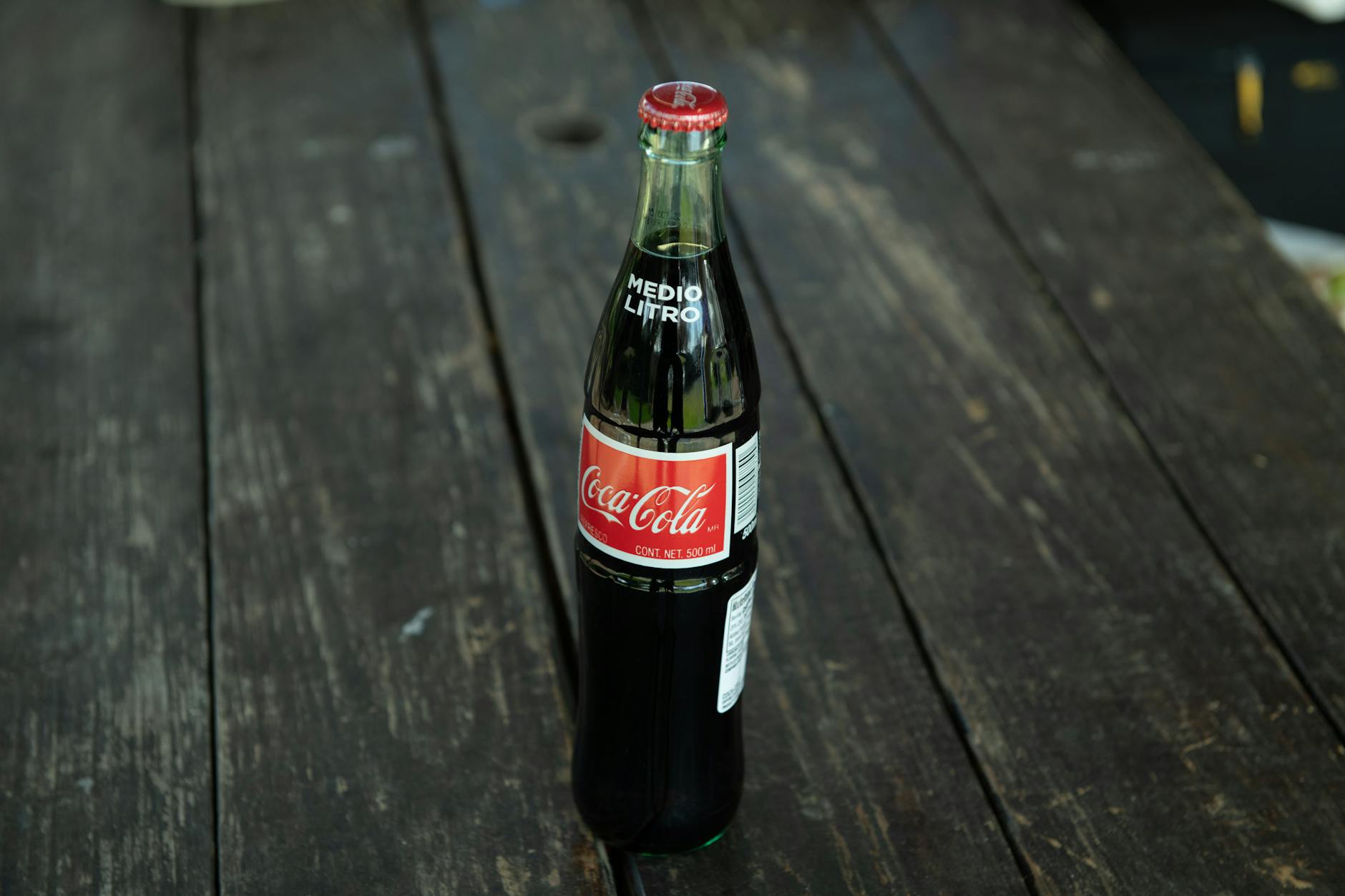
Filling a reusable bottle with sodas, energy drinks, or heavily sweetened juices leaves behind sugar deposits that are difficult to fully remove. Sugar residue accelerates the growth of yeast and mold inside the bottle between uses. Carbonated sugary drinks also create pressure buildup that some bottles are not engineered to handle safely. The acidity in many sweetened beverages can corrode metal interiors and degrade plastic over time. Sticking to water or lightly flavored drinks keeps the bottle cleaner and extends its usable life considerably.
Freezer Storage
Placing a filled water bottle in the freezer causes the liquid to expand as it freezes, which can crack plastic bodies and permanently deform metal walls. Lids and seals are particularly vulnerable to freezing temperatures and may become brittle or misshapen. Insulated stainless steel bottles are especially prone to internal damage from ice expansion due to their rigid double-wall construction. Cracked bottles may not show visible damage immediately but can harbor bacteria in hairline fractures. Pre-chilling drinks in a glass container before transferring them to the bottle is a much safer approach.
Sports Drinks
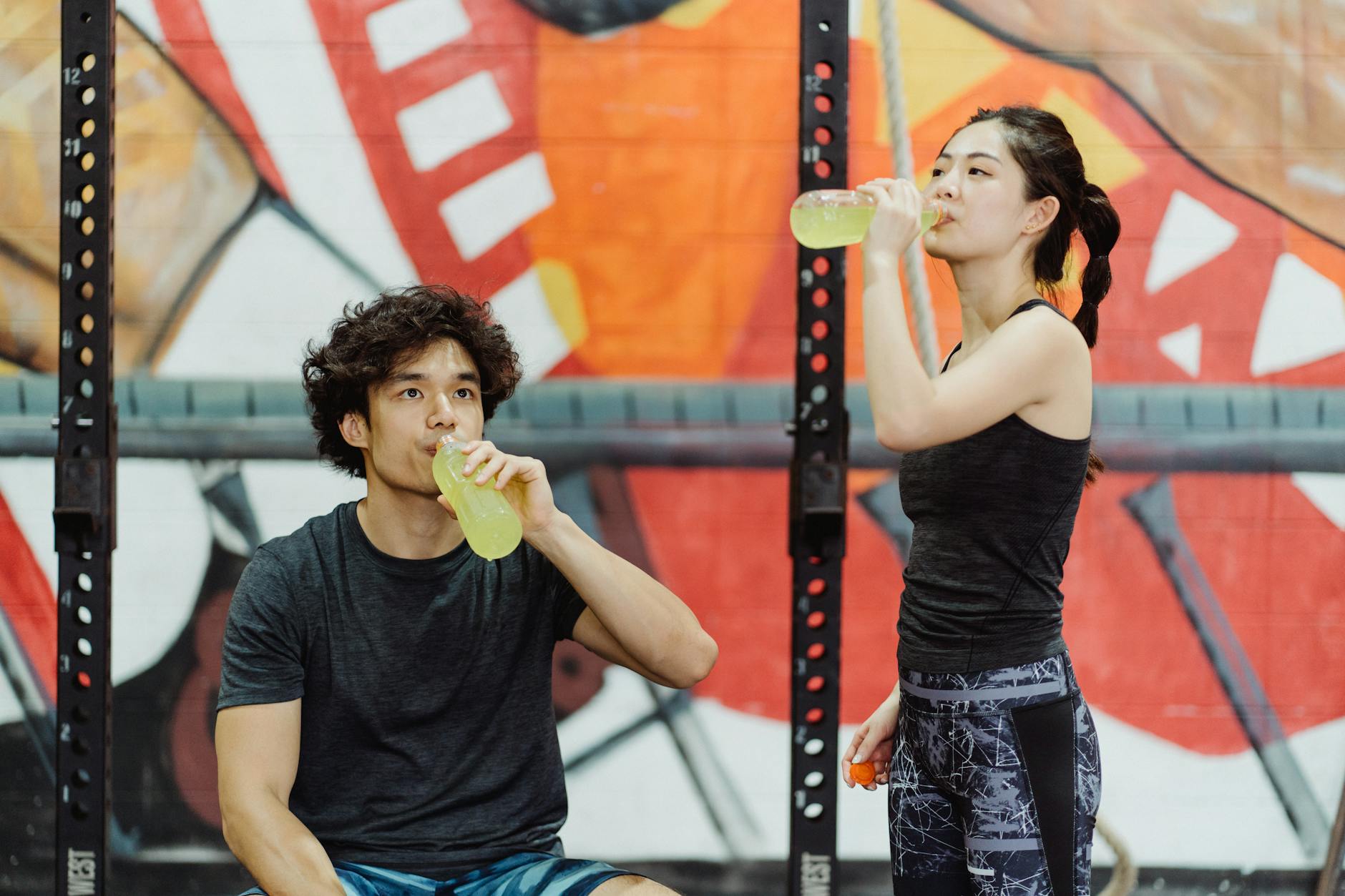
Sports drinks contain electrolytes and artificial dyes that can stain plastic interiors and react negatively with certain metal linings. The acidic composition of many electrolyte drinks contributes to corrosion of stainless steel and aluminum over repeated use. Residue from sports drinks is particularly sticky and requires vigorous cleaning to remove from narrow-mouthed bottles. Leaving sports drink residue overnight significantly increases the risk of bacterial growth inside the bottle. If sports drinks must be used, rinsing the bottle immediately after consumption is strongly advisable.
Mold Neglect
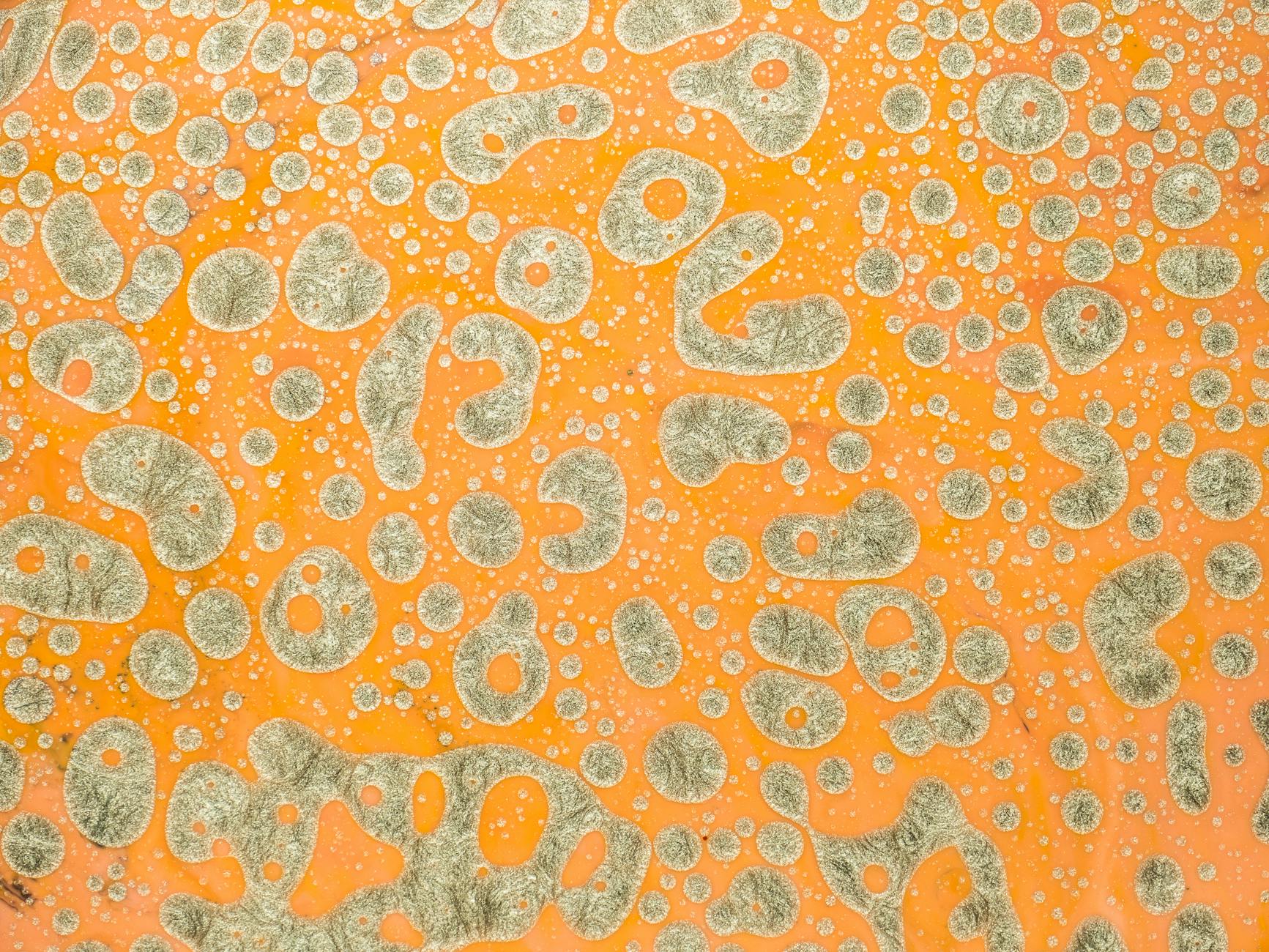
Ignoring visible black or green spots inside a bottle or on its lid is a serious hygiene error that many people make out of convenience. Mold colonies inside water bottles can cause respiratory issues and gastrointestinal illness when ingested. The narrow openings and complex lids of many modern bottles make mold particularly difficult to detect without deliberate inspection. Once mold has penetrated porous plastic or rubber components, those parts often cannot be fully remediated and must be replaced. Regular visual inspections combined with deep weekly cleaning are essential preventive measures.
Lid Neglect
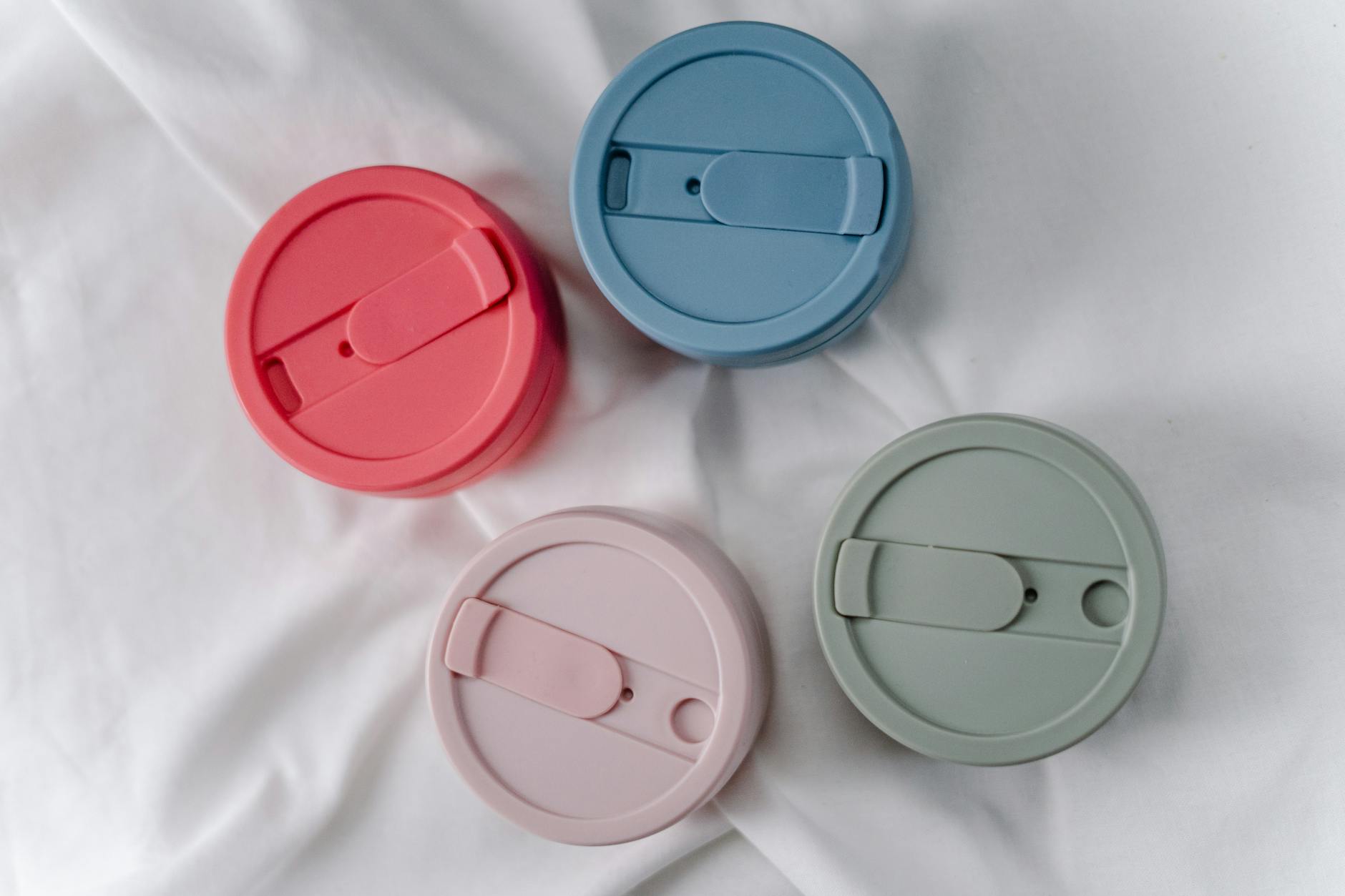
Many people wash the bottle body regularly while completely overlooking the lid and its internal components. Lids contain threading, gaskets, straws, and air vents that trap moisture and bacteria with every use. Flip-top and straw lids in particular require disassembly before washing to reach all contact surfaces properly. Biofilm can develop rapidly in damp lid components and will contaminate every drink poured through them. Disassembling and washing all lid components separately should be a standard part of every cleaning routine.
Alcohol Storage
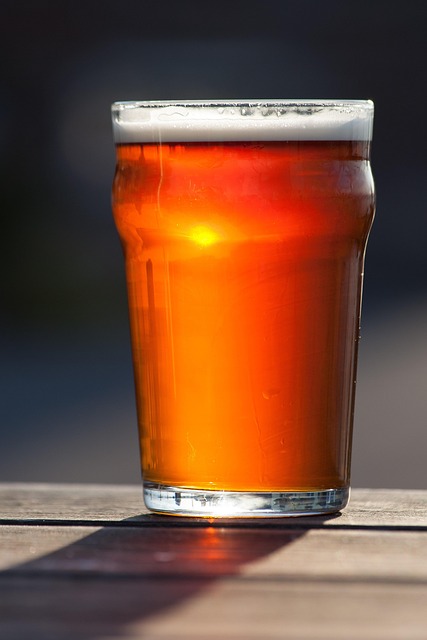
Using a reusable bottle to store alcoholic beverages can cause the alcohol to react chemically with plastic walls and certain metal coatings. Ethanol is a solvent and can draw out chemical compounds from plastic materials into the drink over time. Many bottles are not pressure-rated for sparkling wines or carbonated alcoholic beverages, creating a risk of unexpected leaks or lid failure. The strong odor of alcohol is also notoriously difficult to fully eliminate from plastic bottles after storage. Purpose-built containers are always the appropriate choice for transporting alcoholic drinks.
Car Storage
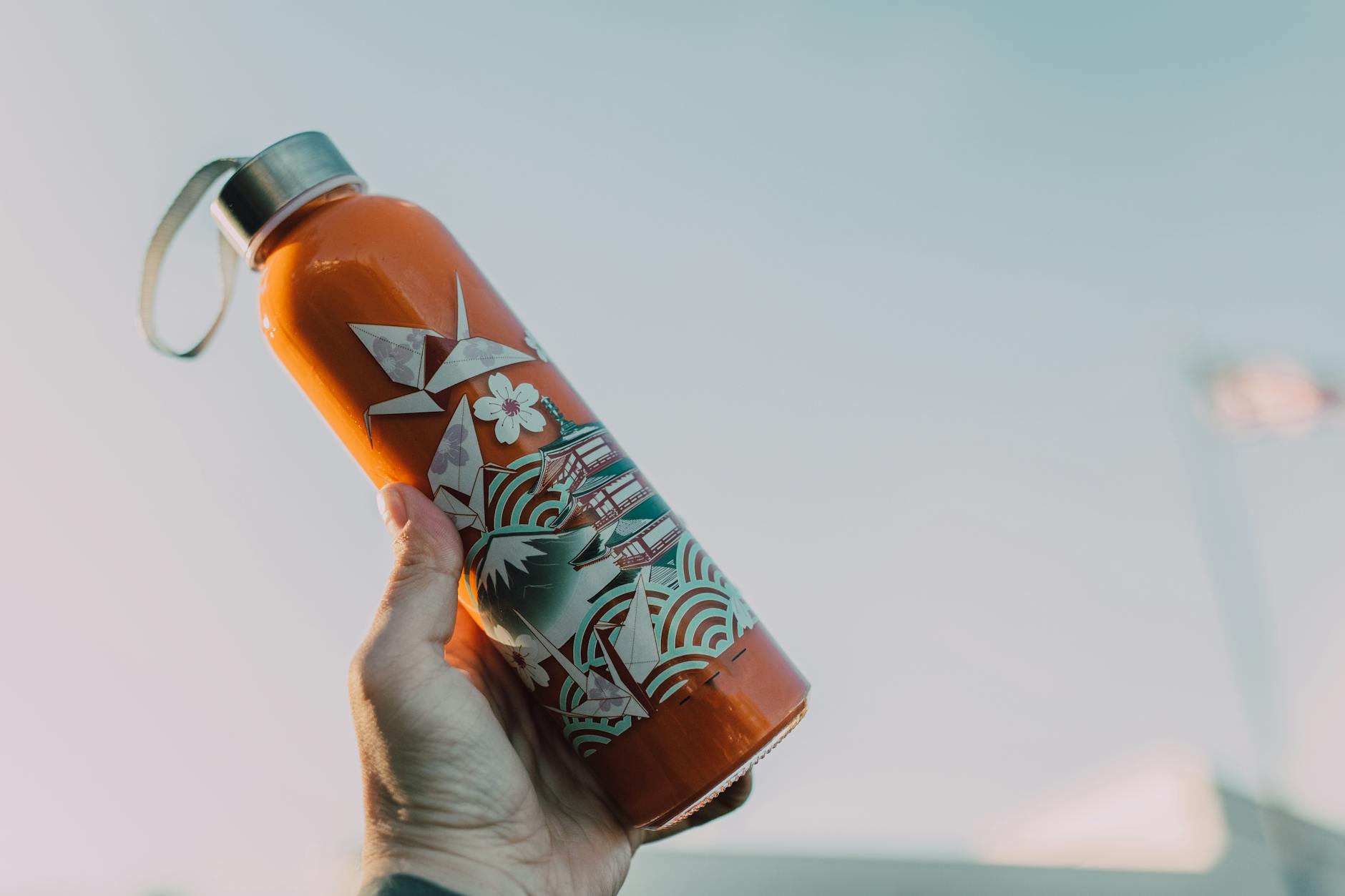
Leaving a reusable water bottle in a parked car during warm months exposes it to temperatures that can exceed safe thresholds for most plastic and rubber materials. Heat accelerates the leaching of chemical compounds from plastic bottles into the water stored inside. UV exposure through car windows can also degrade plastic over time, making it brittle and less food-safe. Bottles left in hot cars often develop a stale, unpleasant taste that is difficult to eliminate through washing alone. Water should always be consumed before leaving a vehicle unattended in warm conditions.
Protein Shakes
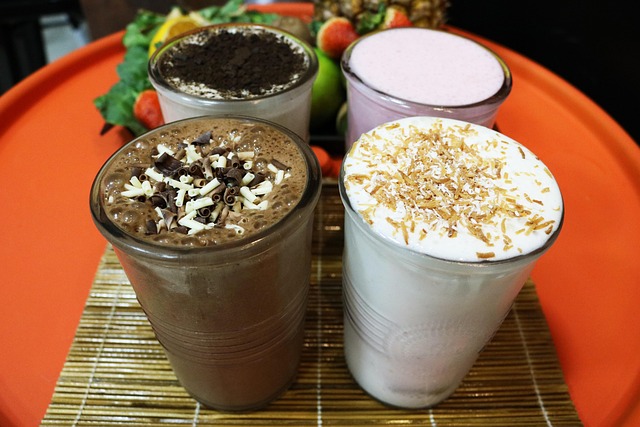
Storing protein shakes or meal replacement drinks in a reusable bottle for more than a few hours promotes rapid bacterial growth due to the high protein content. Protein residue bonds strongly to plastic and metal surfaces, creating persistent odors that standard washing often cannot eliminate. Narrow-mouthed bottles are particularly problematic for protein drinks because a bottle brush cannot reach all interior surfaces effectively. The density of protein powders means undissolved clumps can hide in crevices and gaskets. Wide-mouth bottles with full disassembly capability are far more appropriate for this type of drink.
Microwave Use

Placing a reusable water bottle in a microwave is dangerous regardless of the material it is made from. Metal bottles create serious fire and damage risks in a microwave environment and should never be placed inside one under any circumstances. Plastic bottles not specifically labeled as microwave-safe will warp and potentially release harmful compounds when microwaved. Sealed bottles can also create dangerous internal pressure when heated rapidly. Transferring liquid to a microwave-safe ceramic or glass container for heating is always the correct approach.
Sharing
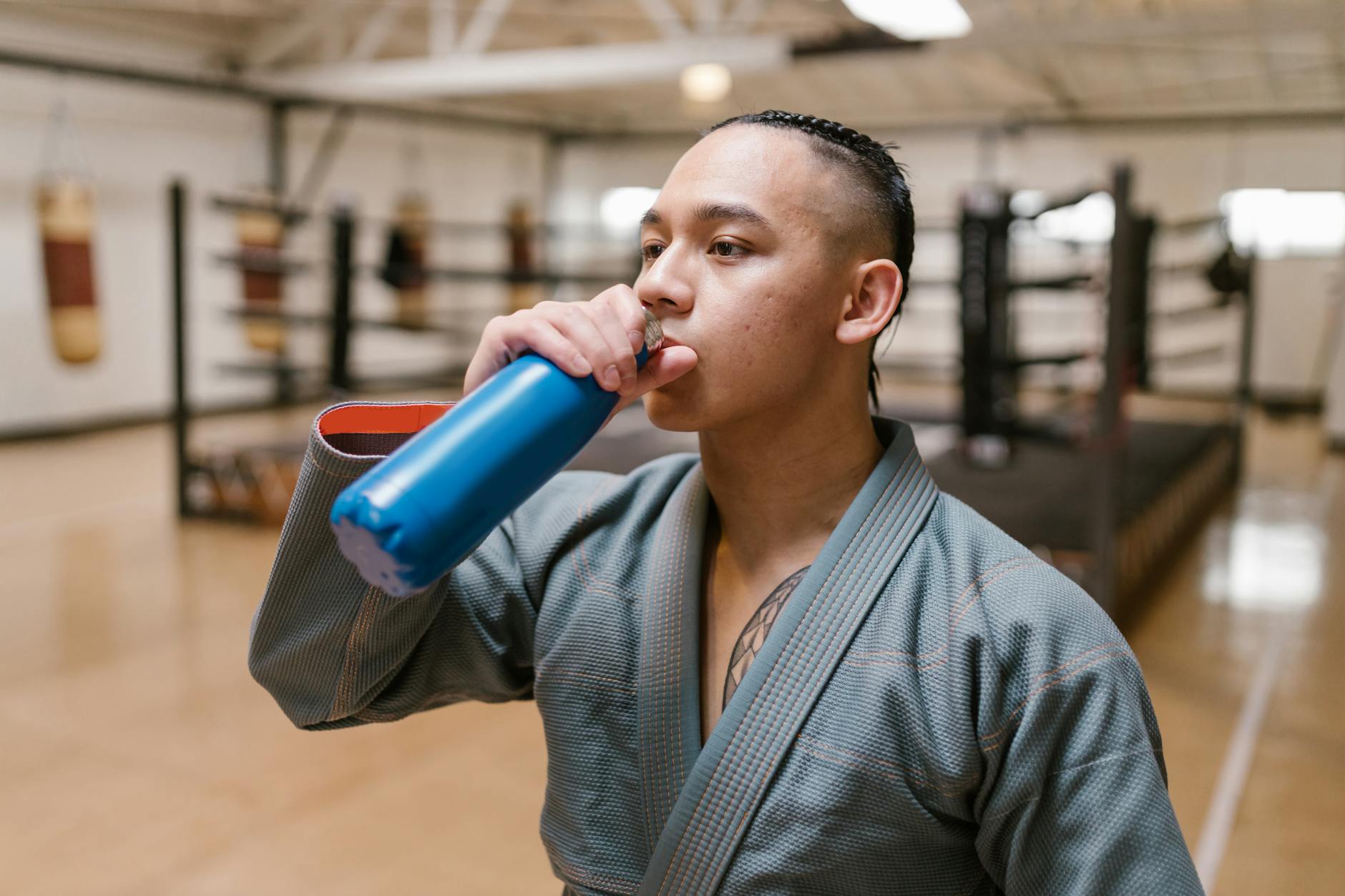
Sharing a reusable bottle between multiple people transfers saliva and oral bacteria directly from one person to another through the mouthpiece. This is a well-documented transmission route for common cold viruses, influenza, and bacterial infections including streptococcus. Even cleaning the mouthpiece between uses does not guarantee complete elimination of all pathogens. Communal gyms and team sports settings are environments where bottle sharing habits are particularly common and particularly risky. A reusable bottle should function as a personal item used exclusively by one individual.
Essential Oils
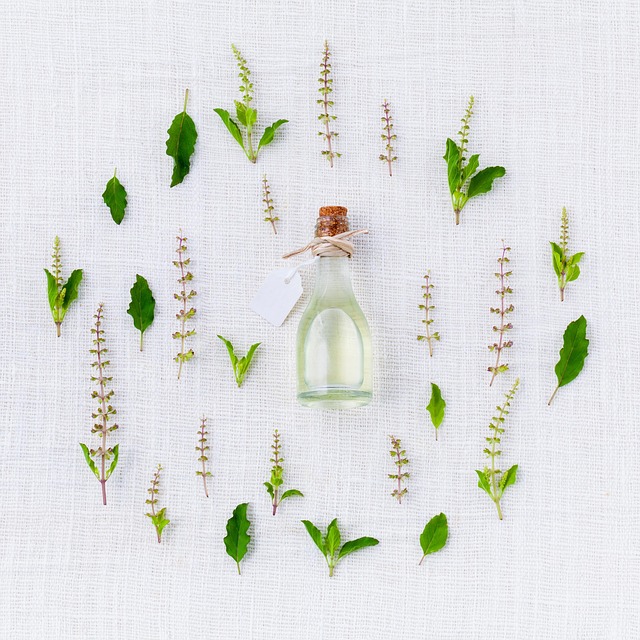
Adding undiluted essential oils to a reusable water bottle can damage plastic and rubber components due to the concentrated chemical nature of the oils. Many essential oils are not food-grade and carry ingestion risks when consumed directly from a bottle without precise dilution. Oil residue coats the interior of bottles and is extremely resistant to standard washing methods. The lingering scent of essential oils can also transfer to subsequent drinks even after multiple washes. Any use of essential oils in beverages should be done in appropriate dilution within purpose-built or glass containers.
Vinegar Soaking
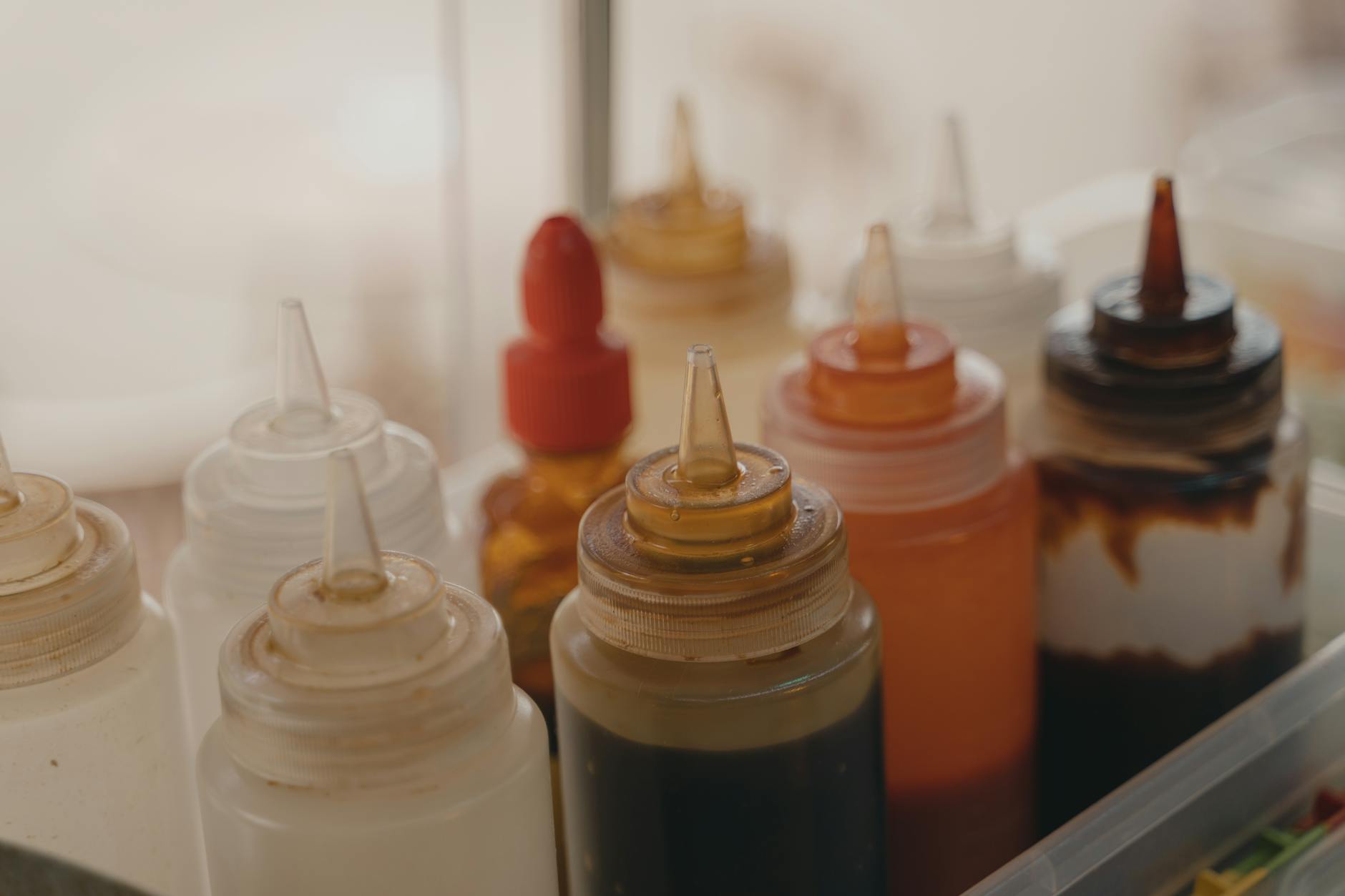
While diluted vinegar is sometimes recommended for deodorizing bottles, soaking metal bottles in vinegar for extended periods accelerates interior corrosion. Stainless steel and aluminum linings can develop pitting and surface damage from prolonged acid exposure. Vinegar can also degrade rubber gaskets and silicone seals when contact time exceeds recommended limits. A brief rinse with a mild baking soda solution is a gentler and equally effective deodorizing method for most bottle types. Always consult the manufacturer’s guidance before using any acid-based cleaning agent.
Sparkling Water
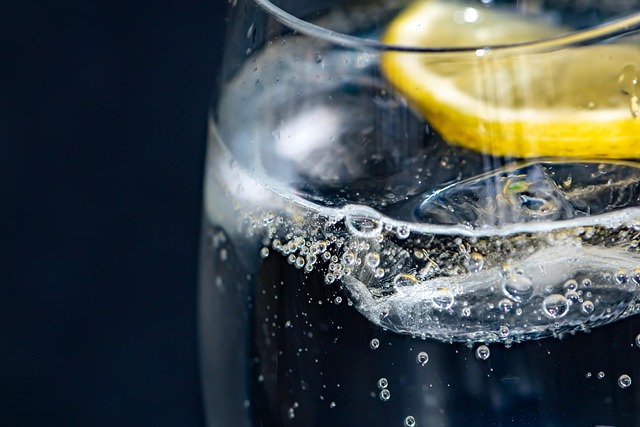
Storing carbonated water or sparkling beverages in bottles not rated for pressure can lead to dangerous lid ejection or seal failure. Carbon dioxide builds up pressure inside a sealed container and must be released gradually to avoid sudden bursts. Even bottles that appear to handle carbonation initially may develop seal weakness over time from repeated carbonation exposure. Many popular reusable bottle brands explicitly exclude carbonated liquids from their approved use cases. Dedicated carbonation-safe vessels are the only appropriate containers for long-term storage of fizzy drinks.
Gym Bag Storage
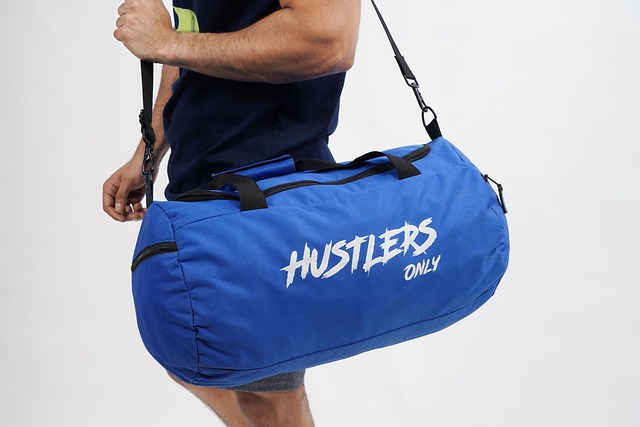
Leaving a bottle with any liquid residue inside a sealed gym bag between sessions creates an ideal warm and humid environment for mold and bacterial growth. Gym bags often accumulate odors and contaminants from equipment and clothing that can transfer to an unsealed or lightly sealed bottle exterior. A damp bottle rolling against sweaty workout gear picks up surface bacteria that can migrate to the mouthpiece. Storing a bottle upright with the lid off between uses allows interior moisture to evaporate and reduces microbial growth. Always empty and rinse the bottle immediately after gym use rather than waiting until a later wash cycle.
Soap Residue
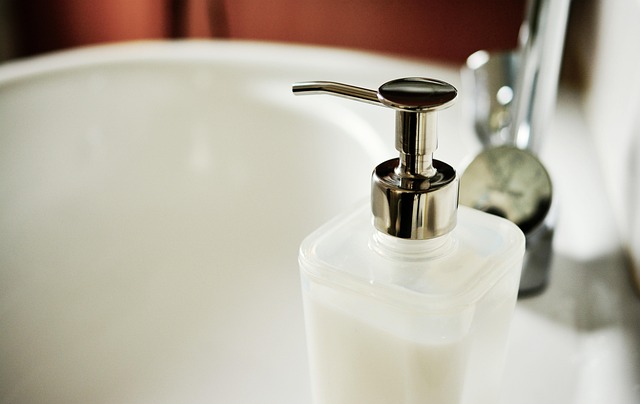
Failing to rinse a bottle thoroughly after washing leaves behind soap residue that affects the taste of subsequent drinks and can cause digestive irritation. Many people rush the rinsing step assuming a quick pass under water is sufficient to remove all detergent. Narrow-necked bottles require deliberate and repeated flushing to fully clear cleaning agents from all internal surfaces. Soap accumulation around lid threads and gaskets is particularly common and easily missed. A final rinse check by smelling the interior of the bottle before refilling is a simple and effective quality control habit.
Old Bottles
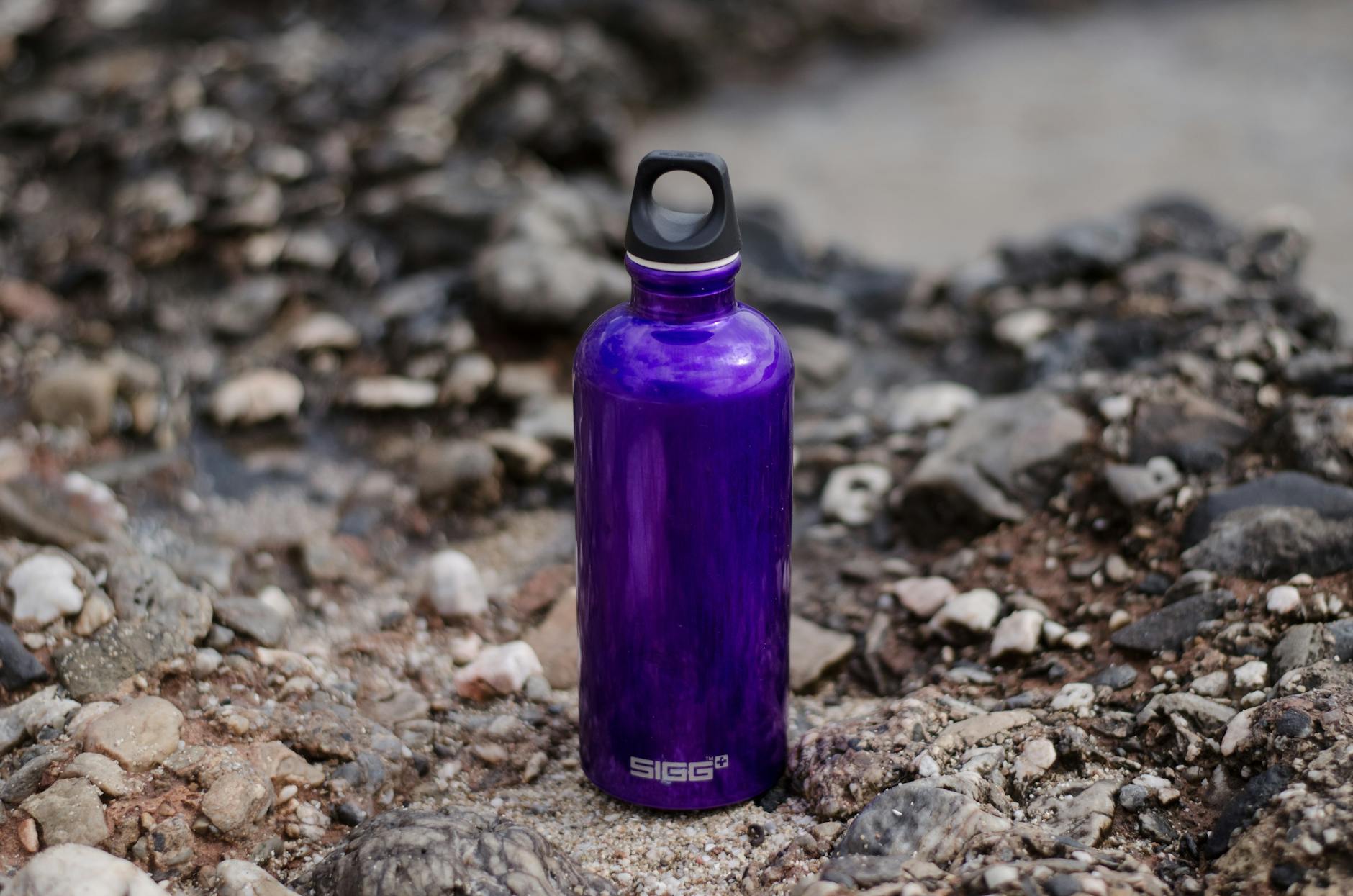
Continuing to use a reusable bottle that is visibly scratched, cracked, or discolored significantly increases health risks. Deep scratches in plastic bottles harbor bacteria that no amount of washing can fully eliminate. Bottles older than several years may have been manufactured before current food-safety material standards were widely adopted. Discoloration of the interior surface often indicates chemical degradation of the material itself. Replacing a compromised bottle promptly is both a hygiene necessity and a straightforward investment in daily wellness.
Tap Water Travel
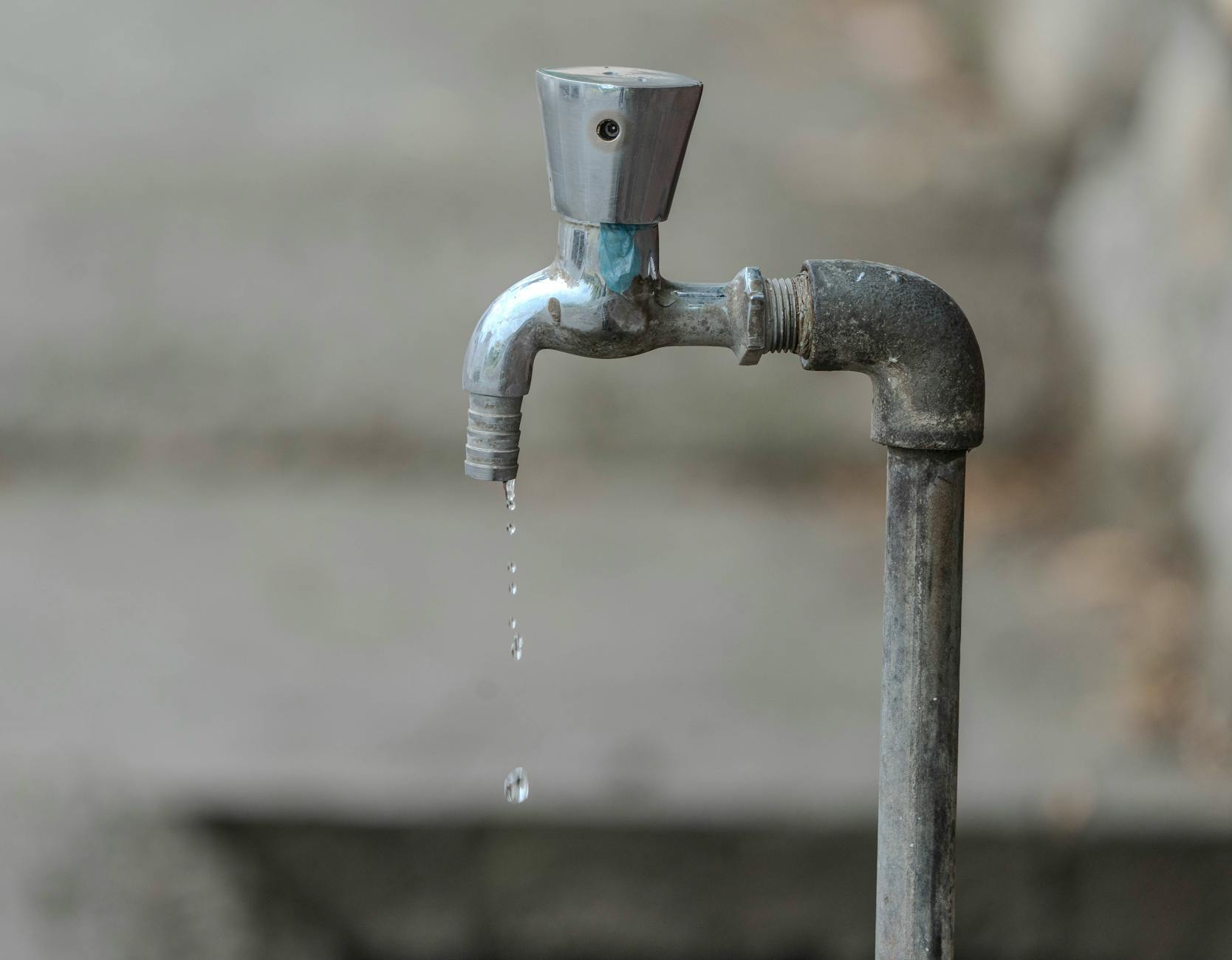
Filling a reusable bottle from tap water sources in regions with known water quality issues introduces contaminants that the bottle itself cannot filter or neutralize. Many travelers assume their bottle provides some level of filtration when standard models offer none whatsoever. Waterborne pathogens from unsafe tap sources remain fully active inside a bottle regardless of how clean the bottle itself may be. Only bottles equipped with certified built-in filtration systems are appropriate for use with uncertain water supplies. Researching local water safety before traveling is an essential part of responsible hydration planning.
Toothbrush Rinsing
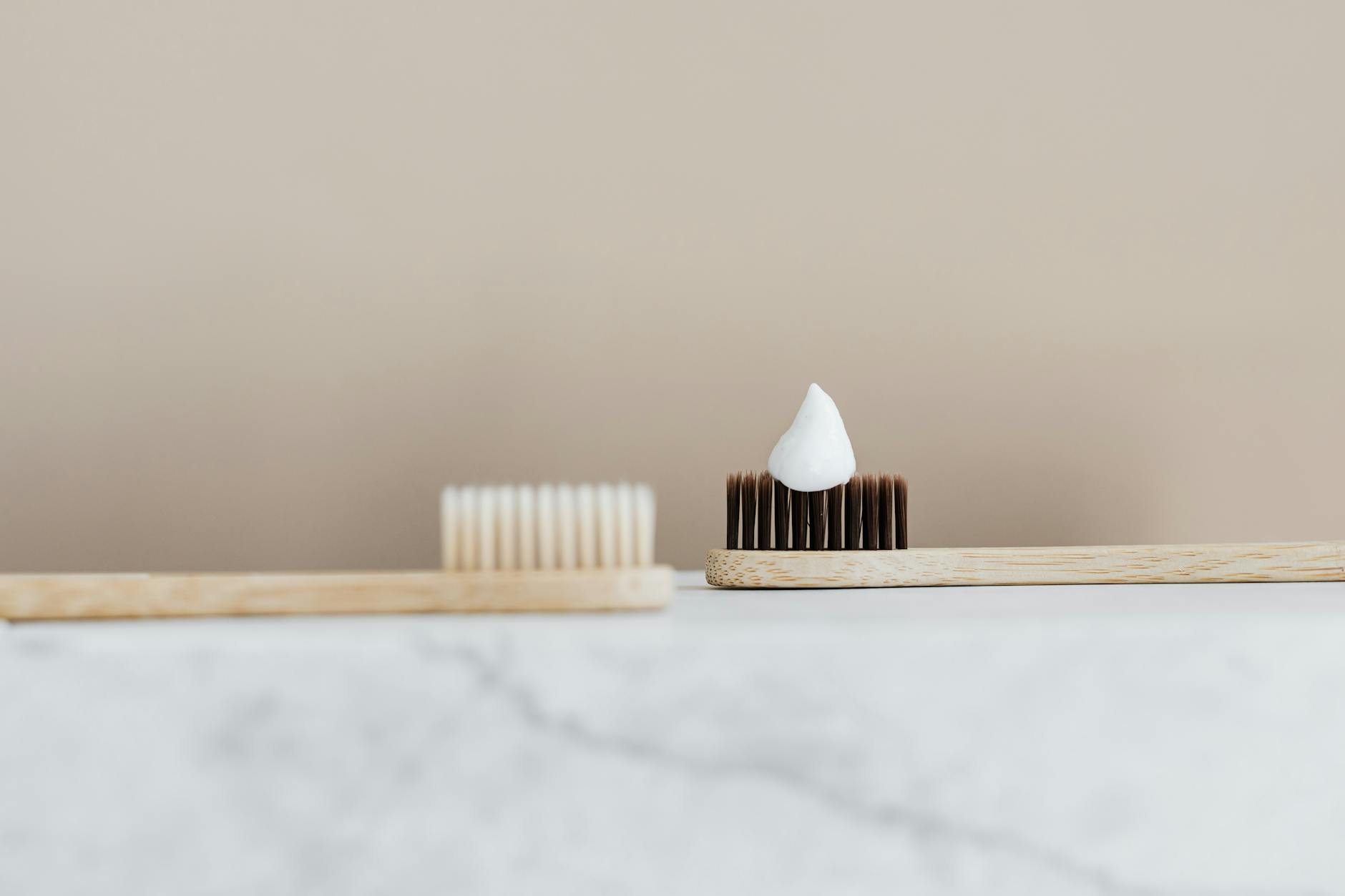
Using a reusable water bottle to rinse a toothbrush or facilitate oral hygiene introduces oral bacteria into the bottle at high concentrations. The moist environment inside the bottle then allows those bacteria to multiply between uses. This habit is particularly common during travel when access to standard bathroom facilities is limited. Once oral bacteria colonize the interior of a bottle, they are extremely difficult to eliminate without dedicated deep cleaning. A small separate travel cup or disposable rinse cup is a practical and hygienic alternative in these situations.
Overnight Refills
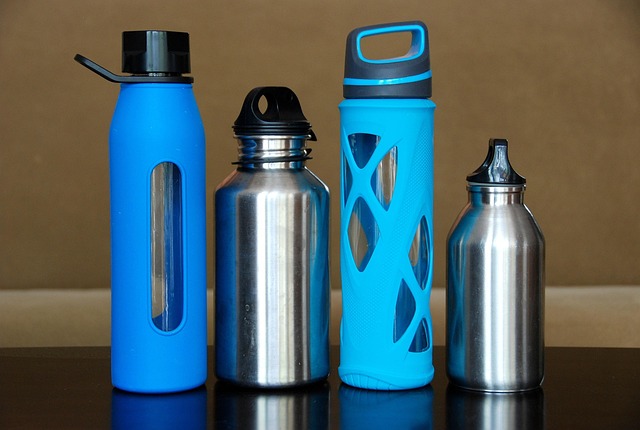
Leaving water sitting in a reusable bottle overnight at room temperature allows bacteria from previous oral contact with the mouthpiece to multiply in the standing water. This is especially relevant for bottles that have not been washed before being refilled. Studies on household drinking vessels consistently show measurable bacterial increases after several hours of standing water. Refrigerating a partially filled bottle can slow bacterial growth but does not eliminate it entirely. Emptying the bottle completely and washing it before each new fill remains the single most effective hygiene practice.
Boiling Sterilization
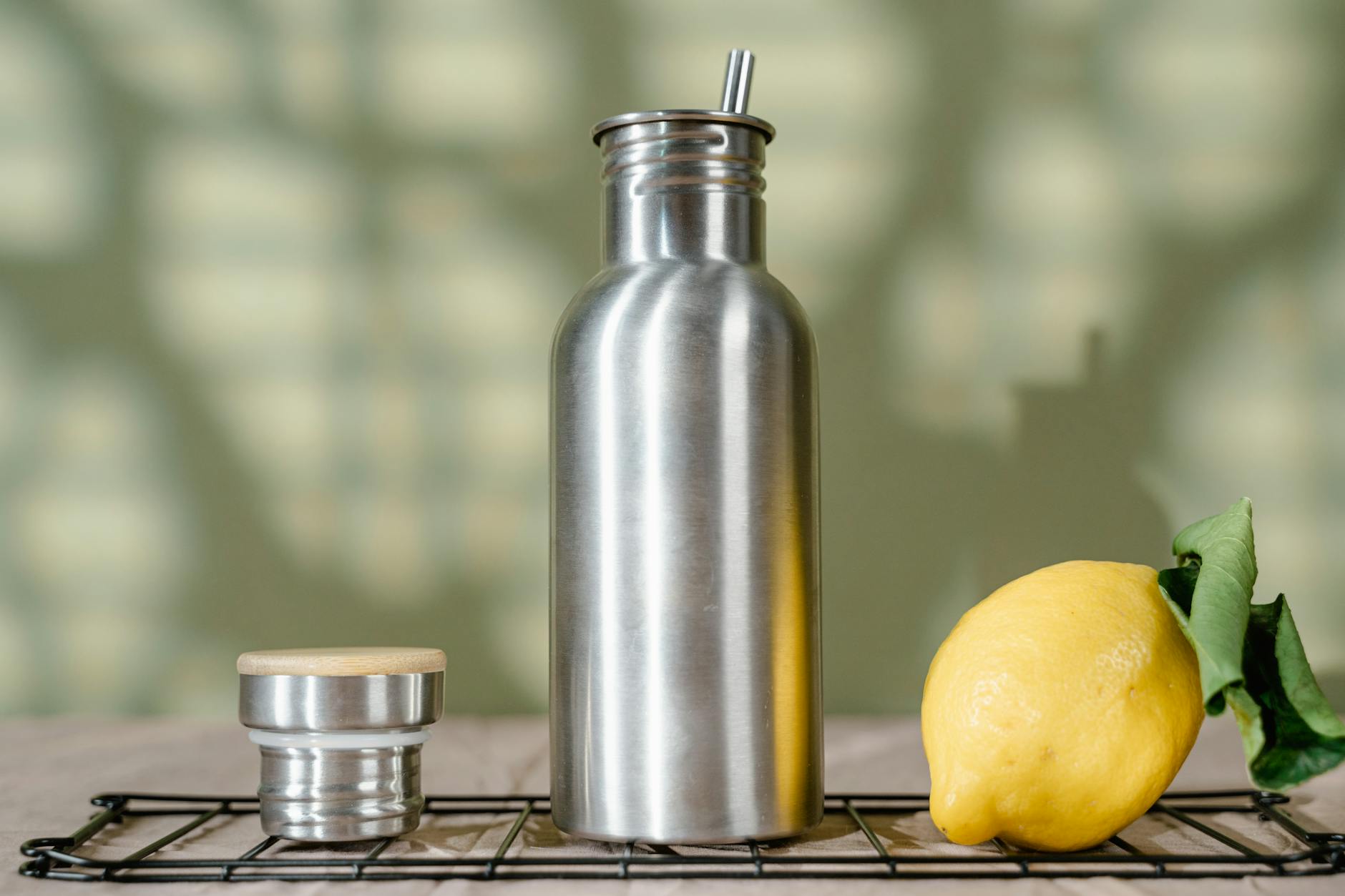
Submerging a standard reusable bottle in boiling water to sterilize it causes rapid heat damage to most materials not specifically designed for autoclave-level temperatures. Boiling warps plastic components almost instantly and can detach the inner lining of insulated stainless steel bottles permanently. Rubber seals and silicone gaskets lose their elasticity and sealing ability after exposure to boiling water. Sterilization-level heat is unnecessary for a bottle used only by one healthy individual with regular standard cleaning. Thorough hand washing with warm soapy water followed by complete air drying provides entirely adequate hygiene maintenance for personal daily use.
If you have a reusable bottle habit or tip you swear by, share your experience in the comments.




