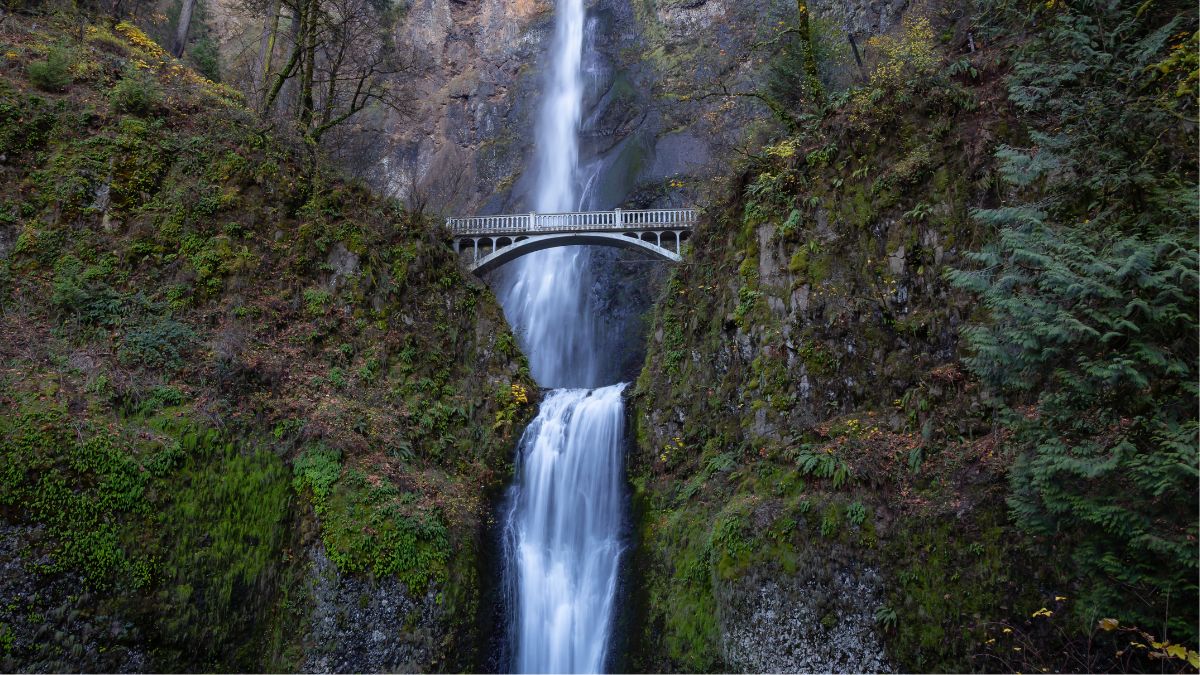
Few natural landmarks reward a hiker quite like a waterfall at the end of the trail. The United States is home to an astonishing variety of cascades tucked into forests, canyons, and national parks that are accessible to hikers of nearly every skill level. From the misty heights of the Pacific Northwest to the lush hollows of the Appalachian Mountains, these destinations combine natural drama with approachable trails. Whether you are seeking a gentle afternoon stroll or a more spirited half-day adventure, waterfall hikes deliver scenery that feels genuinely worth the effort.
Multnomah Falls
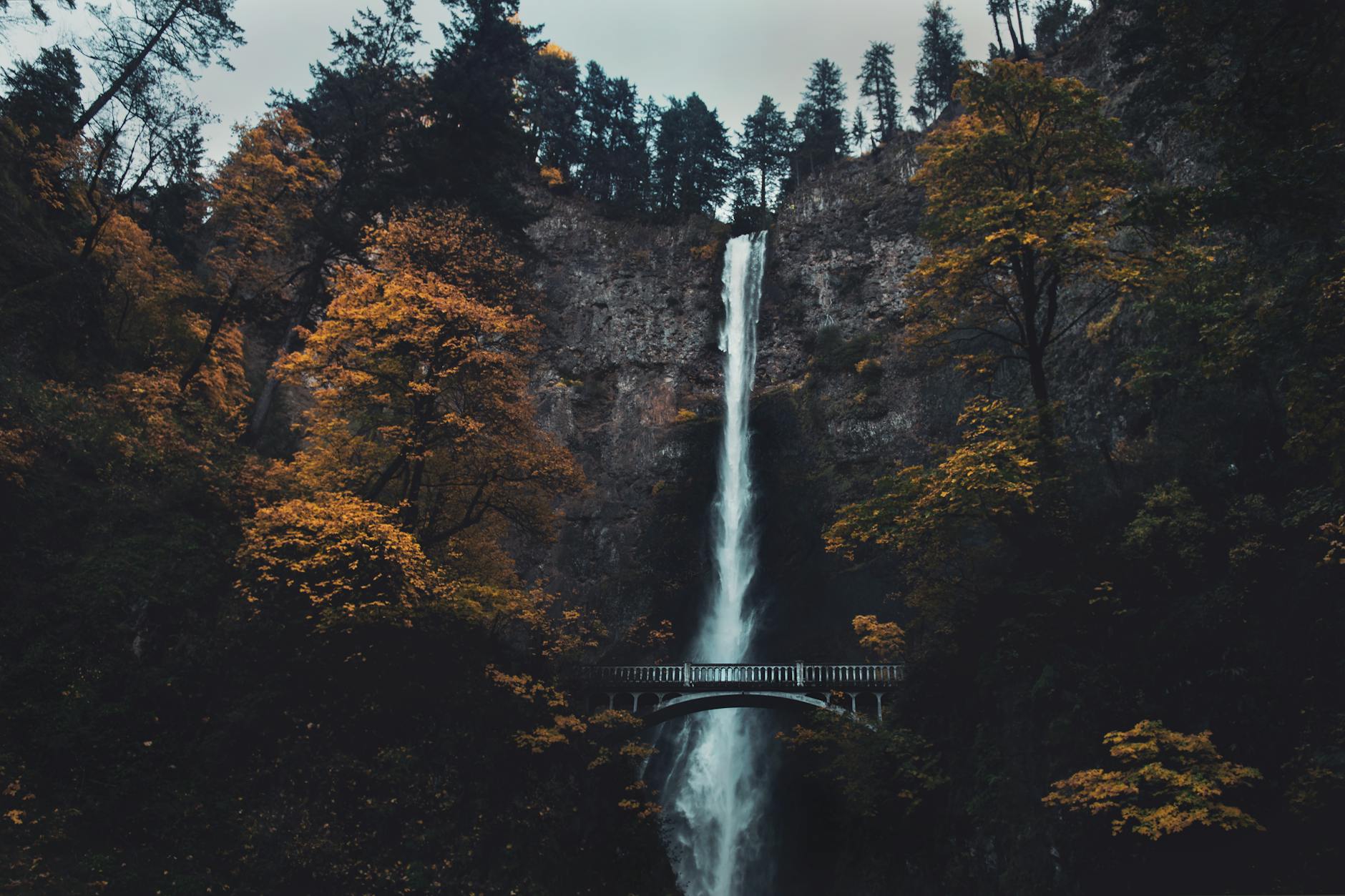
Multnomah Falls in the Columbia River Gorge of Oregon is one of the most visited natural landmarks in the entire country. The falls drop in two dramatic tiers to a total height of over 600 feet, creating a mist-filled spectacle visible from the trailhead. A paved trail leads to a historic bridge perfectly positioned between the upper and lower cascades. The surrounding forest of fir and maple adds deep seasonal color to an already striking scene. The trail to the top is moderately steep but entirely manageable for most visitors with basic fitness.
Havasu Falls
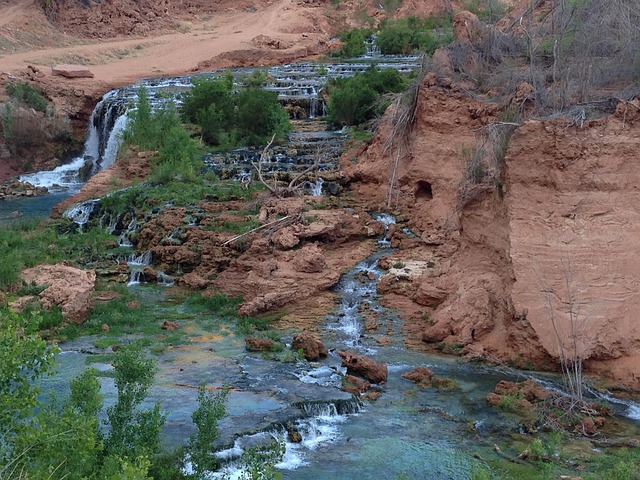
Havasu Falls sits within the Havasupai tribal lands at the base of the Grand Canyon in Arizona. Its vivid turquoise water tumbles over red sandstone cliffs in one of the most photographed waterfall scenes in North America. The hike into the canyon is approximately ten miles each way and requires a permit obtained through the Havasupai tribe. Visitors typically camp overnight near the falls to make the most of the journey. The contrast between the desert landscape and the electric blue pools below the cascade is unlike anything else found in American hiking.
Havasupai Gardens
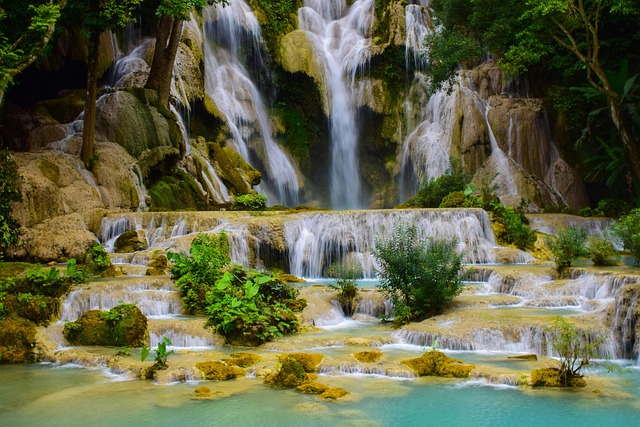
The trail system in this area passes through towering canyon walls streaked in rust and ochre before opening to lush riparian greenery. Cottonwood trees line the creek bed and provide welcome shade along the lower sections of the route. The path is well-maintained and clearly marked throughout its length, making navigation straightforward for day hikers. Water from the Havasu Creek remains clear and refreshingly cool even during the hottest summer months. This stretch of canyon offers one of the most dramatic contrasts between arid landscape and tropical-looking waterways found anywhere in the Southwest.
Bridalveil Fall
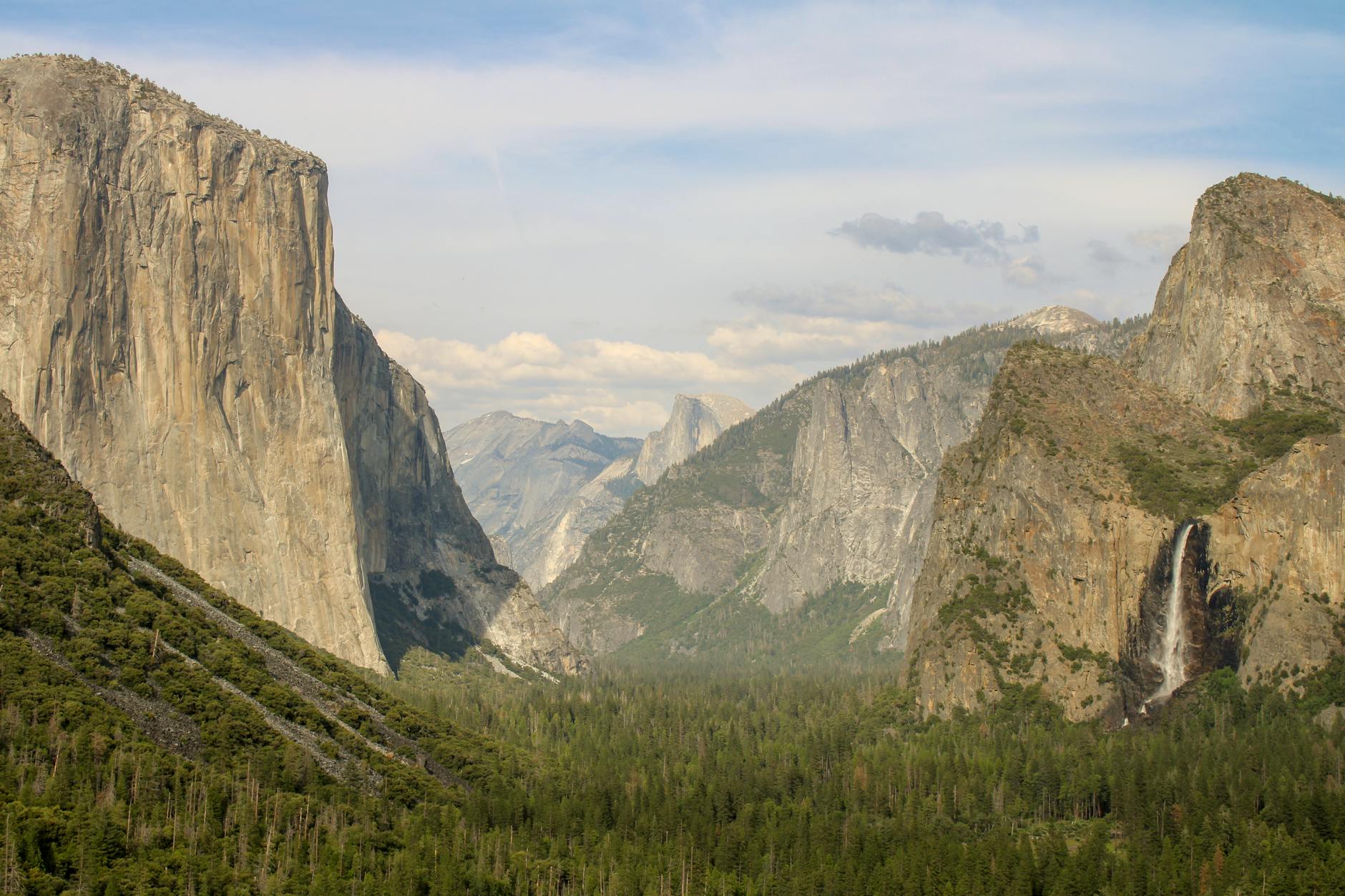
Bridalveil Fall in Yosemite National Park in California is one of the first sights to greet visitors entering Yosemite Valley. The waterfall drops 620 feet and often sways gently in the valley breeze, creating the delicate veil effect behind its name. The trail to the base is short and paved, covering less than half a mile round trip from the parking area. Spring and early summer bring the most powerful flows, fed by snowmelt cascading down from the surrounding granite peaks. Even in drier months the falls remain active, making this a reliable and breathtaking stop year-round.
Amicalola Falls
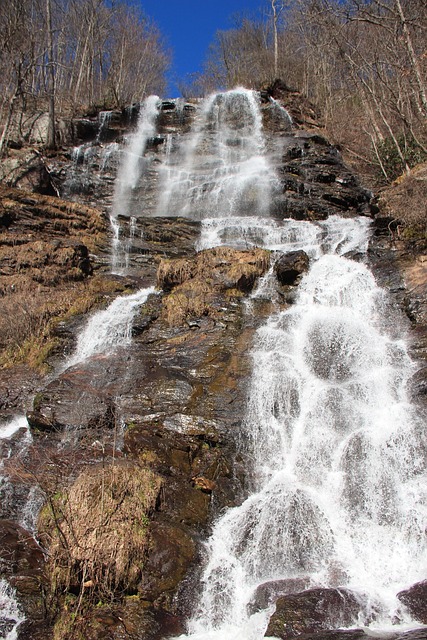
Amicalola Falls in northern Georgia is the tallest cascading waterfall east of the Mississippi River. The falls drop a total of 729 feet across a series of dramatic steps surrounded by dense Appalachian forest. A system of staircases and bridges allows hikers to ascend alongside the cascade for close-up views at multiple elevations. The falls are located within a state park that also serves as the approach trail to the southern terminus of the Appalachian Trail. The combination of accessible infrastructure and raw natural power makes this one of the most rewarding waterfall destinations in the eastern United States.
Laurel Falls
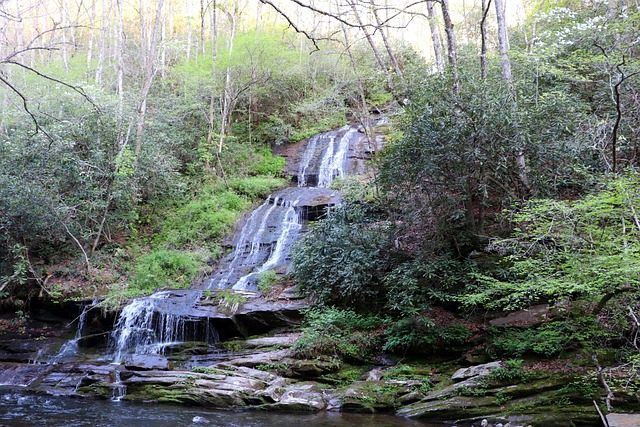
Laurel Falls in Great Smoky Mountains National Park in Tennessee is one of the most popular waterfall hikes in the entire national park system. The paved trail winds through a hardwood and pine forest for roughly two and a half miles round trip to reach the cascade. The falls split around a central rock formation and fan out in twin streams before rejoining below. Wildflowers bloom along the trail during spring and the forest canopy turns brilliant shades of gold and amber each autumn. The accessibility of the path combined with the beauty of the destination makes it a favorite for families and casual hikers alike.
Fairy Falls
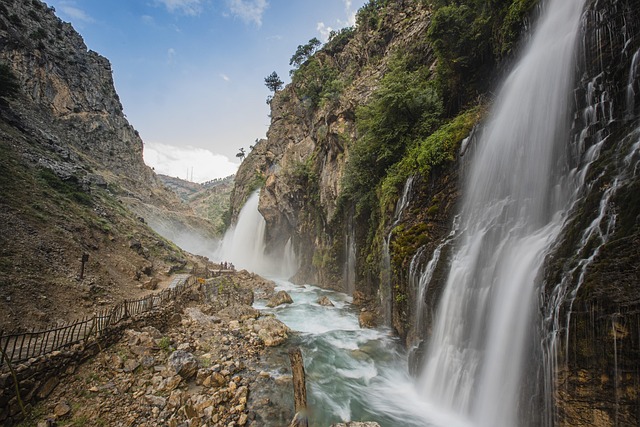
Fairy Falls in Yellowstone National Park in Wyoming rewards hikers with a slender 197-foot cascade tucked into one of the park’s quieter backcountry corridors. The trail begins near the Midway Geyser Basin and passes through a lodgepole pine forest recovering from a historic wildfire. Open terrain along the early part of the route offers sweeping views of the geyser basin before the path re-enters the trees. The falls themselves emerge from a narrow cliff face and drop into a small emerald pool below. Visitors willing to venture slightly off the most crowded park circuits find this trail refreshingly peaceful and scenically generous.
Bridal Veil Falls
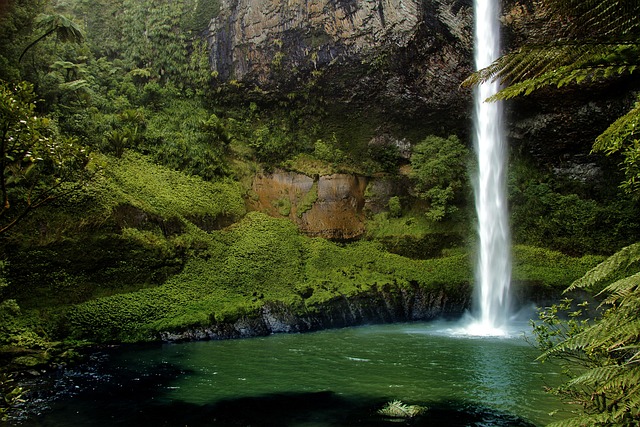
Bridal Veil Falls in Telluride, Colorado cascades directly above the historic mining town, making it one of the most dramatically situated waterfalls in the American West. The falls drop 365 feet from a high alpine shelf and are visible from many points throughout the valley below. The hike follows an old jeep road that climbs steadily through aspen groves and open mountain meadows. At the top stands a restored historic powerhouse that once generated electricity for the mines far below. The combination of engineering history and natural grandeur gives this trail a layered sense of discovery beyond its beautiful scenery.
Narada Falls
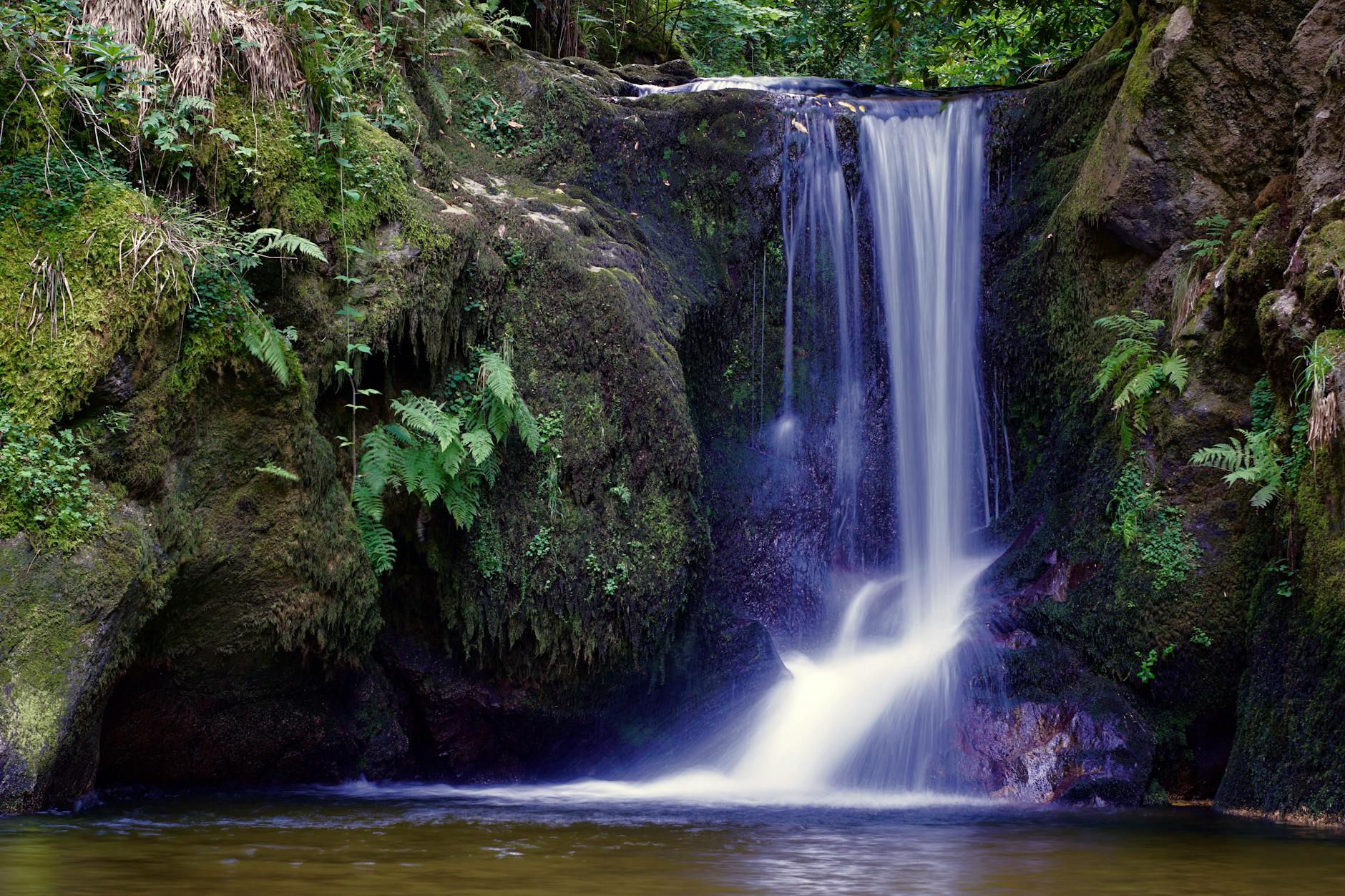
Narada Falls in Mount Rainier National Park in Washington plunges 188 feet over a wide basalt ledge into a misty canyon carved over thousands of years. The short trail from the parking area descends to the base of the falls and offers a spectacular frontal view of the full cascade. Rainbows form regularly in the spray during sunny morning hours, adding an almost surreal quality to the scene. The surrounding old-growth forest of western red cedar and hemlock contributes to a deeply atmospheric hiking experience. This is one of the most photographed locations in all of Mount Rainier National Park for good reason.
Moss Glen Falls
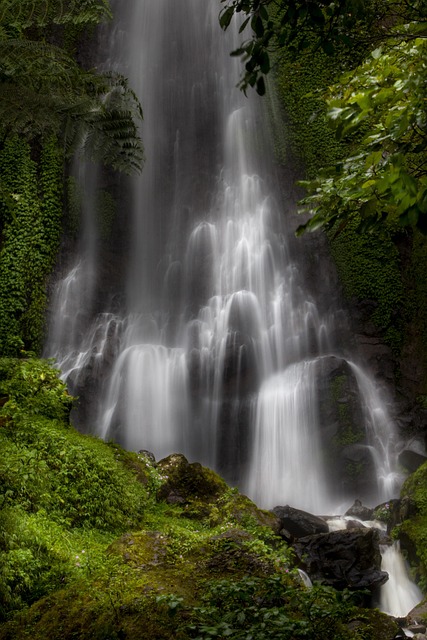
Moss Glen Falls in Stowe, Vermont is a hidden gem tucked into the Green Mountains along a short and easy trail through dense northern hardwood forest. The waterfall spills over mossy ledges and fractured shale in a series of tiered drops that shift character dramatically with the seasons. Summer visits reveal lush green surroundings that practically glow in filtered forest light. Autumn transforms the canopy into a fiery backdrop of red, orange, and gold that frames the cascade beautifully. The trail is less than a mile round trip and suitable for hikers of all ages and experience levels.
Grotto Falls
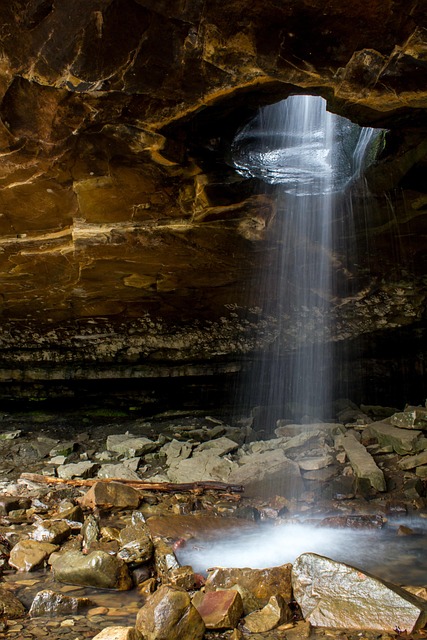
Grotto Falls in Great Smoky Mountains National Park in Tennessee is the only waterfall in the park that visitors can actually walk behind. The trail is a moderate 2.6-mile round trip through old-growth hemlock and hardwood forest that has remained relatively undisturbed for centuries. The cascade drops 25 feet over a curved rock shelf that creates a natural alcove large enough to stand beneath. The sensation of watching water fall just inches in front of you while standing on dry rock is genuinely memorable. This accessible and immersive experience makes Grotto Falls a standout destination even within a park full of exceptional natural landmarks.
Snoqualmie Falls
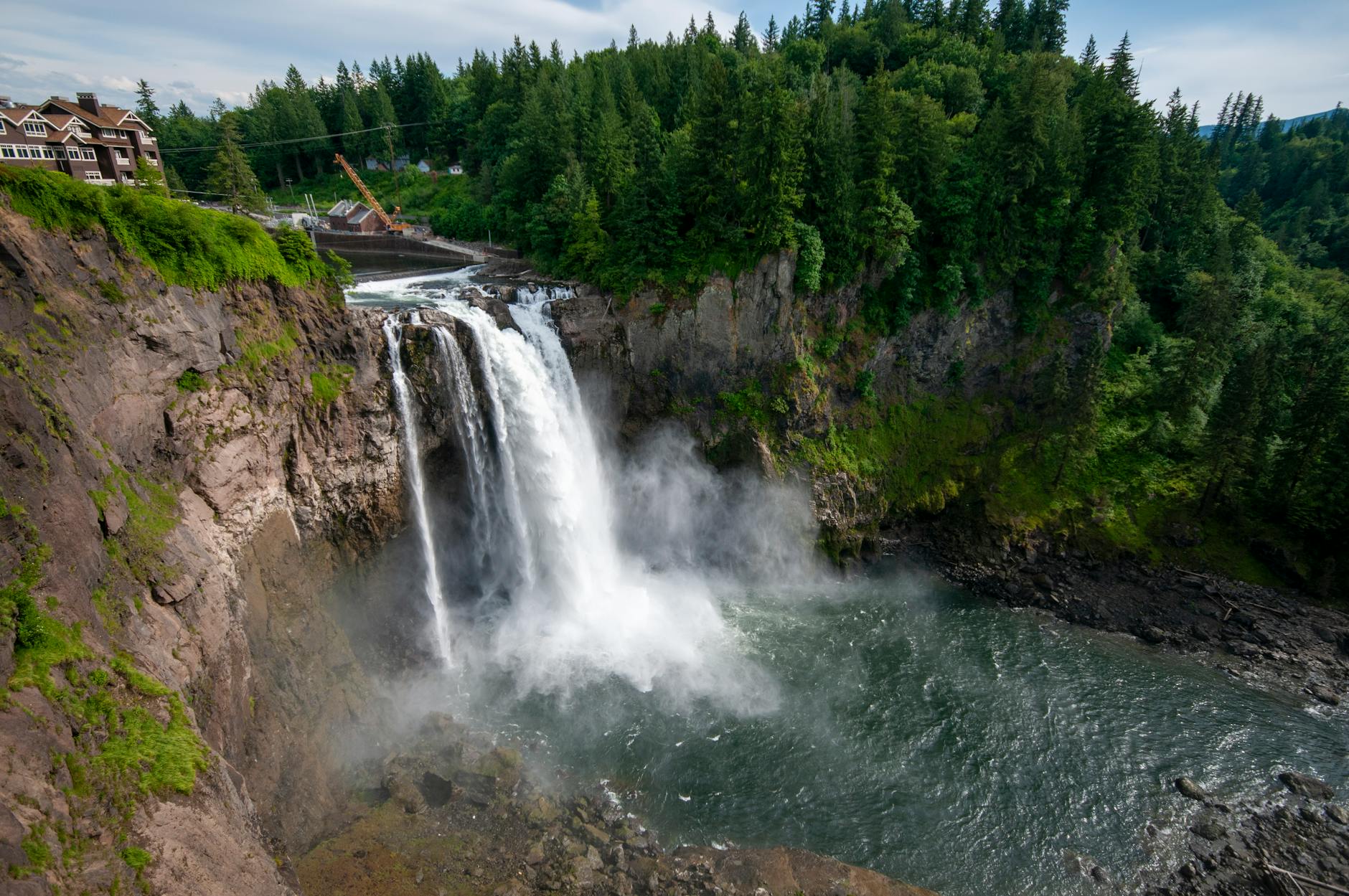
Snoqualmie Falls in Washington State is one of the most iconic natural landmarks in the Pacific Northwest. The falls plunge 268 feet into a rocky gorge just east of Seattle and generate a continuous roar audible from well up the trail. Two viewing platforms at different elevations provide dramatic perspectives of the full cascade and the mist cloud that perpetually surrounds its base. A short but steep trail winds down to the river below for those seeking a closer encounter. The falls hold deep spiritual significance for the Snoqualmie people and remain one of the most visited natural attractions in the entire state.
Taughannock Falls
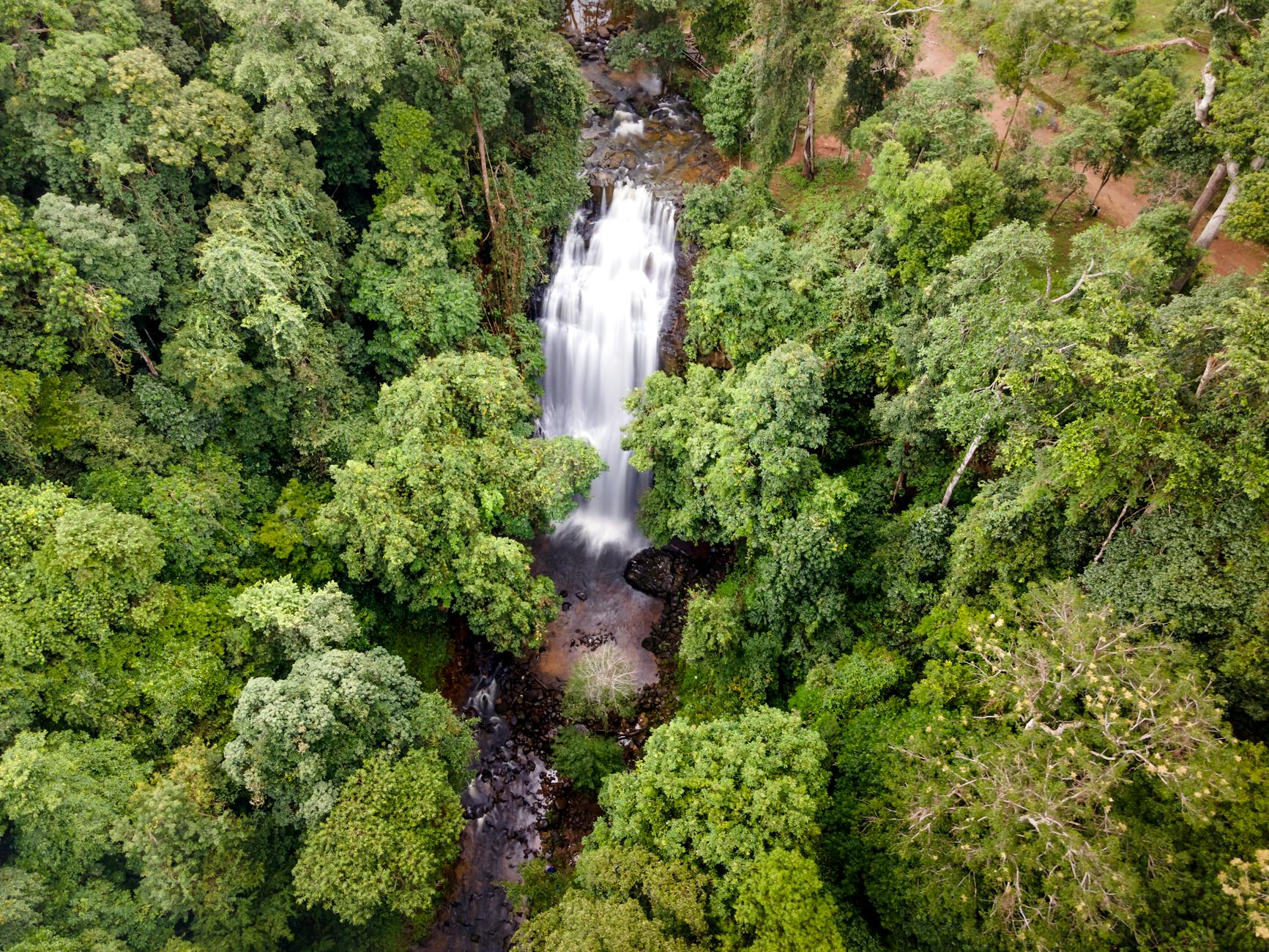
Taughannock Falls in the Finger Lakes region of New York stands 215 feet tall, making it one of the tallest single-drop waterfalls east of the Rocky Mountains. The gorge trail leading to the falls is flat and wide, following a creek bed for approximately 1.5 miles through sheer canyon walls rising nearly 400 feet on either side. The dramatic geological scale of the gorge often surprises first-time visitors accustomed to smaller eastern cascades. Spring flooding fills the plunge pool and sends a powerful column of water thundering into the basin below. This trail offers a sense of genuine grandeur that rivals destinations far more widely known.
Hanging Lake
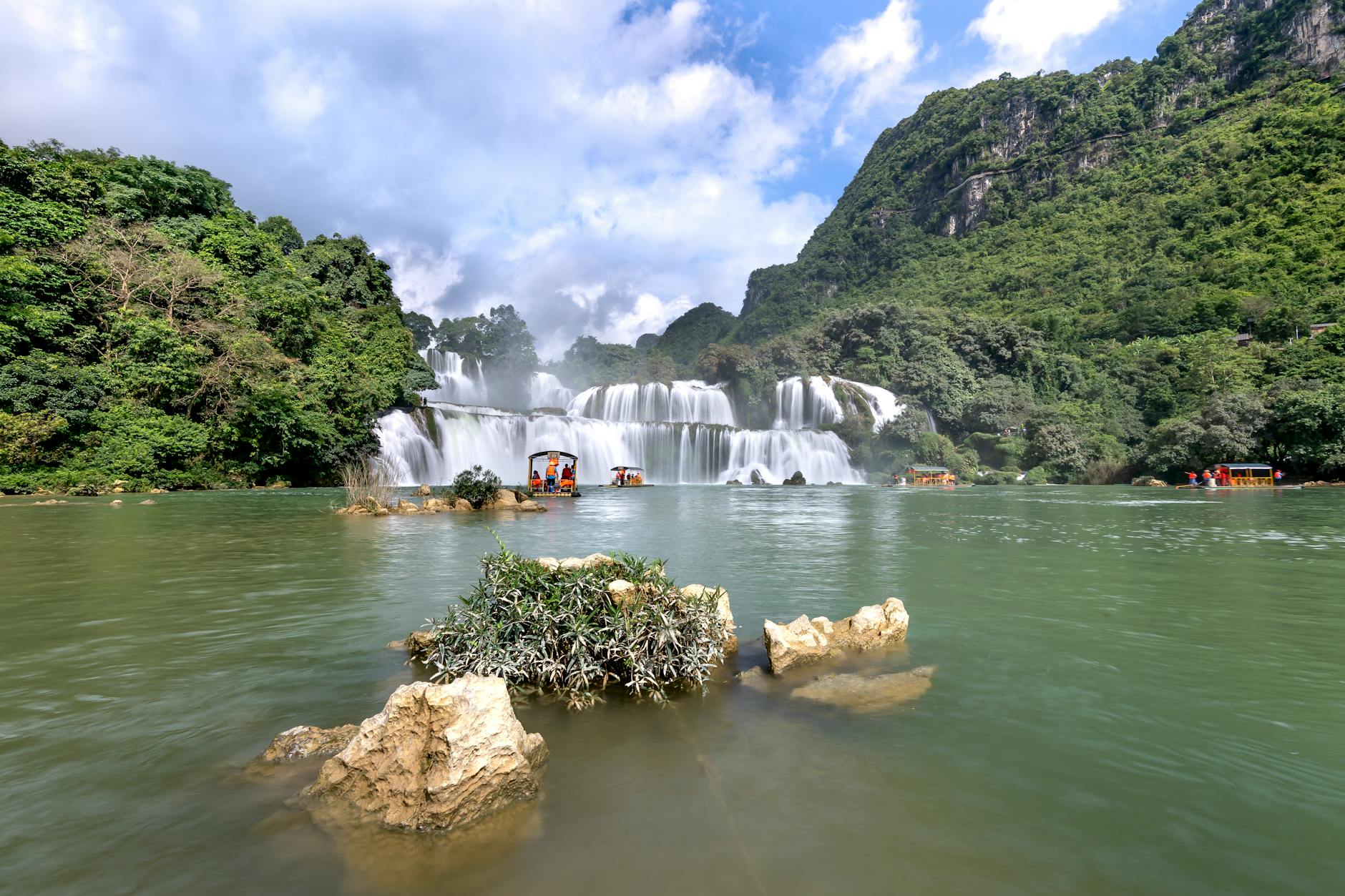
Hanging Lake in Glenwood Canyon, Colorado is a rare geological formation perched on a cliff ledge above the canyon floor. The turquoise lake sits at the top of a steep 1.2-mile trail that climbs over 1,000 feet in elevation through dramatic canyon terrain. Feeder streams cascade into the lake from above in delicate ribbons that traverse moss and travertine rock formations. The water is extraordinarily clear, revealing the submerged logs and rock formations resting on the lake bed. A permit system limits daily visitors to protect this fragile ecosystem, making the experience feel exclusive and genuinely worth planning around.
Rifle Falls
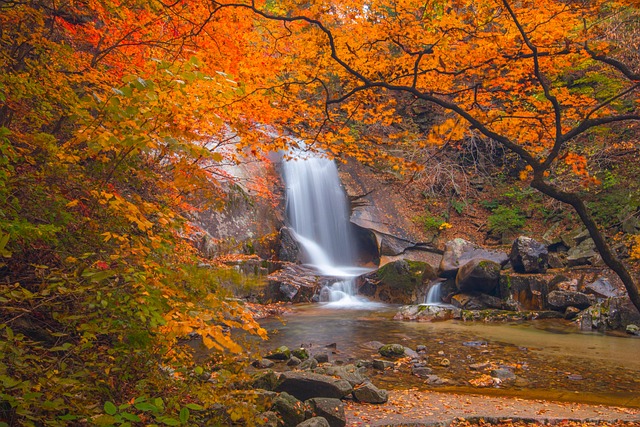
Rifle Falls in western Colorado drops in three parallel curtains over a mossy travertine cliff into a shaded canyon lush with ferns and wildflowers. The hike to the base is less than a mile and passes through a surprising microhabitat that feels more like the Pacific Northwest than the arid Colorado Plateau. Caves carved into the soft travertine behind the falls invite exploration beyond the main viewing area. The gentle and accessible trail makes this an excellent option for families with young children or hikers seeking a shorter outing. The lush setting and triple-stream formation give Rifle Falls a distinctive character that sets it apart from other Colorado waterfall destinations.
Albright Falls
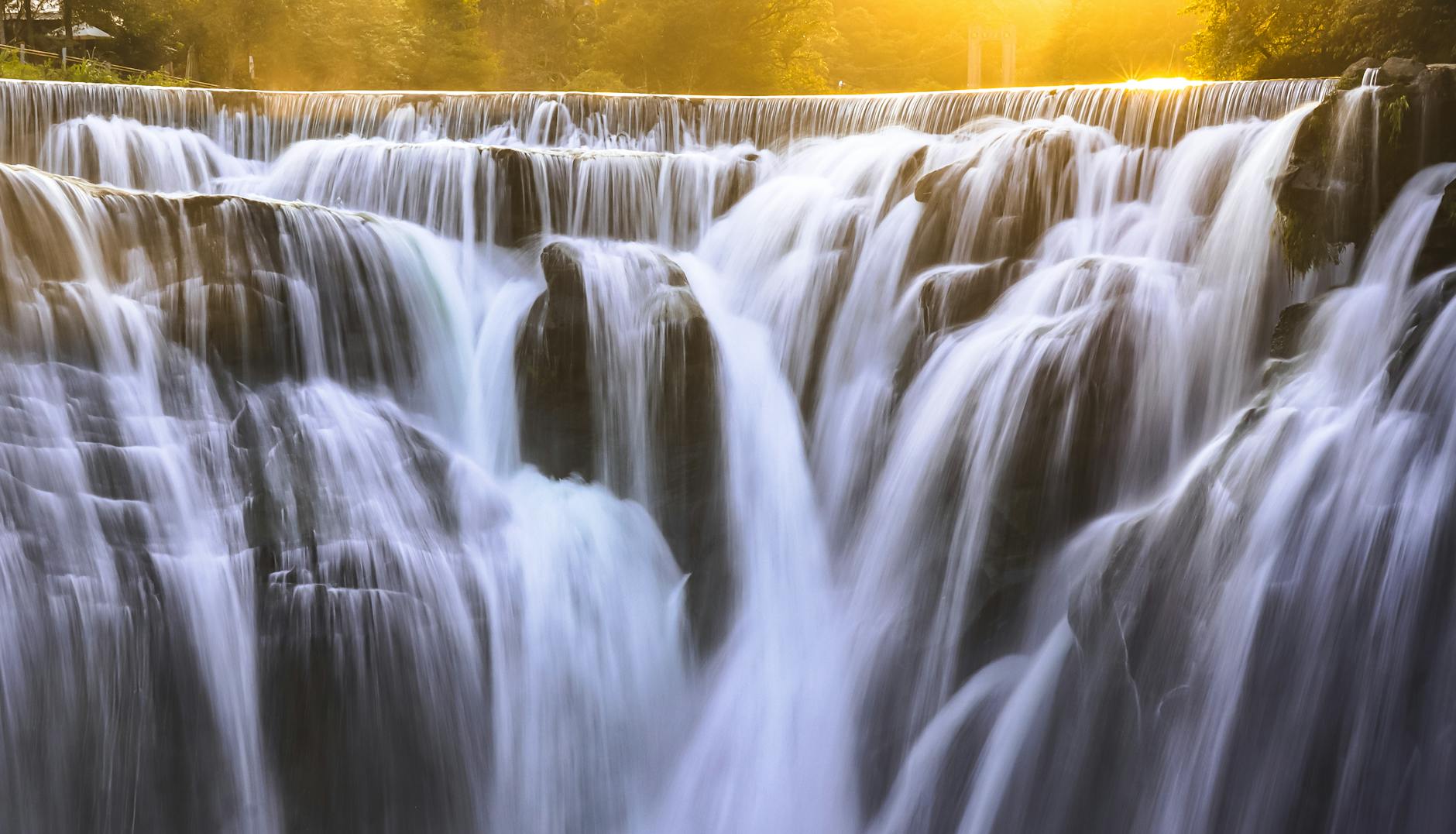
Albright Falls in the Gallatin National Forest of Montana sits at the end of a moderate trail through dense subalpine forest and open meadow terrain. The falls emerge from a high granite bowl and drop into a pristine alpine basin surrounded by peaks that hold snow well into summer. Wildlife sightings including deer, elk, and various raptors are common along this stretch of trail. The remote setting and relative lack of crowds give this destination an authentic backcountry atmosphere. Hikers looking for a less-commercialized waterfall experience in the Northern Rockies will find Albright Falls to be a deeply satisfying and memorable choice.
Bash Bish Falls
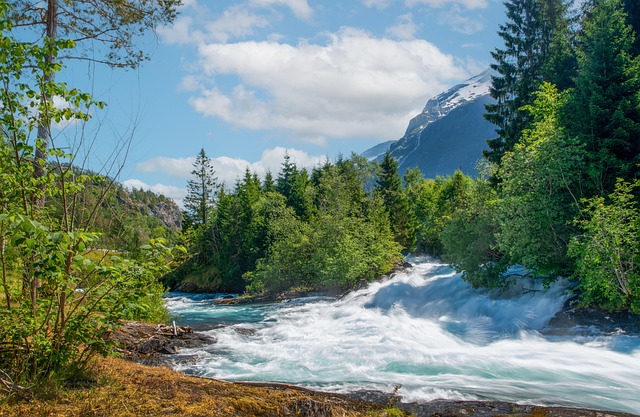
Bash Bish Falls in the Berkshire Hills of Massachusetts is the highest single-drop waterfall in New England, splitting dramatically around a central granite pinnacle before plunging into a clear mountain pool. The falls lie within Bash Bish Falls State Park and are accessible via a moderate trail of roughly two miles through mixed hardwood forest. The sound of the cascade reaches hikers well before the falls come into view, building anticipation along the final stretch. The pool at the base is surrounded by smooth boulders that invite rest and reflection after the descent. This storied destination has drawn visitors since the 19th century and remains one of the most rewarding waterfall hikes in the northeastern United States.
Which of these stunning cascades is calling your name and which waterfall hike has left the biggest impression on you? Share your thoughts in the comments.




