Planning a road trip doesn’t have to drain your wallet before you even hit the highway. Savvy travelers have discovered that a handful of smart habits and overlooked strategies can dramatically cut costs without sacrificing comfort or fun. From fueling up strategically to packing smarter, the savings add up faster than most people expect. Whether you’re heading out for a weekend escape or a cross-country adventure, these practical hacks will keep more money in your pocket and more miles under your wheels.
Gas Apps

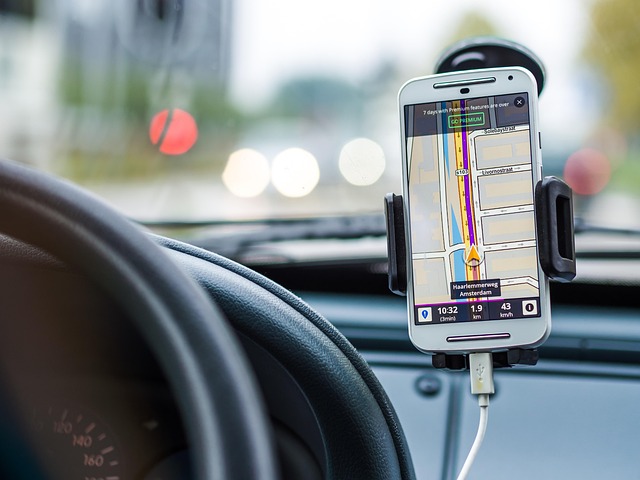
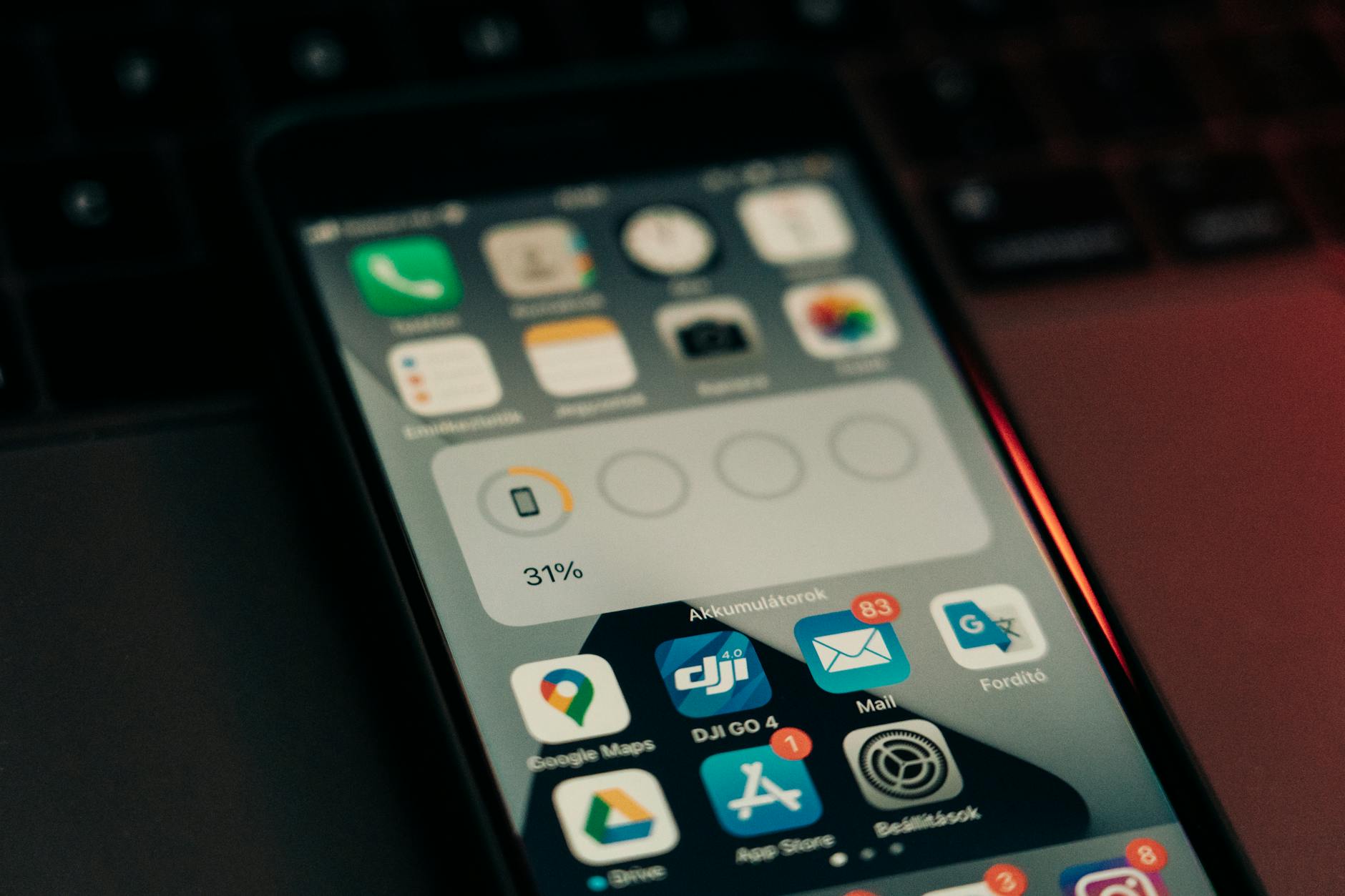
Fuel is typically the biggest variable expense on any road trip, and apps designed to track real-time gas prices can make a meaningful difference. GasBuddy and Waze both show nearby stations ranked by current price, letting you plan fill-ups in advance rather than stopping out of desperation. Prices can vary by as much as twenty cents per gallon within just a few miles, especially near highway exits versus town centers. Downloading one of these tools before departure takes only minutes and can save a significant amount over the course of a long journey.
Warehouse Clubs
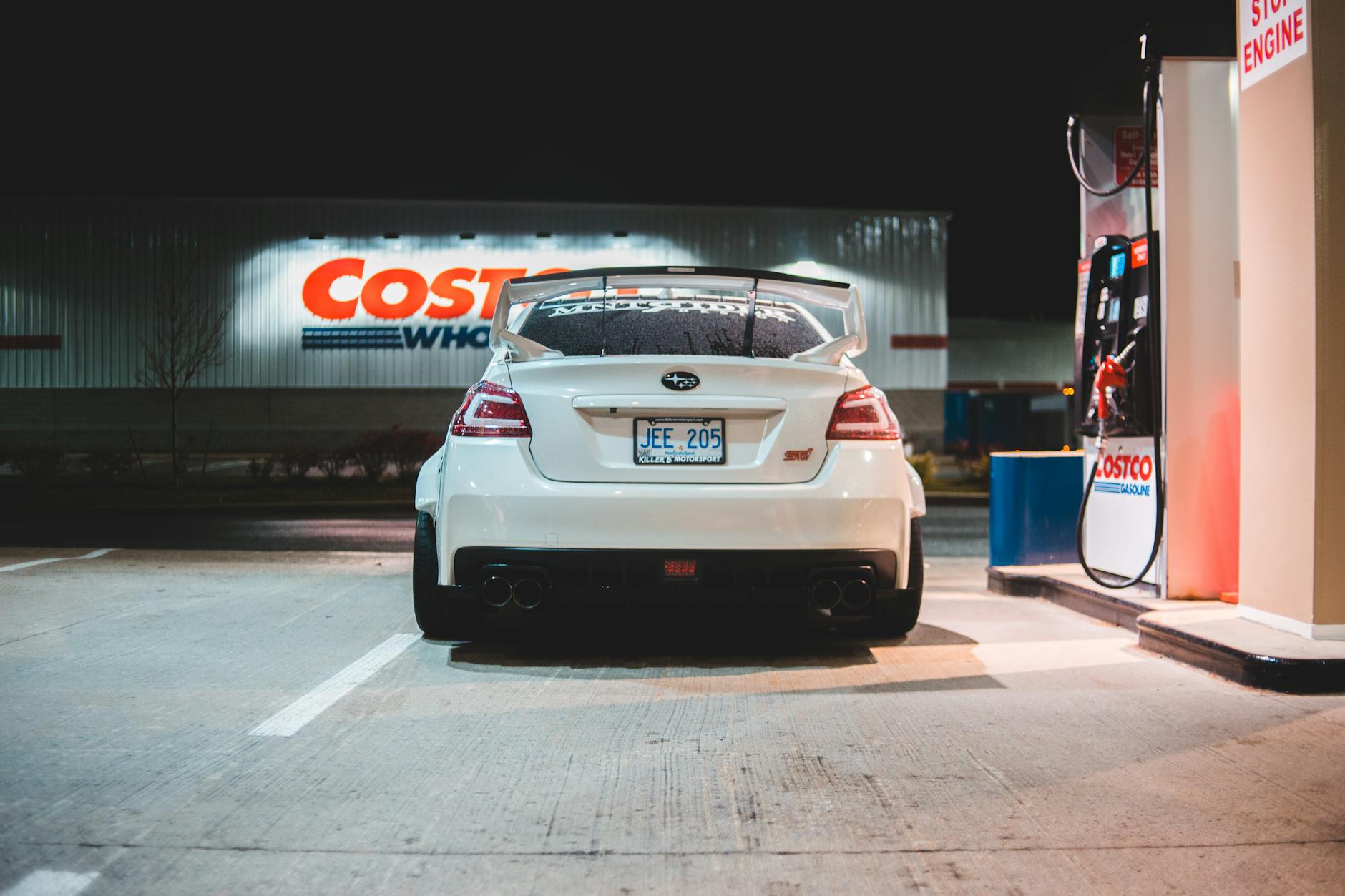
Filling up at a Costco or Sam’s Club gas station consistently delivers some of the lowest pump prices available in most regions. Membership pays for itself remarkably quickly when fuel savings are factored in alongside discounts on groceries, snacks, and road trip supplies. Many locations also offer discounted gift cards for restaurants and attractions that travelers commonly visit along popular routes. Planning your departure and return around a warehouse club fill-up is one of the simplest ways to reduce costs with almost no extra effort.
Cruise Control
Maintaining a steady speed rather than constantly accelerating and braking is one of the most effective ways to improve fuel efficiency on open roads. Most modern vehicles achieve optimal mileage somewhere between 55 and 65 miles per hour, and cruise control helps drivers stay in that range effortlessly. Studies consistently show that aggressive driving habits can reduce fuel economy by up to 30 percent compared to smooth, consistent driving. Activating cruise control on long highway stretches is a free and immediate way to stretch every tank further.
Tire Pressure
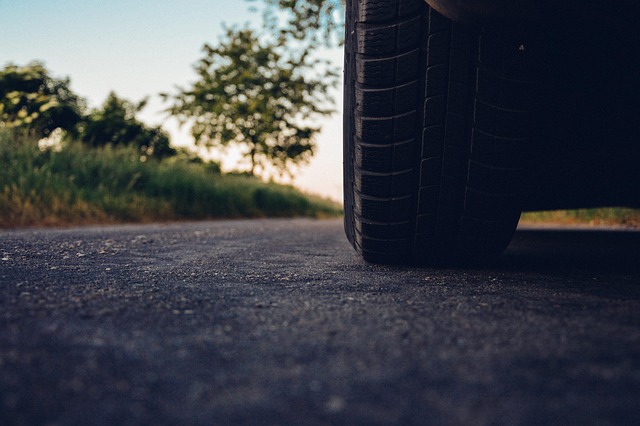
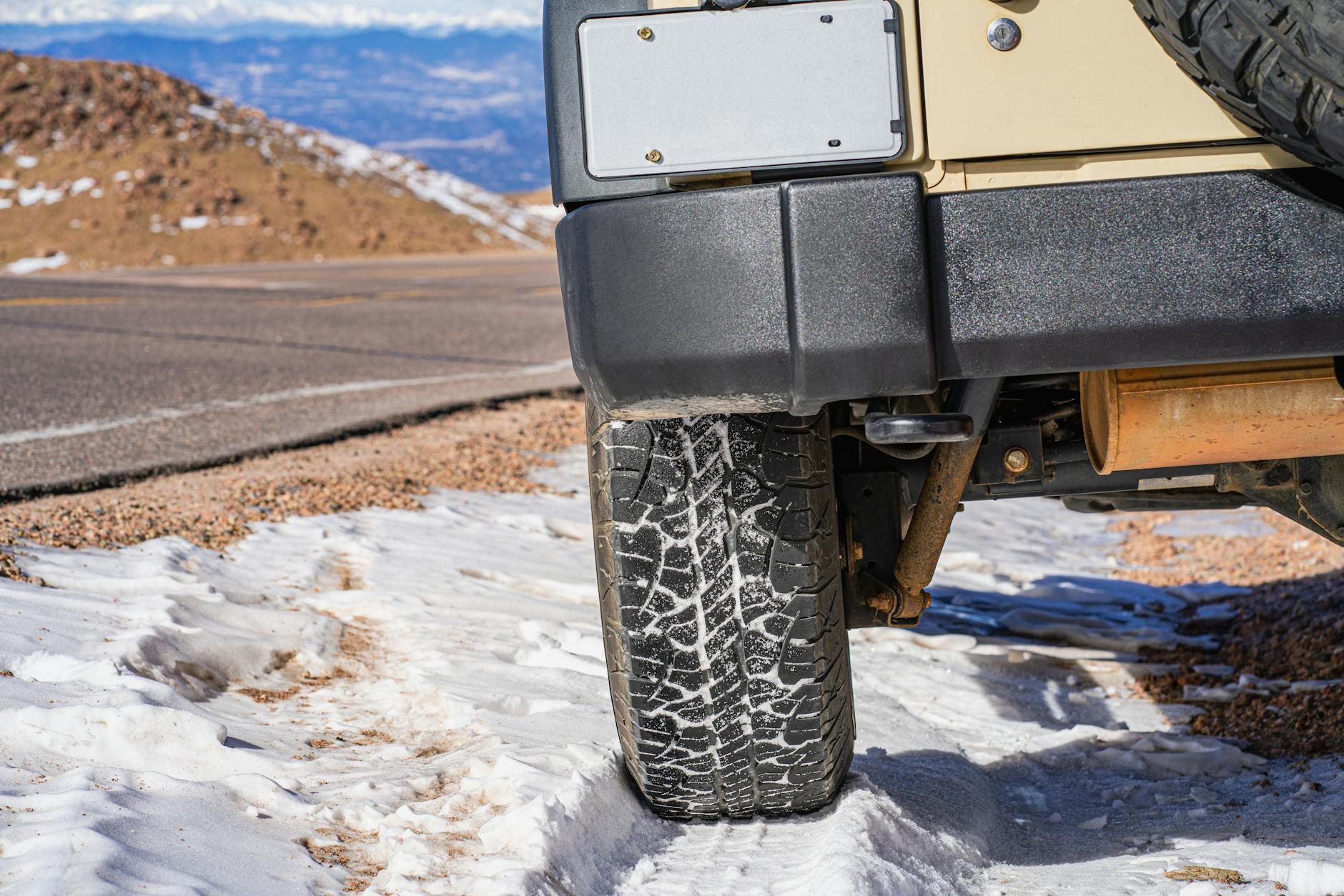
Underinflated tires create more rolling resistance, which forces the engine to work harder and burn more fuel with every mile traveled. Checking and correcting tire pressure before a long trip takes less than five minutes and costs nothing at most gas stations equipped with air pumps. The U.S. Department of Energy estimates that properly inflated tires can improve gas mileage by up to three percent, which adds up meaningfully over hundreds of miles. Tire pressure also affects safety and handling, making this one of the highest-return pre-trip tasks available.
Roadside Picnics
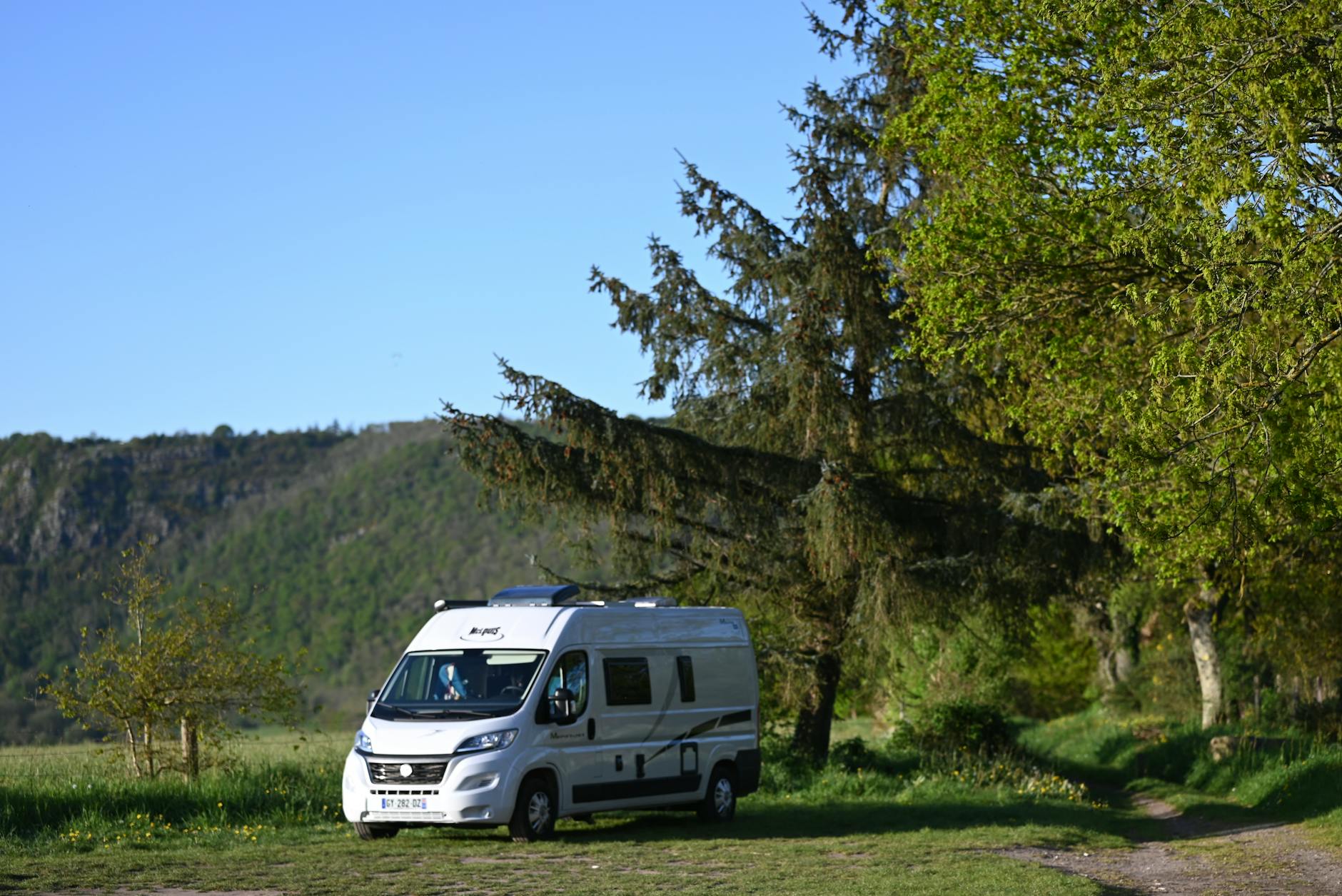
Stopping at a rest area or scenic pullout to eat a packed meal instead of a sit-down restaurant saves both time and a surprising amount of money. A family of four can easily spend sixty to eighty dollars on a single highway restaurant meal that a prepared cooler could replace for a fraction of the cost. Hard-boiled eggs, sandwiches, fruit, and wraps are easy to prepare the night before and hold up well in an insulated bag throughout the day. Making even two or three roadside meal stops instead of restaurant visits can recover hundreds of dollars over the course of a multi-day trip.
Hotel Rewards
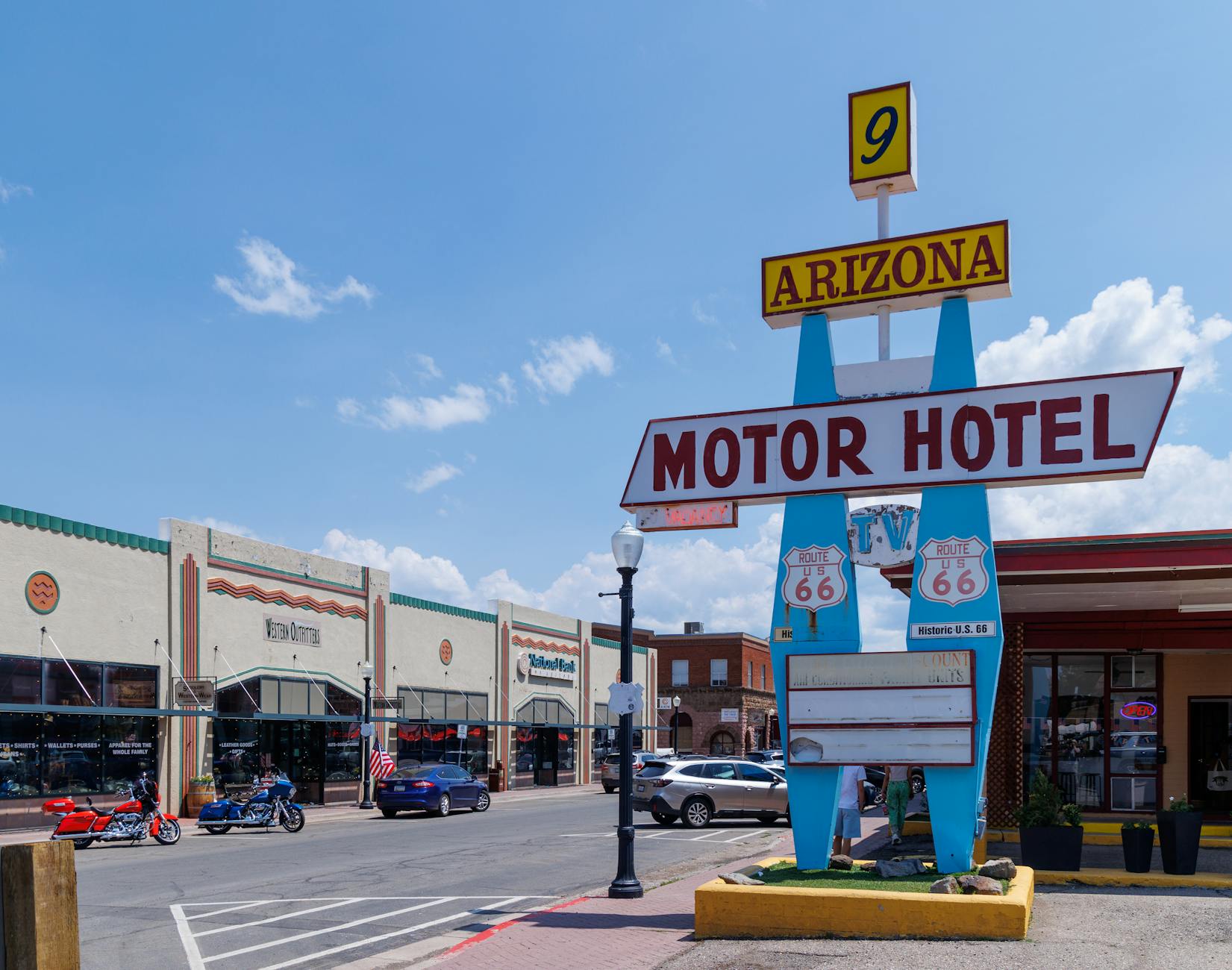
Signing up for free loyalty programs at major hotel chains before a road trip is one of the easiest ways to accumulate points that translate directly into free nights. Many programs offer a bonus point award after the first stay, which can immediately offset the cost of a future booking. Chains like Marriott Bonvoy, Hilton Honors, and IHG One Rewards allow members to earn across dozens of brands at widely varying price points, giving travelers real flexibility. Booking directly through the hotel’s own website or app also often unlocks member-only rates that aren’t visible on third-party booking platforms.
Packing a Cooler
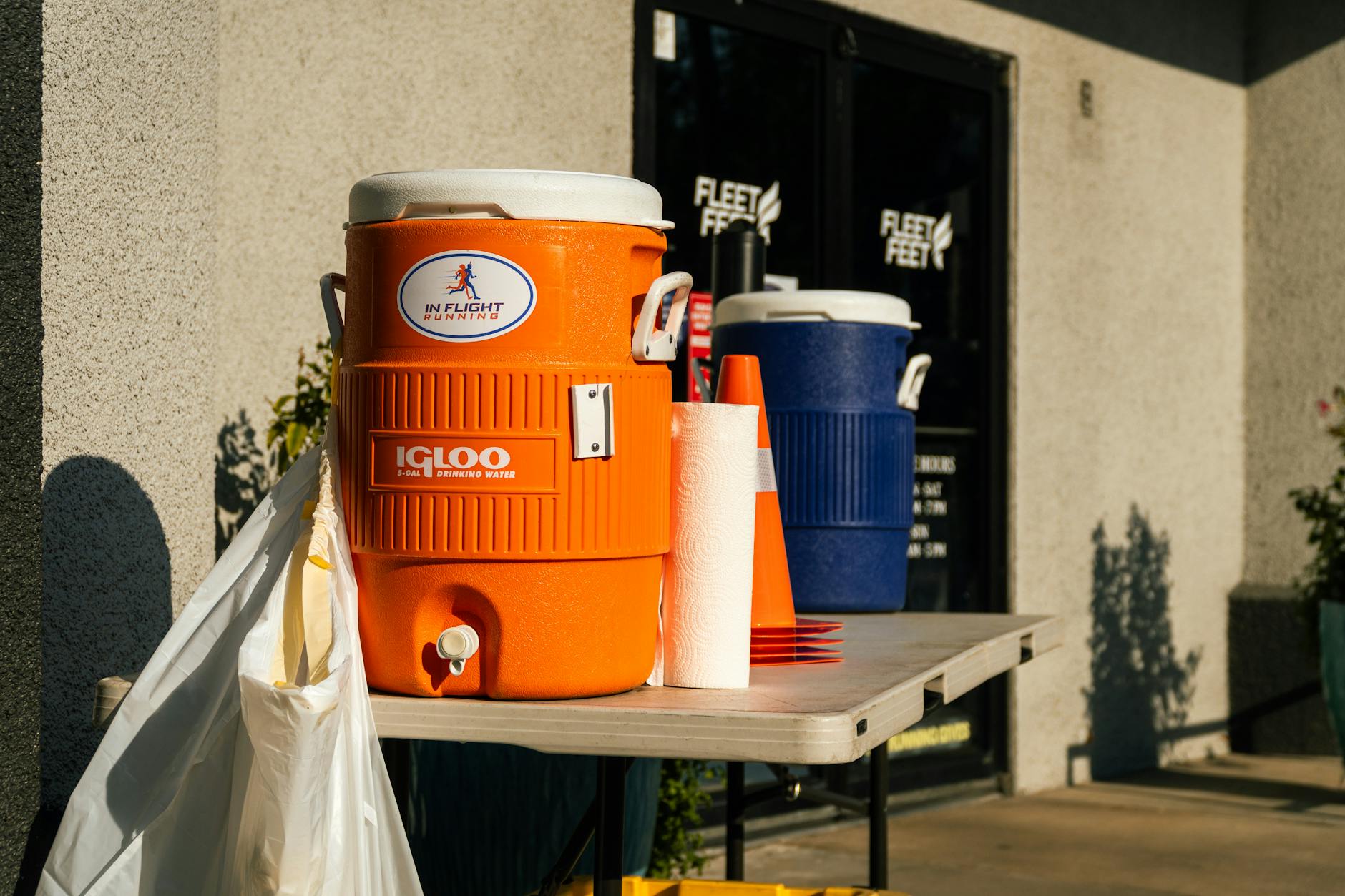
A well-stocked cooler loaded before departure is one of the single most impactful investments a road tripper can make for overall budget management. Beverages purchased at highway convenience stores can cost three to four times more than the same items bought at a grocery store and stored in a cooler. Keeping water, juice, beer, and snacks readily accessible also reduces the frequency of unplanned stops, which saves both fuel and time. A quality hard-sided cooler maintains ice for several days, making it a tool that pays for itself on the very first trip.
Free Camping

Dispersed camping on Bureau of Land Management or U.S. Forest Service land is entirely free in many parts of the American West and offers genuinely spectacular scenery. Apps like iOverlander and The Dyrt help travelers locate legal free campsites, primitive pullouts, and low-cost campgrounds along virtually any route. Swapping even two or three nights of paid lodging for free camping can eliminate hundreds of dollars from a road trip budget without compromising the experience. Many free sites offer the kind of solitude and natural beauty that expensive resorts simply cannot replicate.
Fuel Rewards Cards
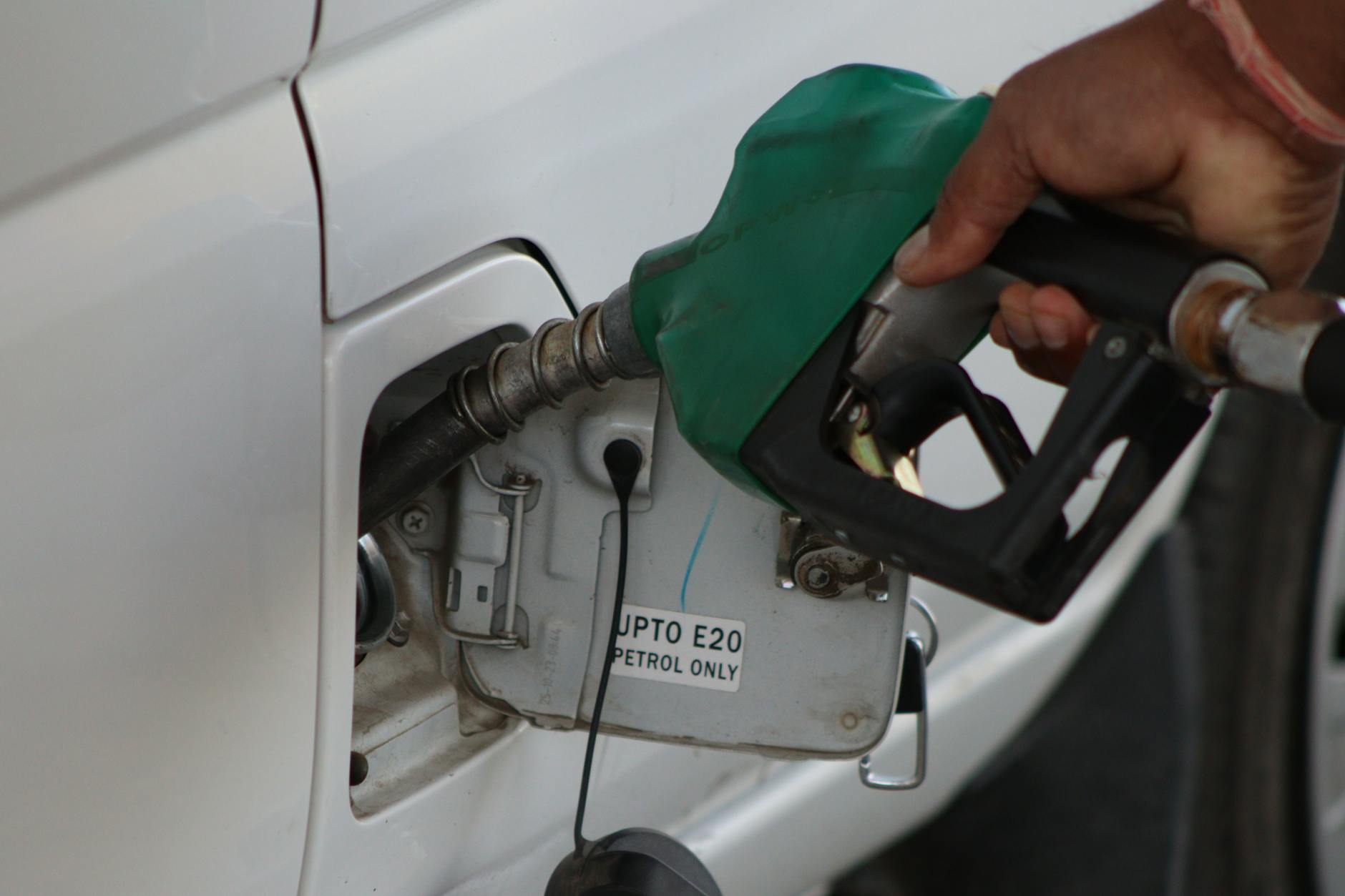
Certain credit cards offer cash back or point multipliers specifically on gas station purchases, turning every fill-up into a small but consistent discount. Cards like the Citi Custom Cash and the Blue Cash Preferred from American Express are frequently cited for their strong fuel rewards categories. A road tripper spending several hundred dollars on gas over a week-long journey can earn meaningful cash back or statement credits that reduce the effective cost of every gallon. Applying for a rewards card several weeks before a planned trip ensures it arrives in time and that any welcome bonus spending thresholds can be met during the journey itself.
Off-Peak Travel
Departing on a Tuesday or Wednesday rather than a Friday afternoon can reduce toll costs, lower the likelihood of sitting in expensive idling traffic, and sometimes even unlock lower hotel rates. Peak travel windows such as holiday weekends drive up demand for accommodations, fuel at busy stations, and food near popular destinations. Traveling midweek also means less congestion at roadside attractions, national parks, and beach towns, resulting in a faster and more enjoyable experience overall. Shifting the departure date by even a day or two is a zero-cost adjustment that can produce real savings and a noticeably better trip.
Toll Apps
Pre-registering for an electronic tolling account such as E-ZPass, SunPass, or Peach Pass before a road trip often means paying a discounted toll rate compared to cash payment at the booth. Many toll authorities charge premium cash rates specifically to incentivize adoption of electronic systems, meaning unregistered drivers quietly overpay at every plaza. A transponder also saves time and fuel by allowing drivers to maintain speed through open-road tolling lanes rather than slowing to a stop. For road trips crossing multiple states in the Northeast or Mid-Atlantic, the cumulative savings on tolls alone can easily justify the few minutes required to sign up.
Travel Forums

Communities on Reddit, Tripadvisor, and dedicated road trip forums are filled with travelers who have recently driven specific routes and are happy to share firsthand knowledge about cheap gas stops, free overnight parking, and underrated free attractions. Spending an hour browsing route-specific threads before departure can surface money-saving tips that no algorithm or travel guide would surface on its own. Fellow travelers frequently post about hidden rest areas, free museum days, and local diners that outperform highway chain restaurants at a fraction of the price. Crowdsourced local knowledge consistently outperforms generic travel content when it comes to genuinely practical and current cost-saving advice.
Grocery Store Stops
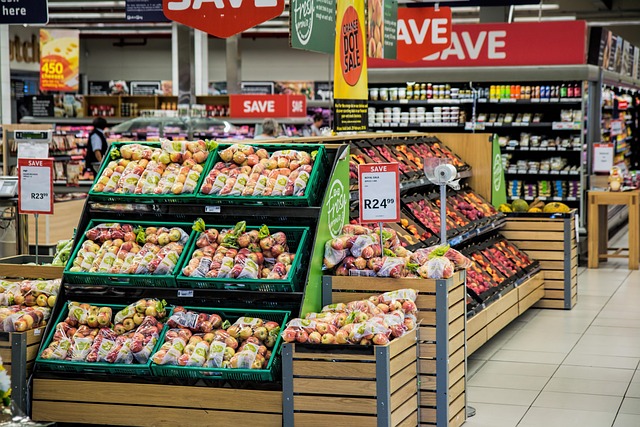
Replacing a roadside fast-food meal with a quick stop at a local grocery store produces better food at a significantly lower price in almost every market across the country. Hot deli counters, prepared sushi sections, fresh bakery items, and salad bars offer variety and nutrition that drive-throughs rarely match. Grocery chains like Kroger, Publix, and H-E-B also offer fuel rewards programs that convert grocery spending into cents-per-gallon discounts at affiliated gas stations. Treating a grocery store as a one-stop shop for both a meal and a partial fuel discount turns a routine errand into a genuinely efficient budget strategy.
Flexible Booking
Using flexible date search tools on platforms like Google Flights for any flight-into-drive hybrid trips, or Kayak’s hotel calendar view for accommodations, can reveal dramatically cheaper alternatives just one or two nights away from an original plan. Hotels in popular areas frequently show price swings of forty to sixty dollars per night depending on local events, conferences, or seasonal demand. Booking accommodations with free cancellation policies and then continuing to monitor prices after booking allows travelers to rebook at a lower rate if one appears. This approach requires minimal effort but can yield meaningful savings without changing the fundamental shape of the itinerary.
National Park Pass
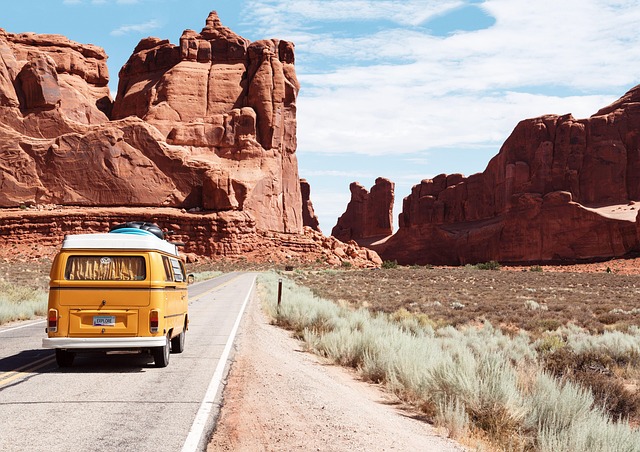
The America the Beautiful Annual Pass costs eighty dollars and grants unlimited entry for a full year to every fee-charging national park, monument, and recreation area managed by the federal government. A single visit to Yellowstone or Grand Teton for a family of four would cost roughly seventy dollars without the pass, meaning it pays for itself after just two stops. Road trippers who plan to visit even two or three national park sites during their journey will almost always save money by purchasing the annual pass before departure. The pass is available online from the U.S. Geological Survey store and can be mailed in advance or purchased at the first park entrance.
Route Optimization
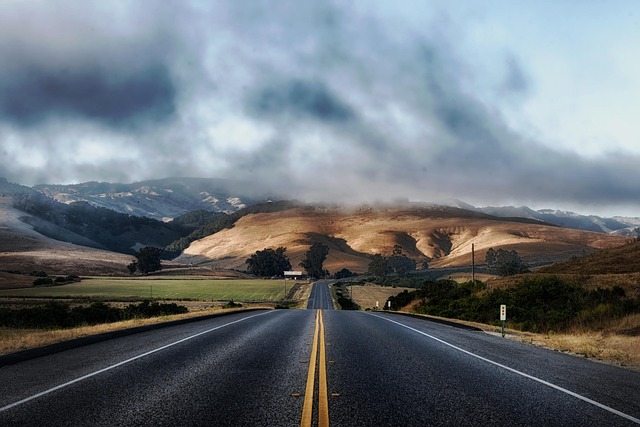
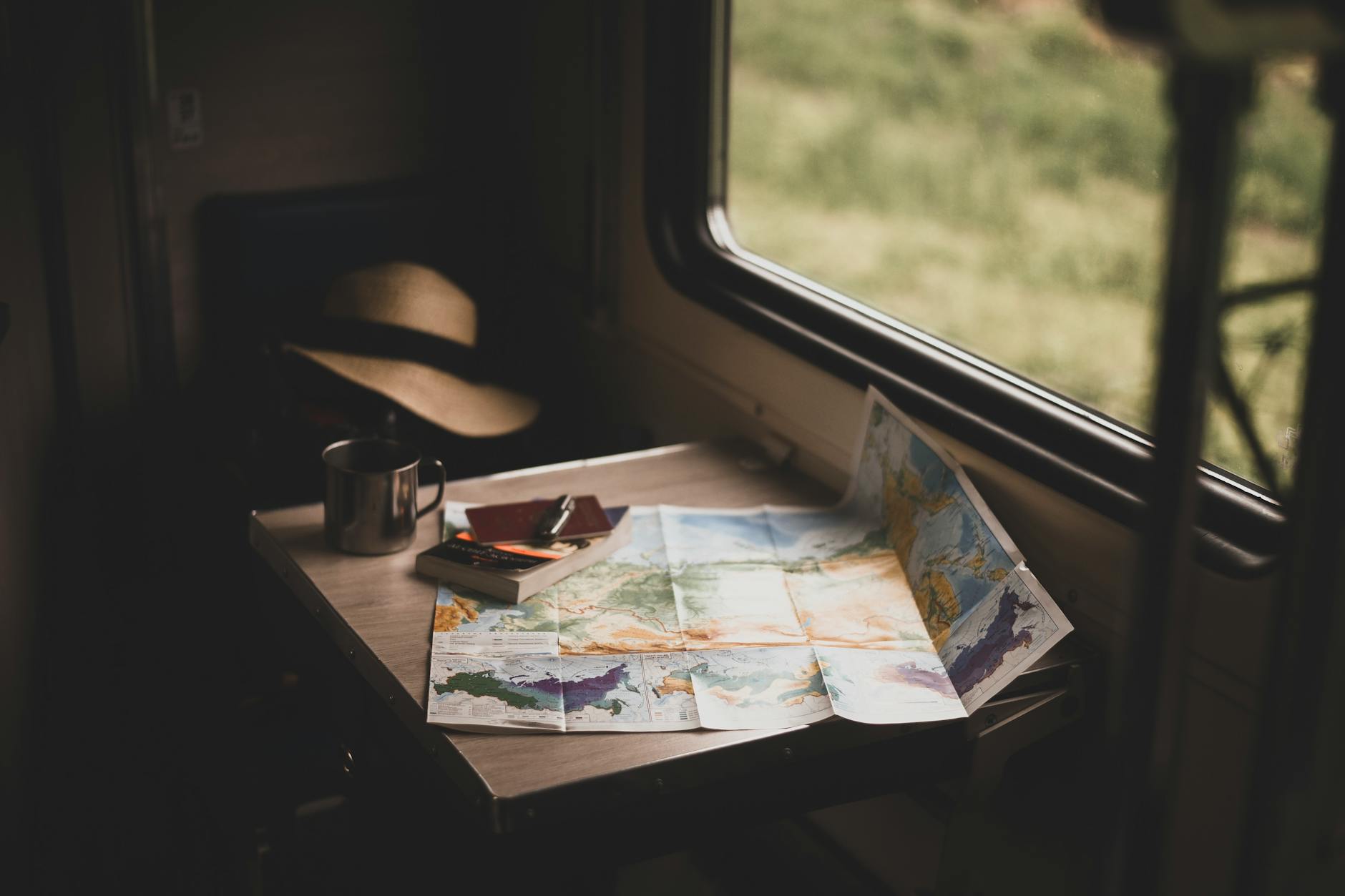
Planning a route that avoids unnecessary backtracking, minimizes toll road exposure, and sequences stops efficiently can reduce total miles driven by a surprising amount. Tools like Google Maps and Roadtrippers allow travelers to input multiple waypoints and compare alternate routes before committing to a direction. Shaving even fifty miles off a round trip at current fuel prices can translate into several dollars saved, with the benefit compounding over multi-destination itineraries. Spending thirty minutes optimizing the route at home is a simple planning step that costs nothing and pays clear dividends on the road.
Loyalty Gas Stations
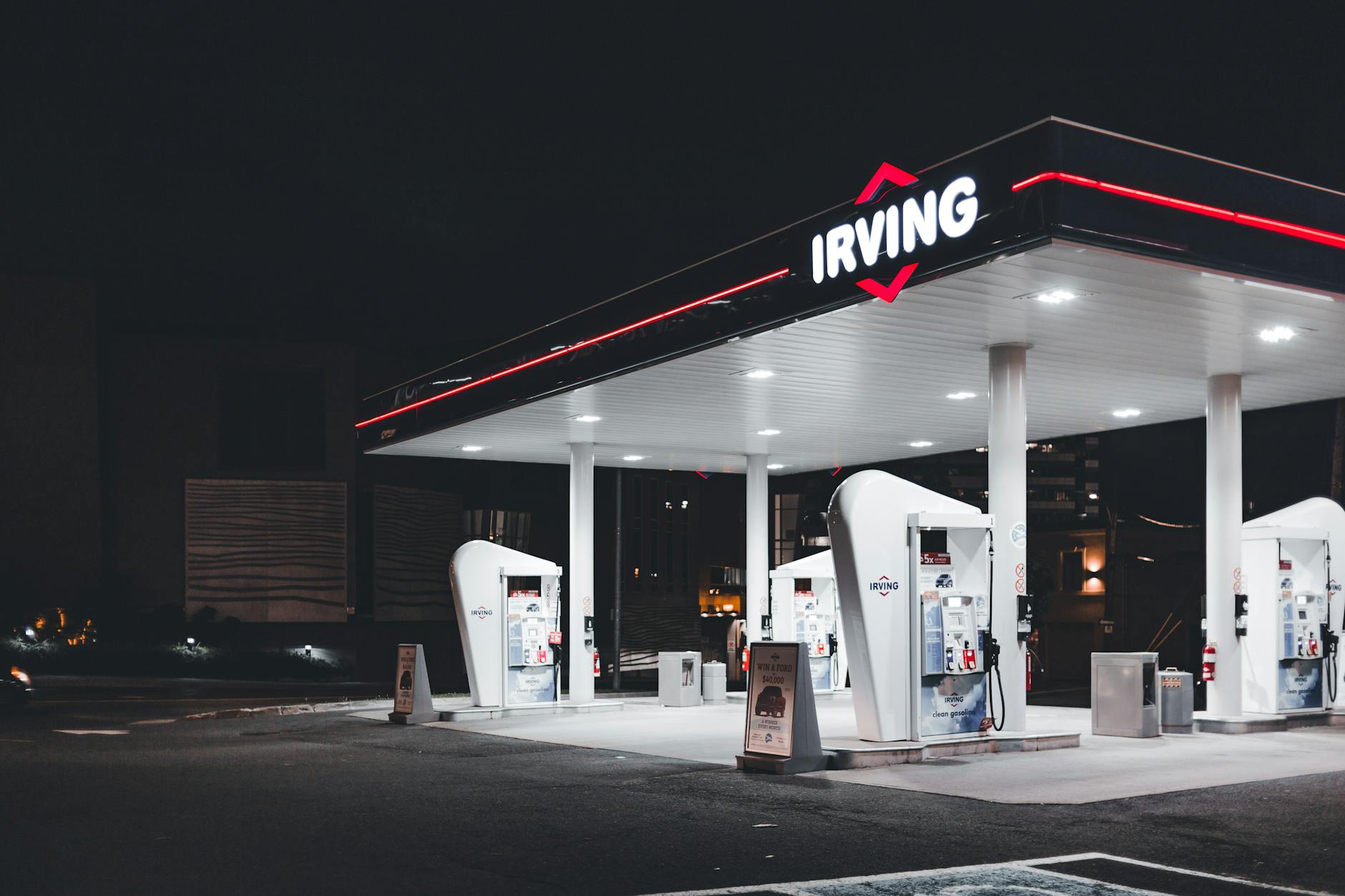
Enrolling in free loyalty programs at major fuel chains like Shell Fuel Rewards, BP BPme Rewards, or ExxonMobil Rewards Plus provides automatic per-gallon discounts that stack on top of whatever the posted price already reflects. Most programs allow members to link a credit card and begin saving immediately without carrying a physical card or remembering to scan anything at the pump. Some programs also offer introductory promotions that deliver larger discounts during the first several fill-ups after enrollment. Signing up for two or three of these programs before a road trip requires only an email address and takes just a few minutes per program.
Camping Gear

Investing in a basic set of camping gear including a tent, sleeping bags, and a compact stove dramatically expands lodging options and eliminates reliance on hotels for every overnight stop. Even modest camping equipment pays for itself after just three or four nights of use compared to the cost of a budget motel room. Cooking simple meals over a camp stove adds a memorable experiential dimension to a road trip while eliminating restaurant costs for breakfast and dinner on camping nights. Gear purchased once serves for years of future trips, making it one of the highest long-term return investments a regular road tripper can make.
Satellite Radio Trials
Activating a free SiriusXM trial before departure provides access to commercial-free music, comedy channels, sports, and talk radio across the entire country without relying on spotty regional FM signals. Subscriptions frequently come bundled free with new vehicle purchases or as promotional offers accessible through the SiriusXM website for vehicles with compatible hardware. Avoiding the temptation to pull over and scroll through a phone for entertainment keeps drivers safer and reduces the distracted driving stops that quietly consume time and fuel. Entertainment costs on a road trip are easy to forget in the budget but equally easy to eliminate with a bit of advance planning.
Morning Fueling
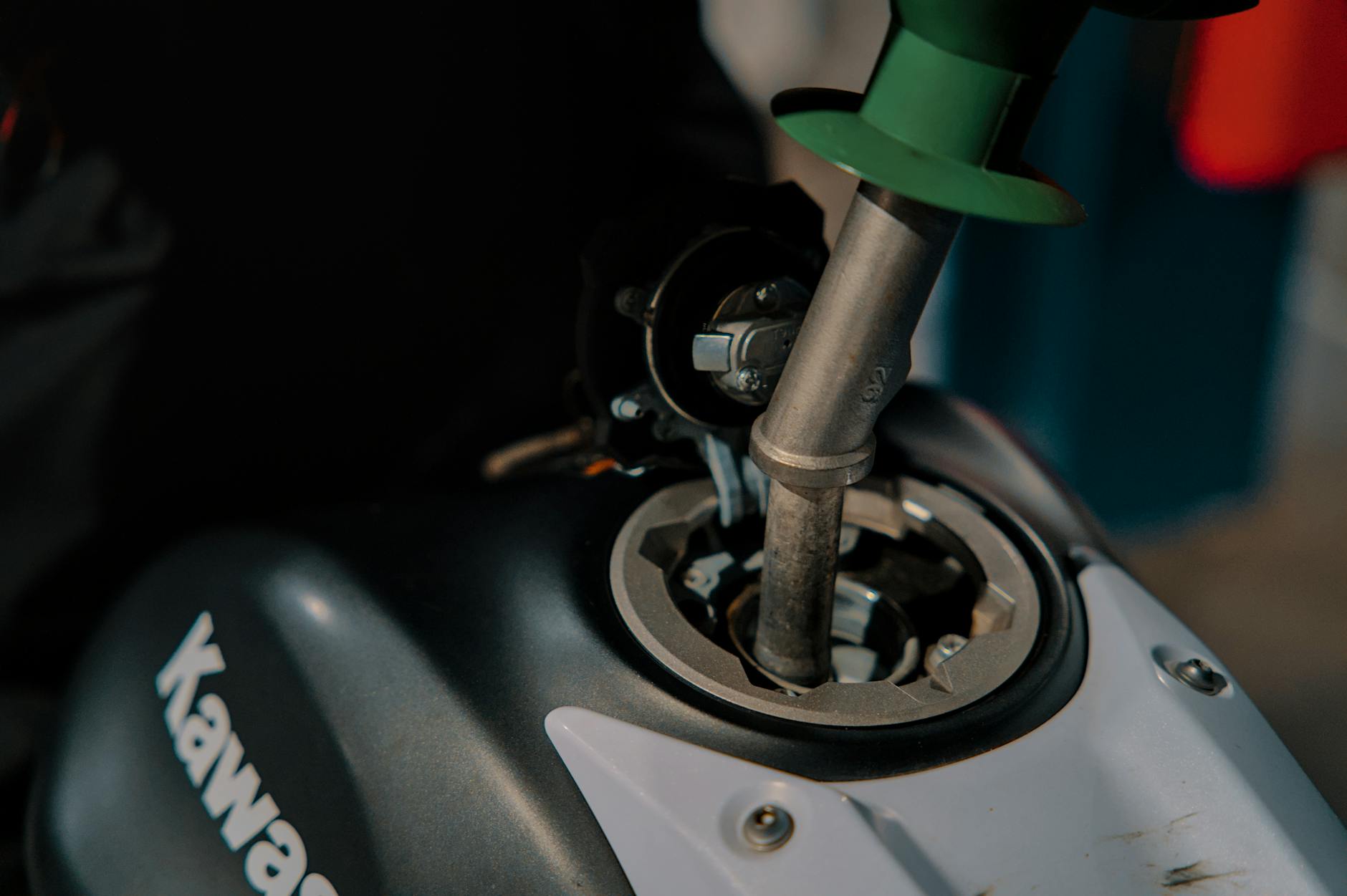
Fueling up in the early morning rather than the middle of the afternoon is a small habit that can occasionally produce a measurable savings benefit. Gasoline is slightly denser at cooler temperatures, meaning drivers technically receive a marginally greater volume of fuel per gallon pumped in the morning before the day heats up. More practically, filling up at the start of the day avoids the time pressure and impulse purchases that come with stopping at a busy station mid-journey when hunger and fatigue are higher. Building the fuel stop into the morning routine also makes it easier to use price-comparison apps deliberately rather than reactively.
Road trips are all about getting more for every dollar spent, so share your favorite money-saving travel hacks in the comments.




