Every gardener knows the joy of watching a thriving bed burst with color and life, but not every plant makes a good neighbor. Some combinations actively sabotage each other through chemical interference, competition for resources, or by attracting pests that spread from one plant to another. Understanding which plants clash in the garden can mean the difference between a flourishing harvest and a season of frustration. Whether you are tending raised beds, container gardens, or sprawling backyard plots, knowing these incompatible pairings will help you plan smarter and grow stronger. Rethinking your layout with plant relationships in mind is one of the most effective and underrated strategies in gardening.
Fennel and Tomatoes
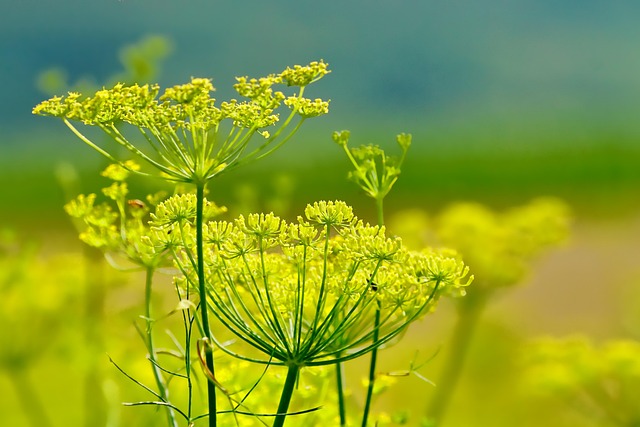
Fennel is one of the most notoriously antisocial plants in the garden, and tomatoes are among its most vulnerable targets. Fennel releases allelopathic chemicals from its roots and foliage that inhibit the growth of nearby plants, and tomatoes are particularly sensitive to these compounds. Gardeners who plant the two in close proximity often notice stunted tomato plants that fail to set fruit as expected. Beyond the chemical conflict, fennel also tends to attract pests that can migrate to tomato plants and cause additional damage. Most experienced growers recommend giving fennel its own isolated container or bed, far from the rest of the vegetable garden.
Onions and Beans
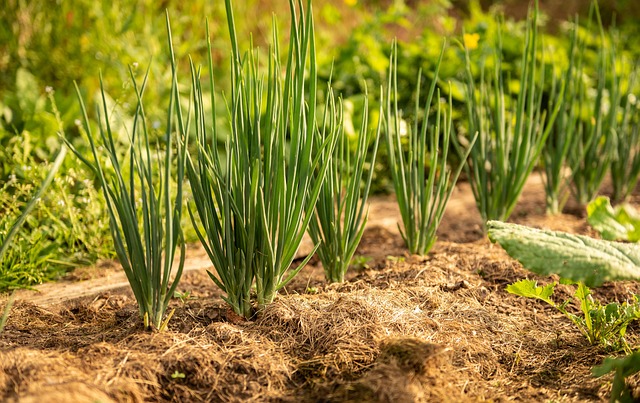
Onions and beans may both be staple crops, but they are fundamentally incompatible when planted side by side. Onions produce sulfur compounds that suppress the growth of beans and can interfere with the nitrogen-fixing bacteria that beans rely on to enrich the soil. Beans planted near onions frequently produce lower yields and show signs of nutrient stress even in otherwise healthy garden conditions. This incompatibility extends to other alliums like garlic, chives, and leeks, all of which have a similarly negative effect on legumes. Keeping these two plant families well separated is a foundational principle of good companion planting.
Cucumbers and Sage
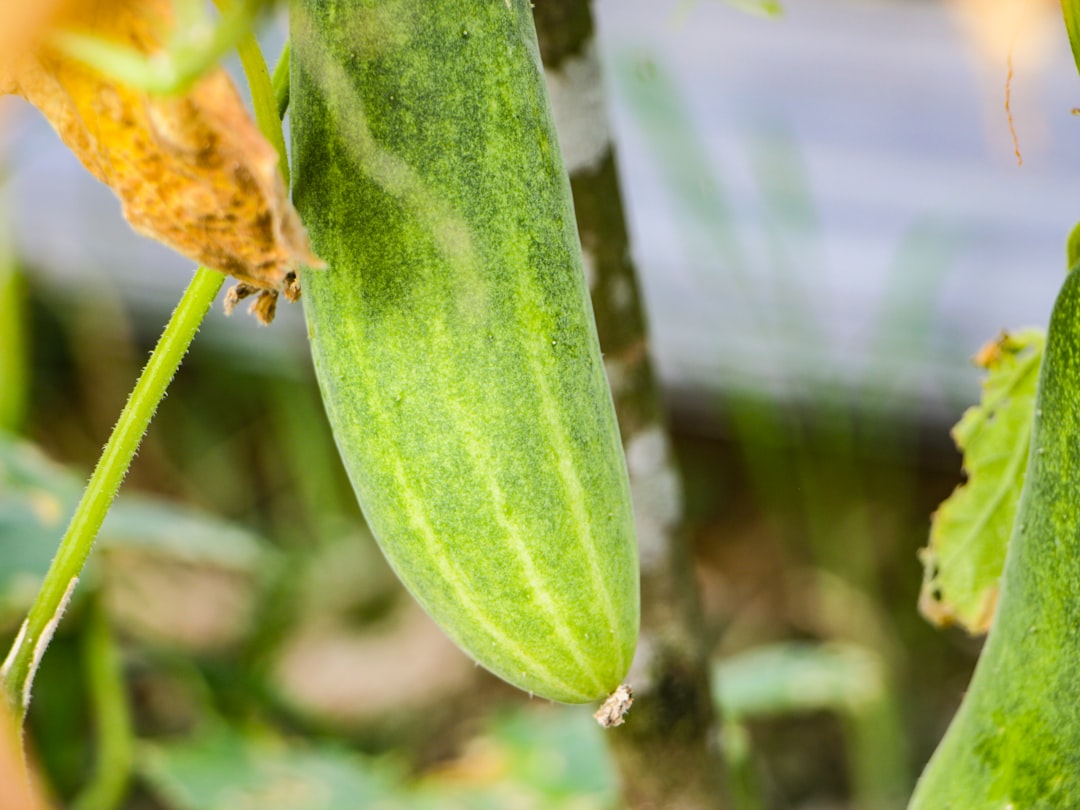
Cucumbers are thirsty, fast-growing vines that prefer rich, moist soil and plenty of direct sunlight. Sage, on the other hand, thrives in dry, well-drained conditions and can suffer when overwatered to meet the needs of its neighbor. When the two are planted together, their differing moisture requirements make it nearly impossible to maintain ideal conditions for both. Beyond the care conflict, sage is also believed to inhibit cucumber growth through chemical secretions that affect nearby plants. Pairing cucumbers with moisture-loving companions like dill or nasturtiums is a far more harmonious choice.
Garlic and Asparagus
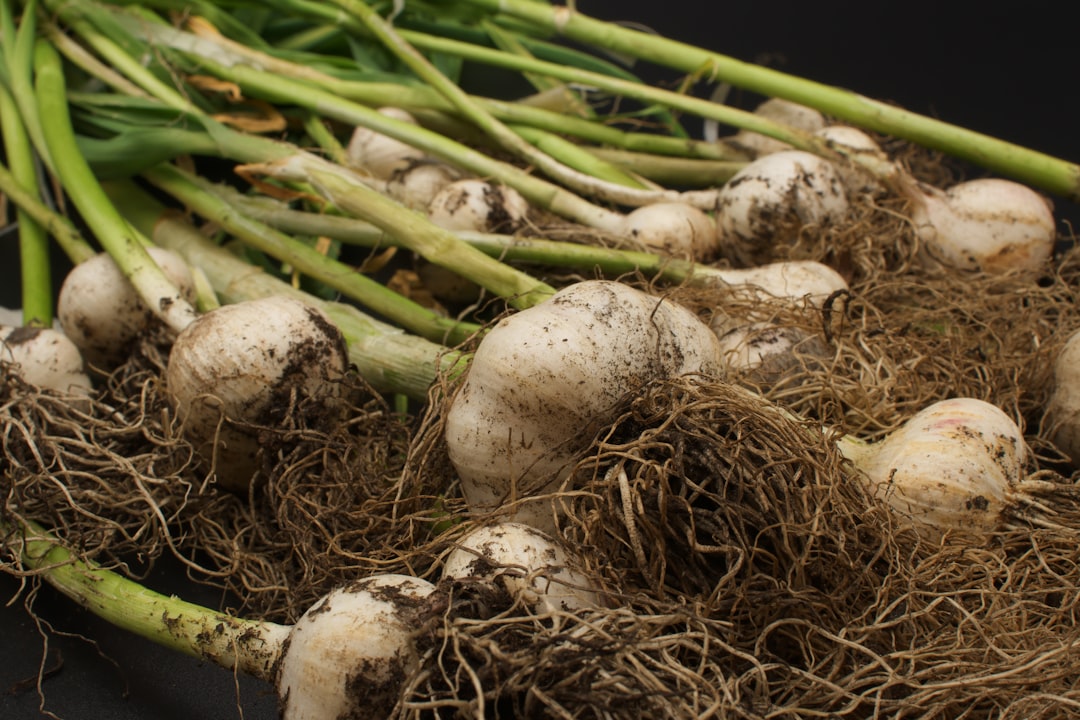
Asparagus is a long-term investment in the garden, often taking two to three years before it produces a harvestable crop. Planting garlic nearby can significantly hinder the development of asparagus root systems, which are highly sensitive to the allelopathic properties released by alliums. The underground competition for nutrients and water compounds the problem, leaving asparagus crowns unable to establish themselves properly. Since asparagus beds are meant to produce for decades, any early disruption can have lasting consequences on the plant’s overall productivity. Protecting young asparagus from aggressive neighbors like garlic is essential for long-term garden success.
Potatoes and Tomatoes
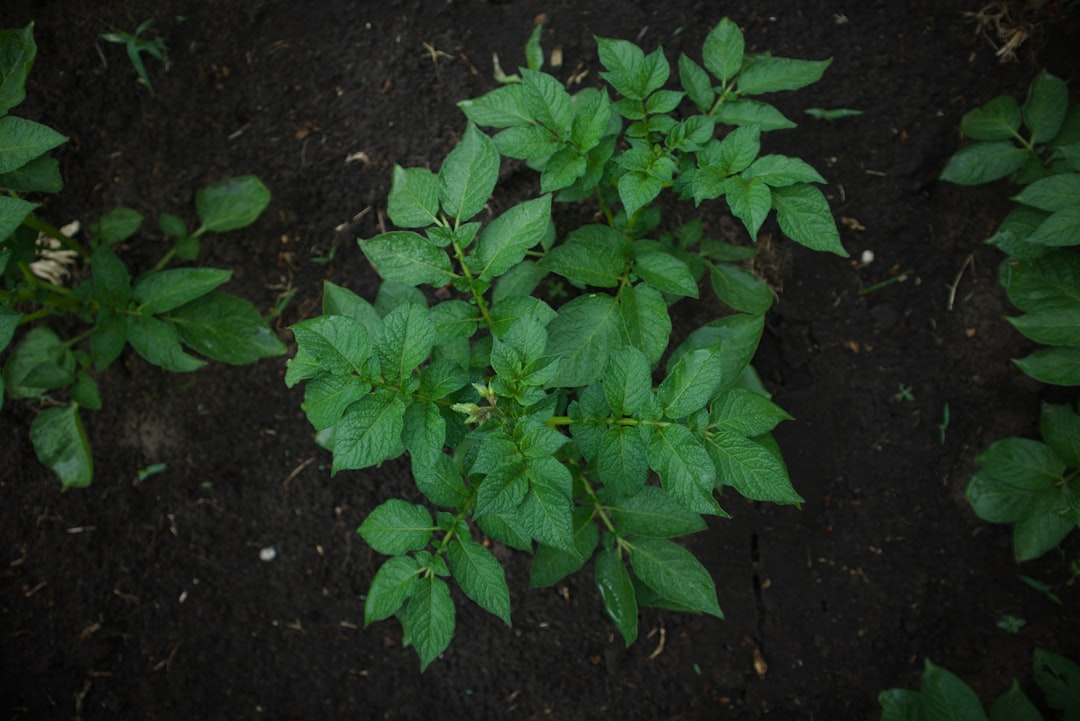
Potatoes and tomatoes belong to the same plant family, the Solanaceae, and this shared lineage creates serious problems when they are grown near each other. Both crops are susceptible to the same diseases, most notably blight, which can spread rapidly between the two when they are in close proximity. A single infected plant can act as a vector that devastates both sections of the garden within a short growing season. Competition for similar soil nutrients also means that neither plant performs at its full potential when crowded together. Rotating these crops to opposite ends of the garden each year is the most reliable way to reduce disease pressure.
Broccoli and Tomatoes
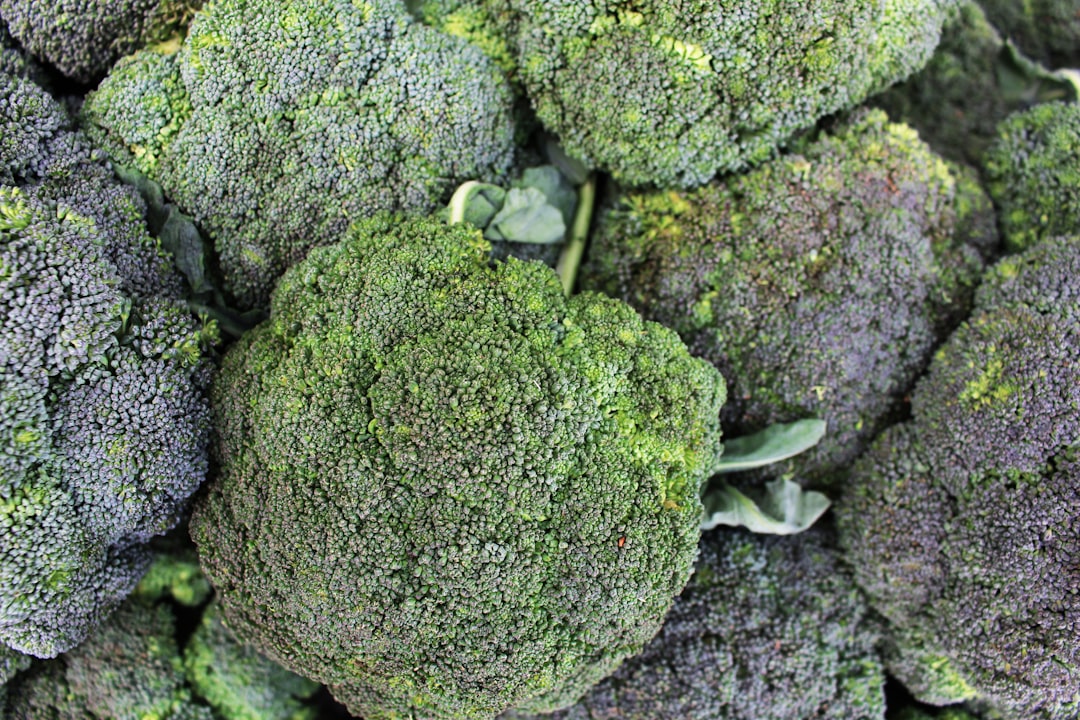
Broccoli is a heavy feeder that draws substantial nitrogen from the soil during its growing cycle. When tomatoes are planted nearby, the two crops compete intensely for this nutrient, often leaving both plants underfed and underperforming. Broccoli also belongs to the brassica family, which can release compounds into the soil that stunt the root development of tomato plants over time. The dense canopy of a mature broccoli plant can also shade tomatoes and reduce the sunlight they need to ripen fruit properly. These plants are better suited to separate beds where each can be fertilized and managed according to its own distinct needs.
Mint and Chamomile
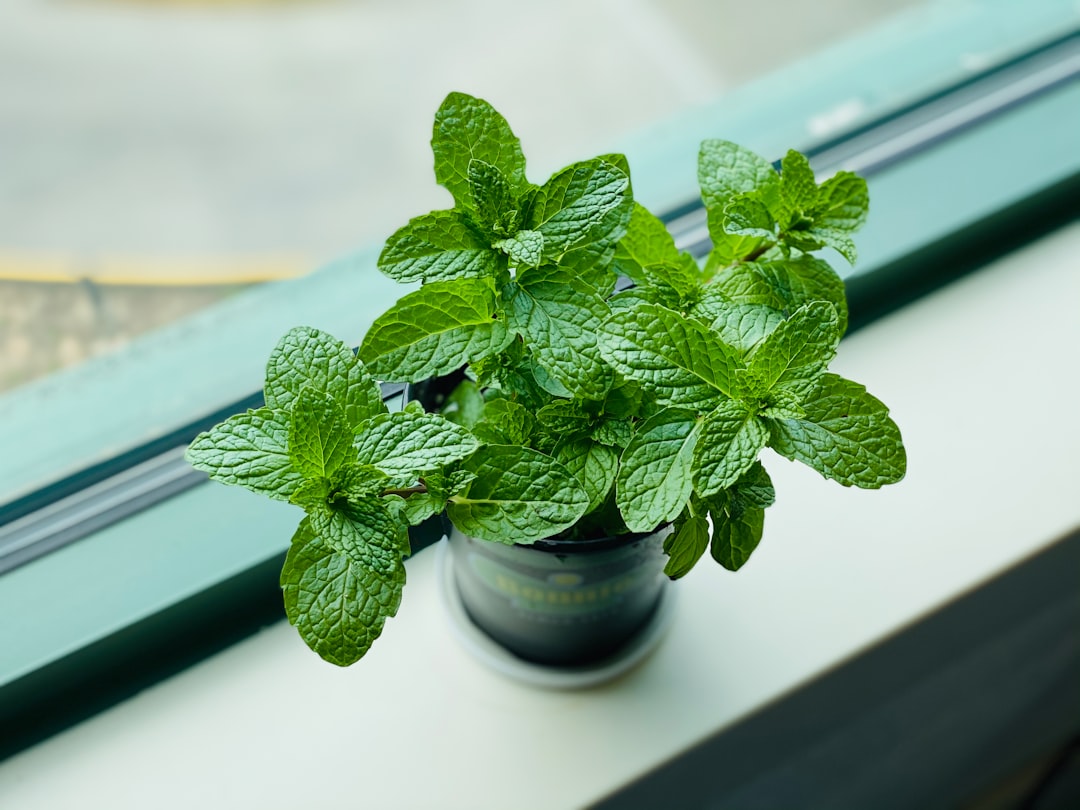
Mint is one of the most invasive plants a gardener can introduce to a shared bed, spreading aggressively through underground runners that are difficult to contain. When planted near chamomile, mint can quickly overtake the space, crowding out the delicate chamomile plants and reducing their access to light and nutrients. While chamomile is often praised as a beneficial companion for many herbs, its compatibility with mint is poor due to mint’s domineering growth habit. The two also have different pruning and harvesting rhythms, making it harder to manage them in the same space efficiently. Growing mint in a buried container is the most practical way to include it in an herb garden without causing widespread disruption.
Peppers and Fennel
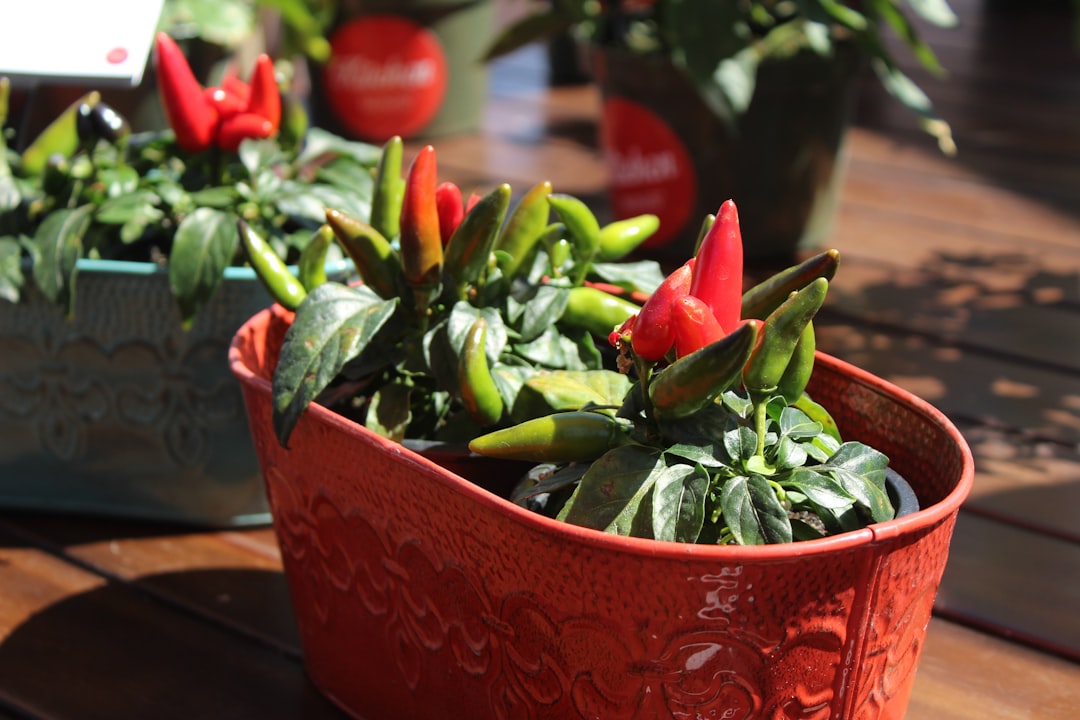
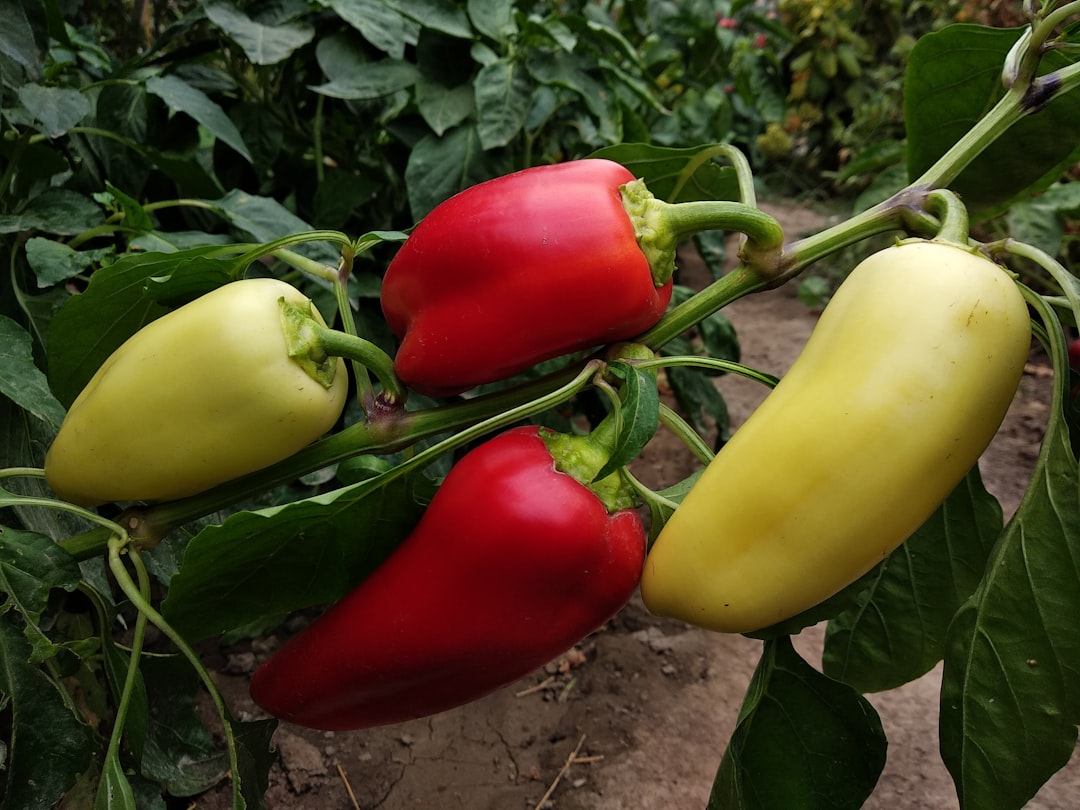
Peppers are warm-season crops that perform best in consistently fertile, well-maintained soil with steady moisture levels. Fennel’s allelopathic root secretions interfere with pepper development in much the same way they affect other vegetables, suppressing growth and reducing fruit production. Peppers grown near fennel often appear healthy at first but gradually show signs of stress as the season progresses and the chemical inhibitors accumulate in the soil. The root systems of the two plants also compete aggressively in close quarters, creating nutrient deficiencies that are difficult to diagnose without knowing the source. Fennel’s incompatibility with so many crops is the primary reason most gardeners treat it as a solitary plant.
Cabbage and Strawberries
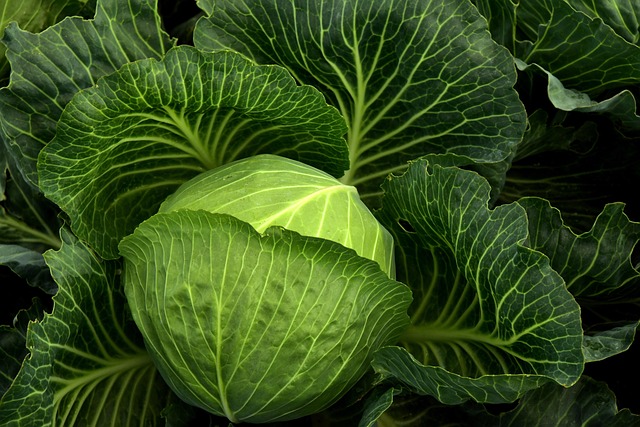
Strawberries are shallow-rooted plants that are particularly vulnerable to competition and soil disruption from neighboring crops. Cabbage and other brassicas release natural chemicals that are known to inhibit strawberry growth and reduce berry production. The large, leafy canopy of a mature cabbage plant can also cast significant shade over strawberry runners, limiting their access to the sunlight they need to produce fruit. Strawberries planted near brassicas tend to put out fewer runners and establish new plants less successfully than those grown in more compatible surroundings. Pairing strawberries with low-growing herbs like thyme or borage creates a far more supportive growing environment.
Carrots and Dill
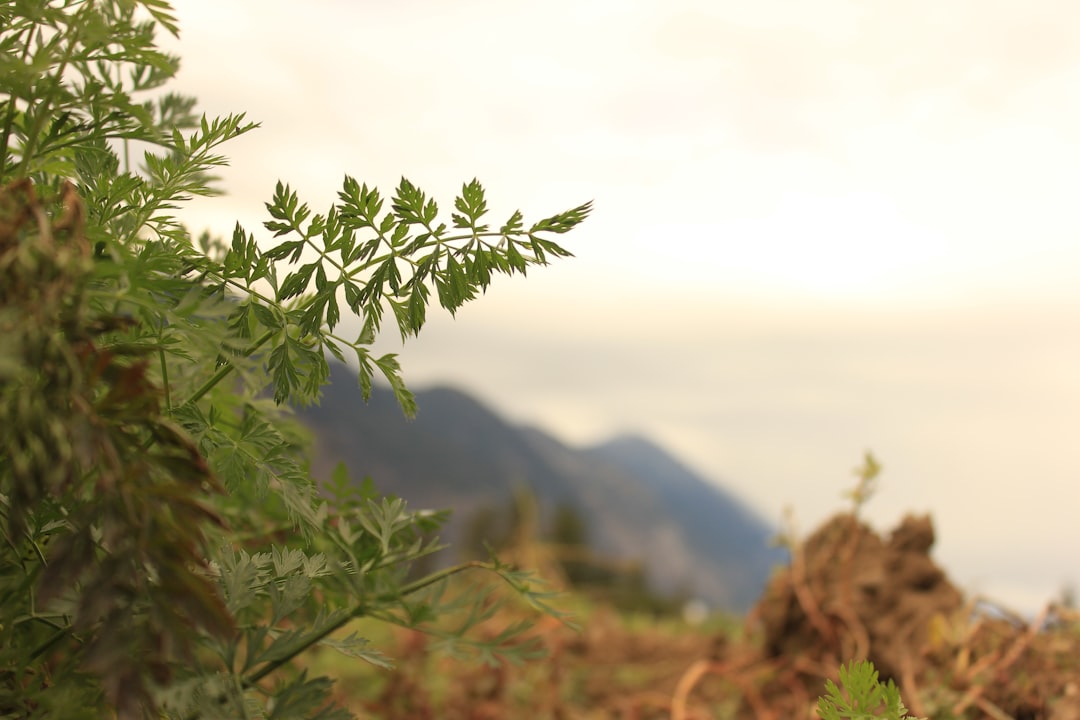
Carrots and dill share botanical similarities as members of the Apiaceae family, and this close relationship creates problems when they are grown in the same bed. When dill reaches full maturity, it releases compounds that inhibit carrot germination and root development, reducing the overall harvest from a carrot crop. Young dill seedlings can coexist with carrots temporarily, but allowing dill to flower and seed near carrots causes the most significant damage. The tall, airy structure of mature dill also competes with carrots for light and can attract carrot flies that move easily between the two plants. Keeping dill away from the carrot bed until after the harvest is the safest approach for gardeners who grow both.
Sunflowers and Potatoes
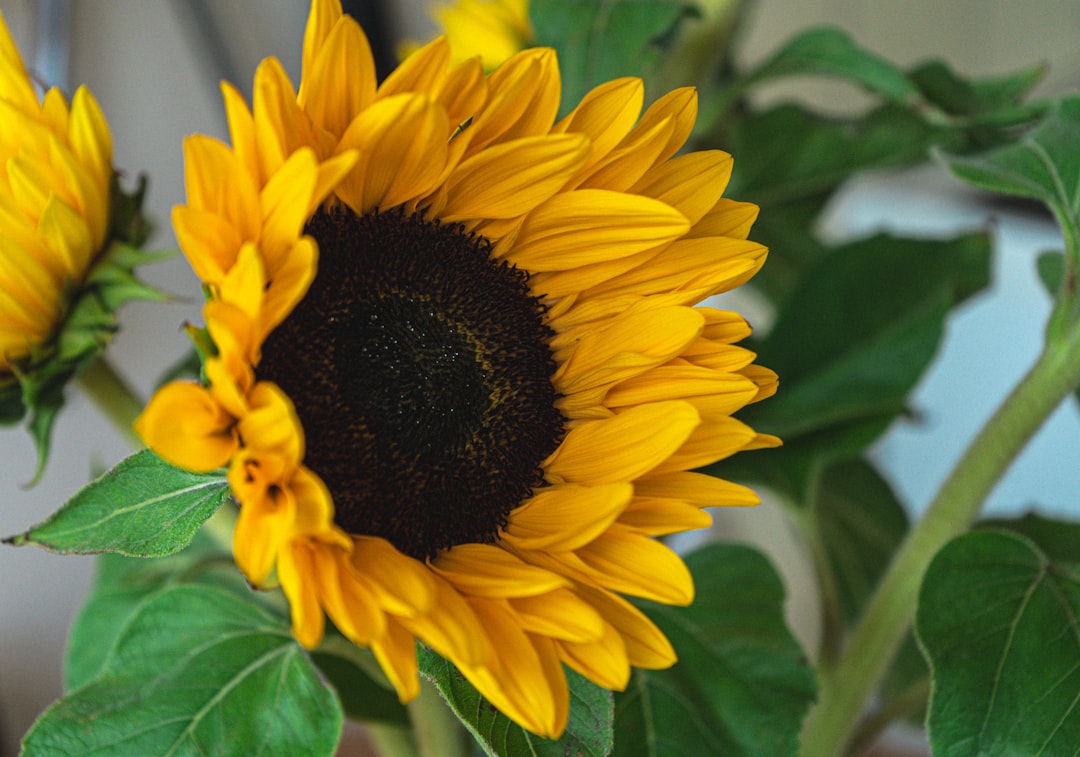
Sunflowers are vigorous growers that produce allelopathic compounds known to inhibit the development of nearby vegetables. Potatoes are among the crops most negatively affected by these secretions, which interfere with tuber formation and overall plant vigor. The towering height of a mature sunflower also creates dense shade that can limit the light potatoes need for healthy foliage and photosynthesis. Potatoes deprived of adequate light tend to produce smaller, fewer tubers at harvest time. Sunflowers are best positioned along the edges of a garden where they can provide a windbreak without casting their inhibitory influence over sensitive vegetable crops.
Basil and Sage
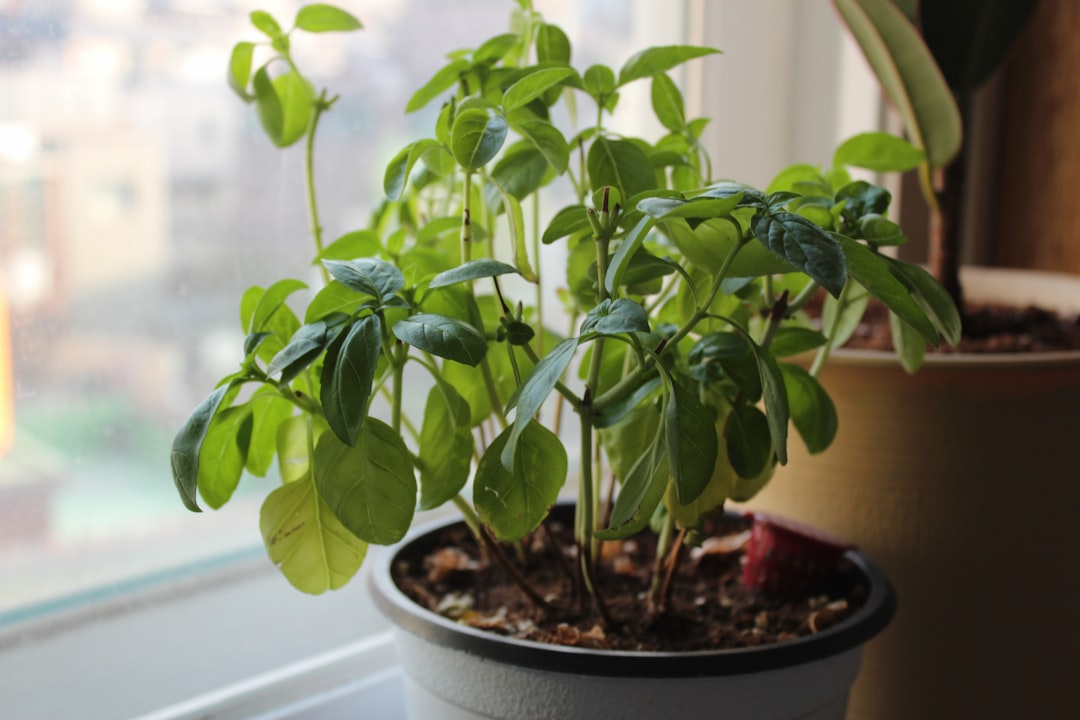
Basil and sage are both popular herbs with strong aromatic profiles, but their compatibility in the garden is often overestimated. Sage prefers dry, well-drained soil and relatively low humidity, while basil thrives in moist, warm conditions with consistent watering. Attempting to meet the needs of both plants simultaneously almost always results in one thriving at the expense of the other. Sage planted too close to basil can also suppress its growth through chemical interactions in the soil, reducing the basil’s vigor and flavor intensity. Grouping herbs by their water and soil preferences rather than culinary use is a more practical strategy for a productive herb garden.
Leeks and Beans
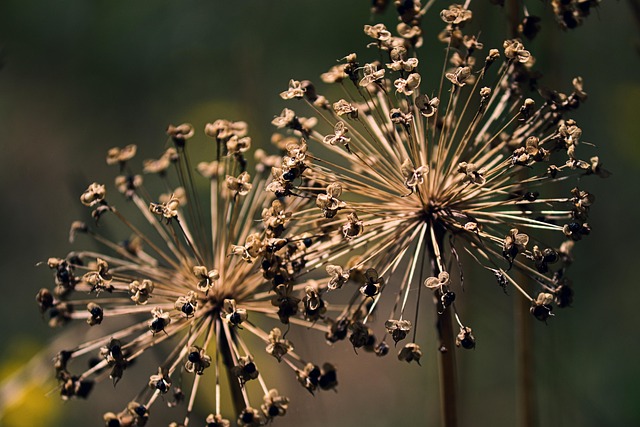
Leeks, like all alliums, produce sulfur-based compounds that are deeply unfavorable to legumes. Beans rely on a network of beneficial soil bacteria to fix atmospheric nitrogen and enrich the soil, and the presence of leeks disrupts this process at the microbial level. This interference not only reduces bean yields but can also diminish the soil-improving benefits that beans are typically planted to provide. Leeks planted in soil previously occupied by beans may themselves struggle due to residual disruption in the microbial balance. Rotating legumes away from allium-heavy beds for at least one season helps restore the soil conditions both plant families need to perform well.
Peppers and Fennel
Brassicas and Mustard
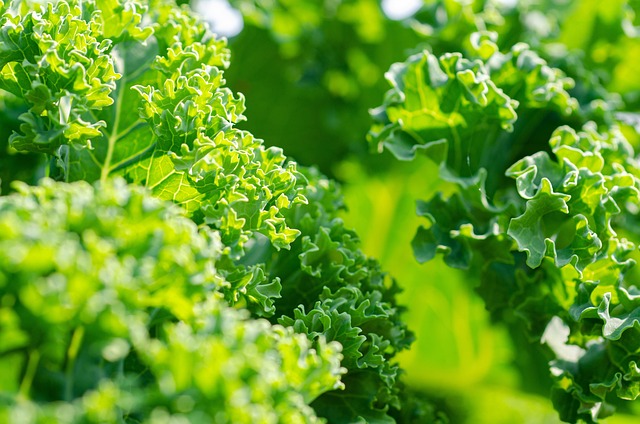
Brassicas such as kale, cauliflower, and Brussels sprouts are already heavy feeders that tax the soil considerably throughout their growing season. Mustard, which belongs to the same botanical family, competes with brassicas for the same nutrients and can exacerbate soil depletion when the two are grown together. Mustard also attracts many of the same pests as brassicas, including aphids and cabbage worms, creating concentrated infestations that are harder to manage. The allelopathic properties of mustard can further inhibit the root development of neighboring brassicas, compounding an already competitive relationship. Treating mustard as a cover crop to be turned into the soil well before brassicas are planted is a far more beneficial use of its properties.
Rue and Basil
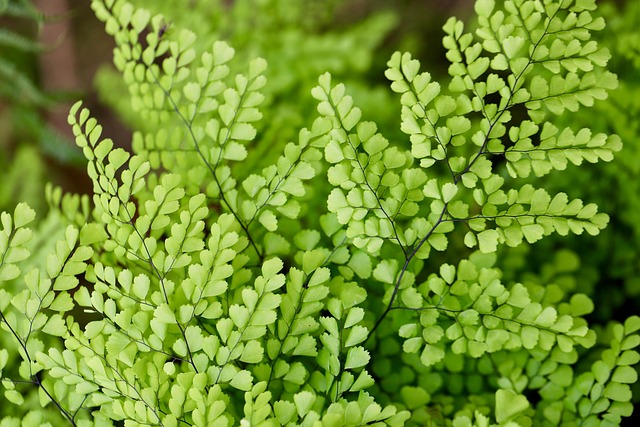
Rue is a striking perennial herb with silvery foliage and a long history of medicinal use, but it is one of the most problematic companions in the herb garden. Its strong allelopathic compounds actively suppress the growth of basil, one of the most popular culinary herbs, causing wilting and reduced oil production even at moderate distances. Gardeners who attempt to grow the two together typically notice basil plants that look stressed without an obvious cause, as the chemical inhibition from rue is invisible and gradual. Rue also causes skin irritation in some people when handled in sunlight, making it a plant that requires careful placement in any garden space. Positioning rue as a standalone ornamental away from edible herbs is the most responsible way to include it in the landscape.
Which plant pairing surprised you most? Share your gardening experiences and cautionary tales in the comments.




