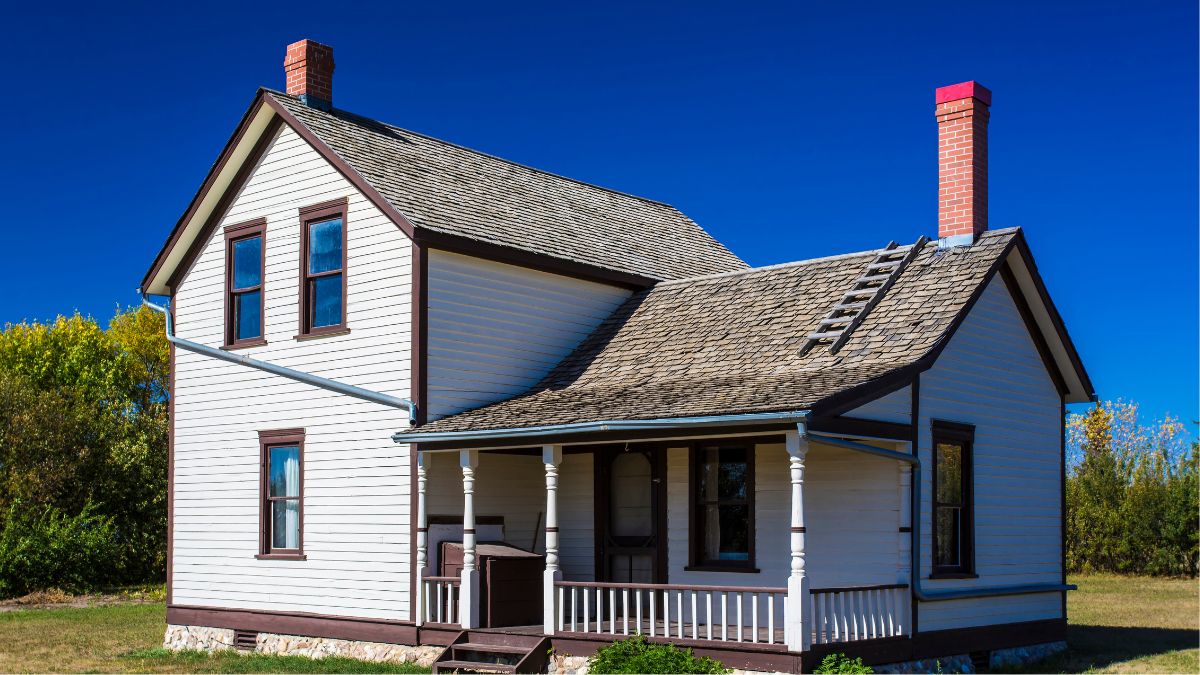
Purchasing a home from the 1990s can be an appealing proposition, offering more square footage than older properties and a sense of established character that new builds often lack. Yet homes from this era come with their own set of quirks, construction trends, and potential pitfalls that every savvy buyer should understand before signing on the dotted line. From dated electrical systems to aesthetic choices that have not aged gracefully, knowing what lies beneath the surface saves money and prevents unwelcome surprises. This guide covers 25 essential considerations to help you make the most informed decision possible when eyeing a 1990s home.
Polybutylene Pipes
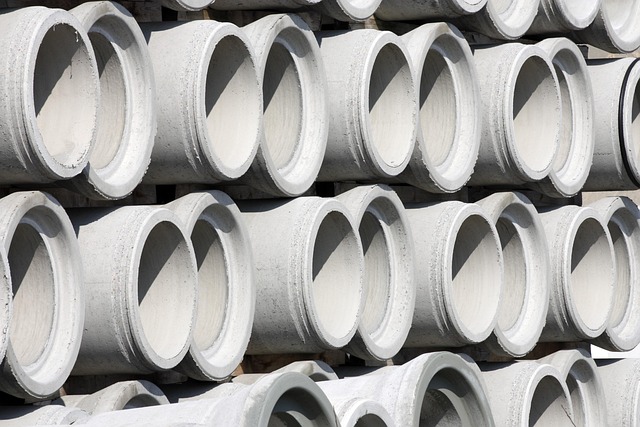
Polybutylene was a popular plumbing material used extensively throughout the late 1970s and into the mid-1990s before widespread failures led to its discontinuation. The plastic reacts poorly with chlorine and oxidants found in municipal water supplies, causing the pipe walls to become brittle and prone to cracking over time. A home inspector may identify this piping by its grey or blue color and its connection fittings. Replacement is almost always recommended and can be a significant expense depending on the size of the home. Buyers should factor full repiping costs into their negotiations if this material is discovered.
Aluminum Wiring
Some 1990s homes in certain regions continued using aluminum wiring in branch circuits despite growing awareness of its fire risks. Aluminum expands and contracts at a different rate than the copper terminals it connects to, which can loosen connections and create dangerous overheating conditions. A licensed electrician should inspect the panel and outlets before any purchase is finalized. Remediation typically involves installing special connectors or pigtailing copper wire to the existing aluminum runs. This is not a dealbreaker but it is a cost that should be clearly understood upfront.
Synthetic Stucco

Exterior Insulation and Finish Systems became a fashionable exterior cladding choice throughout the 1990s and can be found on many homes from this period. When improperly installed or maintained, the material traps moisture against the wood framing underneath and creates ideal conditions for mold and structural rot. A specialized inspector with moisture detection equipment is essential when evaluating any property with this exterior. Repair costs can be substantial if water intrusion has been occurring for years undetected. Proper installation with drainage channels reduces risk considerably and should be verified before purchase.
Asbestos Insulation
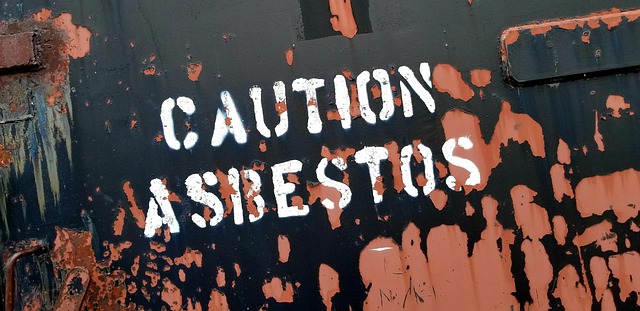
While the most hazardous asbestos applications were phased out before the 1990s, some earlier materials lingered in homes that were built or renovated during transitional years. Pipe insulation, floor tiles, and certain ceiling textures from the tail end of this legacy era may still contain asbestos fibers. The material is generally safe when left undisturbed but becomes a serious health hazard during renovation work. A certified asbestos inspector can take samples for laboratory analysis to confirm whether any concerning materials are present. Remediation or encapsulation may be required before planned remodeling projects can proceed.
Popcorn Ceilings
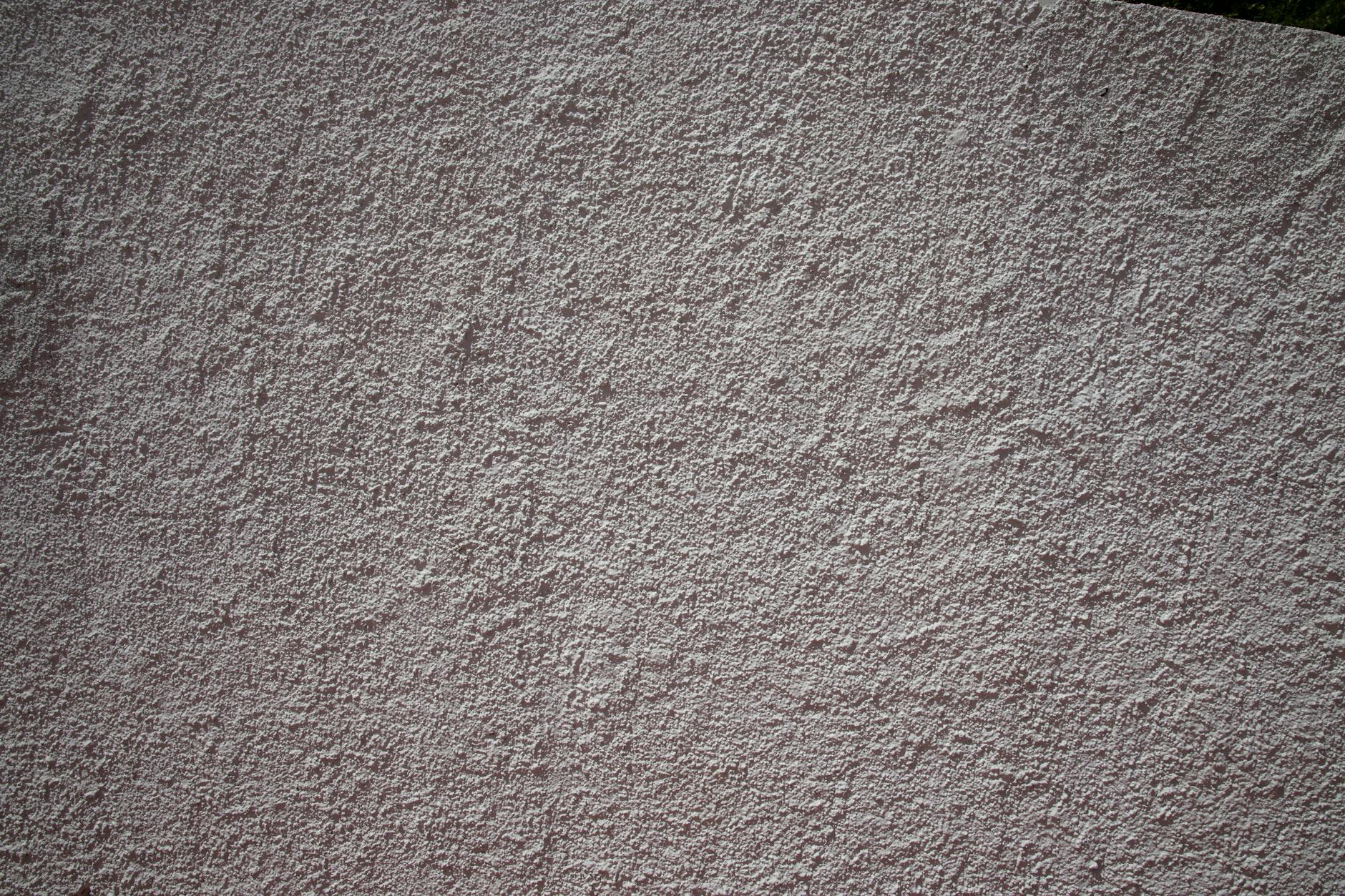
The textured acoustic ceiling finish that was ubiquitous in homes of previous decades carried into many 1990s builds as a cost-effective way to hide imperfections and dampen noise. While not inherently dangerous in post-1978 applications, the removal process is messy, labor-intensive, and sometimes complicated by older paint layers containing lead. Many buyers factor the cost of removal into their overall renovation budget before making an offer. Smooth ceilings dramatically modernize the feel of a room and add perceived value to the finished space. Testing the texture for any hazardous materials before removal is always a prudent first step.
Lead Paint

Homes built before 1978 are the primary concern for lead paint but 1990s properties that underwent renovations using older salvaged materials or were repainted over existing lead layers can still present some exposure risk. Window frames, doors, and trim are common locations where older paint layers may have been sealed beneath newer coats rather than properly removed. A lead test kit or professional inspection provides clarity and peace of mind before move-in or renovation. Federal law requires sellers to disclose known lead paint hazards in homes built before 1978 but buyers should remain diligent about any structural changes made during early 1990s remodels. Proper encapsulation is a viable and affordable option in many cases.
Radon Levels
Radon is an odorless radioactive gas that seeps naturally from soil and rock into homes through foundation cracks and construction gaps and it was not commonly tested for in 1990s real estate transactions. Prolonged exposure is the second leading cause of lung cancer after smoking and many homeowners remain unaware of elevated levels in their properties. A short-term radon test kit can be placed in the basement or lowest livable area during the inspection period. Mitigation systems that vent radon safely out of the home are widely available and relatively affordable to install. Confirming safe radon levels is a straightforward step that meaningfully protects long-term occupant health.
HVAC Age
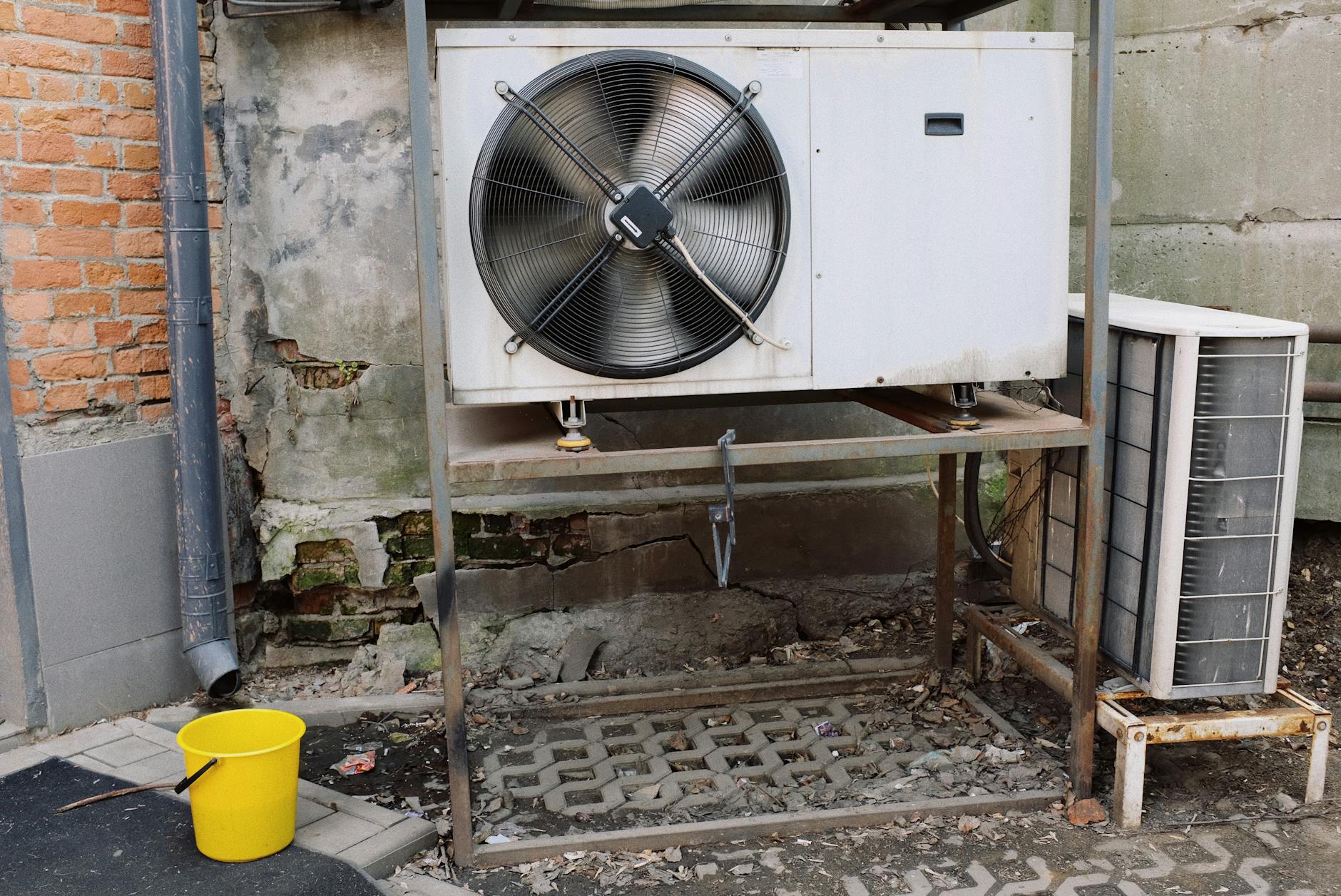
Heating and cooling systems installed in the 1990s are well past their typical operational lifespan of fifteen to twenty years and are prime candidates for failure or significant inefficiency. An aging system may still run but will consume considerably more energy than modern high-efficiency units while delivering inconsistent comfort. A qualified HVAC technician should assess the current system as part of the home inspection process. Buyers can use the condition of the system as a negotiating point to request a credit or replacement before closing. Budgeting for a new system also eliminates an unpredictable expense in the first years of ownership.
Galvanized Steel Pipes

Some early 1990s homes especially those built in the first few years of the decade still used galvanized steel pipes for water supply lines in certain markets. The interior of these pipes corrodes progressively over time restricting water flow and eventually leaching rust into the household water supply. Reduced water pressure at fixtures and discolored water are common symptoms of galvanized pipe deterioration. A plumber can assess the condition of the pipes and provide replacement cost estimates during the due diligence period. Copper or modern PEX piping is typically recommended as a durable long-term replacement.
Outdated Electrical Panels
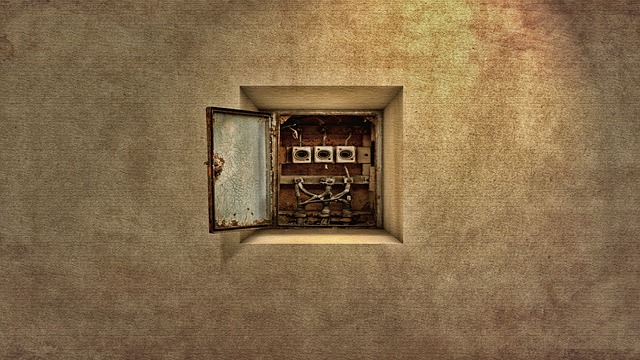
Federal Pacific and Zinsco electrical panels were common in homes built in preceding decades and some 1990s properties may still house these units if original panels were never replaced. Both brands have been associated with breaker failure that allows circuits to overheat without tripping as designed. Insurers in some areas refuse to write policies on homes containing these panels making their presence a transactional complication beyond just a safety concern. A licensed electrician can confirm the panel brand and condition and provide a replacement estimate. Upgrading to a modern panel is a worthwhile investment that enhances both safety and insurability.
Insulation Standards
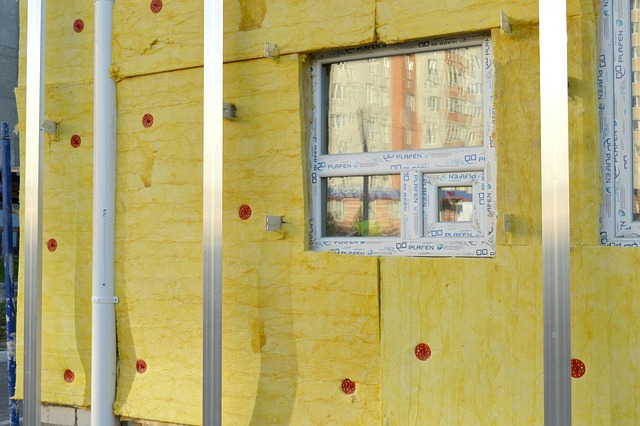
Building codes for insulation in the 1990s were significantly less rigorous than current standards meaning many homes from this era are considerably under-insulated by today’s benchmarks. Attic insulation is the most common deficiency and has a direct impact on heating and cooling costs throughout the year. A home energy audit can identify exactly where thermal losses are occurring and prioritize improvements. Adding blown-in insulation to an attic is one of the highest-return upgrades available to homeowners in terms of energy savings. Buyers should review energy bills from the previous twelve months to gauge current efficiency before making any assumptions.
Windows
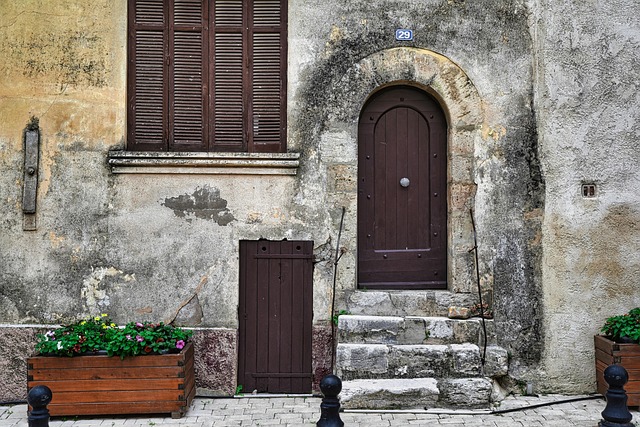
Double-pane windows were standard in 1990s construction but the seal failures that develop over time allow moisture to fog the glass and eliminate most insulating benefit. Failed windows are identifiable by the persistent cloudiness between panes that cannot be wiped away. Replacing windows across an entire home represents a meaningful capital expense that buyers should account for in their budgeting. Modern triple-pane or energy-efficient low-emissivity glass options offer substantially better thermal performance than original 1990s units. Window condition should always be evaluated room by room during the inspection rather than assumed to be functional.
Septic Systems
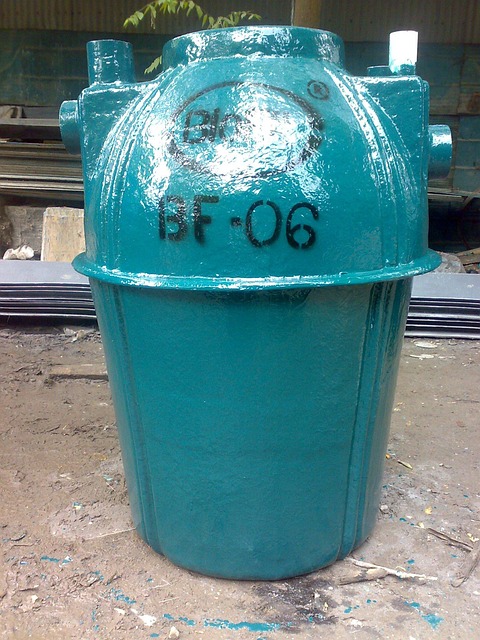
Homes built in the 1990s outside municipal sewer zones operate on septic systems that may be approaching or have exceeded their intended service life. A full septic inspection including pumping and a camera inspection of the distribution lines provides the most complete picture of system health. Signs of failure include slow drains across the home slow recovery of the septic tank after pumping and wet or unusually green patches over the drain field. Replacement of a failed system is one of the most costly repairs a homeowner can face running into tens of thousands of dollars in some cases. Buyers should request septic records and confirm the last pump-out date as a minimum baseline.
Chimney Condition
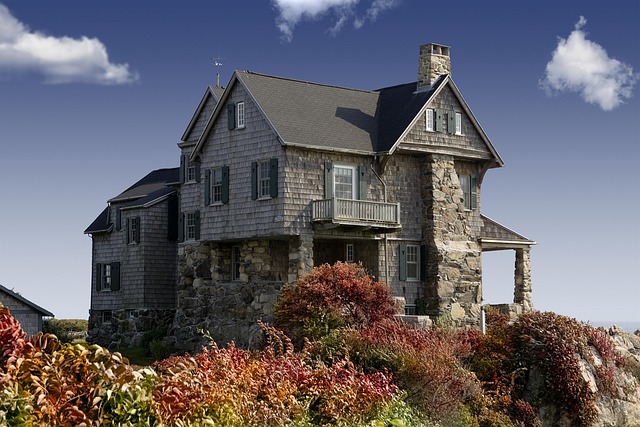
Wood-burning fireplaces and their associated chimneys were popular features in 1990s family homes but decades of use or neglect can leave the flue lining cracked and the masonry deteriorated. A certified chimney sweep and inspector should evaluate any fireplace before the home is occupied and before the first fire is ever lit. Creosote buildup inside unlined or damaged flues is a leading cause of residential chimney fires. Relining a chimney or repairing damaged crowns and caps adds meaningfully to renovation costs. Even decorative fireplaces that are no longer used should be inspected to ensure structural integrity and proper sealing.
Foundation Cracks
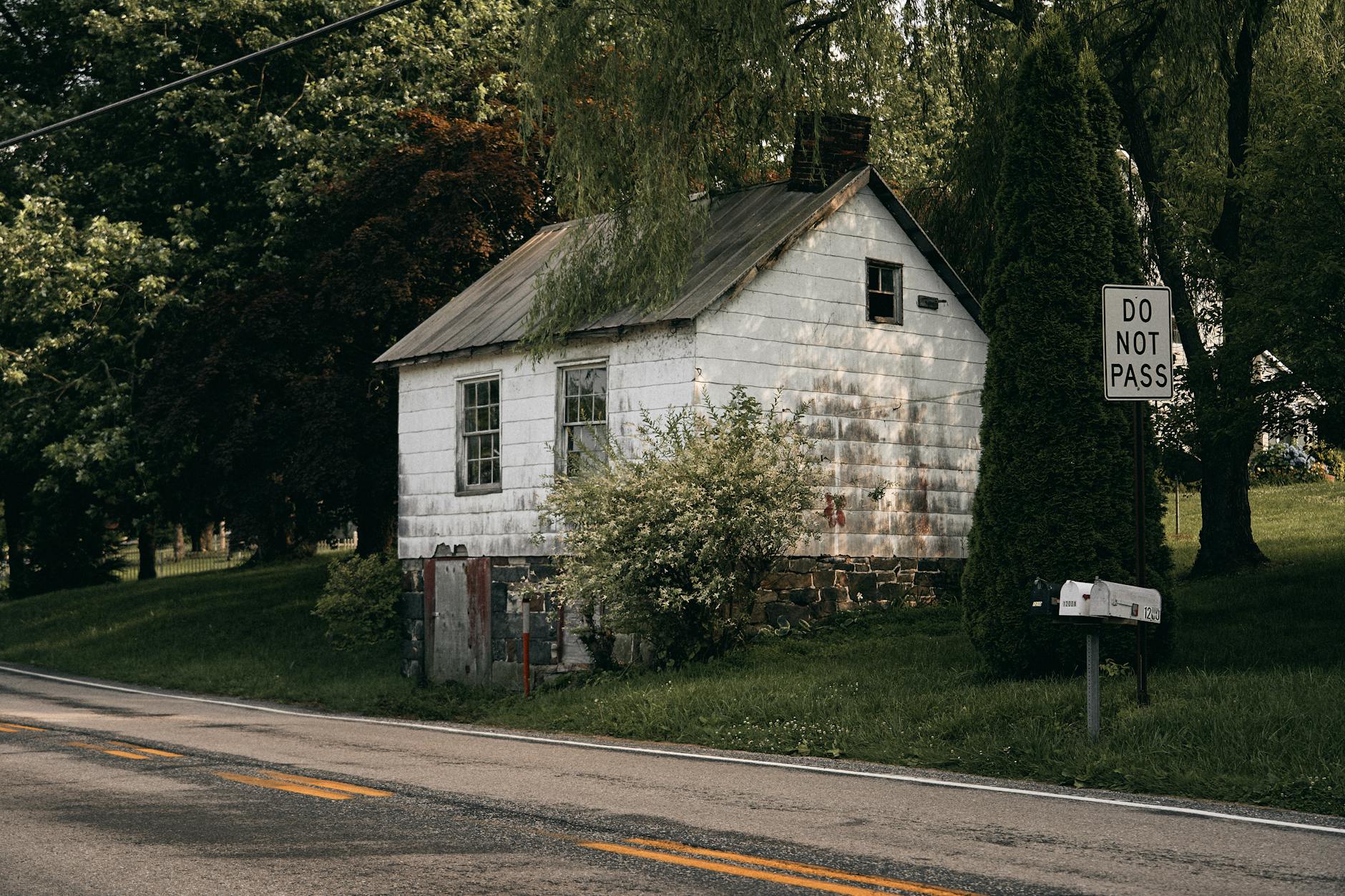
The foundations of 1990s homes have had three decades to settle and in some soil conditions minor shifting can progress into structural concerns over time. Horizontal cracks in basement walls or stair-step cracking in brick or block foundations can indicate active lateral pressure from soil movement. A structural engineer rather than a general home inspector is the appropriate professional for evaluating any concerning foundation conditions. Waterproofing failures that allow moisture intrusion are also common in basements of this age and can create ideal conditions for mold growth. Foundation repairs range from minor crack injection to major underpinning depending on severity.
Mold Risk

The combination of aging building materials imperfect vapor barriers and older HVAC systems makes 1990s homes particularly susceptible to mold growth in high-humidity climates. Mold often develops behind drywall in bathrooms around window frames in crawl spaces and in poorly ventilated attic spaces. A professional mold inspection using air quality testing provides the most reliable assessment of hidden mold presence. Remediation costs vary widely depending on the extent of colonization and the materials affected. Buyers should pay close attention to any musty odors or visible staining during their walkthrough as early warning indicators.
Roof Age
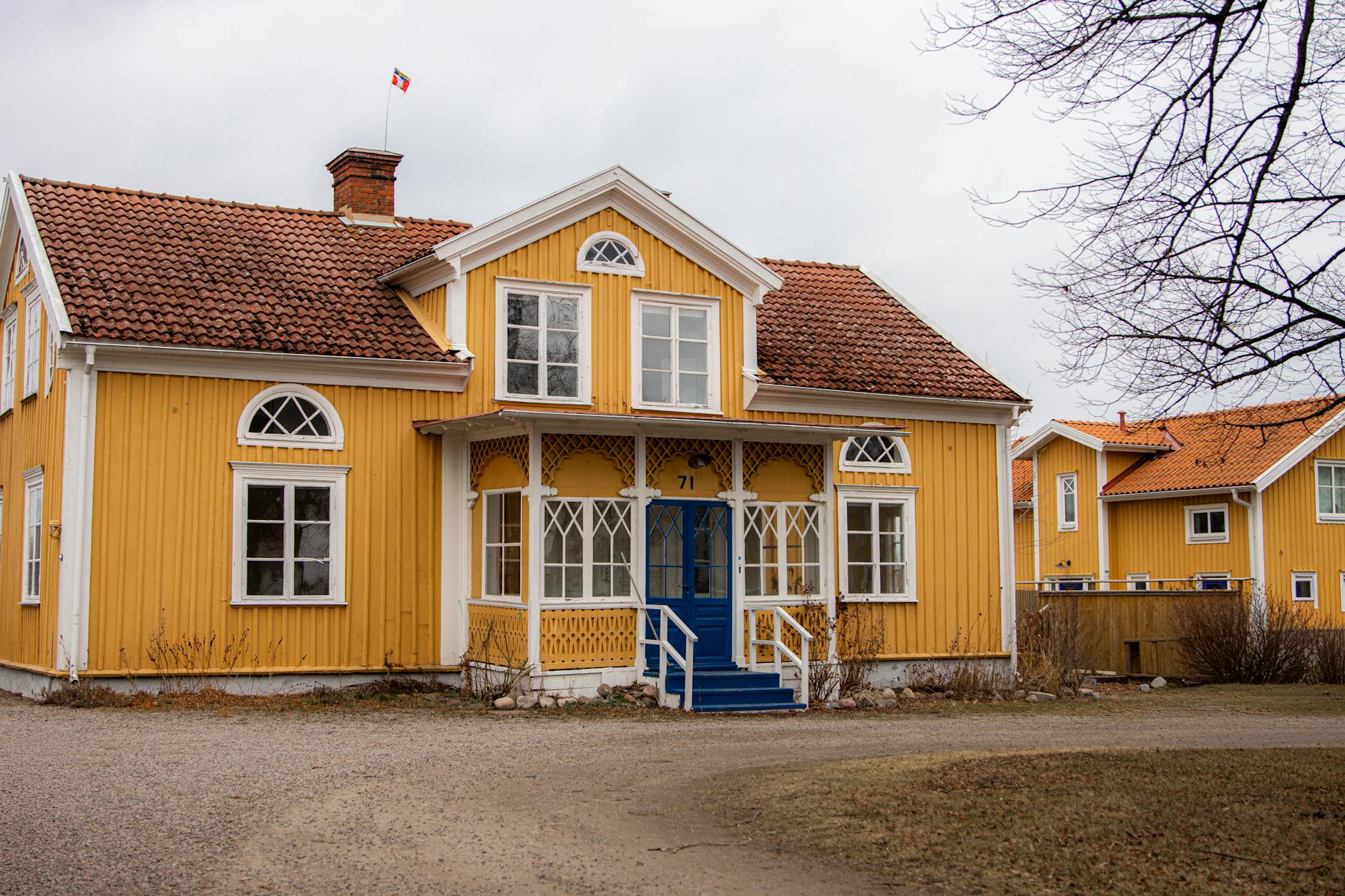
A standard asphalt shingle roof installed in the 1990s has most likely reached or passed its expected lifespan of twenty-five to thirty years. Granule loss curling shingles and visible sagging are reliable indicators of a roof that is nearing the end of its service life. Roof replacement is among the largest single expenses a homeowner may face and ranges dramatically in cost based on home size and chosen materials. Buyers should request the age and any available service records for the roof as part of standard due diligence. Some mortgage and insurance products require a roof in acceptable condition before terms can be issued.
Garage Door Safety
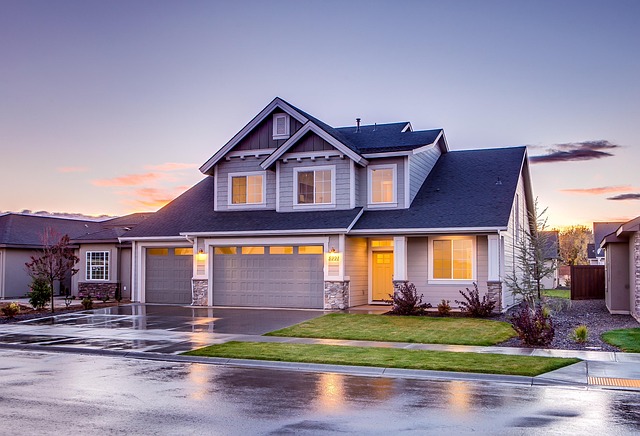
Automatic garage door systems installed in the 1990s predate modern safety standards requiring auto-reverse sensors that stop and reverse the door upon contact with an obstruction. The absence of this technology creates a genuine safety hazard especially for households with young children or pets. Testing the auto-reverse function is a simple step that should be part of every home inspection. Upgrading to a modern opener is an affordable fix that brings the home into compliance with contemporary safety expectations. In some jurisdictions the absence of compliant safety features may need to be disclosed to the buyer.
Deck Integrity

Wood decks constructed in the 1990s were often built using lumber that contained chromated copper arsenate as a preservative before its residential use was restricted in 2003. Beyond the material concerns three decades of exposure to weather cycles has subjected decking boards posts and ledger connections to significant structural wear. A structural inspection of any existing deck is essential particularly where it connects to the house foundation as ledger board failures are a leading cause of deck collapses. Replacing aging wood decking with composite materials eliminates the ongoing maintenance burden and extends the useful life considerably. Deck permits and inspection records from the original construction are useful to request if they are available.
Kitchen Layout
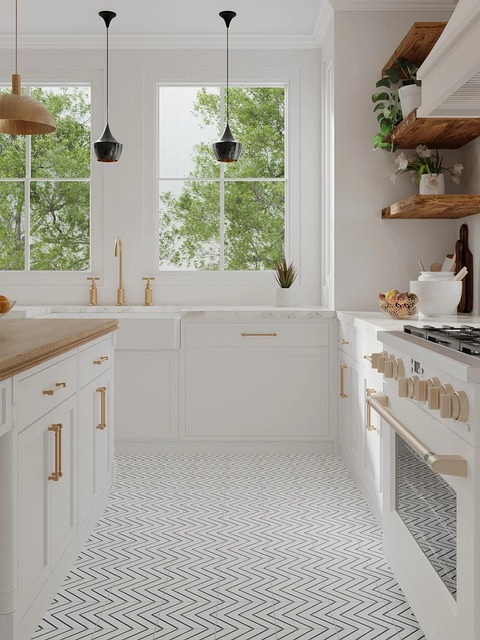
The kitchen designs of the 1990s were heavily influenced by trends that prioritized enclosed floor plans dark wood cabinetry and laminate countertops that may feel dated by contemporary standards. Reconfiguring a closed kitchen into an open-plan layout that connects to living areas often requires removing load-bearing walls and obtaining structural permits. Cosmetic updates to cabinet fronts countertops and hardware can meaningfully refresh a dated kitchen without the cost of a full renovation. Appliances from the era are well beyond their expected lifespan and should be budgeted for replacement at minimum. The kitchen renovation often delivers the strongest return on investment of any update in a residential property.
Bathroom Tile
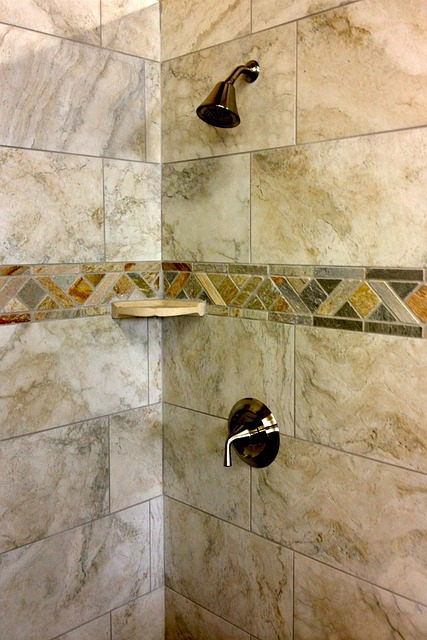
The pastel and jewel-toned ceramic tiles that were fashionable in 1990s bathroom designs are among the most identifiable and divisive aesthetic signatures of the era. Beyond style considerations the grout in aging tile installations often harbors decades of mildew staining and may have begun to crack allowing water to penetrate behind the tile surface. A professional tile inspection can identify soft spots in the wall behind tile that indicate ongoing moisture damage. Full bathroom remodels in dated properties frequently reveal water damage that was hidden behind original tile installations for many years. Refreshing grout sealing exposed areas and adding modern fixtures can extend the life of a serviceable bathroom without full demolition.
Drywall Quality
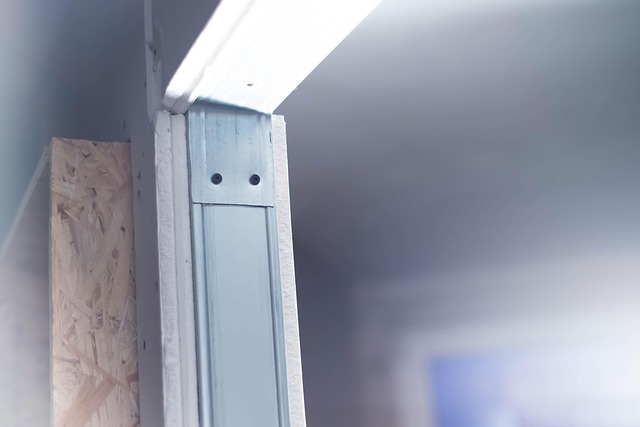
The drywall installed in 1990s homes is generally reliable but properties that were renovated or repaired during certain periods may contain a small percentage of imported drywall that has been linked to off-gassing and corrosion of copper wiring and plumbing. Affected homes often exhibit a persistent sulfur odor and premature blackening of copper surfaces including electrical components and metal fixtures. Testing is available to confirm whether problematic materials are present in any portion of the home. The remediation process for affected drywall is extensive involving full replacement of impacted wallboard and any corroded systems. This issue is more commonly associated with Florida homes built or repaired in the mid-2000s but warrants awareness in any home with unexplained copper corrosion.
Siding Condition
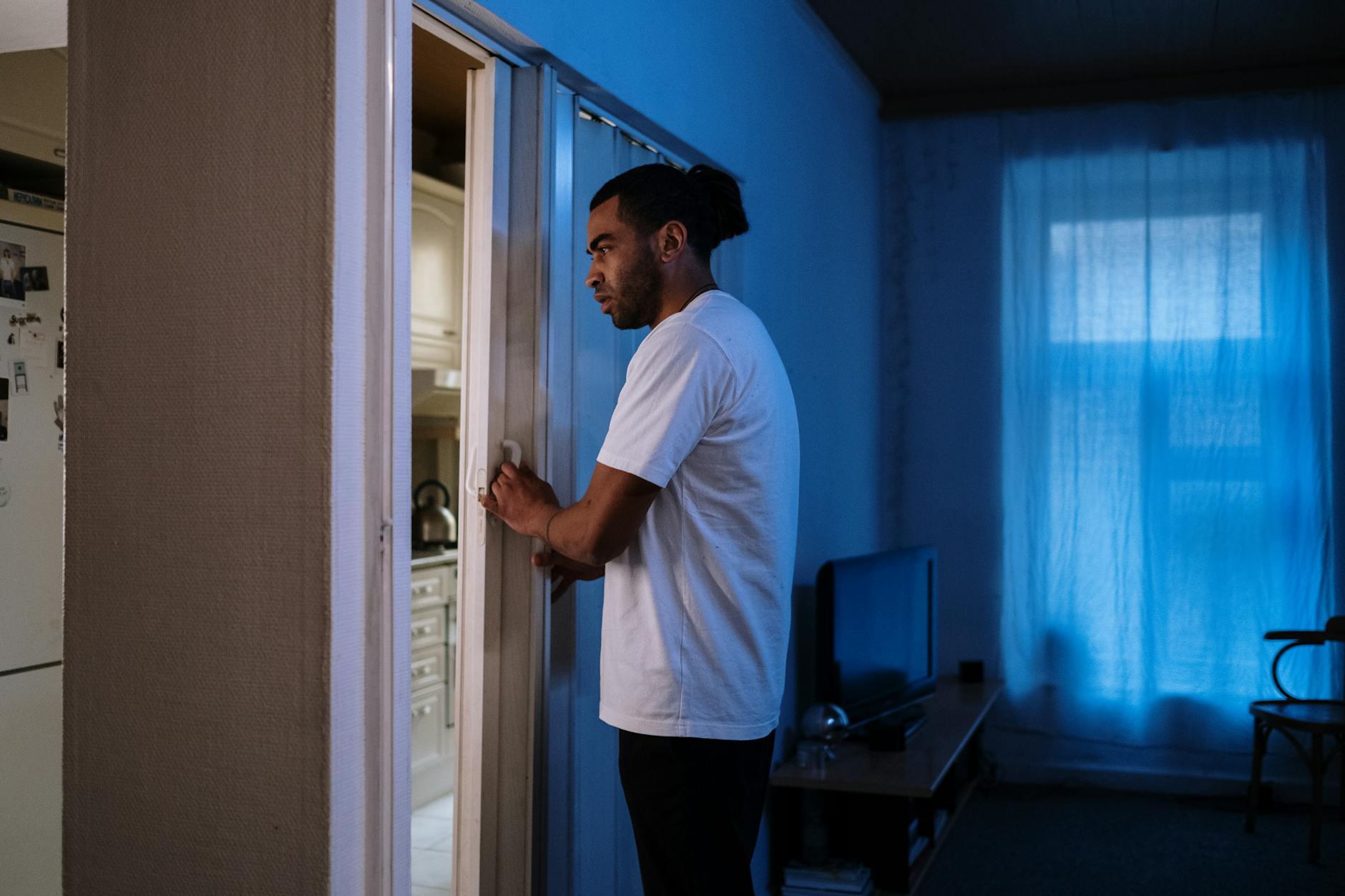
Vinyl and composite wood siding products that were popular in 1990s residential construction have a finite lifespan and show their age through warping fading cracking and in the case of certain composite products water absorption that leads to swelling and rot. Some composite wood siding products from the era were subject to class action settlements due to premature failure and may still be present on homes in certain regions. A thorough exterior inspection should assess whether siding is still performing its protective function or simply providing cosmetic coverage over compromised sheathing. Replacing aging siding offers a significant boost to curb appeal energy efficiency and moisture protection. Buyers should treat heavily weathered siding as a negotiating point rather than a cosmetic concern.
Smart Home Compatibility
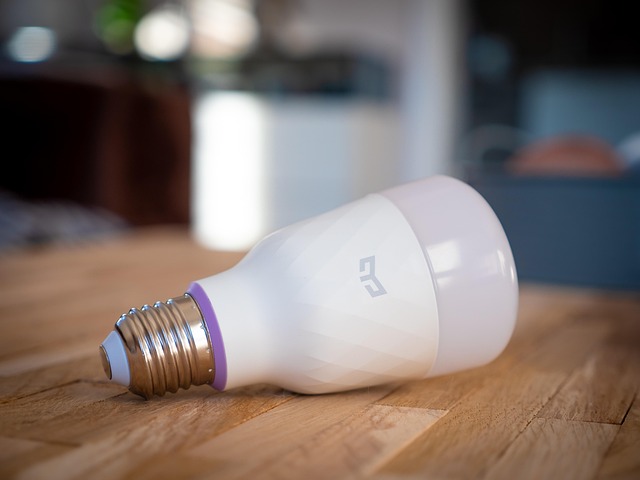
Homes built in the 1990s were designed entirely without smart home technology in mind meaning the wiring layout and infrastructure often requires meaningful upgrades to support modern automation systems. Running new low-voltage wiring for smart lighting thermostats security cameras and entertainment systems through finished walls adds cost and disruption to any technology upgrade project. Many smart home products now offer wireless solutions that reduce the need for new wiring though performance and reliability may be somewhat compromised compared to hardwired installations. Buyers who prioritize a connected home lifestyle should budget accordingly and consult a smart home integrator before finalizing purchase plans. Identifying where conduit or existing runs can be repurposed helps minimize retrofitting costs considerably.
Storage Design
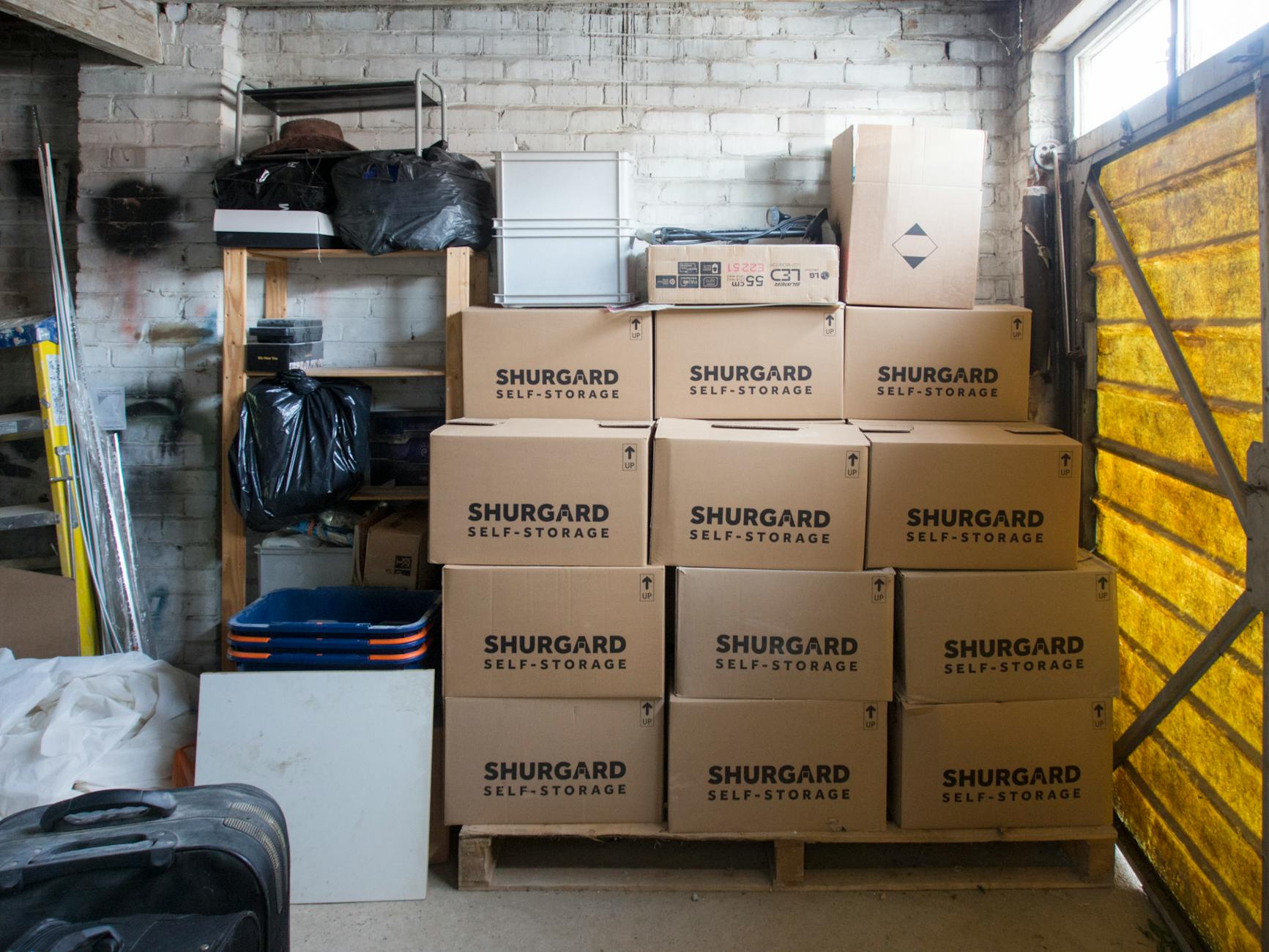
The storage planning philosophy of 1990s home design prioritized the look of finished spaces over functional storage integration resulting in homes with fewer built-ins smaller pantries and less efficient closet configurations than contemporary buyers typically expect. Master bedroom closets from the era often consist of simple rod-and-shelf systems that feel inadequate for modern wardrobes. Custom closet systems pantry organizers and mudroom additions are among the most popular and relatively affordable upgrades undertaken by buyers of older homes. Garage storage solutions can offset some of the interior storage deficit particularly in homes with generous garage square footage. Evaluating storage needs against what the home provides before purchase avoids frustration after move-in.
Share your own experiences or questions about buying a 1990s home in the comments.