Every gardener makes small decisions each day that seem harmless but quietly work against the health of their plants over time. Overwatering, poor drainage, and compacted soil are among the most common silent killers lurking in otherwise well-intentioned gardens. Many plant problems develop slowly beneath the surface before any visible symptoms appear, making early awareness the most powerful tool a gardener can have. Understanding these subtle missteps can mean the difference between a thriving garden and one that perpetually struggles. Here are 25 silent red flags in your gardening routine that may be slowly costing you your plants.
Overwatering
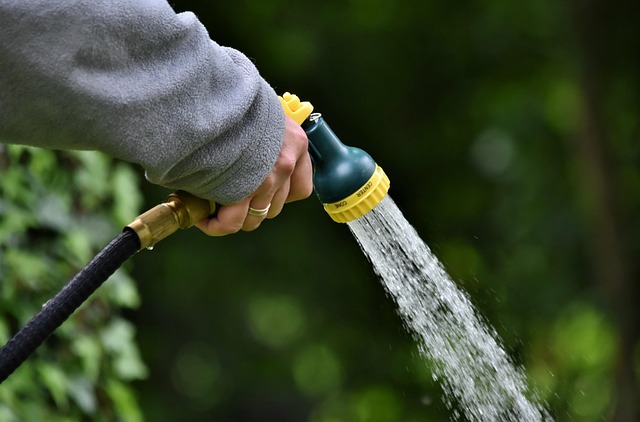
Watering plants too frequently is one of the leading causes of root rot across both indoor and outdoor gardens. Roots need access to oxygen in the soil, and consistently saturated conditions suffocate them over time. Many gardeners mistake wilting caused by overwatering for drought stress and respond by adding even more water, which accelerates the damage. Most plants prefer a cycle of moderate watering followed by a period of drying out between sessions. Checking the top few centimetres of soil before reaching for the watering can is a reliable first step toward correction.
Compacted Soil

Soil that has been repeatedly walked on or left unattended becomes dense and resistant to air and water movement. Plant roots struggle to penetrate compacted ground, limiting their access to nutrients and stunting overall growth. Rainwater tends to run off rather than absorb into tightly packed soil, creating dry pockets just beneath the surface. Regular aeration using a garden fork loosens the structure and reintroduces space for root development. Adding organic matter such as compost further improves texture and long-term soil health.
Wrong Pot Size
Planting in a container that is too large encourages excess moisture retention in the unused soil surrounding the roots. Conversely, a pot that is too small restricts root expansion and causes plants to become rootbound much faster than expected. A rootbound plant struggles to absorb water and nutrients efficiently, leading to yellowing leaves and stunted growth. The general guideline is to choose a pot only slightly larger than the current root system when repotting. Matching container size to the plant’s growth stage supports healthy development and reduces unnecessary stress.
Poor Drainage
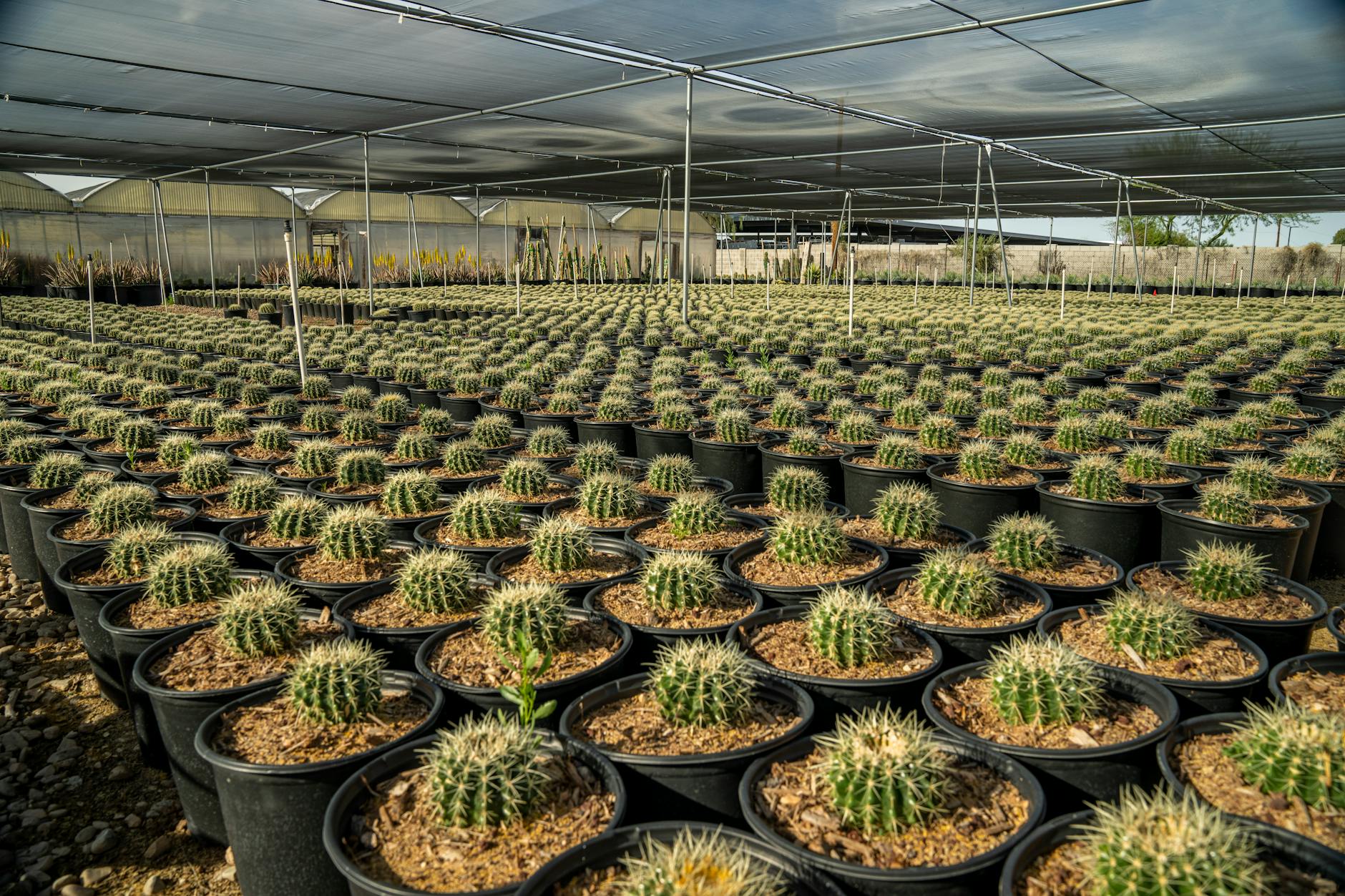
Containers and garden beds without adequate drainage trap water at the root zone, creating conditions favorable for fungal disease. Many premade potting mixes retain more moisture than certain plants require, particularly succulents and Mediterranean herbs. Drainage holes in pots should remain unobstructed, and saucers should be emptied regularly after watering. In garden beds, raised planting mounds or the addition of coarse grit can significantly improve water movement through heavy soils. Consistent waterlogging weakens the plant’s immune response and makes it vulnerable to secondary infections.
Wrong Light Placement
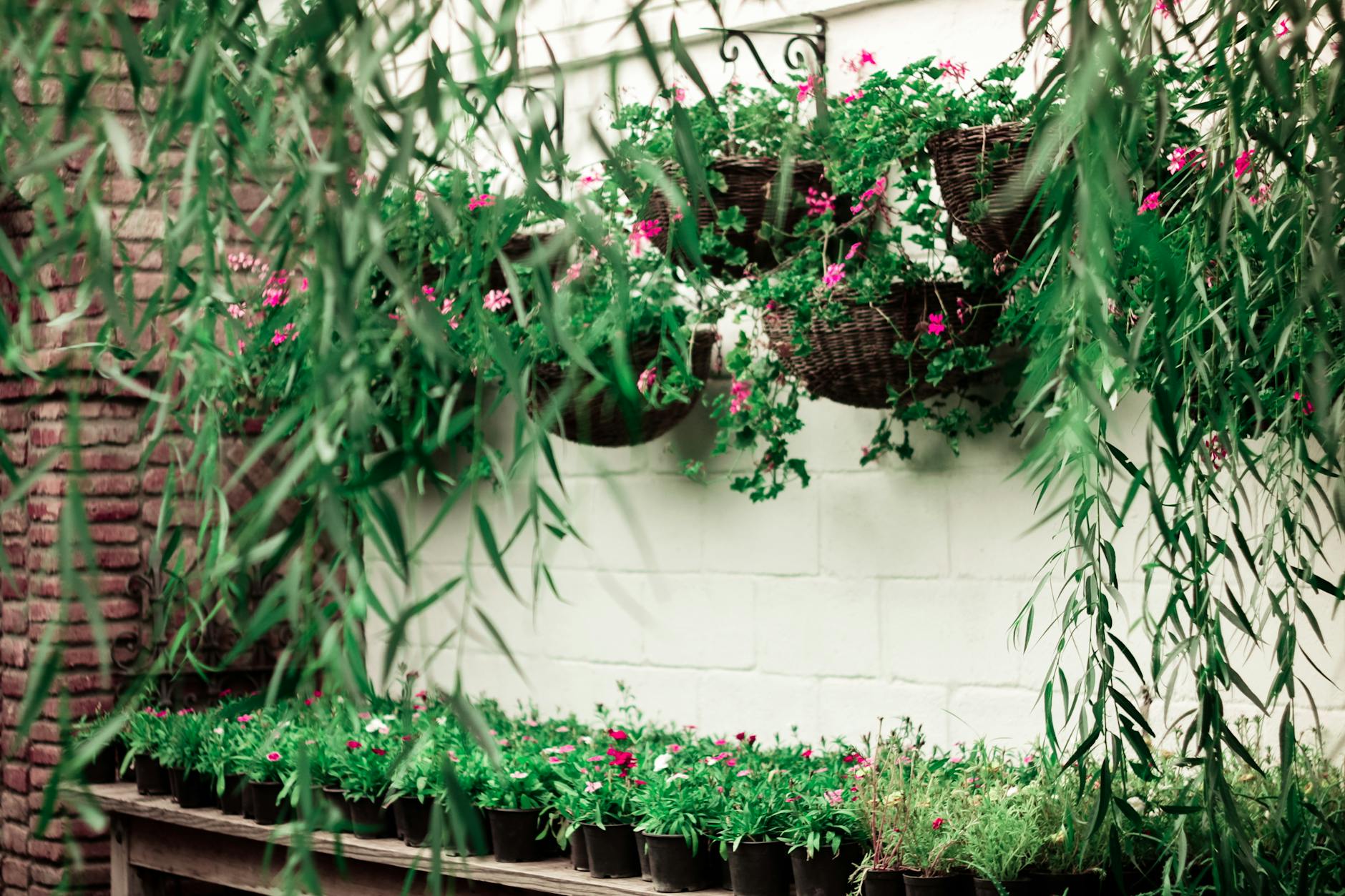
Placing a plant in a light environment mismatched to its natural habitat places the entire organism under chronic low-level stress. Shade-loving plants positioned in direct afternoon sun develop scorched, bleached, or curled leaves over time. Sun-dependent plants kept in dim corners grow leggy and pale as they stretch toward insufficient light sources. This kind of stress weakens cellular structure and makes plants far more susceptible to pests and disease. Researching the light requirements of each species before positioning them is a straightforward way to prevent long-term decline.
Irregular Watering
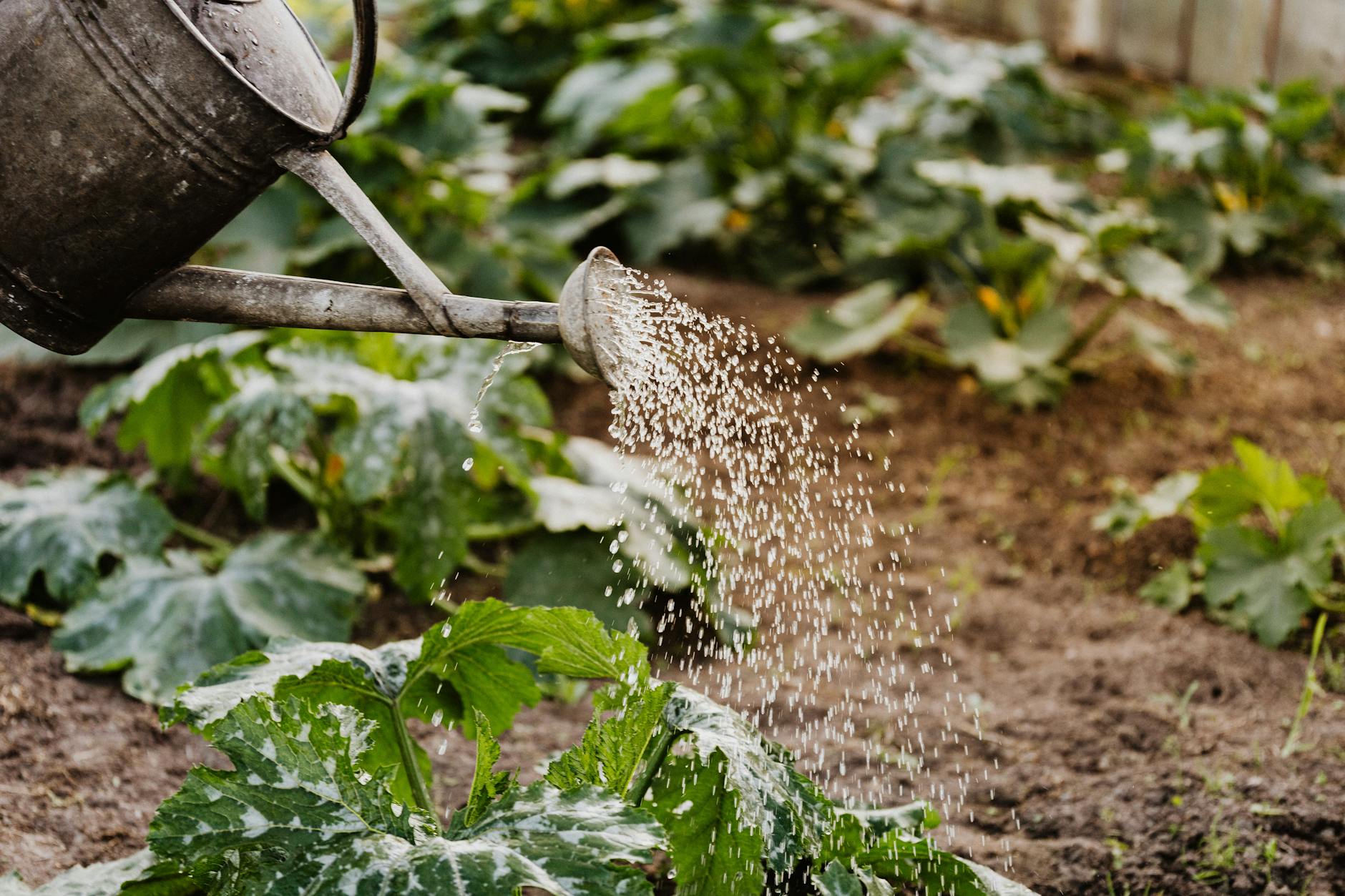
Inconsistent watering schedules create cycles of stress that interfere with a plant’s ability to regulate internal moisture. Tomatoes and other fruiting plants are particularly vulnerable, often developing blossom end rot or cracking in response to irregular hydration. Roots that experience repeated drought and flood cycles develop a weakened structure that struggles to support vigorous growth. Establishing a routine tied to soil conditions rather than a fixed calendar day helps account for seasonal changes in evaporation rates. Mulching the soil surface slows moisture loss and buffers the plant against sudden dry spells.
Fertiliser Burn
Applying concentrated fertiliser directly to dry soil or plant roots causes chemical burn that damages root tissue at a cellular level. Symptoms often appear as brown leaf tips, yellowing foliage, or sudden wilting several days after feeding. Over-fertilising, particularly with high-nitrogen products, promotes excessive leafy growth at the expense of root strength and flowering. Plants fed too frequently during dormant or low-growth periods cannot process the excess nutrients effectively. Always water the soil before applying fertiliser and follow recommended dosage guidelines carefully to avoid accumulation toxicity.
Ignoring pH
Soil pH governs the availability of nearly every essential nutrient a plant absorbs through its roots. A pH that is too acidic or too alkaline locks certain minerals into forms the plant cannot access, causing deficiency symptoms even in nutrient-rich soil. Yellowing leaves with green veins, a condition known as chlorosis, frequently indicate iron deficiency caused by incorrect pH rather than a lack of iron in the soil itself. Testing soil pH at least once per season allows gardeners to make targeted amendments using lime or sulphur as needed. Matching plant species to the natural pH range of your existing soil reduces the need for ongoing correction.
Pruning Mistakes
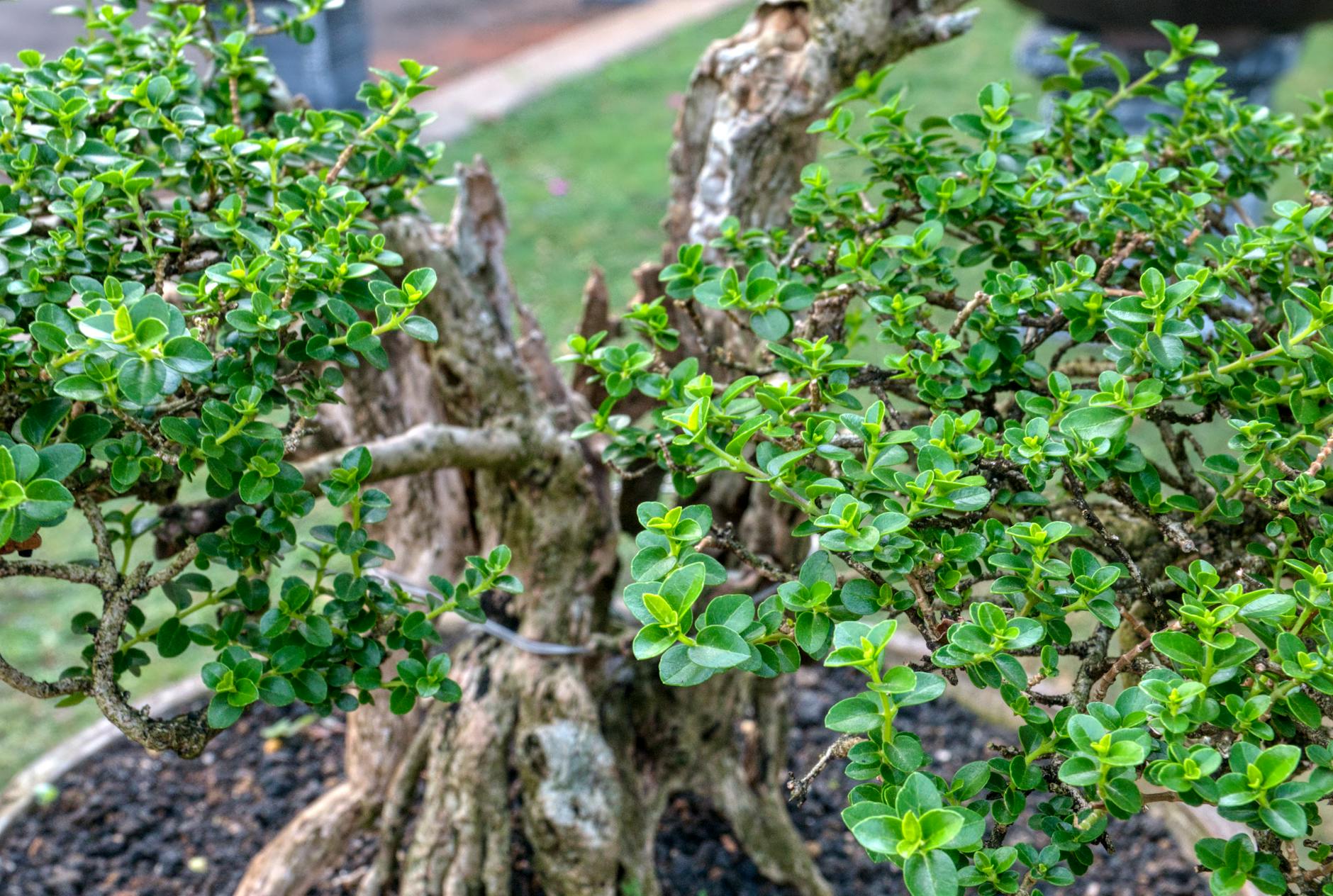
Cutting branches at the wrong angle or leaving stubs behind prevents wound tissue from forming properly and invites disease entry. Pruning during active growth periods can shock certain species, redirecting energy away from root development and flowering. Using blunt or dirty tools creates ragged cuts that take significantly longer to heal than clean, precise incisions. Removing more than a third of a plant’s foliage at once strips away too much of its photosynthetic capacity in a single session. Sharpening and sterilising tools between uses is a basic practice that dramatically reduces the spread of bacterial and fungal pathogens.
Wrong Mulch Depth
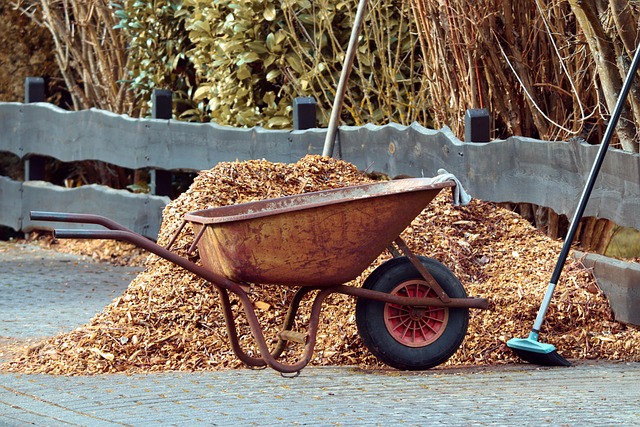
Mulch applied too thickly creates a moisture-retaining barrier directly against the plant stem, leading to rot at the crown. Volcano mulching, the practice of piling mulch in a cone shape against tree trunks, is one of the most widespread and damaging gardening habits. Too little mulch, on the other hand, fails to regulate soil temperature or suppress weed competition effectively. The ideal depth for most organic mulches sits between five and ten centimetres, kept clear of direct stem contact. Refreshing mulch layers annually maintains their insulating and moisture-retaining properties without allowing excessive buildup.
Root Disturbance
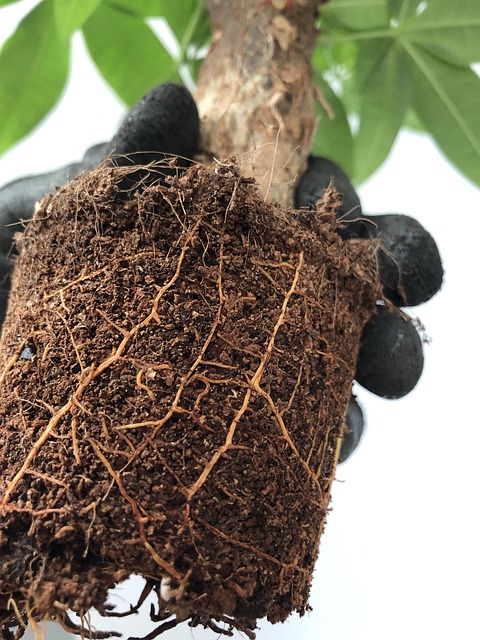
Frequently digging around established plants damages fine feeder roots that are responsible for the majority of nutrient and water uptake. These fragile root hairs regenerate slowly, meaning repeated disturbance keeps plants in a persistent state of recovery. Transplanting at the wrong time of year, particularly during peak summer heat or active flowering, compounds the stress on an already disrupted root system. Bare-root plants left exposed to air and sunlight during transplanting suffer rapid moisture loss that weakens establishment. Handling root systems with minimal intervention and transplanting during cooler seasons dramatically improves long-term survival rates.
Seasonal Neglect
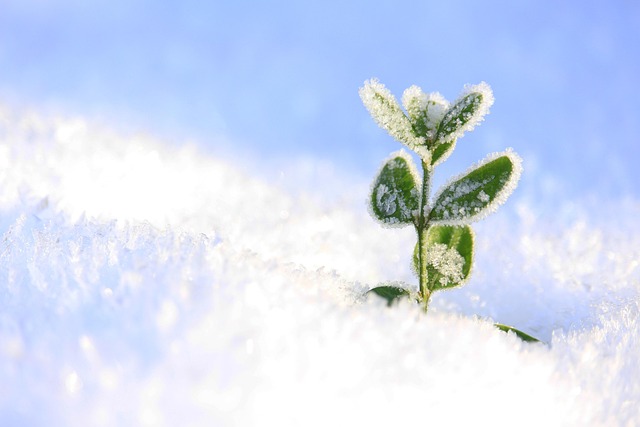
Many gardeners reduce care routines in autumn and winter without adjusting for the specific needs of plants during dormancy. Failing to cut back dead material in late autumn can encourage overwintering pests and fungal spores to persist into the following season. Container plants left outdoors during frost periods suffer root damage that becomes apparent only when growth fails to resume in spring. Winter mulching around tender perennials insulates the root zone from freeze-thaw cycles that disrupt soil structure. Treating seasonal transitions as active periods of garden management rather than rest periods protects investments made throughout the growing season.
Ignoring Pests
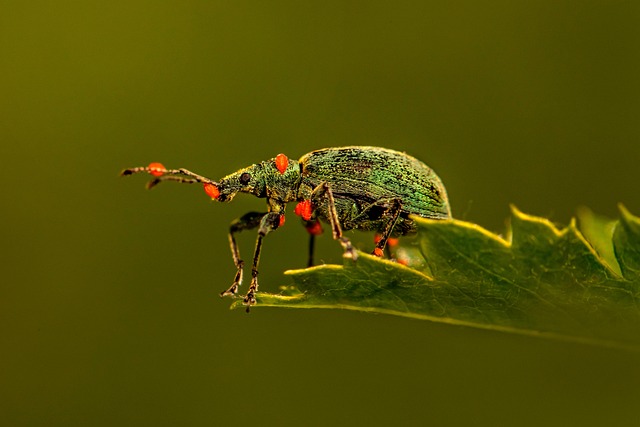
Small pest populations that go undetected or untreated rarely resolve on their own and typically escalate into infestations within weeks. Aphids, spider mites, and thrips reproduce rapidly under favourable conditions and weaken plants by disrupting nutrient flow and cellular integrity. Early signs such as stippled leaves, fine webbing, sticky residue, or distorted new growth are frequently dismissed as cosmetic issues. Regular inspection of leaf undersides and stem joints is essential for catching populations before they reach damaging thresholds. Integrated pest management approaches that combine physical removal, beneficial insects, and targeted treatments reduce reliance on broad-spectrum pesticides.
Planting Depth
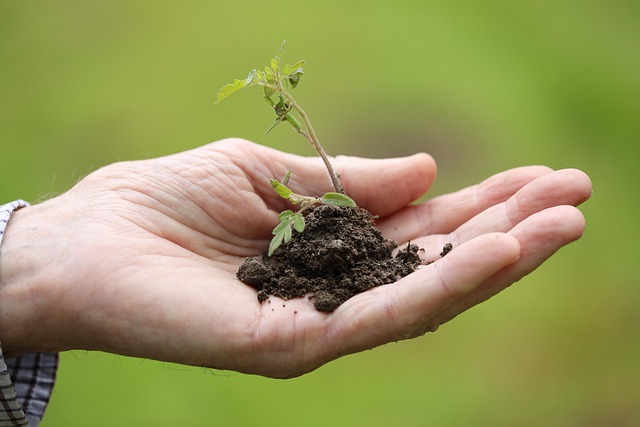
Setting plants too deep in the soil buries the crown and lower stem in conditions of excess moisture and reduced oxygen, promoting collar rot. Planting too shallowly exposes roots to temperature extremes and drying winds, destabilising the plant and interrupting water uptake. Bulbs planted at incorrect depths either fail to receive the cold stratification they require or emerge too close to the surface to anchor properly. Grafted trees and shrubs planted with the graft union below soil level may revert to rootstock growth, losing the characteristics of the cultivar entirely. Understanding the correct planting depth for each species is foundational knowledge that prevents problems before they begin.
Crowding Plants
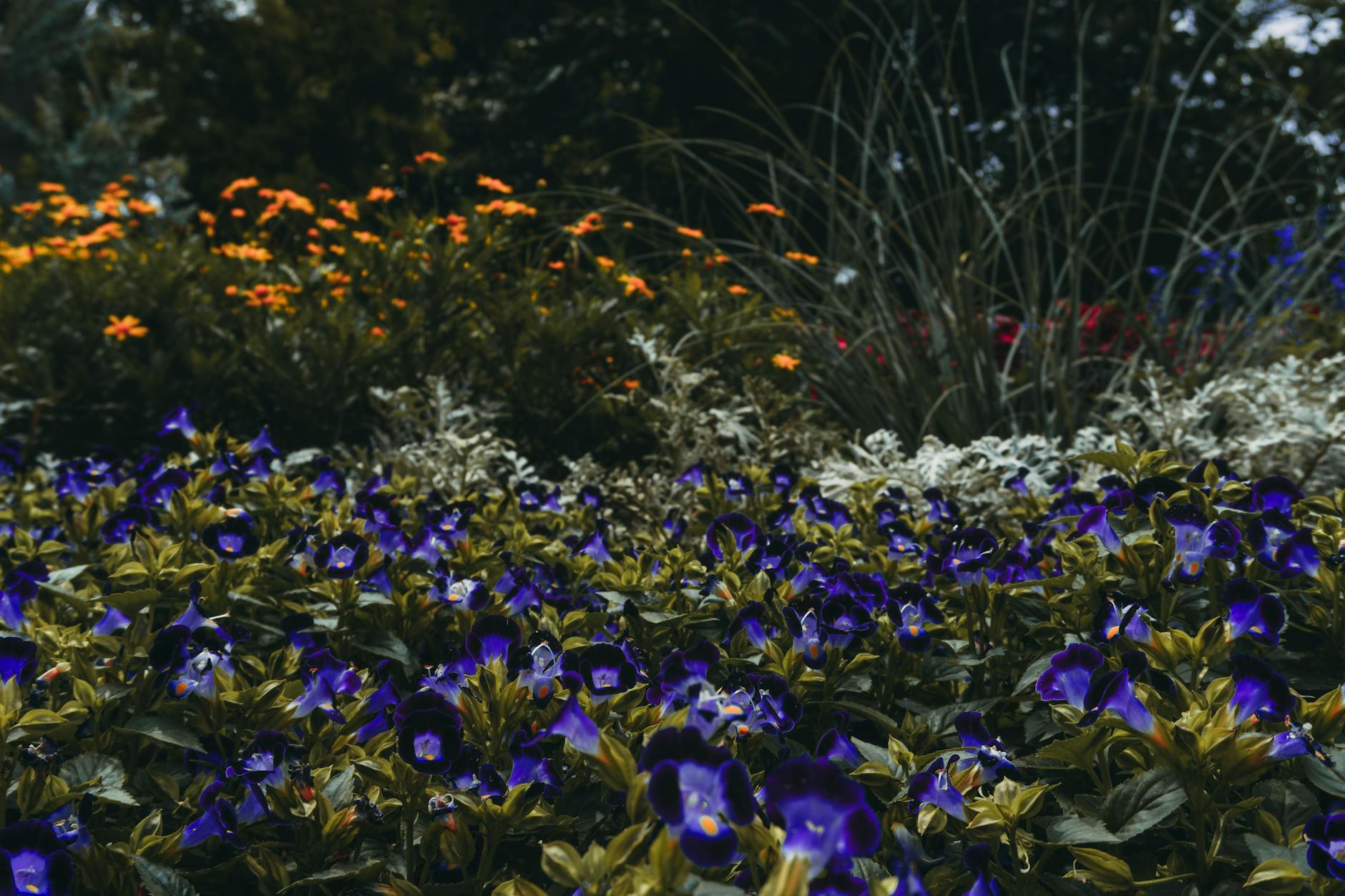
Planting specimens too close together creates competition for water, nutrients, and light that disadvantages all plants involved. Poor air circulation in densely planted beds raises humidity levels around foliage, creating ideal conditions for powdery mildew and other fungal diseases. Root systems become entangled over time, and stronger or faster-growing plants will reliably outcompete their neighbours for available resources. Thinning seedlings and maintaining appropriate spacing between mature plants reduces disease pressure significantly. Reviewing mature spread dimensions before planting avoids the need for disruptive and stressful transplanting later in the season.
Hard Water
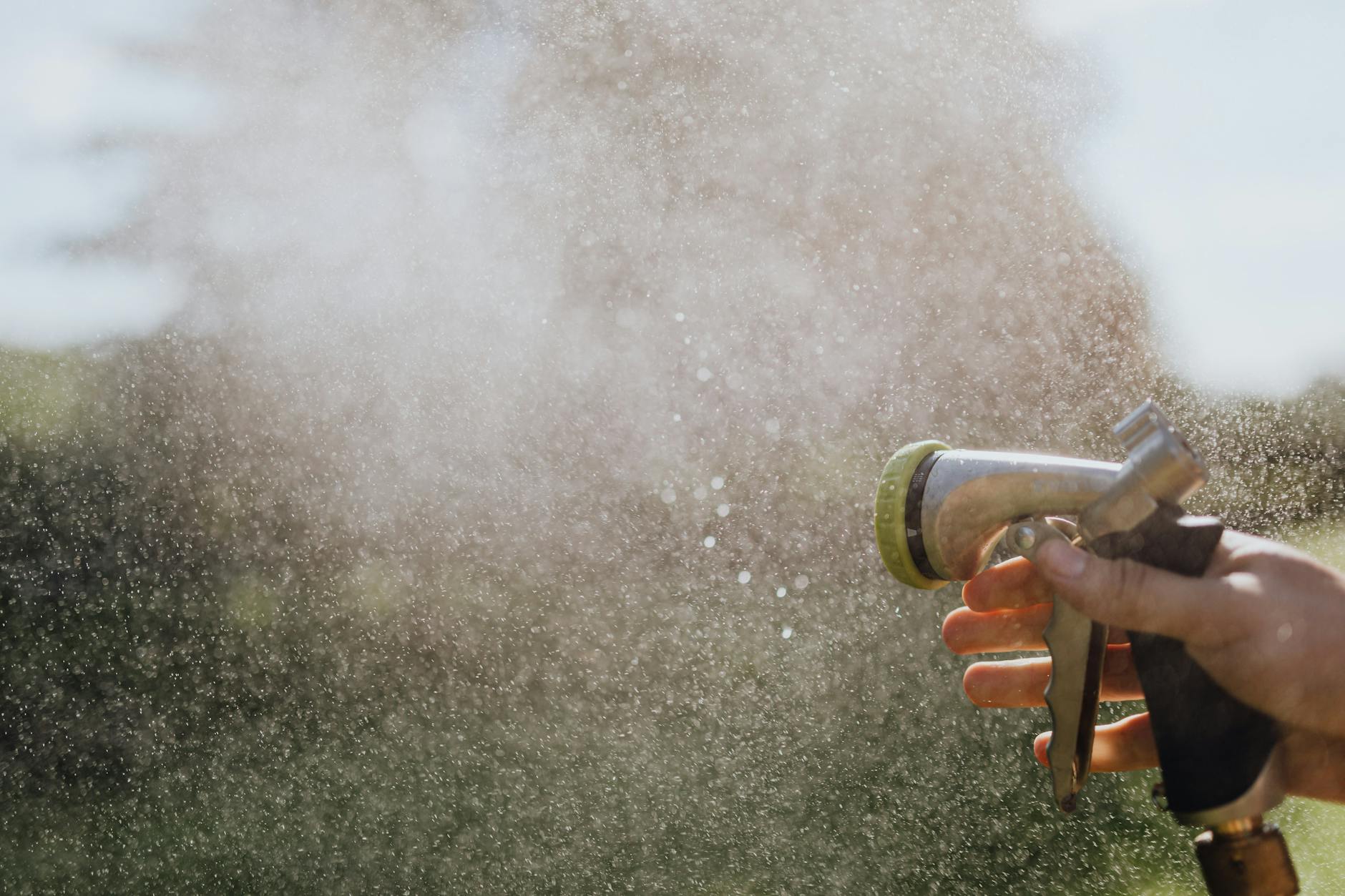
Watering consistently with high-mineral tap water causes gradual salt buildup in the soil, which interferes with root nutrient uptake. White crusty deposits on the surface of potting compost or on terracotta pots are visible indicators of mineral accumulation. Over time, sodium and calcium deposits alter soil chemistry in ways that make it increasingly difficult for plants to absorb water effectively. Flushing pots thoroughly with rainwater or collected water periodically helps leach accumulated salts from the root zone. Plants native to soft-water environments such as acid-loving species are particularly vulnerable to the long-term effects of hard water irrigation.
Contaminated Tools
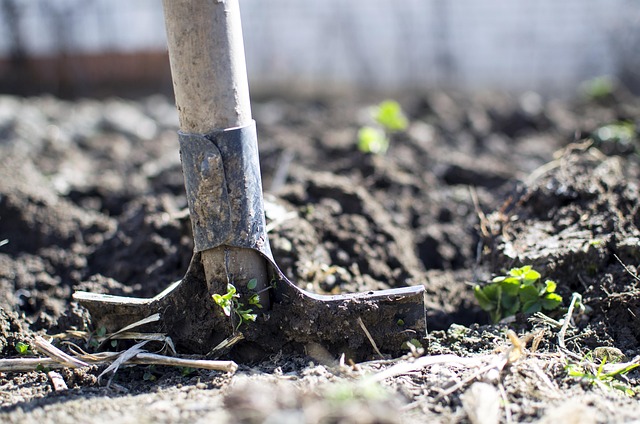
Garden tools that are not cleaned between uses carry bacterial, viral, and fungal pathogens from one plant to the next with efficiency. Botrytis, mosaic virus, and fire blight are among the diseases that spread readily through contaminated cutting and digging equipment. Dried soil and organic debris on tools also provide a protective medium in which pathogens can survive for extended periods. Wiping blades with a diluted bleach or isopropyl alcohol solution between plants takes only seconds and substantially limits cross-contamination. Establishing a tool-cleaning habit at the end of each gardening session is one of the simplest and most underutilised disease prevention strategies available.
Chemical Drift
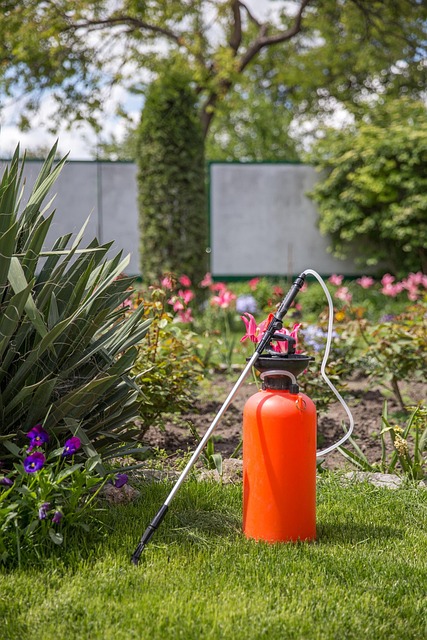
Applying herbicides on windy days allows droplets to travel significant distances and settle on nearby ornamental plants or edible crops. Even low concentrations of herbicide drift can cause leaf curl, distorted growth, and long-term damage to sensitive species. Systemic herbicides are particularly harmful because the plant absorbs them into its vascular system, making recovery difficult or impossible. Selective application using shielded sprayers or direct soil treatment methods reduces the risk of unintended chemical exposure. Timing applications to calm weather conditions and keeping detailed records of what was applied and where supports accountability in chemical garden management.
Ignoring Drainage Layers
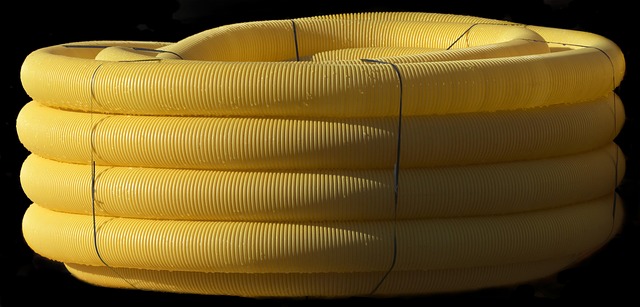
Placing a layer of gravel at the bottom of a pot without drainage holes does not improve drainage and actually raises the water table closer to the root zone. This widely repeated technique creates a perched water table effect that keeps roots in contact with standing water longer than if the gravel were absent. The misconception persists despite consistent evidence that soil drainage depends on the texture and composition of the growing medium rather than a gravel layer beneath it. Ensuring every container has functional drainage holes remains the only reliable method of preventing water accumulation at the root level. Replacing gravel layers with a thin mesh barrier to prevent soil loss through drainage holes achieves the same aesthetic goal without the hydrological drawback.
Wrong Watering Time
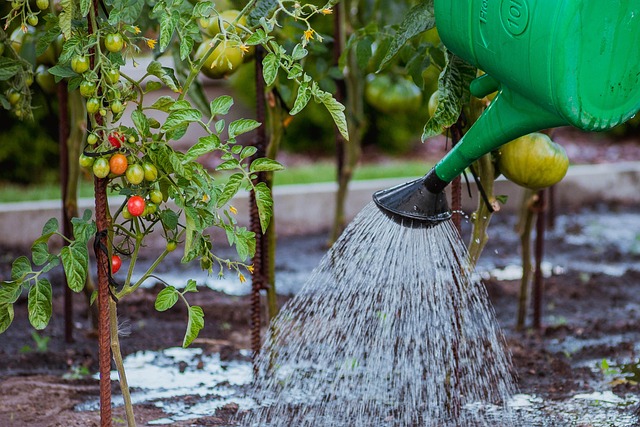
Watering plants during the hottest part of the day causes rapid evaporation and delivers less moisture to the root zone than an equivalent amount applied in the morning. Wet foliage sitting overnight creates conditions favourable for fungal infections including black spot, rust, and downy mildew. Early morning watering allows leaves to dry naturally throughout the day while delivering moisture to roots before heat stress peaks. Overhead irrigation systems set to run in the evening are a particularly common source of chronic foliar disease problems. Adjusting irrigation schedules to early morning delivery is a low-cost intervention with measurable benefits across most plant types.
Ignoring Soil Life
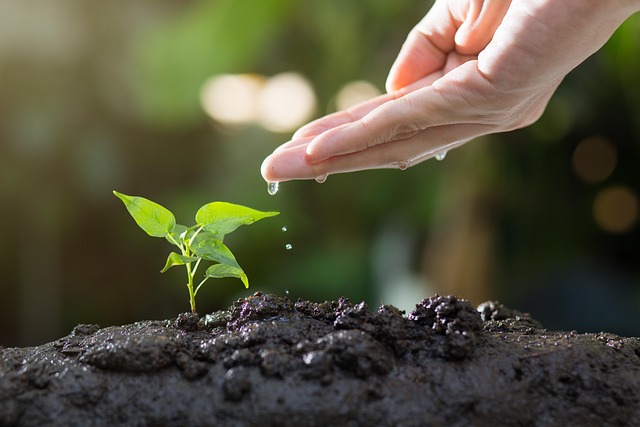
Healthy soil contains billions of microorganisms per teaspoon that perform essential roles in nutrient cycling, disease suppression, and soil structure maintenance. Routine application of synthetic pesticides and fertilisers disrupts microbial communities and reduces biological diversity in ways that impair long-term soil function. Earthworm populations, a key indicator of soil health, decline sharply in soils repeatedly treated with nematicides and certain fungicides. Building soil biology through the addition of compost, worm castings, and organic mulches creates a self-regulating ecosystem that supports plant health with less external input. Treating soil as a living system rather than an inert growing medium represents a fundamental shift in approach that benefits the entire garden.
Deadheading Errors
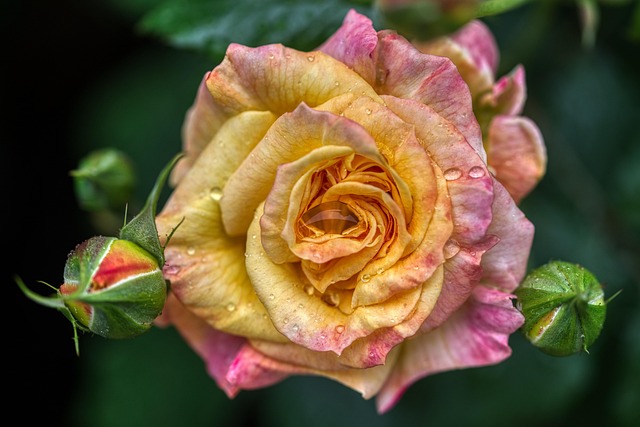
Failing to remove spent flowers on repeat-blooming species signals to the plant that its reproductive cycle is complete, dramatically reducing further flower production. Removing too much stem material along with the spent bloom can eliminate the lateral buds responsible for producing the next flush of flowers. Some species benefit from having seed heads left in place through winter to provide food for birds and protection for beneficial insects. Deadheading technique varies significantly between species, and applying a single method universally across different plants leads to inconsistent results. Understanding the flowering pattern of each plant before intervening ensures that deadheading supports rather than disrupts natural growth cycles.
Ignoring Humidity
Low indoor humidity levels stress tropical houseplants by accelerating transpiration beyond the rate at which roots can replenish moisture. Brown leaf tips and edges on otherwise healthy-looking plants are a frequent sign of insufficient ambient humidity rather than a watering issue. Grouping humidity-sensitive plants together creates a localised microclimate with slightly elevated moisture levels around the foliage. Placing containers on trays of damp pebbles raises humidity immediately surrounding the plant without adding excess water to the root zone. Misting foliage provides only temporary relief and can encourage fungal disease if droplets remain on leaves in low-light or poorly ventilated conditions.
Ignoring Seasons
Attempting to force growth through continued feeding and watering during natural dormancy periods disrupts the plant’s internal cycles and weakens long-term vigour. Many perennials and bulbs require a defined period of cold or dryness to complete metabolic processes that set up the following season’s flowering. Gardeners who treat dormant plants as sick plants and respond with intensive intervention often cause more harm than the original perceived problem. Adjusting care routines to reflect seasonal light levels, temperature ranges, and growth stage is fundamental to sustainable plant management. Learning the natural annual cycle of each species in the garden prevents misplaced interventions during periods when rest is what the plant actually requires.
Sourcing Issues
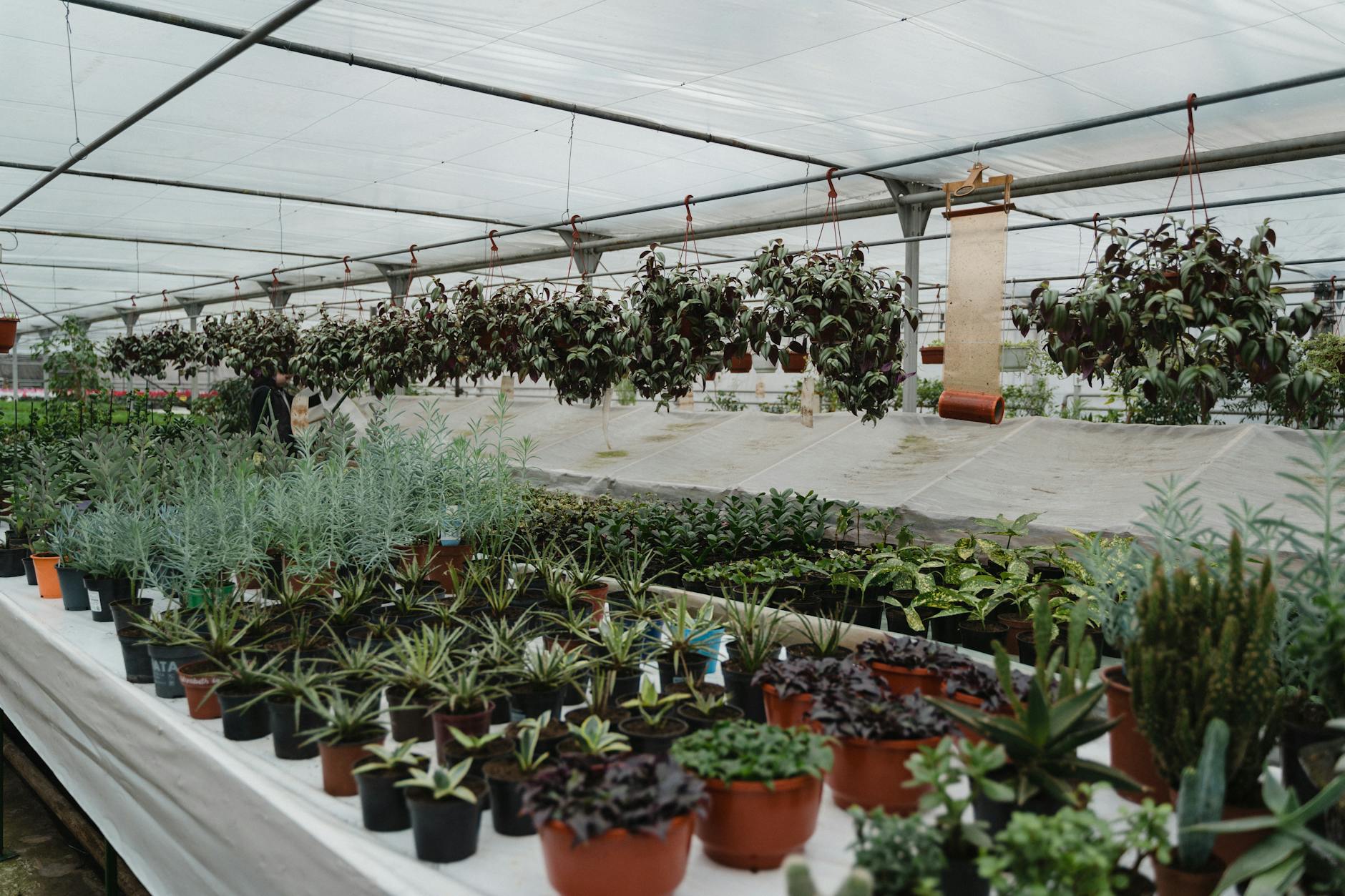
Plants purchased from low-quality or unregulated sources may already carry latent pest infestations or root diseases at the point of sale. Bare-root stock that has been poorly stored loses viability rapidly, and plants showing signs of stress at purchase rarely recover to full vigour. Introducing new plants directly into established garden spaces without a quarantine period risks spreading undetected problems to healthy specimens. A minimum two-week isolation period for new arrivals allows time to identify and treat any issues before they reach the broader garden. Inspecting root condition, stem integrity, and foliage health at the point of purchase is a practical first defence against importing problems into the garden.
Every garden improves when the small, overlooked details receive the same attention as the obvious interventions, so share which of these silent red flags you have encountered in your own garden in the comments.




