Relationships with individuals displaying sociopathic traits often follow a predictable and damaging pattern. Recognizing the warning signs early serves as the best defense against long-term psychological or physical harm. These behaviors typically manifest as a cluster of traits rather than isolated incidents. The following points outline common indicators of antisocial personality disorder in relationships and provide actionable steps for safety.
Superficial Charm

Sociopaths often present a charismatic and magnetic persona that draws people in immediately. They know exactly what to say to make you feel special and understood. This charm usually feels practiced or slightly too intense for the level of familiarity. It functions as a tool to gain your trust quickly before their true nature emerges.
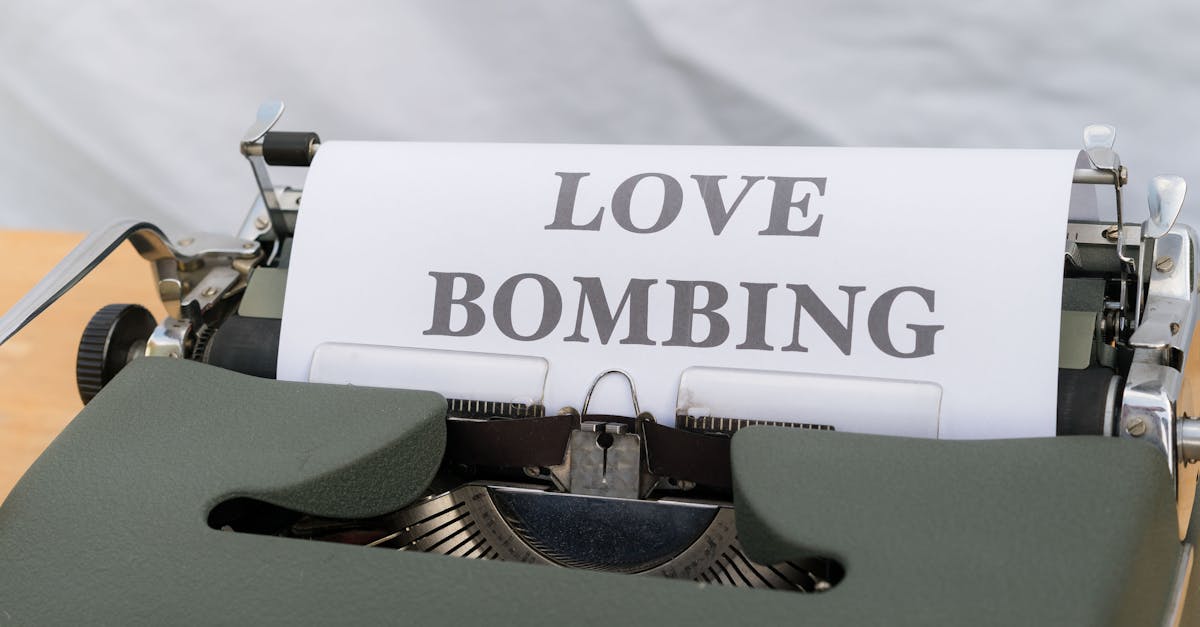
Love Bombing

The beginning of the relationship feels like a fairy tale with constant affection and gifts. They text and call you incessantly to occupy your mental space. You might hear declarations of love or soulmate status within weeks of meeting. This overwhelming attention creates a bond that makes it harder for you to leave later.
Pathological Lying

dishonesty is a pervasive pattern rather than an occasional slip. They lie about everything from their past achievements to what they had for lunch. These fabrications often serve no clear purpose other than to control the narrative. You will eventually notice that their stories contradict each other or physical evidence.
Lack of Empathy

They demonstrate a chilling inability to understand or care about the feelings of others. Your distress or pain elicits annoyance or indifference rather than comfort. They might fake empathy when it serves a goal but drop the act immediately after. This emotional void allows them to hurt you without feeling any personal guilt.
Gaslighting
They manipulate your perception of reality until you doubt your own memory and sanity. You constantly find yourself apologizing for things you did not do. They deny events that definitely happened or accuse you of being crazy. This tactic erodes your self-confidence and makes you dependent on their version of the truth.
Impulse Control Issues

They often act on immediate desires without considering the consequences. This can manifest as reckless spending or sudden changes in plans. Their need for instant gratification outweighs any long-term stability or commitments. You may feel like you are constantly managing chaos or cleaning up their messes.
Lack of Remorse

Hurting others does not cause them to lose sleep or feel regret. If they apologize it is usually to end a conflict or regain control. They view their harmful actions as justified reactions to the behavior of others. You will rarely see genuine contrition for the pain they cause.
Shallow Emotions

Their emotional expressions often seem short-lived or superficial. They might switch from extreme rage to complete calm in a matter of seconds. It often feels like they are acting out emotions rather than truly feeling them. This lack of emotional depth makes true intimacy impossible.
Grandiose Sense of Self

They view themselves as superior to others and entitled to special treatment. They often brag about their intelligence or talents regardless of actual achievements. You might notice they talk down to waitstaff or people they consider beneath them. This arrogance blinds them to their own flaws and limitations.
Parasitic Lifestyle

They frequently rely on others for financial support or housing. You might find yourself paying their bills or lending them money that is never repaid. They often have excuses for why they cannot work or contribute to the household. This financial exploitation is often framed as a temporary setback.
Poor Behavioral Controls

Their temper flares easily and often over minor perceived slights. You feel like you are walking on eggshells to avoid triggering an outburst. These aggressive reactions are used to intimidate and silence you. Physical or verbal hostility surfaces when they lose control of a situation.
Promiscuous Sexual Behavior

They may have a history of many short-term relationships or simultaneous affairs. Fidelity is often viewed as an inconvenient restriction rather than a commitment. They might pressure you into sexual acts that make you uncomfortable. Sex is frequently used as a tool for manipulation rather than connection.
Early Behavior Problems

Many sociopaths exhibit a history of delinquency starting in childhood or adolescence. They might share stories of getting expelled or legal trouble in their youth. These early red flags indicate a lifelong pattern of disregarding rules. It shows that their behavior is a deep-seated trait rather than a phase.
Lack of Realistic Long-Term Goals

They often live in the moment with no concrete plans for the future. Their stated goals are usually vague fantasies of wealth or fame without the work to back them up. They drift from job to job or scheme to scheme. You will notice a lack of follow-through on almost every promise they make.
Need for Stimulation

Boredom is intolerable to them and drives them to seek constant excitement. They may engage in risky behaviors just to feel an adrenaline rush. A quiet life or routine feels like a punishment to them. This need for stimulation often leads to substance abuse or dangerous hobbies.
Criminal Versatility

They may have a history of engaging in various types of illegal activity. This does not always mean violent crime as it often includes fraud or theft. They view laws as suggestions rather than rules that apply to them. You might discover hidden legal issues or pending court cases.
Revocation of Conditional Release

If they have been in the legal system they often violate probation or parole. They believe they are smarter than the system and can get away with breaking rules. This indicates a failure to learn from past consequences. It serves as a strong warning sign of their inability to reform.
Manipulative Behavior

Every interaction is viewed as a game to be won or a transaction to be leveraged. They use guilt and flattery to get what they want from you. You often feel like you have been outmaneuvered without understanding how. They plant ideas in your head that you think are your own.
Isolation Tactics

They slowly separate you from your friends and family to increase their control. They might criticize your loved ones or create drama to prevent you from seeing them. This leaves you without a support system to validate your reality. Eventually you rely entirely on them for social interaction.
Feigned Victimhood

They constantly paint themselves as the victim in every past conflict. All their ex-partners are described as crazy or abusive. This elicits your sympathy and makes you want to protect them. It distracts you from realizing that they are the common denominator in all their problems.
Mirroring

They copy your interests and values perfectly in the beginning stages. You feel like you have found your exact twin who loves everything you love. This is a calculated performance to lower your guard. Once they have you hooked the shared interests usually vanish.
Triangulation

They introduce a third person into the relationship dynamic to create jealousy. This could be an ex or a coworker or even a friend. The goal is to make you compete for their attention and validation. It keeps you unbalanced and eager to please them.
Smear Campaigns

When they feel they are losing control they will ruin your reputation. They spread rumors and lies to your friends and coworkers. This preemptive strike discredits you before you can tell your side of the story. It isolates you further and makes leaving more difficult.
Financial Abuse

They may take control of your bank accounts or ruin your credit score. You might find money missing or see credit cards opened in your name. They restrict your access to funds to prevent you from having the means to leave. This economic dependency is a powerful method of control.
The Stare

Many people report an intense and unblinking gaze that feels predatory. This prolonged eye contact is used to intimidate or study your reactions. It lacks warmth and often makes the recipient feel like prey. It is a physical manifestation of their dominance.
Hypersensitivity to Criticism

Despite their arrogance they react with rage to even the slightest negative feedback. They view any disagreement as a personal attack on their character. You learn to suppress your opinions to keep the peace. Their fragile ego cannot handle anything less than total adoration.
Cruelty to Animals

A lack of empathy often extends to animals and pets. You might witness them mistreating a dog or showing indifference to an injured animal. This is a major psychological red flag that indicates a capacity for violence. It shows how they treat beings that cannot fight back.
Disregard for Boundaries

They constantly push past the limits you set for yourself. If you say no they treat it as a challenge to be overcome. They might invade your privacy by reading your phone or emails. Your personal space and autonomy are not respected.
Hoovering

If you try to leave they will suck you back in with promises of change. They might manufacture a crisis to get your attention. This tactic is named after the vacuum cleaner because they try to suck you back into the cycle. It is rarely a genuine attempt at reconciliation.
Projection

They accuse you of the exact behaviors they are guilty of doing. If they are cheating they will accuse you of being unfaithful. This confuses you and puts you on the defensive. It diverts attention away from their own misconduct.
Silent Treatment

They use silence as a punishment for displeasing them. They might ignore you for days to make you feel anxious and desperate. This withdrawal of affection forces you to apologize just to restore normalcy. It is a form of emotional manipulation to maintain power.
Word Salad

Arguments with them often devolve into nonsensical and circular conversations. They use irrelevant points and confusing logic to exhaust you. You end up forgetting what the original issue was. The goal is to frustrate you into giving up.
Future Faking

They promise a wonderful future that they have no intention of providing. They talk about marriage or vacations to keep you invested in the present. These promises are carrots on a stick to ensure your compliance. The future they paint never actually arrives.
The Discard Phase

Once you are no longer useful they will abandon you abruptly. This often happens without closure or explanation. They move on to a new supply immediately as if you never existed. This brutality leaves victims traumatized and confused.
Assessing Your Danger

The first step in leaving is realizing that you cannot cure or change them. You must accept that the person you fell in love with was a fabrication. Acknowledge that the relationship is abusive and potentially dangerous. This cognitive shift is essential for breaking the bond.
Building a Safety Plan

Leaving a sociopath requires careful preparation to ensure physical safety. You should gather important documents and store them in a secure location outside the home. Set aside cash and a burner phone if possible. Plan your exit for a time when you know they will be away.
The Grey Rock Method

If you must interact with them you should become as uninteresting as a grey rock. Give short and non-emotional answers to their questions. Deny them the drama and emotional reaction they crave. This reduces their interest in you as a source of supply.
Securing Your Digital Life

Change all your passwords and check your devices for tracking software. Block them on all social media platforms and email accounts. Ensure they cannot access your bank accounts or location data. Digital privacy is critical to prevent stalking after you leave.
The No Contact Rule

Absolute silence is the only way to break the cycle of abuse. You must block their number and refuse to engage with any messages. Do not ask friends about them or look at their social media. Any contact allows them an opening to manipulate you again.
Professional Support

Recovery often requires the help of a therapist who understands narcissistic abuse. Support groups can validate your experience and reduce feelings of isolation. Professional guidance helps you rebuild your self-esteem and boundaries. Healing is a process that you do not have to face alone.
Share your experiences or strategies for recovery in the comments to help others navigating this difficult situation.




