Every car owner has received advice from a well-meaning friend, a roadside stranger, or an outdated manual that turned out to be completely wrong. Many of these myths have been passed down through generations so convincingly that people follow them without question. The automotive industry has changed dramatically over the decades, yet certain stubborn misconceptions refuse to disappear from the cultural conversation. Understanding what is actually true versus what is folklore can save drivers significant time, money, and unnecessary stress at the garage. Here are 28 of the most persistent car maintenance myths that make professional mechanics quietly shake their heads.
Premium Fuel
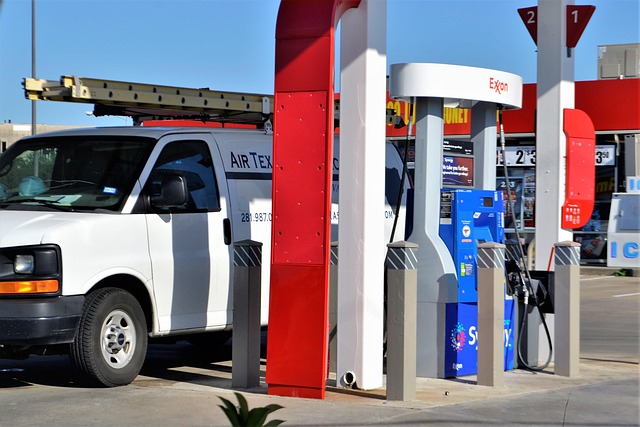
Most modern passenger vehicles are engineered to run perfectly well on regular unleaded fuel without any loss of performance. The engine management systems in contemporary cars automatically adjust timing and combustion to suit the fuel grade being used. Unless a manufacturer explicitly requires premium fuel in the owner’s manual, paying the higher price at the pump delivers no measurable benefit to engine health. Many drivers spend considerably more money each year on premium fuel based on the assumption that it protects or cleans the engine better. Studies conducted by automotive research organizations consistently show no performance gain in standard engines running premium versus regular grade.
Warm-Up Idling

The idea that a car must idle for several minutes before driving in cold weather dates back to the era of carbureted engines, which genuinely needed time to stabilize fuel delivery. Modern fuel-injected engines reach their optimal operating temperature far more efficiently when driven gently from startup rather than left idling in a driveway. Prolonged idling in a cold engine actually causes unburned fuel to wash cylinder walls, which can accelerate wear over time. The engine, transmission, and other drivetrain components all warm up more quickly under light driving load than through stationary idling. Most manufacturers recommend simply driving smoothly and avoiding high revs for the first few minutes rather than sitting still.
Oil Color
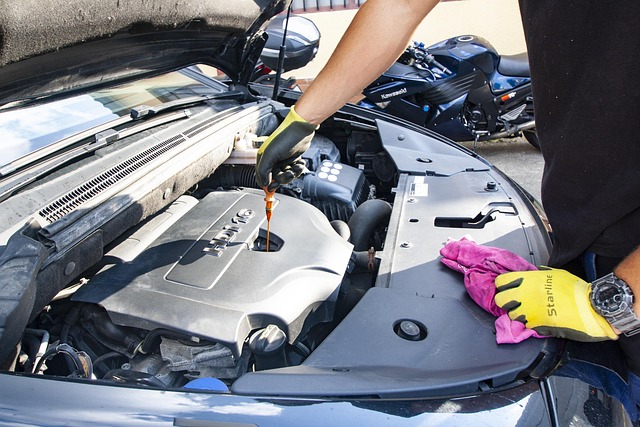
Many drivers panic the moment their engine oil turns dark, immediately assuming it needs to be changed regardless of mileage. Dark oil is actually a sign that the lubricant is doing its job correctly by suspending contaminants and keeping them away from engine surfaces. The color of oil alone is not a reliable indicator of its remaining useful life or protective quality. Modern full synthetic oils are formulated to remain effective for extended intervals far beyond what older mineral-based products could manage. Mechanics rely on mileage intervals and manufacturer specifications rather than visual color checks when advising customers on oil change timing.
Tire Pressure
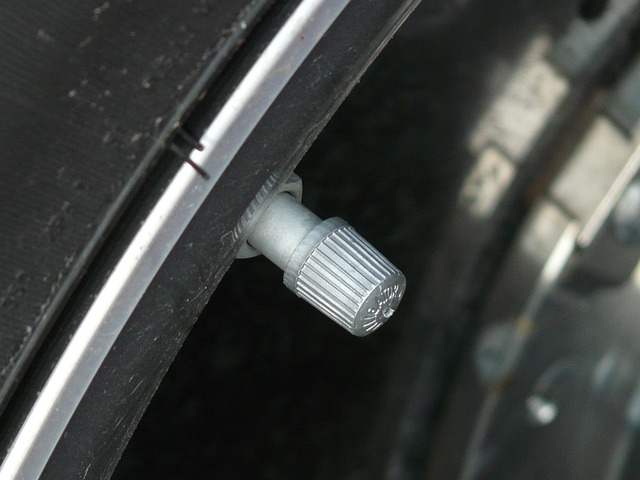
A surprisingly widespread belief holds that tire pressure should be set to the maximum figure printed on the sidewall of the tire itself. That number is actually the maximum pressure the tire structure can safely contain under load and has nothing to do with ride quality or handling. The correct inflation figure for any vehicle is found on a sticker inside the driver’s door jamb or in the owner’s manual. Overinflated tires create a smaller contact patch with the road, reducing grip and increasing the risk of blowouts on rough surfaces. Underinflated tires generate excess heat through flexing, which degrades rubber and shortens tread life considerably.
Battery Terminals
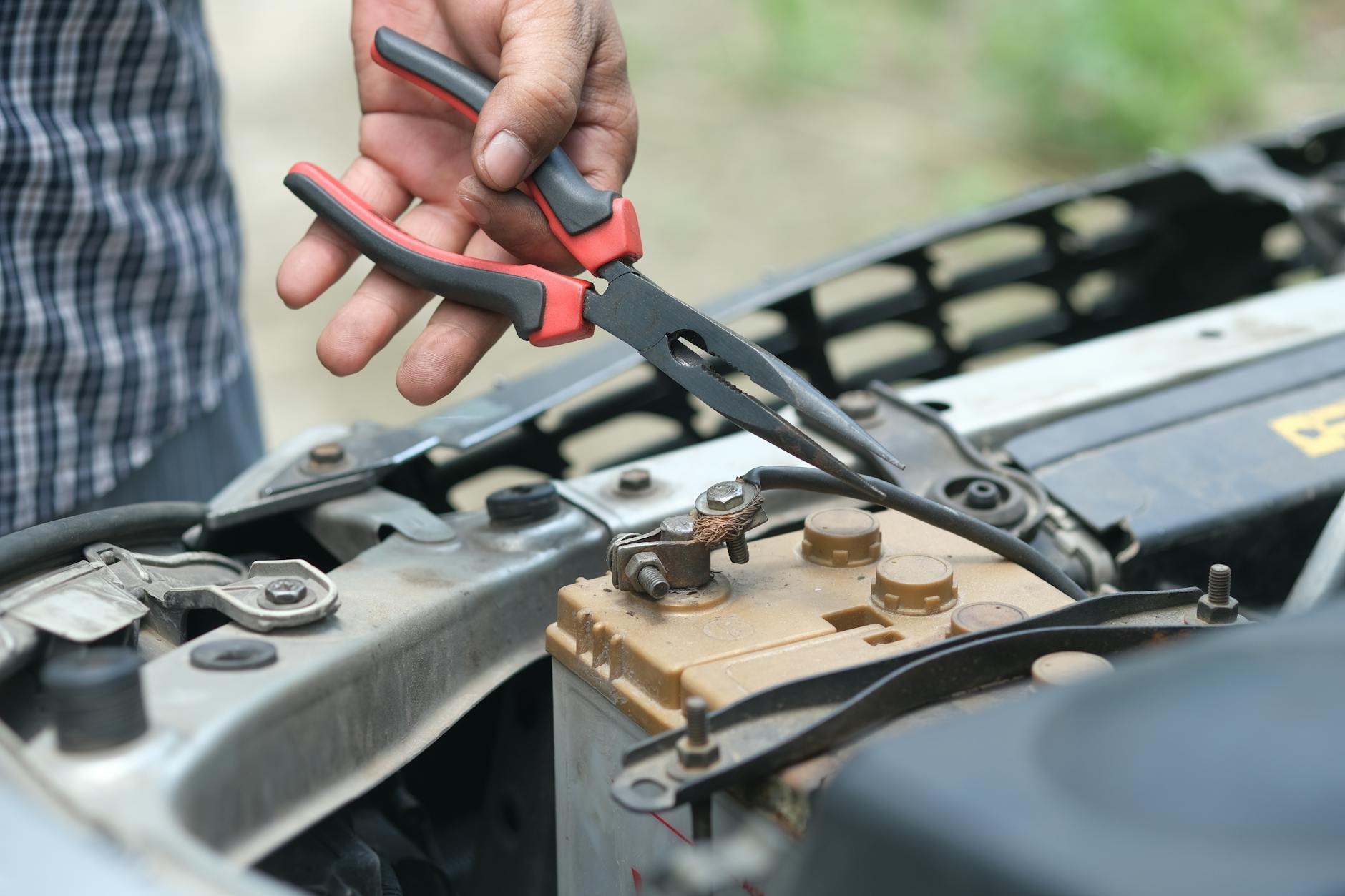
Rubbing petroleum jelly or grease across battery terminals is often recommended as a corrosion prevention measure by enthusiastic amateur mechanics. While the idea seems logical on the surface, applying the wrong substance can actually trap moisture against the metal and encourage the oxidation process. Purpose-formulated battery terminal sprays and protective felt washers are specifically designed to prevent corrosion without introducing unwanted compounds into the electrical connection. A corroded connection increases electrical resistance, which forces the alternator to work harder and can cause starting problems in cold conditions. Cleaning terminals with a wire brush and applying a proper protective product takes only minutes and is far more effective than household shortcuts.
Radiator Flush
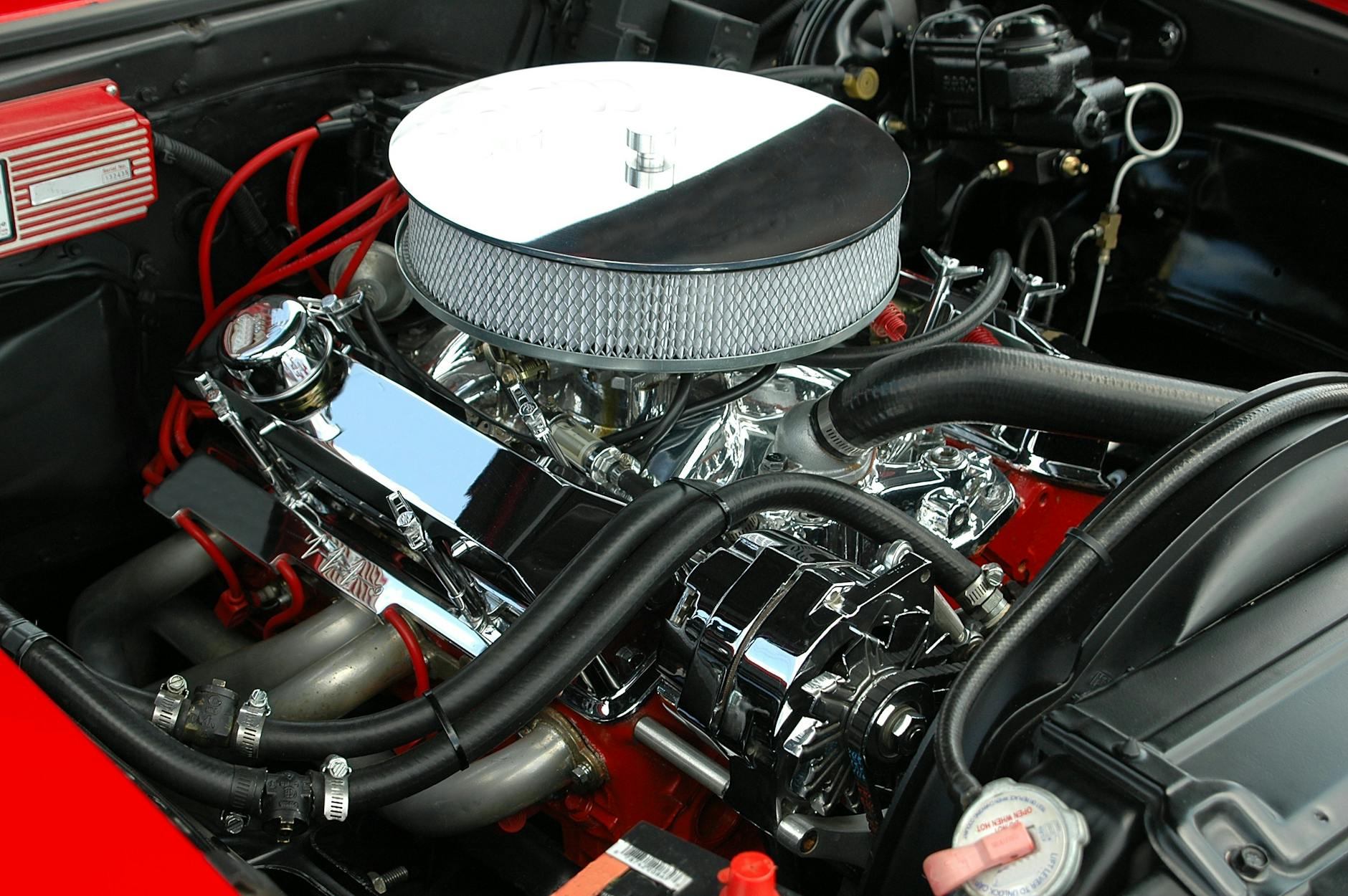
Flushing the cooling system every single year is a recommendation that appears in older service manuals but has little relevance to modern vehicles using long-life coolant formulas. Contemporary antifreeze products are engineered to remain chemically stable and protective for several years or a specific mileage interval depending on the formula used. Flushing too frequently can actually disturb deposits that have formed a protective layer inside older radiators, potentially causing leaks in systems that were functioning without issue. The correct interval is always found in the vehicle manufacturer’s maintenance schedule rather than in a generalized annual rule. Mechanics often see vehicles brought in for unnecessary cooling system flushes that add cost without delivering any genuine benefit.
Dish Soap
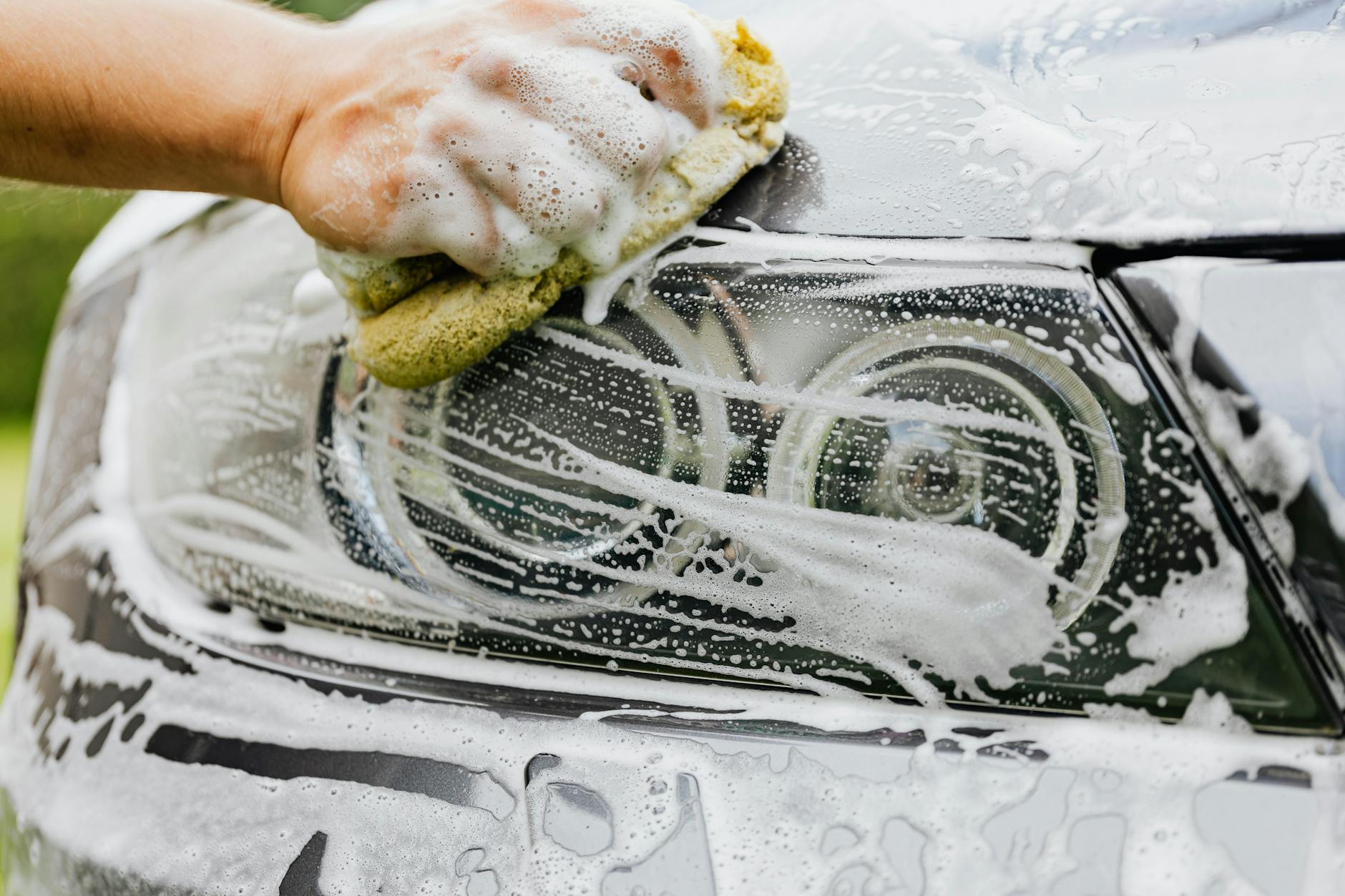
Using household dish soap to wash a car seems economical and practical since it cuts through grease effectively on kitchen surfaces. The same degreasing properties that make dish soap useful in the kitchen actively strip the protective wax coating from automotive paint finishes. Without that wax layer, the clear coat becomes exposed to ultraviolet radiation, road chemicals, and bird droppings that cause long-term paint degradation. Dedicated car shampoos are pH-balanced to clean road grime without attacking wax or sealant protection. Switching to a proper automotive wash product preserves paint condition and significantly extends the intervals between expensive detailing treatments.
Brake Fluid
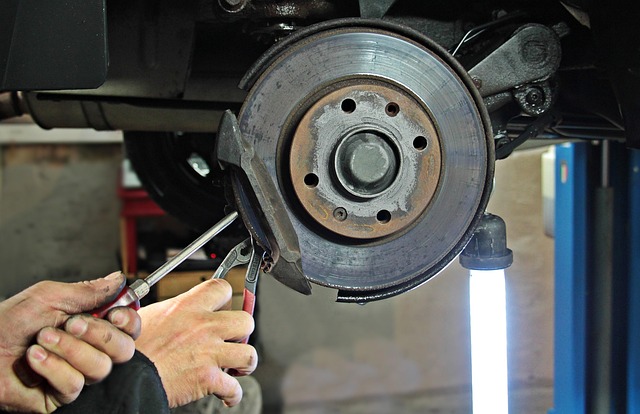
Brake fluid is rarely discussed in casual car maintenance conversations, yet it is one of the most moisture-sensitive fluids in any vehicle. Many drivers believe brake fluid never needs changing because it operates in a sealed system and appears visually clean in the reservoir. Brake fluid is hygroscopic, meaning it actively absorbs moisture from the atmosphere through microscopic pathways in hoses and seals over time. As the water content rises, the boiling point of the fluid drops significantly, increasing the risk of vapor lock under hard braking conditions. Most manufacturers recommend replacing brake fluid every two years regardless of mileage or apparent visual condition.
Air Filters
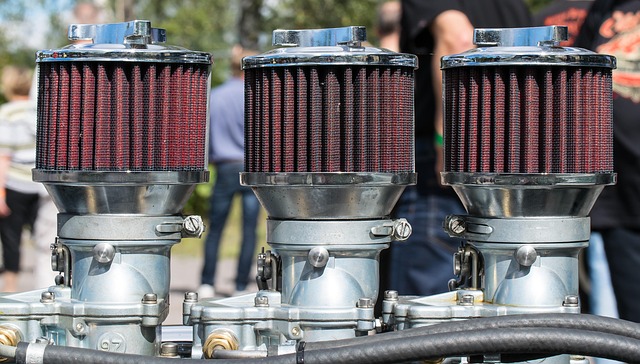
Tapping a dirty air filter against a tire or flat surface to dislodge dust and then reinstalling it is a common roadside fix that mechanics find genuinely counterproductive. This practice removes only the loosest surface debris while leaving fine particulate matter embedded deep within the filter media where it restricts airflow. A partially clogged air filter forces the engine to work harder to draw in the air required for combustion, reducing both power and fuel efficiency. Modern paper and synthetic filter elements are designed to trap particles at a microscopic level and cannot be restored to their original filtration capacity through physical cleaning. Replacement filters are inexpensive enough that continuing to use a compromised one makes no financial or mechanical sense.
Coolant Color
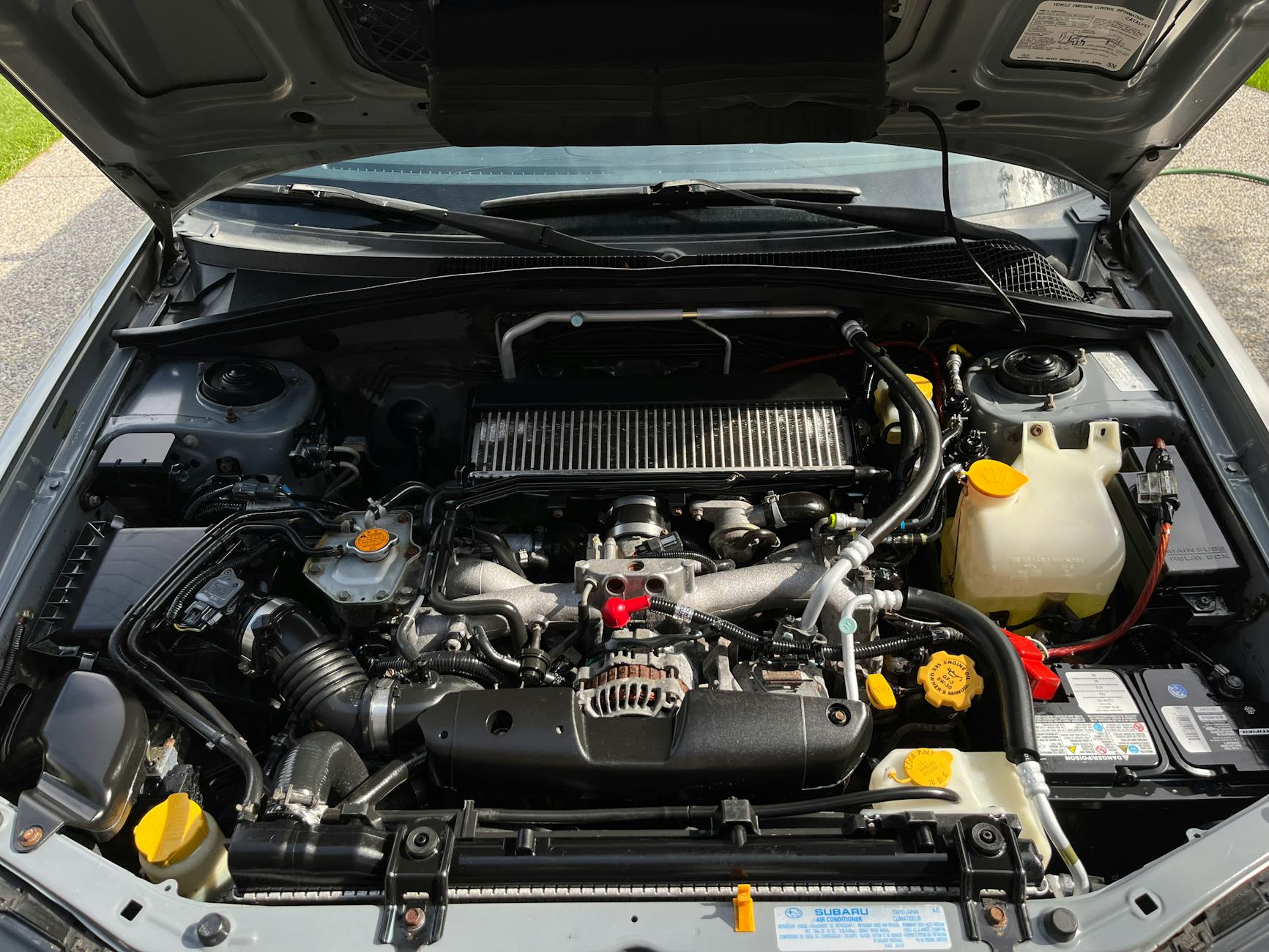
Many drivers believe that coolant color indicates its type and condition, assuming green means good and orange means it needs replacing. Coolant manufacturers use different dyes across their product lines and those colors have no standardized meaning across different brands or vehicle types. Mixing coolants of different colors can create chemical reactions that produce a gel-like substance capable of blocking narrow passages in the cooling system. The actual health of coolant is determined by its acidity level and freeze protection capacity, both of which require a test strip or refractometer to measure accurately. Relying on color alone gives drivers a completely false sense of whether their cooling system is properly protected.
Engine Flush

Chemical engine flushes that are added to old oil before a drain are sold with the promise of dissolving sludge and restoring engine cleanliness. In engines with existing sludge deposits, these products can dislodge large chunks that then travel through oil passages and block critical lubrication points. The safest method for addressing sludge is switching to a quality synthetic oil and performing more frequent changes over several thousand miles to gradually clean the system. Mechanics working on high-mileage engines are frequently cautious about recommending flush products because of the risk of creating new problems in an engine that was previously running acceptably. Regular oil changes at the correct interval are the most effective prevention against sludge formation in the first place.
Windshield Wipers

Lifting wiper blades away from the windshield during winter is a widely practiced habit that many drivers consider essential cold-weather preparation. The logic behind the practice is sound in theory since it prevents blades from freezing against the glass overnight. However, leaving blades in the raised position puts tension on the spring arms for extended periods and can cause the springs to lose their ability to apply even pressure across the blade. A blade that no longer presses firmly and evenly against the glass leaves streaks and misses sections of the windshield during rain or snow. Simply using a dedicated windshield cover or applying a water-repellent treatment to the glass eliminates the freezing problem without stressing the wiper mechanism.
Fuel Additives

Fuel system cleaners and octane boosters sold at petrol stations promise dramatic improvements in engine performance, fuel economy, and longevity. Modern fuels sold at reputable stations already contain detergent packages required by government regulations that prevent carbon buildup in fuel injectors and intake valves. Engines that are maintained according to manufacturer schedules and fed quality fuel from major branded stations receive no meaningful benefit from aftermarket additive bottles. Some products contain compounds that are incompatible with certain fuel system materials including seals and rubber components used in specific vehicle models. Mechanics observe that drivers who spend money on regular additives would be better served by simply choosing fuel from well-maintained stations with high turnover.
Transmission Fluid
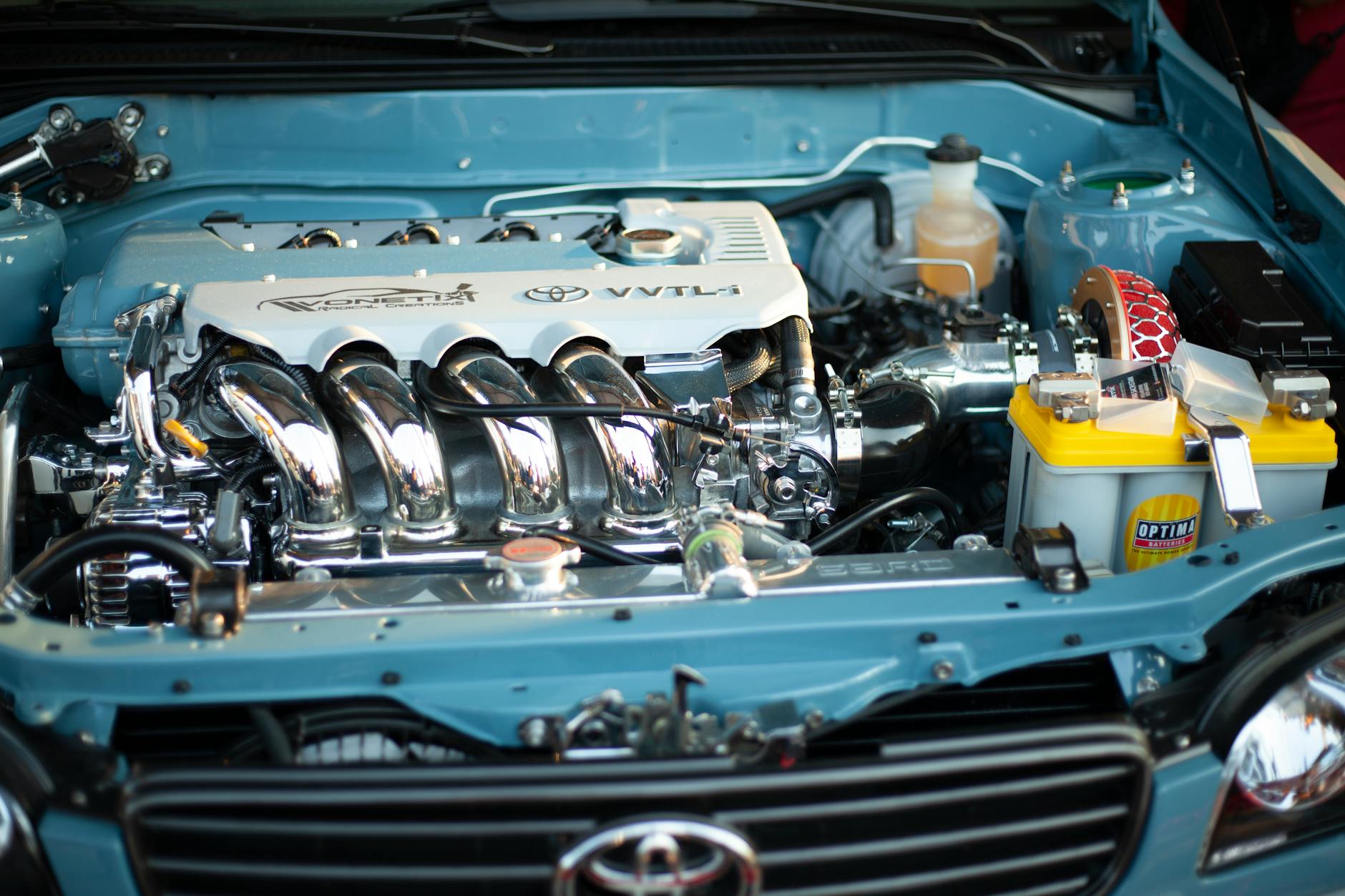
A persistent myth holds that transmission fluid lasts the lifetime of the vehicle and never requires attention in modern automatic gearboxes. Some manufacturers did promote lifetime fluid claims during a period when extended service intervals were a selling point, though independent engineers have since questioned those recommendations. Transmission fluid degrades thermally over time and loses its ability to protect clutch packs and shift solenoids from wear. Neglected automatic transmissions are one of the most common causes of expensive drivetrain repairs in vehicles that are otherwise well maintained. Changing transmission fluid at reasonable intervals is considered by most independent transmission specialists to be genuine preventive maintenance rather than an unnecessary upsell.
Tire Rotation

Many drivers rotate their tires only when they notice uneven wear patterns beginning to develop, which mechanics consider far too late in the process. By the time uneven wear is visible to the naked eye, the tire has already been compromised in a way that rotation cannot fully reverse. Front tires on most front-wheel-drive vehicles carry the additional load of steering and drive forces simultaneously, causing them to wear at a measurably faster rate than rear tires. Rotating at the intervals specified in the owner’s manual distributes wear evenly across all four tires, extending the life of the complete set significantly. Waiting for visible wear means spending more money on replacement tires sooner than a consistent rotation schedule would require.
Spark Plugs
Replacing spark plugs every year regardless of condition was standard advice during the era when copper-tipped plugs were universal in passenger vehicles. Modern iridium and platinum spark plugs are engineered to maintain their electrode geometry and firing efficiency for dramatically longer intervals than older plug types. Replacing plugs that still have significant service life remaining wastes money and unnecessarily disturbs the ignition system components surrounding them. Mechanics sometimes introduce new problems when removing plugs that have been in place for a long time in aluminum cylinder heads, including thread damage that creates a far larger repair bill. Following the manufacturer’s specified interval for the plug type installed in a specific engine is the only reliable guidance worth following.
Gasket Sealer
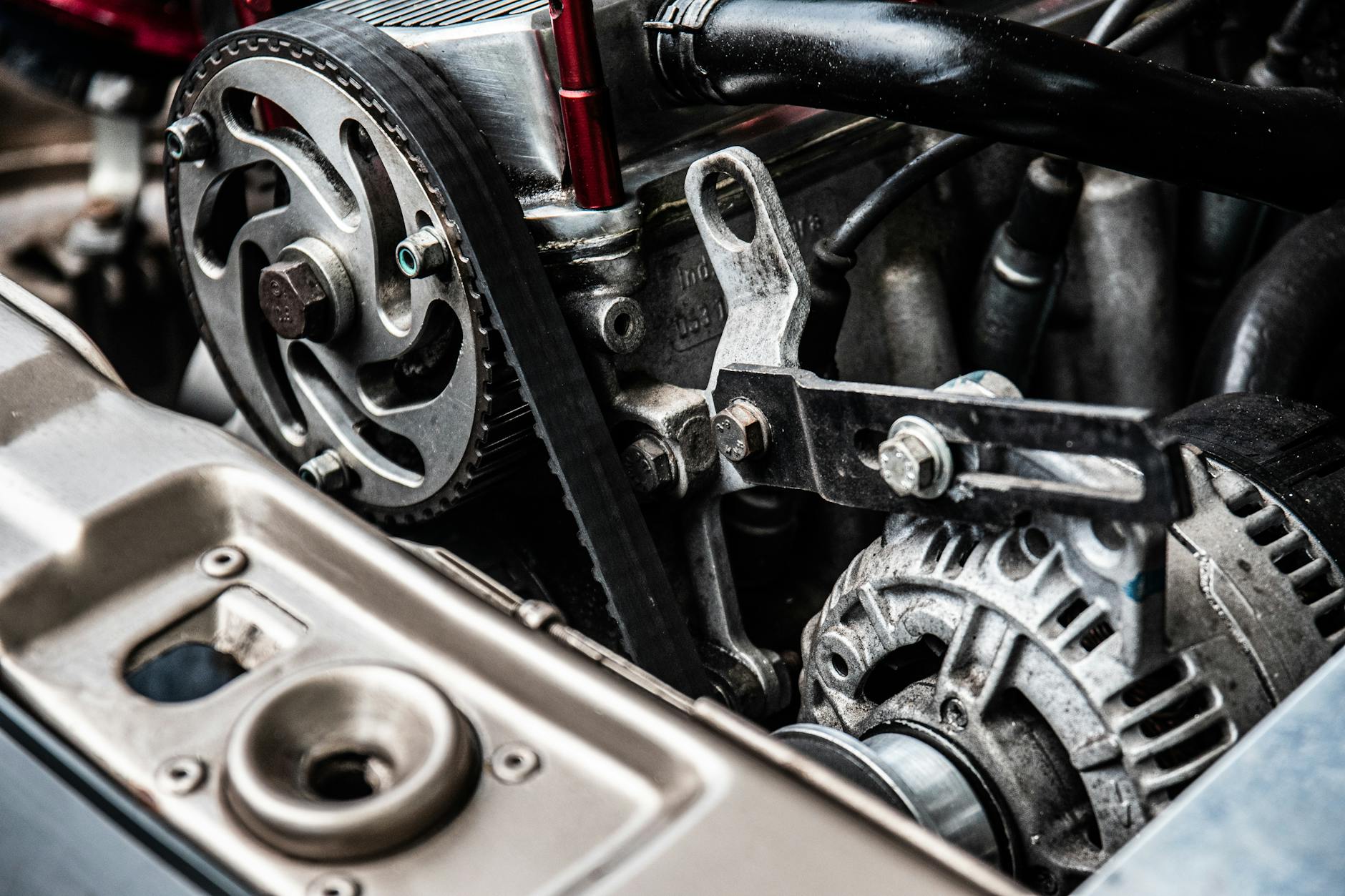
Pouring a bottle of stop-leak compound into a cooling system with a leaking head gasket is a repair approach that mechanics find genuinely frustrating to encounter. These products work by introducing particles that circulate through the coolant until they reach the leak point and form a temporary seal. The same particles that seal the leak can partially obstruct the narrow passages of the radiator, heater core, and thermostat housing over time. A vehicle that has received multiple applications of stop-leak becomes progressively more difficult and expensive to properly repair once the decision is made to address the underlying problem correctly. A head gasket failure is a serious mechanical issue that requires professional diagnosis and repair rather than bottled chemistry.
Horn Usage
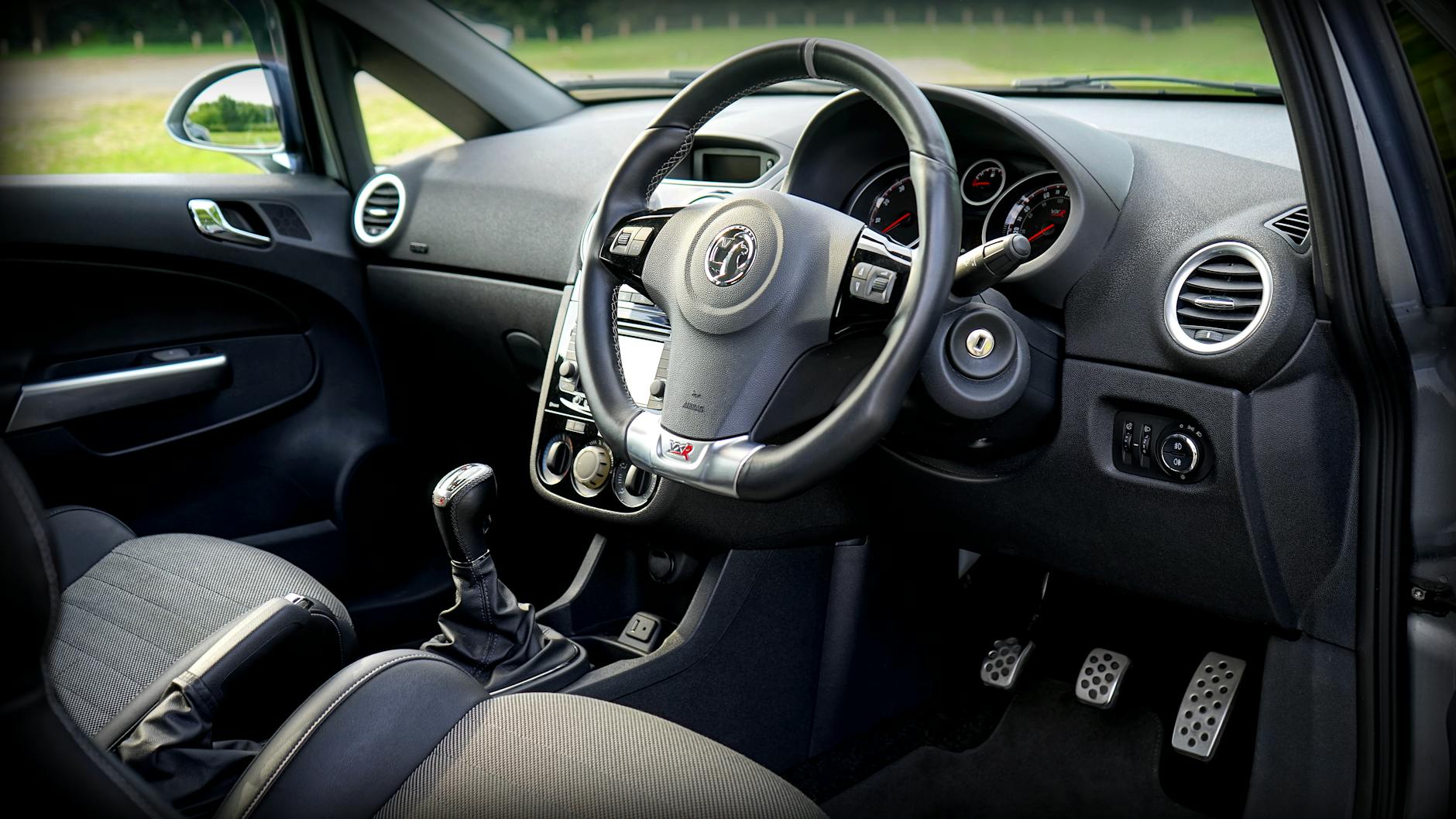
Many drivers believe that giving a car horn a short test blast occasionally is harmless and even good practice to ensure it is functioning correctly. In most jurisdictions the horn is legally classified as a warning device that may only be used to alert other road users to an immediate hazard. Using the horn unnecessarily in residential areas or at night constitutes a noise ordinance violation that can result in a fine in many municipalities. Beyond the legal question, repeatedly using the horn for non-emergency purposes wears the contact mechanism inside the steering wheel column over time. Mechanics note that horn failures are surprisingly common in older vehicles because of accumulated use and that replacement involves removing the steering wheel assembly in most cases.
Jack Stands
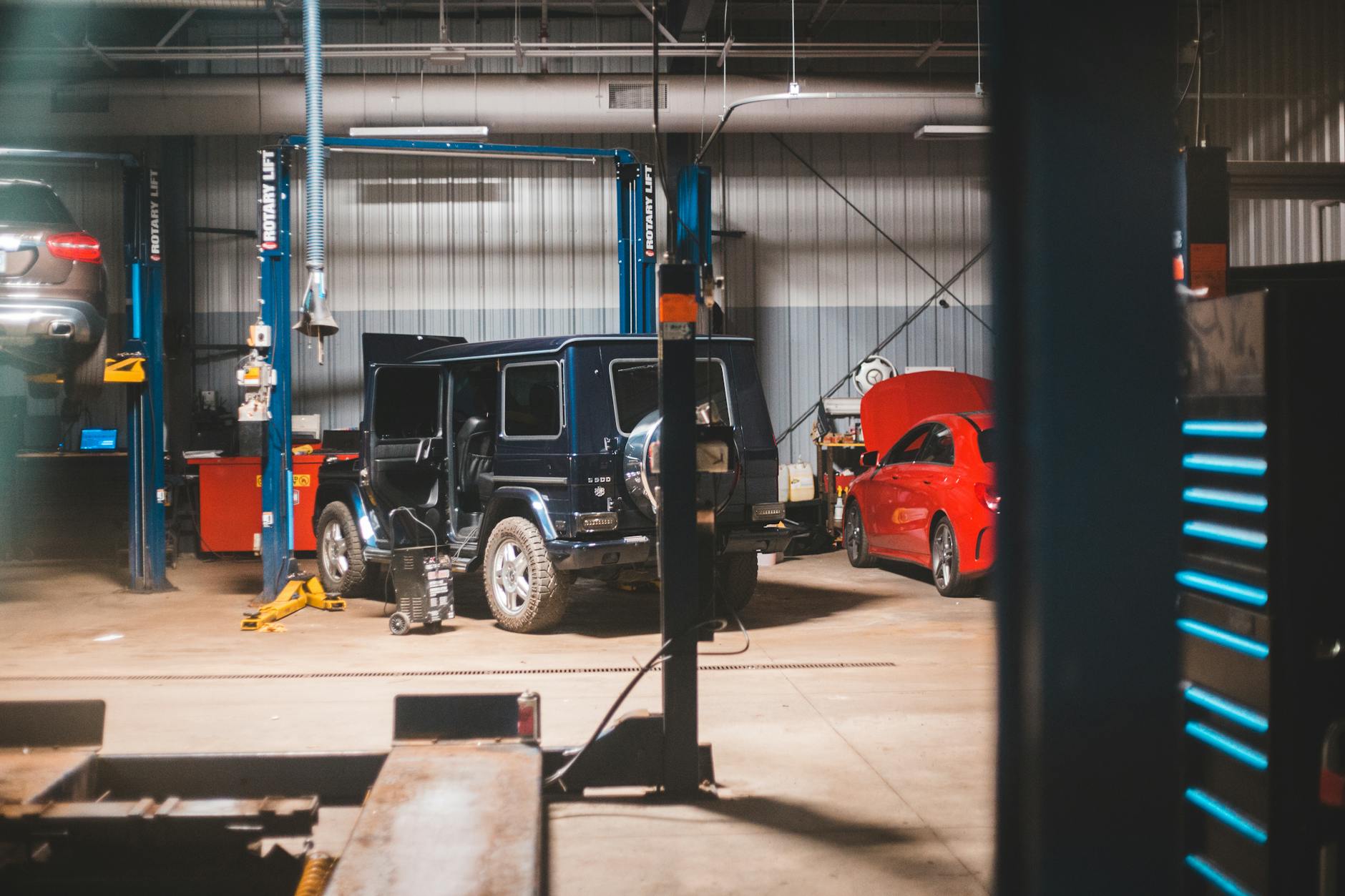
Using the hydraulic jack that came with a vehicle as a working support while performing undercar maintenance is a practice that carries genuine physical danger. Scissor jacks and bottle jacks supplied as emergency tire-changing equipment are designed exclusively for the temporary task of lifting a vehicle to swap a wheel. These devices have no locking mechanism that would hold the vehicle securely if hydraulic pressure were to fail or the jack were to shift on uneven ground. Purpose-built jack stands with mechanical locking pins are inexpensive and rated to hold vehicles safely for extended periods during maintenance work. Mechanics are trained never to work beneath a vehicle supported only by a hydraulic jack regardless of brand or apparent stability.
Ethanol Fuel
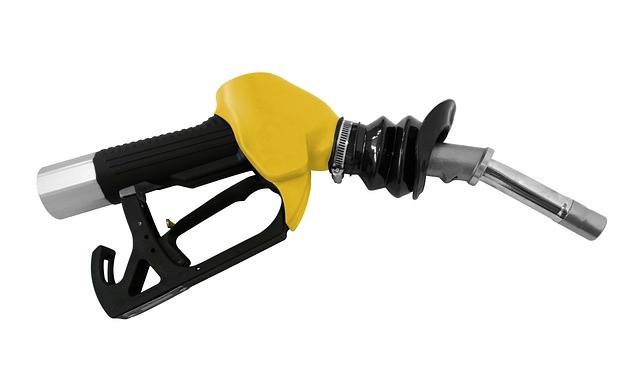
A widespread concern among drivers holds that ethanol-blended fuel damages fuel system components and should be avoided whenever an ethanol-free alternative is available. Modern vehicles manufactured after the mid-1990s are built with fuel system materials including seals, hoses, and tank coatings that are fully compatible with ethanol blends up to ten percent. The higher oxygen content in ethanol blends can actually produce slightly cleaner combustion and reduces certain tailpipe emissions under normal driving conditions. Vintage vehicles and small engines in lawn equipment or motorcycles may genuinely have compatibility concerns that warrant attention and careful fuel selection. Drivers of current production passenger cars who pay a premium to seek out ethanol-free fuel at specialty stations are spending money unnecessarily in most cases.
Engine Oil Grade
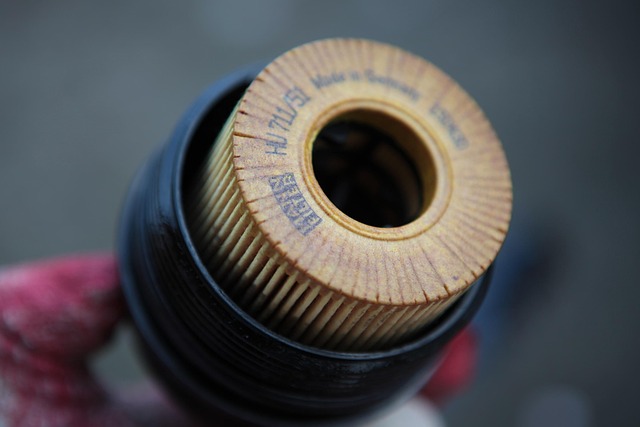
Many vehicle owners believe that switching to a heavier oil grade such as a thicker viscosity than specified will add extra protection in a high-mileage engine. Using an oil that is thicker than the manufacturer specifies can actually restrict flow to critical lubrication points during cold starts when the oil is most viscous. Modern engine tolerances are precisely machined to function correctly with specific viscosity ranges and thicker oil does not fill gaps in a worn engine the way many drivers assume. High-mileage oil formulas that contain seal conditioners and specific additive packages are a far more appropriate product for older engines than simply increasing viscosity grade. The owner’s manual viscosity recommendation reflects years of engineering testing and should be followed regardless of the vehicle’s age or mileage.
Wiper Fluid

Topping the windshield washer reservoir with water is a common workaround when dedicated washer fluid runs out, particularly during warmer months when freezing is not a concern. Plain water lacks the surfactants and detergent compounds found in washer fluid that allow it to cut through insect residue, road film, and oily deposits on glass. Using water in warm climates also creates conditions favorable for bacterial growth within the reservoir and washer hose system over time. In any climate where temperatures drop unexpectedly, a reservoir filled with plain water can freeze and crack the plastic reservoir or split the rubber washer hoses. Dedicated washer fluid is inexpensive enough that substituting water produces no meaningful financial saving while creating several potential problems.
Engine Degreaser
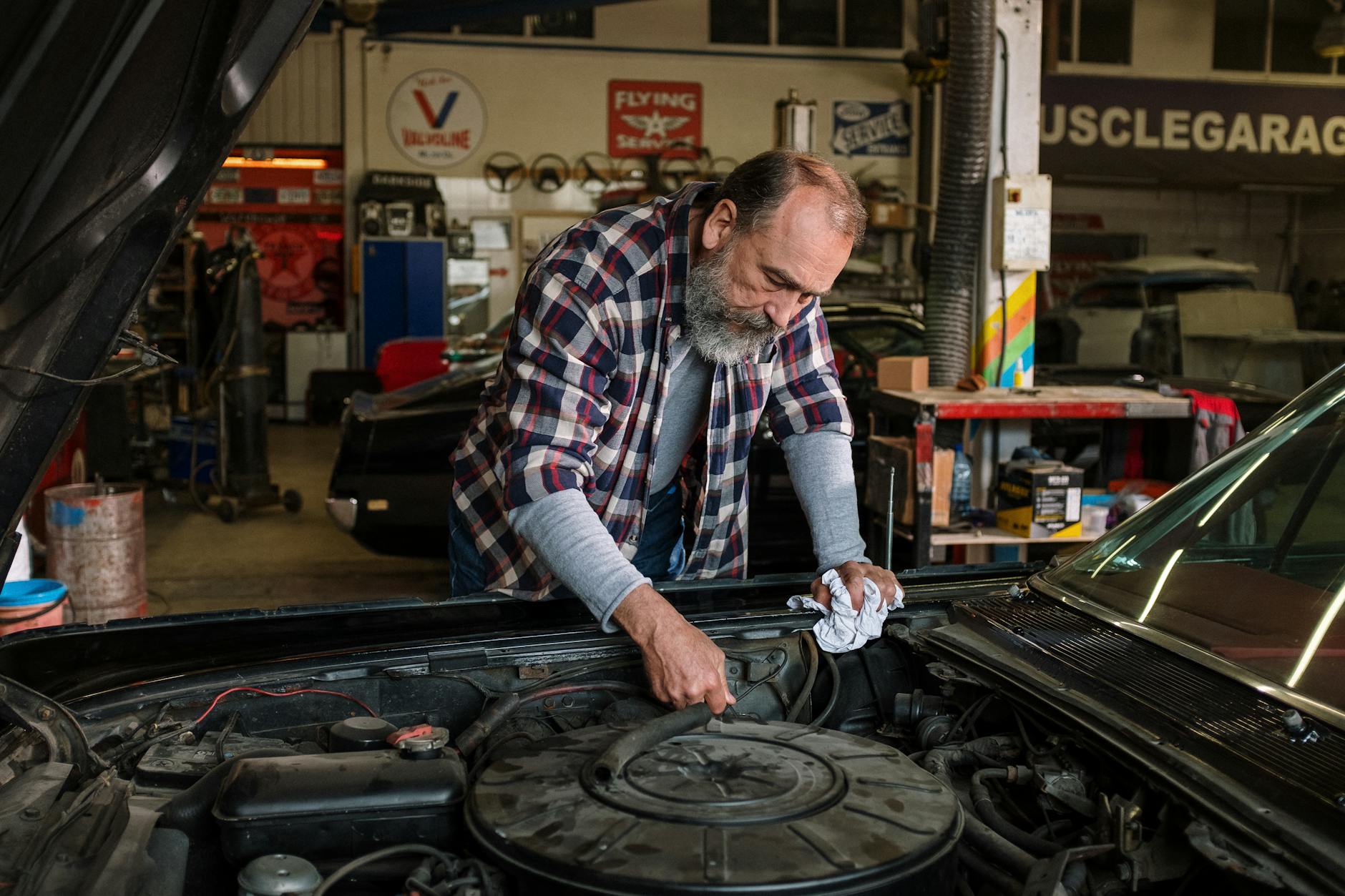
Spraying a powerful engine degreaser across the entire engine bay and rinsing with a high-pressure hose is a cleaning method that can cause significant electrical problems. Modern engines contain numerous sensors, connectors, and control modules that are designed to be splash-resistant but are not intended to withstand direct high-pressure water or solvent intrusion. Water that enters a connector can cause corrosion on the pin contacts that produces intermittent fault codes and sensor malfunctions weeks after the cleaning was performed. Detailing professionals who specialize in engine bay cleaning use targeted application methods and low-pressure rinsing to protect sensitive electronics. A visually dirty engine bay that runs perfectly is always preferable to a clean engine bay producing unexplained warning lights.
Idling to Cool

Allowing a turbocharged engine to idle for an extended period after hard driving is advice that was genuinely important for older turbochargers with externally mounted oil-fed bearings. Contemporary turbochargers fitted to most production vehicles include water-cooled bearing housings that continue to circulate coolant even after the engine is switched off. Modern engine management systems also monitor exhaust temperatures and adjust fueling to protect turbocharger components during the shutdown phase automatically. Sitting in traffic for several minutes before shutting off the engine on a normal commute provides more than adequate cooling for a healthy modern turbocharged unit. Owners of track-driven or heavily modified vehicles may still benefit from a brief cool-down period since those applications push turbocharger temperatures considerably beyond normal parameters.
Fuel Tank Level
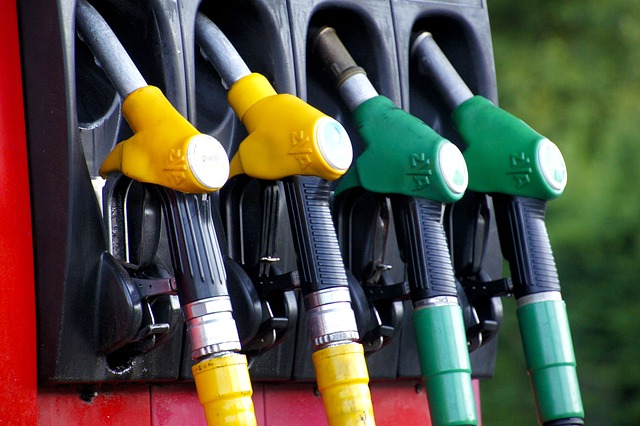
Driving regularly on a nearly empty fuel tank is frequently cited as damaging to the electric fuel pump that sits submerged inside the tank on modern vehicles. The theory holds that the fuel itself acts as a coolant and lubricant for the pump motor and that running low starves the pump of this protective medium. While there is some basis to this concern, the greater practical risk of running very low is drawing sediment from the bottom of the tank through the fuel system. Sediment and debris that accumulate at the tank floor over time can clog the fine mesh fuel filter and potentially damage injectors if drawn in concentrated form. Keeping the tank above a quarter full is a reasonable habit that protects the fuel system while also avoiding the inconvenience of running out unexpectedly.
Dealer Servicing

A persistent belief among new vehicle owners holds that having any maintenance performed by an independent workshop will automatically void the manufacturer’s warranty on the vehicle. Consumer protection legislation in many countries explicitly prohibits manufacturers from requiring warranty service to be performed exclusively at franchised dealerships for routine maintenance items. Independent mechanics who use parts and fluids meeting the manufacturer’s specifications and maintain accurate service records provide a level of work that is fully warranty-compliant in most legal jurisdictions. Dealership service departments can be a convenient choice but are frequently significantly more expensive than independent specialists for identical work. Drivers who feel financially pressured to use dealer servicing based on warranty fears are often operating on a misunderstanding of their actual legal rights as consumers.
Coolant Overflow

Many drivers interpret a rising level in the coolant overflow reservoir as a sign that the cooling system is overfilled and remove fluid to bring it down. The overflow reservoir is a functional part of the pressurized cooling system that expands to accept coolant as the engine reaches operating temperature and contracts as it cools. Removing fluid from the reservoir to lower the level when the engine is hot results in an underfilled system once the engine returns to ambient temperature. A consistently rising level in the overflow reservoir that goes above the maximum mark when cold is a genuine warning sign of combustion gases entering the cooling system. Mechanics use a combustion leak test kit to detect head gasket failure through the overflow reservoir rather than simply draining fluid to manage the apparent level.
Synthetic Oil
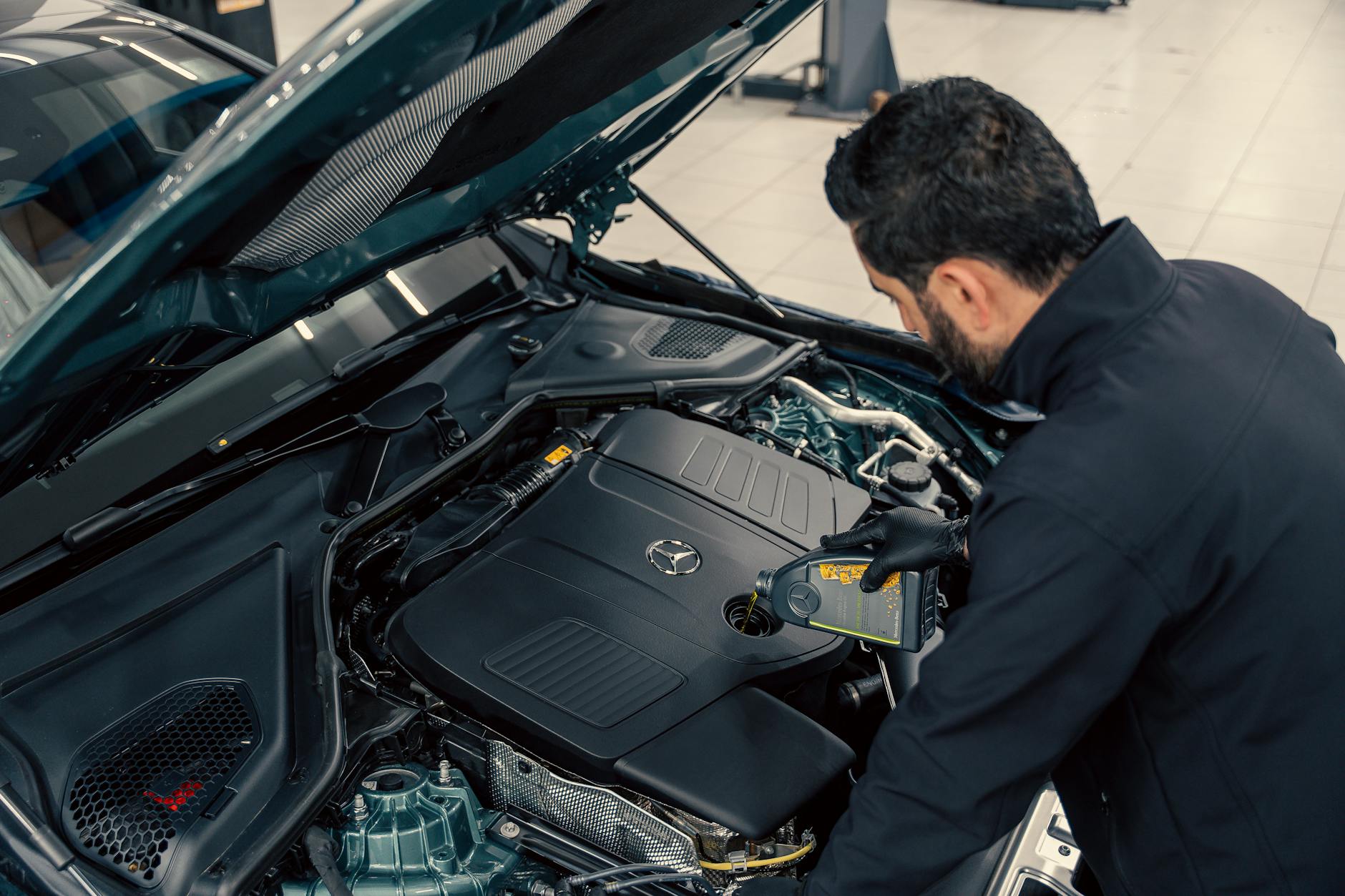
A long-standing myth warns drivers that switching to synthetic oil in a high-mileage engine will cause seals to shrink and begin leaking. Modern synthetic motor oils are formulated with seal conditioners that are compatible with the elastomer compounds used in engine gaskets and seals across vehicles of all ages. The confusion historically arose because early synthetic formulations used in racing applications did have different chemical properties that were not compatible with all seal materials. Any new oil leak that appears shortly after an oil type change in a high-mileage vehicle was almost certainly a pre-existing condition that the new oil’s superior cleaning properties have made visible. Making an informed switch to synthetic oil in an older engine that is not already leaking carries no meaningful risk and frequently delivers improved protection and extended drain intervals.
What car maintenance myths have you encountered or believed in the past? Share your experiences and questions in the comments.




