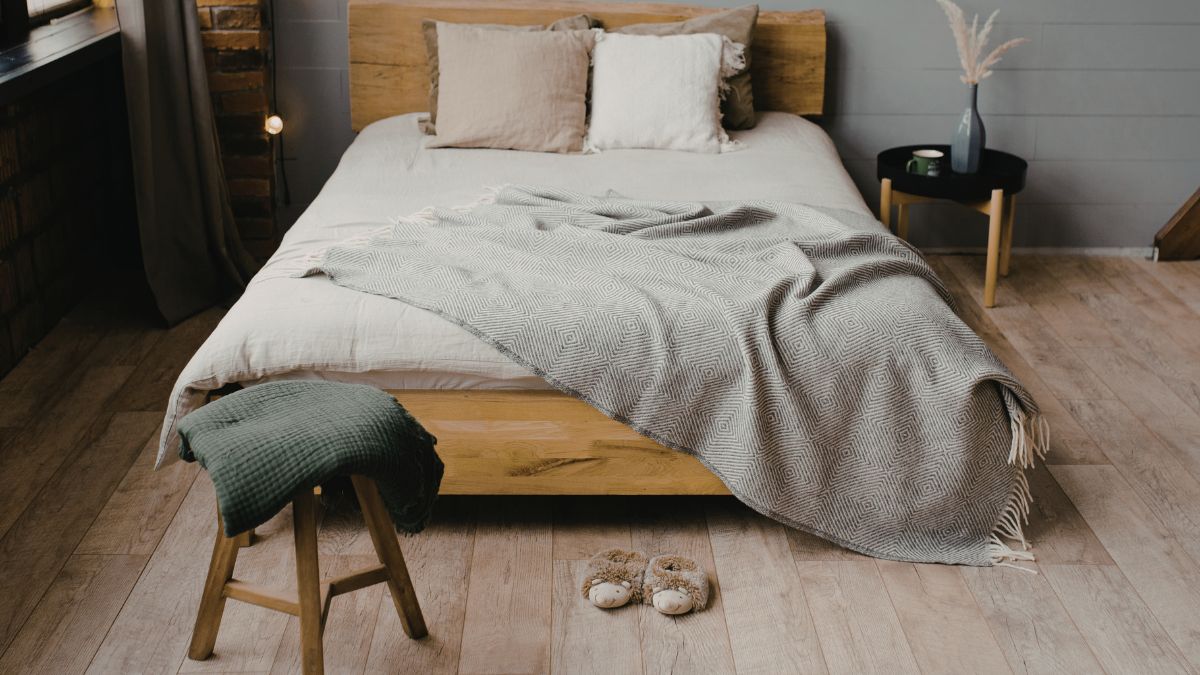
The space under a bed is one of the most tempting storage spots in any home, offering what feels like free real estate in even the smallest bedroom. But not everything belongs there, and some items actively cause harm to your health, your belongings, or the quality of your sleep when stored in that particular spot. Interior designers, sleep specialists, and professional organizers consistently flag under-bed storage as one of the most misused spaces in the modern home. The items on this list were assessed based on health risks, damage potential, sleep disruption, and the broader impact on bedroom environment and wellbeing.
Old Medications

Expired or unused medications stored under a bed are subject to temperature fluctuations and humidity levels that accelerate their chemical breakdown. Many households accumulate years worth of old prescriptions without realizing the safety risk they represent when stored outside a secure location. Children and pets can access items under a bed far more easily than most parents assume, creating a genuine ingestion hazard. Medications should be returned to a pharmacy for safe disposal rather than tucked away in an accessible and poorly ventilated space.
Dirty Laundry
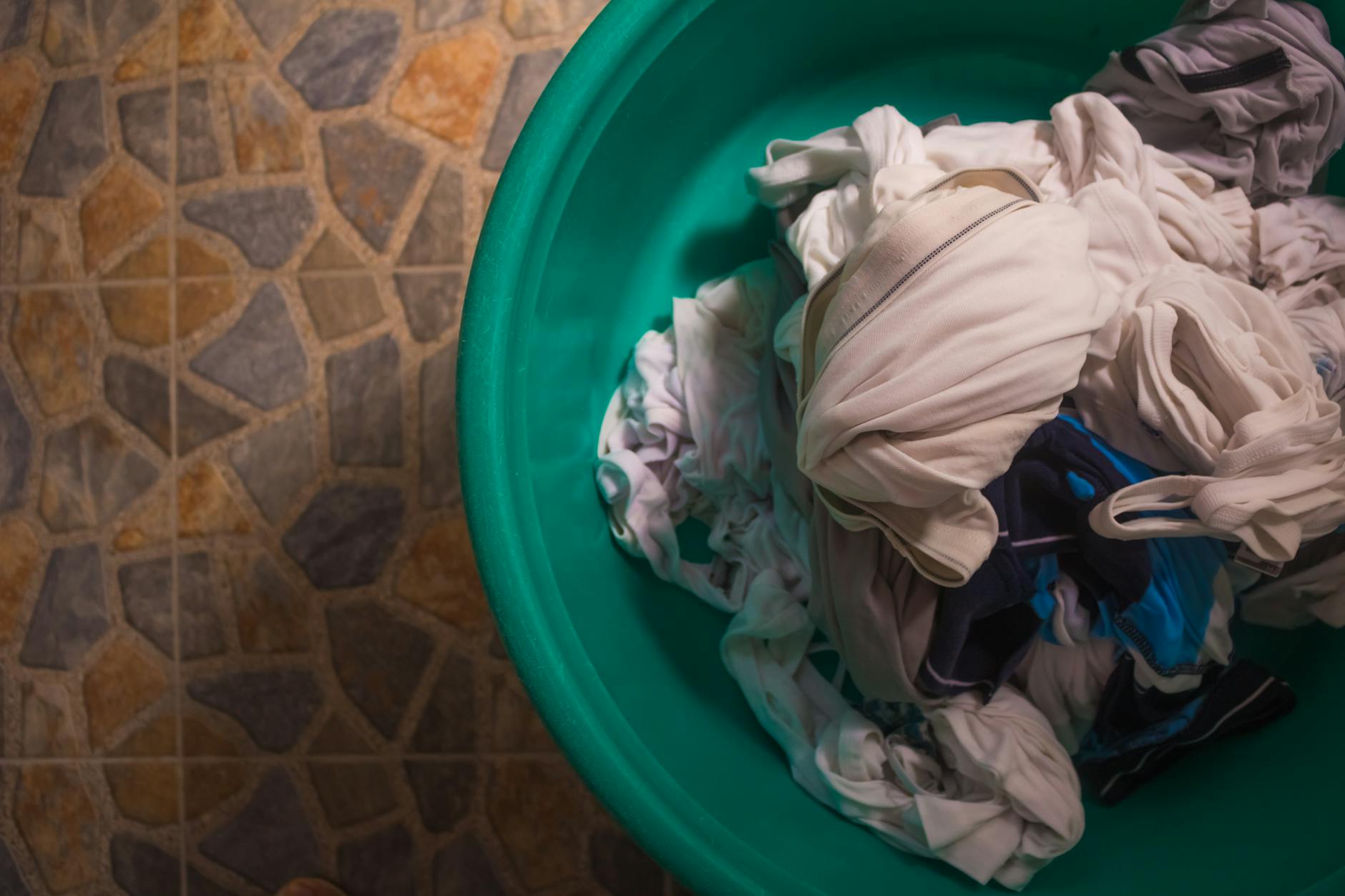
Piles of unwashed clothing stored under the bed introduce bacteria, body oils, and odors directly into the breathing zone of a sleeping person. Fabric that has been worn absorbs sweat and skin cells that attract dust mites at a significantly accelerated rate compared to clean textiles. The presence of soiled laundry disrupts airflow under the bed and creates a damp microenvironment that encourages mold growth over time. A dedicated laundry hamper placed elsewhere in the room is a straightforward solution that protects both health and sleep quality.
Pet Food Bags

Large bags of dry pet food stored under a bed are among the most reliable ways to attract mice, insects, and other household pests into the bedroom. Even sealed bags are not impervious to determined rodents, and the scent of kibble travels further than most pet owners realize. The bedroom is the one space in the home where pest activity causes the greatest distress and the most difficult-to-treat infestations. Pet food belongs in a sealed hard container stored in a kitchen, utility room, or pantry space instead.
Firearms

Storing firearms under a bed without a proper secure locking case represents a serious safety failure regardless of how responsible the owner considers themselves to be. Access by children, guests, or anyone unfamiliar with firearm safety protocols is significantly easier in this location than in a dedicated gun safe. Emergency situations or sleep disruption can impair judgment in ways that make an easily accessible firearm a dangerous variable. Legal and safety guidelines universally recommend locked, dedicated storage as the only appropriate option for any firearm in a home.
Mold-Prone Items
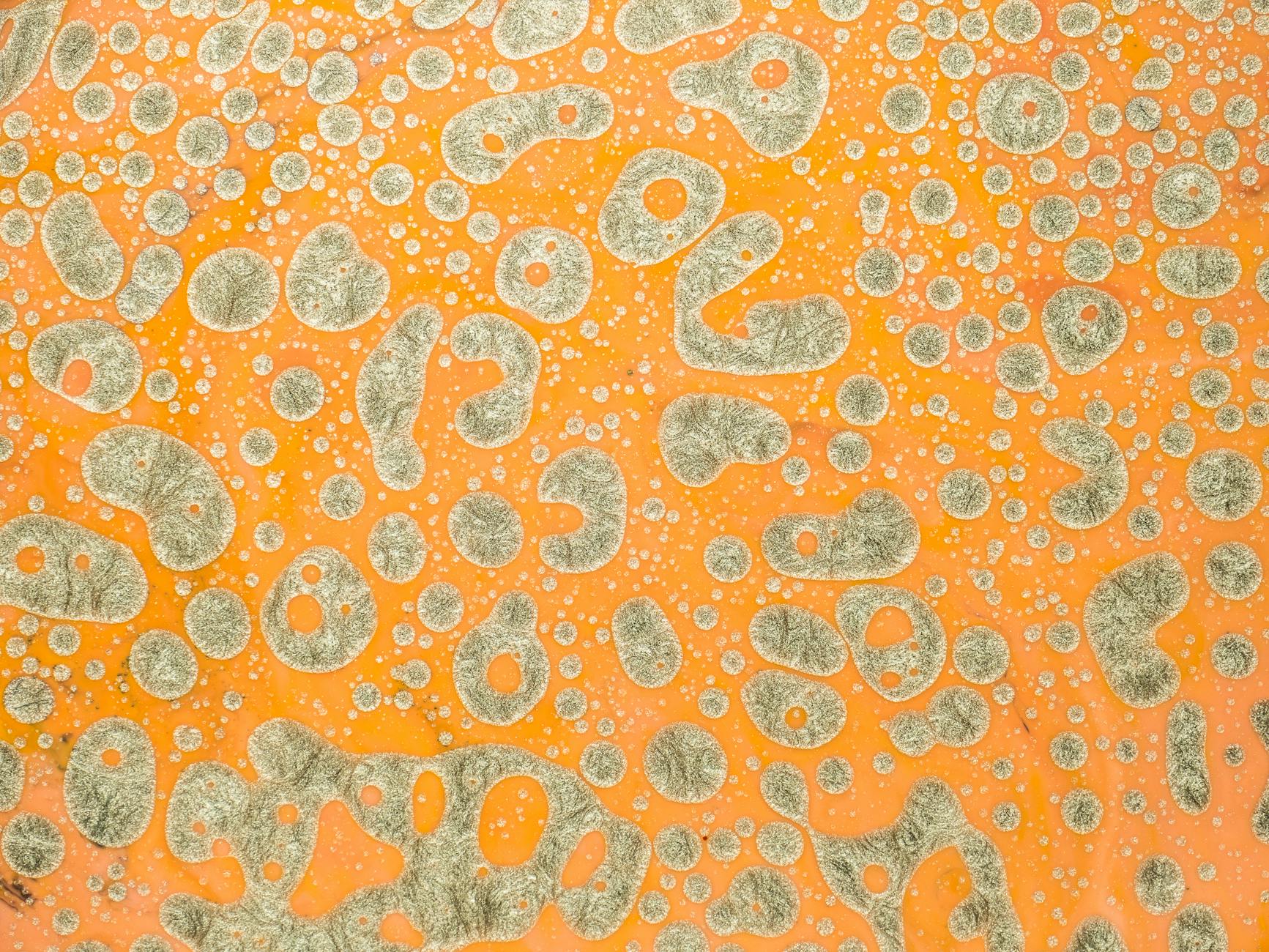
Natural materials including leather goods, canvas bags, wooden items, and certain fabrics are highly susceptible to mold when stored in the low-airflow environment beneath a bed. Mold spores released from affected items circulate through the bedroom air and can trigger respiratory irritation, allergic responses, and worsening asthma symptoms during sleep. Once mold establishes itself in stored items it spreads quickly to surrounding materials and to the underside of the mattress itself. Climate-controlled storage with adequate ventilation is essential for preserving any natural material long-term.
Important Documents

Passports, birth certificates, financial records, and legal documents stored under a bed are vulnerable to dust, moisture, pests, and the general chaos of under-bed conditions. The low position makes them susceptible to water damage from spills, flooding, or even high indoor humidity during warmer months. Retrieval is often awkward and hurried, increasing the risk of documents becoming torn, creased, or lost among other stored items. A fireproof document box or secure filing cabinet in a dry location offers the protection these items genuinely require.
Exercise Equipment
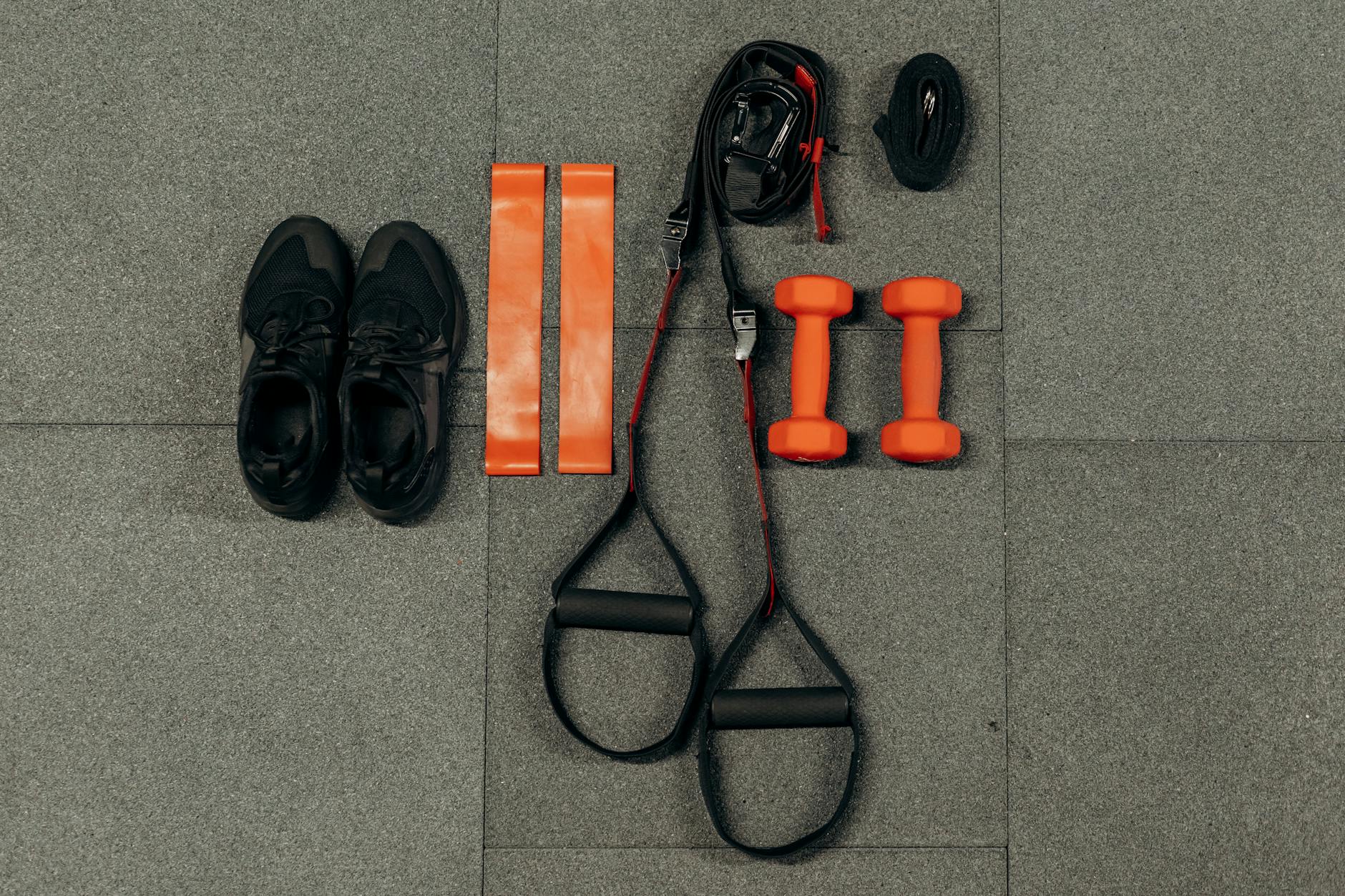
Heavy exercise equipment stored under a bed creates a structural concern if the bed frame was not designed to accommodate significant weight on either side of it. Weights and resistance tools are made from materials that off-gas odors and collect dust in ways that impact the air quality of a sleeping environment. The proximity of gym equipment to the sleep space has also been linked in sleep research to mental associations that make it harder for the brain to fully disengage at night. A dedicated workout corner or storage unit keeps fitness tools accessible without compromising the bedroom’s restful atmosphere.
Food and Snacks

Storing snacks, protein bars, or any food items under a bed transforms the bedroom into an attractive destination for ants, cockroaches, mice, and other pests. Even sealed packaging does not fully contain food odors in a confined space with limited airflow. Crumbs and residue from packaging inevitably make their way onto the floor and further into carpet or flooring materials that are difficult to clean in this location. The bedroom should function as a food-free zone to protect both the sleep environment and the structural integrity of the flooring beneath.
Electronics

Laptops, tablets, gaming consoles, and chargers stored under a bed generate residual heat and electromagnetic emissions that remain present even in standby mode. Dust accumulation in electronics stored in low-airflow environments accelerates overheating and shortens device lifespan considerably. Research into sleep quality consistently identifies the proximity of screens and active electronic devices as a factor in disrupted sleep architecture. Charging stations and device storage belong outside the bedroom or at minimum on elevated, ventilated surfaces rather than directly beneath the sleeping area.
Cardboard Boxes
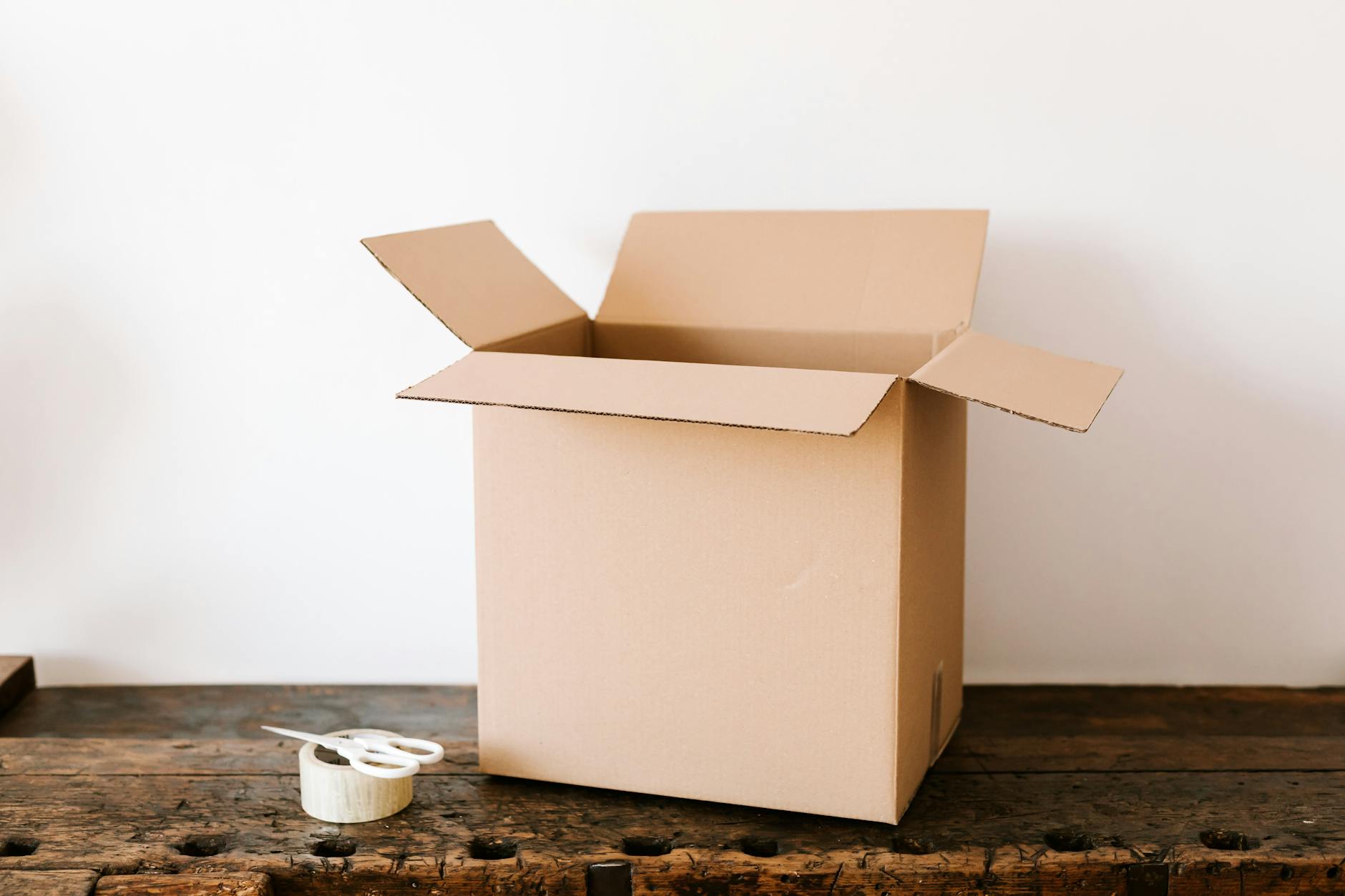
Cardboard is one of the most hospitable materials for dust mites, silverfish, cockroaches, and moisture retention in any storage environment. Boxes stored under a bed compress over time and release paper dust particles that circulate into the breathing zone during sleep. The contents inside cardboard deteriorate faster than in hard storage containers due to moisture transfer through the box walls. Plastic storage bins with fitted lids are a straightforward and more effective replacement for cardboard in any under-bed storage situation.
Candles

Candles stored under a bed are exposed to fluctuating temperatures that cause wax to warp, crack, and sweat, particularly in bedrooms that experience warm summers. Scented candles release fragrance compounds continuously even when unlit, contributing to indoor air quality issues in an enclosed sleeping space. Wax that softens and reforms in storage can fuse to fabric, carpet, or other items stored nearby, causing irreversible damage. A cool, dark storage space such as a closet shelf is a far more appropriate location for preserving candles in good condition.
Sharp Tools
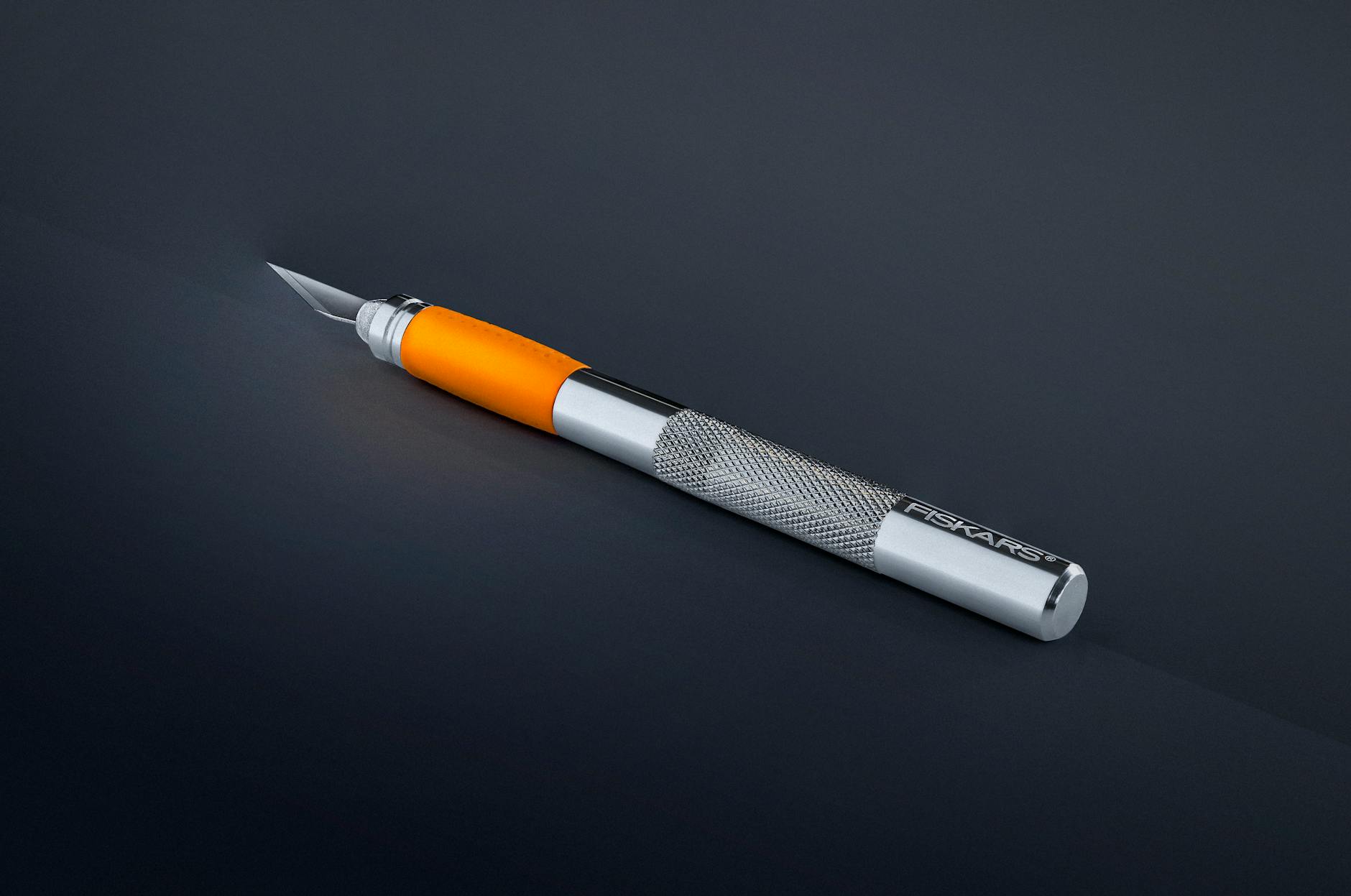
Craft knives, scissors, sewing needles, box cutters, and similar sharp implements stored loosely under a bed present a laceration risk during retrieval or accidental contact in the night. Children exploring under the bed or reaching for a toy can make contact with sharp tools without any awareness of the danger. Loose sharp objects also damage other stored items including fabric, inflatable products, and packaging materials when jostled during normal bedroom activity. A dedicated toolbox or clearly labeled hard case in a workshop, kitchen, or utility space is the appropriate storage location for any cutting implement.
Paint and Solvents

Paints, varnishes, paint thinners, and cleaning solvents release volatile organic compounds that accumulate in the poorly ventilated space beneath a bed and diffuse into the room’s breathing air throughout the night. Many of these substances are flammable and represent a fire risk when stored near bedding, curtains, and other combustible materials in the bedroom. Long-term low-level exposure to solvent fumes during sleep has been associated with headaches, cognitive fog, and respiratory irritation. All chemical products of this nature belong in a ventilated garage, shed, or locked utility cabinet well away from sleeping areas.
Unused Baby Gear
Bulky items including old bouncers, bottle sterilizers, baby monitors, and infant accessories accumulate under beds in the years following their last use. These items collect dust and develop mold in fabric components due to the low airflow and occasionally damp conditions typical of under-bed environments. Many older baby products have since been subject to safety recalls that go unnoticed when items are stored out of sight rather than responsibly disposed of or donated. Items that are no longer needed should be donated, properly recycled, or checked against current recall databases before being passed on.
Books

Storing large quantities of books under a bed significantly increases the dust load in the bedroom, as paper and binding materials shed particles continuously and attract dust mites at a high rate. Heavy stacks of books create uneven weight distribution that can stress bed frame joints and slat supports over time, particularly in older or flat-pack furniture. Books stored in low-humidity conditions fare reasonably well but those under beds in warmer climates are susceptible to foxing, warping, and cover damage from periodic moisture fluctuations. A dedicated bookshelf keeps reading material accessible, properly ventilated, and free from the conditions that degrade both the books and the sleep environment.
Sports Gear
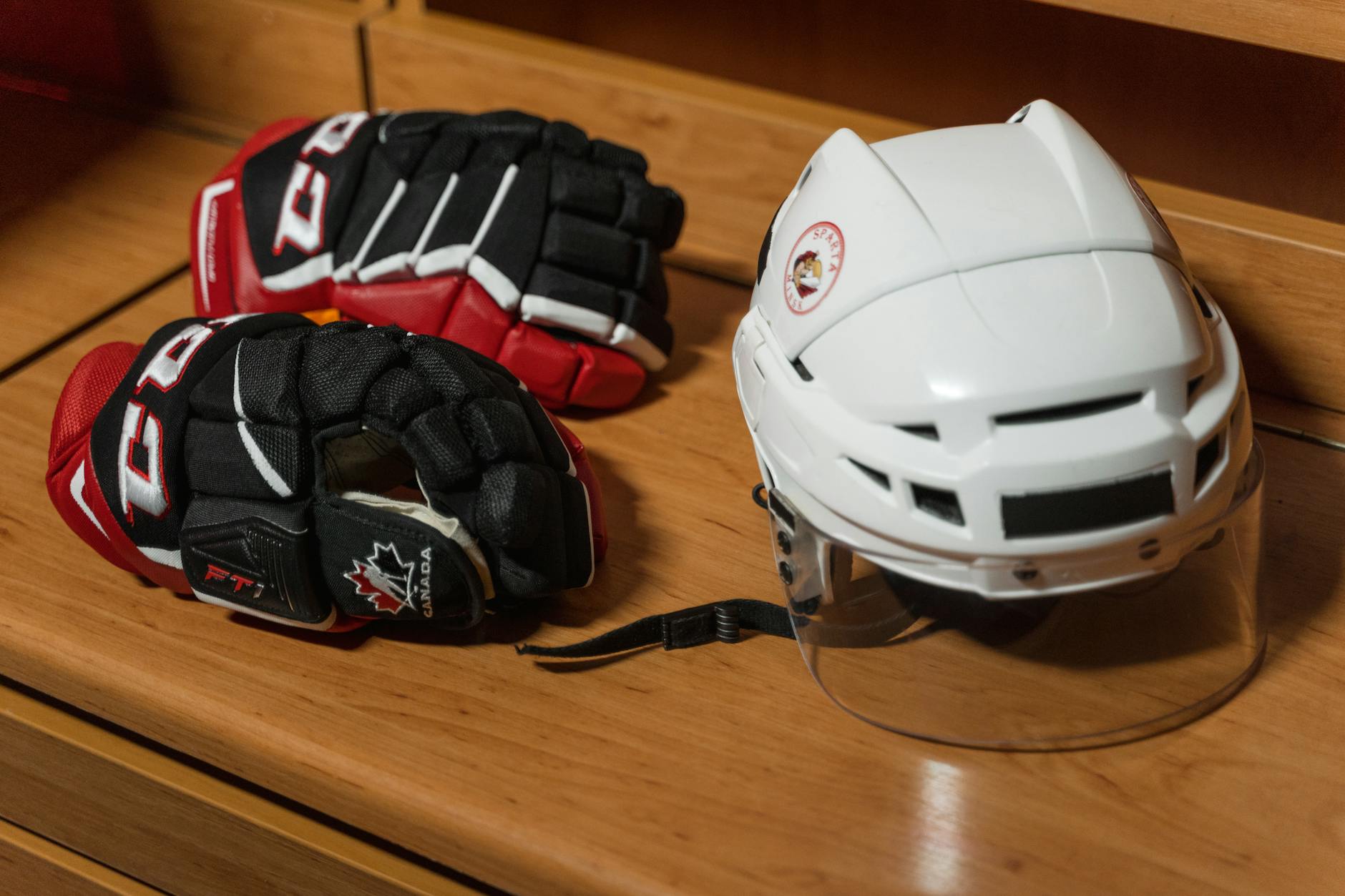
Muddy boots, football pads, gym bags, and sports equipment carry outdoor bacteria, fungi, and allergens directly into the bedroom when stored under the bed after use. Athletic gear is rarely fully dry when stored after a session, and the resulting moisture creates ideal conditions for mold and odor development in a confined space. The strong odors associated with sports equipment disrupt the sensory environment of the bedroom and can interfere with sleep onset for even the heaviest sleepers. A ventilated sports locker, mudroom bench, or garage storage unit is the appropriate destination for any equipment used outdoors or in physical training.
Holiday Decorations

Large quantities of holiday decorations stored in mixed, loosely packed conditions under a bed are a reliable source of broken ornaments, tangled lights, and missing components each season. Fabric decorations including wreaths, stockings, and soft ornaments are susceptible to moth damage and dust mite colonization in the poorly ventilated under-bed environment. Boxes and bags shift during sleep movement, creating low-level noise disturbances that can affect sleep quality in light sleepers. Dedicated storage containers in a loft, garage, or hallway cupboard preserve decorations far more effectively between uses.
Luggage Filled With Items
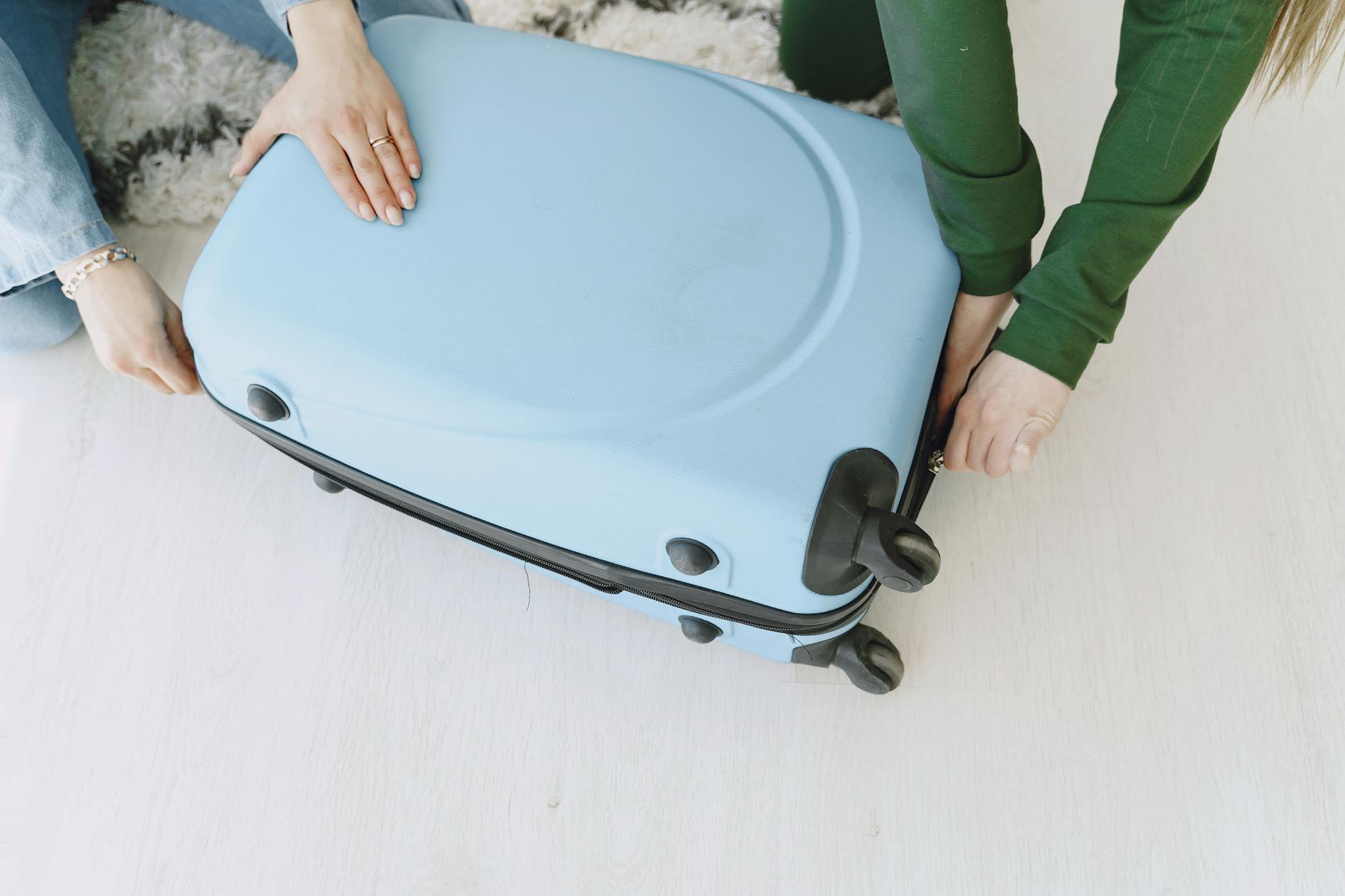
Empty luggage stored under a bed is already a dust-collecting challenge but luggage left filled with clothing or accessories compounds the problem significantly. Clothing packed inside a bag under the bed is exposed to conditions that cause fabric to develop a musty odor that persists even after washing. Filled bags block airflow under the bed more completely than flat storage solutions, creating warm pockets where mold spores thrive. Luggage stored empty and upright in a wardrobe or on a shelf is far easier to maintain and ready to use without requiring pre-trip airing and cleaning.
Electrical Extension Cords
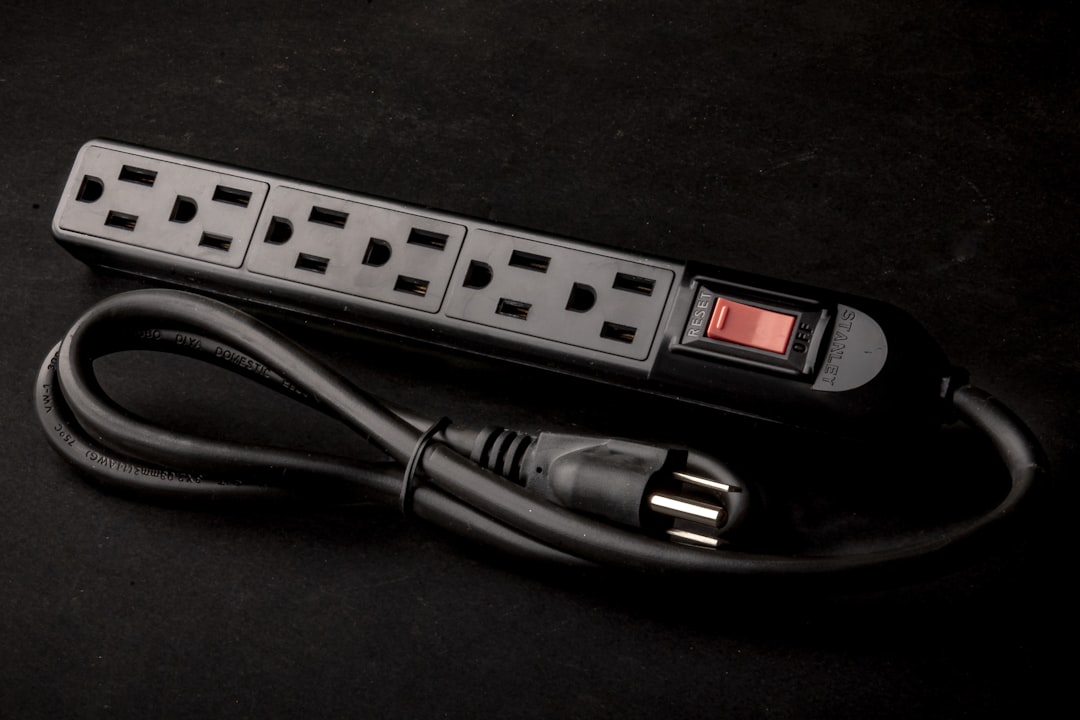
Coiled electrical extension cords stored under a bed accumulate heat in a way that is not visible but represents a genuine fire risk, particularly in older cables with any existing insulation wear. Dust and debris collect around cable coils and create a combustion risk in close proximity to mattresses, bed bases, and bedding materials. Children and pets can pull at exposed cables and create connection hazards that go unnoticed when the source is under the bed and out of easy sightline. Cables should be stored hanging or loosely wound in a dry utility space where they are easily inspected before use.
Old Paint Brushes

Dried paint brushes and used art supplies store chemical residue in their bristles and handles that off-gasses slowly in enclosed environments over time. Loose brushes stored in open containers or bags under a bed shed bristles and dried paint flakes that become part of the dust circulating in the bedroom. The solvent smell retained in unwashed brushes is persistent and detectable in bedroom air quality even when sealed in a bag. Art supplies belong in a studio, desk drawer, or craft storage unit with adequate ventilation and away from the sleeping environment.
Board Games

Large board game boxes are often incompletely sealed after use, allowing small pieces, cards, and game tokens to scatter throughout the under-bed area and become permanently lost. The cardboard used in most game packaging is highly attractive to silverfish and other paper-feeding insects that thrive in low-light storage areas. Heavy stacked game boxes block airflow and create the damp pockets that accelerate dust mite populations in the surrounding carpet or flooring. A dedicated shelving unit in a living room or playroom keeps games accessible, intact, and away from conditions that damage both the games and the bedroom environment.
Camping Equipment
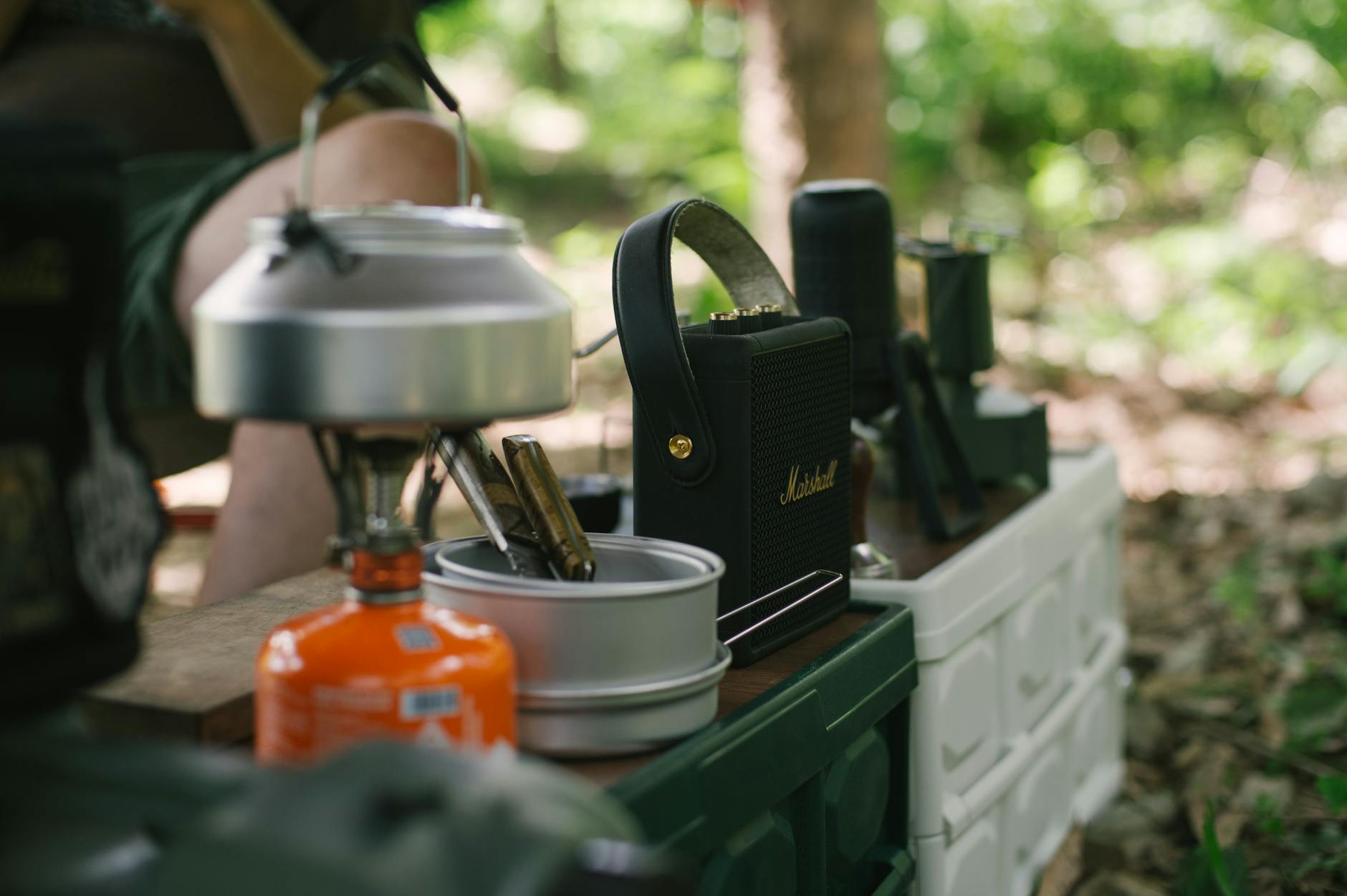
Tents, sleeping bags, and camping gear stored under a bed after outdoor use bring soil, plant matter, mold spores, and insects directly into the most intimate space in the home. Sleeping bags in particular retain body moisture and should be stored hanging or loosely rolled in a breathable bag rather than compressed under a bed. Canvas and nylon materials used in camping equipment off-gas processing chemicals that accumulate in the low-airflow environment beneath the bed. A garage, storage unit, or dedicated outdoor gear cupboard is the appropriate home for any equipment used in natural environments.
Musical Instruments

Instruments stored under a bed are subject to humidity and temperature fluctuations that cause significant damage to wooden bodies, string tension, and mechanical components over time. Cases stored in the low clearance environment beneath a bed are frequently bumped, dragged, and scratched during retrieval, damaging both the case exterior and the instrument within. The bedroom is rarely climate-controlled to the consistent standard that instruments require for preservation of tuning stability and structural integrity. A dedicated instrument stand, wall mount, or climate-stable cupboard represents a far more respectful and practical storage solution.
Stuffed Animals
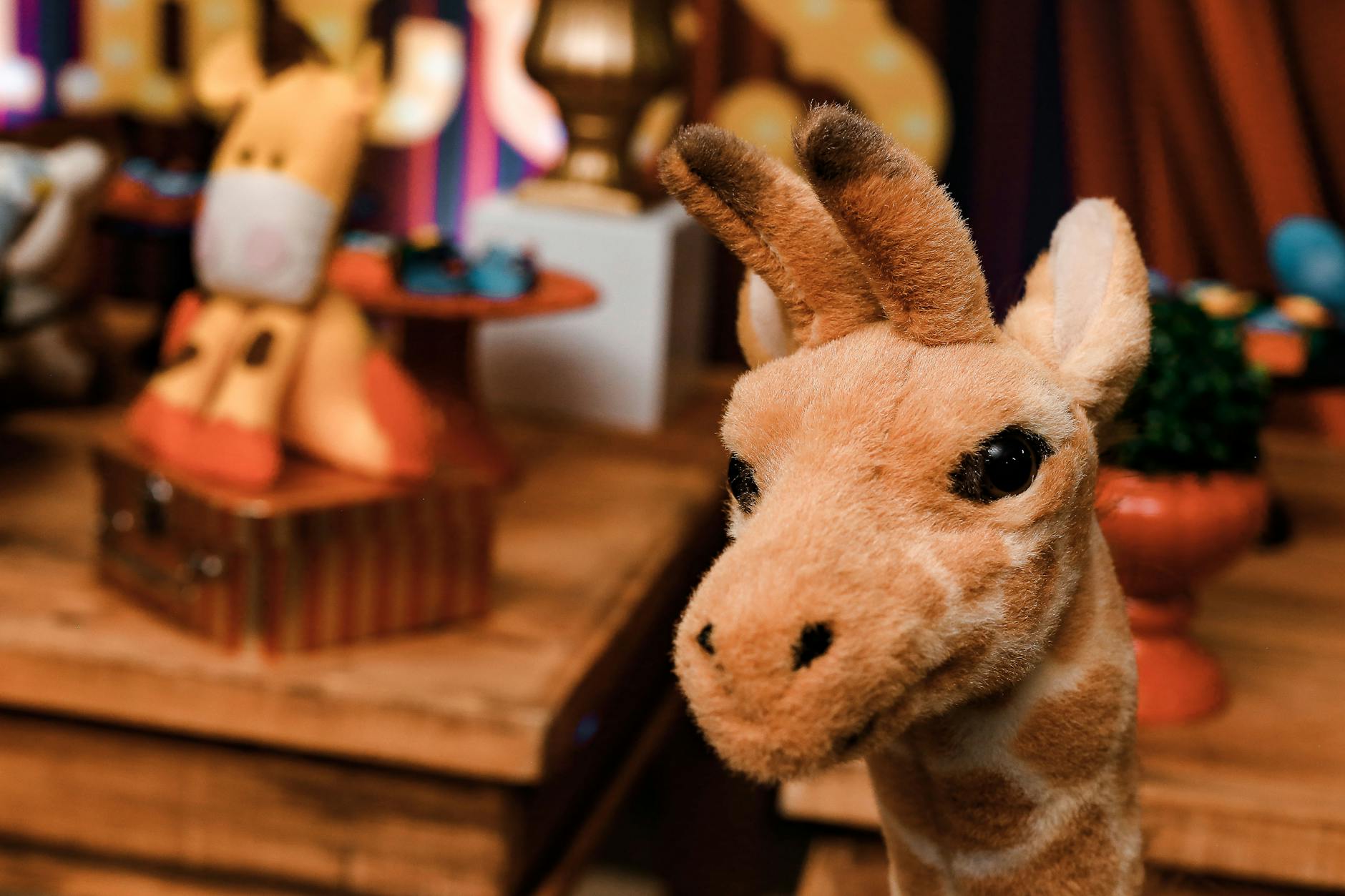
Large collections of stuffed toys stored under a bed function as one of the most effective dust mite habitats possible given the fabric surfaces, low airflow, and infrequent washing typical of this storage location. Allergen levels in stuffed animals stored under a bed are consistently found to be among the highest in the bedroom environment in indoor air quality assessments. Children who sleep directly above a dense collection of stuffed animals are exposed to elevated allergen concentrations throughout the night. Regular rotation, washing, and storage in sealed breathable bags in a wardrobe is a significantly healthier approach to managing soft toy collections.
Cardboard Moving Boxes

Unpacked moving boxes that end up stored under a bed represent a temporary solution that frequently becomes permanent without the occupant fully realizing it. The combination of cardboard material, mixed unknown contents, and low-airflow conditions creates a storage scenario with maximum risk for pests, mold, and undiscovered damage. Movers frequently use newspaper and packing material inside boxes that releases ink compounds and dust into the surrounding air over time. Unpacking completely and recycling cardboard promptly after a move is a fundamental step in establishing a healthy and functional bedroom environment.
If you have recently cleared out the space under your bed or discovered something surprising stored there, share your experience in the comments.




