
National parks and protected natural areas are among the most treasured landscapes on the planet, drawing millions of visitors each year who come seeking beauty, solitude, and connection with the wild. Park rangers dedicate their careers to preserving these spaces for future generations, and while most visitors arrive with good intentions, certain behaviors make their job significantly harder. From careless disposal of food scraps to trampling irreplaceable ecosystems, the missteps that frustrate rangers most are often the ones rooted in simple unawareness. Understanding what not to do is just as important as knowing where to go, and the difference between a respectful visitor and a problematic one can come down to a handful of habits. Whether you are a first-time park visitor or a seasoned hiker, this guide will help you avoid the behaviors that rangers find most damaging and disheartening.
Feeding Wildlife
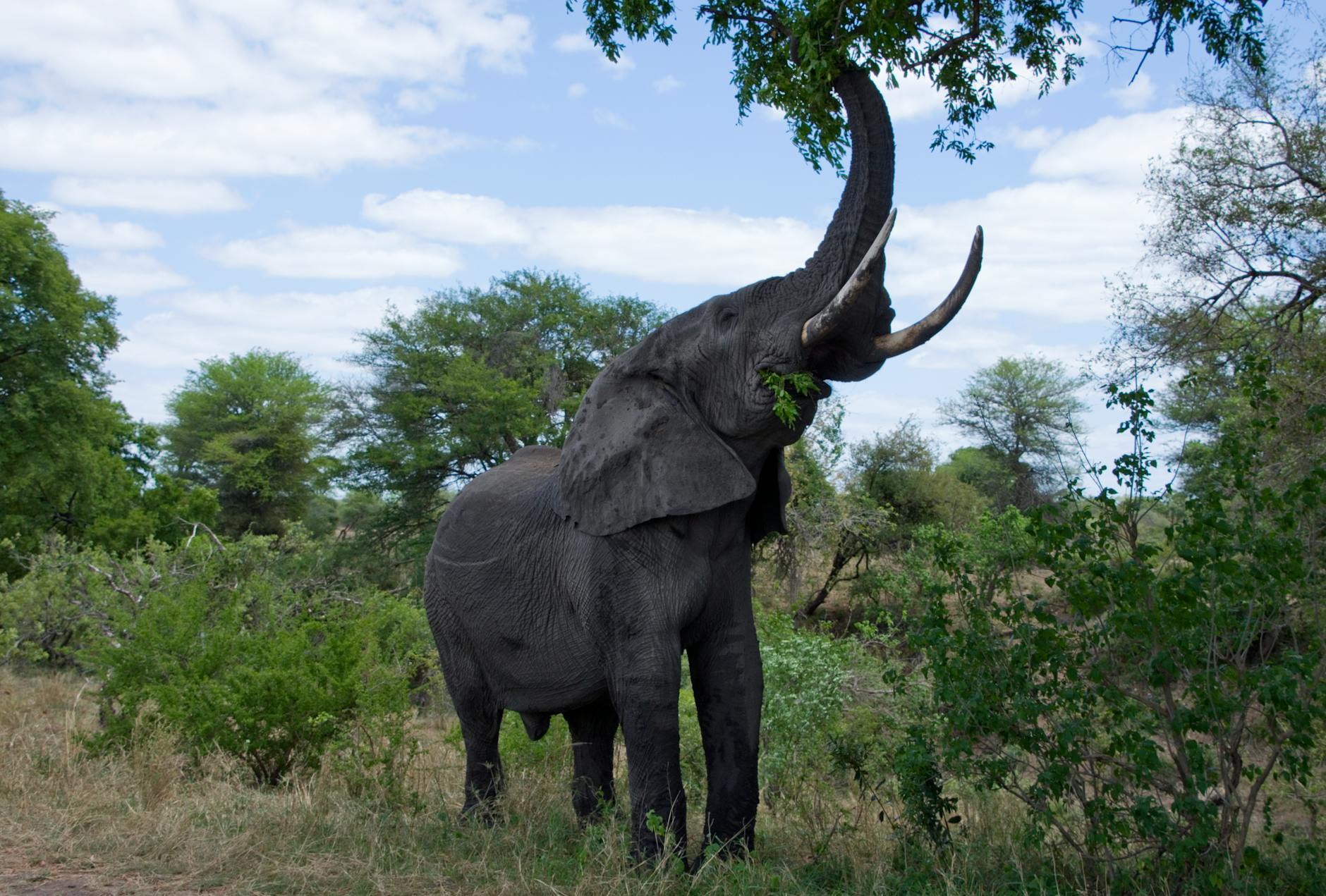
Wild animals that become accustomed to human food quickly lose their natural instincts and their ability to forage independently. This dependency can lead to aggressive behavior toward other visitors and often results in the animal being euthanized for public safety reasons. Even small offerings like crackers or fruit can introduce harmful substances into a wild diet and disrupt fragile nutritional balances. Rangers spend considerable time responding to incidents caused by habituated animals, diverting attention from other critical conservation work. Every feeding interaction, however well-meaning it may seem, contributes to a cycle that ultimately harms the very animals visitors hope to appreciate.
Leaving the Trail
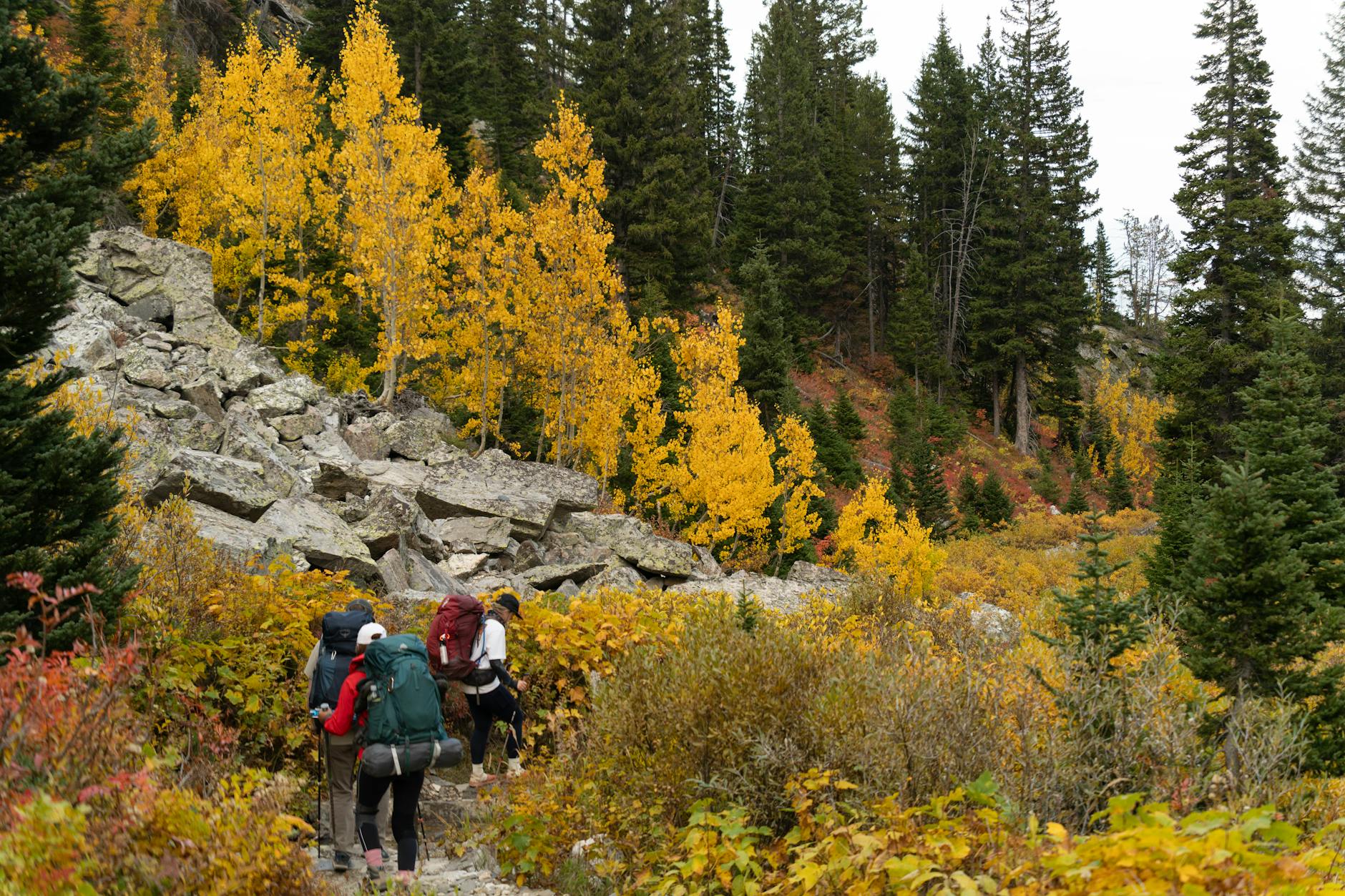
Designated trails exist not only to guide visitors safely through terrain but to concentrate foot traffic and protect the surrounding landscape from compaction and erosion. When hikers wander off-path, they risk trampling native vegetation that may have taken decades to establish. Cryptobiotic soil crusts found in arid environments are particularly vulnerable and can be destroyed by a single footstep, taking over a century to recover. Off-trail hiking also increases the likelihood of getting lost, triggering search and rescue operations that strain limited park resources. Staying on marked paths is one of the simplest and most impactful ways a visitor can demonstrate genuine respect for the land.
Graffiti and Carving

Etching names, dates, or symbols into rock faces, trees, and ancient formations is a form of vandalism that causes irreversible damage to natural and cultural heritage. Many of the rock surfaces found in national parks are hundreds of millions of years old, and a single carved initial removes material that can never be restored. Rangers frequently encounter graffiti on historically significant petroglyphs, effectively erasing Indigenous cultural records that predate modern civilization. Removing graffiti from porous natural surfaces is technically complex and prohibitively expensive, meaning most marks become permanent features of the landscape. The urge to leave a mark is understandable but causes lasting harm to spaces that belong to everyone.
Littering
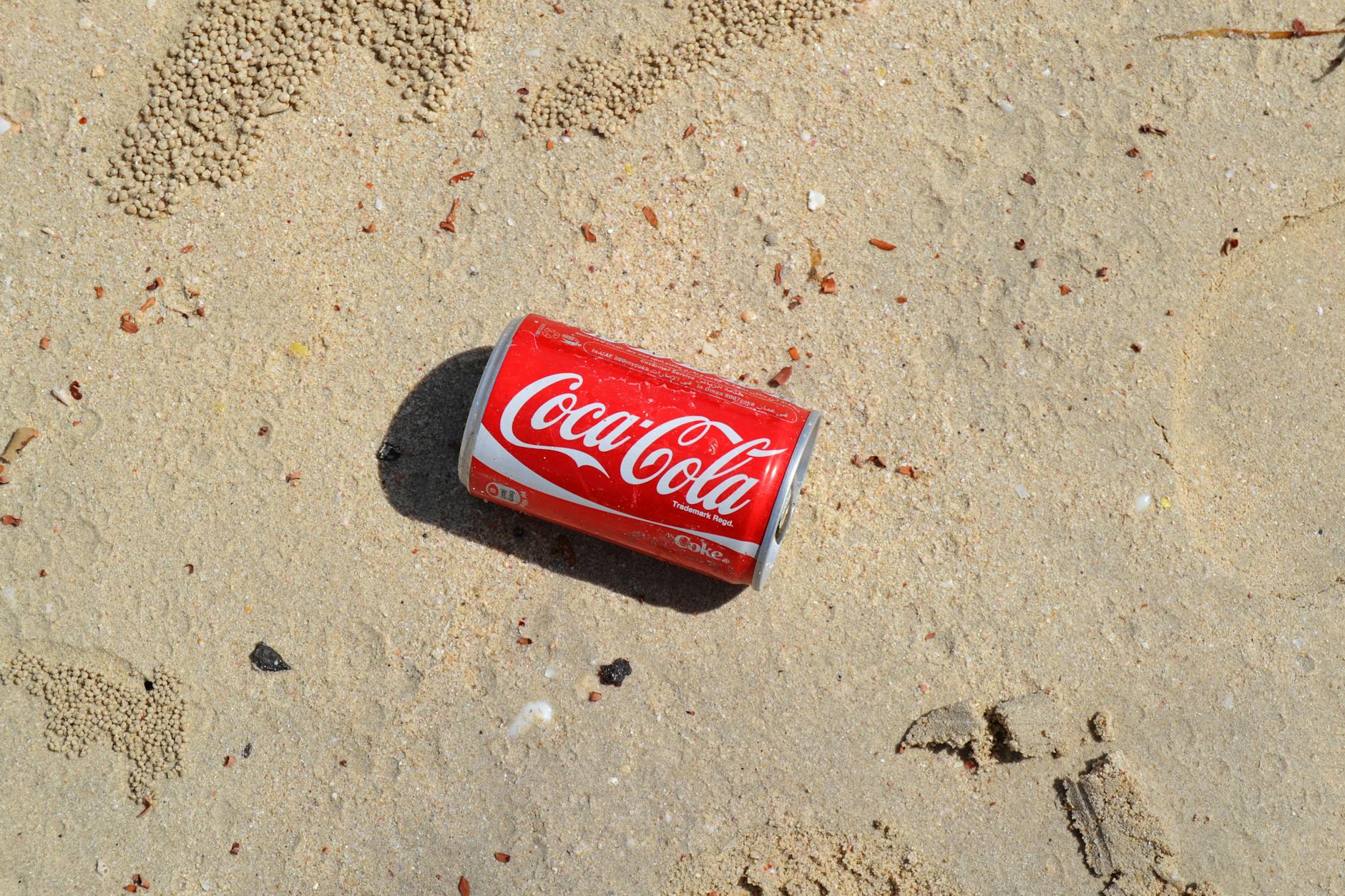
Discarded waste in natural environments poses direct threats to wildlife, water sources, and the overall visitor experience for everyone who follows. Animals can become entangled in packaging, ingest harmful materials, or be drawn into human-use areas by the scent of food waste. Even items that appear biodegradable such as apple cores and orange peels can introduce non-native seeds and take months to decompose in certain climates. Rangers are not waste management workers, yet a significant portion of their patrol time is spent collecting trash left behind by inattentive visitors. The principle of packing out everything you pack in is a foundational ethic of responsible outdoor recreation.
Drone Flying

Unauthorized drone use in national parks is prohibited in most jurisdictions and creates a range of serious disturbances that many visitors do not anticipate. The noise generated by drone motors is sufficient to startle wildlife, disrupt nesting behavior, and cause dangerous stampedes in herds of large animals. Drones flown near birds of prey have been documented triggering territorial attacks that endanger both the equipment and the surrounding people. Rangers must divert time and resources to confronting drone operators, documenting violations, and filing the necessary reports. Capturing aerial footage of a park may seem harmless but the ecological and regulatory consequences are significant and well-documented.
Picking Plants
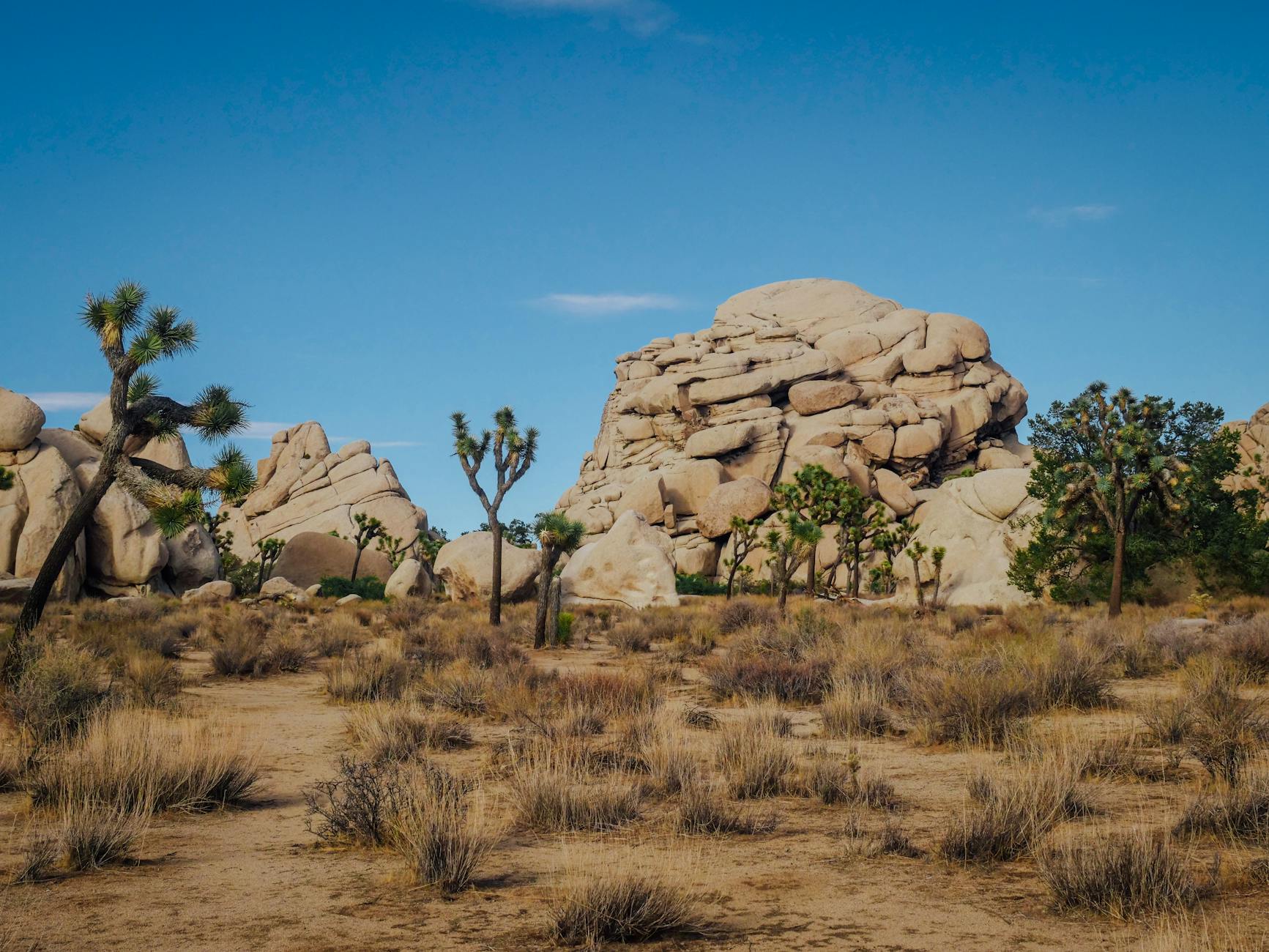
Removing wildflowers, ferns, mosses, or any other plant material from a protected area is illegal in virtually every national and state park worldwide. Even collecting a single specimen multiplied across millions of annual visitors would represent a catastrophic loss of flora over time. Many plants growing in park environments are rare, slow-growing, or part of delicate ecological relationships that support insects, birds, and mammals. Rangers regularly encounter visitors who believe a small cutting or a handful of berries constitutes a harmless souvenir. The entire ecosystem depends on every component remaining in place and undisturbed by human hands.
Campfire Mismanagement

Improperly extinguished campfires are among the leading causes of catastrophic wildfires in protected landscapes across the world. A fire that appears to be out can retain smoldering embers capable of reigniting hours later, especially in dry and windy conditions. Rangers require fires to be doused with water and stirred until the ash is cool to the touch and no smoke remains visible. Building fires outside of designated rings or in areas under active fire bans is both dangerous and subject to significant fines. The devastation caused by a single negligent campfire can erase centuries of ecological succession and displace entire wildlife communities.
Speeding on Park Roads

Park speed limits are set specifically to protect wildlife that frequently crosses roads at dawn, dusk, and throughout the night. Animals such as deer, elk, tortoises, and small mammals have no understanding of vehicular traffic and cannot adapt their behavior to fast-moving vehicles. Rangers document dozens of wildlife fatalities each year caused by speeding vehicles, including in some cases members of endangered or threatened species. Driving slowly also allows visitors to observe animals safely from their vehicles without causing flight responses or disrupting feeding patterns. Treating park roads as scenic corridors rather than throughways is both a legal obligation and a mark of genuine ecological awareness.
Disturbing Nesting Sites
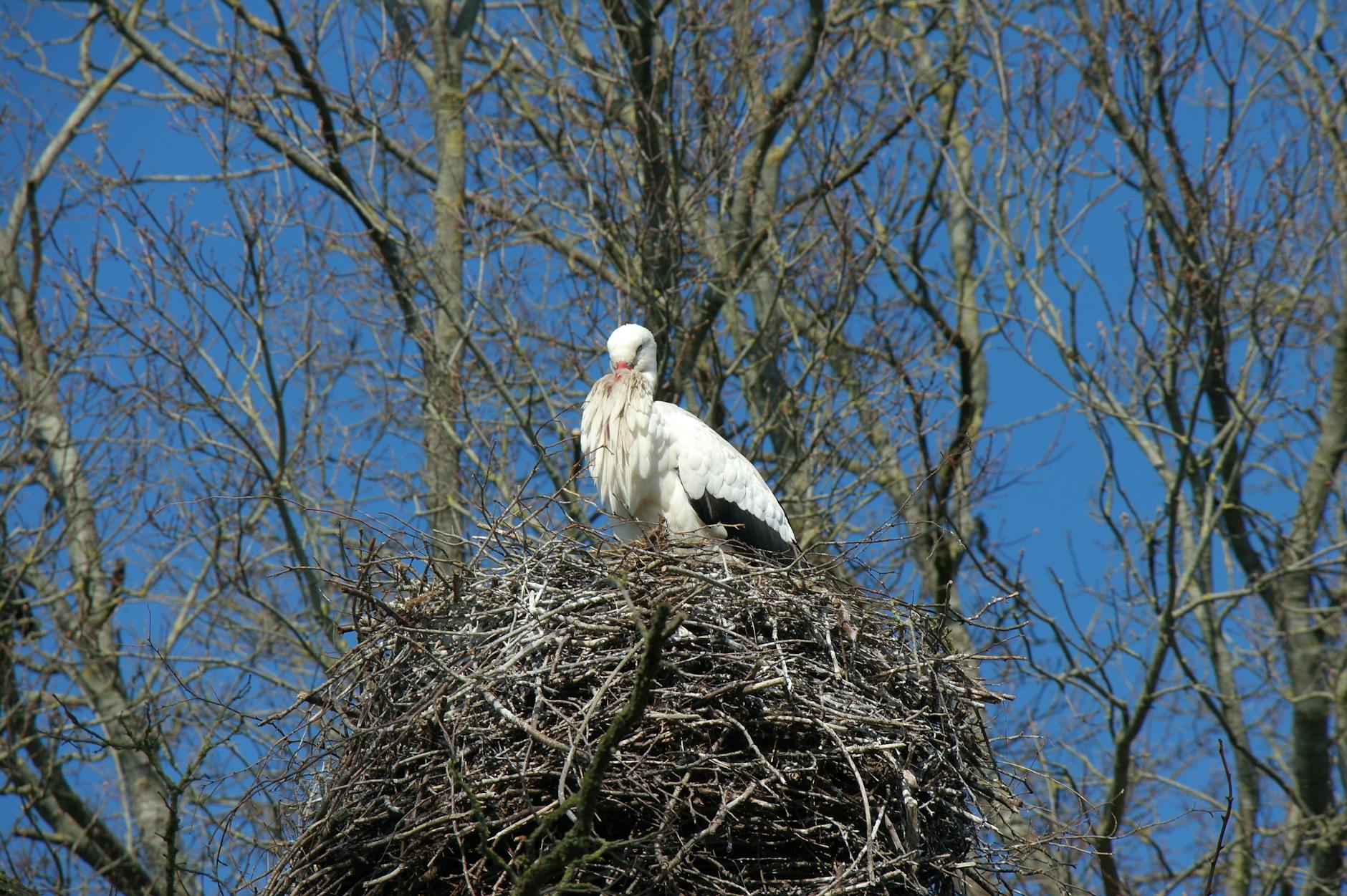
Bird nesting season transforms certain areas of a park into sensitive zones where human presence can have profound consequences for reproductive success. Even a brief approach to a nest can cause parent birds to abandon their eggs or expose hatchlings to predators while the adults flee. Rangers often install temporary exclusion barriers around nesting areas and become deeply frustrated when visitors ignore or deliberately bypass them. Ground-nesting species are particularly vulnerable because their nests blend into surrounding terrain and are easily destroyed by inattentive foot traffic. Giving nesting wildlife a wide and unhurried berth is one of the most meaningful contributions a visitor can make during the spring and summer months.
Washing in Water Sources
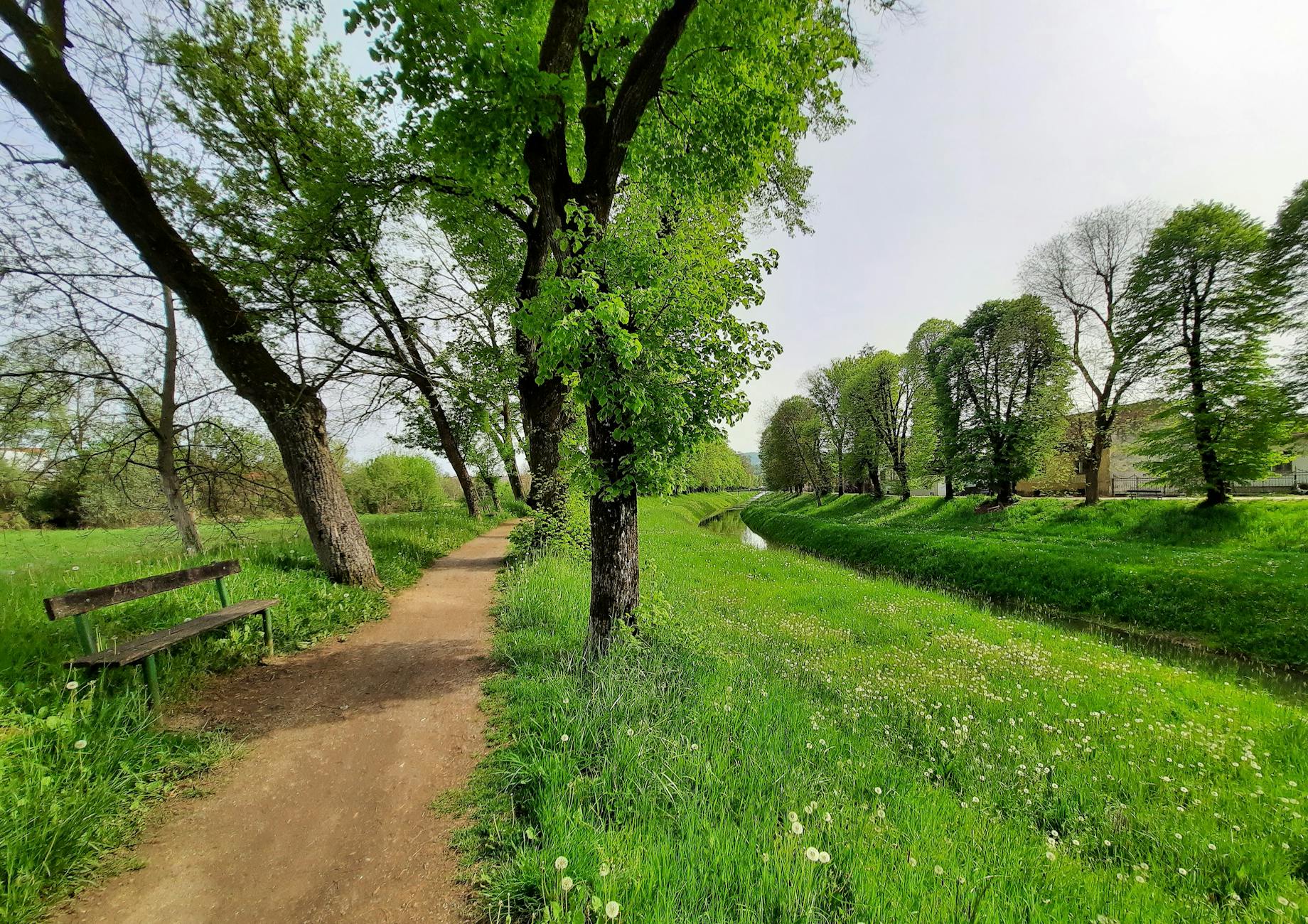
Using lakes, rivers, and streams as bathing or dishwashing stations introduces soaps, sunscreens, insect repellents, and food residue directly into ecosystems that lack any capacity to process synthetic chemicals. Even products marketed as biodegradable require soil bacteria to break them down effectively and cause harm when introduced directly to water. Aquatic organisms including fish, amphibians, and invertebrates are highly sensitive to chemical changes in their environment and can experience population declines from repeated contamination. Rangers advise all visitors to carry water at least 60 meters from any natural source before using soap or disposing of waste water. Clean water sources are increasingly rare in natural landscapes and protecting them is a collective responsibility that begins with individual choices.
Approaching Geothermal Features
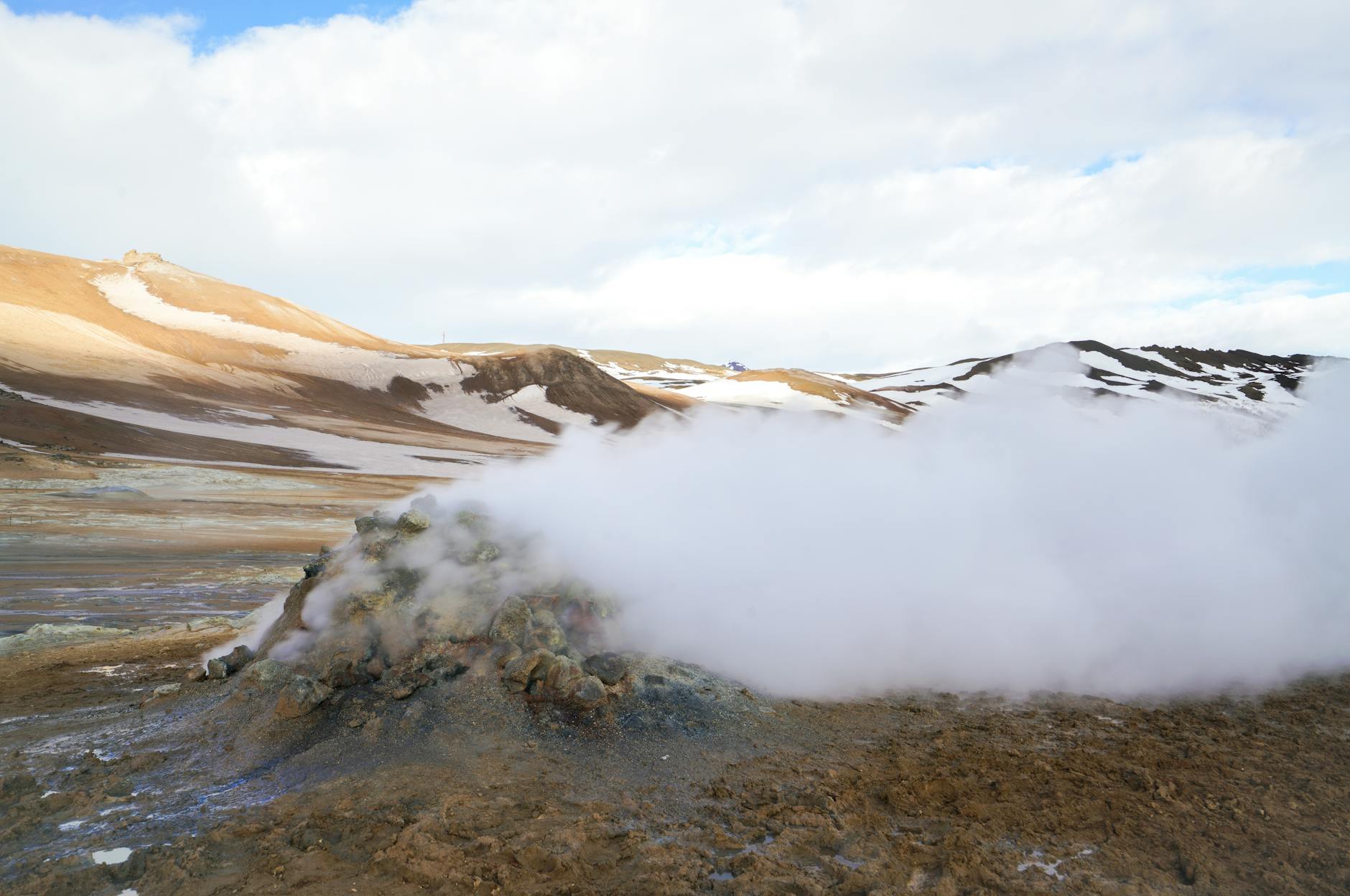
The geothermal pools, geysers, and fumaroles found in parks like Yellowstone are among the most chemically volatile and thermally extreme environments on the surface of the planet. Water temperatures in many of these features exceed boiling point and the ground surrounding them is often a thin crust concealing superheated liquid just centimeters below. Rangers respond to serious burn injuries and fatalities every year caused by visitors who step off boardwalks or attempt to touch the vivid colored waters. The microbial mats that produce the extraordinary colors in thermal pools are irreplaceable biological communities that are destroyed instantly by human contact. No photograph or closer look is worth the physical danger or the ecological cost of approaching these features outside of designated viewing areas.
Ignoring Closures

Seasonal and temporary closures are implemented by rangers to protect breeding wildlife, allow vegetation to recover, manage active hazards, or preserve cultural and archaeological resources. When visitors duck under barriers or bypass signage, they are not simply bending a rule but actively undermining work that may have taken months of planning and ecological monitoring to implement. A single intrusion into a closed area during a sensitive period can undo an entire season of conservation progress. Rangers report that closures are among the most frequently violated regulations and also among the most frustrating to enforce because the damage is often invisible to the violating party. Respecting a closed area requires no special knowledge or equipment and represents one of the clearest expressions of park stewardship available to the average visitor.
Noise Pollution

Excessive noise in natural environments disrupts the acoustic landscape that wildlife depends on for communication, predator detection, mating, and territorial behavior. Many species rely on sound to coordinate feeding and movement across large territories and are highly sensitive to sudden or sustained human-generated noise. Rangers frequently encounter groups playing amplified music, using generators, or calling loudly in areas specifically designated for quiet enjoyment. The degradation of soundscapes in protected areas is a documented conservation concern that has measurable effects on species diversity and animal stress levels. Keeping voices low and electronics silent is a simple adjustment that transforms the quality of the experience for both wildlife and fellow visitors.
Removing Rocks or Fossils

Collecting rocks, minerals, shells, or fossils from protected land is a federal offense in national parks and a serious violation of the scientific and natural heritage those areas are designed to preserve. Fossils in particular represent irreplaceable records of prehistoric life that contribute to the ongoing study of evolutionary biology and Earth’s geological history. A single removed specimen extracted without documentation loses most of its scientific value the moment it leaves its original context. Rangers note that casual collection is often motivated by an assumption that one small rock or shell makes no difference at an individual level while the cumulative impact across millions of visitors is devastating. The correct approach is to observe, photograph, and leave every natural object exactly where it was found.
Unleashed Pets
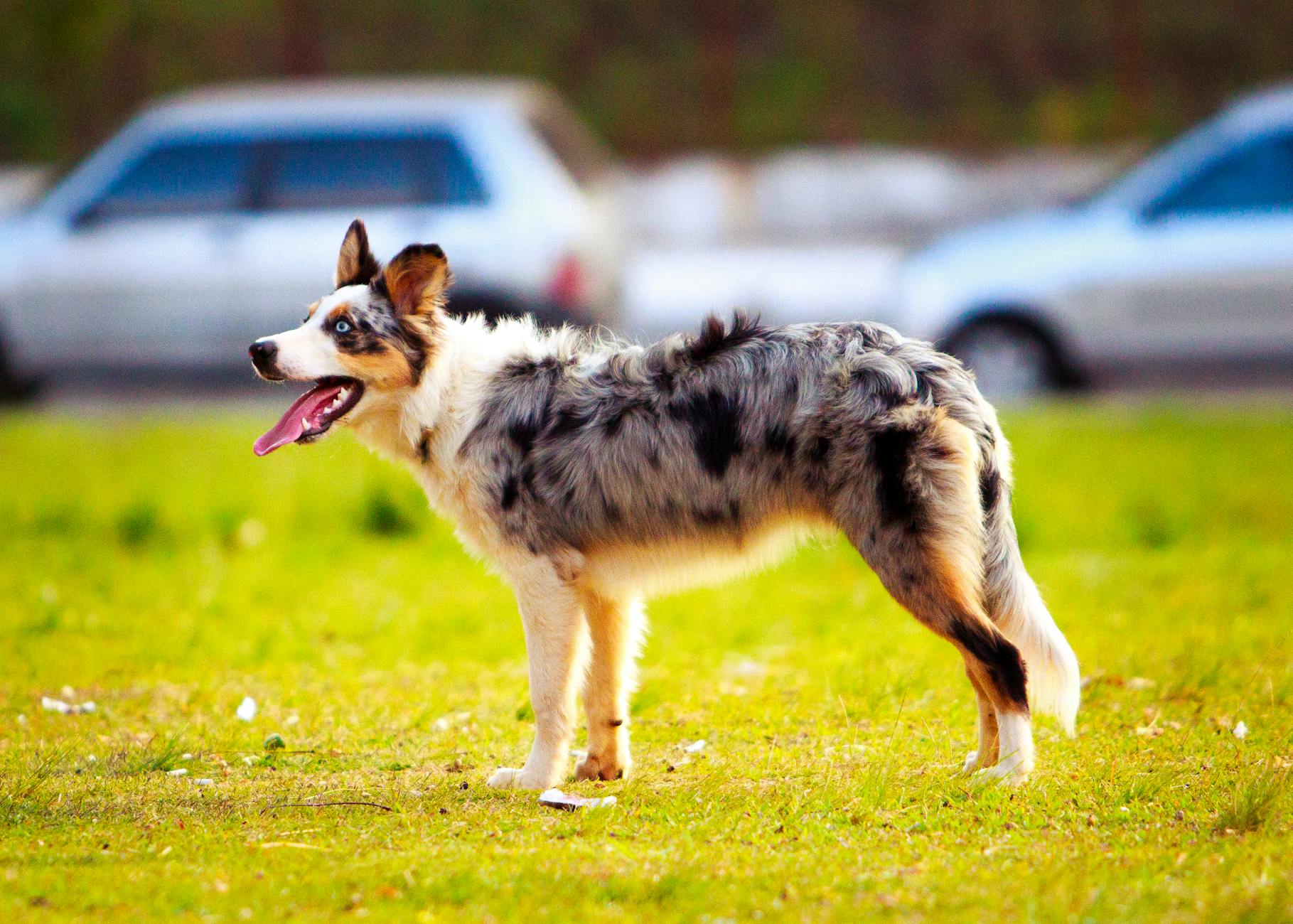
Dogs and other pets brought into park environments without proper leashing introduce a foreign predator presence into ecosystems where prey animals have no evolutionary experience with domestic species. Even a small dog running freely can flush ground-nesting birds, chase deer into dangerous terrain, or contaminate water sources with waste. Many national parks prohibit pets on trails entirely while those that permit them impose strict leash rules that rangers must regularly enforce against resistant visitors. Pet waste left on the ground introduces pathogens and nutrients that alter soil chemistry and can spread disease to native wildlife. Responsible pet ownership in natural spaces requires the same discipline and attentiveness that rangers apply to every aspect of their own work in the field.
Selfie Harassment
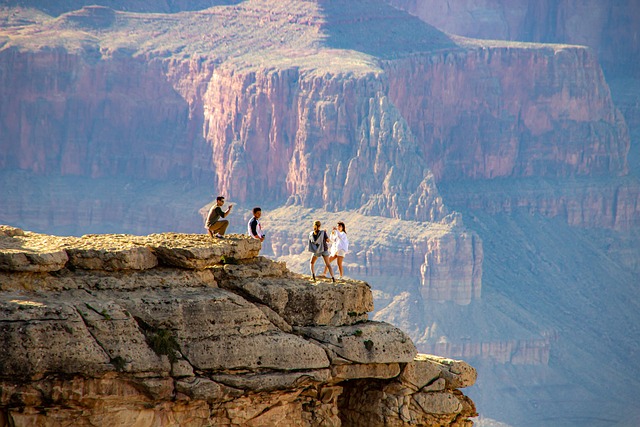
The growing culture of wildlife photography for social media has led to a troubling pattern of visitors pursuing animals on foot to obtain closer shots. Animals subjected to repeated close-range human approaches experience chronic stress that affects their immune function, reproductive success, and long-term survival. Rangers have documented cases where popular or photogenic animals attract such persistent human attention that they are effectively driven from core habitat areas. The most striking images of wildlife are almost always achieved through patience, appropriate distance, and proper optical equipment rather than physical proximity. Respecting the space of wild animals produces better outcomes for photographers, wildlife, and the broader park community.
Improper Food Storage
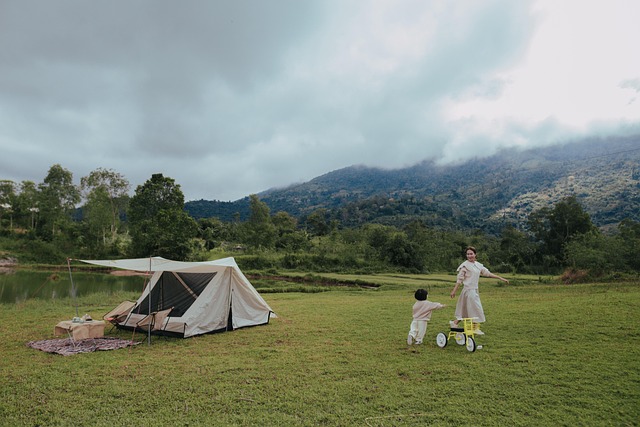
Storing food improperly in campsites and vehicles creates conditions that draw bears, raccoons, coyotes, and other wildlife into human-use areas where dangerous encounters become increasingly likely. Rangers issue bear canisters and food storage regulations not as inconveniences but as essential tools for preventing human injury and avoiding the lethal removal of habituated animals. A bear that successfully accesses human food even once begins associating campsites with reward and will return with increasing boldness until management intervention becomes necessary. Food odors can travel significant distances through still air and even small oversights such as leaving a cooler unlatched can compromise an entire campground’s safety profile. Treating food storage as a non-negotiable safety protocol is one of the most direct contributions a camper can make to wildlife conservation.
Shortcutting Switchbacks

Switchbacks are engineered into trail systems specifically to reduce slope gradient and minimize erosion on steep terrain. When hikers cut directly uphill through switchback corners they destroy trailside vegetation and create informal drainage channels that accelerate soil loss with every rainfall. Over time these shortcuts develop into gullied scars that require costly regrading work and often close sections of trail entirely for extended periods. Rangers view switchback cutting as a low-awareness behavior that has an outsized and lasting impact on trail infrastructure. Following the path as designed is both the safer and ecologically sounder choice regardless of how tempting the shortcut may appear.
Harassment of Rangers
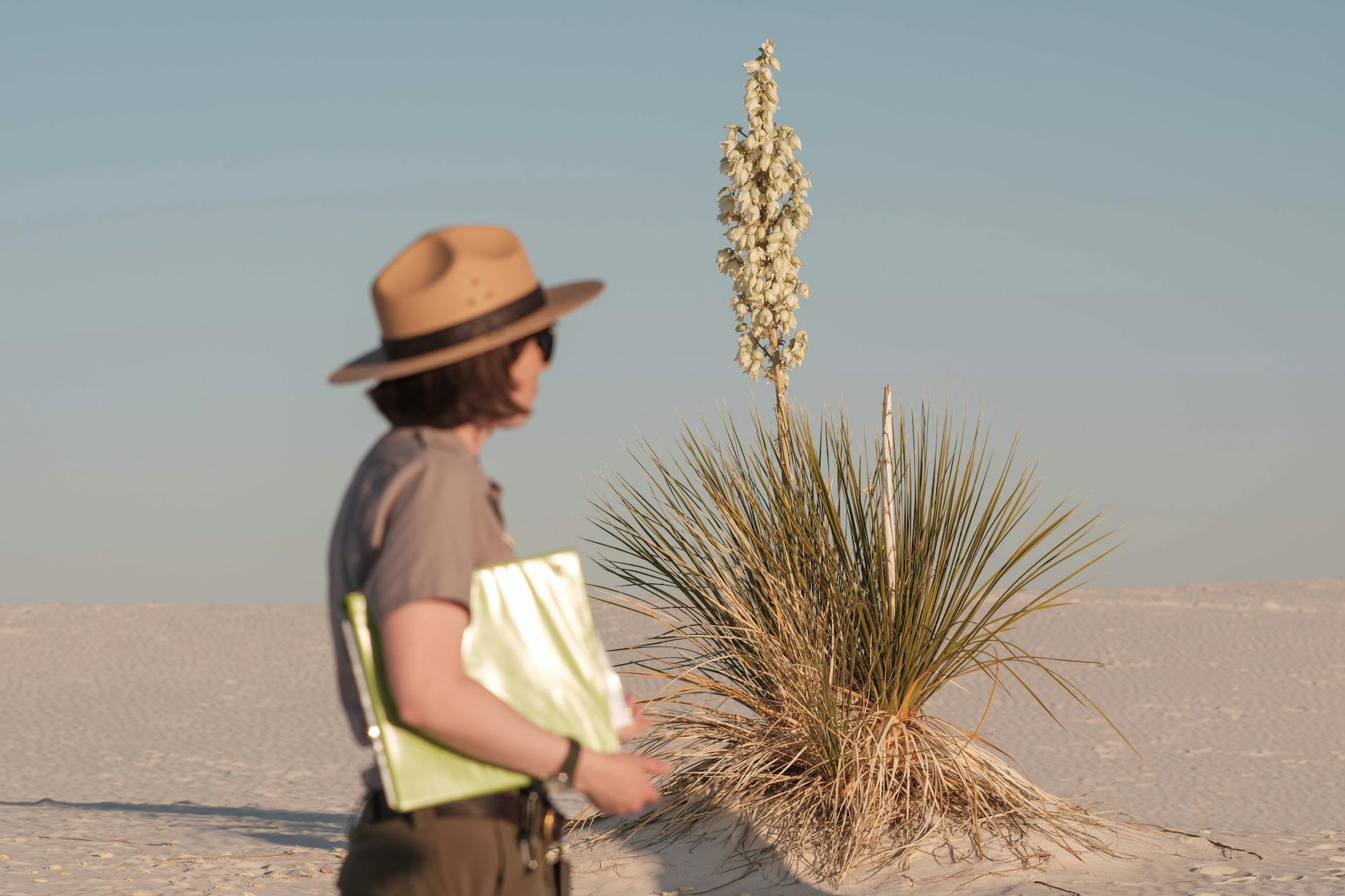
Park rangers are law enforcement officers with broad jurisdictional authority who spend their careers managing complex ecological systems while simultaneously serving the public in emotionally charged situations. Verbal confrontations and non-compliance force rangers to escalate interactions that could have been resolved with a simple explanation and a course correction. Rangers operating in remote areas often work alone and rely on mutual respect and cooperation to manage large visitor populations effectively. The frustration rangers carry is not directed at visitors themselves but at behaviors that threaten the very resources those visitors have traveled to enjoy. Treating rangers with the same courtesy extended to any professional doing a difficult and important job costs nothing and contributes meaningfully to a functioning park culture.
Single-Use Plastics

The proliferation of single-use plastics in park environments represents one of the most persistent and visually damaging forms of pollution rangers contend with on a daily basis. Plastic bottles, wrappers, straws, and utensils discarded or blown from campsites fragment into microplastics that contaminate soil and water long after the original object is no longer visible. Wildlife ingests plastic debris at alarming rates with consequences ranging from digestive obstruction to systemic poisoning that compromises long-term health and reproductive capacity. Rangers frequently organize volunteer clean-up events to address accumulated plastic waste but note that prevention is far more effective than remediation at this scale. Switching to reusable containers and carrying a dedicated trash bag on every outing is one of the most straightforward ways a visitor can reduce their footprint in protected landscapes.
Share which of these park etiquette principles matters most to you in the comments.




