
Financial overextension rarely announces itself loudly. More often, it creeps in through small, normalized habits that feel harmless in isolation but collectively signal a growing gap between income and lifestyle. Recognizing these patterns early is one of the most powerful steps toward long-term financial stability. The following signs are worth examining honestly, even if the truth feels uncomfortable at first.
Credit Card Balances
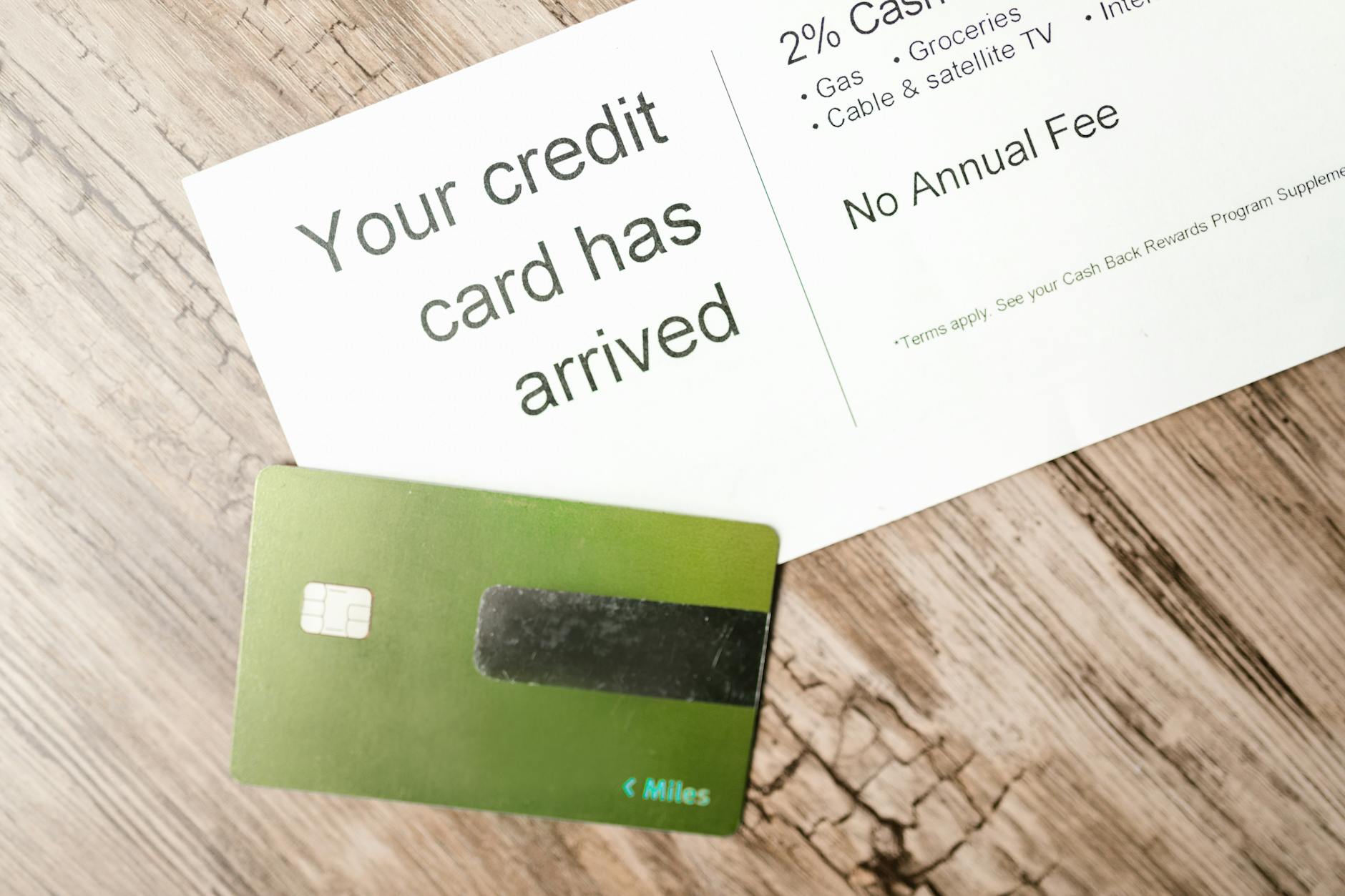
Carrying a balance from month to month is one of the clearest indicators that spending consistently outpaces income. When purchases cannot be paid in full at the end of a billing cycle, interest compounds quickly and debt grows faster than most people anticipate. Many individuals normalize this habit by telling themselves it is temporary, yet months stretch into years. Over time, the minimum payment trap erodes financial flexibility and limits future options significantly.
Savings Account

When the savings account sits at or near zero most of the time, it reflects a structural imbalance in personal finances. True financial health requires setting aside a portion of every paycheck before discretionary spending begins. Consistently having nothing left to save by the end of the month is not a coincidence but a pattern. Without a financial cushion, even minor unexpected expenses can trigger a cycle of borrowing and stress.
Payday Countdown

Anxiously watching the calendar and counting down to the next payday is a sign that money runs out before the month does. This paycheck-to-paycheck existence affects people across a wide range of income levels, not just those with low earnings. The problem is rarely solved by earning more if spending habits expand to match every raise. Addressing the underlying spending structure is the only sustainable path forward.
Subscription Creep

Accumulating dozens of monthly subscriptions that go largely unused is a modern form of lifestyle inflation. Streaming services, fitness apps, meal kits, and software tools each seem affordable individually, yet the combined total can represent a significant monthly drain. Many people have no clear picture of exactly how much their subscriptions cost in total each month. A simple audit often reveals hundreds of dollars quietly leaving the account with little to no value in return.
Impulse Purchases

Regularly buying things on impulse, especially online, is a strong signal that spending is driven by emotion rather than intention. The ease of one-click purchasing and next-day delivery has made it easier than ever to spend without reflection. Items accumulate while the bank balance shrinks, and many purchases are forgotten almost as quickly as they are made. Mindful spending requires a deliberate pause between the desire to buy and the act of purchasing.
Dining Out

Eating out or ordering delivery most nights of the week indicates that convenience is being prioritized at a significant financial cost. Restaurant meals and delivery fees with added gratuity can cost four to five times more than preparing the equivalent meal at home. When dining out becomes the default rather than the exception, food costs can consume a disproportionate share of take-home pay. Tracking food spending for even one month tends to produce a genuinely eye-opening result.
Minimum Payments

Making only minimum payments on loans and credit cards while taking on new debt simultaneously is a cycle that compounds financial fragility over time. This behavior signals that current income cannot realistically support the existing debt load, let alone additional obligations. Lenders structure minimum payments to extend repayment over many years, maximizing the interest paid. Recognizing this pattern is the first step toward building a strategy that actually reduces what is owed.
Wardrobe Overflow

A wardrobe that is constantly overflowing yet somehow never feels adequate is a hallmark of excessive lifestyle spending. Purchasing new clothing frequently, particularly to keep up with trends or social occasions, adds up to a substantial annual figure. Many pieces are worn once or twice before being pushed to the back of the closet. The emotional satisfaction of a new purchase fades quickly, often replaced by the urge to buy again.
Financial Conversations

Feeling anxious, avoidant, or defensive when financial topics arise in conversation is a behavioral sign that something feels unresolved beneath the surface. People living beyond their means often avoid looking at bank statements, skip budgeting entirely, or change the subject when money comes up. This avoidance prevents accurate self-assessment and delays necessary course correction. Financial confidence grows when reality is faced directly rather than postponed.
Home Upgrades

Frequently upgrading living spaces, furniture, or appliances before the current ones have reached the end of their useful life reflects status-driven spending rather than need-based decision-making. The desire to have a home that looks a certain way for guests or social media can quietly drive thousands in unnecessary expenditure each year. Renovations and upgrades financed with credit are especially costly when interest is factored into the total price paid. A home that functions well is not diminished by furniture that is a few years old.
Car Payments

Stretching a car loan over six or seven years to afford monthly payments on a vehicle that exceeds practical needs is a common sign of financial overreach. The true cost of a vehicle includes insurance, maintenance, fuel, and depreciation in addition to the loan repayment itself. Choosing a car based on the monthly payment rather than the total cost is a budgeting error that many people do not recognize until the financial strain becomes obvious. Reliable transportation does not require a luxury or near-luxury vehicle to function effectively.
Gifting Pressure

Spending beyond a comfortable budget on gifts for birthdays, holidays, or social events out of obligation or social comparison is a pattern that quietly depletes savings. The cultural pressure to give impressive gifts has intensified alongside social media visibility of other people’s celebrations. Many recipients would genuinely prefer a thoughtful, modest gesture over an expensive one that caused the giver financial stress. Setting a personal gifting budget and maintaining it regardless of external pressure is a financially sound habit.
App Notifications
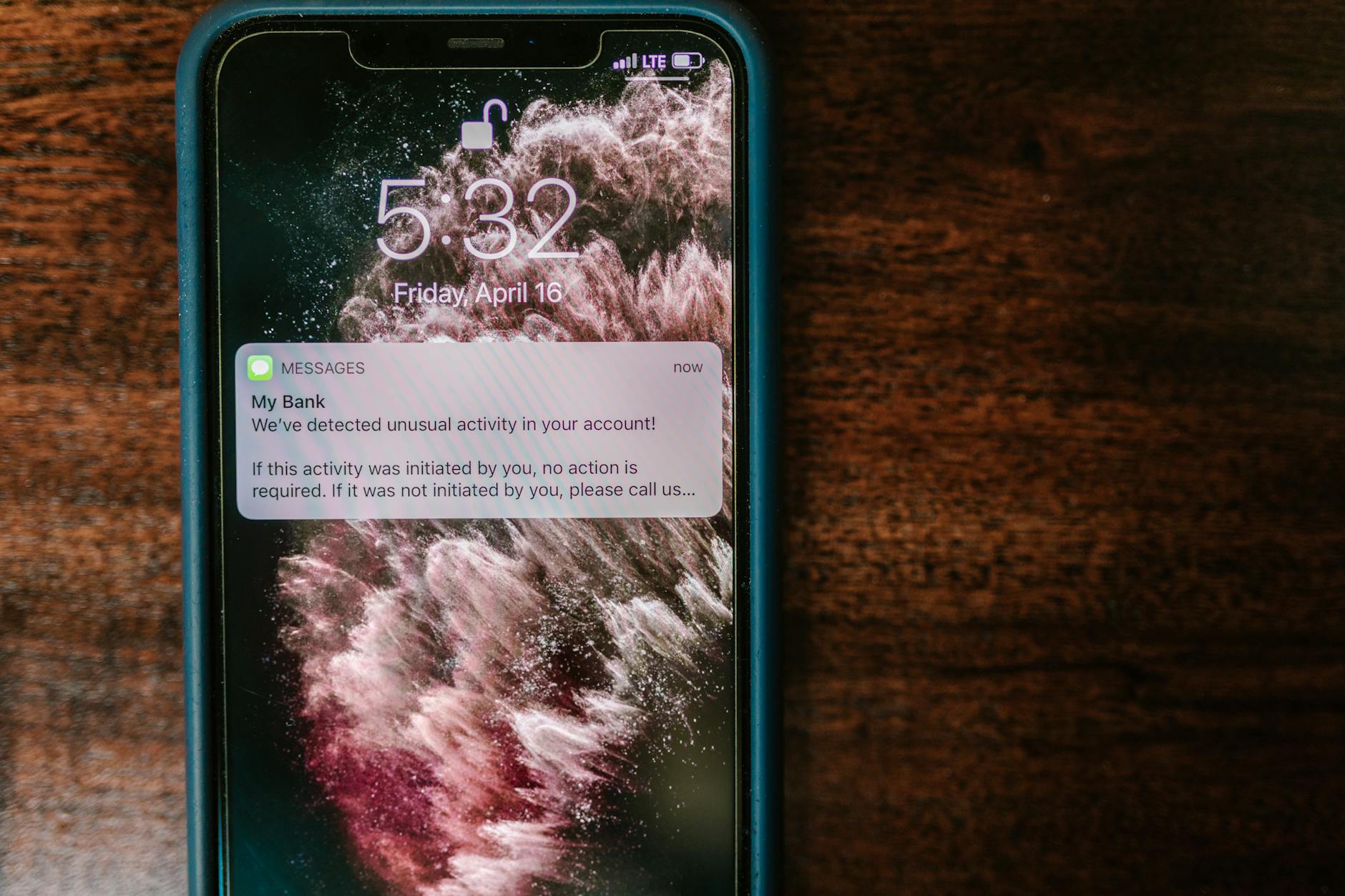
Ignoring or dismissing banking and budgeting app notifications rather than engaging with them is a subtle form of financial avoidance. These alerts are often set to flag unusual spending, low balances, or upcoming bills, all of which require attention rather than silence. Turning off financial notifications removes a layer of accountability that can be genuinely useful for staying on track. Engaging with these tools regularly, even briefly, keeps spending behavior visible and harder to rationalize away.
Side Hustle Dependency

Relying on a side hustle, gig work, or irregular income not as a wealth-building tool but as a necessity to cover basic monthly expenses reveals a structural deficit in the primary budget. When the side income disappears due to illness, demand shifts, or burnout, the financial shortfall becomes immediately apparent. This dependency can mask the reality of overspending for extended periods, making the eventual reckoning more difficult. A sustainable budget is built around reliable primary income, with supplemental earnings treated as optional rather than essential.
Social Spending

Consistently spending more than intended when socializing, whether at bars, restaurants, events, or on group travel, is a pattern driven largely by social conformity rather than personal preference. The fear of being perceived as frugal or out of step with a social group leads many people to overspend repeatedly in communal settings. These costs accumulate rapidly across a social calendar without ever feeling like a single large expense. Setting a clear monthly social budget and communicating it calmly when needed is a practical and effective solution.
Retail Therapy

Turning to shopping as a primary response to stress, boredom, or emotional discomfort is a behavior pattern that creates financial problems on top of emotional ones. The temporary relief provided by a purchase is well-documented to be short-lived, often followed by a sense of regret or guilt. Over time, retail therapy can become a habitual loop that is difficult to interrupt without conscious awareness. Identifying the emotional triggers behind unplanned spending is an important step toward breaking the cycle.
Balance Transfers

Repeatedly transferring credit card balances from one card to another to manage interest rather than actively reducing the principal is a sign of debt management rather than debt resolution. While balance transfers can be a legitimate tactical tool used occasionally, relying on them as a recurring strategy means the underlying spending behavior has not changed. The introductory zero-percent period ends, interest resumes, and the cycle often repeats. Genuine progress requires reducing the total balance, not simply relocating it.
Delayed Bills

Delaying bill payments until the last possible moment or occasionally missing them entirely because of cash flow issues is a clear indicator that expenses are outpacing income. Late fees and penalty interest rates compound the original cost of the bill and accelerate the financial strain. Utility companies, landlords, and lenders all treat consistent lateness as a risk signal, which can affect creditworthiness over time. A realistic budget should account for every recurring obligation with enough margin to pay on time without stress.
Lifestyle Inflation

Automatically increasing personal spending every time income rises, rather than directing a portion of the raise toward savings or debt repayment, is the mechanism behind lifestyle inflation. New earnings get absorbed immediately into a higher standard of living, leaving the financial position essentially unchanged despite earning more. This pattern can continue through multiple raises and promotions, leaving high earners just as financially vulnerable as those earning far less. Building the habit of saving the majority of any income increase before adjusting lifestyle spending is one of the most effective wealth-building strategies available.
Net Worth Awareness

Having no clear idea of personal net worth, meaning the difference between total assets and total liabilities, suggests a disconnection from financial reality that often accompanies overspending. People who are living within their means tend to have at least a general awareness of what they own versus what they owe. This knowledge creates a grounding perspective that makes it harder to rationalize excessive spending. Calculating net worth even once a year provides an honest snapshot of whether financial life is moving in a positive direction.
If any of these signs feel familiar, share which ones resonated with you most in the comments.




