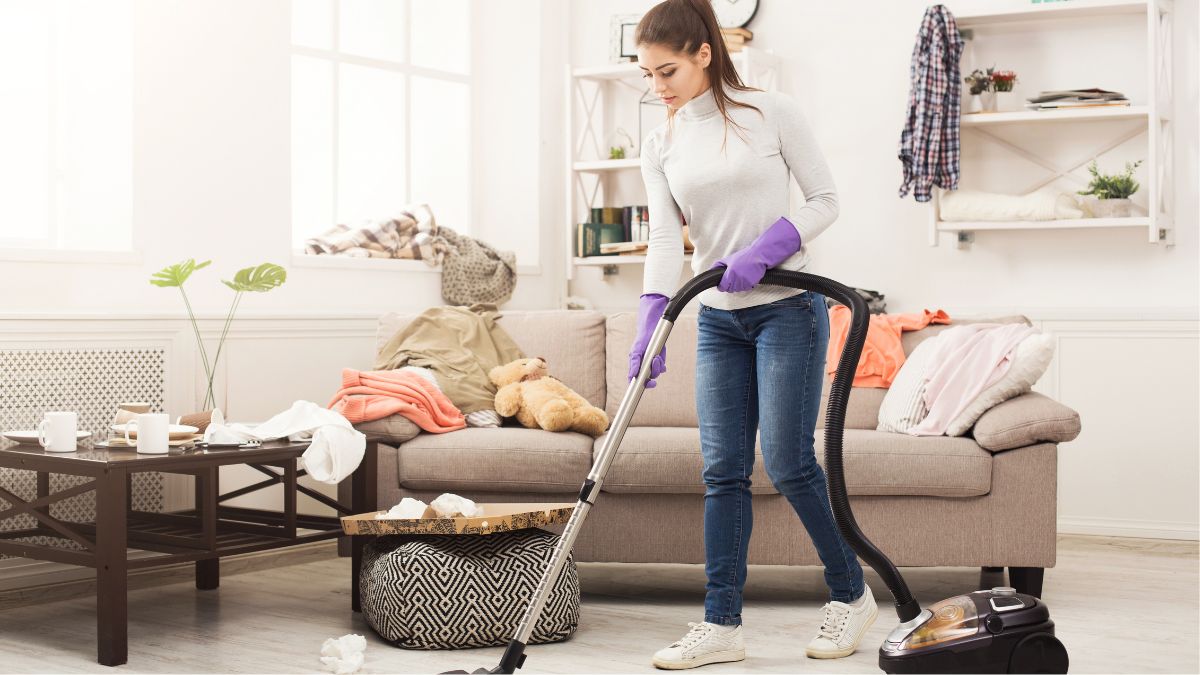
A spotless home can still feel chaotic when certain everyday habits go unaddressed. Cleanliness and visual order are not the same thing, and many households fall into patterns that undermine the sense of calm a tidy space should provide. From the way surfaces are arranged to the choices made about storage and display, small missteps add up quickly. Understanding which habits are working against you is the first step toward a home that looks as clean as it actually is.
Too Many Throw Pillows
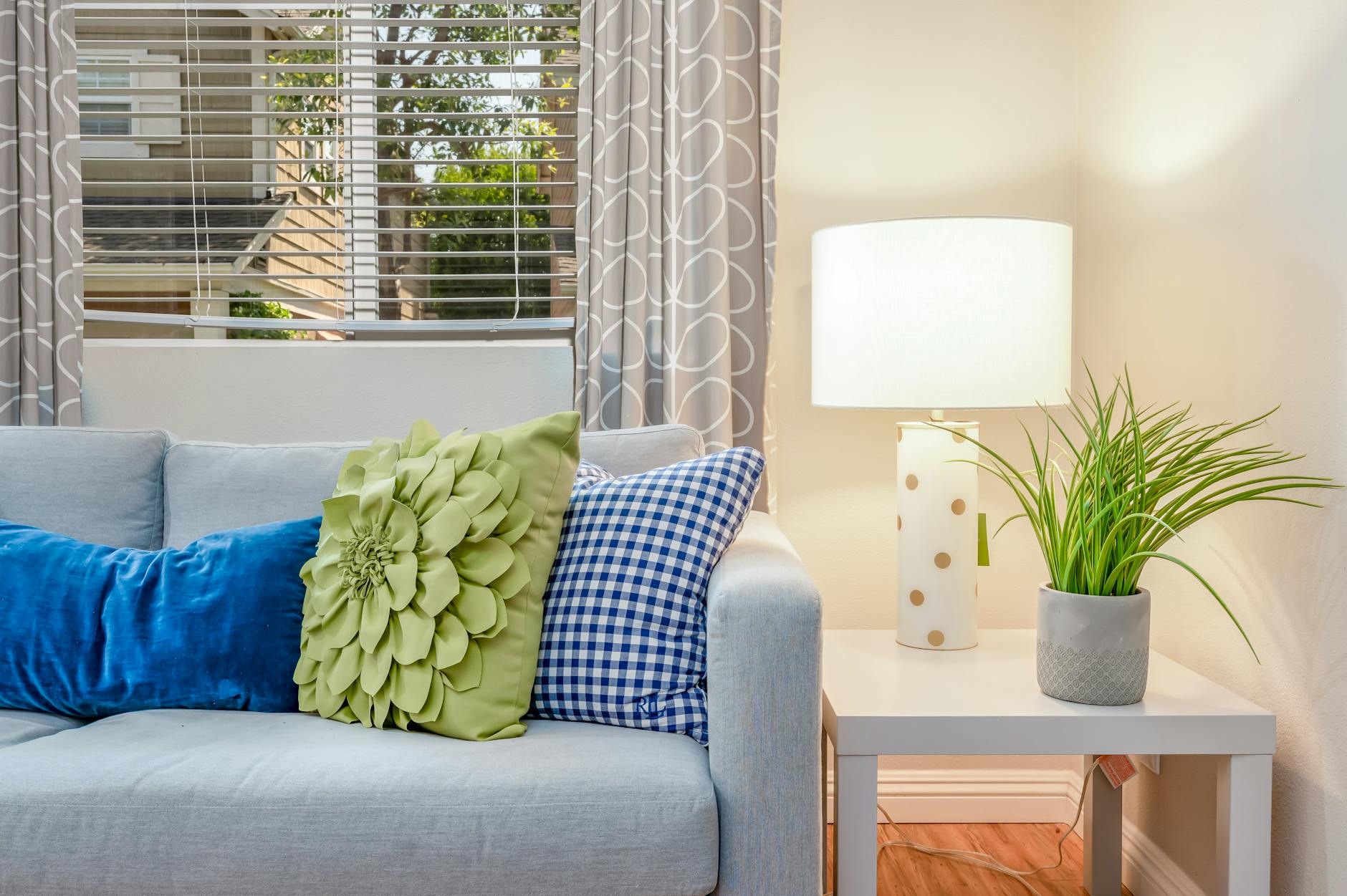
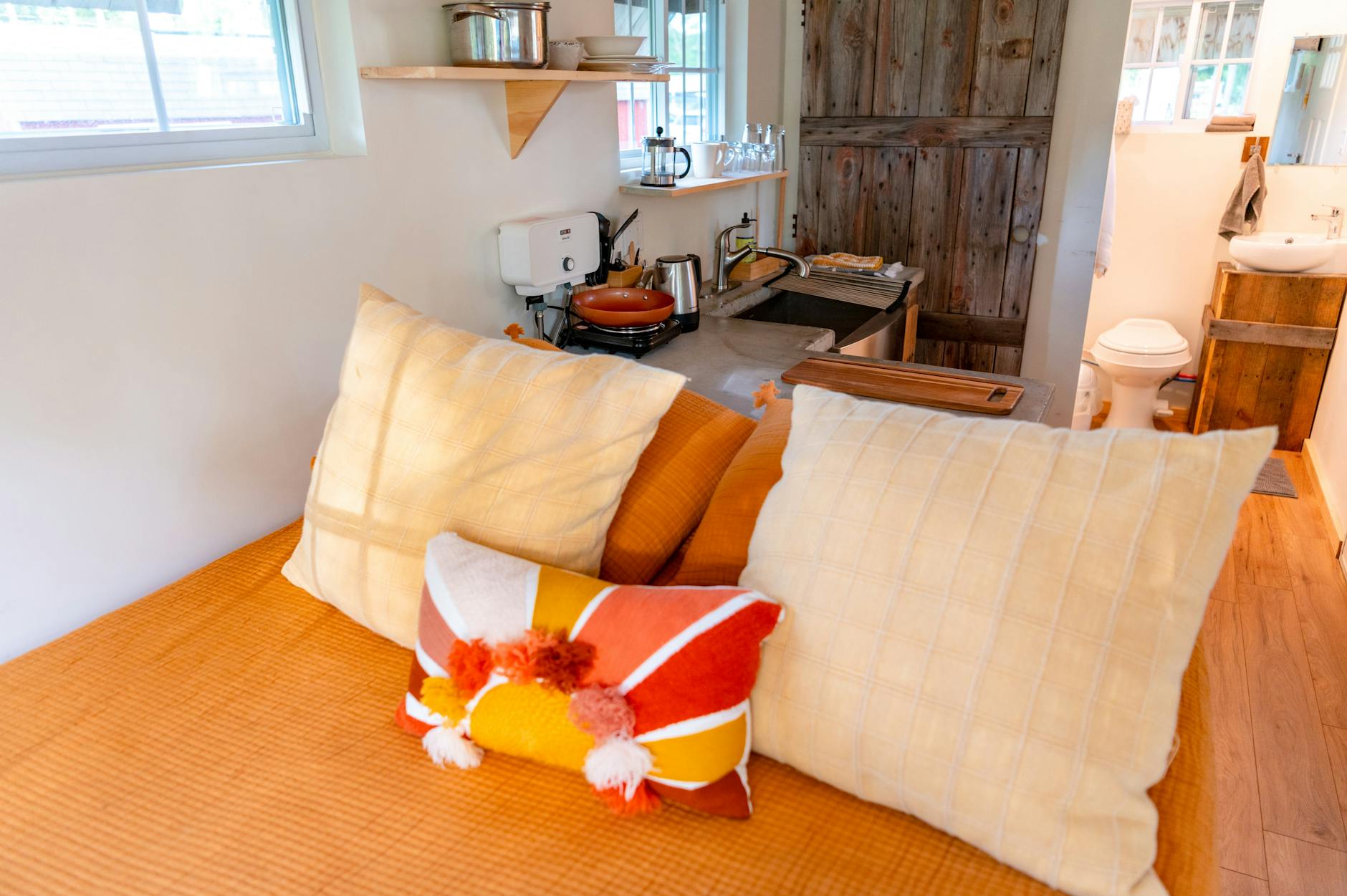
Decorative pillows are a popular styling choice, but an excess of them creates visual noise that overwhelms a sofa or bed. When pillows vary too widely in size, shape, and pattern, the eye has nowhere to rest and the space feels busy rather than inviting. A curated selection of two to four complementary pillows almost always reads as more intentional and polished. Rotating seasonal pillows rather than stacking them all at once keeps the look fresh without adding confusion.
Overcrowded Shelves
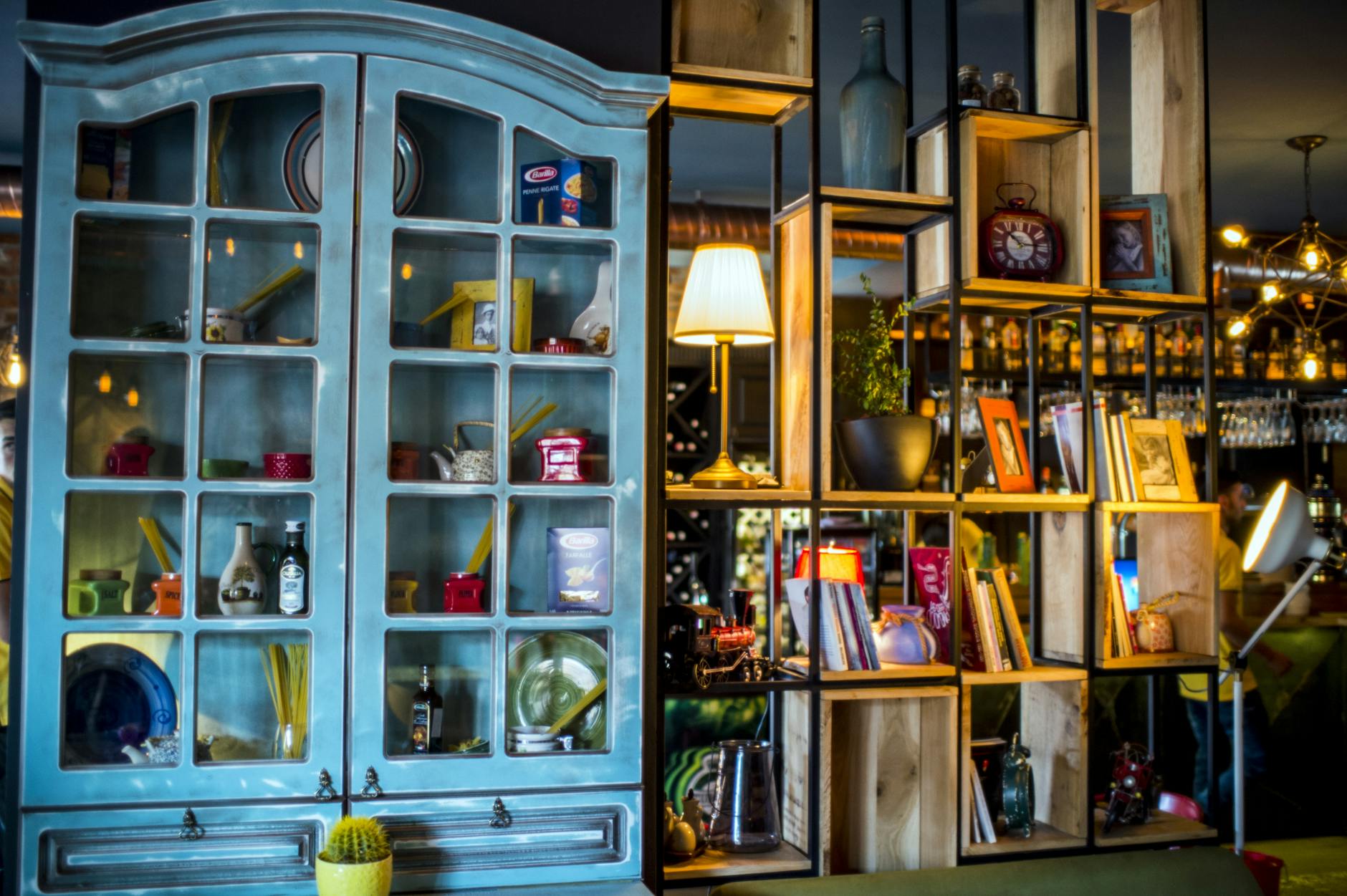
Shelves that are packed to capacity with books, trinkets, and miscellaneous objects lose all sense of visual breathing room. Even when each individual item is meaningful, the combined effect of too many objects on a single surface is one of disorder. Negative space on a shelf is not wasted space but rather an intentional design choice that allows the eye to appreciate what is there. Editing down to a thoughtful arrangement of books, a plant, and one or two objects transforms a cluttered shelf into a styled vignette.
Mismatched Storage Bins

Using a mix of uncoordinated baskets, boxes, and bins throughout a room creates a patchwork effect that reads as disorganized even when everything inside is neatly sorted. The containers themselves become visual clutter when they do not share a common color palette, material, or scale. Investing in a cohesive set of storage solutions, even inexpensive ones, immediately unifies a space and makes it feel more intentional. A consistent approach to containers signals that a home is organized from the inside out.
Dangling Cables

Exposed cords running along baseboards, draping over furniture, or trailing across countertops are one of the most immediate contributors to a cluttered appearance. They draw the eye downward and introduce a sense of disorder that is difficult to ignore even in an otherwise tidy room. Simple management tools such as cable clips, sleeves, or adhesive channels keep wiring out of sight without requiring a renovation. Addressing cables is a low-cost improvement that delivers a disproportionately large visual payoff.
Cluttered Entryway
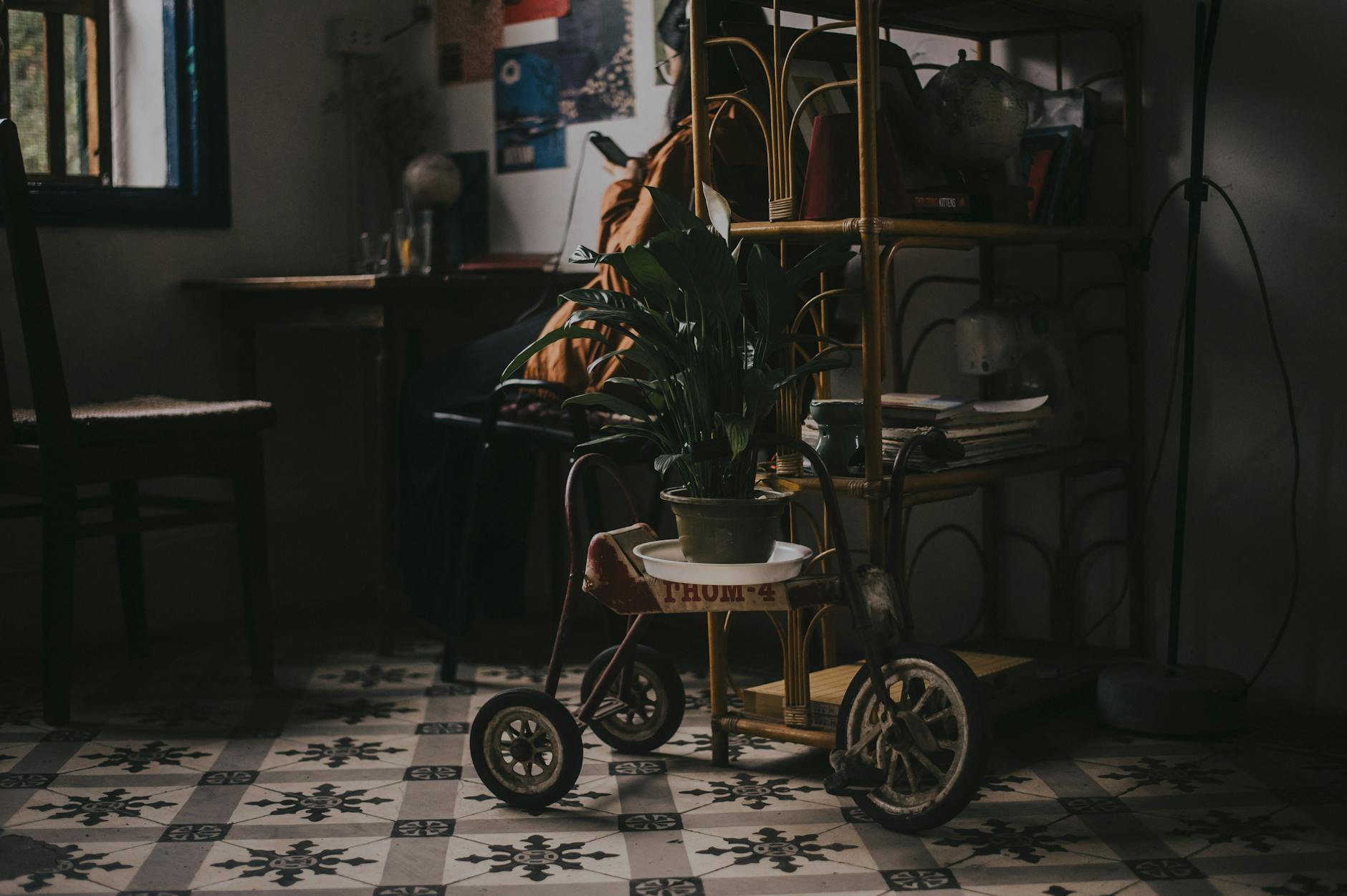
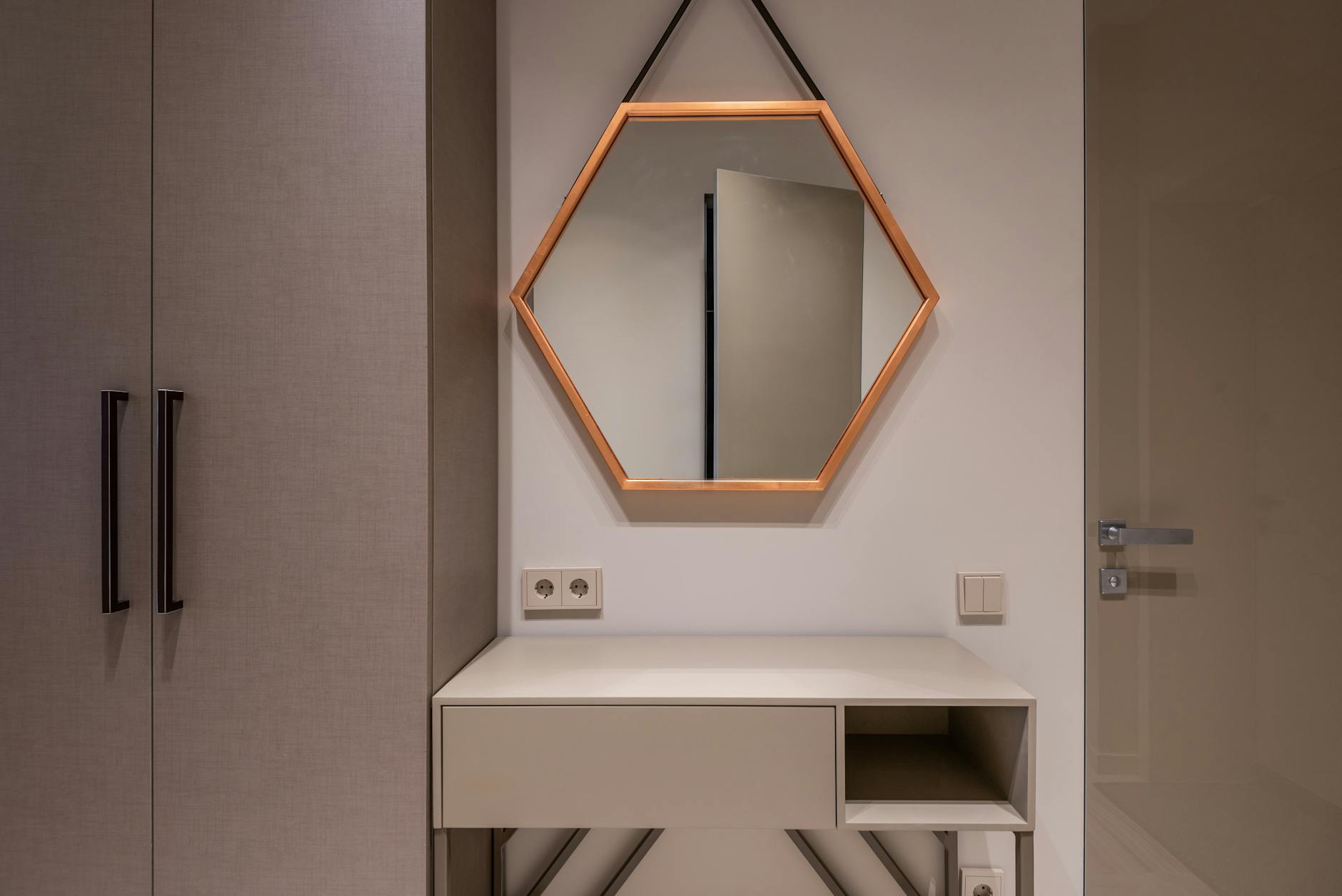
The entryway sets the tone for the entire home, and a buildup of shoes, bags, keys, and mail in this area creates an impression of chaos that lingers. Because it is the first space seen when entering, any disorganization there colors the perception of everything beyond it. A dedicated hook for bags, a small tray for keys, and a contained shoe rack are enough to impose order without requiring much space. Keeping this zone disciplined is one of the highest-impact habits for maintaining an overall sense of calm.
Random Chairs
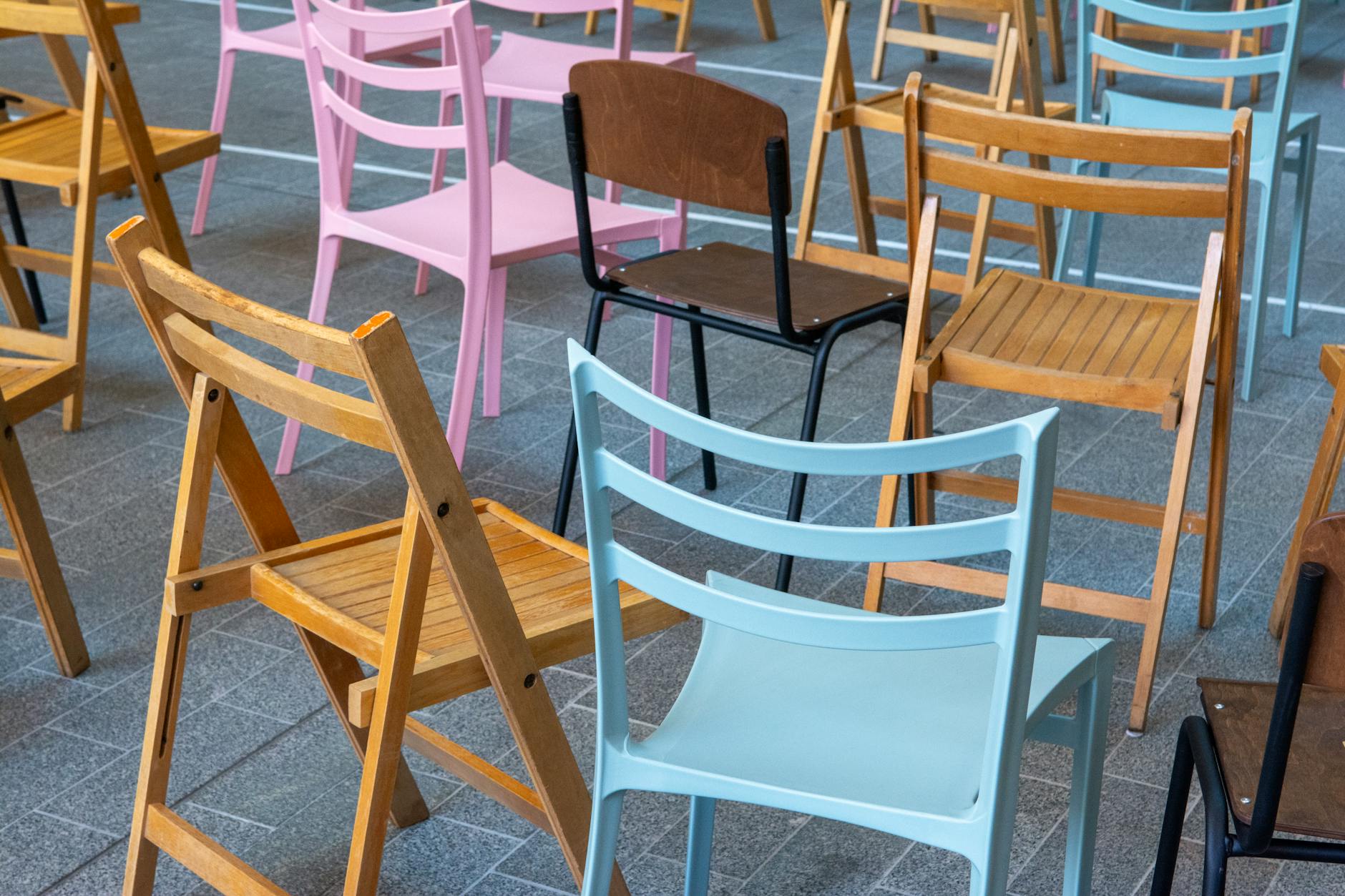
A chair placed without clear purpose in a bedroom or living area can look more like an overflow dumping ground than a functional piece of furniture. When chairs are not positioned in relation to other furniture or a clear activity, they read as afterthoughts that interrupt the flow of a room. Positioning a chair at an angle near a window with a small side table immediately gives it context and intention. If a chair consistently attracts piles of clothing, it may be better suited to another room or replaced with purpose-built storage.
Visible Laundry
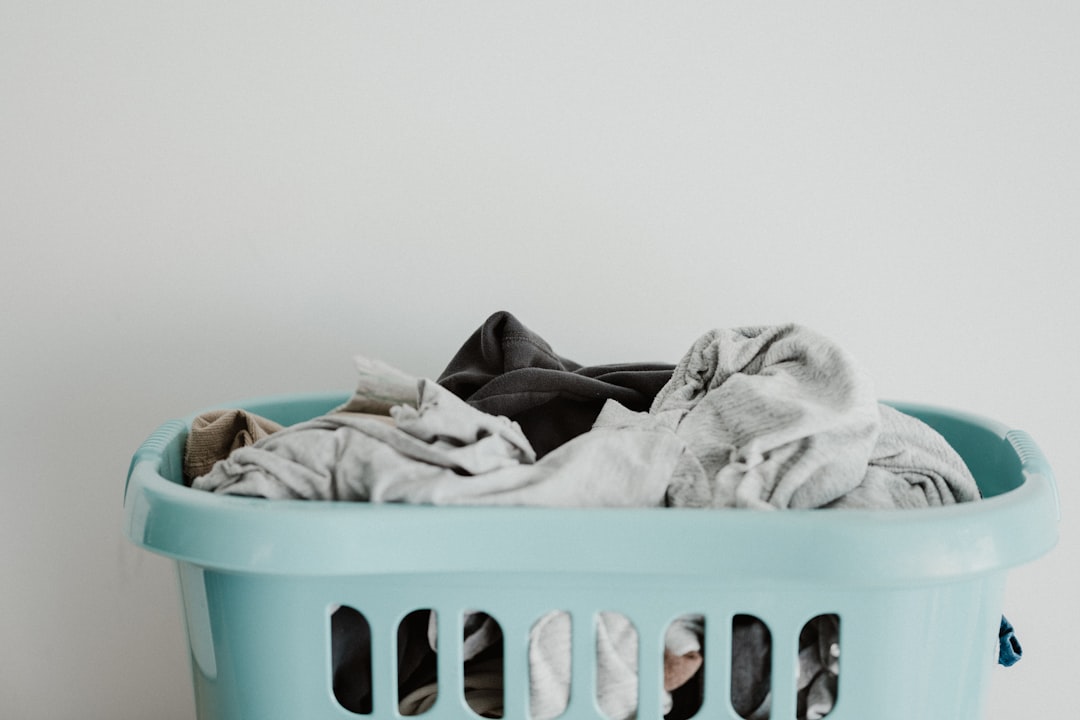
A laundry basket left in open view, even a clean and organized one, introduces an association with domestic backlog that undercuts an otherwise tidy room. The same applies to clothing draped over chairs, door handles, or the end of a bed. Designating a specific and concealed location for both clean and dirty laundry keeps this daily reality from affecting the visual order of a space. A lidded hamper tucked inside a closet is one of the simplest upgrades a bedroom can receive.
Fridge Door Overload
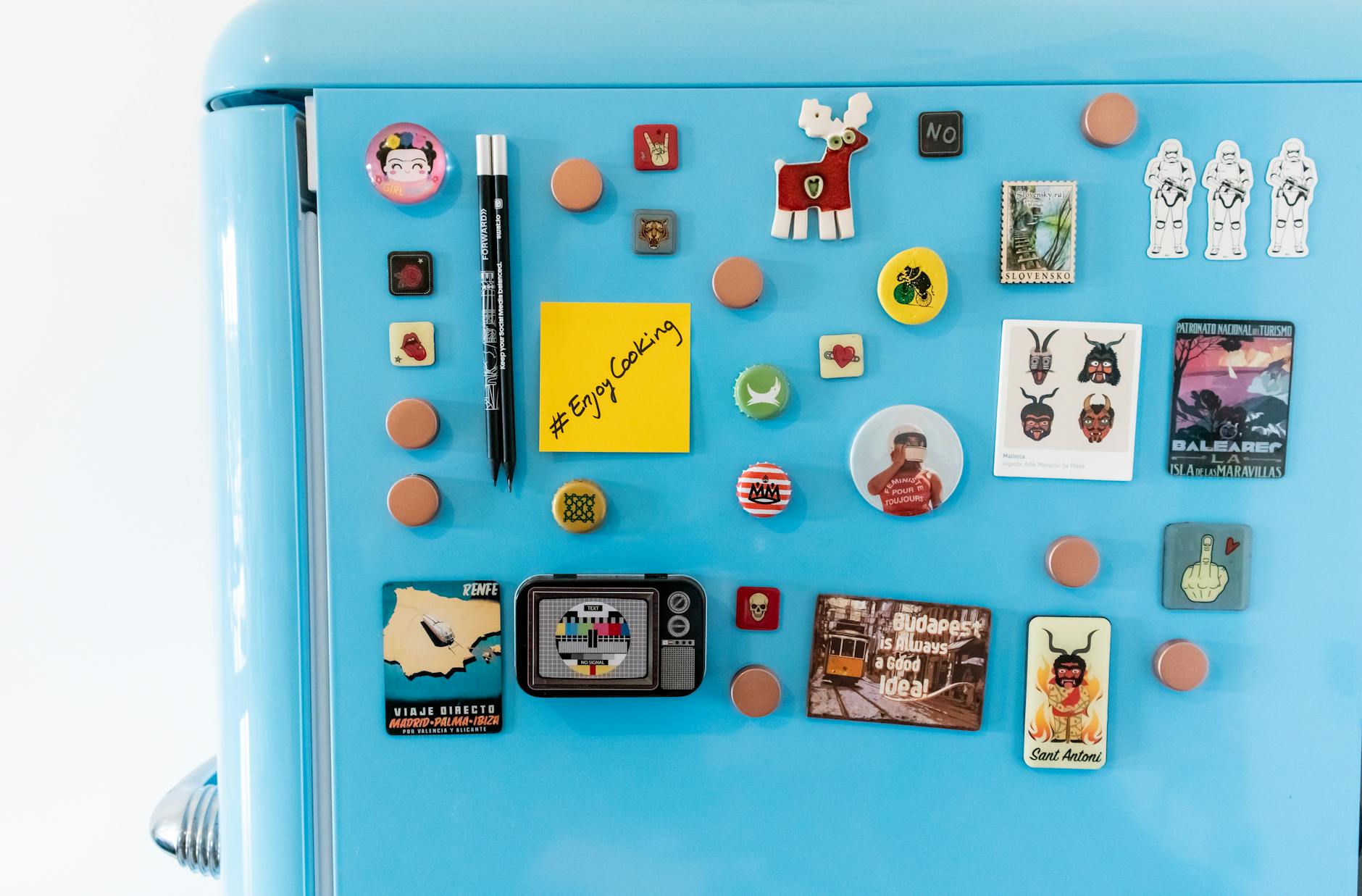
A refrigerator covered in magnets, takeout menus, children’s artwork, and reminder notes turns one of the largest surfaces in a kitchen into a bulletin board. While each individual item may be useful or sentimental, the collective effect is visual clutter in one of the most frequently viewed spots in the home. Migrating important notes to the inside of a cabinet door or a single dedicated corkboard in a less prominent location clears the exterior immediately. A clean fridge front makes the entire kitchen feel more streamlined.
Excessive Countertop Appliances
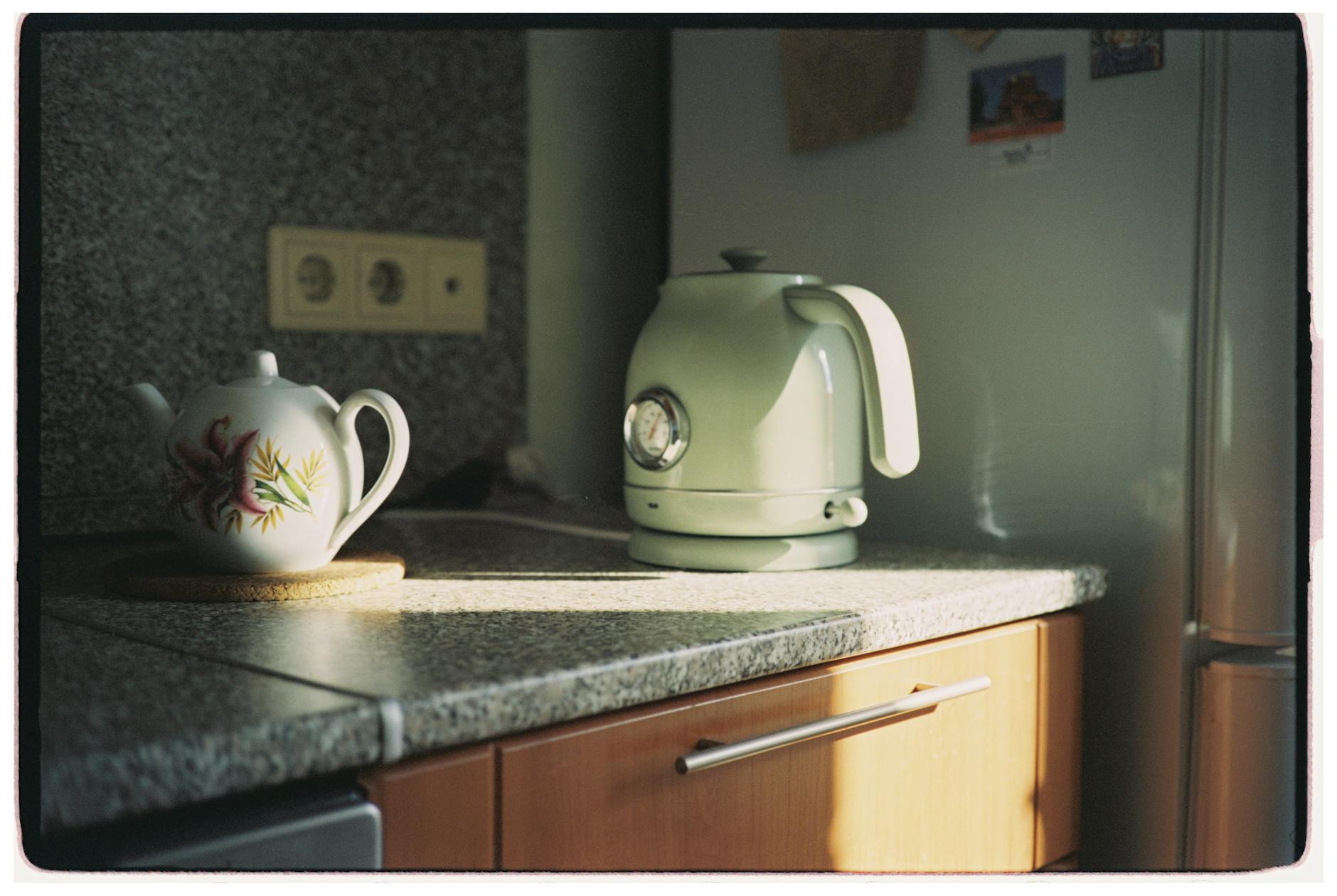
Kitchen countertops loaded with appliances, even ones used regularly, reduce the perception of space and make a kitchen feel smaller and more hectic. Each appliance takes up visual real estate and contributes to a sense that the kitchen is at capacity. Storing items like toasters, blenders, and coffee machines in cabinets when not in use and bringing them out only as needed preserves countertop clarity. Limiting permanent countertop presence to one or two items creates an airy and organized aesthetic.
Open Trash Cans
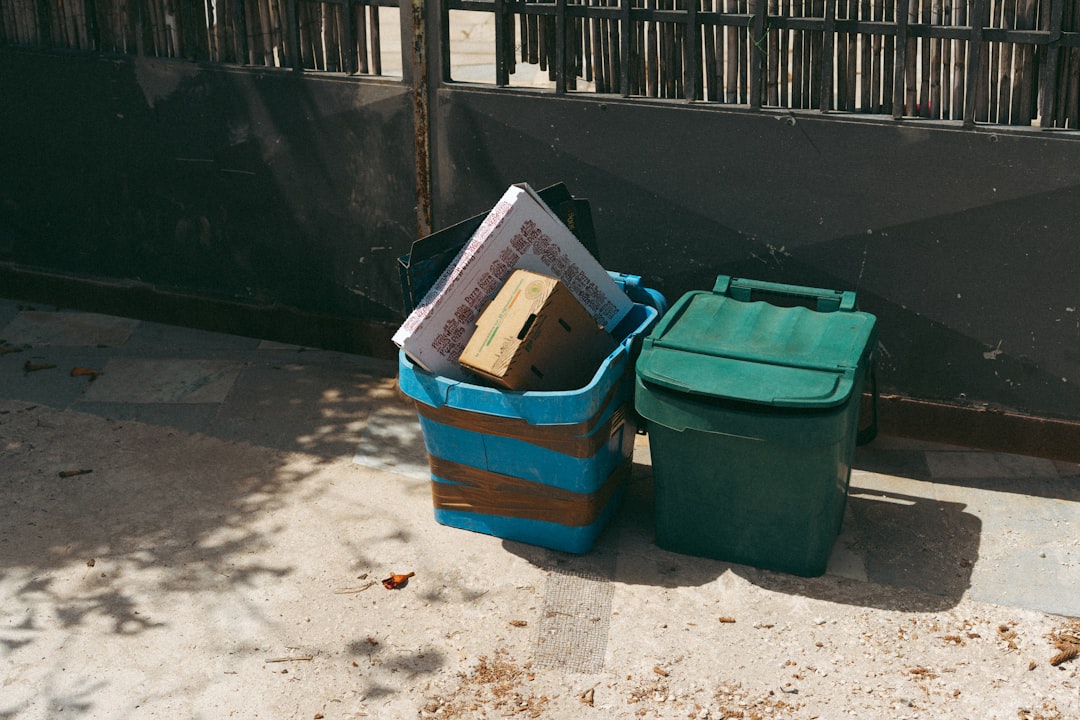
A visible, lidded-free trash can in a kitchen, bathroom, or office introduces both visual and psychological clutter to a space. Even when freshly lined, an open bin draws the eye and suggests disorder in a way that a concealed or lidded version does not. Switching to cans with lids or housing bins inside cabinetry is a straightforward change that significantly raises the visual standard of a room. Under-sink placement in kitchens and bathrooms is a particularly effective solution that removes the bin from sight entirely.
Stacked Reading Material
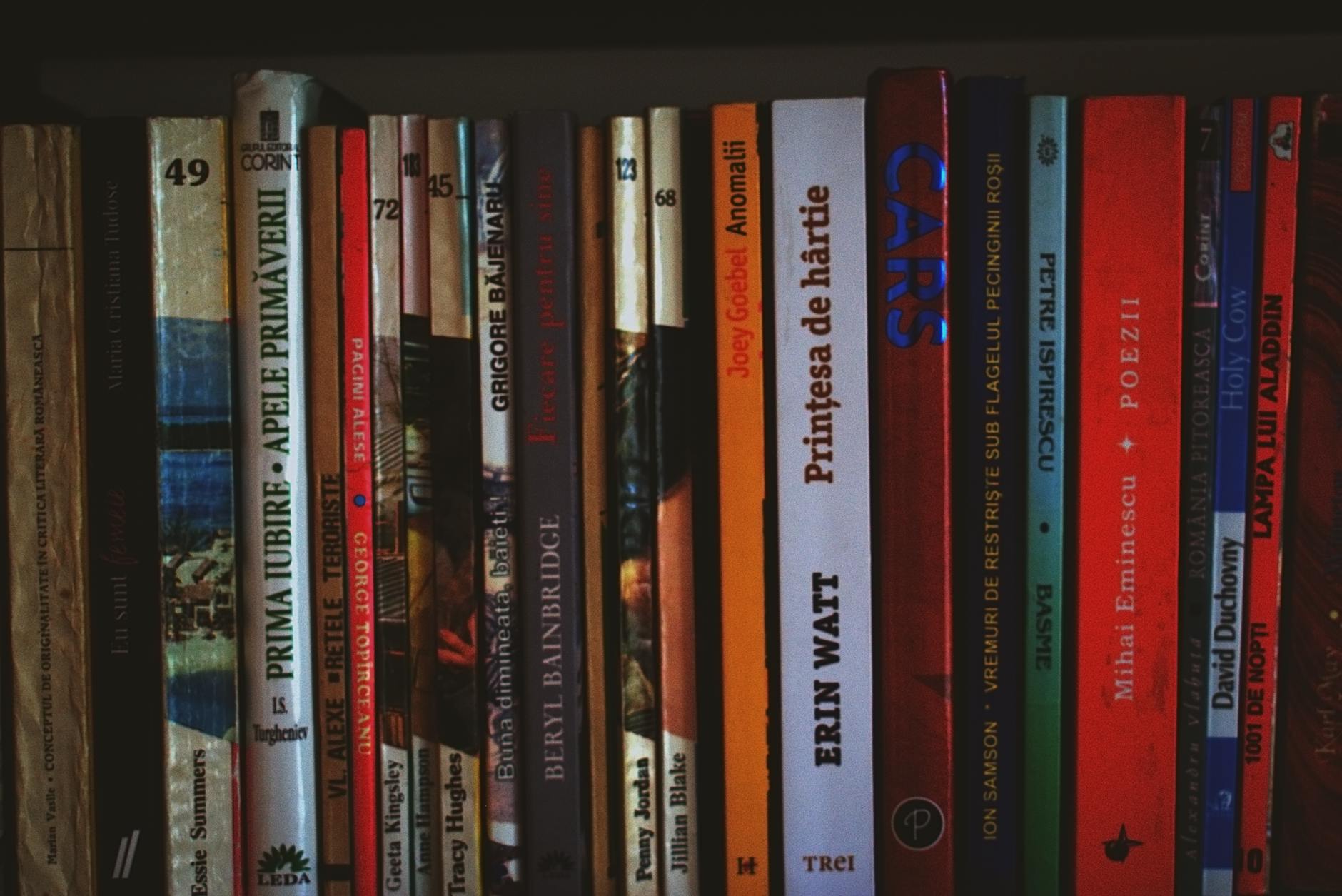
Magazines, catalogs, and books that accumulate in stacks on coffee tables, nightstands, or floors quickly become a symbol of things left unfinished. Even a small stack of five or six items reads as unresolved clutter, particularly when the materials are varied in size and cover design. A single dedicated tray or a compact magazine holder immediately corrals this category and gives it a defined boundary. Regularly cycling out older publications prevents the stack from growing beyond what the space can absorb visually.
Clashing Rugs

Layering or combining rugs that do not share a color story, scale, or style creates a fragmented floor plane that makes an entire room feel unsettled. A rug that is too small for a seating arrangement is a particularly common misstep that leaves furniture looking unanchored. The rug functions as a visual foundation for the rest of the room, and when it competes rather than supports, the entire arrangement suffers. Choosing one well-proportioned rug in a neutral or complementary palette immediately grounds a space.
Unframed Wall Art
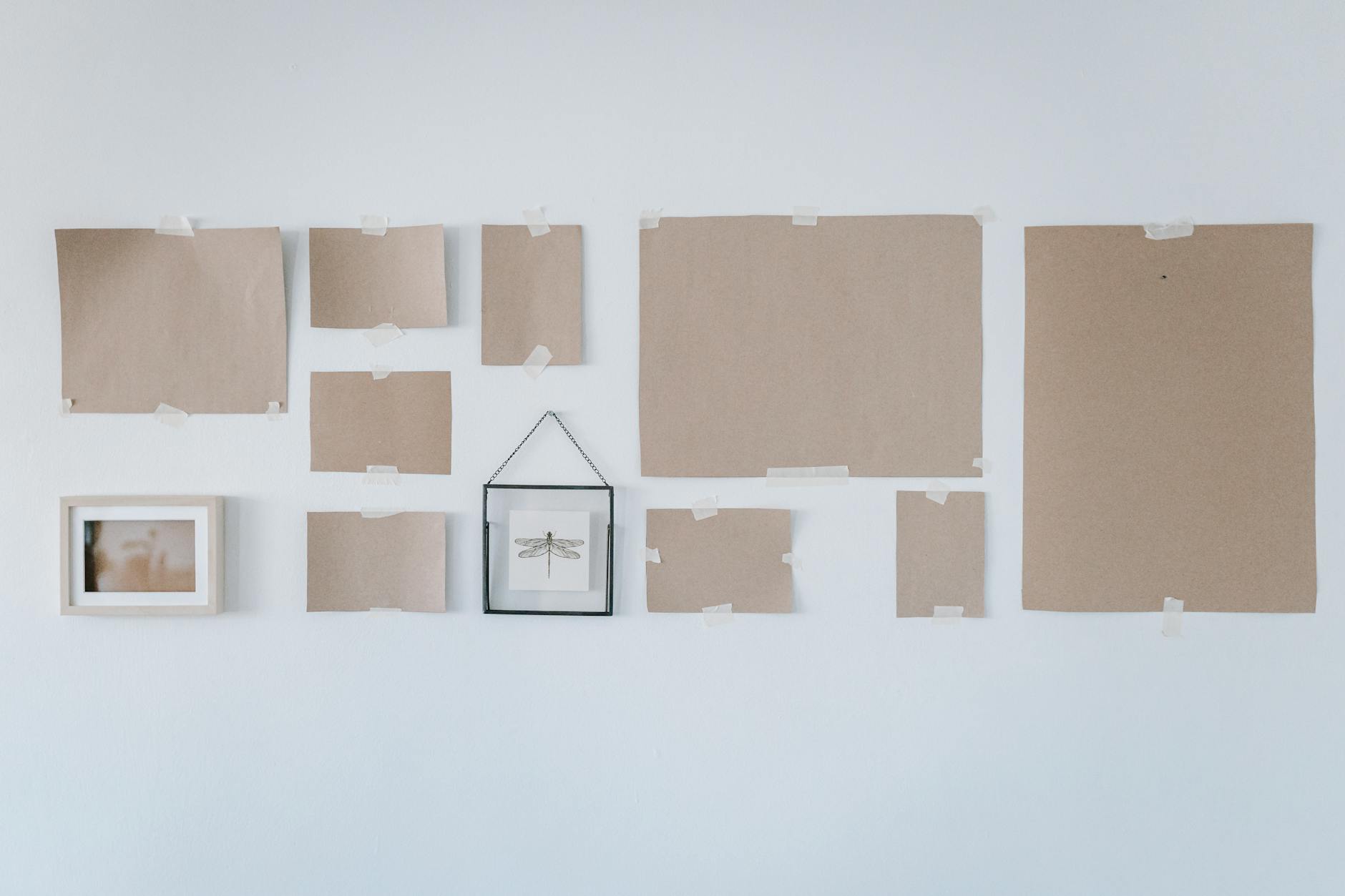
Artwork that is pinned, taped, or leaned against walls without proper framing or hanging gives a space a temporary, unfinished quality. Even high-quality prints lose their visual impact when displayed casually, as the presentation signals that the arrangement has not been thought through. A simple frame in a consistent finish elevates the perceived value of any piece and demonstrates intentionality in how the space is curated. Groupings of similarly framed pieces are especially effective at creating a cohesive gallery feel.
Tangled Countertop Items
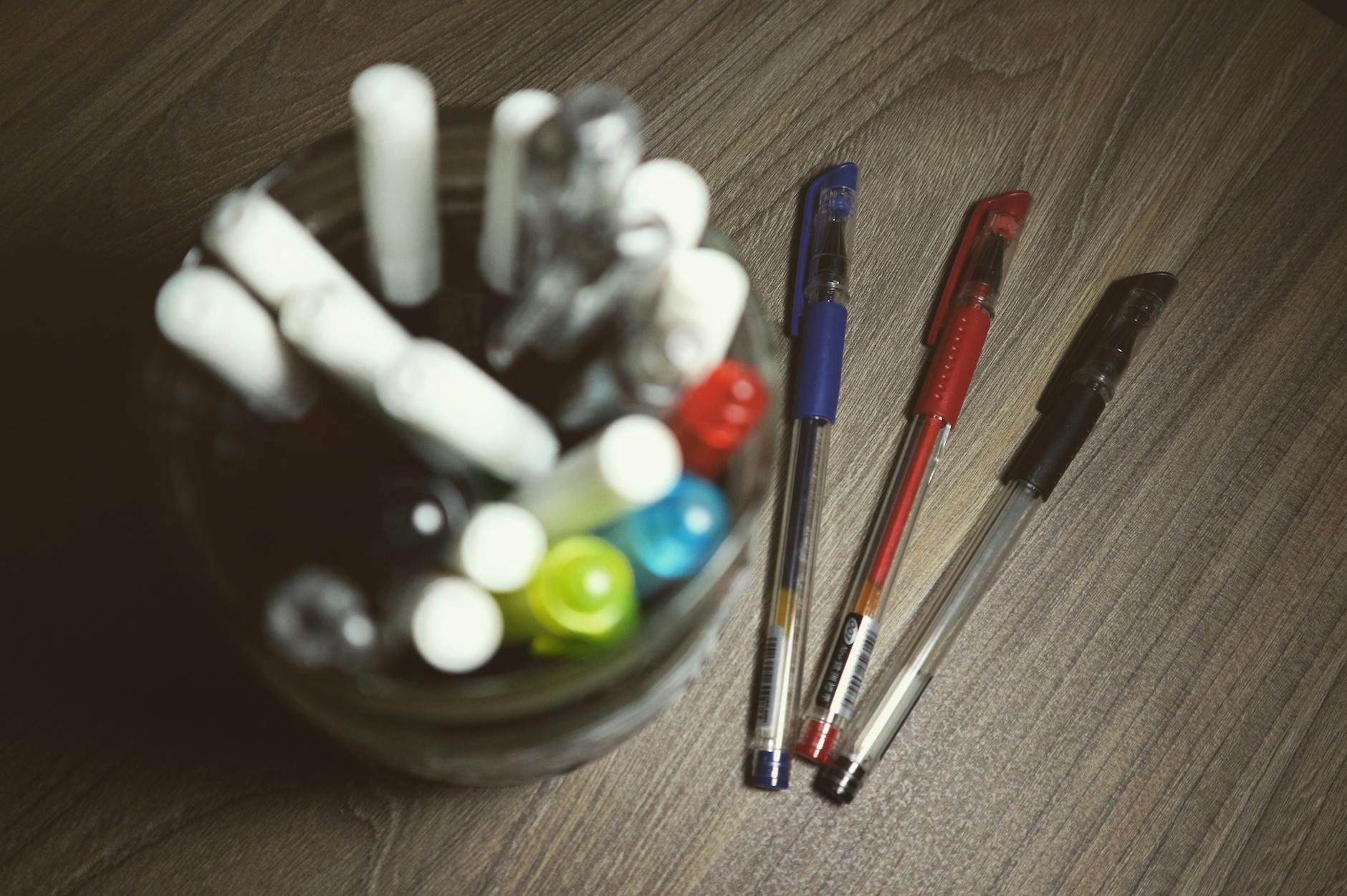
A loose assortment of small objects on kitchen or bathroom countertops, including receipts, hair ties, pens, and everyday essentials, creates low-grade visual noise that accumulates unnoticed. None of these items are inherently problematic, but without a designated container they communicate a lack of system. A small tray, bowl, or drawer organizer immediately consolidates this category and gives it a defined home. The act of containing miscellaneous small items is one of the fastest ways to elevate the appearance of a high-traffic surface.
Too Many Plants
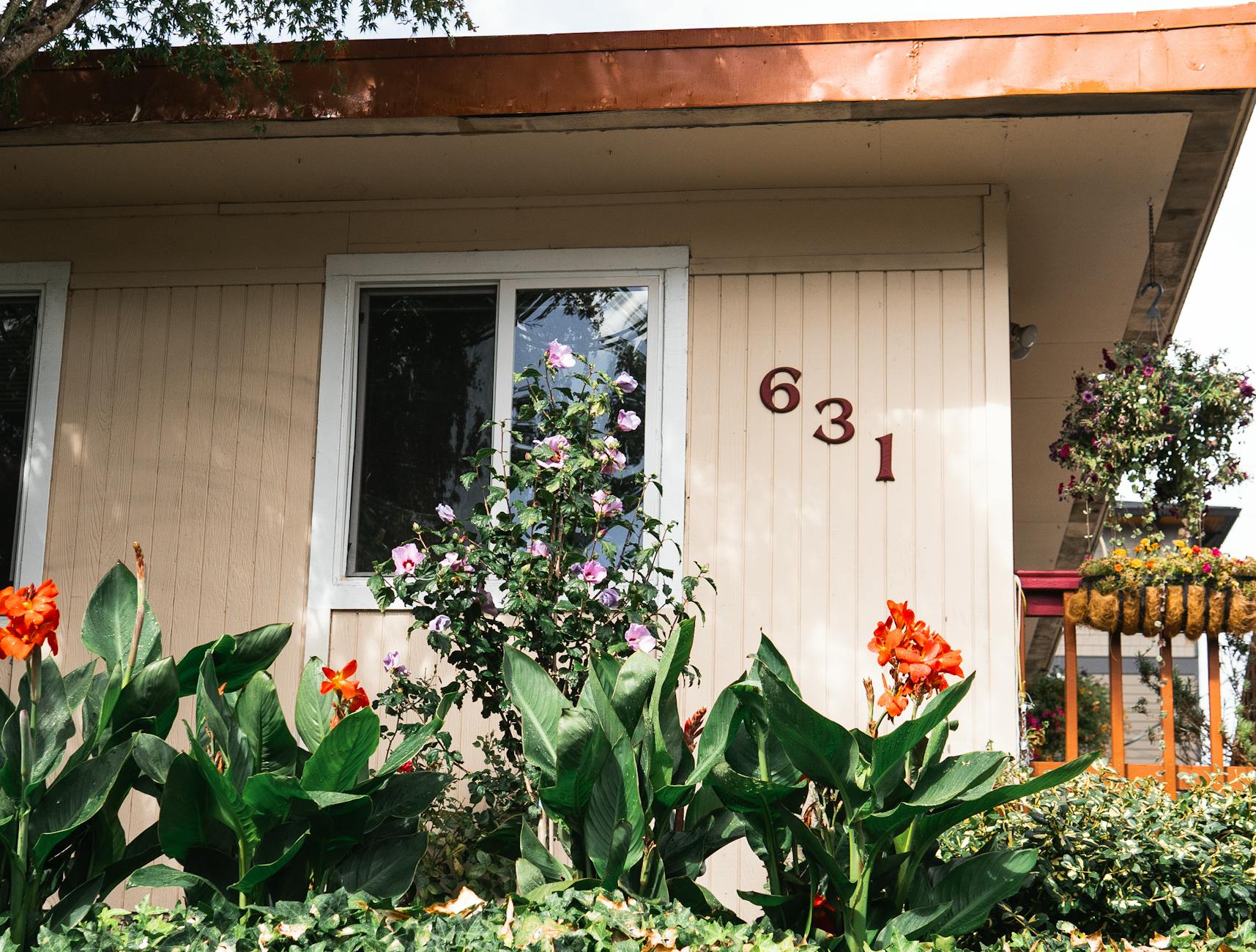
Plants are widely celebrated for the warmth and life they bring to an interior, but an overabundance of them, particularly in varied pots of different heights, materials, and conditions, can generate significant visual clutter. When plants are scattered across every surface without a cohesive approach, they begin to compete for attention rather than contribute to the overall composition. Grouping plants intentionally in one or two areas of a room and using complementary pot designs creates a more curated and deliberate display. Removing plants that are struggling or no longer thriving also contributes to a cleaner aesthetic.
Decorative Trays Without Purpose
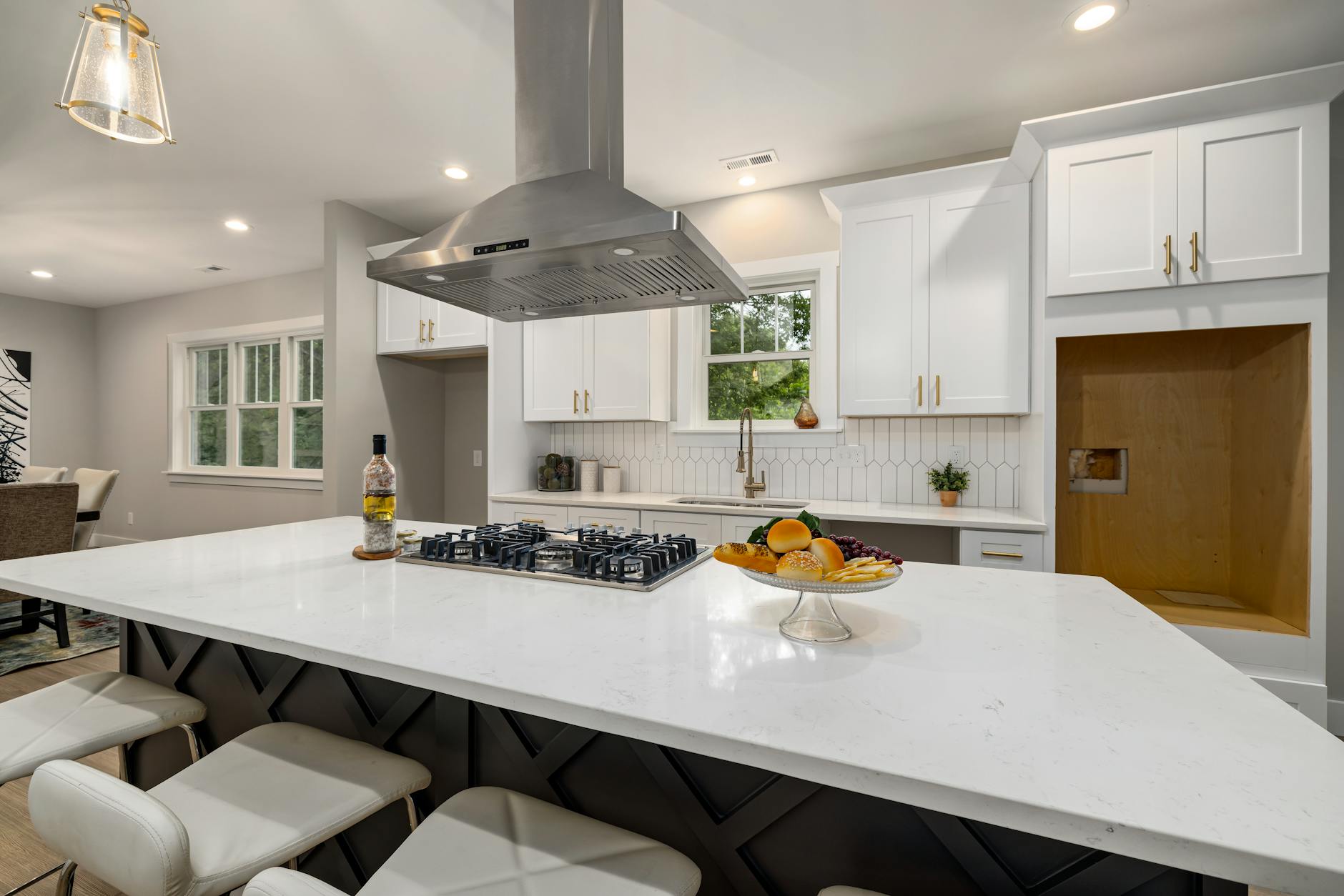
A tray used simply to hold a random assortment of unrelated objects provides the illusion of organization without actually delivering it. When the contents of a tray lack a visual or functional connection, the tray itself becomes part of the clutter it was meant to contain. A well-styled tray uses a limited number of objects that share a color, material, or theme, creating a small composition that reads as intentional. Revisiting what lives on display trays every few weeks prevents them from becoming a landing pad for items without a better home.
Overpacked Coat Closets
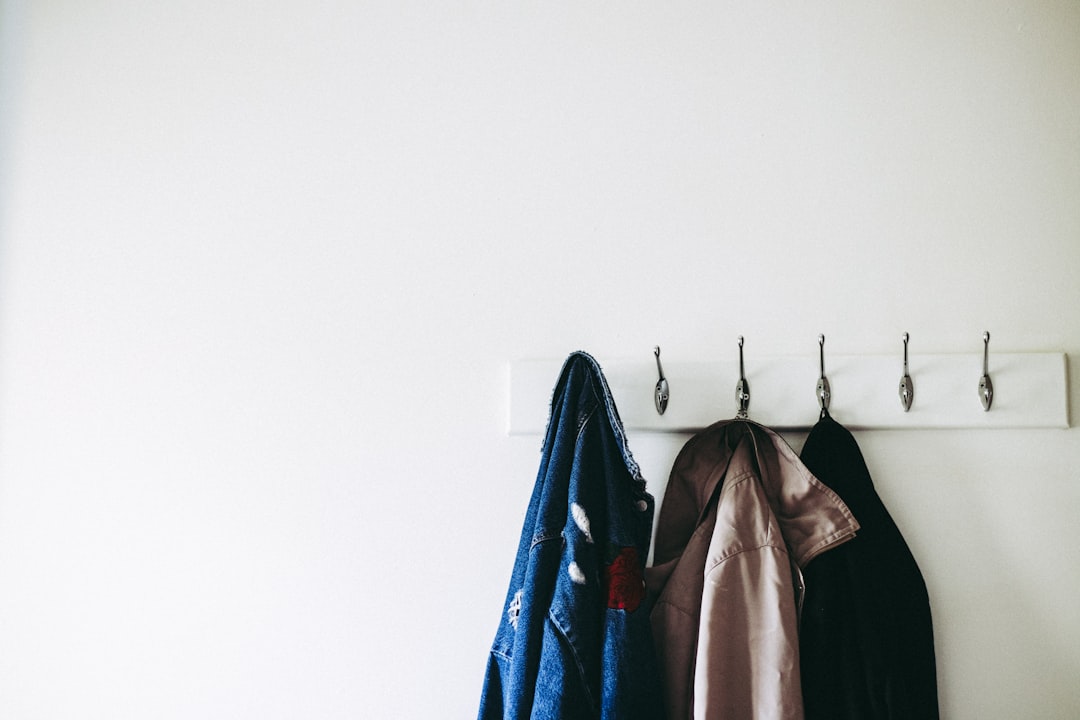
A coat closet that has been filled beyond its capacity affects every interaction with it and spills disorder into the entryway or hallway it serves. When the closet cannot close properly, or when items tumble out upon opening, the visual and functional impact extends well beyond the closet itself. Limiting the closet to current-season outerwear and storing off-season pieces elsewhere maintains usability and appearance. A closet that opens onto a clean interior reinforces the sense of order throughout the surrounding space.
Inconsistent Lighting
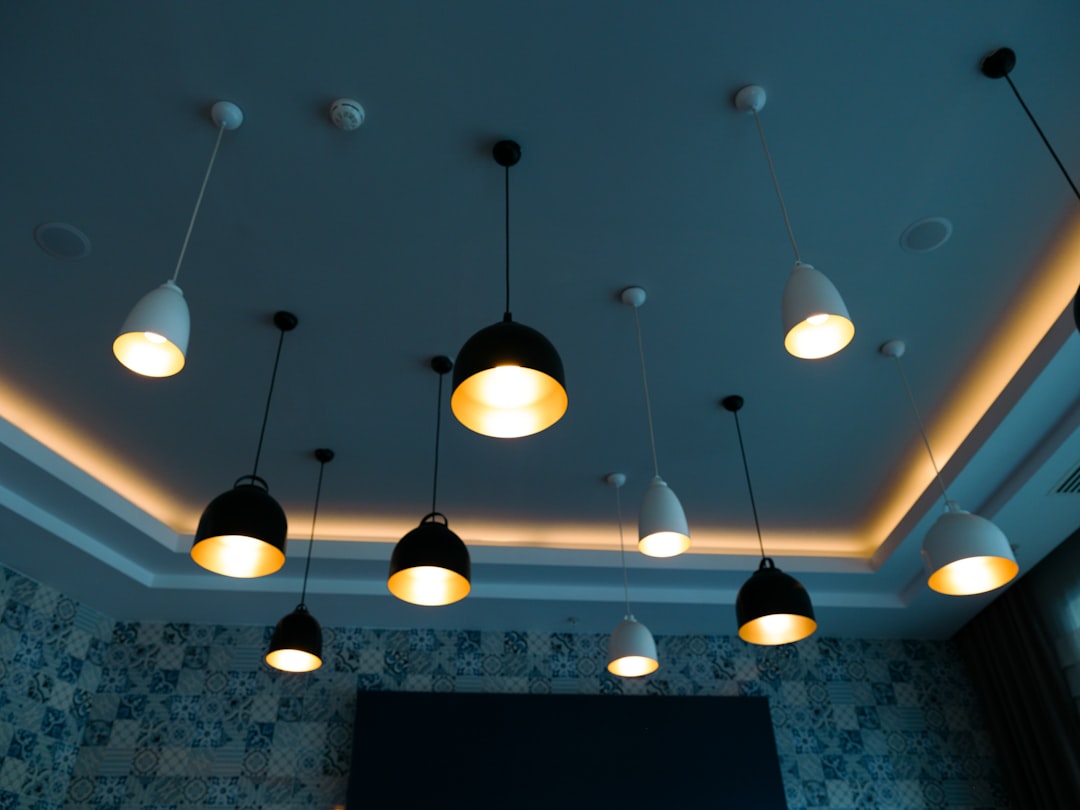
Spaces with a mix of lighting types, temperatures, and intensities create a fragmented atmosphere that can make a room feel unsettled and visually incomplete. Warm bulbs in some lamps and cool bulbs in others divide a room’s color story and highlight inconsistencies in decor. Standardizing bulb temperature across all light sources in a room is a simple adjustment that brings immediate visual cohesion. Thoughtful lighting that complements the room’s palette makes even modest furnishings look more considered.
Floating Furniture
Furniture pushed entirely against walls in an attempt to maximize floor space often produces the opposite of the intended effect, making a room feel sparse and disconnected. When pieces float in isolation without forming a defined conversation area, the room loses its sense of purpose and scale. Pulling seating inward and arranging pieces in relation to one another creates warmth, intimacy, and a clearer visual logic. A well-composed furniture arrangement makes a room feel designed rather than merely furnished.
Ignored Junk Drawers
A junk drawer that overflows into surrounding cabinetry or whose contents spill onto nearby surfaces migrates disorder from a contained space into visible areas. While most homes accommodate one such drawer, the habit of allowing it to expand unchecked undermines the organizational systems around it. A quarterly edit of the junk drawer, removing expired items and relocating things that belong elsewhere, keeps it functional and bounded. The discipline applied to one small drawer sends a signal about the standards maintained throughout the rest of the home.
If any of these habits sound familiar, share which one you are tackling first in the comments.




