
Your circadian rhythm is the internal 24-hour clock that governs nearly every biological process in your body, from hormone release and digestion to mood regulation and immune function. When this finely tuned system is disrupted, the consequences ripple outward in ways that go far beyond simply feeling tired. Chronic misalignment between your daily habits and your natural rhythm has been linked to metabolic disorders, mental health challenges, and impaired cognitive performance. Understanding which everyday behaviors are quietly working against your body clock is the first step toward reclaiming deeper sleep, sharper focus, and more stable energy throughout the day.
Late-Night Screen Time

The blue light emitted by smartphones, tablets, and laptops mimics daylight and signals to the brain that it should remain alert. This suppresses the natural release of melatonin, the hormone responsible for initiating the sleep cycle. Even an hour of screen exposure after dark can delay sleep onset by several hours and reduce overall sleep quality. Over time, habitual late-night scrolling trains the brain to associate nighttime with wakefulness, making it increasingly difficult to wind down naturally. The compounding effect on your circadian rhythm can take days to recover from even after a single disrupted night.
Irregular Sleep Times
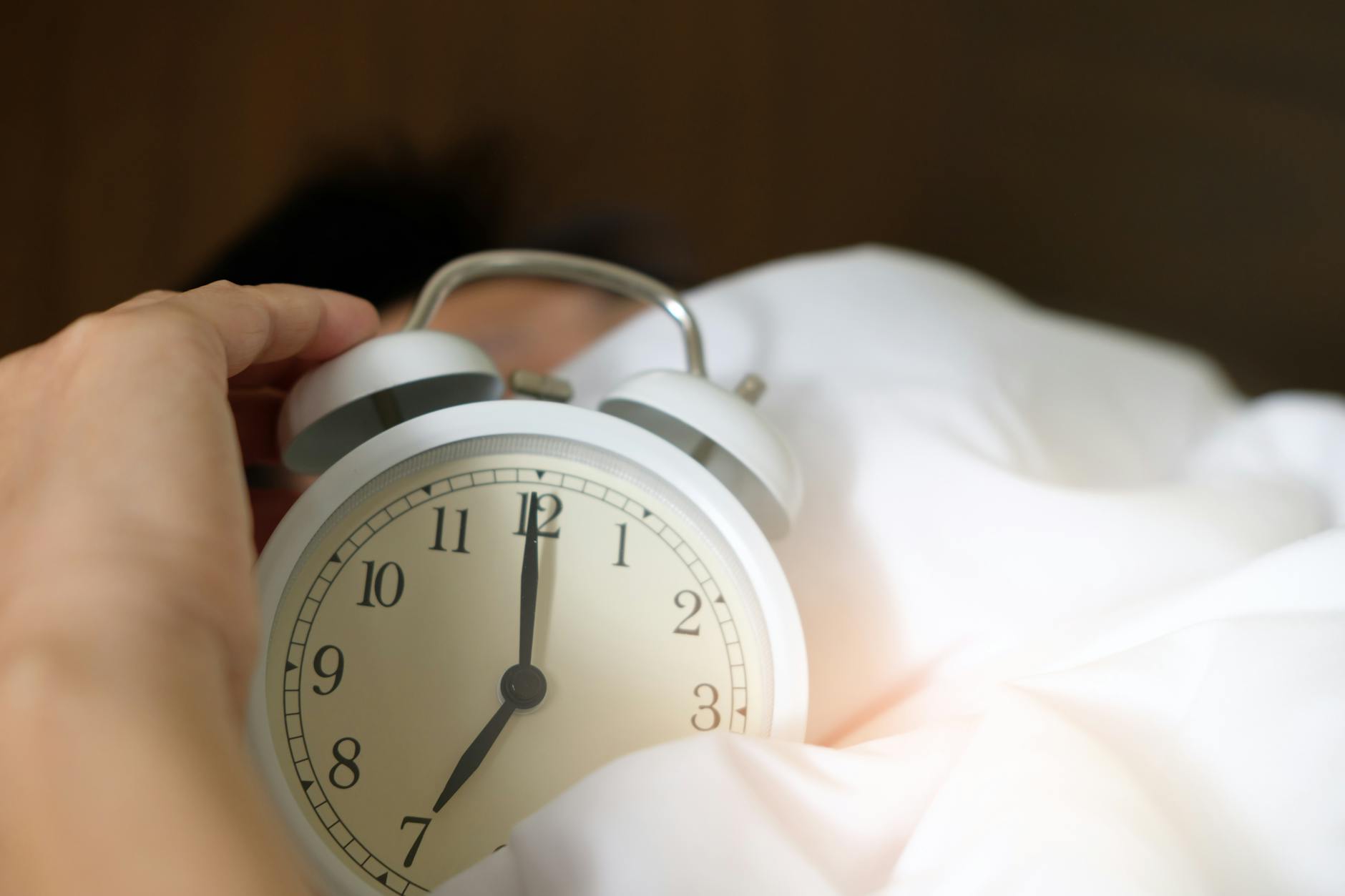
Going to bed and waking up at inconsistent hours sends conflicting signals to the body’s master clock, located in the suprachiasmatic nucleus of the brain. This structure relies on predictable light and behavior cues to synchronize every organ system in the body. Varying your sleep schedule by even 90 minutes across the week is enough to produce what researchers call social jetlag. This state mimics the disorientation of crossing time zones without ever leaving home. The body simply cannot calibrate its hormonal, digestive, and cognitive rhythms when the anchor points keep shifting.
Skipping Morning Light

Natural light exposure in the first hour after waking is one of the most powerful cues available to reset the circadian clock each day. Without it, the brain lacks the environmental signal it needs to suppress residual melatonin and initiate the cortisol awakening response. This awakening response is what generates the natural surge of alertness that makes mornings feel productive and alert. People who spend their mornings in dim indoor environments often experience sluggishness, poor concentration, and disrupted nighttime sleep as a result. Even five to ten minutes of outdoor exposure shortly after waking can meaningfully anchor the body’s daily rhythm.
Alcohol Before Bed

Many people turn to alcohol as a way to relax and fall asleep more easily, but its effect on sleep architecture is profoundly disruptive. While alcohol does accelerate sleep onset, it suppresses REM sleep during the first half of the night and causes fragmented sleep in the second half. The body processes alcohol as a stimulant once the sedative phase wears off, often triggering awakenings in the early morning hours. This pattern reduces total sleep quality even when the overall duration appears normal. Regular evening drinking gradually shifts the body’s hormonal and thermal rhythms in ways that are difficult to reverse.
Eating Late at Night
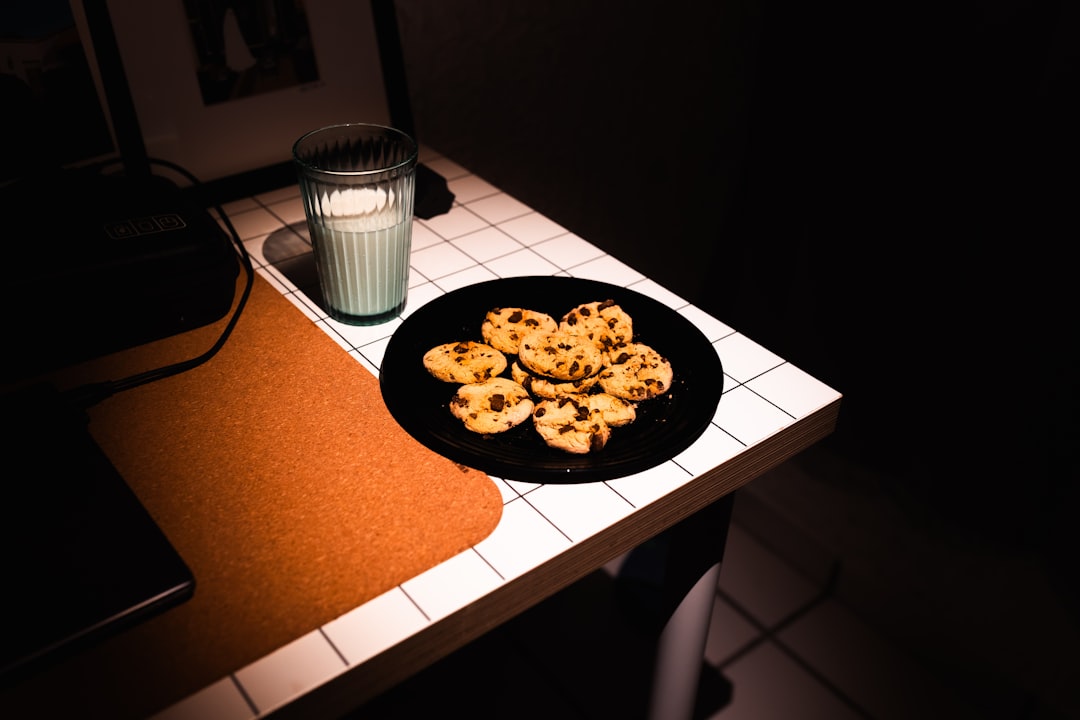
The digestive system operates on its own internal clock and is designed to process food most efficiently during daylight hours. Consuming large meals within two to three hours of bedtime forces the gut to remain active at a time when it is biologically preparing for rest. This delays the drop in core body temperature that normally signals the body to transition into deep sleep. Late eating also affects insulin sensitivity and glucose regulation in ways that accumulate over time into metabolic dysfunction. The circadian mismatch between food intake and biological readiness is now recognized as a significant contributor to weight gain and poor sleep quality.
Afternoon Caffeine

Caffeine has a half-life of approximately five to seven hours in the average adult, meaning that a coffee consumed at three in the afternoon still has half its stimulant potency circulating in the bloodstream at eight or nine in the evening. This residual caffeine blocks adenosine receptors in the brain, which are responsible for building the sleep pressure that makes falling asleep feel natural and effortless. Even when caffeine does not prevent sleep entirely, it reduces the proportion of slow-wave deep sleep that the body achieves. Individuals who consume caffeine regularly in the afternoon often experience a subtle but chronic sleep deficit that accumulates without obvious warning signs. Cutting off caffeine intake by early afternoon is one of the most evidence-supported adjustments available for improving sleep quality.
Napping Too Long
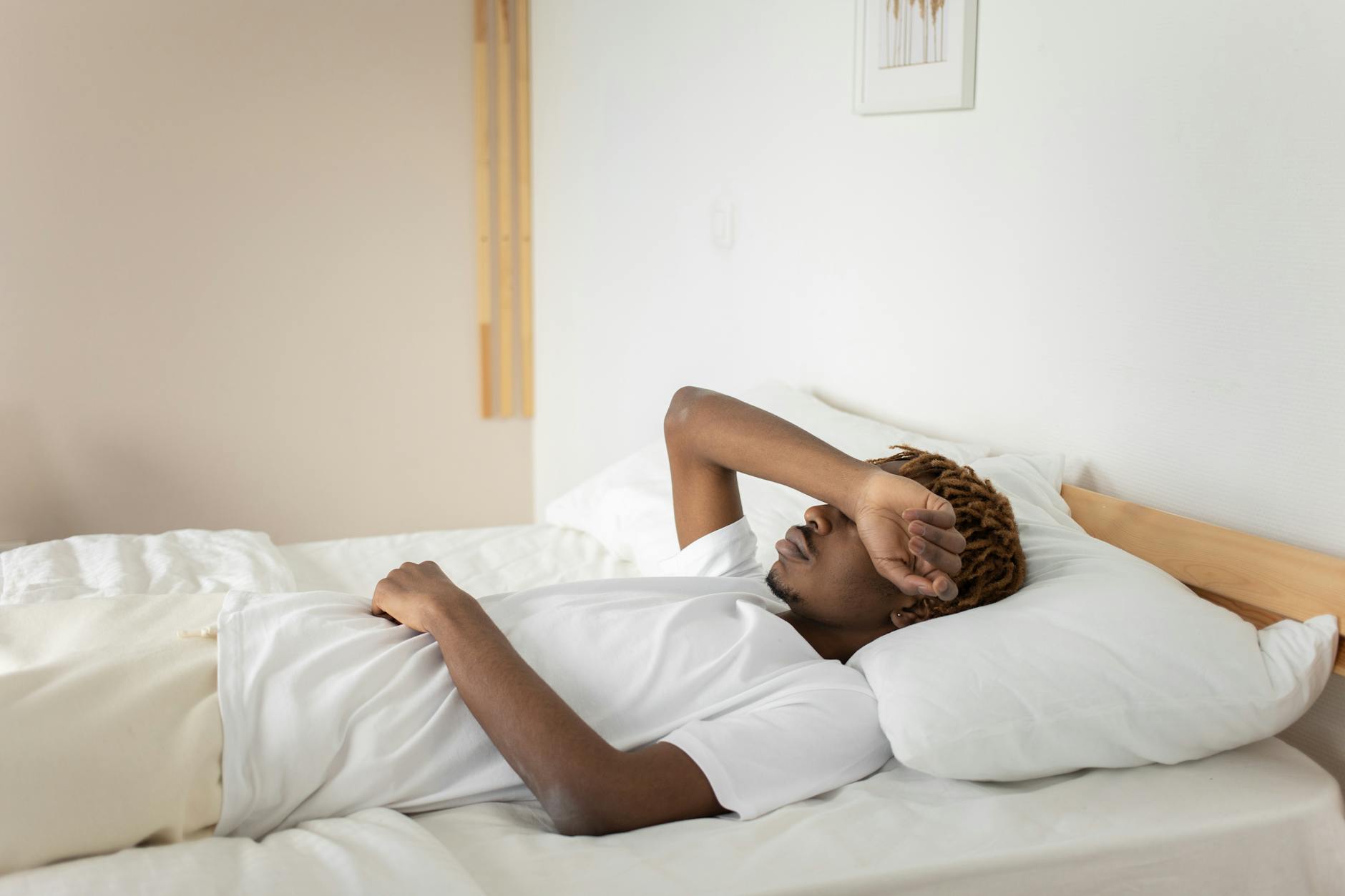
Short naps of twenty to thirty minutes can restore alertness and cognitive function without interfering with nighttime sleep. However, naps that extend beyond forty-five minutes allow the body to enter deeper sleep stages, making waking feel disorienting and groggy. More critically, long or poorly timed naps discharge the adenosine-driven sleep pressure that the body depends on to fall asleep easily at night. This creates a cycle where nighttime sleep becomes lighter and shorter, prompting the urge to compensate with longer daytime naps the following day. Napping after three in the afternoon compounds the problem by pushing this discharge too close to the body’s natural sleep window.
Constant Artificial Light
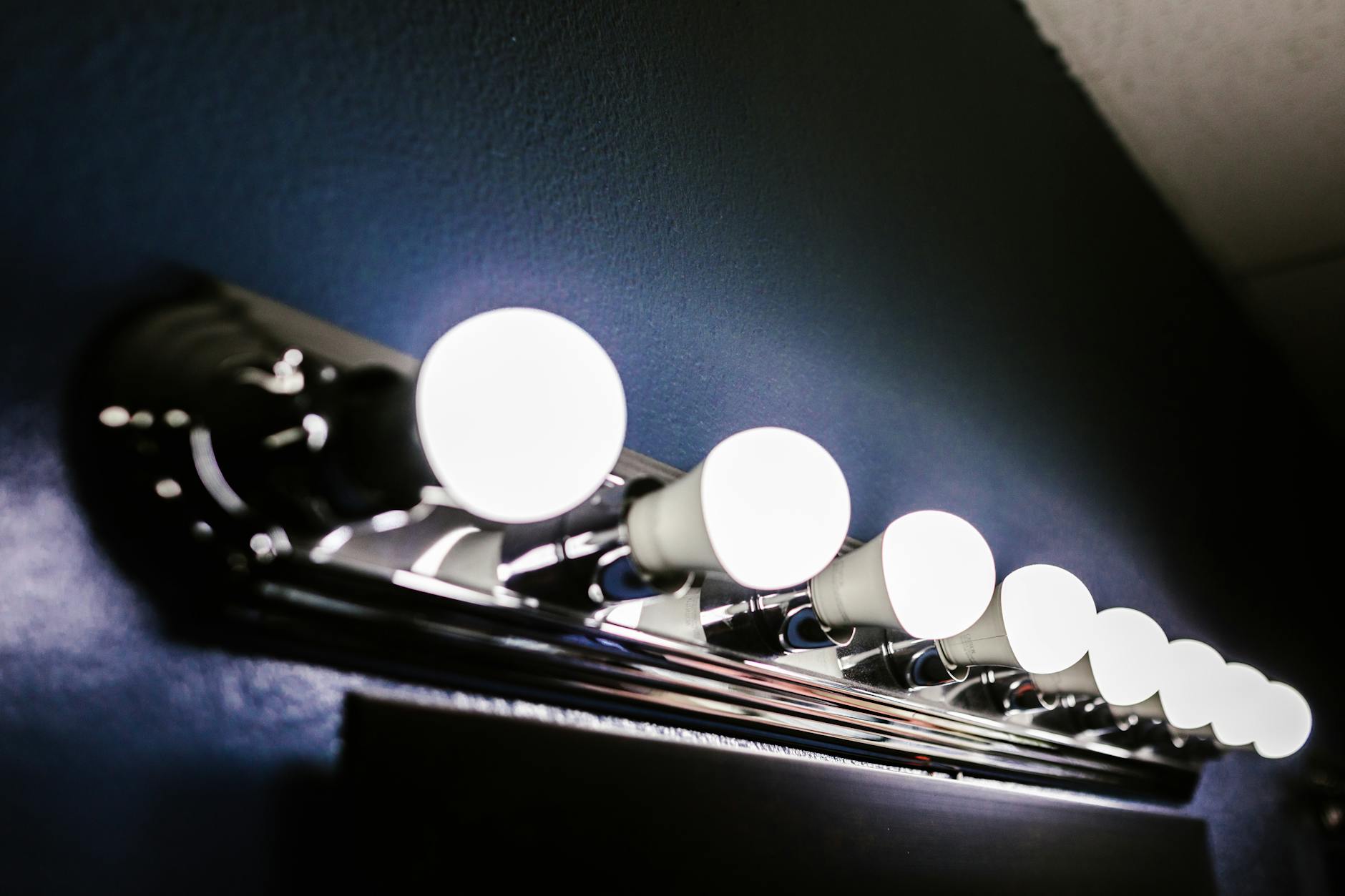
Modern indoor environments expose people to artificial light at all hours, including the evening and nighttime periods when the body expects darkness. This continuous light exposure blunts the circadian signal and delays the onset of the biological night. The body interprets sustained light exposure as an indication that daytime activity should continue, keeping cortisol elevated and melatonin suppressed. Over time, living in perpetually lit environments flattens the contrast between biological day and night that the circadian system depends on to function properly. Dimming indoor lights in the hours after sunset is a simple but effective way to restore that contrast and support natural melatonin production.
Sedentary Mornings

Physical activity is a potent circadian zeitgeber, meaning it acts as a time-giving cue that helps synchronize the body clock. Morning exercise in particular reinforces the natural morning cortisol peak and signals to peripheral organ clocks in the muscles and liver that the active phase of the day has begun. Sedentary mornings deprive the body of this reinforcing signal and can allow the circadian phase to drift later over time. People who remain inactive through the morning hours often experience delayed energy peaks and difficulty falling asleep at an appropriate hour. Even a brief walk or light stretching routine is enough to provide a meaningful circadian anchoring effect.
Shift Work Patterns

Working rotating or overnight shifts places the body in a state of chronic circadian misalignment, as behavioral schedules repeatedly conflict with the light-dark cycle that the internal clock is calibrated to follow. The physiological consequences extend well beyond fatigue and include elevated risks of cardiovascular disease, metabolic syndrome, gastrointestinal disorders, and mood disturbances. The circadian clock cannot fully adapt to rotating schedules because the light environment continues to send conflicting signals. Even fixed night shift workers experience residual misalignment on days off when they return to daytime social schedules. Managing light exposure, meal timing, and sleep hygiene with precision becomes essential for anyone whose work schedule diverges from the natural day-night cycle.
Stress and Cortisol Spikes

Psychological stress activates the hypothalamic-pituitary-adrenal axis and drives sustained cortisol production at times when the body would naturally be winding down. Elevated evening cortisol directly counteracts the onset of melatonin and maintains a state of physiological alertness that makes restful sleep nearly impossible. Chronic stress not only disrupts individual nights but gradually shifts the phase of the cortisol rhythm itself, eroding the natural morning peak and replacing it with a blunted and dysregulated pattern. The relationship between stress and circadian disruption is bidirectional, meaning that poor sleep further amplifies stress reactivity the following day. Addressing psychological stress through structured relaxation practices is therefore inseparable from any meaningful effort to restore circadian health.
Jet Lag
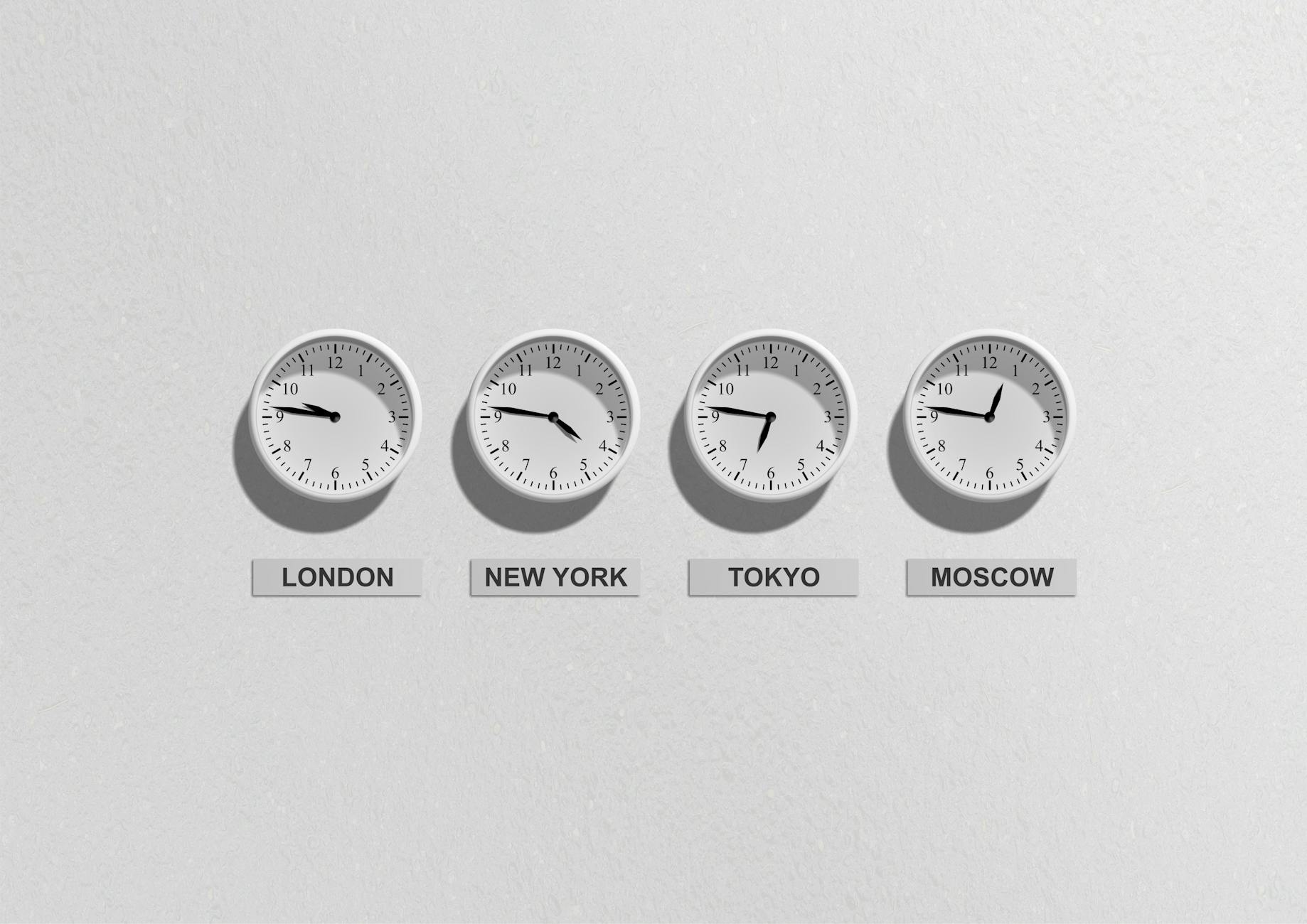
Rapid travel across multiple time zones forces the body to operate in an environment whose light-dark cycle is completely misaligned with its current internal phase. The master clock adjusts at a rate of roughly one to one and a half hours per day, meaning that crossing five time zones may require nearly a week of recovery. During this adjustment period, virtually every body system from digestion and immunity to cognitive performance and mood operates out of phase with the external environment. Frequent travelers who cross time zones regularly accumulate a kind of chronic circadian debt that the body never fully repays between trips. Strategic light exposure and meal timing at the destination can accelerate realignment but cannot entirely eliminate the transitional disruption.
Loud Alarm Clocks
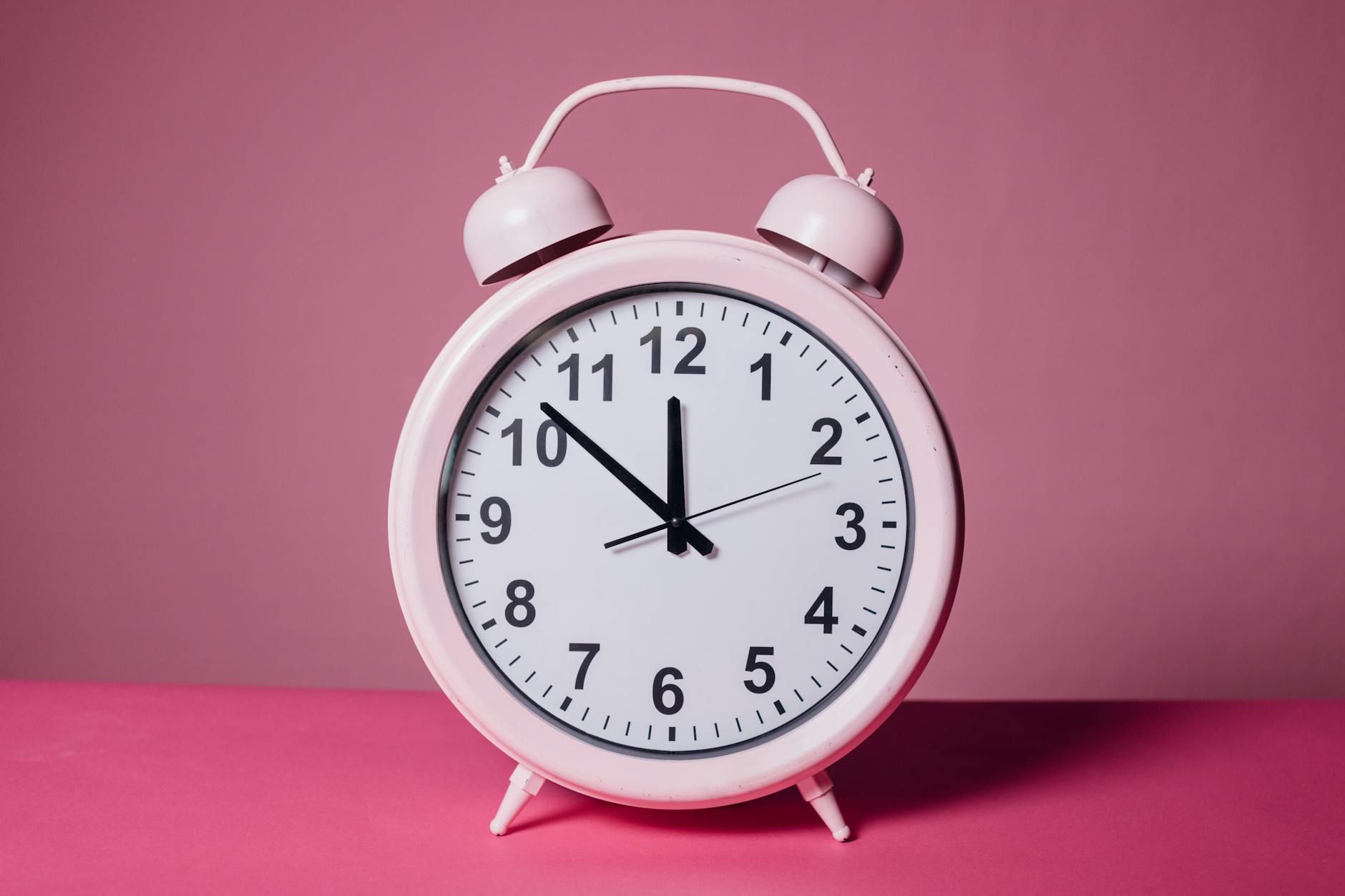
Abrupt acoustic awakening forces the body out of sleep regardless of which stage of the sleep cycle it currently occupies. Being jolted from deep slow-wave sleep or REM sleep by a loud alarm produces a state of sleep inertia that can persist for up to an hour and is associated with elevated cortisol and impaired decision-making. This jarring method of waking also disrupts the natural transition through lighter sleep stages that the body uses to prepare itself for consciousness. Over time, alarm-dependent awakening short-circuits the body’s ability to self-regulate its wake timing in response to natural light and internal temperature shifts. Graduated light alarms that simulate sunrise offer a gentler alternative that works with the body’s natural arousal mechanisms rather than against them.
Social Media in the Morning

Reaching for a phone within minutes of waking immediately floods the brain with stimulating social and informational content before the nervous system has had an opportunity to complete its natural awakening process. This abrupt transition from sleep to digital engagement spikes dopamine and cortisol simultaneously, creating a pattern of reactivity that can color the emotional and cognitive tone of the entire day. Morning phone use also replaces the window of outdoor light exposure that the body needs to properly anchor the circadian clock. Habitual morning scrolling has been associated with elevated anxiety, reduced attention span, and greater difficulty disengaging from screens later in the evening. The first thirty minutes after waking represent a neurologically sensitive period that shapes the trajectory of the circadian day far more than most people realize.
Inconsistent Meal Times

The digestive system and associated organs maintain their own peripheral clocks that are entrained primarily by the timing of food intake rather than by light. When meals are eaten at unpredictable hours from one day to the next, these peripheral clocks lose synchrony with both the master clock and each other. This internal desynchrony impairs glucose metabolism, digestive efficiency, and the hormonal signaling that coordinates hunger and satiety. Research has shown that people who eat at consistent daily intervals experience better metabolic outcomes, more stable energy levels, and improved sleep quality compared to those whose meal timing varies widely. Treating meal times with the same consistency applied to sleep times is a foundational but frequently overlooked strategy for protecting circadian health.
Overheated Bedrooms
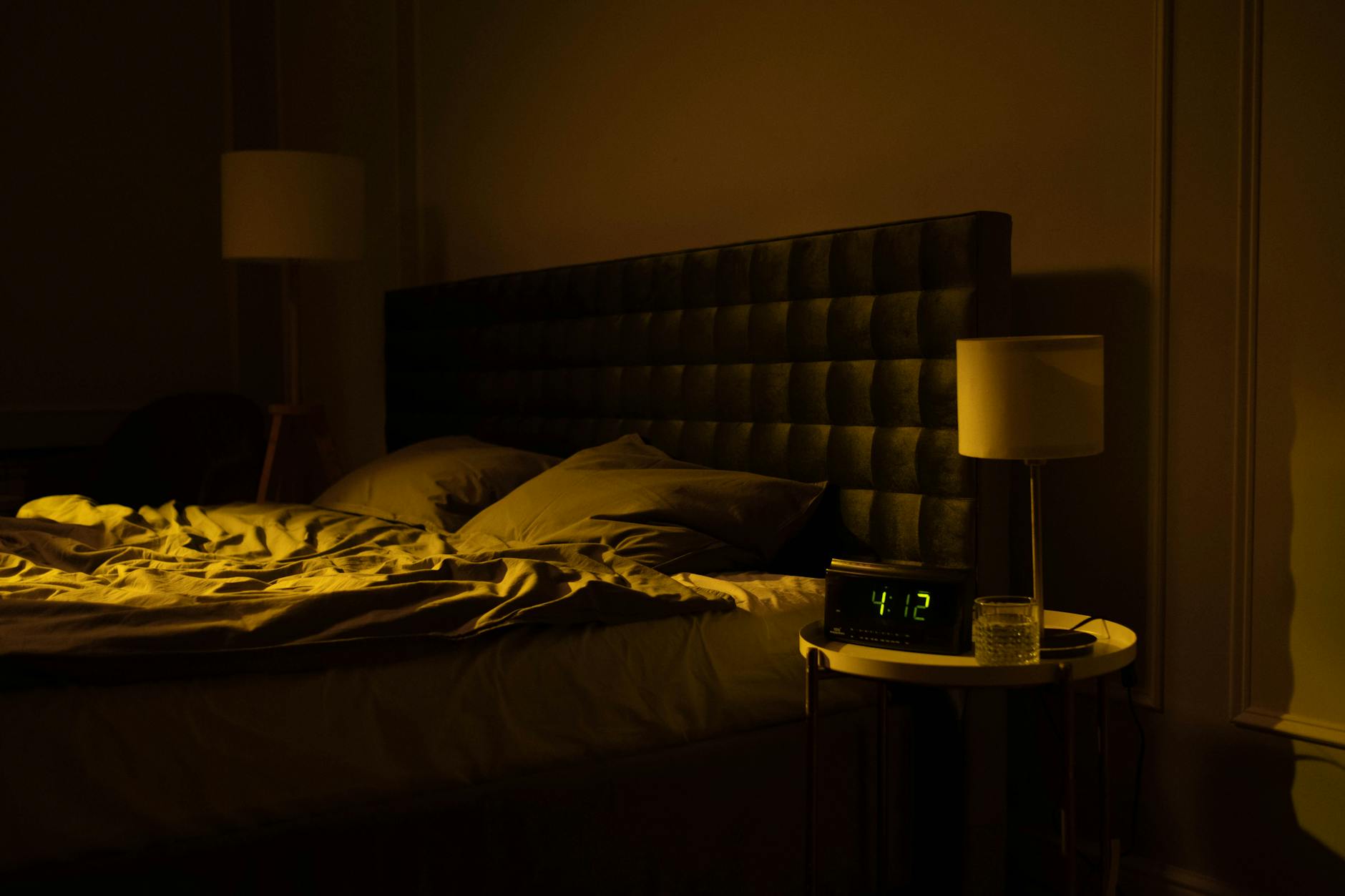
Core body temperature naturally declines by one to two degrees in the hours leading up to and during sleep, and this thermal drop is a critical biological signal that initiates and maintains deep sleep. Sleeping in an overly warm room inhibits this temperature reduction and keeps the body in a state of mild physiological arousal. Research consistently identifies bedroom temperatures in the range of 60 to 67 degrees Fahrenheit as optimal for supporting the sleep-related thermoregulatory process. Excessive warmth not only prolongs the time needed to fall asleep but reduces the proportion of restorative slow-wave sleep achieved during the night. Even small adjustments such as using lighter bedding or leaving a window slightly open can have a measurable positive impact on sleep architecture and morning recovery.
Blue Light from LED Lighting
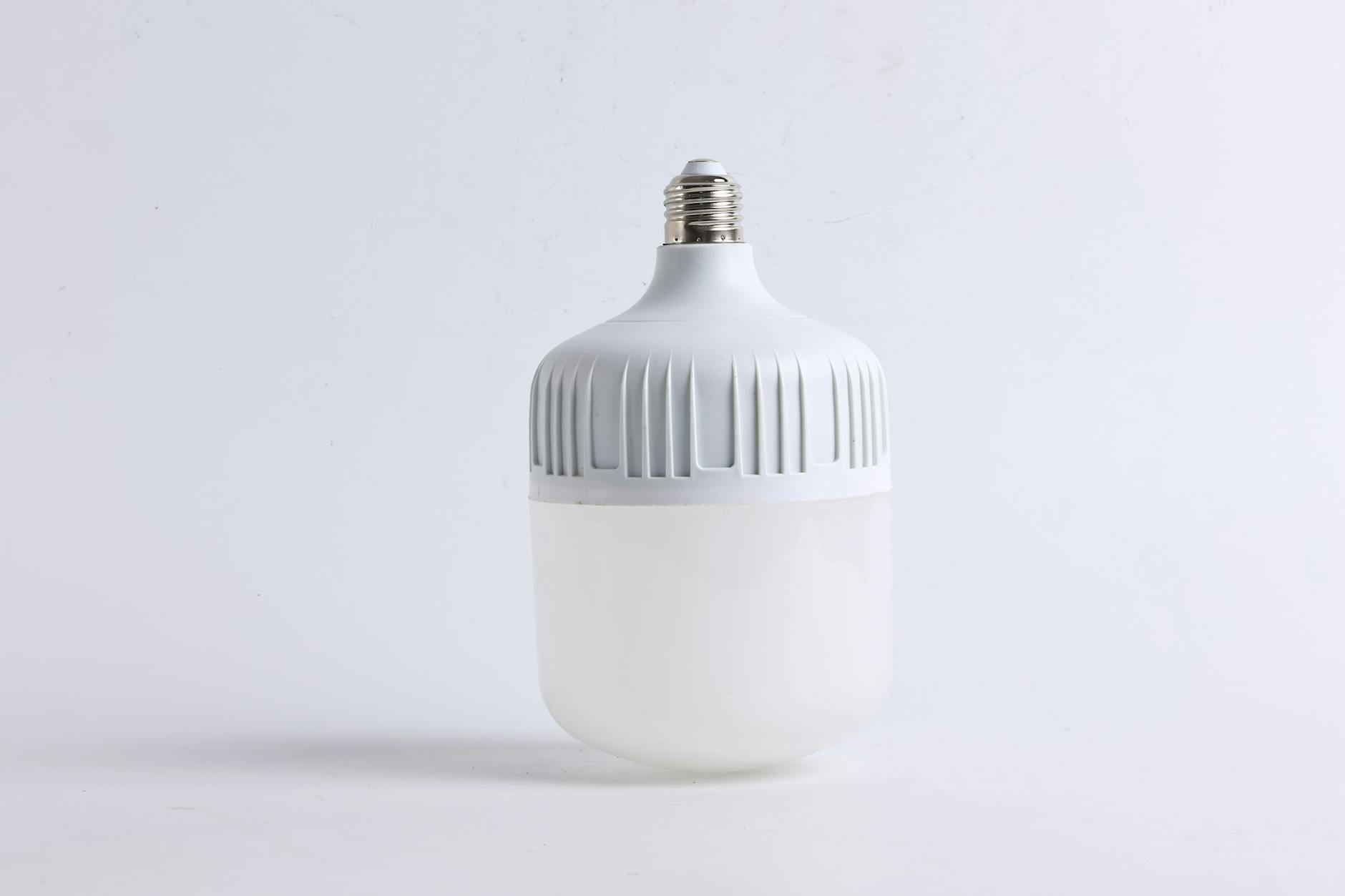
Standard LED lighting, now dominant in most homes and offices, emits a spectrum that is disproportionately weighted toward short-wavelength blue light compared to the warmer incandescent bulbs it replaced. This blue-weighted spectrum is particularly effective at stimulating the intrinsically photosensitive retinal ganglion cells that communicate directly with the circadian clock. Evening exposure to LED lighting therefore suppresses melatonin with greater efficiency than older lighting technologies, even at the same perceived brightness level. Switching to warm-toned or amber-filtered bulbs in living spaces after sunset can significantly reduce this melatonin-suppressing effect. The cumulative impact of modern LED lighting on population-wide circadian health is an area of growing scientific concern that is only beginning to receive mainstream attention.
Which of these habits do you recognize in your own daily routine? Share your thoughts in the comments.




