For many people, filling their home with greenery feels like a natural path to cleaner air and a calmer space, but not every plant is the peaceful companion it appears to be. Some of the most popular houseplants are quietly releasing pollen, mold spores, or irritating compounds that can trigger sneezing, watery eyes, and congestion. Understanding which plants are causing the problem is the first step toward breathing easier at home. Whether you are a seasoned plant parent or just starting to build your indoor garden, this guide will help you make smarter choices for your health and your space.
Peace Lily

The peace lily is one of the most widely recommended houseplants for beginners, praised for its elegant white blooms and low-light tolerance. What many people do not realize is that it produces a significant amount of pollen that becomes airborne with even the slightest movement or breeze. This pollen can easily settle on furniture and fabrics throughout the home, creating a persistent source of irritation. The plant also thrives in moist soil conditions, which can encourage mold growth at the root level if overwatered. People with pollen sensitivities or mold allergies often notice a marked improvement in symptoms after removing a peace lily from their living space.
Ficus

The ficus is a staple of home décor and office lobbies alike, admired for its glossy leaves and tree-like structure. It releases a latex-based sap that can cause skin reactions and respiratory irritation in sensitive individuals, particularly when leaves are damaged or pruned. The plant also sheds tiny particles from its leaf surface that can become suspended in indoor air. People who are already sensitive to natural rubber latex may find that a ficus in the home significantly worsens their symptoms. Even touching the leaves without washing hands afterward can trigger localized allergic reactions in predisposed individuals.
Male Palms

Male palm varieties produce large quantities of airborne pollen as part of their natural reproductive cycle, making them a hidden allergy trigger in many households. Female palms and sterile varieties do not carry the same risk, but it can be difficult to determine which type you have purchased without checking carefully at the point of sale. The fine pollen particles released by male palms are small enough to travel through ventilation systems and settle in soft furnishings. Symptoms linked to palm pollen exposure include itchy eyes, nasal congestion, and in some cases mild asthma flare-ups. Replacing a male palm with a confirmed female or sterile variety can dramatically reduce indoor pollen levels.
Chrysanthemum
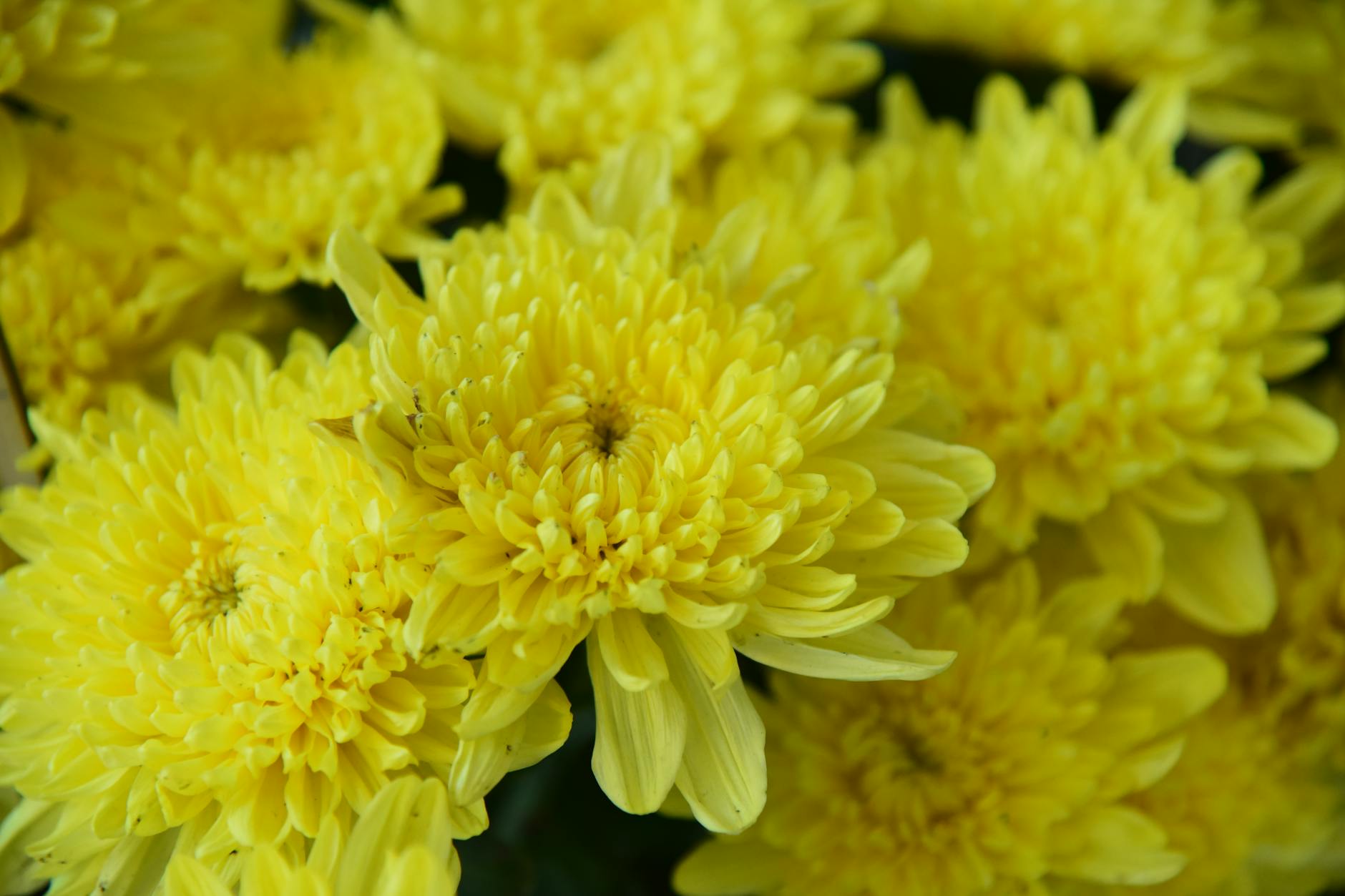
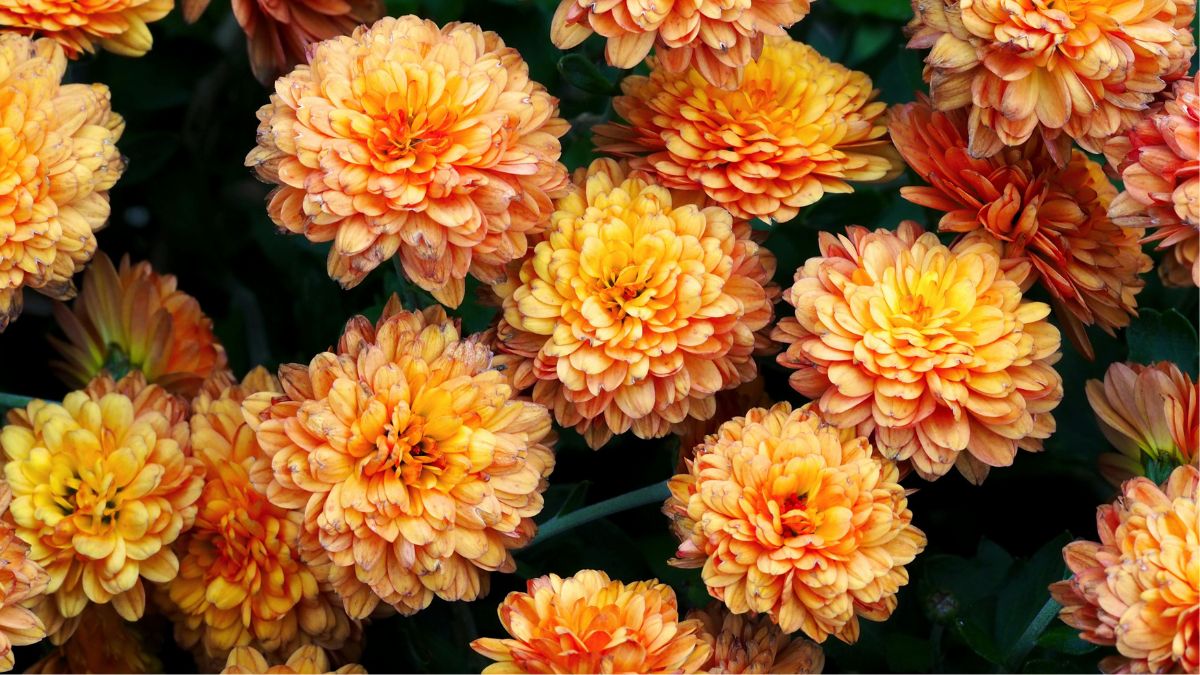
Chrysanthemums are a popular choice for bringing seasonal color indoors, but they belong to the same botanical family as ragweed, one of the most notorious allergy triggers known. They produce compounds called sesquiterpene lactones, which are known to cause contact dermatitis and respiratory sensitivity in susceptible people. Even brief exposure to a blooming chrysanthemum can set off sneezing fits and eye irritation in those with ragweed cross-reactivity. The pollen they release is fine and light, allowing it to travel easily through air currents in enclosed spaces. Allergy specialists frequently advise patients with seasonal sensitivities to avoid keeping chrysanthemums indoors entirely.
Weeping Fig
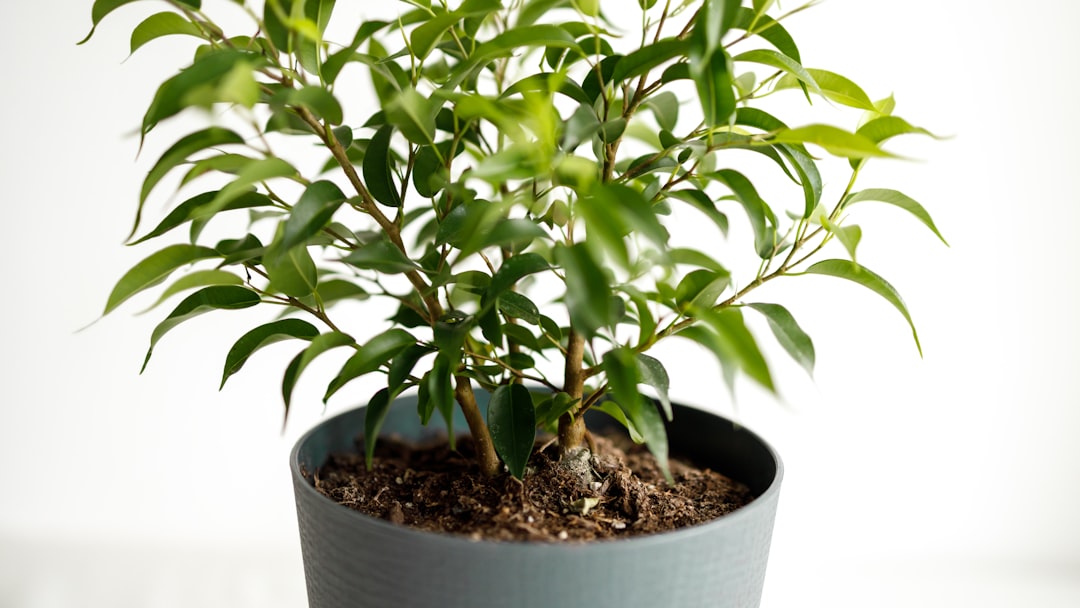
The weeping fig is closely related to the ficus and shares many of its allergy-triggering properties, including the release of airborne latex particles. When the plant drops its leaves, which it does frequently in response to environmental changes, those leaves can dry out and release irritating compounds into the surrounding air. People who live with a weeping fig often report chronic low-grade respiratory symptoms that they struggle to trace back to their plant. The moist potting mix required by this species also creates an ideal environment for mold and mildew to develop. Removing a weeping fig from a bedroom or frequently used living area tends to produce noticeable relief for allergy sufferers.
African Violet
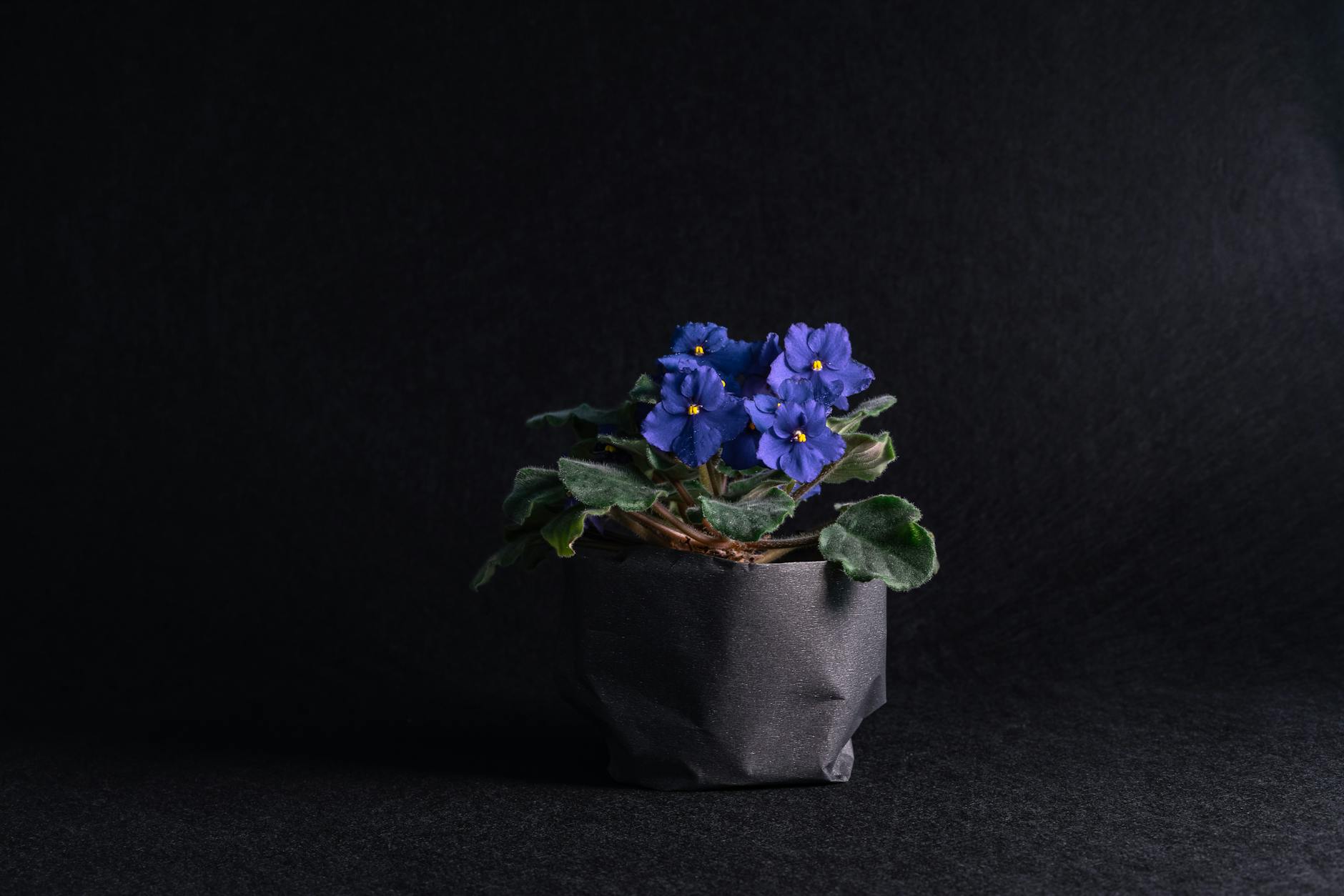
African violets are beloved for their velvety leaves and cheerful purple blooms, making them a favorite among indoor gardening enthusiasts. The fuzzy texture of their leaves acts as a magnet for dust and airborne particles, trapping allergens that are then redistributed when the plant is moved or touched. Their small flowers also produce pollen that can contribute to nasal symptoms in sensitive individuals. The moisture needed to keep them healthy can lead to fungal growth in the soil if drainage is inadequate. For households where dust mite or mold allergies are a concern, smooth-leaved alternatives are a safer choice.
Bonsai
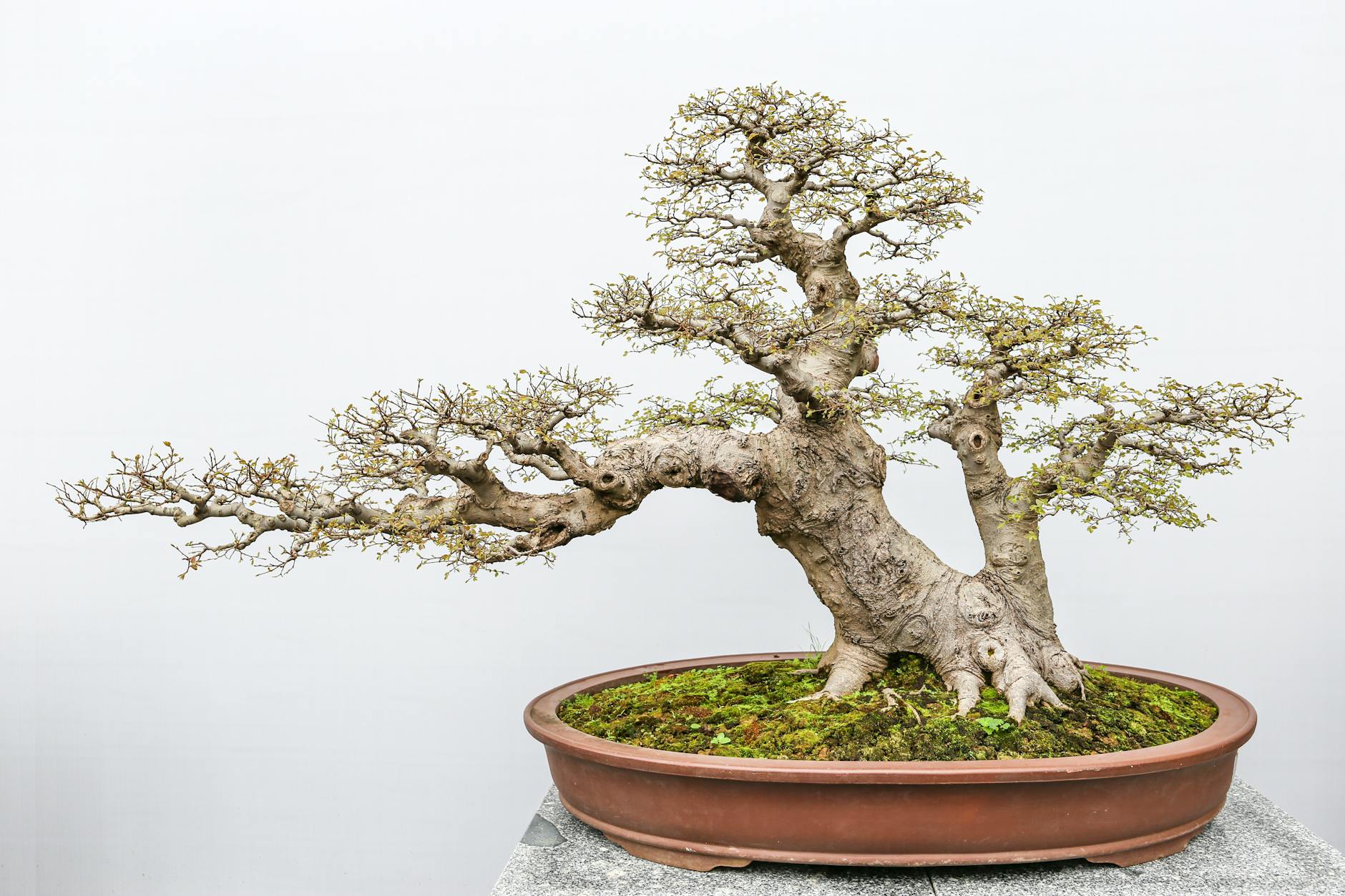
Bonsai trees are miniature versions of outdoor species, and many of the most popular varieties including juniper and cedar are among the highest pollen-producing trees found in nature. Keeping a pollen-heavy bonsai indoors essentially concentrates an outdoor allergen into a small enclosed space. Regular pruning, which is essential to maintaining a bonsai’s shape, releases bursts of pollen and plant particles directly into the air. The soil used for bonsai cultivation is also kept quite moist, supporting conditions favorable to mold spore development. Allergy-prone individuals who are drawn to the art of bonsai may find that choosing a low-pollen species such as a jade or fig bonsai significantly reduces their symptoms.
Orchid
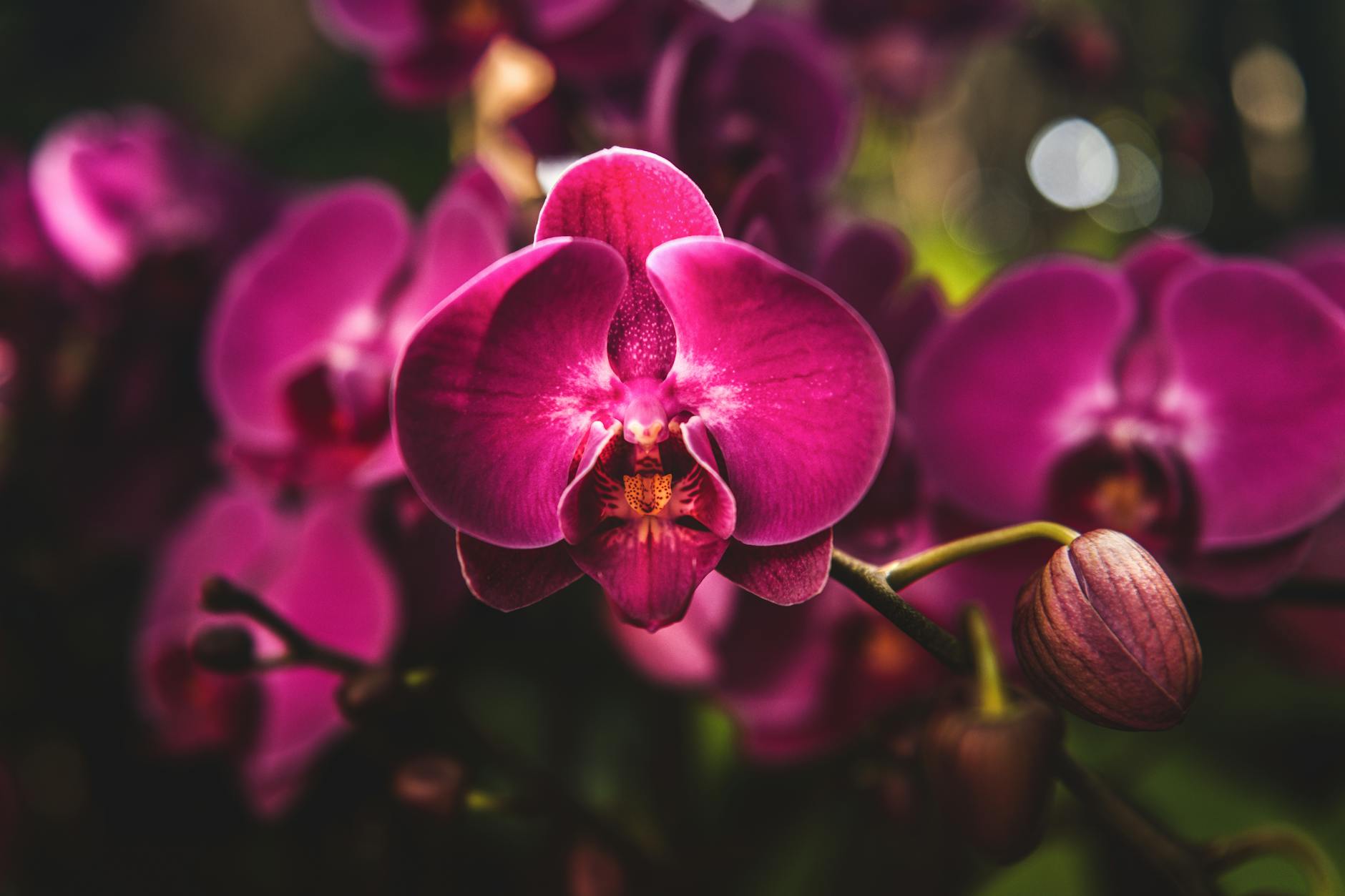
Orchids are frequently gifted and widely collected for their extraordinary blooms, but they can be problematic for people with sensitivities to airborne particles. Commercial orchids are often grown with fertilizers and pesticides that leave residues on the leaves and in the potting medium, which can off-gas in warm indoor environments. Their bark-based growing medium is particularly prone to harboring mold as it breaks down over time. Older potting bark should be replaced regularly to prevent the buildup of fungal spores that become airborne during watering. While orchid pollen is generally not highly allergenic on its own, the mold associated with their care is a significant secondary trigger.
English Ivy
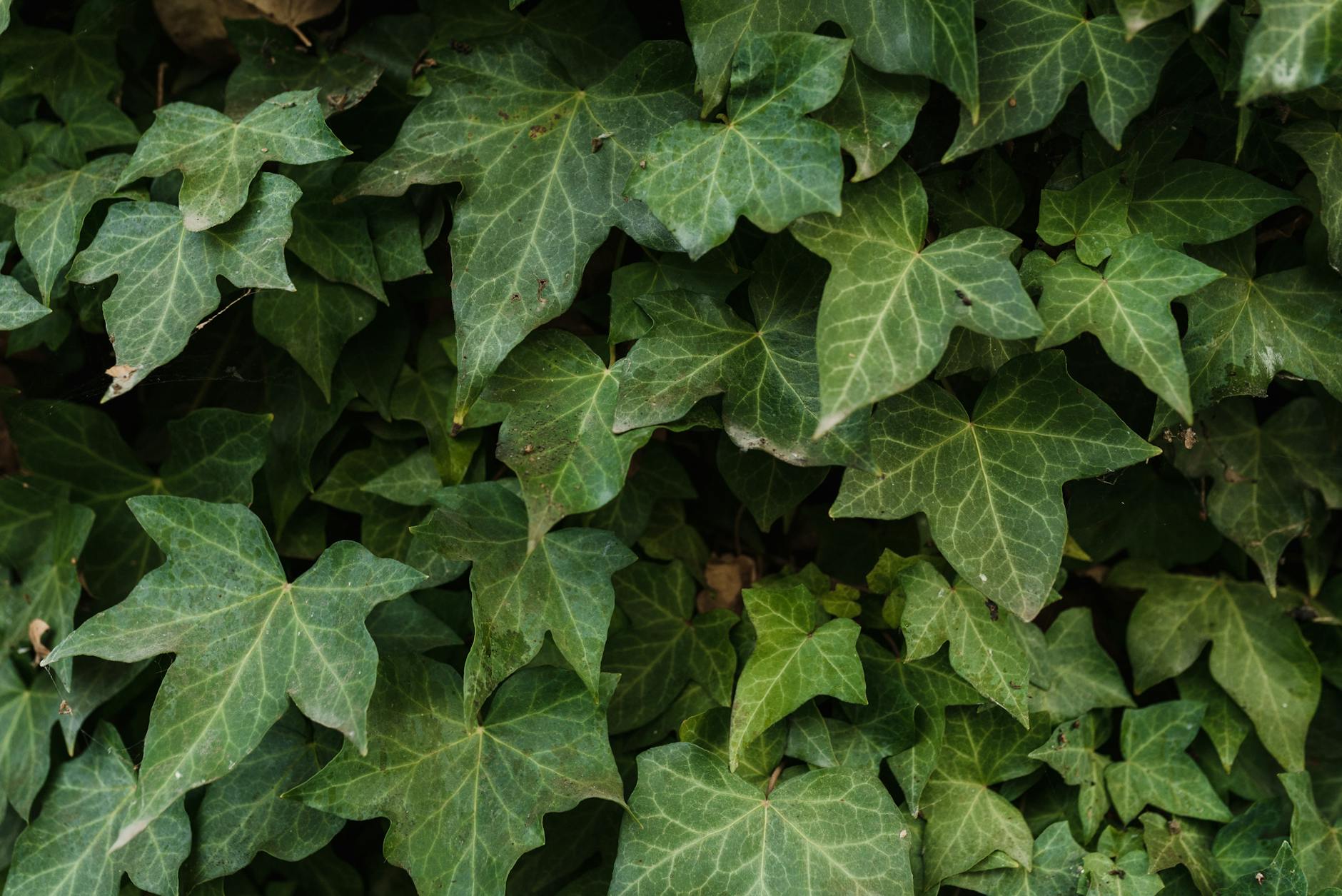
English ivy is often promoted as an air-purifying plant, but research has raised questions about whether its benefits outweigh its risks for allergy sufferers. The plant produces a compound called falcarinol that can cause contact dermatitis and respiratory irritation when handled frequently. Its dense trailing growth traps dust and can harbor spider mites, which are themselves a common allergen source in affected households. Mold tends to develop readily in the consistently moist soil that English ivy prefers, adding a fungal component to its list of concerns. People who are sensitive to mold or dust mites should approach English ivy with considerable caution regardless of its decorative appeal.
Dracaena
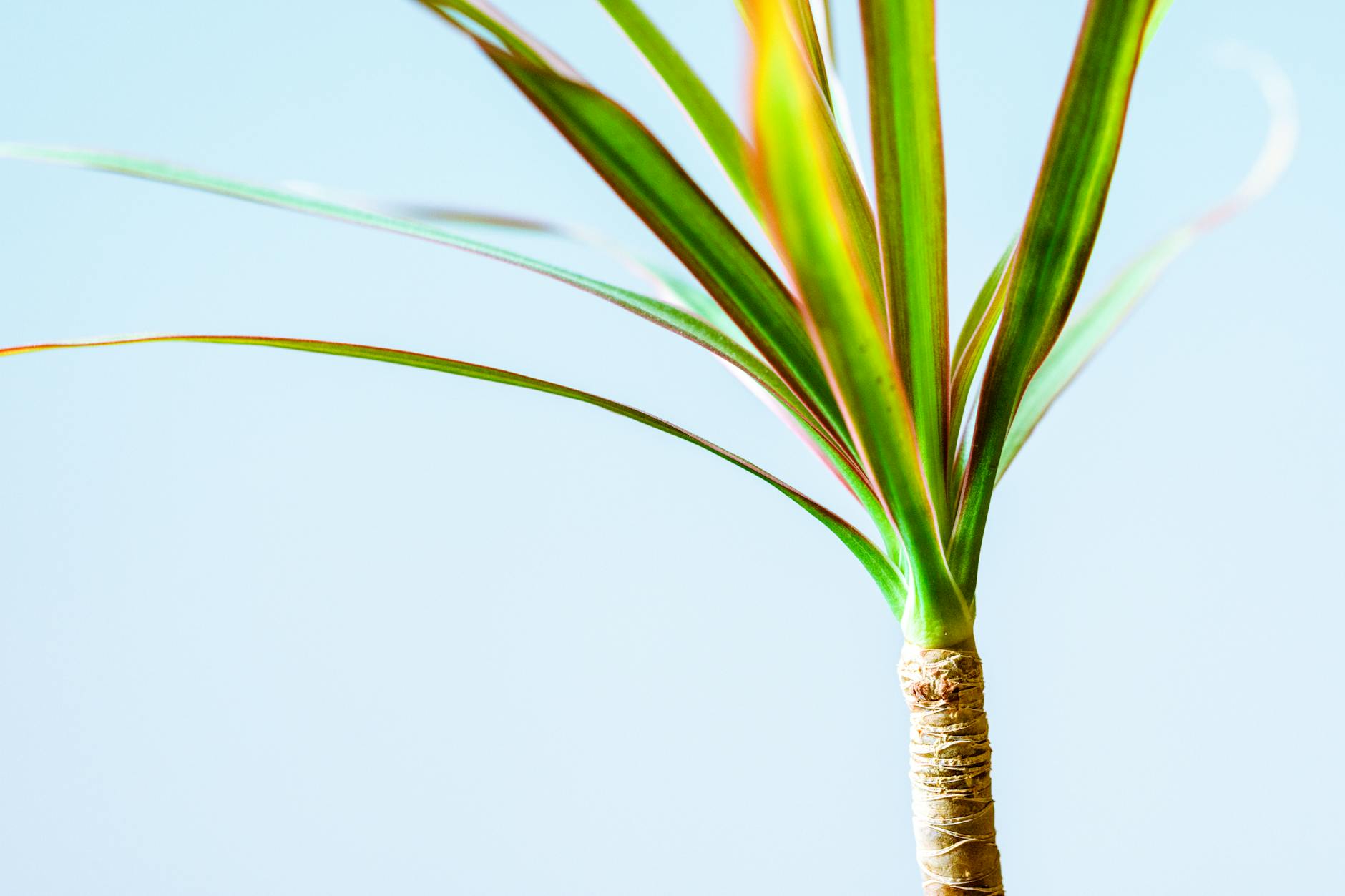
Dracaena plants are marketed heavily as low-maintenance air purifiers, and while they do filter certain toxins, they also introduce their own set of concerns for allergy-prone individuals. They release volatile organic compounds as part of their natural biological processes, which can be an issue for people with chemical sensitivities or reactive airways. Their broad leaves accumulate household dust at a faster rate than many other houseplant varieties, requiring regular wiping to prevent that dust from becoming airborne. The soil conditions they require also create a hospitable environment for mold when drainage is not carefully managed. Those with multiple sensitivities may find that a dracaena triggers symptoms that are difficult to attribute to any single cause.
Yucca
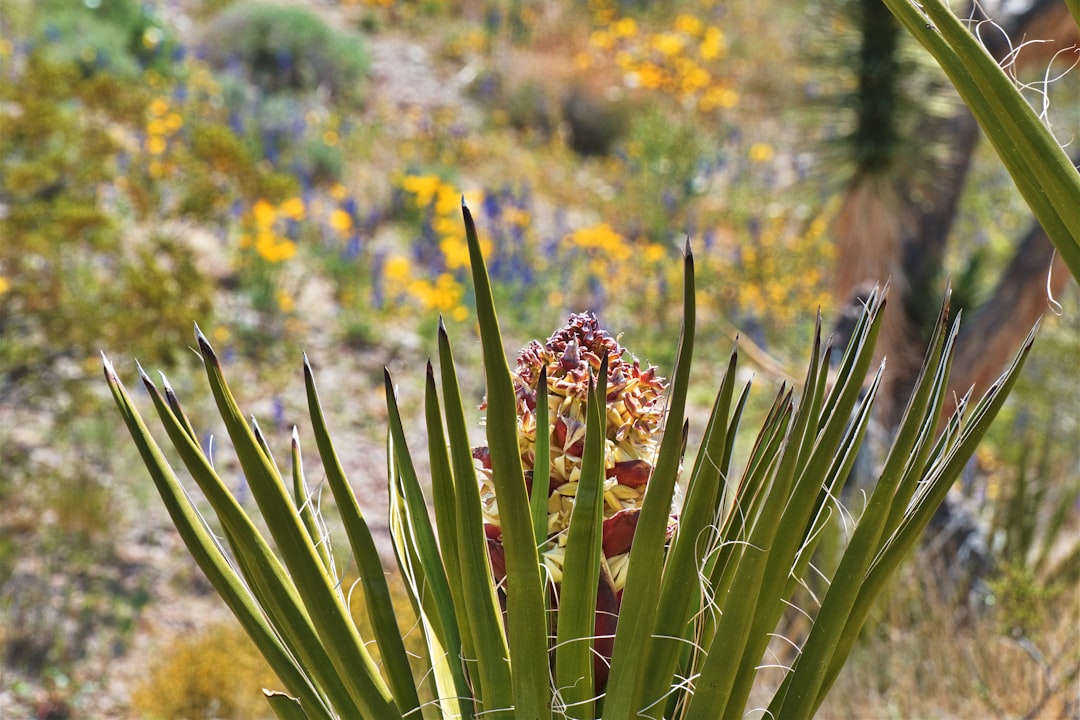
Yucca plants have a striking architectural quality that makes them a popular choice for modern interior design, but they are prolific pollen producers when they flower indoors. The pollen produced by yucca is lightweight and easily dispersed by air movement from fans, open windows, or foot traffic. People with grass or tree pollen allergies are at particular risk of cross-reactivity with yucca pollen due to shared allergenic proteins. The plant also requires periods of relative dryness followed by deep watering, a cycle that can encourage mold growth in the brief humid periods following irrigation. Flowering should be monitored closely, and blooms may need to be removed promptly to prevent widespread pollen dispersion in the home.
Boston Fern
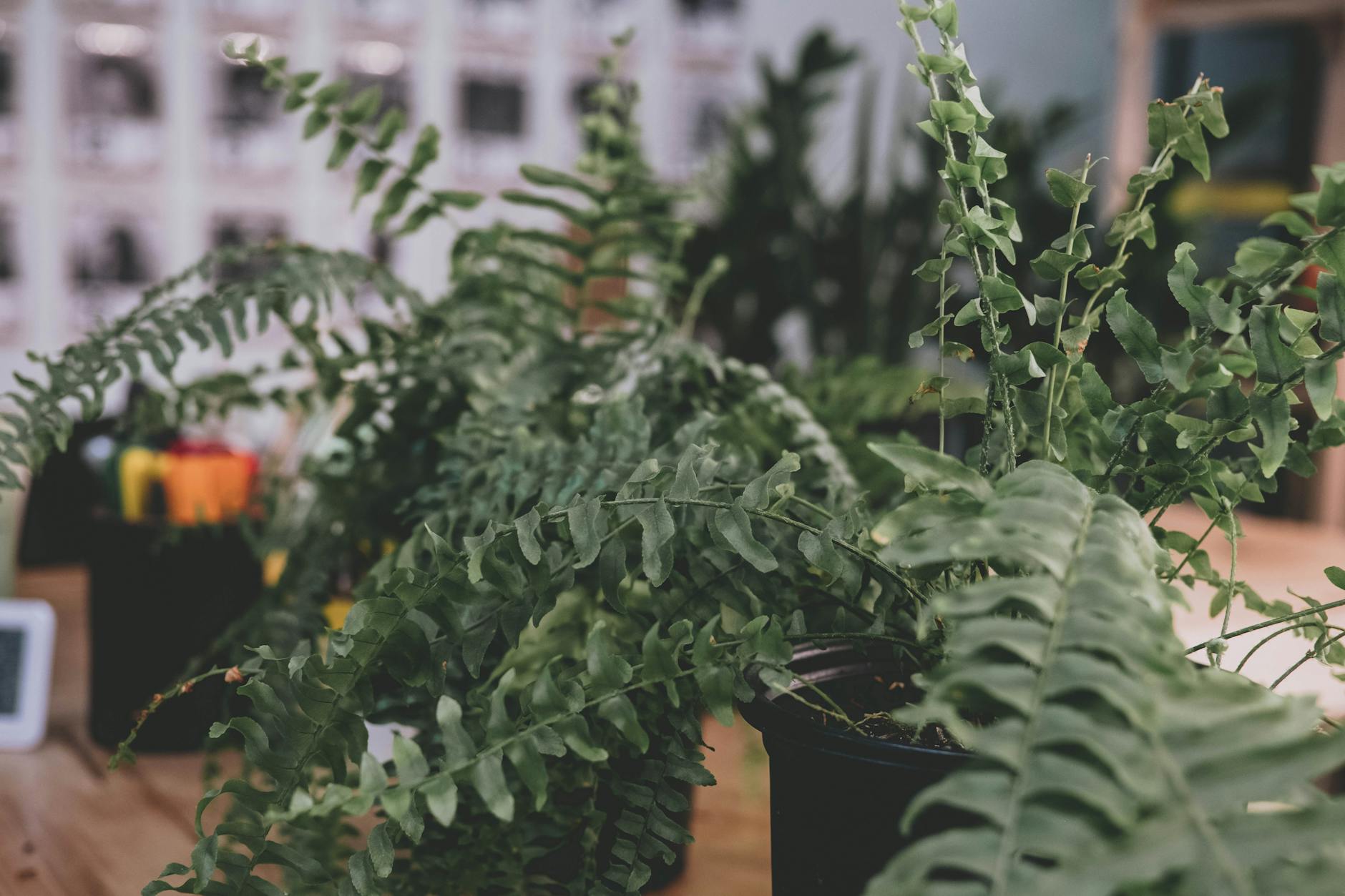
Boston ferns have long been celebrated as natural humidifiers and elegant hanging plants, but their moisture-rich environment makes them one of the most mold-friendly houseplants available. The fronds create a dense canopy that retains humidity at the center of the plant, encouraging fungal growth in the soil and on decaying frond matter. People with mold allergies may find that a single Boston fern in a poorly ventilated room noticeably worsens their symptoms, particularly in winter when windows are closed. The plant also sheds tiny leaf particles called spores as part of its natural reproductive process, adding another airborne irritant to the mix. Regular removal of dead fronds and careful watering practices can help manage the risk, though highly sensitive individuals may prefer to avoid them altogether.
Jasmine
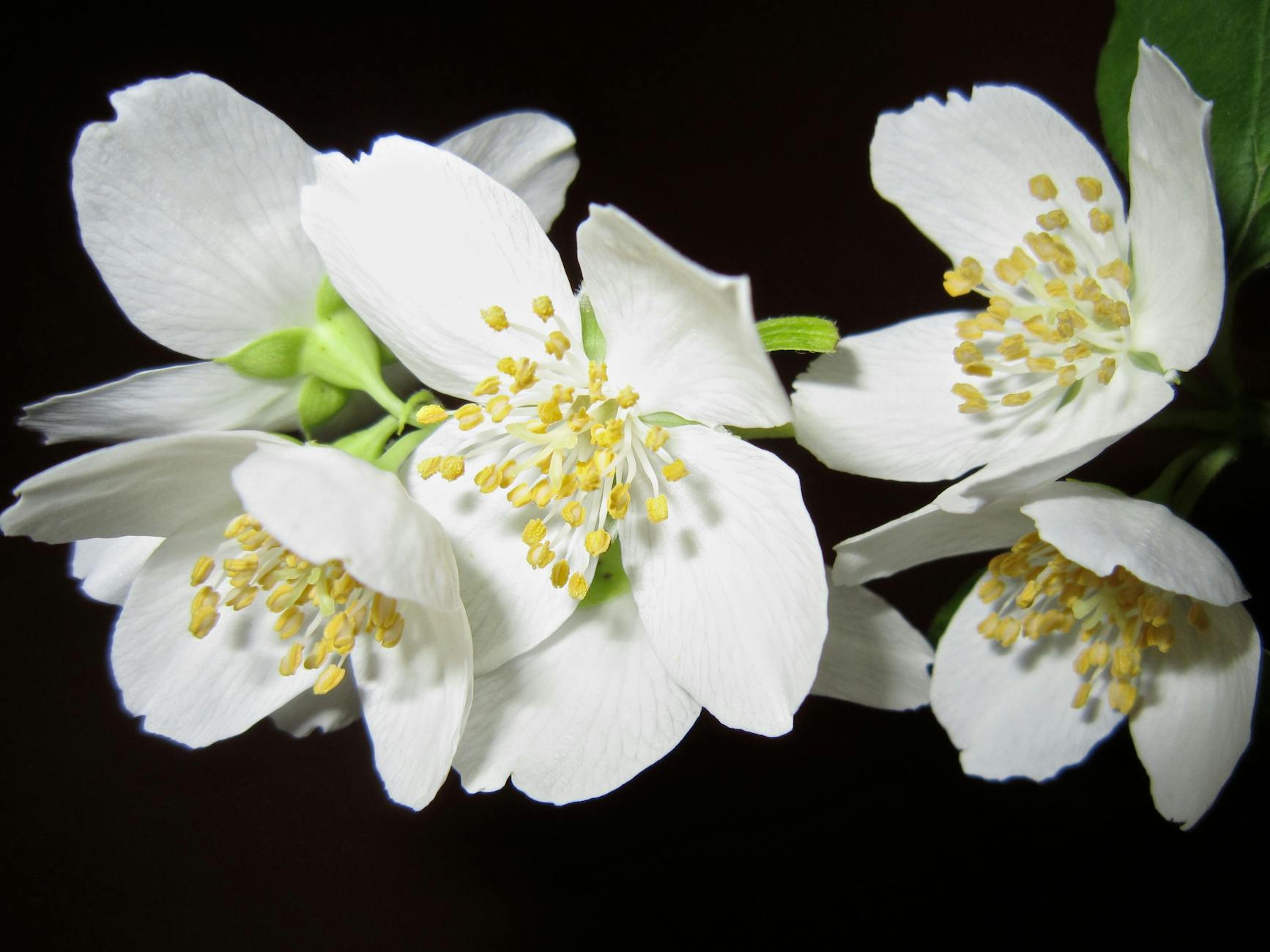
Indoor jasmine plants are prized for their intensely fragrant white flowers, which many people find calming and uplifting. However, the same aromatic compounds responsible for that signature scent are known irritants for people with fragrance sensitivities or respiratory conditions such as asthma. Exposure to jasmine fragrance in an enclosed space can trigger headaches, nasal congestion, and throat irritation even in individuals who do not consider themselves to have plant allergies. The plant blooms repeatedly throughout the growing season, meaning the period of fragrance exposure can extend for several months indoors. People who are sensitive to strong floral scents should think carefully before positioning a jasmine plant in a bedroom or home office.
Gerbera Daisy
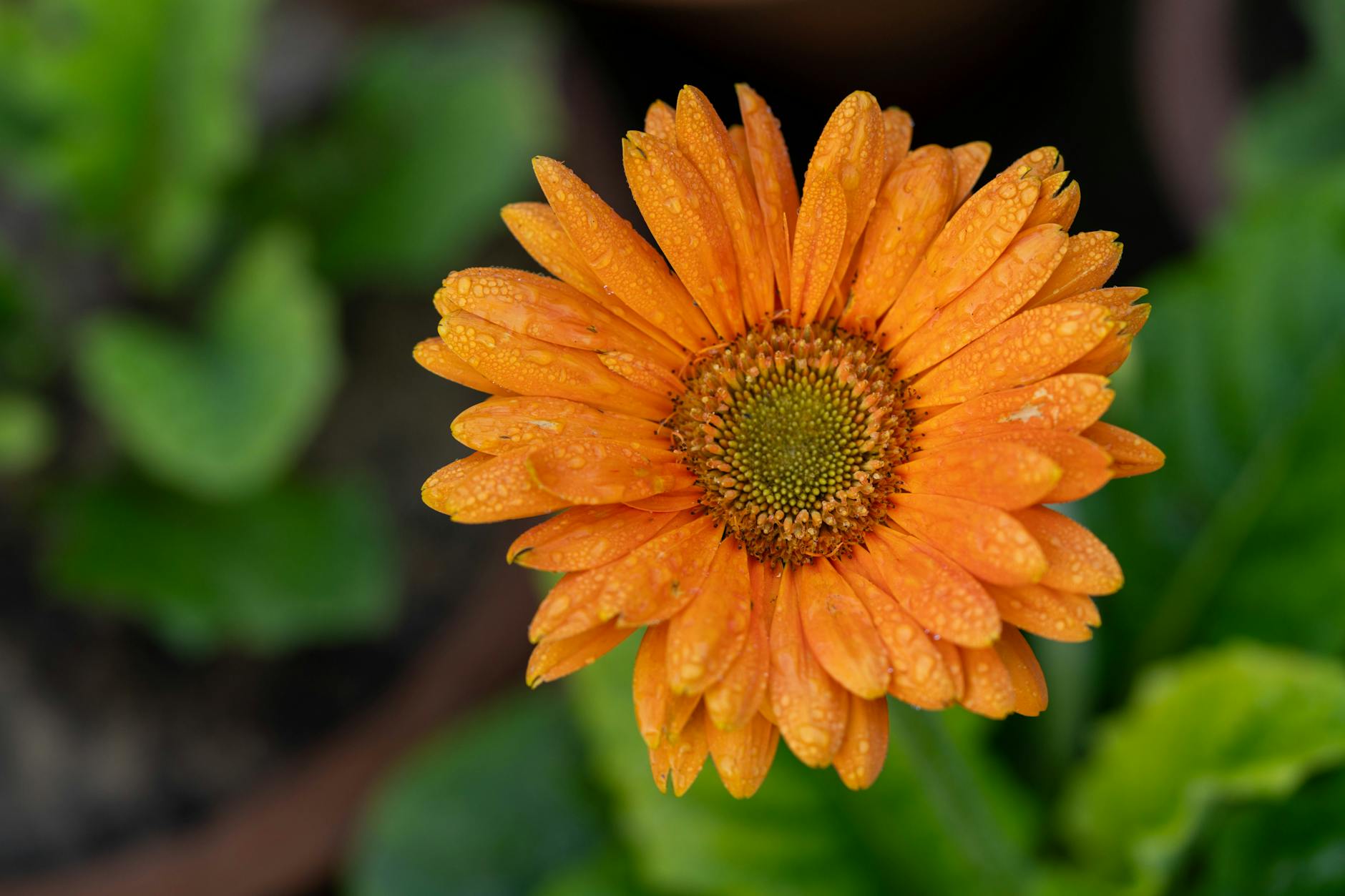
Gerbera daisies bring vivid color to indoor spaces and are frequently recommended as cheerful, mood-boosting additions to the home. Like chrysanthemums, they belong to the Asteraceae family, which includes many of the most allergenic flowering plants found in nature. Their brightly colored flowers produce a steady supply of fine pollen that can become airborne during normal household activity. People with known sensitivities to daisies, sunflowers, or ragweed are at elevated risk of reacting to gerbera daisies indoors due to shared protein structures in their pollen. Keeping them in well-ventilated spaces and replacing them frequently to reduce pollen accumulation can help, but removal is often the most effective solution.
Pothos
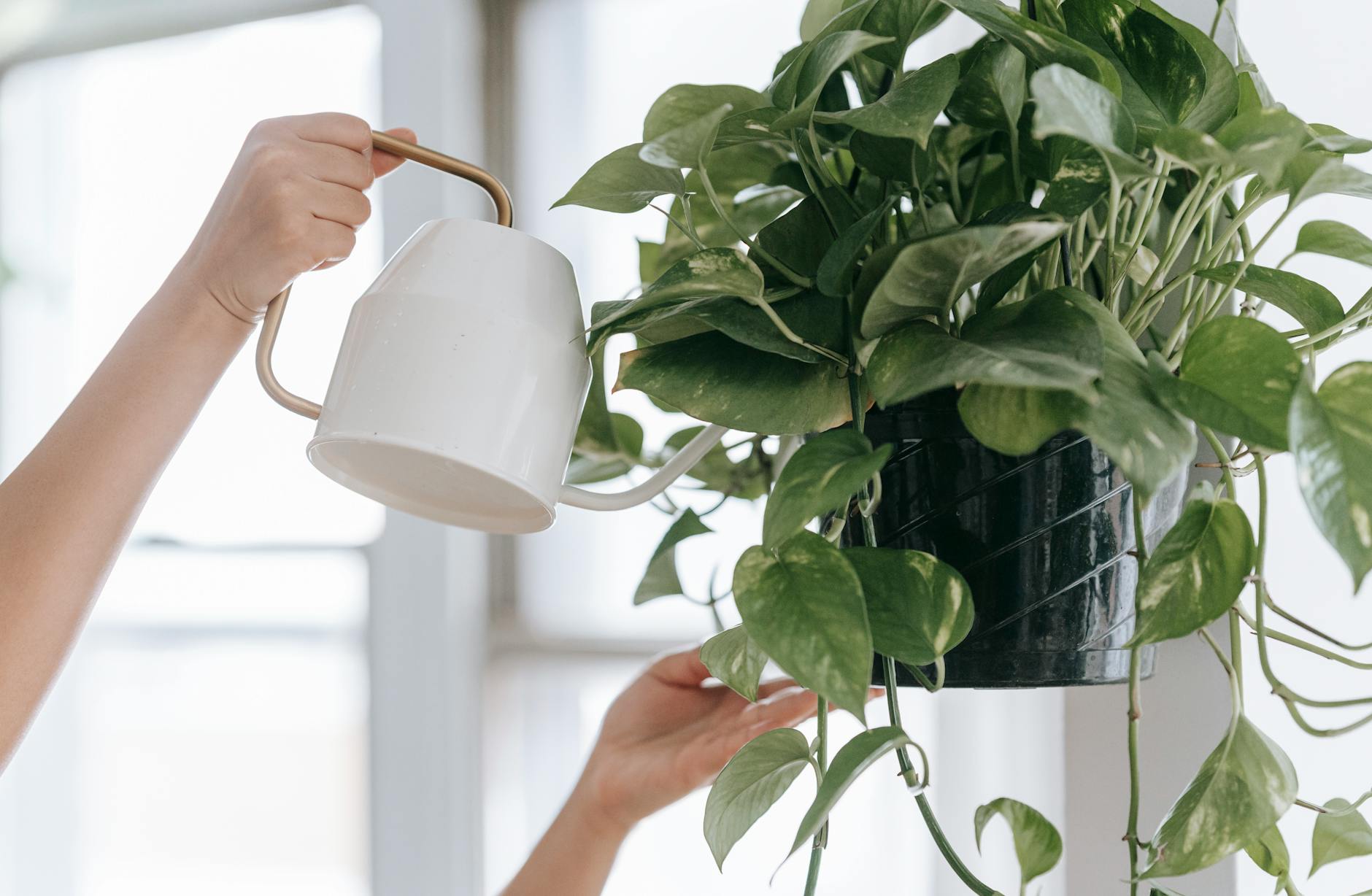
Pothos is arguably the most recommended beginner houseplant in the world due to its near-indestructible nature and trailing aesthetic appeal. Despite its reputation as a hardy and benign plant, pothos contains calcium oxalate crystals that can irritate mucous membranes if particles become airborne during handling or repotting. The plant thrives in a wide range of soil moisture levels but is particularly prone to developing fungal issues when consistently overwatered in low-light conditions. Its broad leaves collect dust efficiently, and households with multiple pothos plants may notice a general increase in airborne particulate matter. While not among the most potent allergens on this list, pothos can be a subtle and overlooked contributor to chronic indoor allergy symptoms.
If any of these plants are living in your home, share which ones surprised you most in the comments.




