
Your kitchen appliances represent some of the most significant investments in your home, yet the habits most likely to shorten their lives are the ones that feel completely harmless. From the way you load your dishwasher to how you store your blender, small daily choices compound into costly damage over time. Understanding which routines are silently working against your most expensive machines is the first step toward protecting them. These twenty habits are more destructive than most home cooks realize.
Overloading the Dishwasher
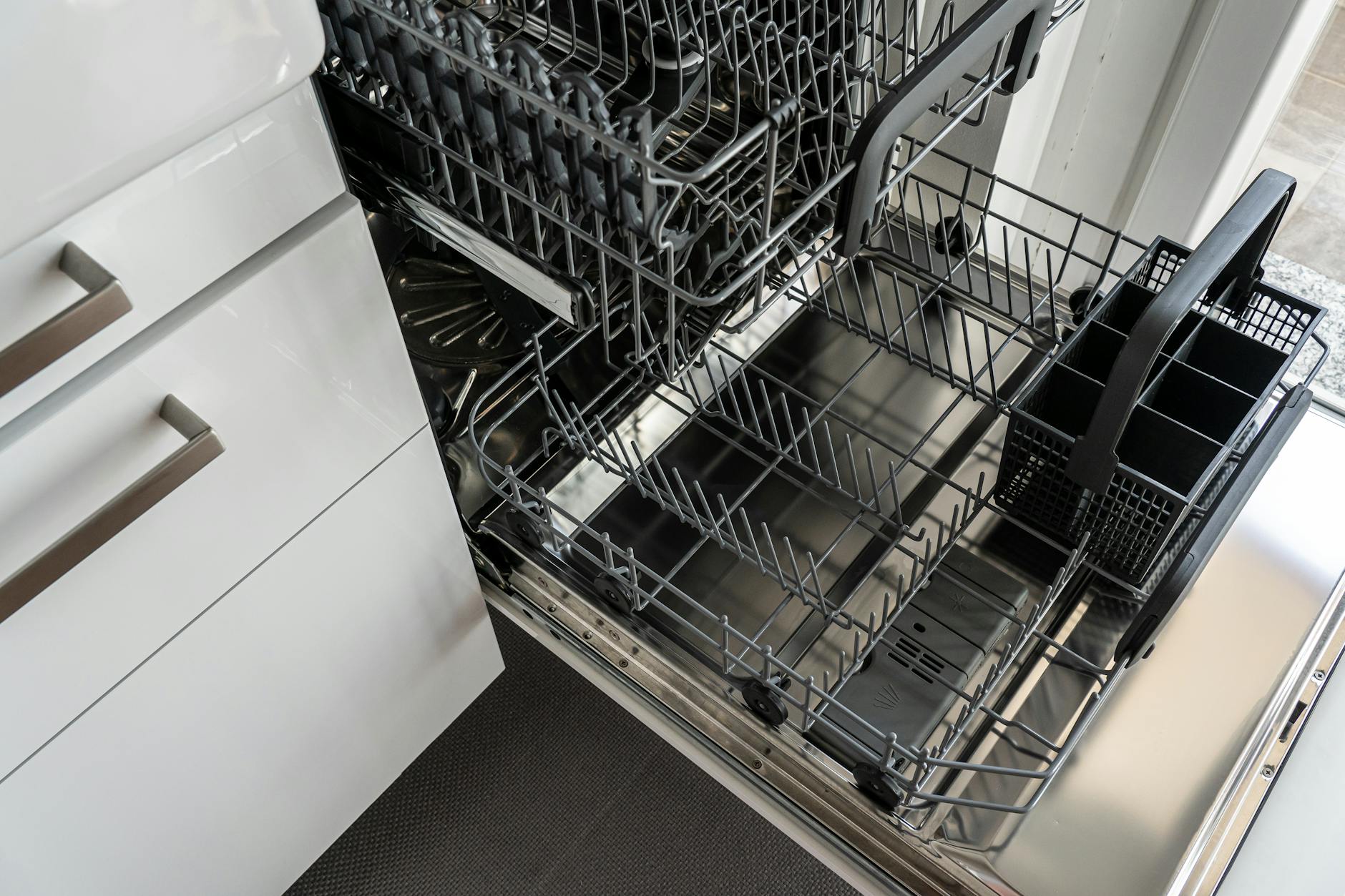
Cramming too many dishes into a single cycle is one of the most common ways people unknowingly stress their dishwasher. When items are packed too tightly, water and detergent cannot circulate properly, forcing the machine to work harder than it was designed to. This repeated strain wears down the motor and pump over time, leading to premature mechanical failure. The spray arms can also crack or warp when blocked by overcrowded racks. Running lighter loads may feel inefficient, but it significantly extends the life of the machine.
Nonstick Cooking Spray
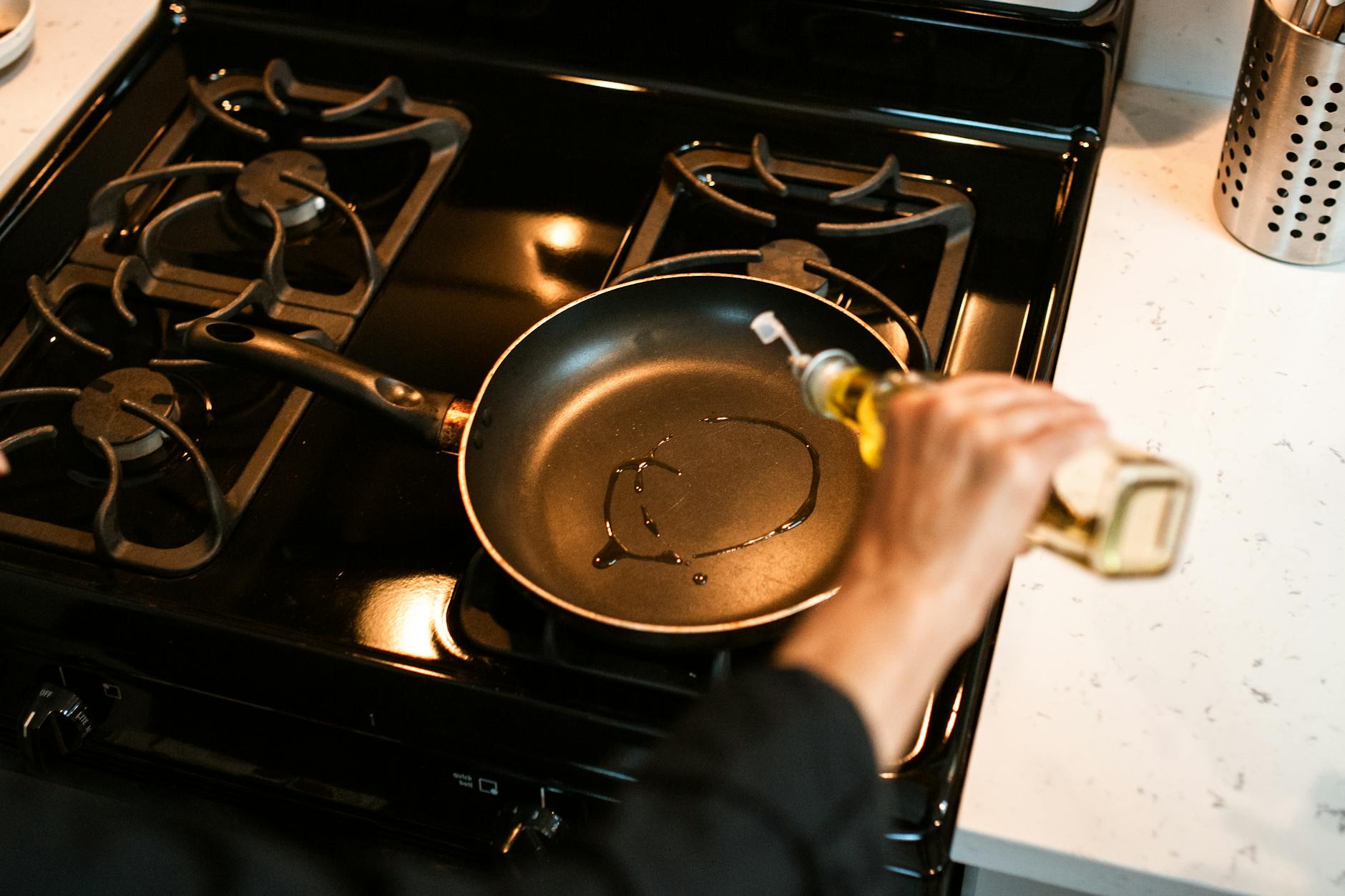
Aerosol cooking sprays seem like a convenient solution for preventing food from sticking, but they are deeply damaging to nonstick pans. The propellants and additives in these sprays build up a sticky, nearly invisible residue that bonds to the coating with heat. Over time this residue degrades the nonstick surface, making it less effective and more prone to flaking. Once the coating begins to break down, the pan loses its primary function entirely. A small amount of butter or a drizzle of oil applied with a brush is a far safer alternative.
Wet Blender Storage

Rinsing a blender and reassembling it while still damp creates the perfect environment for mold and mineral buildup to develop around the blade assembly. Moisture trapped beneath the blade gasket accelerates rubber deterioration, leading to leaks and an eventual loss of suction. The motor base itself is also vulnerable if water seeps through the jar connection point. Many blender jars develop hairline cracks over time that are made worse by the expansion and contraction caused by temperature changes from wet storage. Always allow all components to dry completely and separately before reassembling.
Running the Oven Self-Clean
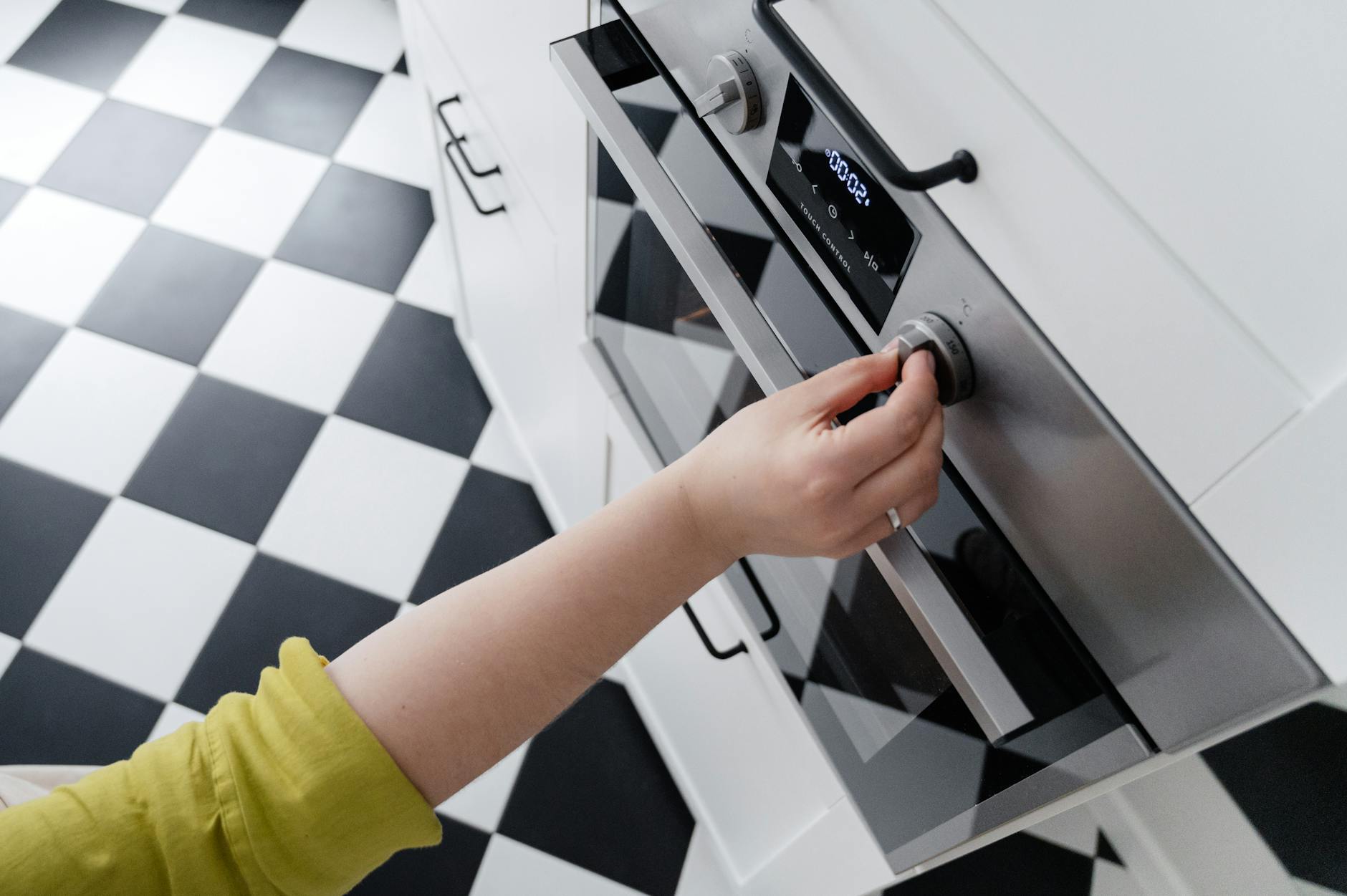
The self-cleaning function on modern ovens reaches temperatures that far exceed anything used in normal cooking, often climbing well above 900 degrees Fahrenheit. These extreme temperatures place enormous stress on the oven’s internal components, including the thermal fuse, door lock mechanism, and control board. Many appliance technicians report that self-clean cycles are among the leading causes of oven breakdowns. The function also produces intense heat that radiates into surrounding cabinetry and can warp nearby surfaces. Manual cleaning with appropriate oven-safe products is gentler on the appliance and just as effective.
Hard Water in the Coffee Maker
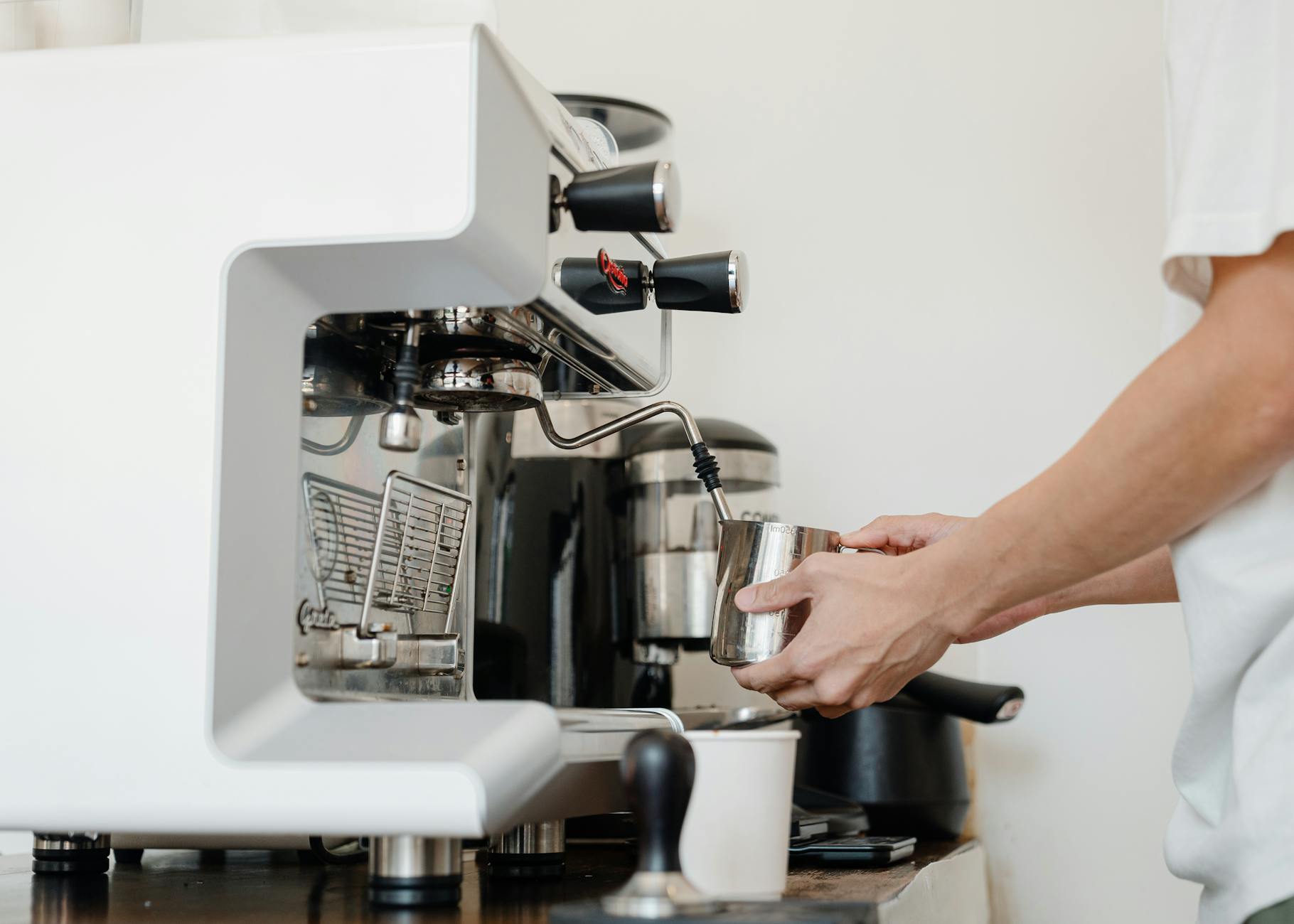
Running unfiltered tap water through a coffee maker in a hard water area causes mineral deposits to build up inside the internal tubing and heating element. This limescale accumulation forces the heating element to work harder to reach brewing temperature, increasing energy consumption and mechanical wear. Over time the deposits restrict water flow, producing weak or inconsistent brews and eventually causing the machine to stop functioning altogether. Most manufacturers recommend descaling every one to three months, yet the majority of home users never perform this maintenance. Using filtered water from the start dramatically slows the rate of buildup.
Grinding Hard Spices in a Coffee Grinder
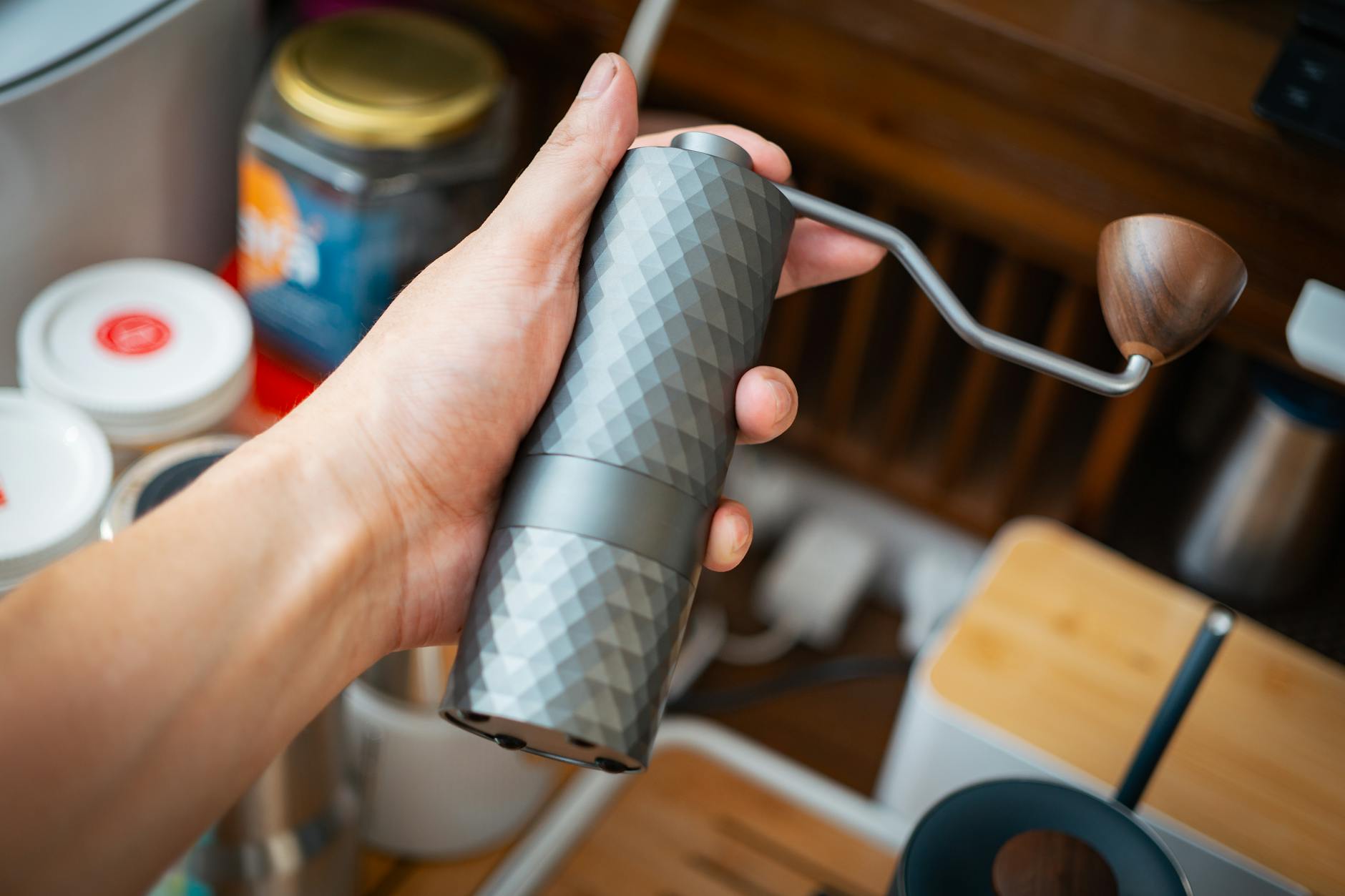
Repurposing a coffee grinder for whole spices like cardamom pods, cloves, or dried chiles seems practical, but the oils and fibrous textures of these ingredients are far harder on the blade and motor than coffee beans. Spice residue embeds itself in the grinding chamber and is nearly impossible to remove completely, contaminating future coffee batches with off flavors. The dense texture of some whole spices also strains the motor in ways it was not engineered to handle. Repeated use for spices dulls the blade faster than coffee grinding alone would. A dedicated spice grinder is an inexpensive solution that protects both machines.
Leaving Food in the Instant Pot Liner
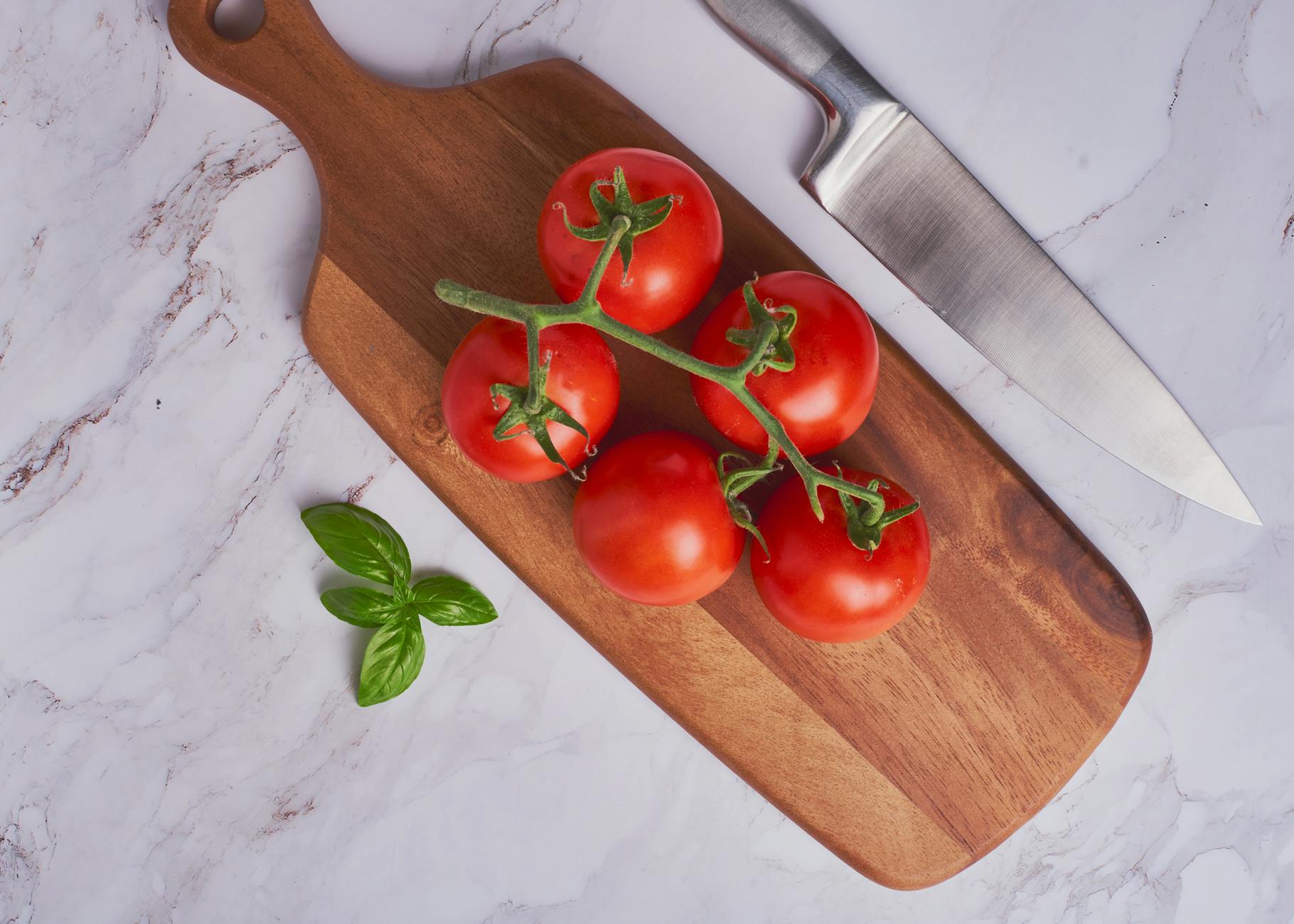
Many people use the Instant Pot liner as a storage container after cooking, refrigerating leftovers directly inside it. Prolonged exposure to acidic foods such as tomato-based sauces or citrus dishes corrodes the stainless steel liner over time, dulling its finish and weakening its structural integrity. The sealing ring also absorbs food odors and flavors when left in a closed, warm environment, which shortens its usable life. Accumulated moisture between the liner and the housing creates conditions for corrosion on the electronic base. Transferring leftovers to a separate container after cooking preserves both the liner and the gasket.
Ignoring the Refrigerator Coils
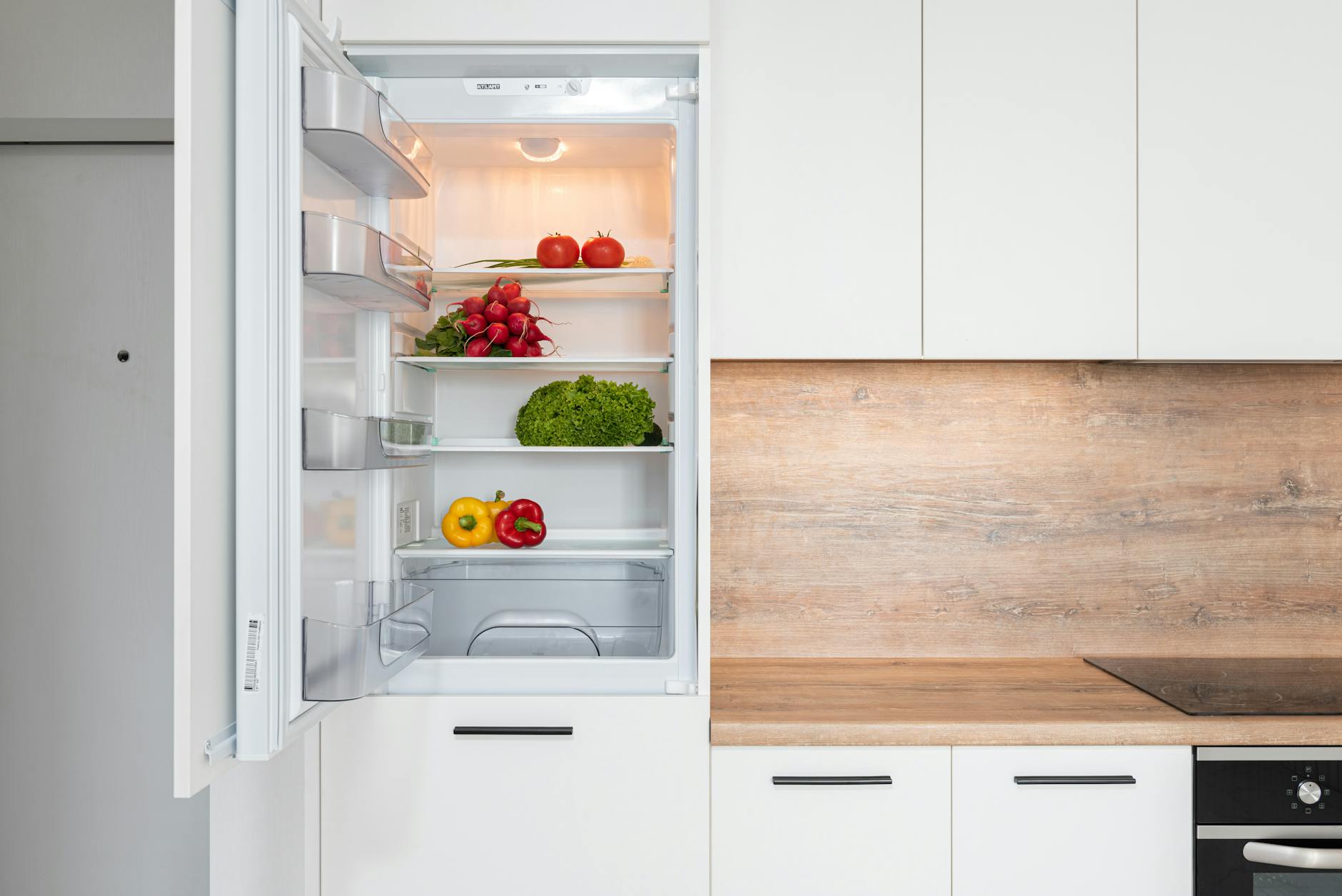
The condenser coils located at the back or beneath most refrigerators are responsible for releasing heat from the cooling system, and when they become coated in dust and pet hair they cannot perform this function efficiently. A refrigerator with dirty coils must run its compressor longer and harder to maintain the correct internal temperature. This continuous overworking dramatically shortens the compressor’s lifespan, which is both the most critical and most expensive component in the appliance. Many refrigerator failures that appear sudden are actually the result of years of neglected coil maintenance. Cleaning the coils every six to twelve months with a coil brush takes less than fifteen minutes.
Stacking Cast Iron in the Dishwasher

Cast iron should never enter a dishwasher under any circumstances, yet it remains one of the most common dishwasher mistakes in home kitchens. The prolonged hot water exposure and harsh detergents strip the seasoning entirely, leaving the surface vulnerable to immediate and aggressive rusting. Once rust develops, it can spread and is difficult to fully reverse without intensive restoration. The weight of cast iron can also damage the dishwasher racks and door springs when loaded improperly. Hand washing with minimal water and immediate drying followed by a light oil coat is the only appropriate cleaning method.
Running a Half-Empty Freezer
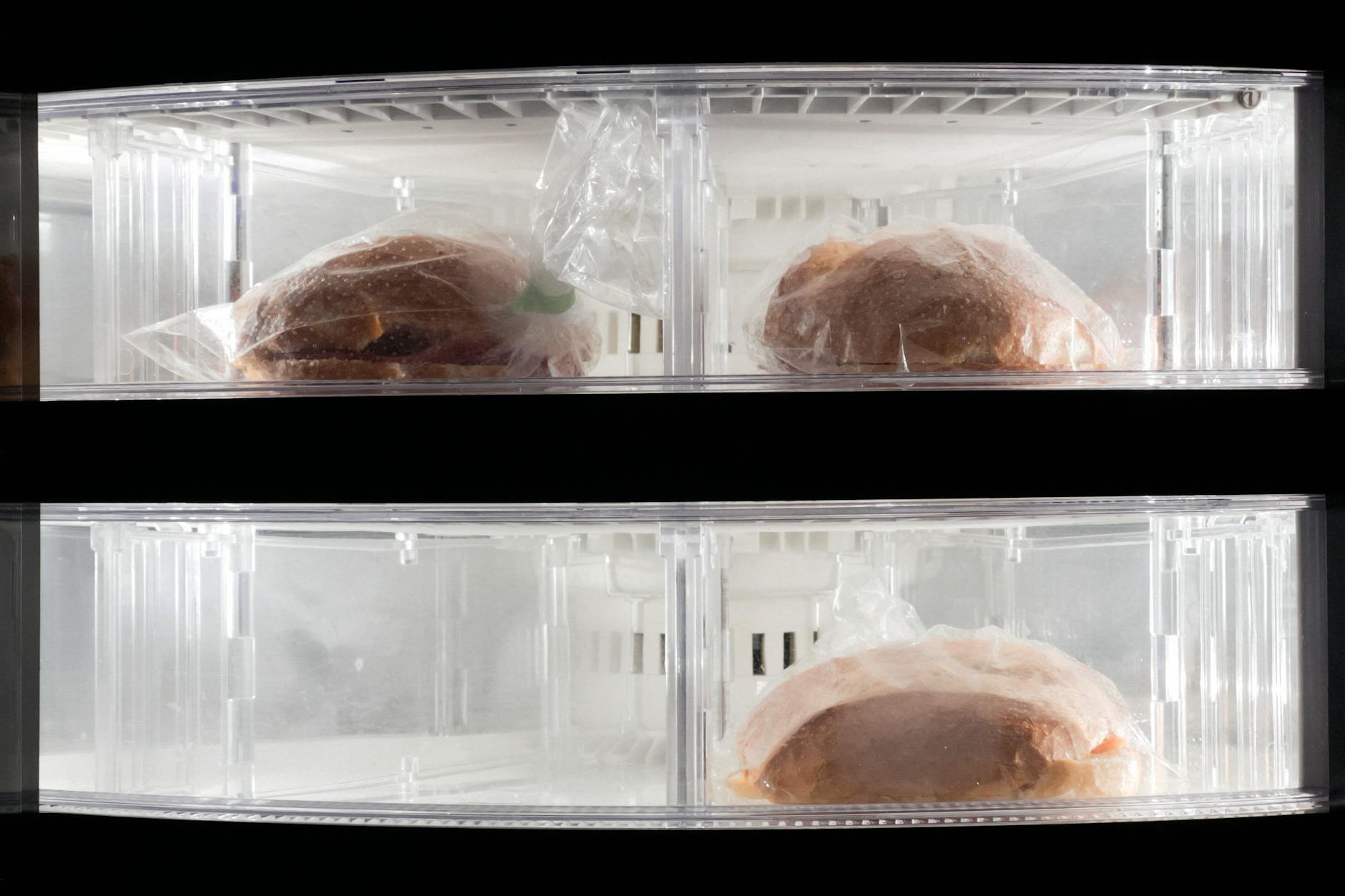
A freezer that is consistently half-empty works significantly harder than one that is well-stocked, because air circulates more freely and temperature fluctuates more dramatically each time the door is opened. The compressor compensates for these fluctuations by cycling on and off more frequently than it should, which accelerates wear on its internal components. Thermal mass provided by frozen food helps maintain stable temperatures passively, reducing how often the compressor needs to engage. Over months and years, the energy consumption of an underfilled freezer is measurably higher than that of a full one. Keeping the freezer filled with even inexpensive items like bags of ice helps maintain efficiency.
Skipping the Range Hood Filter Cleaning

The grease filters inside a range hood are designed to trap airborne oil particles before they reach the fan motor and ductwork, but they can only do this effectively when they are clean. A clogged grease filter forces the motor to pull air through a restricted surface, increasing its workload and generating excess heat. Over time this causes the motor to burn out prematurely, which is one of the most expensive range hood repairs. Accumulated grease in the filter also becomes a fire hazard, particularly during high-heat cooking. Most metal mesh filters are dishwasher-safe and should be cleaned at least once a month for heavy cooks.
Using the Wrong Detergent in the Dishwasher
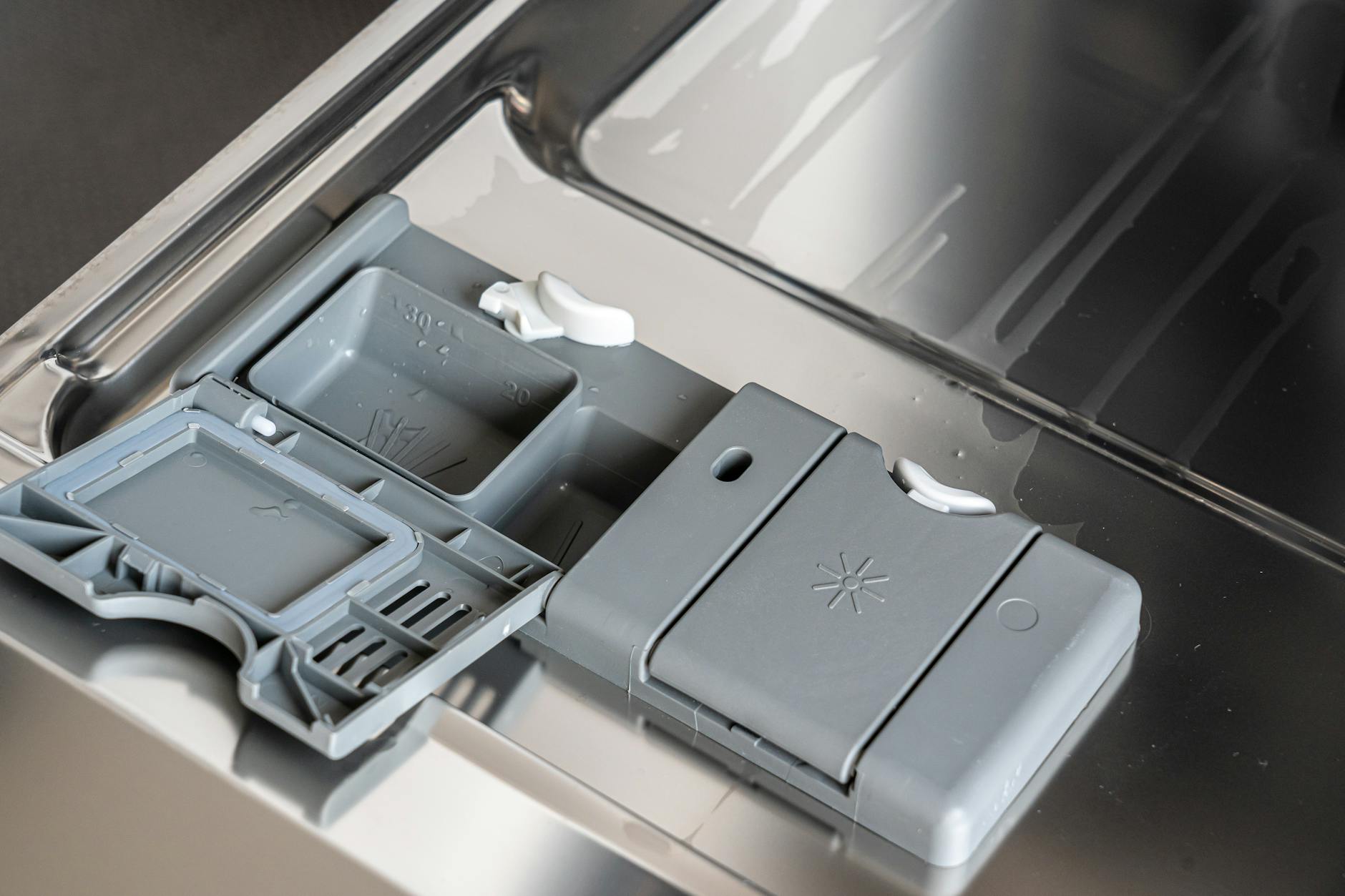
Substituting dish soap or even hand dishwashing liquid for proper automatic dishwasher detergent is a surprisingly common mistake that causes immediate and significant damage. Standard dish soap produces excessive suds that overflow from the machine, damage the pump seals, and leave residue on the interior walls and heating element. Even a small amount is enough to trigger a suds overflow that can reach the motor housing and cause electrical damage. Dishwasher-specific detergents are formulated to clean effectively without foam in a high-pressure water environment. This substitution, even done once, can result in repair costs that far exceed the cost of proper detergent.
Metal Utensils on Nonstick
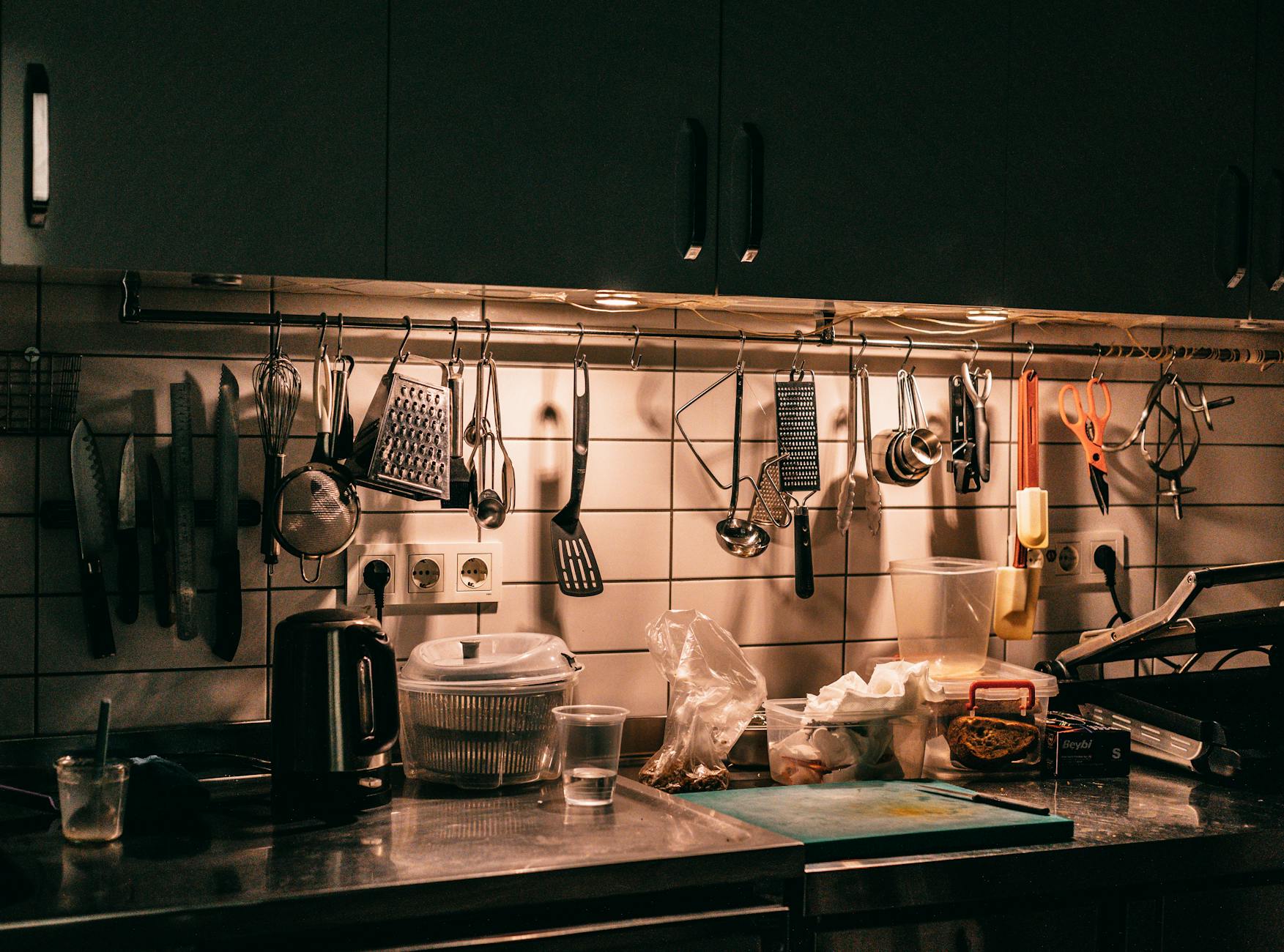
Using metal spatulas, whisks, or tongs on nonstick cookware is one of the fastest ways to destroy a pan’s coating. Even a single deep scratch creates a starting point for the coating to peel away from the surface in layers. Once the coating is compromised, food begins to stick and the underlying aluminum or steel base is exposed to acidic foods and high heat. Many home cooks do not realize that nonstick coatings have a limited lifespan even under ideal conditions, and metal utensils can cut that lifespan in half. Silicone and wooden utensils are the only appropriate tools for these surfaces.
Placing Hot Pans on a Glass Cooktop
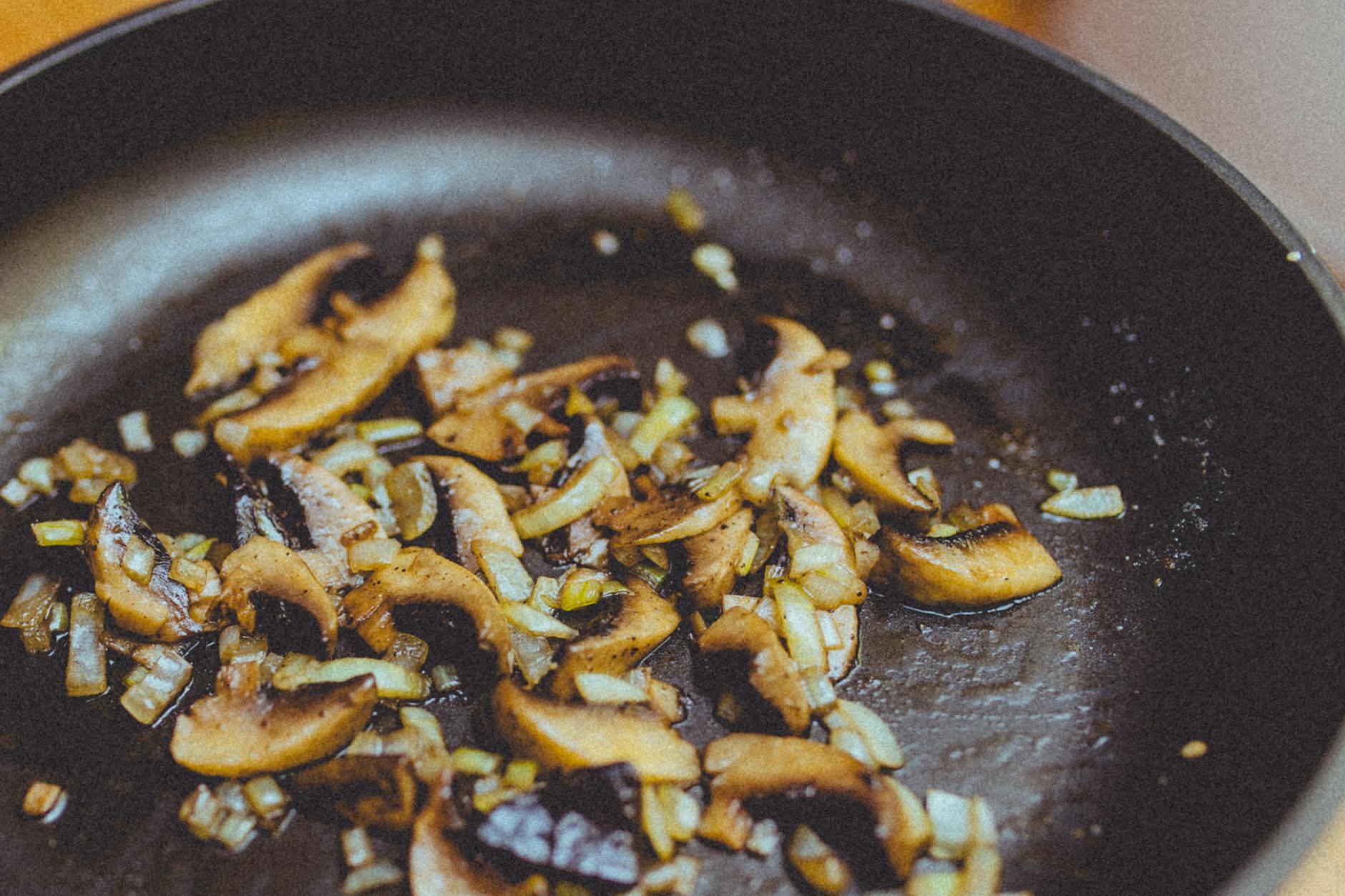
Setting a cast iron skillet or any heavy pan directly onto a glass ceramic cooktop while it is extremely hot or cold creates a thermal shock risk that can crack the surface permanently. Glass cooktops are engineered to heat gradually from below, not to receive intense concentrated heat from above. Even dragging a pan across the surface without lifting it causes micro-scratches that accumulate into visible surface damage over time. A cracked or deeply scratched glass cooktop typically requires full replacement rather than repair, making it one of the most expensive kitchen mistakes. Always lift pans rather than sliding them and allow cookware to cool before resting it on the surface.
Ignoring the Refrigerator Door Gasket
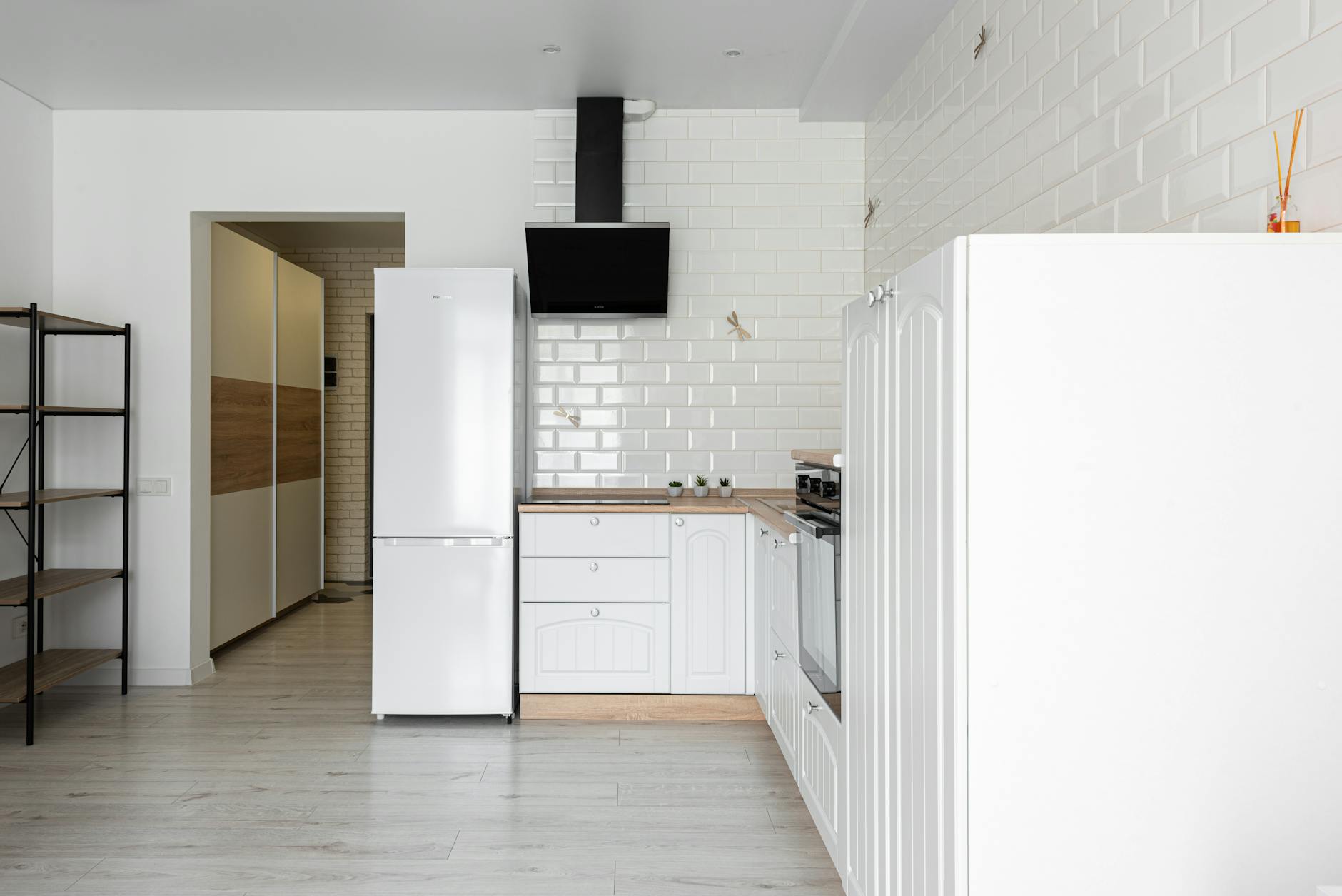
The rubber seal around a refrigerator door is responsible for maintaining an airtight closure that keeps cold air inside and warm air out. When this gasket accumulates food residue and grime it loses its flexibility and begins to pull away from the door frame, creating small gaps that allow constant air exchange. The refrigerator compensates by running its compressor more frequently, which increases energy use and wear on the cooling system. A failing gasket can raise the internal temperature of the fridge enough to affect food safety without triggering any visible warning. Cleaning the gasket monthly and testing its seal with a piece of paper helps catch deterioration early.
Overfilling the Stand Mixer Bowl
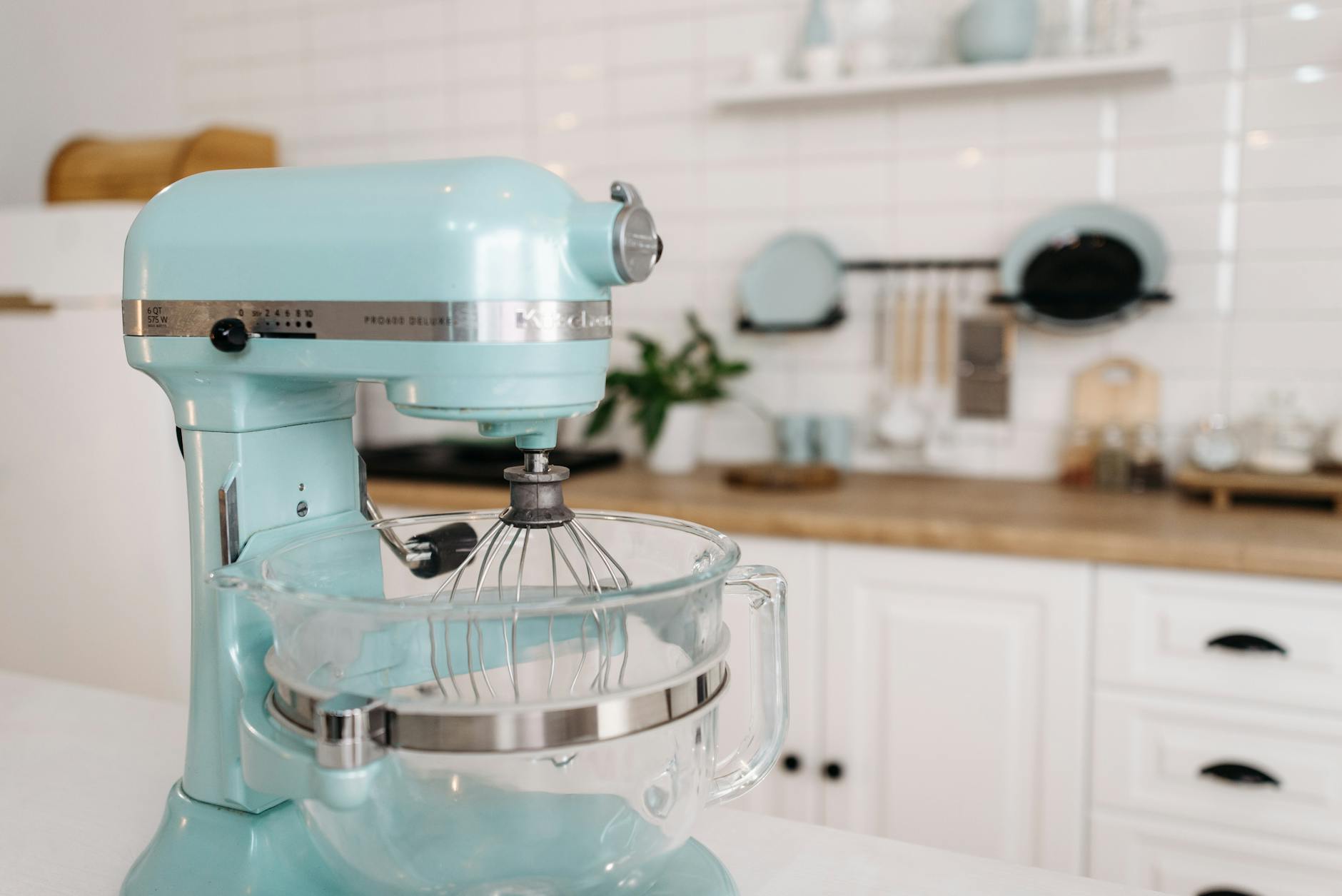
Loading a stand mixer beyond its recommended capacity puts extreme torque pressure on the motor and the planetary gear system that drives the attachment head. Dense doughs in particular create resistance that a mixer was not designed to handle in large quantities, causing the motor to heat up and the gears to wear unevenly. Many stand mixer motors that burn out do so after repeated overloading rather than sudden misuse. The attachment head can also develop wobble over time as the gear housing loosens from repeated stress. Dividing large batches into smaller portions and running the machine at appropriate speeds significantly extends its working life.
Keeping the Microwave Door Dirty
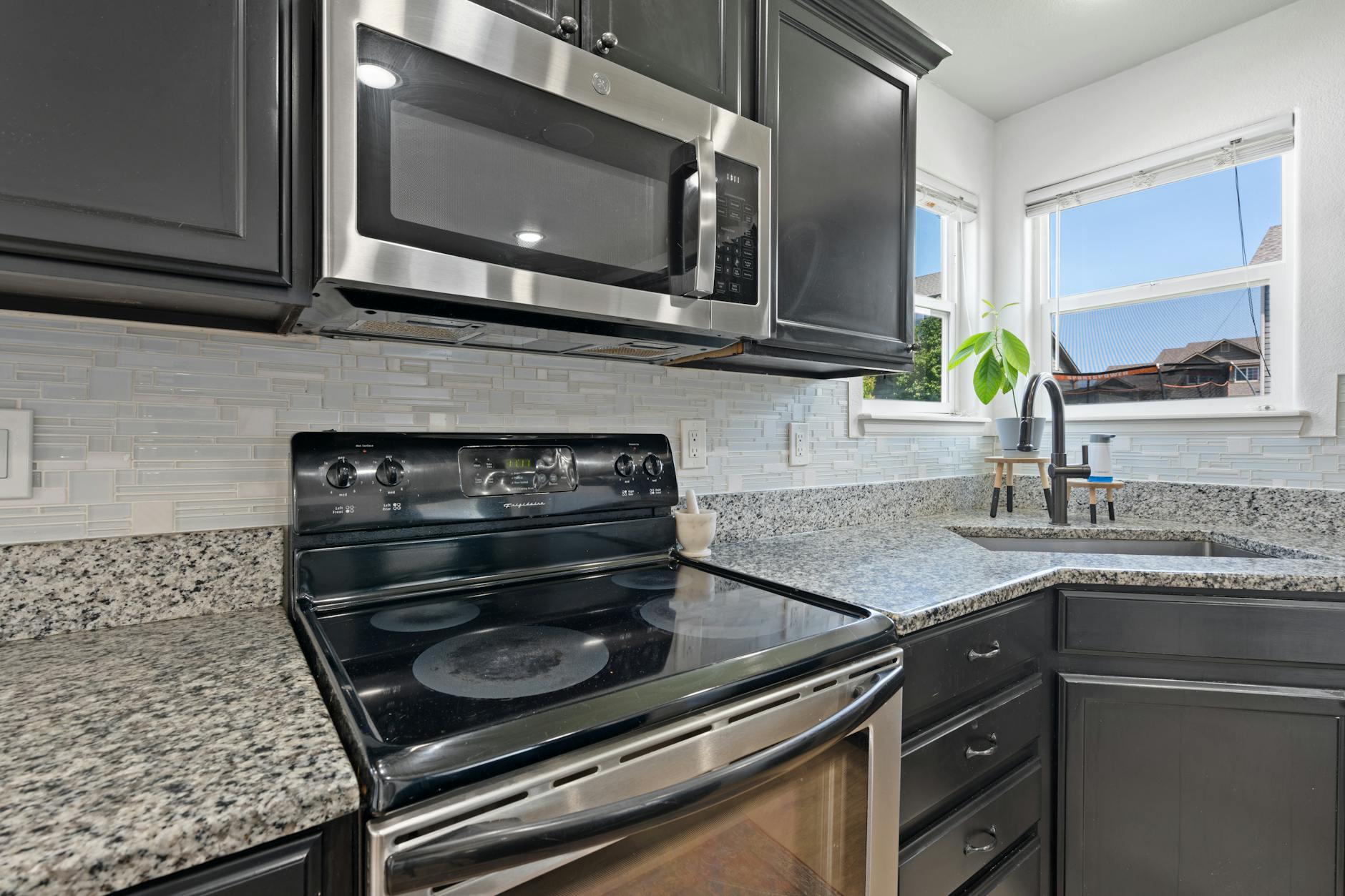
Food splatter that accumulates on the inside of a microwave door and around the door seal is more than a hygiene issue. The magnetron that generates microwave energy can be reflected and absorbed erratically by carbonized food particles, reducing efficiency and creating hot spots that stress internal components. Built-up residue on the door frame can also interfere with the seal, allowing small amounts of microwave energy to escape and weakening the door latch mechanism over time. A dirty interior forces the appliance to work longer to reach the same cooking result. Wiping down the interior after each use with a damp cloth takes seconds and prevents cumulative damage.
Running the Garbage Disposal Dry

A garbage disposal relies on a constant flow of cold water to lubricate the grinding components, flush waste through the drain line, and keep the motor from overheating. Operating the disposal without running water first allows ground food particles to accumulate around the grinding ring and impeller, which dulls the mechanism significantly faster than normal use. Dry operation also generates heat that degrades the motor’s internal insulation over repeated cycles. Food debris that is not flushed through the drain line can solidify and create blockages that back up into the sink. Always run cold water for several seconds before switching on the disposal and continue running it for at least thirty seconds after grinding is complete.
Using Harsh Cleaners on Stainless Steel Appliances
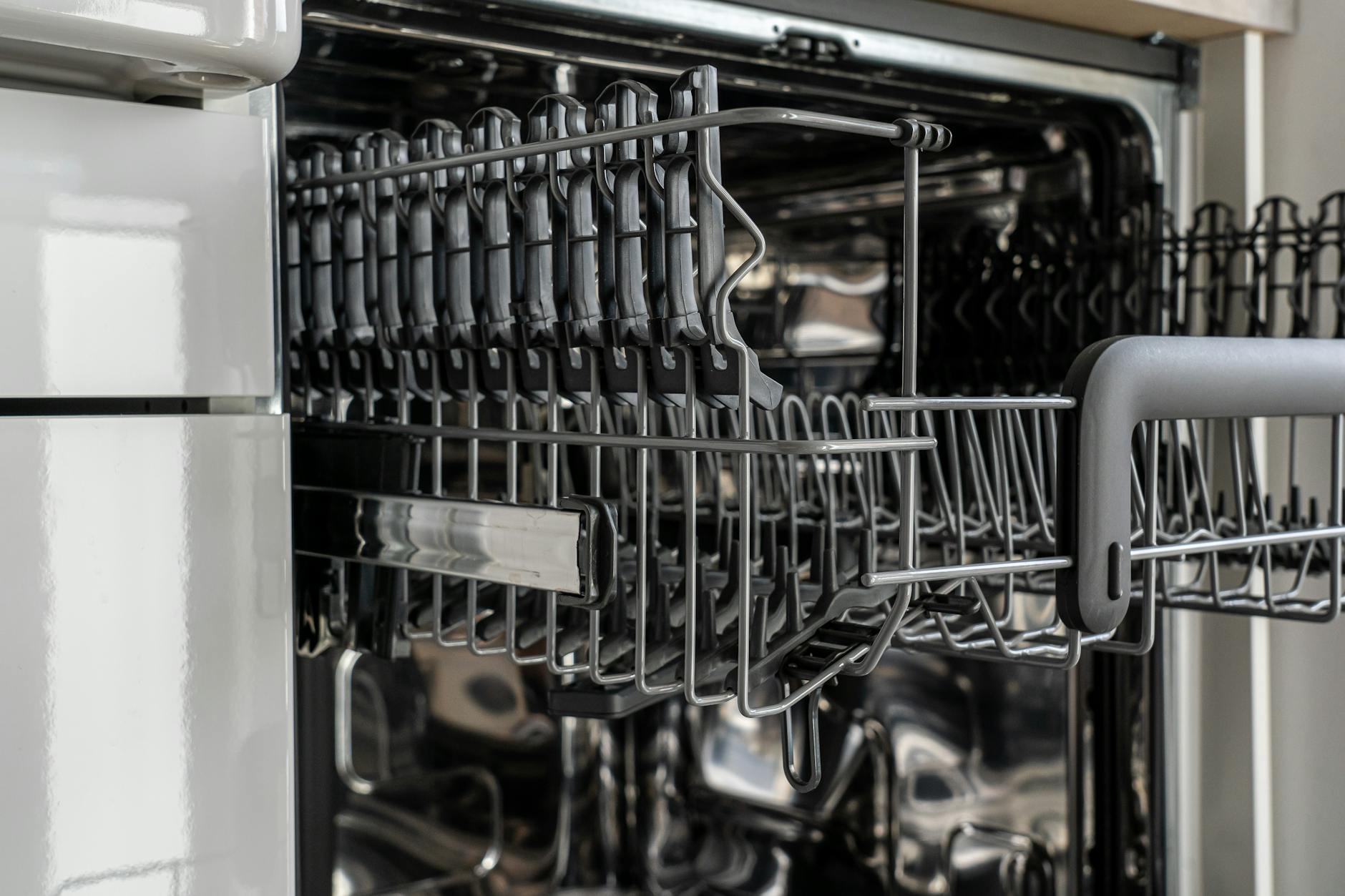
Abrasive scrubbing pads and chlorine-based cleaners applied to stainless steel refrigerators, dishwashers, or ovens cause microscopic surface damage that accumulates into visible scratching and discoloration. Chlorine in particular breaks down the passive oxide layer that gives stainless steel its corrosion resistance, making the surface more vulnerable to rust and pitting over time. Many homeowners use bathroom or kitchen disinfectant sprays on stainless appliances without realizing these products contain bleach compounds. Once the protective layer is compromised, fingerprints and water marks become far more difficult to remove and the surface begins to lose its finish. Purpose-made stainless steel cleaners applied with a soft microfiber cloth in the direction of the grain are the only products that clean without causing harm.
Blocking Appliance Vents

Nearly every major kitchen appliance including refrigerators, microwaves, toaster ovens, and dishwashers requires adequate airflow around its exterior to release heat generated during operation. Pushing a refrigerator flush against a wall or cabinet, or storing items on top of a microwave that covers its vent grilles, traps heat inside the appliance housing where it degrades electronic components and motor insulation. Many built-in appliance failures that appear to be electrical in origin are actually the result of chronic overheating caused by poor ventilation. Manufacturers specify minimum clearance distances in their installation guides for exactly this reason, yet these guidelines are routinely ignored during kitchen setup. Reviewing the clearance requirements for each appliance and adjusting their placement accordingly is one of the simplest and most impactful ways to extend their working lives.
Which of these habits surprised you most? Share your thoughts in the comments.