
Receiving a large inheritance can be one of the most financially significant events of a lifetime, yet it often arrives alongside grief, family tension, and overwhelming decisions. Many people make costly mistakes in the months following a windfall simply because they acted too quickly or without proper guidance. Understanding the most common pitfalls can mean the difference between long-term financial security and a fortune squandered. These are the twenty things you should never do when a large inheritance lands in your hands.
Impulsive Spending

The excitement of sudden wealth can trigger an immediate urge to spend on luxury items, vacations, or upgrades that feel long overdue. Financial advisors consistently warn that the first few months after receiving an inheritance are the most dangerous for unplanned purchases. Large sums can disappear faster than expected when there is no deliberate spending structure in place. Giving yourself a mandatory waiting period before any major purchase is one of the simplest ways to protect the money. A cooling-off window of at least six months is widely recommended by wealth managers.
Telling Everyone

Announcing an inheritance to friends, acquaintances, or on social media creates a chain of problems that is difficult to undo. People who know about a windfall may approach with business proposals, loan requests, or a sense of entitlement to a share. Privacy around financial matters is a cornerstone of long-term wealth preservation. Even close family members learning the full amount can shift relationship dynamics in unexpected ways. Keeping the details of an inheritance confidential is a protective strategy, not a selfish one.
Ignoring Taxes

Many heirs assume that inherited money is entirely free from tax obligations, which is rarely the full picture. Depending on jurisdiction and the size of the estate, inheritance tax or estate tax may apply before the money even reaches the beneficiary. Income generated by inherited assets such as dividends or rental income is typically subject to standard income tax. Inherited retirement accounts carry their own complex distribution rules with significant tax implications. Consulting a qualified tax professional immediately after receiving an inheritance is not optional but essential.
Quitting Your Job

The fantasy of retiring immediately after an inheritance is understandable, but walking away from employment without a detailed long-term financial plan is a serious risk. Employment provides not just income but also health insurance, retirement contributions, and a sense of daily structure. Even a significant inheritance can erode quickly when it is the sole source of living expenses with no investment strategy in place. Many people who leave their careers impulsively find themselves financially and emotionally unprepared for the lifestyle shift. Keeping employment while a financial plan is developed is nearly always the wiser path.
Skipping a Financial Advisor

Attempting to manage a large inheritance without professional guidance is one of the most common and costly mistakes heirs make. A certified financial planner or wealth manager brings expertise in investment strategy, tax efficiency, estate planning, and risk management that most individuals simply do not have. The cost of professional advice is almost always far smaller than the cost of avoidable financial errors. Not all advisors operate under the same standards, so seeking a fiduciary who is legally required to act in the client’s best interest is important. This single step can shape the trajectory of the inheritance for generations.
Lending to Family

When relatives learn of an inheritance, requests for loans or financial help often follow quickly. Money lent to family members is rarely repaid in full and can permanently damage relationships that were previously strong. There is a meaningful psychological difference between a gift and a loan within families, yet both carry emotional weight. Establishing clear personal boundaries around financial assistance before any requests arrive is a proactive strategy. Many financial advisors suggest deciding in advance on a fixed amount designated for family support and treating it as a gift rather than a loan.
Risky Investments

A sudden influx of capital can make high-risk investment opportunities feel more accessible and tempting than they would otherwise. Cryptocurrency speculation, startup funding, and leveraged trading are all areas where inexperienced investors frequently lose significant sums. The belief that there is enough money to absorb losses is a dangerous psychological trap known as house money bias. Diversified, low-cost investments with a long time horizon consistently outperform speculative bets over decades. No investment should be made with inherited funds without thorough due diligence and professional input.
Trusting Unsolicited Advice

Following an inheritance, well-meaning friends, distant relatives, and outright strangers may offer unsolicited investment or financial advice. People without formal financial training can be genuinely convinced that their suggestions are sound, even when they are not. Scammers also specifically target newly wealthy individuals and can be highly sophisticated in their approaches. Any financial opportunity that is introduced by someone who learned of the inheritance through social circles warrants extreme caution. Decisions should be made only with vetted professionals and after independent research.
Lifestyle Inflation

Upgrading to a significantly more expensive lifestyle immediately after receiving an inheritance locks in ongoing costs that can quickly outpace the wealth itself. A larger home, luxury vehicles, and premium memberships all carry recurring expenses far beyond their initial price tags. The danger of lifestyle inflation is that it feels natural and affordable in the moment but becomes difficult to reverse. Sustainable wealth is maintained by keeping fixed living costs reasonable relative to income and investment returns. Gradual, intentional upgrades made after a financial plan is in place are far safer than sweeping immediate changes.
Neglecting Estate Planning

Receiving an inheritance is a direct reminder of the importance of having one’s own estate planning in order, yet many heirs neglect this step. Without a current will, power of attorney, and beneficiary designations, the inherited assets may be distributed in ways that do not reflect the heir’s wishes. Estate planning also protects assets from probate delays and potential legal disputes among surviving family members. Trusts can be particularly useful tools for preserving and efficiently transferring wealth to the next generation. An estate planning attorney should be consulted shortly after the inheritance is received and a financial plan is underway.
Paying Off All Debt Immediately

While eliminating debt seems like an obviously responsible move, paying off every obligation at once without reviewing the terms can sometimes be financially counterproductive. Low-interest debt such as a fixed-rate mortgage may carry an interest rate below what a well-invested portfolio could return over time. Paying a financial penalty for early repayment on certain loans can also reduce the net benefit of eliminating the debt. A strategic debt review with a financial advisor helps identify which obligations should be cleared first. The goal is optimizing the overall financial picture rather than acting on the emotional relief of a zero balance.
Making Emotional Decisions

Grief frequently accompanies an inheritance, particularly when it follows the death of a parent or spouse. Emotional states profoundly impair financial judgment and can lead to decisions that feel right in the moment but are deeply regrettable later. Financial psychologists note that both guilt and euphoria are common emotional responses to an inheritance and both distort rational thinking. Giving oneself explicit permission to grieve and stabilize emotionally before making major decisions is both healthy and financially wise. Time is one of the most valuable resources available to a new heir and spending it on emotional processing rather than financial action is rarely a mistake.
Forgetting Inflation

Leaving a large inheritance sitting in a low-yield savings account can feel safe but exposes the money to the gradual erosion of purchasing power through inflation. Money that is not invested in assets that grow at or above the inflation rate effectively loses value year after year. A sum that feels substantial today may not provide the same standard of living in twenty or thirty years if it is not managed with this in mind. Inflation-adjusted returns should be a central consideration in any investment strategy developed around inherited funds. Understanding this concept is foundational to preserving intergenerational wealth.
Mixing Funds

Depositing inherited money directly into joint accounts or combining it with shared household funds can create legal and relational complications. In many jurisdictions, commingling inherited assets with marital funds can affect their legal classification in the event of a divorce. Keeping inherited money in a separately designated account provides a clear financial and legal boundary. This is a protective measure for the heir and not an expression of distrust toward a partner. A family law attorney can provide jurisdiction-specific guidance on the best approach for asset separation.
Overlooking Charitable Giving

Charitable giving is not only personally meaningful but also a financially strategic component of managing a large inheritance. Structured giving through donor-advised funds or charitable trusts can generate significant tax advantages while supporting causes the heir values. Many heirs who donate without a plan give less effectively than they would with a structured philanthropic approach. Setting a clear charitable giving budget as part of the overall financial plan ensures that generosity does not undermine long-term financial stability. Philanthropy handled thoughtfully becomes a lasting legacy in its own right.
Ignoring Professional Legal Advice
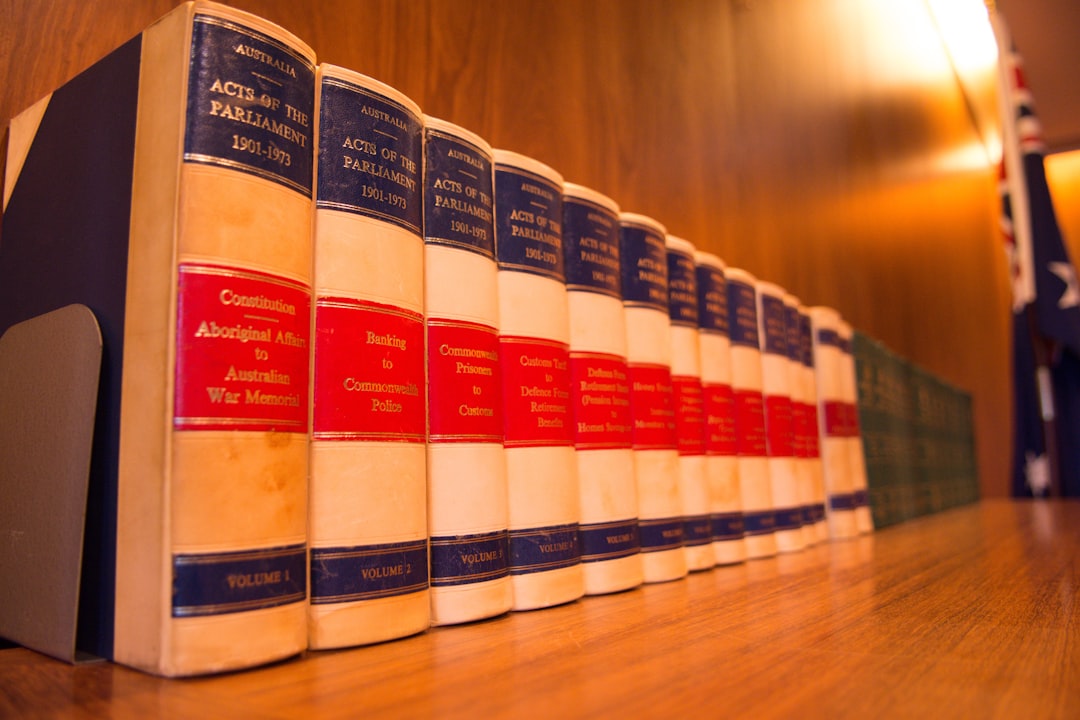
An inheritance often involves complex legal documents including wills, trusts, and asset transfer agreements that require professional interpretation. Misunderstanding the legal terms attached to an inheritance can result in missed assets, tax penalties, or unintended waiving of rights. If the estate is contested by other beneficiaries, navigating the dispute without legal representation is particularly inadvisable. Probate proceedings, foreign assets, and business interests each carry distinct legal considerations that a general financial advisor may not be equipped to address. Engaging an estate or probate attorney early in the process protects the heir’s interests comprehensively.
Rushing Real Estate Purchases

Buying property is one of the most common impulses following a large inheritance, but real estate purchases made without adequate research carry significant risk. Property markets fluctuate and a purchase made during a peak period can leave the buyer holding an asset worth considerably less than the purchase price. Carrying costs including maintenance, property tax, and insurance can substantially reduce the financial benefit of owning additional real estate. Renting while researching the property market and developing a long-term strategy is a measured alternative. Real estate can be an excellent long-term investment when acquired deliberately and as part of a diversified portfolio.
Neglecting Mental Health

The psychological weight of a large inheritance is frequently underestimated and rarely discussed openly. Feelings of guilt, unworthiness, fear of loss, and social anxiety around wealth are all documented responses to sudden financial change. Therapists who specialize in financial psychology can help heirs process these emotions in a healthy and productive way. Unaddressed psychological stress around inherited wealth has been shown to contribute to self-sabotaging financial behavior. Treating mental and emotional wellbeing as part of the inheritance management process is as important as any investment decision.
Spoiling Children

Parents who receive a large inheritance sometimes respond by dramatically increasing spending on their children or promising them significant future sums. Sudden and unlimited financial generosity can undermine a child’s motivation, resilience, and understanding of financial responsibility. Wealth transfer to the next generation is most effective when it is structured, gradual, and tied to values the family agrees upon. Many wealth advisors recommend separating the experience of receiving an inheritance from any immediate changes to how children are provided for. Thoughtful succession planning ensures that wealth is a resource for the next generation rather than an obstacle to their development.
Procrastinating a Financial Plan

Delaying the creation of a comprehensive financial plan is one of the subtlest yet most damaging mistakes an heir can make. The longer inherited money sits without a strategy, the more likely it is to be spent reactively rather than invested intentionally. Even placing funds in a secure holding account while a plan is developed is preferable to indefinite inaction. A financial plan does not need to be perfect or permanent but it does need to exist within a reasonable timeframe. Treating the inheritance as a finite and irreplaceable resource from the very first day helps establish the mindset needed to protect it long-term.
Have you navigated a financial windfall or have thoughts on managing inherited wealth responsibly? Share your experiences and perspectives in the comments.




