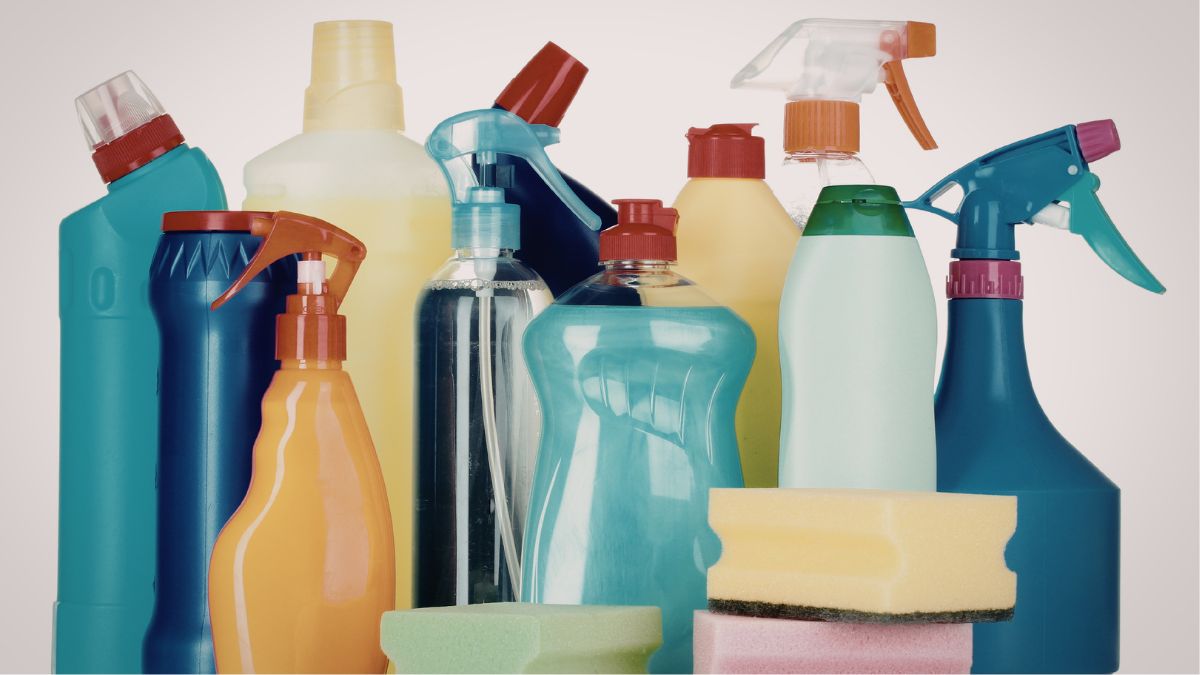
Certain cleaning products seem like they would work even better together, but combining the wrong ones can create toxic fumes, dangerous chemical reactions, or even cause fires and explosions. Many household accidents happen simply because people assume that if one cleaner is good, adding another will be more effective. Understanding which combinations to avoid is one of the most important pieces of safety knowledge any homeowner can have. The products listed here are commonly found in kitchens, bathrooms, and laundry rooms across the world, making this information relevant for virtually every household.
Bleach and Ammonia
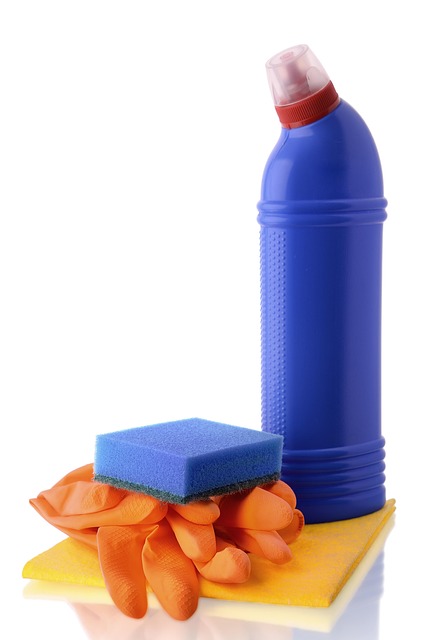
When bleach and ammonia are combined, they produce a group of toxic gases called chloramines that can cause serious respiratory damage. These gases irritate the eyes, throat, and lungs almost immediately upon exposure. Many glass cleaners and multi-purpose sprays contain ammonia, which means the danger is not always obvious from the product label. Exposure in an enclosed space like a bathroom can lead to coughing, shortness of breath, and in severe cases, fluid in the lungs.
Bleach and Vinegar
Bleach is already a powerful disinfectant on its own, and adding an acidic substance like vinegar does not enhance its cleaning ability. Instead, the combination releases chlorine gas, which irritates the respiratory system and can damage the eyes and skin. The reaction happens quickly and does not require large quantities of either substance to produce harmful effects. Many people make this mistake believing the natural acidity of vinegar will boost the bleach’s germ-killing power.
Bleach and Rubbing Alcohol
Mixing bleach with rubbing alcohol or any isopropyl-based product creates chloroform and a range of other toxic compounds. These substances can cause damage to the nervous system, liver, and kidneys with repeated or prolonged exposure. The fumes produced are heavier than air, meaning they can accumulate near the floor and remain in the room long after cleaning has finished. This is a particularly common mistake made when trying to create a homemade disinfecting solution.
Hydrogen Peroxide and Vinegar
While both hydrogen peroxide and vinegar are popular natural cleaning agents used separately, combining them in the same container creates peracetic acid. This compound is corrosive and can irritate the skin, eyes, and respiratory tract even in small concentrations. The reaction does not require heat or a spark to occur and happens immediately upon mixing. Using them on the same surface sequentially is generally considered safer than mixing them together in a spray bottle.
Baking Soda and Vinegar
Baking soda and vinegar are frequently paired together in cleaning tutorials online, but the combination is far less effective than either product used separately. The acid-base reaction produces carbon dioxide gas and water, which neutralises the active properties of both substances. The fizzing action may look impressive but it actually renders both ingredients largely ineffective as cleaners. Each product performs better when allowed to work on a surface without being cancelled out by the other.
Different Drain Cleaners
Mixing two different brands or types of drain cleaner is one of the most dangerous mistakes a person can make in the home. Many drain cleaners contain either strong acids or strong bases, and combining them can cause violent chemical reactions that generate extreme heat. This heat can cause pipes to crack or melt and can result in dangerous splashback of caustic liquid. Always allow a drain cleaner to fully flush through the system before attempting to use a second product.
Bleach and Dish Soap
Many dish soaps contain compounds that react poorly with bleach, reducing its effectiveness and releasing potentially harmful byproducts. The combination can produce small amounts of chlorine gas depending on the specific formula of the soap. Even if the reaction is mild, the resulting mixture is less effective at disinfecting than plain diluted bleach on its own. It is always safer to use dish soap and bleach separately and to rinse surfaces thoroughly between applications.
Hydrogen Peroxide and Baking Soda
While hydrogen peroxide and baking soda are sometimes combined in toothpaste and whitening treatments in controlled formulations, mixing them at home is not recommended without guidance. The reaction accelerates the breakdown of hydrogen peroxide, releasing oxygen rapidly and reducing the effectiveness of both ingredients. In a sealed container, this rapid gas release can cause pressure to build up unexpectedly. Commercially prepared products that use both ingredients are carefully formulated to manage this reaction safely.
Rubbing Alcohol and Bleach
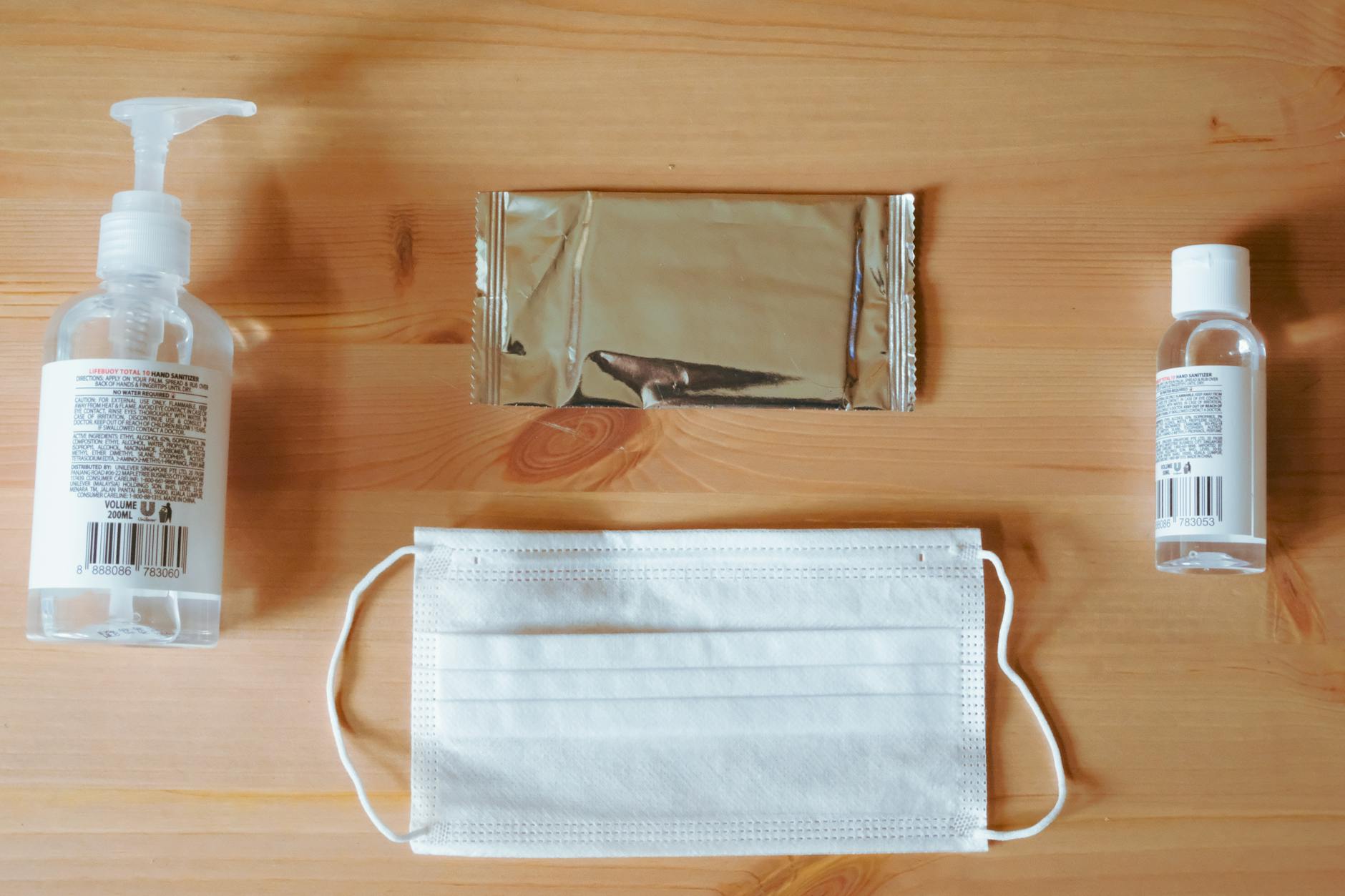
Even small amounts of rubbing alcohol mixed into a bleach solution can produce chloroform and hydrochloric acid as byproducts. These substances are harmful to the respiratory system, skin, and mucous membranes with even brief exposure. This combination sometimes occurs accidentally when someone wipes a surface with an alcohol-based product and then applies a bleach spray without rinsing first. Allowing adequate drying time between using different cleaning products is essential to prevent unintended reactions.
Ammonia and Bleach-Based Cleaners
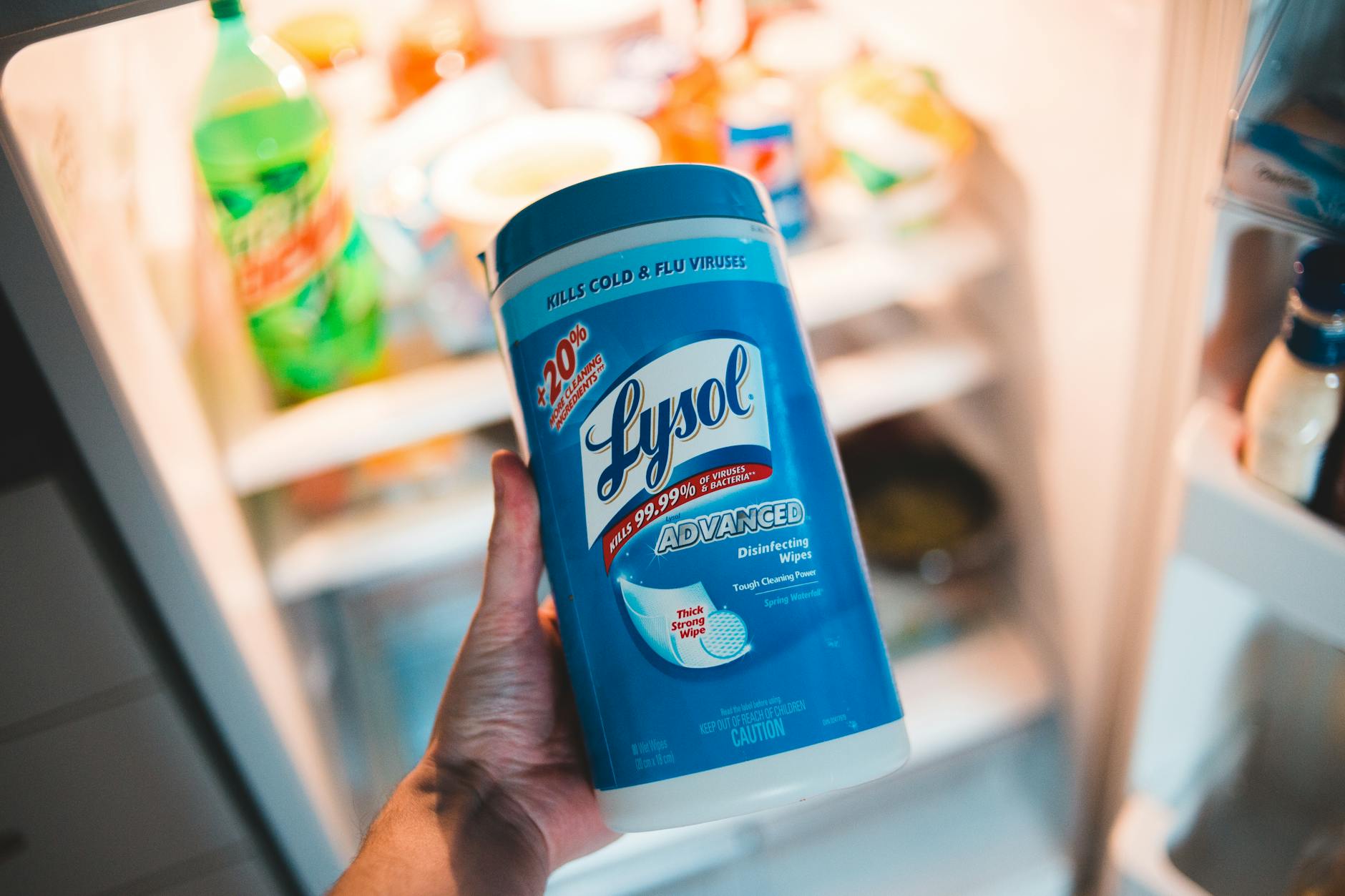
Many bathroom and toilet bowl cleaners contain bleach or bleach derivatives, and using them in combination with ammonia-based products creates the same toxic chloramine gases as mixing pure bleach and ammonia. The danger is compounded by the fact that product labels do not always make these chemical compositions obvious to the consumer. Reading the ingredient list before combining any two cleaning products is a habit that can prevent serious respiratory harm. This reaction is particularly hazardous in small, poorly ventilated bathrooms where fumes can concentrate quickly.
Bleach and Acidic Cleaners
Lime scale removers, rust removers, and many toilet bowl cleaners contain strong acids that react with bleach to release chlorine gas. This gas was historically used as a chemical weapon due to its severe effects on the respiratory system, making this an especially serious combination to avoid. Even low concentrations of chlorine gas can cause coughing, chest tightening, and eye irritation. Acid-based cleaners should always be rinsed away thoroughly and the area ventilated before any bleach product is introduced.
Oven Cleaners and Other Cleaners
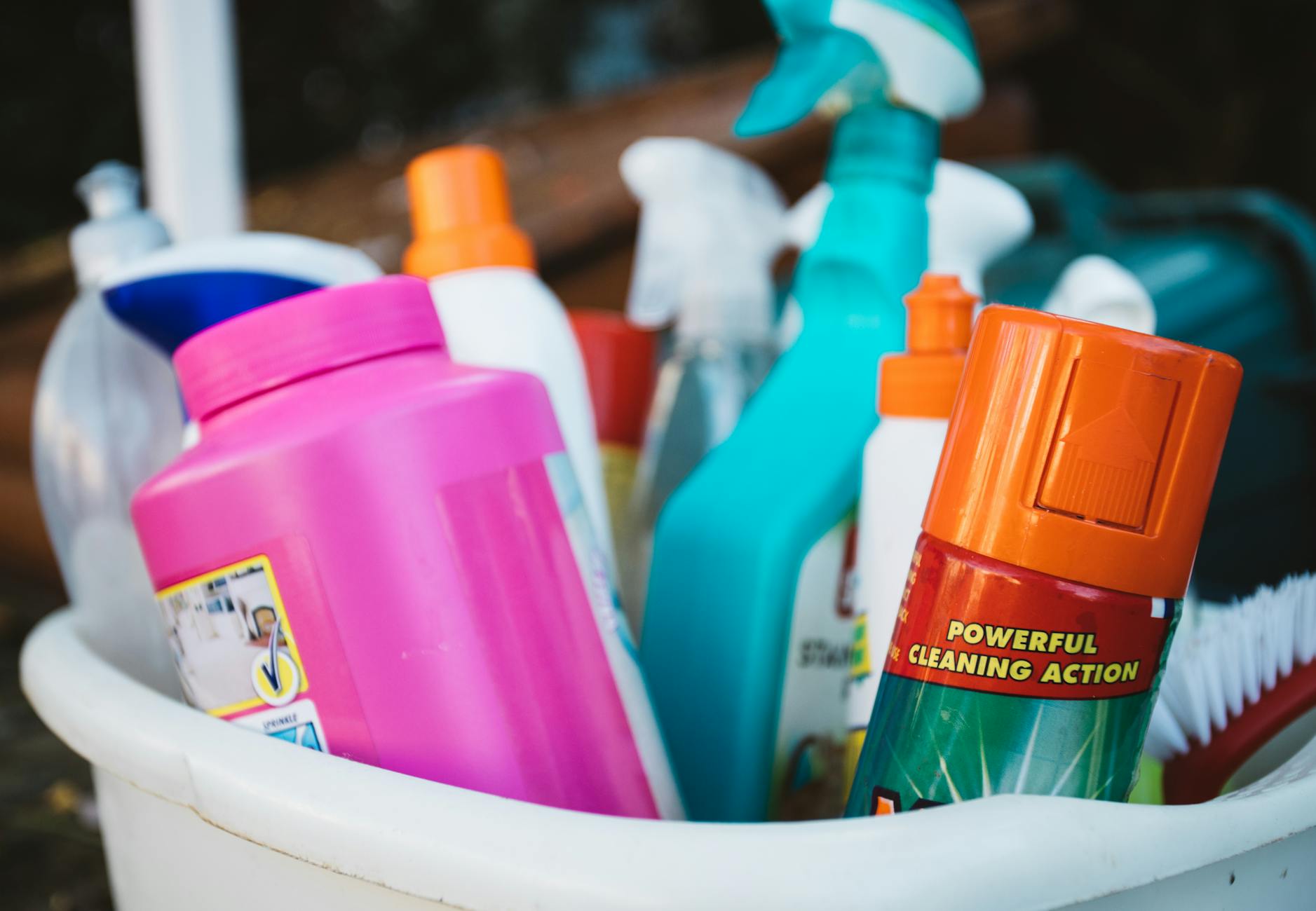
Oven cleaners typically contain highly concentrated sodium hydroxide, a powerful alkaline compound that reacts unpredictably with a wide range of other chemicals. Combining oven cleaner with acidic products, bleach, or even certain all-purpose sprays can result in spattering, fuming, or the release of toxic gases. The concentration of chemicals in oven cleaners is significantly higher than in most household products, making reactions more violent and harder to contain. These products should always be used in isolation with thorough ventilation and protective gloves.
Bleach and Hydrogen Peroxide
Combining bleach and hydrogen peroxide at high concentrations accelerates the decomposition of the peroxide and can cause it to release oxygen so rapidly that it becomes explosive in certain conditions. Even at lower concentrations, the mixture generates a highly reactive environment that can damage surfaces and irritate the skin and lungs. Both products are effective disinfectants on their own and there is no cleaning benefit that justifies combining them. This is one of the more chemically unstable combinations that can be created with everyday household products.
Vinegar and Castile Soap
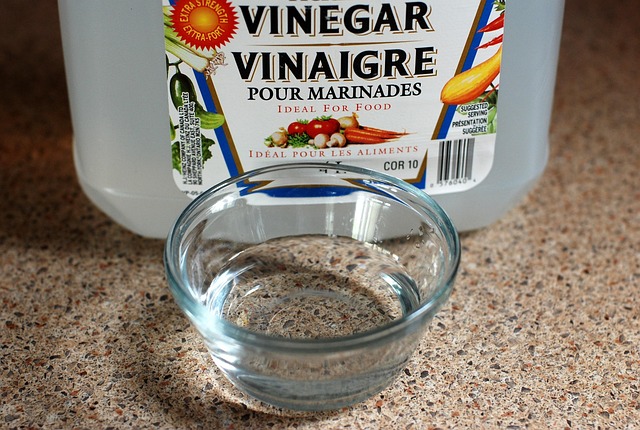
Castile soap is an oil-based soap that becomes unsaponified when it comes into contact with an acidic substance like vinegar, essentially breaking the soap back down into its raw components. The result is a curdled, oily residue that is difficult to clean up and leaves surfaces smeared rather than clean. This combination is particularly common among people who prefer natural cleaning products and assume that both being natural makes them compatible. Using each product separately and rinsing between applications produces far better results.
Multi-Surface Sprays and Disinfectants
Using a multi-surface spray immediately followed by a separate disinfectant without rinsing can create a layered chemical environment where the compounds interfere with one another. Surfactants in multi-surface cleaners can bind to the active ingredients in disinfectants, preventing them from making proper contact with the surface being treated. This means the disinfectant appears to be applied but is not actually performing its intended function of killing bacteria and viruses. For proper disinfection, surfaces should be cleaned first with a general cleaner and then rinsed before a disinfectant is applied.
Share which of these combinations surprised you most in the comments.