
Choosing the right bed sheets might seem straightforward, but even seasoned shoppers fall into surprisingly common traps that lead to restless nights and wasted money. The bedding aisle is full of misleading marketing, confusing terminology, and tempting deals that often compromise on the things that matter most. Understanding where shoppers go wrong is the first step toward building a sleep sanctuary that genuinely delivers comfort and durability. Once you know what to avoid, every future purchase becomes a more confident and satisfying decision.
Thread Count Obsession
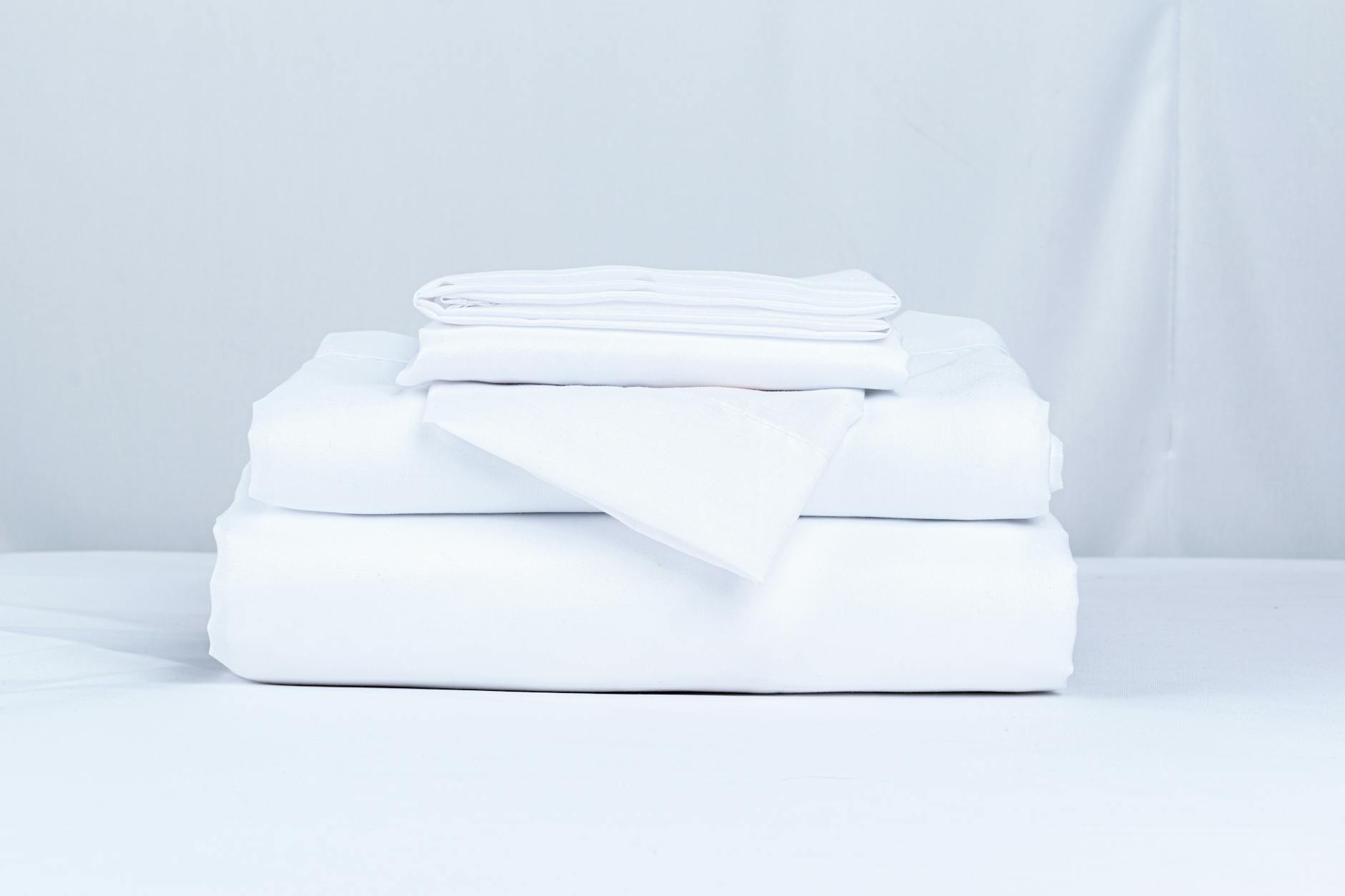
Thread count has long been used as the primary marker of sheet quality, but it is far less meaningful than most people believe. Manufacturers have found ways to inflate thread count numbers by using multi-ply yarns, which actually results in a heavier and less breathable fabric. A sheet with a thread count between 200 and 400 made from high-quality fibers will almost always outperform a 1000-thread-count sheet made from inferior materials. The focus should be on fiber quality and weave type rather than chasing the highest number on the packaging.
Ignoring Fabric Type
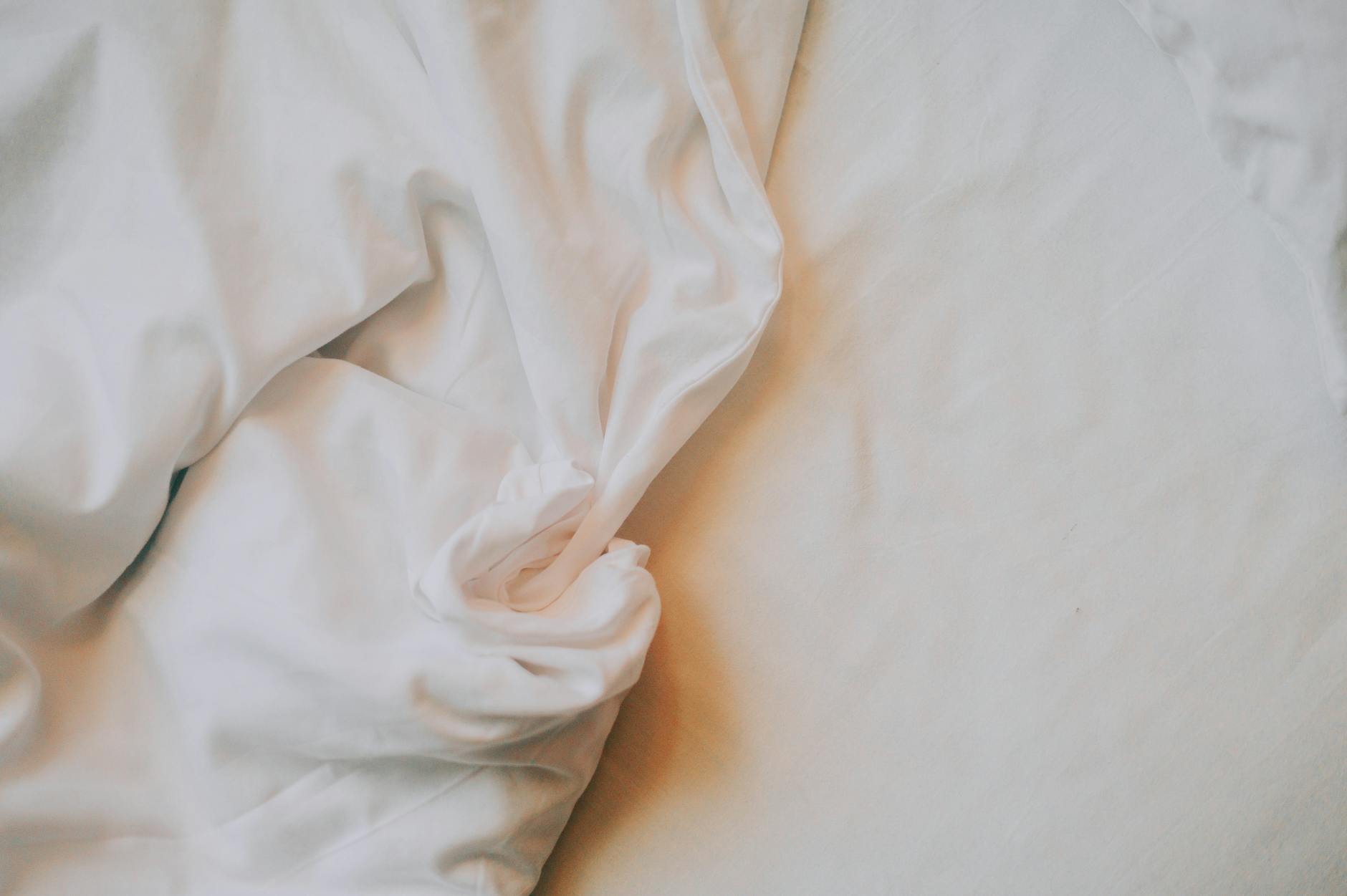
Not all sheet fabrics behave the same way against the skin or through repeated washing, yet many shoppers pick up the first set that looks appealing without considering material. Cotton percale offers a crisp and cool feel that suits warm sleepers, while sateen weaves provide a silky smoothness that appeals to those who prefer a softer touch. Linen sheets take longer to break in but reward patience with exceptional breathability and longevity. Bamboo and microfiber each come with their own trade-offs in terms of temperature regulation and durability that are worth understanding before committing.
Skipping the Return Policy

Bed sheets are one of those purchases where you simply cannot know how they feel until you sleep on them for several nights, making the return policy critically important. Many shoppers focus entirely on price and appearance without checking whether the retailer offers a reasonable window for returns or exchanges. Some stores only allow returns on unopened packaging, which makes testing the sheets impossible before the return period expires. Always read the fine print before purchasing, especially when buying online where you cannot feel the fabric beforehand.
Buying the Wrong Size

Sizing errors are among the most frustrating and easily avoidable mistakes in sheet shopping. Standard size labels like queen or king do not account for the varying depths of different mattresses, particularly those with pillow tops or thick memory foam layers. A fitted sheet with a shallow pocket depth will pop off the corners repeatedly throughout the night, disrupting sleep and causing unnecessary irritation. Always measure your mattress depth and cross-reference it with the pocket depth listed on the sheet packaging before making a purchase.
Overlooking Weave

Weave construction determines how a sheet feels, breathes, and holds up over time, yet it is one of the most overlooked factors at the point of purchase. Percale weave uses a simple one-over-one-under pattern that produces a matte, cool, and crisp finish ideal for hot climates or warm sleepers. Sateen weave exposes more thread surface to create that lustrous, smooth feel but can be more prone to pilling and snagging. Understanding the weave that suits your sleeping style and environment will have a more noticeable impact on comfort than almost any other factor.
Falling for Fast Fashion Bedding

The fast fashion model has expanded well beyond clothing and into the home goods sector, with trendy bedding sets now flooding the market at very low price points. These sheets are often made from low-grade fibers with inconsistent dye application, meaning colors fade and fabric deteriorates after just a handful of washes. The allure of a matching aesthetic set at a bargain price can be hard to resist, but the cost-per-use calculation rarely favors these purchases over time. Investing in a smaller number of high-quality sets will consistently outperform a rotating collection of cheaper alternatives.
Washing Before Use

A significant number of people remove new sheets from the packaging and put them directly onto the bed without washing them first. Factory processing involves a range of finishing chemicals, starches, and dyes that can irritate skin and cause discomfort during sleep. The first wash also allows the fibers to relax and soften, which gives a more accurate sense of how the sheets will actually feel during regular use. Making this simple habit a non-negotiable step improves both comfort and hygiene from the very first night.
Ignoring Care Labels
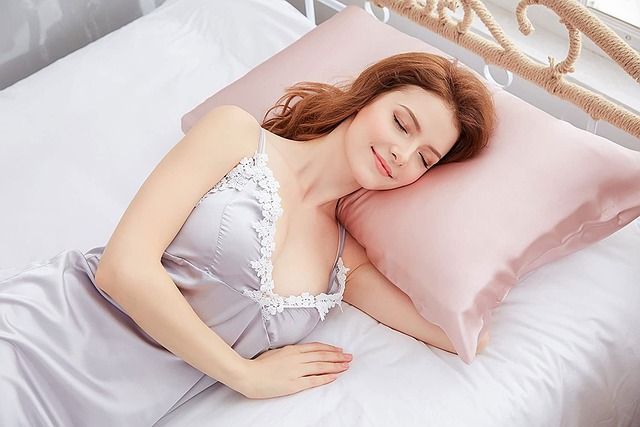
Care instructions on bedding are frequently ignored in favor of convenience, which accelerates fabric breakdown far more quickly than normal wear. High heat in the dryer is one of the most common culprits, causing fibers to shrink, pill, and weaken over time even when the sheets appear visually intact. Harsh detergents and fabric softeners can also coat fibers and reduce their natural breathability and moisture-wicking properties. Following care label guidance extends the lifespan of quality sheets significantly and preserves the softness that made them worth buying in the first place.
Choosing Based on Packaging

Sheet packaging is designed to sell a feeling rather than communicate accurate product information, and many shoppers make their decision based almost entirely on the box design or the fabric sample window. Words like “hotel quality,” “luxury,” and “ultra-soft” are marketing terms with no standardized definition and no regulatory requirement to back them up. The small fabric window on the front of the packaging rarely represents how the full sheet will feel after several washes. Reading the actual product specifications on the back of the packaging gives a far more reliable picture of what you are actually purchasing.
Prioritizing Aesthetics Over Comfort
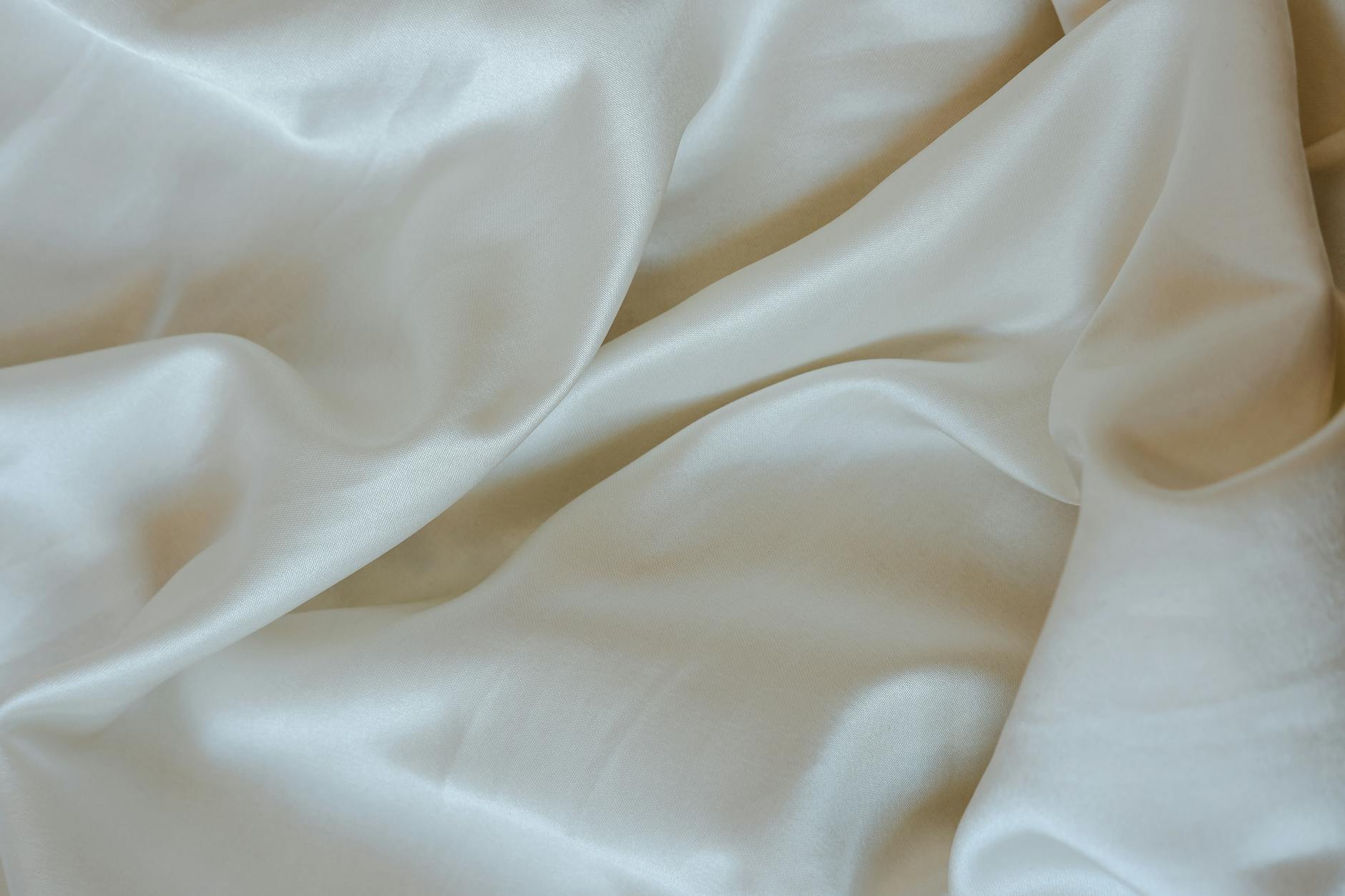
Visual appeal is a natural starting point when browsing bedding, but allowing aesthetics to dominate the decision-making process consistently leads to disappointment. A beautifully patterned sheet set in a trendy color can look stunning on a styled bed but feel scratchy, stiff, or uncomfortably warm once you are actually sleeping in it. Comfort factors like fiber type, weave, and breathability should always be evaluated alongside visual appeal rather than treated as secondary considerations. The most satisfying sheet purchase is one where the fabric feels as good as it looks after months of regular use.
Which of these mistakes have you been making? Share your bed sheet experiences in the comments.