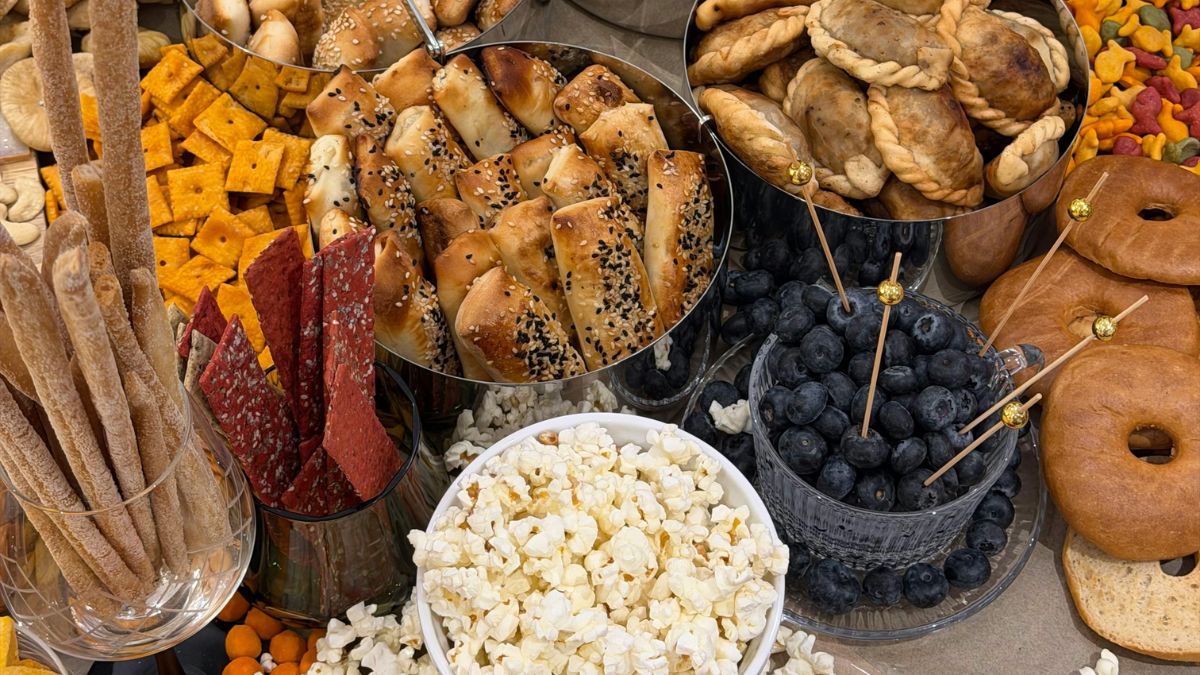
When the evening rolls around and you settle in to watch a movie or catch up with friends, snacks are practically a given. Chips, popcorn, salty pretzels, and crackers all tend to make an appearance, and most people assume they are more or less equal in terms of how much damage they do to the waistline. That assumption, it turns out, is quite wrong. The caloric difference between popular snacks is far more significant than most people realize, and the reason largely comes down to one thing: how they are made.
Popcorn is widely regarded as one of the lighter snack options available, and that reputation is largely deserved. The corn kernels it comes from are naturally high in fiber and relatively low in fat, which gives plain popcorn a real advantage over most of its competitors. When prepared without large amounts of butter or oil, popcorn can deliver a satisfying, crunchy experience with notably fewer calories per serving. This is precisely why so many health-conscious snackers gravitate toward it as their go-to option when cravings hit.
Baked snacks like pretzels and thin breadsticks occupy a middle ground in the calorie conversation. Because they are cooked in an oven rather than submerged in hot oil, they tend to contain less fat than their fried counterparts. That said, they are still primarily made from white flour and salt, which means they are not exactly diet food either. The bigger issue is that their light, crispy texture makes it easy to eat far more than intended, so portion size plays a huge role in how much you actually consume.
On the other end of the spectrum sit potato chips and similar fried snacks, which consistently rank among the most calorie-dense options in the snack aisle. The process of thinly slicing potatoes and frying them in oil causes the food to absorb a significant amount of fat, dramatically increasing the total energy content of each handful. Other fried corn and potato-based snacks follow a similar pattern, and their addictively light, crunchy consistency makes it surprisingly easy to lose track of how much you have eaten in one sitting.
Ultimately, the most important factor is not which specific snack you choose but how much of it ends up in your hand before you notice. Even popcorn, the lightest of the bunch, can become a high-calorie food if it is drenched in butter or caramel coating. Choosing simpler preparations and being mindful of serving sizes is the practical compromise for anyone who wants to enjoy snacking without going overboard on calories.
It is also worth keeping in mind that no snack is inherently off-limits. Treating yourself to chips occasionally is not going to derail a healthy lifestyle, but understanding the caloric reality of what you are eating helps you make more informed choices on a regular basis. Opting for air-popped popcorn or lightly salted baked crackers on weeknights, and saving the heavier options for special occasions, is a sustainable middle ground that most nutrition experts would agree with.
From a broader nutritional perspective, snacks are an interesting category of food because they are rarely eaten out of genuine hunger. Research consistently shows that the environment matters as much as the food itself: eating directly from a large bag, watching television while snacking, or snacking under stress all lead to higher consumption regardless of what is in the bowl. Simply pouring a portion into a small dish before sitting down can make a measurable difference in how much you eat.
Popcorn has a history stretching back thousands of years, with archaeological evidence placing its origins in the Americas as far back as 4,700 BC. It became a commercial snack food in the United States during the 19th century and exploded in popularity during the Great Depression because it was cheap and filling. Today it is one of the most consumed snack foods in the world, with Americans alone eating roughly 15 billion quarts of the stuff every year. Air-popped popcorn contains around 30 calories per cup, while oil-popped versions can climb to 55 calories or more, and movie theater popcorn loaded with butter can reach well over 1,000 calories for a large bucket.
Potato chips, by contrast, were reportedly invented by accident in 1853 by chef George Crum in Saratoga Springs, New York. A guest at his restaurant complained that his fried potatoes were too thick, so Crum sliced them paper-thin and fried them until crispy as a joke. The dish became a hit. A standard one-ounce serving of potato chips contains roughly 150 to 160 calories, the majority of which come from fat absorbed during the frying process. Pretzels, baked and typically lower in fat, sit closer to 110 calories per ounce, while plain air-popped popcorn comes in well below 100 calories for the same weight.
If you have a favorite low-calorie snack swap or a trick that helps you keep portions in check, share your thoughts in the comments.




