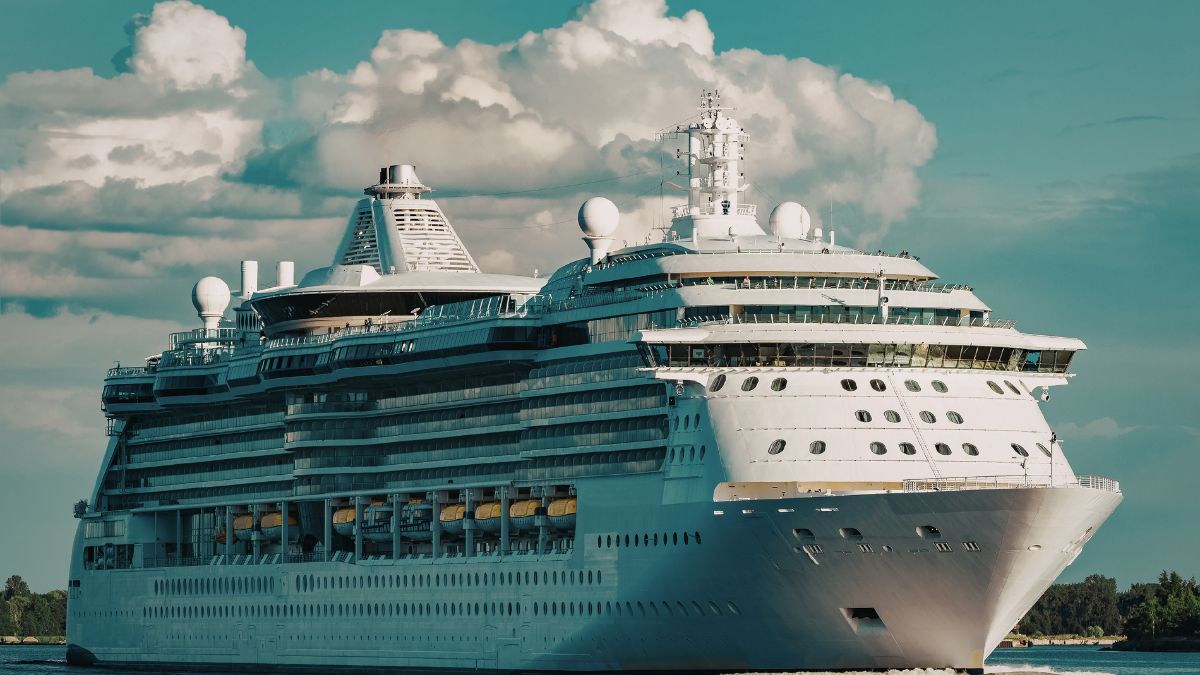
A seasoned crew member on cruise ships has shared some eye-opening details about what really happens when someone falls into the ocean from a vessel. Lucy who runs the popular YouTube channel Cruising as a Crew knows the industry inside out and often breaks down the harsh realities that passengers rarely hear about. In one of her videos she explains that falling overboard looks simple in short social media clips yet turns out to be far more complicated and dangerous in real life. Many incidents involve alcohol which leads people to take unnecessary risks near the railings on high decks.
The impact with the water surface hits like concrete when someone plunges from several stories up. Speeds can reach over 37 miles per hour during the fall leaving a person completely disoriented and often badly injured with possible fractures. Even if the initial hit does not cause serious harm the shock of cold water and sudden immersion makes it extremely tough to stay afloat or think clearly. Lucy stresses that surviving that first moment already counts as rare because the body experiences forces similar to a high-speed collision.
Rescue efforts face huge obstacles right from the start. Falls frequently go unnoticed for precious minutes or longer which slashes any chance of a successful recovery. If you ever witness such an event the key advice is to keep your eyes locked on the exact spot in the water without looking away even for a split second. A moment of distraction can make the person vanish from sight amid waves and distance. Crew members urge everyone nearby to throw as many life rings as possible since these bright orange devices drift with the same ocean currents and help search teams narrow down the area quickly.
Once in the water staying calm becomes the top priority even though adrenaline surges make it feel almost impossible. Lucy recommends focusing first on slowing your breathing and heart rate to conserve energy and avoid panic. Fighting the urge to thrash wildly helps preserve body heat and strength while waiting for help that might take a long time to arrive. Ships move fast and turning around or launching rescue boats requires coordination that adds critical delays especially at night or in rough seas.
Statistics paint a sobering picture with experts noting that around 90 percent of people who go overboard from a cruise ship do not make it back. The combination of injury disorientation cold water and delayed response creates a perfect storm that few can overcome. Modern cruise lines have improved safety features such as higher railings and monitoring systems yet the ocean environment remains unforgiving. Passengers often underestimate these risks because the luxurious onboard atmosphere feels so secure until something goes wrong.
Alcohol continues to factor into many cases as festive moods lead to impaired judgment near edges on upper decks. No one simply trips over a flip-flop and tumbles from the fifteenth floor without some element of recklessness or misfortune involved. Lucy uses real footage and her years of experience to illustrate how quickly situations escalate beyond what viral videos suggest. Her channel serves as a valuable resource for both crew members and curious travelers who want the unfiltered truth about life at sea.
Understanding these dangers encourages everyone to stay vigilant and respect the power of the ocean. Simple habits like avoiding heavy drinking near railings or keeping an eye on companions can make a meaningful difference. Cruise ships offer incredible adventures but the water below demands constant caution and awareness from all aboard.
What experiences or thoughts do you have about cruise ship safety after hearing these insights share them in the comments.




