The term skinny fat refers to having a normal body weight while maintaining a high percentage of body fat and low muscle mass. This specific body composition often masks underlying health issues usually associated with obesity. Individuals might appear slim in clothes but often lack physical strength and visible muscle definition. Addressing this condition requires a strategic shift from simple weight loss to body recomposition. The following signs and solutions provide a roadmap for identifying and correcting this common physical state.
Normal BMI With High Body Fat

You might fall within a normal weight range according to standard height and weight charts. This metric often fails to account for the ratio of lean muscle to adipose tissue. A normal BMI can provide a false sense of security regarding your metabolic health. You should focus on body composition metrics rather than just the number on the scale. A DEXA scan or smart scale provides more relevant data regarding your fat mass.
Lack of Muscle Definition
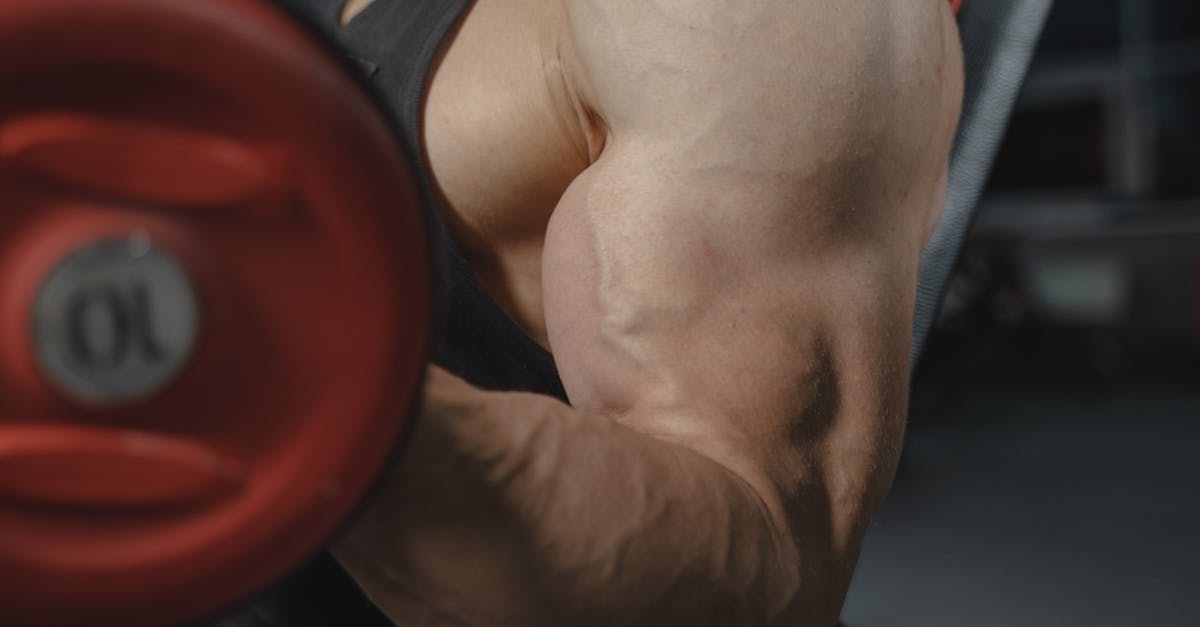
Your arms and legs may look slender but lack any visible tone or firmness. This absence of definition suggests that your muscle mass is underdeveloped relative to your body size. Muscle tissue is metabolically active and helps burn more calories at rest. Building muscle requires dedicated resistance training and adequate nutrition. You must challenge your muscles to see a change in their appearance.
Feeling Weak During Physical Tasks

Simple daily activities like carrying groceries or lifting boxes might feel surprisingly difficult. This lack of functional strength is a hallmark of low muscle density. You may rely on momentum rather than muscle power to move objects. Strength training helps correct this imbalance by building practical power. Consistent lifting increases your capacity to handle physical demands with ease.
Accumulation of Belly Fat
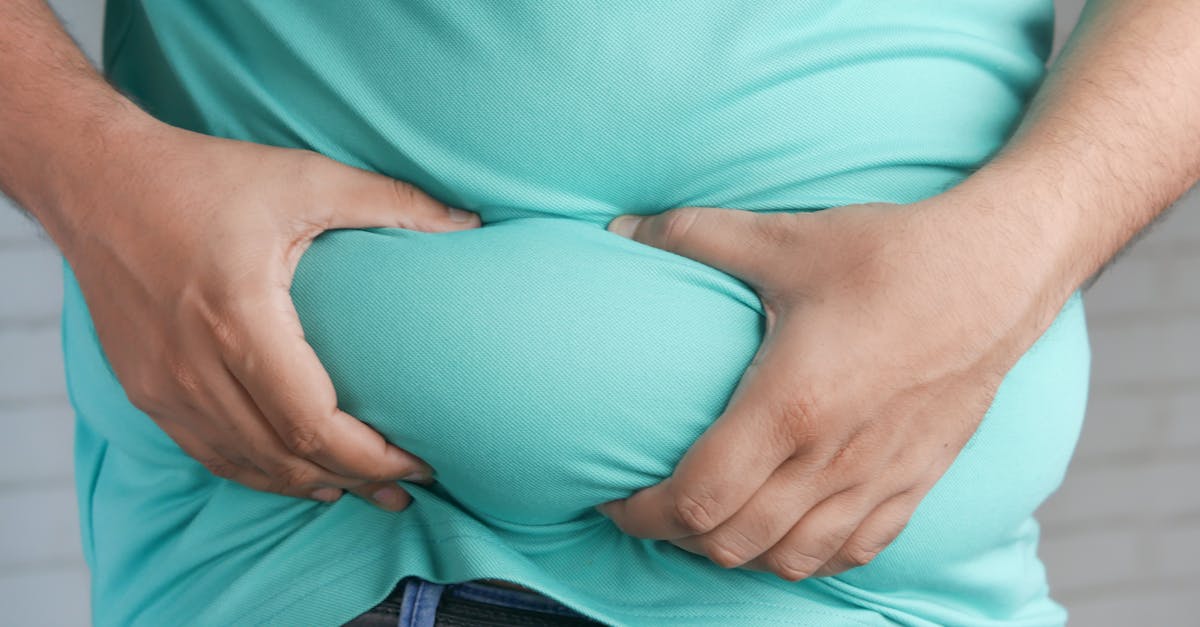
You might notice a concentration of fat specifically around your midsection despite being thin elsewhere. This type of fat is often visceral and wraps around your internal organs. It poses higher health risks than subcutaneous fat found on legs or arms. Reducing sugar intake and managing stress levels helps target this specific area. Spot reduction is impossible so you must lower overall body fat.
Excessive Focus on Cardio

Your exercise routine likely consists almost entirely of running or elliptical sessions. While cardiovascular health is important it does not build significant muscle tissue. Excessive cardio without strength training can sometimes lead to muscle loss. You need to incorporate weight lifting to stimulate muscle growth. A balanced approach ensures you burn fat while preserving lean mass.
Low Protein Intake

Your diet may be dominated by carbohydrates and lack sufficient protein sources. Protein is the essential building block for muscle repair and growth. Without enough protein your body cannot maintain or build lean tissue. You should aim to include a quality protein source with every meal. This dietary adjustment supports muscle retention during fat loss.
Constant Energy Flumps

You experience frequent crashes in energy levels throughout the day. These fluctuations often result from unstable blood sugar levels due to diet. A lack of metabolic flexibility makes it hard for your body to access stored fat for fuel. Eating balanced meals with protein and healthy fats stabilizes your energy. Consistent nutrition leads to sustained vitality from morning to night.
Clothes Fit Tightly at the Waist

You might find that shirts fit well in the shoulders but feel tight around the stomach. This discrepancy indicates a higher storage of fat in the abdominal region. Pants may fit your legs loosely while digging into your waistline. This is a common sign of the skinny fat physique. Recomposition training helps align your measurements for a better fit.
Poor Posture

Weak core and back muscles often lead to slouching or rounded shoulders. A lack of muscular support forces your skeletal structure to bear more stress. Improving your posture requires strengthening the posterior chain and abdominal wall. Correct alignment instantly makes you look leaner and more confident. Exercises like rows and planks specifically target these postural muscles.
High Sugar Consumption

Your diet likely includes frequent sugary snacks or sweetened beverages. High sugar intake spikes insulin and promotes fat storage particularly in the belly. These empty calories displace nutrient dense foods needed for muscle growth. Cutting back on processed sugar is a critical step for body recomposition. You should replace sweets with whole fruits or protein rich snacks.
Avoiding Heavy Weights

You might avoid the weight room due to a fear of becoming too bulky. This misconception prevents you from engaging in the type of training necessary to change your shape. Lifting heavy weights stimulates the muscles to grow and become denser. True bulk requires a massive caloric surplus that does not happen accidentally. Resistance training creates the firm and toned look many people desire.
Sedentary Lifestyle

Your daily routine likely involves long periods of sitting at a desk or on the couch. A sedentary life contributes significantly to muscle atrophy and fat accumulation. Even with a daily workout extended sitting can negate some benefits. You should aim to move your body frequently throughout the day. Standing desks or short walks help maintain metabolic activity.
Reliance on the Scale

You obsess over the number on the scale and panic if it goes up. This fixation ignores the fact that muscle weighs more than fat by volume. You might lose fat and gain muscle while staying the same weight. Progress implies changes in body composition rather than just weight loss. You should use a mirror or progress photos to track real changes.
Irregular Eating Patterns

Skipping meals or eating at random times can disrupt your metabolism. Your body may start breaking down muscle for energy if it feels starved. Inconsistent fueling leads to overeating later in the day. Establishing a regular eating schedule supports metabolic health. Consistent nutrient timing ensures your body has fuel for workouts and recovery.
High Stress Levels

Chronic stress triggers the release of cortisol which promotes fat storage. High cortisol levels are specifically linked to abdominal fat accumulation. Stress also leads to muscle breakdown and poor recovery from exercise. Managing stress through meditation or deep breathing is essential. Lowering stress hormones creates a better environment for fat loss.
Poor Sleep Quality

You may regularly get less than seven hours of sleep or experience disrupted rest. Sleep is the primary time your body repairs muscle tissue and regulates hormones. Lack of sleep increases hunger hormones and decreases insulin sensitivity. Prioritizing sleep hygiene is as important as your workout routine. Adequate rest accelerates your results and improves mental focus.
Inconsistent Workout Routine

Your exercise habits might be sporadic with weeks of inactivity between sessions. Building muscle and changing body composition requires long term consistency. Random workouts do not provide the sustained stimulus needed for adaptation. You need to commit to a schedule that you can maintain indefinitely. Habit formation is the key to lasting physical change.
Fear of Eating Fat

You might choose low fat products thinking they are healthier for weight control. These products are often loaded with sugar to replace the lost flavor. Healthy dietary fats are necessary for hormone production and nutrient absorption. Hormonal balance is crucial for regulating body composition. You should include sources like avocados and nuts in your diet.
Weak Grip Strength

A weak handshak or inability to hold heavy items usually correlates with low overall muscle mass. Grip strength is a reliable indicator of total body strength and longevity. Improving your grip allows you to lift heavier weights in all exercises. You can improve this by doing farmers walks or hanging from a pull up bar. Stronger hands lead to better performance in the gym.
Neglecting Compound Movements
Your workouts might focus on isolation exercises like bicep curls or crunches. These small movements do not trigger a large enough metabolic response. Compound lifts like squats and deadlifts work multiple muscle groups at once. These major movements burn more calories and release more muscle building hormones. You should make compound lifts the foundation of your training.
Frequent Bloating

You often feel swollen or uncomfortable after eating meals. This can indicate poor digestion or intolerance to certain processed foods. Inflammation in the gut can mask fat loss and lead to water retention. Eating whole unprocessed foods generally improves digestive health. Identifying and removing trigger foods reduces bloating and improves waistline appearance.
Low Water Intake

You might rely on coffee or soda for hydration instead of plain water. Dehydration negatively impacts workout performance and metabolic function. Water is necessary for metabolizing stored fat and building muscle tissue. ample hydration helps reduce false hunger signals. You should aim to drink water consistently throughout the day.
Lack of Progressive Overload
Your workouts likely remain the same difficulty level for months at a time. Muscles stop changing if they are not continuously challenged to do more work. Progressive overload involves slowly increasing weight or repetitions over time. This principle is non negotiable for building muscle tissue. You must track your lifts to ensure you are improving.
Alcohol Consumption

Regular drinking adds empty calories that provide no nutritional value. Alcohol temporarily pauses fat burning as the body prioritizes eliminating the toxin. It also lowers testosterone and disrupts sleep quality. Reducing alcohol intake significantly aids in body recomposition efforts. You should view alcohol as an occasional treat rather than a daily habit.
History of Crash Dieting

You may have cycled through restrictive diets that caused rapid weight loss. These diets often cause you to lose muscle mass along with fat. When you regain the weight it usually comes back as fat alone. This cycle worsens the muscle to fat ratio over time. Sustainable eating habits are necessary to break this damaging cycle.
Ignoring Recovery

You might train hard but fail to take rest days or stretch. Muscles grow during the recovery period rather than during the workout itself. Overtraining leads to elevated cortisol and potential injury. You need to schedule rest days to allow your body to rebuild. Active recovery like walking or yoga can be beneficial on off days.
Dependence on Processed Foods

Your pantry is likely stocked with boxed meals and packaged snacks. These foods are engineered to be hyper palatable and calorie dense. They lack the micronutrients and fiber found in whole foods. Switching to single ingredient foods naturally regulates appetite. A diet based on whole foods is the most effective tool for recomposition.
Weak Core Stability

You may suffer from lower back pain due to a weak abdominal wall. A weak core limits your ability to perform other exercises correctly. Core training should focus on stability and anti rotation rather than just flexion. Exercises like dead bugs and pallof presses build functional core strength. A strong core protects your spine and improves heavy lifting.
Quick Fix Mentality

You might look for supplements or gadgets that promise instant results. Body recomposition is a slow process that takes months or years. There are no shortcuts to building muscle and losing fat simultaneously. You must accept that patience is a required part of the process. Trusting the routine prevents you from giving up too soon.
Focusing Only on Calorie Burning

You view exercise solely as a way to burn off the food you ate. This mindset leads to excessive cardio and under eating. Exercise should be viewed as a way to build strength and capability. Building muscle increases your metabolic rate permanently. You should train to become stronger rather than just to burn calories.
Share your thoughts on which of these signs resonated with you most in the comments.




