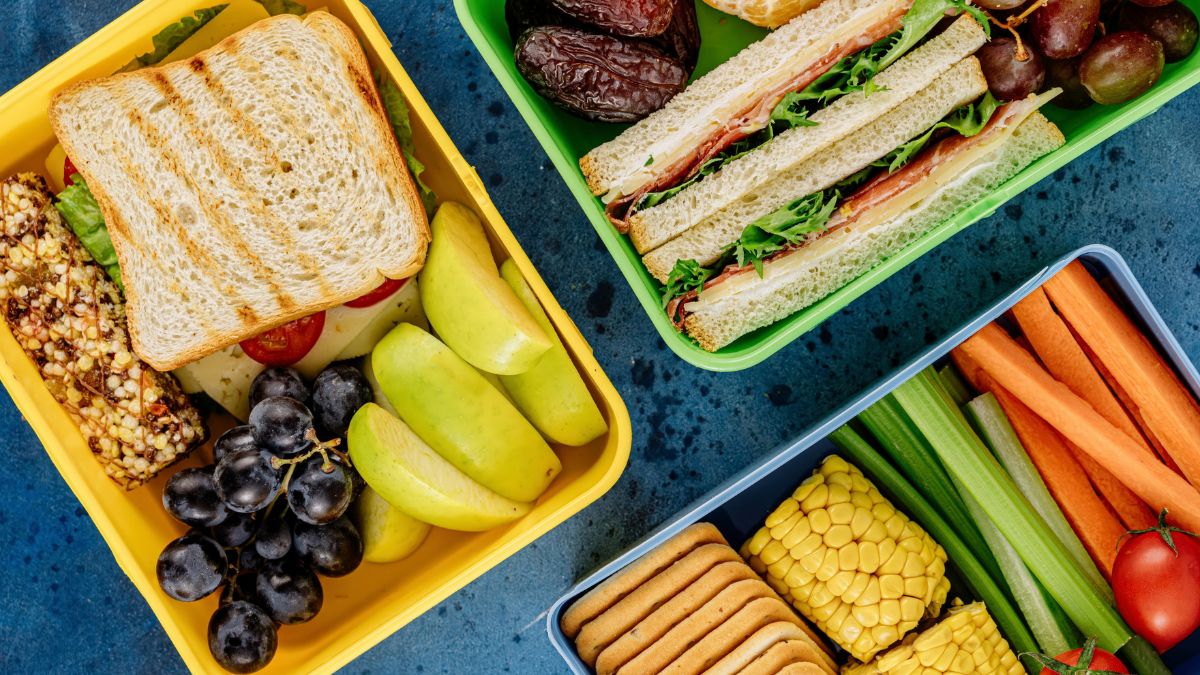
Every parent packing a school lunch believes they are doing something loving and nourishing for their child. What most do not realize is that a significant number of common lunchbox staples are quietly removed by teachers and school staff before children ever get the chance to eat them. School food policies have expanded dramatically over the past two decades driven by allergy awareness choking risk data nutritional standards and behavioral research linking certain ingredients to classroom performance issues. The gap between what parents consider a perfectly reasonable lunch and what schools consider a hazard or policy violation is wider than most families expect. The following 25 entries reveal the items most consistently flagged confiscated or discarded by educators across school systems worldwide.
Whole Grapes
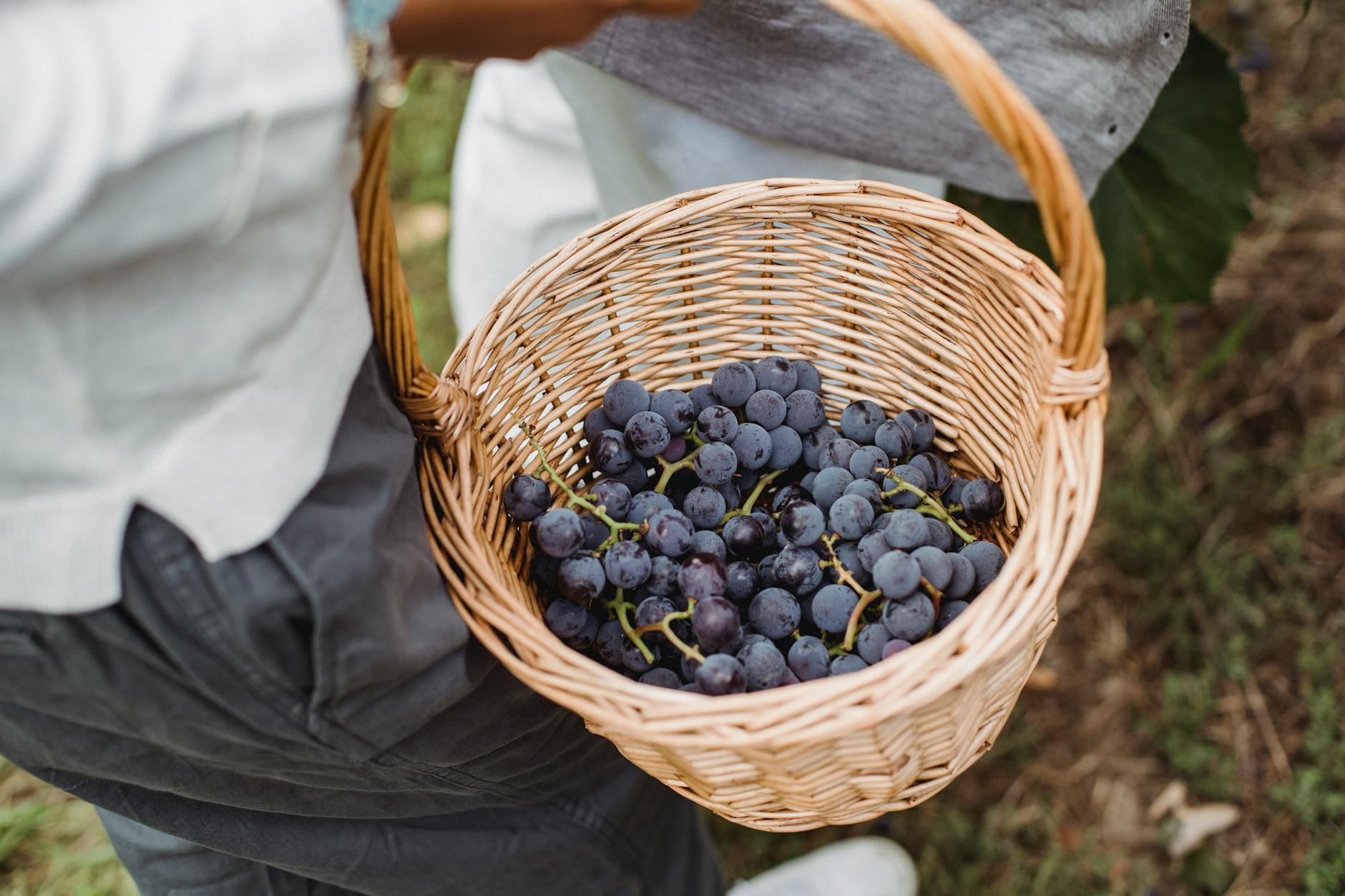
Whole grapes remain one of the leading choking hazards for children under ten according to pediatric emergency medicine data and many schools have adopted formal policies requiring that grapes be halved or quartered before arriving in a lunchbox. Teachers in lower primary grades are specifically trained to identify whole grapes and remove them before lunch supervision begins. The deceptively soft exterior of a grape gives parents a false sense of safety but the fruit’s round shape and smooth skin create ideal conditions for airway obstruction in young children. Schools that have experienced choking incidents involving grapes have introduced the strictest removal policies with zero tolerance applied regardless of the child’s age within the relevant year group.
Nut-Based Spreads
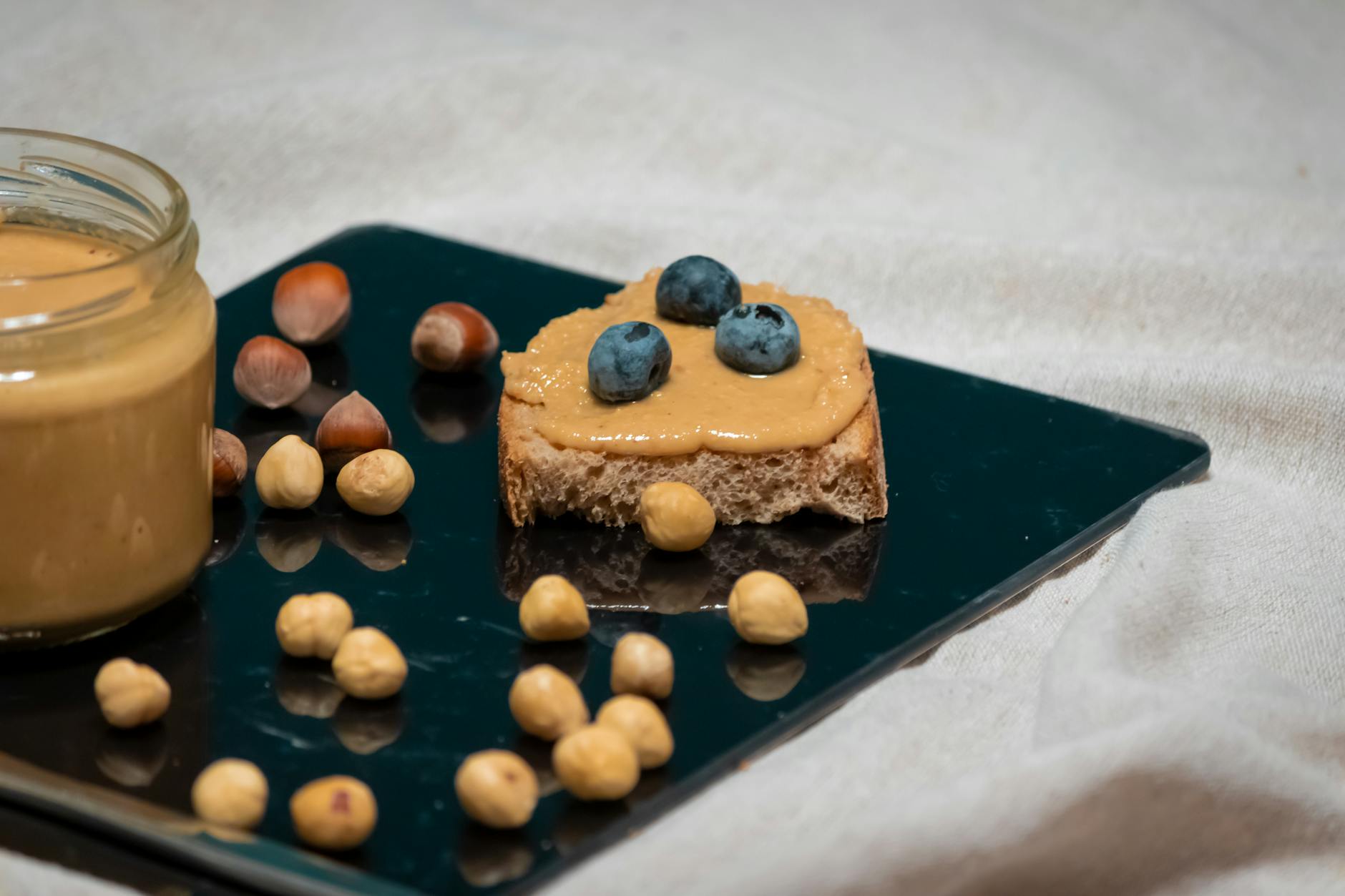
Peanut butter and other nut-based spreads are among the most frequently removed items from school lunchboxes in institutions operating under whole-school nut-free policies established to protect children with severe anaphylactic allergies. A child with a serious nut allergy can experience a reaction through contact with surfaces or shared utensils that have been exposed to nut residue making the presence of these products a genuine medical risk to classmates rather than merely a personal dietary concern. Many parents are unaware that their child’s school has declared nut-free status or underestimate how broadly the policy is applied to include almond cashew and sunflower seed butter alternatives that some schools also prohibit. Teachers in affected schools receive specific training on identifying nut-based products including those with labeling that does not prominently feature the word nut.
Cherry Tomatoes
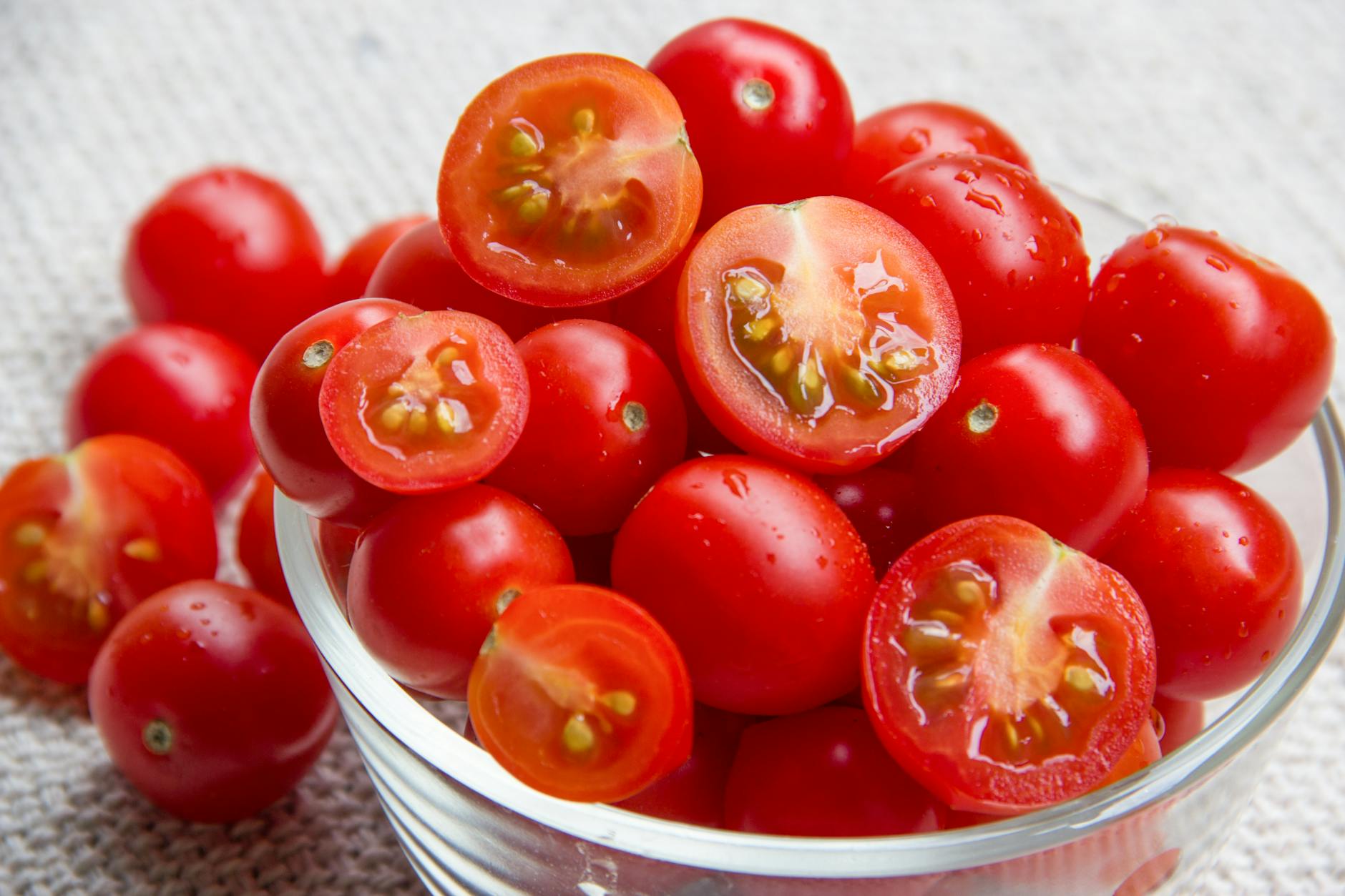
Whole cherry tomatoes share the same choking risk profile as whole grapes and have been added to restricted food lists in a growing number of primary schools particularly those serving children in reception and kindergarten age groups. The combination of a smooth exterior a burst of liquid when bitten and a size that closely matches the diameter of a young child’s airway places them in the same hazard category as other round firm foods. Pediatric choking statistics from emergency departments across multiple countries have elevated cherry tomatoes from an overlooked risk to a formally recognized hazard in school nutrition guidance published in recent years. Parents who have always packed cherry tomatoes without incident are often surprised to learn that their child’s school has begun enforcing a halving requirement.
Hard Candy
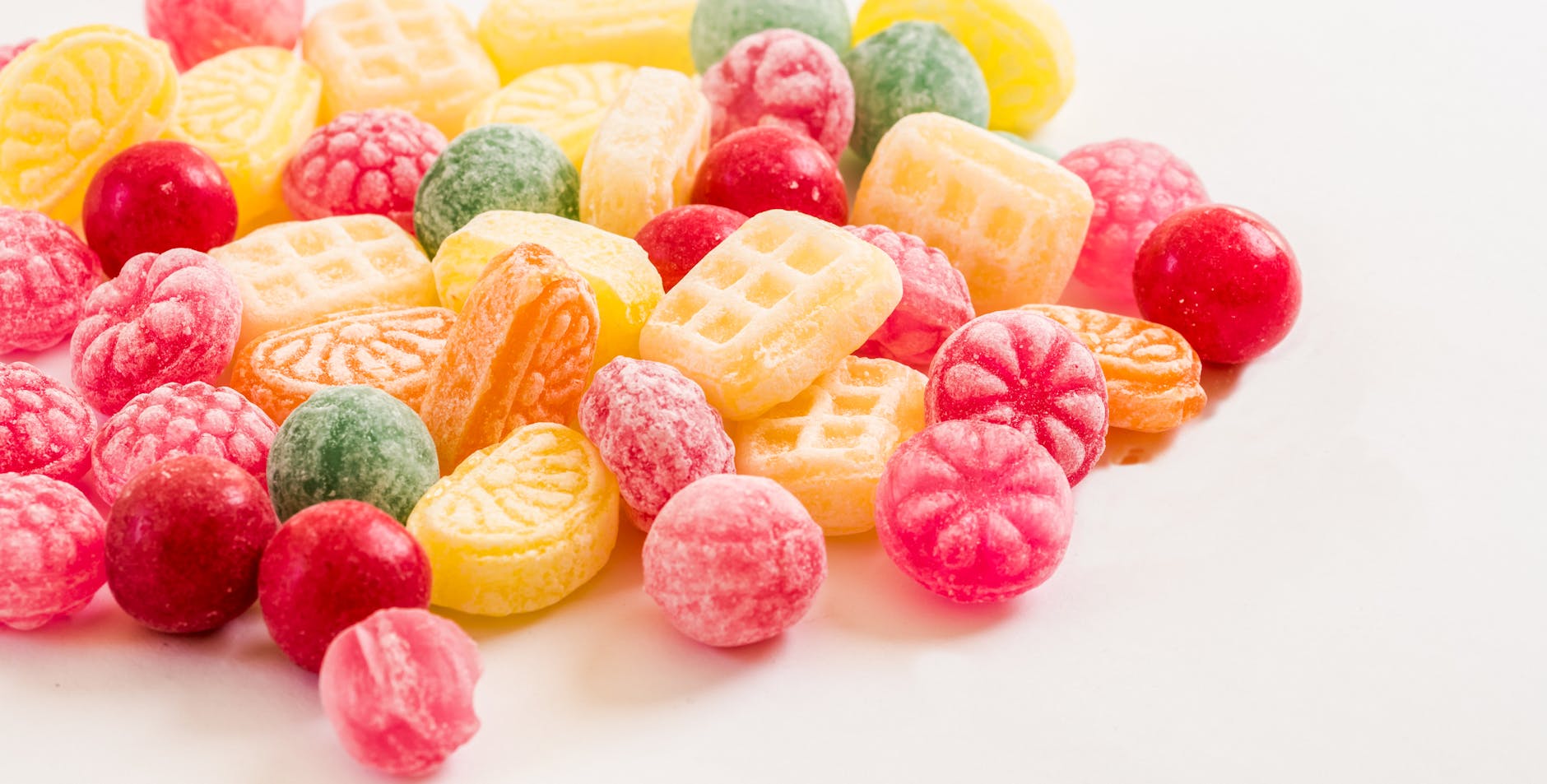
Hard candy including individually wrapped sweets mints and cough drops of any flavor is removed from lunchboxes and snack bags by teachers across virtually every age group because of its choking risk sugar content and the disruption it creates when distributed or traded among students during the school day. Beyond the physical hazard hard candy dissolves slowly in the mouth in a way that prevents children from speaking clearly participating in post-lunch activities or transitioning calmly back to classroom focus. Some hard candies marketed to parents as vitamin supplements or throat soothers are treated with the same removal policy as confectionery because the distinction is not relevant to the choking or behavioral risk they present. Lunchtime supervisors report that hard candy is among the most commonly concealed items with children aware that it will be removed if spotted.
Energy Drinks
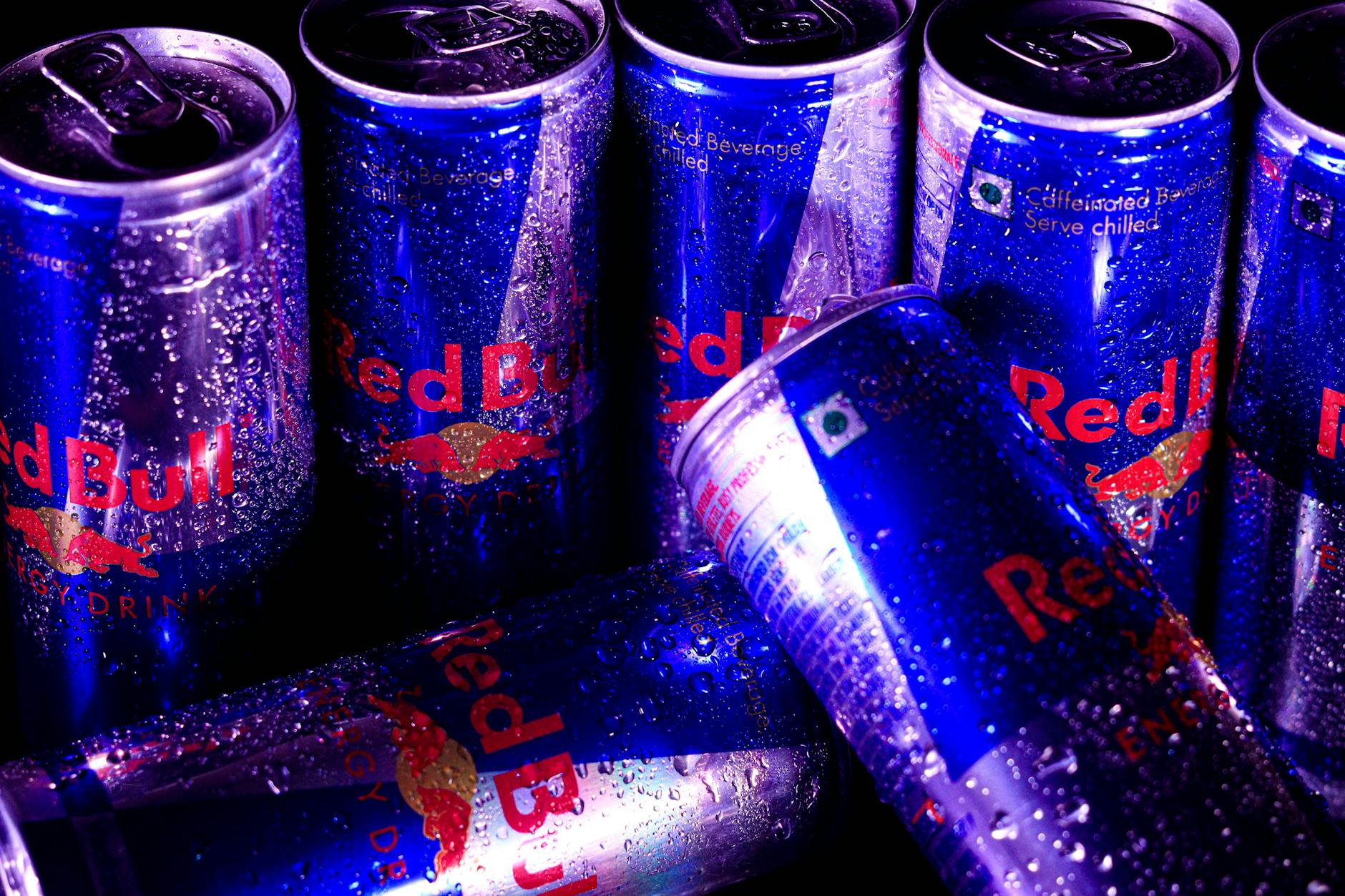
Caffeinated energy drinks including those marketed in child-friendly packaging with reduced caffeine claims are confiscated immediately upon discovery in school bags or lunchboxes across most school systems. The caffeine content even in smaller format cans exceeds what pediatric health guidelines consider safe for children and the combination of caffeine taurine and high sugar content has been linked to elevated heart rate anxiety and severe behavioral dysregulation in school-age children. Several documented cases involving children hospitalized after consuming energy drinks during or before school hours have prompted formal prohibition policies in school districts that previously relied only on informal guidance. Teachers report that these drinks are increasingly appearing in lunchboxes disguised within insulated cups or transferred into non-branded containers by older students attempting to bring them undetected.
Shellfish
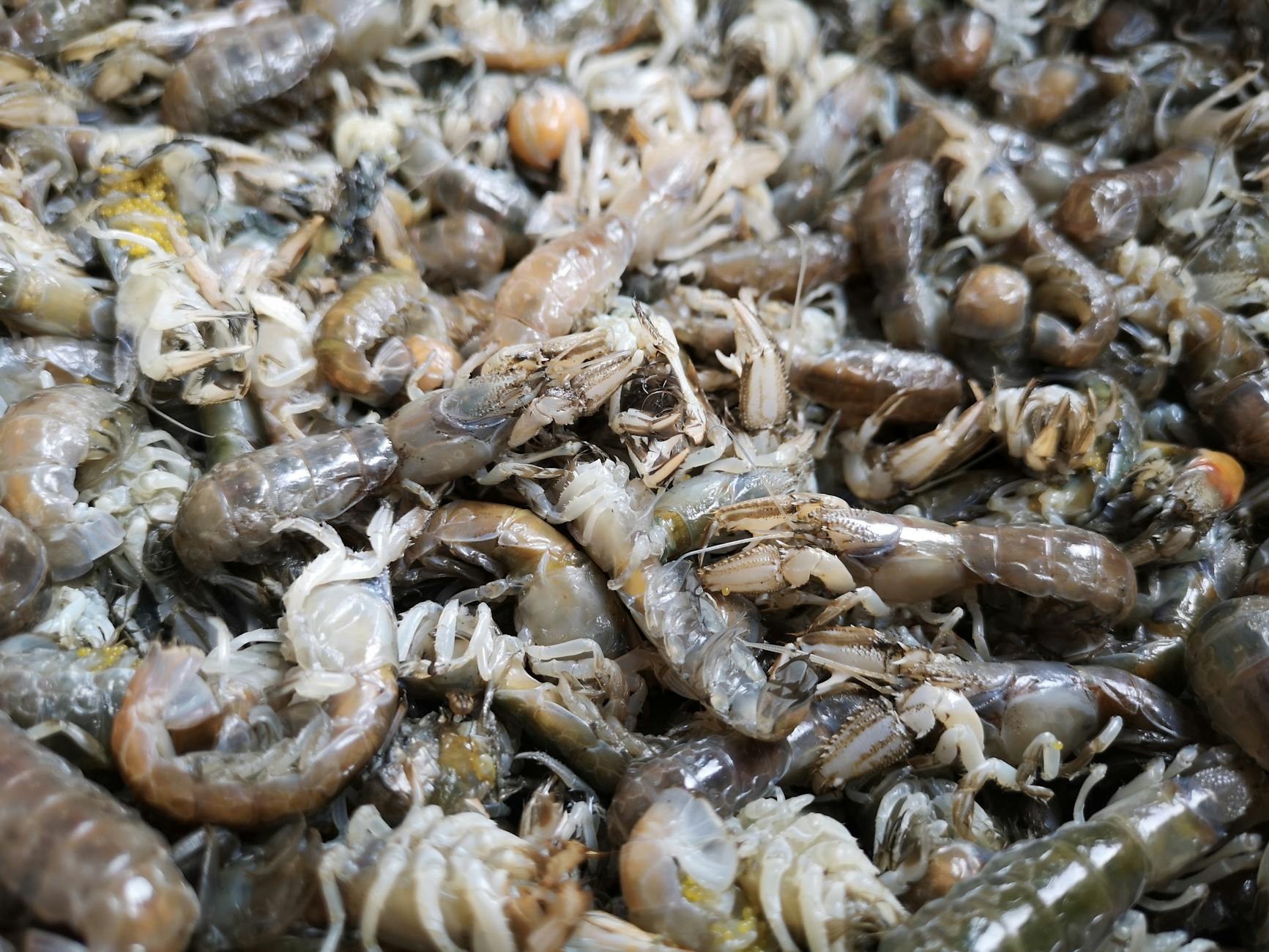
Shellfish including shrimp crab and lobster-based products are removed from lunchboxes in schools operating under seafood allergy policies and even in schools without formal policies supervisors may remove items that produce strong odors or that other students react to with visible distress. Shellfish allergy is among the most severe and common food allergies in school-age children and airborne proteins released when shellfish is consumed in an enclosed space have been documented as triggers for allergic reactions in nearby sensitized individuals. Cold shellfish dishes packed without adequate refrigeration also present a food safety risk that lunch supervisors are trained to identify with items that appear to have been improperly stored removed on spoilage grounds independent of any allergy policy. The combination of allergy risk odor disruption and food safety concern makes shellfish one of the most consistently flagged protein choices in school lunch settings.
Fizzy Drinks
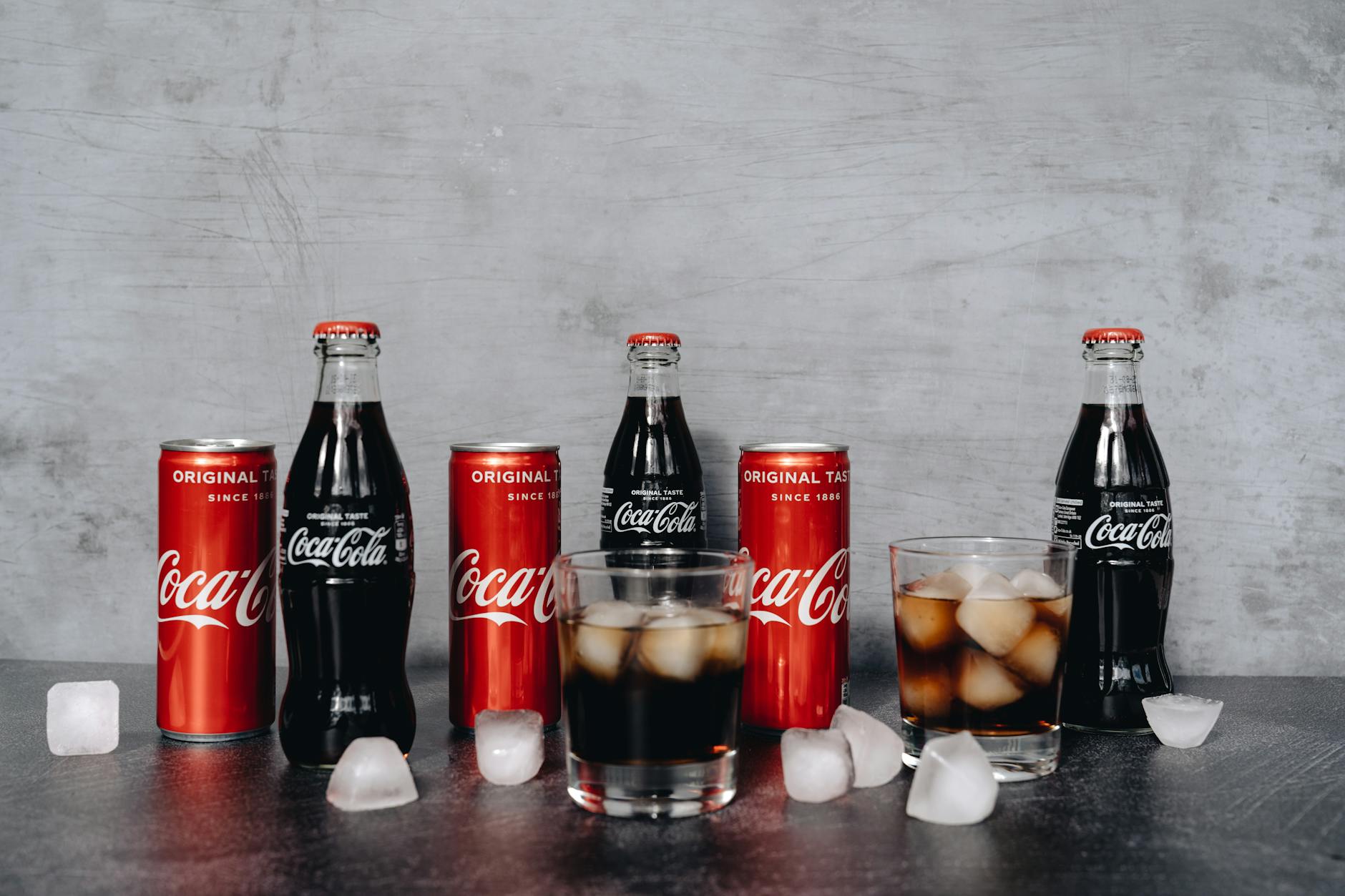
Carbonated beverages including full-sugar sodas diet varieties and sparkling fruit drinks are prohibited in lunchboxes across a large and growing number of school systems with policies ranging from formal written prohibition to informal supervisor removal of any can or bottle showing carbonation upon opening. The sugar content of standard sodas exceeds daily recommended intake for children in a single serving and the acidic profile of carbonated drinks including sugar-free varieties contributes to dental erosion that school dental health programs have specifically flagged as a worsening trend. Behavioral research linking high sugar intake at lunchtime to reduced afternoon concentration and elevated classroom disruption has provided an evidence base for schools that have pursued formal prohibition policies. Sparkling water in some schools falls under the same removal policy as flavored carbonated drinks because supervisors cannot always verify the contents of unlabeled bottles.
Large Marshmallows

Standard-size marshmallows are identified as a choking hazard in pediatric safety literature because of their ability to compress and conform to the shape of a child’s airway while simultaneously expanding when exposed to moisture making removal significantly more difficult than with rigid food items. Some schools prohibit marshmallows entirely across all year groups while others restrict only the large format variety permitting mini marshmallows as a treat component in appropriate age groups. Teachers report that marshmallows are frequently packed as additions to hot chocolate thermos drinks or as components of trail mix combinations where their presence may not be immediately visible during a lunchbox check. The soft and appealing appearance of marshmallows makes them an item that children resist having removed creating supervisory challenges that have reinforced formal prohibition in many institutions.
Homemade Baked Goods

Homemade baked items including cakes cookies brownies and slices are removed from lunchboxes and entirely prohibited from school celebrations and shared food events in an increasing number of schools because their ingredient composition cannot be independently verified by staff managing allergy-aware environments. A child with a tree nut dairy or egg allergy cannot safely consume a homemade item whose preparation environment and exact ingredients are unknown regardless of how carefully the packing parent believes they prepared it. Schools that have moved to commercially packaged treats as the only permitted celebratory food have done so following incidents in which well-intentioned homemade contributions triggered allergic responses in other students. Parents who have packed homemade items for generations find this policy among the most emotionally difficult to accept because it reframes a gesture of care as a potential institutional liability.
Unpasteurized Cheese
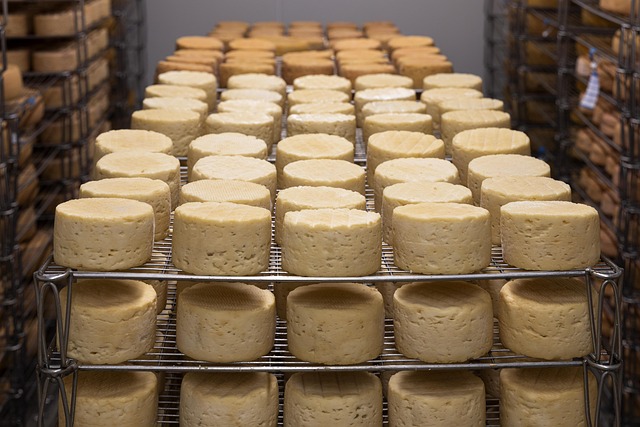
Artisanal and farmhouse cheeses made from unpasteurized milk appear in school lunchboxes with increasing frequency as food culture has elevated appreciation for traditional dairy products but these items are removed by food safety-conscious school staff because of the risk of bacterial contamination including listeria that is specifically dangerous for young children. Children’s immune systems process foodborne pathogens differently from adults making exposure risks that a parent might consider negligible for themselves genuinely more consequential for a school-age child. The visual similarity between unpasteurized artisanal cheese and standard pasteurized varieties means that parents who purchase from farmers markets or specialty retailers may not realize the distinction matters in a school food safety context. Several school systems have adopted formal unpasteurized dairy prohibitions following food safety authority guidance updates rather than incident-driven policy changes.
Popcorn

Popcorn is listed as a choking hazard for children under four by most pediatric health organizations and many schools extend the restriction upward through early primary years because of the presence of unpopped or partially popped kernels in virtually every commercial and home-prepared batch. The kernel fragments that settle at the bottom of a popcorn bag or container are consistently identified as the highest risk component and their small hard irregular shape makes them particularly dangerous when a child is eating quickly during a supervised but active lunch period. Some schools permit popcorn only from the middle primary years onward and only in fully popped commercial formats while others maintain a complete prohibition based on the difficulty of guaranteeing kernel absence during a busy lunch supervision period. Teachers report that popcorn is among the most common items removed from lunchboxes of children well below the age at which parents believe the hazard applies.
Jelly Cups
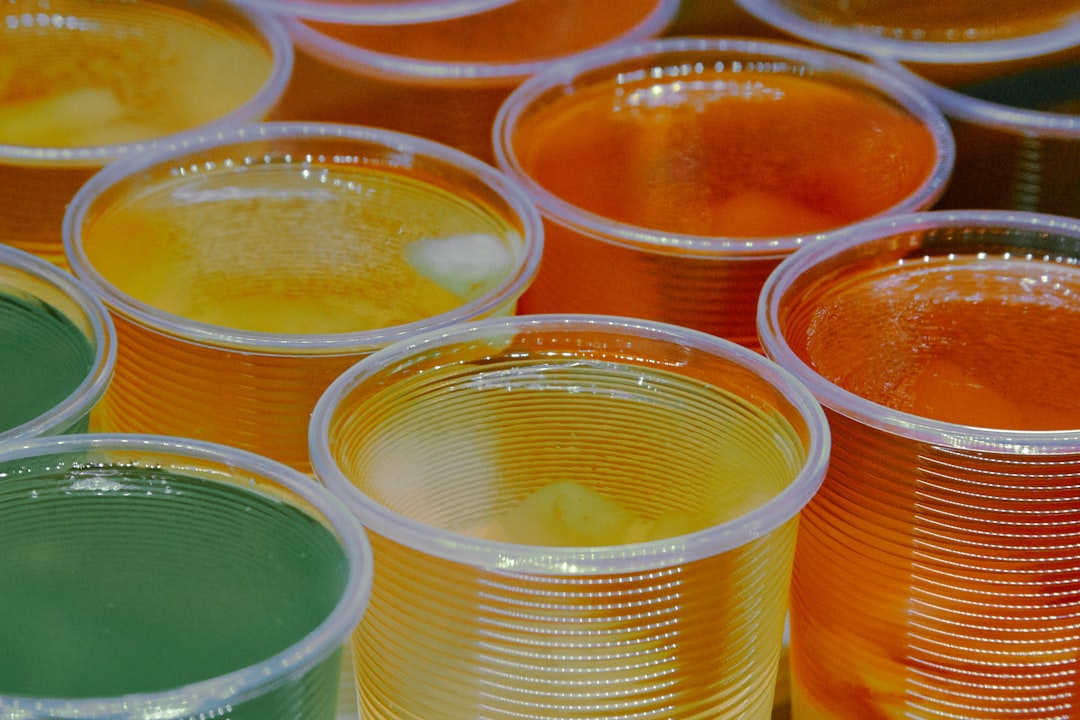
Miniature jelly cups sealed with a foil or film lid are banned in several countries and prohibited in a significant number of school systems because of documented fatalities involving children and adults who inhaled the semi-solid gel contents during consumption. The product format particularly those made with konjac or similar gelling agents produces a firm slippery bolus that does not dissolve readily and conforms to the shape of the airway in a way that makes manual removal extremely difficult. Regulatory agencies in the European Union Australia and parts of Asia have taken formal action against specific jelly cup formats and the products remain on active recall or prohibition lists in multiple jurisdictions. Parents who purchase these items from international grocery retailers or online sources may be unaware of the regulatory history surrounding the product format.
Whole Nuts
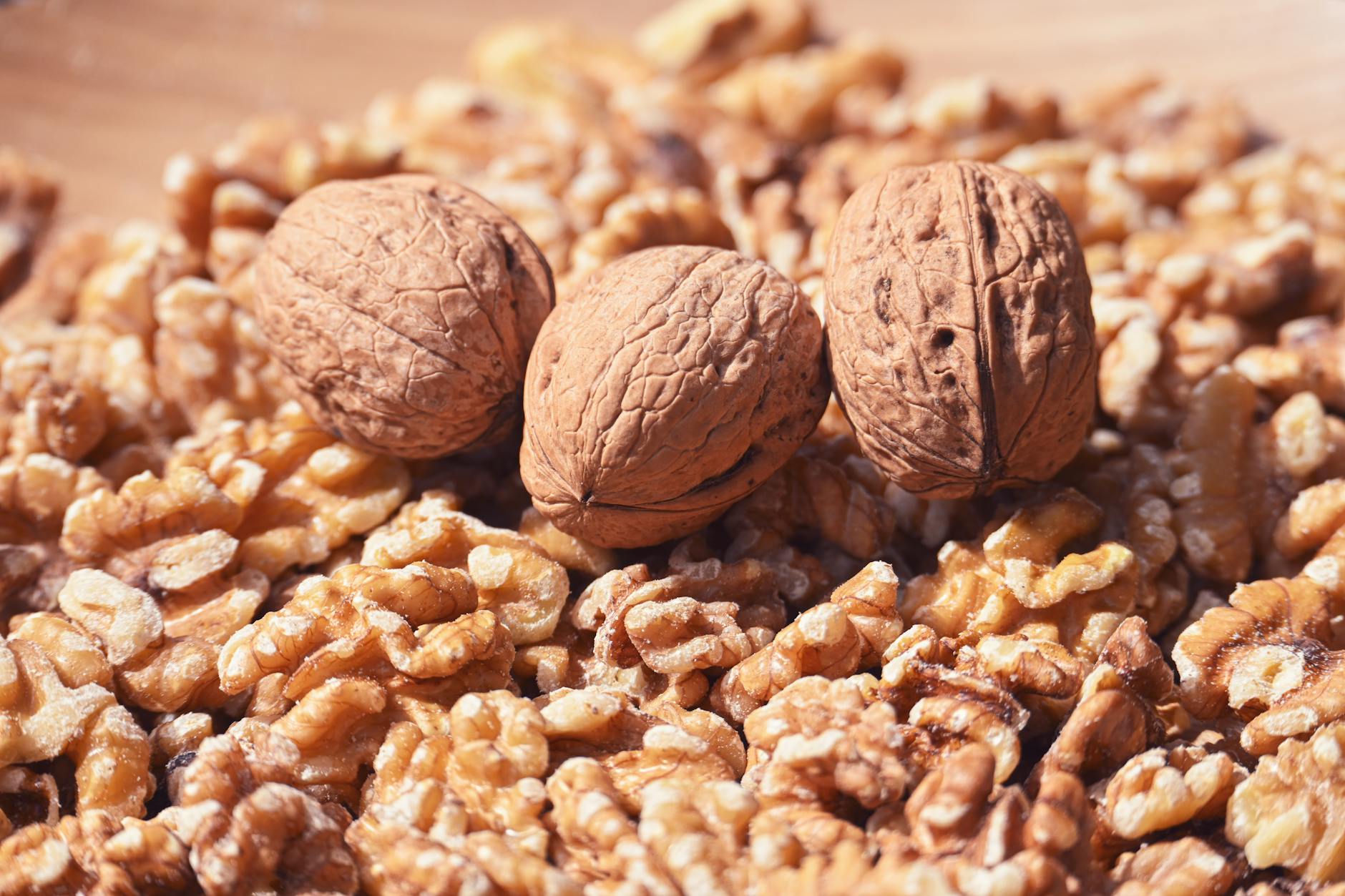
Whole nuts including almonds cashews walnuts and peanuts are removed from school lunchboxes on two separate grounds that apply independently of each other representing one of the few lunchbox items with both a choking risk profile and a severe allergy risk profile operating simultaneously. For younger children the hardness density and size of whole nuts places them in the highest choking risk category alongside other hard round foods and pediatric first aid training specifically addresses nut aspiration as a distinct clinical scenario. For students of any age in a nut-free school environment the presence of whole nuts in a lunchbox triggers removal under allergy policy regardless of whether the specific child or any nearby child has a diagnosed allergy because the policy is designed to protect students whose allergy status may not be known to all supervisory staff. Many schools that permit nut-derived products such as certain seed butters still prohibit whole nuts as a separate category.
Raw Carrots
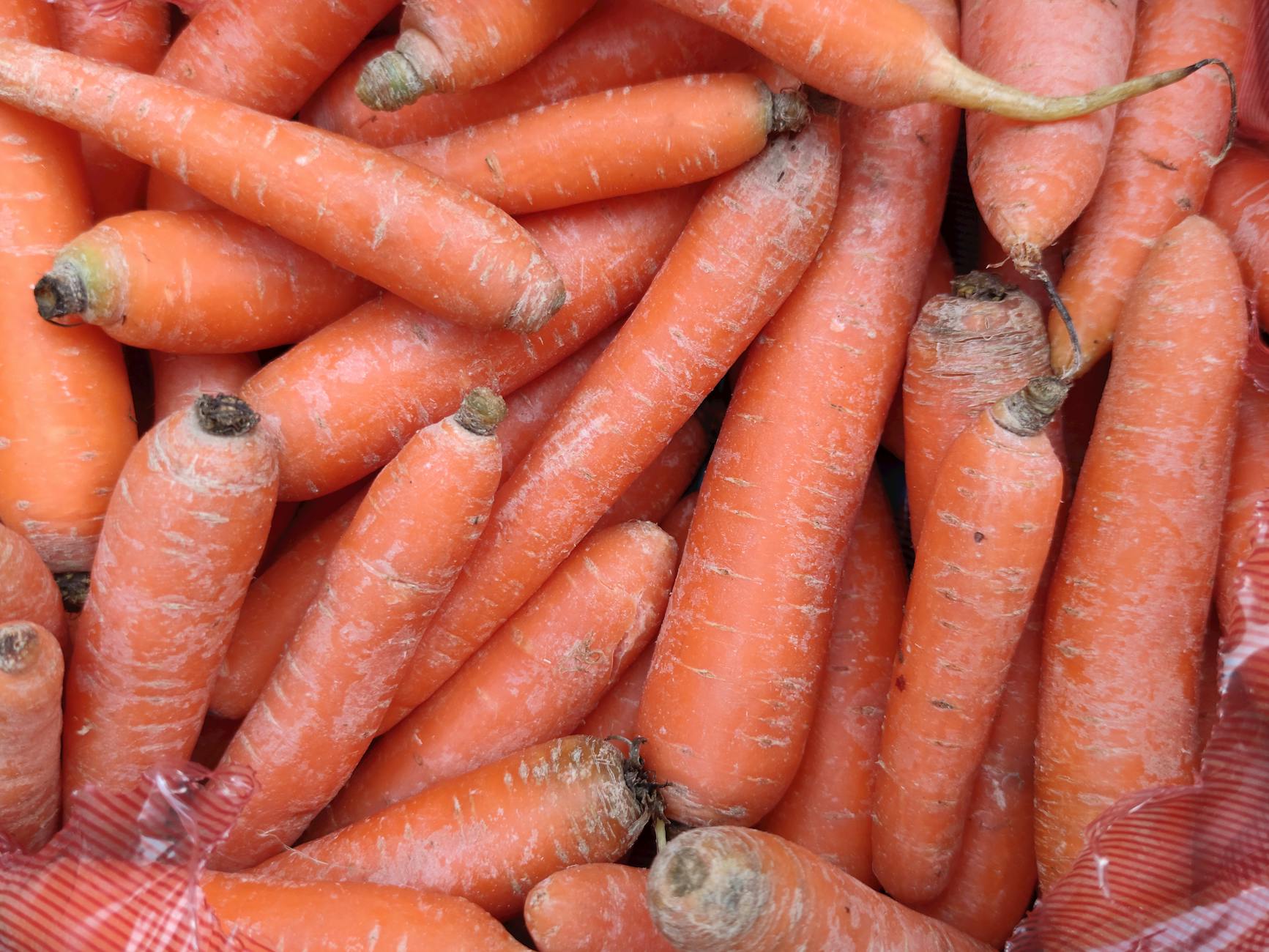
Whole raw carrots or large uncut carrot pieces are identified as a choking risk for children in early primary years by pediatric safety organizations and teachers in lower year groups are specifically instructed to check lunchboxes for carrot pieces that have not been cut into age-appropriate sizes. The dense fibrous texture of raw carrot combined with its tendency to fracture into irregular sharp-edged pieces when bitten places it in a different risk category from softer vegetables. Some schools specify a maximum size for raw vegetable pieces across all hard produce types with carrots specifically named because they are the most commonly packed offender. Parents who prepare carrot sticks as a healthy snack option are often genuinely surprised to learn that the size of the cut rather than the food itself is the determining factor in whether the item will be permitted or removed.
Flavored Milk Pouches
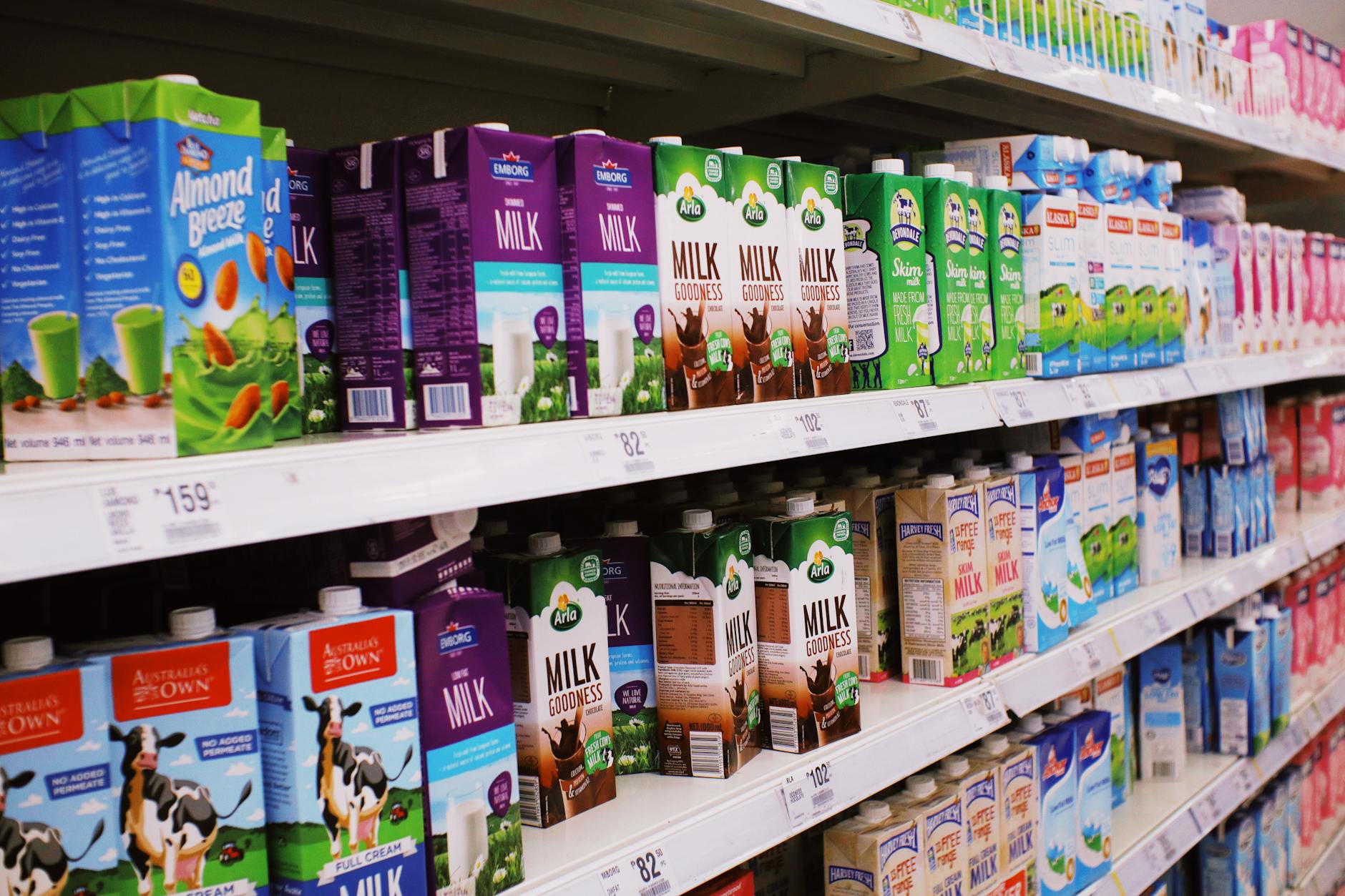
Chocolate strawberry and other flavored milk products packaged in pouches or small cartons are removed or discouraged in schools with strict added sugar policies because the sugar content of flavored milk can approach or exceed that of some soft drinks despite the nutritional legitimacy of milk as a calcium and protein source. School nutrition guidelines in an increasing number of systems specify that only plain unflavored milk is an acceptable dairy beverage in a compliant lunchbox with flavored varieties treated the same as other sweetened drinks under sugar reduction frameworks. Teachers in schools with formal nutrition policies are required to log removed items and flavored milk pouches consistently appear among the top flagged beverages alongside juice drinks and carbonated beverages. The perception of flavored milk as a healthier alternative to soda has insulated it from parental scrutiny in a way that does not align with how current school nutrition policy categorizes the product.
Soy Sauce Packets
Individual soy sauce packets included with sushi or Asian-inspired lunch components are removed in schools with sodium-aware nutrition policies because a single standard serving packet can contain a sodium level approaching the recommended daily maximum for a primary school-age child. Children with kidney conditions heart conditions or those on medication affected by sodium intake face particular risks from high-sodium condiment consumption that parents managing those conditions may not have considered in the context of a school lunch. The packet format encourages multiple-use consumption with children frequently applying several packets to a single meal in a way that compounds the sodium load beyond what a parent assumed when packing a single accompaniment. Some schools with broad condiment restrictions remove soy sauce packets as part of a wider policy that also covers hot sauce packets ketchup sachets and other high-sodium single-serve condiments.
Gummy Vitamins
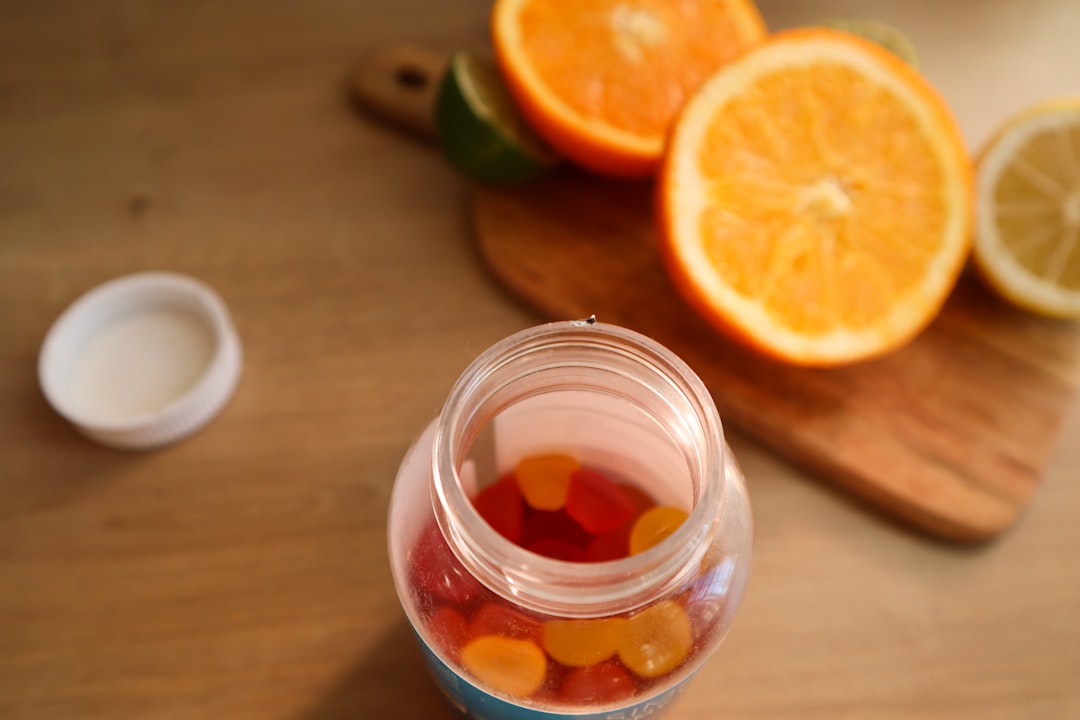
Gummy vitamins and supplement chews packed as part of a child’s lunchtime health routine are confiscated in schools that apply a zero tolerance medication and supplement policy requiring that any product consumed for health purposes be administered only through the school’s formal medication management process with written parental authorization. The candy-like appearance and packaging of gummy vitamins creates a secondary concern around sharing with other students who may have allergies to specific vitamin formulations or underlying conditions affected by supplementation. Some gummy vitamin products contain levels of fat-soluble vitamins including vitamins A and D that are potentially harmful when consumed in excess by children who share the product with peers adding a genuine safety dimension to what appears to be a benign item. Teachers report that gummy vitamins are frequently mistaken for candy by other students creating distribution incidents that escalate beyond the original lunchbox check.
String Cheese
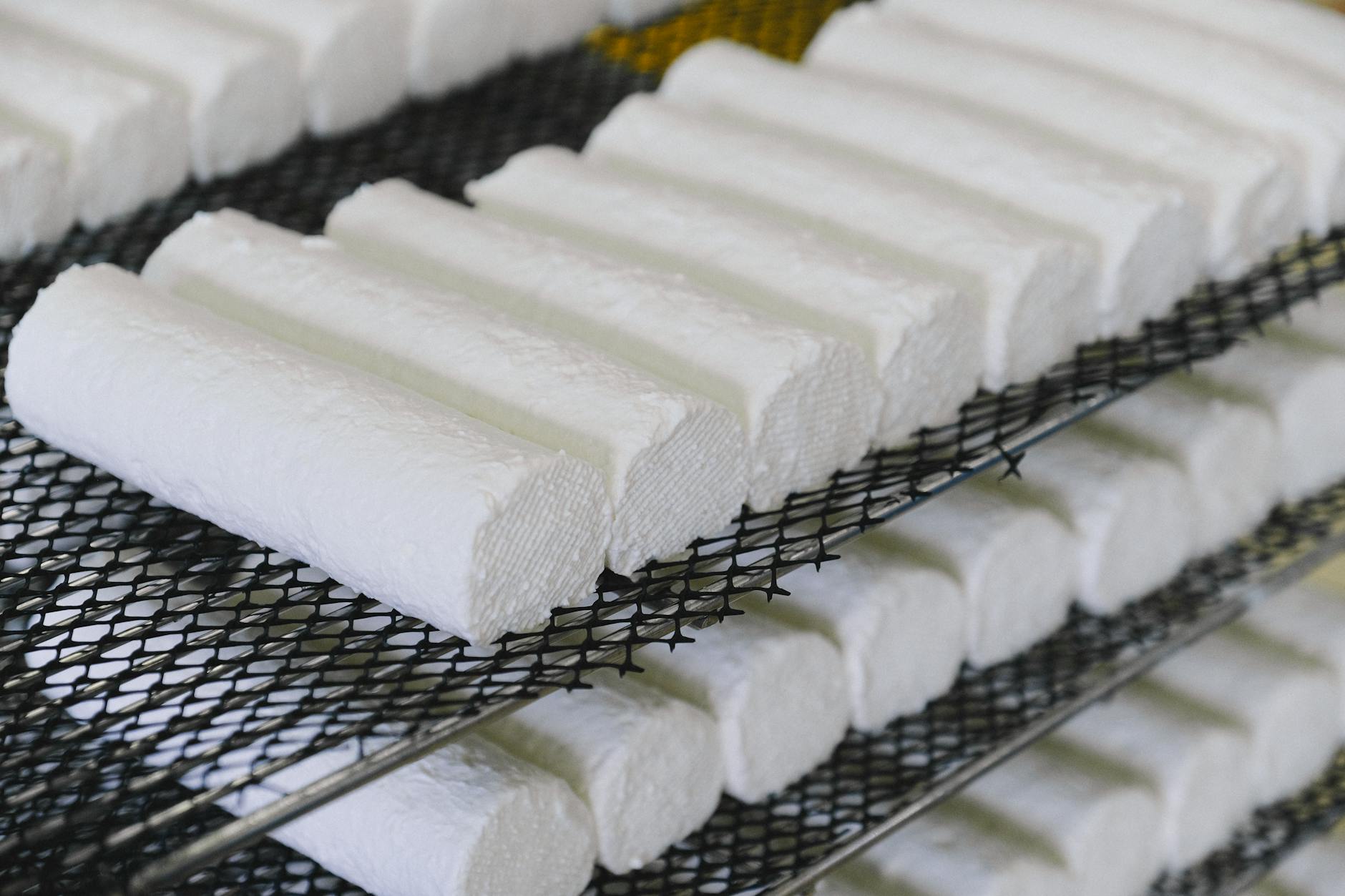
While string cheese itself is a widely accepted school snack item the plastic individual wrapping of string cheese presents a documented suffocation and choking risk for younger children who may place the torn plastic in their mouths during the unwrapping process and teachers in early childhood settings are trained to pre-open packaged items or remove packaging-intensive foods from very young children. In schools with dairy restrictions or strict allergen policies cheese products including string cheese require pre-authorization similar to other dairy items with removal the default action for unauthorized dairy in allergy-managed classrooms. The supervised removal of packaging rather than the food itself is the more common teacher action but the item appears on flagged lists because the intervention required creates supervisory burden during a period when staff are monitoring multiple students simultaneously. Parents packing string cheese for very young children are advised by many early childhood guidelines to pre-open and portion the item before packing to avoid the packaging interaction entirely.
Juice Boxes
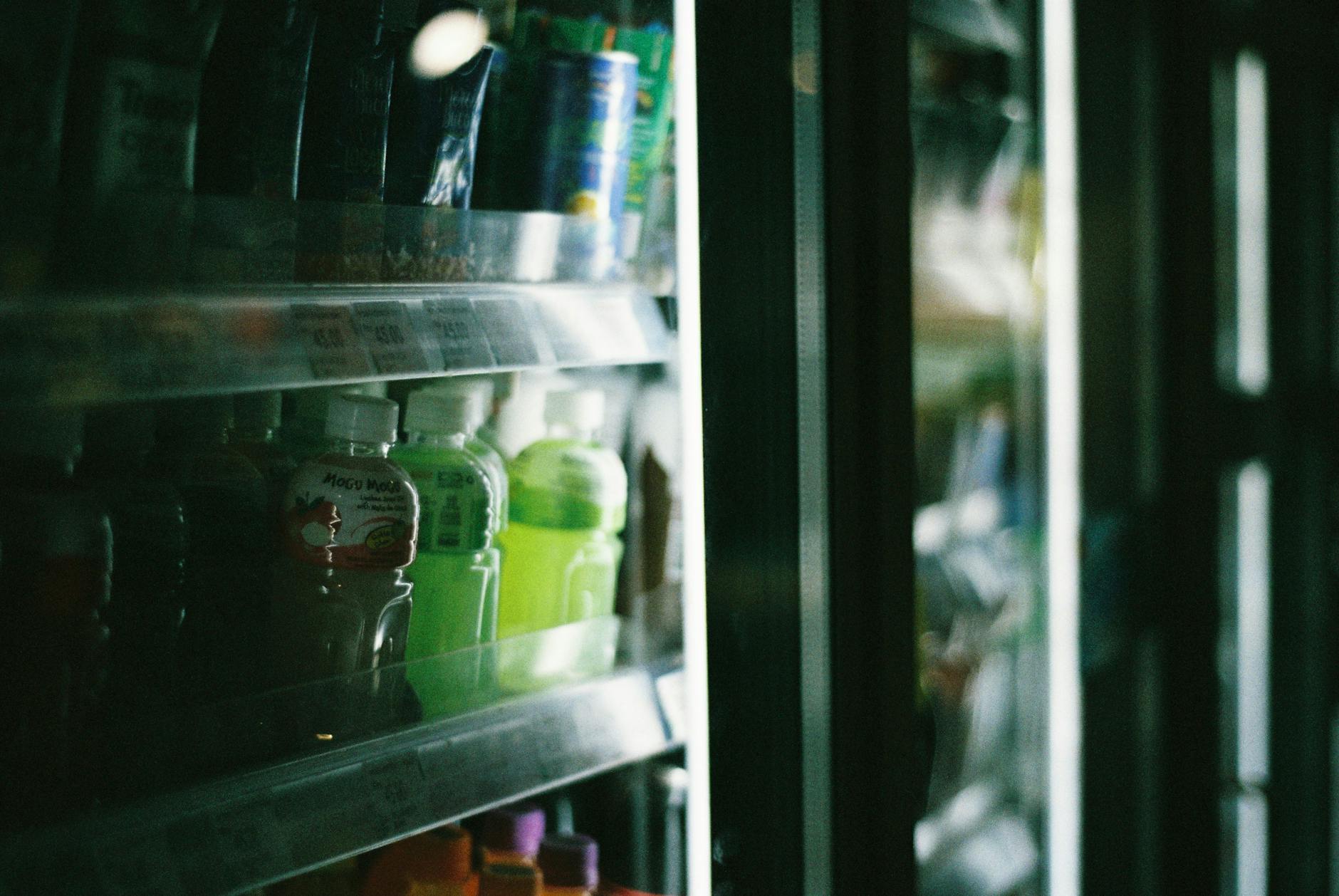
One hundred percent fruit juice including varieties with no added sugar is removed or restricted in schools operating under policies informed by pediatric dental and nutrition guidance that categorizes even natural fruit juice as a high-sugar beverage when consumed in the volume delivered by a standard juice box serving. The fiber absent from juice that would be present in whole fruit means that the sugar in juice is absorbed more rapidly producing a blood glucose response that whole fruit does not and this distinction underlies the increasingly strict school stance on juice regardless of its natural origin. Children’s dentists have specifically identified juice box consumption as a primary driver of early childhood tooth decay and school dental health programs have lobbied successfully for juice box restrictions in multiple national school nutrition frameworks. Parents who consider juice a healthy alternative to water are frequently the most resistant to this policy because the nutritional messaging around fruit juice has historically been positive and the shift in guidance has not been uniformly communicated to the public.
Hot Dogs
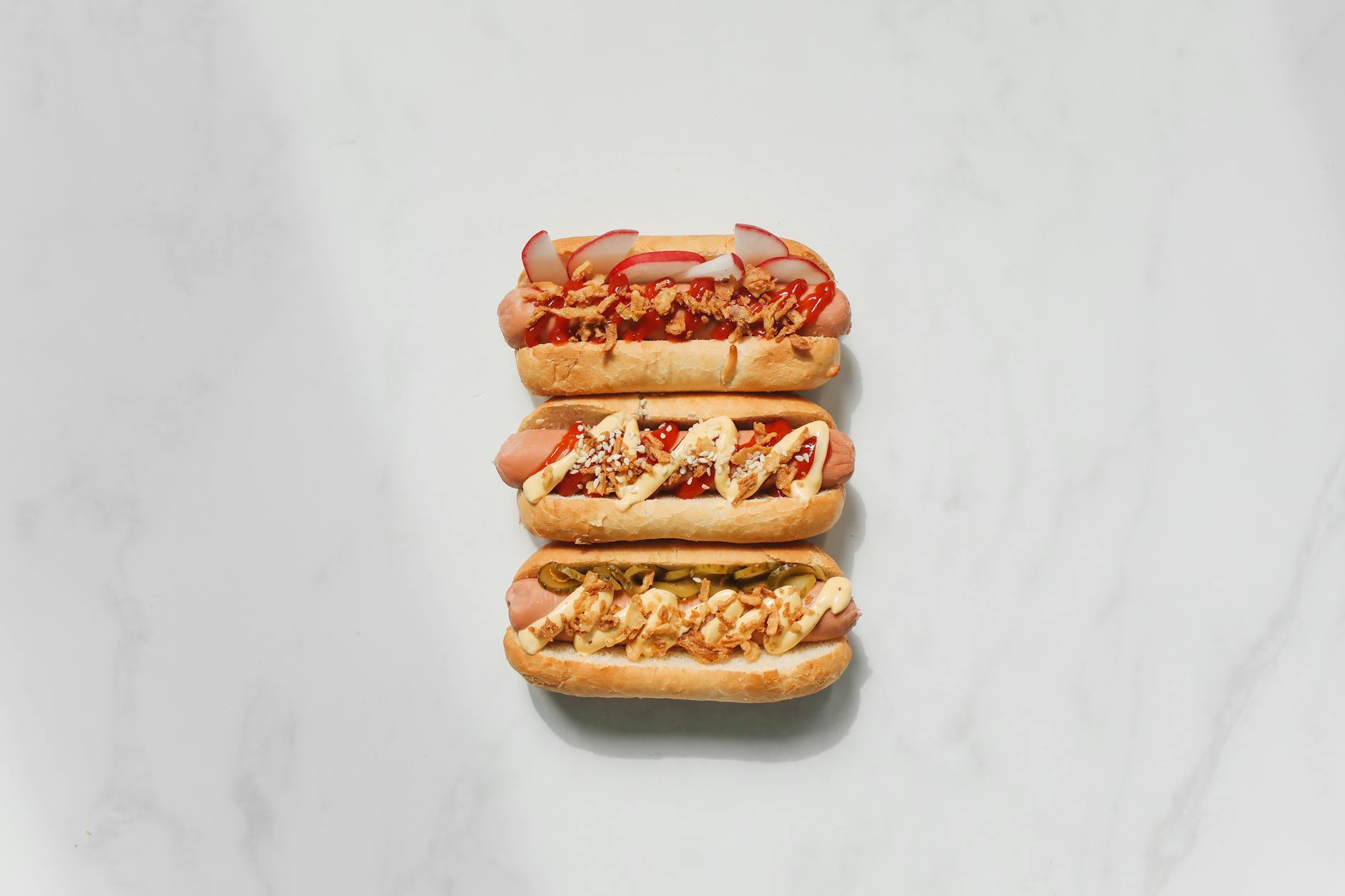
Pre-cooked hot dogs packed whole or in large pieces are among the foods most frequently cited in pediatric choking fatality data and the round cross-section of a standard hot dog precisely matches the diameter of a young child’s airway in a way that makes complete obstruction possible with a single piece. The American Academy of Pediatrics has specifically called for redesigning the hot dog’s shape to reduce choking risk acknowledging that the food’s popularity makes outright elimination unrealistic but that its current format presents a preventable hazard. Many schools require that hot dog pieces be cut lengthwise rather than into rounds specifically to eliminate the circular cross-section that creates the hazard with some schools prohibiting whole hot dogs in younger year groups entirely. Teachers report that whole hot dogs packed in thermoses are among the items most commonly flagged during lunchbox spot checks in early primary classrooms.
Exotic Fruit Seeds
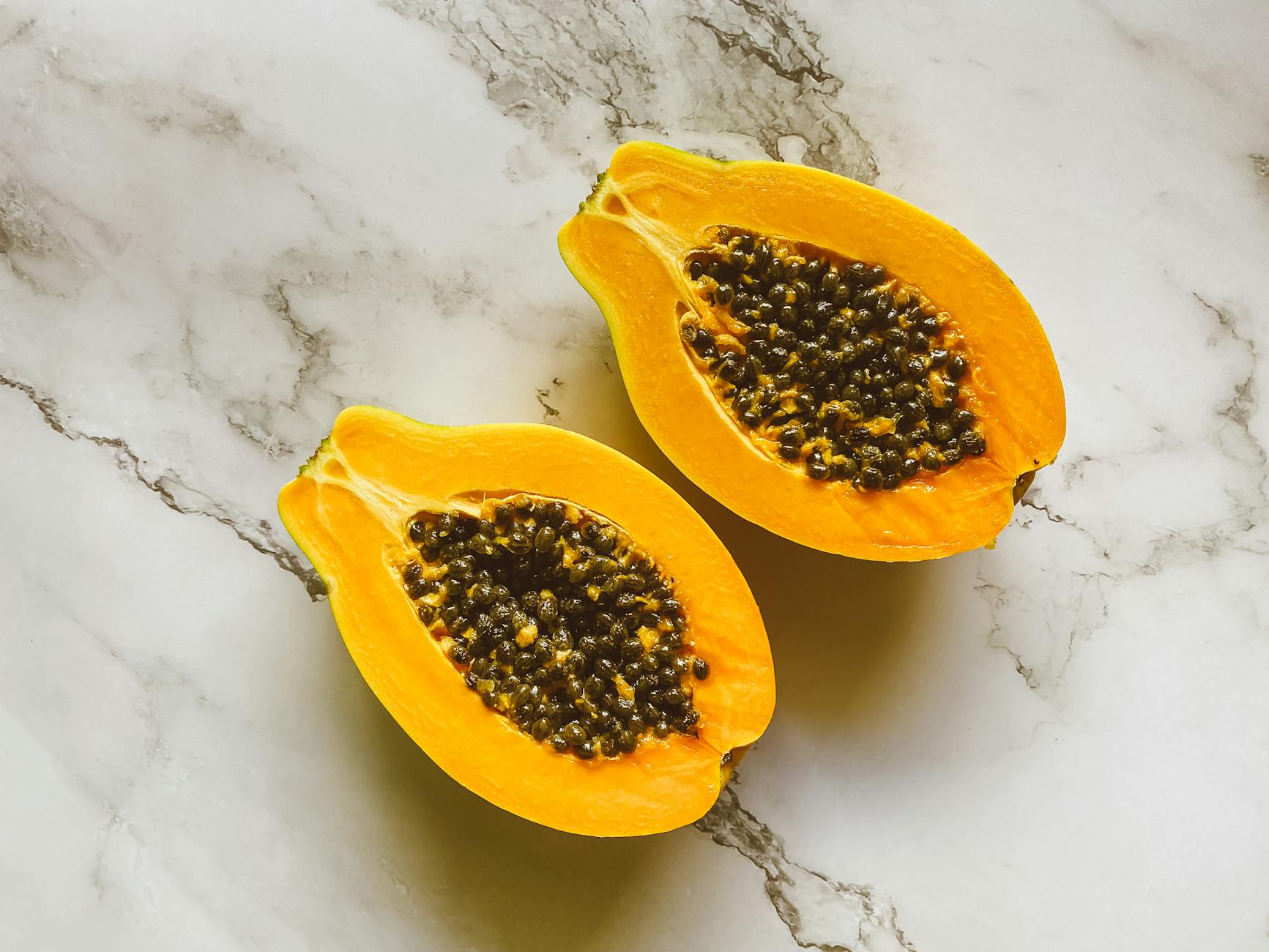
Fruits packed with large or small seeds including lychee longan and rambutan are removed in early childhood settings because of both choking risk from inadequately removed seeds and because of documented cases of metabolic complications in young children associated with consumption of certain tropical fruit seeds particularly in lychee when consumed on an empty stomach. The unfamiliarity of these fruits to many lunchtime supervisors means that staff may not know how to assess whether seeds have been adequately removed before permitting consumption creating a precautionary removal decision based on uncertainty rather than confirmed policy. International families introducing culturally traditional fruit choices into school lunchboxes have encountered removal policies that were not developed with these specific items in mind but that apply broadly to any item supervisors cannot confidently assess as safe. Preparing these fruits fully and removing seeds completely before packing is the recommended approach for families who wish to include them in school lunches.
Rice Cakes with Toppings
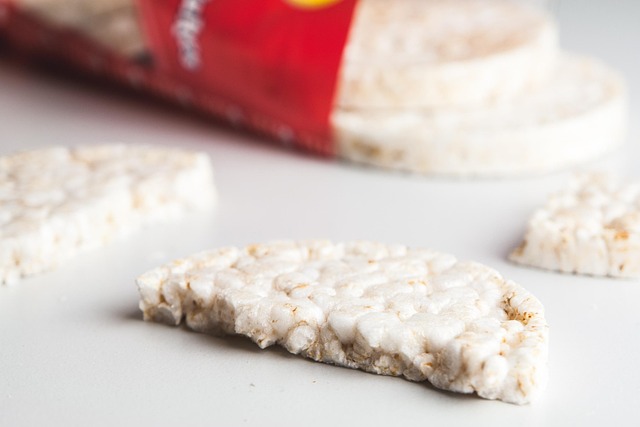
Plain rice cakes are permitted in most school lunchbox policies but rice cakes topped with nut butters seed spreads or honey present layered policy issues combining potential allergen concerns with age-specific prohibitions on honey for children under twelve months and nut restrictions in allergen-managed schools. The crumbly texture of a rice cake also creates a secondary choking and aspiration risk in very young children when large pieces break off unexpectedly during biting producing irregular fragments that lodge differently in the airway than soft foods. Teachers in early childhood settings are specifically trained to monitor rice cake consumption and to intervene when a child attempts to consume a large piece without adequate breakdown. The topping applied to a rice cake frequently determines whether the item is permitted or removed with the base food treated as acceptable but the addition creating the policy violation.
Canned Fruit in Syrup
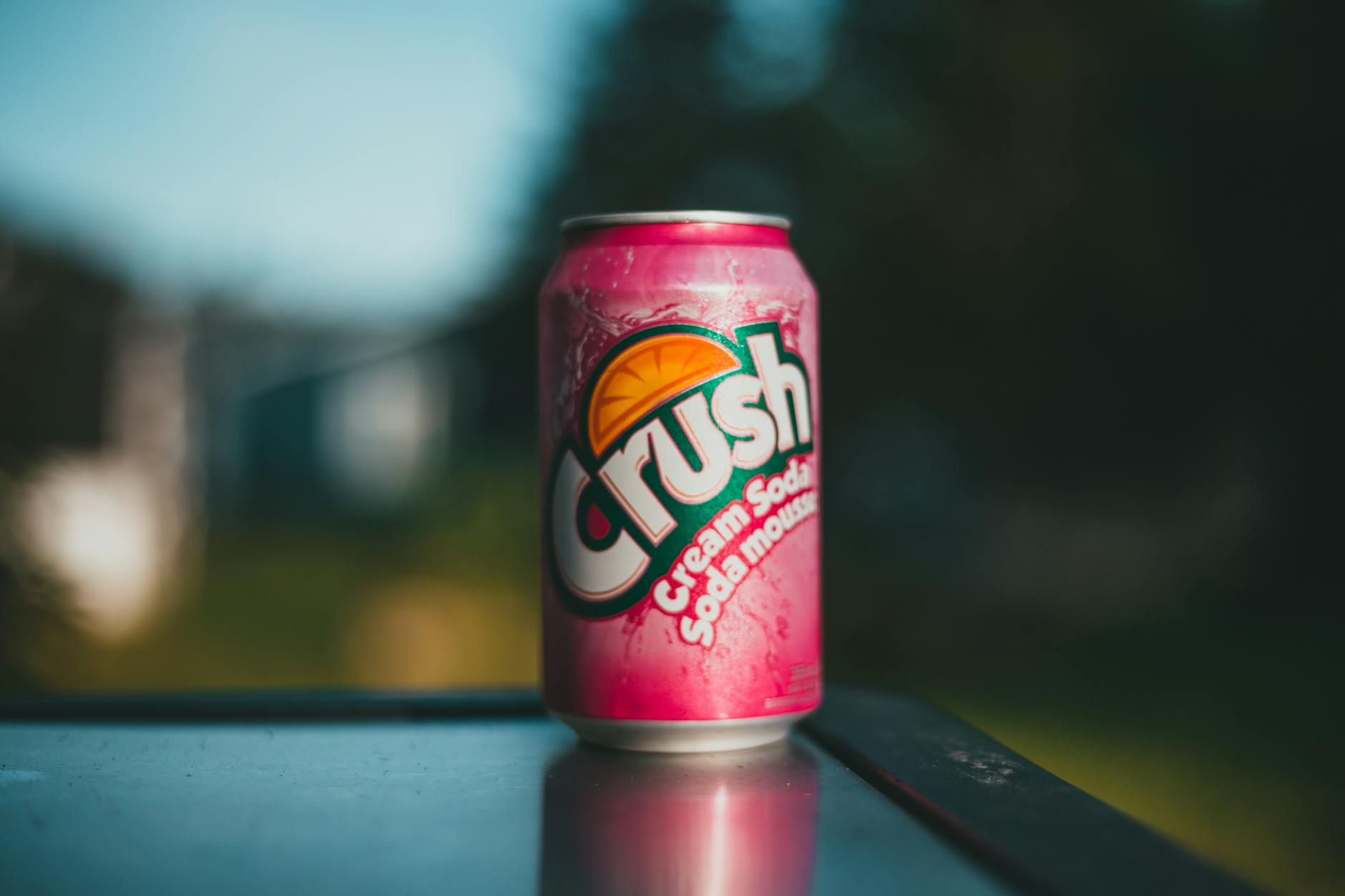
Fruit cups and canned fruit portions packed in heavy or light syrup are removed under sugar reduction policies in school systems that specify only fruit packed in its own juice or water as a compliant lunchbox fruit component. The syrup in these products adds significant sugar volume that exceeds what would be present in the equivalent fresh fruit and the visual similarity between syrup-packed and juice-packed fruit cups means that parents may not realize the distinction is enforceable policy rather than a general nutritional suggestion. Some schools require that fruit cup packaging be visible for supervisor inspection rather than transferred to reusable containers specifically so that the packing medium can be verified. The transition from syrup-packed to juice-packed fruit cups is among the simpler compliance adjustments parents can make and one that nutritionists and school health coordinators consistently identify as high impact relative to its inconvenience.
Seaweed Snacks
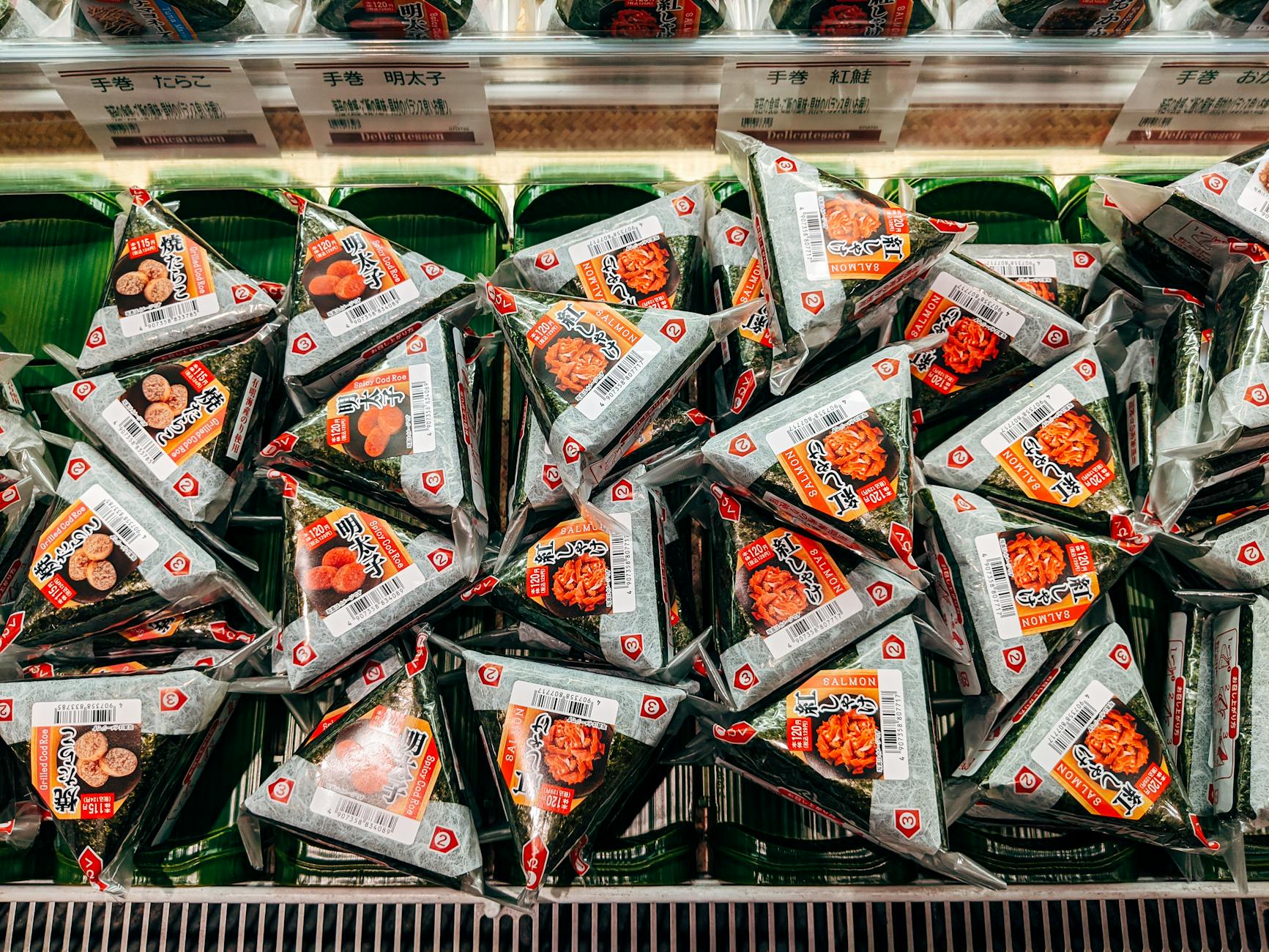
Flavored seaweed snack products have grown in popularity as perceived healthy alternatives to chips but several varieties contain sodium levels that exceed school nutrition policy limits and some flavored versions contain added oils and flavor compounds that bring them within the scope of restrictions designed for processed snack foods rather than whole food alternatives. The very thin sheet format of seaweed snacks also presents a documented aspiration risk particularly in younger children where the material can adhere to throat surfaces during rapid consumption in a way that thicker foods do not. Schools in regions where seaweed snacks are culturally common have developed specific guidance distinguishing between plain low-sodium varieties and heavily flavored or processed versions with the former generally permitted and the latter subject to the same removal criteria as other processed snack foods. The health halo surrounding seaweed as an ingredient has in some cases delayed parental awareness that the specific product format and flavoring can bring it outside the scope of a compliant school lunch.
Uncut Melon
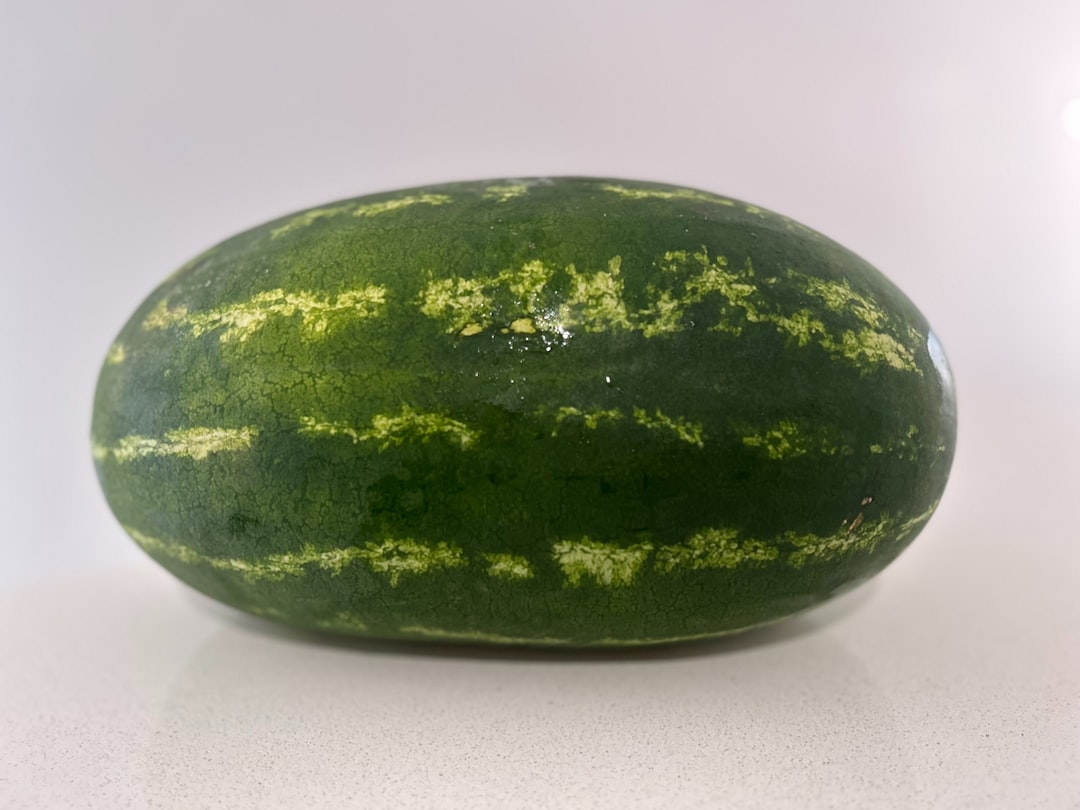
Large wedges or thick slices of melon packed without being cut into small pieces are flagged in early childhood lunch settings because the slippery texture of melon combined with its density when in a thick slice creates a swallowing hazard for children who attempt to bite off pieces larger than they can safely manage. Watermelon in particular is frequently packed in large triangular wedges that are appropriate for outdoor summer eating but that present a different risk profile in a supervised indoor lunch setting where children are eating quickly and with less adult oversight than at home. Some schools specify a maximum cube size for melon pieces across all packed fruit types using the same size guidelines applied to grapes and cherry tomatoes for consistency. Teachers in early primary settings report that melon in large pieces is one of the more common items that prompts a cutting intervention rather than outright removal with supervisors using available utensils to portion the fruit before returning it to the child.
If you’ve ever had something removed from your child’s lunchbox or discovered a school policy that genuinely surprised you share your experience in the comments.




