Climate change reshapes our planet at an alarming rate and threatens some of the most beautiful destinations on Earth. Rising sea levels and melting glaciers alter landscapes that have existed for millennia while extreme weather patterns disrupt fragile ecosystems. Travelers increasingly seek out these vulnerable locations to witness their splendor before they change forever. This collection highlights fifty destinations facing imminent transformation or disappearance due to environmental shifts.
Great Barrier Reef

Rising ocean temperatures trigger mass coral bleaching events that threaten the vibrant biodiversity of this Australian natural wonder. Visitors flock here to witness the kaleidoscope of marine life before the ecosystem sustains irreversible damage. Conservation efforts struggle to keep pace with the rapid warming of the surrounding waters. Scientists predict that significant portions of the reef may perish within the next few decades without drastic global intervention. Seeing this underwater masterpiece remains a priority for eco-conscious travelers aware of its fragility.
Venice

This historic Italian city faces an existential threat from rising sea levels and increasingly frequent high tides known as acqua alta. Flood barriers have been installed to mitigate the damage but the city continues to sink slowly into the soft lagoon sediment. Saltwater intrusion damages the foundations of ancient palaces and threatens priceless art housed within historic structures. Experts warn that the city could become uninhabitable by the end of the century if current trends continue. A visit offers a chance to walk its iconic canals before they permanently overtake the streets.
The Maldives

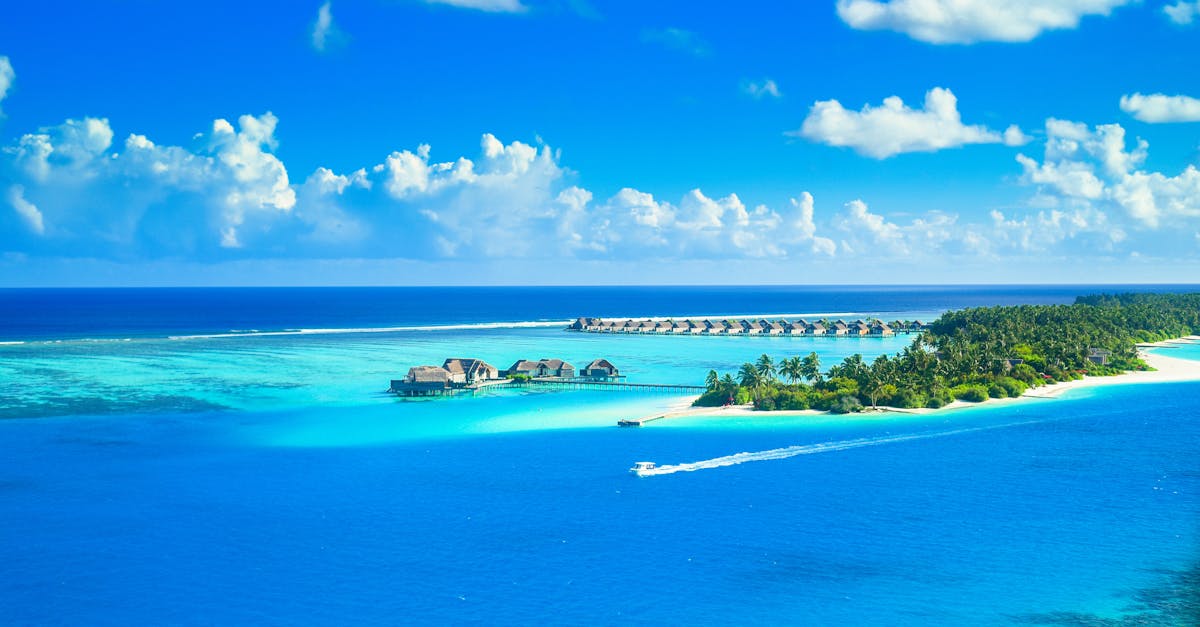
This island nation holds the record for being the lowest-lying country in the world and faces immediate danger from rising oceans. Many of its luxury resorts and local villages sit just a few feet above current sea levels. Coastal erosion eats away at the pristine white beaches that attract millions of tourists annually. Government officials have explored options for purchasing land abroad to relocate the population in the future. Travelers visit now to experience the idyllic atolls while they remain above water.
Glacier National Park

The once-massive ice formations in this Montana park have retreated significantly over the past century due to warming temperatures. Scientists estimate that the park could lose all of its active glaciers within the next few decades. This loss impacts the local ecosystem by altering stream temperatures and affecting the water supply for downstream vegetation. Hikers currently enjoy the stunning alpine scenery that these glaciers carved over thousands of years. The park serves as a stark visual reminder of how rapidly the climate impacts high-altitude environments.
Dead Sea
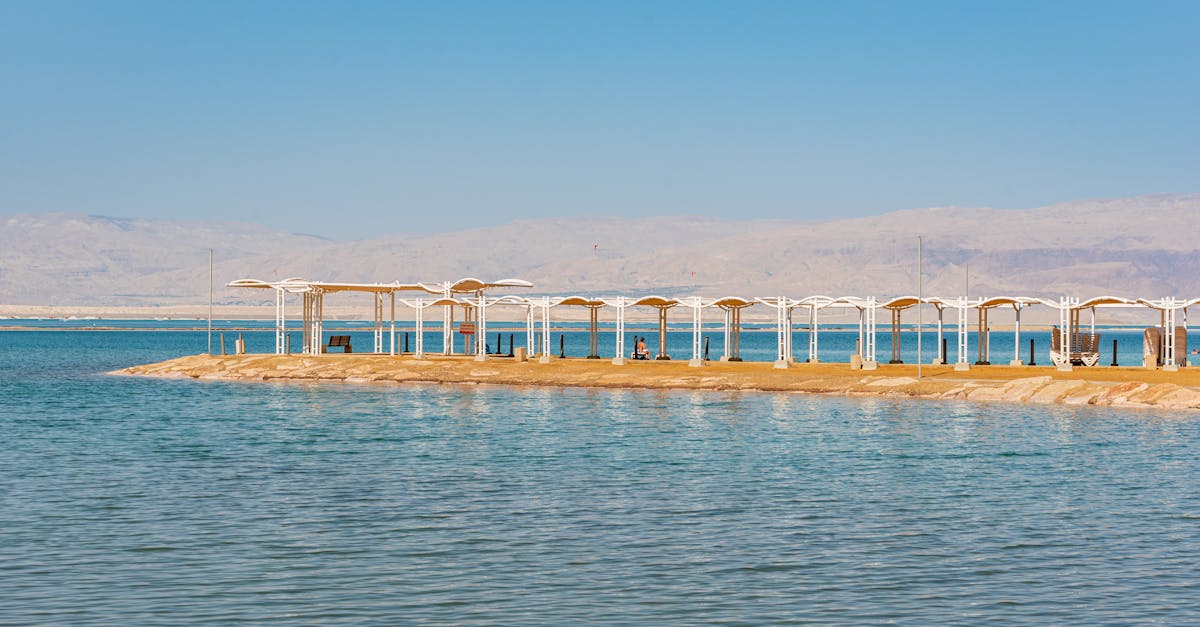
The water levels of this salt lake bordering Israel and Jordan drop by roughly three feet every year. Diversion of water from the Jordan River combined with mineral extraction accelerates this dramatic decline. Sinkholes frequently appear along the receding shoreline and make certain areas dangerous for access. The unique therapeutic properties of the water and mud draw visitors who wish to float in the saline depths while they still can. This historic body of water continues to shrink and leaves behind a parched landscape.
Amazon Rainforest

Deforestation and changing rainfall patterns threaten to turn large swathes of this lush jungle into a dry savanna. This transformation endangers countless species of flora and fauna that exist nowhere else on Earth. The loss of the forest canopy reduces the ability of the region to regulate global carbon levels. Indigenous communities face the destruction of their ancestral lands and traditional ways of life. Eco-tourism provides a window into this vast biodiversity hotspot before it undergoes irreversible ecological shifts.
Kiribati

This remote Pacific island nation consists of low-lying atolls that are incredibly vulnerable to storm surges and rising tides. Saltwater contamination of freshwater lenses makes agriculture difficult and threatens the local water supply. Villages have already been forced to move inland as the coastline erodes into the sea. The government actively advocates for global climate action while planning for the potential migration of its citizens. Visiting Kiribati offers a sobering look at a culture fighting for survival against the encroaching ocean.
The Alps

Ski seasons in this iconic European mountain range have shortened as snow reliability decreases at lower altitudes. Glaciers across the region are melting at unprecedented rates and causing rockfalls that change the topography. Mountaineers and skiers notice the receding ice and the distinct changes in the alpine landscape year after year. Resorts rely increasingly on artificial snow to maintain operations during the winter months. The majestic white peaks face a future where they may remain brown and rocky for much of the year.
Seychelles
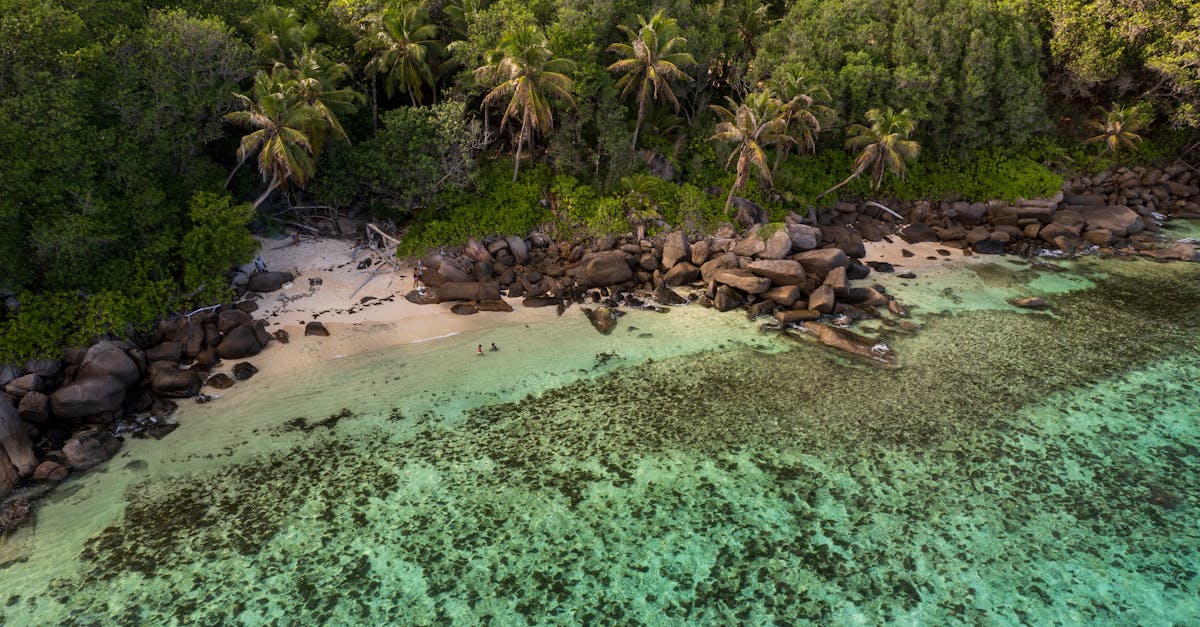
Coral bleaching and coastal erosion threaten the tourism-dependent economy of this archipelago in the Indian Ocean. Rising sea levels compromise the beaches where endangered sea turtles come to nest. The freshwater supply on the islands faces pressure from saltwater intrusion and changing weather patterns. Luxury resorts actively implement sustainability measures to protect the fragile environment surrounding them. Travelers come to enjoy the granite boulders and turquoise waters while the islands maintain their tropical allure.
Tuvalu

This small Polynesian nation sits barely above sea level and frequently experiences flooding during high tides. The encroaching ocean contaminates the soil and makes it nearly impossible to grow traditional crops. Residents face the reality of becoming some of the first climate refugees in the world. The rich cultural heritage of the islanders is tied deeply to the land that is slowly disappearing beneath the waves. A trip here highlights the urgent human cost of global climate change.
Mount Kilimanjaro
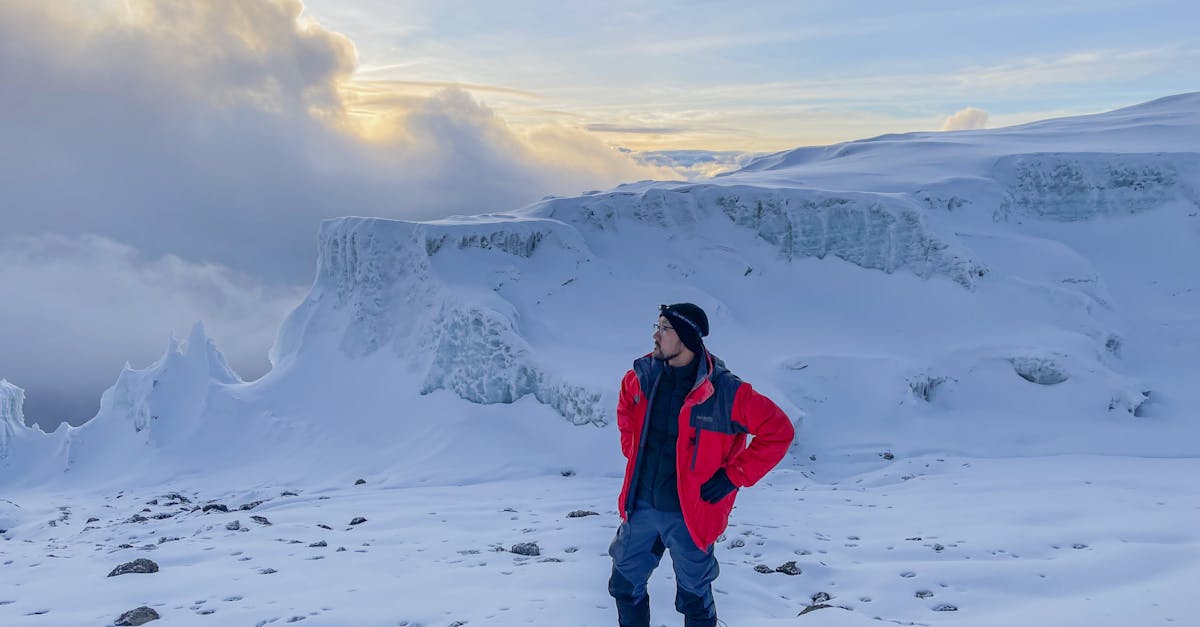
The famous snows of Africa are rapidly disappearing from the summit of this dormant volcano in Tanzania. Glaciologists predict that the ice cap could vanish completely within a relatively short timeframe. The loss of ice affects the water supply for the communities and wildlife living at the mountain’s base. Hikers trekking to the summit witness the shrinking glaciers that were once a permanent fixture of the landscape. The changing face of the mountain serves as a high-altitude gauge for global warming.
Sundarbans

This massive mangrove forest straddling India and Bangladesh acts as a critical barrier against cyclones and tidal surges. Rising sea levels increase the salinity of the water and threaten the health of the mangrove trees. The famous Bengal tigers that inhabit this region face a shrinking habitat as the islands submerge. Millions of people rely on the forest for protection and livelihood but face displacement as the waters rise. A boat journey through the mysterious waterways reveals a delicate ecosystem on the brink of collapse.
Southern Patagonian Ice Field

These vast stretches of ice in Chile and Argentina are retreating at some of the fastest rates in the world. The melting ice contributes to global sea-level rise and alters the appearance of the dramatic fjords. Calving events where massive chunks of ice break off into the water occur with increasing frequency. Adventurers trek across the glaciers to see the deep blue crevasses before they melt away. The rapid changes here provide clear evidence of the warming occurring in the Southern Hemisphere.
Key West
This popular Florida destination faces threats from both rising sea levels and increasingly powerful hurricanes. Street flooding has become a common occurrence during high tides even on sunny days. The coral reefs protecting the keys are suffering from disease and heat stress. Historic homes and vibrant neighborhoods sit at low elevations that make them vulnerable to storm surges. Visitors enjoy the laid-back atmosphere while acknowledging the precarious future of the island chain.
Great Salt Lake

Utah sees its famous lake shrinking to record lows due to water diversion and intense drought conditions. The exposed lakebed contains toxic dust that windstorms can carry into nearby Salt Lake City. Migratory birds that rely on the lake for rest and food face a disappearing habitat. Local authorities are scrambling to find solutions to reverse the decline and save the ecosystem. Viewing the receding waters underscores the severity of the water crisis in the American West.
Joshua Tree National Park

Rising temperatures and prolonged droughts threaten the survival of the iconic twisted trees that give this park its name. Young trees struggle to establish themselves in the hotter climate and lead to an aging population of flora. Invasive grasses fuel intense wildfires that the native Joshua trees cannot withstand. Scientists warn that the trees could be eliminated from their namesake park by the end of the century. Nature lovers visit to walk among the unique silhouettes against the desert sky while the groves remain intact.
Rhone Glacier

This Swiss glacier has retreated so much that locals cover it with white blankets during the summer to reflect sunlight. The blankets slow the melting process but cannot stop the inevitable decline of the ice. An ice grotto carved into the glacier allows visitors to walk inside the blue ice for a unique perspective. The landscape around the glacier changes annually as new rocks are exposed by the receding ice. It stands as a powerful symbol of the lengths to which humans will go to preserve vanishing nature.
Athabasca Glacier
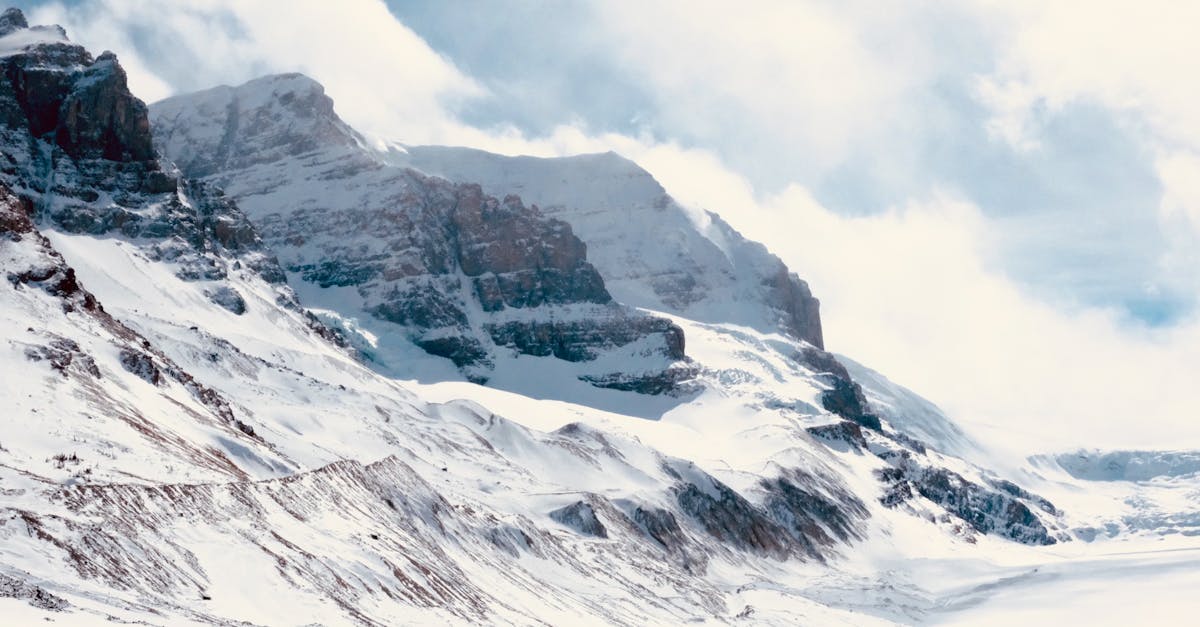
Visitors to the Canadian Rockies can walk directly onto this glacier and see markers showing how far the ice has receded over the decades. The glacier loses depth every year and contributes to the changing water flow in the region. Guided tours explain the geology and the rapid timeline of the ice melt. The accessible nature of this site makes it one of the best places to witness glacial retreat firsthand. The sheer scale of the ice loss is visible to the naked eye from the nearby highway.
Mumbai

Intense monsoon rains and rising sea levels threaten the coastal infrastructure of this bustling Indian metropolis. Low-lying areas of the city experience frequent flooding that disrupts daily life and commerce. Urban planning efforts struggle to manage the water drainage in such a densely populated environment. The historic colonial architecture along the waterfront faces erosion and water damage. Exploring the city reveals a vibrant culture adapting to the realities of a changing climate.
New Orleans
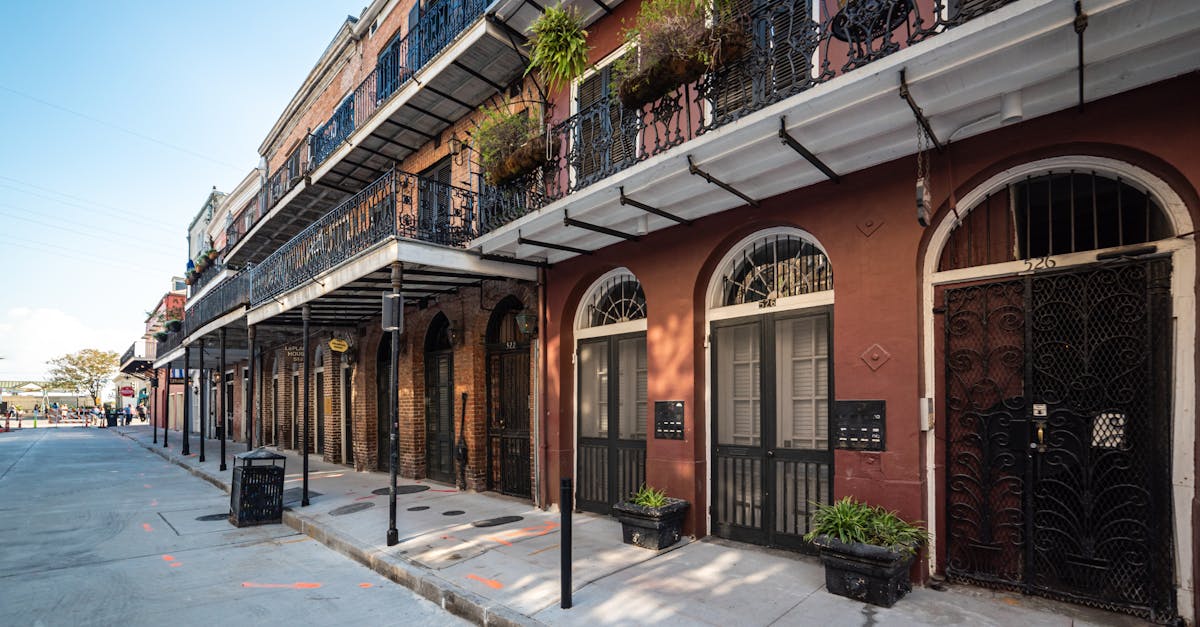
The sinking land combined with rising Gulf waters makes this unique American city incredibly vulnerable. Massive levee systems protect the historic districts but the threat of catastrophic flooding remains constant. The wetlands that once buffered the city from storms are disappearing rapidly. Cultural traditions and historic neighborhoods remain at risk from the next major hurricane. Tourists flock to the French Quarter to experience the jazz and cuisine while the city fights to stay dry.
Rio de Janeiro
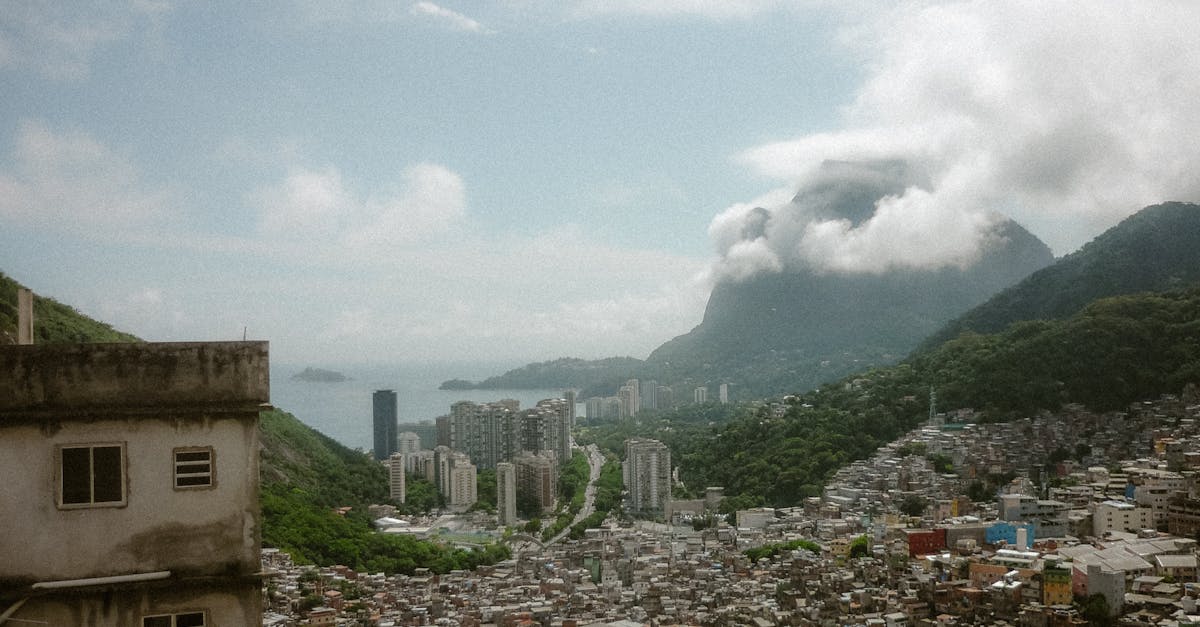
Rising temperatures and sea levels pose a threat to the famous beaches of Copacabana and Ipanema. Landslides become more frequent in the hillside favelas during heavy rain events. The city faces the challenge of protecting its coastline while managing urban heat islands. The iconic landscape of mountains meeting the sea is subject to erosion and changing weather patterns. A visit allows travelers to enjoy the vibrant outdoor culture that defines this Brazilian city.
Jakarta

The capital of Indonesia is sinking at one of the fastest rates in the world due to excessive groundwater extraction. Frequent floods paralyze the city and force residents to wade through waist-deep water. The government has announced plans to move the capital to a new location on the island of Borneo. Millions of people remain in the sinking city and face an uncertain future. Travelers can witness the resilience of the local population in a metropolis that is literally disappearing into the ground.
Bangkok

Thailand experiences severe flooding as its capital city sinks into the soft clay soil of the Chao Phraya River delta. Rising sea levels in the Gulf of Thailand push saltwater up the river and threaten agriculture. The intricate canal system struggles to cope with the increased volume of water during the monsoon season. Ancient temples and modern skyscrapers alike face the risk of water damage. Exploring the city by boat offers a perspective on how water defines and threatens this urban landscape.
The Everglades

This vast subtropical wilderness in Florida faces saltwater intrusion that kills freshwater plants and destroys animal habitats. Rising seas push inward and alter the delicate balance of this “River of Grass.” Invasive species like the Burmese python further destabilize the ecosystem alongside climate pressures. Restoration projects aim to improve water flow but the pace of climate change poses a significant challenge. An airboat ride reveals the unique beauty of a wetland that is slowly being swallowed by the ocean.
Madagascar

The unique forests of this island nation are shrinking due to climate-induced drought and illegal logging. Lemurs and other endemic species face extinction as their habitats become fragmented and dry. Changing weather patterns make agriculture difficult for the local population and drive further encroachment into protected areas. The Avenue of the Baobabs stands as a majestic reminder of the ancient trees that are under threat. Nature enthusiasts visit to see the incredible biodiversity that exists nowhere else on the planet.
Komodo Island
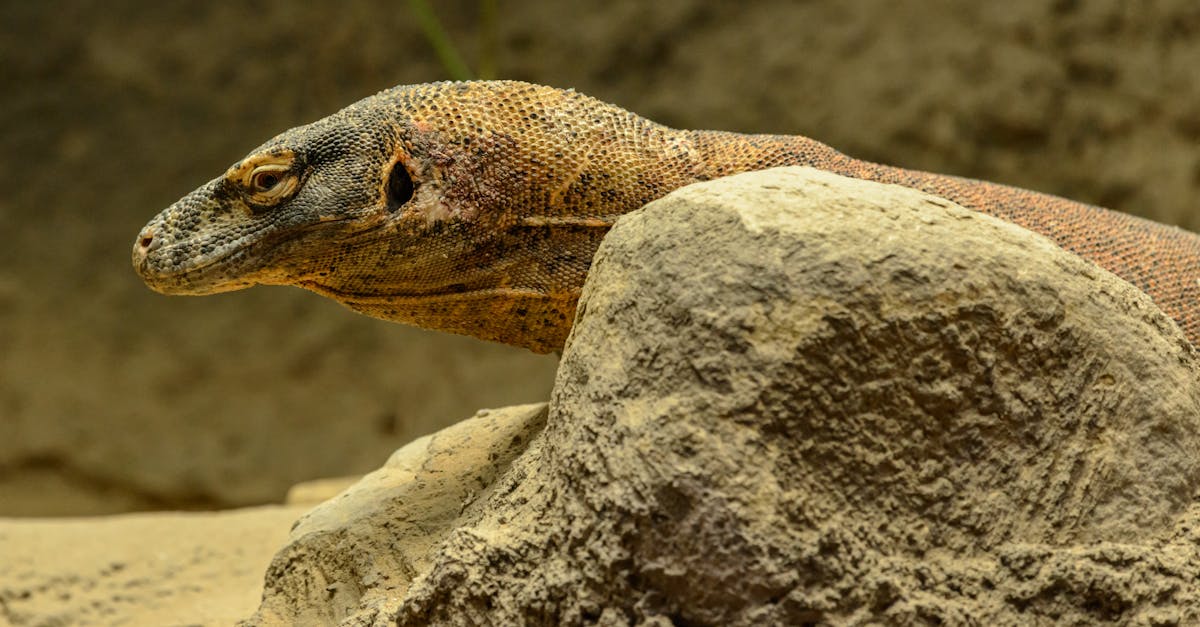
Rising sea levels threaten the mangrove forests and beaches that serve as the habitat for the famous Komodo dragons. Changes in vegetation due to rainfall shifts impact the herbivores that the dragons prey upon. Ocean acidification affects the coral reefs that surround the national park. Conservationists monitor the lizard population closely as their range becomes more restricted. Seeing these prehistoric reptiles in the wild is a bucket-list experience that faces environmental uncertainty.
Galapagos Islands
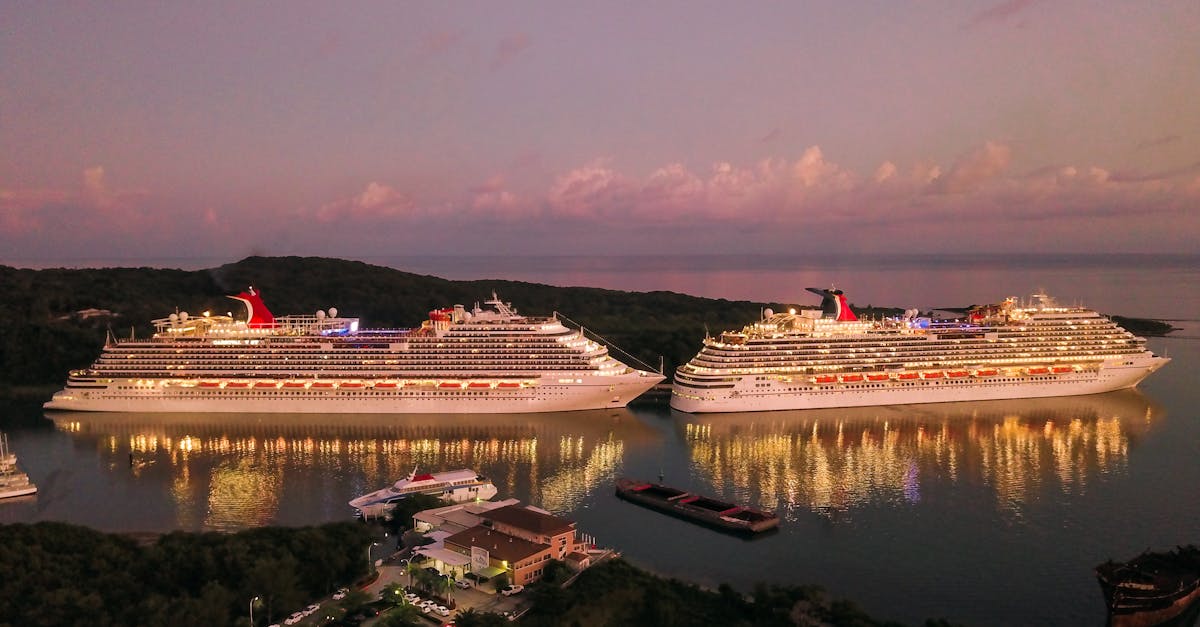
Warmer ocean currents disrupt the food supply for marine iguanas and sea birds in this Ecuadorian archipelago. El Niño events are becoming more frequent and severe causing population crashes among native species. The delicate balance of life that inspired Charles Darwin is highly sensitive to temperature fluctuations. Invasive species thrive in the changing climate and outcompete local flora and fauna. Visitors can still observe the fearless wildlife that makes these islands a living laboratory of evolution.
Svalbard
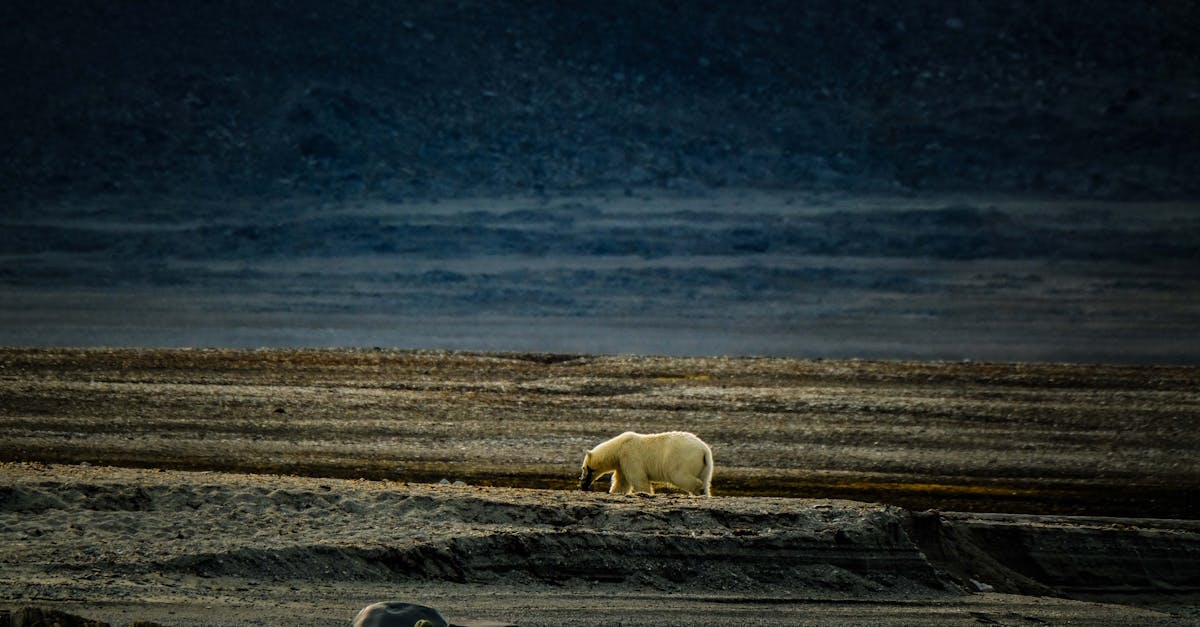
This Norwegian archipelago in the Arctic warms significantly faster than the global average. Permafrost thaw damages buildings and infrastructure in the town of Longyearbyen. Polar bears struggle to find sea ice for hunting and are forced to spend more time on land. The seed vault buried here relies on the freezing temperatures which are now less stable. An expedition here offers a glimpse into the stark beauty of the high north before the ice vanishes.
Antarctica
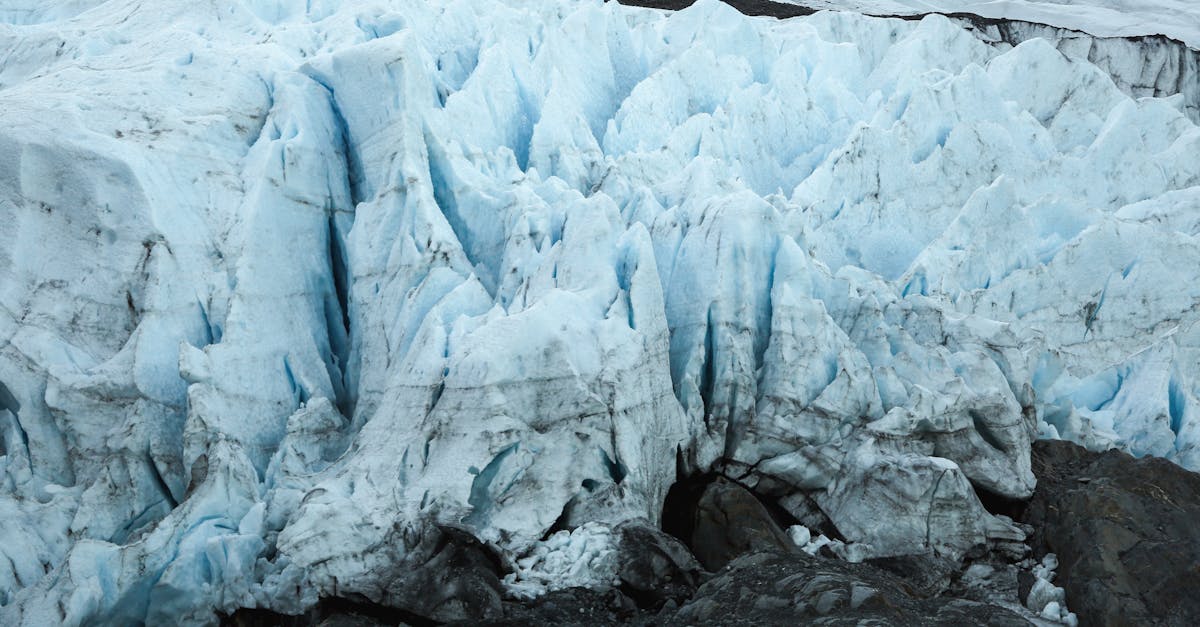
The massive ice sheets of the southern continent are shedding mass at an accelerating rate. Unprecedented heatwaves have been recorded and cause surface melting and ice shelf collapse. The emperor penguin colonies face breeding failures as the sea ice they rely on disappears. Research stations monitor the global implications of the melting freshwater reserves. A voyage to the White Continent reveals the scale of the ice and the wildlife that depends on its frozen state.
Lake Chad

This historically large lake in Africa has shrunk by over ninety percent since the 1960s. Climate change and overuse of water for irrigation have turned vast areas of the lake into dust. The reduction in water drives conflict and displacement among the communities that border the basin. Fishermen and farmers struggle to maintain their livelihoods as the shoreline recedes. The remaining water serves as a vital but diminishing oasis in the Sahel region.
Aral Sea

Once the fourth-largest lake in the world this body of water has largely become a toxic desert. Water diversion projects began the decline which climate change has accelerated through evaporation. Rusting ships sit stranded miles from the nearest water in a surreal landscape. The remaining water is highly saline and supports very little life. Visiting the ship graveyard offers a haunting lesson on environmental mismanagement and ecological collapse.
Napa Valley

Intense wildfires and rising temperatures threaten the future of viticulture in this famous California wine region. Smoke taint from fires can ruin entire vintages of grapes even if the vines themselves do not burn. Winemakers are exploring heat-resistant grape varieties to adapt to the hotter climate. The picturesque vineyards face a constant risk during the extended fire seasons. Wine lovers visit to taste the world-class cabernets while the region adapts to the new normal.
Solomon Islands
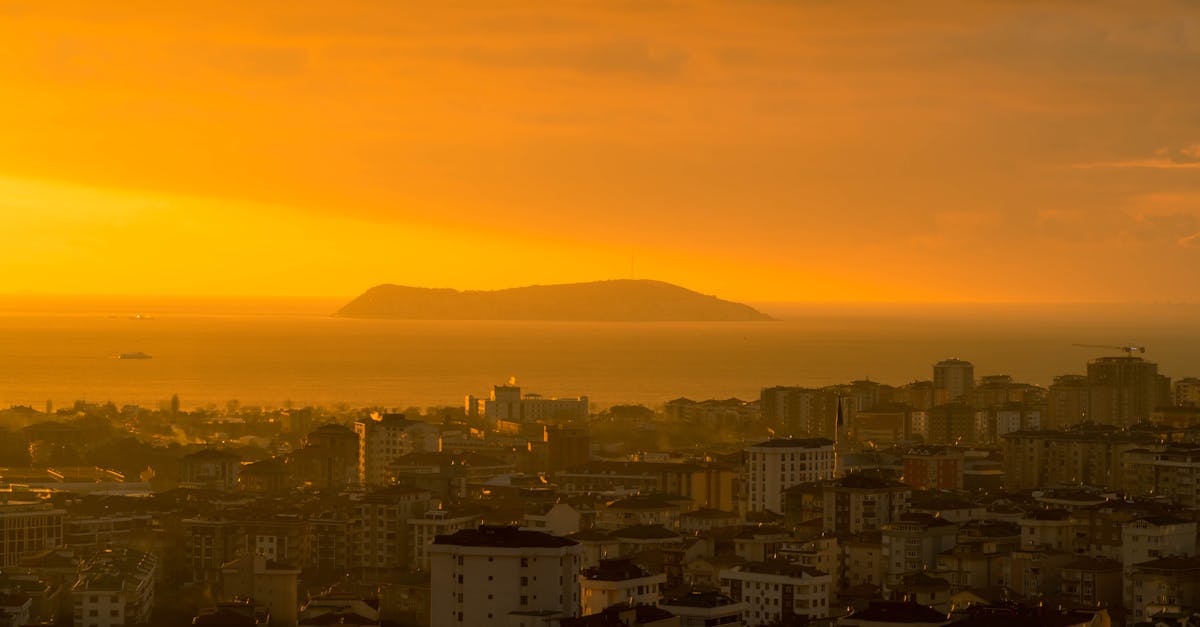
Five uninhabited islands in this archipelago have already been lost to rising seas and coastal erosion. Villages on other islands have been relocated inland to escape the washing away of homes. The saltwater contaminates the groundwater and destroys vegetable gardens. The islands act as a frontline for the impacts of global sea-level rise. Travelers can experience the rich Melanesian culture and stunning reefs that are under direct threat.
Marshall Islands
This nation of atolls faces the possibility of becoming uninhabitable due to regular flooding and lack of fresh water. Sea walls have been built to protect the capital but they are often overtopped by king tides. The government is a vocal leader in international climate negotiations demanding action from larger nations. The distinct culture and language of the Marshallese people are tied to islands that may not exist in the future. A visit supports the local economy and witnesses the resilience of the islanders.
Fiji

Villages in Fiji are being moved to higher ground as sea levels rise and cyclones become more intense. The coral reefs that attract divers are suffering from bleaching events caused by warm water. Coastal erosion eats away at the land and threatens infrastructure and tourism resorts. The Fijian people are actively adapting their way of life to cope with the changing environment. The tropical beauty of the islands masks the urgent struggle against the climate crisis.
Easter Island

Rising sea levels and higher waves erode the platforms that hold the famous moai statues. Conservationists worry that the statues could eventually topple into the ocean if the erosion continues. The island also faces a drier climate that increases the risk of wildfires damaging the archaeological sites. The isolation of the island makes it difficult to implement large-scale protective measures. Seeing the stone giants stands as a testament to a past civilization while facing a modern environmental threat.
Stone Town

The historic coastal trading town in Zanzibar faces erosion from the rising Indian Ocean. Saltwater eats away at the foundations of the ancient coral stone buildings. Stronger storms damage the intricate architecture that reflects a blend of cultures. Preservation efforts are underway to save the labyrinthine alleyways and historic structures. A walk through the town reveals the rich history that is slowly being compromised by the sea.
Saint-Louis

This historic city in Senegal located at the mouth of the Senegal River is losing land rapidly to the Atlantic Ocean. Neighborhoods have already been destroyed by storm surges and forced residents to relocate. A protective wall has been built but the ocean continues to threaten the UNESCO World Heritage site. The vibrant fishing culture is disrupted by the changing coastline and weather patterns. Visitors can explore the colonial architecture before the sea reclaims more of the city.
Outer Banks

This string of barrier islands in North Carolina shifts constantly due to storms and rising seas. Highway 12 which connects the islands frequently washes out and cuts off access for residents and tourists. Historic lighthouses have had to be moved inland to prevent them from falling into the ocean. Beachfront rental homes are periodically claimed by the surf during nor’easters. The islands offer a stark example of the transience of coastal land in a warming world.
Ho Chi Minh City

The largest city in Vietnam faces a triple threat from sinking land, rising seas, and heavy rainfall. Significant portions of the city could be underwater by 2050 according to climate models. The rapid urbanization exacerbates the flooding issues by covering natural drainage areas with concrete. Millions of people live in areas that are increasingly prone to inundation. The bustling energy of the streets contrasts with the looming environmental challenges.
Manila
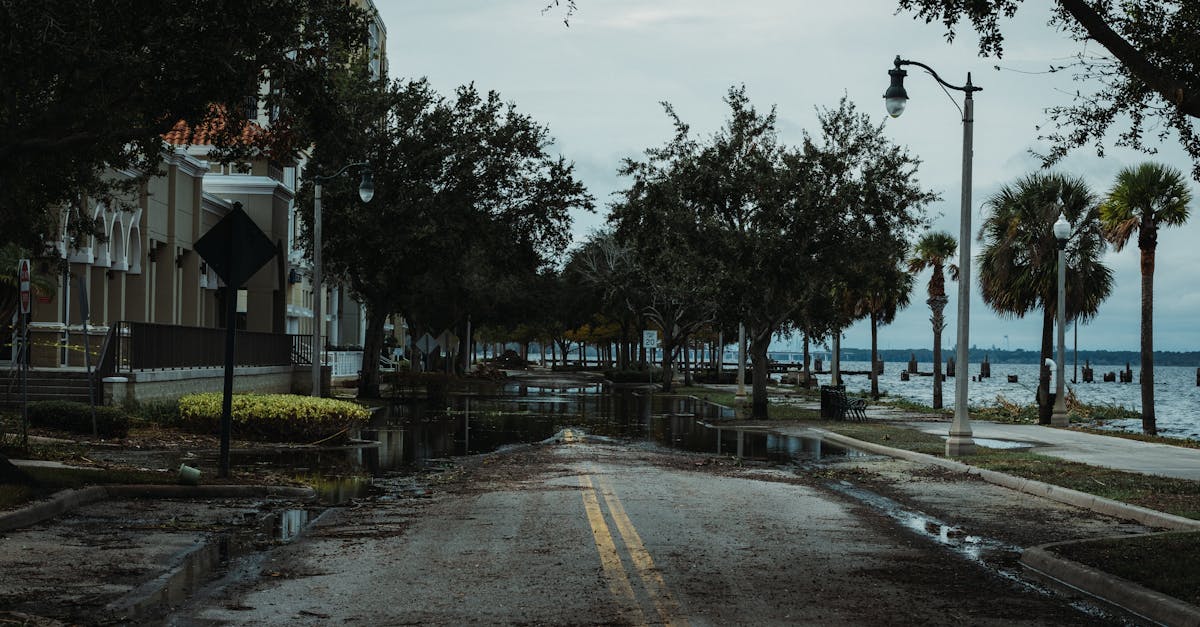
The capital of the Philippines experiences severe flooding exacerbated by rising sea levels and land subsidence. Groundwater extraction causes the ground to sink while typhoons bring extreme rainfall. Coastal communities live in constant preparation for the next major storm event. The historic walled city of Intramuros faces threats from water damage and poor drainage. Exploring Manila provides insight into a mega-city adapting to severe climate risks.
Totten Glacier

This massive glacier in East Antarctica holds enough ice to raise global sea levels by over ten feet. Warm ocean water is melting the glacier from below and causing it to become unstable. Scientists monitor this remote region closely as it is a critical tipping point for global sea levels. The destabilization of this glacier could reshape coastlines around the entire world. While difficult to visit, it represents one of the most significant climate threats on the planet.
Bering Land Bridge National Preserve
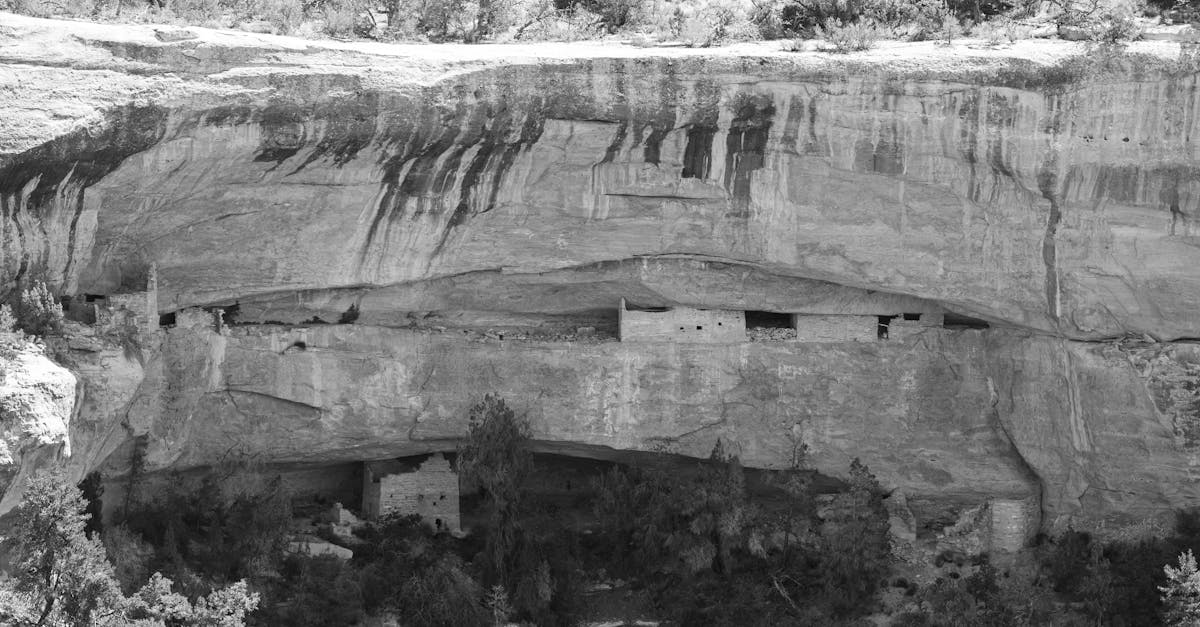
Coastal erosion and melting permafrost are destroying archaeological sites in this remote Alaskan preserve. The loss of sea ice allows waves to batter the shoreline with greater force. The tundra landscape is changing as shrubs expand northward due to warmer temperatures. Native communities rely on the land for subsistence and face disruptions to their traditional harvest cycles. The preserve protects a history of human migration that is being erased by nature.
Franz Josef Glacier
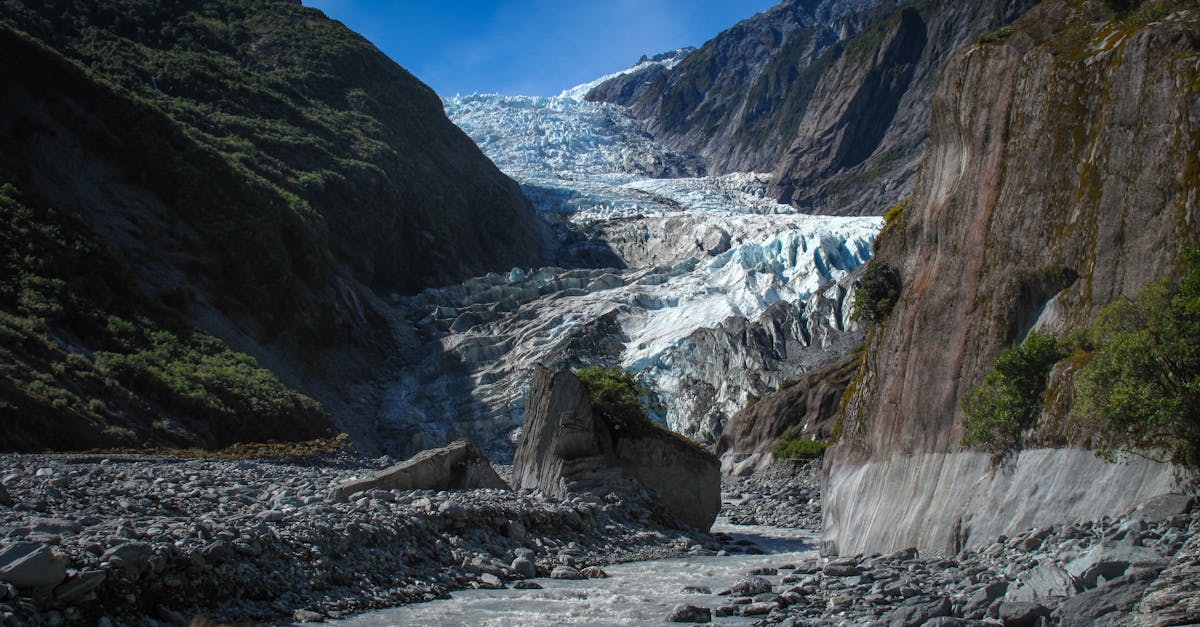
This New Zealand glacier has retreated rapidly up the valley making it harder for visitors to access the ice. Warmer temperatures and changing precipitation patterns drive the melting process. Guided heli-hikes are now often required to reach the stable ice further up the mountain. The valley floor left behind shows the scars of where the ice once stood. Travelers visit to see the dramatic interaction between the rainforest and the ice.
Camargue

The Rhone River delta in France faces threats from rising sea levels that bring salt water into the freshwater marshes. This salinization endangers the famous wild horses and flamingos that inhabit the region. The rice paddies and vineyards that define the local agriculture are also at risk. Seawalls and dikes provide some protection but the pressure from the Mediterranean is constant. A visit offers a chance to see the unique wildlife in a landscape that is slowly changing.
Wadden Sea

This intertidal zone stretching across the Netherlands, Germany, and Denmark is threatened by sea-level rise outpacing sediment deposition. The sandbanks and mudflats provide a vital stopover for millions of migratory birds. If the water rises too fast the tidal flats will be permanently submerged. Climate change also alters the food web that supports the seals and birds of the region. Nature lovers flock here to witness the massive bird migrations and the unique tidal landscape.
Congo Basin Rainforest

The second-largest rainforest in the world faces threats from reduced rainfall and higher temperatures. Drying conditions make the forest more susceptible to fires and reduce its ability to store carbon. The rich biodiversity including forest elephants and gorillas depends on the wet conditions. Logging and agricultural expansion compound the stress from climate change. Visiting this dense jungle highlights the importance of preserving these global lungs.
Monteverde Cloud Forest

Rising temperatures in Costa Rica cause the cloud cover to form at higher altitudes and dry out the forest below. The moisture-dependent orchids and amphibians struggle to survive in the drier conditions. Species from lower elevations move upslope and compete with the high-altitude native wildlife. The “clouds” that give the forest its name are becoming less frequent and altering the entire ecosystem. Walking through the mist offers a magical experience that is becoming rarer.
Yamal Peninsula

Permafrost in this Russian region is thawing and releasing methane and causing the ground to collapse. The indigenous reindeer herders face difficulties as the frozen ground turns to mud and disrupts migration routes. Mysterious craters have appeared in the tundra due to the explosive release of underground gas. The industrial development of the region further impacts the fragile arctic environment. It is a remote frontier where the physical ground is changing beneath the feet of its inhabitants.
Olympia

The site of the ancient Olympic Games in Greece faces increasing risks from intense heatwaves and wildfires. Dry conditions turn the surrounding pine forests into tinder that threatens the archaeological ruins. Fire suppression systems have been installed to protect the historic stadium and temples. The summers are becoming hotter and make it challenging for visitors and difficult for preservation. Walking the ancient track connects travelers to history while highlighting the modern threat of extreme heat.
Please share which of these endangered destinations you hope to visit in the comments.




