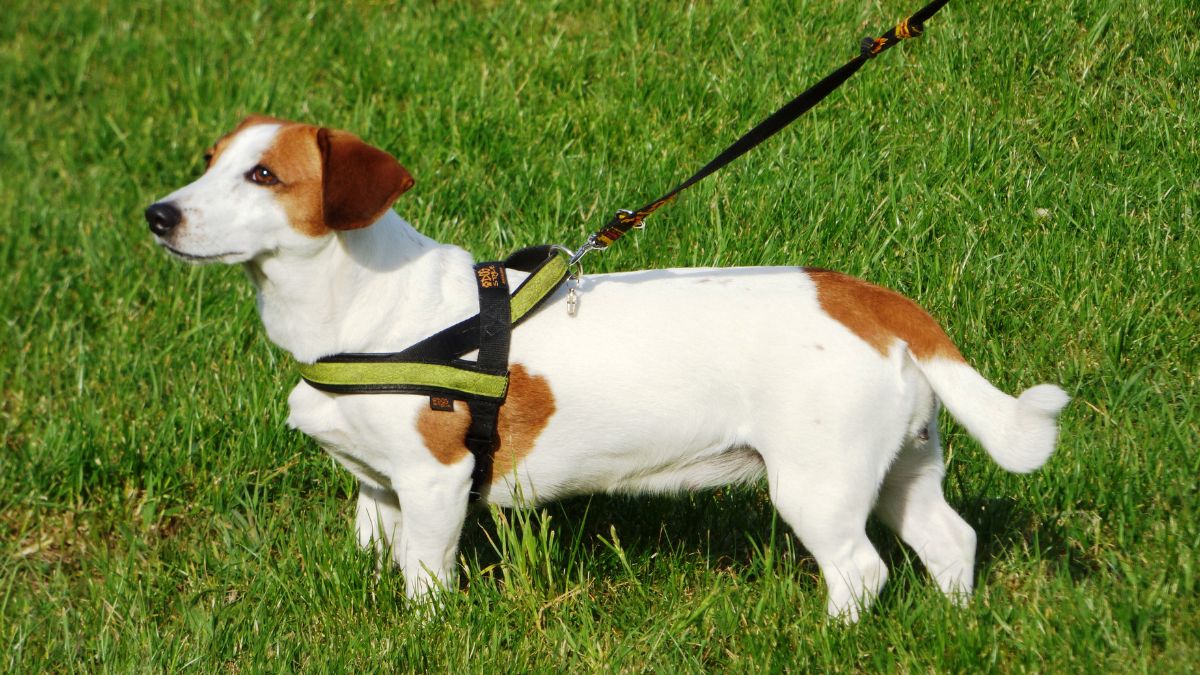
Most dog owners assume that clipping on a leash and heading out the door is all there is to it, but the reality is far more nuanced. Common handling habits that feel natural can quietly undermine your dog’s behavior, physical health, and overall wellbeing over time. Understanding where things tend to go wrong is the first step toward building a walking routine that works for both you and your dog. From gear choices to body language, small adjustments can produce remarkable results in how your dog responds on the lead.
Retractable Leashes
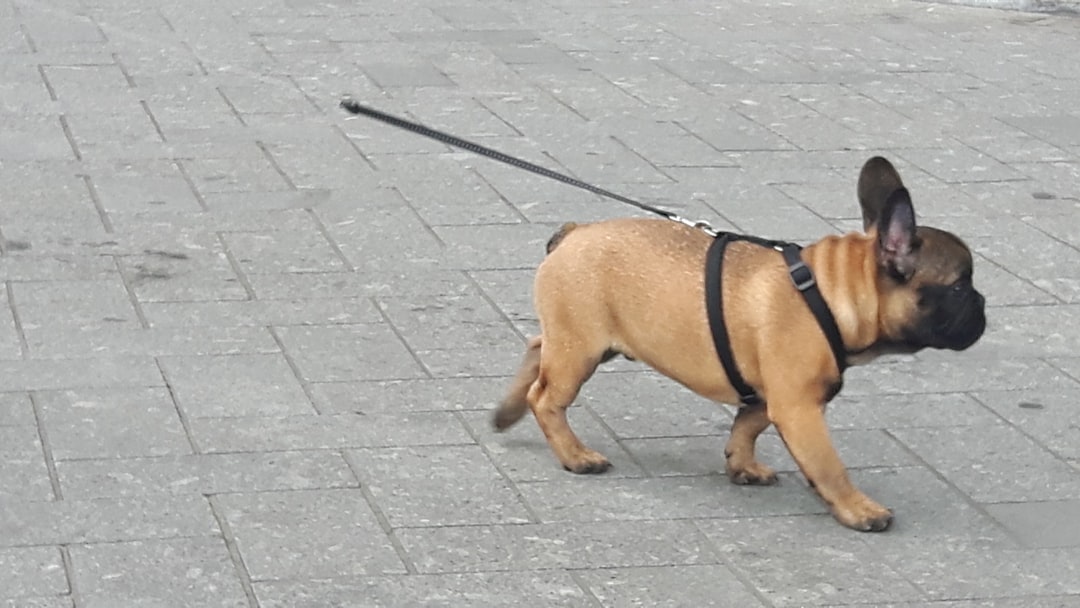
Retractable leashes give dogs an inconsistent sense of how much freedom they are allowed, which creates confusion about boundaries during walks. The thin cord mechanism offers very little control in unpredictable situations such as encounters with traffic or other animals. Many veterinarians and trainers link these products to rope burns, sudden jerking injuries, and tangled limbs in both dogs and owners. A standard flat leash of around six feet gives your dog enough room to explore while keeping you genuinely in control of the situation.
Leash Length
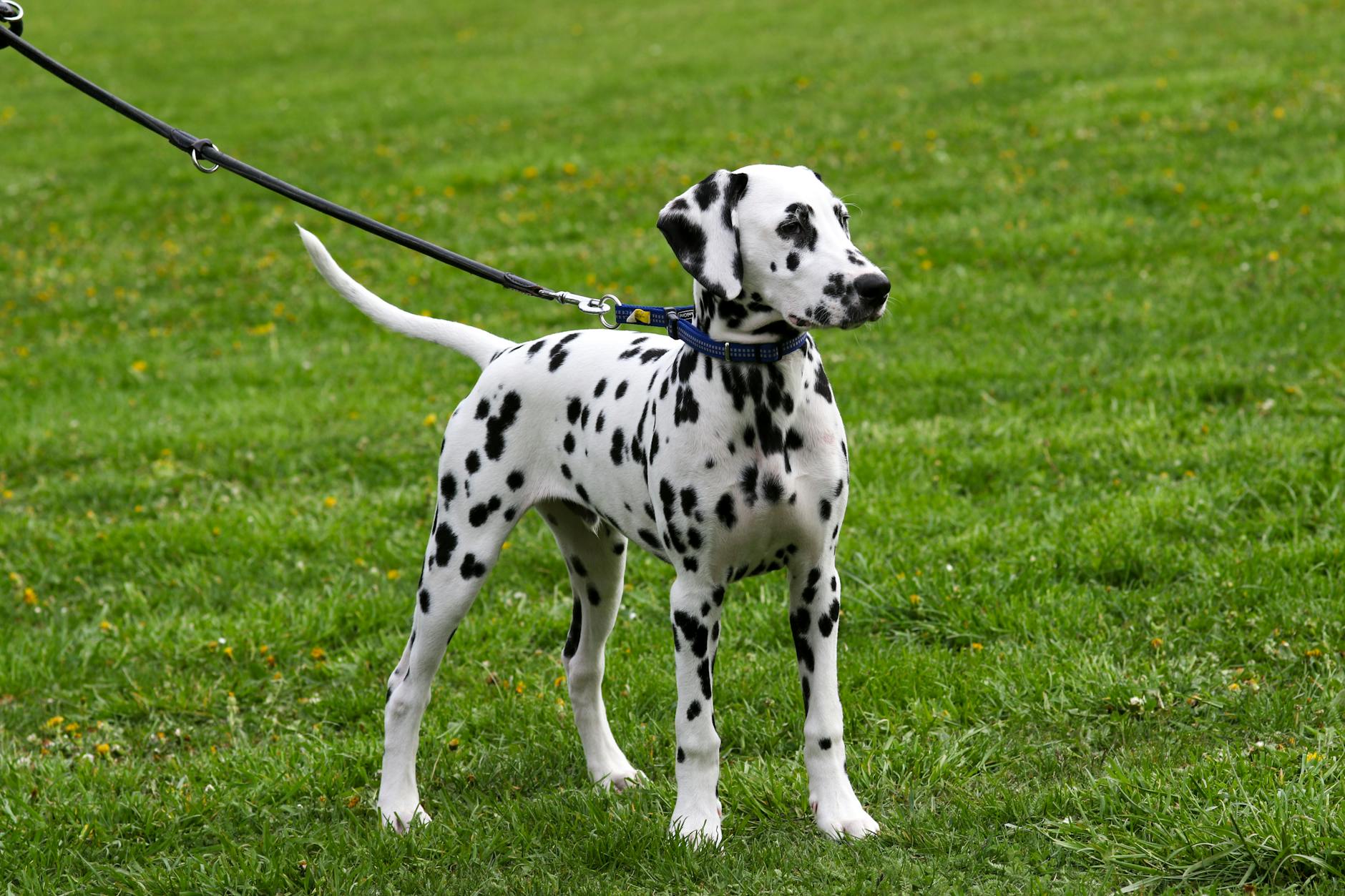
Walking with a leash that is either too long or too short fundamentally changes the dynamic between owner and dog. A leash that drags along the ground encourages pulling and gives the dog the impression that it is setting the pace of the walk. One that is kept extremely tight and close to your body can cause your dog to feel restricted and anxious throughout the outing. Finding the right length and maintaining a gentle J-shaped slack in the lead is the standard recommendation among professional trainers for comfortable and effective walks.
Collar Placement
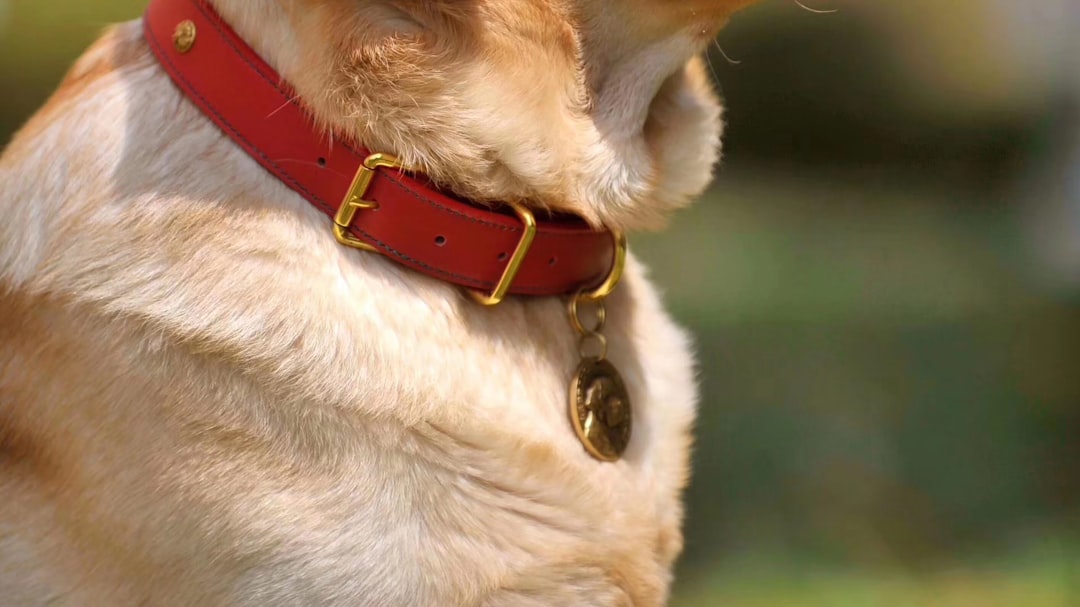
A collar that sits too low on the neck rests directly against the trachea and can cause coughing, gagging, or long-term respiratory stress during regular walks. The correct position for a flat collar is high on the neck just behind the ears where the structure is far more stable. Dogs that pull frequently are especially vulnerable to throat and thyroid damage when collars are improperly fitted or positioned. Many trainers recommend switching to a well-fitted harness for dogs that have not yet learned to walk calmly beside their owner.
Pulling Habits
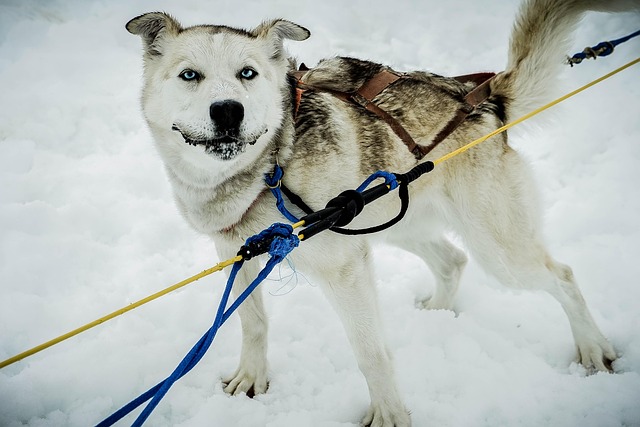
Allowing your dog to pull consistently teaches it that tension on the leash is normal and acceptable, which reinforces the behavior over time. Dogs that are rewarded with forward movement every time they lunge ahead quickly learn that pulling is an effective strategy for getting where they want to go. Stopping completely whenever the leash goes tight is one of the most widely used and evidence-backed methods for discouraging this pattern. Consistency across every single walk is essential because even occasional allowances can reset weeks of progress.
Phone Distraction
Walking a dog while focused on a screen significantly reduces your awareness of the environment around both of you. Potential hazards such as broken glass, aggressive animals, or approaching cyclists require your full attention to manage safely and promptly. Dogs also pick up on their owner’s distraction and are more likely to lunge, sniff excessively, or behave erratically when they sense a lack of leadership. Keeping your phone pocketed during the walk also strengthens the bond between you and your dog by making the outing a shared and attentive experience.
Walk Timing
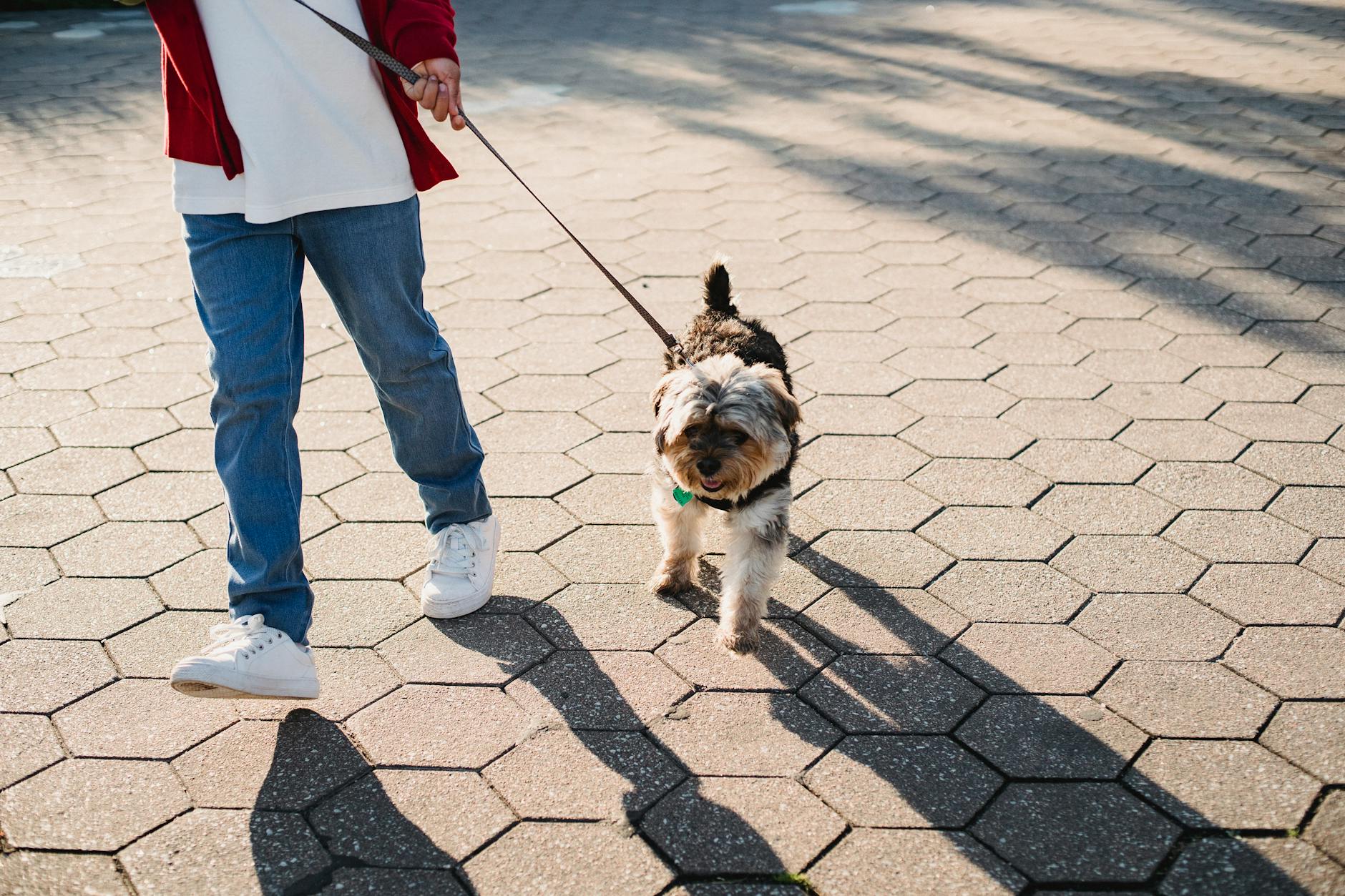
Walking your dog at the same time every day helps regulate its digestive system and reduces anxiety caused by unpredictability. Irregular schedules can lead to accidents indoors, restlessness, and even stress-related behaviors such as excessive barking or destructive chewing. Dogs thrive on routine and quickly learn to anticipate and prepare for walks when the timing is consistent. Establishing morning and evening walks as fixed anchors in the day is one of the most practical things an owner can do for a dog’s overall behavioral health.
Flexi Leads
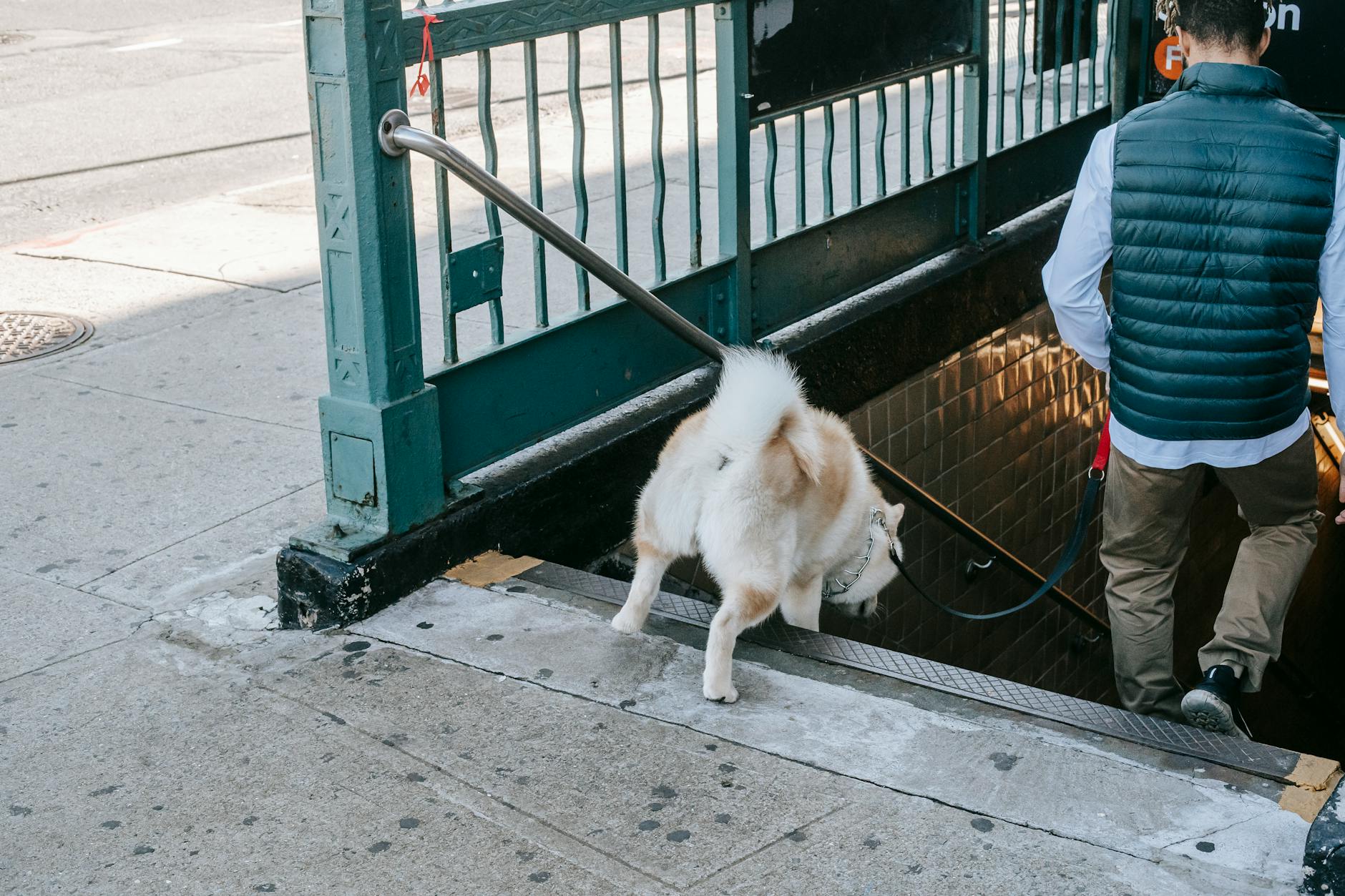
Flexi leads allow dogs to roam unpredictably in public spaces, which creates hazards for other pedestrians, cyclists, and animals nearby. The locking mechanism is often slow to engage, meaning a dog can reach a dangerous situation before the owner has time to react. Research into dog-related injuries has consistently flagged retractable and flexi-style leads as a contributing factor in accidents involving multiple parties. Standard leashes with a fixed length offer a much higher degree of situational awareness and physical control for owners of all experience levels.
Harness Fit
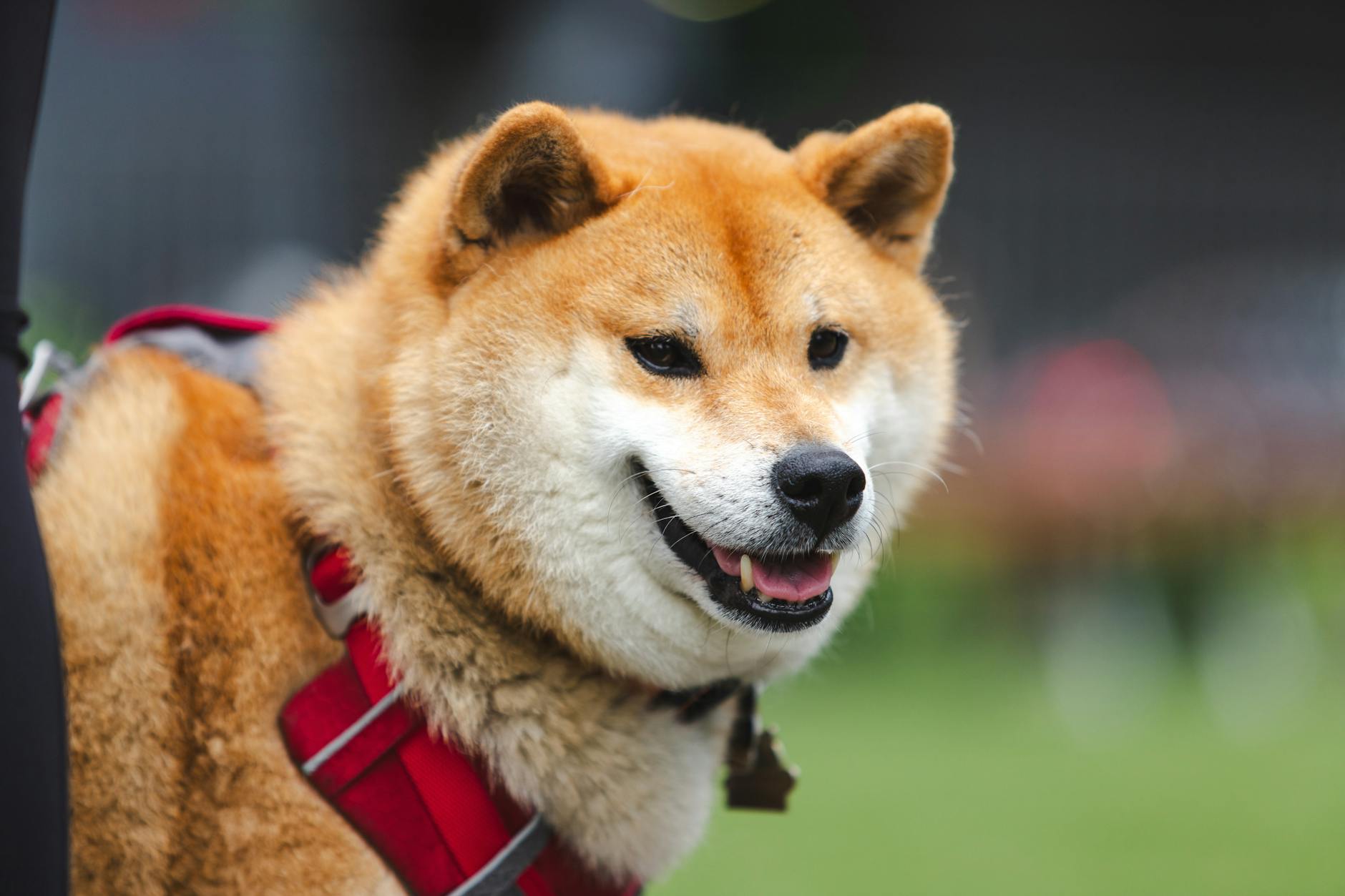
A harness that is too loose can slip or rotate during walks and create pressure on the wrong areas of a dog’s chest or shoulders. One that is too tight restricts natural shoulder movement and can lead to an altered gait or discomfort over prolonged periods of use. The standard fitting guide used by most manufacturers recommends being able to slide two fingers comfortably under every strap. Checking harness fit regularly is particularly important for puppies and young dogs whose body proportions change rapidly during growth phases.
Reactive Greetings
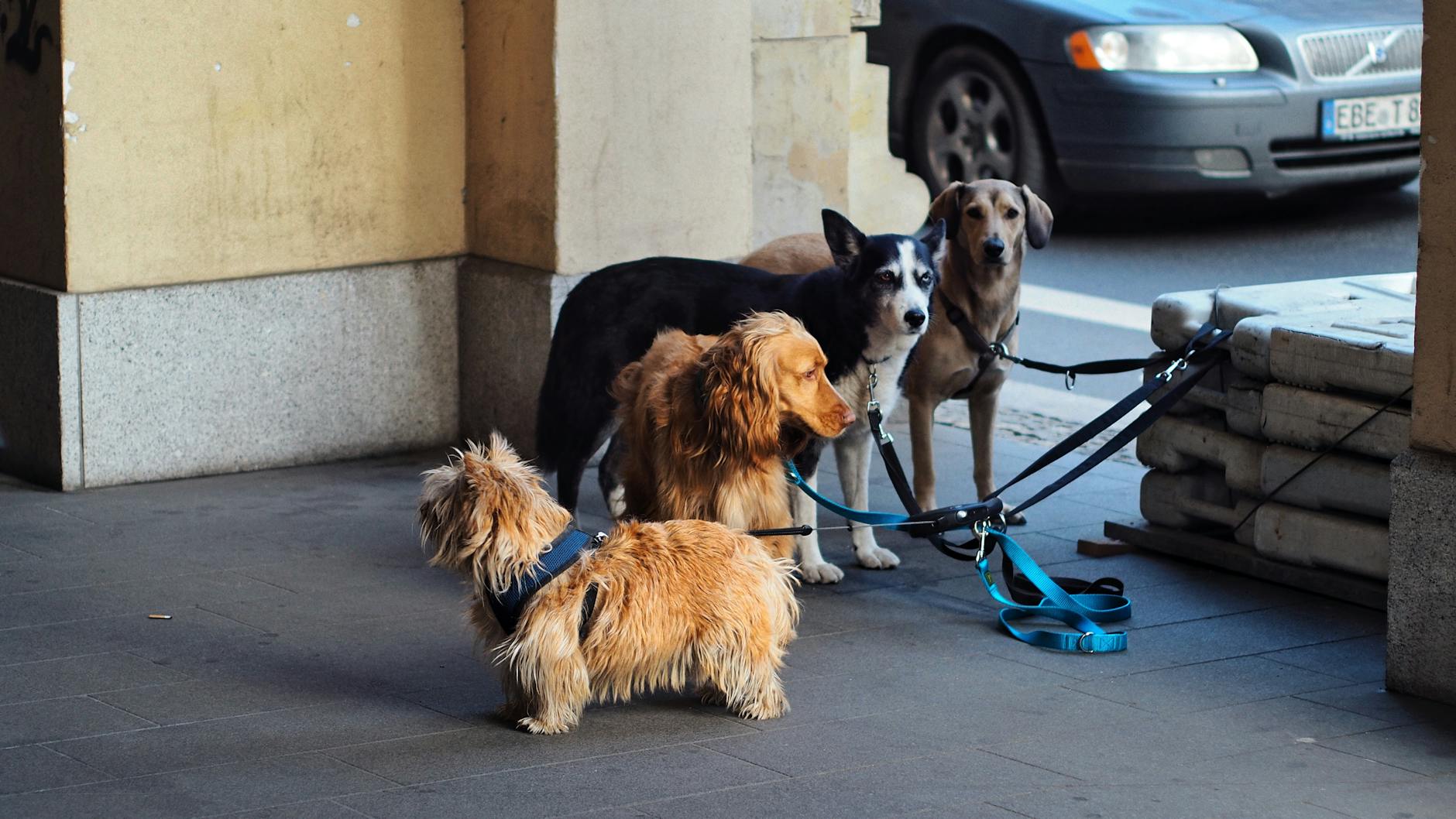
Allowing your dog to rush up to every person or animal it encounters reinforces a state of high arousal that makes leash walking progressively more difficult. Dogs that are permitted to greet on demand develop the expectation that lunging forward is the correct way to initiate contact with the world around them. Teaching your dog to sit and wait calmly before any greeting takes place establishes a much healthier social framework for public interactions. Controlled and calm greetings produce more stable and confident dogs in the long run regardless of breed or age.
Inconsistent Commands
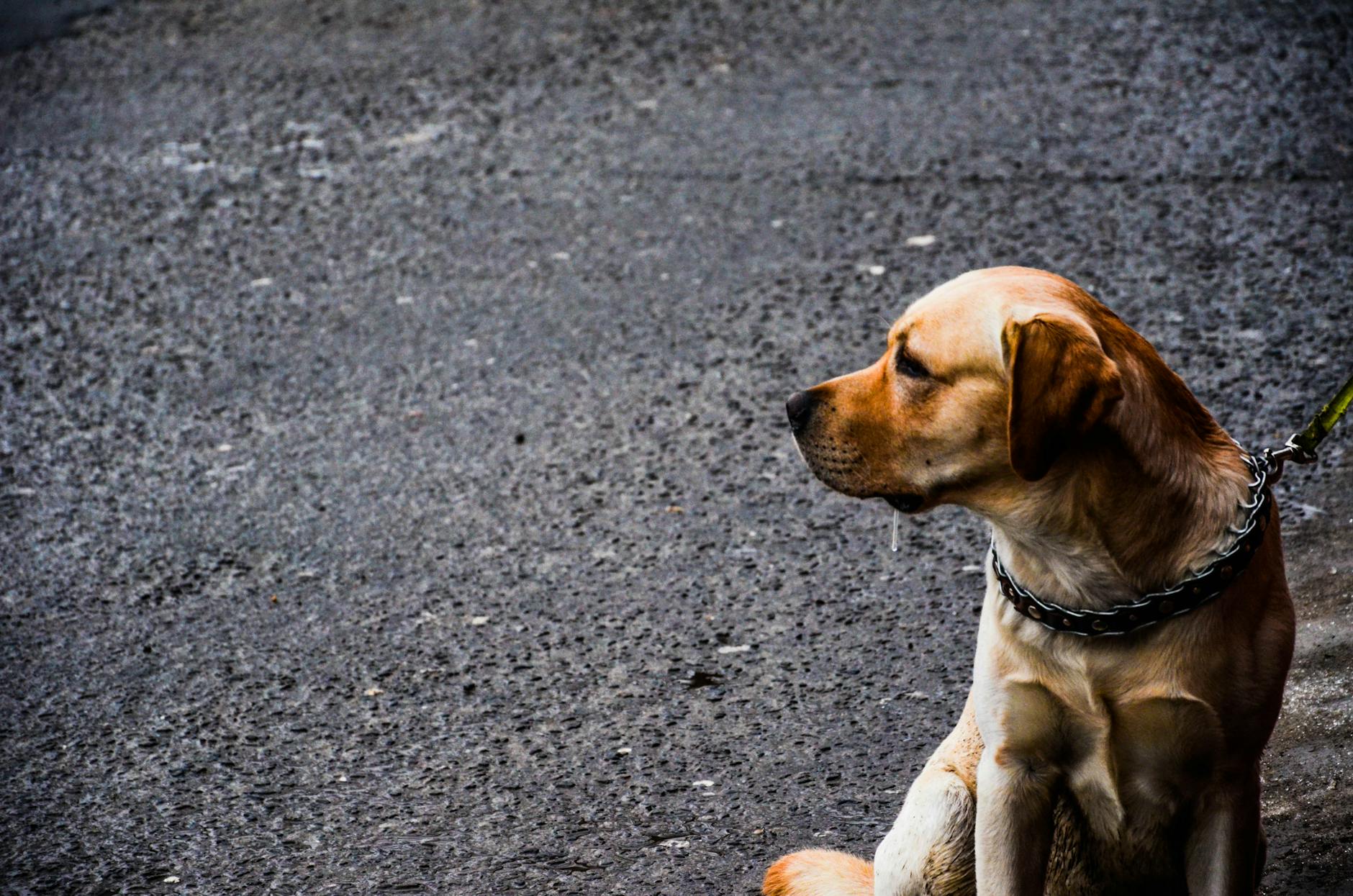
Using different words or signals for the same instruction on different days creates genuine confusion for a dog trying to learn leash manners. If one family member says “heel” while another uses “walk nice” and a third uses a hand signal alone, the dog receives no clear pattern to follow. Dogs learn through repetition and association, and inconsistency significantly extends the time it takes to establish reliable behaviors on the leash. Agreeing on a single set of verbal cues and gestures across everyone in the household is a foundational step in effective leash training.
Wrong Footwear
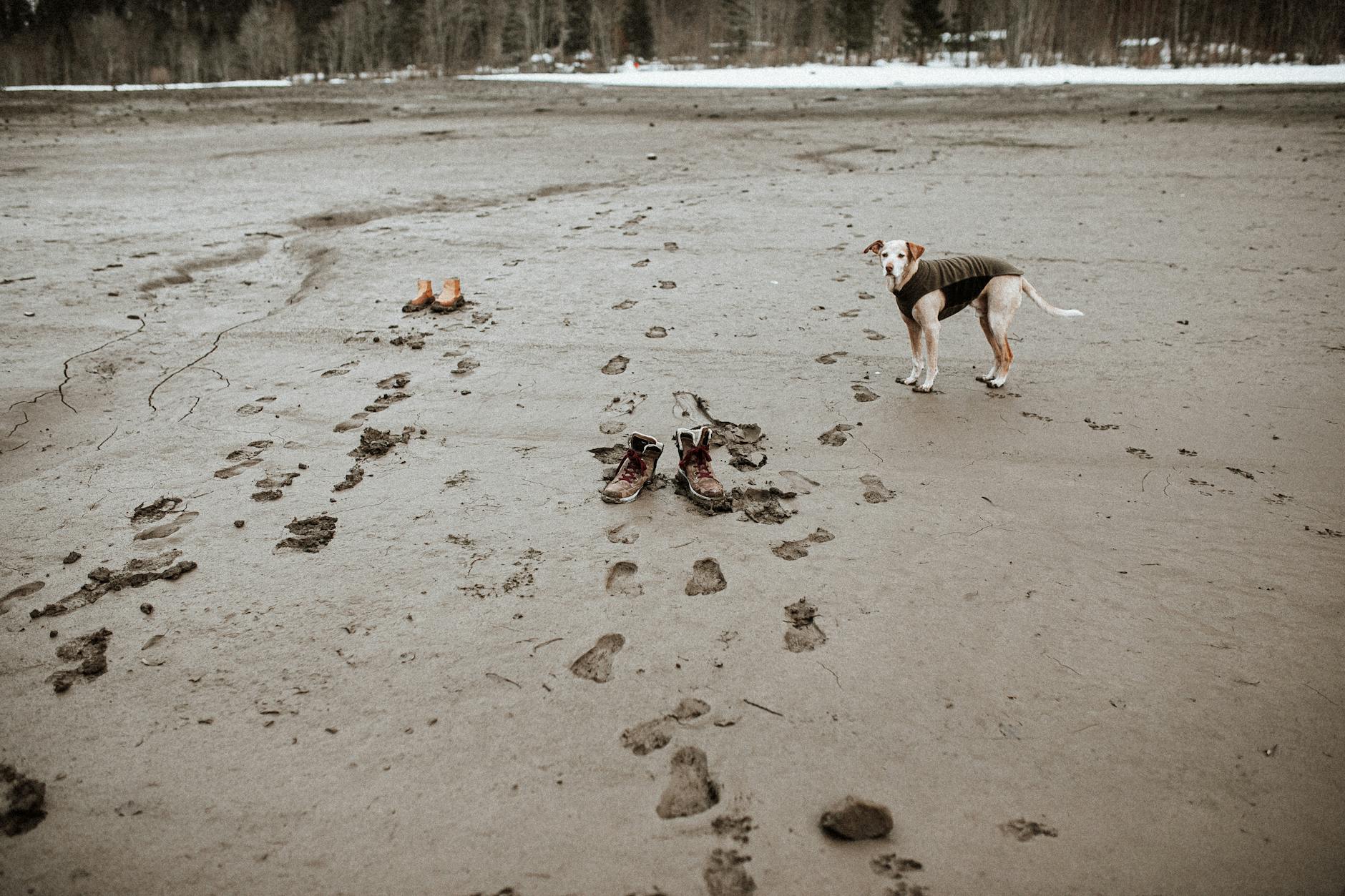
Wearing unsupportive or slippery footwear during dog walks affects your ability to react quickly and maintain stable footing in unexpected situations. A sudden lunge from a strong dog can knock an owner off balance far more easily when they are wearing sandals or worn-out soles. Proper walking shoes also reduce fatigue and discomfort during longer outings, making it easier to maintain consistent pace and posture throughout the walk. Owners who walk comfortably are generally more attentive and in better physical control of their dog across a variety of terrain types.
Fleeing Posture
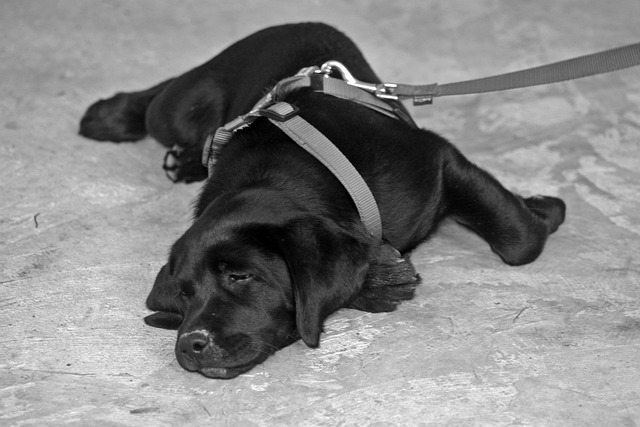
Turning and running away from a frightening stimulus while holding the leash can trigger a strong prey drive in your dog and escalate an already tense situation. Dogs read human body language constantly, and a panicked or retreating owner communicates that there is a genuine threat worth reacting to. Remaining calm and using a steady and deliberate movement away from a stressor gives your dog a far clearer signal about how to respond. Training yourself to control your own physical reactions is as important as training your dog when it comes to leash safety.
Skipping Warm-Up
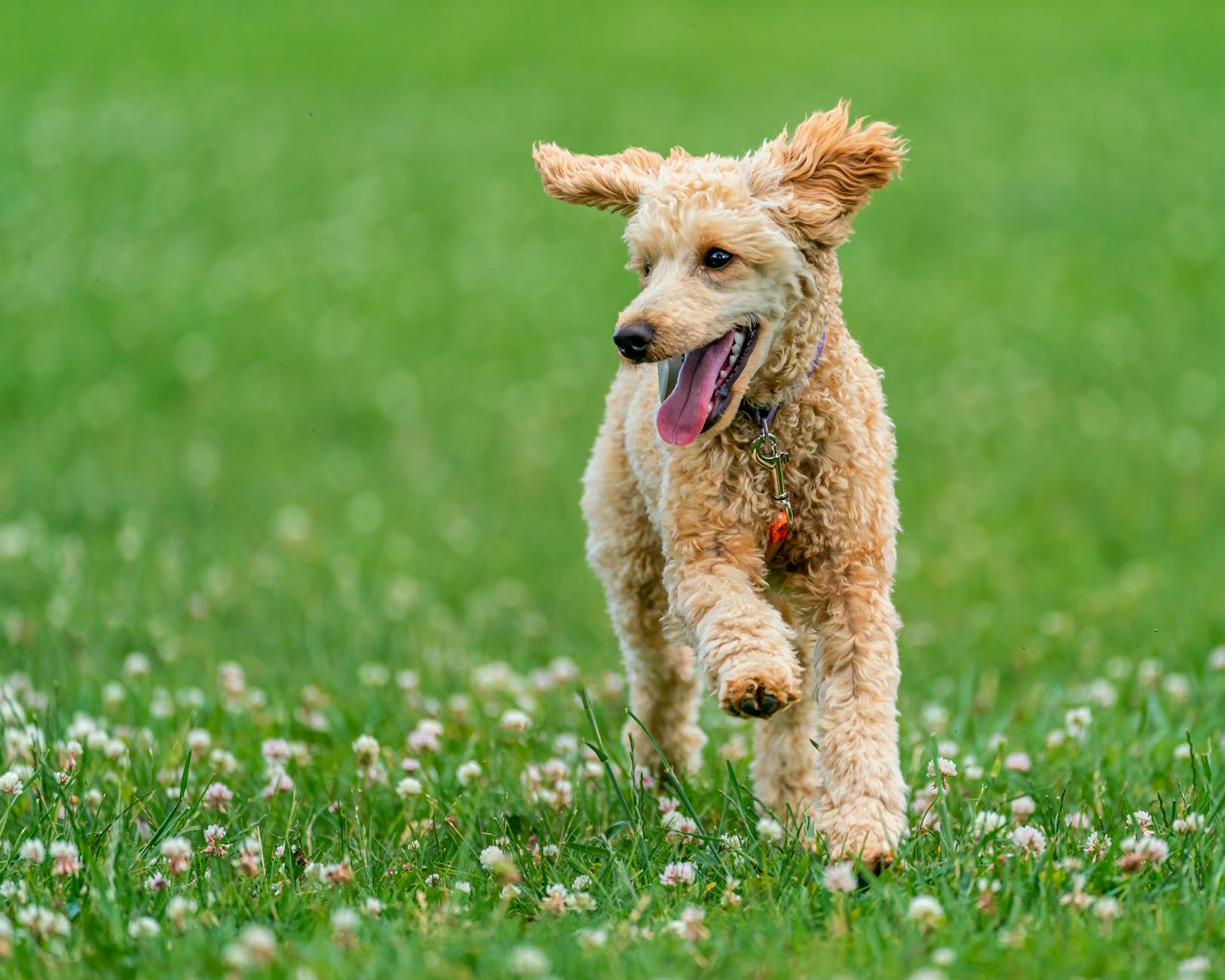
Taking a dog from a resting state directly into a fast-paced or long walk without a slow introductory period can strain joints and muscles, particularly in older dogs. A few minutes of slow and relaxed walking at the start of an outing allows the dog’s cardiovascular system and muscles to engage gradually. Breeds prone to joint conditions benefit significantly from a gentle start before reaching a more active pace. Treating the first five minutes of every walk as a warm-up phase is a simple habit that supports long-term mobility and comfort in dogs of all ages.
Tight Grip
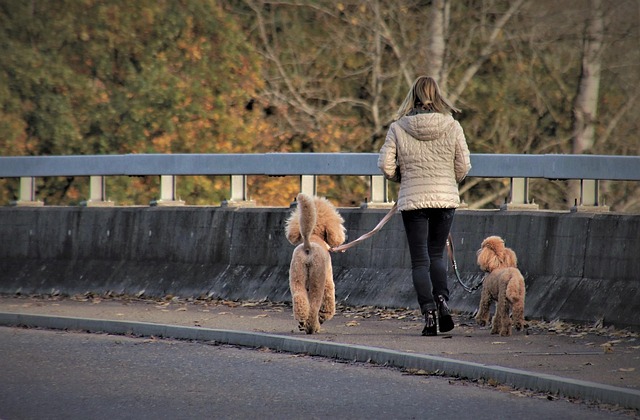
Holding the leash with a rigid and tense grip transmits that tension directly down the lead and into the dog’s collar or harness. Dogs are highly sensitive to physical cues from the leash and will often mirror the tension they feel by becoming more reactive or alert themselves. A relaxed hand with a soft but secure hold is the recommended technique for communicating calm authority during a walk. Learning to distinguish between attentive readiness and anxious gripping is a skill that develops with practice and has a measurable impact on a dog’s behavior over time.
Skipping Training
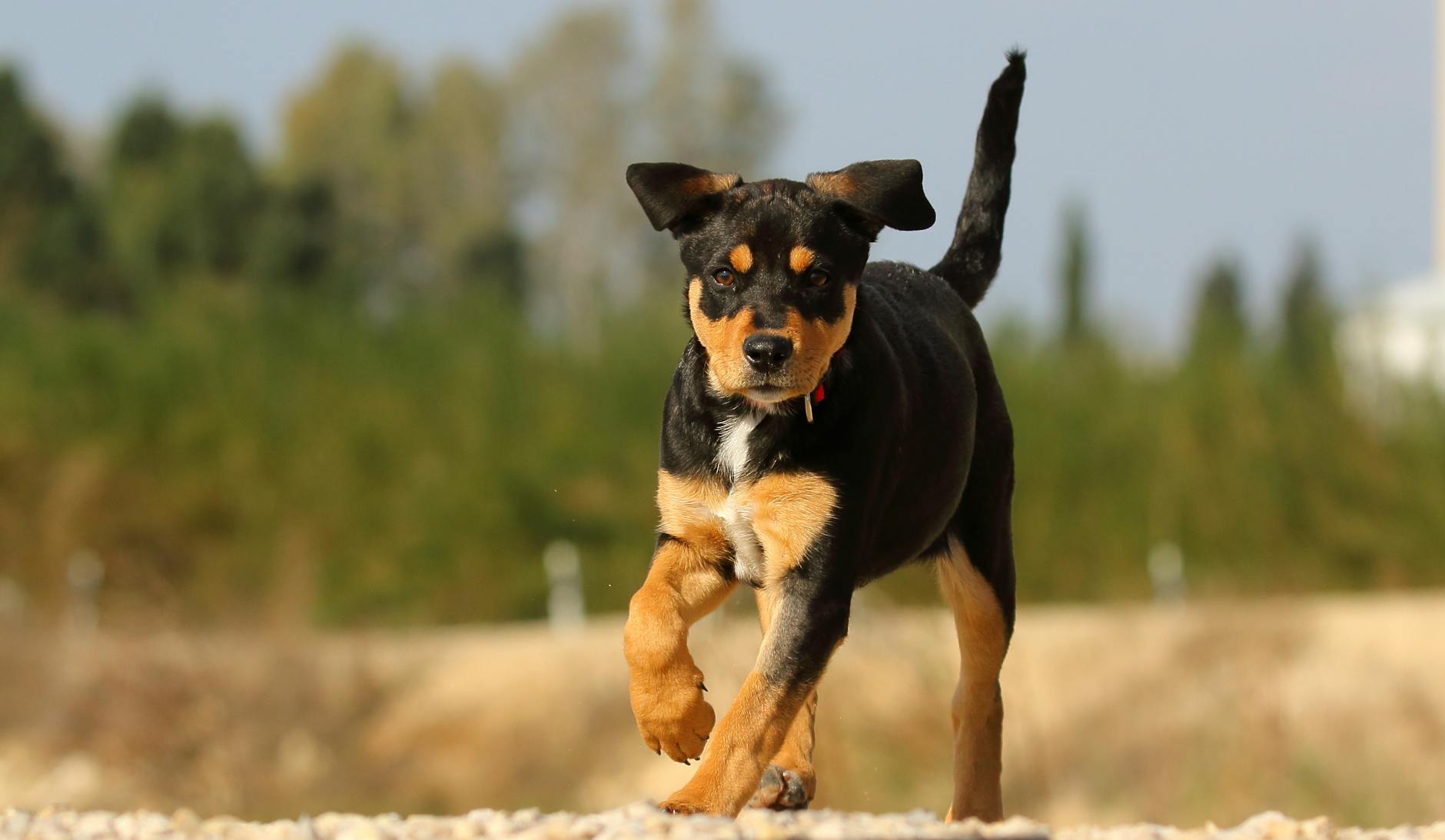
Many owners treat the daily walk purely as an exercise opportunity rather than as an ongoing training session layered into routine life. Failing to reinforce good leash manners consistently means that progress made during formal training sessions can erode quickly in real-world environments. Simple practices such as rewarding a loose leash, asking for a sit at a curb, or redirecting attention away from distractions keep skills sharp without requiring dedicated training time. Dogs that receive regular reinforcement during everyday walks maintain better manners and respond more reliably in high-distraction environments.
Uneven Surfaces

Consistently walking only on flat paved surfaces does little to prepare a dog for the sensory and physical variety it may encounter in new environments. Dogs that are never exposed to gravel, grass, wet pavement, or uneven ground can develop hesitancy or anxiety when these surfaces appear unexpectedly. Gradually introducing varied terrain as part of a regular walking rotation builds physical confidence and broader environmental adaptability in dogs. A well-rounded walking routine that includes different surfaces also provides richer sensory stimulation, which contributes positively to a dog’s mental engagement during outings.
Nighttime Visibility
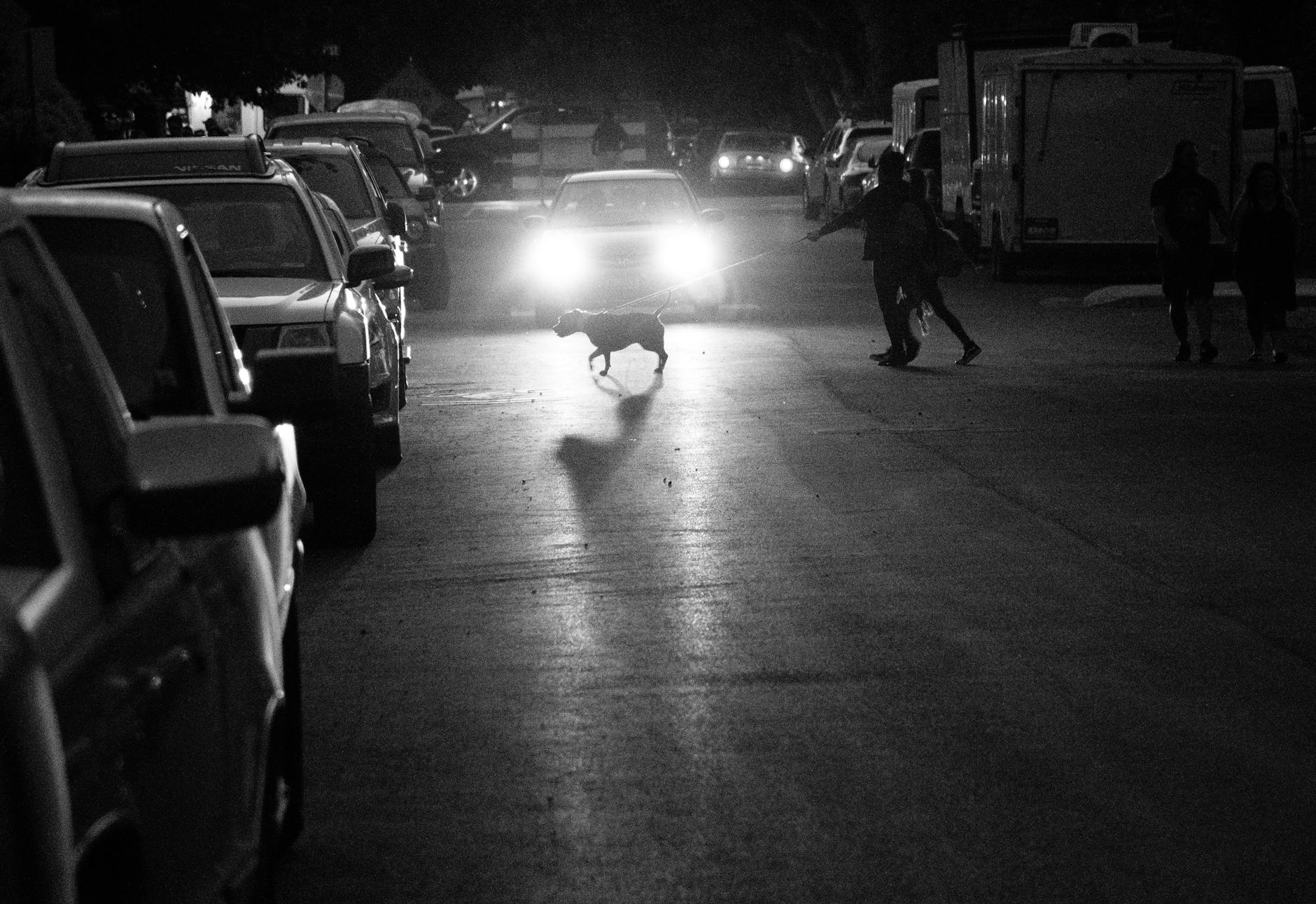
Walking a dog in low-light conditions without any reflective or illuminated gear significantly increases the risk of accidents involving vehicles and cyclists. Many drivers report difficulty seeing pedestrians with dogs at night, particularly when neither the person nor the animal is wearing any visible markers. Reflective leashes, LED collar attachments, and hi-vis vests are widely available and represent a straightforward solution to a genuinely serious safety risk. Making visibility gear a non-negotiable part of evening and early morning walks is a responsible habit that protects both owner and dog.
Sniff Interruption
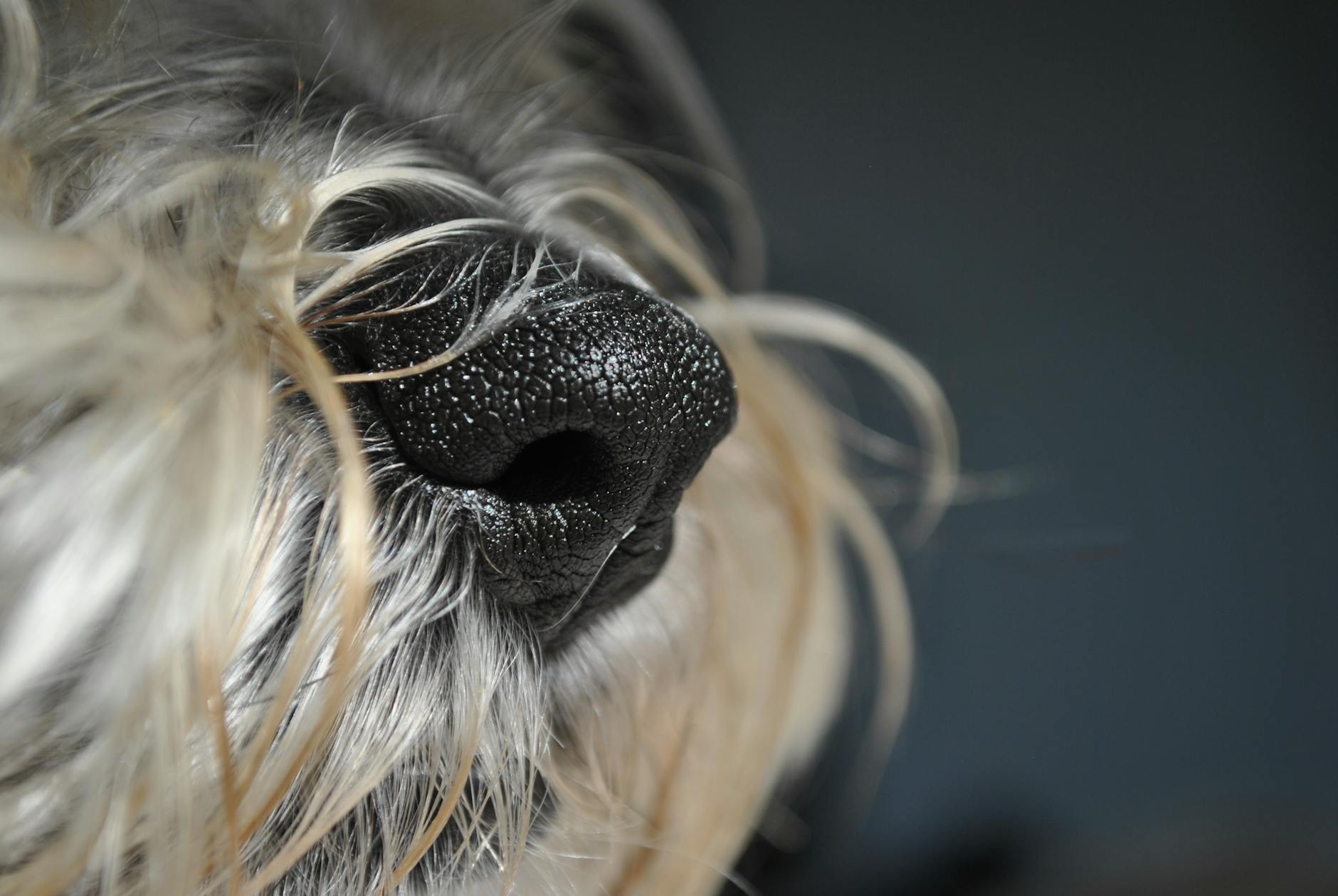
Constantly pulling your dog away from every sniff it attempts during a walk deprives it of one of its most important forms of mental stimulation. Dogs process the world primarily through scent and use sniffing as a way to gather information, self-regulate, and decompress after stressful experiences. Research in canine behavior has consistently shown that dogs who are allowed to sniff freely during walks display lower cortisol levels and greater overall calm. Building designated sniff time into every walk, even for a few minutes, produces a noticeably more satisfied and relaxed dog by the end of the outing.
Heat Pavement
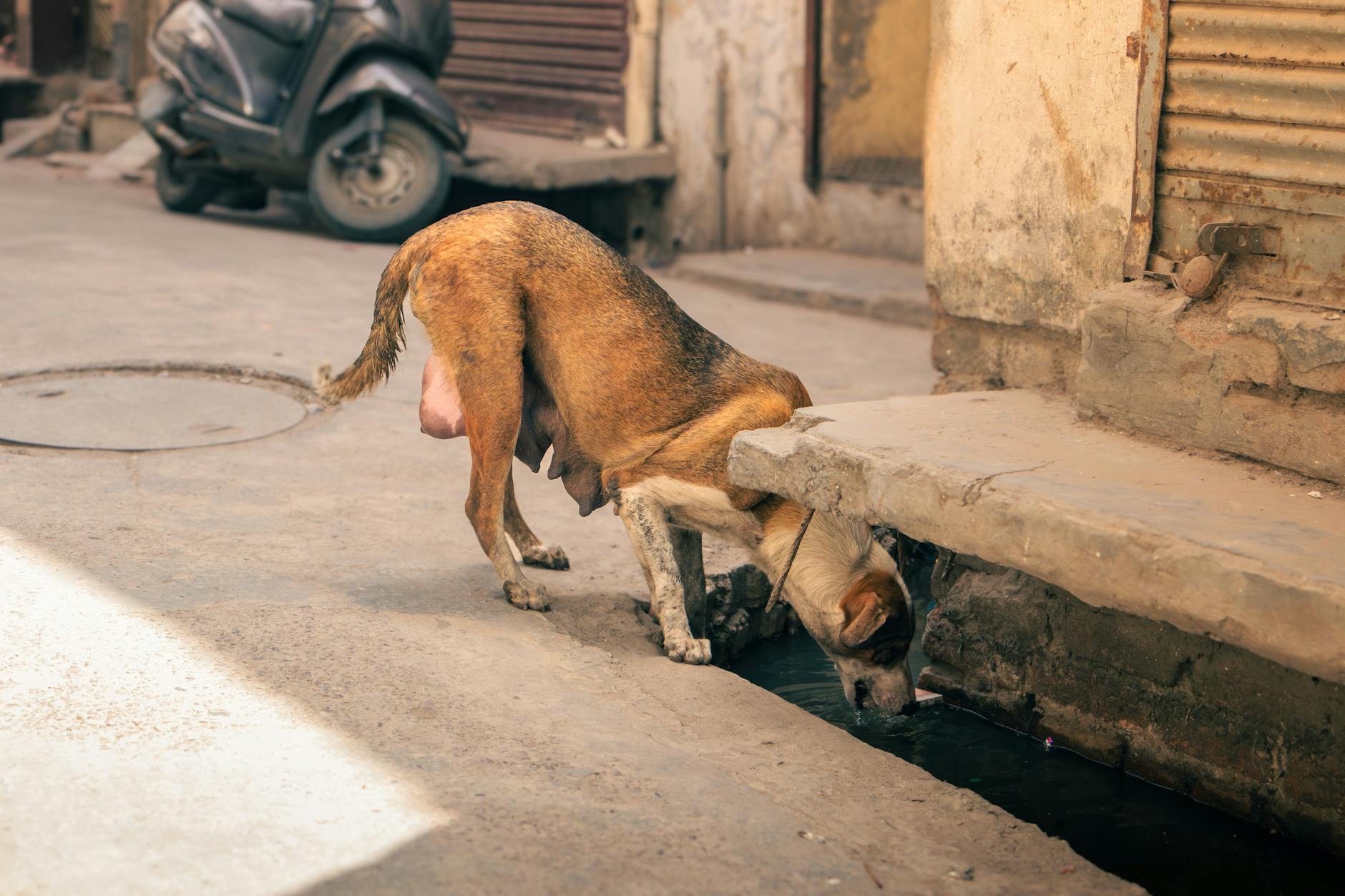
Walking a dog on asphalt or concrete during peak afternoon heat exposes its paw pads to surface temperatures that can be dramatically higher than the ambient air temperature. Pavement that registers well above 50 degrees Celsius can cause blistering and burns within a matter of seconds on a dog’s unprotected paws. The simple back-of-hand test, holding your hand flat on the pavement for seven seconds, is a widely recommended way to assess whether the surface is safe before proceeding. Scheduling walks for early morning or after sunset during warmer months is the most reliable way to avoid heat-related paw injuries entirely.
Leash Popping
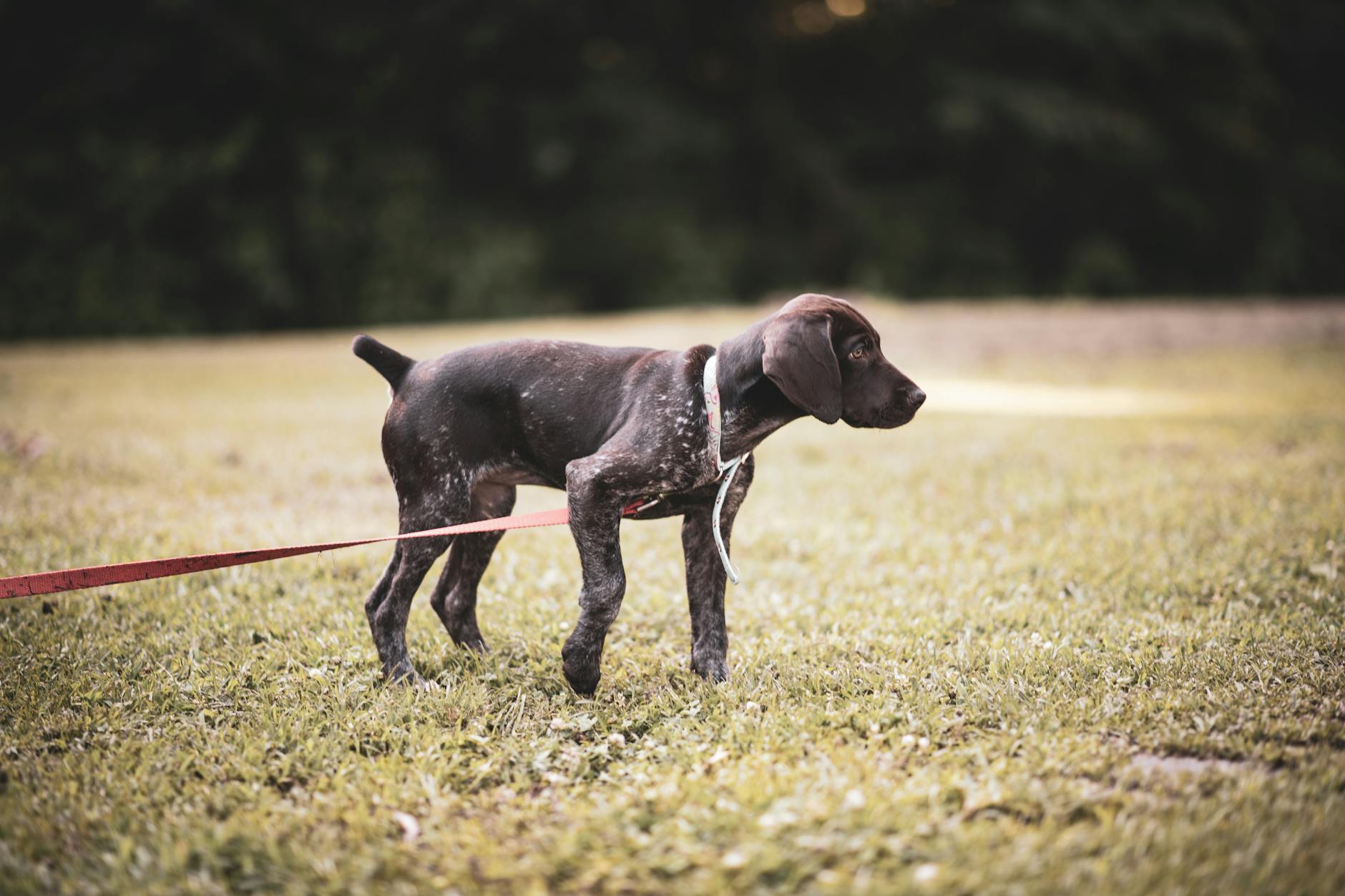
Jerking or popping the leash as a correction technique is an outdated practice that can cause physical discomfort and damage trust between a dog and its owner. The sudden sharp movement can place significant strain on the cervical spine and surrounding tissues, particularly when applied repeatedly over time. Modern training approaches based on behavioral science have consistently demonstrated that positive reinforcement techniques produce faster and more durable results than leash corrections. Redirecting unwanted behavior through rewards and attention management is both more effective and far less stressful for the dog.
Solo Walking
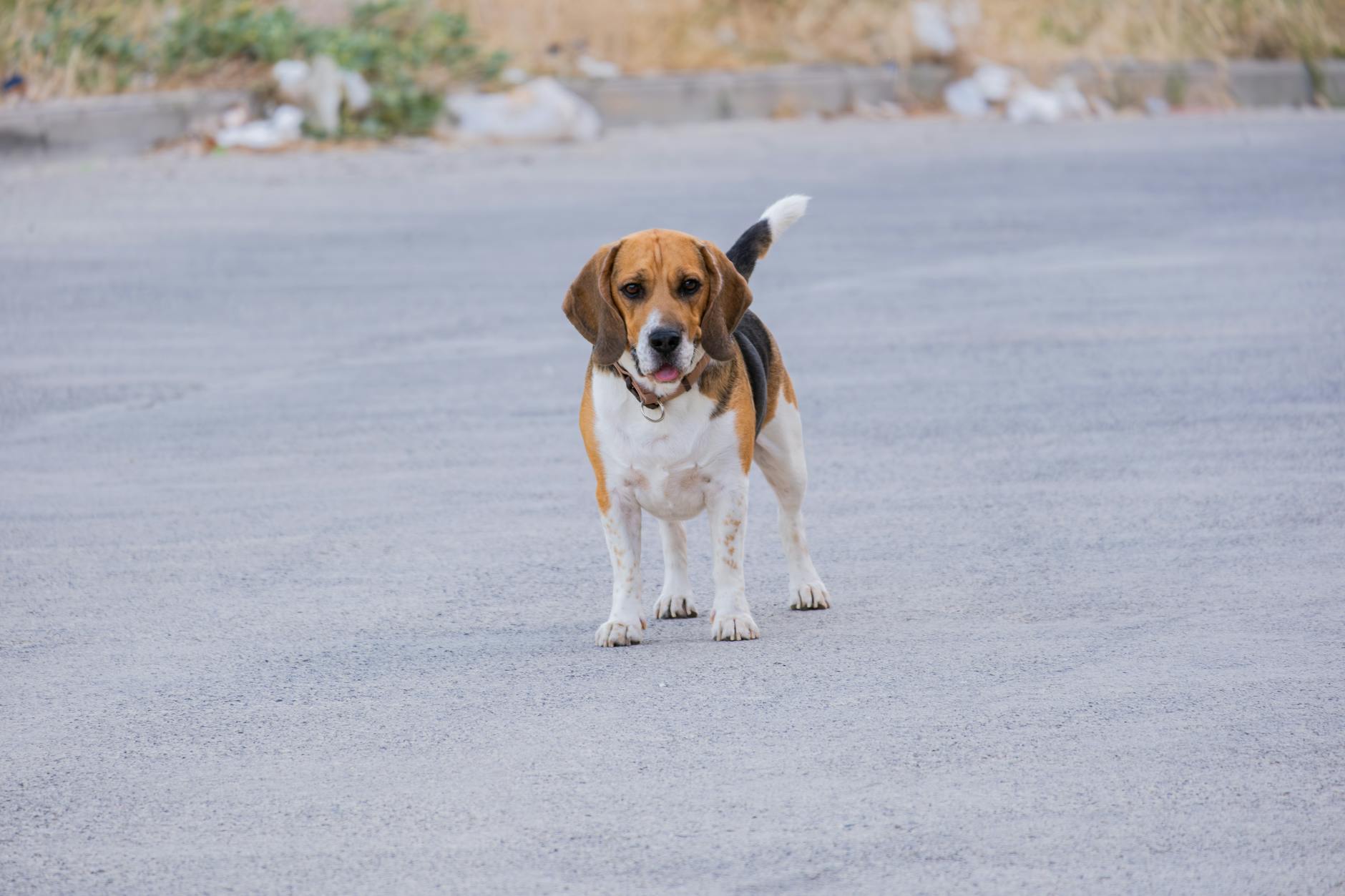
Sending a dog out for a walk with someone who is unfamiliar with its behavioral triggers or specific leash training can quickly undo established routines. Dogs are remarkably attuned to the confidence and communication style of the person holding the leash and will behave differently with different handlers. Briefing any secondary walker on the cues, rules, and boundaries the dog is trained to recognize ensures that the experience remains consistent and constructive. Consistency across all handlers is one of the most underestimated factors in maintaining reliable leash behavior over the long term.
Overlong Walks
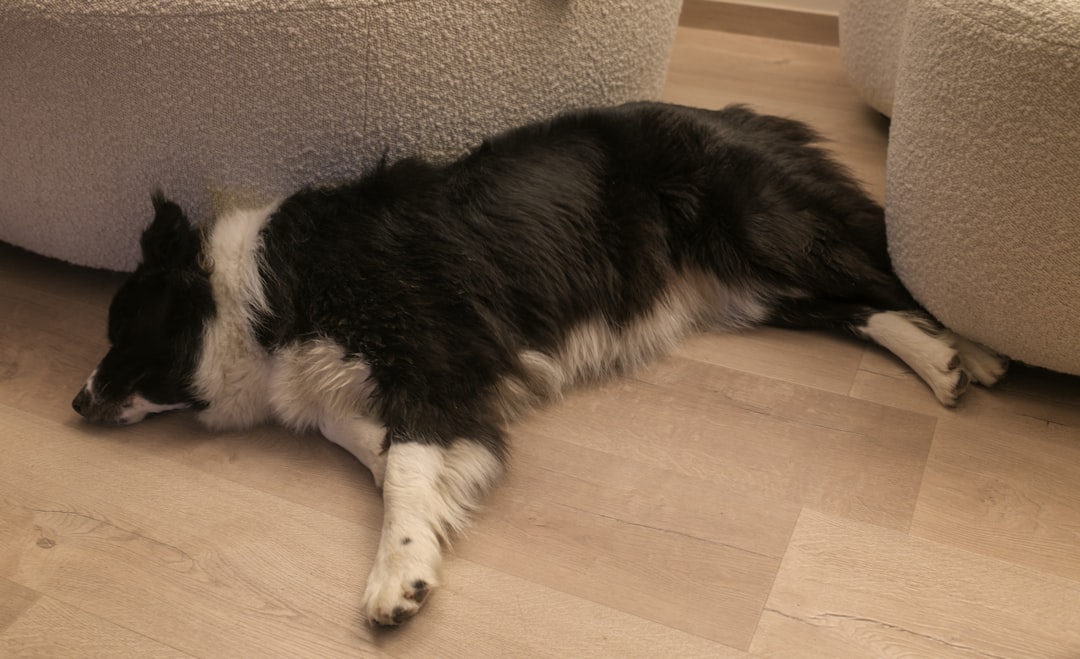
Assuming that more walking is always better can lead to physical exhaustion, joint strain, and behavioral flatness in dogs that are pushed beyond their comfortable exercise threshold. Walk duration and intensity should be calibrated to a dog’s age, breed, fitness level, and health status rather than based on a generic daily target. Senior dogs, brachycephalic breeds, and dogs recovering from injury all have specific limitations that must be respected to avoid setbacks. Paying attention to signs of fatigue such as lagging behind, excessive panting, or reluctance to continue is a reliable way to gauge when a walk has gone on too long.
Pulling Toward Dogs
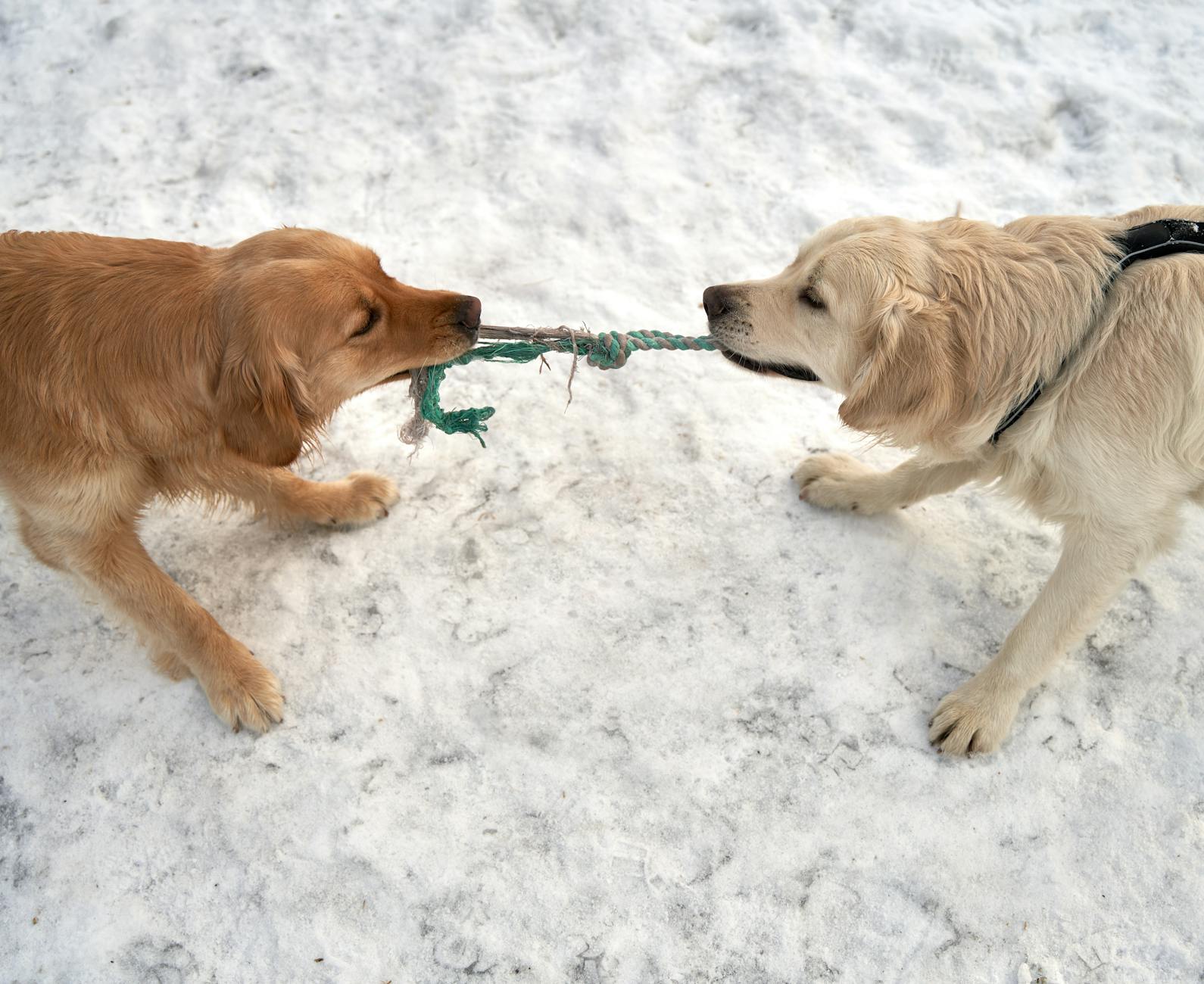
Allowing your dog to lunge excitedly toward other dogs on the leash teaches a pattern of reactivity that becomes increasingly difficult to manage over time. The high arousal state created by these encounters can quickly escalate into frustration or aggression when access to the other dog is blocked by the leash. Teaching your dog to acknowledge the presence of other dogs calmly without pulling requires systematic desensitization work done consistently across many different environments. Dogs that learn to walk past other dogs without reacting are significantly easier and more enjoyable to walk in public spaces.
No ID Tag
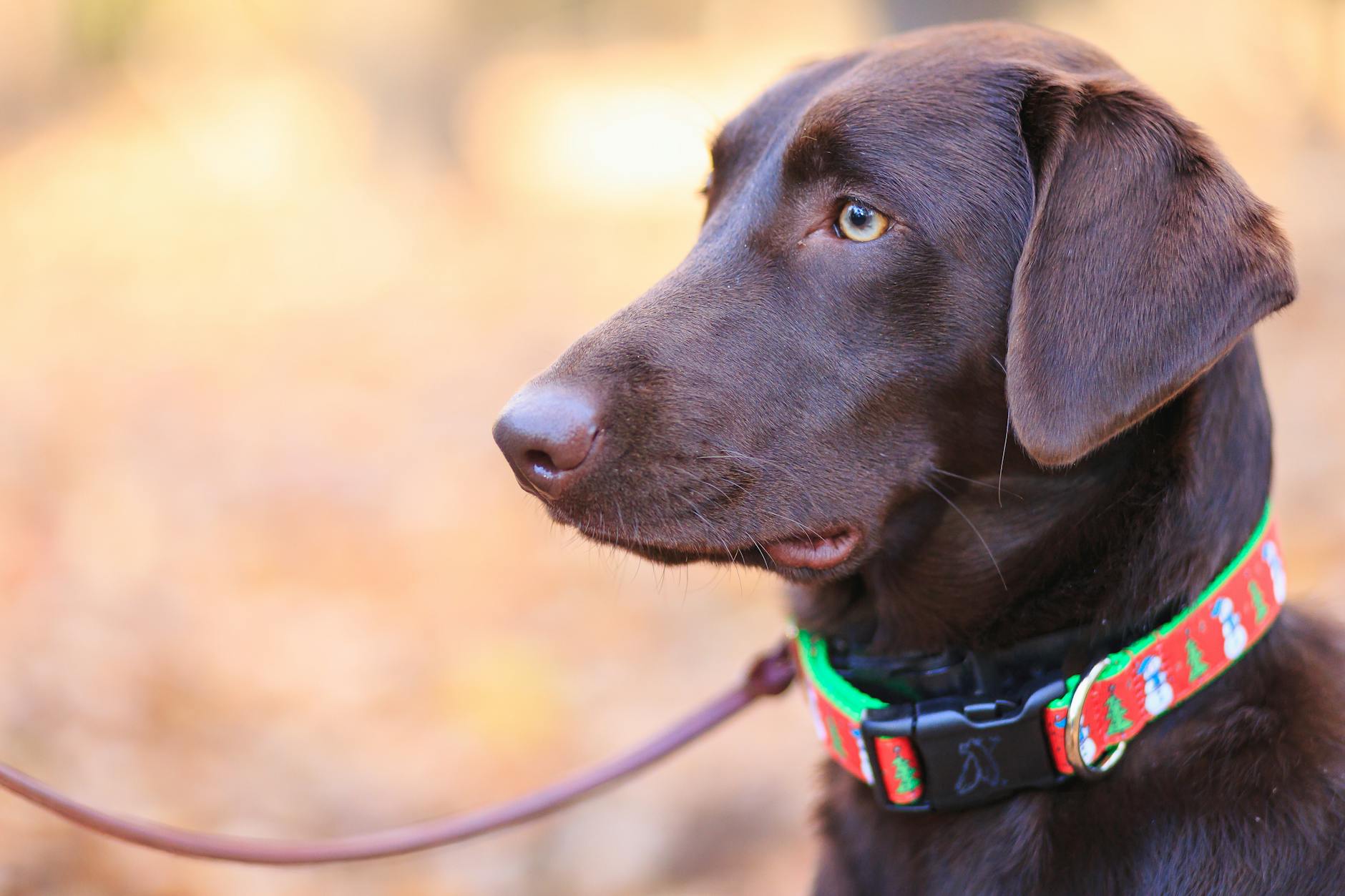
Walking a dog without a current and legible identification tag attached to its collar represents a significant risk in the event that the animal slips free. Even the most well-trained dogs can be startled into bolting unexpectedly, and without identification the window for a swift reunion is dramatically narrowed. Local regulations in many regions also require dogs to wear identification during public outings, making tagless walking a potential legal issue beyond just a practical one. Ensuring the tag is firmly attached, clearly engraved, and carries a current contact number before every outing is a basic safeguard no owner should skip.
Zigzag Walking
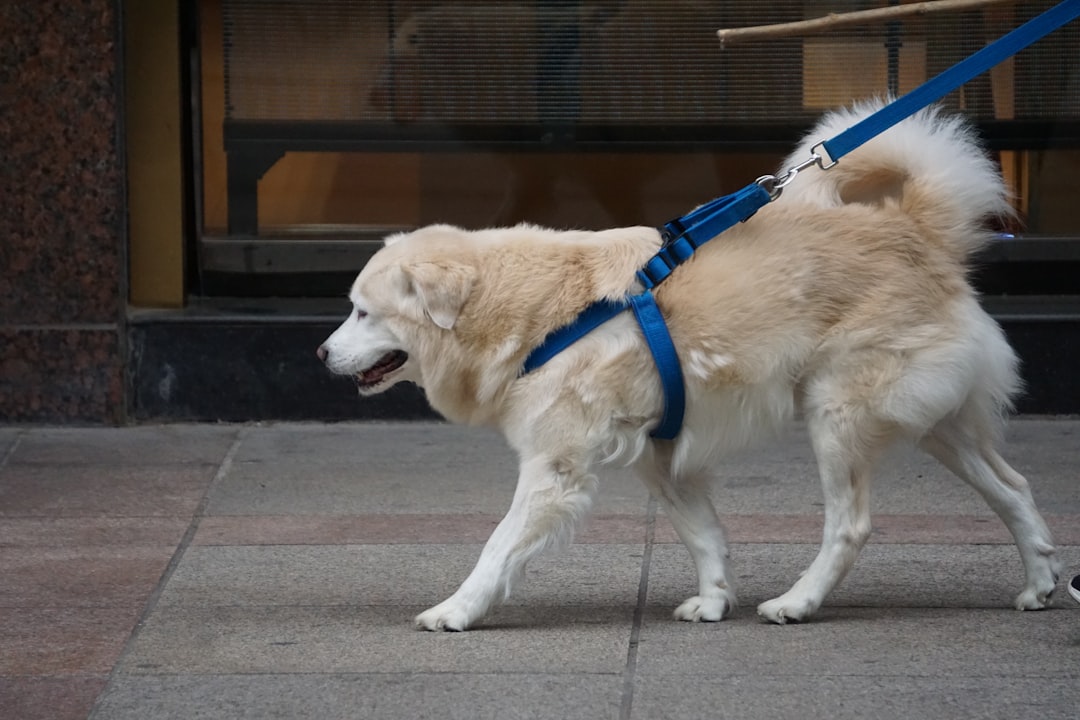
Allowing your dog to weave back and forth across the path in front of you creates a trip hazard and communicates that there is no expected structure to the walk. Dogs that are permitted to set an erratic course learn that the owner is following their lead rather than the other way around, which undermines the broader training dynamic. Teaching a dog to walk consistently on one side using a clear cue and regular reinforcement is one of the foundational skills covered in basic obedience programs. A dog that walks with some structural predictability is safer on busy paths and easier to manage in crowded or urban environments.
Skipping Hydration
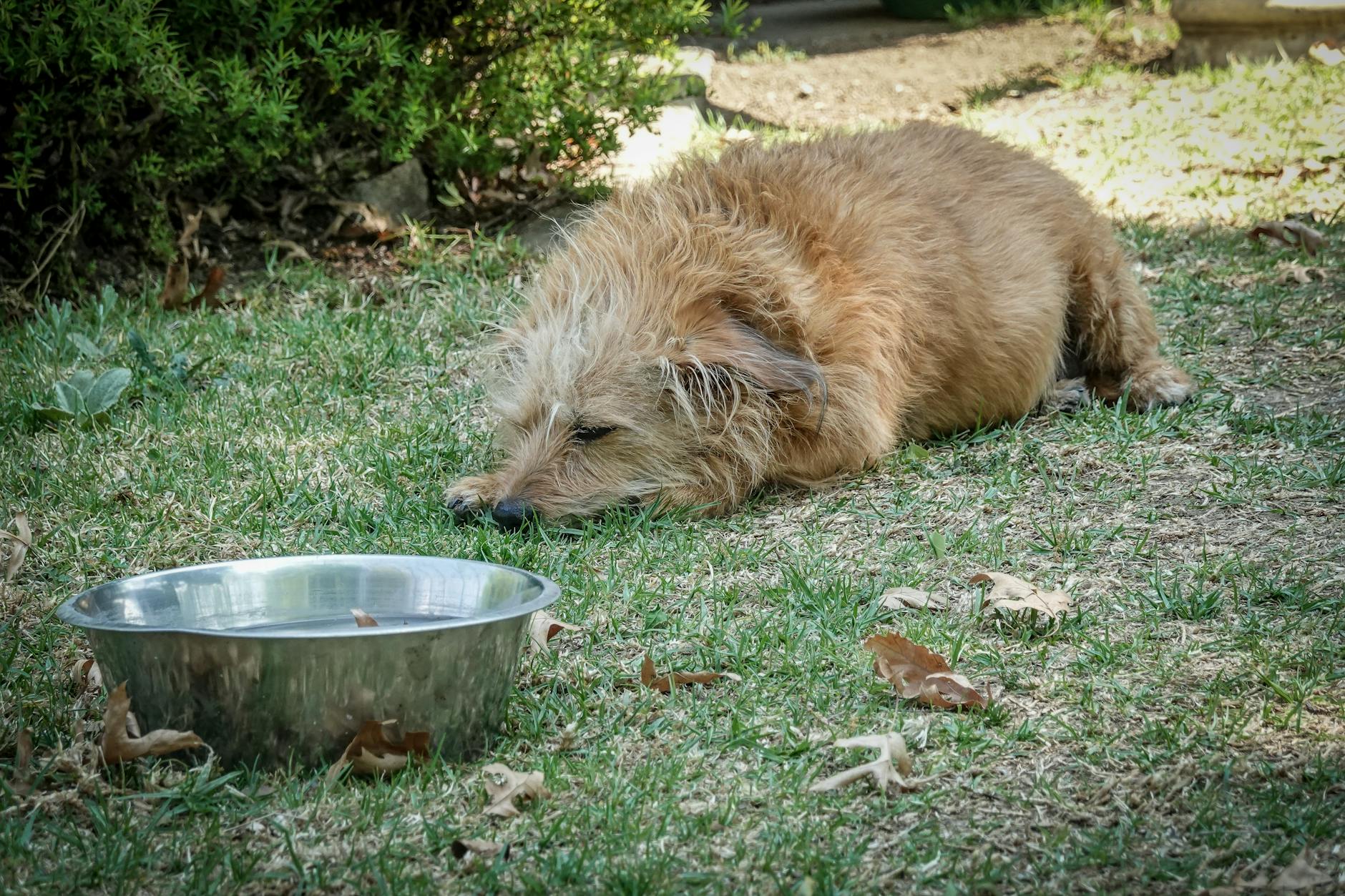
Failing to carry water on longer walks or in warm conditions can lead to dehydration, overheating, and a noticeable drop in your dog’s energy and alertness. Dogs regulate body heat primarily through panting, which accelerates moisture loss and makes adequate hydration during exercise particularly important. Collapsible silicone bowls are lightweight and inexpensive, removing any practical barrier to providing water at regular intervals during longer outings. Making hydration a standard part of your walk preparation is a simple and effective way to protect your dog’s health across all seasons and activity levels.
Share your own dog walking experiences and tips in the comments.




