Hotel housekeeping staff encounter far more than rumpled sheets and used towels during a typical shift. The hidden side of hospitality reveals a surprisingly wide range of bizarre and unsettling discoveries left behind by guests from all walks of life. Housekeepers develop sharp eyes and steady nerves over time as the job demands both discretion and composure in genuinely shocking situations. What follows is a revealing look at the strange reality behind closed hotel room doors.
Needles
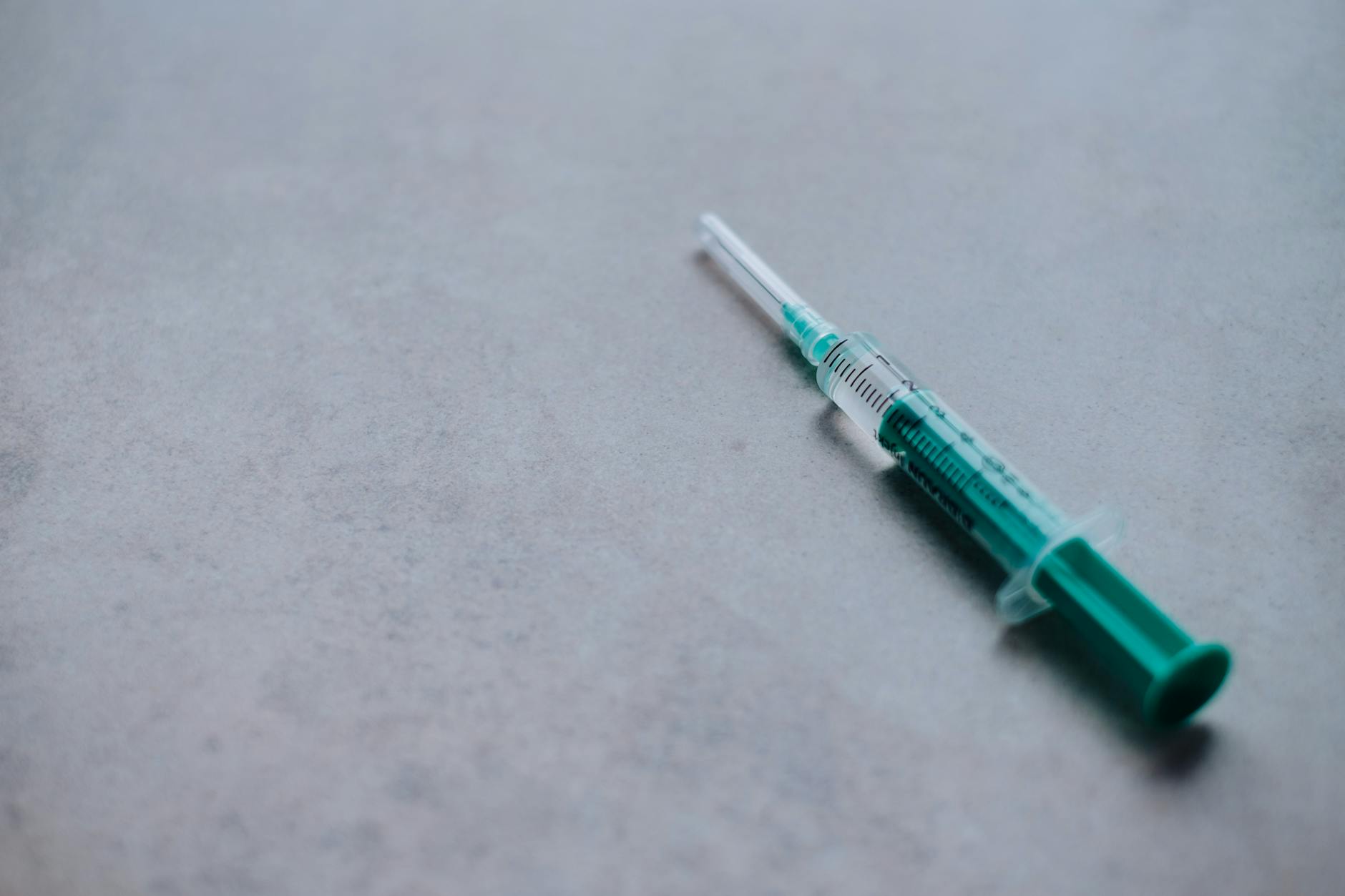
Hypodermic needles are among the most physically dangerous items housekeeping staff regularly encounter during room turnovers. Whether left by guests managing medical conditions or those engaged in illicit drug use the discovery requires immediate protocol involving protective gloves and sharps disposal containers. Staff are trained to never handle these items with bare hands and must follow strict reporting procedures. The frequency of this discovery in certain hotel categories is significantly higher than most guests would expect.
Food Hoards
Large quantities of perishable food stockpiled throughout a room present both a sanitation challenge and a puzzling scene for housekeeping teams. Staff have reported finding dozens of fast food containers hidden under beds inside closets and behind furniture. The decomposition of forgotten food creates lasting odors that require professional treatment beyond standard cleaning. Rooms occasionally need to be temporarily taken out of service when the volume and condition of stored food is particularly severe.
Pets
Undeclared animals ranging from dogs and cats to reptiles and birds are discovered regularly when staff enter rooms mid-stay or after checkout. Pet hair embedded in bedding and furniture requires specialized cleaning equipment and additional time to address properly. Damage to carpets drapes and upholstery caused by animals can result in significant room repair costs. Claw marks on wooden furniture and stained mattresses are among the most commonly reported forms of pet-related damage.
Teeth
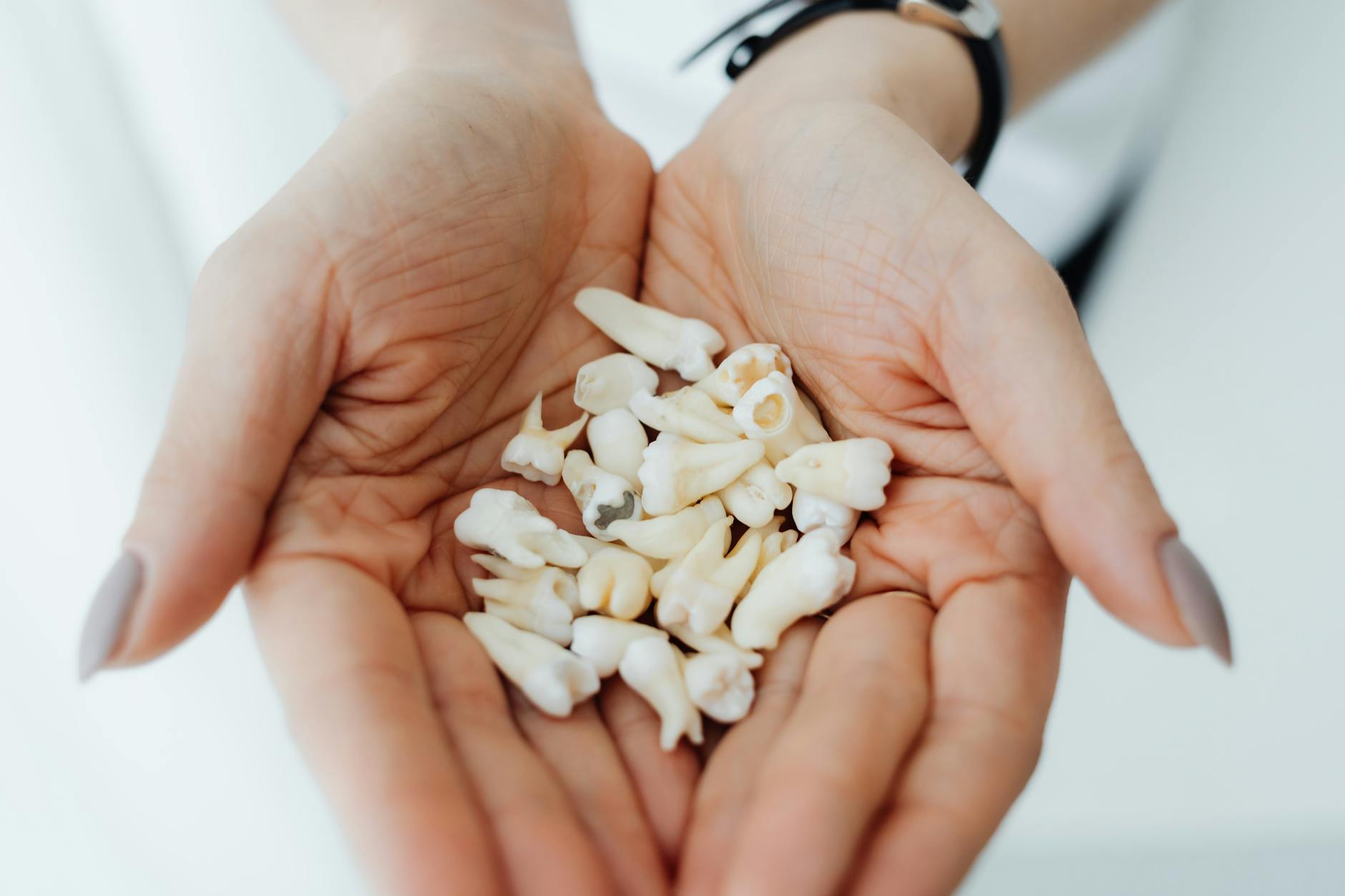
Human teeth discovered in hotel rooms rank among the most consistently unsettling finds reported by housekeeping professionals. Single teeth and in some cases collections of multiple teeth have been found in drawers on nightstands and sealed inside small bags or containers. The ambiguity surrounding their origin is what makes the discovery particularly difficult to process for staff. Standard protocol typically involves reporting the find to management who must then determine the appropriate course of action.
Altars

Elaborate ritual setups including candles figurines symbolic objects and carefully arranged materials are occasionally found either mid-stay or left behind at checkout. These arrangements vary widely in their apparent cultural or spiritual origins and staff are generally instructed not to disturb them during an occupied stay. When discovered post-checkout the cleanup process requires careful documentation before anything is removed or discarded. Management teams in major cities report this type of discovery with greater frequency given the diversity of their international guest population.
Cash
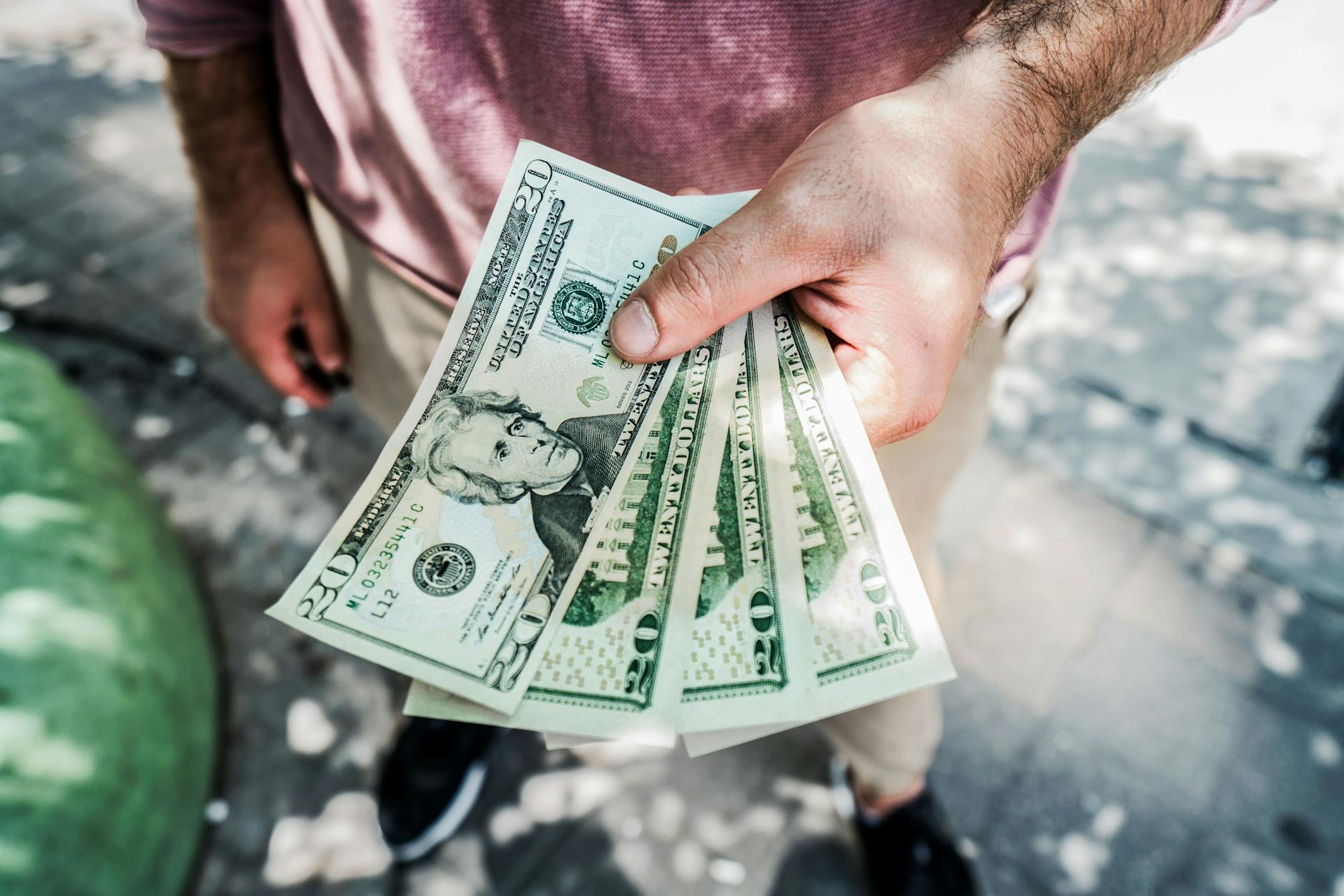
Significant sums of money left behind in hotel rooms represent one of the more ethically complex situations housekeeping staff face on the job. Bills have been found tucked inside mattresses taped behind headboards hidden inside lampshades and rolled into clothing. The discovery immediately triggers a formal lost and found process with detailed documentation to protect both the guest and the employee. Large cash amounts are also sometimes intentionally left as gratuities though the distinction is not always immediately clear.
Weapons
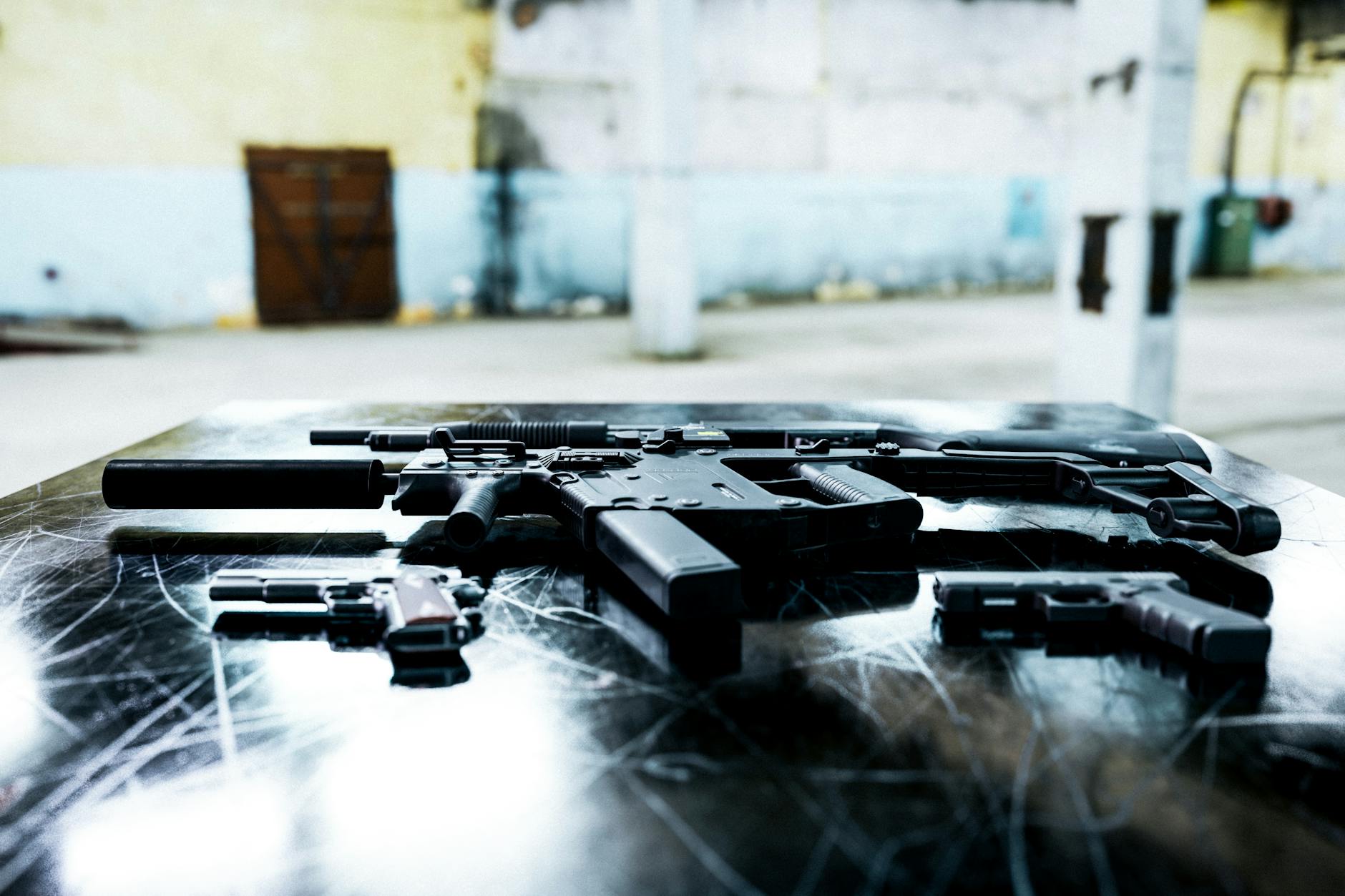
Firearms knives and other weapons discovered in hotel rooms require an immediate escalation beyond standard housekeeping protocols. Staff are trained to exit the room without touching anything and to notify security or management before any further action is taken. Law enforcement may be contacted depending on the nature of the item and whether the guest has already checked out. The discovery of illegal modifications or unlicensed firearms elevates the situation to a matter for local authorities.
Blood
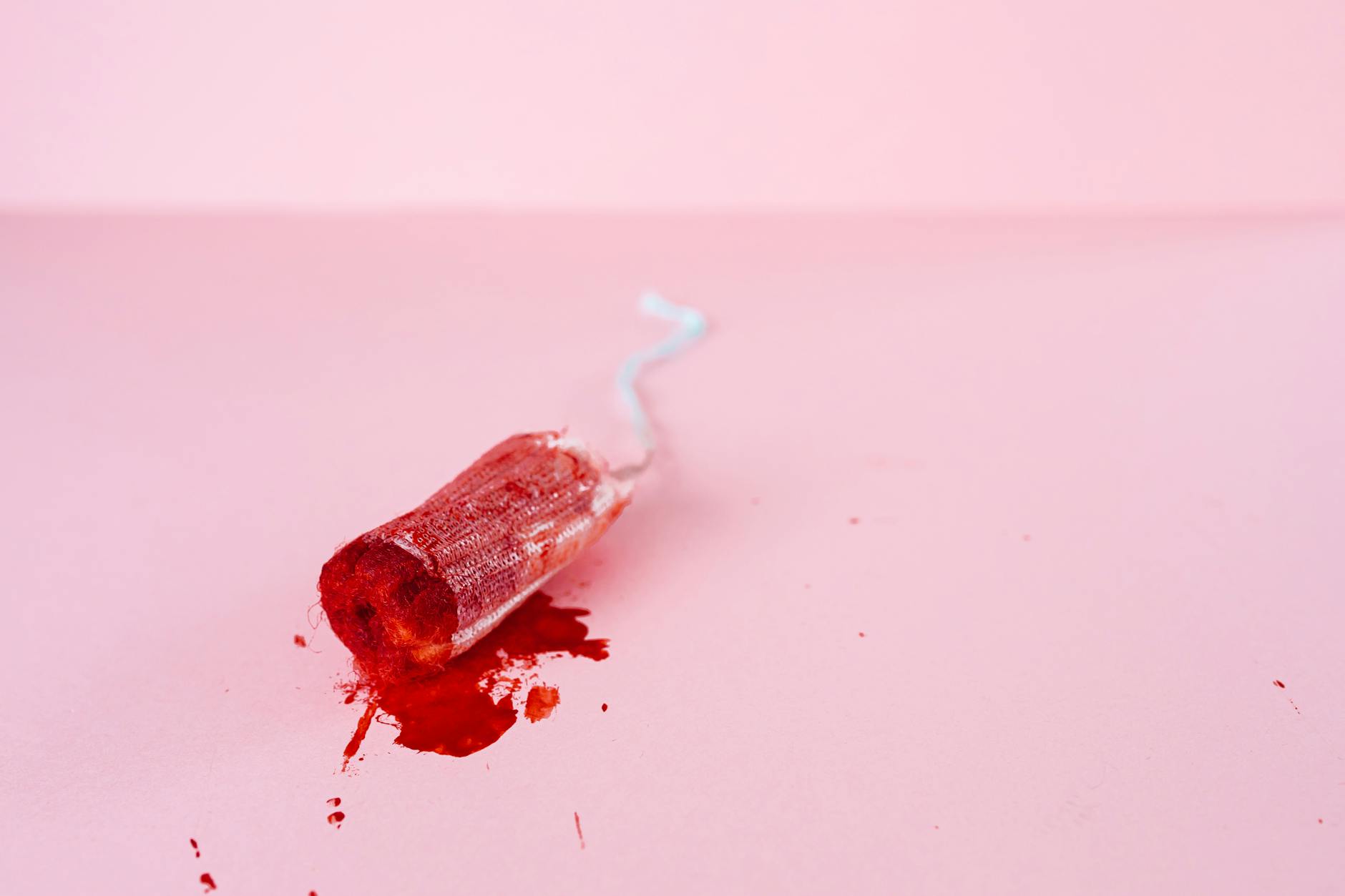
The presence of blood in a hotel room triggers one of the most serious response protocols in the hospitality industry. Staff are never permitted to clean biological material without proper personal protective equipment and in many cases a specialist biohazard cleaning team is called in. Blood on walls ceilings or in large quantities requires a full incident report and in some circumstances a police notification. The range of explanations spans minor injuries to deeply concerning scenarios that haunt staff long after their shift ends.
Wigs
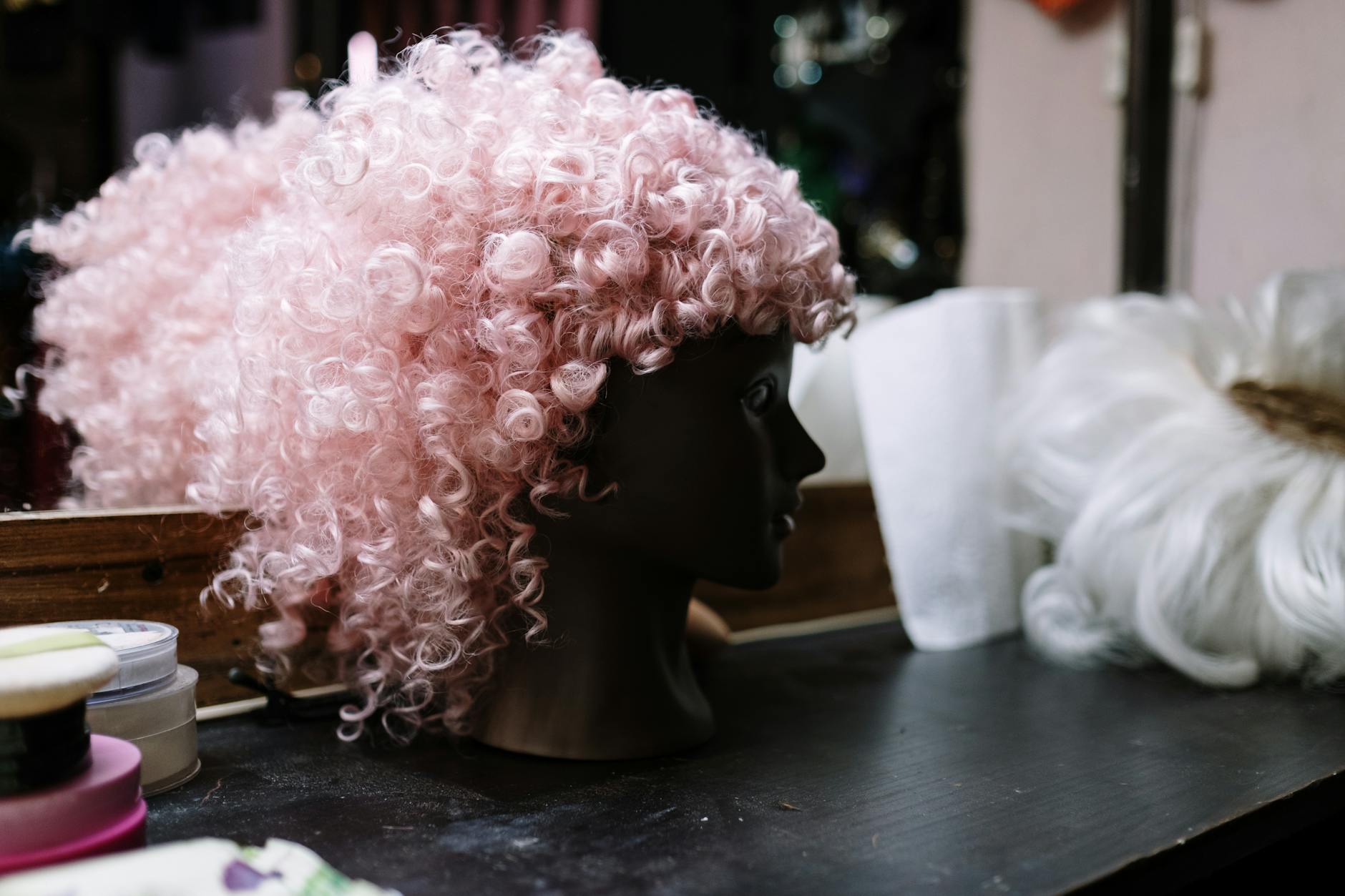
Human hair pieces including full wigs hairpieces and extensions are left behind in hotel rooms with surprising regularity according to housekeeping professionals. These items are typically found in bathrooms on chairs or tucked inside pillowcases suggesting they were removed before sleep and simply forgotten. The lost and found process for wigs requires sensitive handling given the personal and sometimes medical nature of the item. Hotels in entertainment and convention hub cities report higher rates of this particular discovery.
Taxidermy
Stuffed animals in the taxidermy sense rather than the plush toy variety have been found occupying chairs beds and shelves in hotel rooms across various property categories. Guests traveling with these items often offer no explanation and staff are left to process the unusual visual without context. Full-sized mounted animal heads and glass-eyed creatures staring from corners are among the more psychologically striking versions of this discovery. The removal and storage of unclaimed taxidermy presents a logistical challenge that most lost and found procedures were never designed to accommodate.
Baby Items
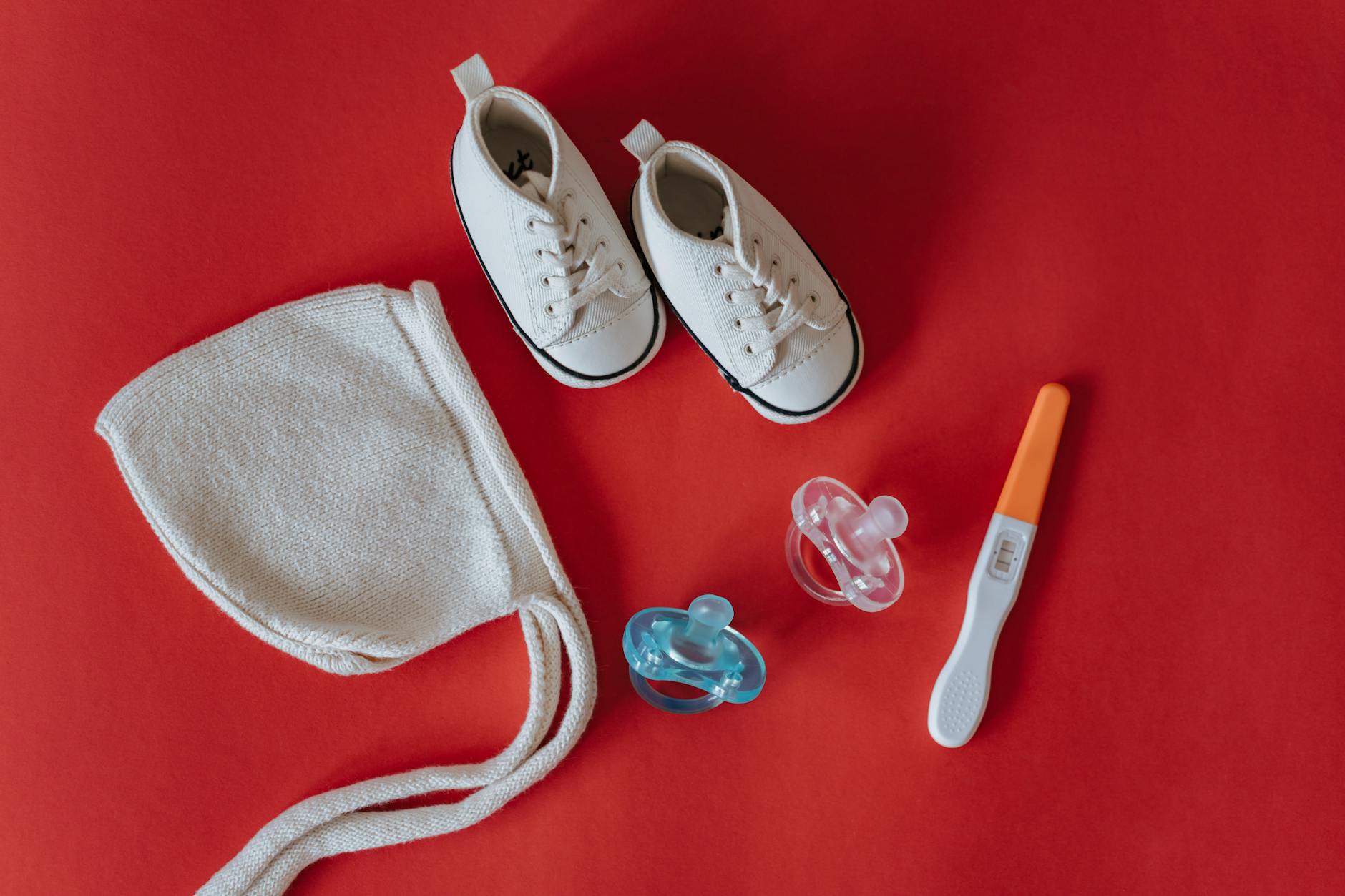
Cribs bottles formula and extensive infant supplies left behind after checkout sometimes suggest a hasty or distressed departure rather than simple forgetfulness. Housekeeping staff report a particular emotional weight attached to discovering abandoned baby belongings including clothing and comfort items. Hotel policy requires all such items to be logged and stored with care given the vulnerability associated with the guest category. When paired with other signs of a disrupted stay these discoveries are often flagged for follow-up by management.
Journals

Personal diaries and handwritten journals left in hotel rooms place housekeeping staff in an uncomfortable position regarding privacy and responsibility. The content visible even from a glance as pages fall open can include deeply intimate confessional or distressing material. Protocol generally prohibits staff from reading the content though the nature of the job means accidental exposure is difficult to avoid entirely. These items are held in lost and found for an extended period given their obvious sentimental and personal significance.
Reptiles
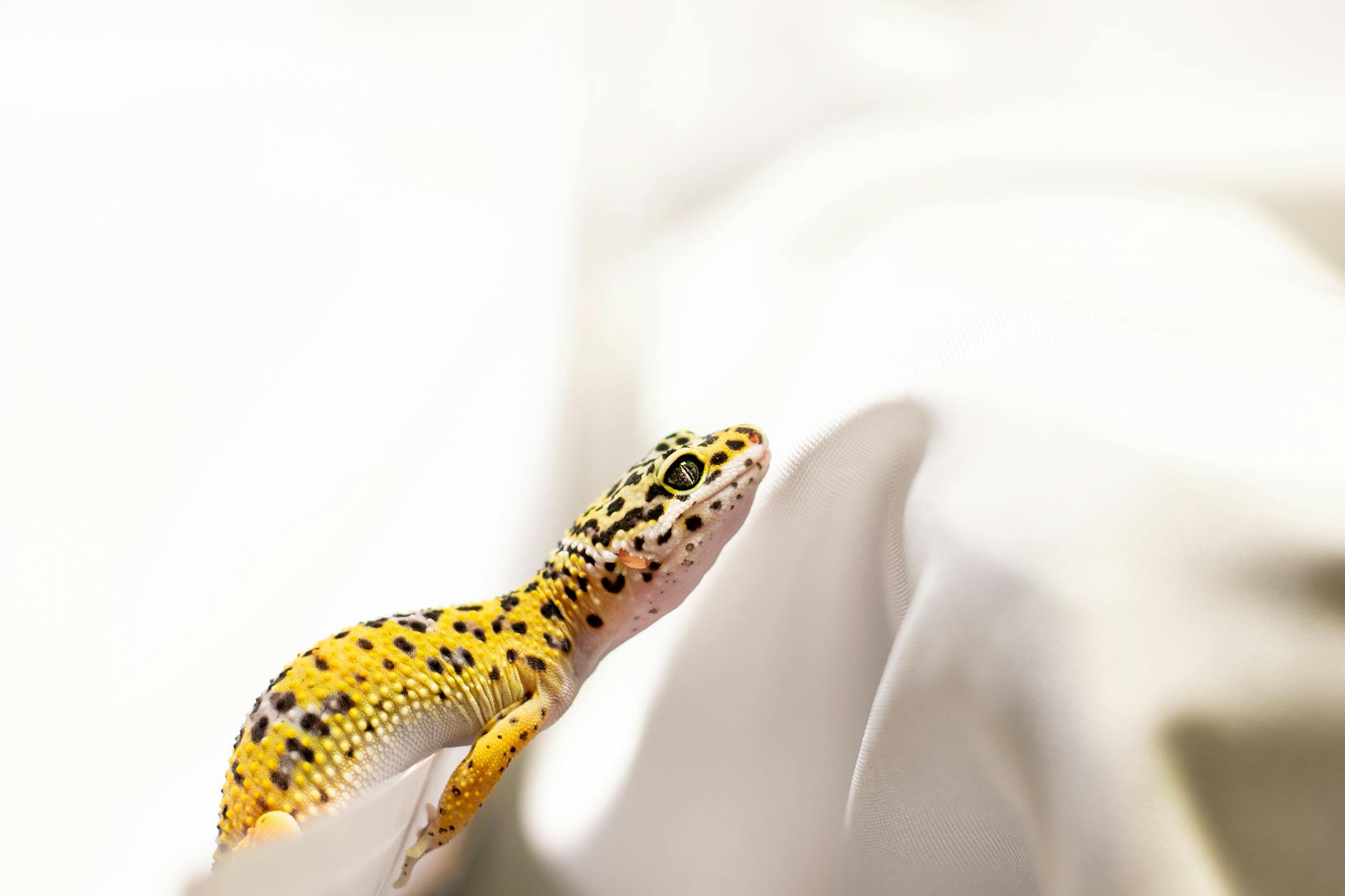
Snakes lizards and other reptiles discovered loose or in enclosures in hotel rooms create both a safety concern and a complex removal situation. Live snakes found coiled in drawers or bathrooms have prompted emergency calls and temporary evacuation of surrounding rooms in documented cases. Staff with no training in animal handling are instructed not to approach the animal and to contact management immediately. The guest responsible is typically charged for specialist removal services and any resulting room damage.
Mannequins
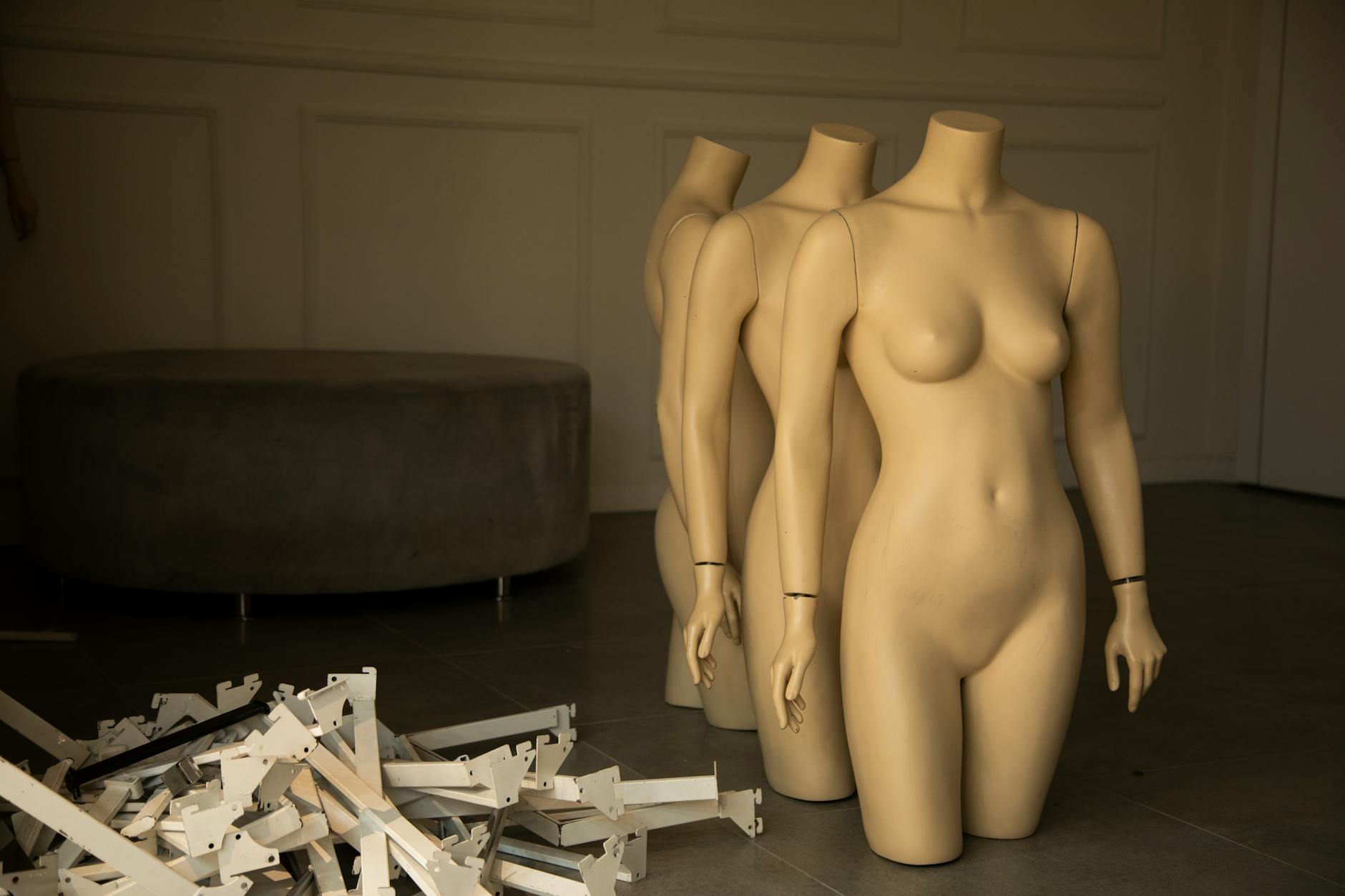
Full-body or partial mannequins found in hotel rooms have been flagged as among the most consistently startling discoveries made during early morning room entry. The life-sized human form encountered unexpectedly in low light has triggered genuine alarm responses in housekeeping staff across multiple documented accounts. Artists designers and theatrical performers are among the guest categories most commonly associated with this type of discovery. The logistics of storing an unclaimed mannequin challenge most standard lost and found storage systems.
Drugs
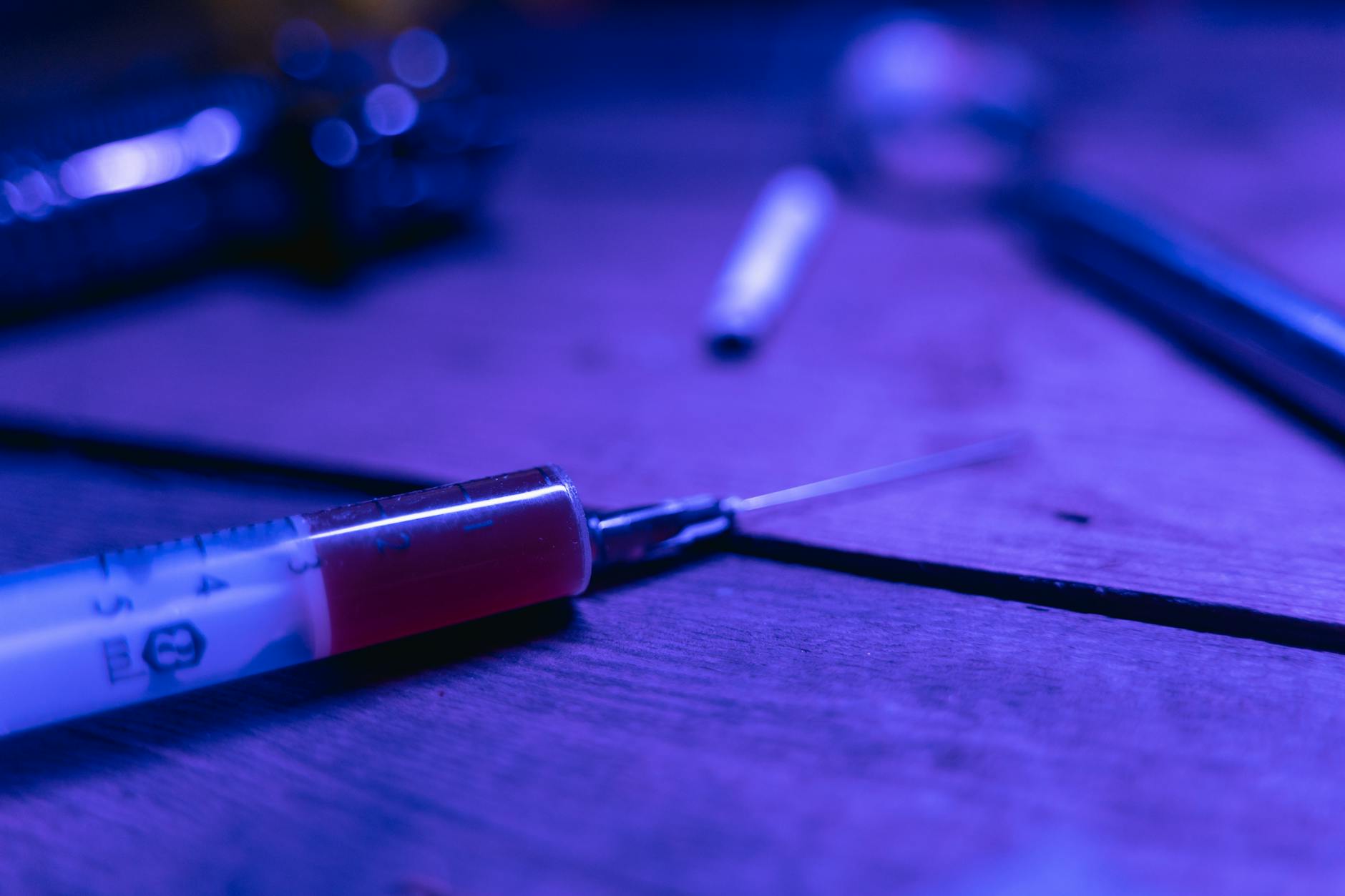
Illicit substances discovered in hotel rooms represent one of the most legally complex situations a housekeeper can encounter during a shift. The type quantity and packaging of the substances found can range from small personal amounts to what appears to be commercial-scale inventory. Staff are trained to immediately stop cleaning and report the discovery without moving or touching anything in the room. Depending on jurisdiction the hotel may be legally obligated to contact law enforcement regardless of whether the guest has departed.
Fur Coats

High-value luxury items including full-length fur coats have been left behind in hotel wardrobes and closets with a frequency that surprises most outsiders. The monetary value of these garments combined with their bulk makes their abandonment particularly perplexing to housekeeping staff. Proper documentation and secure storage are required given the potential insurance and liability implications of holding such items. Many go unclaimed for months suggesting the guest either forgot entirely or chose not to retrieve them.
Insects

Living insect colonies discovered in hotel rooms represent a serious threat to the property and neighboring rooms requiring immediate containment response. Beehives constructed inside wall voids exposed by moved furniture have been reported in older hotel properties. Guests have also been found deliberately traveling with insect collections housed in specialized containers that are occasionally left behind. The discovery of bed bug evidence separately triggers an entirely different and far more resource-intensive hotel response protocol.
Broken Glass
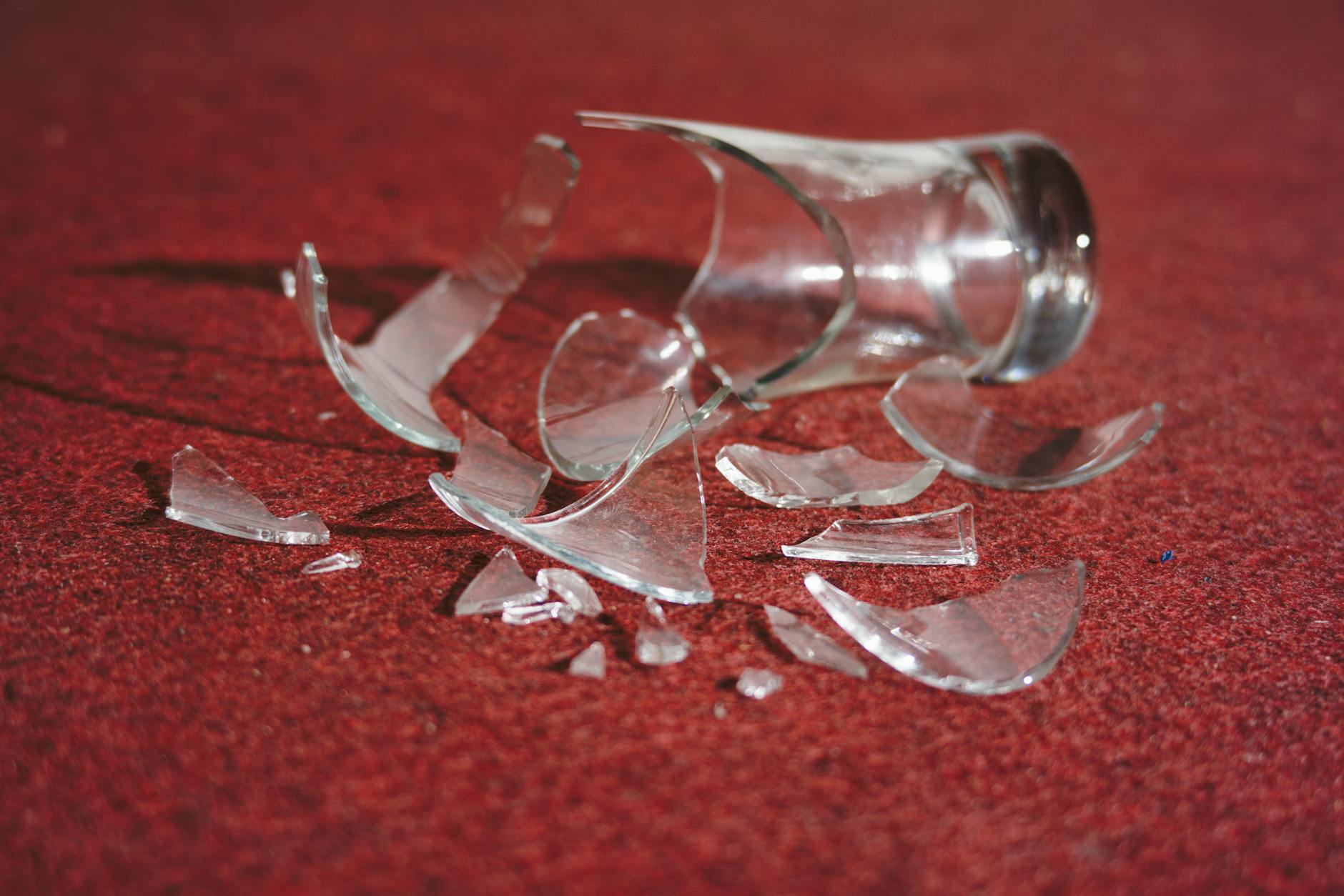
Rooms covered in shattered glass from mirrors windows or glassware present both a physical hazard and a strong indicator of a highly volatile prior occupancy. The pattern and distribution of glass fragments often tells a story that staff must document carefully before beginning any cleanup. Protective footwear and gloves are mandatory and the room is typically closed until a full safety assessment is completed. Damage of this nature almost always results in charges being applied to the departing guest’s account.
Paintings
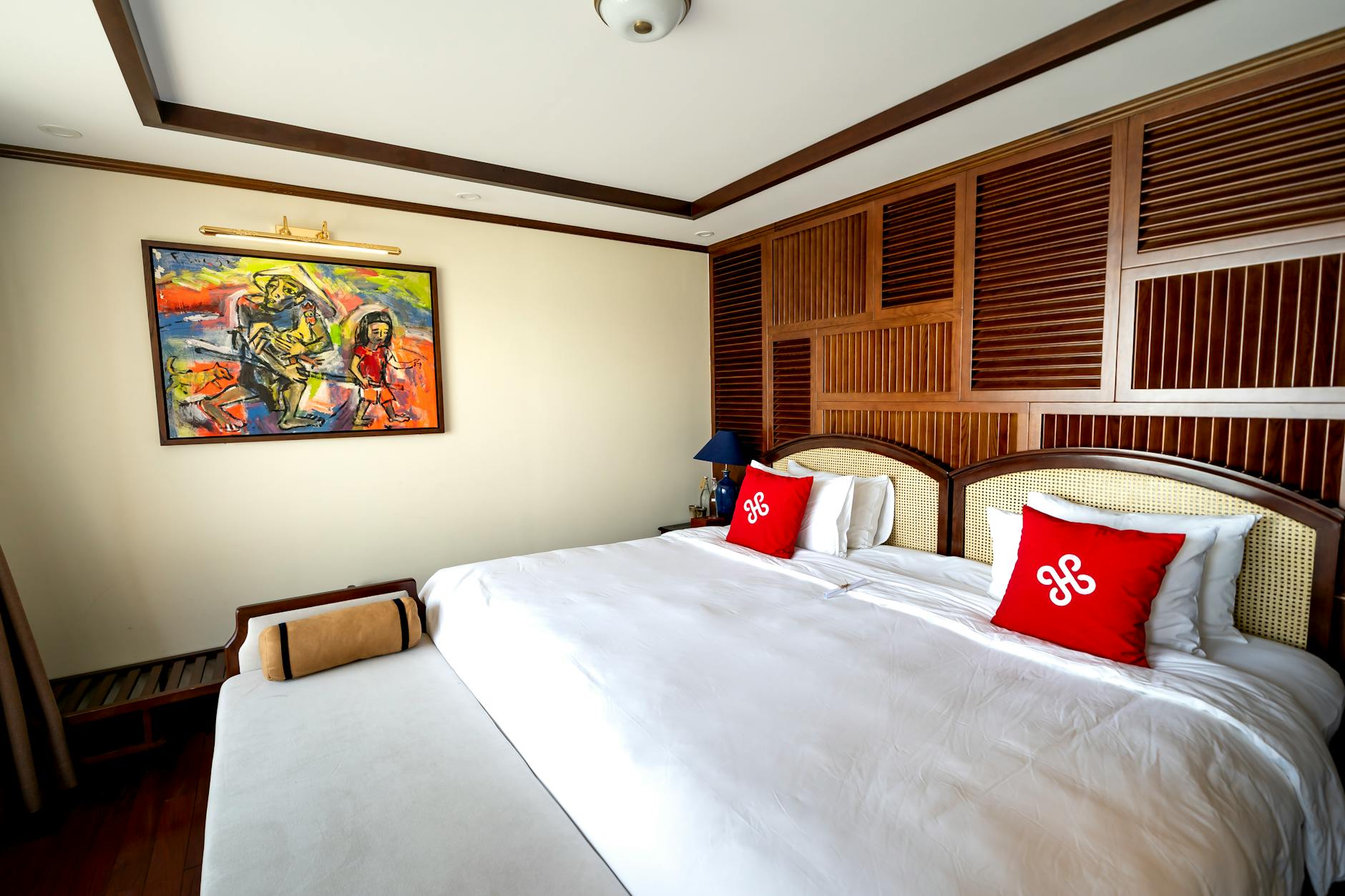
Original framed artwork including oil paintings watercolors and prints left behind in hotel rooms creates genuine confusion about whether the item was brought by the guest or belongs to the property. Staff must cross-reference room inventory lists before determining how to proceed with an unclaimed canvas or framed piece. Some guests travel with personal artwork to make rooms feel more familiar a practice more common than the general public might assume. High-value original pieces trigger a separate escalation process involving management and sometimes art appraisal consultation.
Crutches
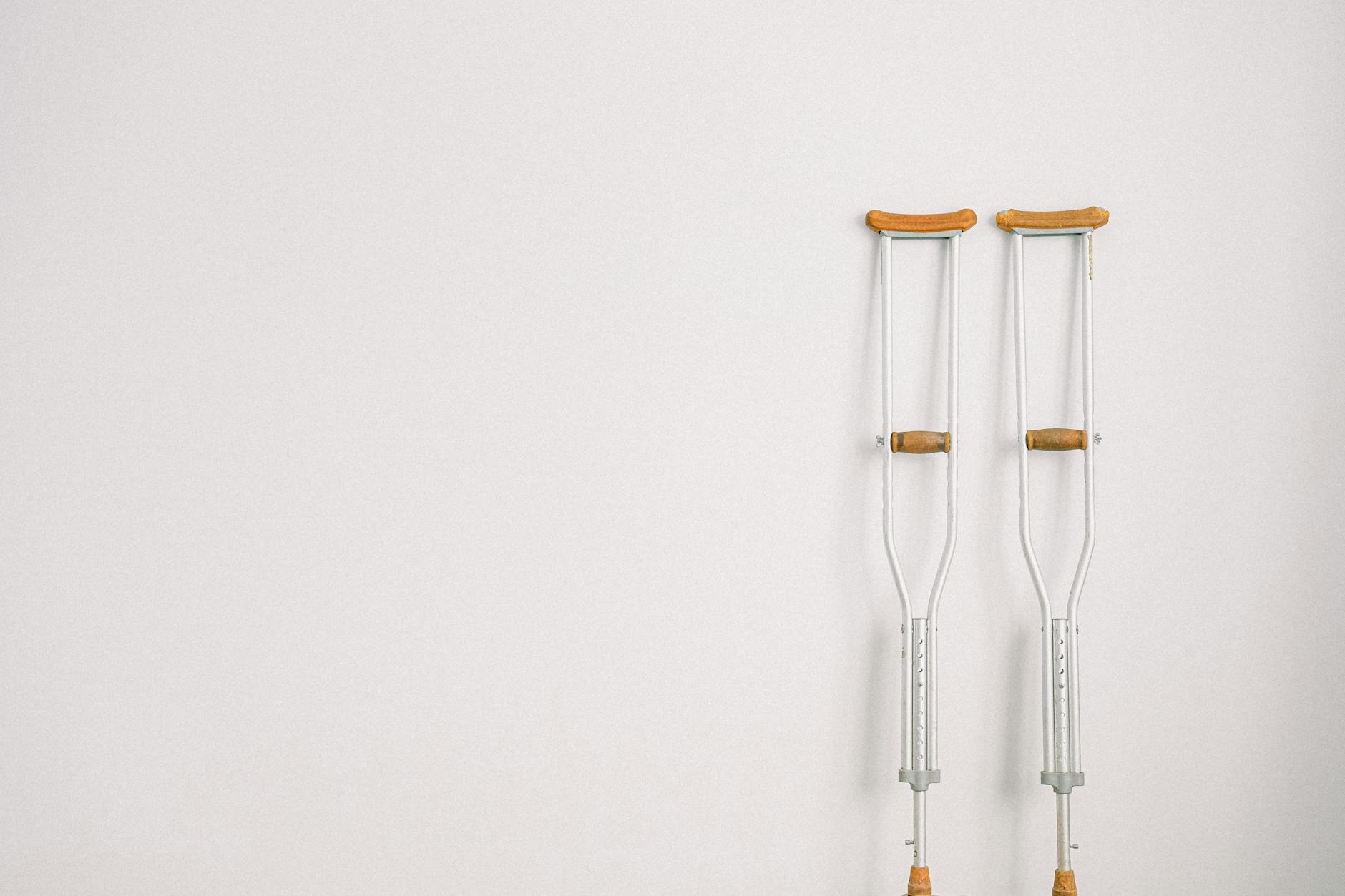
Medical mobility equipment including crutches walkers and even wheelchairs left behind after checkout raises immediate questions about the wellbeing of the departing guest. The absence of equipment a guest presumably needed to walk creates a scenario that some staff describe as deeply unsettling. Hotel management protocols in these cases often include an attempt to contact the guest directly to confirm their safety and arrange return of the item. The frequency of mobility aid abandonment is notably higher than most guests would anticipate based on lost and found statistics.
Love Letters
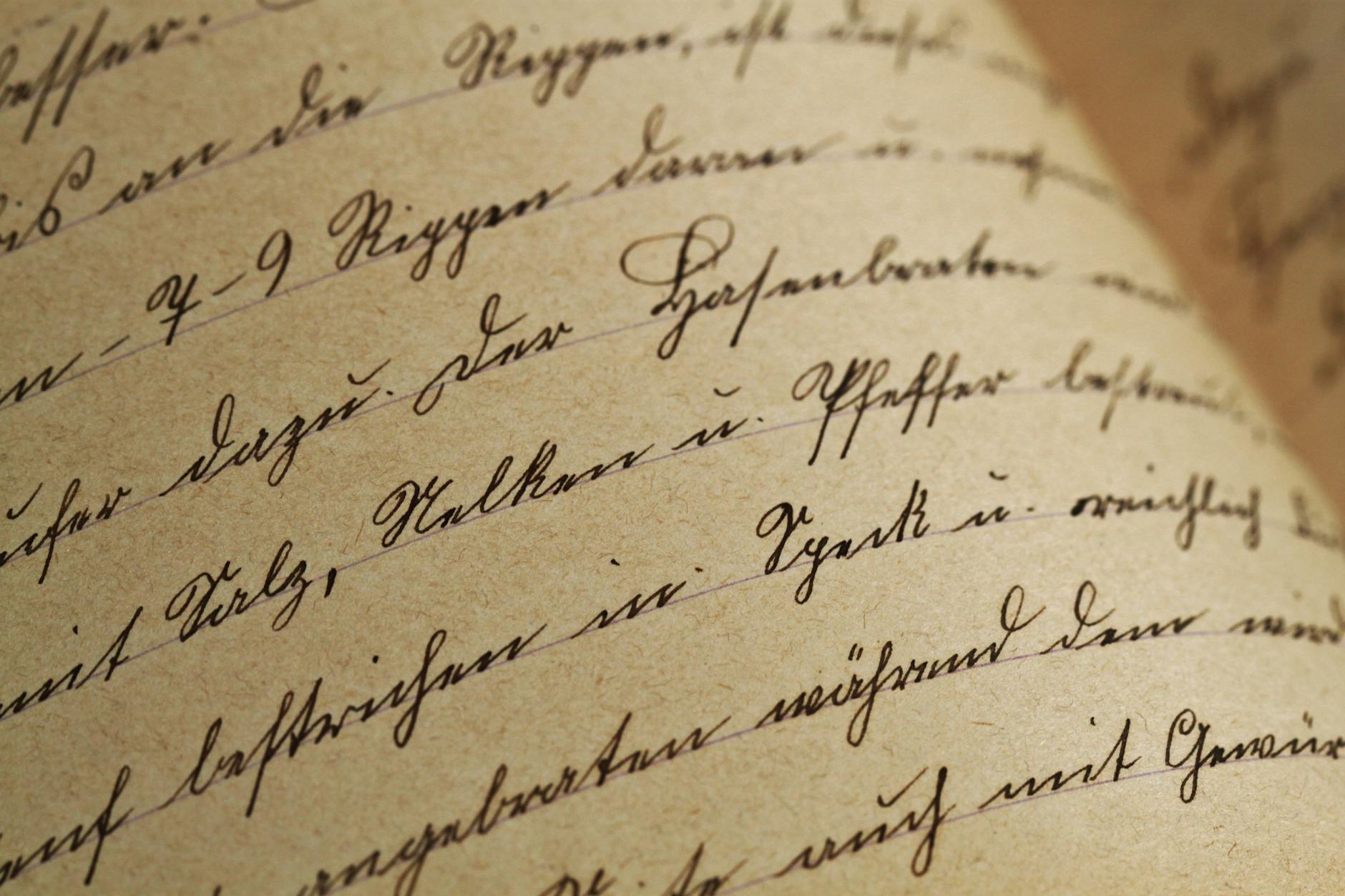
Handwritten romantic correspondence discovered in hotel rooms covers a wide emotional spectrum from tender declarations to deeply troubling final messages. The intimacy of the content combined with its physical abandonment creates a charged atmosphere for housekeeping staff who encounter it. Letters addressed to specific individuals by name add a layer of responsibility around whether the hotel should attempt to forward the correspondence. Management teams report that these discoveries require careful judgment particularly when the tone of the content raises welfare concerns.
Photographs
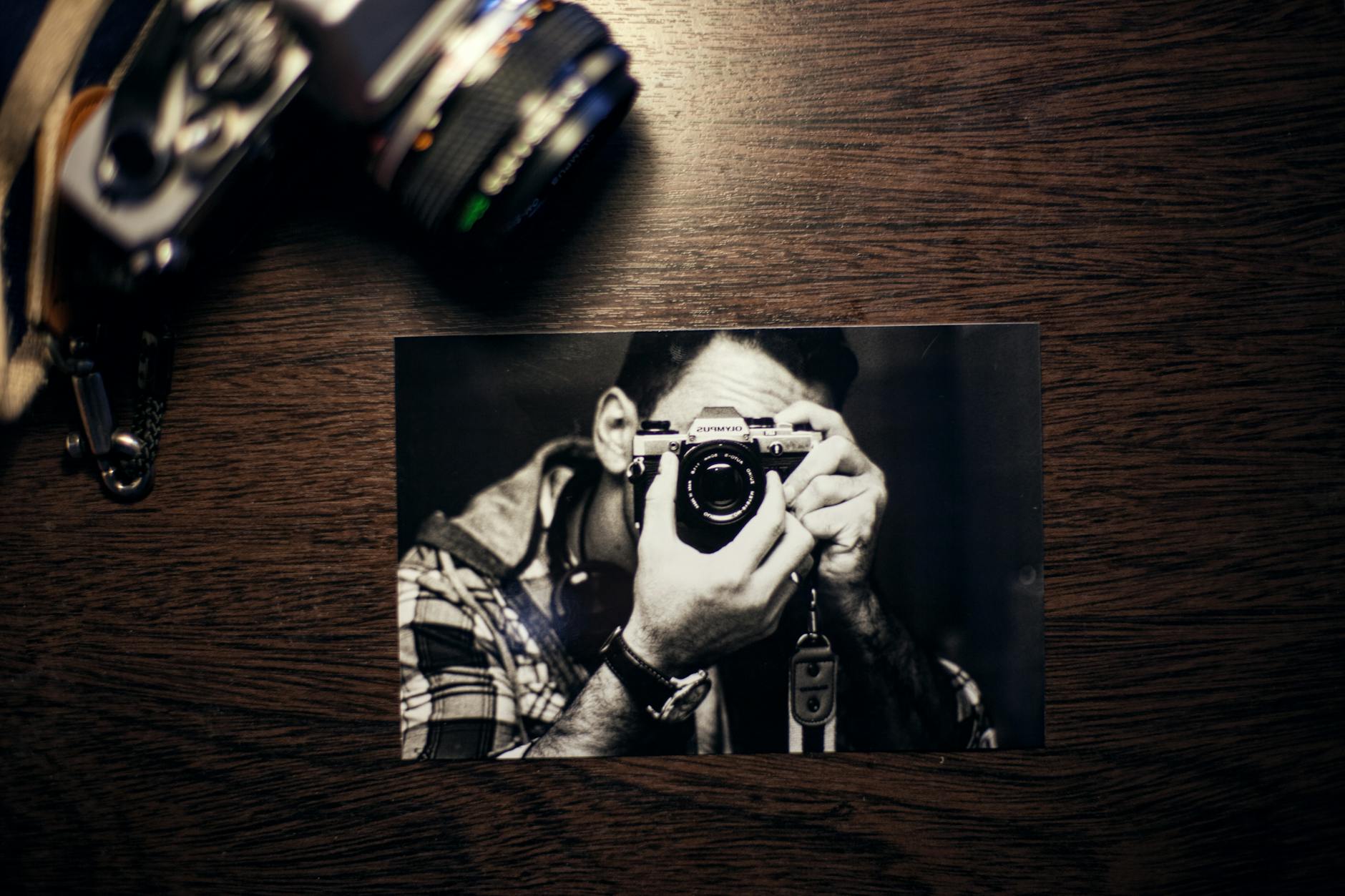
Physical printed photographs left in hotel rooms span categories from innocent family snapshots to deeply inappropriate or disturbing imagery. Collections of photographs discovered in large quantities suggest a deliberate act of abandonment rather than accidental forgetfulness. Staff who encounter imagery depicting minors in any concerning context are trained to immediately stop and report to management without further handling. Even mundane photograph discoveries carry an emotional weight given the personal nature of the medium.
Costumes
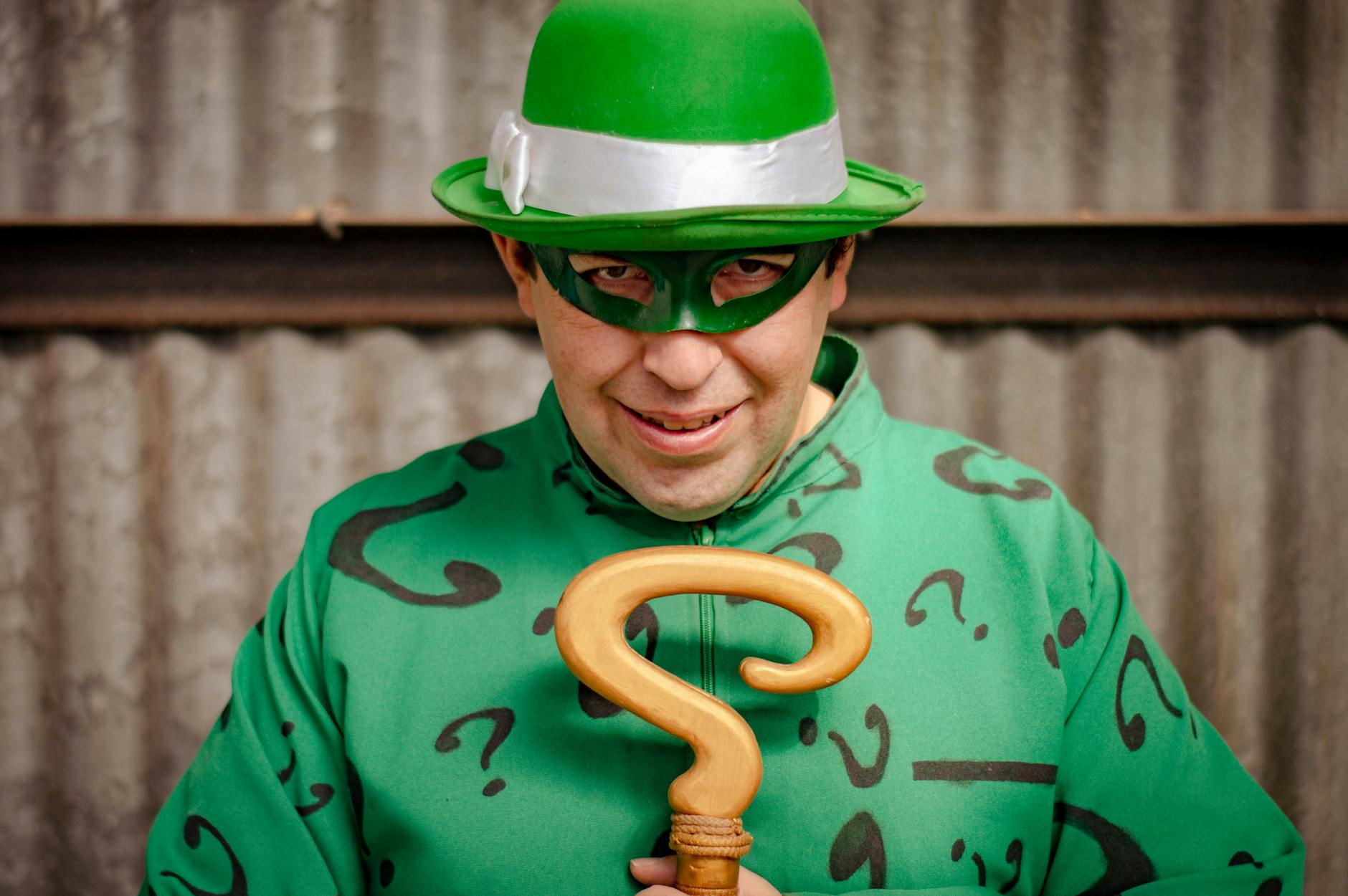
Elaborate theatrical or character costumes left hanging in wardrobes or piled on furniture are found across hotel categories particularly near convention centers and entertainment venues. Full mascot suits elaborate historical recreations and professional-grade costume pieces require careful storage given their bulk and value. The anonymity of costume abandonment means the associated guest is rarely identifiable through the item alone. Staff have noted that arriving to clean a room containing a life-sized character costume without prior context is reliably startling.
Handcuffs
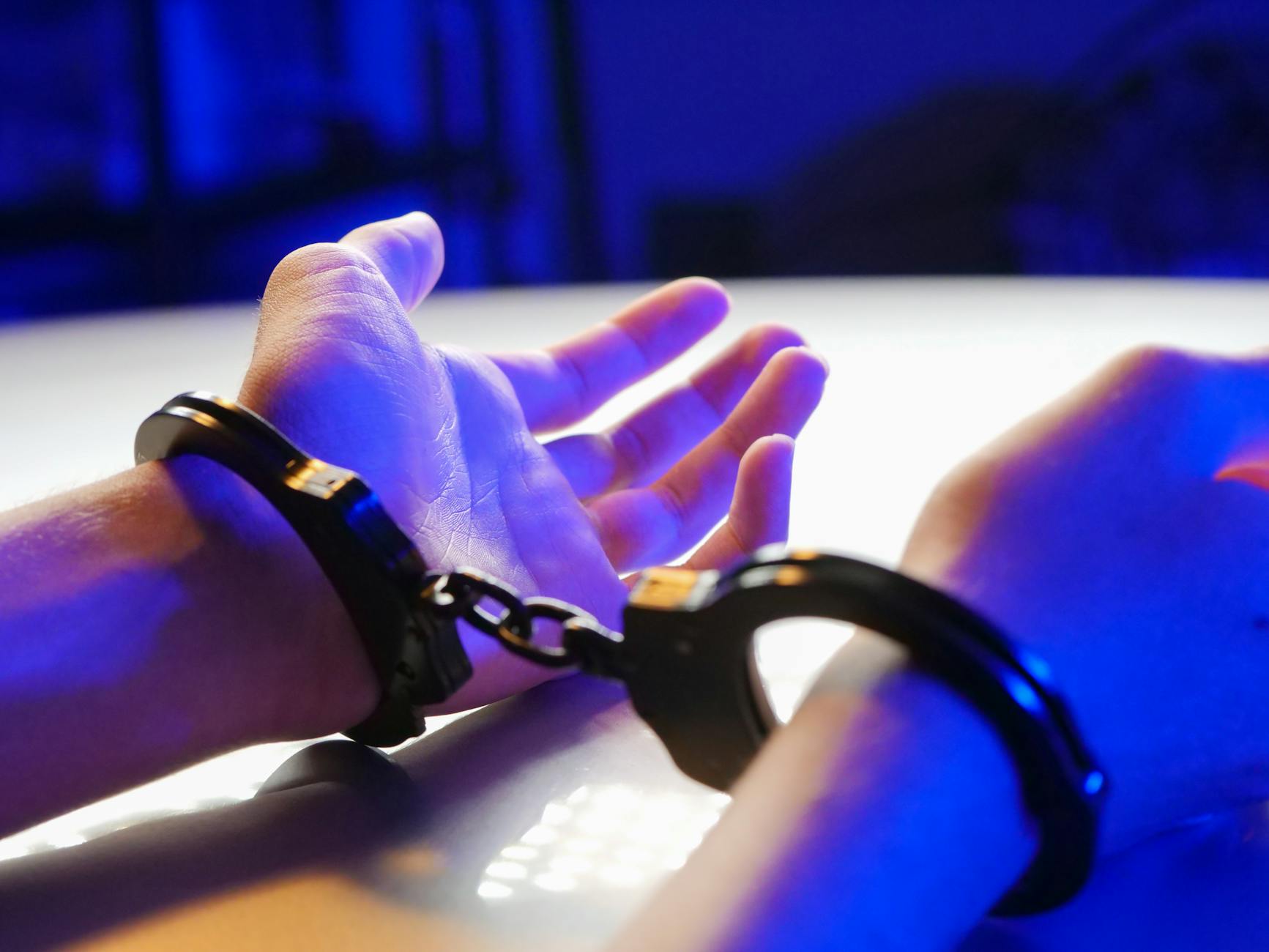
Restraint devices discovered in hotel rooms span a wide range from novelty items to professional-grade equipment with no clear leisure purpose. Handcuffs attached to bed frames or fixed furniture require a maintenance team response in addition to standard housekeeping attention. The discovery prompts both a room damage assessment and a formal logging procedure through lost and found. In cases where restraints are found alongside other concerning evidence a more formal management review is typically initiated.
Medical Waste
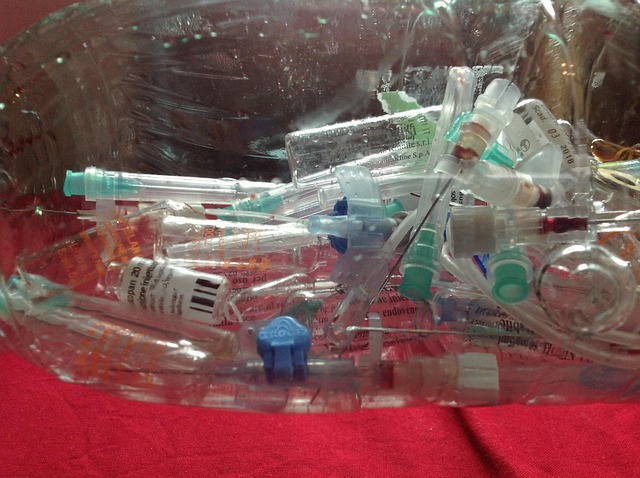
Beyond needles other categories of medical waste including bandaging drainage materials and used medical supplies are encountered by housekeeping staff with troubling regularity. Guests managing ongoing medical conditions sometimes dispose of clinical waste improperly within the standard room waste bins. Biohazard disposal requirements apply to these materials and standard cleaning staff are not authorized to handle them without appropriate equipment and training. Repeated discoveries of this nature in the same property often prompt management to review their medical emergency and guest communication protocols.
Wigs On Pillows
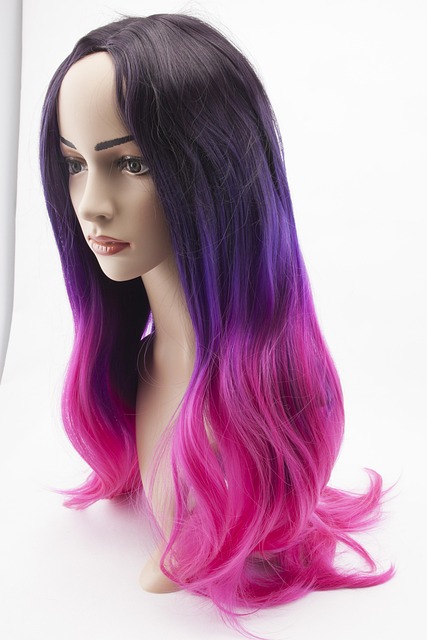
Wigs styled and placed deliberately on pillows to simulate a sleeping occupant have been discovered in rooms where guests departed without checking out through the front desk. This staging technique is associated with guests attempting to extend their stay beyond the checkout time or delay room inspection. Staff entering under the assumption of an occupied room experience a reliable shock response when the deception is revealed at close range. The practice is documented across multiple hotel categories and geographies with enough consistency to be part of industry training discussions.
Shrines

Memorial shrines dedicated to deceased individuals featuring photographs candles personal mementos and written tributes have been constructed in hotel rooms across all property tiers. Guests sometimes choose hotel rooms as the location to privately mark anniversaries of a loss or engage in personal grief rituals. The emotional weight of dismantling such arrangements post-checkout is frequently cited by housekeeping staff as among the most psychologically affecting aspects of the job. Staff are generally instructed to document the arrangement with photographs before carefully packing items for the lost and found.
Aquariums
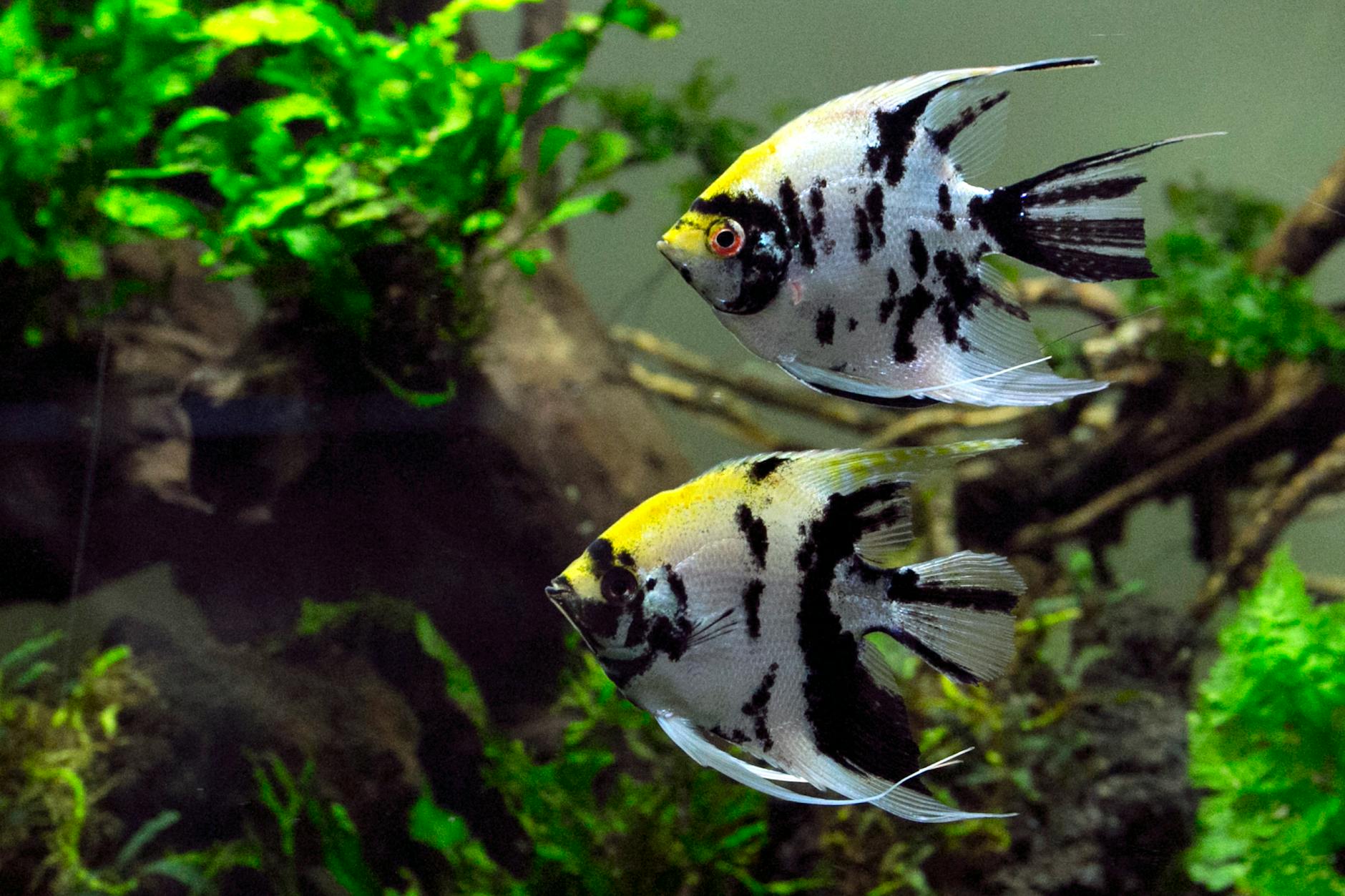
Portable fish tanks and small aquarium setups complete with live fish filtration equipment and decorative elements have been transported into hotel rooms and in some cases abandoned at checkout. The responsibility for live fish left behind falls into an ambiguous area of hotel policy that most lost and found procedures were not designed to address. Staff must make rapid decisions about the welfare of living creatures while also managing the water and equipment cleanup involved. Cases involving larger setups have required maintenance team involvement due to the weight and water management implications.
Prosthetics
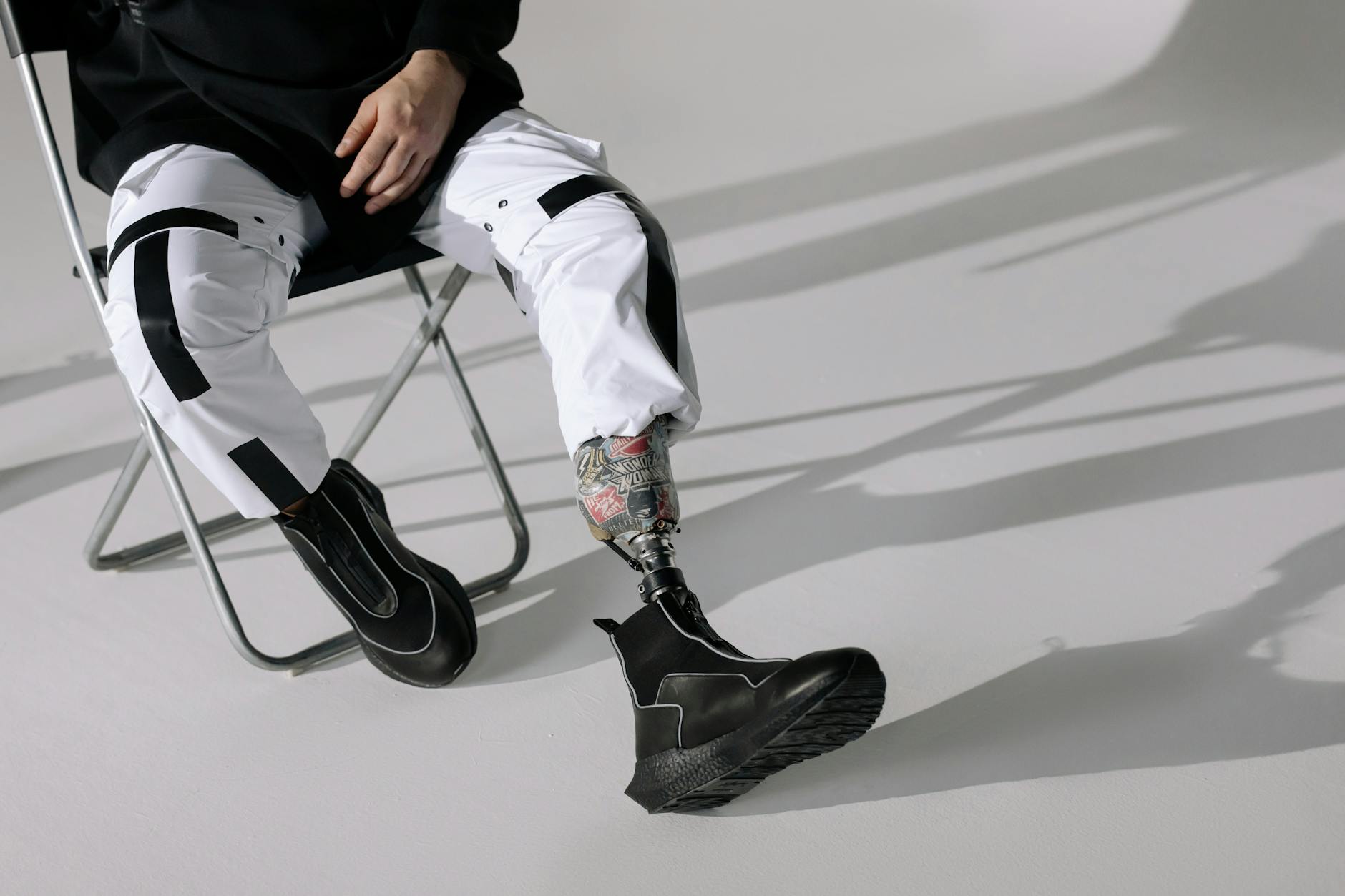
Prosthetic limbs including arms legs and hands left behind in hotel rooms represent one of the more medically significant categories of forgotten items in hospitality. The presumed necessity of the item makes its abandonment deeply puzzling and concerning to housekeeping staff who discover it. Immediate reporting to management is standard given the sensitive nature of the item and the welfare implications for the guest. Hotels make considerable effort to contact guests who have left prosthetics behind though a portion of these items go unclaimed in lost and found storage.
Wedding Dresses
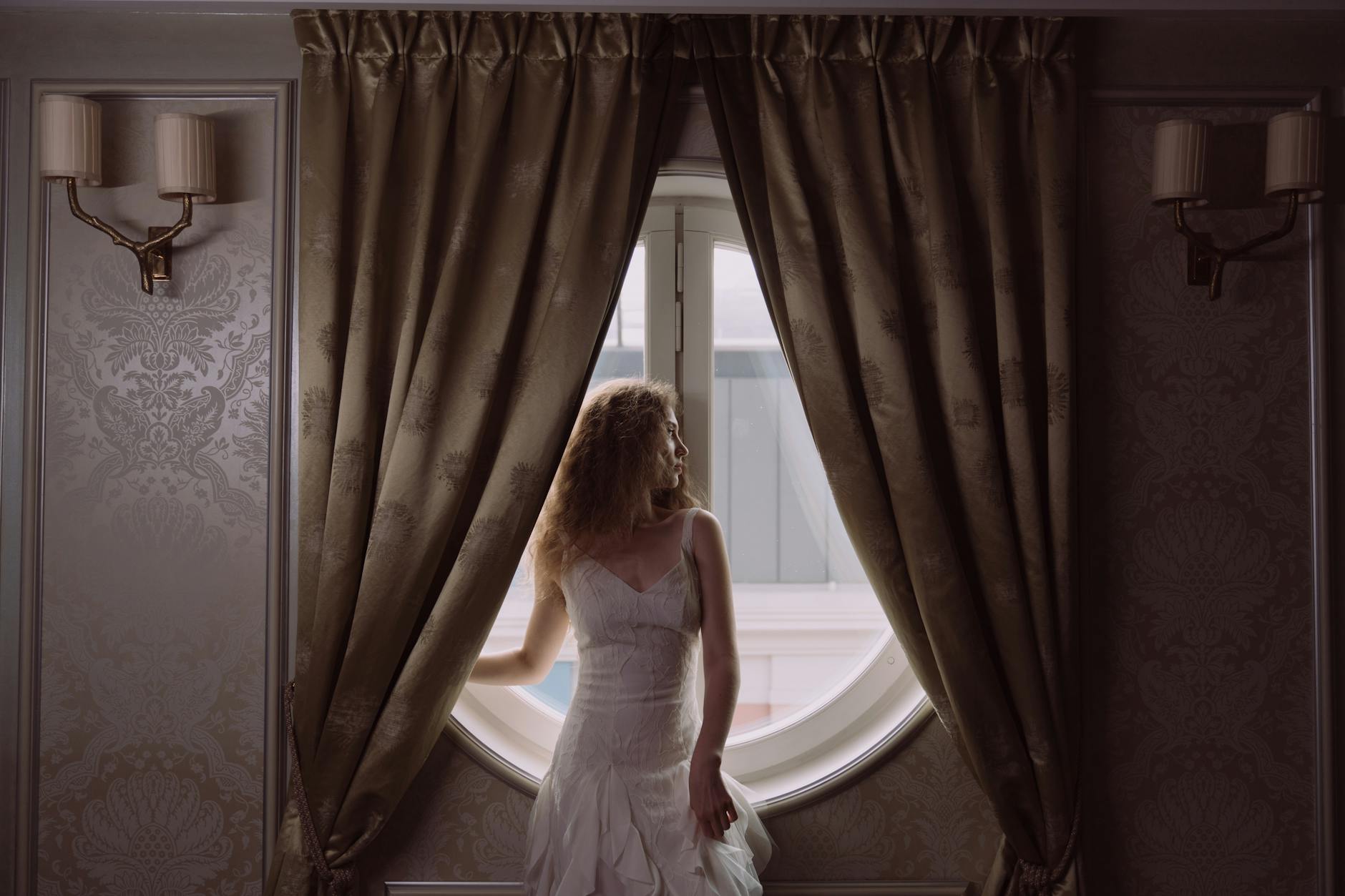
Full bridal gowns discovered in hotel rooms post-checkout carry a concentrated emotional charge that housekeeping staff consistently describe as one of the most memorable discoveries of their careers. The garment may be found hanging carefully pressed in a wardrobe still boxed or crumpled and abandoned suggesting very different narratives about the circumstances of the stay. The value of a wedding dress triggers immediate escalation to management and diligent attempts to reach the departing guest. Unclaimed gowns present a storage challenge given their size delicacy and the implicit personal significance of the item.
Stacks of Books
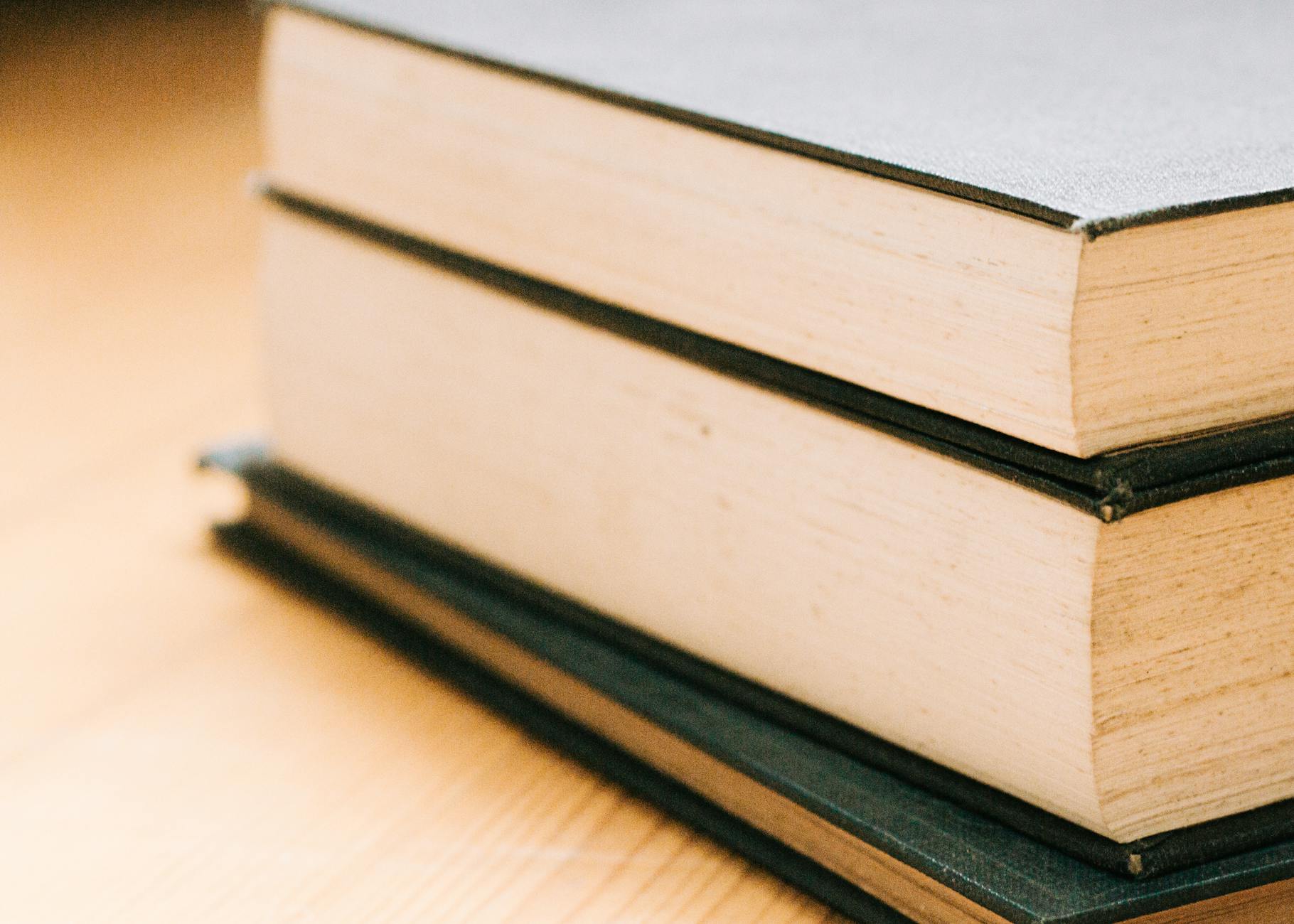
Large personal libraries carried into hotel rooms and partially or fully abandoned at checkout reflect a niche but documented pattern among certain guest profiles. Dozens of physical books left neatly stacked or scattered throughout a room suggest an extended stay research project or a deliberate act of leaving the collection behind. Staff sorting through abandoned books occasionally encounter heavily annotated volumes with margin notes that offer a strange window into the previous occupant’s thinking. Donated book collections sometimes make their way from hotel lost and found to local libraries through informal staff-initiated arrangements.
Taxidermy Pets

Preserved versions of deceased pets crafted through professional taxidermy have been discovered in hotel rooms adding a deeply personal and emotionally complex dimension to the standard found-item scenario. Guests who travel with preserved animals for comfort or sentimental reasons represent a small but documented demographic in hospitality housekeeping reports. The item’s personal significance is immediately apparent making its discovery feel distinctly different from other unusual finds. Management teams approach outreach to guests in these cases with particular care given the emotional context surrounding the item.
Escape Rooms
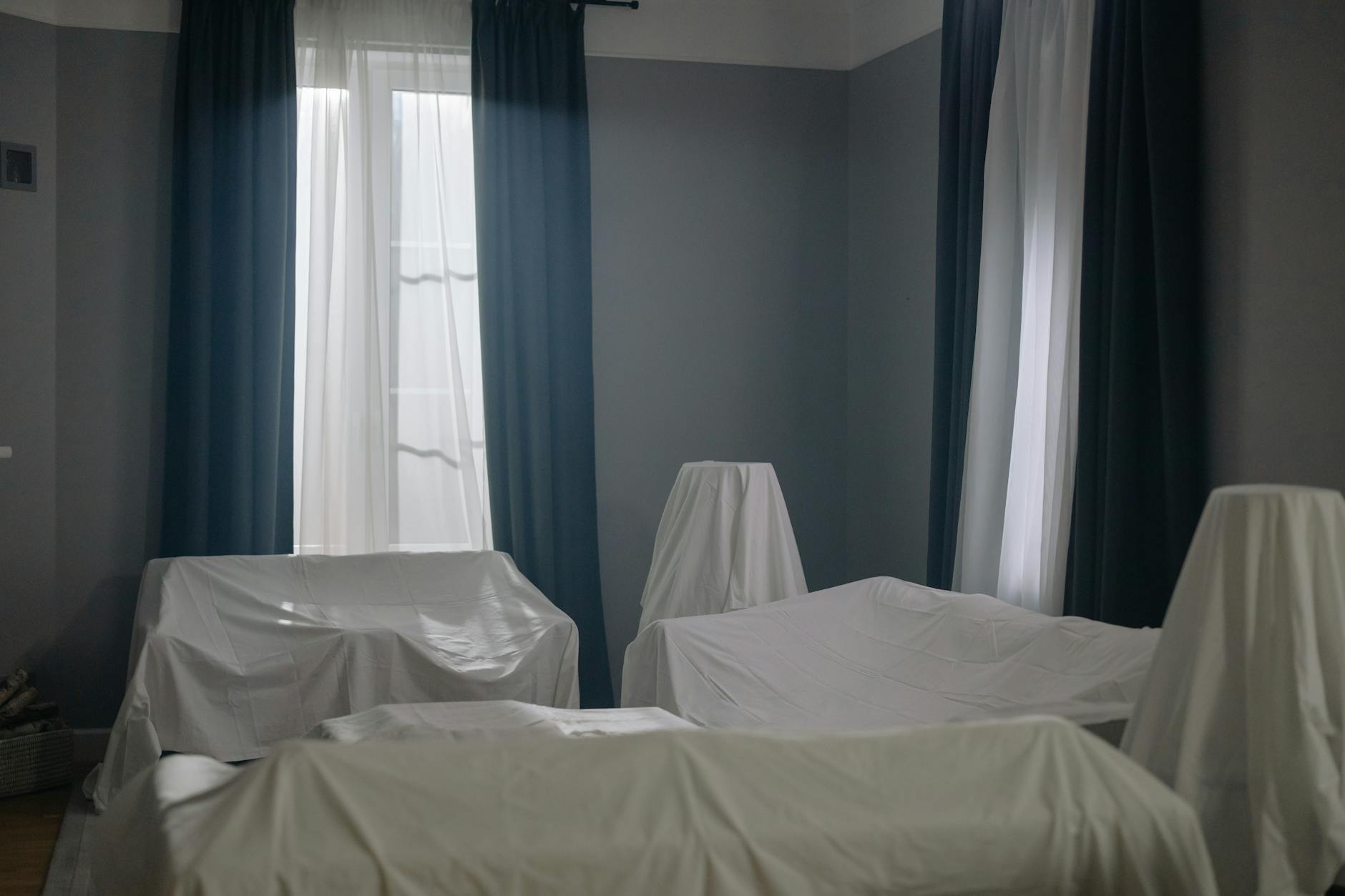
Self-constructed puzzle setups resembling amateur escape room installations have been found built across entire hotel suites using furniture ropes locks and printed clues. The assembly of such an elaborate arrangement within a standard hotel room results in significant furniture displacement and in some cases minor damage to walls and fixtures. Whether constructed for private entertainment a proposal or an organized group activity the teardown burden falls entirely on housekeeping staff. Documentation of the setup through photography is standard practice before any dismantling begins.
Surveillance Equipment
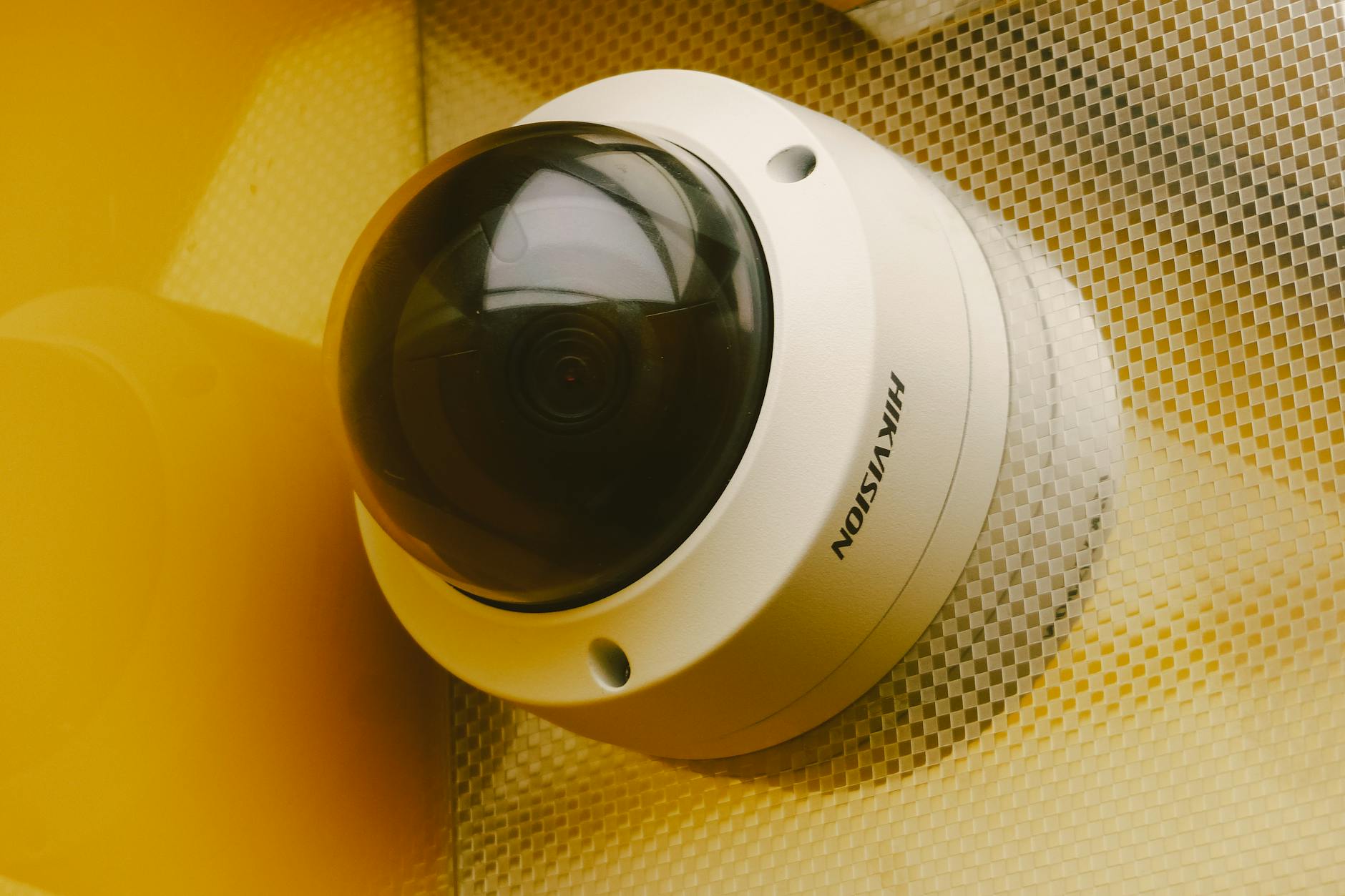
Hidden cameras and recording devices discovered in hotel rooms by housekeeping staff represent one of the most legally serious categories of found items. Equipment concealed inside alarm clocks smoke detectors or everyday objects requires immediate cessation of all room activity and direct escalation to management and law enforcement. The discovery triggers both a criminal investigation process and a hotel-wide security review in most documented cases. Industry training now specifically addresses identification of common concealment methods given the increasing miniaturization and affordability of recording technology.
Human Hair
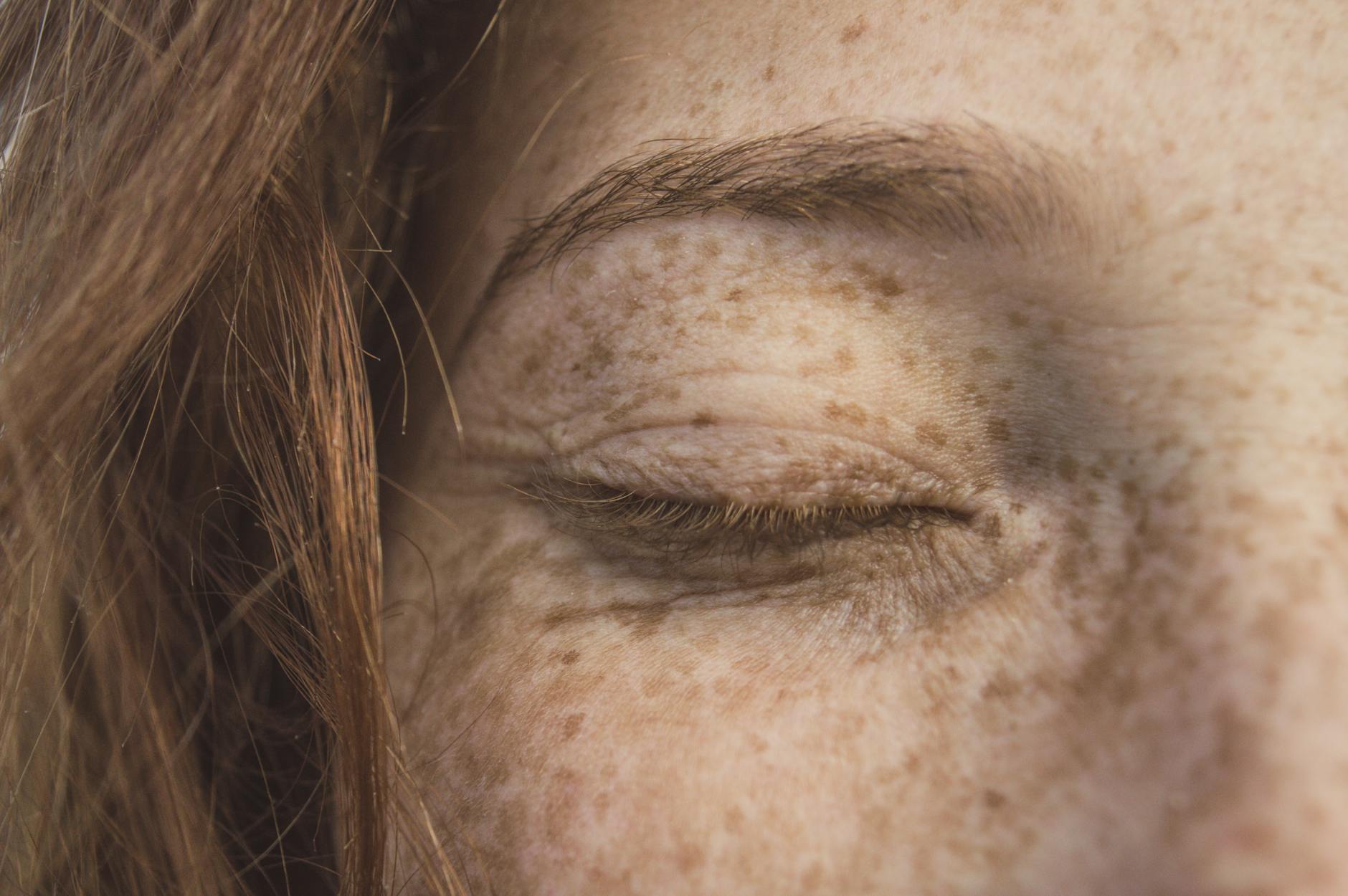
Large quantities of human hair collected and left behind in hotel rooms have been documented across multiple hospitality contexts and defy easy categorization. Hair arranged in bags braided into collections or scattered in patterns throughout a room creates a scene that housekeeping staff consistently rank among their most difficult to process. The absence of any obvious medical or cosmetic context for the collection amplifies the unsettling nature of the discovery. Standard protocol treats the material as a biological item requiring gloved handling and formal disposal procedures.
Mirrors
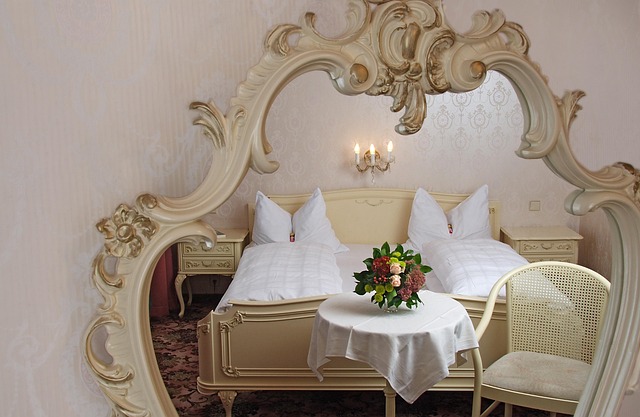
Unusual configurations of mirrors brought into a hotel room and arranged to create specific reflective environments are found more frequently than the general public would expect. Guests have been known to transport personal mirrors in addition to repositioning all fixed mirrors within the room to achieve particular lighting or spatial effects. The return of fixed mirrors to their original positions and the safe storage of personal mirrors left behind involves both maintenance and housekeeping coordination. Rooms used for photography or video production are particularly associated with this type of multi-mirror arrangement.
Notes

Handwritten notes left in prominent positions throughout a hotel room span an enormous range from mundane complaints to deeply distressing personal messages. Notes addressed to no one or to a general future reader carry a particular atmospheric weight that housekeeping staff describe as difficult to shake. Content that suggests a guest was in emotional crisis triggers an immediate welfare check protocol and management notification regardless of checkout status. The physical act of leaving a note in a hotel room as a deliberate communicative gesture gives each discovery a narrative quality that lingers with staff.
Pill Collections
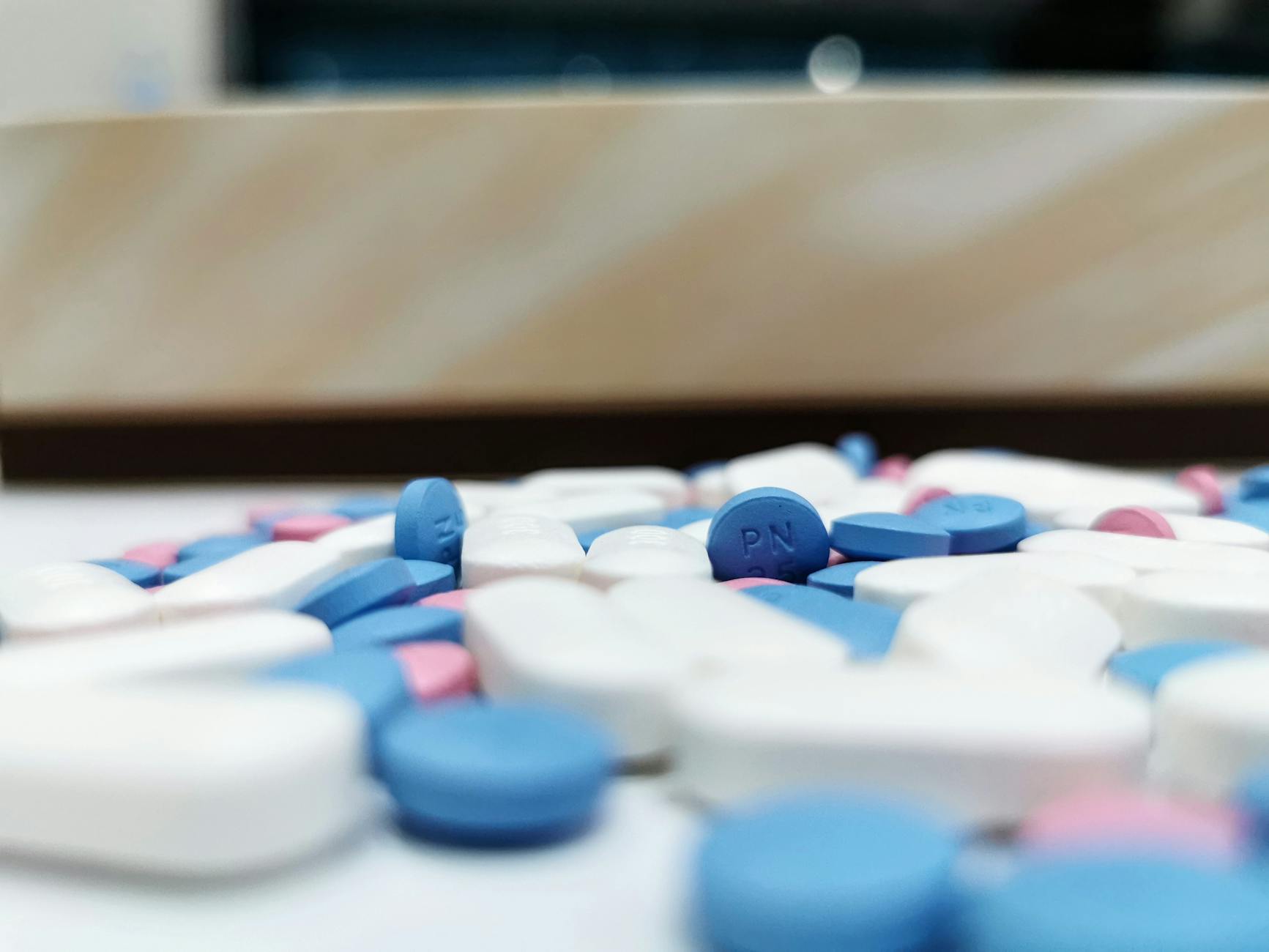
Large organized collections of prescription or over-the-counter medication discovered in hotel rooms create immediate concern about the circumstances of the guest’s stay and departure. Medications sorted into elaborate systems using labeled containers spreadsheets or specialized organizers suggest a level of medical management that raises questions when the guest has departed unexpectedly. Quantities that exceed normal personal use are flagged and documented before any disposal or storage decision is made. Staff who encounter pill collections alongside other distressing indicators in a room are trained to escalate immediately to management for a welfare assessment.
Food in Walls
Food items concealed inside wall cavities behind fixtures or within structural elements of a hotel room represent one of the most labor-intensive and bewildering discoveries in hospitality housekeeping. The deliberate nature of hiding food within the architecture of a room sets these cases apart from standard forgotten item scenarios. Detection often occurs through odor before any visual confirmation is possible and locating the source requires a systematic search of the entire room. Remediation in severe cases involves maintenance intervention and in some instances temporary removal of fixtures to access and clean the affected area.
If you have worked in hospitality or stayed in enough hotels to have a story of your own share it in the comments.




