
Most people assume that once something goes in the trash, it disappears from their life entirely. The reality is that a single bin put out on collection day can function as an open file on everything from financial status to daily routine. Identity thieves and opportunistic burglars actively scout residential trash for exactly this kind of information. Understanding what you are unknowingly discarding is the first and most important step toward protecting your home and your household.
Appliance Boxes

Large electronics and appliance boxes left at the curb are among the most visible signals a household can send to the wrong kind of observer. A box advertising a brand new large-screen television or gaming system communicates both recent spending and the likelihood that the item is still inside the home. Collectors of this type of intelligence often drive through neighborhoods on collection day specifically looking for this material. Breaking down boxes and placing them inside bags removes the advertising effect entirely. Retailers also offer cardboard recycling programs that eliminate the need to put branded packaging on the street at all.
Bank Statements
Paper bank statements contain account numbers, routing details, full legal names and home addresses all printed in one place. A single discarded statement provides enough material for a skilled fraudster to attempt account access or targeted phishing. Many households receive these documents monthly without switching to paperless billing, leaving a regular cycle of sensitive material entering the waste stream. A cross-cut shredder renders this information unreadable and costs very little relative to the damage it prevents. Financial institutions universally offer digital statements that remove the paper risk from the equation entirely.
Prescription Bottles

Medication bottles carry a surprising density of personal information including full name, prescribing physician, pharmacy location, medication name and dosage. This data can be used to build a medical profile useful for insurance fraud or to identify households where elderly or vulnerable individuals live alone. The information also signals patterns of absence if prescriptions are filled at predictable intervals. Removing the label entirely before disposal is a simple habit that takes seconds and eliminates the risk. Many pharmacies also operate take-back programs that handle disposal responsibly.
Old IDs
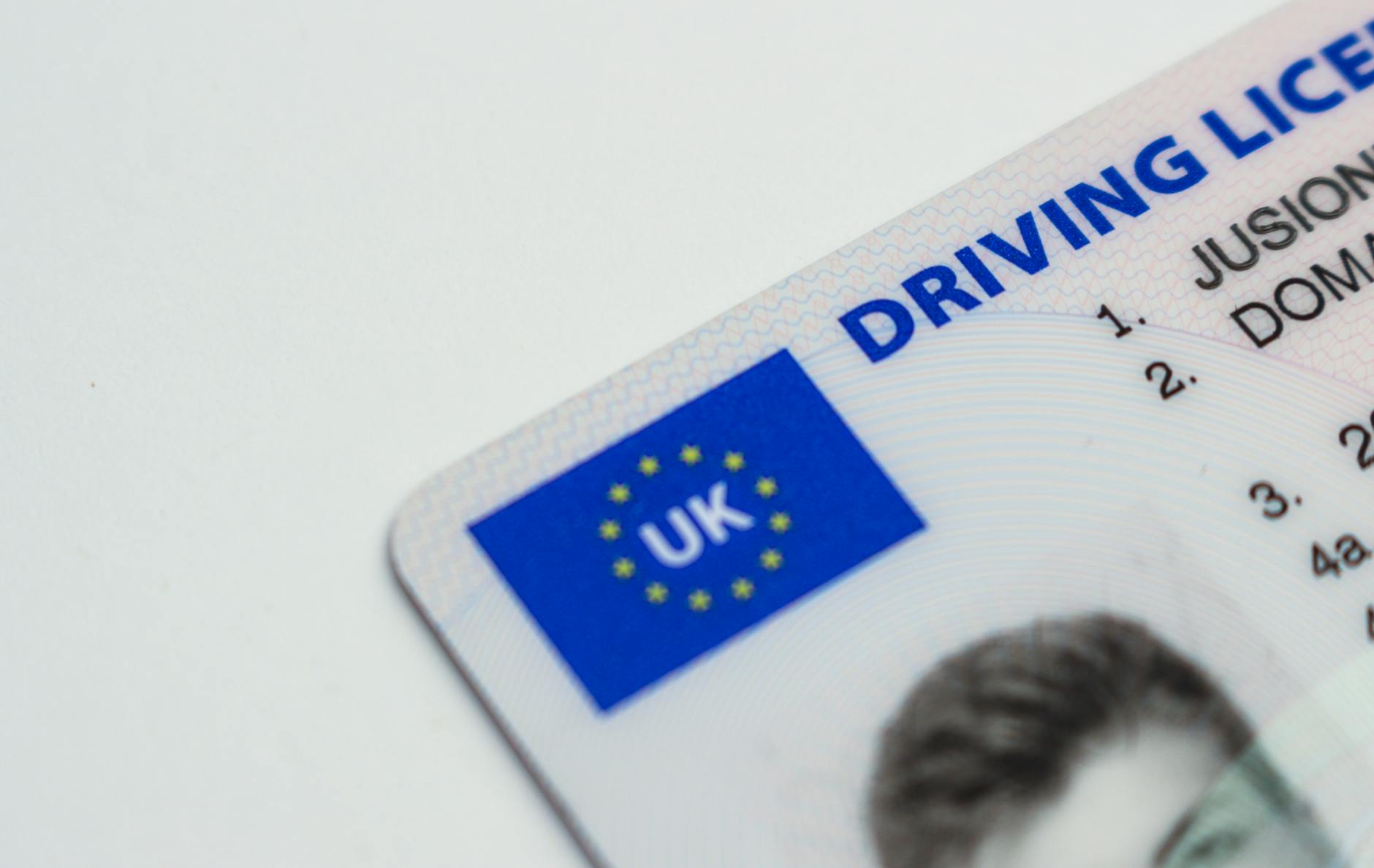
Expired passports, driving licences and national identity cards are frequently thrown away without a second thought because they are no longer valid for travel or verification. However the document number, photograph, date of birth and residential address printed on them remain entirely usable for identity construction. Fraudsters combine expired document details with current information harvested from other sources to build synthetic identities. Cutting through the photograph and the document number before disposal is a minimum precaution. Shredding the full document is the more thorough approach and is strongly recommended by consumer protection agencies.
Pizza Boxes

Takeout and delivery packaging reveals ordering habits, dietary preferences and critically the name of the account holder printed on the delivery label. Aggregated over several weeks of collection day observation a pattern of delivery addresses and account names becomes readable from the street. Premium delivery services print full names and sometimes partial contact information directly on packaging or attached receipts. Removing any printed labels before putting packaging in the recycling bin is a fast and effective countermeasure. The delivery label itself warrants the same treatment as any other document containing personal identifiers.
Mortgage Documents

Printed mortgage correspondence, refinancing paperwork and property tax notices contain property value assessments, lender names and loan reference numbers in plain text. This material communicates both the financial structure of the household and confirmation of ownership, which is useful to those targeting high-value properties. Households going through refinancing often generate a high volume of this paperwork over a short period. Any document referencing a mortgage account should be shredded rather than folded into general waste. Digital document management removes the need to handle physical copies of this sensitive material at all.
Gym Schedules

Printed timetables from fitness studios, leisure centres or personal training services communicate predictable patterns of absence from the home. A schedule showing morning or evening sessions on specific days is a reliable indicator of when a property will be unoccupied. Households with multiple members often accumulate several of these schedules, effectively publishing a composite picture of when the building is empty. Discarding these loosely in recycling bins makes them immediately readable. Tearing or shredding any document that references a regular schedule is a straightforward precaution.
Tax Returns
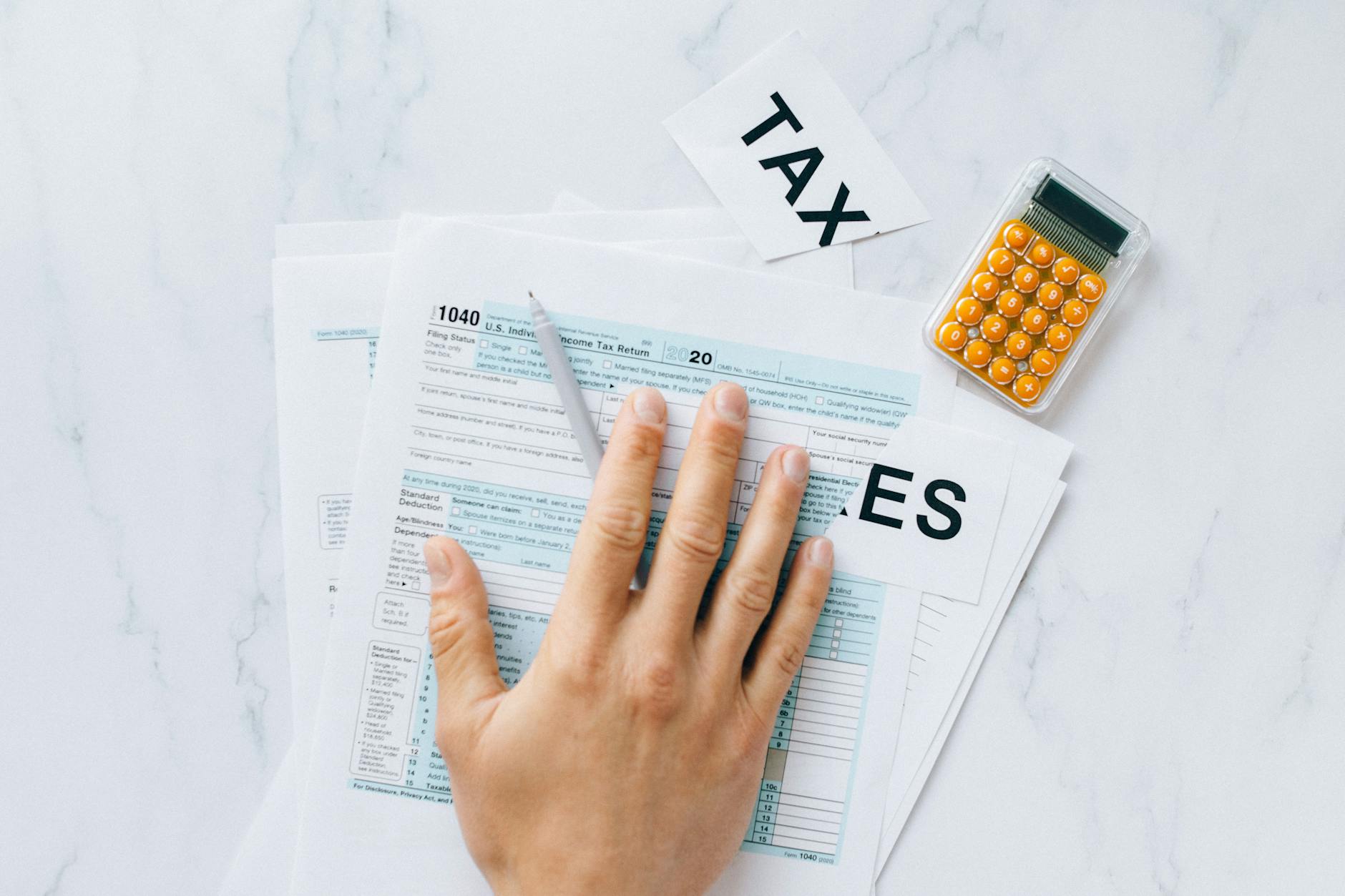
Printed tax returns are among the most comprehensive personal documents a household produces in any given year. They contain employment details, income figures, dependent information, employer names and full social security or national identification numbers. The volume of information on a single return is sufficient to conduct serious identity fraud across multiple platforms. Many households print and review their returns before filing electronically and then dispose of the paper copy without shredding. Retaining digital copies and shredding all physical tax documents immediately after use is the recommended practice.
Loyalty Cards

Cancelled or expired store loyalty cards carry a membership number linked to a full purchase history, contact details and often a linked payment method in the retailer’s system. Discarding an intact card allows anyone who finds it to attempt account access if the membership number is still active in the system. Retailers are inconsistent about deactivating old cards promptly following cancellation requests. Cutting through the barcode and the card number before disposal removes the functional element of the card. Contacting the retailer to confirm account closure before disposal adds a further layer of protection.
Children’s Art

School projects, drawings and craft work sent home from educational settings frequently carry the child’s full name, class name, teacher name and school address on attached labels or stamps. A discarded piece of schoolwork can confirm that children live at an address, their approximate age and the school they attend. This information is of specific interest to individuals conducting targeted approaches rather than opportunistic theft. Removing identifying labels and stamps before discarding creative work takes seconds and removes the risk. Families should treat any document leaving a school setting with the same care applied to official correspondence.
Utility Bills
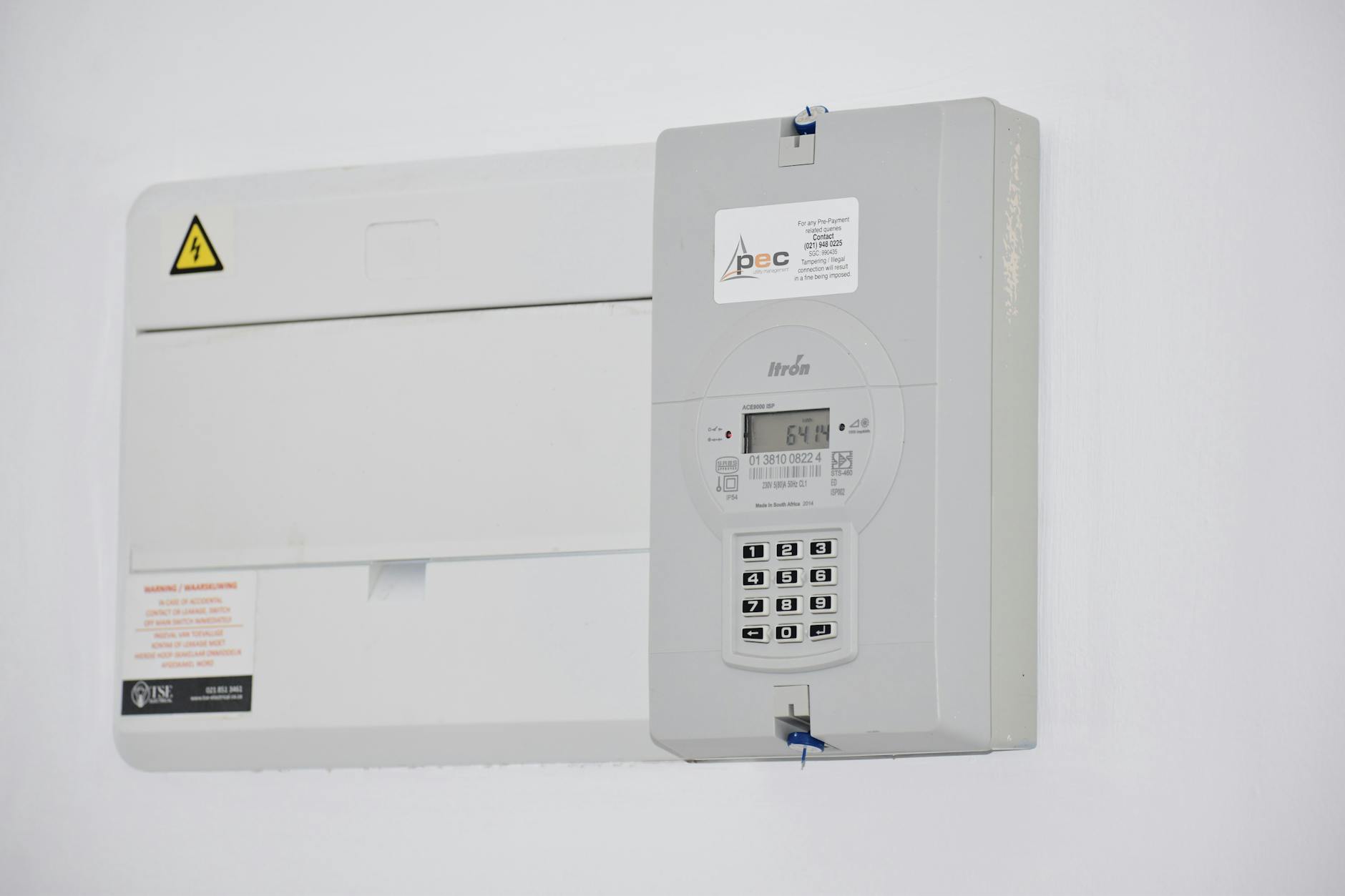
Utility bills confirm the name of the account holder, the service address, the account number and in many cases the average usage pattern across billing periods. They are one of the most commonly accepted forms of address verification across financial, governmental and rental applications. A bill discarded intact provides all the components needed to impersonate a resident in a formal verification process. Switching to paperless billing removes physical copies from the household entirely and is offered free of charge by virtually all providers. Any physical bills that must be discarded should be shredded before leaving the home.
Holiday Notices

Cards, flyers or printed confirmations referencing an upcoming trip away communicate directly that a property will be unoccupied. Travel itineraries printed from booking platforms include departure dates, return dates, airline details and booking references on a single page. This material, combined with an address, provides a precise window of opportunity for an empty property. Households should avoid placing any travel documentation in external bins before departure. Digital travel documents remove the paper trail from the waste stream entirely.
Credit Card Offers
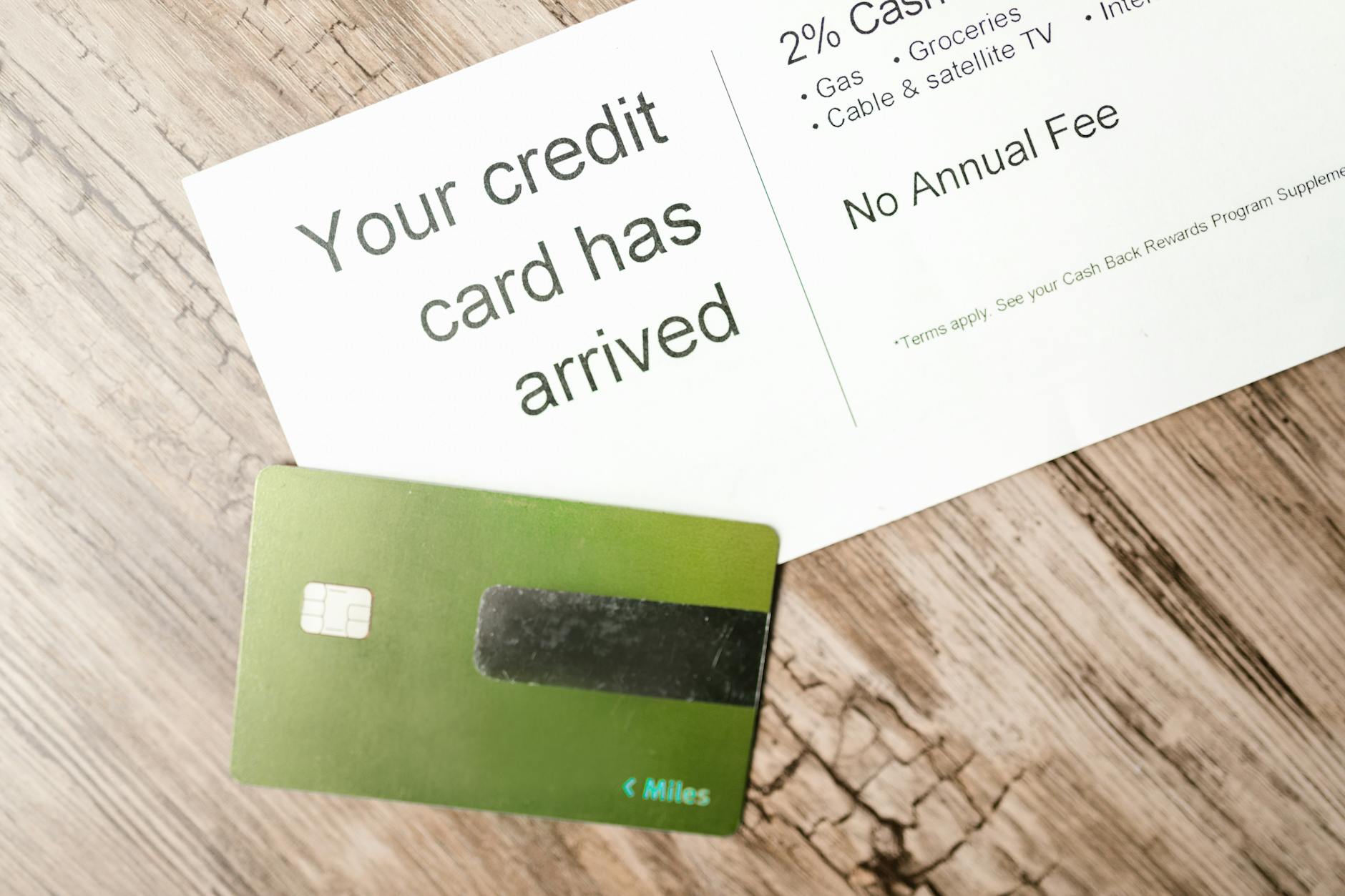
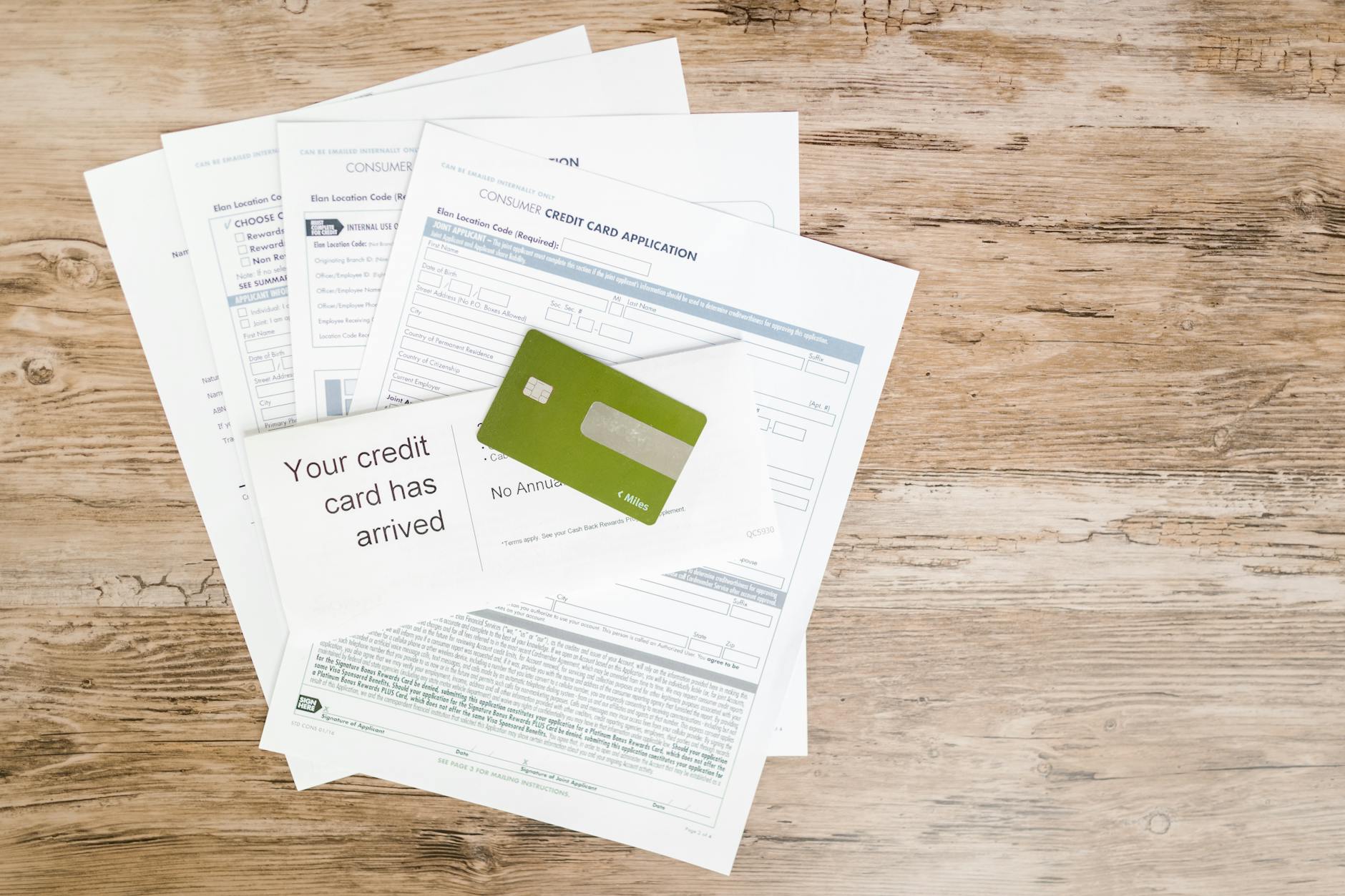
Pre-approved credit card and loan offers arrive addressed by full name to confirmed residential addresses and are treated by many recipients as straightforward junk mail. The offer itself confirms that the named individual has a credit profile strong enough to be targeted by lenders, which is valuable intelligence. Some offers include promotional codes or preliminary account references that can be used in fraudulent applications if intercepted. Shredding these envelopes and their contents prevents them from functioning as a credit intelligence document. Opting out of pre-screened offers through official consumer credit opt-out services reduces the volume of this material arriving at an address.
Old Phones

Discarded smartphones and tablets are rarely wiped properly before they enter the waste stream. Even a factory reset performed incorrectly can leave recoverable data including photographs, contact lists, saved passwords and linked account credentials. The device itself also confirms that the household owns and upgrades technology regularly. Performing a verified full wipe using the device manufacturer’s recommended process is essential before disposal. Electronics recycling programmes operated by manufacturers and retailers provide a secure and environmentally responsible disposal route.
Payslips

Printed payslips contain the full name of the employee, employer name and address, salary figure, tax code and national insurance or social security number on a single document. Regular monthly disposal of payslips creates a cycle of sensitive material appearing in household bins with predictable frequency. A combination of these details is sufficient to make a fraudulent employment or credit reference. Switching to digital payslip delivery through employer payroll portals eliminates physical copies entirely. Any payslip that must be disposed of physically should be shredded to the point of being unreadable.
Raffle Tickets

Charity raffle counterfoils, competition entry stubs and event tickets carry the purchaser’s name, contact number and sometimes email address written in their own handwriting. These details confirm residency at the listed address and provide contact information useful for phishing or social engineering approaches. Events with high-value prizes attract a higher volume of entry data flowing through household waste. Retaining counterfoils until the draw date and then shredding them rather than discarding them loose removes this exposure. Digital entry systems used by most modern fundraising platforms eliminate the physical paper risk entirely.
Travel Insurance

Printed travel insurance documents list the policyholder’s full name, address, date of birth, passport number, destination and precise travel dates. This combination of data is among the most complete identity and absence profiles available from a single discarded document. Insurers and assistance providers print all material details on the policy schedule for quick reference during travel. Storing travel documents digitally through insurer apps or email removes the need for printed copies in most circumstances. Any printed policy documentation should be shredded immediately after the travel period has concluded.
Wine Subscriptions

Printed delivery notes from wine clubs and subscription beverage services confirm account holder name, delivery address, subscription tier and billing cycle. Premium subscription tiers communicate disposable income and the presence of valuable items in the home. Delivery documentation from high-frequency subscriptions creates a regular paper trail visible from the street on collection days. Removing and shredding the printed delivery note before placing packaging in recycling takes seconds. Many subscription services now offer digital-only delivery confirmation as a default option.
Store Receipts
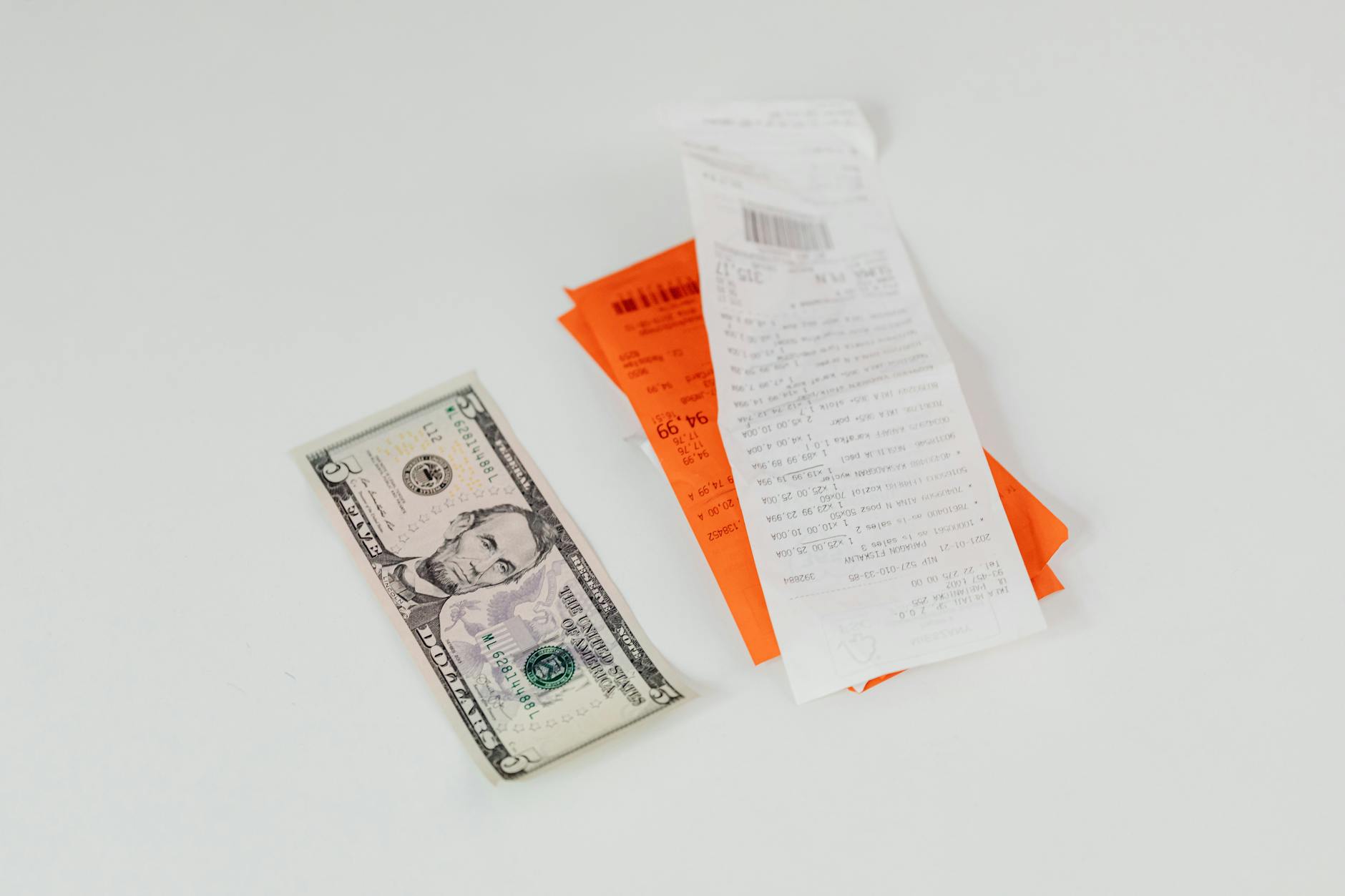
Printed receipts from department stores and electronics retailers detail the exact items purchased, the transaction date and in many cases the last four digits of the payment card used. A receipt for a high-value item purchased recently confirms both the product and its likely location. Receipts from loyalty-linked transactions also carry the membership account number, adding a further layer of personal data. Retailers are required in most jurisdictions to truncate payment data on receipts but the remaining information is still operationally useful. Receipts should be reviewed for return purposes and then shredded rather than deposited loosely in bins.
Moving Notices

Change of address cards sent to businesses, utilities and personal contacts are often printed in bulk and the unused copies discarded with other packing waste. These documents list both the old address and the new address alongside the full name of the household, confirming a transition period when security routines are typically disrupted. Moving periods are statistically associated with higher rates of mail theft and identity fraud due to the volume of redirected correspondence in transit. Any printed change of address material should be shredded rather than discarded with general packing waste. Digital change of address notifications submitted directly through official portals remove the need for printed versions entirely.
Medication Packaging

Secondary pharmaceutical packaging including boxes, instruction leaflets and blister packs carries the medication name, dosage instructions and in many cases the dispensing pharmacy’s label with the patient’s full name and address. Aggregated medication packaging in a single bin bag communicates a detailed picture of the health conditions managed within a household. This information is of specific use to those building profiles for insurance fraud or for identifying vulnerable residents. Removing pharmacy labels before disposal and placing packaging in a sealed bag reduces the visibility of this data. Pharmacy take-back schemes provide a secure alternative to standard household waste disposal for medication packaging.
Business Cards

Personal and professional business cards discarded after networking events or career transitions carry direct-dial numbers, personal email addresses, job titles and company affiliations. A stack of cards from a single individual confirms their professional network and organisational access. Cards from senior roles communicate both financial status and potential access to corporate accounts or facilities. Running business cards through a cross-cut shredder renders the contact information unrecoverable. Digital contact management tools remove the need for physical card retention entirely in most professional contexts.
Security System Boxes
Packaging from home security cameras, alarm systems and smart lock installations communicates directly that the listed products are now installed at the address. However it also confirms the specific manufacturer and model, which a technically informed observer can use to identify known vulnerabilities or default access credentials. The timing of the installation can also be inferred from the collection day on which the packaging appears. Breaking down boxes and concealing them within sealed bags removes the advertising function before collection day. Returning packaging to the retailer through an in-store recycling scheme eliminates the street-level visibility risk entirely.
Christmas Lists

Handwritten or printed gift lists, wish lists shared among family members and printed gift receipts all circulate in household waste at high volume during seasonal periods. These documents communicate the presence of high-value items in the home, the names and ages of household members and spending levels across the period. Seasonal waste collection periods are associated with elevated rates of residential targeting precisely because of the volume of premium packaging and purchase documentation in the waste stream. Shredding all written lists and gift documentation before bin day removes this seasonal intelligence from public view. Families should apply the same shredding discipline to seasonal paper waste as they would to financial documents year-round.
If any of these items have surprised you in terms of the risk they carry, share your thoughts in the comments.




