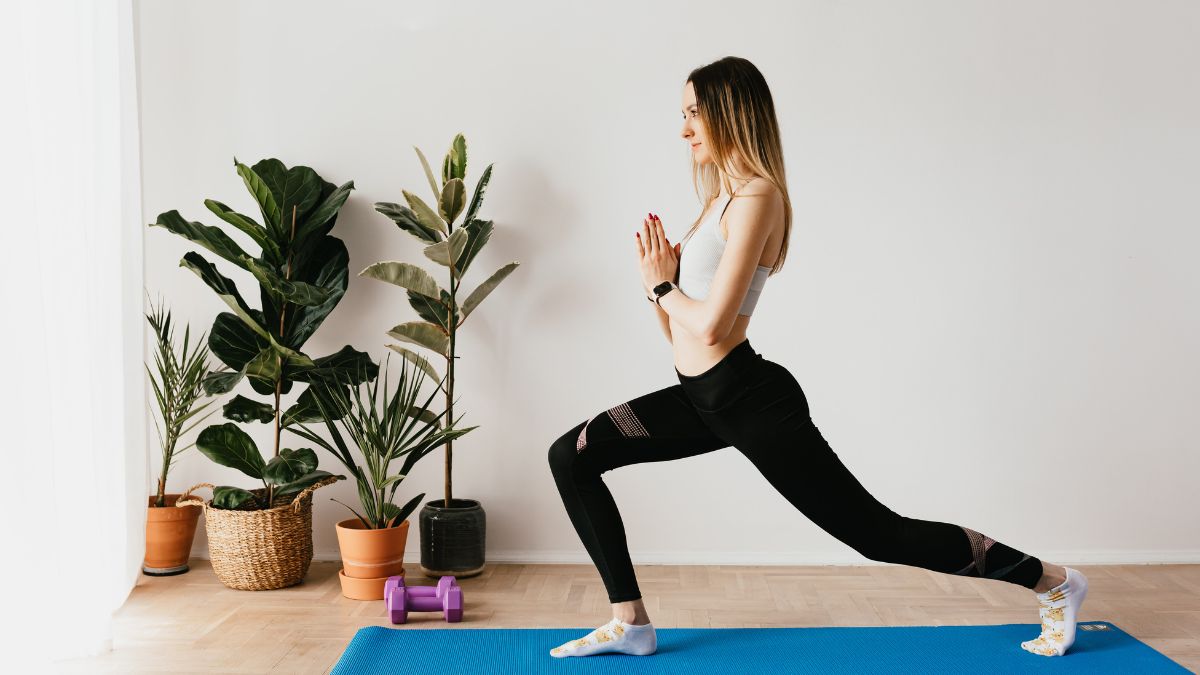
Lunges rank among the simplest yet most powerful exercises for targeting the lower body. You can perform them anywhere at home in the park or even at the gym without any special equipment. Committing to just 30 lunges daily takes only a few minutes yet triggers noticeable changes when done consistently and with proper form. Over time this small habit builds real strength and encourages more movement throughout your day.
The primary muscles that benefit include the quadriceps along the front of the thighs the hamstrings at the back and the glutes in the buttocks. Each step forward engages these groups deeply so daily practice gradually makes them stronger and more enduring. You may soon notice firmer tone especially around the thighs and rear as the muscles adapt and grow more defined. Many people also feel their legs gaining better overall power for everyday tasks like climbing stairs or walking longer distances.
Balance and stability see a real boost because lunges demand control while one leg moves ahead and the other supports your weight. This activates smaller stabilizing muscles around the hips and core that often get overlooked in simpler exercises. Regular sessions improve coordination and help your body stay steadier during dynamic activities. For anyone who spends long hours sitting this added control can reduce the risk of minor strains or falls over time.
Hip mobility improves as well since the forward and lowering motion stretches and strengthens the hip flexors. Prolonged sitting tends to tighten these areas leading to stiffness but daily lunges counteract that by promoting a fuller range of motion. You might find it easier to bend or reach without discomfort after several weeks. Combining lunges with walking or light cycling amplifies these gains and keeps the routine fresh.
This quick daily practice also serves as an excellent gateway to building lasting fitness habits. Beginners especially appreciate how little time it requires yet how much it motivates them to stay active. Results typically start appearing after a few consistent weeks with increased leg strength and endurance becoming evident. Patience matters because the body needs time to adapt but the payoff feels rewarding as daily movements grow smoother and more confident.
While lunges offer plenty of advantages it helps to listen to your body and maintain good technique to avoid overuse. Alternate sides evenly keep your front knee aligned over the ankle and avoid letting the back knee touch the ground too forcefully. If you add variations like walking lunges or reverse lunges you can target the muscles from different angles for even better balance.
Overall committing to 30 lunges each day proves that small consistent efforts create meaningful improvements in strength mobility and daily function. The changes accumulate quietly at first but soon support a more capable and energized body.
What changes have you noticed from adding lunges to your routine share your thoughts in the comments.




