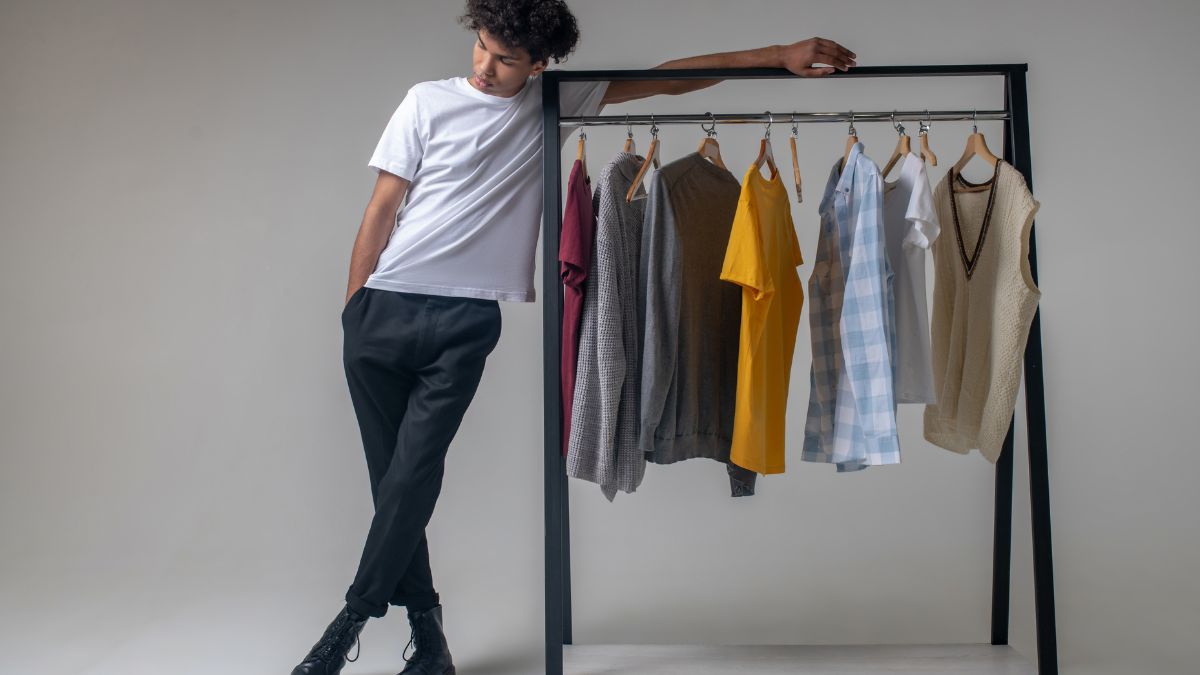
First impressions in a professional setting are formed within seconds of walking through the door, and clothing plays a significant role in that initial assessment. Hiring managers consistently report that inappropriate attire sends an immediate signal about a candidate’s judgment and understanding of workplace culture. Research in organizational psychology confirms that visual presentation influences perceived competence before a single word is spoken. Dressing appropriately for an interview demonstrates respect for the opportunity and awareness of professional norms. These are the clothing choices that most reliably derail an otherwise promising candidacy.
Flip Flops
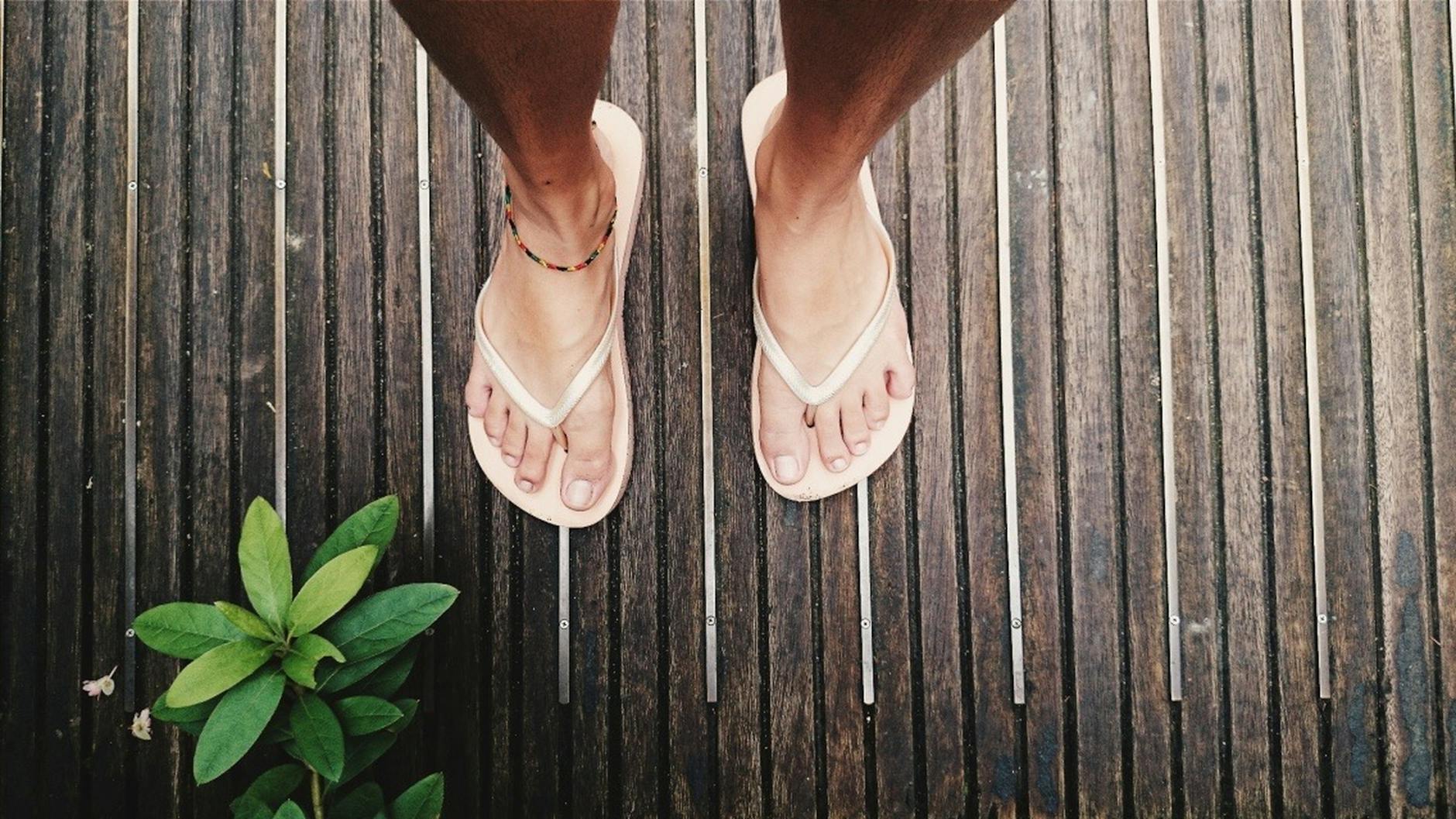
Open-toed rubber sandals rank among the most universally cited interview mistakes across industries. They communicate a casual indifference that clashes with even the most relaxed office environments. Recruiters in surveys consistently flag footwear as one of the first things they notice when a candidate enters the room. Even creative industries with relaxed dress codes expect candidates to elevate their appearance for a formal meeting. No level of qualification fully compensates for the impression created by showing up in beach footwear.
Graphic Tees
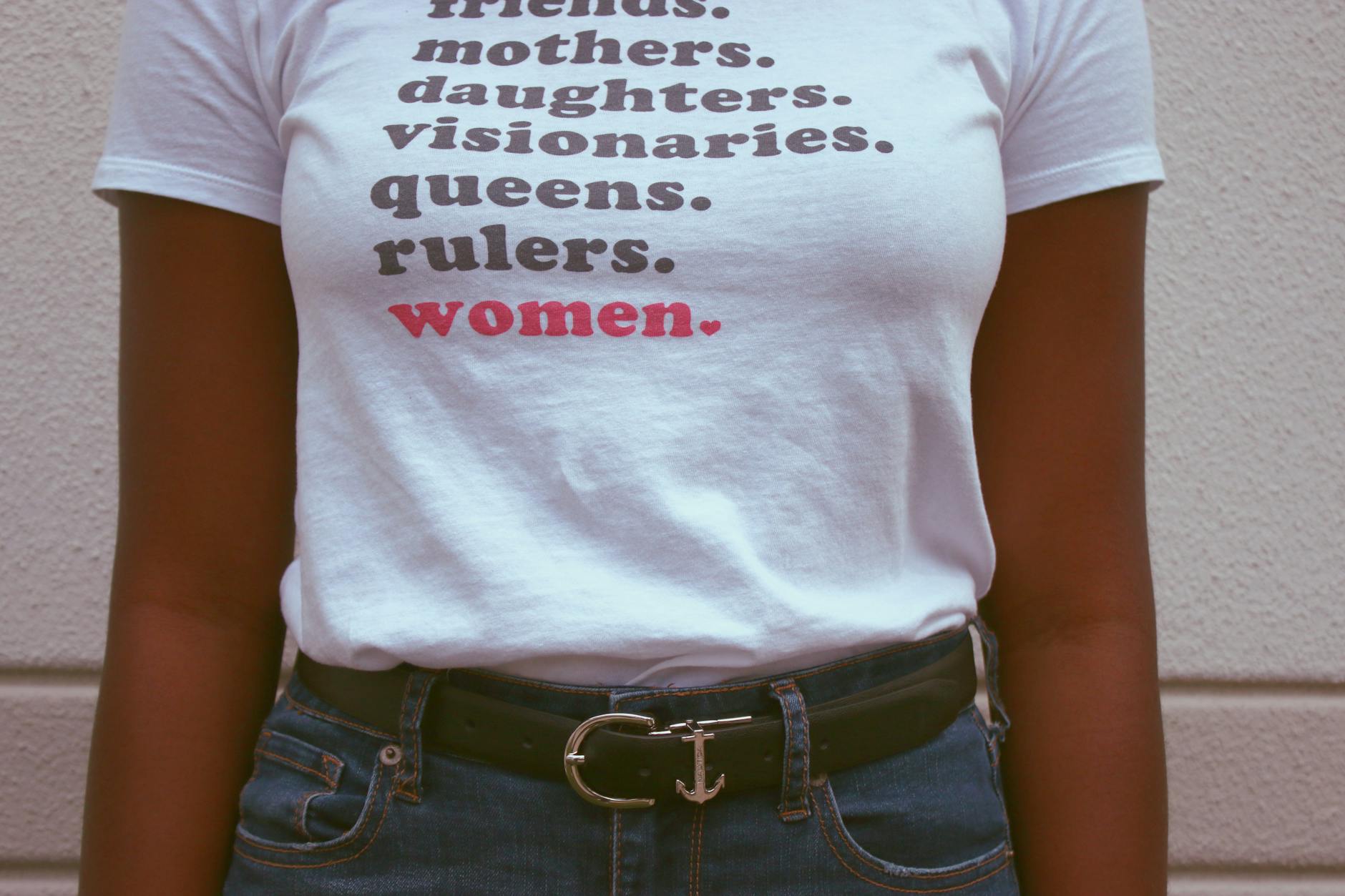
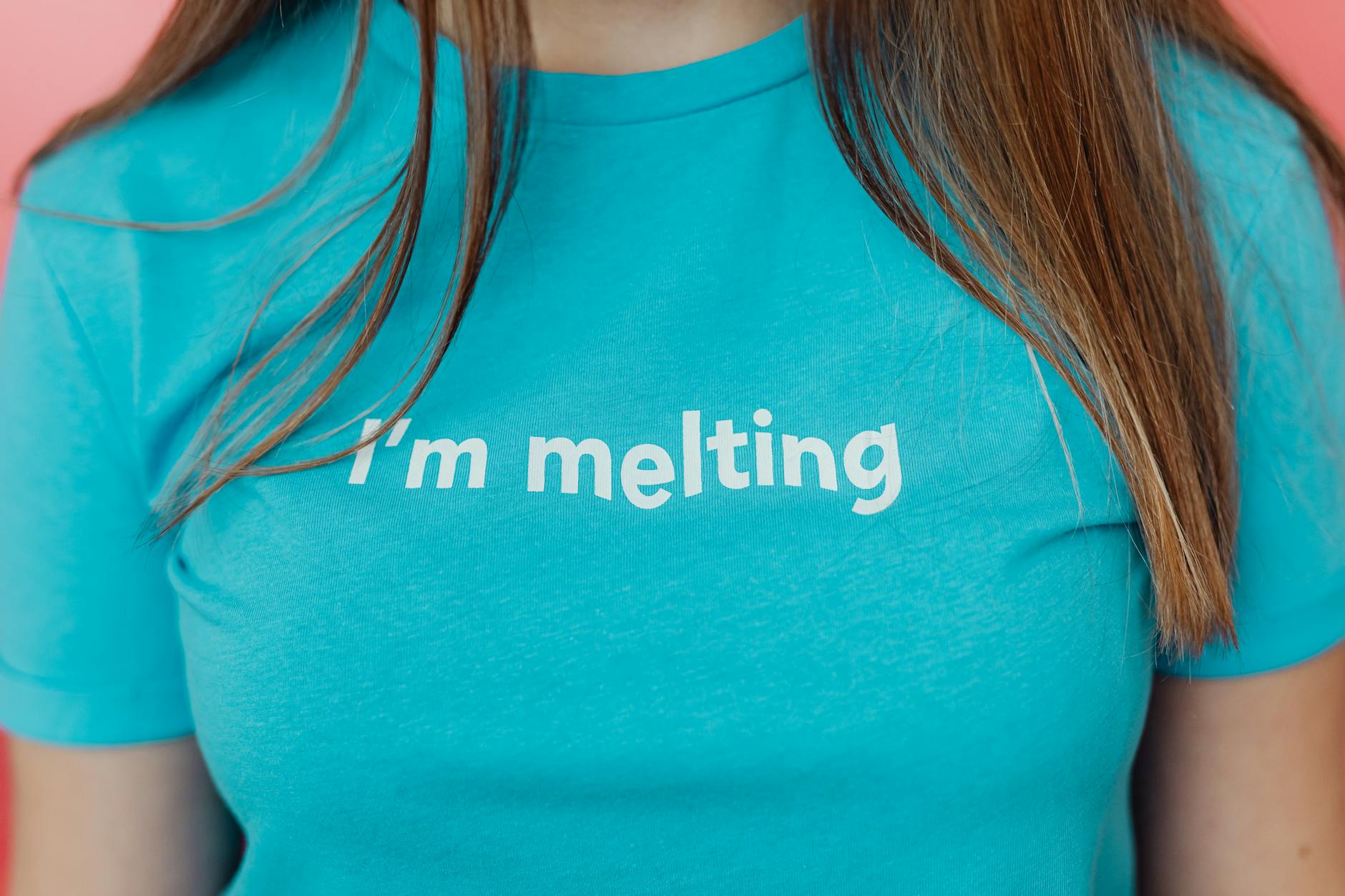
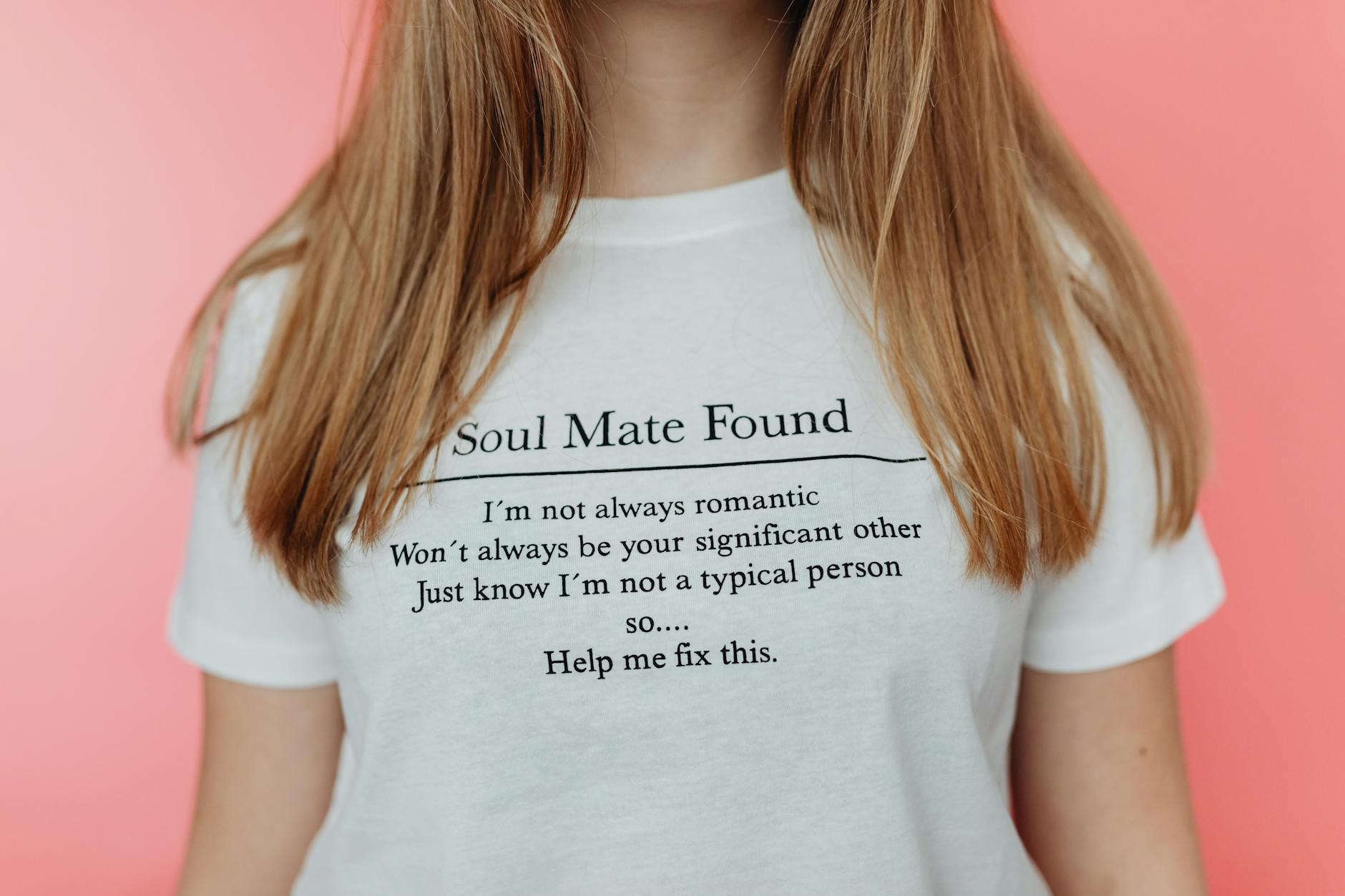
Printed t-shirts featuring slogans, band names, cartoon characters or brand logos are deeply inappropriate for interview settings. They shift attention away from a candidate’s professional credentials and onto irrelevant personal associations. Even when a company culture appears casual from the outside, interviews are formal evaluations that call for elevated dress. A fitted plain shirt or blouse in a neutral tone always projects more competence at zero additional cost. The graphic tee signals a fundamental misreading of what the occasion demands.
Mini Skirts
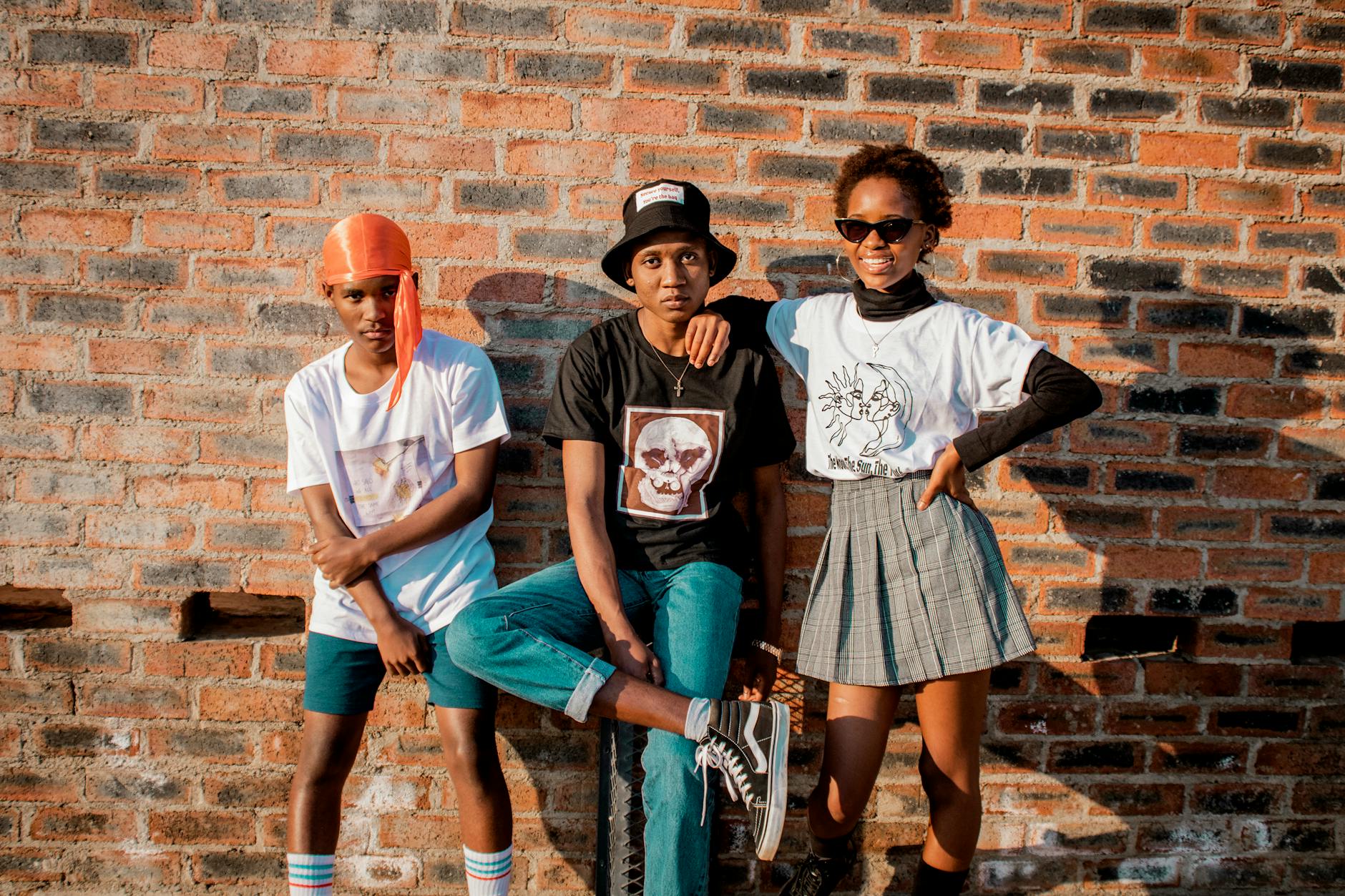
Extremely short hemlines create visible discomfort for interviewers and distract from the professional exchange taking place. A skirt that falls at or just above the knee is the widely accepted standard across most industries and cultures. Clothing that draws attention to the body rather than the person wearing it undermines the credibility a candidate works hard to establish. Human resources professionals consistently cite hemline length as a notable factor in post-interview assessments. Professional dress codes exist to create neutral ground where skills and personality can be evaluated fairly.
Overpowering Perfume
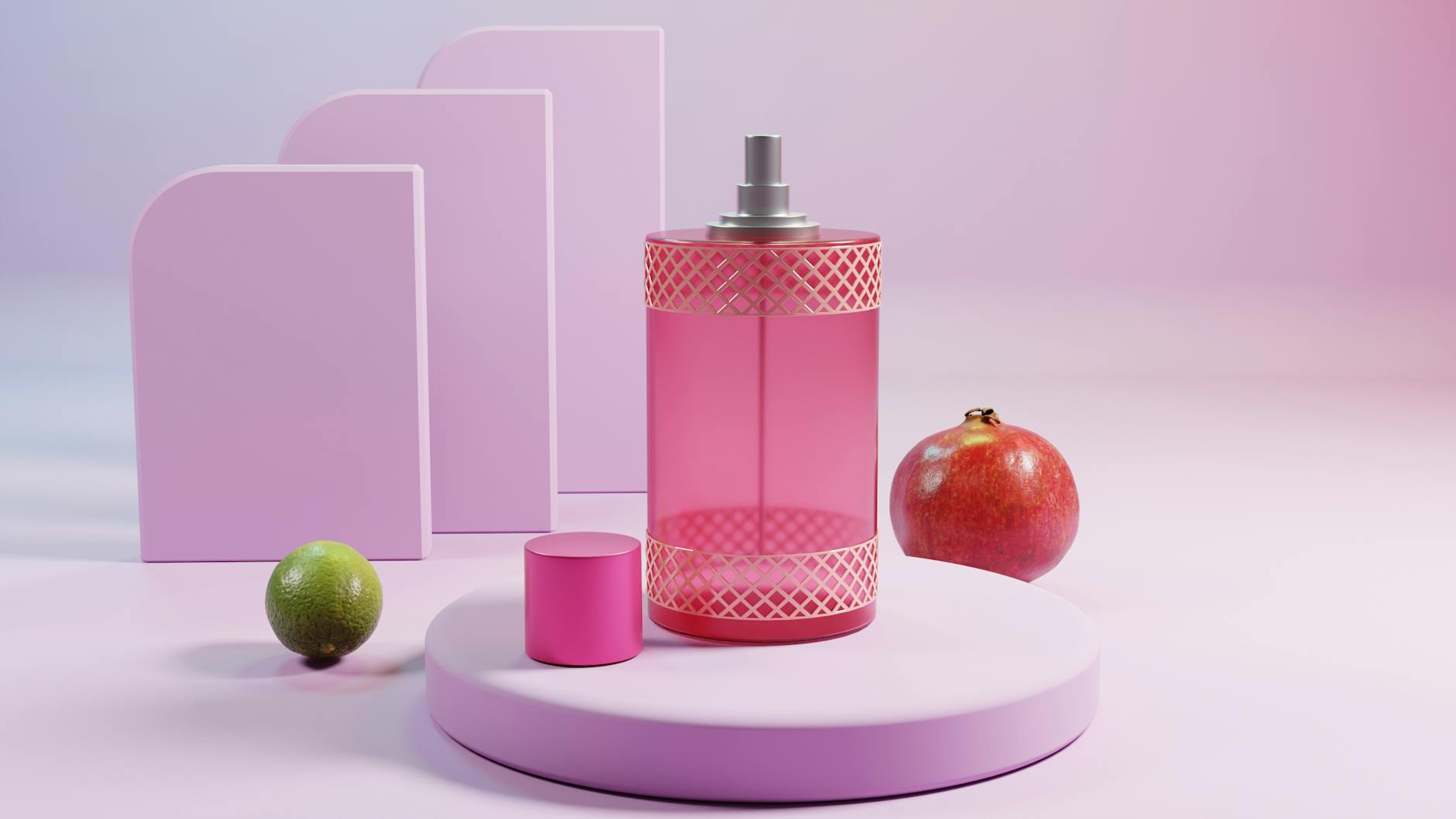
Fragrance applied too heavily is one of the most disruptive and underestimated interview mistakes a candidate can make. Many office environments have scent-free policies precisely because strong fragrances trigger headaches and allergic reactions in colleagues. An interviewer experiencing physical discomfort will associate that discomfort with the candidate throughout the conversation. A light application or no fragrance at all is the safest and most professional choice before any formal meeting. Personal scent should never be noticeable from more than an arm’s length away in a professional context.
Visible Underwear
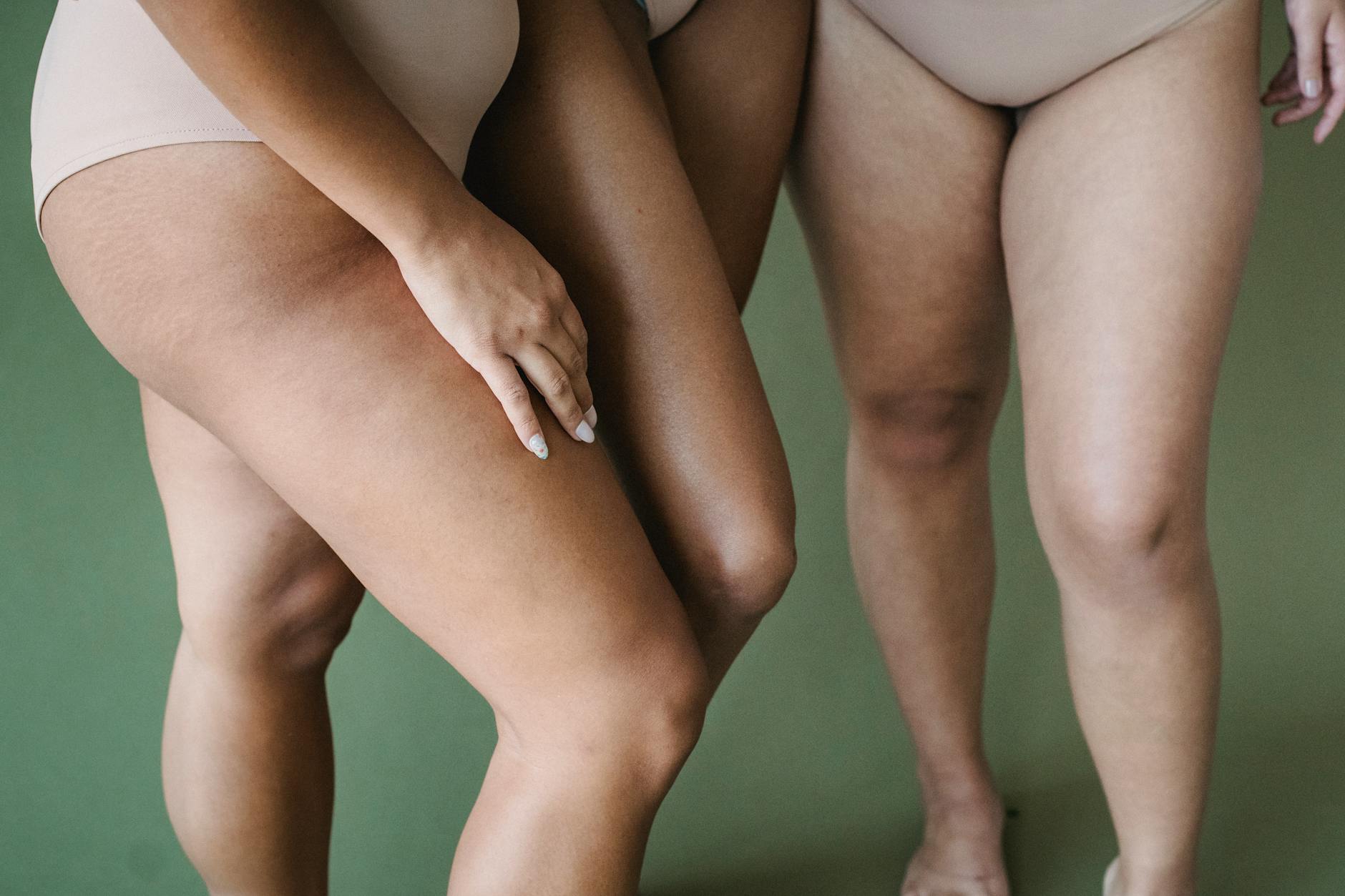
Undergarments that show through clothing or above waistbands immediately register as a grooming oversight in professional settings. This includes bra straps visible through sheer tops, waistbands rising above trouser lines and underwear lines visible through tight fabric. Interviewers interpret this type of detail as a lack of preparation and self-awareness rather than a simple wardrobe malfunction. Proper undergarment selection is considered a foundational element of professional dress in workplace etiquette guides. A well-prepared candidate reviews their full outfit in a mirror before leaving home precisely to catch these details.
Ripped Jeans

Distressed denim carries strong associations with casual and streetwear fashion that have no place in a formal interview context. Even in tech or creative industries where jeans may be standard daily wear, torn fabric reads as a lack of effort on a significant day. The deliberate damage to the garment signals that the wearer did not consider the occasion important enough to dress up for. Clean, dark, unripped denim paired with a smart top is the closest a candidate should come to casual legwear in most interview scenarios. Torn clothing of any kind sends a message that contradicts the professional ambition an interview is meant to convey.
Novelty Ties
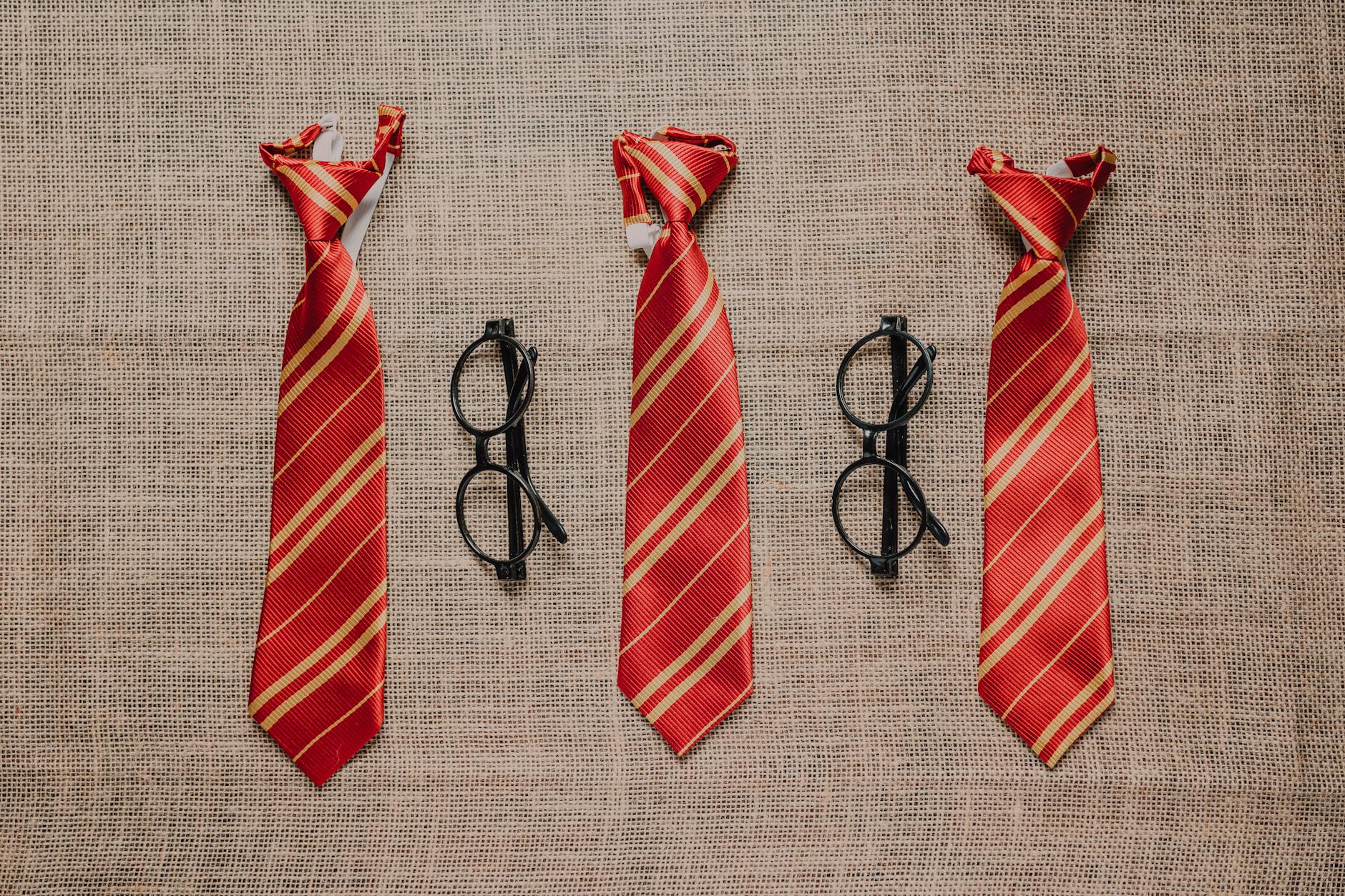
Cartoon prints, flashing lights, holiday themes and joke imagery on neckwear undermine an otherwise polished professional appearance. A tie is one of the most visible elements of a formal outfit and carries significant weight in how overall attire is perceived. Novelty versions suggest either poor judgment or an attempt at humor that is unlikely to land in a high-stakes formal evaluation. Solid colors and subtle patterns in classic fabrics remain the professional standard across finance, law, consulting and corporate environments. Accessories should always support a candidate’s credibility rather than invite distraction from it.
See-Through Tops
Sheer or translucent fabric that reveals undergarments or skin is inappropriate for any professional interview setting. This category of clothing blurs the boundary between casual social dress and workplace-appropriate attire in a way that makes interviewers uncomfortable. The issue is not modesty as a moral value but rather the distraction it creates and the impression of poor professional judgment it leaves. Lining a sheer garment or layering it over a camisole are simple solutions that preserve the aesthetic without crossing professional boundaries. Clothing choices that require a second look for the wrong reasons will always work against a candidate in a formal evaluation.
Excessive Jewelry
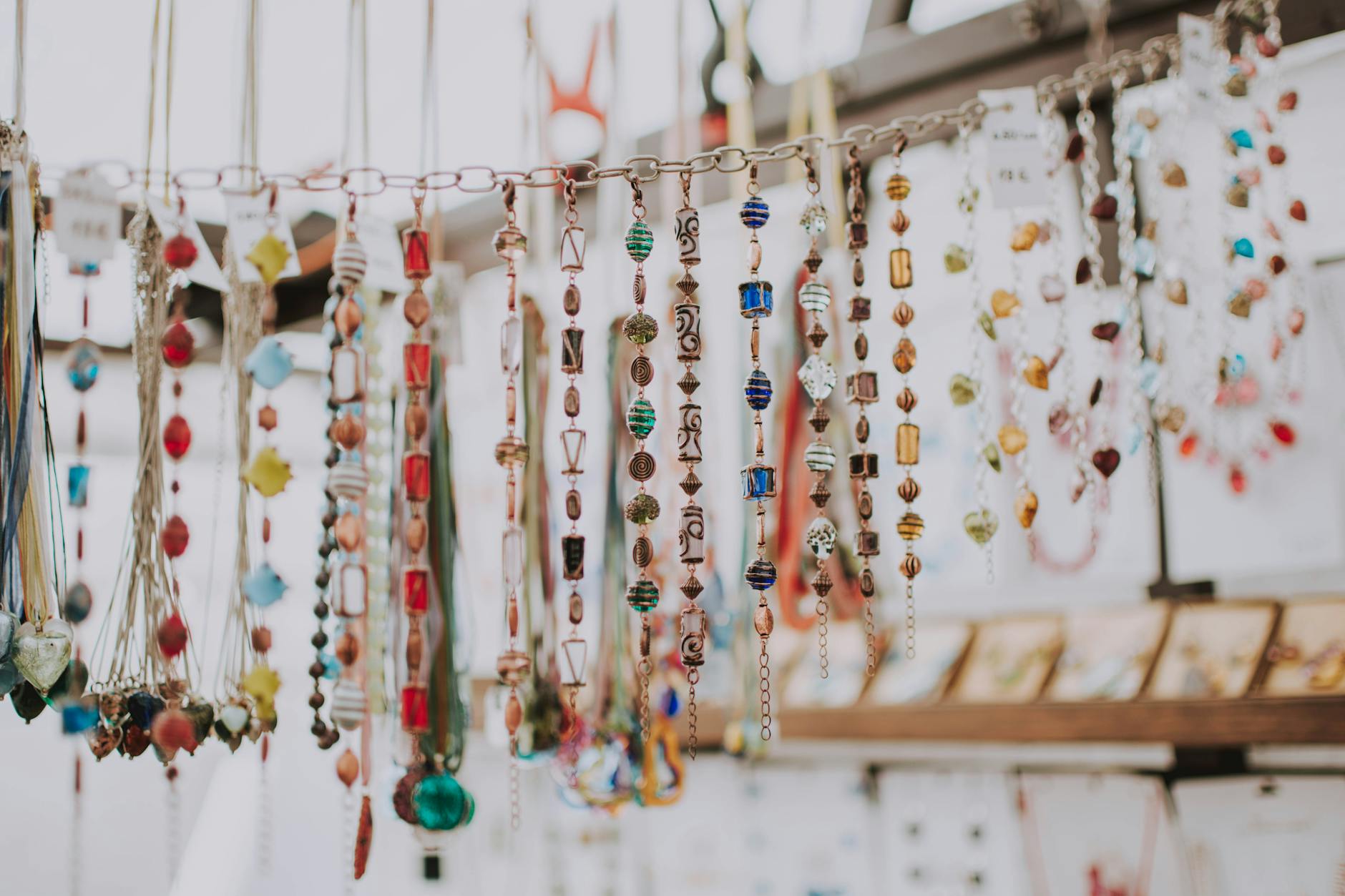
Large statement necklaces, multiple bangles that clatter with movement and oversized hoop earrings create both visual and auditory distraction during interviews. Jewelry in professional settings is most effective when it complements an outfit without drawing attention to itself. Noise-making accessories in particular create an unconscious irritation that can negatively color an interviewer’s experience of the conversation. Professional dress advice consistently recommends limiting jewelry to two or three understated pieces for any formal meeting. The goal of interview attire is always to keep the focus on what is being said rather than what is being worn.
Sportswear
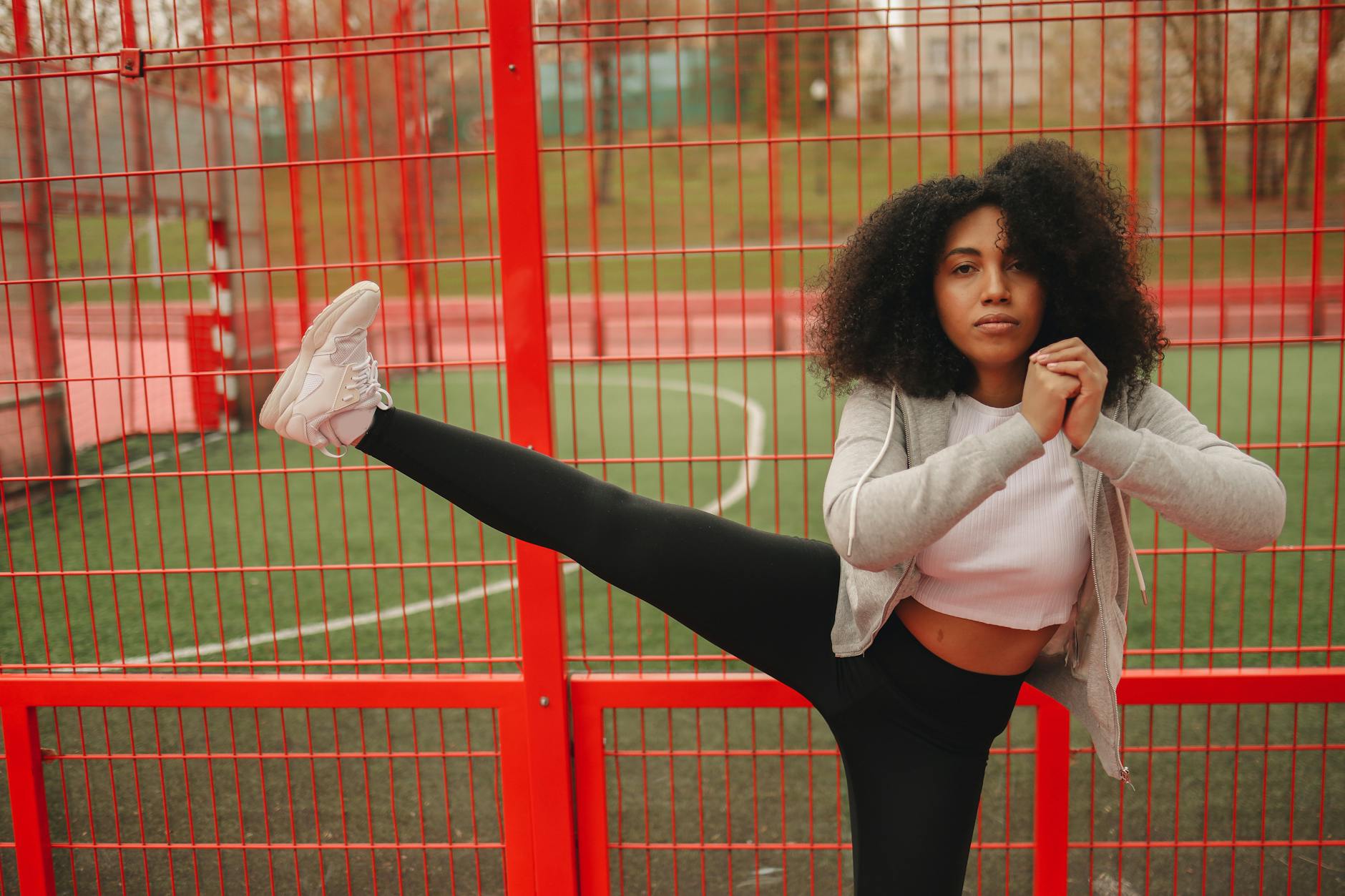
Athletic clothing including leggings worn as trousers, hoodies, training shoes and moisture-wicking shirts belongs exclusively in fitness environments. Showing up to an interview in activewear communicates that the candidate either forgot about the meeting or does not consider it worthy of preparation. Even startups and informal workplaces draw a clear distinction between how employees dress at work and how candidates should present themselves at interview. The bar for interview attire is always higher than the day-to-day standard of the company being applied to. No interviewer has ever penalized a candidate for being slightly overdressed compared to the office norm.
Loud Prints
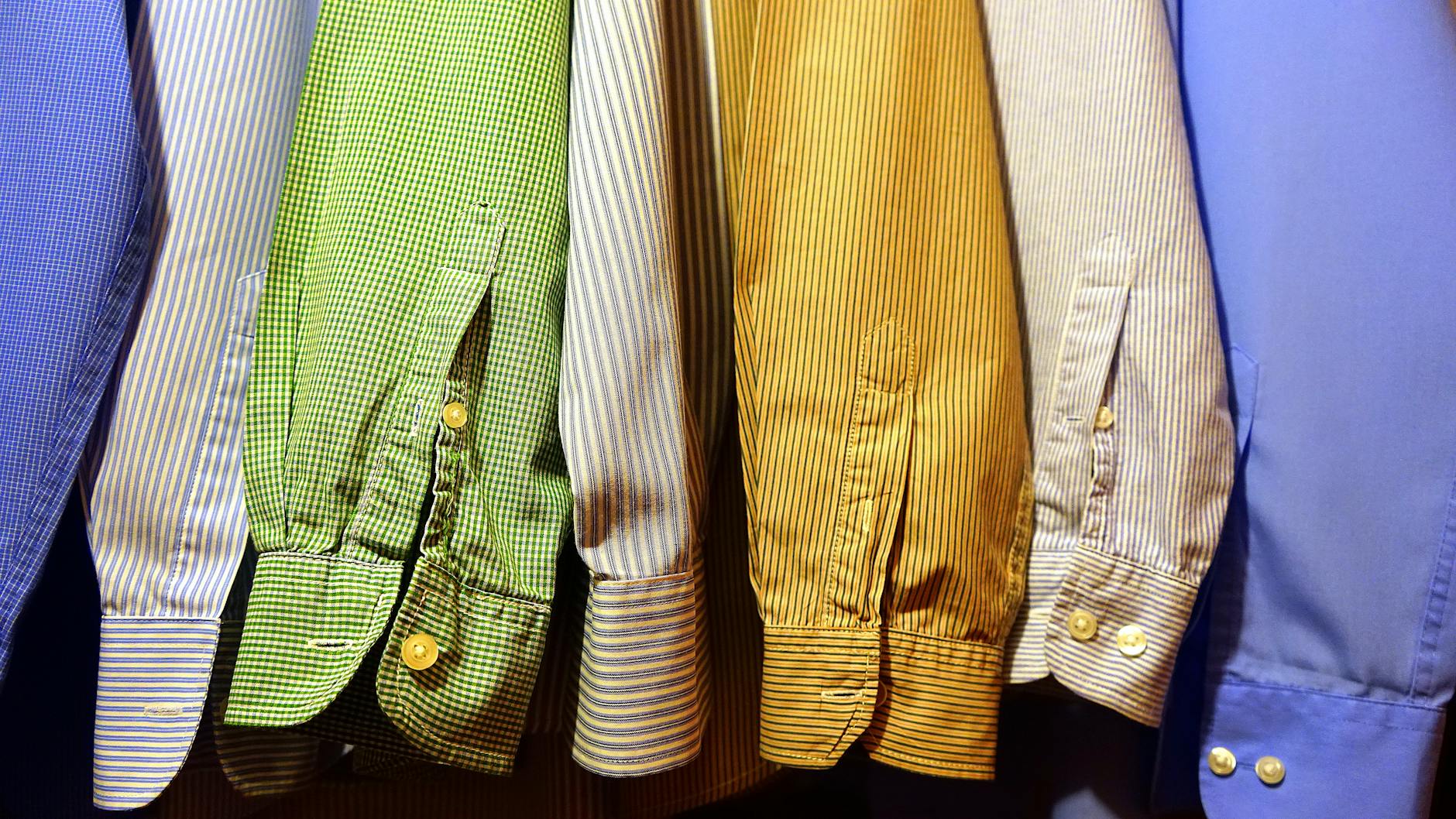
Bold animal prints, clashing neon patterns and oversized floral designs compete with the candidate’s presence rather than supporting it. Pattern choice in professional clothing is most effective when it is subtle enough to go unnoticed in a formal conversation. Interviewers who spend mental energy processing a visually overwhelming outfit are spending less attention on the candidate’s words and experience. Neutral tones and classic patterns such as fine stripes or small checks are reliable choices that project calm confidence. The visual language of professional clothing communicates competence before a resume is even considered.
Wrinkled Clothing
Creased shirts, crumpled trousers and unironed blazers suggest a candidate who did not prepare adequately for an important occasion. Wrinkles in professional clothing are consistently interpreted as indicators of disorganization and inattention to detail by hiring managers. These are precisely the qualities that employers are actively trying to screen out during the interview process. Steaming or ironing interview clothes the night before is a simple step that takes minutes and significantly elevates overall presentation. Clothing that fits well and lies flat communicates preparedness and respect for the process.
Trucker Hats
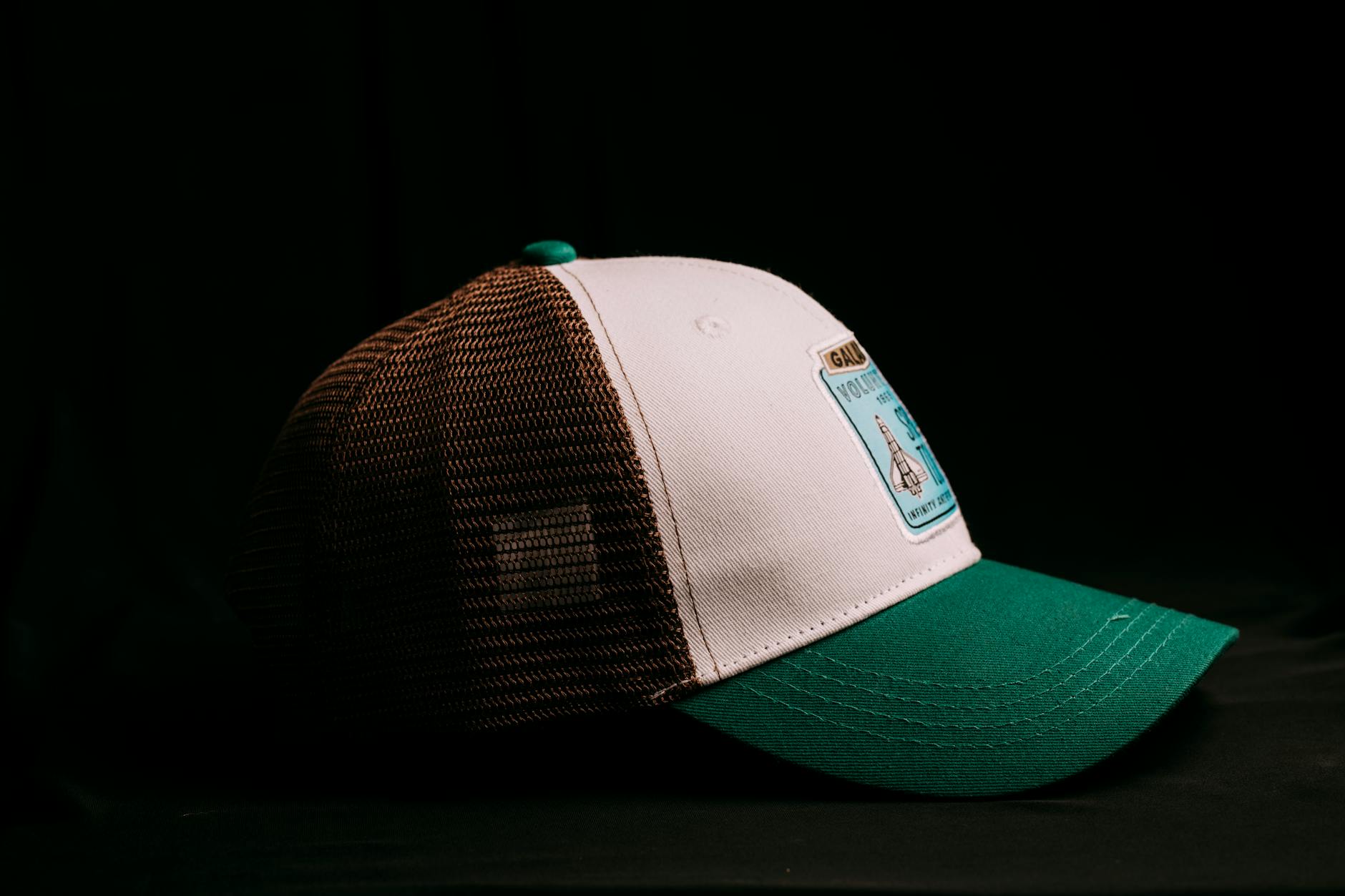
Casual headwear including baseball caps and branded trucker hats should never be worn into a professional interview. Hats of this kind are associated with leisure and outdoor settings and carry no place in a formal evaluation context. Removing a hat at the door is not sufficient since wearing one in the first place reflects a misunderstanding of the occasion. Even in industries where casual dress is the norm, headwear during a formal meeting reads as either disrespect or profound unawareness of professional conventions. A candidate’s face and expression are primary communication tools in an interview and should never be partially obscured by leisure headwear.
Heavy Makeup
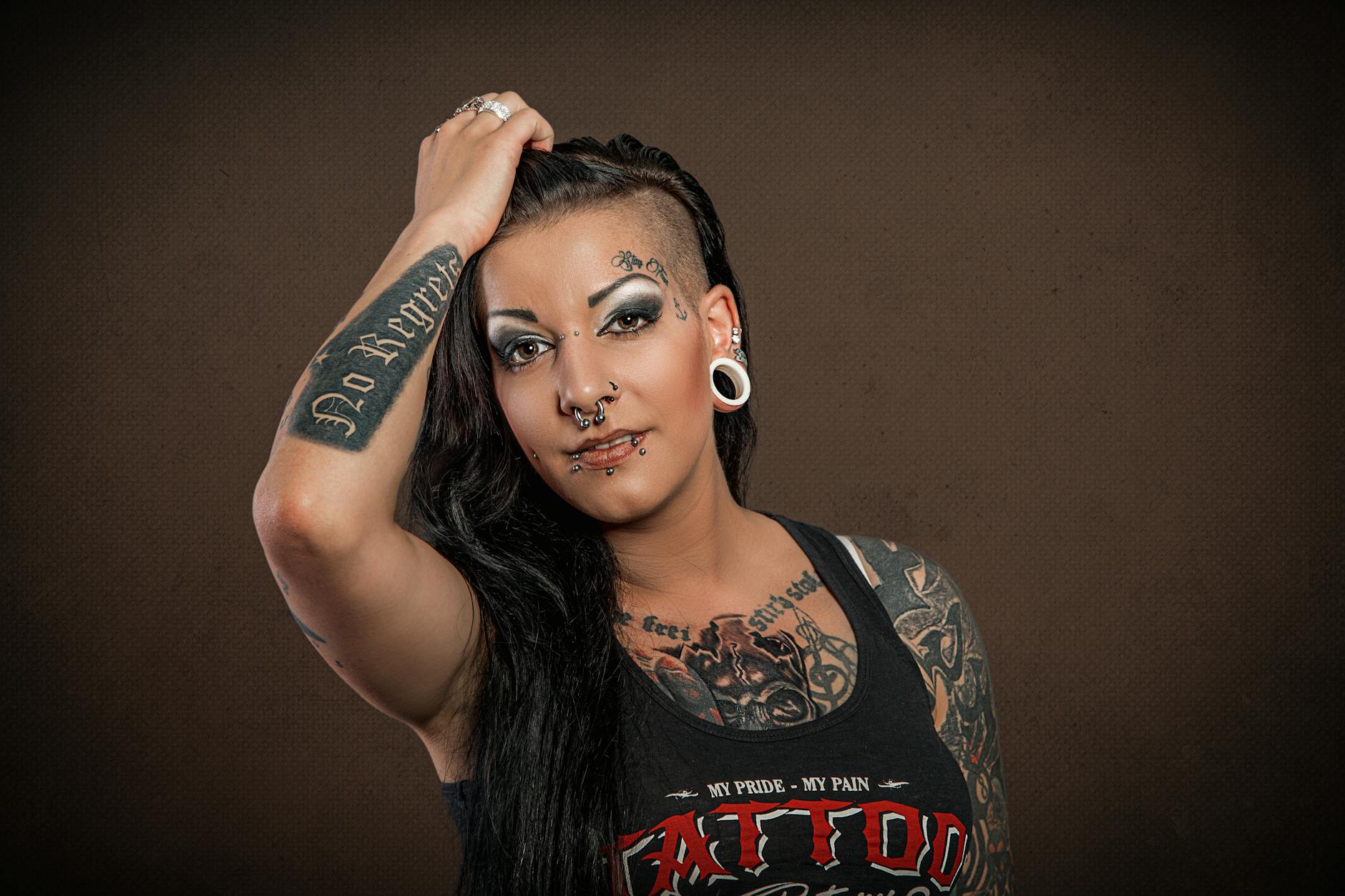
Theatrical or heavily applied makeup draws attention to itself in a way that shifts focus from professional qualifications to personal appearance. Contouring techniques designed for photography, bold stage-worthy eye looks and very dark lip colors can all create an incongruity in a workplace interview setting. Professional makeup advice consistently recommends a polished but understated approach for formal business environments. The goal is a groomed and well-presented appearance rather than a maximalist aesthetic associated with social events. Neutral tones and a natural finish project confidence and self-awareness without creating unnecessary visual noise.
Stained Clothing
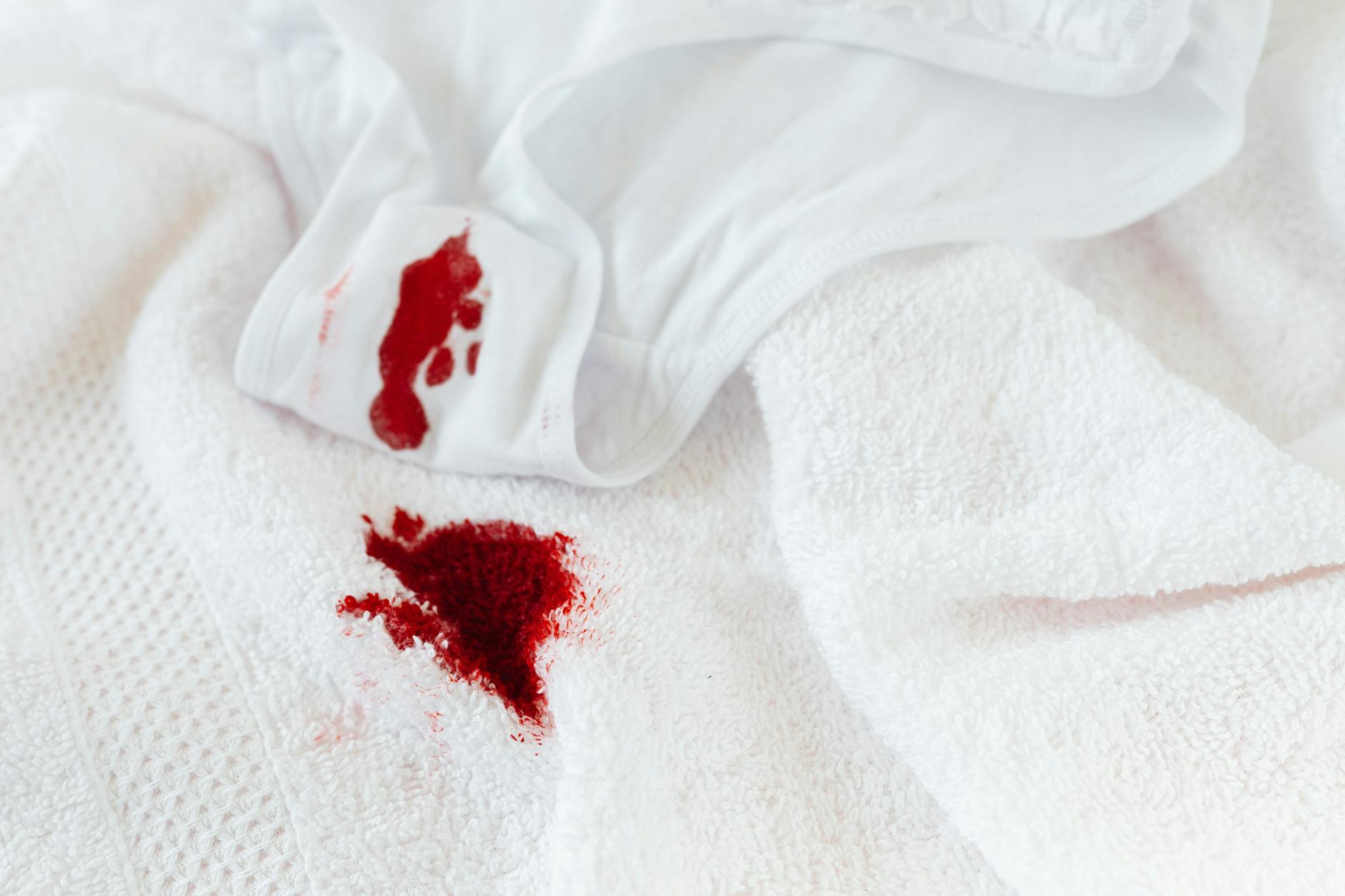
Visible marks, spills and discoloration on interview attire are among the most damaging presentation mistakes a candidate can make. Even a single stain on an otherwise smart outfit immediately redirects an interviewer’s attention and creates a negative association. Stained clothing signals carelessness and a lack of the basic preparation that professional roles require. Candidates are advised to inspect their full outfit under good lighting before leaving for any formal meeting. Keeping a clean backup option available removes the risk of a last-minute wardrobe emergency derailing an important opportunity.
Platform Shoes
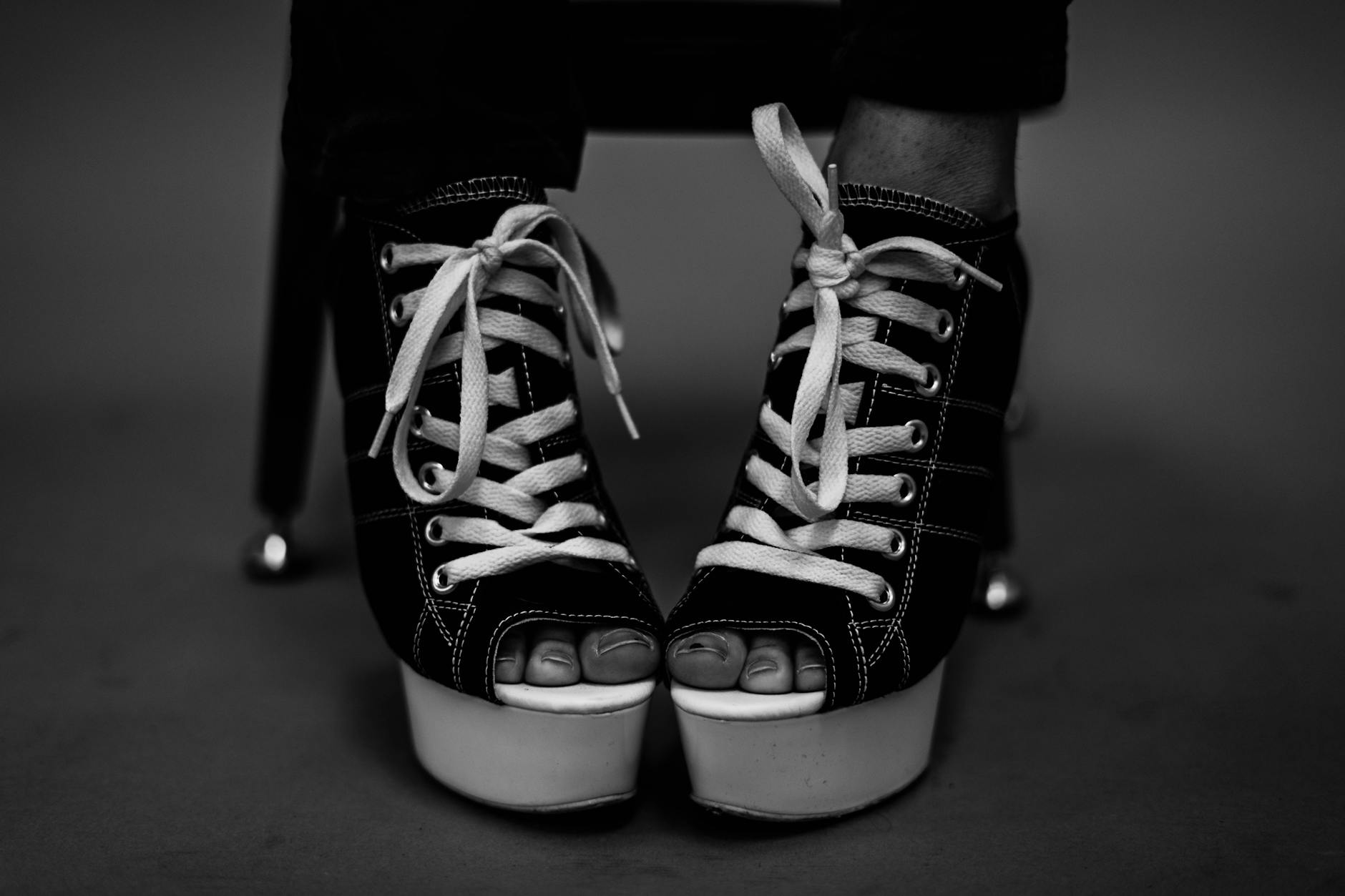
Extremely elevated footwear including thick platform boots and towering wedges creates a visual impression that conflicts with most professional dress codes. Very high platform styles are primarily associated with fashion-forward and nightlife contexts rather than workplace environments. Beyond aesthetics, instability in footwear can affect posture and movement in ways that undermine confident body language during an interview. A heel height of two to three inches in a classic pump or a flat leather shoe covers the full range of professional footwear appropriately. Practical and polished footwear always supports a candidate’s overall presentation more effectively than statement shoe choices.
Ill-Fitting Suits
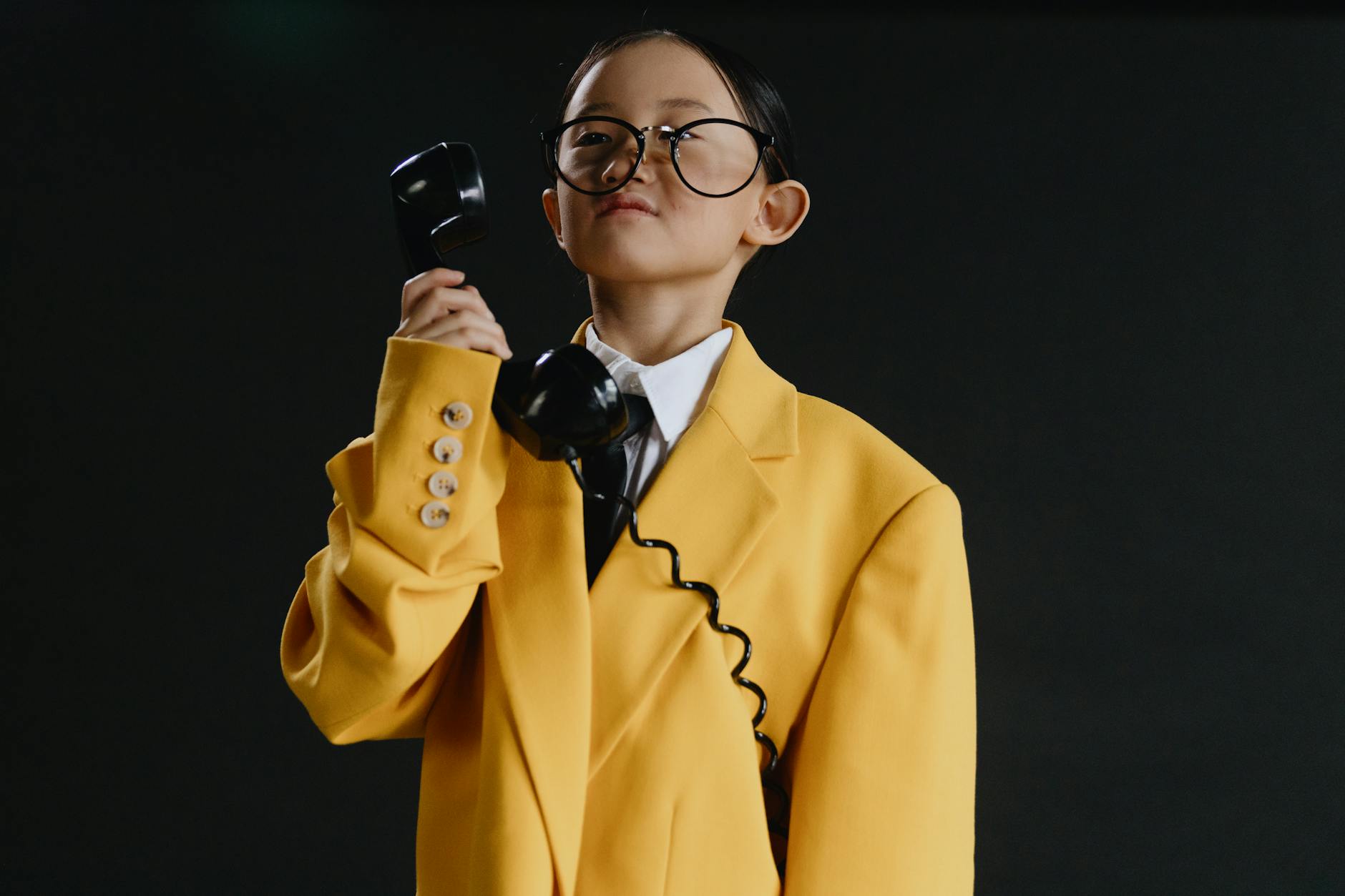
A suit that is too large, too small or poorly proportioned draws immediate attention to the misfit rather than to the candidate wearing it. Ill-fitting formal wear suggests either a lack of investment in professional appearance or a limited understanding of how business attire should look. Hiring managers in corporate and finance sectors in particular view tailoring as a proxy for attention to detail and professional standards. A well-fitted suit at any price point will always outperform an expensive suit in the wrong size. Getting basic alterations done by a tailor before an interview is a worthwhile investment that pays dividends in first impressions.
Costume Jewelry
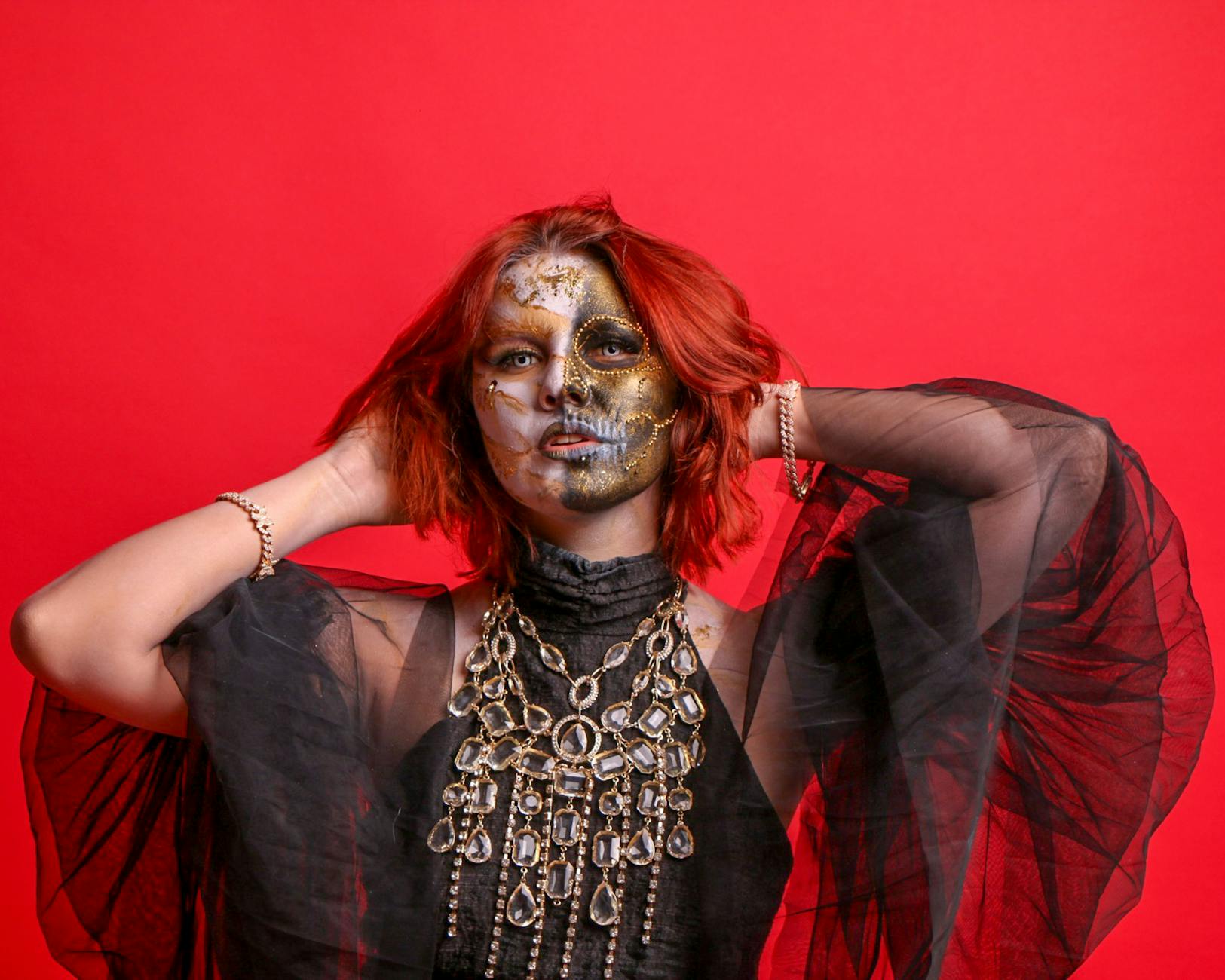
Cheap plastic accessories that mimic fine jewelry without convincing results tend to cheapen an otherwise professional look. This category includes large faux-pearl sets, plastic gemstone earrings and obvious imitation metal bracelets with visible wear. The issue is not cost but visual quality since understated and simple accessories always read as more professional regardless of price. A candidate who selects accessories thoughtfully demonstrates the same discernment that employers value in professional decision-making. Simple metal studs, a classic watch or a single understated necklace will always serve a professional interview better than decorative overreach.
Slogan Hoodies
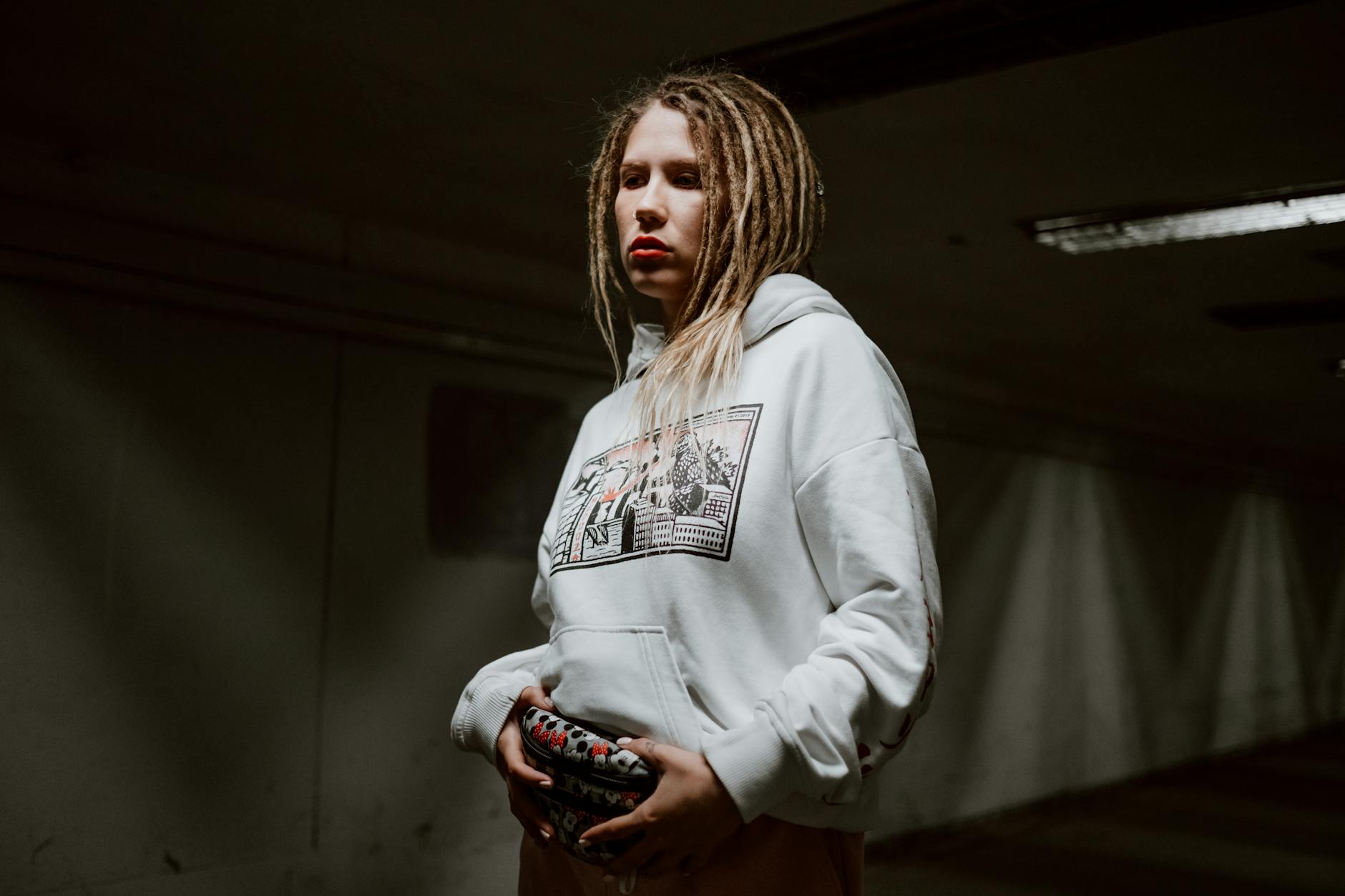
Branded or slogan-printed hoodies occupy the same problematic category as graphic tees but with the added formality issue of being outerwear. A hooded sweatshirt of any description falls outside the acceptable range of interview attire in virtually every professional industry. The casual connotations of the garment are too deeply embedded in its design to be overcome by pairing it with smarter pieces. Candidates who wear hoodies to interviews frequently report later that they sensed the outfit was wrong but proceeded anyway. Trusting that instinct and choosing even a simple button-up shirt would have served them significantly better.
Overly Casual Sandals
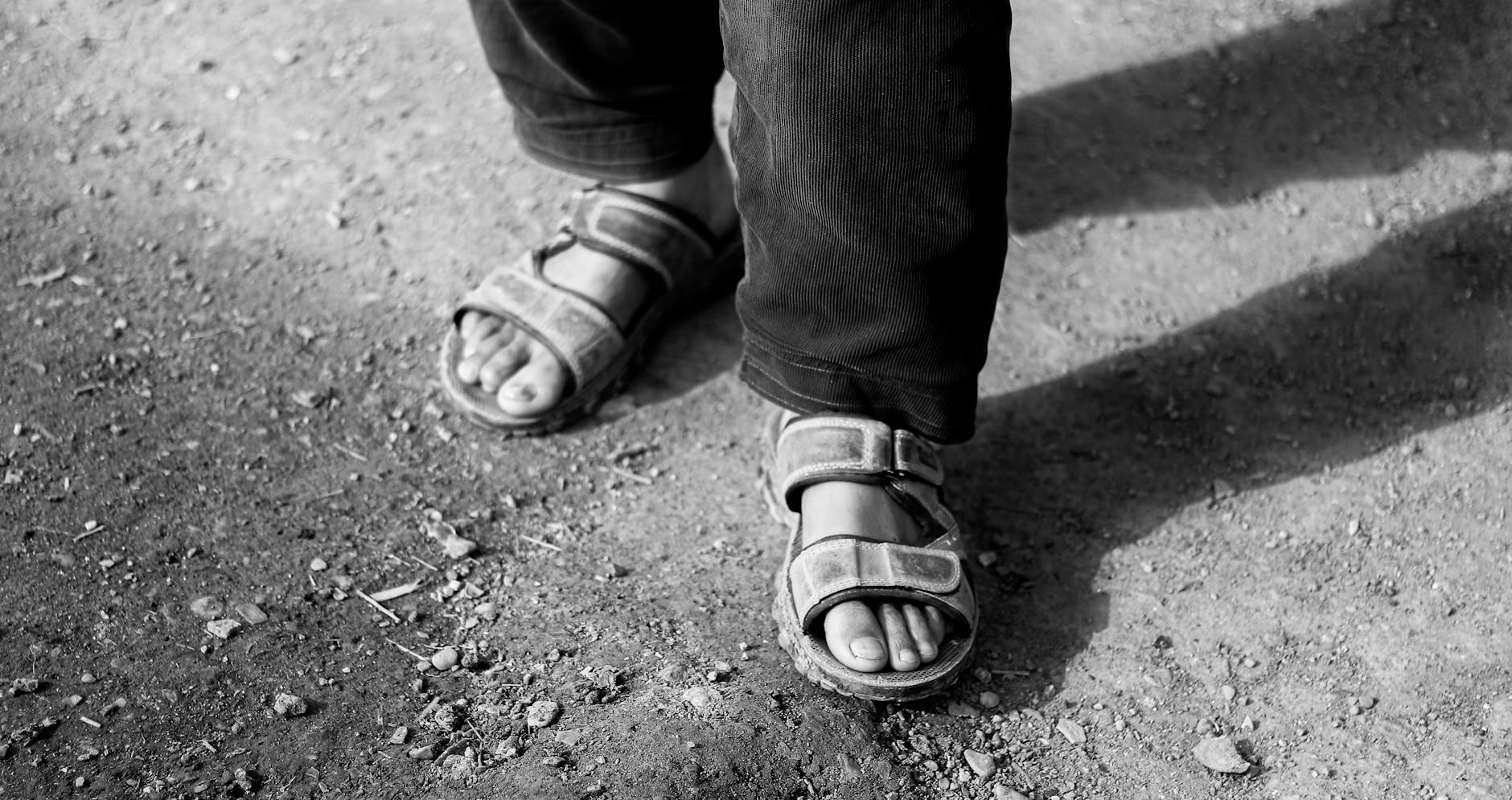
Strappy casual sandals that belong at weekend brunches or summer markets are not appropriate for formal interview settings. Unlike smart leather sandals which can work in some warmer climates and creative industries, purely casual styles send the wrong signal. Footwear is one of the most consistently evaluated elements of interview attire among hiring professionals. The safest approach is always to choose closed-toe shoes in leather or a quality leather alternative for any formal professional meeting. Casual sandals suggest a candidate who did not fully consider the significance of the occasion when getting dressed.
Fishnet Tights
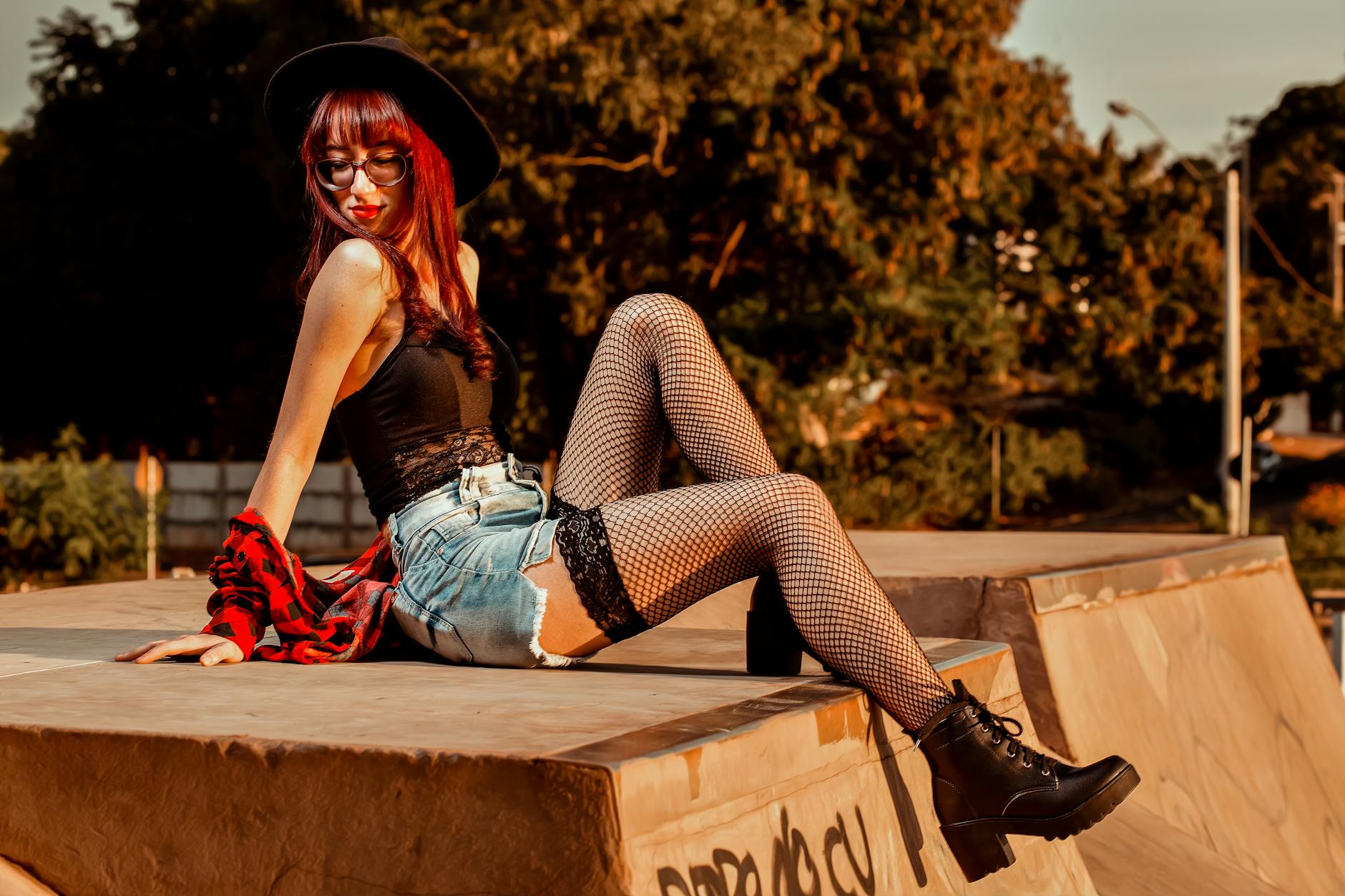
Patterned hosiery featuring fishnet or bold geometric cutouts is firmly associated with fashion and nightlife rather than professional workplace environments. Even when worn under an otherwise appropriate dress or skirt the pattern introduces a visual element that conflicts with standard professional dress norms. Human resources professionals consistently cite hosiery choice as an overlooked but noticed element of interview presentation. Sheer or opaque plain hosiery in neutral or skin-matching tones is the professional standard across most industries. Patterned legwear should be reserved for personal time and kept entirely separate from formal professional occasions.
Club Wear

Bodycon dresses, plunging necklines, backless tops and sequined fabric all belong to categories of clothing designed for nighttime social environments. Wearing club-style attire to an interview communicates a fundamental misunderstanding of professional dress norms that is very difficult to recover from. The issue extends beyond conservatism since even companies with relaxed internal cultures expect candidates to present themselves as aware of professional standards. Candidate research should always include reviewing what employees at the company visibly wear and then dressing one level above that standard. Arriving in nightlife attire makes it nearly impossible for an interviewer to focus on professional qualifications.
Distracting Nail Art
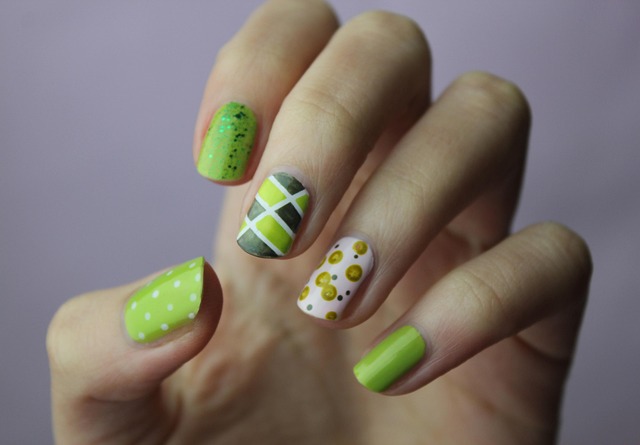
Extremely long acrylic nails featuring elaborate 3D decorations, flashing stones or multicolored intricate designs draw attention away from a candidate’s communication and handshake. While nail presentation is a personal choice in everyday life it becomes a professional consideration in formal evaluation settings. Moderate nail length and neutral or classic polish tones are widely cited as the most professional choices across industries. Very elaborate nail art is most likely to be noticed and remembered before qualifications are and this is rarely advantageous in a competitive hiring process. Clean and well-maintained nails of any natural length always make a stronger professional impression than elaborate decorative choices.
Tight Clothing
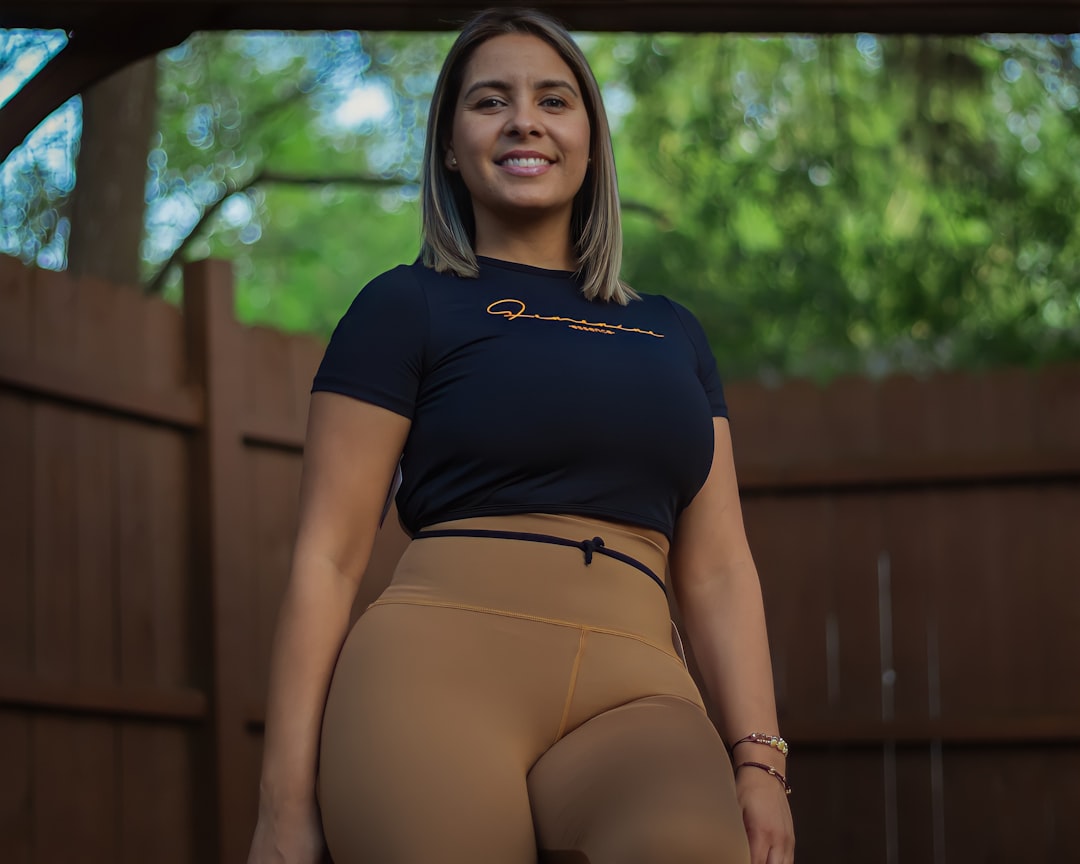
Clothing that is noticeably tight across the body creates visual distraction and physical discomfort that works against confident interview performance. Overly fitted trousers, stretched button-up shirts and clingy dresses shift the focus of the interaction in ways that disadvantage the candidate. Professional clothing is designed to allow natural movement and project ease of presence rather than drawing attention to body shape. Fit should allow a candidate to sit comfortably, gesture naturally and lean forward without any visible strain on the fabric. Comfort and fit are foundational elements of professional attire that directly affect both appearance and performance during an interview.
Unkempt Hair
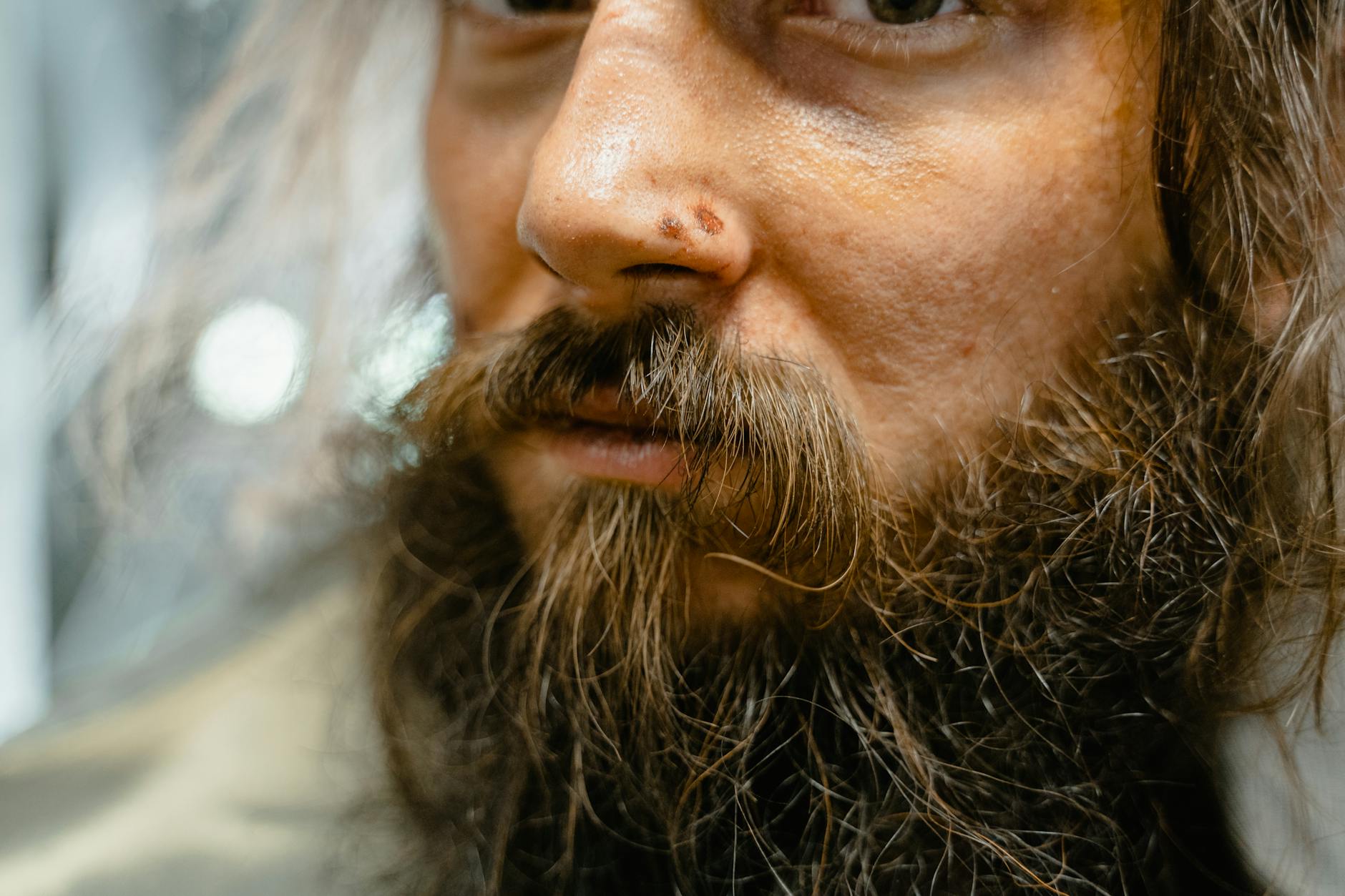
Unwashed, unstyled or visibly unkempt hair creates an impression of low effort that contradicts the message a candidate is trying to send at interview. Hair does not need to be elaborately styled but it should appear clean, intentional and appropriate for a formal professional setting. Hiring managers consistently report that overall grooming including hair significantly affects their initial perception of a candidate’s professionalism. Simple choices such as tying hair back neatly or applying a light styling product make a measurable difference to overall presentation. Grooming is the frame around the rest of a candidate’s presentation and a neglected frame diminishes everything it surrounds.
What is the biggest interview wardrobe mistake you have witnessed or made yourself? Share your story in the comments.




