
Parenting advice changes with every generation, and what was once considered gospel can quickly become outdated as research and understanding evolve. Many rules passed down from parents and grandparents were well-intentioned but are now known to do more harm than good. Modern child development experts have shifted the conversation in meaningful ways, encouraging approaches rooted in empathy, flexibility, and science. The following outdated rules deserve a permanent place in the past, and letting go of them can make a real difference in raising confident, emotionally healthy children.
Crying It Out

For decades, parents were told to let babies cry themselves to sleep without comfort in order to build independence. Research in developmental psychology has since shown that consistently leaving infants to cry without response can elevate stress hormones and erode the sense of security a baby needs to thrive. Responsive caregiving in the early years actually builds a stronger foundation for emotional independence later in life. Attending to a crying baby does not spoil them; it communicates that the world is a safe and reliable place. Pediatric sleep experts now recommend a range of gentler approaches that support healthy sleep without sacrificing emotional attachment.
Clean Plate Club

Generations of children were pressured to finish every bite on their plate regardless of hunger, often with food used as a reward or punishment. This approach is now linked to disordered eating patterns, as it teaches children to override their natural hunger and fullness cues. Child nutrition experts emphasize that a child’s appetite fluctuates naturally based on growth spurts, activity levels, and health. Forcing children to eat beyond their comfort leads to a negative relationship with food that can persist into adulthood. Allowing children to listen to their bodies at mealtimes fosters lifelong intuitive eating habits.
No Talking Back

While respectful communication is an important value, dismissing all pushback from children as disrespectful disobedience shuts down healthy dialogue. Children who are never allowed to voice disagreement may struggle to advocate for themselves in adulthood or recognize when their boundaries are being crossed. Developmental experts now distinguish between genuine disrespect and a child expressing a differing opinion or asking for reasoning. Teaching children how to communicate disagreement appropriately is a far more effective long-term strategy than demanding silent compliance. Homes where children feel heard tend to produce more emotionally articulate and confident adults.
Boys Don’t Cry

The long-standing instruction to suppress emotions, particularly in boys, has been connected to difficulties with emotional regulation, mental health struggles, and relationship challenges later in life. Psychologists widely agree that all children benefit from being taught to identify, express, and process their emotions in healthy ways. Emotional suppression does not build resilience; it simply delays the work of learning to cope. Allowing boys to cry and express vulnerability models emotional intelligence and reduces long-term psychological harm. Encouraging open emotional expression across all genders is now considered a cornerstone of healthy child development.
Screens Are Always Bad

Blanket bans on all screen time fail to account for the enormous variation in what screens are actually used for and in what context. Educational programming, creative tools, and video calls with family members offer genuine developmental benefits when used thoughtfully and in moderation. The American Academy of Pediatrics has updated its guidance multiple times to reflect a more nuanced understanding of how age, content, and context all matter. The focus has shifted from total avoidance to quality and co-viewing, where parents engage with content alongside their children. Teaching children to use technology with intention is a far more realistic and effective approach in the modern world.
Children Are Seen

The old adage that children should be seen and not heard created environments where young people felt their thoughts and feelings were irrelevant. This approach has been connected to lower self-esteem, difficulty forming secure relationships, and a reduced sense of personal agency. Child psychology research consistently shows that children who are given age-appropriate opportunities to speak and contribute develop stronger communication skills and emotional confidence. Respectful parenting does not mean children run the household; it means their voices are acknowledged and valued. Creating space for children to express themselves is one of the most powerful gifts a parent can offer.
Sugar Makes Hyperactivity

Despite being one of the most persistent parenting myths, the idea that sugar directly causes hyperactive behavior in children has been thoroughly debunked by scientific research. Multiple controlled studies, including double-blind trials, have found no causal link between sugar consumption and increased activity levels in children. The perceived connection is largely attributed to expectation bias, where parents anticipate hyperactivity at events like birthday parties and interpret normal excitement as sugar-induced behavior. This myth has led to unnecessary food anxiety and guilt for both parents and children. Nutrition guidance for children focuses on overall dietary balance rather than isolating sugar as a behavioral culprit.
Spare the Rod

Physical punishment as a discipline tool was once considered not only acceptable but necessary for raising well-behaved children. Decades of research have since demonstrated that corporal punishment is associated with increased aggression, diminished mental health, damaged parent-child relationships, and reduced cognitive development. Organizations including the American Psychological Association and the World Health Organization have called for an end to physical punishment of children. Effective discipline strategies rooted in natural consequences, clear boundaries, and emotional coaching have consistently outperformed punitive approaches. The evidence is clear that children thrive under guidance that teaches rather than frightens.
Strict Bedtimes Always

While consistent sleep routines are genuinely important for child health, the rigidity with which bedtimes were once enforced often ignored individual differences in children’s sleep needs and natural rhythms. Sleep science has revealed that children’s chronotypes vary, meaning some are naturally inclined toward earlier or later sleep windows. Overly punitive bedtime enforcement, without flexibility for circumstances like illness, travel, or seasonal change, can create unnecessary anxiety around sleep. What matters most is a calming, predictable wind-down routine rather than a precise minute on the clock. Pediatric sleep researchers encourage parents to prioritize consistency in routine over clockwork rigidity.
Homework Always First

The rule that homework must be completed the moment a child arrives home fails to account for the mental fatigue that accumulates during a full school day. Educational psychologists have noted that forcing cognitively depleted children to immediately engage in more academic work often results in lower quality output and increased frustration. Children benefit from a transition period after school that includes physical activity, unstructured play, or a snack before returning to focused tasks. Family schedules, extracurricular activities, and individual learning styles should all inform when homework happens rather than an arbitrary rule. What matters most is that children complete their work in a state that supports genuine learning.
Toughen Up

Telling children to simply toughen up in response to emotional pain or social difficulty dismisses experiences that feel very real and significant to a developing mind. Resilience is not built by minimizing struggles but by supporting children through difficulty while equipping them with coping tools. Research in positive psychology emphasizes that validated emotions are more easily processed and released, while dismissed emotions tend to linger and compound. Children who are helped through challenges with empathy develop greater adaptability than those who are simply told to push through alone. True toughness grows from feeling secure enough to face difficulty with support rather than in isolation.
No Snacking

The blanket rule against snacking between meals does not align with what is now understood about children’s metabolic needs and natural hunger rhythms. Children have smaller stomachs than adults and often require more frequent fueling throughout the day to maintain energy, concentration, and mood. Nutritionists now recommend structured snack times featuring whole foods as a healthy and important part of a child’s daily eating pattern. Denying all between-meal eating can lead to excessive hunger, difficulty focusing at school, and overeating at main meals. The emphasis today is on the quality and timing of snacks rather than their elimination.
Gender-Specific Toys

Restricting children to toys deemed appropriate for their gender was once a firmly enforced household rule, but research has increasingly challenged this practice. Studies in developmental psychology suggest that gender-segregated play limits the full range of skills children develop, including spatial reasoning, nurturing behavior, creativity, and problem-solving. Girls who play with construction toys and boys who engage with dolls develop broader cognitive and emotional skill sets. The toy industry itself has undergone significant change as consumer awareness around gender stereotyping has grown. Allowing children free access to a wide variety of play experiences supports more holistic development.
Respect Your Elders

While respect is an important value, the version of this rule that demanded automatic deference to all adults simply based on age taught children to override their own instincts and comply unquestioningly with authority figures. Child safety experts have raised significant concerns about this dynamic, noting that it can make children more vulnerable to manipulation or abuse by adults they are conditioned to obey. Teaching children to be respectful does not require teaching them to be automatically submissive. A healthier framework teaches mutual respect, age-appropriate boundary-setting, and that trust is earned through behavior rather than conferred by age. Empowering children with this understanding significantly strengthens their personal safety.
No Co-Sleeping

While safe sleep guidelines for infants are critically important and should be followed, the broader cultural rule against any form of family bed or co-sleeping arrangement does not reflect global norms or the full body of research. In many cultures worldwide, co-sleeping is the standard and is associated with secure attachment and extended breastfeeding. Pediatric guidelines now focus on how to make sleep environments safer rather than prescribing a single universally correct arrangement. Context, family values, and child age all play a role in what constitutes a healthy sleep arrangement. Parents are encouraged to make informed decisions based on current safety guidance rather than outdated social stigma.
Stop Breastfeeding Early

Cultural pressure to wean children from breastfeeding by a certain arbitrary age has long overshadowed the guidance of major health organizations. Both the World Health Organization and UNICEF recommend breastfeeding continue for two years or beyond where mutually desired by mother and child. The nutritional, immunological, and emotional benefits of extended breastfeeding are well documented in peer-reviewed research. The decision of when to wean is a personal one that should be made by the mother and child rather than dictated by social expectations. Reducing stigma around extended breastfeeding supports better maternal and child health outcomes globally.
Always Share

Forcing children to share every possession on demand teaches compliance rather than genuine generosity, and can actually undermine healthy boundary development. Child development experts note that young children are still developing the cognitive and emotional capacity to understand ownership and voluntary giving. Mandatory sharing without consent does not teach empathy; it teaches children that their sense of ownership and boundaries do not matter. A more effective approach involves guiding children through negotiation, taking turns, and understanding the feelings of others in real time. Generosity that is modeled and encouraged over time produces far more lasting results than sharing that is coerced.
Outdoor Play Is Optional

For much of the twentieth century, outdoor play was considered a luxury or reward rather than a developmental necessity, and many households treated it as such. Research in child development, physical health, and cognitive function has since established that unstructured outdoor play is essential for healthy growth. Time in nature reduces symptoms of anxiety and attention difficulties, supports physical coordination, boosts immune function, and fosters creativity and risk assessment skills. The rise of indoor screen-centered lifestyles has made outdoor time even more important to prioritize deliberately. Pediatric health organizations globally now advocate for daily outdoor play as a non-negotiable component of child wellbeing.
Feelings Aren’t Facts

Parents were once advised to redirect children away from emotional expression by reminding them that feelings are not real or important in a factual sense. This approach is now understood to be emotionally invalidating and counterproductive to healthy psychological development. Emotions serve as important information about a child’s internal world and their social environment, and dismissing them does not make them disappear. Emotion coaching, a method developed by psychologist John Gottman, teaches parents to acknowledge and name feelings before moving toward problem-solving. Children whose emotions are consistently validated develop stronger self-awareness and more effective coping strategies over time.
No Questions at Dinner

The dinner table rule that prohibited children from asking too many questions or steering conversation toward their own curiosity stifled natural intellectual development in favor of adult-controlled conversation. Mealtimes are now recognized as one of the richest opportunities for family connection, language development, and the cultivation of curiosity. Research has shown that regular family dinners featuring open, child-inclusive conversation are associated with better academic outcomes and stronger family bonds. Encouraging children to ask questions and share ideas at the table builds communication skills and reinforces that their thoughts are valued. Creating a dinner environment of open dialogue rather than enforced formality produces more connected and articulate children.
Medication Is Weakness

A deeply damaging rule still present in many households is the idea that seeking psychiatric or behavioral medication for a child reflects a failure of parenting or a weakness of character. Conditions such as ADHD, anxiety disorders, and depression are neurological and psychological realities that can be significantly helped by appropriate medical intervention. The American Academy of Child and Adolescent Psychiatry supports evidence-based medication use as part of comprehensive treatment plans for many childhood conditions. Withholding necessary treatment based on stigma has measurable negative consequences for a child’s academic performance, social development, and long-term mental health. Treating childhood mental health conditions with the same seriousness as physical illness is now considered a basic standard of responsible parenting.
Obedience Over Autonomy

Raising children with the primary goal of obedience prioritizes parental convenience over the development of the child’s own judgment, identity, and internal moral compass. Authoritative parenting, which balances clear expectations with emotional warmth and respect for the child’s perspective, consistently outperforms strict authoritarian approaches in research outcomes. Children raised in highly controlling environments often struggle with decision-making, self-confidence, and healthy relationship dynamics in adulthood. Encouraging age-appropriate autonomy teaches children to think critically, take responsibility for choices, and develop a sense of personal agency. The long-term goal of parenting is to raise capable, self-directed adults rather than compliant children.
No Therapy Needed

The long-held rule in many families that problems should be handled within the home and that therapy is an unnecessary or shameful intervention has been linked to delayed support for children who genuinely need it. Child and adolescent therapy has a robust evidence base supporting its effectiveness for a wide range of emotional, behavioral, and developmental challenges. Normalizing professional mental health support for children from an early age reduces stigma and models healthy help-seeking behavior. Early intervention through therapy is consistently associated with better outcomes than waiting until difficulties become severe. Families that approach mental health care with the same openness as physical health care set children up for greater long-term wellbeing.
Children Must Be Busy
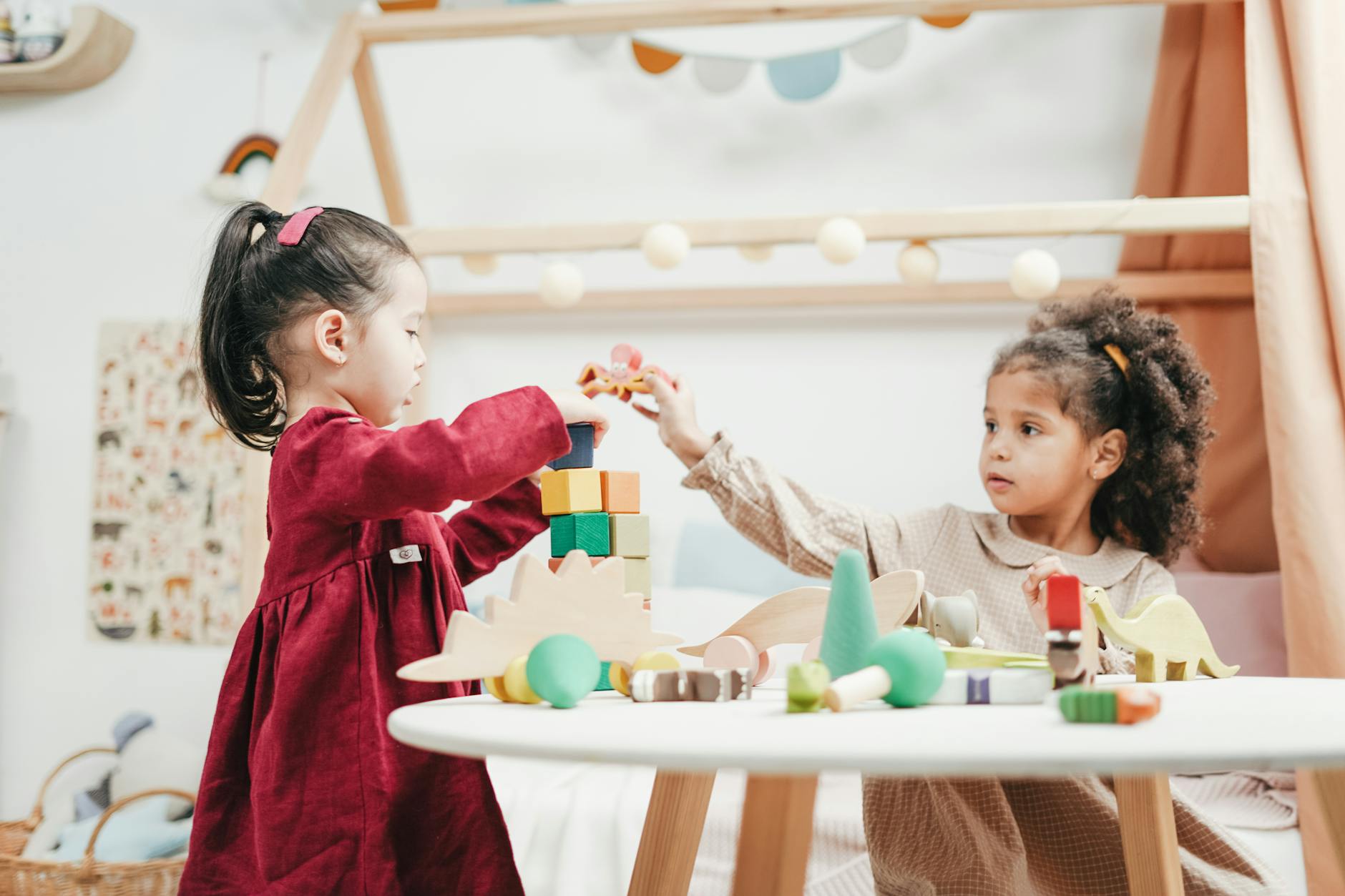
The cultural rule that children should fill every hour with organized activities, lessons, and structured programming has been challenged by researchers who study childhood development and stress. Unstructured free time is not wasted time; it is during these periods that children develop imagination, practice self-regulation, and learn to manage boredom productively. Overscheduled children frequently show signs of chronic stress, reduced intrinsic motivation, and diminished creativity compared to those with more unstructured time. Play researchers including Stuart Brown have documented the essential role of free play in healthy cognitive and emotional development. Giving children permission to simply be without agenda is one of the most restorative gifts a modern parent can offer.
One Right Way

Perhaps the most pervasive outdated rule of all is the belief that there is one correct method of parenting and that deviating from it signals failure. Child development is an enormously complex field shaped by culture, temperament, family structure, socioeconomic context, and individual child needs. What works beautifully for one child or family may be entirely wrong for another, and rigid adherence to a single parenting philosophy often ignores this reality. Researchers and clinicians increasingly emphasize flexibility, attunement, and responsiveness as the hallmarks of effective parenting rather than adherence to any particular rule set. The healthiest parenting approach is one that evolves alongside the child it is meant to serve.
Which of these outdated rules did you grow up with, and how has your own approach to parenting changed over time? Share your thoughts in the comments.




