
The office refrigerator is one of the most contested pieces of real estate in any workplace. What begins as a shared convenience quickly becomes a battlefield of unspoken rules, passive aggression, and deeply personal grievances. Certain behaviors have a remarkable ability to transform perfectly reasonable colleagues into sworn enemies who avoid eye contact in the hallway for years. The following offenses are ranked from mildly infuriating to the kind of transgression that makes a person start job hunting.
Label Ignoring

Someone opens the fridge and casually drinks the clearly labeled oat milk belonging to a colleague who has written their name on it in three places. The item is often expensive or carefully chosen for dietary reasons that make replacing it genuinely inconvenient. The offender rarely acknowledges the act and frequently repeats it across multiple weeks. Over time the victim begins to feel invisible and disrespected in a space they share daily. This single habit has ended more workplace friendships than any performance review ever could.
Smell Neglect

A container of leftovers gets pushed to the back of the fridge and forgotten for a period that stretches far beyond any reasonable timeframe. The smell begins subtly before evolving into something that greets the entire office the moment anyone opens the door. Colleagues are forced to hold their breath while retrieving their own items and the source is never claimed. No one wants to take responsibility for disposing of a biological event that belongs to someone else. The anonymous nature of the offense makes it uniquely maddening because accountability never arrives.
Space Hoarding

One person arrives on a Monday with enough meal-prepped containers to feed a mid-sized village for an entire month. Shelves that once held items belonging to six different people are now occupied by a single individual’s color-coded Tupperware collection. Other employees find their lunches squeezed to the edge or relocated without permission. The hoarder often operates with complete sincerity believing their organization is a contribution rather than an imposition. Few things create a more immediate and lasting resentment than discovering your yogurt has been evicted.
Theft Unbothered

A clearly labeled lunch disappears from the fridge with no explanation and no apology ever offered. The victim spends the afternoon hungry replaying every interaction with every coworker trying to identify the culprit. Passive aggressive notes appear on the fridge within days and the office atmosphere shifts into something tense and suspicious. Food theft is widely understood to be one of the most personal violations in a shared workplace because it targets something intimate and necessary. The audacity of doing it repeatedly without consequence elevates it from annoying to genuinely unforgivable.
Spillage Abandonment

A container leaks or tips over and leaves a visible mess across an entire shelf that someone simply walks away from. The next person to open the fridge discovers sticky residue soaking into their lunch bag without any note or cleanup attempt left behind. Whoever created the spill had every opportunity to address it before it hardened into something requiring real effort to remove. Colleagues forced to clean up after a fully capable adult develop a simmering resentment that is remarkably durable. It communicates a worldview in which shared spaces exist solely for personal convenience.
Condiment Squatting

A bottle of hot sauce or specialty dressing gets added to the communal fridge area and then defended with unexpected ferocity if anyone else so much as looks at it. The owner never labels it as personal property but reacts with visible irritation when a colleague assumes it is available for shared use. This creates an unwritten map of invisible ownership that no new employee could ever successfully navigate. The resulting confusion generates small but consistent friction that compounds across months and years. An unlabeled item in a communal space sends a message that other people are expected to read minds.
Noise Micromanaging

A coworker begins policing the temperature settings on the fridge with a dedication that borders on a second occupation. Any adjustment made by another employee is quietly reversed within the hour accompanied by a pointed look or a follow-up message in the office chat. The micromanager frames this as concern for food safety but the execution feels controlling and territorial. Other employees stop reporting the issue to building management because engaging with the micromanager feels like the worse outcome. A shared appliance becomes a power struggle that nobody originally signed up to have.
Expiry Blindness

Items left in the fridge long past their expiration date create a slowly building sense of communal dread every time the door opens. The owner of the expired items is identifiable from the labels but shows no urgency in removing what has become a public health concern. Other employees debate internally whether removing the items themselves crosses a social boundary they are not prepared to cross. The stalemate continues for days that stretch into weeks while everyone quietly grows more frustrated. This particular form of negligence signals that the individual does not consider the shared experience of their colleagues to be their concern.
Container Confiscation

Someone’s reusable lunch container goes missing and is later spotted in use by a colleague who claims to have simply found it unclaimed. The original owner recognizes it immediately and is forced to decide whether confronting the situation is worth the social cost it will require. Reusable containers are often purchased specifically and carry a quiet sentimental or practical value beyond their replacement cost. The colleague who took it rarely perceives any wrongdoing because the item had been sitting quietly without being watched. This particular incident tends to produce a cold and permanent shift in the working relationship.
Shelf Reorganizing

One person decides unilaterally to reorganize the entire fridge according to a logic that makes sense only to them and displaces everyone else’s items in the process. Lunches end up on different shelves or tucked into the door without any communication that this was going to happen. The reorganizer expects appreciation for what they perceive as a thoughtful contribution to communal order. Everyone else experiences it as a boundary violation dressed up as helpfulness. The mismatch between intention and impact is precisely what makes this particular offense so difficult to address directly.
Tupperware Entitlement

A colleague returns communal or borrowed containers without washing them or simply never returns them at all. The containers accumulate in their workspace or disappear entirely while the original owner quietly replaces them at their own expense. Bringing up the issue feels disproportionate to the offense on paper but the repeated nature of it makes the emotional weight entirely proportionate. It establishes an implicit hierarchy in which some people maintain shared spaces and others simply benefit from them. Over time this pattern reveals a character trait that is very difficult to unsee in other areas of workplace life.
Fish Reheating

A coworker places strongly scented seafood in the communal microwave next to the fridge and then stores the warm leftovers back inside for later consumption. The smell permeates every other item stored nearby and lingers in the fridge for the remainder of the day. Multiple colleagues make comments in the kitchen and the message is received but not acted upon. The person reheating the fish genuinely does not understand why this is considered a social infraction of any significance. The gap in perception is so wide that no reasonable conversation ever closes it.
Passive Note Leaving

A typed or handwritten note appears on the fridge door addressed to no one specifically but clearly targeted at a specific behavior or person. The note uses exclamation points and underlining in a way that communicates genuine emotional investment in the situation. Subsequent notes appear in response and the fridge door becomes a public forum for grievances that were never discussed face to face. Everyone in the office reads the exchange and forms opinions about all parties involved. The paper trail transforms a minor irritation into a documented workplace event that people remember years after they have moved on.
Door Lingering

A coworker stands with the fridge door open for extended periods while deciding what to retrieve as cold air escapes and the unit struggles to maintain temperature. This becomes more aggravating when it happens repeatedly during the same morning and during peak kitchen hours when others are waiting. The lingerer appears completely unaware of the physical space they are occupying or the presence of anyone else in the kitchen. Colleagues experience it as a form of spatial entitlement that extends beyond the fridge into how the person occupies shared areas generally. It is small enough that addressing it feels unreasonable but consistent enough that the irritation accumulates meaningfully.
Freezer Overclaiming

One person fills the shared freezer section with personal items that take up space intended to be distributed among the entire office. Frozen meals for the entire month get stacked in a way that makes it physically impossible to add anything new. Other employees resort to keeping items at room temperature or simply stop bringing food that requires freezing. The overclaimer often does this with cheerful confidence as though the space naturally defaults to whoever uses it most aggressively. The result is a quiet but firm redistribution of shared resources in favor of a single individual.
Unexplained Leaking
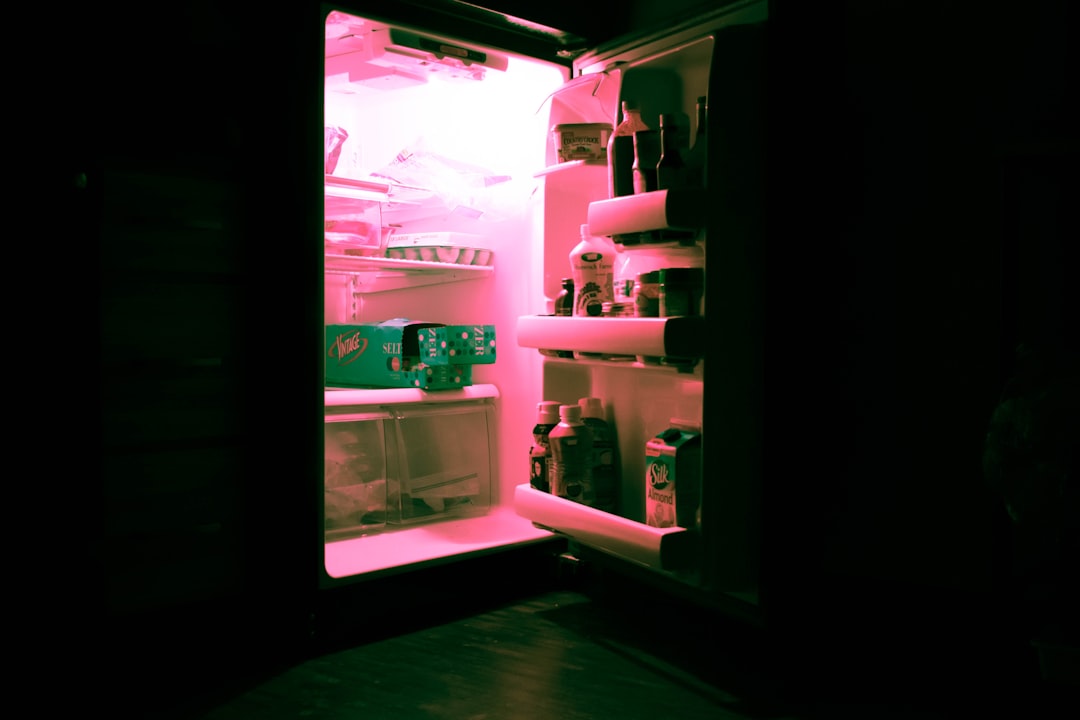
A container is placed in the fridge and begins slowly leaking onto every shelf below it without the owner taking any notice or responsibility. Other people’s food gets contaminated and the discovery is usually made at the worst possible moment in the middle of a busy workday. The liquid is often something with a strong smell or a vivid color that makes the contamination impossible to overlook. The owner of the leaking container is identified but maintains a remarkable level of calm about the inconvenience caused to others. The lack of urgency in their response communicates something that employees do not forget quickly.
Birthday Cake Politics

A cake brought in for a communal celebration gets partially consumed and then stored in the fridge where it remains for days beyond any reasonable consumption window. Colleagues feel awkward about throwing it away because it was someone’s gesture of generosity and doing so feels like a social misstep. The cake gradually dries out and takes up a full shelf while everyone waits for someone else to make the executive decision. The original baker checks on it periodically and takes the slow consumption as a reflection of how appreciated they are by their colleagues. What began as a kind gesture becomes a source of collective anxiety within forty-eight hours.
Excessive Labeling

A coworker labels every single item they own with multiple tags including their name and a date and occasionally a short warning message directed at potential thieves. The cumulative effect of the labeling creates a visual environment in the fridge that feels hostile to anyone who opens it. New employees interpret the signage as evidence of past trauma and adjust their behavior accordingly from day one. The excessive labeling is technically justified but communicates a level of distrust that makes normal collegial interaction feel slightly impossible. It shifts the emotional atmosphere of the kitchen in a direction that was probably never intended.
Mysterious Bag Ignoring
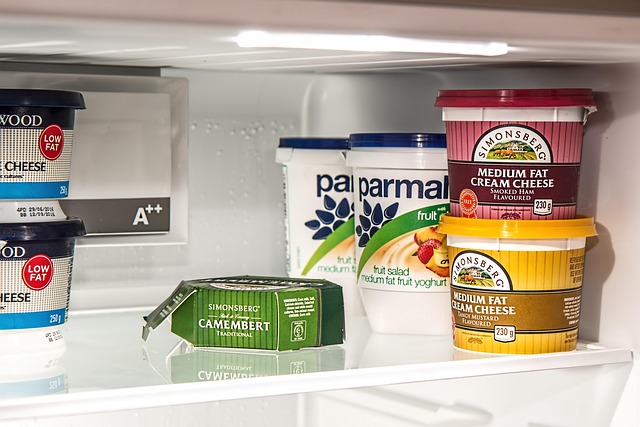
An unmarked bag sits in the fridge for so long that its original contents become genuinely unidentifiable without opening it. Nobody wants to open it and nobody wants to throw it away without knowing what is inside. It occupies a significant amount of shelf space and becomes a recurring topic in office small talk as people speculate about its contents. Management occasionally notices it and expects staff to self-regulate without intervening directly. The bag becomes an accidental metaphor for every unresolved conflict the team has declined to address.
Shelf Claiming

Someone places a personal item on a shelf and then treats that shelf as permanently reserved for their exclusive use across all future weeks. Other employees start avoiding that shelf without fully understanding why and the habit becomes self-reinforcing over time. The person who claimed the shelf never made the arrangement official because no official mechanism exists for doing so. They react with visible discomfort if their implied territory is occupied even briefly. The whole situation functions as a miniature model of how unofficial hierarchies form and calcify in workplaces without anyone meaning to create them.
Drink Borrowing
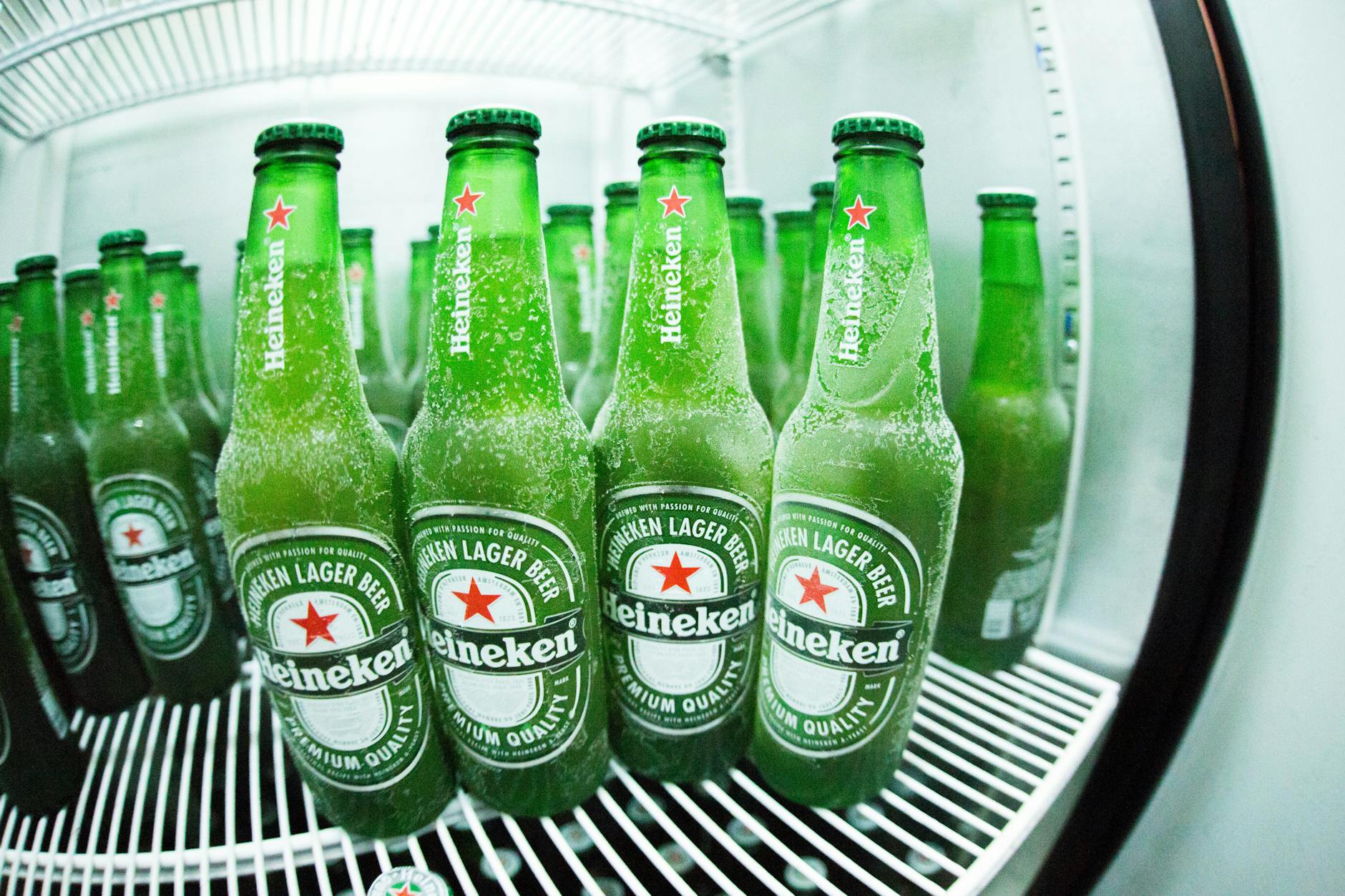
A coworker takes a small amount of a labeled drink under the reasoning that a partial consumption will not be noticed or minded by the owner. The owner does notice because people always notice and a pattern of small justified thefts accumulates into something that feels far more significant than any individual instance suggests. The borrower occasionally replaces the item or offers a casual mention that they helped themselves which is offered as a social absolution for the act. The owner is placed in the position of either accepting the casual framing or escalating to a conversation that feels disproportionate to the amount consumed. This dynamic repeats until one party changes their behavior or changes their employer.
Ownership Denial

The most enduring offense in office fridge culture is the direct denial of ownership when confronted about an item that has caused damage to shared spaces or other people’s food. A coworker looks directly at a labeled container bearing their name and insists it does not belong to them with a conviction that requires either genuine confusion or extraordinary confidence. The denial leaves no clear path forward because the social contract assumes a baseline level of honesty about small domestic matters. Everyone in the vicinity knows what has happened and the dynamic shifts permanently in that moment. This is the offense that most reliably converts a functional working relationship into something that never fully recovers regardless of how much time passes.
If any of these fridge offenses have disrupted your own workplace peace, share your most memorable story in the comments.




