
Fine dining is an art form built on atmosphere, etiquette, and the quiet rhythm of a well-run room. A single misstep can shift the energy at the table and leave a lasting impression for all the wrong reasons. From the moment the bread basket arrives to the final pour of dessert wine, opportunities to stumble are everywhere. These are the most cringe-worthy habits that turn a romantic evening into an uncomfortable memory.
Bread Basket
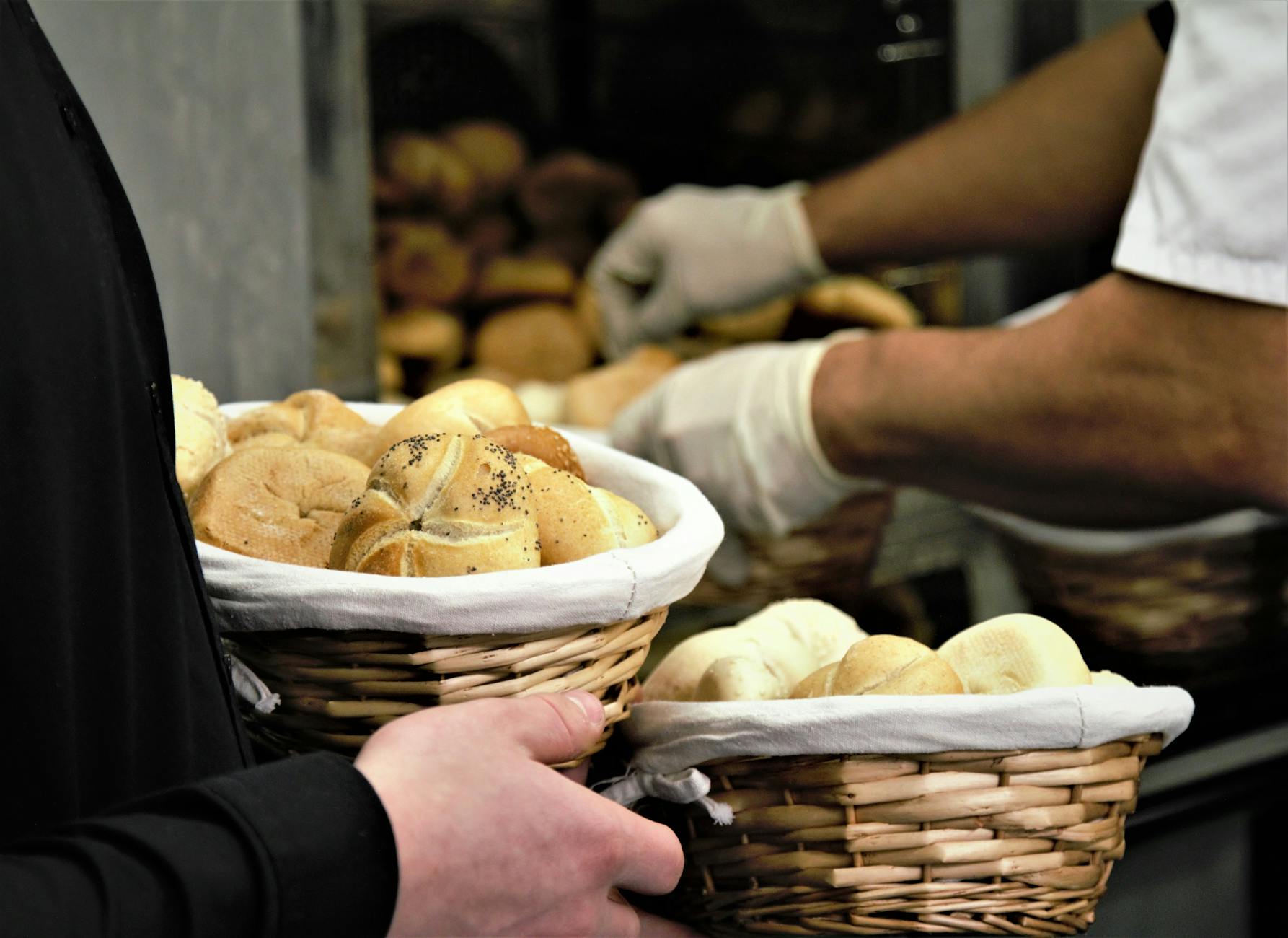
Reaching into the bread basket the moment it lands on the table signals impatience and a lack of familiarity with formal dining pacing. The proper approach involves waiting for the server to present the bread before touching it, then tearing a small piece rather than biting directly from the roll. Many diners make the mistake of treating the bread course as a full meal, arriving at their main course visibly full. At an upscale establishment the bread is an opener not a centerpiece and treating it otherwise draws noticeable attention.
Dress Code
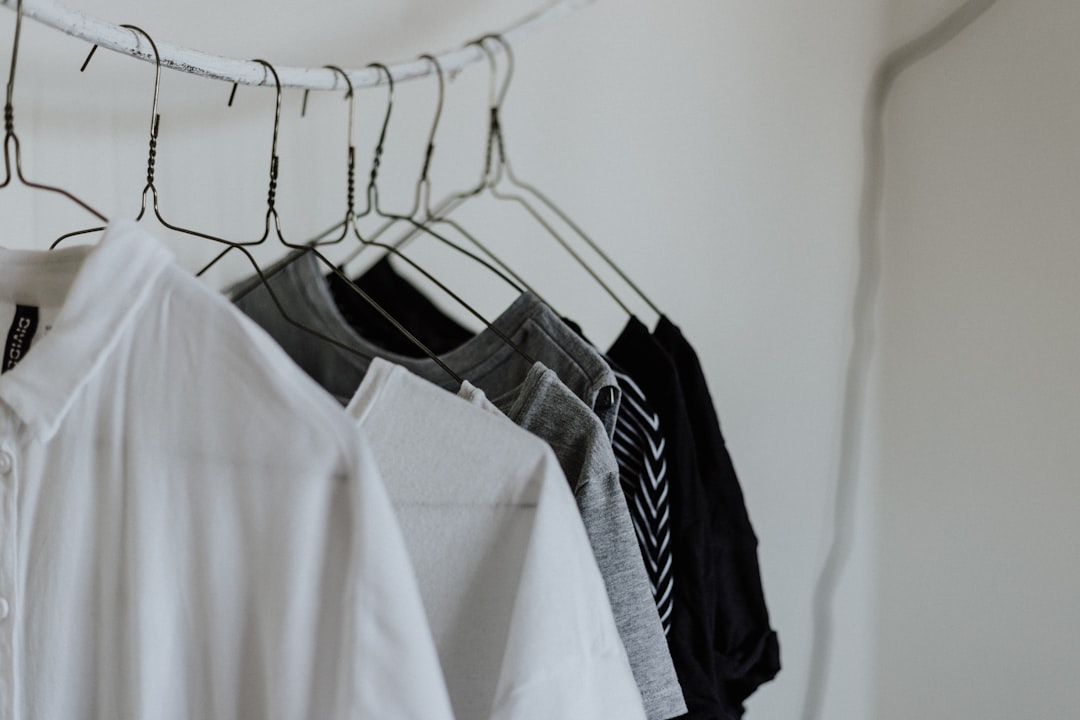
Arriving underdressed at a fine dining restaurant creates immediate discomfort for both the guest and anyone accompanying them. Most establishments with white tablecloths and multi-course menus maintain an implied or explicit dress standard that guests are expected to research in advance. A date in cocktail attire seated opposite someone in casual clothing creates a visual imbalance that is difficult to ignore. Some restaurants will still seat underdressed guests though the quiet judgment of staff and nearby diners tends to linger throughout the evening.
Wine List
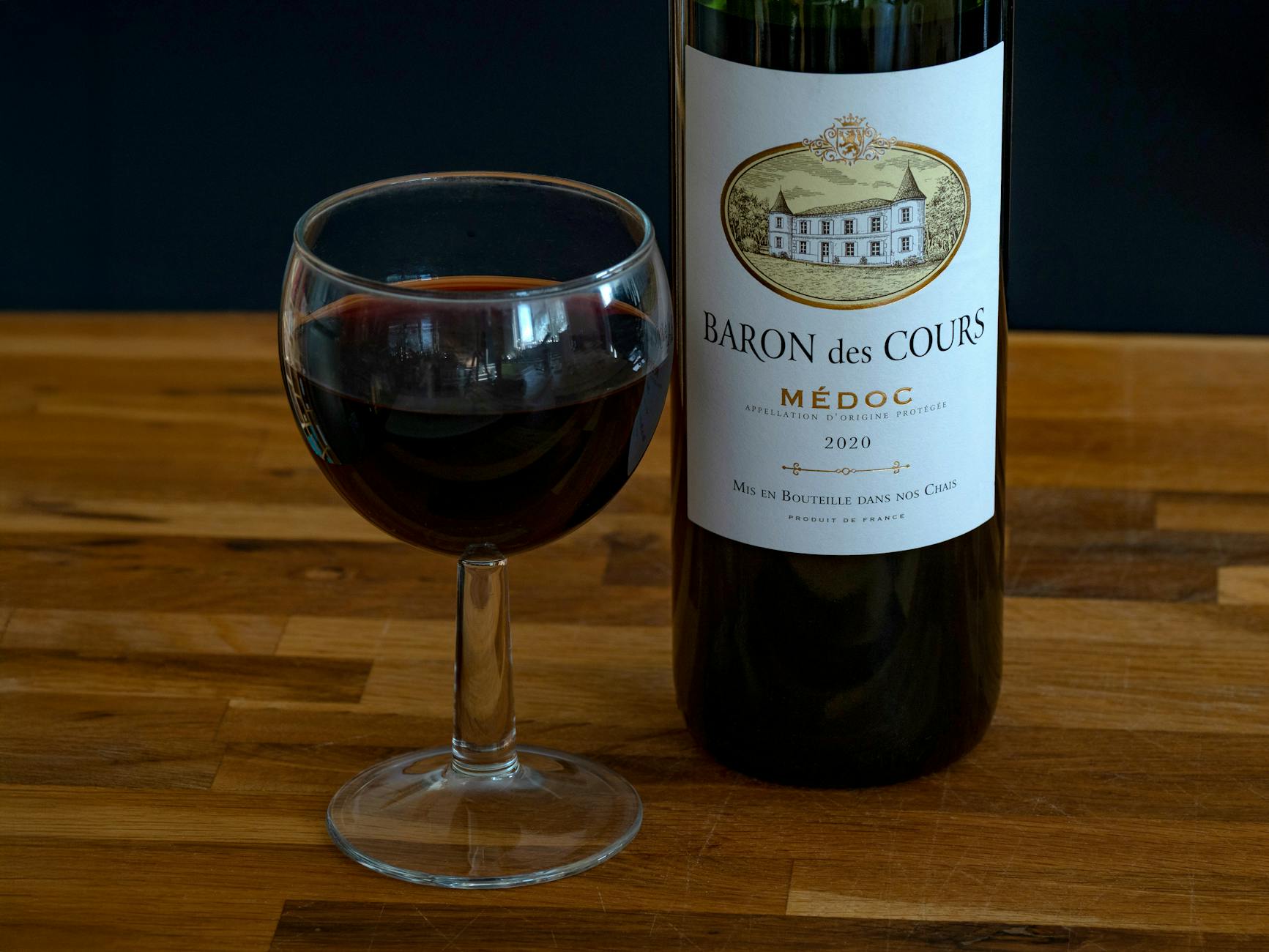
Loudly announcing unfamiliarity with the wine list or making jokes about prices within earshot of the sommelier is one of the more awkward moments a table can produce. Fine dining sommeliers are trained to guide guests through selections without pressure and responding with performative discomfort undermines that interaction entirely. Pointing at a bottle and mispronouncing the label while laughing tends to embarrass the person sitting across the table far more than the speaker realises. A simple honest conversation with the sommelier about preferences and budget is always the more graceful approach.
Phone Habits
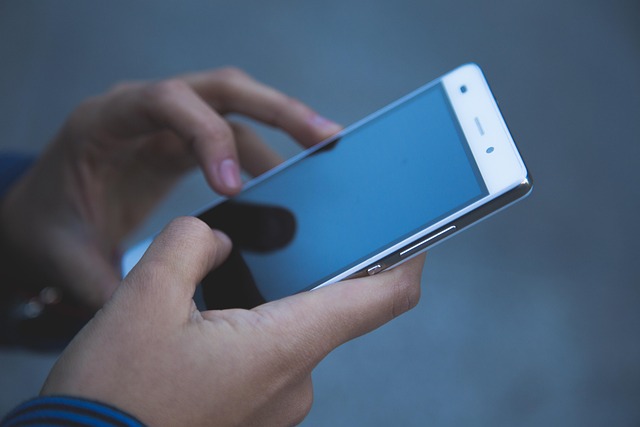
Placing a phone face-up on a fine dining table is considered poor etiquette in virtually every formal hospitality setting around the world. Taking calls at the table or filming the food before each course for social media disrupts the pacing of the meal and visibly irritates restaurant staff. The ambient lighting and intimate setting of a high-end restaurant is designed to encourage presence and conversation rather than screen time. A date who watches their companion scroll through notifications between courses is unlikely to associate the evening with warmth or connection.
Menu Questions
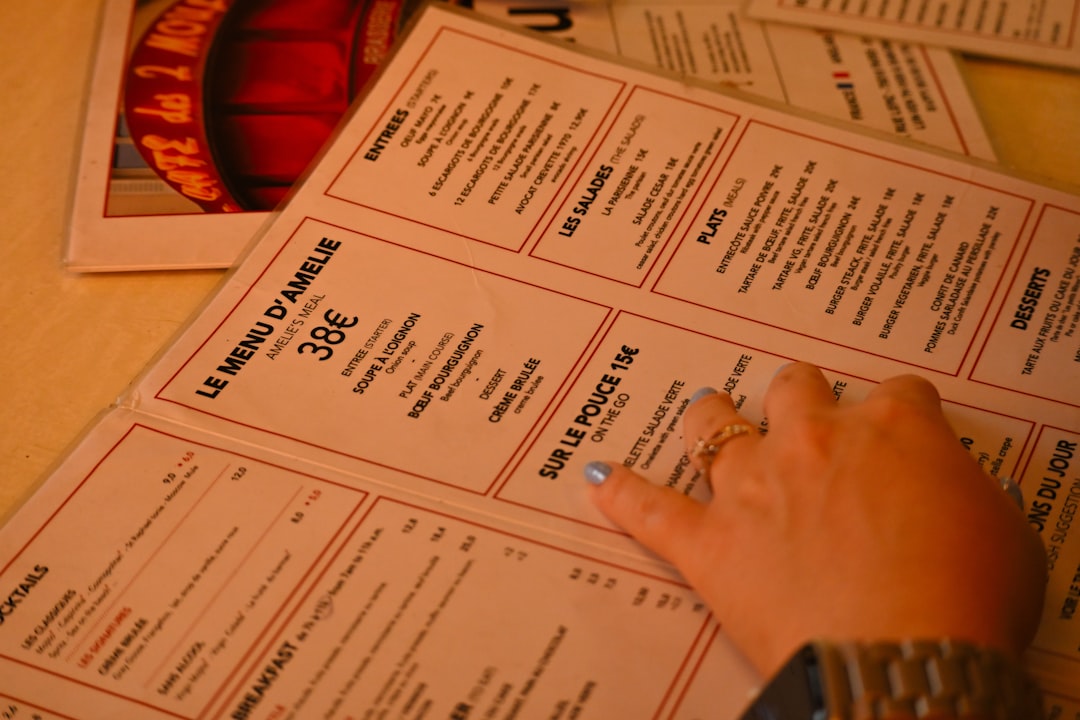
Asking the server to explain every single item on the menu in exhaustive detail before ordering stalls the entire meal and creates a pressured atmosphere for staff and dining companions alike. Mispronouncing dishes repeatedly and then laughing about it crosses from charming into tiresome when it disrupts the flow of service. Fine dining menus are often available online before a reservation and arriving with some familiarity demonstrates consideration for the experience. A brief focused conversation with the server about two or three items of genuine interest is the standard approach at this level of dining.
Tipping Etiquette
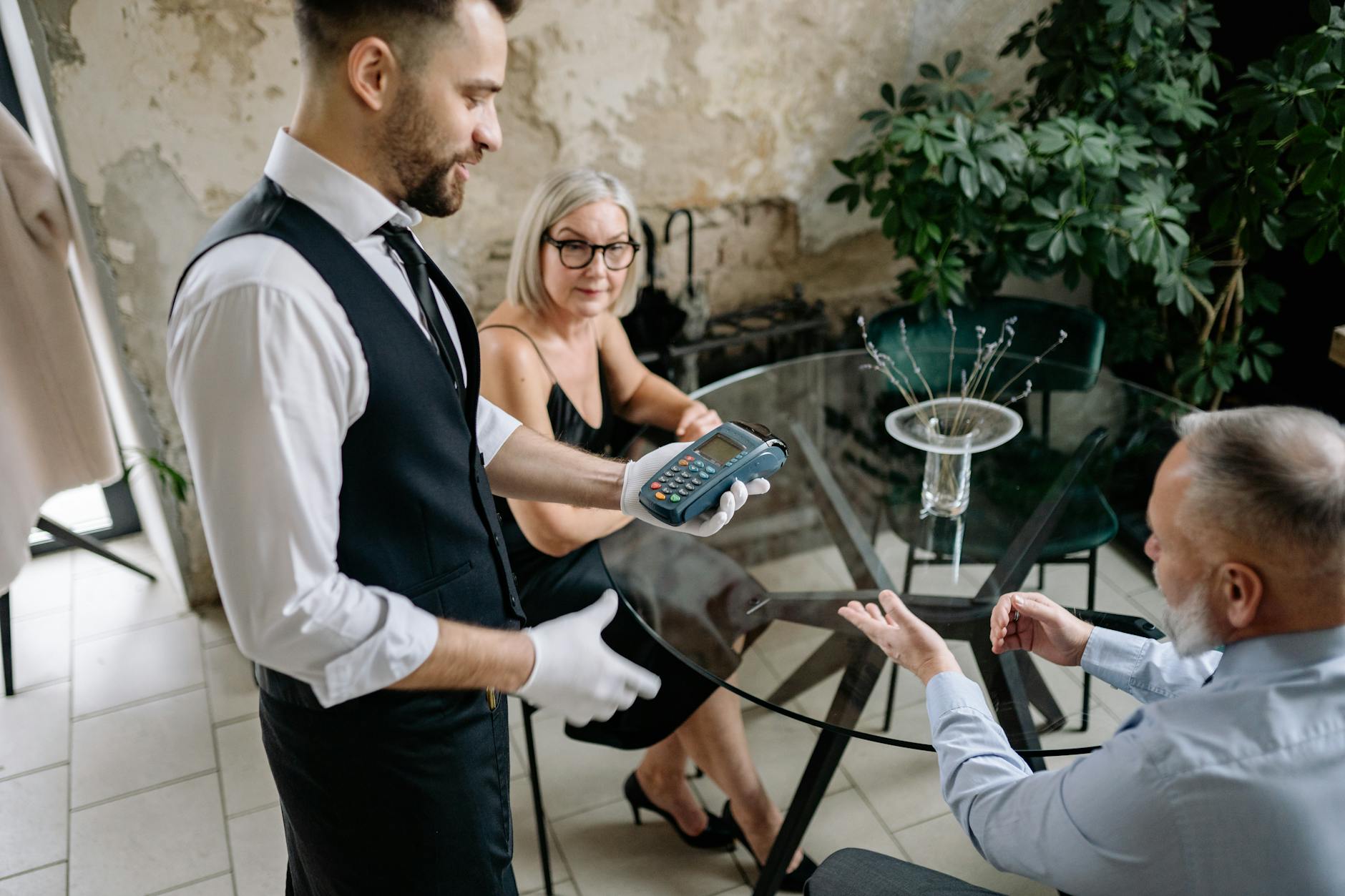
Loudly debating the tip amount at the table after the bill arrives is one of the most socially jarring conclusions to a fine dining evening. At upscale restaurants a gratuity of eighteen to twenty percent is a baseline expectation and the conversation around it should be quiet and efficient. Making a point of calculating the exact pre-tax total or questioning individual line items on the bill creates visible discomfort for a date who may have different expectations around generosity. How a person handles the final moments of a restaurant visit often leaves the strongest lasting impression of the evening.
Complaints
Sending food back repeatedly or loudly critiquing the kitchen to other diners transforms a carefully curated dining experience into a performance of dissatisfaction. Fine dining kitchens operate with precision and a single polite mention to the server is the appropriate channel for any genuine concern about a dish. Diners who complain theatrically rather than constructively tend to create an atmosphere of tension that affects everyone at the table and sometimes nearby tables as well. A date seated across from someone who cannot move through a meal without finding fault is unlikely to feel relaxed or romantically inclined.
Sommelier Interaction
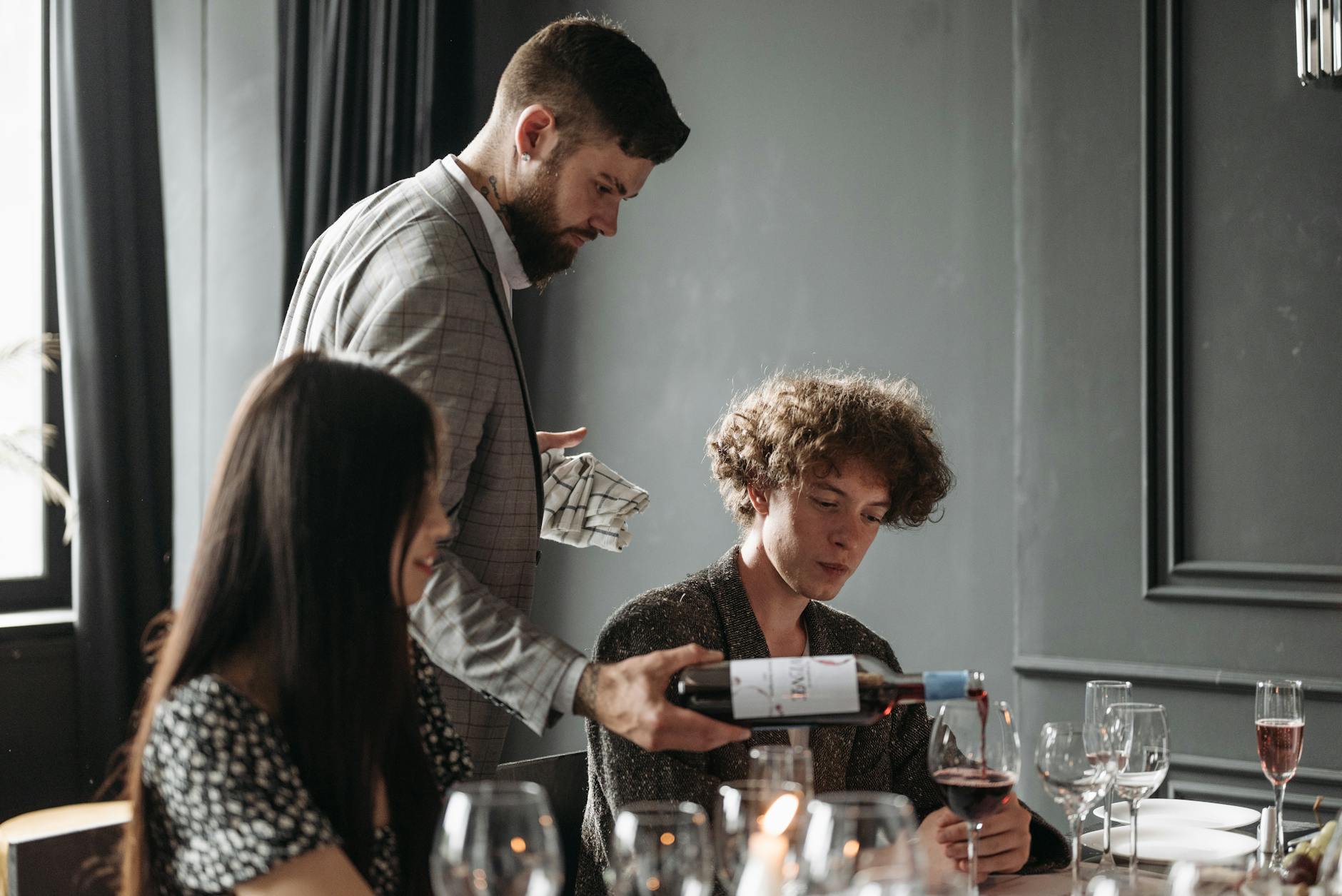
Overruling the sommelier’s pairing suggestion loudly and with visible condescension signals a lack of social awareness in a setting built on quiet expertise. These professionals spend years developing palate knowledge and their recommendations are a genuine service rather than an imposition. Dismissing guidance without consideration and then selecting something that clashes with the food reflects poorly in front of a date who may have far more familiarity with the environment. Engaging respectfully with the sommelier and asking follow-up questions is both the courteous and the more impressive approach.
Cutlery Confusion
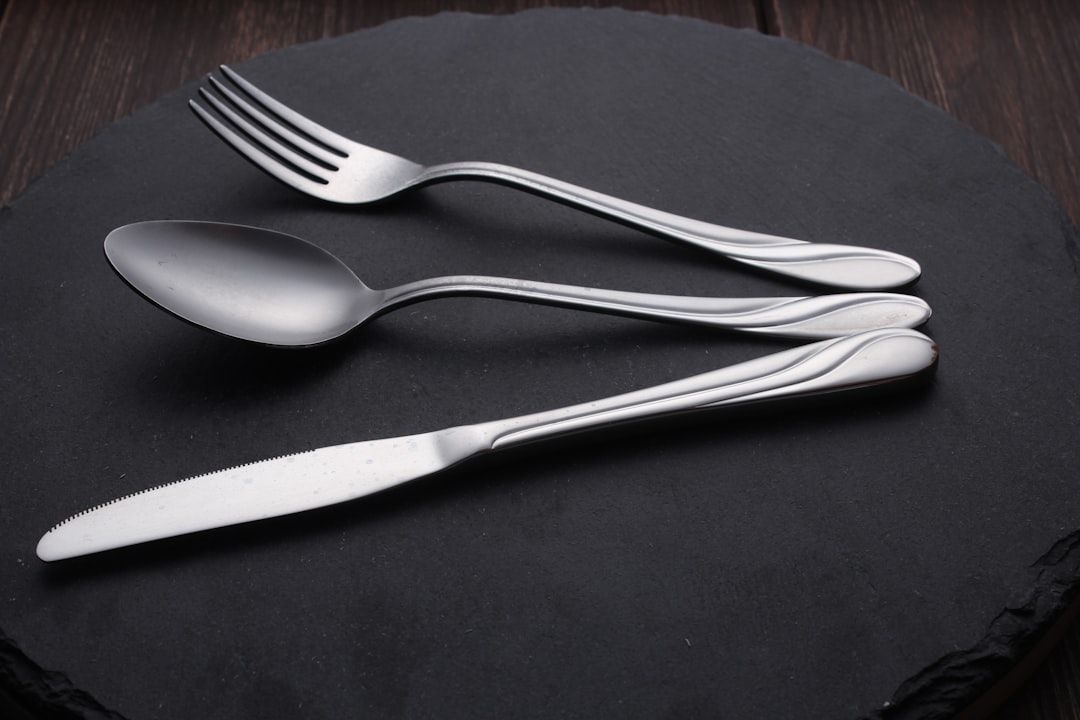
Picking up the wrong fork and then making a prolonged joke of the confusion is one of the small moments that quietly signals inexperience at a formal table. The standard rule of working from the outside inward applies across most fine dining settings and a quick visual scan of the place setting usually provides all the guidance needed. Loudly asking the server which utensil to use for every course derails the natural conversation between two people trying to enjoy an evening together. Cutlery mistakes are easily forgiven but turning them into a running commentary is what creates the lasting awkward memory.
Volume Control
Speaking at a volume better suited to a casual bar environment is one of the most consistently uncomfortable habits observed in upscale restaurant settings. Fine dining rooms are deliberately designed with acoustics that carry sound and a loud table quickly becomes the unwanted centerpiece of the room. A date who is visibly scanning the room to gauge how much attention the conversation is drawing is not a date who is enjoying themselves. Matching the ambient tone of the room is a basic social calibration that signals awareness of shared space and respect for other guests.
Dietary Demands
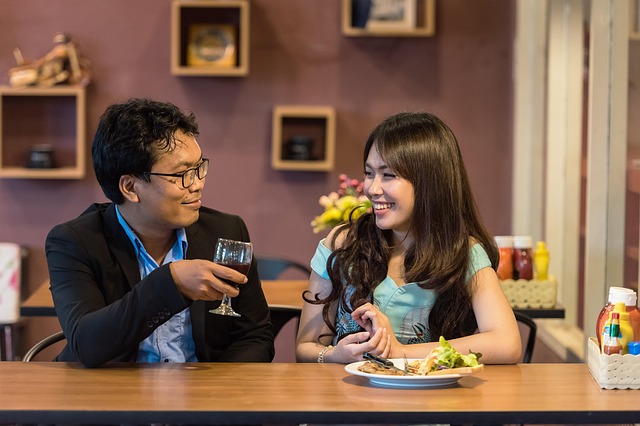
Arriving at a fine dining restaurant with a long list of substitutions and demands that fall outside any genuine dietary or allergy requirement creates friction from the first interaction with the server. Tasting menus in particular are constructed as coherent experiences and requesting wholesale changes to multiple courses dismantles the chef’s intended progression. A date who watches their companion argue with the kitchen over personal preferences rather than actual needs often finds the evening shifting from romantic to exhausting. Genuine allergies and intolerances are always taken seriously at professional establishments and communicating them quietly and clearly is the only approach required.
Napkin Etiquette
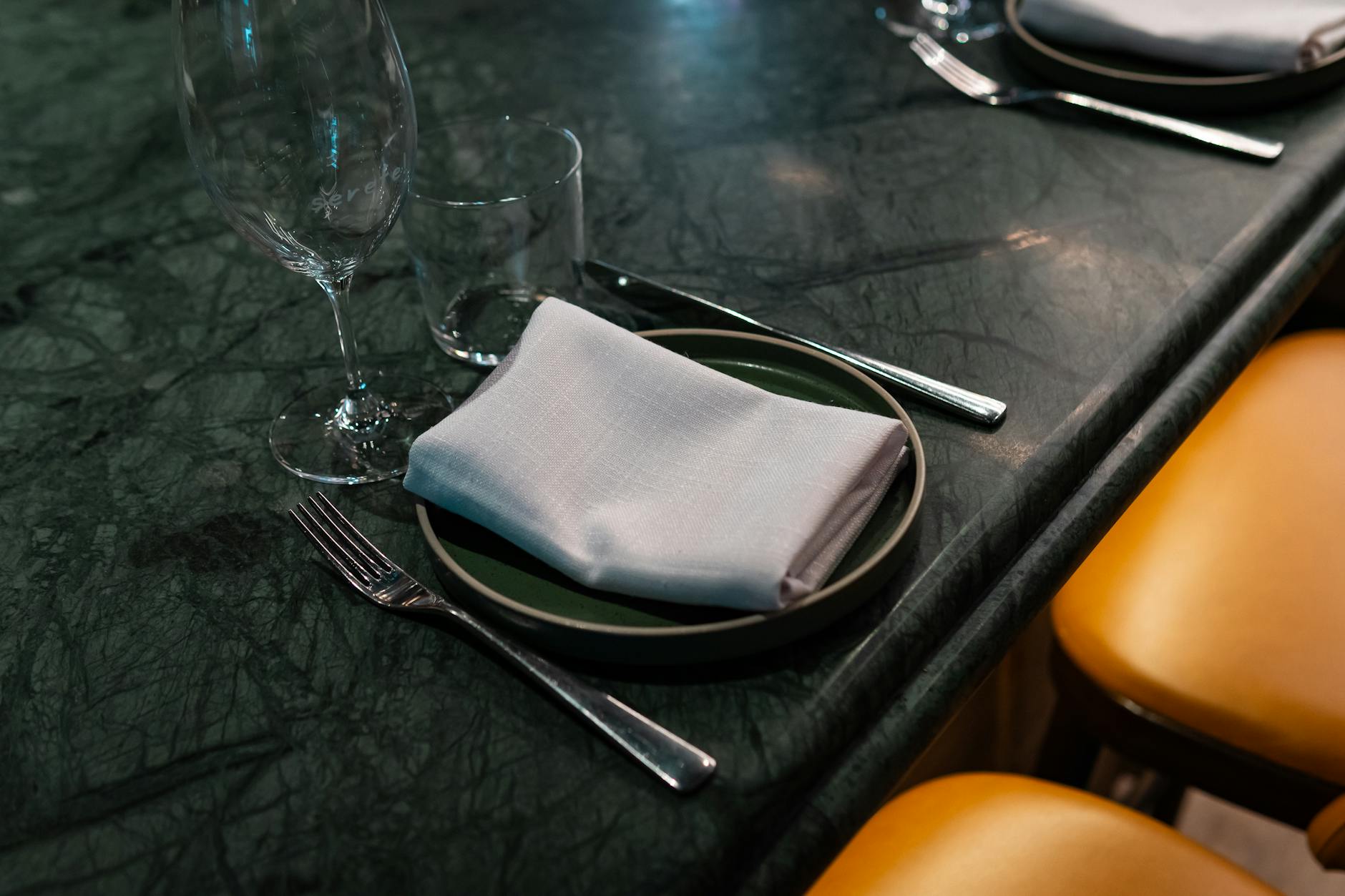
Leaving the napkin on the table throughout the meal or tucking it into a collar at a formal restaurant is one of the more visually striking etiquette gaps a date can observe. The linen napkin belongs on the lap from the moment the party is seated and should be placed loosely to the left of the plate when leaving the table temporarily. Blotting the mouth aggressively or using the napkin as a general cleaning cloth for the table creates an impression of discomfort with the setting. These small gestures accumulate across the course of a meal and form a composite picture of how at ease a person truly is in formal environments.
Ordering Behavior
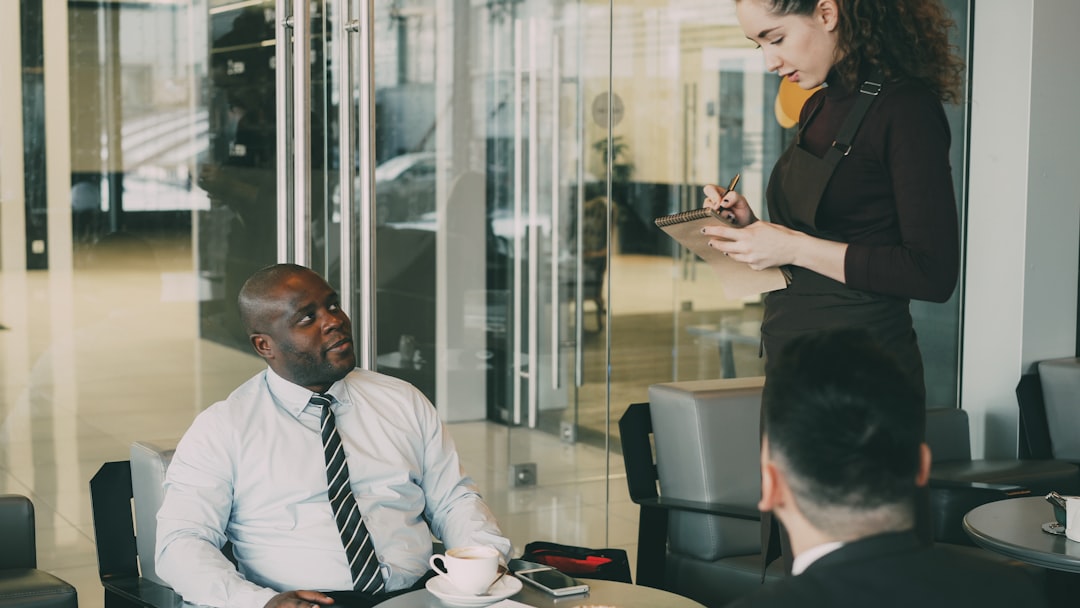
Ordering for a date without asking their preferences first is a habit that reads as controlling rather than charming in most contemporary dining contexts. Interrupting the server mid-explanation to rush through the ordering process signals impatience and disregards the deliberate pacing a fine dining kitchen depends on. Asking for well-done preparations of dishes that are clearly designed for a specific temperature or technique undermines the kitchen’s work and is noted. A considered approach to ordering that involves listening to the server and taking a moment to reflect on the menu is both respectful and far more attractive to observe.
Bill Disputes
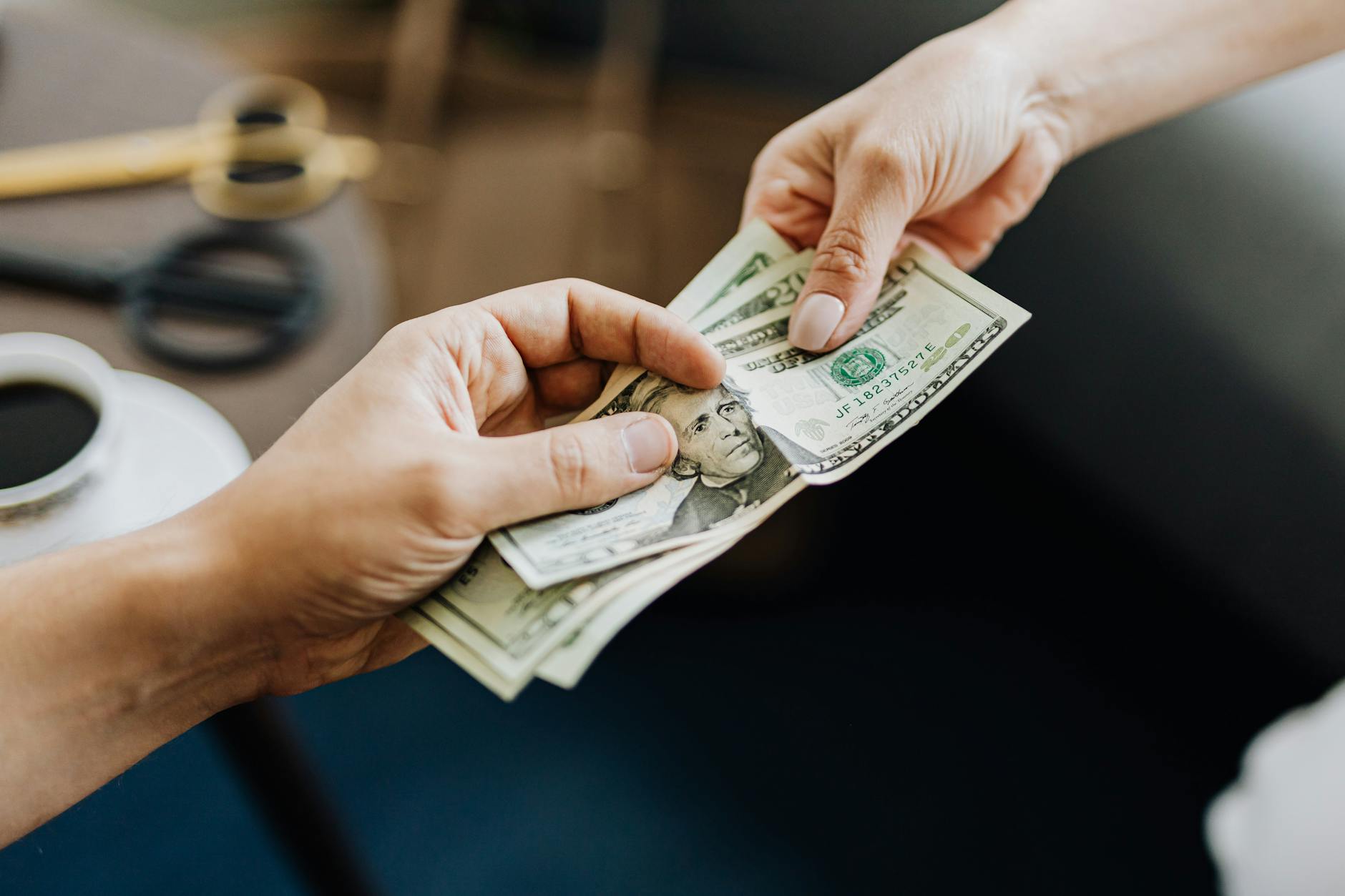
Arguing over the itemised bill with increasing frustration while the server waits is a conclusion to the evening that no amount of excellent earlier conversation can fully recover from. Minor errors on a check are best addressed with a quiet word rather than a full table audit conducted at volume. The impulse to scrutinise every charge in detail at the table rather than reviewing it privately reflects a social awareness gap that a date will register clearly. Handling the bill with confidence and composure regardless of the amount is widely understood as one of the more telling indicators of someone’s overall ease in a formal setting.
Intoxication
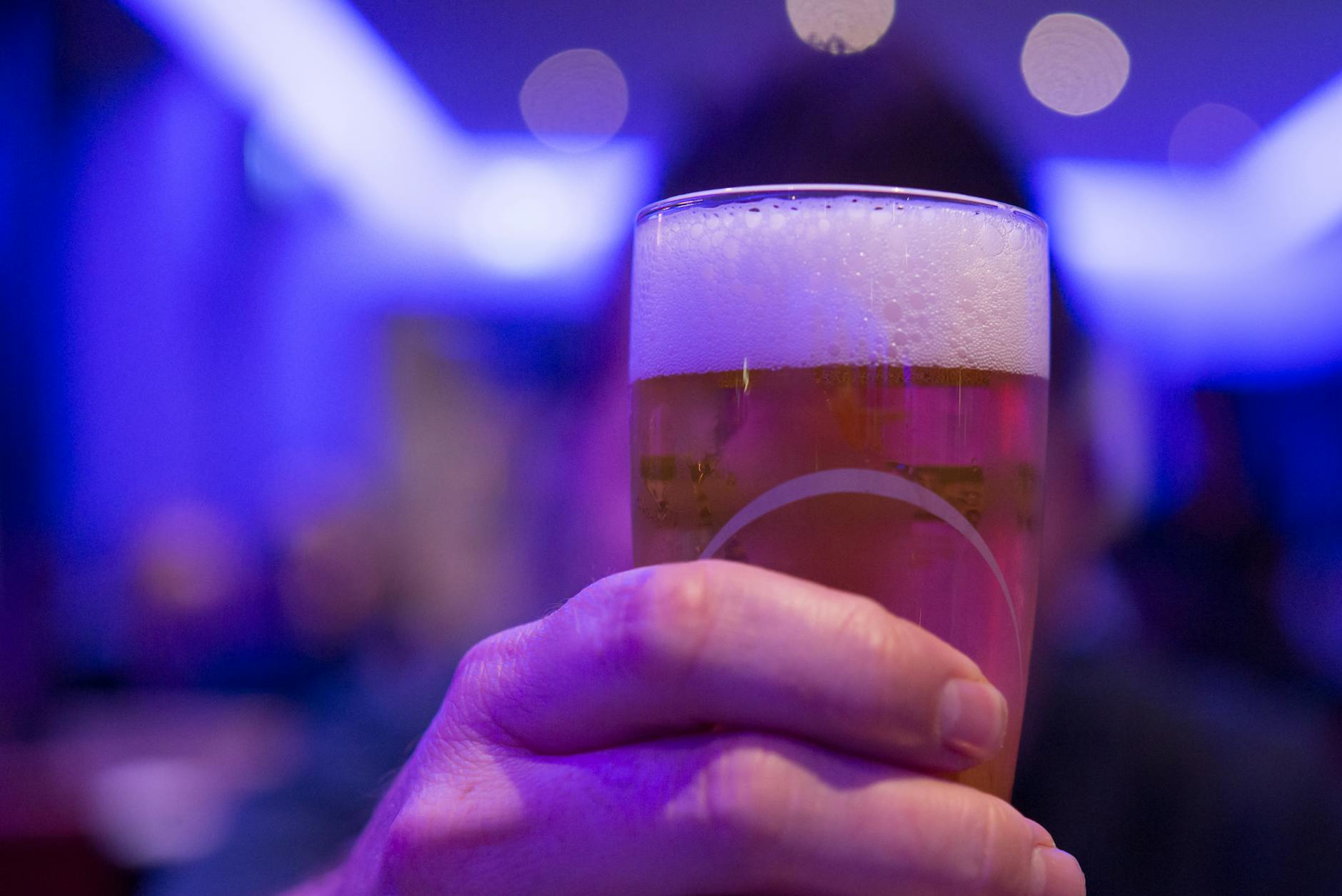
Drinking far beyond the pace of the meal and becoming visibly affected before the main course arrives is among the most uncomfortable experiences a date can endure at a fine dining restaurant. Wine service at this level is intended to complement the food rather than function as the focal point of the evening. Staff at reputable establishments are trained to slow service discreetly when a guest shows signs of overindulgence though the situation rarely resolves gracefully once it reaches that point. A date who spends the evening managing rather than enjoying their companion carries home a memory that no beautifully plated dessert can correct.
Perfume
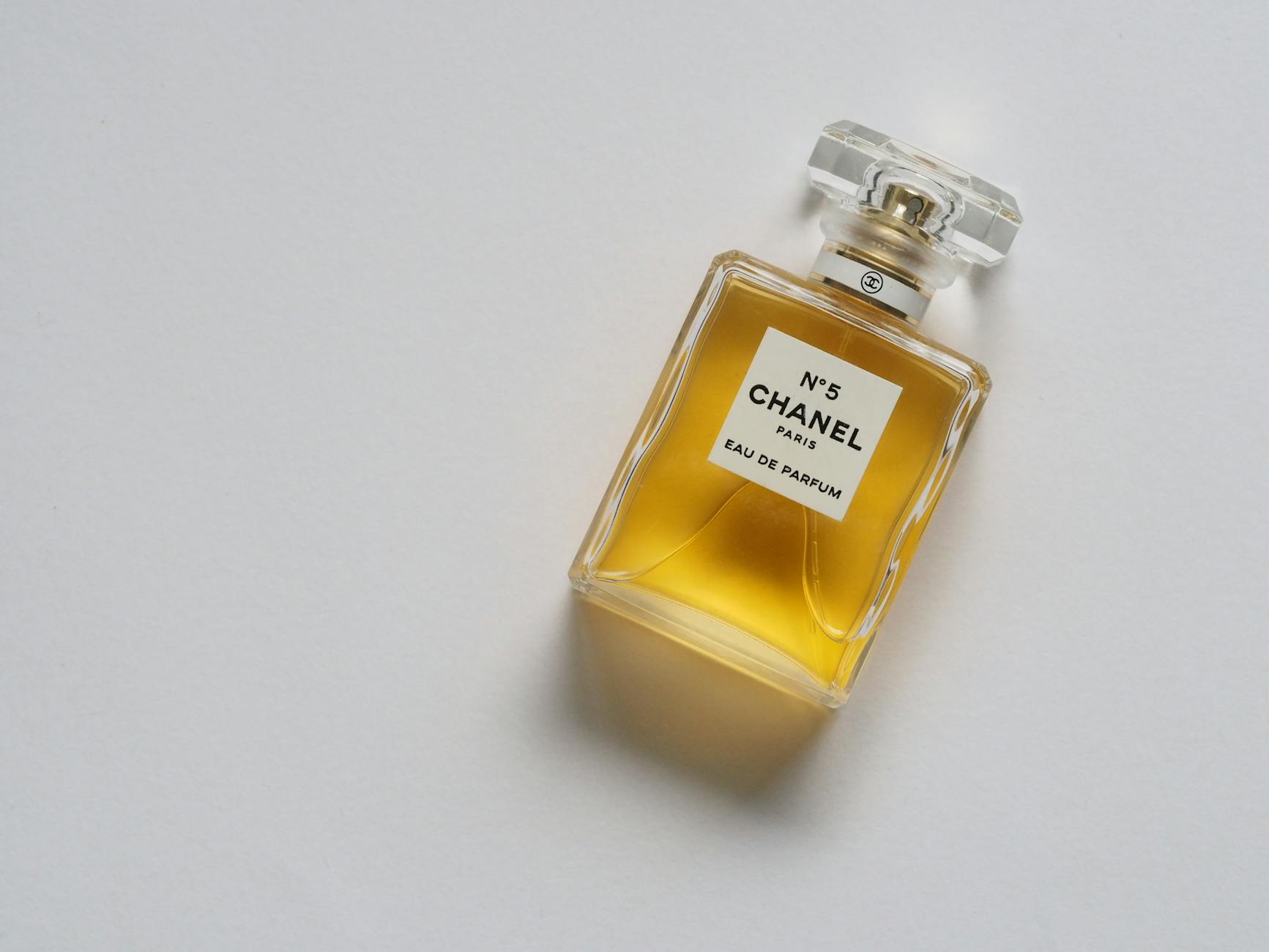
Arriving at a fine dining restaurant wearing a heavy fragrance is a sensory imposition that affects not only the date but everyone within the immediate vicinity. Many fine dining experiences are built around the nose as much as the palate and a dominant scent interferes with the appreciation of both food and wine. Some restaurants in Europe and parts of Asia now explicitly request that guests avoid wearing fragrance as a courtesy to the kitchen and fellow diners. A date who finds themselves unable to properly experience the aromatics of a tasting menu due to a nearby scent cloud is a date whose attention has been redirected away from the evening entirely.
Tasting Menu Pace
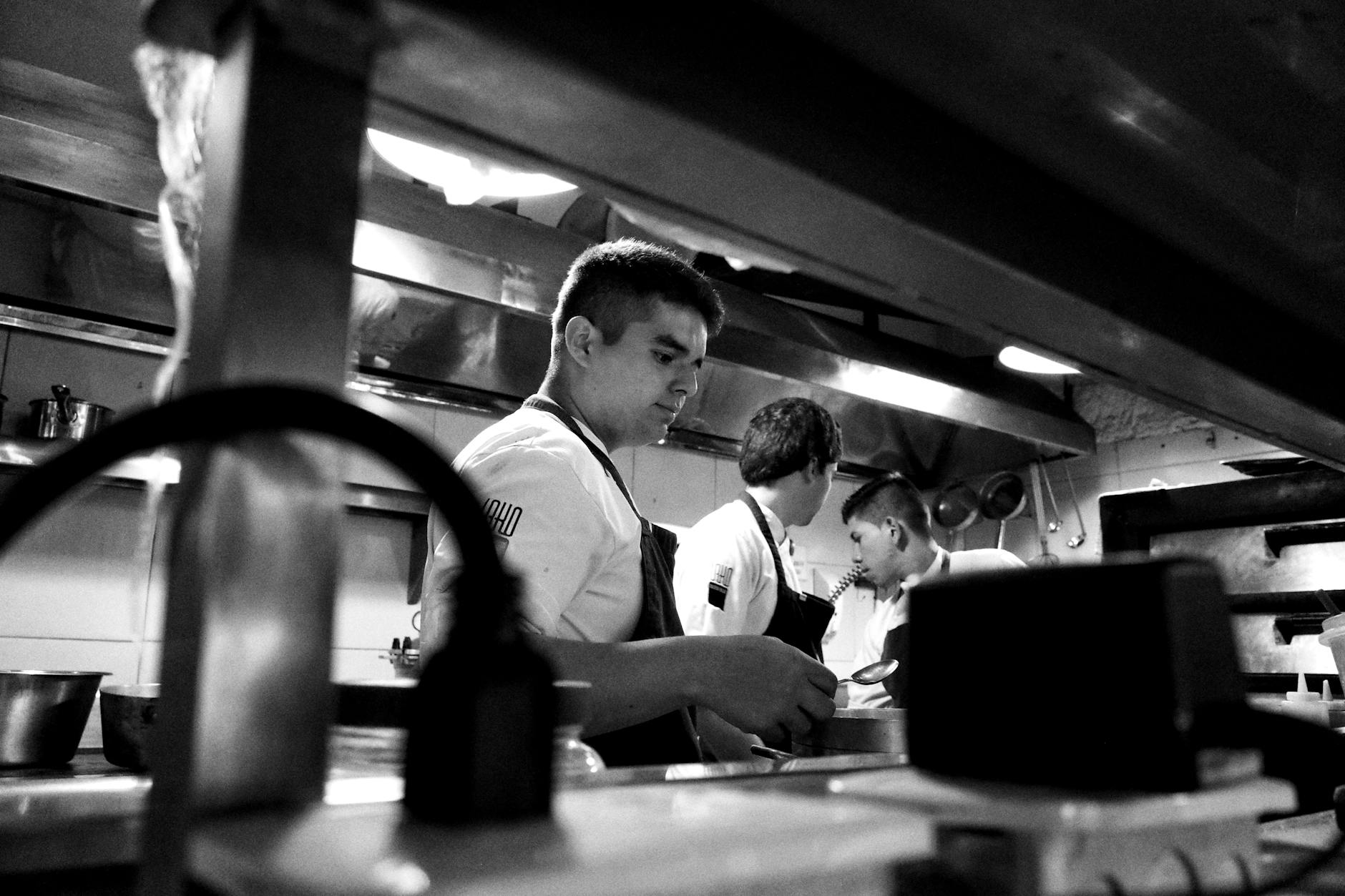
Rushing through a tasting menu by asking the kitchen to consolidate courses or speed up service dismantles an experience that the restaurant has constructed with specific timing in mind. Multi-course meals at fine dining establishments often run two to three hours and arriving with expectations better suited to a forty-five minute lunch creates tension from the first course. A date who came prepared to spend an evening at the table finds the constant nudging toward speed both stressful and revealing. Surrendering to the pace of a well-run tasting menu is itself a form of sophistication that attentive dining companions will notice and appreciate.
Selfies
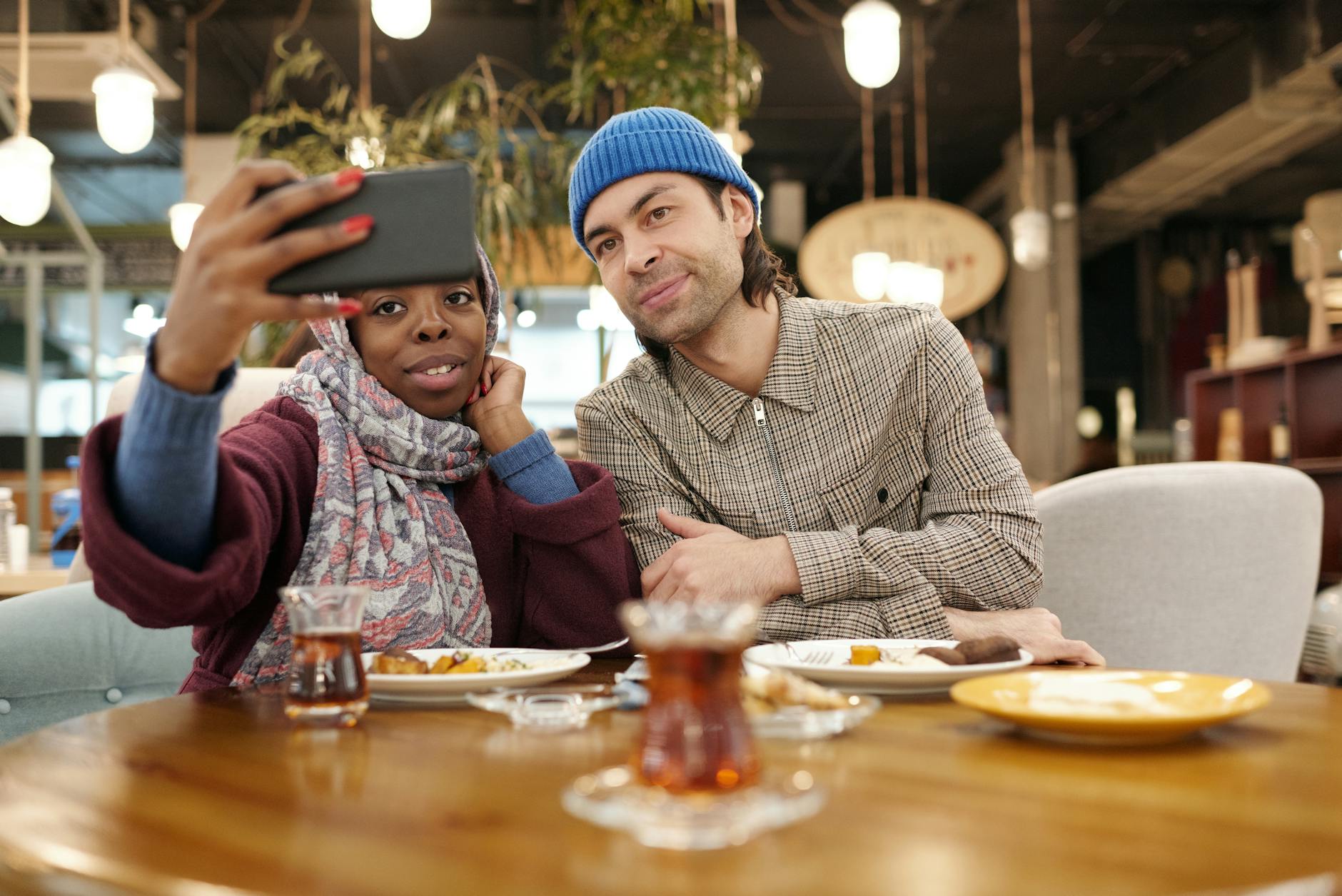
Climbing onto chairs or asking nearby diners to photograph the table mid-service is a disruption that restaurants with serious culinary programs find particularly difficult to accommodate graciously. Brief food photography with a phone already on the table is now broadly tolerated though activating a flash or additional lighting equipment crosses a clear line. A date attempting to enjoy the atmosphere of a carefully designed room finds the repeated performance of content creation an effective barrier to actual conversation and connection. The food at a three-course or tasting-menu restaurant is designed to be eaten at the correct temperature and the window for both photography and eating is narrower than most people calculate.
Mispronunciations
Confidently mispronouncing a dish name and then arguing with the server about the correct pronunciation is a specific kind of awkward that fine dining staff encounter with notable regularity. Menus at high-end restaurants frequently feature French Italian or Japanese terminology and quiet uncertainty is always more graceful than loud incorrect confidence. A date listening to this exchange from across the table processes it as a reliable signal of how the person handles being wrong in other contexts. Acknowledging unfamiliar terminology with openness rather than performance leaves a considerably stronger impression.
Restroom Timing
Leaving for the restroom immediately after ordering and returning after the first course has already been served disrupts the table’s rhythm and puts the date in the uncomfortable position of waiting alone in a formal setting. Fine dining restaurants time courses to the table and an absent guest creates visible logistical pressure for the server who must then hold or retime the kitchen. Repeated departures across a long meal signal either discomfort with the setting or a general lack of consideration for the shared experience being constructed. Timing personal breaks to natural pauses between courses is a minor adjustment that communicates significant awareness of how a formal meal functions.
Finger Foods
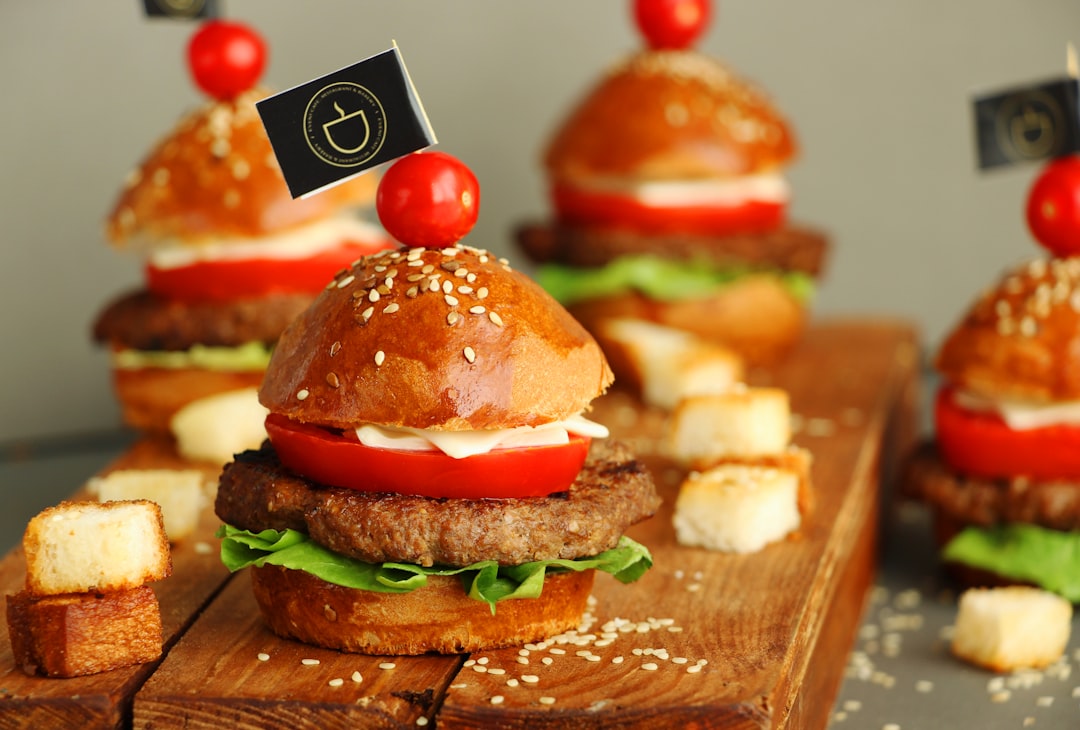
Eating foods that are meant to be cut and plated as finger foods at a fine dining establishment reflects a genuine unfamiliarity with formal service conventions. Dishes featuring quail delicate fish preparations or composed vegetable plates are designed to be eaten with the provided cutlery and approached with a certain deliberateness. A date watching someone pick apart a beautifully composed plate with their fingers is receiving a clear and unambiguous message about their companion’s comfort level in the environment. The tactile impulse is understandable though the setting requires overriding it.
Reservation Name
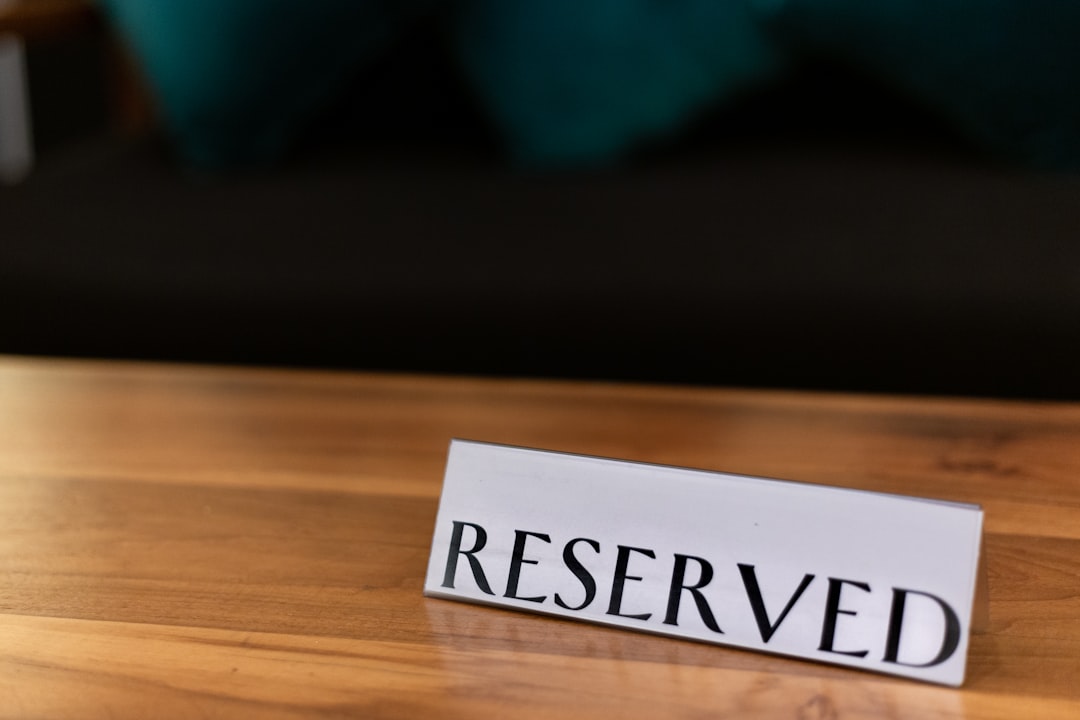
Arguing about a reservation that cannot be located under the expected name and escalating the situation publicly at the host stand sets a tense and embarrassing tone before the evening has even begun. Fine dining hosts are trained to find solutions and speaking to them with patience and a quiet voice almost always produces a faster resolution than volume and frustration. A date observing this exchange from the entrance foyer is already recalibrating their expectations for the evening before the first glass of water is poured. Confirming reservation details including the exact name used twenty-four hours in advance eliminates the scenario entirely.
Dietary Lies
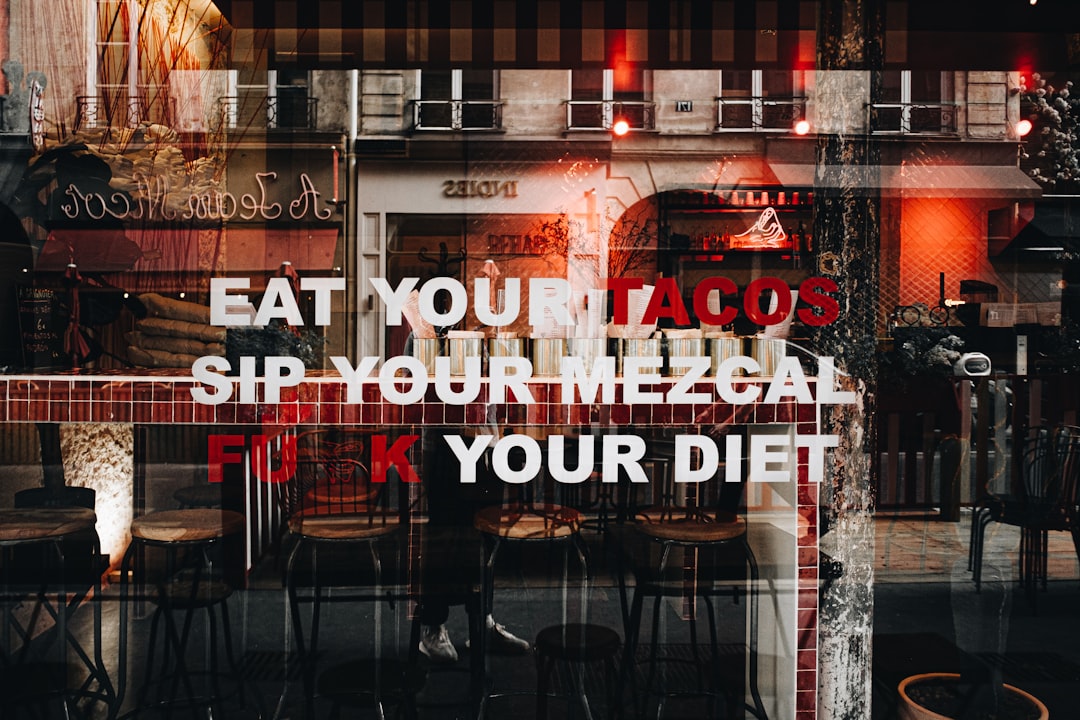
Claiming a food allergy or intolerance in order to avoid ingredients one simply dislikes creates unnecessary disruption to a fine dining kitchen that takes medical dietary requirements seriously and adjusts entire production lines accordingly. Chefs and kitchen teams restructure dishes and sourcing in response to allergy notifications which means a false claim carries a real operational cost. A date who is aware enough to recognise what is happening tends to find the performance of vulnerability where none exists both uncomfortable and mildly dishonest. Expressing a simple preference honestly and directly is always sufficient at any professional establishment and requires no theatrical justification.
Candle Interactions

Touching playing with or attempting to blow out the table candle at a fine dining restaurant is a surprisingly common impulse that staff and dates notice immediately. Table candles at upscale establishments are part of a deliberate ambient design and interfering with them disturbs both the atmosphere and the rhythm of the room. A date who watches their companion absently drip wax or manipulate the flame throughout the evening finds it a persistent low-level distraction from conversation. The instinct is human and entirely forgivable though at a certain level of restaurant it is the kind of small habit that lands differently than it would elsewhere.
Water Pouring

Grabbing the water carafe and aggressively self-serving across the table before the sommelier or server has had the opportunity to pour is a small but consistent breach of fine dining service protocol. Water service at this level is managed by the front of house team as part of a carefully maintained table rhythm and overriding it communicates impatience with the pace of professional service. A date who notices their companion repeatedly reaching across the table for the carafe registers it as a signal that the person is uncomfortable waiting to be attended to. Allowing the service team to do their work and catching the eye of a server when water is genuinely needed is the appropriate and considerably more relaxed approach.
Share your own fine dining observations and stories in the comments.




