
Public parks are shared spaces that depend on every visitor acting responsibly, yet a troubling number of dog owners consistently ignore basic etiquette. These habits range from mildly inconsiderate to genuinely hazardous for other park users, including children, elderly visitors, and other animals. Research from public health organisations consistently links poor pet ownership practices to the spread of disease and injury in communal outdoor spaces. Understanding the most common offences can help communities set clearer expectations and hold negligent owners accountable.
Feces Abandonment
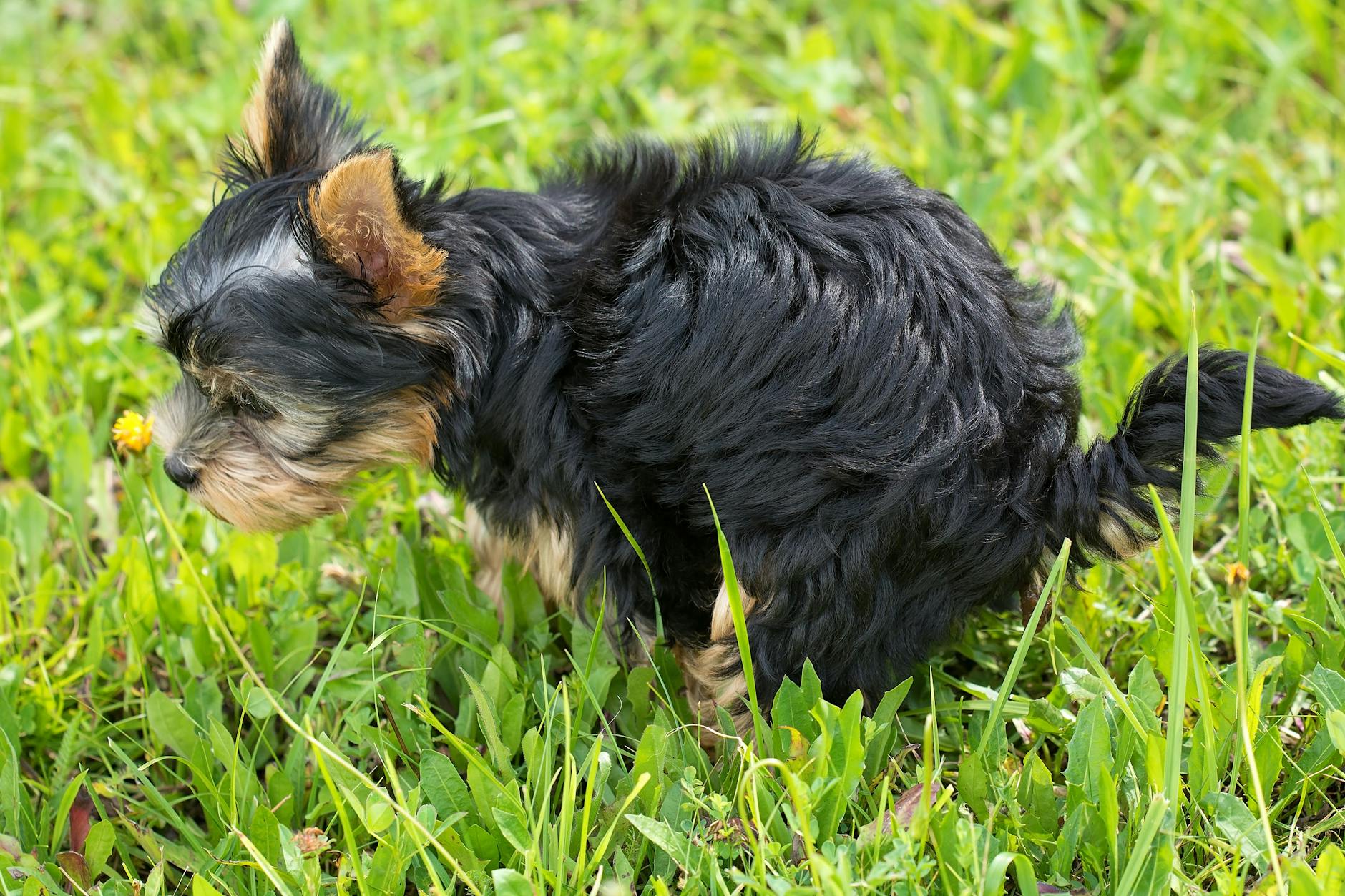
Uncollected dog waste is one of the leading sources of bacterial contamination in public green spaces. Waste left on grass or pathways carries pathogens including E. coli, salmonella, and toxocara, a parasitic roundworm particularly dangerous to young children. Studies have found that a single gram of dog feces can contain millions of harmful bacteria capable of surviving in soil for extended periods. Rain washes these contaminants directly into local waterways, affecting drinking water sources and aquatic ecosystems. Many councils have introduced on-the-spot fines specifically because the public health consequences are so well documented.
Off-Leash Aggression
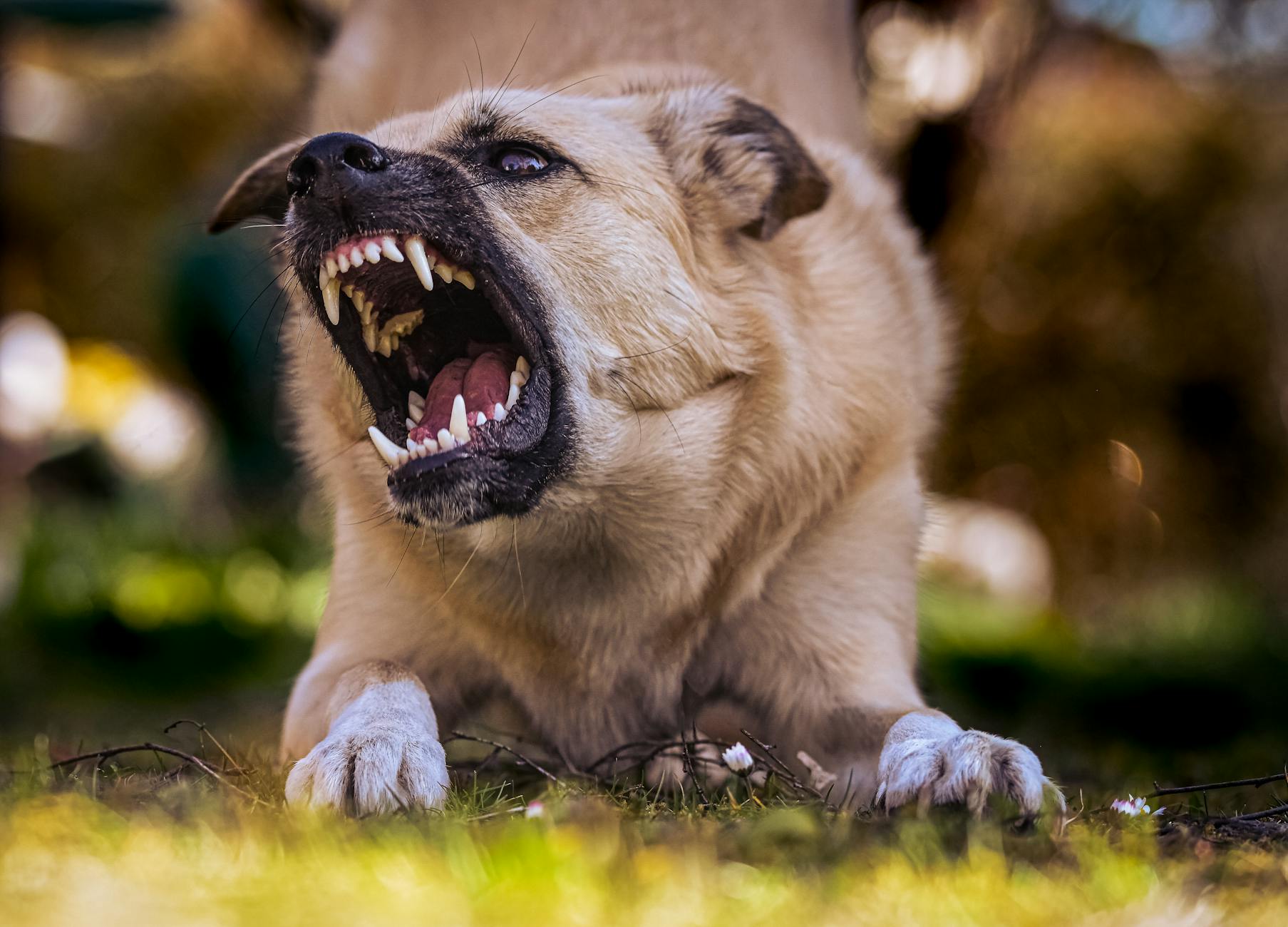
Allowing an aggressive or unpredictable dog to roam without a lead is a direct safety hazard to every person and animal nearby. Even dogs with no formal history of aggression can behave unpredictably in stimulating environments crowded with strangers, children, and other pets. Hospital emergency data consistently shows that dog bites peak during warmer months when park attendance is highest. Children are statistically the most frequent victims due to their small stature and tendency to make sudden movements that can startle animals. Designated off-leash zones exist precisely to manage this risk and are routinely ignored by a significant portion of dog owners.
Water Fountain Contamination

Allowing dogs to drink directly from shared water fountains designed for human use is a widespread and underreported hygiene problem. Dog saliva contains bacteria such as capnocytophaga and pasteurella that can cause serious infections in immunocompromised individuals. Many park visitors, particularly parents of toddlers, are unaware that the fountain their child is about to use has just been used by multiple dogs. Portable collapsible bowls are an inexpensive and widely available solution that eliminates this risk entirely. The continued absence of this basic precaution reflects a broader disregard for communal hygiene standards.
Waste Bag Littering
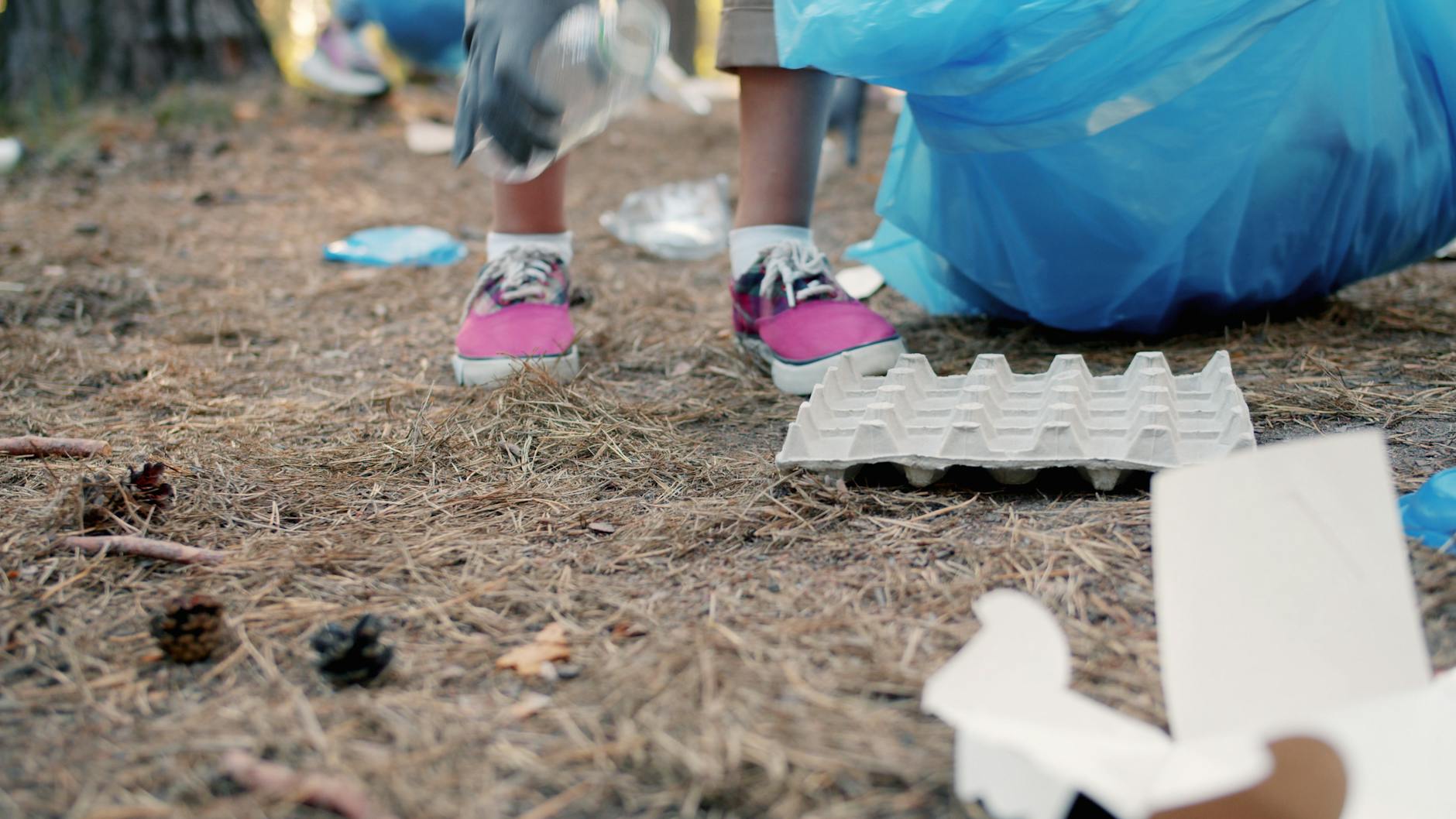
Picking up dog waste only to leave the tied bag sitting on the ground or hanging from a tree branch is a behaviour that has become disturbingly normalised in many parks. The practice suggests an intention to return for the bag that statistics on abandoned waste bags strongly contradict. Plastic waste bags take hundreds of years to decompose and when left in natural environments they leach microplastics into the surrounding soil and groundwater. Park maintenance workers report that collecting abandoned waste bags is among the most unpleasant and time-consuming aspects of their role. Bin infrastructure in most urban parks is sufficient to make proper disposal straightforward and accessible.
Parasite Spreading

Dogs that have not received regular parasite prevention treatments pose a measurable risk to other animals and in some cases to humans sharing the same outdoor space. Fleas shed in grass can jump onto passing dogs, children sitting on lawns, or items left on the ground such as bags and blankets. Ticks carried by untreated dogs can detach and reattach to human hosts, transmitting diseases including Lyme disease in regions where infected tick populations are established. Giardia, a waterborne intestinal parasite shed in dog feces, is a known cause of gastrointestinal illness in both animals and people. Veterinary guidance recommends year-round preventative treatment precisely because public spaces make cross-contamination so difficult to avoid.
Excessive Barking
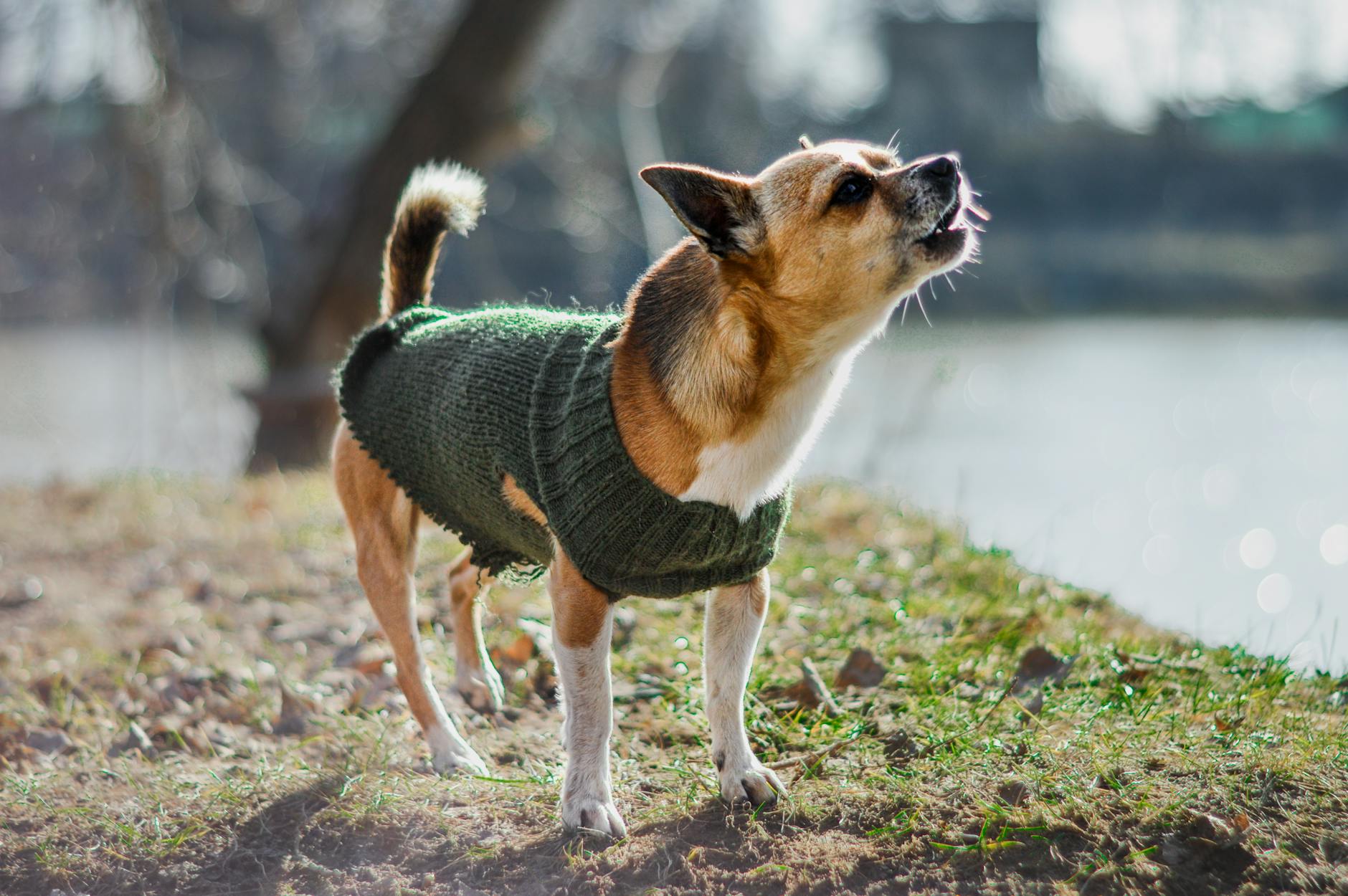
Persistent and unmanaged barking from dogs in public parks creates a noise disturbance that affects the wellbeing of other visitors in measurable ways. Research into noise pollution in green spaces identifies excessive dog barking as a primary reason people avoid parks entirely, particularly those seeking rest or quiet recreation. Prolonged exposure to high-decibel sounds has documented links to elevated cortisol levels and increased stress responses in both humans and other animals. Owners who ignore or appear unaware of their dog’s sustained barking often do so with headphones in or while engaged with their phones. Several municipalities have introduced noise ordinances that specifically cover animal disturbance in public recreational areas.
Fake Service Dog Claims
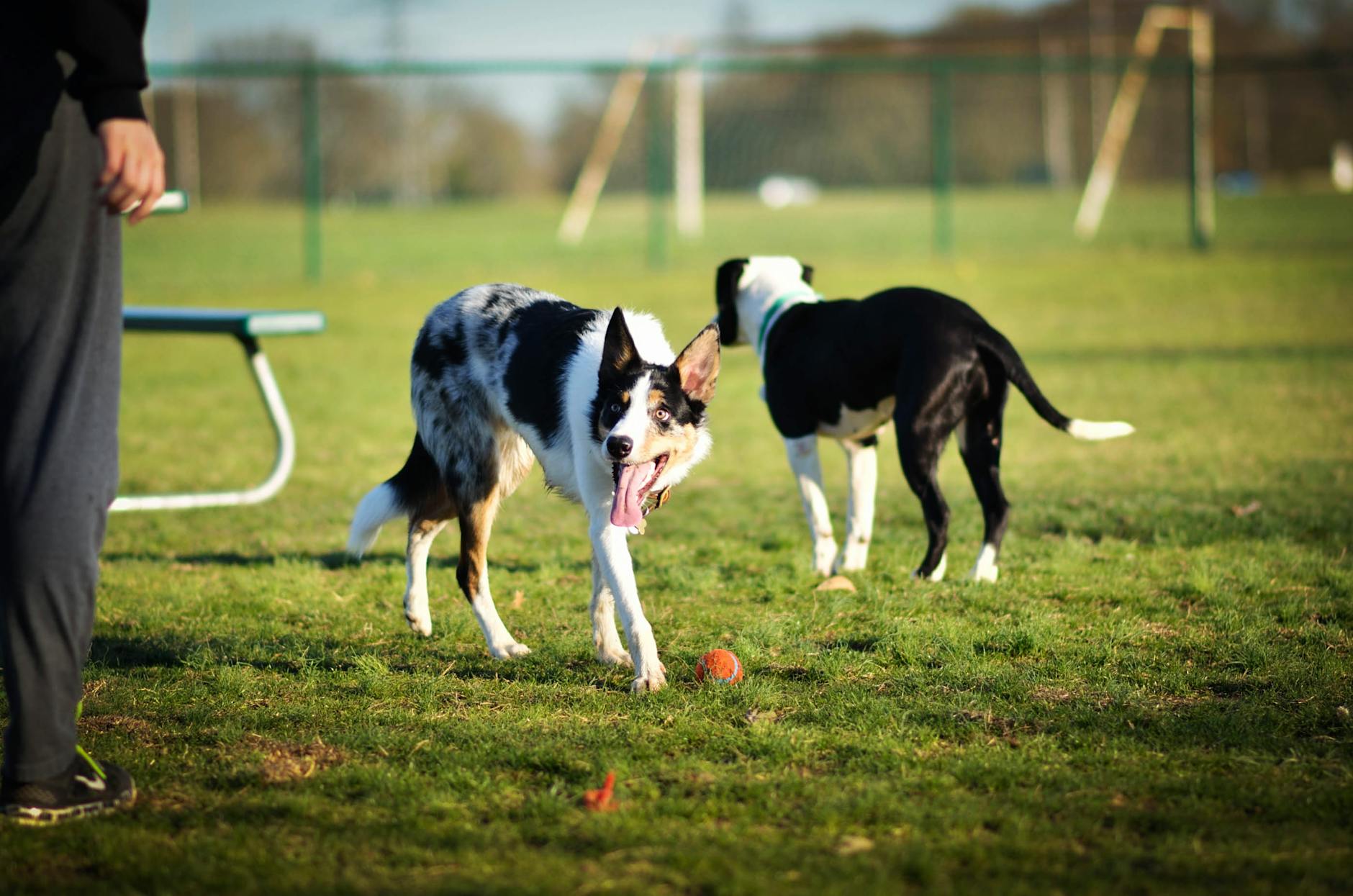
Misrepresenting a pet as a registered service or assistance animal in order to access restricted park areas is both dishonest and damaging to people with genuine disabilities. This practice undermines public trust in legitimate service animals, which can create unnecessary challenges for handlers who depend on their animals for daily functioning. In many jurisdictions falsely claiming a pet has service animal status is a criminal offence carrying fines or community service penalties. The proliferation of inexpensive unofficial vests and badges sold online has made the problem significantly harder for park officials to manage. Legitimate service animal organisations have repeatedly called for stronger public education and enforcement to protect the integrity of genuine assistance programmes.
Territorial Urination
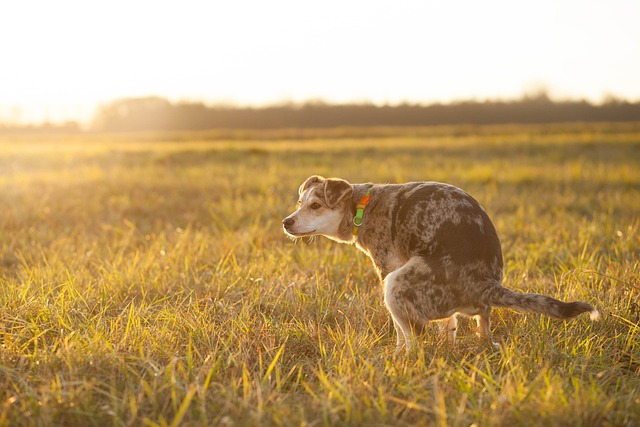
Allowing dogs to repeatedly urinate on playground equipment, picnic benches, children’s toys, and other shared infrastructure exposes park users to urine-borne bacteria without their knowledge. Dog urine contains urea, ammonia, and low levels of various pathogens that present a particular concern when deposited on surfaces touched by young children. The ammonia content alone is sufficient to cause skin and eye irritation after sufficient accumulation on hard surfaces during warm weather. Playgrounds are explicitly designed for child use and most park bylaws categorise them as prohibited areas for animals for exactly this reason. Responsible owners redirect their dogs away from communal equipment and toward appropriate grass or designated relief areas.
Feeding Wildlife
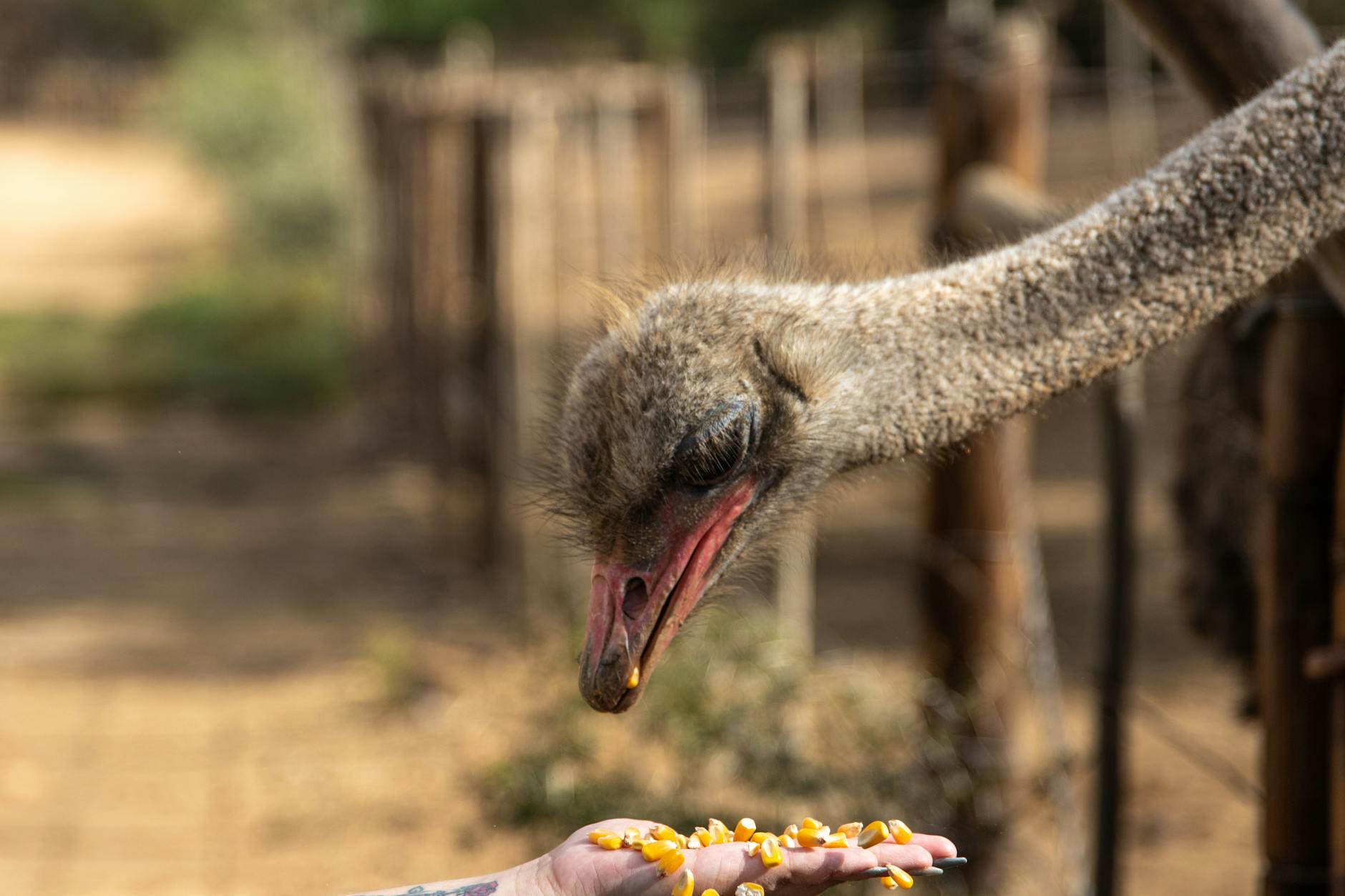
Dog owners who allow or encourage their animals to chase, catch, or harass park wildlife disrupt local ecosystems and can result in serious injury to both the animal and the dog. Birds nesting in park trees are particularly vulnerable to repeated disturbance during breeding seasons, which can cause nest abandonment and population decline in urban wildlife corridors. Some owners actively throw food toward wildlife such as ducks or squirrels while their unleashed dog gives chase, treating the interaction as entertainment. Beyond the ecological impact, this behaviour teaches dogs predatory park behaviour that becomes progressively harder to manage over time. Wildlife protection bylaws in most regions cover this form of disturbance and carry penalties that many dog owners appear entirely unaware of.
Sand Pit Contamination
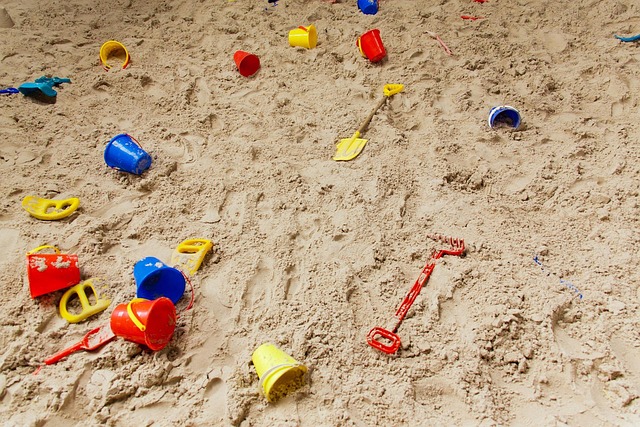
Allowing dogs to enter children’s sand pits and sand play areas is among the most direct routes through which parasitic eggs and fecal bacteria reach young children. Sand retains toxocara eggs for up to three years after initial contamination, making a single incident of a dog defecating or digging in a sandpit a long-term public health concern. Children playing in contaminated sand regularly transfer material to their mouths, creating a straightforward pathway for infection. Health authorities in multiple countries have issued specific guidance recommending that sand play areas be fully fenced to prevent animal access for precisely this reason. The risk is not theoretical and documented cases of toxocariasis in children have been directly linked to contaminated recreational sand.
Aggressive Owner Behaviour
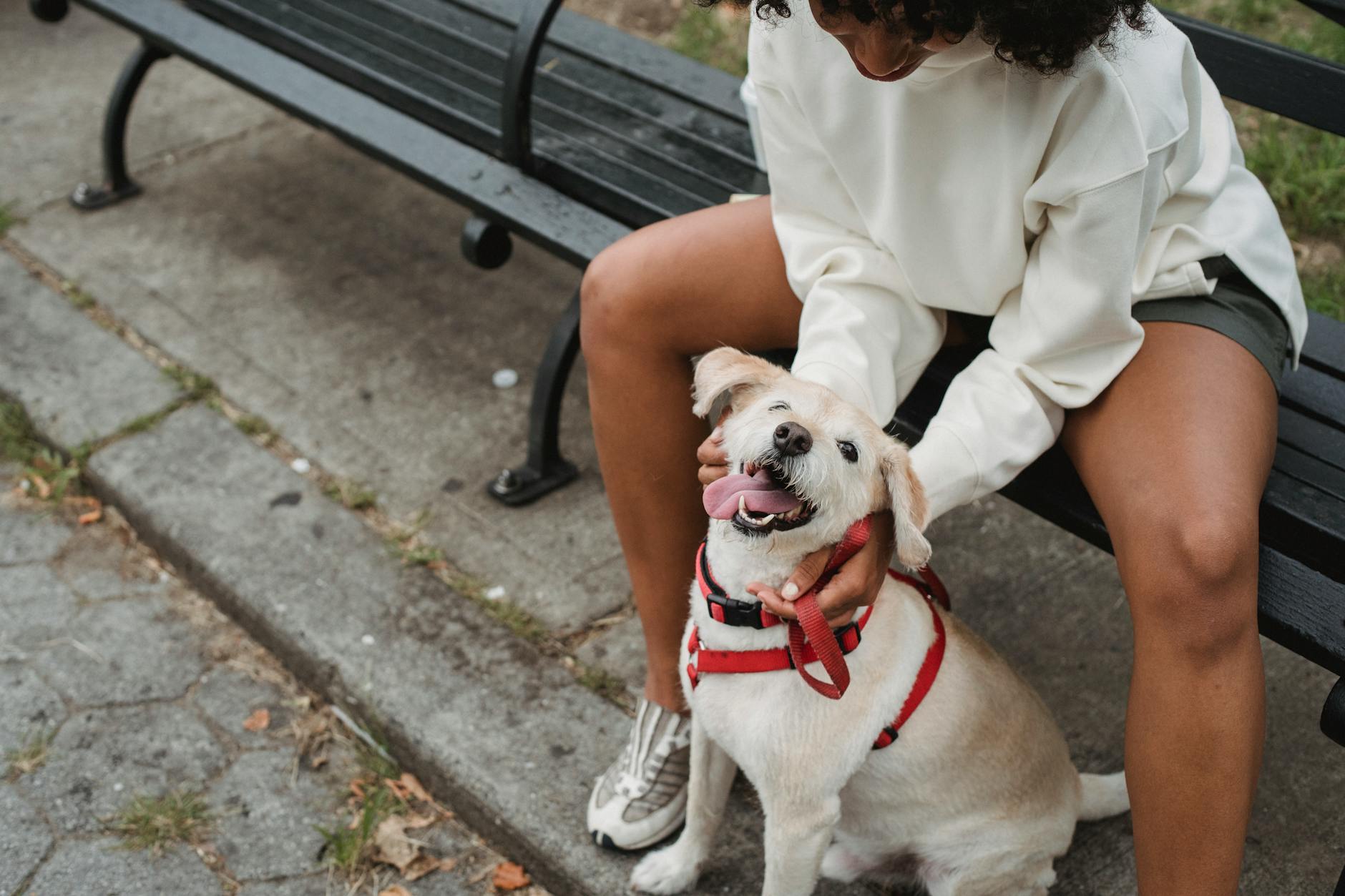
Dog owners who respond with hostility or aggression when fellow park users raise legitimate safety or hygiene concerns create an environment of intimidation that discourages accountability. Surveys of park users consistently show that fear of confrontation is the primary reason people do not report rule violations or ask owners to leash their animals. This dynamic effectively allows dangerous or unhygienic behaviour to continue unchallenged, compounding the risk for all park users. In extreme cases verbal altercations over dog behaviour have escalated into physical confrontations resulting in police intervention and formal charges. Community park spaces function on a foundation of mutual respect and the normalisation of hostile responses to reasonable requests erodes that foundation significantly.
Fake Bag Gestures
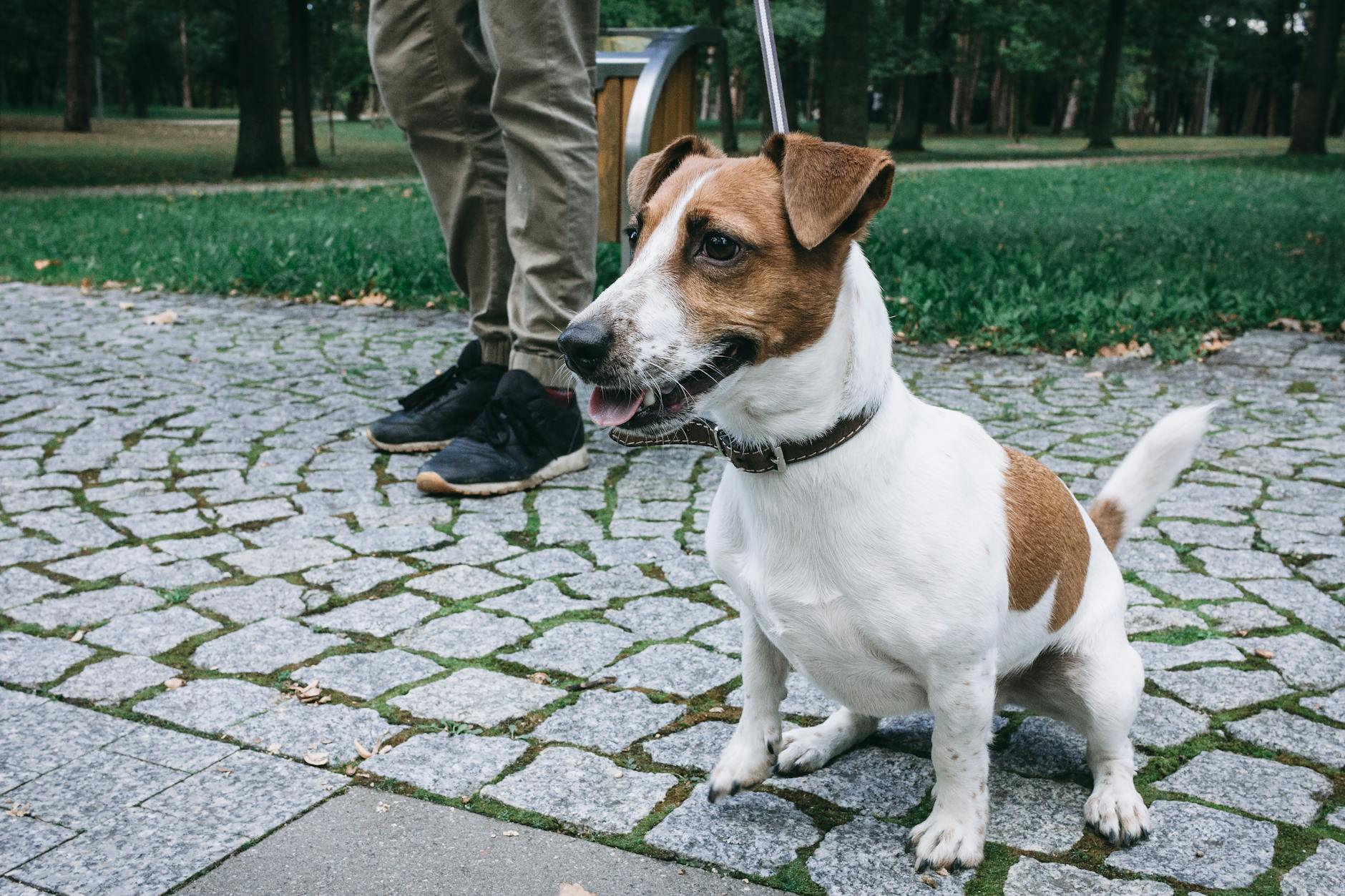
Owners who perform the motion of picking up dog waste without actually collecting it have developed a deliberate deception specifically designed to appear compliant while doing nothing. The behaviour typically involves bending down with a bag in hand and either pocketing the clean bag or pretending to tie and dispose of something that was never collected. This deliberate misdirection is particularly common in busy parks where social pressure to appear responsible is high. It arguably represents a worse violation than simply walking away, as it involves conscious deception of other park users and any supervising officials. A growing number of parks in Europe and North America have begun installing dog waste DNA testing schemes to trace and fine the owners of uncollected deposits.
Unleashed Park Entry
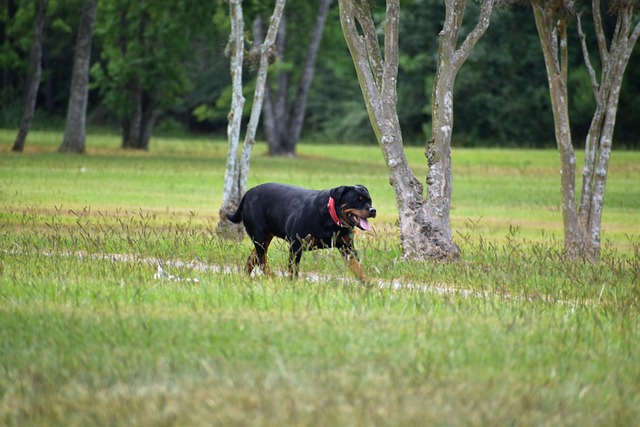
Entering a park through a shared gate or narrow pathway with an unleashed dog forces other visitors into involuntary close contact with an animal they may fear, be allergic to, or be at risk from due to a medical condition. Dog allergies affect a substantial portion of the population and can trigger respiratory responses from even brief proximity to fur and dander. Cynophobia affects a clinically significant number of people globally and encountering an unleashed dog in a confined entry point can cause acute anxiety responses. Leash requirements at park entry points exist to ensure every visitor has a moment of safety before encountering other park users and their animals. The few seconds it takes to attach a lead before entry is among the simplest and most effective courtesies a dog owner can extend.
Puppy Socialisation Myth

The widely misunderstood belief that puppies must be exposed to every dog and person they encounter in public parks in order to be properly socialised leads some owners to actively push their young dogs into unwanted interactions. This approach frequently results in puppies jumping on strangers, knocking over children and elderly visitors, and triggering defensive reactions from other dogs who did not consent to the interaction. Genuine socialisation guidance from accredited animal behaviourists emphasises controlled and positive exposures rather than indiscriminate forced contact. The consequences of poorly managed puppy socialisation attempts include bites, falls, allergic reactions, and the development of anxiety in the puppy itself. Owners operating under this myth rarely acknowledge the impact their approach has on the other park users caught in the middle of it.
Dog Fight Negligence
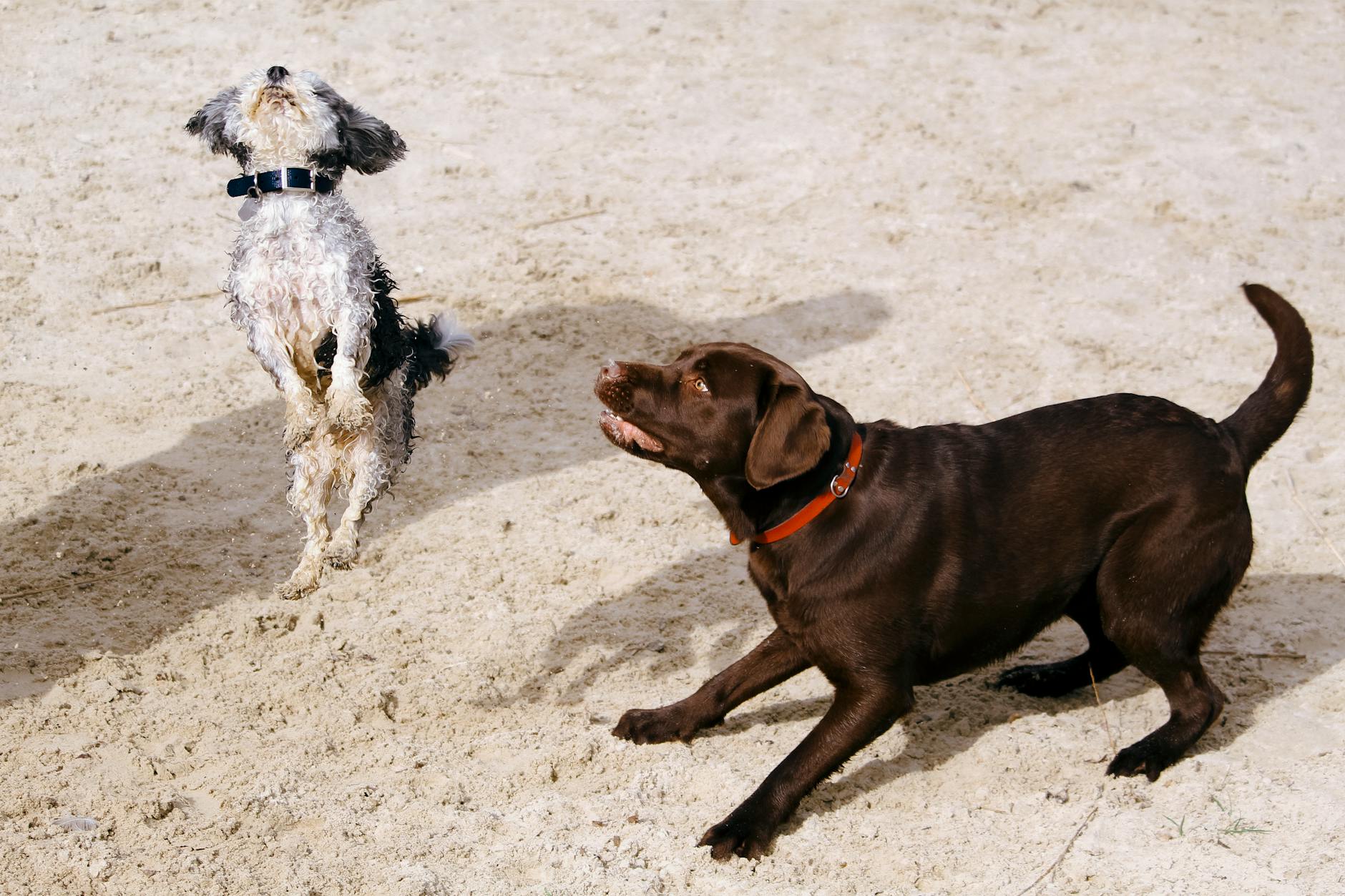
Owners who stand passively and film rather than immediately intervening when their dog becomes involved in an aggressive encounter with another animal create a prolonged and dangerous situation for all parties present. Bystanders including children and elderly visitors are frequently caught in the physical chaos of a dog fight when owners fail to act decisively and swiftly. Effective and safe methods for breaking up dog altercations are widely available through veterinary and canine behaviour resources, yet a significant proportion of owners report having never looked into the subject. The psychological distress caused to children who witness sustained animal violence in a public space can have lasting effects according to child development research. A dog owner’s passive response to their animal’s aggression is not simply a personal failure but a public safety failure with consequences for everyone nearby.
Waste Near Play Zones
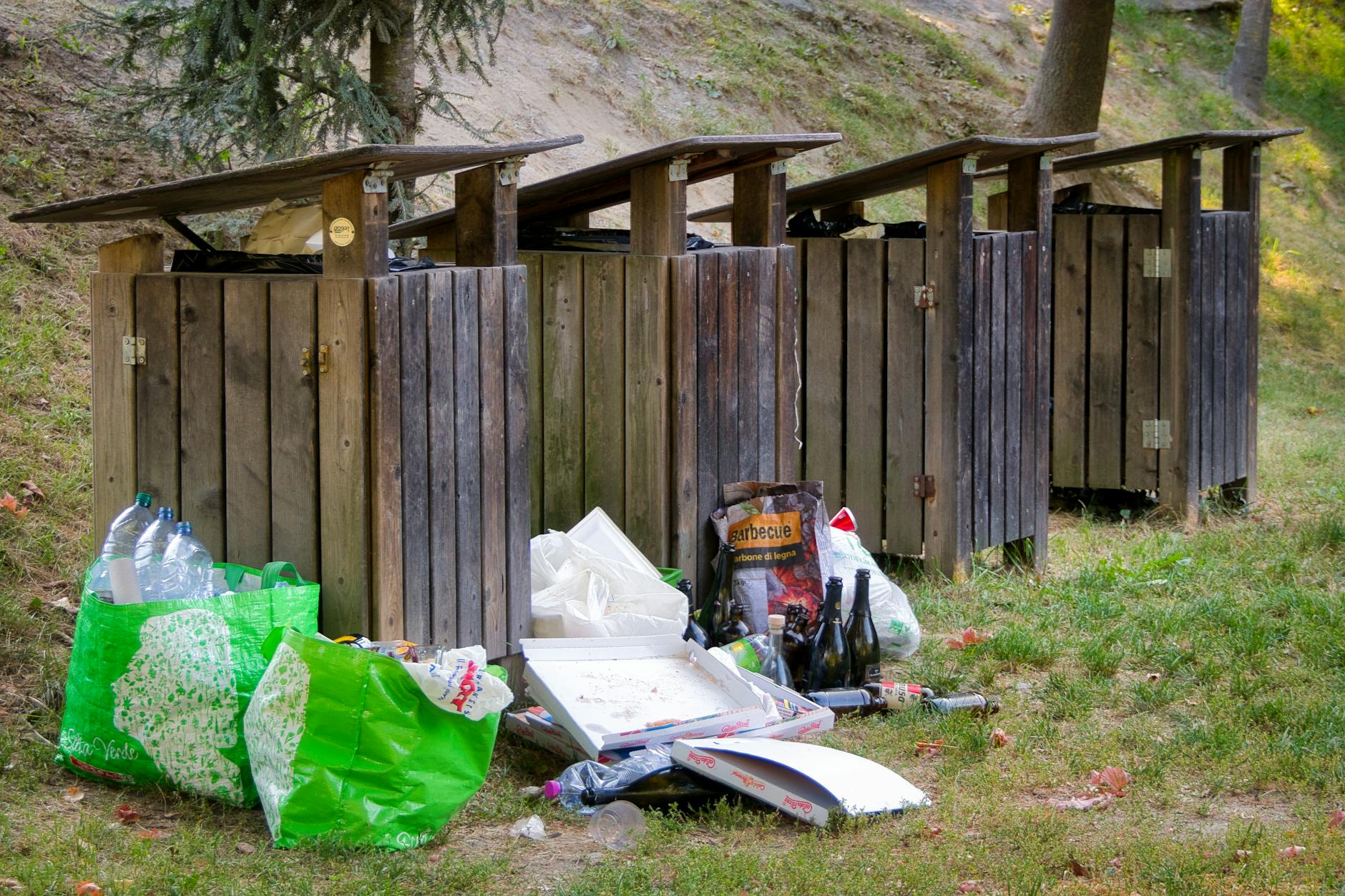
Permitting a dog to defecate directly adjacent to children’s play equipment rather than moving to a designated or less trafficked area is a choice that significantly increases the chance of children coming into contact with contaminated material. Children regularly move between play structures and adjacent grass areas without adult supervision and without the hygiene awareness to avoid suspicious patches of ground. Even when the waste is subsequently collected the residue left on grass retains bacteria and parasitic material at concentrations sufficient to cause infection. The short distance between where a dog relieves itself and where children play represents a critical and routinely ignored risk management decision. Park design in many modern facilities now includes clear visual buffers and signage intended to guide owners away from play zones but compliance remains inconsistent.
Excessive Pack Walking
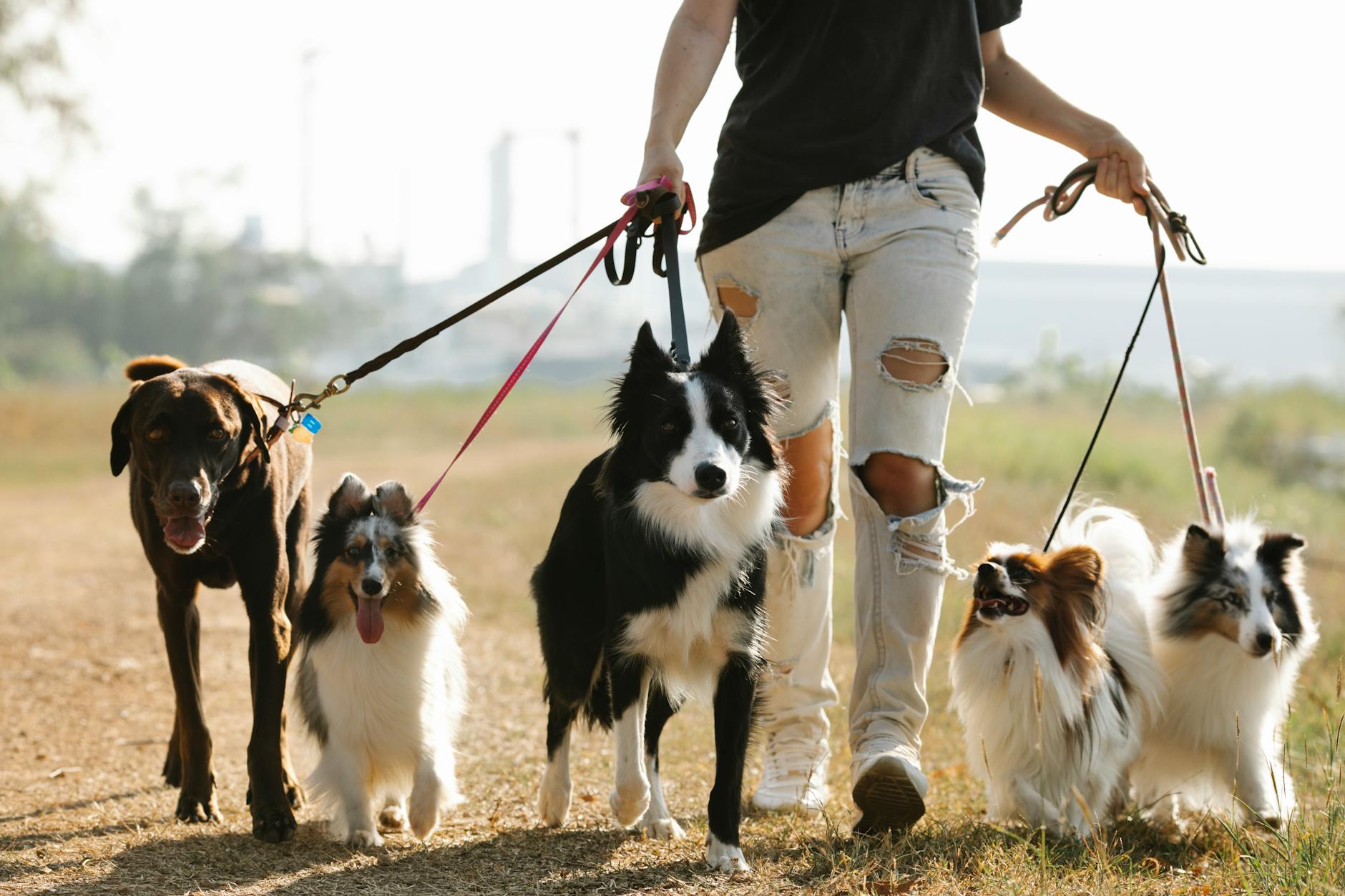
Dog walkers managing six or more animals simultaneously in a public park create a level of unpredictability and loss of individual control that poses risk to other visitors. Professional dog walkers operating beyond their safe management capacity have been involved in documented incidents of bites, collisions with cyclists, and the entanglement of children in extended lead systems. In many cities professional dog walking is an unregulated industry with no mandatory training requirements or insurance obligations for solo operators. The animals themselves are often poorly matched in temperament and size, increasing the likelihood of inter-dog aggression in stimulating public environments. Park authorities in several major cities have introduced maximum pack size bylaws in response to documented injury incidents linked to large-group commercial walking operations.
Wet Dog Public Areas
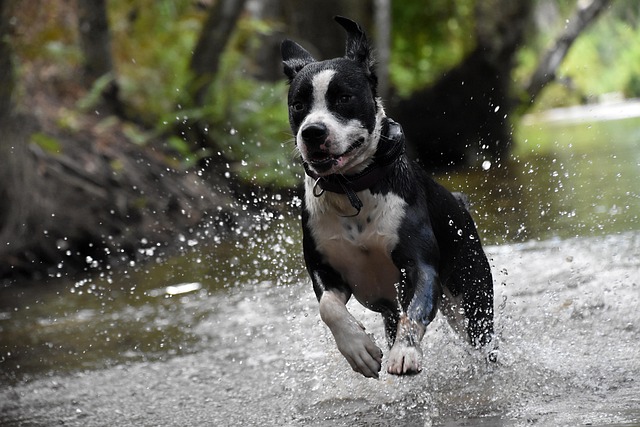
Allowing a soaking wet dog to shake repeatedly over other park visitors, their food, their belongings, and their children without any attempt to redirect or warn people is a routine inconsideration with real hygiene implications. Dog coat water contains whatever the animal was swimming in including algae, waterborne bacteria, and the residue of any substances it rolled in before entering the water. Open food at picnic areas is particularly vulnerable and contamination from a shaking dog passing at close range is a plausible route for gastrointestinal illness. Wet dogs also transfer mud, organic debris, and moisture to pathways and seating areas, affecting the park experience of visitors who arrived hours later. Towelling a dog down before allowing it near crowded areas and warning nearby visitors before it shakes is a straightforward courtesy that most owners consistently overlook.
Waste in Water Features

Allowing dogs to enter and defecate or urinate in decorative water features, fountains, or paddling pools used by children is a direct and serious public health violation that occurs with disturbing frequency. Young children who play in contaminated water features are at significant risk of gastrointestinal infection through accidental ingestion of the water. Bacteria introduced into recirculating water systems can spread rapidly because the filtration used in decorative features is not calibrated for the pathogen load introduced by animal waste. Park staff frequently report discovering dog waste in paddling areas, and the closure and remediation process that follows removes these facilities from public use for days at a time. The presence of a child actively using a water feature is not a deterrent for a meaningful number of dog owners who allow this behaviour.
Digging Damage
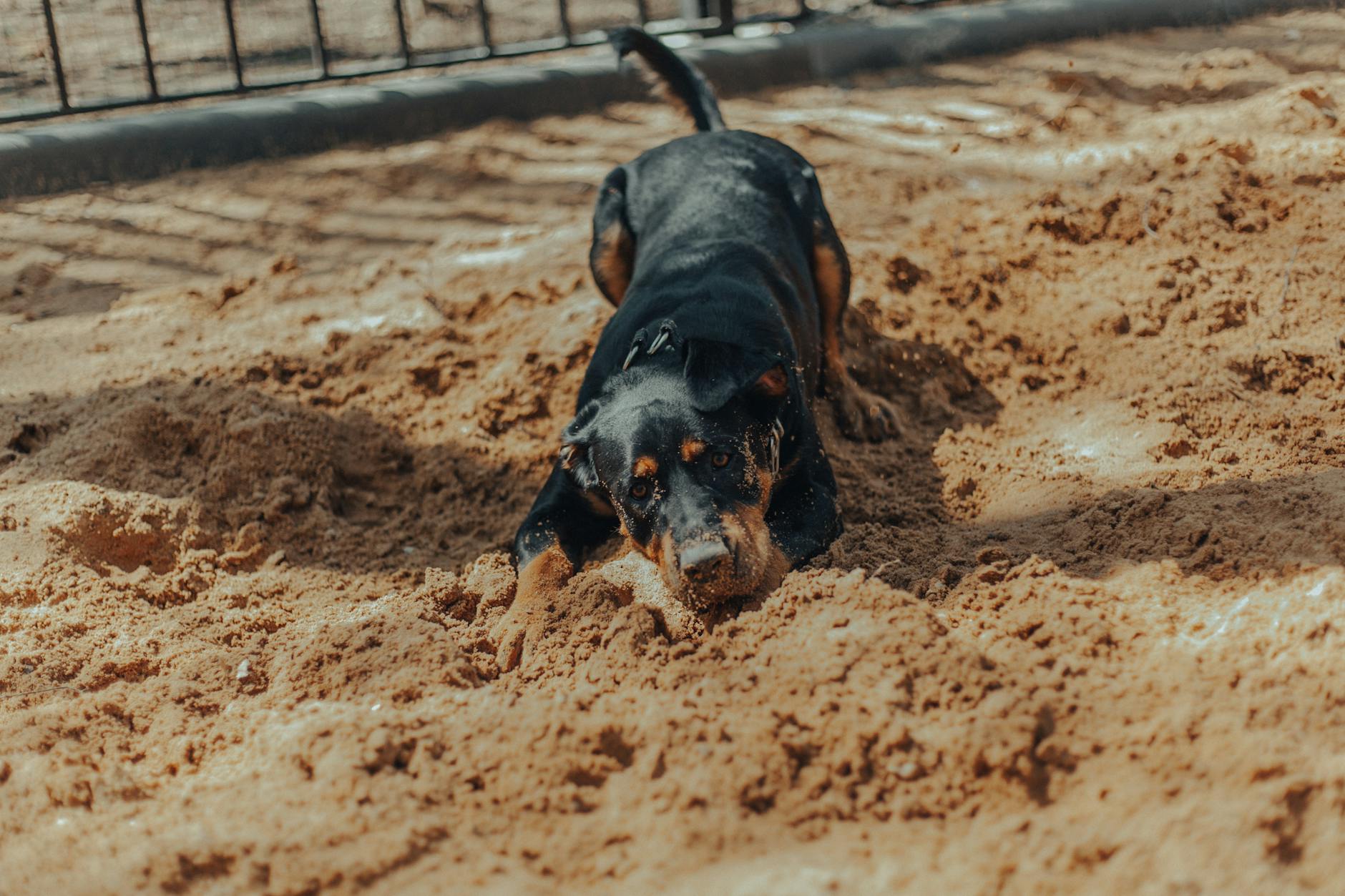
Allowing or encouraging dogs to dig extensively in park lawns, flower beds, and maintained green spaces causes damage that affects all future visitors and incurs significant public expenditure to repair. Flower beds and planted areas in public parks are funded by taxpayers and their destruction through unmanaged dog behaviour removes aesthetic and ecological value from the community space. Deep digging can also expose buried utilities, irrigation infrastructure, and tree root systems to damage with consequences that extend well beyond cosmetic harm. Children playing in areas where dogs have dug encounter uneven ground and exposed soil that presents both trip hazards and a direct contact route to soil-borne pathogens. Persistent digging behaviour in public spaces is a trainable issue that owners consistently decline to address despite the visible and cumulative damage it causes.
Tick Drop Zones
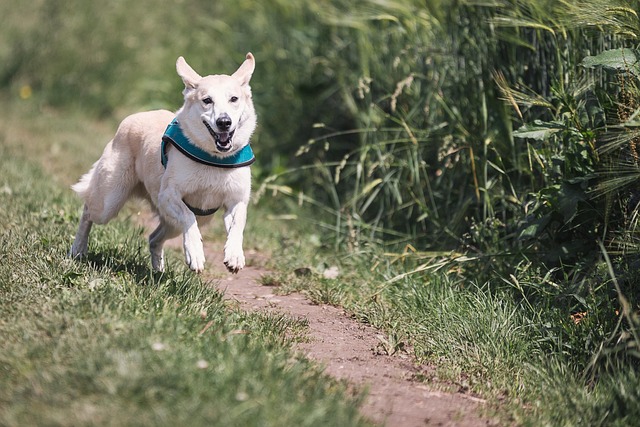
Dogs that move through dense undergrowth and then rejoin crowded park paths without being checked function as effective tick transport systems, dropping engorged or seeking ticks directly into high-traffic human areas. In regions where tick-borne encephalitis and Lyme disease are present this represents a documented public health vector that is almost entirely within the control of responsible dog owners. Tick checks after wooded or long-grass walks take under five minutes and dramatically reduce the chance of an animal carrying active ticks into busy picnic or playground areas. The combination of untreated dogs and increasingly warm European and North American summers has contributed to a measurable expansion of tick activity into urban green spaces previously considered low-risk. Public health campaigns on tick awareness consistently identify domestic animal owners as a key intervention point in reducing human exposure.
Territorial Owner Signage
Dog owners who informally claim sections of public park as exclusive territory for their dogs through verbal intimidation, physical obstruction, or the placement of personal belongings across shared seating and lawn areas are engaging in a form of public space appropriation with no legal basis. This behaviour is particularly common in smaller neighbourhood parks where certain regular visitors have established social dominance through long-standing routines. Other park users including families with young children report avoiding specific parks entirely because of the hostility generated by territorial dog owner groups. The public park is a legal right of access for all citizens regardless of whether they own animals and informal territorial behaviour directly undermines that right. Multiple local government authorities have received formal complaints about this pattern and some have responded with increased ranger patrols and posted advisory signage.
Chemical Repellent Use

Some dog owners apply strong-smelling chemical repellents around their chosen park spot to deter other dogs from approaching their area, without any consideration for the impact on other visitors. Many commercial and homemade repellent formulas contain substances such as ammonia or concentrated citrus compounds that cause eye and respiratory irritation in humans at close range. Children who crawl or sit in treated grass areas make direct skin contact with these substances without parents being aware that the area has been chemically treated. The practice is not regulated under most park bylaws because it was not anticipated when the rules were drafted, leaving enforcement authorities without a clear legal mechanism to act. What begins as a personal preference for space quickly becomes a chemical intrusion into a shared environment that other people have every right to occupy safely.
Retractable Leash Hazards

The widespread use of fully extended retractable leads in crowded park environments creates a near-invisible trip and entanglement hazard for cyclists, joggers, children, and wheelchair users who cannot anticipate the position of the line. Unlike standard fixed-length leads, retractable lines can extend up to eight metres, crossing wide pathways and creating a tensioned wire at leg or throat height for people moving at speed. Documented injuries from retractable lead accidents include severe lacerations, broken bones from falls, and in rare cases injuries to the neck and face of small children. The mechanism also provides insufficient braking force to restrain a dog that has already begun charging and many models have been subject to safety recalls by consumer protection authorities. Canine behaviour professionals and emergency room data both support the advice that retractable leads are unsuitable for use in any public space where multiple people and animals share the same path.
If any of these habits sound familiar from your local park, share your experiences and thoughts in the comments.




