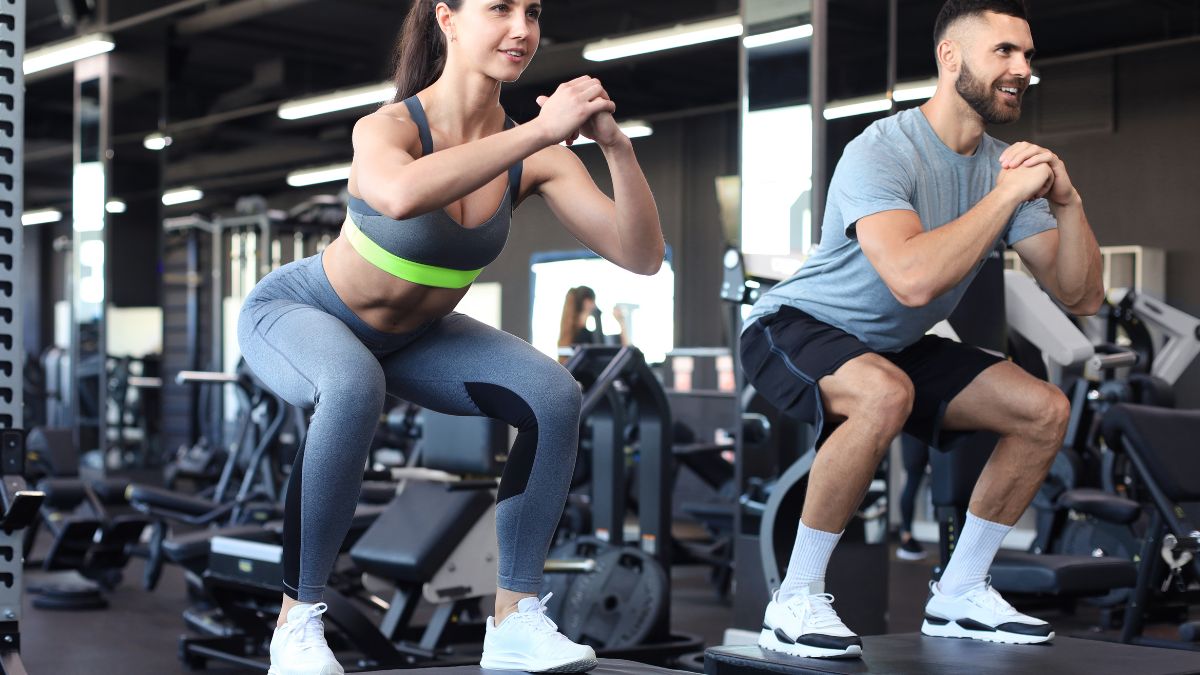
Walking into a public gym comes with an unspoken code of conduct that experienced trainers consistently emphasize to their clients. Certain habits frustrate fellow members, create safety hazards, and ultimately undermine your own progress. Fitness professionals across the industry have identified the most common offenders that disrupt the shared gym environment. Whether you are a seasoned lifter or a first-time gym-goer, awareness of these behaviors is essential. Here are 23 things trainers universally agree you should never do at a public gym.
Phone Calls

Taking loud personal calls on the gym floor is one of the most frequently cited complaints among fitness professionals. It disrupts the concentration of others working through demanding sets or following timed programs. Most gyms have designated areas or lobbies where personal calls can be taken privately. Trainers consistently advise keeping your phone on silent or using it only for music and workout tracking.
Mirror Hogging

Standing directly in front of the mirror while performing exercises blocks other members from checking their form. Mirrors in a gym serve a functional purpose related to posture and movement correction rather than personal grooming. Trainers recommend being mindful of your positioning and moving aside when others need the same sightline. This is especially important in free weight areas where multiple people train simultaneously.
Unsolicited Advice

Approaching strangers to correct their form or offer training tips is considered poor gym etiquette by nearly all fitness professionals. Even when the intention is helpful the interruption can break focus and feel condescending. Certified trainers spend years developing the communication skills needed to give feedback appropriately and in context. If you genuinely notice a safety concern the best approach is to alert a staff member rather than intervening directly.
Skipping Warmups
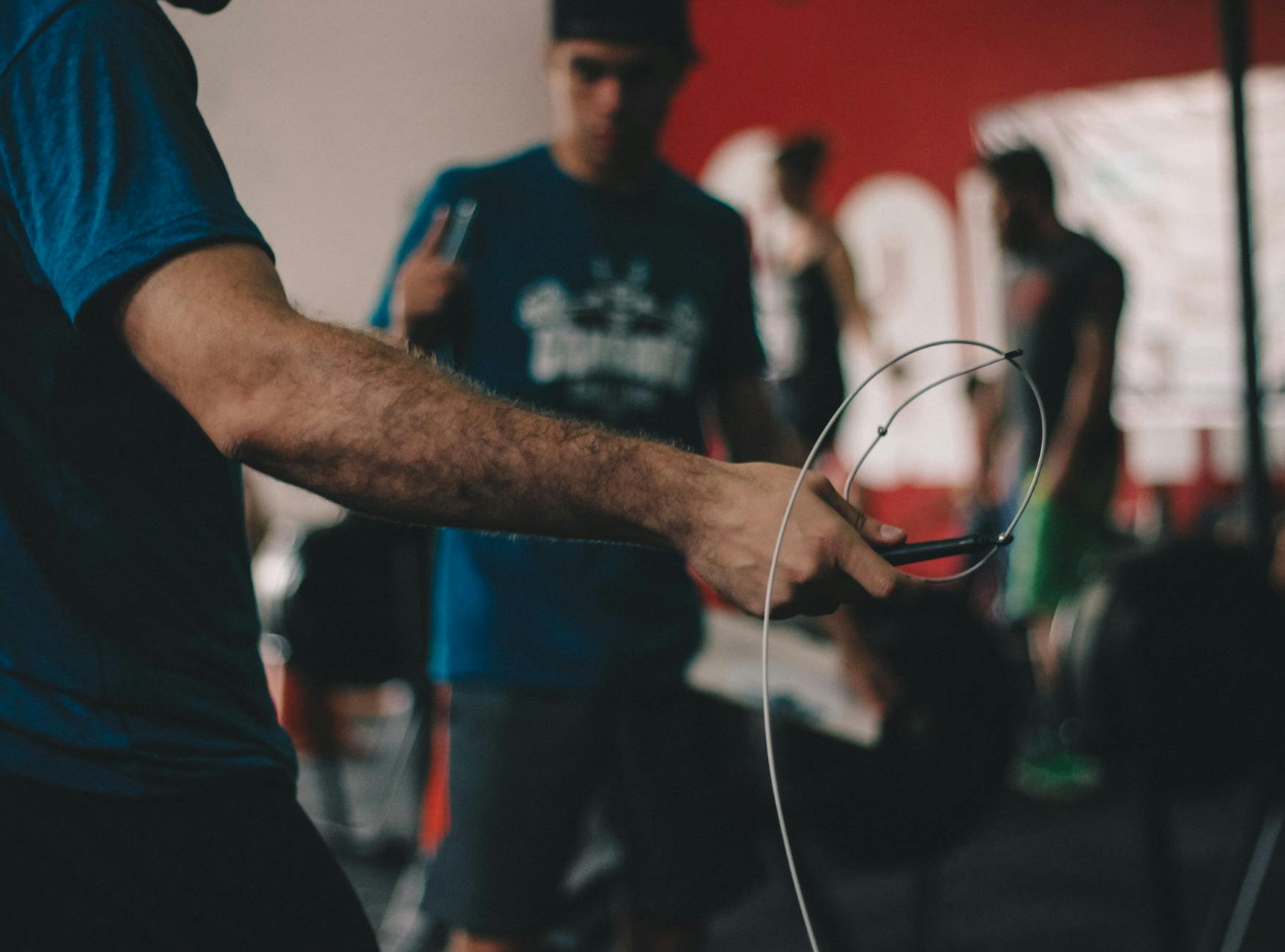
Jumping straight into heavy lifts without a proper warmup is a habit trainers rank among the most dangerous behaviors in any gym. Cold muscles and unprepared joints are significantly more vulnerable to strains and tears. A warmup of even five to ten minutes dramatically improves performance and reduces injury risk. Trainers note that skipping this step is one of the leading contributors to preventable gym injuries.
Equipment Hoarding

Claiming multiple machines or benches simultaneously during peak hours creates unnecessary bottlenecks on the gym floor. Draping towels or placing water bottles across several stations to reserve them is widely regarded as inconsiderate. Trainers advise planning your workout to use one piece of equipment at a time whenever the gym is busy. Efficient use of shared resources keeps the environment functional and welcoming for everyone.
Loud Grunting

Excessive and theatrical vocalizations during lifts go beyond what is physiologically necessary and distract other members. Research shows that some degree of exhalation during exertion is natural and can support performance. However trainers draw a clear distinction between functional breathing sounds and performative noise designed to draw attention. Most gym codes of conduct specifically address disruptive vocalizations as a violation of community standards.
Bad Hygiene

Arriving at the gym without showering after a previous workout or skipping deodorant creates an unpleasant environment for everyone nearby. In an enclosed space with circulating air personal hygiene has a direct impact on the comfort of other members. Trainers regularly list this as one of the most complained-about issues reported by gym clients. Basic hygiene preparation before each session is a fundamental expectation of shared fitness spaces.
Sweat Neglect

Leaving sweat on benches, handles, or floor mats after use is unhygienic and disrespectful to the next person using that equipment. Most gyms provide sanitizing spray bottles and paper towels throughout the facility specifically for this purpose. Trainers emphasize that wiping down equipment takes less than thirty seconds and is a non-negotiable part of gym etiquette. Failure to do so is one of the quickest ways to earn a negative reputation among staff and members.
Weight Slamming
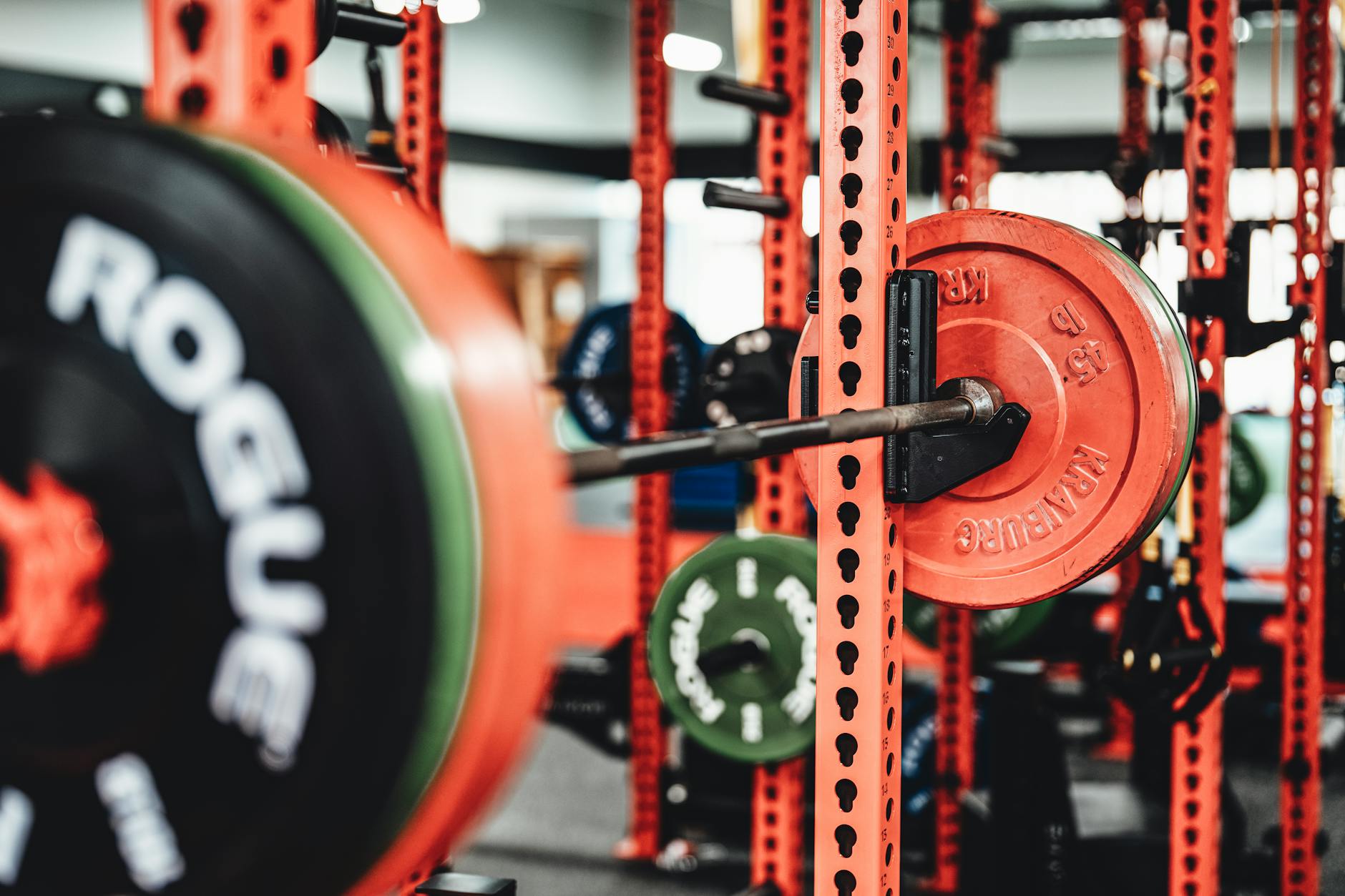
Dropping or slamming weights unnecessarily after each repetition causes damage to equipment and startles other gym-goers. In many cases the behavior signals a lack of control during the eccentric phase of a lift rather than genuine effort. Trainers teach that a controlled lowering phase is actually where significant muscle development occurs. Most commercial gyms have explicit policies against weight slamming and may issue warnings for repeated violations.
Cardio Overtime
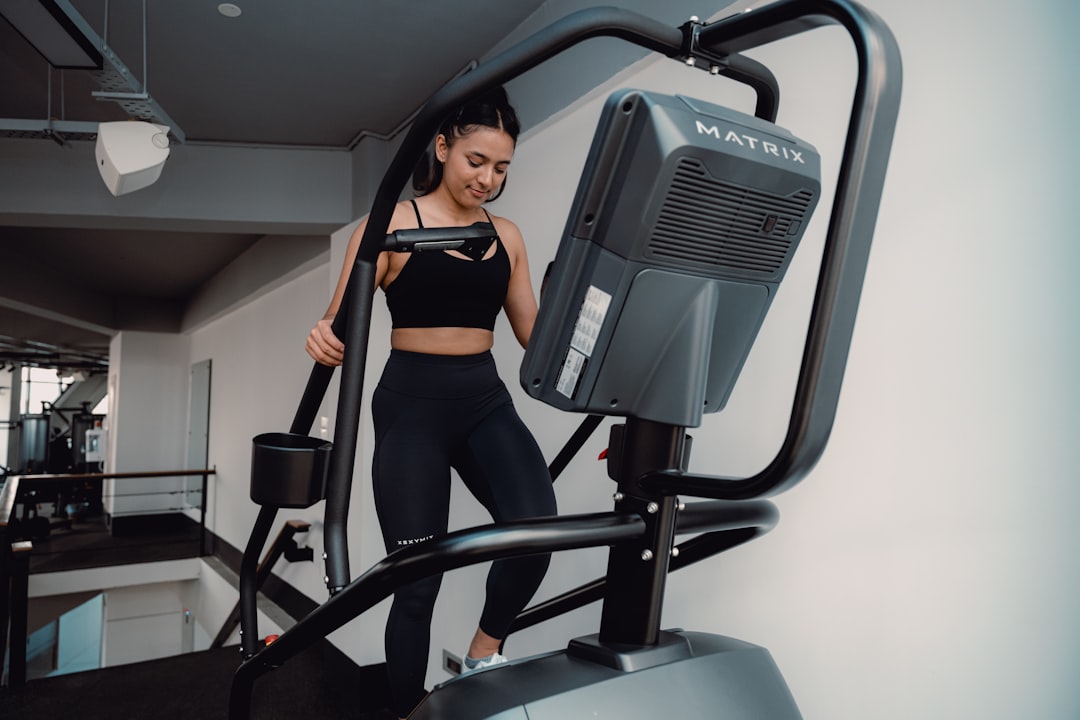
Occupying a treadmill or elliptical beyond the posted time limit during busy periods is a common source of tension in shared gyms. Many facilities implement thirty to sixty minute caps on cardio equipment when others are waiting. Trainers recommend planning cardiovascular training during off-peak hours if longer sessions are part of your program. Respecting time limits ensures fair access and demonstrates consideration for the wider gym community.
Wrong Rack Height
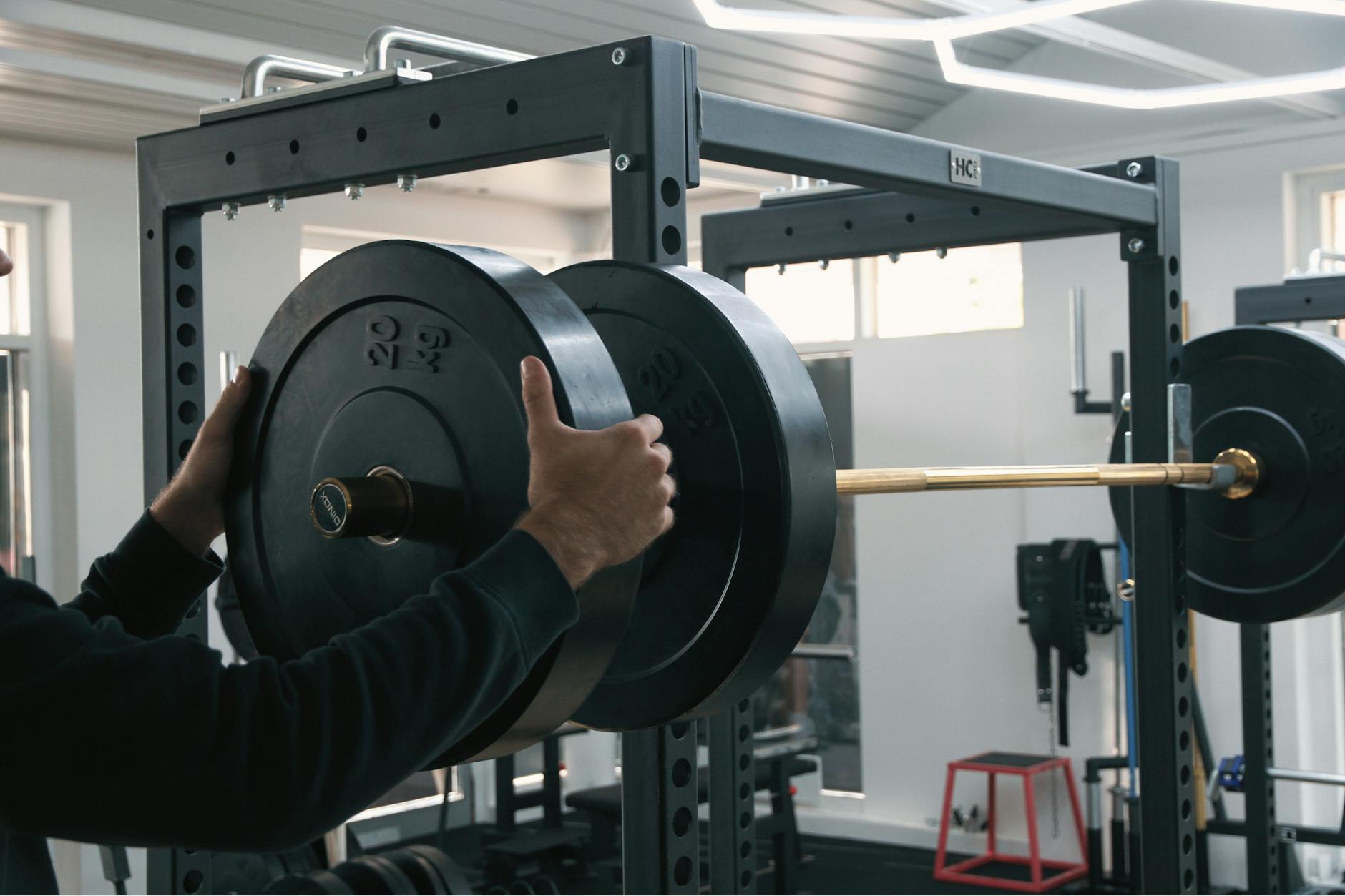
Setting a squat rack to an incorrect height and leaving it adjusted for a personal stature creates inconvenience for the next user. Trainers note that this is particularly problematic in gyms where height differences between members are significant. Resetting the rack to a neutral or standard position after use is considered standard practice. It takes only a moment and prevents unnecessary strain or frustration for whoever uses the station next.
Hovering

Standing closely over someone who is actively using a machine to signal impatience is widely regarded as intimidating and disrespectful. This behavior creates psychological pressure that can compromise the other person’s form and focus. Trainers advise either asking politely how many sets remain or returning to that equipment after completing another exercise. A simple and calm verbal check-in is always preferable to hovering in silence.
Selfie Overload

Spending more time photographing yourself between sets than actually training disrupts your own workout rhythm and clogs high-traffic areas. Trainers note that rest periods are better used for active recovery or reviewing upcoming exercise technique. Many gyms have also implemented photography policies to protect the privacy of other members in the background. Being mindful of your surroundings when using your phone for content creation is increasingly important in busy fitness environments.
Free Weight Misplacement
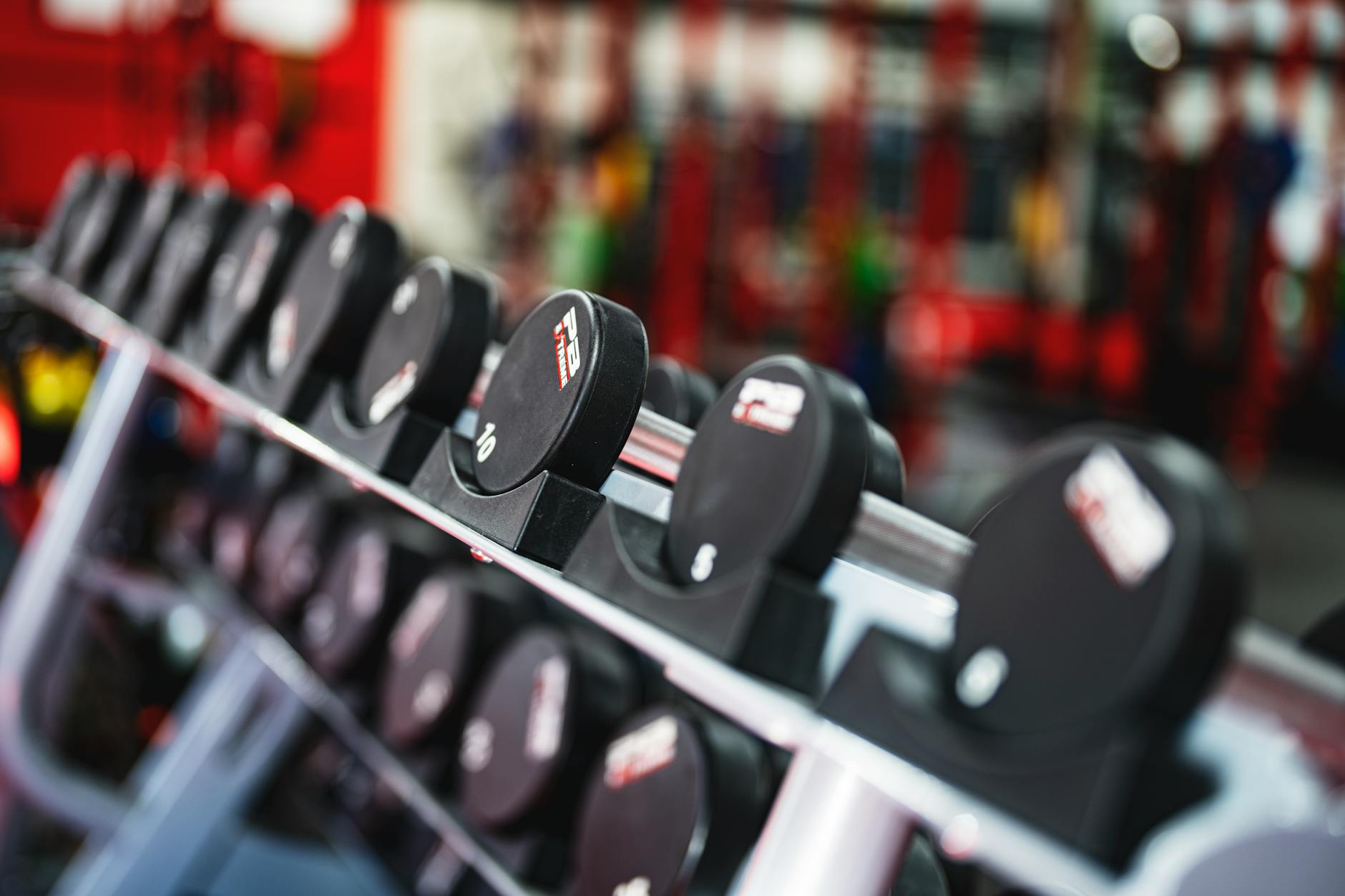
Returning dumbbells or plates to the wrong rack position creates confusion and wastes time for other members searching for specific weights. A disorganized weight area is also a trip hazard that gym safety guidelines consistently flag as a concern. Trainers make it a point to model proper re-racking behavior with their clients from the very first session. Every piece of equipment has a designated location that exists for both organizational and safety reasons.
Barbell Stripping

Walking away from a barbell loaded with heavy plates and leaving it for others to unload is one of the most commonly criticized behaviors in strength training areas. It places an unfair physical burden on the next person who may not be trained or physically able to safely strip significant weight. Trainers universally teach that loading and unloading your own bar is a baseline responsibility. This rule applies equally regardless of how experienced or senior you consider yourself in the gym.
Eating on Equipment

Consuming full meals or snacks while seated on gym equipment occupies the station unnecessarily and creates hygiene issues. Crumbs and food residue on benches and handles are difficult for cleaning staff to manage during busy hours. Trainers acknowledge that pre and post-workout nutrition is important but stress that eating should happen in designated areas. Most commercial gyms have specific spaces such as lobbies or juice bars intended for food consumption.
Space Invasion
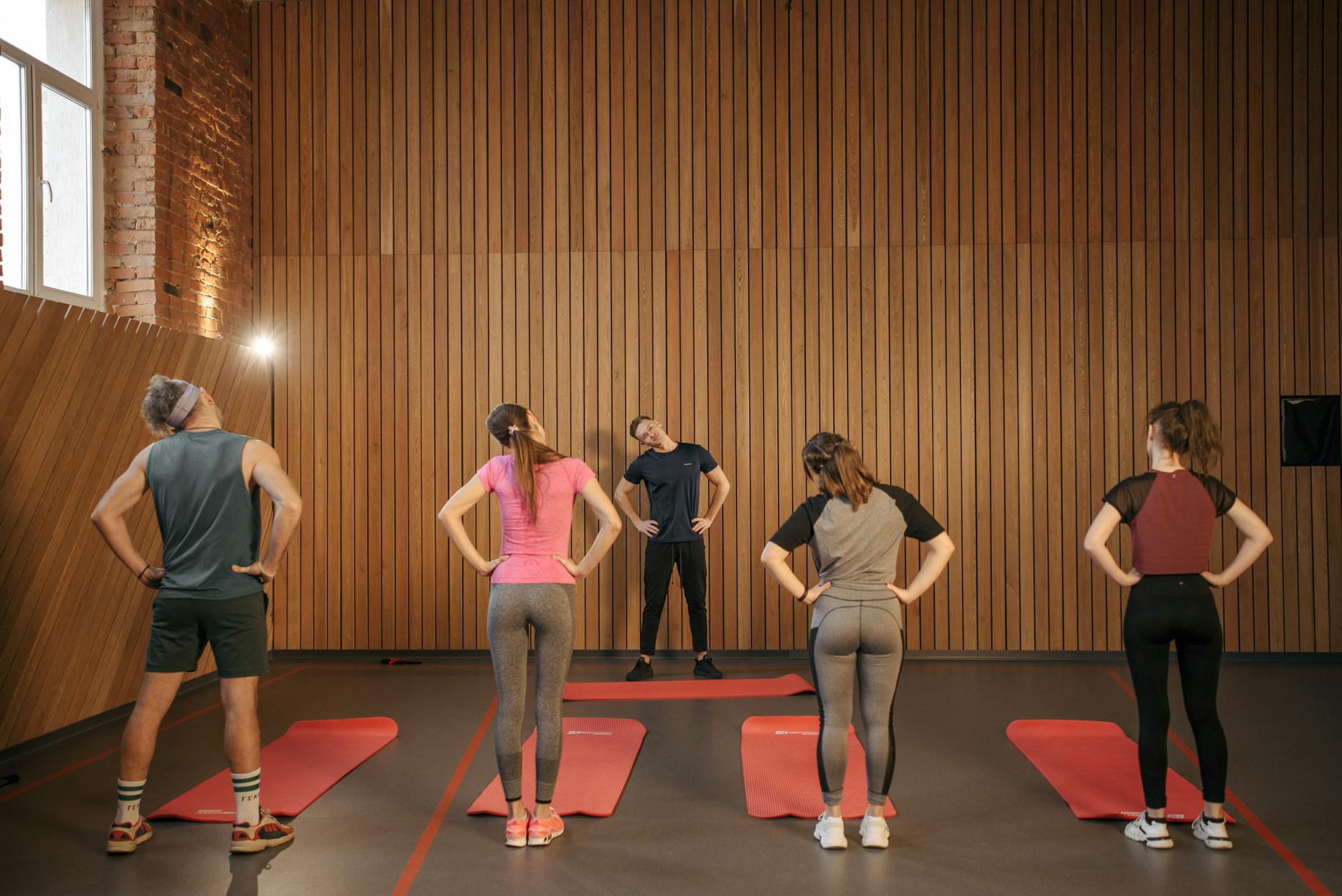
Performing exercises in a way that encroaches on the personal space of someone training nearby creates discomfort and potential collision risk. Wide movements such as lateral raises or lunges require awareness of the surrounding area before beginning. Trainers consistently instruct clients to scan their environment and establish adequate clearance before starting any dynamic exercise. A brief check of surrounding space takes seconds and can prevent both awkward encounters and genuine injuries.
Trainer Ignoring
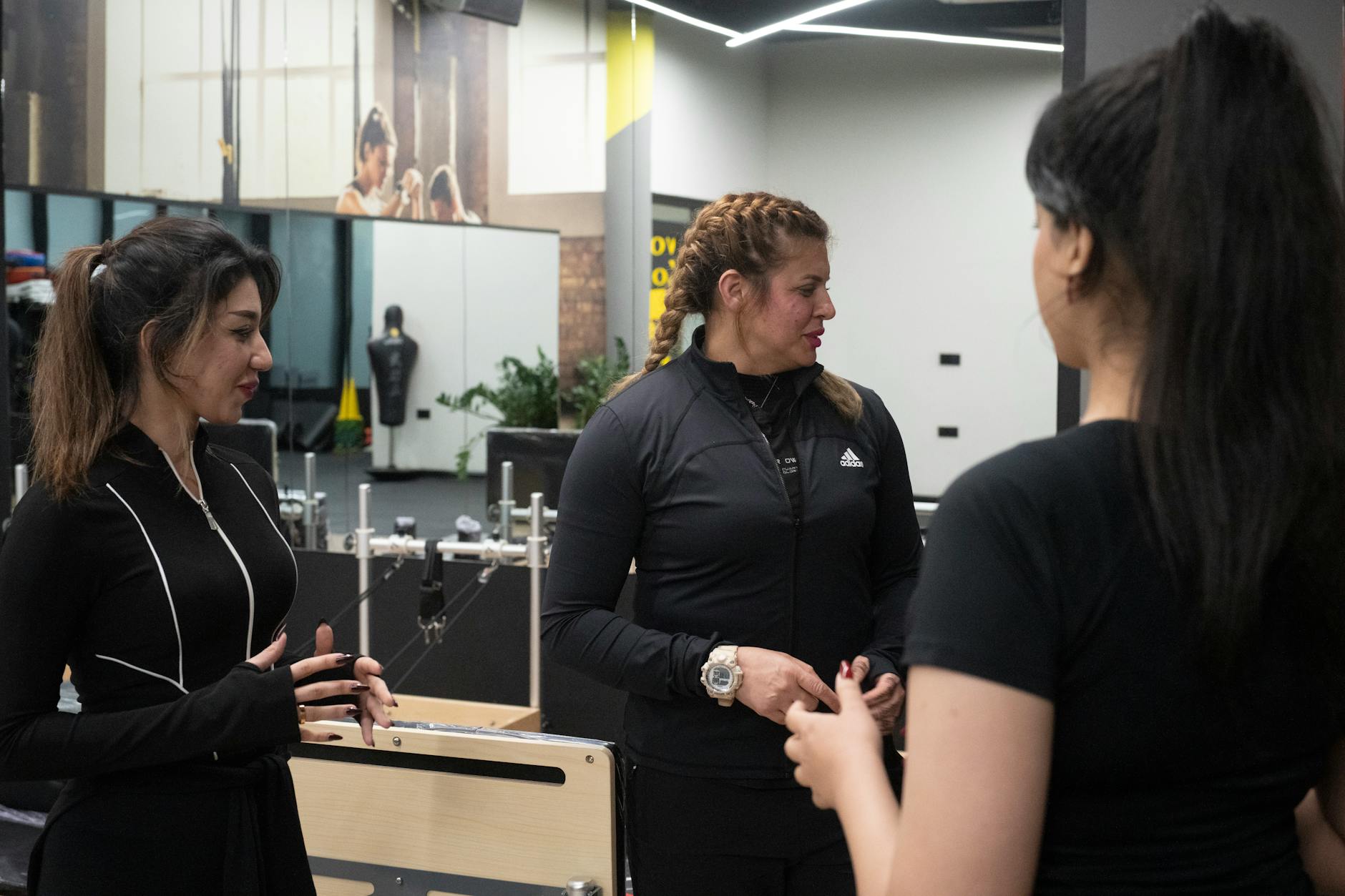
Disregarding the advice of a gym trainer on staff when it relates to safety or equipment use is a habit that carries real consequences. Staff trainers are positioned throughout the floor specifically to ensure members are using equipment correctly. Dismissing their input out of ego or impatience is something fitness professionals cite as both dangerous and counterproductive. Even experienced athletes can benefit from a second set of eyes on technique and movement patterns.
Breath Holding

Consistently holding your breath during resistance training is a dangerous habit that increases intrathoracic pressure and raises the risk of dizziness or fainting. Trainers emphasize a consistent breathing pattern of exhaling during exertion and inhaling during recovery as fundamental to safe lifting. This technique also improves endurance and helps maintain core stability throughout a set. Breath awareness is one of the first and most important cues that certified trainers address with new clients.
Peak Hour Stretching

Using a large portion of the open gym floor for extended stretching or mobility routines during peak hours limits available training space for other members. Trainers recommend scheduling flexibility work during quieter periods or using designated stretching zones where they exist. Stretching is an important component of any training program but spatial awareness should guide when and where it is performed. Brief cool-down stretches immediately after a workout are appropriate but lengthy floor routines during busy periods are best relocated.
Unsanctioned Spotting

Offering to spot someone without being asked or jumping in mid-lift uninvited can break concentration and create genuine physical danger. Spotting requires coordination and communication between both parties before the set begins. Trainers teach that a good spot starts with a clear conversation about expectations including hand placement and at what point to intervene. Well-intentioned but poorly timed assistance can disrupt a lift that was otherwise under control.
Volume Blasting
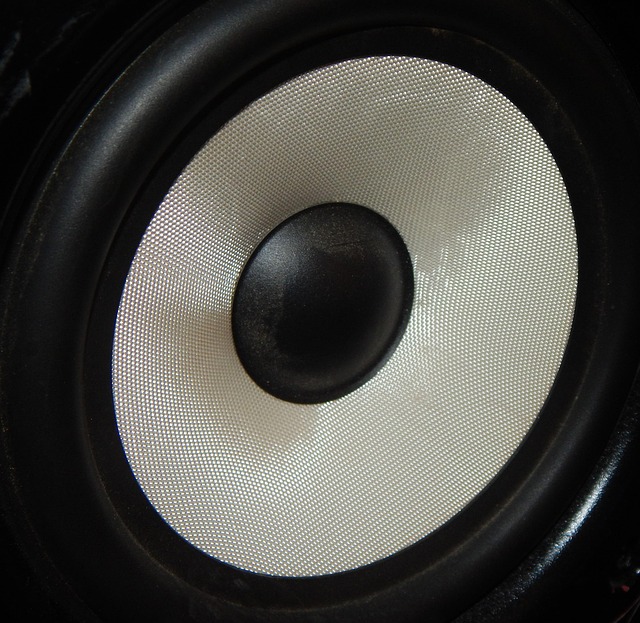
Playing music through a phone speaker rather than headphones forces your audio preferences on everyone within earshot. The gym already manages ambient sound through its own sound system and personal speakers add competing noise to that environment. Trainers note that this habit is especially disruptive in quieter training zones such as stretching areas or studio spaces. Headphones are an essential and courteous piece of gym equipment that every member should bring.
Locker Overstay

Occupying a locker for days or weeks at a time by leaving personal belongings stored indefinitely prevents other members from accessing available storage. Many gyms have explicit policies requiring members to clear lockers at the end of each visit. Trainers highlight this as a frequently enforced rule that newer members are sometimes unaware of until they receive a notice from staff. Day-use lockers are designed for single-session use and treating them as permanent personal storage is both inconsiderate and a policy violation.
If any of these habits hit close to home share your gym etiquette experiences and thoughts in the comments.




